Fall planting works best in most zones because the soil at 4 inches deep stays above 50°F. This warmth gets roots growing fast while the cooler air up top puts less stress on new leaves.
Spring is my backup plan once soil hits 50°F, which usually happens late April through May depending on where you live.
I use the Golden Window method to find my planting dates. I count back six weeks from my first hard freeze date. That gives me the perfect window to get plants in the ground.
Container-grown plants give me flexibility. I can plant them across different seasons and still get good results. Knowing your zone and soil temperature is what really matters for success.
Spring vs. Fall: Which Is Better for Your Zone?
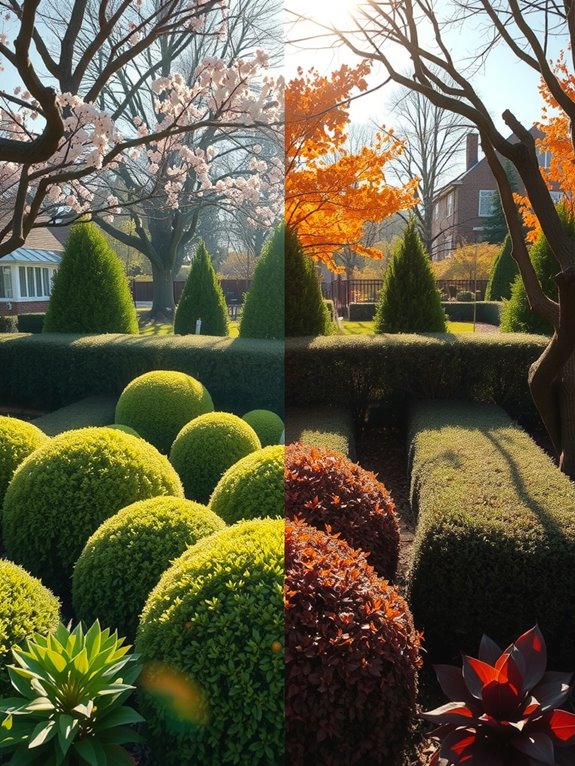
When should you actually dig that hole and get your shrubs in the ground? I’ve found that fall planting typically wins for most zones. The soil stays warm enough for root establishment while the cooler air reduces plant stress. Your shrubs can focus entirely on growing roots instead of fighting heat.
Fall planting typically wins for most zones—warm soil supports root establishment while cooler air reduces plant stress.
Spring works as a backup plan, especially in colder zones. I wait until soil reaches 50°F at 4 inches deep. Your new plants then get six weeks minimum before winter arrives.
The timing shifts based on where I live. Zones 3-4 demand spring patience. Zones 5-6 benefit from both seasons. Zones 7-8 strongly favor fall. Zones 9-10 allow year-round planting but prefer fall through early spring.
I recommend checking your specific zone’s first hard freeze date before choosing spring or fall. This date tells me when the coldest temperatures will hit my area, which helps me pick the right planting window.
Why Soil Temperature Matters More Than Air Temperature?
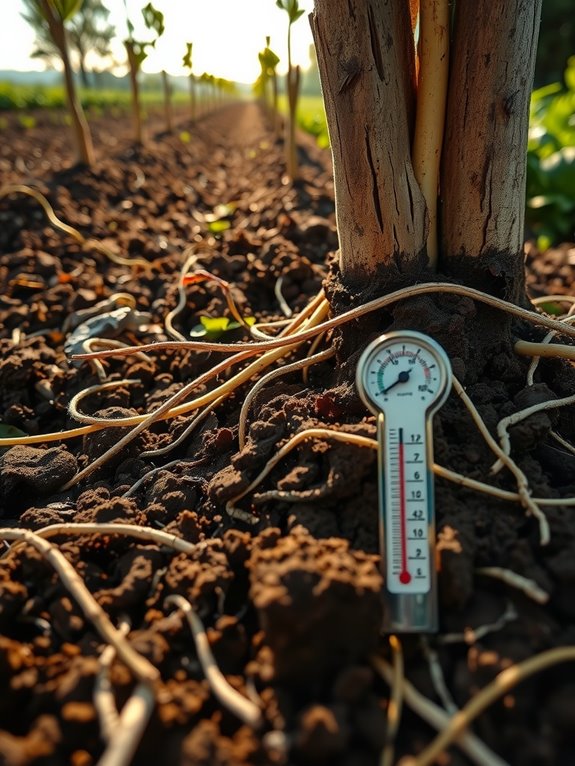
I’ve learned that air temperature can fool you. My thermometer might read 60°F outside, but my soil could still be a chilly 45°F where my shrub’s roots actually live. That’s the real temperature that matters for growing plants.
I grab a soil thermometer and check the temperature 4 inches deep in my planting bed. Roots don’t start growing until soil hits 50°F, so this measurement tells me when my new plants can actually take off. Checking the soil this way takes the guesswork out of planting timing.
Root Growth Temperature Thresholds
Why do we obsess over air temperature when soil temperature is what actually matters for planting? Your roots don’t care about warm air. They respond to soil warmth instead.
I need soil temperatures above 50°F (10°C) for active root growth to happen. That’s the threshold where transplant timing really clicks into place. To nail this, I grab a soil thermometer and check it at 4 inches deep. This gives me the real picture of what’s happening underground. I’m talking about actual conditions my roots will experience.
When soil stays consistently warm, my transplants establish faster and stronger. I see less transplant shock because the roots can do their job while shoots adjust gradually. That’s why I plan around soil temperature, not just crossing fingers about air conditions.
Measuring Soil Warmth Accurately
How’s your soil doing right now? I need to check what’s actually happening underground, not just what the thermometer on my porch says. Here’s the thing: soil temperature drives root growth, and I measure it at 4-inch depth for accuracy.
My soil thermometer becomes my best friend during planting season. I’m looking for readings above 50°F at that 4-inch depth. Air temperature can fool me because soil warms slower than the air above it.
Why does this matter for me?
- Soil temperature directly controls when roots start growing
- A warm forecast doesn’t mean my soil’s ready yet
- I use a soil thermometer instead of guessing
- 4-inch depth gives me the real story
- Warm soil means faster establishment for my plants
This simple check makes a real difference in my planting success.
The Golden Window: Counting Back From Your First Hard Freeze
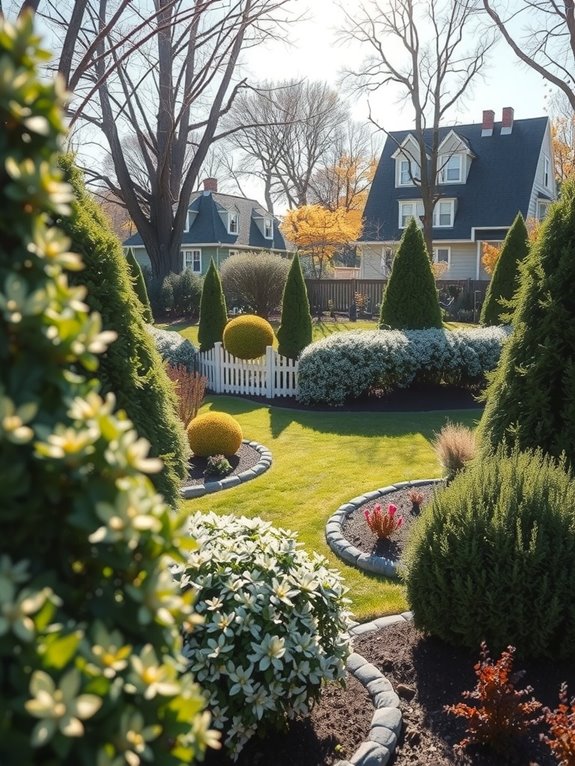
When’s the best time to plant your shrubs and bushes for winter success? I call it the Golden Window, and here’s how I find it. I look up my region’s average first hard freeze date online. Then I count backwards exactly six weeks. That’s my planting sweet spot.
I plant during this window because the timing really helps roots establish. Warm soil lets roots grow strong while cooler air reduces water stress on new shoots. This combination means my plants focus energy underground instead of putting it into topside growth.
I’ve discovered that aligning my planting schedule with the Golden Window gives me better survival rates. My shrubs wake up in spring stronger and faster than when I’ve planted at other times. They’re ready to grow when warm weather returns. Finding this window takes five minutes online and delivers solid results for my landscape.
Zone 3-4: When to Plant Shrubs and Trees
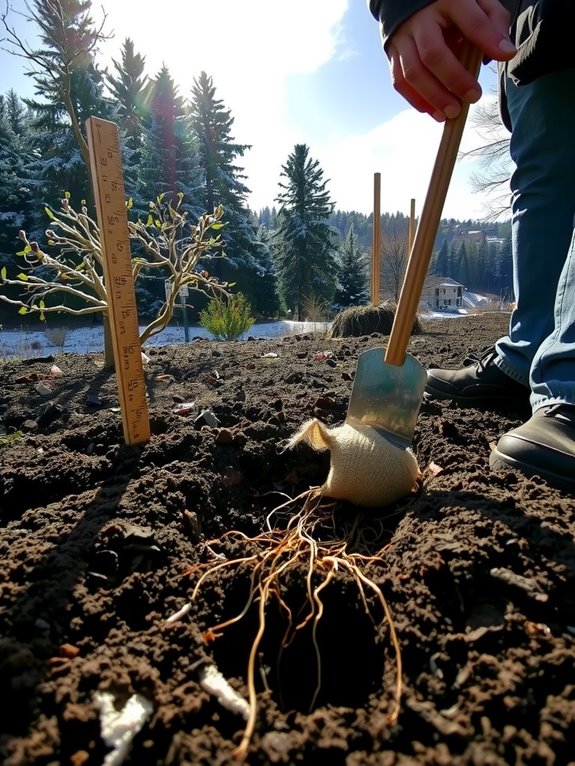
Planting shrubs and trees in Zones 3-4 needs some timing strategy. I’ve found it’s worth getting right because we’re working with a shorter growing season. When I hit the timing correctly, the roots establish much better.
Spring planting: I wait until the soil temperature reaches 50°F at 4 inches deep. That usually happens in late May to mid-June. I use a soil thermometer to check the actual temperature rather than just going by how warm the air feels.
Fall planting: I count back six weeks from my first hard freeze date. That’s the best window for planting in the fall.
Summer planting: I only do this with plants that come in containers. They need consistent watering throughout the summer since they’re already stressed from the transplant.
The key is prioritizing root growth over foliage. When I plant at the right time, I avoid the shock that comes from moving trees or shrubs in the middle of summer. Strong roots matter more than what’s happening above the soil line.
Zone 5-6: Leveraging Two Prime Planting Seasons
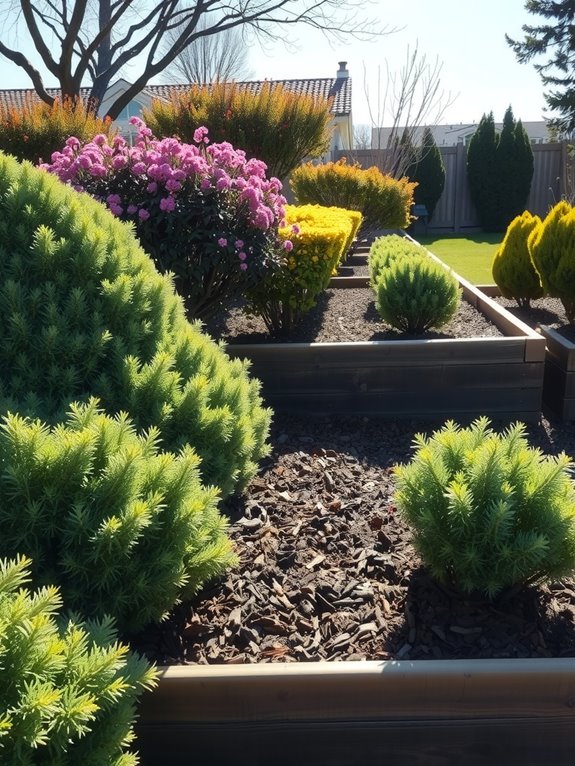
Fall planting really does work well in Zone 5-6. I’ve found that warm soil lets roots grow strong while cool air keeps the leafy top from getting stressed out. That’s the balance I’m looking for.
I plant about six weeks before my average first hard freeze. This gives the roots enough time to settle in before winter shows up. Spring planting works too if I wait from mid-April to May, once the frost risk passes and the soil warms up.
Summer planting needs more care. I stick with container stock and commit to extra watering and mulching because the heat and drought stress demand more from me. Fall and spring are my two prime seasons because they give shrubs and perennials a longer time to get established. Less transplant shock happens come spring when I use both seasons to my advantage.
Zone 7-8: Extended Planting From March to November
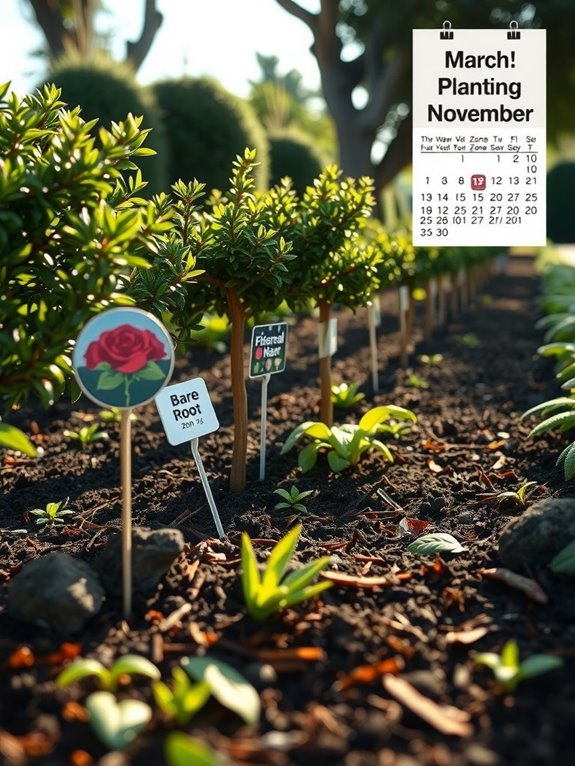
In Zone 7-8, I can plant shrubs from March through November. That’s a longer window than most gardeners get. Fall planting in October and November works best because the soil stays warm while cooler air reduces water stress on new plants. I can also plant in early spring or summer if I use container-grown shrubs and water them regularly. This means I can fit my landscape project into my schedule whenever it works for me.
Early Spring Deciduous Planting
When should you get your deciduous shrubs in the ground if you’re gardening in Zones 7–8? I recommend planting from March through April during this ideal early spring window. Here’s what I’ve found works best:
Soil temperatures between 40–45°F help roots grow before the summer heat kicks in. The cool weather and wet soil also reduce transplant shock, which is the stress plants experience when you move them to a new location. I get multiple weeks for roots to establish themselves before the shrubs start leafing out, or putting on visible new growth.
During this period, I work with what nature’s already doing. My shrubs develop strong root systems while I keep an eye out for any surprise cold snaps. The cool, moist conditions of early spring let the new canopy develop—that’s the leafy part above ground—at just the right time. By the time summer heat arrives, my shrubs are already established and ready to handle it.
Fall’s Optimal Root Season
While spring gets shrubs going pretty well, fall is actually better for zones 7–8. I’m talking about the perfect setup for roots to grow strong. From October through November, my soil stays warm enough to keep roots developing. At the same time, cooler air means less stress on new growth. My shrubs get six weeks or more to set down roots before the hard freeze arrives.
| Factor | Fall Advantage |
|---|---|
| Soil Temperature | Warm and stable |
| Root Growth | Continuous and robust |
| Air Stress | Minimal and favorable |
| Competition | Fewer spring weeds |
I plant in fall because my shrubs get ahead of the game. By spring, they’ll outcompete any weeds that show up. I’m building healthier, stronger landscapes by timing my planting right.
Summer Container Stock Care
Want to grow shrubs in containers from March all the way through November? I can make this work by giving my plants what they need during the hot months.
Here’s my approach:
- Water deeply and frequently to fight heat and evaporation stress
- Spread 2-3 inches of mulch around each plant to keep moisture in
- Give afternoon shade when temperatures peak in summer
- Use container-grown stock with established root systems
- Water on a consistent schedule instead of randomly
Summer container planting needs my attention. Containers dry out faster than garden soil, so I’m managing watering carefully. The 2-3 inches of mulch protects roots and cuts down on weeds. Container-grown shrubs already have developed roots, so they bounce back faster than bare-root plants and suffer less from transplant shock. I’ll succeed by sticking to regular watering and shade protection while my plants get settled in.
Zone 9-10: Year-Round Planting (With Summer Caution)
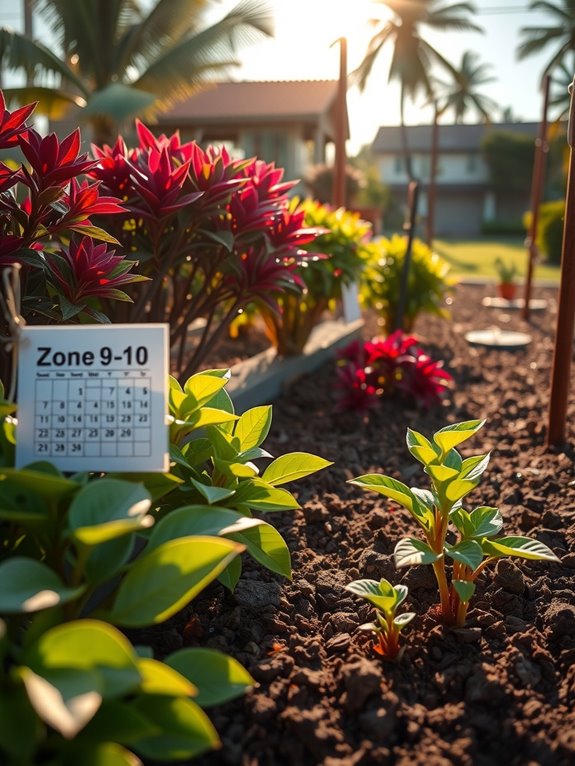
I get a real planting advantage in Zones 9-10 because my soil stays warm enough year-round for roots to establish. The tradeoff is that summer needs serious irrigation attention.
Fall through early spring are my best windows. The soil stays warm to support root growth while cooler air keeps plants from getting stressed. Summer planting works too if I use container stock, which handles heat better than bare-root plants. Winter planting is possible as long as my soil stays workable and I water consistently.
| Season | Best For | Key Focus |
|---|---|---|
| Fall–Spring | Most shrubs | Mild conditions |
| Summer | Palms, hibiscus | Summer irrigation |
| Winter | Hardy varieties | Maintain watering |
| Year-round | Container stock | Heat management |
I keep my plants healthy by applying 3 to 4 inches of mulch around each one. I water deeply but less often rather than sprinkling every day. This approach means I’m never truly out of planting season in my zone.
Dormant Plants: Natural Weed Suppressors
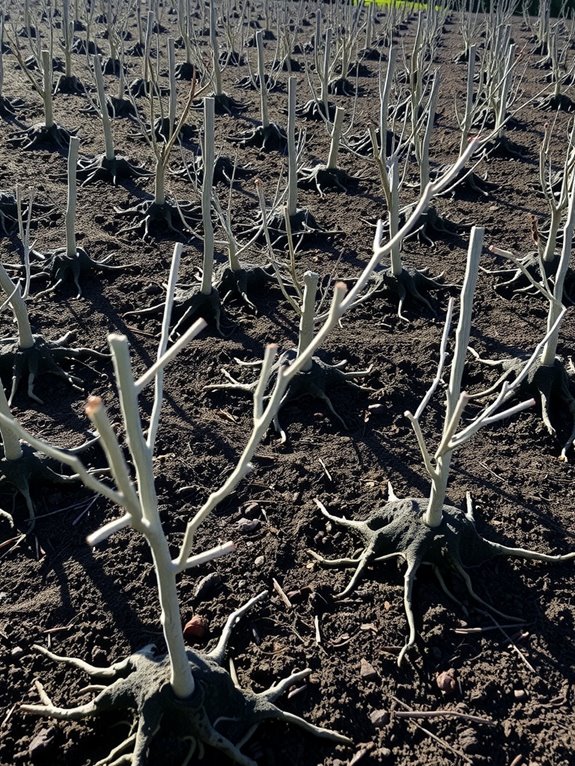
When I plant dormant shrubs in fall, I get a head start on weed control. The weeds haven’t sprouted yet for the season. My dormant plants settle in during winter while spring weeds are just beginning to compete. This gives my shrubs’ roots a chance to establish without fighting for nutrients and water.
The timing works in my favor. I spend less time weeding around my new plantings come spring because the shrubs get that head start. My roots develop stronger while weeds are still dormant. By the time spring arrives and weeds wake up, my shrubs are already established and better equipped to compete for resources.
Fall Planting Suppresses Weeds
One of the biggest advantages I get from fall planting is that weeds basically take a nap when I’m trying to establish my shrubs. I’m working with nature instead of against it by planting during this season.
Here’s what happens during fall planting:
- Weeds enter dormancy, which means they stop growing, as temperatures drop
- My newly planted shrubs develop root systems without competing for resources like water and nutrients
- Cooler fall soil moisture reduces water stress on young plants
- Weed pressure stays minimal through winter months
- By spring, my established root systems outcompete emerging weeds
This timing gives my shrubs a real head start. I’m not fighting constantly to keep weeds away from my new plants. Root establishment happens smoothly when weeds aren’t actively fighting for nutrients and space. That means less weeding work for me later in the year.
Dormancy Reduces Weed Competition
When I plant my shrubs during dormancy, both the plants and weeds are basically asleep. This means my new shrubs can focus their stored energy on growing roots deeper into the soil without weeds competing for nutrients and space. The roots spread through the dirt more easily because the weeds aren’t actively growing and taking resources.
Once spring arrives, my shrubs wake up with stronger root systems already established. They’re ready to grow while weeds are still getting started. By planting during this rest period, I’m giving my shrubs a head start that helps them handle the stress of summer heat better.
Spring Weeds vs. Fall Advantage
When I plant shrubs in fall, I’m giving them a head start against spring weeds. Here’s why it works.
Dormant shrubs develop extensive root systems underground while weeds stay inactive. By the time spring arrives, my plants are already established and stronger. They crowd out the weeds naturally. This means I do less weeding come summer.
The timing matters because soil stays warm enough in fall for root growth even as above-ground parts go dormant. My shrubs get their root systems built up during this period. When growth resumes in spring, my plants are competitive and ready.
This head start is the real advantage of fall planting. I’m not just helping my shrubs survive—I’m setting them up to suppress weeds on their own.
Container-Grown Stock: Why It Matters and What to Look For
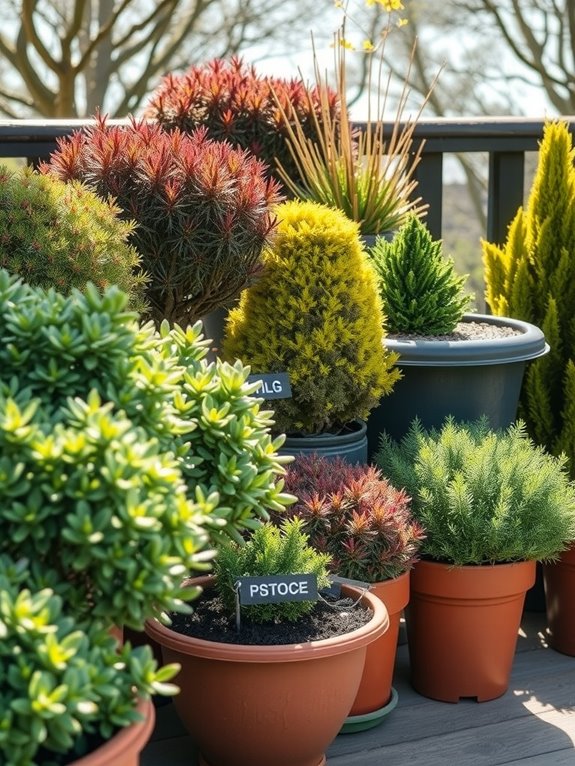
When I pick up a container-grown shrub from a nursery, I’m getting a plant that’s already established and ready to go. The roots are intact and actively growing in real soil. Since these roots haven’t been pruned or wrapped in burlap, they don’t need recovery time. That means transplant shock—the stress a plant goes through when moved—is minimal.
I like container-grown stock because I can plant during spring, summer, or fall without timing pressure. Ready-to-Plant options from Nature Hills ship directly to my door, so I can get them in the ground right away. Arborvitae varieties work well across different climate zones.
When I’m shopping, I look for healthy foliage and moist soil. I avoid root-bound plants, which means plants with roots circling around the container surface because they’ve run out of space. That’s a sign the plant has been sitting too long and won’t establish well.
Summer Planting: Managing Heat, Water, and Transplant Shock
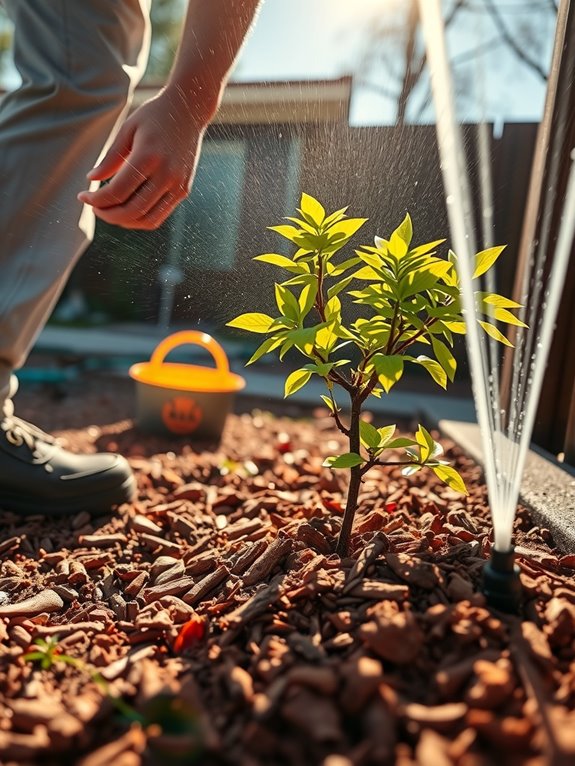
Summer planting’s a different beast than spring or fall work, and it demands real attention to keep your shrubs alive. We’re battling heat stress and transplant shock during the hottest months. July and August are our riskiest windows, so I avoid them when possible.
Summer planting demands real attention—heat stress and transplant shock make July and August risky windows to avoid.
When summer planting’s unavoidable, I focus on these specific strategies:
- Water deeply twice weekly to combat drought stress
- Apply 2-3 inches of mulch around the base to lock in soil moisture
- Plant during cool early morning or late evening hours
- Monitor soil constantly to prevent roots from drying out
- Provide shade protection during peak heat times, like using shade cloth from 10 a.m. to 4 p.m.
Container-grown stock helps me manage some risks. I keep irrigation consistent and soil evenly moist. The combination of consistent watering and mulch becomes my lifeline for successful establishment during the hot months.
Top Trees and Shrubs by Hardiness Zone
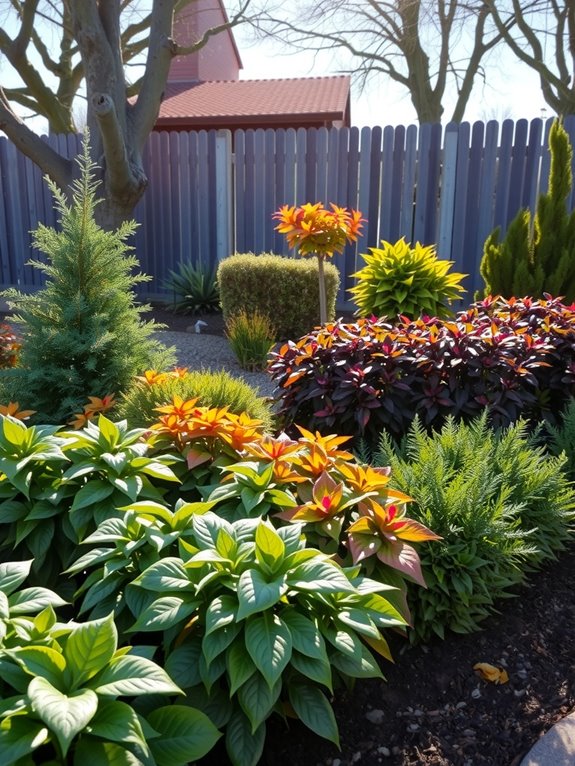
I’ve found that picking the right tree or shrub for your hardiness zone really matters. Your hardiness zone is a geographic area based on average minimum winter temperatures, and it tells you which plants can survive the cold in your region.
For cold climates in Zones 3-4, I’d go with Emerald Green Arborvitae. This evergreen grows well in harsh winters and keeps its color year-round. In the milder Zones 5-6, I like Green Giant Arborvitae and oak trees. They handle moderate temperatures without much fuss. For warm regions in Zones 7-8, Crape Myrtle and Magnolia are solid choices that thrive in heat.
The timing of planting matters too. I plant in early spring or fall when the soil is moist. These cooler seasons help trees develop strong roots before summer heat or winter cold arrives. Planting at the right time means your trees will settle in better and grow faster.
Cold Climate Champions
Success in cold climates comes down to timing and knowing your zone. I’ve found that fall planting gives me the best results because roots establish themselves before the hard freeze hits. In zones 3-4, I plant between September and November. Zones 5-6 benefit from fall planting too, though spring works after soil reaches 50°F at four inches deep.
Container-grown stock is what I rely on since it’s ready to go the moment it arrives. It handles transplant shock better than bare-root options. Transplant shock is when a plant struggles after being moved because its roots get damaged. Bare-root means the plant comes without soil around its roots, which can stress it out more during planting.
Here’s what I prioritize:
- Plant in fall to give roots a six-week window to establish before hard freezes hit
- Use container-grown stock to reduce transplant shock
- Check zone requirements before purchasing
- Wait for proper soil temperatures in spring before planting
- Space shrubs according to their mature sizes so they have room to grow
Temperate Zone Favorites
Picking the right shrub or tree for your zone really does matter. I’ve found that Zones 5-6 give me fantastic options to work with. Green Giant Arborvitae grows to 40-60 feet tall and creates fast privacy screens. Oak trees like Red, White, and Pin varieties do well in these zones too. I also like native shrubs such as Lilacs, Viburnums, and Weigelas because they bring color and handle the cold better.
Fall is when I plant these selections. They get time to establish roots before winter hits. Come spring, I notice stronger growth. If I use container-grown stock, I can extend my planting window quite a bit.
| Zone | Top Picks | Best Planting Time |
|---|---|---|
| 5-6 | Green Giant Arborvitae | Fall |
| 5-6 | Oak Trees | Fall |
| 5-6 | Lilacs & Viburnums | Fall |
Warm Region Selections
While temperate zones like 5-6 need fall planting to get ready for harsh winters, warm regions in Zones 7-10 work differently. I can actually plant during multiple seasons here. Fall planting gives me the best advantage because the soil stays warm while the air cools down. This combo helps roots establish fast.
I’ve got flexibility too, especially with container-grown stock that I can plant through summer if I water carefully. The key is avoiding summer heat stress by planting from fall through early spring. Container-grown plants handle summer planting better when I set up proper irrigation. Warm soil temperatures speed up how fast roots get established.
Palm trees and tropical plants do well when I plant them during warm seasons. I have year-round planting potential, but it requires careful timing. The extended planting windows I get in warm zones mean I can build my landscape strategically throughout the year.
Soil Prep Checklist
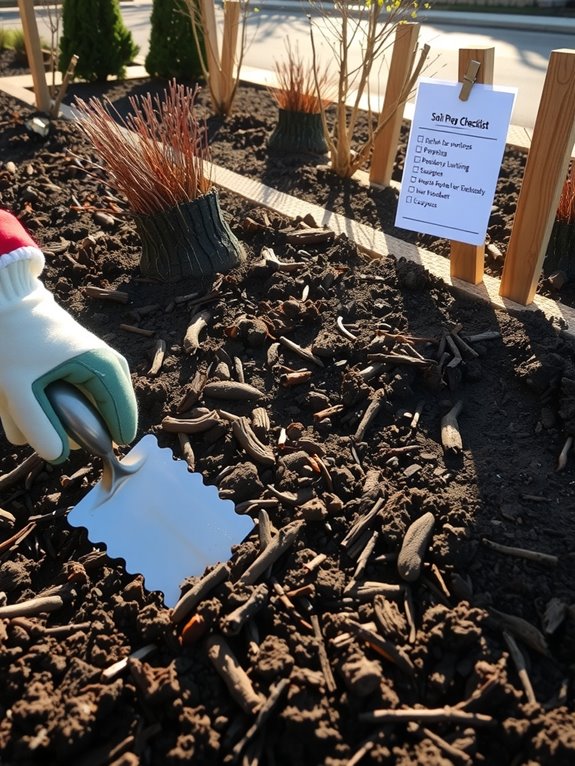
How’s your soil looking? Before you plant, I need to prep the ground properly. I’ll loosen the soil to twice the depth of my root ball. I break up any large clumps so roots can spread easily into the surrounding earth.
Next, I mix in 2–3 inches of organic matter like compost. This improves drainage and soil structure, which helps my shrubs thrive. I make sure my hole isn’t deeper than the root ball itself. The top should sit level with adjacent soil to prevent settling problems.
I don’t forget to remove any burlap, wires, or fasteners wrapping the root ball. These restrictions stop roots from spreading outward. I lightly amend subsoil only, avoiding dense “bowls” that trap water. I skip heavy fertilizer at planting time. My shrubs’ll establish better with this thoughtful soil preparation.
Best Practices for Selecting Quality Plants
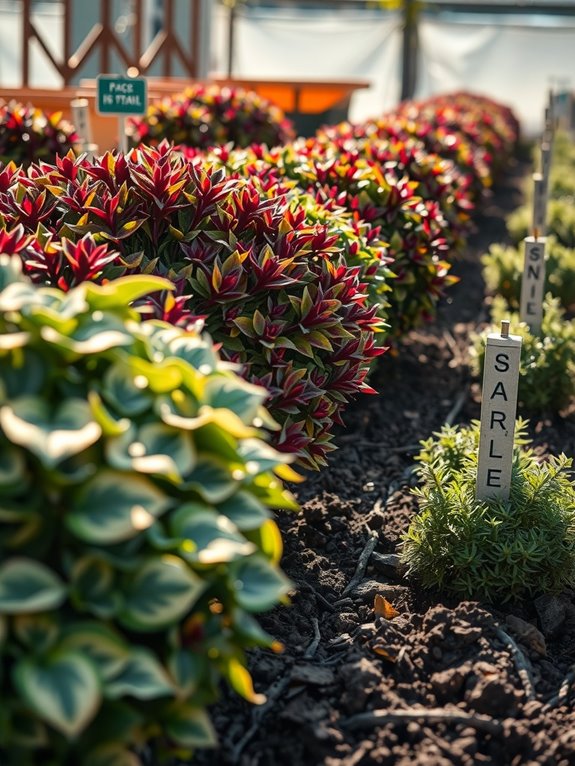
Picking the right plant matters when you want your shrubs to establish and grow well in your yard. I focus on container-grown stock because it has active roots ready to spread into the surrounding soil. This means less transplant shock for me compared to bare-root plants.
When I’m at the nursery, I look for these specific things:
- Container-grown plants with well-developed root systems
- Species from reputable sources like TN Nursery that match my growing zone
- Fall-planted stock when the soil is still warm but the air is cooling down
- Plants suited to my specific soil type and moisture level
I’ve found that shrubs establish better during their dormancy period, which is why fall planting works well for me. Container-grown plants also give me a head start because the roots aren’t disturbed during the move to my yard.
Avoiding Common Planting Mistakes
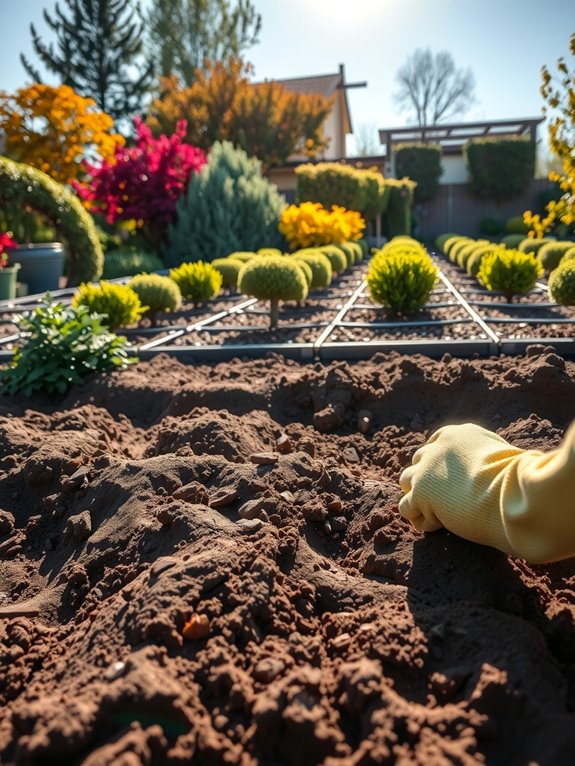
I’ve learned that timing’s everything when planting shrubs. Miss the right window and your plants’ll struggle before they even get started.
I avoid summer planting because July and August bring scorching heat and drought stress. My transplants need constant watering during those months, which isn’t practical. I also skip deep winter since frozen ground won’t let me dig and roots can’t establish properly in cold soil.
Instead, I focus on spring and fall. These seasons give me the best conditions for planting. Before I dig, I check that the soil is workable and warm. I won’t plant in frozen or muddy ground because roots need good contact with the soil to grow. During spring and fall, I pay close attention to moisture. The cooler temperatures mean less water loss, so my new shrubs have a better chance to develop their root systems.
I watch the weather and soil conditions carefully. If the ground feels soggy or hard as concrete, I wait. When the soil crumbles in my hand and feels moist but not wet, that’s when I’m ready to plant. Good timing combined with proper watering sets my shrubs up for success.