I’ve got several solid options for lining my raised beds. Landscape fabric breathes while blocking weeds, and I can find it at most garden centers in 3-foot to 4-foot widths.
Cardboard and newspaper decompose over time and cost me almost nothing since I can use boxes from deliveries and old papers from recycling.
Hardware cloth stops moles and gophers cold, though I need to dig it about 6 inches down into the soil.
Food-grade plastic shields my roots from contaminated soil below.
I can combine fabric with hardware cloth for extra protection.
The right choice depends on my specific problem—whether I’m dealing with pests, weeds, budget limits, or contamination risk.
Each material tackles a different challenge, and picking the best one starts with understanding what I’m actually facing in my garden.
Landscape Fabric: The Breathable Weed Barrier
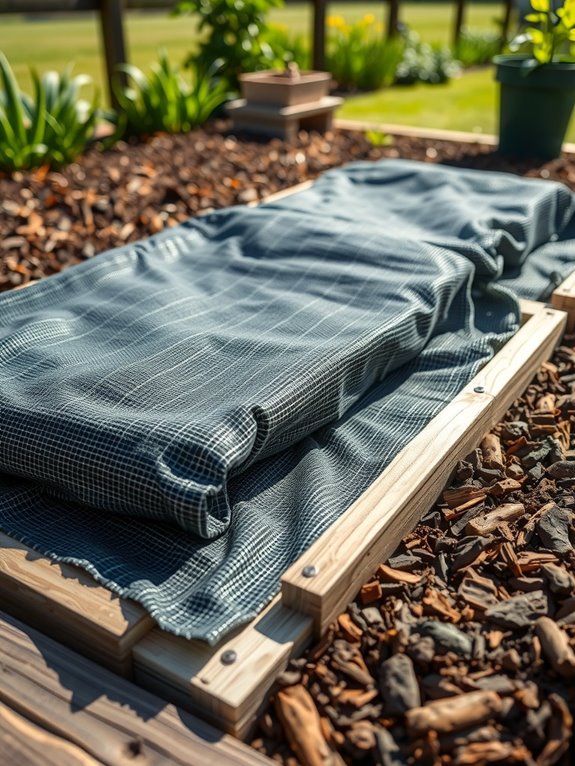
When I’m lining a raised garden bed, landscape fabric is one of my best options for keeping weeds down. This breathable weed barrier lets water and nutrients flow through to plant roots while blocking unwanted weeds from sprouting. I appreciate how it reduces soil evaporation, which means my plants need less watering during hot months.
The fabric works well as a raised bed lining because it won’t trap moisture or suffocate soil biology—that’s the network of living organisms in the soil that help plants grow. When I choose landscape fabric, I pick thinner versions that won’t obstruct deep root systems. For extra weed control with pest prevention, I sometimes layer hardware cloth (a metal mesh with small square openings) underneath for rodent protection.
The result gives me fewer weeds to pull and healthier soil drainage overall.
Cardboard and Newspaper: Affordable and Biodegradable

If you want to save money on lining for your raised bed, cardboard and newspaper are your cheapest options. I like using cardboard because it kills weeds and grass underneath while it breaks down over time. As it decomposes, it feeds the organisms in your soil and makes your garden healthier.
Newspaper works the same way as a weed barrier when I layer 4–5 sheets together. Paper grocery bags without ink also work well if I need quick and cheap weed control.
Here’s the catch: I have to use untreated cardboard that has no paint or pesticide-based inks on it. This stops bad chemicals from getting into my soil. The downside is that both materials don’t last long. I’ll need to replace them as they break down, but since they’re cheap, I can do this every year without spending much.
Hardware Cloth: Stop Burrowing Pests
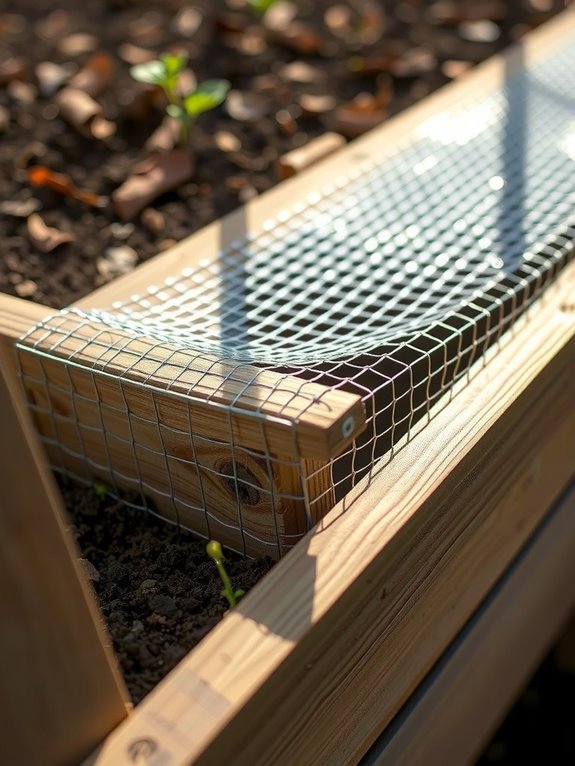
If you want to keep gophers and moles out of your raised bed, I’d lay hardware cloth on the bottom before filling it with soil. Hardware cloth is a wire mesh barrier that stops burrowing pests from getting in. I’d use stainless steel cloth and staple it to your bed frame, making sure it fits snugly with no gaps where pests could squeeze through.
The nice part about hardware cloth is that it lets earthworms pass through for healthy soil aeration. Earthworms tunnel through the mesh and help break down organic material in your soil. The stainless steel won’t rust or leach chemicals into your bed, so I’d expect it to last for years without needing replacement.
Blocking Underground Rodent Access
How’d you like to stop gophers and rats from tunneling up through your garden bed? I can install hardware cloth or gopher mesh as a liner underneath your raised bed to block these pests from getting in.
Here’s what I do. I staple wide-mesh stainless steel cloth to the bottom of the bed frame. This barrier stops burrowing pests while letting earthworms through so they can aerate your soil. The mesh also prevents soil from pushing up from below and protects your plant roots for years.
I’ll use stainless steel instead of cheaper options because it resists rust much better. When I’m stapling the barrier down, I make sure to keep drainage holes clear so water moves freely through the soil. I space the staples close enough that the barrier doesn’t shift as the soil settles over time, and this keeps your protection solid and stable.
Installation And Proper Placement
When you’re ready to install hardware cloth, start by measuring your raised bed’s bottom dimensions so you cut the mesh to fit snugly with no gaps for rodents to squeeze through. I use a tape measure to get precise measurements, then cut the hardware cloth with wire cutters.
Next, I secure it using staples spaced every 6 inches around the bed perimeter. I use a staple gun loaded with standard staples to fasten the mesh down. After stapling, I do a visual inspection to check for any gaps where pests could get in.
| Installation Step | Material Needed | Why It Matters |
|---|---|---|
| Measure bed bottom | Tape measure | Gets the right dimensions |
| Cut hardware cloth | Wire cutters | Prevents pest entry |
| Staple every 6 inches | Staple gun, staples | Keeps mesh secure |
| Check for gaps | Visual inspection | Confirms pest protection |
For the best results, I go with stainless steel hardware cloth since it lasts the longest. I also leave small spaces between mesh sections to let water drain freely beneath your garden. This setup stops gophers and rats from tunneling up while still letting earthworms through for drainage and soil aeration.
Durability And Material Selection
Once I install and secure my hardware cloth, I need to pick the right type. I go for stainless steel because it won’t rust or leach chemicals into my soil over time. That corrosion resistance matters when I want my barrier to last.
I pick a mesh size that blocks gophers and moles but lets earthworms and plant roots pass through. A 1/2-inch mesh works well for this balance. Untreated stainless steel gives me the longevity I need without blocking water drainage through the bed.
When I staple the hardware cloth securely to my bed frame, I’m creating a barrier that holds up for years. I space my staples about 6 inches apart around the perimeter. This raised bed investment pays off when my vegetables stay protected from underground pests.
Food-Grade Plastic Liners: Protect From Contaminated Soil
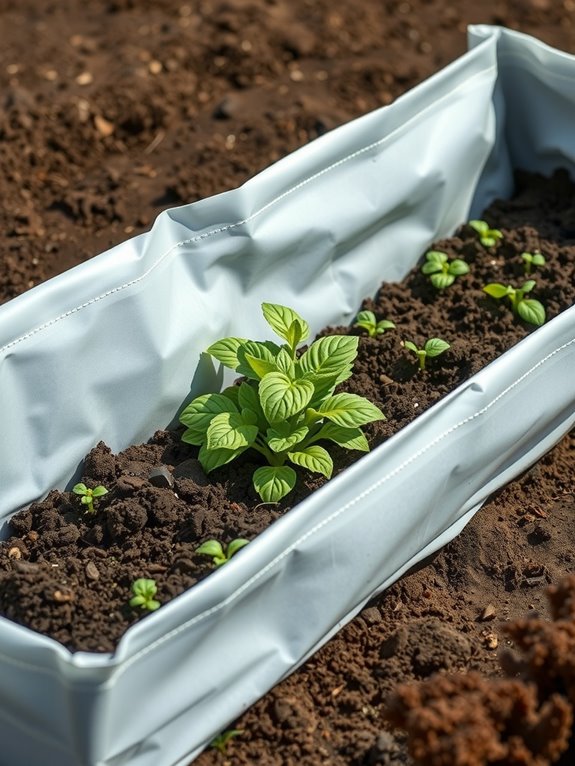
If I’m building a raised bed over soil that has toxins or heavy metals in it, I can use a food-grade plastic liner to solve the problem. I install the liner as a barrier between my raised garden bed and the contaminated ground below. The plastic keeps toxins from getting into my plant roots.
I drill drainage holes throughout the liner so water doesn’t pool up and make the soil soggy. I also use lighter soil mixes to help water move through easily. Think of the liner like a container—it needs good drainage so roots can grow down into the soil I add on top.
I position the food-grade plastic carefully across the bottom and up the sides of the bed. This lining lets me grow vegetables safely without worrying about toxins seeping into my plants from the soil underneath. The plastic barrier gives me peace of mind when I’m gardening on questionable ground.
Combine Fabric and Hardware Cloth for Double Protection
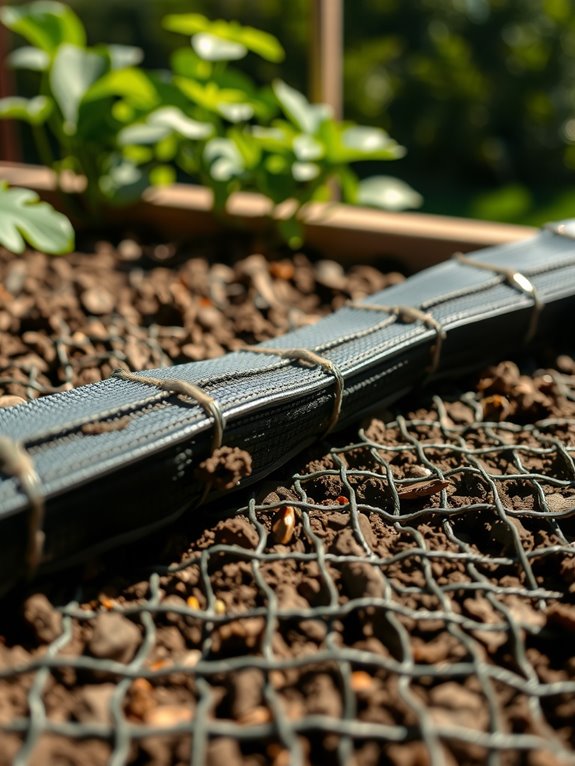
While plastic liners work great for blocking toxins from below, I’ve found that combining two simpler materials gives me better long-term results. I layer a fabric liner with hardware cloth for serious pest prevention and weed suppression in my raised bed.
Here’s my setup:
- Staple stainless steel hardware cloth to the bed frame as your bottom barrier
- Place porous fabric liner beneath it for weed suppression and drainage
- Cut strategic holes in the fabric to prevent waterlogging
- Leave soil contact with roots above the barrier
This combination blocks burrowing animals and weeds while letting earthworms pass through for soil aeration. The hardware cloth protects against rodents. The fabric liner handles weed prevention. Together they create a soil protection system that lasts for years without deterioration or safety concerns from cheaper metals.
When You Don’t Need a Liner (and When You Do)
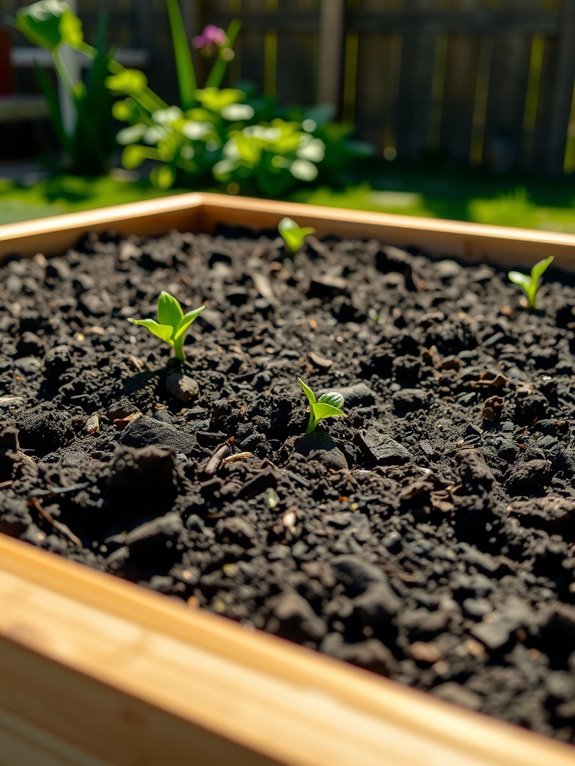
Do you really need to line the bottom of your raised bed? Honestly, it depends on what you’re dealing with.
I can skip the liner entirely if I have non-pressure-treated wood and good drainage. Open bottoms work fine when I’m not worried about pests like gophers or moles. I also don’t need a liner if my underlying soil isn’t contaminated and my wall panels handle moisture well.
I should add a liner when burrowing pests are a real problem or when I want to block weeds from below. For pest protection, I’d use hardware cloth, which is a metal mesh with small openings. For drainage combined with weed control, landscape fabric works better. Landscape fabric is a thin, permeable material that lets water through while stopping weeds.
My local climate and soil conditions matter here. Cold, wet areas might need better drainage. Areas with lots of pests definitely need protection. I’ll pick the right solution based on what my raised bed actually needs.
Choosing Your Liner by Use Case: A Quick Decision Guide
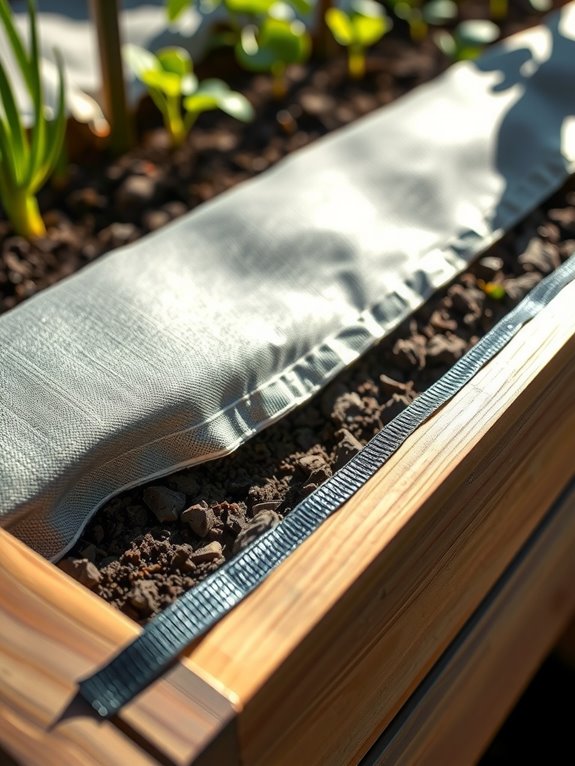
So what’s the best liner for your specific situation? I’ll match materials to what you’re actually dealing with. Here’s how I think through it:
Pest problems? I use hardware cloth or gopher mesh. I staple it to the bottom of the bed. It blocks burrowing critters like moles and gophers while letting earthworms through. Earthworms are good because they aerate the soil and break down organic matter.
Weeds everywhere? I pick a permeable fabric liner. It suppresses weeds and lets water drain through. Plastic liners trap water and create soggy soil, so I skip those for weed control.
Budget tight? I layer cardboard or newspaper instead. I stack it 4 to 6 sheets thick across the bottom. It smothers weeds and breaks down into soil over a few months, adding organic matter as it decays.
Contaminated soil below? I elevate the bed on hardware cloth or line it with food-safe heavy-duty plastic. This keeps plant roots from touching contaminated soil underneath.
I pick based on what I’m actually fighting. Each choice solves a real problem I’m facing.