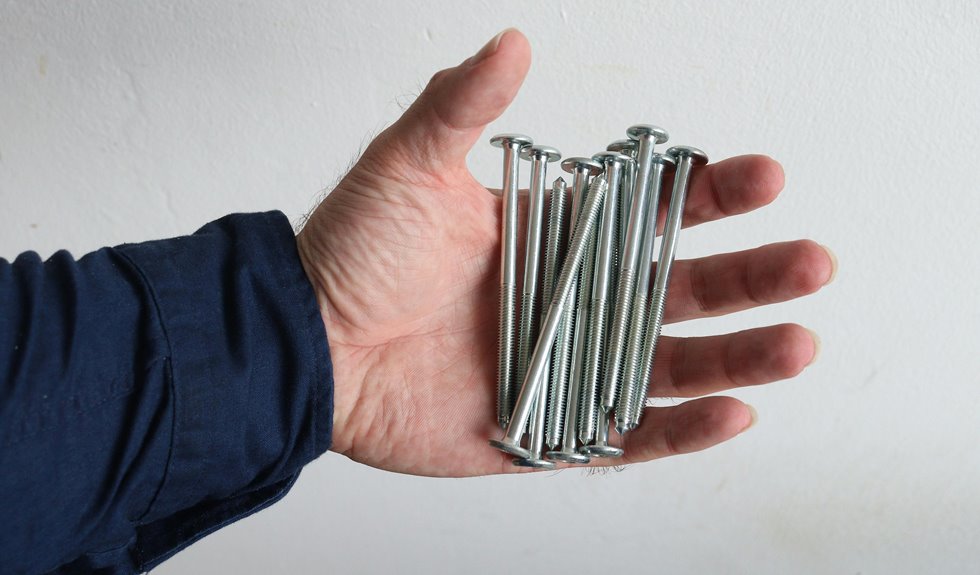
For picket-to-rail connections, I use 1-1/4 inch to 1-3/4 inch screws. I drive them two-thirds deep into the receiving wood.
Rails-to-posts need longer 3-1/2 inch to 4 inch screws because they need extra grip.
Before I drive any screws, I pre-drill pilot holes. I make them 1/16 to 1/8 inch smaller than my screw size. This step prevents the wood from splitting, especially near the edges. I drive my screws flush with the surface without over-tightening them.
I choose galvanized or stainless steel coatings based on my wood type and climate. Galvanized screws work well for most softwoods and standard climates. Stainless steel screws are better if I’m using cedar or redwood, or if I live in a coastal area with salt air. Getting these details right keeps my fence durable and strong for years ahead.
Why Screws Outperform Nails for Fence Pickets
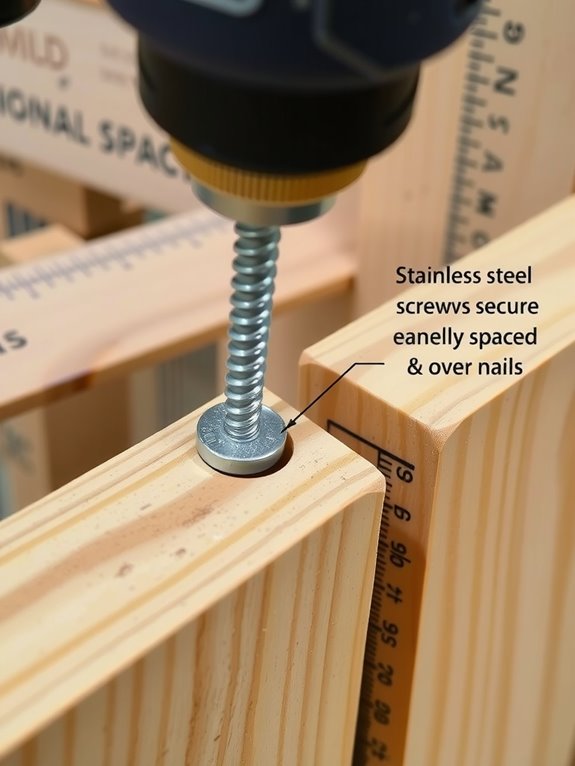
I prefer screws over nails when I build fences. Screws grip wood much stronger than nails do. They resist loosening from wind, moisture swings, and temperature changes. Nails tend to wobble and work their way out over time, but coated screws stay put year after year.
I also like how easy screws make repairs. I can remove individual boards without damaging the pickets next to them. With nails, I often bend them or split the wood when I try to pull them out.
When I use coated screws for outdoor projects, I avoid the rust and staining that happens with unprotected fasteners. The coating protects the metal from moisture and weather.
I pay attention to how deep I drive the screws. I aim for two-thirds penetration into the receiving rail. That means if my rail is three inches thick, I drive the screw about two inches deep. This depth gives me the maximum holding power I need.
What Size Screws Do You Actually Need?
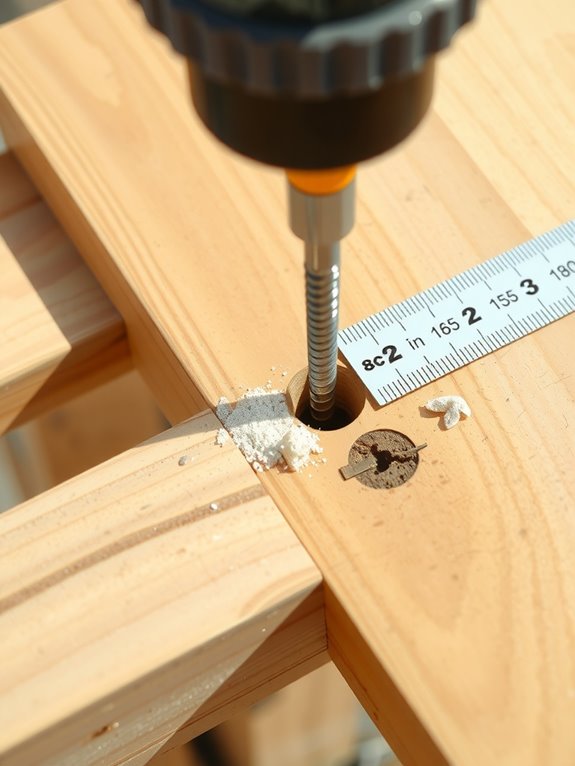
Now that you know screws work better than nails, you need to pick the right size for your job. When I’m attaching pickets to backer rails, I use wood screws in the 1-1/4 inch to 1-3/4 inch range. For securing rails to wooden posts, I need longer screws—between 3.5 inches and 4 inches. If I’m working with pressure-treated lumber, I go slightly longer.
I typically use #8 or #9 gauge screws for most fencing projects. Heavier panels need #10 gauge, and gates demand #12–#14 gauge for maximum strength. The key is making sure the screw penetrates at least halfway into the receiving wood when I’m fastening pickets to rails.
I always grab exterior-coated screws in galvanized, stainless, or polymer-coated varieties. These resist rust and keep my fence looking solid for years.
Self-Drilling Screws: Speed Without Pre-Drilling
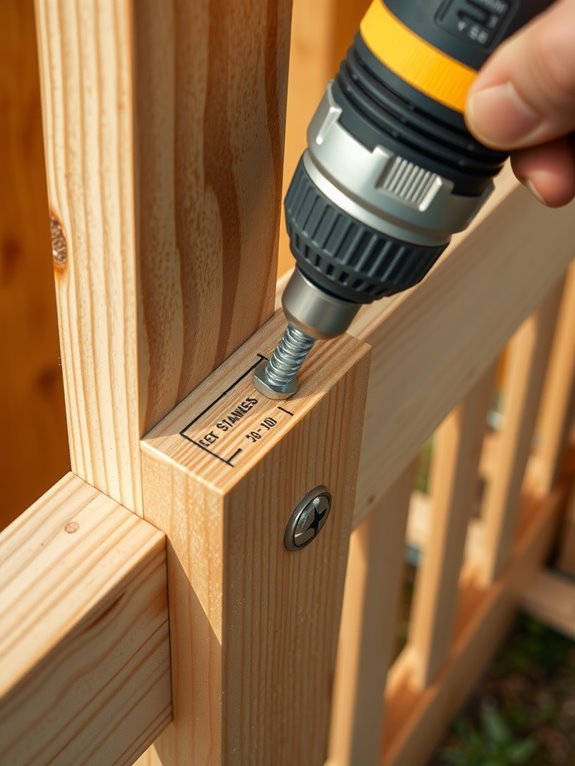
Self-drilling screws have a built-in drill tip that cuts through wood as you drive them in, so I skip the pre-drilling step. They work really well for hardwoods like cedar or redwood because they create a clean hole and prevent splitting.
I need to pick the right finish for my wood type. Galvanized screws work great for standard lumber, while stainless steel protects cedar and redwood from tannin staining (that’s the discoloration that happens when moisture hits the wood’s natural oils).
Built-In Drill Tip Advantages
How much time could you save by skipping the pre-drilling step? I’m talking about real hours when I’m fastening dozens of pickets. Self-drilling screws have a built-in drill tip that pierces wood without any prep work. I just line up the screw and drive it in. This cuts my installation time because I’m eliminating one complete step from my process.
The drill tip also prevents wood splitting, which matters when I’m working with hardwoods. A protective coating on self-drilling screws resists rust in outdoor environments. Galvanized or coated finishes keep my fence looking good for years. I’m getting speed and durability combined in one fastener. For fence pickets, that’s the difference between a weekend project and a grueling marathon.
Wood Splitting Prevention Benefits
The drill tip on self-drilling screws does more than save setup time. It stops your wood from cracking near the picket edges. When I use these screws with the right drive pressure, the drill tip acts like a tiny saw. It carves a path through the wood that reduces resistance and splitting risk.
| Wood Type | Screw Coating | Penetration Depth | Benefit |
|---|---|---|---|
| Cedar | Stainless steel | 2/3 into wood | Resists tannin staining |
| Redwood | Coated finish | 2/3 into wood | Prevents corrosion |
| Hardwood | Standard coated | 2/3 into wood | Reduces splitting |
| Softwood | Galvanized | 2/3 into wood | Maintains holding power |
I’m not just fastening pickets together. I’m building a fence that’ll last for years without me having to replace split boards.
Finish Options For Protection
Why does the screw’s coating matter as much as the screw itself? I’ve learned that self-drilling screws speed up installation. Now I protect my investment with the right finish.
Galvanized or coated finishes shield self-drilling screws from rust. I’m installing these outdoors where moisture and weather happen. Without protective coatings, my screws corrode and weaken over time.
Color-matched powder coatings do double duty. They help my screws blend seamlessly with my fence boards. This finish resists chipping and wear better than bare metal.
I recommend choosing galvanized options for most fence projects. They’re affordable and durable. For a polished look that lasts, I pick powder-coated self-drilling screws matching my fence color. This keeps my fence looking sharp for years.
Stainless Steel or Galvanized? Pick the Right Coating for Your Wood
When I’m picking screws for my fence pickets, I’ve got two main options: stainless steel and galvanized coatings. Each one has different strengths depending on where I’m building.
Stainless steel screws resist rust and corrosion better than galvanized ones. I’d pick stainless steel if I’m building near the coast where salt air causes problems. I’d also use them with cedar and redwood because these woods have natural tannins (compounds that can stain metal). If rust protection is my top priority and I’m working with pressure-treated lumber, galvanized screws are my budget-friendly pick. They cost less and work great for this type of wood.
Stainless Steel Benefits
Stainless steel screws work really well for fence projects. I’d especially pick them if I’m using good wood like cedar or redwood.
Here’s what I like about them:
- They don’t rust or corrode over years
- They won’t leave staining streaks on your wood
- They keep your fence looking better longer
- They handle humid or coastal areas without problems
I use stainless steel because it doesn’t react with the natural tannins (that’s the stuff that gives quality wood its color) in cedar and redwood. That means no ugly discoloration around where the screws go. They cost more upfront than galvanized screws. But they last longer, especially if you’re near saltwater or in wet climates. I can even pair them with polymer coatings if I want extra protection.
Galvanized Coating Comparison
How do you know which coating actually protects your fence better? I’ve found that galvanized coating offers solid rust resistance when paired with pressure-treated lumber. I choose it for budget-conscious projects because it costs less than stainless steel options.
Galvanized fence screws work great on untreated wood too. They prevent rust and staining over time, which keeps your fence looking decent for years. Galvanized coating is a zinc layer applied to metal. It stops oxygen and moisture from reaching the steel underneath, which is what causes rust.
I typically choose galvanized when I’m building outdoor projects that won’t face harsh coastal conditions. If your area stays dry most of the time, galvanized delivers solid protection at a reasonable cost.
Stainless steel outperforms galvanized in humid or salty environments. For standard residential fences though, galvanized coating handles the job reliably.
Screws for Cedar, Pressure-Treated, and Untreated Fences
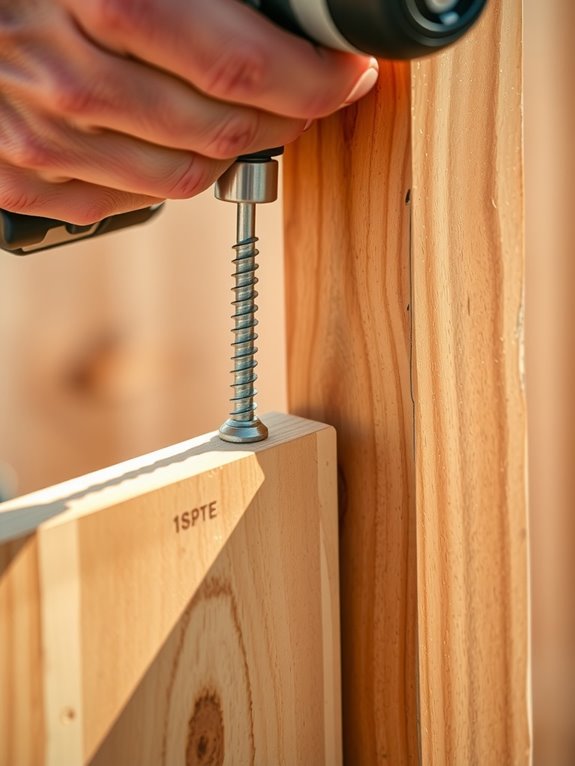
The type of wood I’m using for my fence pickets determines which screws will hold up best over time. I need to match my fasteners to my wood choice for maximum corrosion resistance and durability.
Cedar fences require stainless steel or polymer-coated screws to prevent tannin staining and rust streaks. Pressure-treated fences need hot-dipped galvanized or stainless steel coated fasteners to combat preservative-induced corrosion. Untreated wood fences work well with zinc-plated or galvanized fasteners since there’s no reactive treatment in the wood.
Climate and moisture exposure guide my coating choice for long-lasting protection. I’m making smart choices when I select coated fasteners that match my specific wood type. This approach saves me from replacement headaches down the road.
How Deep Should Your Screws Go? The Two-Thirds Rule Explained
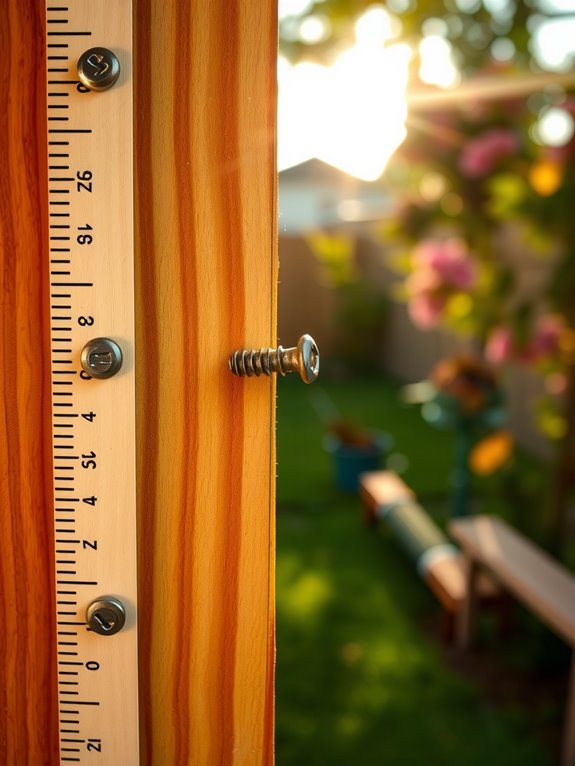
I’ve found that the two-thirds rule works really well when I’m fastening pickets to backer rails or attaching rails to posts. What this means is your screw needs to go at least two-thirds of the way through the receiving wood (that’s the piece you’re screwing into). When the screw goes in that deep, it grips tight and holds up against pulling forces from wind and wood shrinkage.
For picket-to-rail connections, I use 1-1/4 inch to 1-3/4 inch screws. When I’m anchoring rails directly into posts, I step up to 3-1/2 inch to 4 inch screws to get that deeper bite into the wood.
Penetration Depth Requirements
Getting your screws deep enough into the wood matters just as much as picking the right size. I’m going to walk you through something called the two-thirds rule. This rule keeps your fence pickets locked in place and stable.
The two-thirds rule means your screw needs to go at least two-thirds of the way through the wood you’re fastening into. Here’s what that looks like for different parts of your fence:
For picket-to-rail connections, I use 1-1/4 inch to 1-3/4 inch screws. When I’m mounting rails to posts, I step up to 3.5 to 4 inch screws. Pressure-treated lumber (wood that’s been chemically treated to resist rot and insects) needs slightly longer screws because this type of wood shrinks as it dries out over time.
Why do I follow this rule? Wood expands when it gets wet or humid and contracts when it dries. A screw that penetrates two-thirds of the way through the receiving wood stays gripped tight as these changes happen. I also do regular checks to keep screw heads flush with the surface. This simple approach keeps your fence solid year after year.
Maximizing Wood Grip Strength
Driving your screws to the right depth makes the difference between a fence that holds up and one that falls apart after a year or two. I follow the two-thirds rule to lock pickets securely to backer rails. That means I drive the screw so two-thirds of its length goes into the wood and one-third stays above it.
I use coated screws in the 1-1/4 inch to 1-3/4 inch range for proper penetration. For heavier woods or thicker rails, I pick the longer screws. This gets me better grip strength without splitting the material.
I avoid over-tightening because it strips screw heads and crushes the wood fibers around the screw. I also pre-drill near edges to prevent splitting. These steps keep my screws at the right depth every time and my fence solid for years.
Avoid These Mistakes While Installing
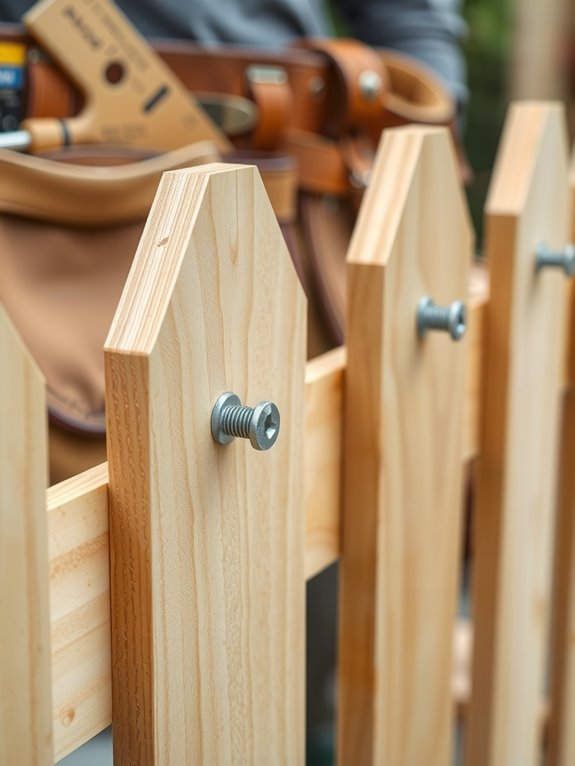
While you’re excited to get those pickets up, skipping a few key steps can turn your project into a frustrating experience. I’ve learned these mistakes the hard way, and I want you to avoid them.
Common installation problems:
- Skipping pre-drill holes near picket edges causes wood to split and crack
- Using screws that don’t penetrate two-thirds into backer rails weakens your structure
- Over-tightening fasteners strips screw heads and creates uneven tension
- Ignoring spacing consistency makes your fence look crooked and unprofessional
How I prevent these issues:
I take my time with every step. I pre-drill every hole before driving screws. I use 1-1/4 to 1-3/4 inch screws rated for outdoor use. These screws are made to handle moisture and won’t rust or corrode over time.
I check my spacing frequently as I work. I measure between pickets to keep them even. A fence with consistent spacing looks intentional and professional.
I tighten my fasteners firmly but not aggressively. Over-tightening strips the screw head and makes the picket sit unevenly against the rail. A snug connection is all you need.
Following these steps means your fence will last decades. Cutting corners leads to repairs and replacement work next season.
Step 1: Gathering Tools and Materials Before Installation
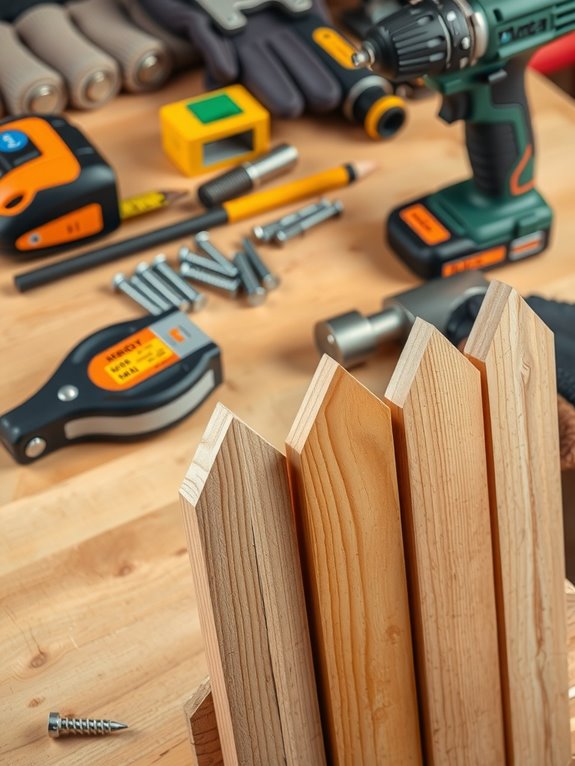
Have you ever started a project only to realize halfway through that you’re missing something essential? I’ve learned that gathering everything upfront makes fence installation smooth and satisfying.
Gathering materials upfront transforms fence installation from frustrating to smooth and satisfying.
For attaching pickets to backer rails, I grab exterior-grade deck screws in 1-1/4″ to 1-3/4″ lengths. I pick galvanized, stainless, or polymer-coated screws that match my climate and wood type. They’ll resist rust throughout installation and beyond. I make sure my screws penetrate at least two-thirds into the receiving wood.
I also need a power drill and a level to keep everything straight and aligned. A countersink bit is essential too. This tool creates pilot holes—small openings that prevent wood from splitting when I drive screws near picket edges.
Having these materials ready before I start makes the whole process organized and manageable.
Step 2: Pre-Drilling Pilot Holes to Prevent Splitting
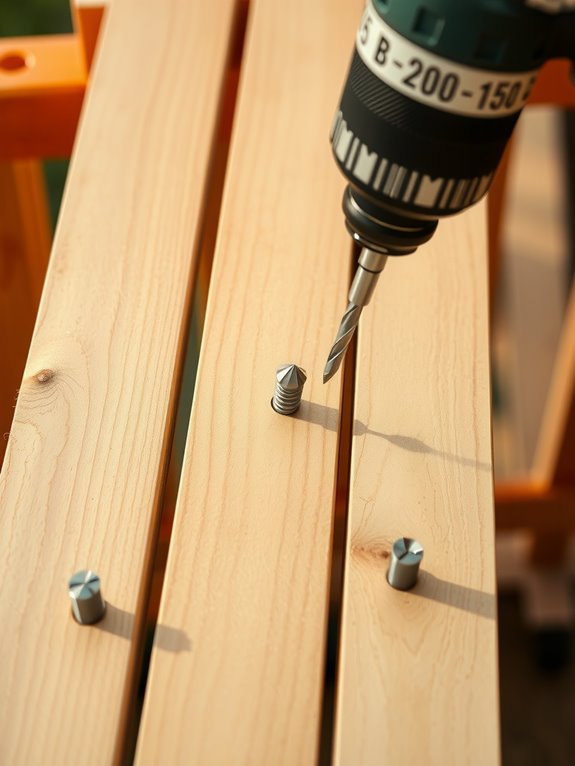
Why skip this step when it takes just a few minutes and keeps your pickets from cracking? I drill pilot holes before driving screws. This prevents the wood from splitting, especially with softer woods like cedar or redwood.
Here’s what I do:
- Measure your screw’s core diameter (the thin shaft in the middle) and make my pilot hole 1/16 to 1/8 inch smaller than that measurement
- Position the hole slightly off-center to avoid the wood grain lines
- Hold the drill straight up and down so the screw sits evenly
- Drill without tilting or angling the bit
I use a drill bit that matches my measurement. The smaller hole lets the screw slide in without forcing the wood fibers apart. With tannin-rich woods like cedar, pre-drilling also reduces staining and makes insertion easier. This step makes a real difference in how well my fence holds up.
Step 3: Positioning and Aligning Each Picket Correctly
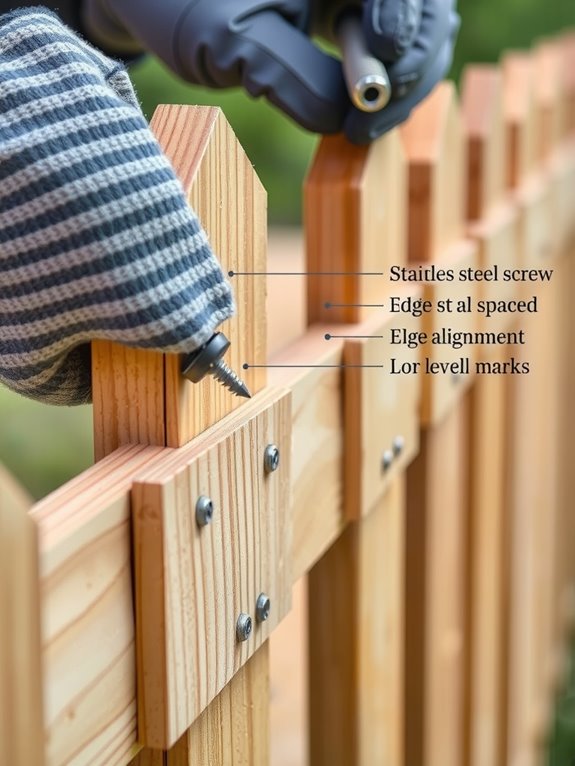
Once I’ve drilled those pilot holes, I’m ready to position my first picket against the backer rail. I grab my level and check that the picket sits perfectly vertical—that’s called plumb. This is what makes a fence look professional and uniform instead of wonky.
I space each picket with equal gaps along the backer rail. The standard spacing is usually 1 to 2 inches between pickets, depending on the style I’m going for. Consistent spacing distributes the weight evenly across the entire fence and gives me that clean, finished look.
I align each new picket with the ones I’ve already installed. Using my level regularly keeps everything straight and true. I take my time here because proper alignment now saves me from frustrating adjustments later. When everything looks right, I’m ready to drive those screws home.
Step 4: Driving Screws at the Proper Tension
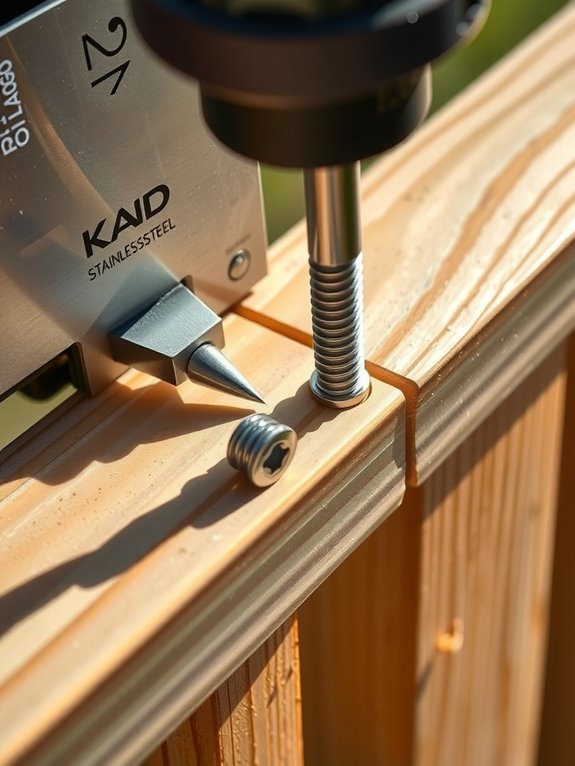
Now I’m ready to drive each screw with the right amount of force. I’ll stop turning as soon as the screw feels snug against the picket and rail. Over-tightening strips the screw head and damages the wood fibers, which weakens the whole connection.
I use steady pressure while I work. I watch the picket to make sure it stays aligned. I keep the tension even across all the screws so the fence doesn’t warp later.
Snug Without Over-Tightening
Driving your screws to the right tension is where the fence really comes together. When I’m working with pressure-treated lumber, I have to be careful about how hard I push. Here’s what I’ve learned from experience.
I drive screws until they’re snug against the picket surface. Then I stop before the head starts sinking into the wood. The key is to feel the resistance rather than force it further. Over-tightening squeezes out wood fibers and actually weakens the connection. I want my screws holding tight without causing damage.
I always test the tension by trying to wiggle the picket slightly. If it’s solid but not compressed, I know I’ve hit the sweet spot. The picket should stay perfectly aligned and the connection should hold strong without any movement.
Preventing Head Stripping
I keep my pickets snug but not over-tight, and this helps me avoid head stripping. Head stripping is when I twist the screw too hard and the head just spins uselessly in the wood without going deeper.
I prevent this problem by pre-drilling pilot holes near the edges before I drive my screws. These small holes guide each screw straight down and also reduce splitting. I use a drill bit that’s slightly smaller than my screw diameter. For most fence work, I go with a 1/8-inch bit for standard picket screws.
I space my screws consistently across each picket to spread the weight evenly. This balanced spacing stops stress from building up in one spot. I also use screws with reinforced heads that resist stripping better than cheaper options. A good 2.5-inch exterior screw with a square or Phillips head holds up well.
When I turn my driver, I keep it steady and controlled. Rushing or pushing too hard crushes the wood fibers and creates the conditions for stripping. I take my time with each screw and let the tool do the work rather than forcing it.
Maintaining Even Tension
How tight should you really drive each screw? I’m looking for snug, not cranked down hard. Here’s what I do:
- I drive each screw until it sits flush with the picket surface
- I stop immediately when I feel resistance increase noticeably
- I check that the picket doesn’t shift or bow outward
- I verify the rail stays level along the entire fence line
Tension adjustment happens gradually as I work across the fence. I use a level between each screw to catch any shifting. The screws for fence pickets need consistent pressure across all connection points. This prevents one side from pulling tighter than the other, which creates warping. I’m creating balanced tension throughout the whole installation by applying the same pressure at each fastening point. That balance keeps my fence straight and strong for years ahead.
Step 5: Maintaining Consistent Spacing and Pattern
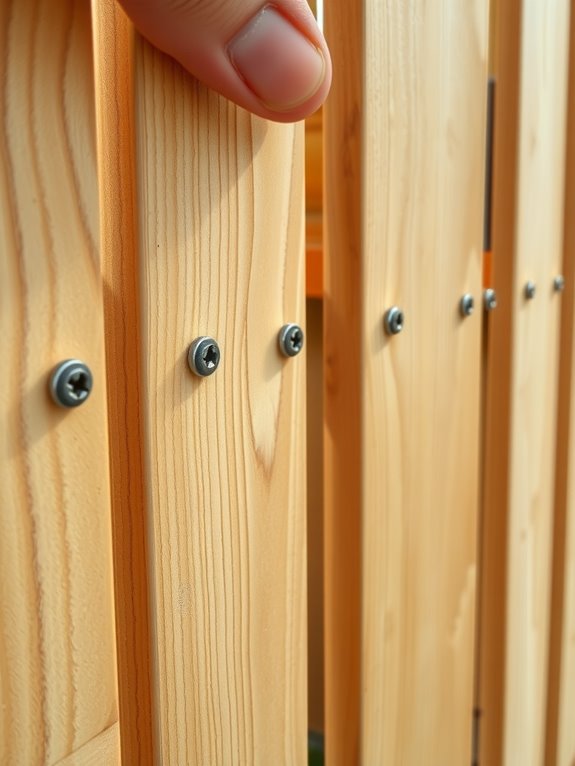
Why does spacing matter so much when you’re screwing in fence pickets? Consistent spacing keeps your fence looking straight as you work down the line. I use a spacer block to keep every gap identical between pickets. This uniform pattern means the wood screws I install hit the rails at the same angle every time, and weight distributes evenly across the entire fence structure.
I maintain spacing by measuring twice before drilling and using a level to check that each picket sits perfectly vertical before I drive the wood screws in. This alignment stops the gradual drift that happens when you skip checking. Repeating the same screw positioning creates a professional appearance that you’ll genuinely be proud of.
Recover From Stripped Screws
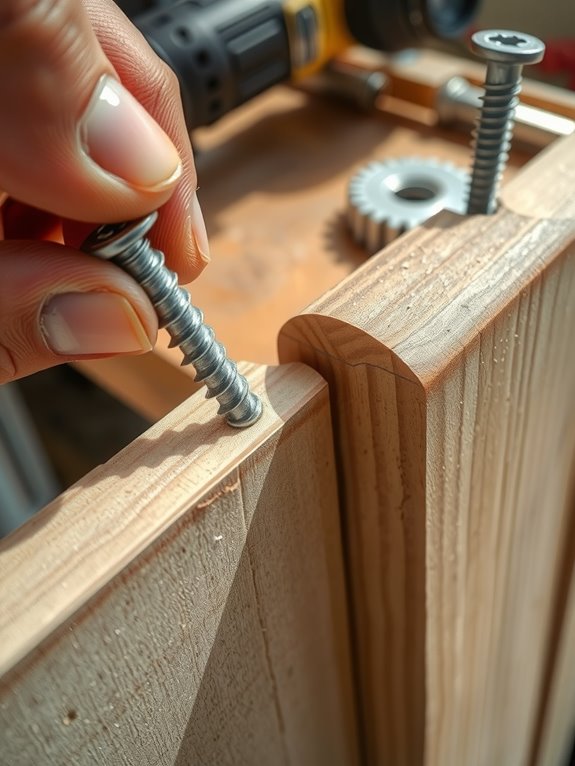
Even the most careful installation can leave you dealing with a stripped screw. That’s when the screw head spins uselessly without gripping the wood.
Here’s how I fix this problem:
- Grip the stripped screw head firmly with a vise-grip or locking pliers
- Turn slowly and steadily to break the screw loose from the wood
- Apply even pressure throughout extraction to avoid damaging surrounding wood
- Remove the screw completely and inspect the hole for damage
Once I’ve extracted the stripped screw, I restore the picket’s integrity. I drill a proper pilot hole—that’s a small guide hole that prevents future stripping. I choose the correct fastener size for my fence style. I reinstall with a fresh screw using my new pilot holes. This approach keeps my fence pickets secure.
Stop Rust Stains Before They Start
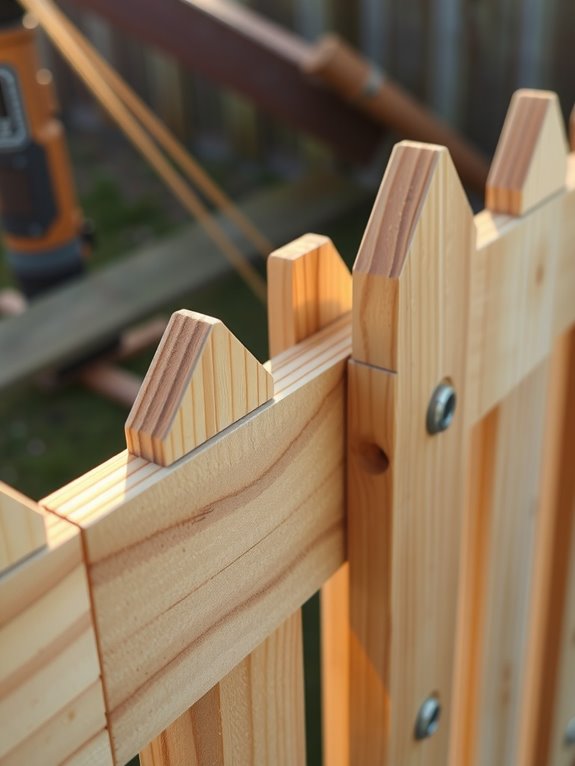
When you’re installing fence pickets, the fasteners you choose matter just as much as the wood itself. I’ve seen plenty of ugly rust stains streaking down cedar fences, and they’re totally preventable. I learned this the hard way—cheap fasteners react with cedar’s natural acids and create permanent discoloration that’s hard to remove.
That’s why I now use hot-dipped galvanized or stainless steel screws exclusively. These coatings protect against corrosion and stop the metal-wood reactions that cause streaking. Hot-dipped galvanized fasteners work well in most climates. Stainless steel is my best choice in coastal or humid environments where salt air speeds up rust.
Before I install anything, I check the coating’s cedar compatibility. This simple step protects my pickets’ appearance for years to come. Your fence’s longevity depends on matching your fasteners to your climate and wood type.
Keep Your Fence Tight: Spotting and Swapping Weak Fasteners
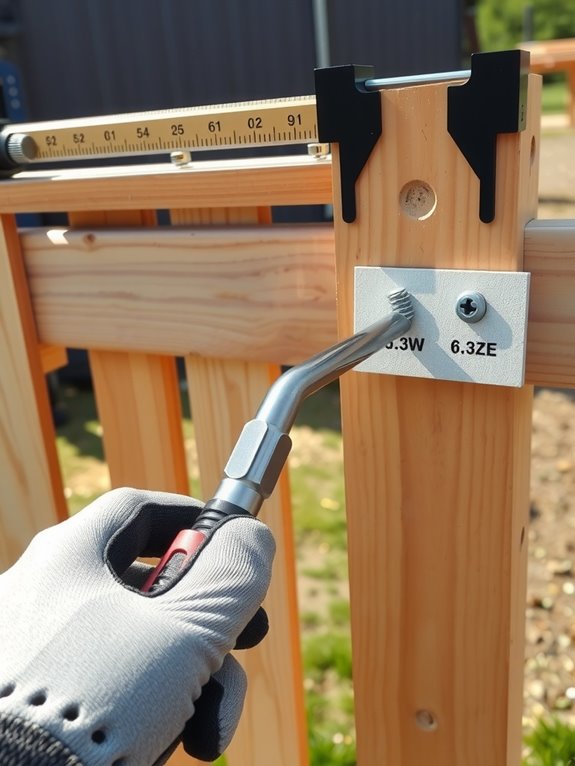
How’s your fence doing after a couple seasons? I check mine regularly to catch problems before they get worse. Here’s what I look for:
Loose screws need tightening. I snug them down but don’t overtighten them or I’ll strip the wood. Screws that pop out at the top edge usually mean the pilot holes (small holes drilled before screwing) aren’t deep enough. Corroded or rust-stained fasteners need to come out right away and get replaced with new ones.
Loose screws need regular tightening, but avoid overtightening to prevent wood damage. Replace any corroded fasteners immediately.
When wind and flexing loosen things up over time, the pickets start to shift out of line. I swap out weak fasteners as soon as I spot them. Using washers under larger screws spreads the load across a bigger area. This stops the screw from sinking too deep into the wood and damaging the surface.
I keep all my pickets aligned the same way so they stay secure together. This preventive work stops small issues from becoming big repair jobs later on.