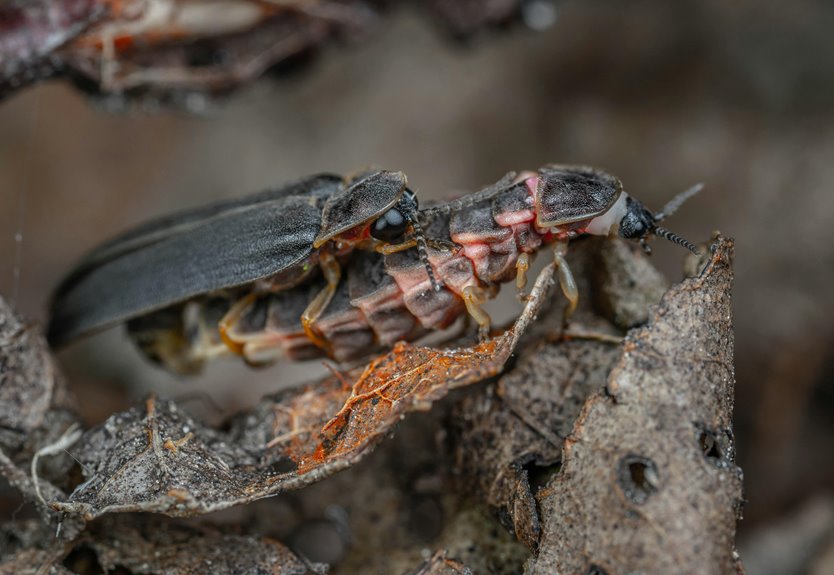
I want to attract fireflies to my yard, and I’ve found that three plants really do the job. Let me break down what I’m planting and why each one matters.
Native grasses like switchgrass are my first choice. I’m growing these tall plants because fireflies perch on them and their larvae develop in the moist soil underneath. The grass gives the insects the height and shelter they need.
Wildflowers such as black-eyed Susans are next. I plant these because they feed adult fireflies with nectar. They also attract small insects that the firefly larvae hunt for food. It’s a two-for-one benefit.
Shrubs like buttonbush round out my setup. I use these for dense shelter where fireflies lay their eggs. The thick branches also protect the developing larvae from predators that might eat them.
These three plants work together to create a habitat I can actually use. Once I have them growing in my yard, I’ll see way more fireflies than I did before.
Native Grasses: Why Fireflies Need Tall, Undisturbed Cover
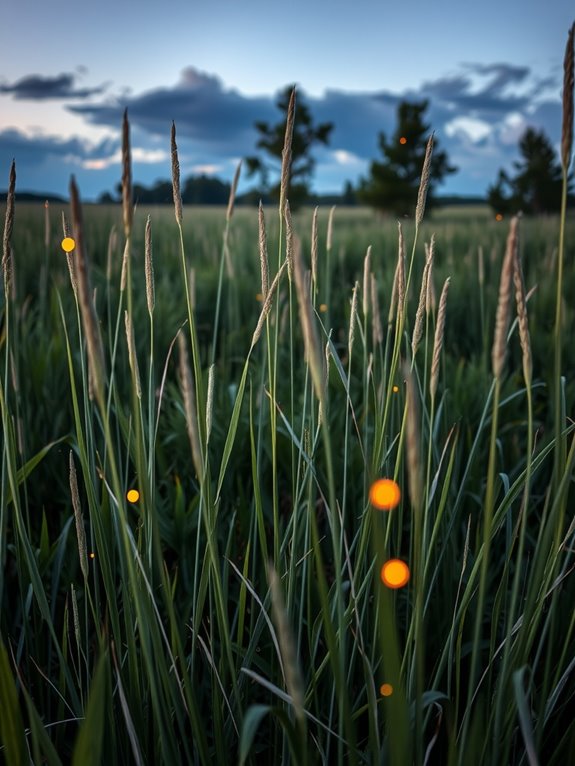
If I want fireflies in my yard, I need to stop mowing certain areas and let native grasses grow tall. I’m talking about switchgrass, indiangrass, and eastern gamagrass. These grasses create the structure that fireflies need to survive.
Firefly larvae live underground for several years while they develop. The dense grass cover protects them from predators and keeps the soil moist. Firefly larvae need consistently damp conditions to live, so that moisture matters a lot. The deep root systems of native grasses hold water in the soil and create the wet environment larvae require.
When I stop mowing and let native grasses establish themselves, I’m building shelter at different heights. The tall stems give adult fireflies places to perch when they come out in the evening. The thick ground-level cover shields everything below from predators and dry air. This layered protection turns my yard into a place where fireflies can actually live.
Wildflowers That Feed Adults and Support Larval Prey
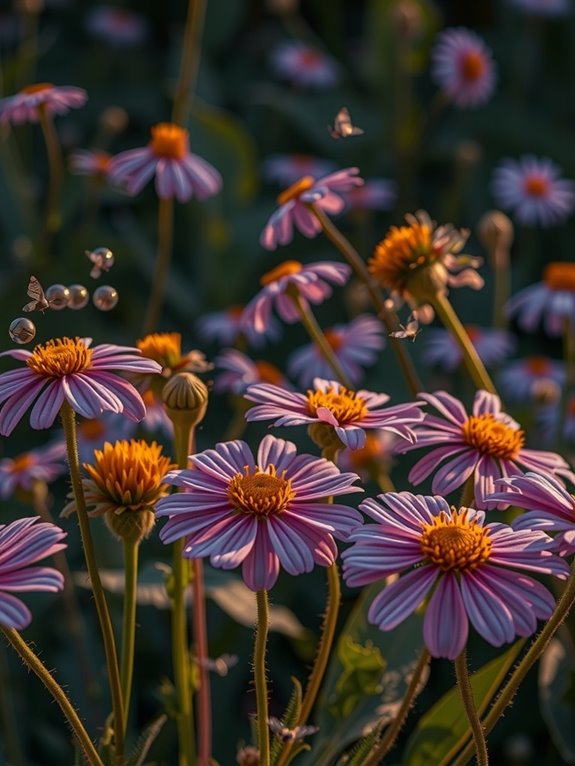
How do I keep adult fireflies healthy once they emerge from the soil? I plant native wildflowers that bloom throughout summer. These flowers give me nectar sources for mating adults. They’re also hunting grounds for larvae that need snails, slugs, and soft-bodied insects.
| Season | Best Wildflowers |
|---|---|
| Early | Black-eyed Susans |
| Mid | Bee Balm |
| Late | Ironweed |
| Moist Areas | Joe-Pye Weed |
I layer diverse wildflowers across my yard. This creates a complex habitat where adults feed and larvae hunt successfully. I choose perennial species because they return yearly without replanting. Native wildflowers sustain the entire firefly life cycle, from egg to adult.
Shrubs and Trees: Essential Shelter for Eggs, Larvae, and Winter Survival
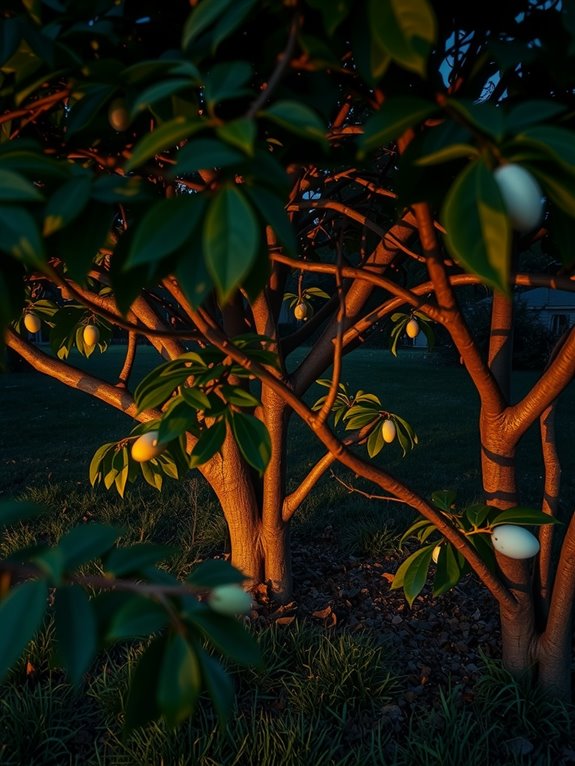
While wildflowers feed your fireflies, shrubs and trees do the real work for their survival. I’m building a firefly habitat that protects every life stage, from eggs to adults.
Native shrubs like buttonbush and viburnums create the dense understory where females lay their eggs safely. These plants shield developing larvae from wind and predators while keeping moisture locked in the soil.
I’m stacking woody debris, leaf litter, and dead branches around my plantings. This messy layer isn’t just decoration—it’s insulation. During winter, fireflies hunker down in these protected spots, staying warm and moist until spring arrives.
Native oaks join the team too. They add structural support and create microclimates (small areas with their own temperature and humidity levels). When I integrate shrubs with grasses and mulch, I’m creating a multi-season shelter network that keeps fireflies alive year-round.