

A linear foot in fencing is simply 12 inches of straight fence line. I measure from one point to another along your property line, recording each straight section separately.
When your yard has corners or slopes, I add up all those sections to get your total linear footage.
This number tells you how much material you’ll need and affects your project cost. Getting an accurate measurement prevents ordering too much or too little material for your fence.
What Counts as a Linear Foot
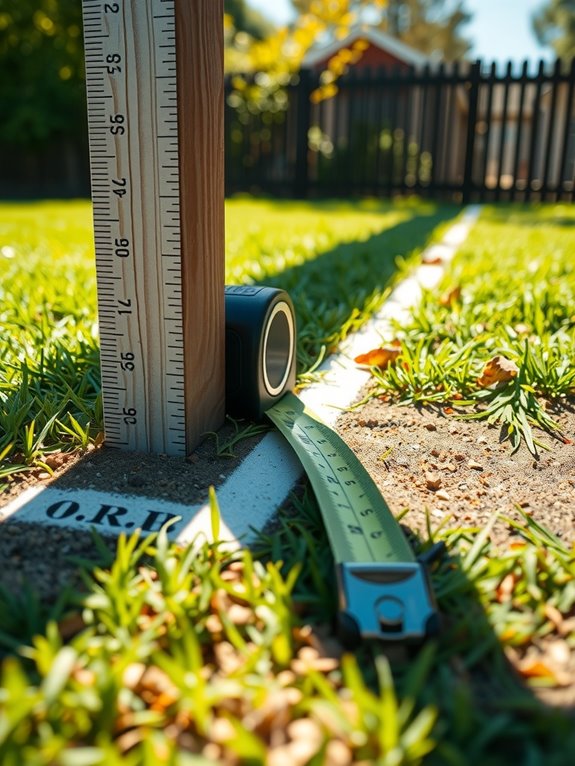
When I talk about linear feet in fencing, I’m really just talking about length. I measure the straight line from one point to another along my fence line. A linear foot equals 12 inches of straight measurement, and I don’t count height or width.
When I calculate linear footage, I’m adding up all those straight segments around my yard. If my fence bends or angles, I measure each straight section separately. Think of it like measuring a string stretched along where I want my fence. That total length is my linear footage.
I use this number for everything from ordering posts to pricing my whole fencing project. This measurement technique helps me figure out how much material I’ll need and what labor costs.
How to Measure Your Yard for Fencing
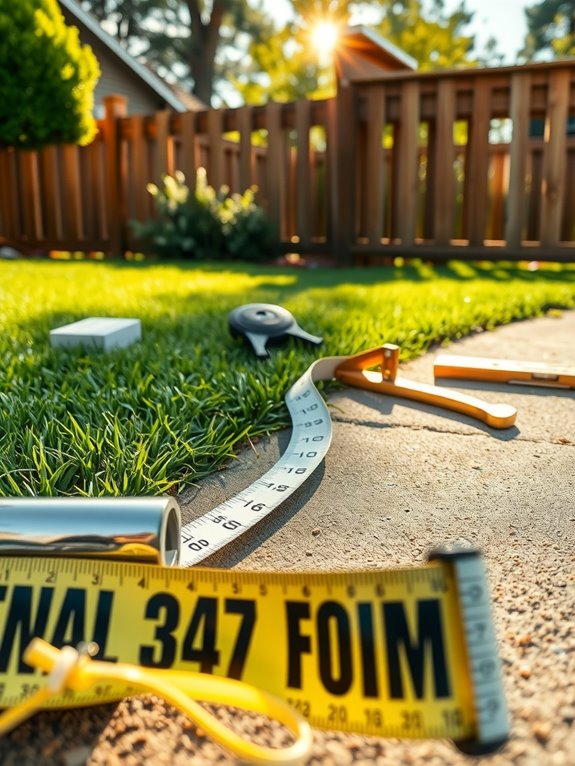
Now that you understand what linear feet means, it’s time to measure your yard. I’ll walk you through the process so you get accurate numbers for your fencing project.
Now that you understand what linear feet means, it’s time to measure your yard for accurate fencing project numbers.
I start at a clear reference point like a property pin or house corner. Then I grab either a measuring wheel or long tape measure and walk the entire perimeter. Here’s what I focus on:
- Record each straight segment separately before adding them together
- Mark corners as I go to avoid double-counting sections
- List gate widths separately or include them in the total footage
For irregular shapes, I break them into straight segments and sum each length. I also check the site in person because slopes and terrain changes affect your final linear feet count. This gives me the right total footage before I order materials.
Why Fences Are Priced by Linear Feet
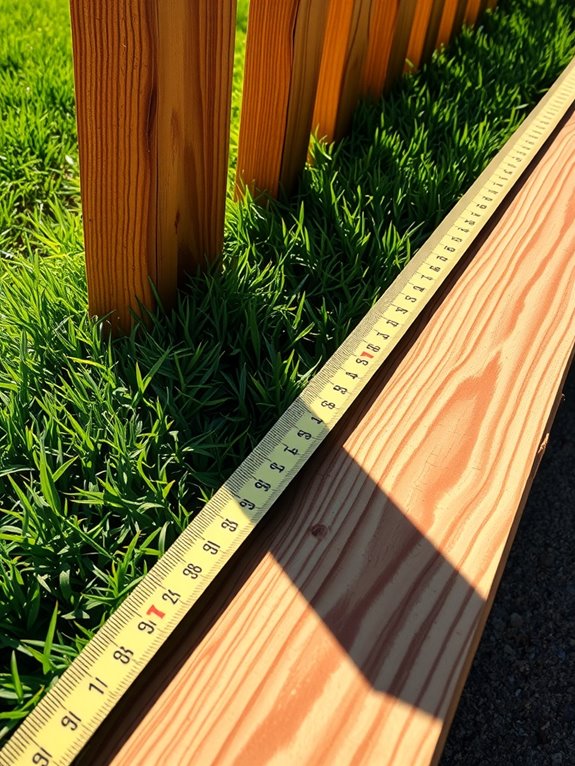
I price fences by the linear foot because your fence length directly determines how much material I need. Posts, rails, and hardware all line up along your perimeter, so the longer your yard is, the more components I’ll order.
Here’s the thing about linear feet—it’s just the total length of your fence line measured in feet. Two fences with different heights can have the same linear feet but cost different amounts because height affects material quantity too.
I measure fence length on-site using a measuring wheel or tape measure. This keeps quotes accurate and fair for your actual project. When you have a gate, I sometimes subtract the gate opening from the total linear feet so I don’t overorder materials. If your fence is 100 linear feet with a 4-foot gate opening, I’d measure it as 96 linear feet for materials.
Talking clearly about whether gates count toward your measurement prevents budget surprises later. That way you know exactly what you’re paying for and why the quote matches your specific yard.
Why Your Measurement Differs From Your Plan
Ever wonder why your contractor’s on-site measurement doesn’t match what you sketched out at home? I’ve been there too. My plan shows 100 linear feet, but the actual fence installation needs 120. Let me break down what causes these measurement differences.
Slopes and elevation changes add extra linear feet because the fence follows the terrain’s angles instead of going straight. When I draw a fence on flat paper, I’m measuring the horizontal distance. But on your actual property, if the ground slopes, the fence travels a longer distance. That’s because of something called the hypotenuse (the longest side of a triangle). Your contractor measures the actual path the fence takes.
Angles in your yard’s layout also create longer distances than what shows on paper. A straight line on my sketch becomes a bent line on the ground. Gate placements or alignment shifts discovered during the on-site visit weren’t reflected in my original plan either.
I recommend visiting the site early to verify measurements before ordering materials. A 120-foot fence needs more posts, rails, and hardware than a 100-foot fence. Getting the measurement right the first time prevents budget surprises and means I order the correct amount of materials for the job.
Common Linear Footage Mistakes to Avoid
Most folks mess up their fence measurements in the same few ways, and I’ve seen it happen on job sites over and over.
First, I remember that linear foot measures length only. Height doesn’t count. So when I’m doing my quantity estimation, I need that measurement separate from my height calculation.
Second, I don’t skip irregular shapes. I can’t just eyeball my perimeter. Instead, I divide it into straight sections and add them up. That’s how I get the real distance.
Third, I handle gates carefully. Some contractors include them in linear footage. Others subtract gate openings to avoid overordering materials. I need to know which approach my contractor uses before I start measuring.
Finally, I double-check my measurements against my plan. They rarely match on the first try. I verify my fencing calculations before I order anything.