Vertical gardening has become a popular solution for city dwellers and gardening enthusiasts alike. Living in urban spaces often means limited room for traditional gardens, which can leave you craving that green touch in your home. If you’re passionate about plants but feel constrained by the size of your living space, this post is for you. I’ve gathered a collection of 12 creative wall planter ideas that are not only practical but also visually appealing, making it easier to bring nature into your life.
Whether you’re a seasoned gardener or just getting started, these ideas are designed to inspire you. You’ll discover various vertical gardening solutions that maximize your space, allowing you to cultivate herbs, flowers, and even vegetables right on your walls. From quirky succulent arrangements to functional herb gardens, I promise you’ll find ideas that are space-saving, artistic, and easy to implement. Let’s dive into these wall planter ideas and transform your living space into a lush vertical oasis.
Key Takeaways
– Maximize Small Spaces: Wall planters are ideal for urban living, allowing you to grow plants without sacrificing floor space. – Diverse Plant Options: You can create a variety of vertical gardens, including herb gardens, succulent displays, and even vegetable patches. – Creative Designs: Use various planter styles like ladder planters and hanging pocket systems to add character and charm to your walls. – Easy Maintenance: Many vertical gardening solutions are low-maintenance, making them suitable for busy lifestyles. – Aesthetic Appeal: Wall planters not only serve a functional purpose but also enhance the beauty of your indoor and outdoor spaces.1. Vertical Herb Garden
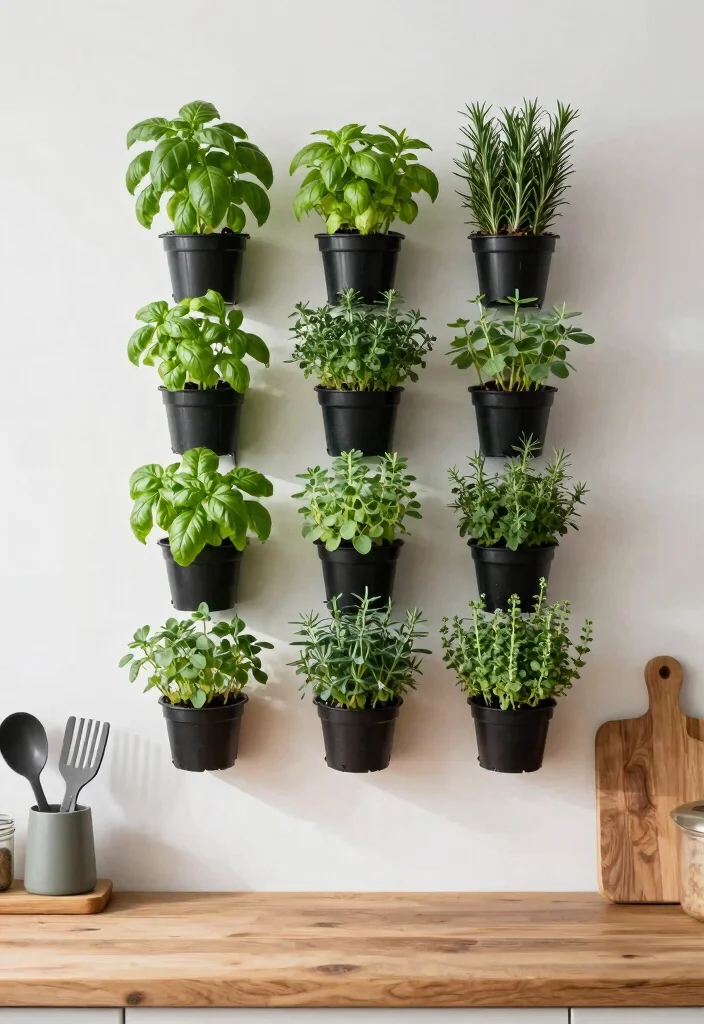
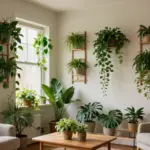
Picture yourself in your kitchen, grabbing fresh basil or rosemary straight from a wall-mounted garden! A vertical herb garden is an excellent way to make the most of empty wall space while ensuring you have fresh flavors at your fingertips. This setup typically features compact pots or wall-mounted planters, filled with a delightful variety of herbs. Select durable containers specifically designed to handle moisture, adding both functionality and a touch of green to your cooking area.
Start by selecting pots with good drainage to keep roots healthy. Pair herbs that thrive under similar lighting conditions, such as basil, parsley, and thyme. You might also consider a tiered system for added diversity and easy access. If you’re planning a larger setup, an irrigation system can simplify watering duties.
Key steps to create your vertical herb garden:
– Choose pots with ample drainage to avoid root rot.
– Group herbs by light requirements for better growth.
– Implement a tiered design to showcase various herbs.
– Install an irrigation system for easier maintenance.
A vertical herb garden not only maximizes space but also infuses your home with delightful fragrances and vibrant greenery, enhancing your cooking experience.
Fun fact: a vertical herb garden can triple your fresh herbs in a tiny space, great for small backyard ideas. Attach planters to a sunny wall or stack shelves, water with a tray, and harvest cilantro, basil, and mint daily for flavor at your fingertips.
2. Succulent Wall Art
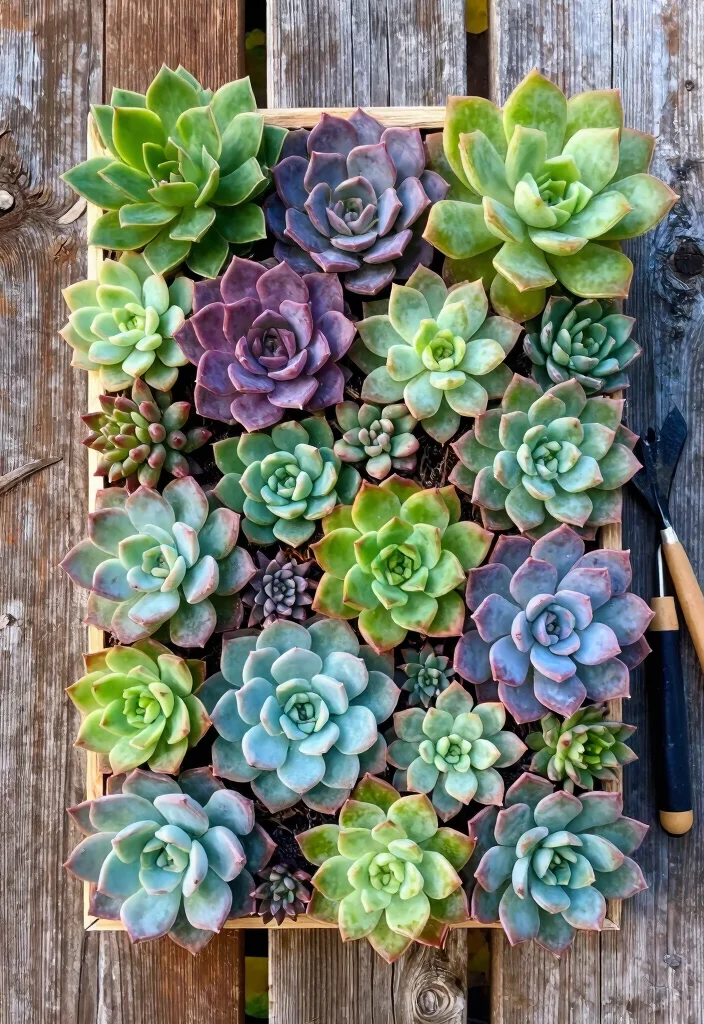
Elevate your wall into a living piece of art with a succulent wall planter. These unique displays combine a variety of colorful succulents arranged in artistic patterns. They thrive with minimal soil, making them perfect for vertical gardening. You can create your masterpiece using wooden frames filled with soil or opt for specially designed wall pockets. Editor’s Choice
To craft your succulent wall art, choose a vibrant mix of textures and colors to create visual intrigue. Use lightweight materials to ensure your planter doesn’t damage the wall. Incorporate a drip tray at the bottom to manage excess water, and position your creation in bright, indirect sunlight for optimal growth.
Essential tips for creating your succulent wall art:
– Select a variety of textures and colors for a lively effect.
– Use lightweight materials to protect your walls.
– Add a drip tray to catch excess water.
– Place in a well-lit area for best growth results.
A succulent wall not only serves as a stunning focal point but is also low-maintenance, making it ideal for busy city dwellers.
Succulent Wall Art




3. Ladder Planters
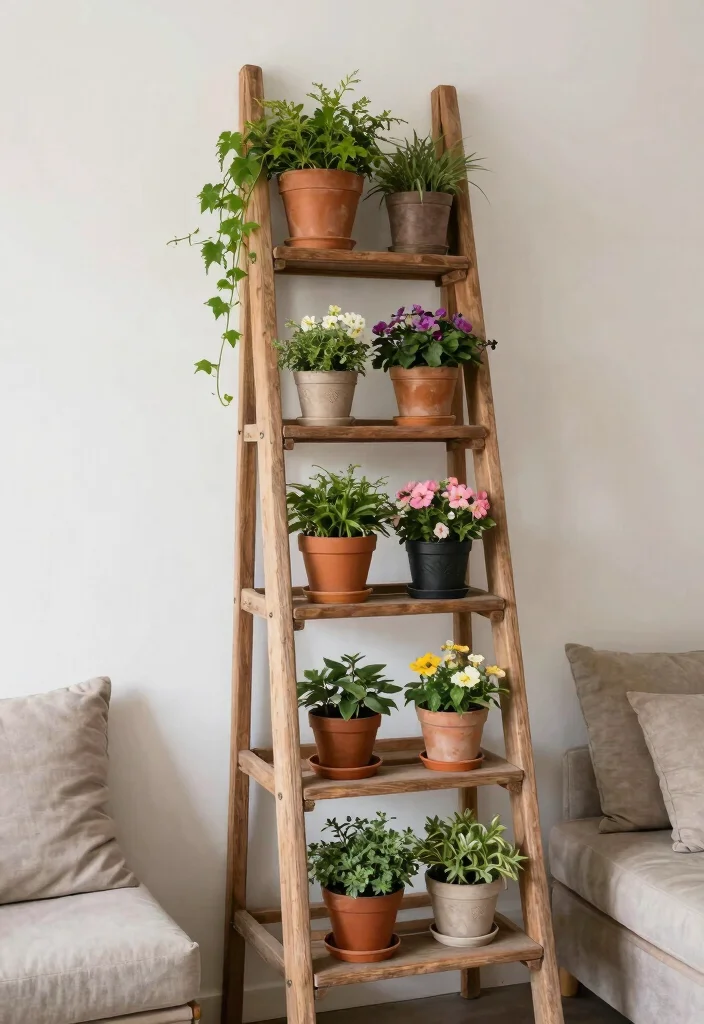
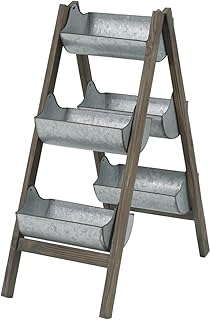
Ladder planters offer a charming way to cultivate a vertical garden with multiple tiers. You can utilize a wooden ladder or create one from reclaimed materials. Each rung can hold pots filled with various plants, providing a delightful display. Position this planter against a wall for added charm, or use it to separate areas in your garden, making it a perfect solution for small spaces with a rustic flair.
To make the most of your ladder planters, mix and match plant types for visual appeal; trailing plants can create a lovely overflowing effect. Secure the pots to prevent accidents, especially in breezy areas. Personalize your ladder with paint or stains to match your home’s decor, and place it where it gets sufficient sunlight while remaining accessible.
Steps to enhance your ladder planters:
– Blend different plant types for visual interest; trailing plants add charm.
– Secure pots to avoid falls in windy conditions.
– Customize the ladder’s finish to match your decor.
– Position for optimal sunlight exposure while ensuring easy access.
Ladder planters can transform a simple wall into a beautiful display, enhancing both aesthetics and functionality.
Did you know ladder planters can hold 5–6 pots per rung, turning one wall into a mini vertical garden? This wall planter ideas approach fits tiny spaces while delivering fresh herbs and flowers with rustic charm.
Ladder Planters
Editor’s Choice


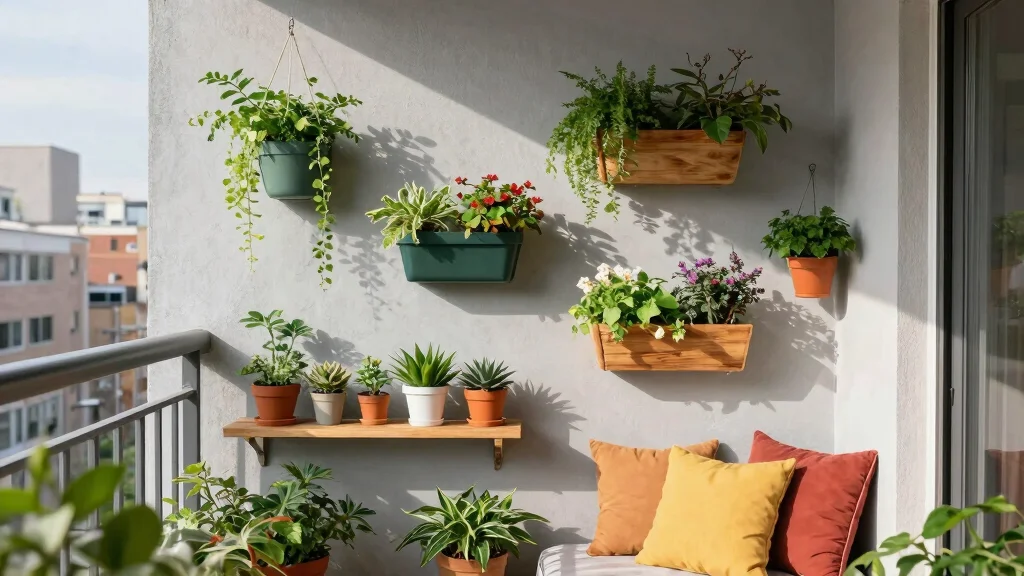
4. Wall-Mounted Planter Boxes
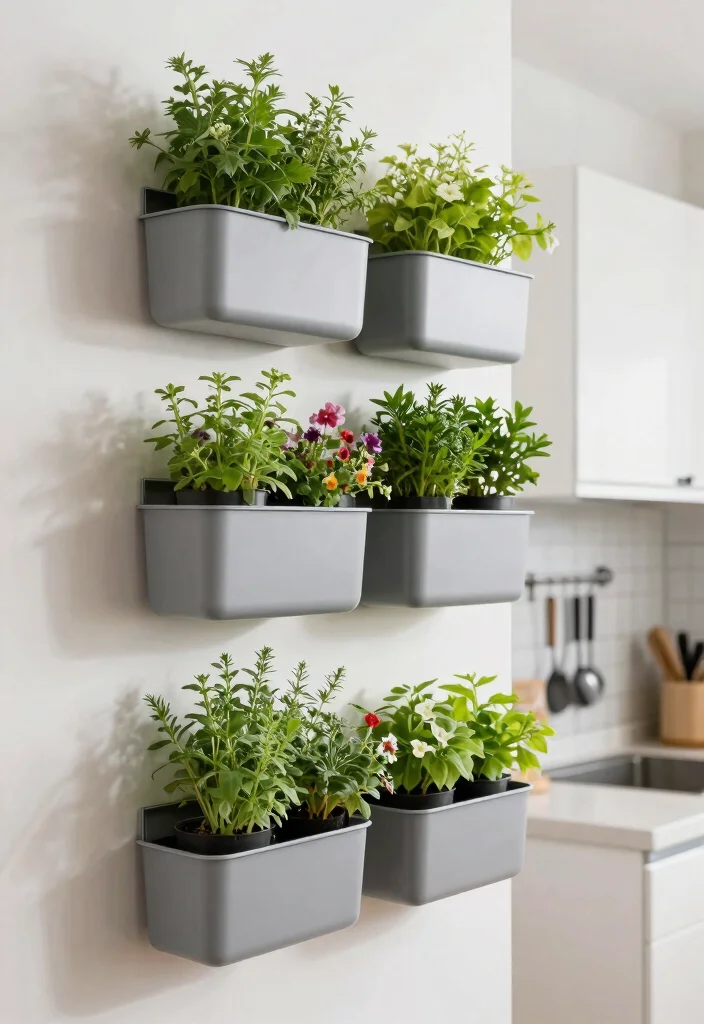
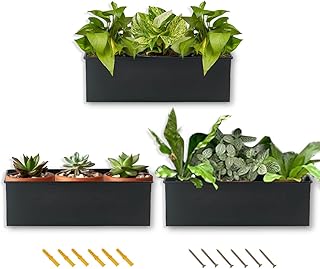
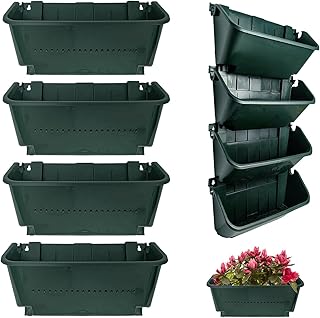
Wall-mounted planter boxes are a stylish and organized way to grow herbs, flowers, or even vegetables. You can find these boxes custom-made or ready-to-use at garden centers. They provide a clean and modern look, making it easy to grow multiple plants in a small area. Ideal for both indoor and outdoor spaces, you can stack them or arrange them creatively to match your personal style. Editor’s Choice
To install wall-mounted planter boxes, select durable materials that can withstand outdoor elements. Ensure proper drainage by drilling holes in the bottom of each box. Arrange the boxes in a way that complements your wall space, considering both depth and height. Regularly check moisture levels in the boxes to promote healthy plant growth.
Tips for successful wall-mounted planter boxes:
– Choose weather-resistant materials for outdoor use.
– Ensure drainage holes are drilled for healthy plants.
– Arrange boxes thoughtfully to fit your wall space.
– Monitor moisture levels for thriving plants.
Wall-mounted planter boxes allow you to cultivate a flourishing garden while maximizing vertical space, adding a stylish touch to your home.
Wall-Mounted Planter Boxes



📹 Related Video: Easy DIY Living Plant Wall that Waters Itself
5. Recycled Pallet Planters
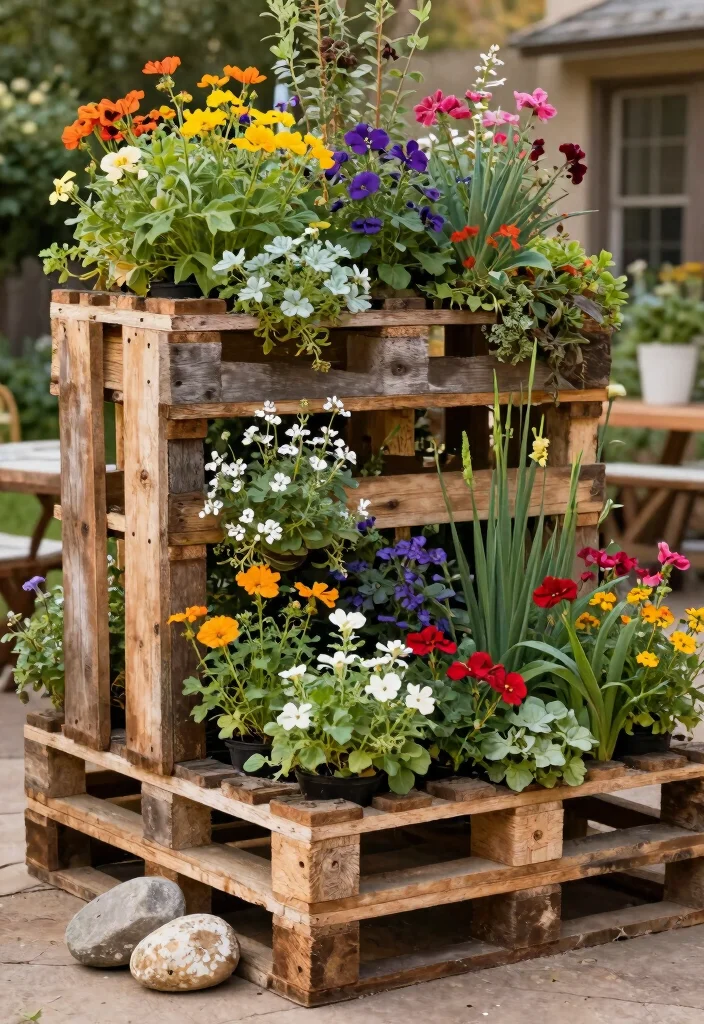
Get creative with recycled materials to craft stunning urban garden solutions. Recycled pallets can easily become vertical wall planters with a bit of DIY flair. Simply stack them against a wall, fill with soil, and plant your favorite flowers or herbs. This eco-friendly approach not only enhances your garden’s look but also conserves valuable ground space.
For successful pallet planters, start by sanding down any rough edges to avoid splinters. Line the inside with landscaping fabric to retain soil while allowing drainage. Choose plants that thrive in shallow soil, such as strawberries or cascading flowers. Position the pallet to capture sunlight throughout the day.
Essential DIY tips for pallet planters:
– Sand edges to prevent splinters for safety.
– Line with landscaping fabric for soil retention.
– Select shallow-rooted plants for successful growth.
– Place where they can soak up sunlight during the day.
Pallet planters add unique character to your garden, sparking conversations about sustainable practices.
6. Hanging Pocket Planters
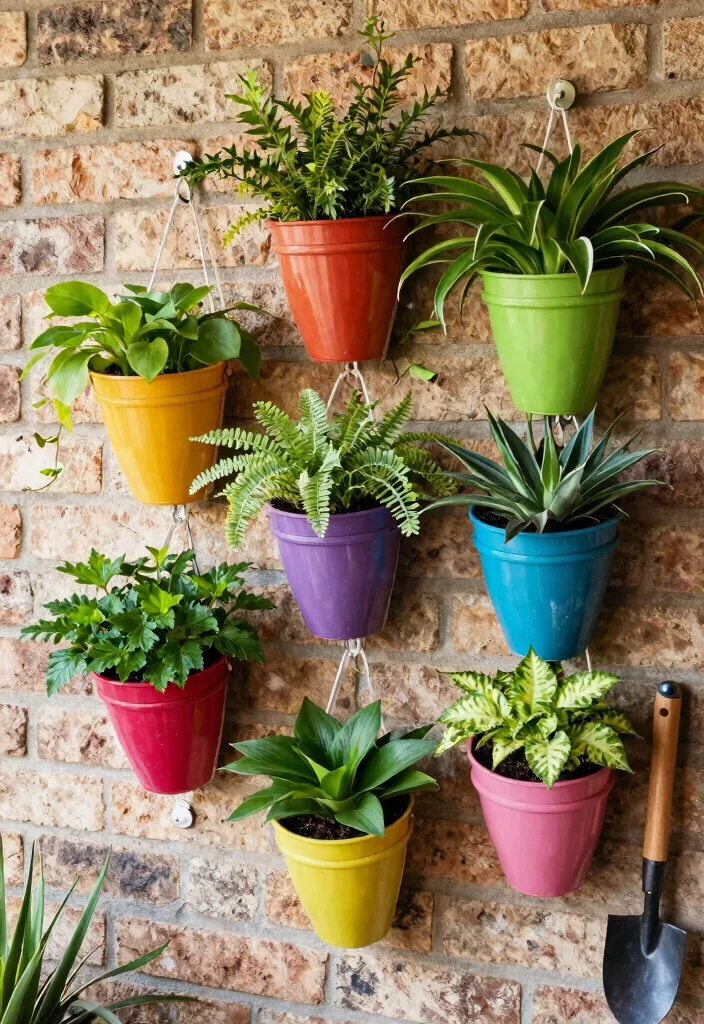
Hanging pocket planters are ideal for maximizing vertical space without occupying floor area. Made from fabric or felt, these planters can accommodate a variety of plants. They can be hung on walls or fences, creating an organized and easily accessible way to garden vertically.
To effectively use hanging pocket planters, select pockets that match the size of your plants. Combine herbs and flowers for an attractive green wall. Water carefully to prevent water logging, as the pockets tend to drain quickly. Place the planter near a light source to ensure healthy plant growth.
Tips for maximizing your hanging pocket planters:
– Choose pockets sized appropriately for your plants.
– Mix herbs and flowers for visual appeal.
– Water carefully to avoid soggy pockets.
– Hang near a light source for optimal growth.
With their distinctive look and practical benefits, hanging pocket planters can turn even the smallest spaces into a lush green oasis.
7. Wall-Mounted Trellis
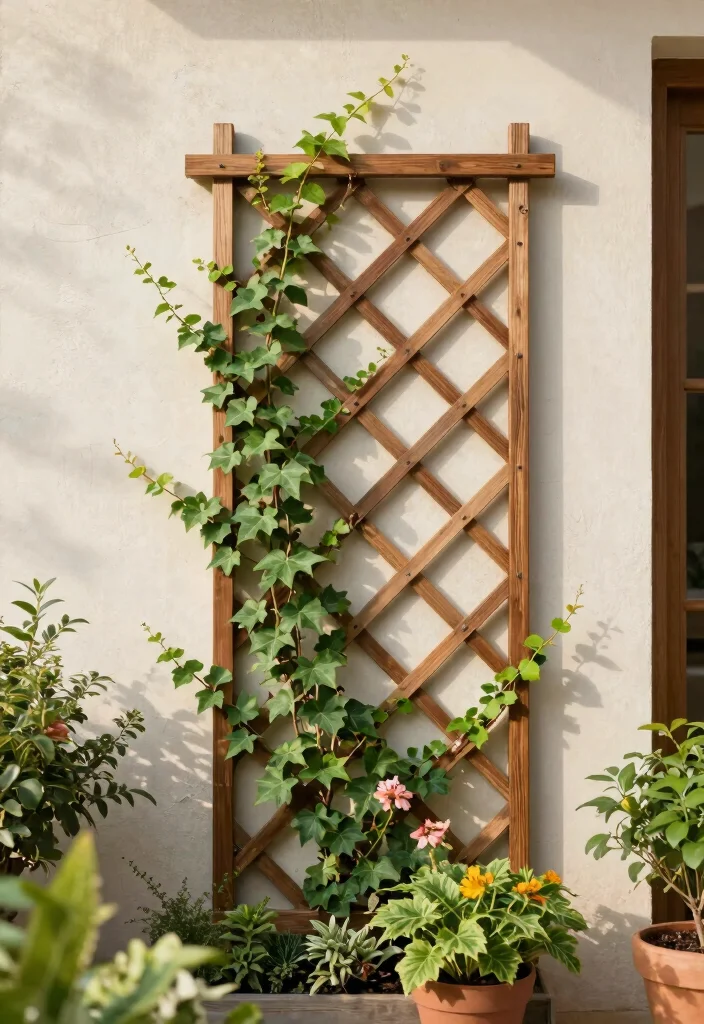
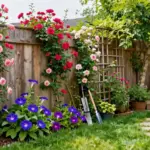
A wall-mounted trellis is perfect for supporting climbing plants and vines, transforming your wall into a lush vertical garden. This design allows plants like ivy, peas, or flowering vines to climb and flourish, creating a vibrant and full appearance. You can construct the trellis from wood, metal, or even repurposed materials, offering various design options to suit your style. Editor’s Choice
To create a wall-mounted trellis, ensure it is securely attached to the wall to support climbing plants. Choose plants that work well with the trellis’s size and structure. Train your plants as they grow to encourage proper climbing. You might also consider adding lighting to highlight the trellis in the evenings.
Essential steps for building a wall-mounted trellis:
– Secure the trellis properly to support your plants.
– Select compatible climbing plants for the trellis.
– Train plants as they grow to ensure proper support.
– Add lighting for a stunning nighttime display.
A wall-mounted trellis not only serves a functional purpose but also enhances the vertical space, adding charm to your garden.
Wall-Mounted Trellis



How To Choose the Right Wall Planter Ideas
When it comes to enhancing your vertical gardening space, selecting the right wall planter can make all the difference. With so many options available, it’s essential to consider several factors to ensure you choose the best fit for your needs. Here’s a straightforward guide to help you make that choice. 1. Size MattersBefore you buy a wall planter, measure the wall space where you plan to install it. Consider the height and width of the planter. It should fit comfortably on your wall without overwhelming the area. If you have limited space, look for smaller, compact designs that won’t crowd your wall. A good rule of thumb is to leave at least a few inches of space around the planter for easy access and maintenance.
2. Material Selection
The material of the wall planter can affect both its durability and aesthetics. Common options include wood, metal, and plastic. Wood planters offer a rustic look but may require more maintenance. Metal planters are sturdy but can heat up in direct sunlight. Plastic is lightweight and resistant to rot, making it ideal for indoor vertical gardens. Choose a material that complements your home’s decor and suits your gardening style.
3. Drainage Features
Proper drainage is critical for the health of your plants. Check if the planter has drainage holes or a built-in reservoir system. Without adequate drainage, excess water can lead to root rot. If your selected planter lacks drainage, consider adding a layer of gravel at the bottom or using a liner to help manage water levels effectively.
4. Plant Compatibility
Different plants have unique needs regarding light and moisture. Ensure the wall planter you choose can accommodate the types of plants you want to grow. For instance, herbs usually need more sunlight and space to thrive, while succulents can do well in smaller planters. Research the plants and understand their growth patterns to select a planter that will support their needs.
5. Installation Ease
Consider how easy it will be to install your wall planter. Some styles require drilling into the wall, while others can be hung with hooks or brackets. If you’re not handy with tools, look for ready-to-hang options or those with clear installation instructions. Make sure to check the weight capacity of your wall to ensure it can support the planter and plants you want to use.
6. Budget Considerations
Wall planters come in a wide range of prices. Set a budget before you start shopping. While it can be tempting to go for the cheapest option, consider the long-term value of quality planters. Investing a little more in a durable product can save you money over time by reducing the need for replacements. Keep an eye out for sales or DIY ideas that allow you to create beautiful planters without breaking the bank.
Pro Tip: Mix and match various planter styles for a dynamic look! Combining hanging pocket planters with wall-mounted boxes can create a stunning vertical garden display that maximizes your space while showcasing different plant types.
By considering these criteria, you can confidently select the right wall planter ideas that will elevate your vertical gardening experience. Happy planting!
8. Vertical Garden Kit
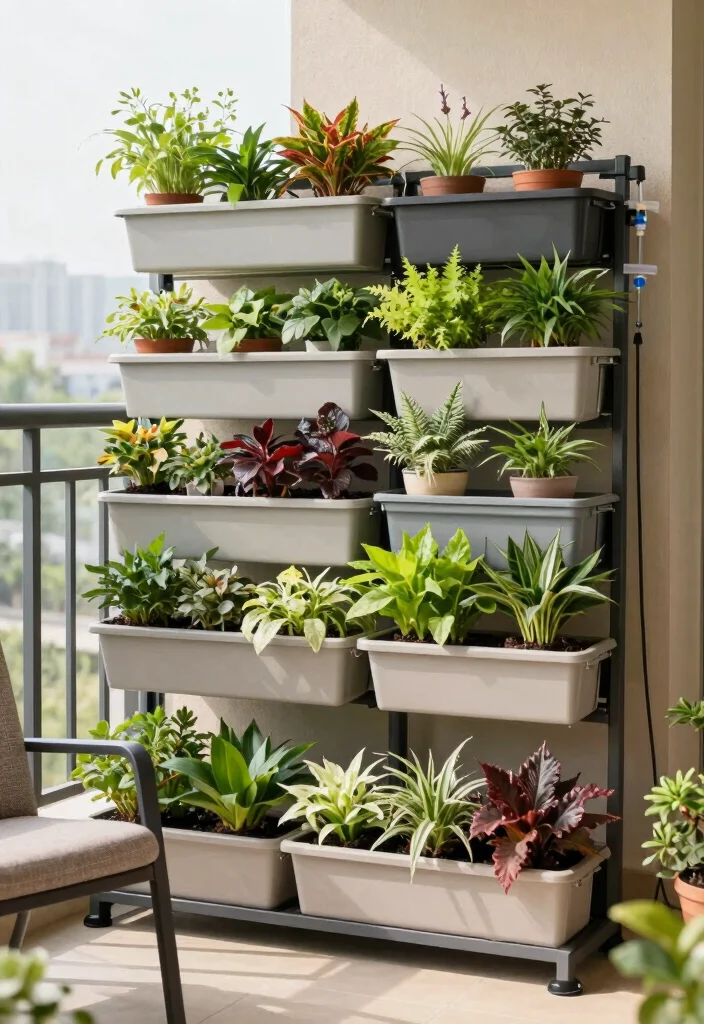
For a hassle-free gardening experience, consider a vertical garden kit. These kits come complete with everything you need, from planters to soil and even seeds or starter plants. Designed for easy assembly, they often include a drip irrigation system to simplify plant care. A vertical garden kit is perfect for beginners eager to dive into space-saving gardening without the planning overwhelm.
Benefits of using a vertical garden kit include quick assembly with clear instructions. Maintenance is minimal thanks to built-in watering systems. These kits are designed to maximize wall space efficiently, and they offer a unique opportunity to experiment with new plants without a significant investment.
Key advantages of vertical garden kits:
– Easy assembly with straightforward instructions.
– Minimal upkeep thanks to built-in watering features.
– Space-efficient designs that utilize vertical areas.
– An affordable way to explore new plant varieties.
With a vertical garden kit, you can enjoy the beauty of vertical gardening without the stress of starting from scratch, making it accessible for everyone.
❝ Fun fact: A vertical garden kit can have you planting in under 30 minutes, with drip irrigation that saves up to 60% of water you’d waste. Compact wall planter ideas shine in small spaces, turning tiny balconies into green, thriving spaces. ❞
9. Wall-Mounted Container Gardens
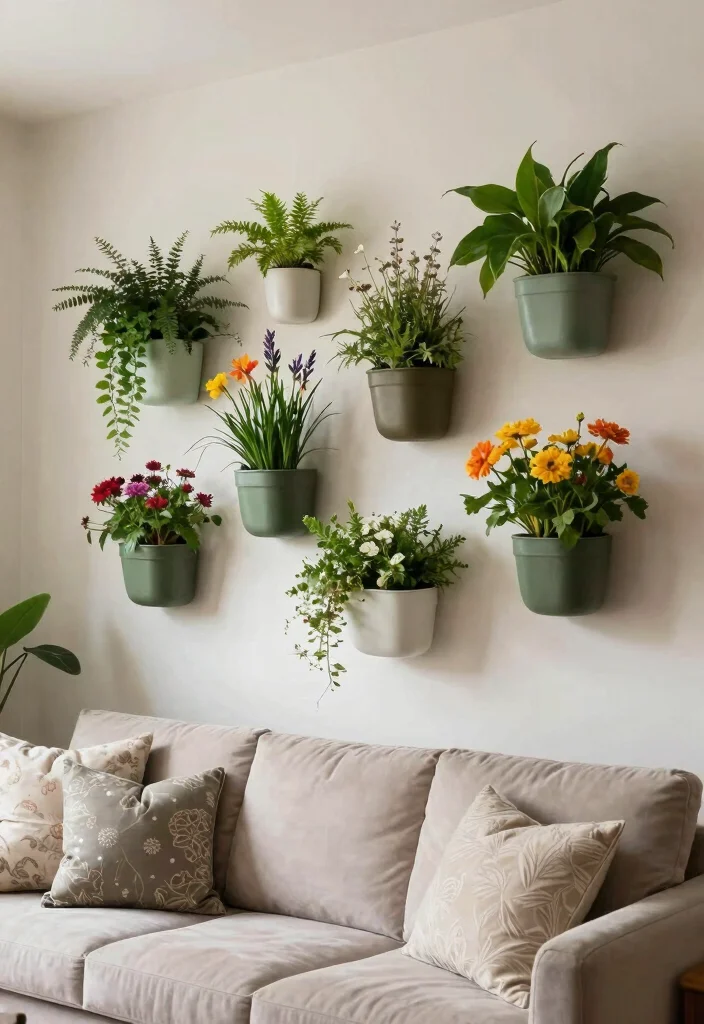
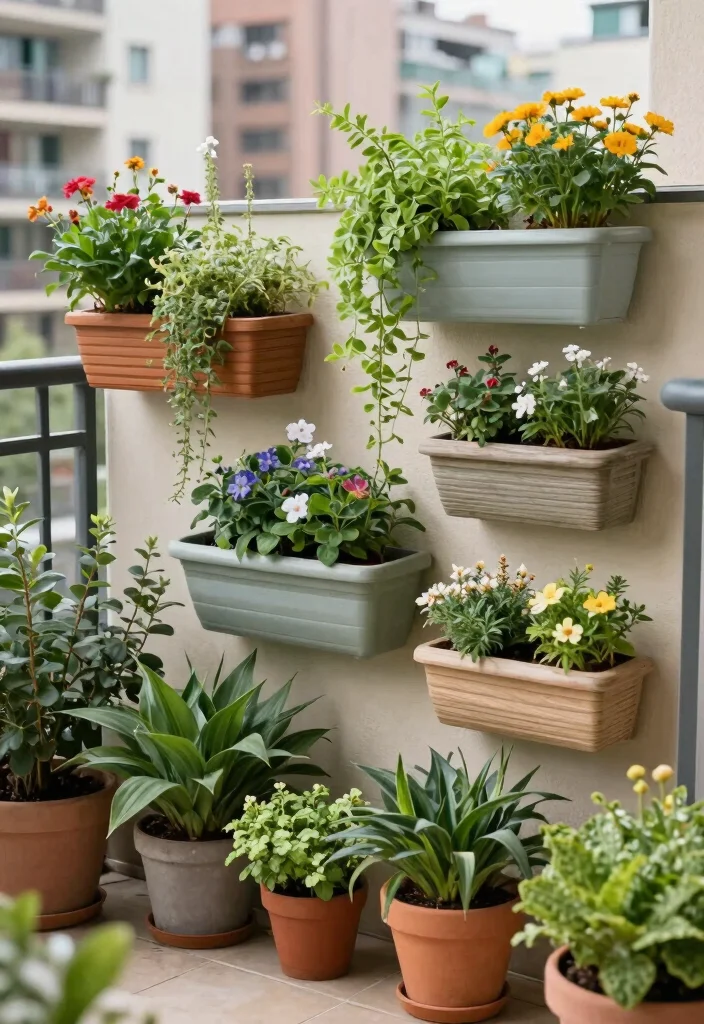
Wall-mounted containers offer a stylish way to display your favorite plants while conserving floor space. These containers come in various sizes and designs, making it easy to find the perfect fit for your decor. You can cluster them together or arrange them in a straight line for a more uniform appearance. These planters are great for both indoor and outdoor settings, allowing for creativity in your plant displays.
To make the most of wall-mounted container gardens, choose materials that complement your interior or exterior design. Mix different plant types to add interest and depth to your display. Ensure proper drainage to keep your plants healthy, and consider seasonal plants for varying displays throughout the year.
Best practices for wall-mounted container gardens:
– Select materials that match your decor style.
– Mix plant varieties for added interest.
– Ensure drainage for healthy growth.
– Use seasonal plants for diverse displays year-round.
Wall-mounted container gardens bring life to your space, creating a captivating focal point that is both stylish and functional.
10. Vertical Plant Stand
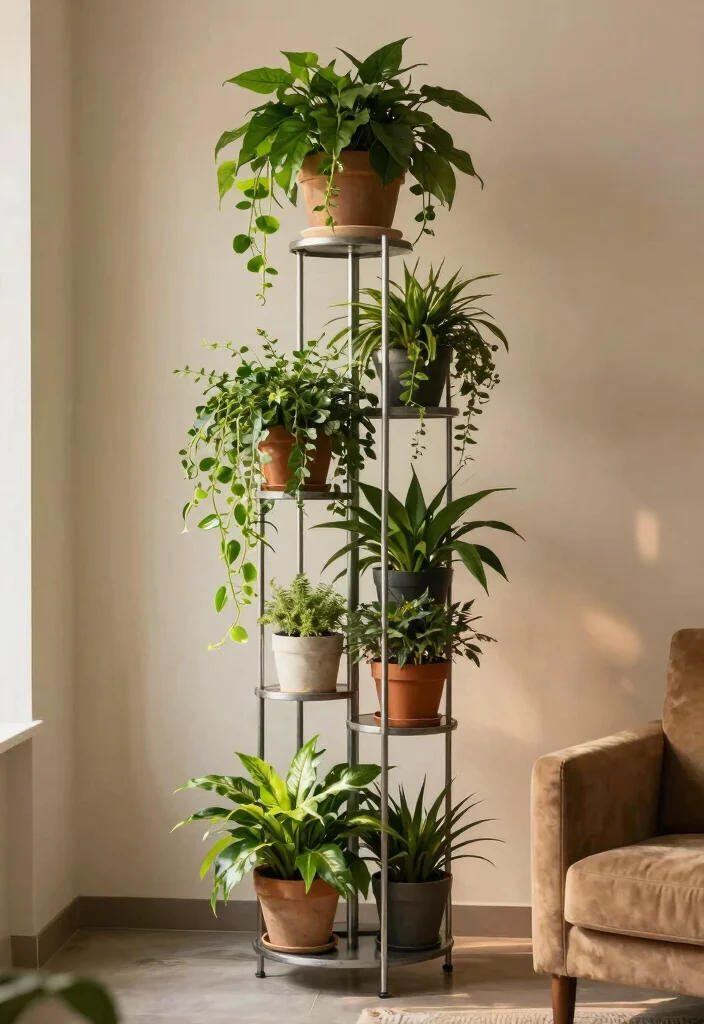
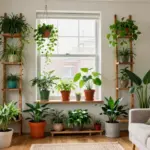
A vertical plant stand combines elegance with space-saving practicality. This can be a simple shelving unit with multiple levels for plants or a more intricate design featuring decorative elements. It allows you to showcase various plants at different heights, creating a visually engaging display. Ideal for both indoor and outdoor environments, a vertical plant stand can complement any home style.
When selecting a vertical plant stand, choose one that aligns with your home’s color scheme and style. Ensure it is sturdy enough to hold the weight of your plants. Opt for lightweight pots to facilitate easy rearranging, and position the stand where plants can receive adequate sunlight.
Tips for choosing a vertical plant stand:
– Match the stand to your home’s decor style.
– Ensure sturdiness to support your plants.
– Use lightweight pots for easier mobility.
– Position for optimal sunlight exposure.
Vertical plant stands elevate your home decor while keeping your plants organized, making them a must-have for any plant enthusiast.
11. Hanging Baskets
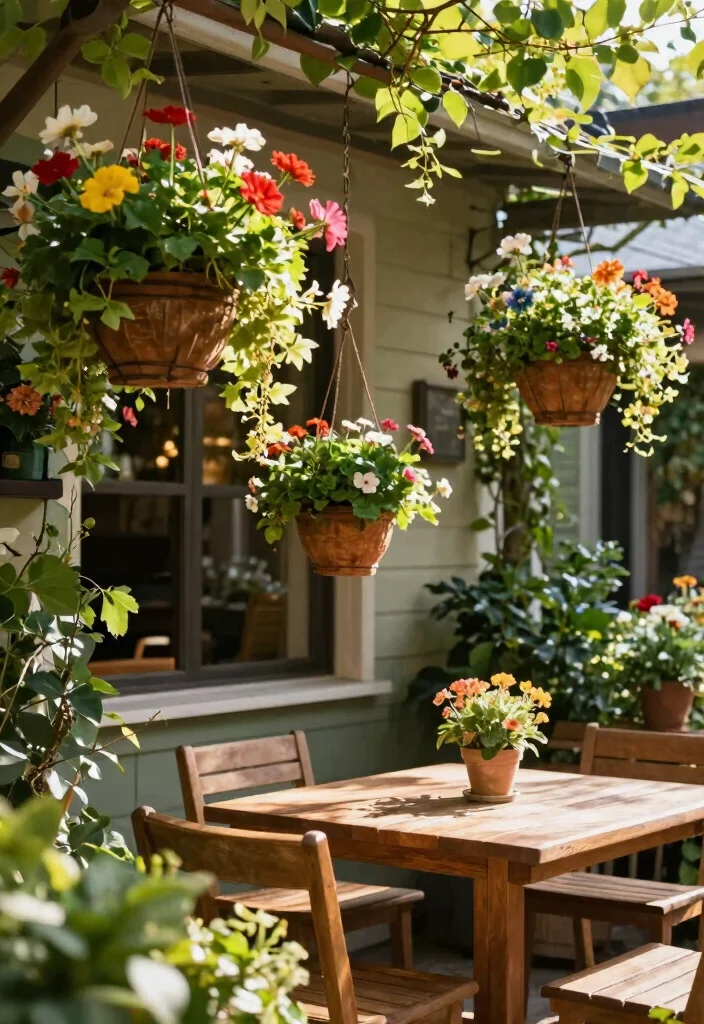
Hanging baskets are a timeless choice for vertical gardening, adding a captivating touch to any area. They can be suspended from ceilings, walls, or even trees, bringing greenery wherever you desire. With the right plant selections, these baskets can create stunning displays that draw the eye upward, enhancing the spacious feel of smaller areas.
To choose the right hanging baskets, select lightweight options with drainage holes to ensure healthy plants. Consider trailing plants like petunias or ferns for a beautiful cascading effect. Hang baskets at varying heights to create a dynamic look, and regularly check for moisture to keep plants hydrated.
Essential tips for selecting hanging baskets:
– Choose lightweight baskets with drainage holes for plant health.
– Opt for trailing plants for a cascading visual effect.
– Hang at different heights for added interest.
– Monitor moisture levels to prevent drying out.
Hanging baskets can convert bare walls or ceilings into a lush vertical garden, introducing greenery in unexpected places.
12. Vertical Vegetable Garden
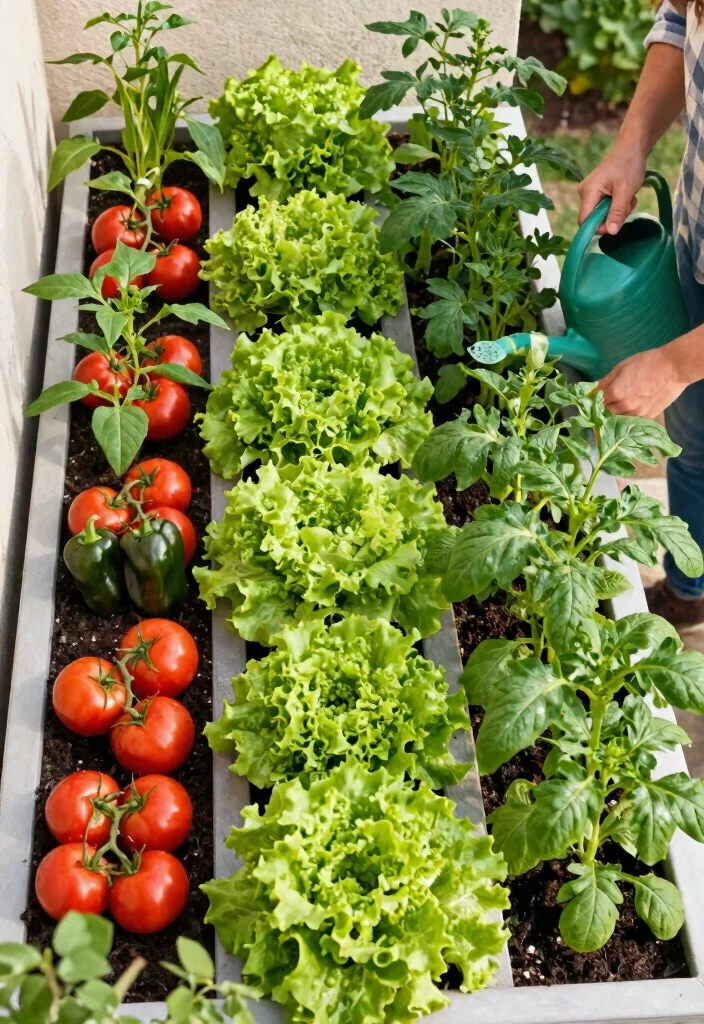
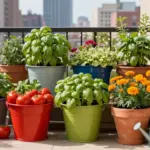
Why not grow your own vegetables in a vertical setup? A vertical vegetable garden maximizes limited space and is an enjoyable project for those eager to get their hands dirty. You can use wall-mounted planters, vertical racks, or stackable containers to cultivate your favorite veggies. This method not only saves space but can also help reduce pests and simplify harvesting. Editor’s Choice
To create your vertical vegetable garden, select vegetable varieties that thrive in compact spaces, such as lettuce and radishes. Ensure your garden receives adequate sunlight by positioning it for full sun exposure. Water consistently since vertical setups may dry out faster than traditional beds, and consider companion planting to promote healthy growth and deter pests.
Steps to establish your vertical vegetable garden:
– Select compact vegetable varieties for successful growth.
– Ensure full sun exposure for optimal growth.
– Maintain consistent watering to prevent drying.
– Use companion planting for natural pest control.
A vertical vegetable garden can be both rewarding and practical, providing fresh produce right from your home.
Vertical Vegetable Garden



Conclusion
Urban gardening doesn’t have to be a challenge, and with these wall planter ideas, you can cultivate beautiful spaces even in the most compact environments. From herbs in your kitchen to lush succulents in your living room, these vertical gardening solutions offer creativity and practicality. Each idea captures the essence of space-saving gardening, inviting you to explore the beauty of nature in your home. Embrace these trends and let your walls come alive! Note: We aim to provide accurate product links, but some may occasionally expire or become unavailable. If this happens, please search directly on Amazon for the product or a suitable alternative. This post contains Amazon affiliate links, meaning we may earn a small commission if you purchase through our links, at no extra cost to you.
Frequently Asked Questions
What are the best wall planter ideas for small spaces?
For wall planter ideas that fit urban corners, start with modular pockets, hanging planters, and lightweight rail systems. These vertical gardening solutions keep growth manageable in tight spaces.
Experiment with creative wall planters like fabric pockets, shallow troughs, and repurposed frames to build a layered, eye-catching display while keeping space-saving gardening front and center. Plan placements by light and water needs to maximize every inch.
How can I mount a vertical garden on a wall without causing damage?
Choose between freestanding setups and wall-mounted systems, then follow safe mounting steps. Start by locating studs or using heavy-duty anchors, and distribute weight across multiple points to protect the wall.
Ensure proper drainage and use temporary fixtures if you’re renting. If drilling isn’t an option, opt for vertical planters that hang or lean against the wall for indoor vertical gardens without wall damage.
What materials are best for durable and stylish vertical planting designs?
Look for rot-resistant wood, powder-coated metal, UV-stable plastics, or fabric pockets with clear drainage. These choices pair beautifully with creative wall planters and vertical planting designs, while standing up to sun, humidity, and regular watering in a compact setup.
Can I grow herbs and small vegetables with wall planters in apartments?
Yes—start with compact herbs like basil, parsley, and thyme, plus small greens or microgreens for quick harvests. Place your setup near a sunny window or add a simple grow light for indoor vertical gardens.
Use self-watering planters or drip trays to keep moisture steady, and group sun-loving and shade-tolerant plants thoughtfully to maximize your space-saving gardening space.
What maintenance tips keep a vertical wall garden thriving long-term?
Set a simple routine: check soil moisture, prune regularly, and rotate plants to balance sun exposure. Clean reservoirs to prevent algae and pests, and fertilize according to plant needs for ongoing growth. Regularly inspect for drainage clogs and weed or reseed as needed to sustain healthy vertical gardening solutions.