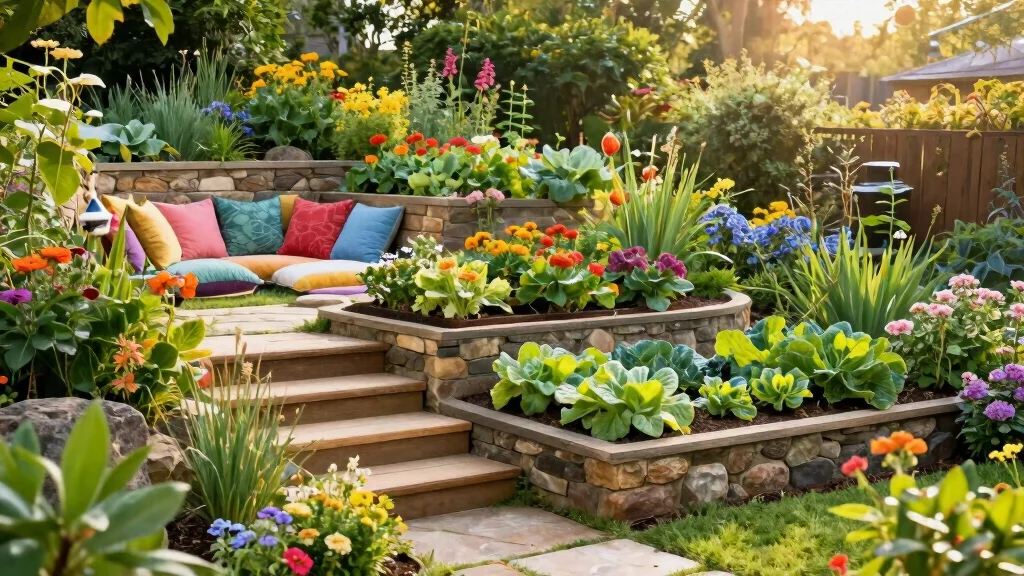
Are you tired of looking at your sloped backyard and feeling overwhelmed? You’re not alone! Many homeowners face the challenge of uneven backyards that can seem impossible to beautify. This post is designed to inspire you with some fresh ideas that will turn your sloped yard into a stunning outdoor retreat. I created this guide to help you tackle those uneven spaces and make the most out of what you have, all while creating a beautiful garden space. If you’re someone who loves gardening, landscaping, or just wants to make your outdoor space more enjoyable, you’re in the right place. Whether you’re a seasoned gardener or a novice looking to try your hand at design, these backyard terracing ideas are perfect for transforming that slope into a functional and beautiful area. You will discover twelve creative solutions that not only enhance the aesthetics of your yard but also address issues like erosion control and accessibility. Get ready to dive into practical, hands-on solutions that you can implement right away. From terraced flower beds to vertical gardens, you’ll find a variety of options that suit different tastes and budgets. By the end of this post, you’ll have the tools and inspiration you need to create a sloped yard you can be proud of.
Key Takeaways
– Explore 12 unique ideas for transforming your uneven backyard into a stunning space that maximizes its potential. – Learn about terracing solutions that can help manage the slope while adding visual interest and planting space. – Discover the importance of erosion control and how specific plants can help stabilize your sloped yard. – Find out how to create functional outdoor living spaces that make the most of your yard, turning it into an inviting retreat. – Gain insights into easy maintenance gardening techniques that make caring for a sloped yard simpler and more enjoyable.1. Terraced Flower Beds
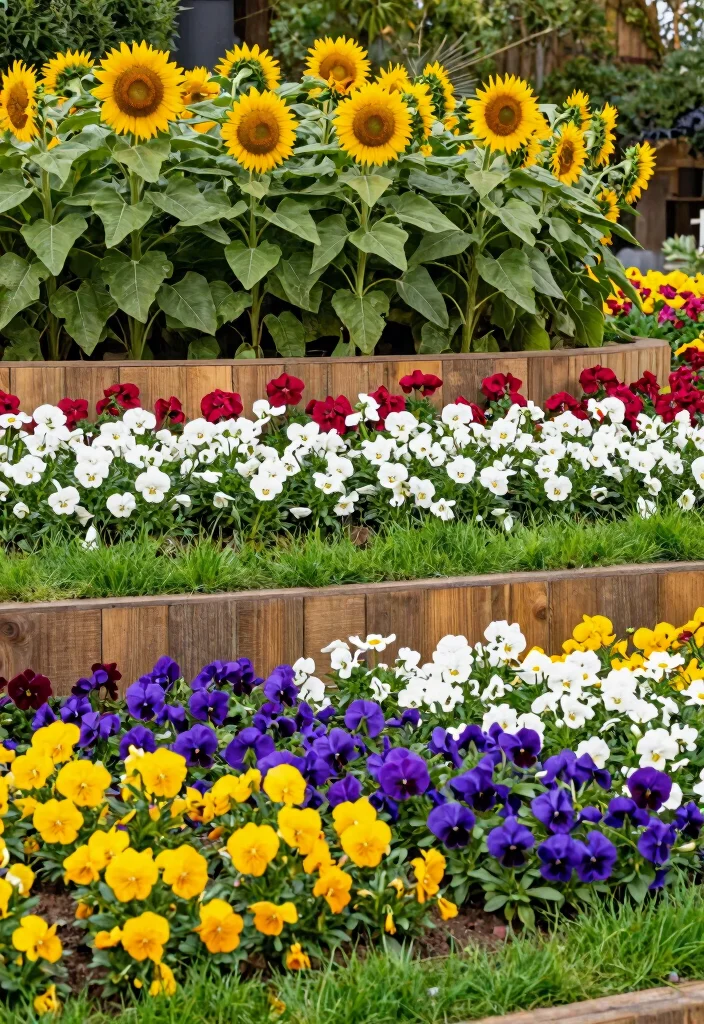
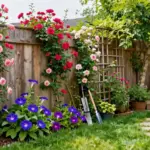
If you’re looking to beautify your sloped garden, terraced flower beds are a fantastic solution. This design creates a series of steps or levels where you can plant a variety of colorful flowers and lush greenery, enhancing both aesthetics and usability. Picture vibrant blooms framed by stones or timber, adding a natural charm to your outdoor space. Editor’s Choice
Begin by marking where each terrace will go. Use sturdy materials like landscape timber or natural stones to build the boundaries. Fill these beds with nutrient-rich soil and choose a mix of both perennials and annuals to ensure color year-round. Position taller plants, such as sunflowers, at the back and shorter varieties, like pansies, in front for a layered effect that captivates the eye.
Key ideas to implement:
– Select plants that thrive in your local climate.
– Mix in native species to attract pollinators.
– Regularly water and mulch to keep beds healthy.
This approach not only beautifies your yard but also helps control erosion, creating a picturesque and functional landscape.
Terraced Flower Beds




2. Stone Retaining Walls
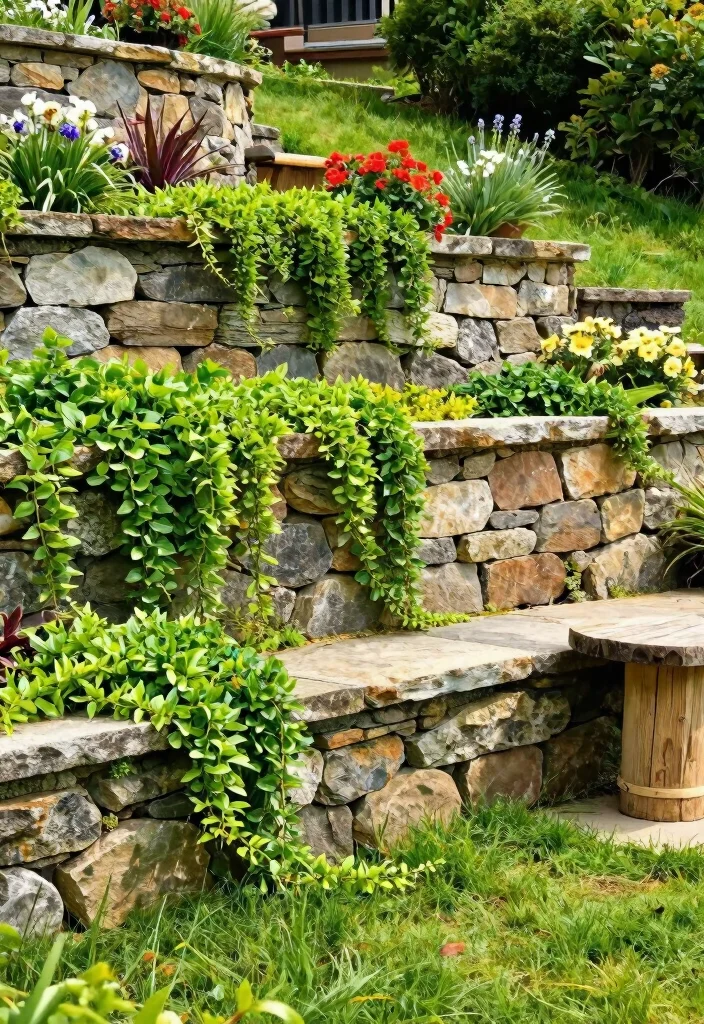
Stone retaining walls serve a dual purpose by preventing soil erosion and adding rustic beauty to your yard. These sturdy structures create levels in your garden, perfect for planting while enhancing the overall design. Imagine a charming wall lined with cascading plants, creating a serene atmosphere in your outdoor space.
To start, decide on the area for your wall and gather local stones or bricks to build it securely. Once constructed, consider planting creeping plants like sedum on top to soften the hard edges and create a lush look. This not only beautifies the wall but also helps with water drainage.
Consider these options:
– Use the wall as additional seating by making it wide enough.
– Add built-in planters for extra greenery.
– Maintain proper drainage behind the wall to ensure longevity.
With a stone retaining wall, you create a functional landscape feature that enhances both style and practicality.
Did you know stone retaining walls can cut soil erosion on sloped yards by up to 50%, a key part of uneven backyard ideas? Build level spaces for planting and let creeping sedum spill over the edge for instant rustic charm and a serene outdoor haven.
Stone Retaining Walls
Editor’s Choice




3. Raised Garden Beds
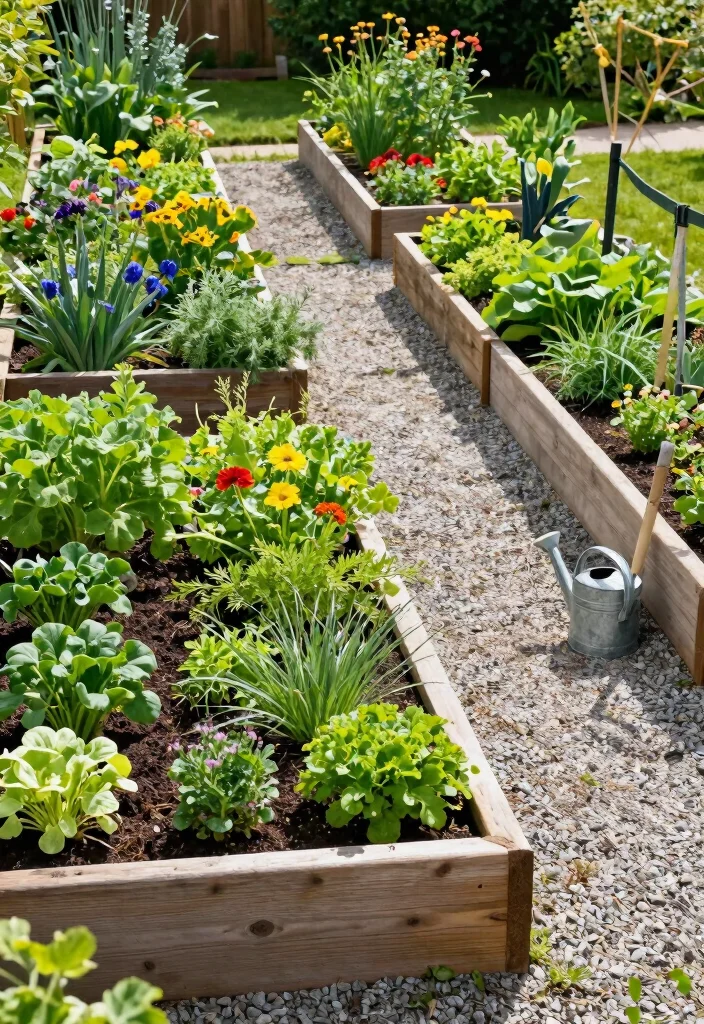
Raised garden beds are an excellent choice for gardening on slopes, offering easy access and great soil control. These elevated beds not only make gardening simpler but also improve drainage, allowing your plants to thrive. Picture a series of neat, staggered beds filled with vibrant vegetables and herbs, ready for harvest. Editor’s Choice
To create your raised beds, opt for rot-resistant wood or composite materials, building frames that sit above the ground. Fill them with a rich mix of soil and organic matter to nourish your plants. Arrange the beds in a cascading layout to enhance visual interest and make the most of your sloped yard.
Helpful tips for success:
– Choose herbs and vegetables suited to your climate.
– Establish pathways using mulch or gravel for easy access.
– Install a drip irrigation system for efficient watering.
This method not only beautifies your yard but also allows for practical gardening that fits your lifestyle.
Raised Garden Beds


📹 Related Video: 7 Beginner Raised Bed Garden Mistakes to Avoid
4. Slope-Side Walkways
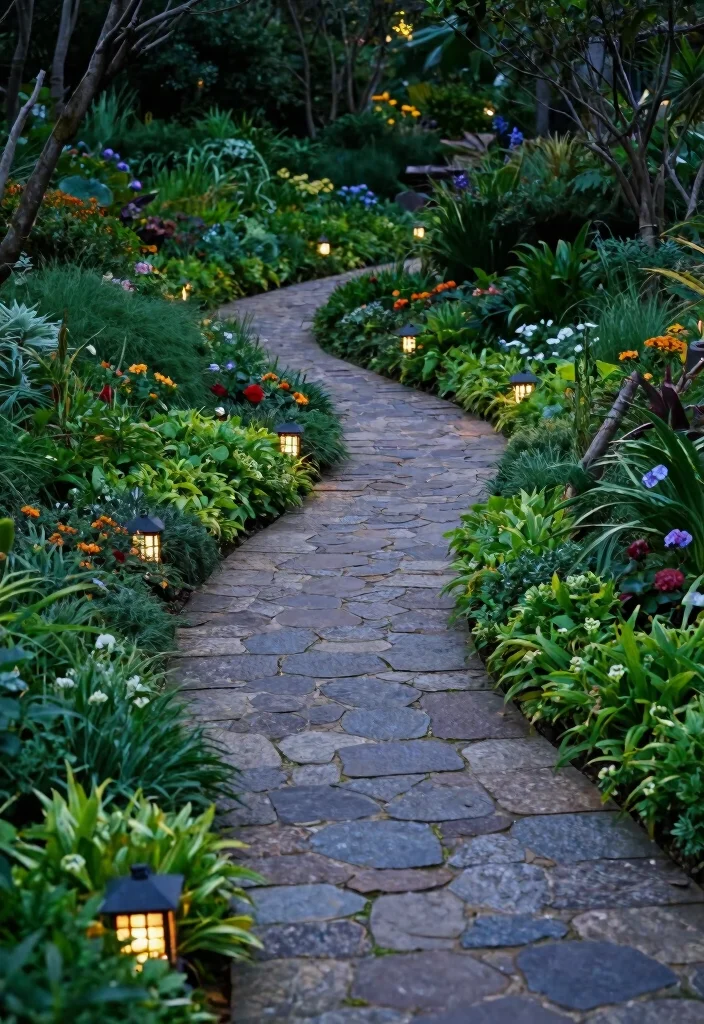
Curved walkways in your sloped backyard can boost both functionality and beauty. These pathways invite you to explore different areas of your garden while adding visual appeal. Imagine a winding path connected by natural stones, leading you through a lush landscape.
Use materials like gravel, stepping stones, or wooden planks to create a winding path that follows the slope’s natural lines. Plant low-maintenance ground cover plants alongside to soften the edges and add greenery. Consider adding small lights along the path to enhance safety and create a cozy ambiance.
To get started:
– Design a gentle curve for a natural feel.
– This layout helps reduce soil erosion by managing water flow.
– Regularly check for loose stones to keep the path safe.
These walkways not only enhance your landscape but also encourage exploration and enjoyment of your outdoor space.
Try curved slope-side walkways: they turn uneven backyard ideas sloped yard into invite-worthy routes. Use gravel, stepping stones, or wooden planks to follow the hillside, then plant low-maintenance groundcover to soften edges and keep upkeep easy.
Slope-Side Walkways
Editor’s Choice


5. Erosion Control Plants
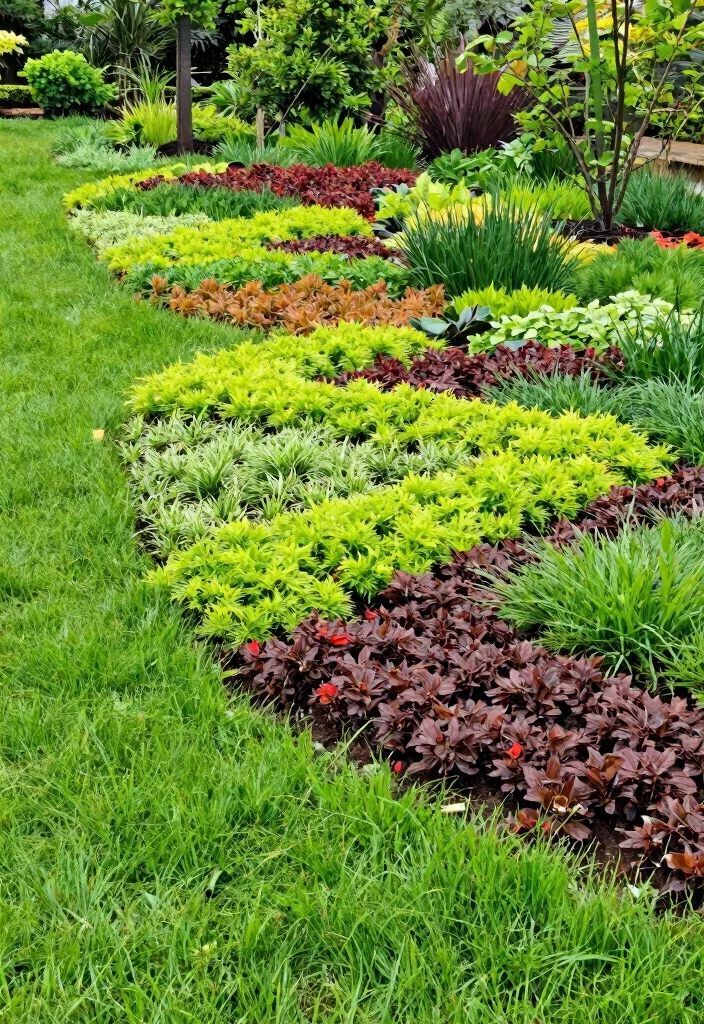
Selecting the right plants for your sloped yard is crucial for effective erosion control. Deep-rooted plants anchor the soil, minimizing the risk of washouts during heavy rains. Imagine a garden filled with resilient greenery that not only beautifies but protects your landscape. Editor’s Choice
Choose native grasses, shrubs, and ground covers that thrive in your local climate. Plants like creeping phlox or ajuga not only help combat erosion but also add visual interest. Grouping these plants together can create a striking appearance while stabilizing your slope.
Consider these tips:
– Plant during cooler months for better root establishment.
– Incorporate a variety of species to boost resilience.
– Regular care is vital, especially in the initial growth phase.
This approach not only beautifies your yard but also creates a protective barrier against erosion.
Erosion Control Plants



6. Layered Stone Steps
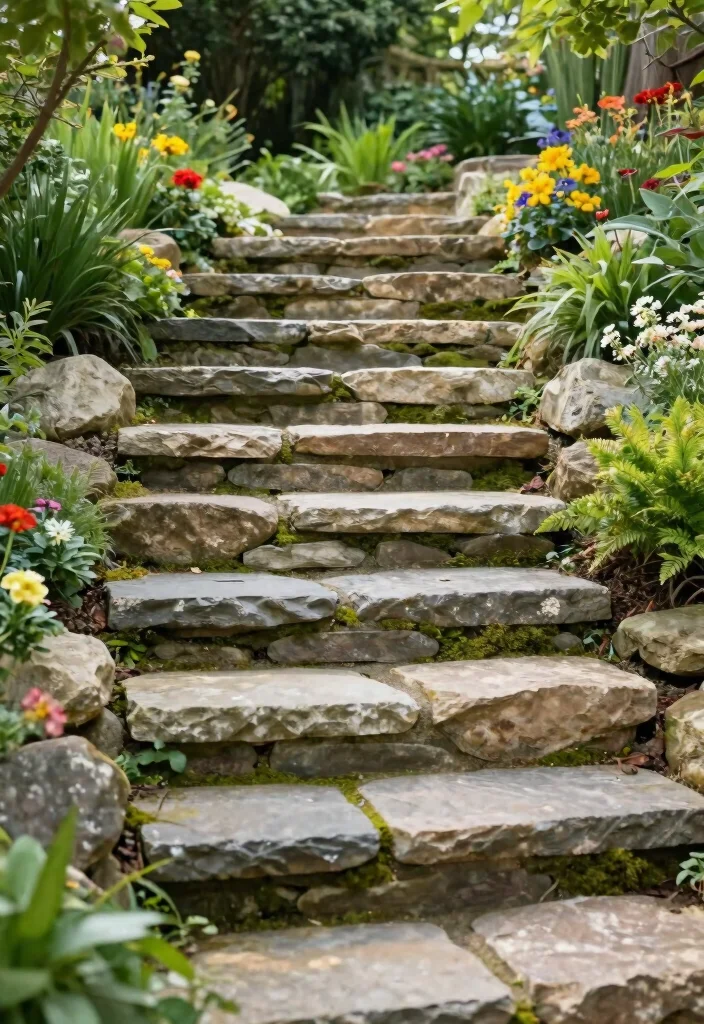
Layered stone steps are an elegant solution for navigating a sloped yard, combining practicality with beauty. These steps serve as both a functional path and a lovely feature within your garden. Imagine stepping stones set into the earth, guiding you through various levels of green.
To create these steps, select large, flat stones for easy walking. Set them securely into the ground at a gentle incline, filling gaps with soil and planting low-growing flowers for a soft, inviting look. This combination of function and charm makes your yard more accessible.
Important considerations:
– Vary the size and shape of stones for a natural feel.
– Regularly check for weeds in between the stones.
– Ensure stones are stable to avoid slipping hazards.
These layered stone steps enhance both the practicality and beauty of your outdoor space.
Did you know layered stone steps fit uneven backyard ideas sloped yard best, cutting runoff by up to 40%? They create a safe, functional path and a stunning garden feature—pair them with low-growing flowers to soften every level.
7. Water Features for Erosion Control
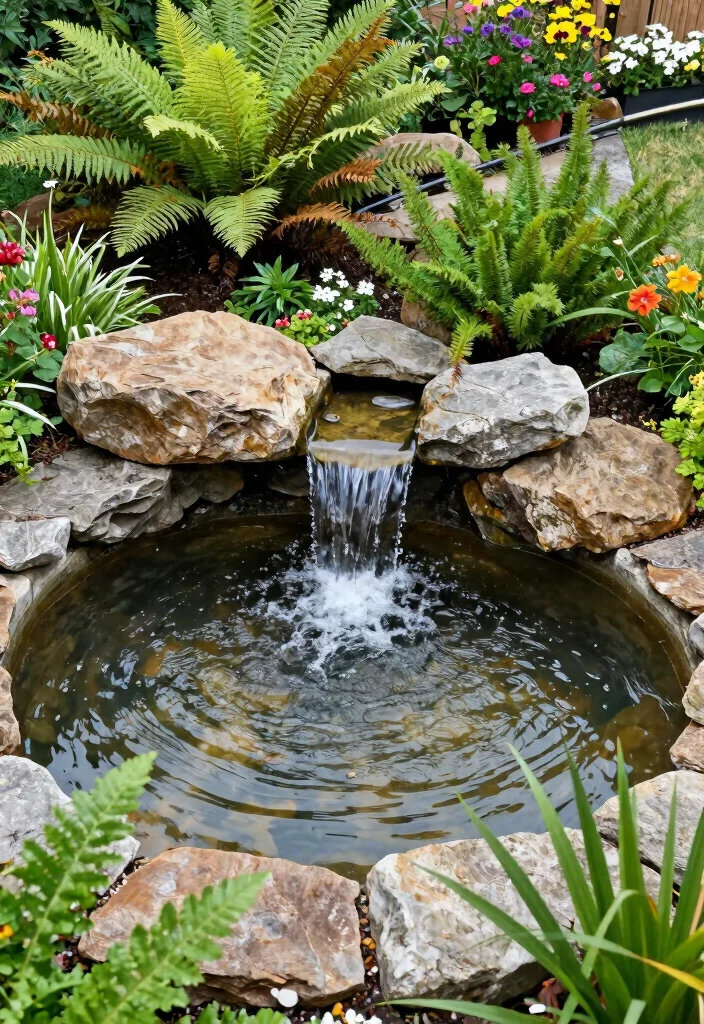
Adding a water feature to your sloped yard can be a stunning way to manage erosion. Whether it’s a pond, fountain, or waterfall, these elements not only improve water flow but also add a charming focal point. Imagine a serene pond collecting runoff, surrounded by lush plants that thrive in moisture.
When designing your water feature, position it at the slope’s base to catch runoff, while a waterfall can slow down water flow, reducing soil washout. Surround the feature with moisture-loving plants like ferns to enhance its natural beauty.
To maximize your water feature:
– Choose rocks that complement your landscape.
– Attract wildlife by creating a habitat for birds and beneficial insects.
– Regularly check the water level and clear debris.
This addition enriches your garden while effectively managing erosion.
8. Vertical Gardens
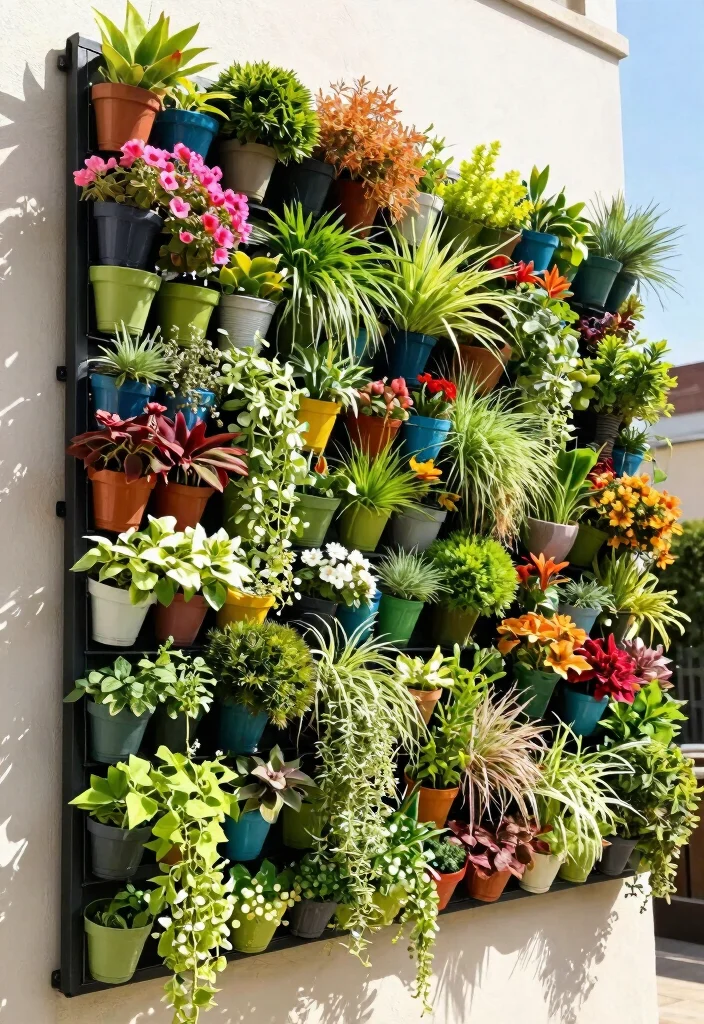
Vertical gardens are an innovative way to maximize planting in a sloped yard, ideal for those seeking to save ground space. Using wall-mounted planters or trellises, you can create lush displays that are both functional and beautiful. Picture a vibrant wall of greenery filled with herbs and flowers, easily accessible and visually striking.
To get started, select a mix of trailing plants, succulents, and herbs for your vertical garden. This design not only provides depth but also simplifies maintenance by allowing easy access without constant bending.
Tips for successful vertical gardening:
– Ensure proper irrigation and drainage for plant health.
– Use colorful pots to brighten up your display.
– Regularly prune to promote healthy growth.
This method transforms your space into a lush, vibrant area while being easy to manage.
How To Choose the Right Backyard Terracing Solutions
Choosing the best terracing solution for your sloped yard can be a game changer. With so many options available, you want to ensure that your choice not only enhances your garden’s aesthetics but also provides practical benefits. Here are some key factors to consider when selecting the right terracing solution for your uneven backyard.1. Purpose & Functionality Think about how you plan to use your terraced space. Are you looking to create different levels for planting, relaxation, or both? Define the primary function—whether it’s for growing vegetables, showcasing flowers, or creating outdoor living spaces. Knowing your purpose helps narrow down your options significantly.
2. Materials Consider what materials you want to use for your terracing. Common options include wood, stone, and concrete. Each material has its benefits: wooden terraces offer warmth and a natural look, while stone provides sturdiness and a classic appeal. Think about durability, maintenance needs, and how well the material blends with your existing landscape.
3. Design & Aesthetics Your terracing design should complement your home and overall garden theme. Whether you prefer a rustic, modern, or traditional look, ensure that the style aligns with your personal taste. You might opt for rounded edges for a softer appearance or sharp lines for a contemporary feel. Sketch out your ideas or look for inspiration online to visualize what you want.
4. Slope Gradient Take into account the gradient of your slope when selecting a terracing solution. Steeper slopes may require more robust structures like stone retaining walls, while gentler slopes might just need simple wooden or metal frames. Measuring the gradient will help you determine how many levels you’ll need and what materials will work best.
5. Erosion Control Erosion is a significant concern with any sloped yard. Choosing a terracing solution that also helps manage water runoff can prevent soil loss and maintain your garden’s health. Look for options that incorporate plants, stones, or other features to slow water movement and capture soil, enhancing both aesthetics and functionality.
6. Budget Last but not least, have a clear budget in mind. Terracing can range from affordable DIY options to more expensive professional installations. Set a realistic financial plan and explore materials and designs within your budget. Don’t forget to factor in long-term maintenance costs too!
Pro Tip: Before starting any major terracing project, consider consulting with a landscaping professional. They can provide insights tailored to your specific yard conditions, helping you make informed choices that suit your needs.
By carefully considering these factors, you’ll be better equipped to choose the right backyard terracing solution that not only looks great but also works effectively in your sloped yard. Happy gardening!
9. Artistic Pathway Designs
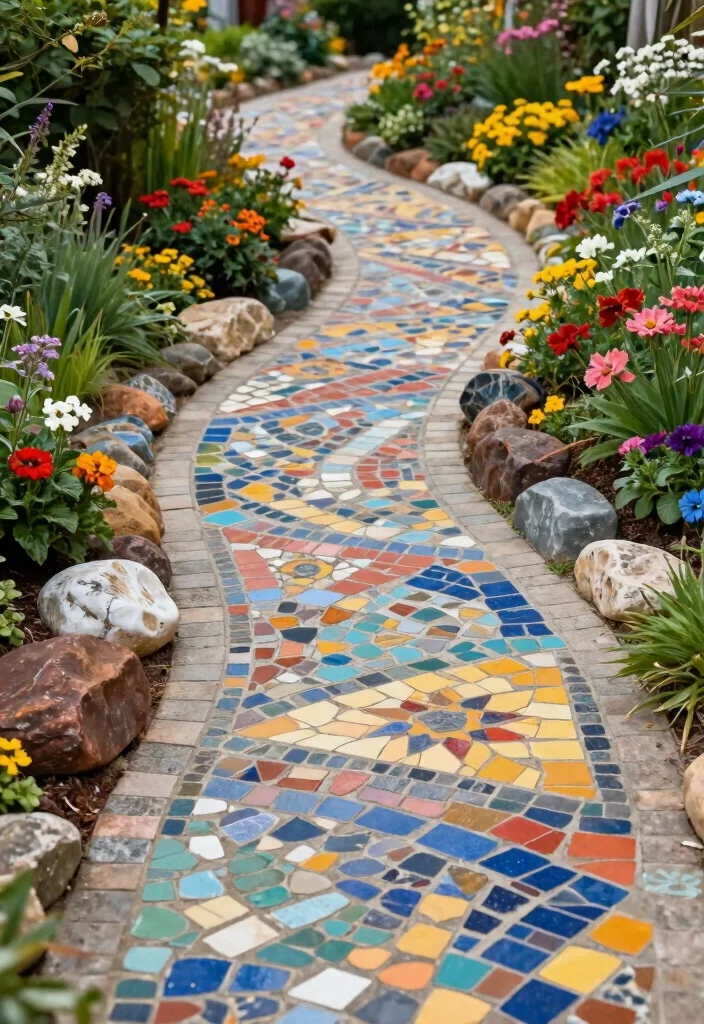
Why not bring art into your sloped backyard with creatively designed pathways? Using unique materials like mosaic tiles or colored gravel, you can create pathways that are both functional and visually stunning. Imagine a colorful mosaic path guiding guests through your garden, sparking conversation and delight.
Design the path to flow with the natural contours of the slope, leading to various garden spots. This artistic touch not only enhances functionality but also adds character to your outdoor space.
Key considerations for your path:
– Secure materials well for longevity.
– Choose colors that complement your garden plants.
– Regularly clean and reset loose tiles for safety.
These pathways can transform your sloped yard into a creative and engaging environment.
10. Outdoor Living Spaces
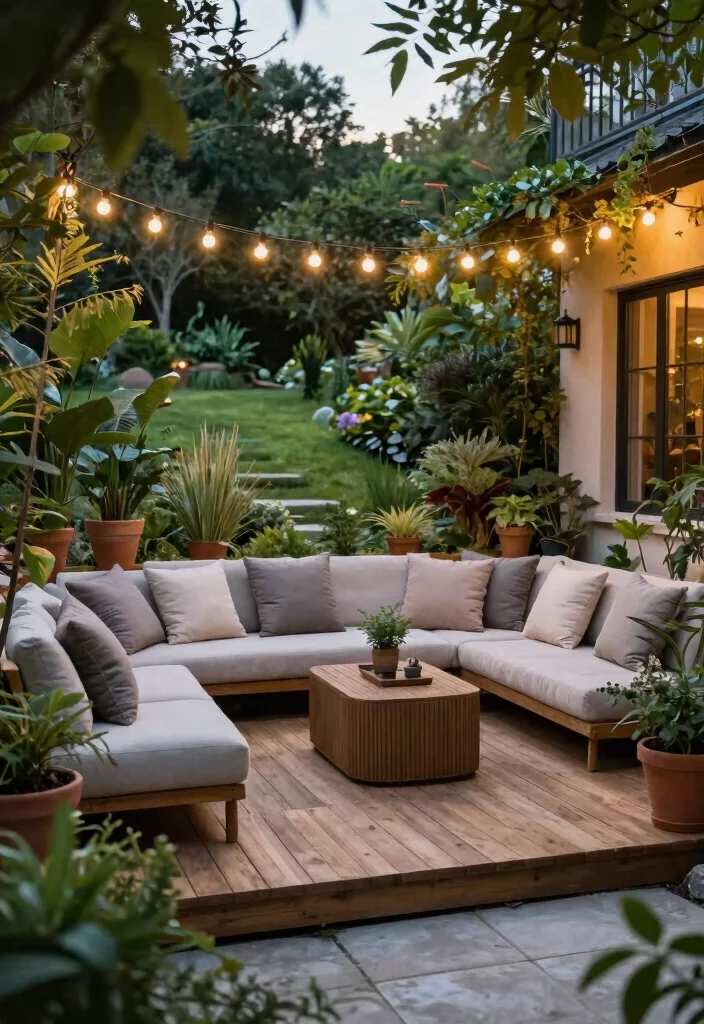
Designing an outdoor living space on a slope can combine luxury with practicality. Whether you opt for a deck, patio, or a cozy nook, these areas allow you to enjoy your garden comfortably. Picture a stylish deck overlooking your plants, complete with comfy seating and beautiful views.
When building your space, consider level platforms that align with the slope’s contours. Add planters or built-in seating with cushions for a cozy touch. Incorporate soft lighting for evening gatherings and privacy screens using trellises with climbing plants.
Essential design tips:
– Use materials that blend seamlessly with nature.
– Include a fire pit or grill for entertaining.
– Protect furniture with weather-resistant materials for longevity.
This outdoor living area enhances your enjoyment of the garden while providing a beautiful space for gatherings.
11. Edible Landscaping
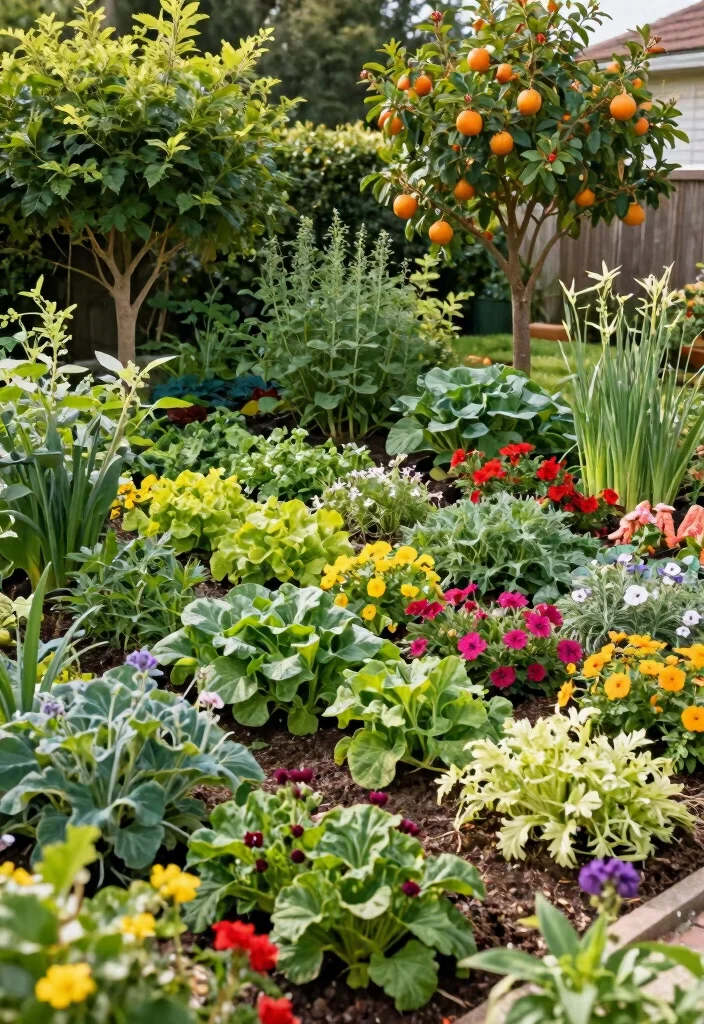
Incorporating edible plants into your sloped backyard can create a garden that is both beautiful and productive. By mixing fruits, herbs, and vegetables into your landscape, you can enjoy fresh produce right from your yard. Imagine a garden filled with colorful veggies and fragrant herbs, ready for your kitchen.
Consider planting fruit trees at the top of the slope and smaller herb and vegetable beds beneath, maximizing your space efficiently. Edible flowers can add splashes of color while being a delightful addition to salads and dishes.
Helpful tips for your edible garden:
– Choose plants that complement each other in taste and appearance.
– Ensure access for easy harvesting of fruits and veggies.
– Regular watering and weeding are essential for a thriving garden.
This approach not only adds beauty but also enriches your meals and enhances your gardening experience.
12. Creative Container Gardening
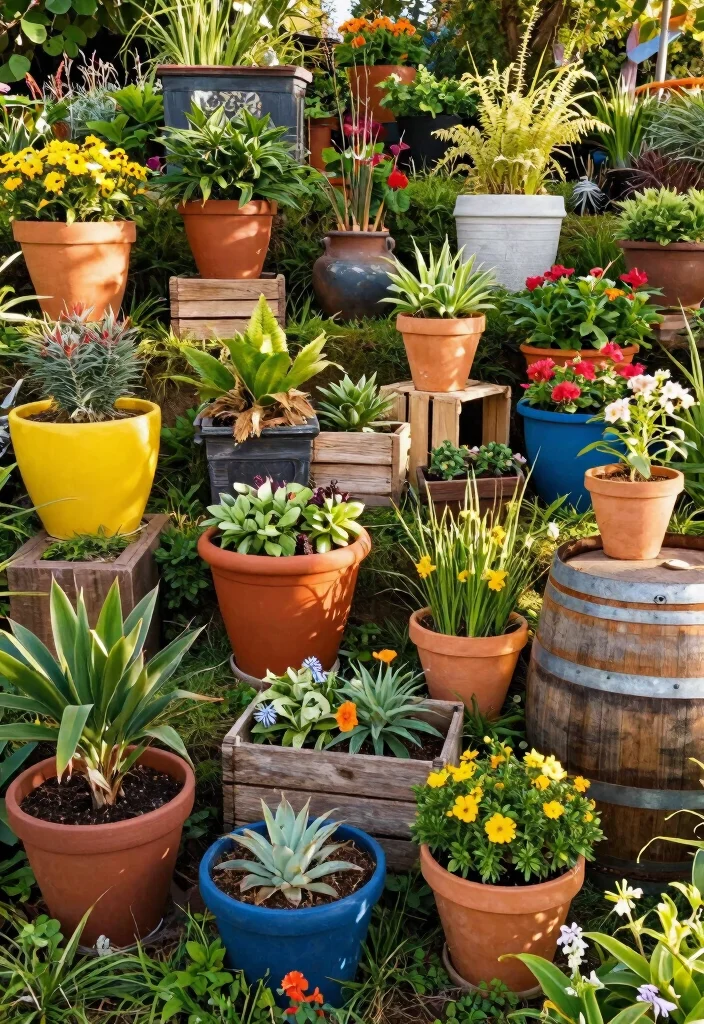
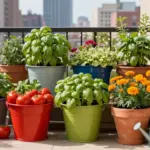
Container gardening offers a flexible solution for sloped yards, letting you grow plants without traditional constraints. Using pots, barrels, or even recycled items, you can design a garden that fits your unique space. Picture vibrant containers at different heights, creating a dynamic and inviting display.
Arrange your containers along the slope to create an attractive visual flow. Choose plants that thrive in these settings, such as trailing vines and colorful herbs. This method adds color and allows for easy rearrangement as your garden evolves.
Key tips for container gardening:
– Use a variety of container sizes and shapes for interest.
– Swap out seasonal plants for year-round beauty.
– Ensure good drainage in pots to keep plants healthy.
This method not only enhances your landscape but also brings your gardening creativity to life.
Conclusion
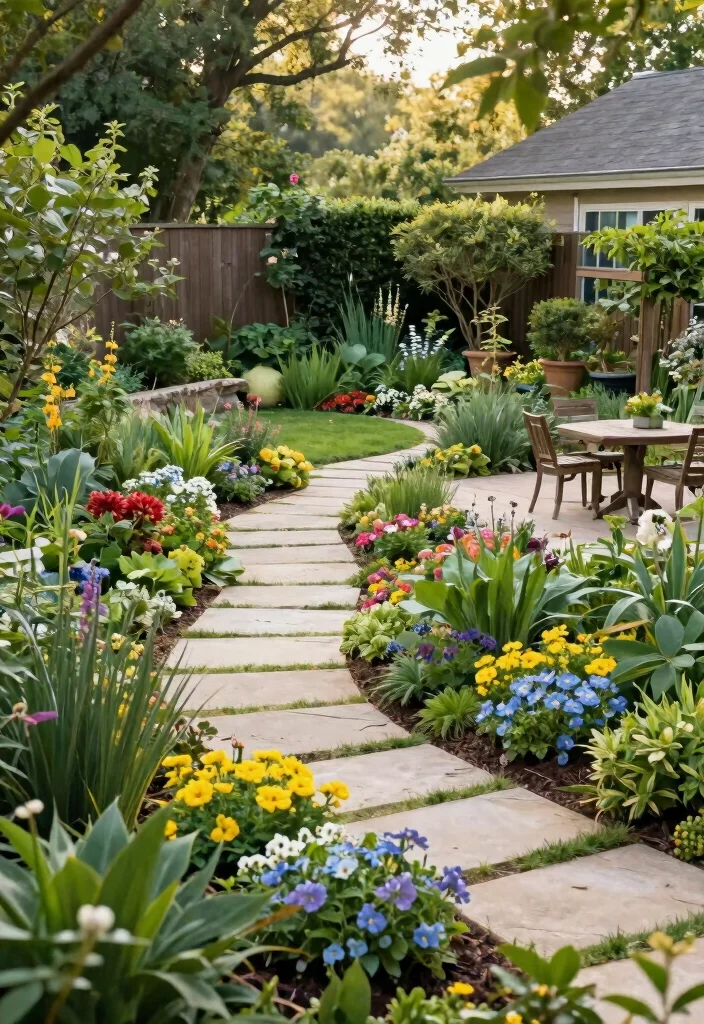
Transforming a sloped backyard into a beautiful and functional garden is all about creativity and thoughtful design. Each of these uneven backyard ideas showcases how you can tackle the challenges of a slope while enhancing your outdoor space. Whether you choose terracing, vertical gardens, or edible landscaping, there are endless possibilities to explore. Embrace the beauty of your landscape, and let it inspire you to create a backyard that reflects your personal style. Note: We aim to provide accurate product links, but some may occasionally expire or become unavailable. If this happens, please search directly on Amazon for the product or a suitable alternative. This post contains Amazon affiliate links, meaning we may earn a small commission if you purchase through our links, at no extra cost to you.
Frequently Asked Questions
What are practical uneven backyard ideas for a sloped yard to create terraced spaces?
Creating terraced spaces is a practical way to turn an uneven backyard into usable outdoor rooms on a sloped yard.
Start with a simple plan: measure the slope, decide how many terraces you want, and choose comfortable step heights (roughly 12–18 inches). Then install a sturdy retaining wall using timber sleepers, natural stone, or gabions as your budget allows. Ensure proper drainage behind each wall with perforated pipe or a gravel drain to prevent water pressure.
Fill the beds with well-draining soil and compost, then define plantings for each terrace. Choose low-growing groundcovers and perennials that hold soil, like creeping thyme, periwinkle, or sedum, to reduce erosion. Finish with edging and mulch to unify the layers. This is a classic example of backyard terracing ideas that also fits a small space while maintaining a natural look. If you’re new to it, start with two simple terraces and grow into a full design later, practicing garden design for slopes over time.
How can I prevent erosion while implementing backyard terracing ideas on a hill?
Preventing erosion on a sloped yard starts with a solid plan for drainage and soil stabilization.
Work with contour-based terraces to slow runoff, and install a drainage layer behind walls (gravel and perforated pipe) to relieve water pressure. Use erosion control landscaping practices like swales along the contour and mulching to protect bare soil.
Plant deep-rooted groundcovers such as blue fescue or creeping juniper on the edges, and choose perennials that stabilize the soil. Regularly monitor after heavy rains and adjust watering to keep soil evenly moist but not waterlogged. With these steps, your landscaping sloped yard can stay secure and beautiful.
What are creative slope gardening solutions that maximize small spaces in a sloped yard?
Creativity shines when space is tight on a slope. Try creative slope gardening solutions like vertical planters on terraces, pocket gardens built into retaining walls, and espaliered fruit on a sunny wall.
Include container plantings on stairs or in exposed sunny spots, and use rock garden accents to soften edges. Don’t forget drip irrigation and mulch to conserve water. This approach highlights garden design for slopes and keeps your landscaping sloped yard practical and stunning.
How do I choose materials for backyard terracing ideas on a budget?
For budget-friendly backyard terracing ideas on a sloped yard, mix cost-effective materials and smart planning. Start with simple timber sleepers or quick-install concrete blocks for retaining walls, then layer in natural stone or rock if you have access to affordable sources.
Plan terraces to match the slope and minimize the amount of moved soil, which saves labor and materials. Reuse or repurpose materials where possible, and consider DIY installation with proper safety and local codes. Finish with a low-maintenance groundcover to reduce ongoing costs. This approach keeps your landscaping sloped yard balanced and durable.
Can you outline a quick 5-step plan to kick off garden design for slopes this weekend?
Yes! Here’s a simple weekend-ready plan for garden design for slopes.
Step 1: survey the slope and mark contour lines to identify potential terrace levels. Step 2: sketch a layout with 2–4 terraces that suits your space and sunlight. Step 3: choose materials (timber, stone, or blocks) and plan drainage. Step 4: install the first terrace edges or retaining wall and lay a drainage layer. Step 5: fill with soil, add mulch, and plant hardy groundcovers and small shrubs to anchor the slope.
Finish with a watering plan and a simple maintenance routine. This plan aligns with creative slope gardening solutions that are easy to implement and highly actionable.