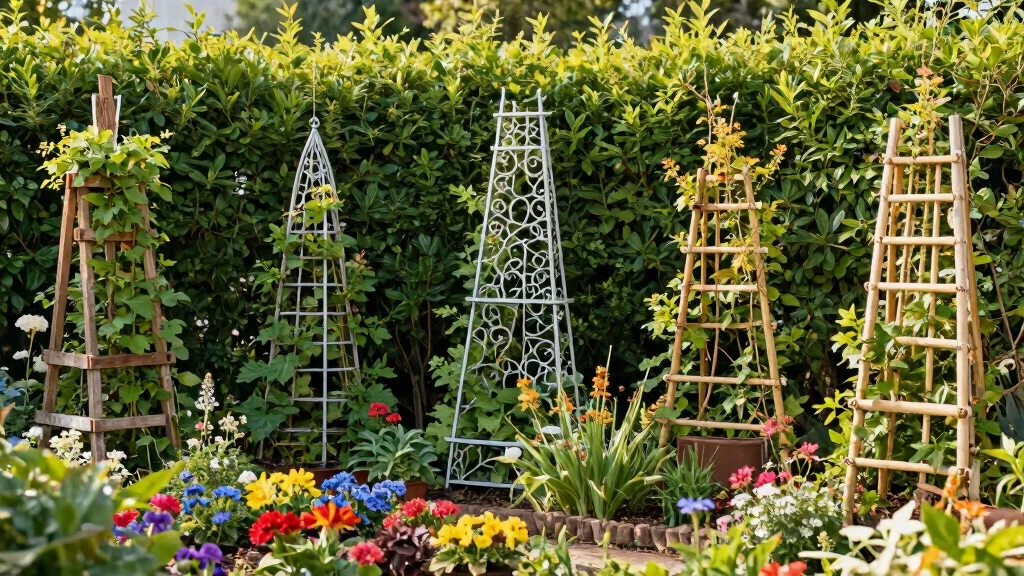
Creating a garden is more than just planting flowers or vegetables; it’s about crafting a sanctuary where you can unwind and connect with nature. This time of year always reminds me of lush greenery and vibrant blooms climbing toward the sky. If you’re someone who loves gardening, especially in small spaces, this one’s for you. I know how challenging it can be to maximize vertical space, yet that’s where the magic of climbing plants comes in.
In this post, I pulled together 14 DIY trellis ideas that are not just practical but also visually stunning. These ideas are perfect for supporting your favorite climbing vines while adding style to your garden. Whether you have a tiny balcony or a cozy backyard, these trellis designs will help you create the vertical garden of your dreams. You’ll find solutions that are easy to implement, budget-friendly, and tailored for fast-growing climbing plants. Get ready to transform your garden into a beautiful green retreat!
Key Takeaways
– Versatile Designs: Explore a range of trellis ideas, from wooden A-frames to metal arbor trellises, each suitable for different climbing plants. These designs cater to various aesthetics and garden styles. – Budget-Friendly Options: Many of these trellis ideas use repurposed materials or low-cost supplies like bamboo or pallets, making it easy to create a stunning vertical garden without breaking the bank. – Easy Construction: Each trellis idea comes with straightforward steps to guide you through the building process, ensuring you can have your climbing plants supported in no time. – Maximize Small Spaces: Discover how vertical gardening techniques can help you utilize limited outdoor areas effectively, allowing you to grow more plants in less space. – Support for Climbing Vines: Learn how various trellis types provide essential support for fast-growing climbing plants, ensuring they thrive and beautify your garden.1. Wooden A-Frame Trellis
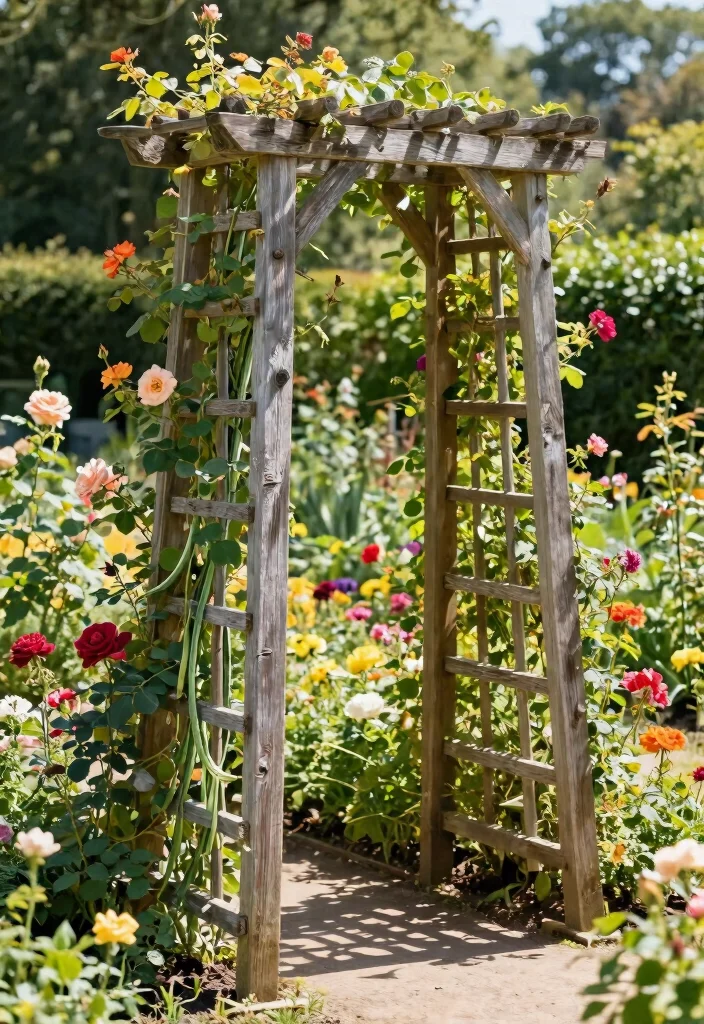
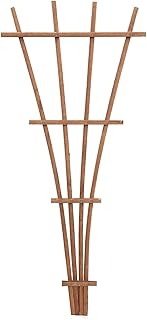
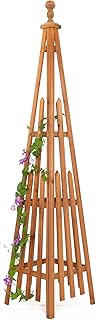
If you’re looking for a charming way to support your climbing plants, the wooden A-frame trellis is a fantastic option. It combines functionality with an inviting aesthetic, enhancing the beauty of your garden. Constructing one is straightforward, requiring just a few wooden beams and basic tools. You can customize the height and finish to match your style, whether that’s a rustic vibe or a bright pop of color.
Start by cutting two beams to your preferred height, usually around 6-8 feet. Make an A shape by connecting the top with a crossbar, then secure the bottom into the ground for stability. This design not only looks great but also supports a variety of climbing plants.
Key materials for your project:
– Use 2 wooden beams for the frame
– Add 1 crossbar for support
– Include wood sealant for protection (optional)
– Secure with screws for durability
This simple yet effective trellis is perfect for climbing roses or pole beans, making it a delightful addition to any garden.
DIY trellis ideas that actually work for climbing vines: a wooden A-frame trellis adds sturdy support and rustic charm. Build it 6–8 feet tall and finish it to match your space, so fast-growing vines thrive with style.
Wooden A-Frame Trellis
Editor’s Choice



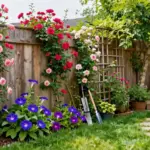
2. Lattice Wall Trellis
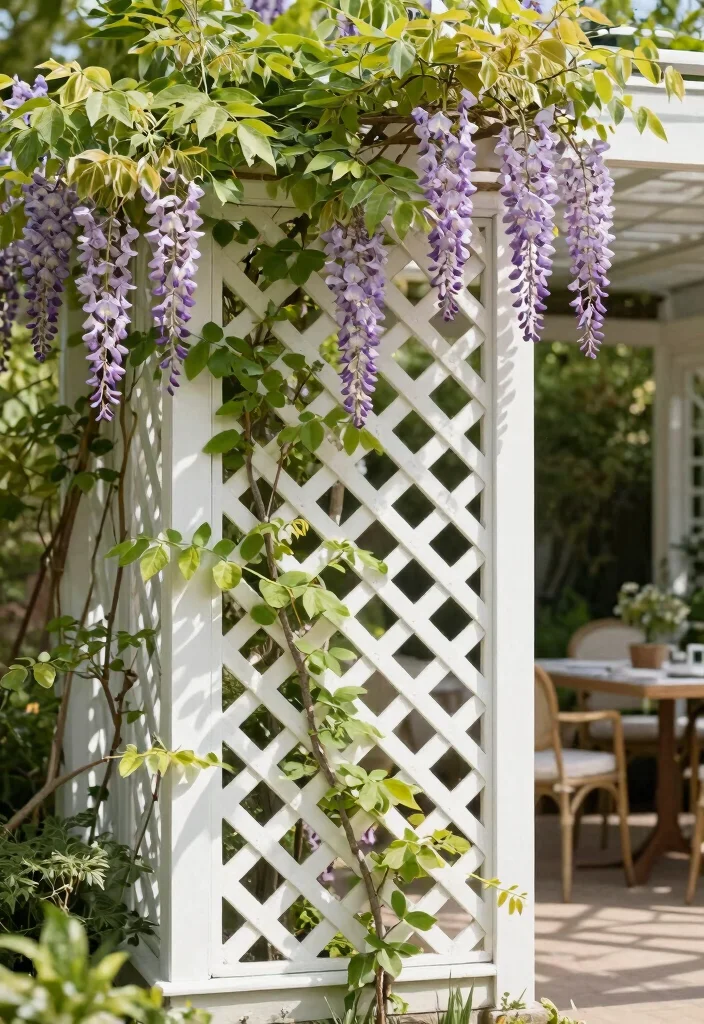
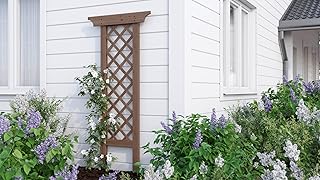
Elevate your garden aesthetics with a lattice wall trellis that efficiently utilizes vertical space. This design features a grid structure that allows your climbing plants to flourish while beautifying bare walls. You can choose between pre-made lattice panels or create your own using thin wooden slats, making it adaptable to your needs. Editor’s Choice
To enhance its appeal, consider painting or staining the lattice to harmonize with your home’s exterior. This not only provides support but also serves as a stylish backdrop for your garden.
Steps to create your own:
– Gather lattice panels for the base
– Use wood screws and brackets for assembly
– Measure and cut the lattice to fit your wall space
– Secure it with brackets and screws for stability
This trellis works beautifully with jasmine or wisteria, creating a fragrant and visually captivating garden wall.
Lattice Wall Trellis



3. Bamboo Teepee Trellis
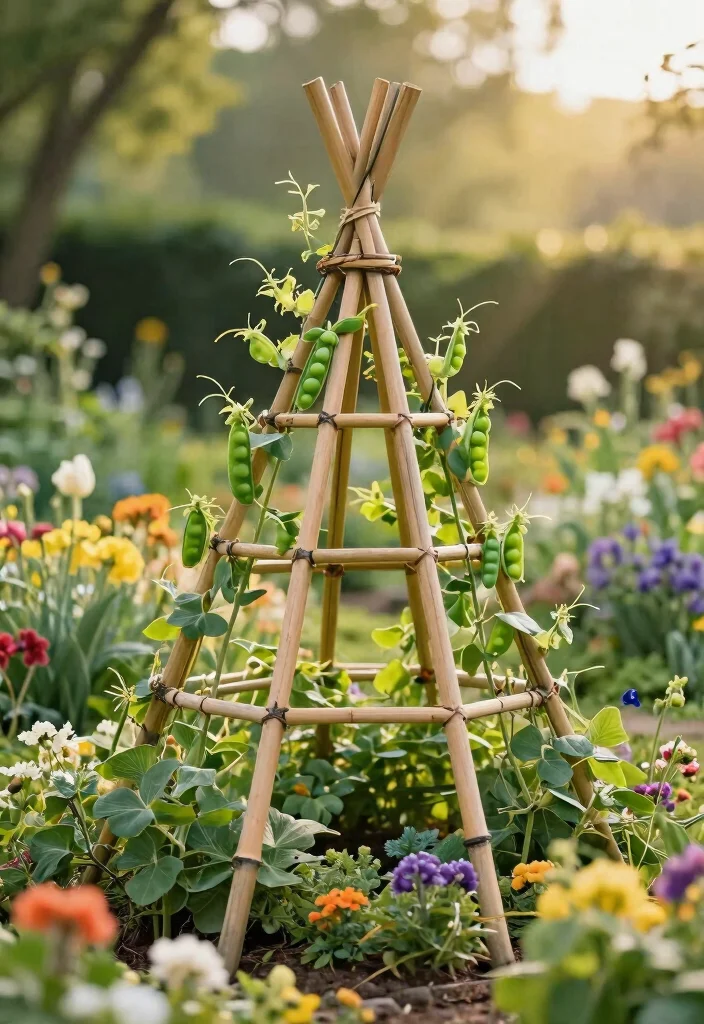
The bamboo teepee trellis is an engaging and whimsical DIY project that adds a playful touch to your garden. By arranging bamboo poles in a teepee formation, you create a unique structure that supports young climbing plants while looking delightful in your space. It’s an ideal choice for smaller gardens or pots where creativity shines.
Enhance the look by planting colorful flowers at the base to complement the climbing vines. This adds a vibrant flair and makes for a stunning display.
To get started:
– Collect 6-8 bamboo poles for structure
– Secure with twine or wires at the top
– Firmly insert the base into the soil
– Add flowers around the base for added charm
This playful trellis is perfect for peas or sweet peas, inviting a burst of life into your garden.
How To Choose the Right Trellis for Climbing Vines
When it comes to growing climbing vines in small spaces, selecting the right trellis is essential. The right trellis not only supports your climbing plants but also enhances your garden’s aesthetics. Here are some key factors to consider when choosing your DIY trellis. 1. SizeStart by measuring the space where you plan to install your trellis. Consider the height and width of the area. Most climbing vines need at least 6 to 8 feet of vertical space to grow effectively. If you have a limited area, opt for a smaller trellis like a vertical ladder or a hanging trellis on a balcony. Ensure that the trellis fits the scale of your plants and your garden design.
2. Material
Choose a material that matches your garden style and can withstand weather conditions. Common options include wood, metal, bamboo, and PVC. Wooden trellises offer natural aesthetics but may require more maintenance. Metal trellises are durable but can become hot in direct sunlight. Bamboo is lightweight and easy to work with, while PVC is weather-resistant and easy to assemble. Select materials that can support the weight of the vines you intend to grow.
3. Design
The design of your trellis affects both functionality and visual appeal. Consider whether you want a simple A-frame, a decorative arbor, or a more complex lattice wall trellis. Think about how the design complements your garden’s overall look. A well-chosen design can add a beautiful focal point to your space while providing the necessary support for climbing plants.
4. Stability
Make sure your trellis is sturdy enough to support the weight of mature vines. If you’re using a freestanding trellis, ensure it has a solid base or anchoring system. For wall-mounted options, secure them properly to prevent wobbling. You don’t want your trellis to collapse under the weight of heavy vines, as this could damage the plants and your garden.
5. Drainage
Good drainage is vital for climbing plants. Ensure that the design of your trellis allows for air and water circulation around the plants. Avoid designs that trap moisture against the base of the plants, which could lead to root rot. Consider adding gravel or drainage holes at the bottom of the trellis if necessary.
6. Budget
Lastly, set a budget for your trellis project. DIY options can range from inexpensive to more costly designs, depending on materials and complexity. Calculate the estimated costs of the materials you plan to use. If you’re looking to save money, consider using repurposed materials like old doors or pallets for a unique, cost-effective trellis.
Pro Tip: Before starting your trellis project, sketch your plan and visualize how it will look in your space. This can help you make informed decisions about size, design, and materials. Consider involving family or friends in the construction process to share ideas and make the project more enjoyable!
Choosing the right trellis involves assessing your space, considering the needs of your climbing plants, and finding a design that works for you. With careful planning, you’ll soon have a beautiful vertical garden that thrives in your small space.
4. Repurposed Old Door Trellis
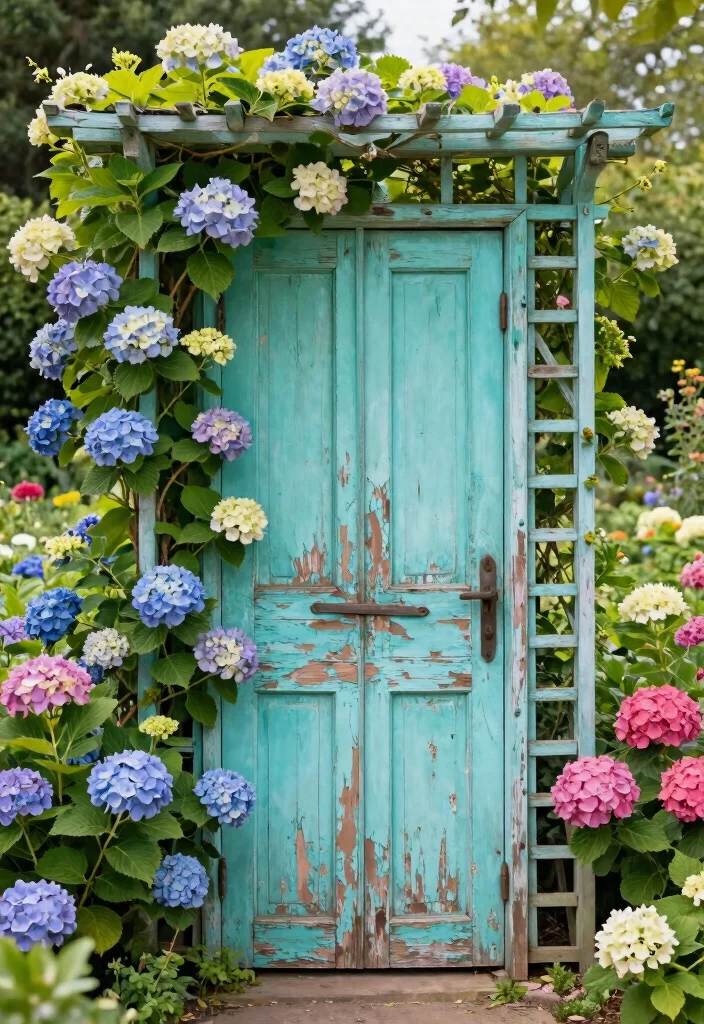
Transform an old door into a stunning trellis that not only supports climbing vines but also introduces vintage charm to your garden. This creative upcycling project is an eco-friendly way to breathe new life into an unused item. By hinging the door to a sturdy post or wall, you create a unique focal point that’s sure to spark conversations.
Consider leaving the door unpainted for a rustic look, or paint it to match your garden theme. This personal touch enhances its character and appeal.
Here’s how to make it:
– Find a solid old door to use
– Attach hinges on one side
– Secure to a post or wall for stability
– Allow vines to climb along the frame
This trellis is perfect for climbing hydrangeas and other hearty vines, adding a distinctive element to your garden.
Did you know repurposed doors can become trellises that cut project costs by up to 50%? For trellis ideas diy climbing vines, this upcycled option adds vintage charm while supporting vigorous climbers—perfect for small-space gardens. It’s a practical, stylish focal point you can build in a weekend.
5. Metal Arbor Trellis
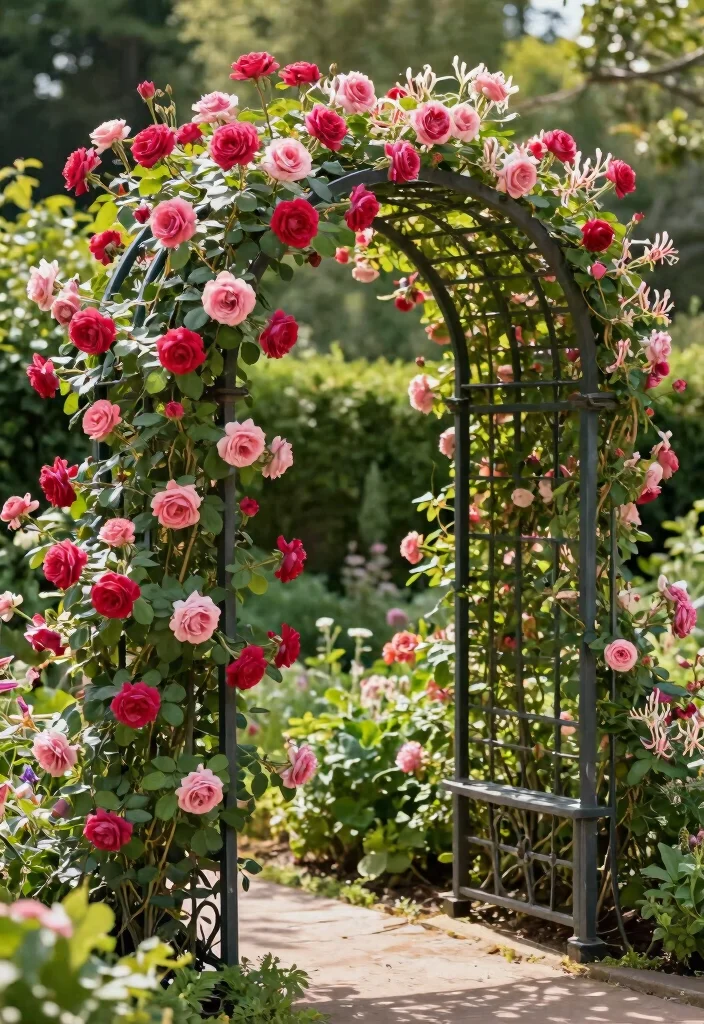
A metal arbor trellis brings sophistication and durability to your climbing plants’ support system. Available in various designs, these arbors serve as both functional supports and eye-catching focal points in your garden. You can choose to buy pre-made options or create your own using metal piping, ensuring a weather-resistant structure that will last.
To enhance its visual appeal, consider planting fragrant vines such as honeysuckle or climbing roses. Watching them cascade over the metal framework is a delightful experience.
To build your own:
– Use metal pipes or buy a pre-made arbor
– Secure with brackets and screws for stability
– Position firmly in the ground
– Encourage vines to grow over the arbor
This trellis adds a romantic and elegant touch to your garden, enriching your outdoor space.
📹 Related Video: Build a Garden Arbor with Bent Metal Tube
6. PVC Pipe Trellis
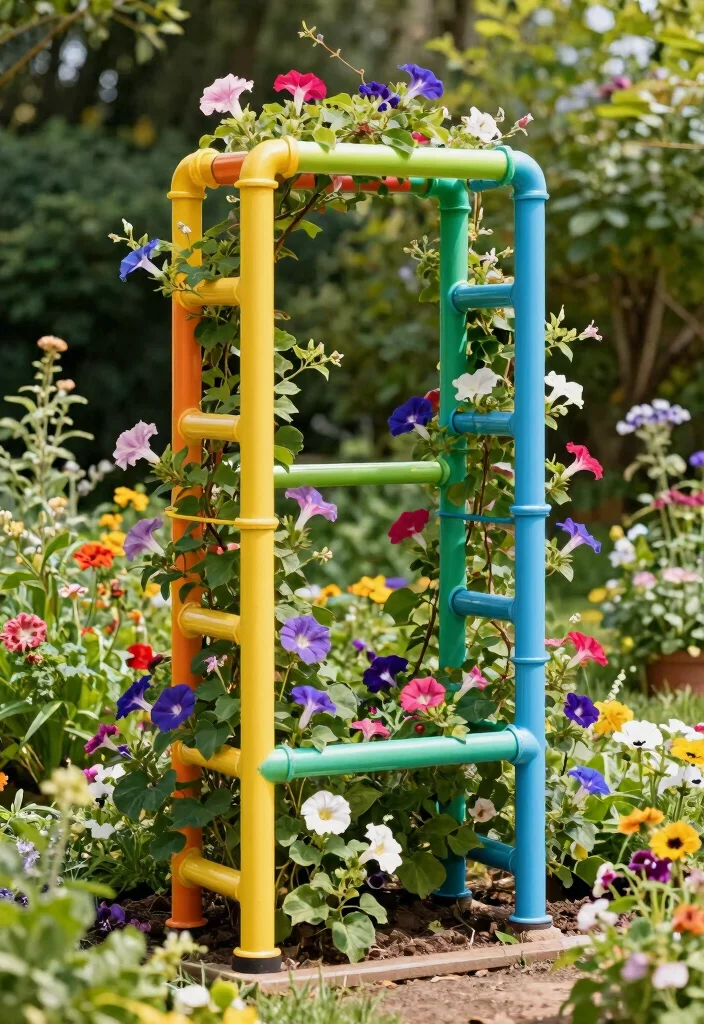
For a budget-friendly and flexible trellis option, consider using PVC pipes. This lightweight material can be shaped into various designs, making it perfect for experimenting with different styles. Whether you opt for a simple vertical grid or an intricate geometric design, PVC can adapt to your vision.
Plus, it’s weather-resistant and requires no maintenance, allowing you to focus on your plants rather than upkeep. To personalize it further, you can paint it or wrap it with decorative twine.
Here’s how to make your PVC trellis:
– Cut the PVC pipes to your desired lengths
– Connect using connectors for structure
– Secure into the ground for stability
– Optionally decorate with paint or fabric
This trellis is ideal for cucumbers or morning glories, creating a delightful vertical garden.
7. Hanging Trellis on a Balcony
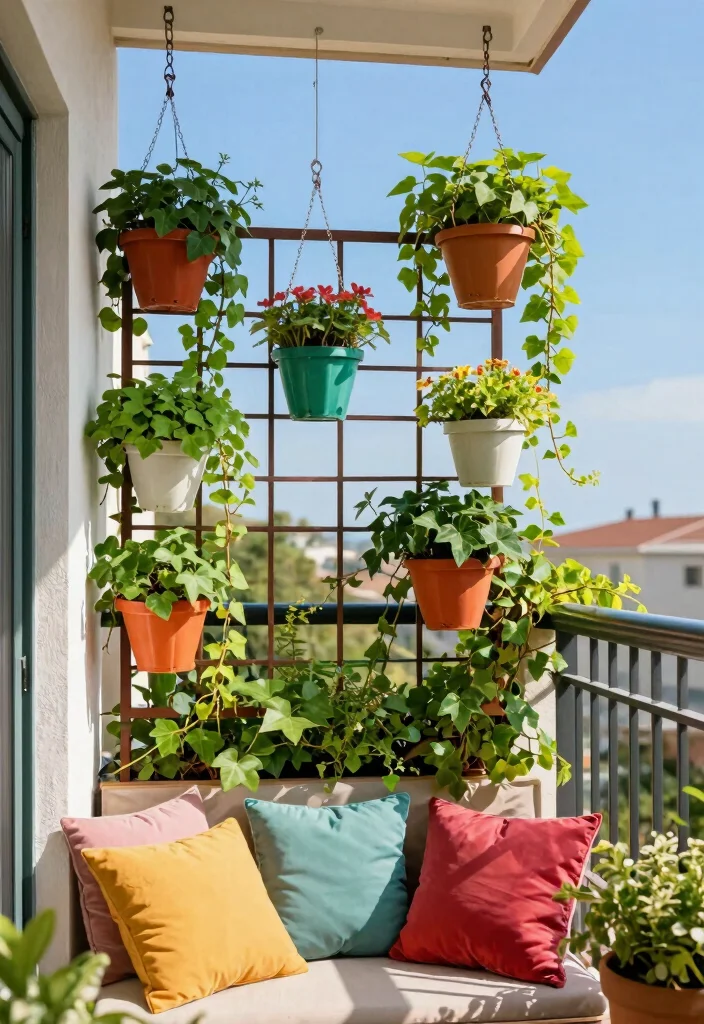
If space is limited on your balcony, a hanging trellis is an excellent way to make the most of vertical space. You can use a wall-mounted system or a vertical garden frame to hang pots, allowing your climbing plants to thrive without taking up floor area.
Choose trailing plants like ivy or petunias that cascade down for a dramatic, lush display. This approach adds visual interest and greenery to your outdoor space.
Steps to create your hanging trellis:
– Install wall-mounted hooks at various heights
– Hang pots filled with climbing plants
– Arrange them to climb or trail beautifully
This idea transforms a small balcony into a vibrant retreat filled with life!
8. Pallet Garden Trellis
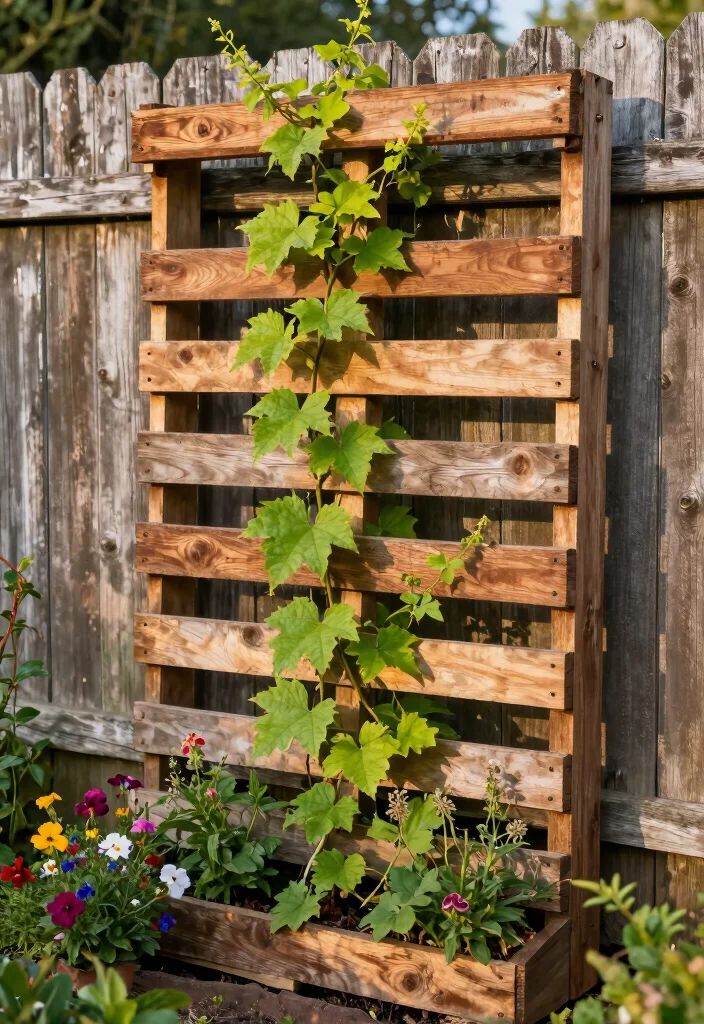
Repurpose an old shipping pallet to create a rustic trellis that supports climbing plants while adding charm to your garden. This eco-friendly option is not only practical but also an attractive feature when propped against a wall or fence.
Consider enhancing its look by staining the pallet or adorning it with fairy lights, creating a cozy atmosphere at night.
Follow these steps to build your pallet trellis:
– Clean the shipping pallet and repair any broken slats
– Prop it against a wall or fence securely
– Plant climbing vines at the base for support
This trellis idea introduces an industrial, rustic vibe, making it a wonderful addition to any garden space.
Pallet garden hacks are a win for small spaces: repurpose a shipping pallet into a sturdy trellis that climbs with minimal effort. Clean, repair, stain, and add fairy lights; that’s all you need to get a charming, DIY trellis for climbing vines.
Pallet Garden Trellis
Editor’s Choice


9. Woven Willow Trellis
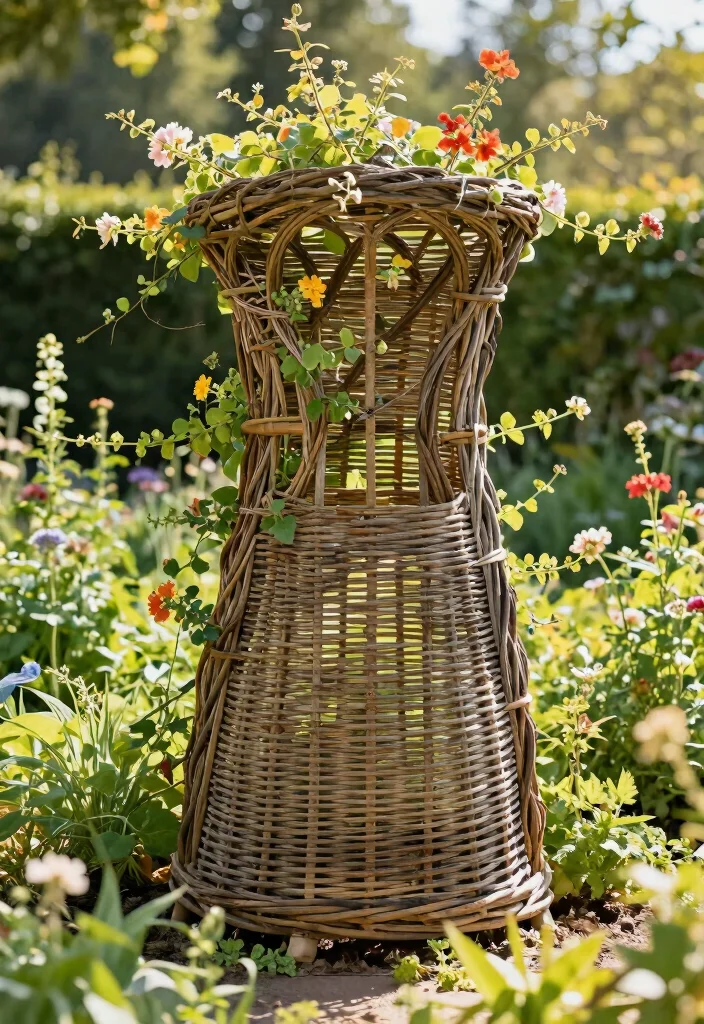
For a natural and artistic approach, consider creating a woven willow trellis. By gathering flexible willow branches, you can weave them into captivating shapes such as circles or abstract designs. This trellis not only supports your vines but also serves as a stunning piece of natural art in your garden. Editor’s Choice
While it requires a bit more effort, the organic feel it adds is truly rewarding. Choose plants like peas or soft flowering vines that can easily climb and intertwine with the trellis.
To craft your woven trellis:
– Gather fresh willow branches for weaving
– Cut them to desired lengths and start weaving
– Secure loose ends with twine if needed
This trellis idea beautifully integrates nature into your gardening style!
Woven Willow Trellis


10. Vertical Ladder Trellis
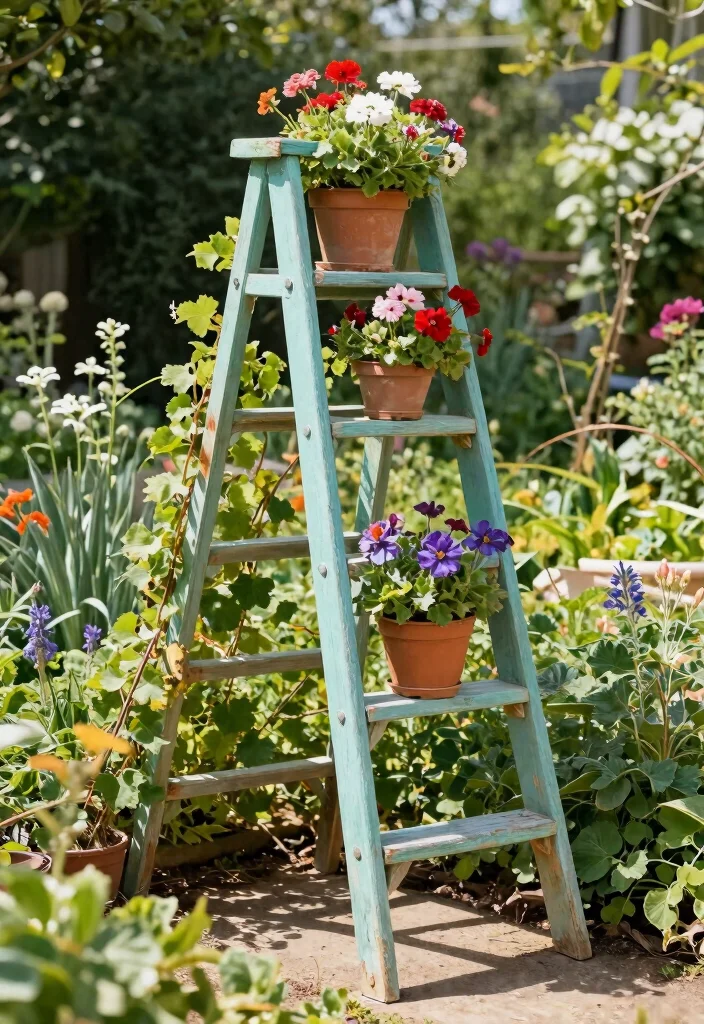
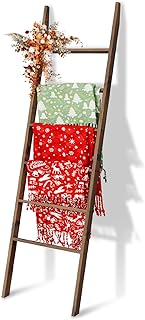
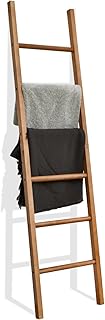
Repurpose an old wooden ladder as a quirky and functional trellis in your garden. Lean the ladder against a wall or fence, allowing your climbing plants to grow up the rungs. This not only provides support but also creates a striking visual centerpiece that adds character to your outdoor space. Editor’s Choice
For a fun twist, consider painting the ladder in vibrant colors to match your garden theme. You can also hang small pots or decorative items from the rungs for added charm.
To use a ladder as a trellis:
– Clean the ladder and paint if desired
– Lean it against a wall or fence for support
– Plant climbing plants at the base or hang pots for decoration
This ladder trellis adds an eclectic touch, making your garden unique and inviting!
Vertical Ladder Trellis



11. Wire Mesh Trellis
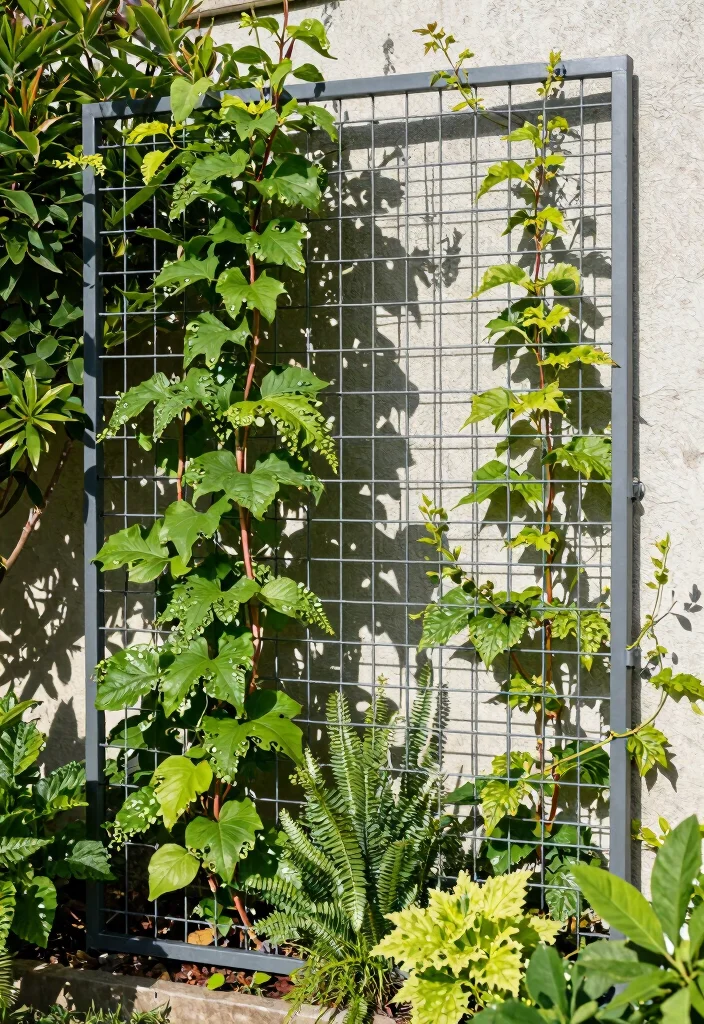
For a modern and sleek support system, wire mesh trellises are an excellent choice. Simply attach a piece of wire mesh to a fence or wall, allowing your climbing plants to latch onto it as they grow. This design is particularly effective for denser plants like squash or cucumbers, which thrive by clinging to the mesh.
Add a coat of paint to match your garden’s aesthetic and personalize it further!
To create your wire mesh trellis:
– Cut the wire mesh to your preferred size
– Secure it to the wall or fence using screws
– Let climbing plants attach and grow freely
This modern trellis option combines beauty and functionality, enhancing your garden’s design!
12. Canvas Trellis Banner

Add a creative twist to traditional trellis designs with a canvas trellis banner. Stretch a durable canvas between two poles or attach it to a wall, creating a backdrop for your climbing vines. This unique approach allows for endless design possibilities, from painted patterns to personal quotes.
Vines like black-eyed Susans will thrive with this decorative option, adding both greenery and creativity to your space.
Steps to create your canvas trellis:
– Stretch the canvas between two sturdy poles or attach it to a wall
– Paint your desired designs or leave it plain for simplicity
– Allow climbing plants to grow over it for a charming display
This inventive idea personalizes your garden and adds a delightful touch!
13. Garden Sphere Trellis
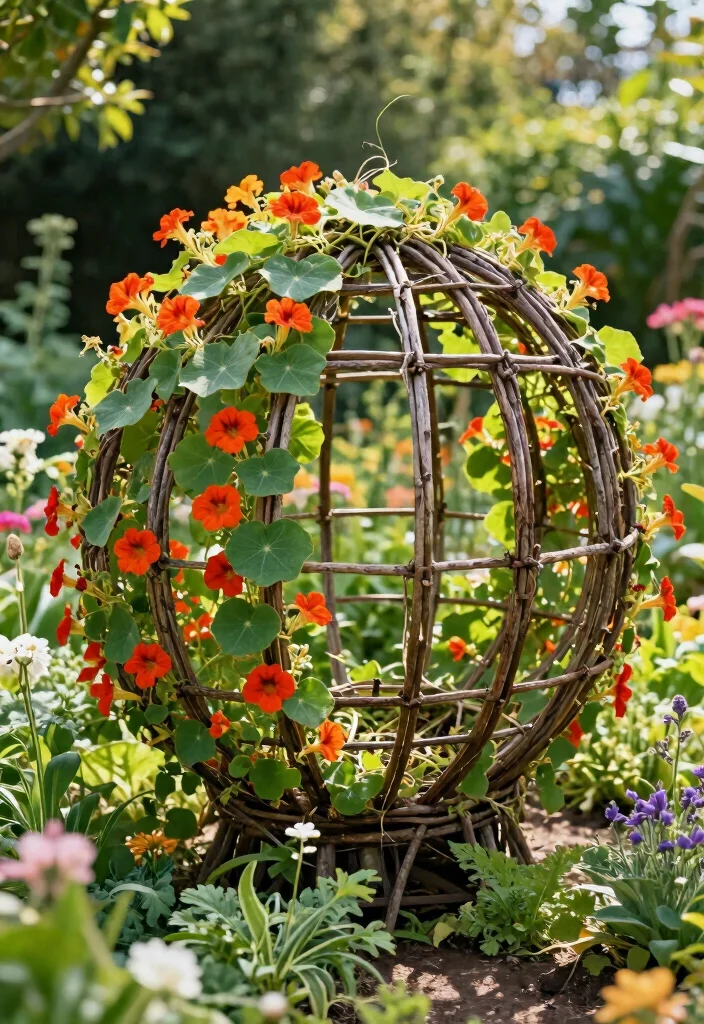
Create a stunning focal point in your garden with a garden sphere trellis. Constructed from wire or flexible twigs, these spherical shapes provide a fun structure for climbing plants to wrap around. Position them in garden beds or as standalone features, letting the vines spiral gracefully around the orbs.
This design supports the plants while adding dimension and beauty to your garden, making it perfect for climbing nasturtiums or small flowering vines.
To build your garden sphere:
– Weave wires or twigs into a round shape
– Secure it in the ground using soil or stakes
– Allow climbing plants to wrap around for a stunning display
This trellis idea transforms your garden into a whimsical retreat, showcasing nature’s beauty!
14. Vertical Pipe Garden Trellis
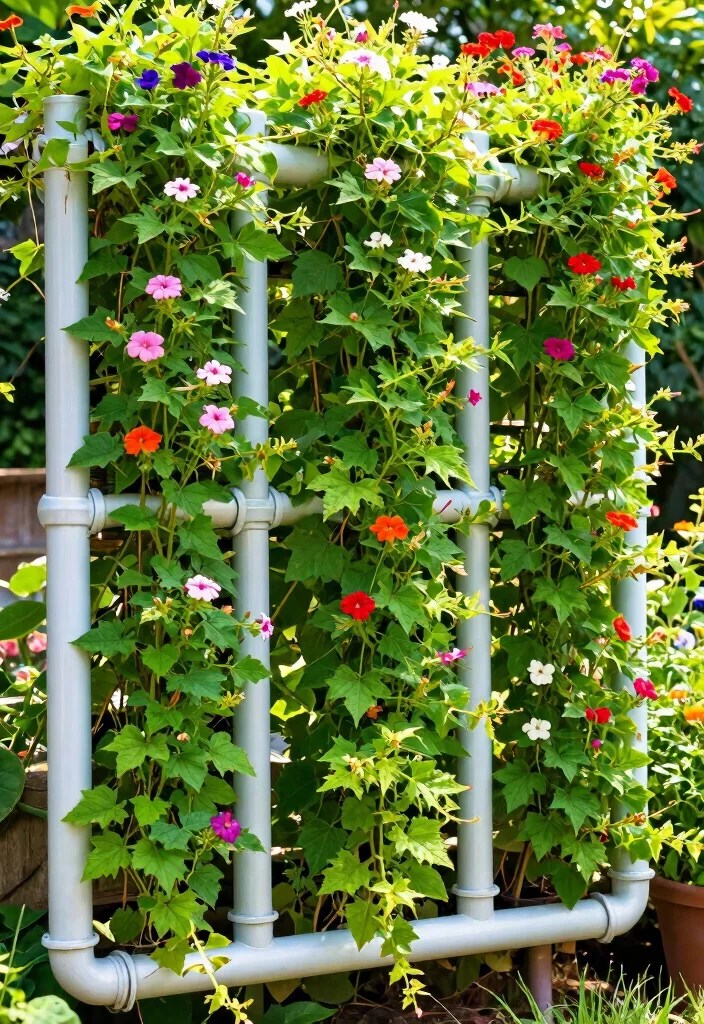
Maximize your gardening potential with a vertical pipe garden trellis. Constructed from stacked vertical pipes or tubes, this design allows you to plant multiple climbing vines in a small footprint. Secure the pipes to a fence or wall to provide ample support as your plants grow upwards.
For added versatility, consider incorporating horizontal sections for extra planting opportunities, making the most of your space.
Steps to create your vertical pipe trellis:
– Cut pipes to desired lengths and secure them vertically
– Connect pipes to allow for both vertical and horizontal growth
– Plant climbing vines in the openings and let them flourish
This efficient trellis design is ideal for space-saving gardens, making it a smart choice for urban gardening!
Conclusion
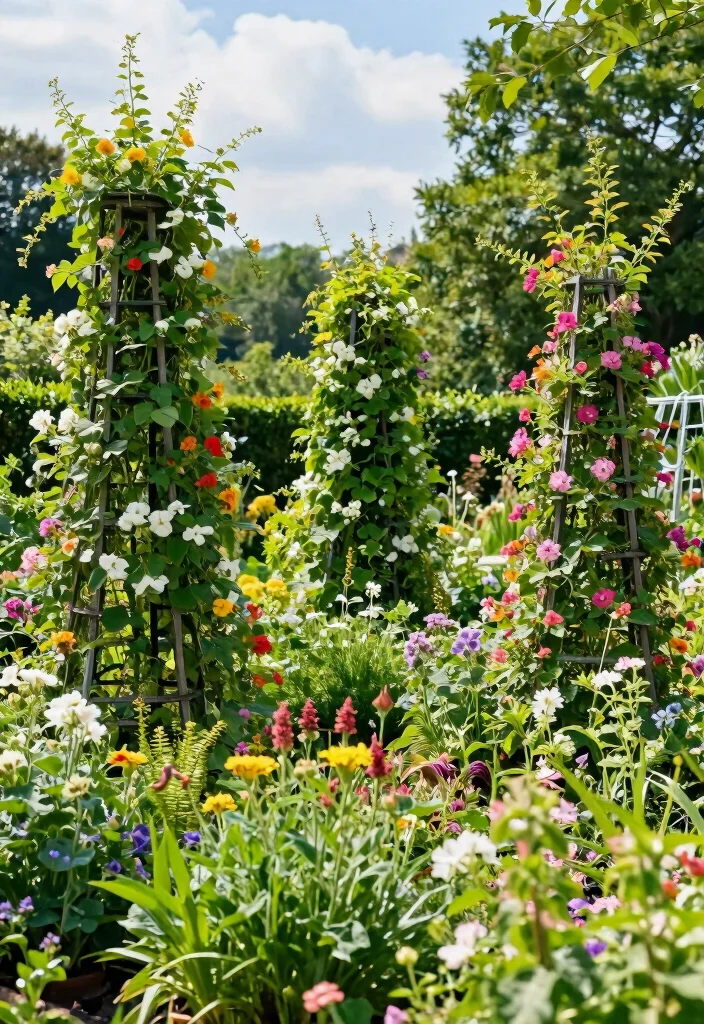
These 14 DIY trellis ideas provide not just support for your climbing vines but also an opportunity to express your personal style in your garden. From rustic wooden A-frames to modern wire mesh designs, there’s a trellis style for every taste and space. So, gather your materials, unleash your creativity, and enjoy watching your vertical garden flourish beautifully! Note: We aim to provide accurate product links, but some may occasionally expire or become unavailable. If this happens, please search directly on Amazon for the product or a suitable alternative. This post contains Amazon affiliate links, meaning we may earn a small commission if you purchase through our links, at no extra cost to you.
Frequently Asked Questions
What are some easy DIY trellis ideas for fast-growing climbing vines in small spaces?
Here are several trellis ideas diy climbing vines that work well in tight spots: a freestanding lattice panel you can place anywhere; a wall-mounted wire mesh panel for solid climbing plants support; a bamboo teepee or obelisk adds height with vertical gardening techniques; a repurposed wooden pallet trellis for a budget-friendly look; and an arched lattice garden arch for a decorative focal point.
Quick-start tips: pick a sturdy option, mount or anchor it securely, and train new growth along the grid or spokes. Choose vine trellis materials you already have or can source easily, like wood, metal, bamboo, or pallets.
How do I choose the right trellis design for different climbers?
Different climbers have different needs. Light vines (nasturtiums, sweet peas) do fine with a simple lattice, while fast growers (wisteria, ivy) require a heavier setup like a wall-mounted steel grid or a freestanding panel.
Consider whether the plant clings or twines, its mature weight, sun exposure, and wind. For the best climbing plants support, match the garden trellis designs to the vine’s habit and space, and plan for future pruning as it grows.
What materials work best for durable DIY trellises and where can I buy them?
For durability, choose rot-resistant woods like cedar or redwood, or pressure-treated pine with a weatherproof finish. Metal options include galvanized steel or powder-coated aluminum for a sleek look, and bamboo can be a lightweight, natural choice. PVC can be budget-friendly for light-duty use.
Find these at local hardware stores, garden centers, or online, and don’t forget weatherproof sealants and corrosion-resistant hardware when assembling.
How can I install a trellis quickly for rapid coverage in a small garden?
Plan first, then install in a few simple steps: 1) choose a sunny, accessible spot and the trellis design that fits; 2) mount against a wall using wall studs or masonry anchors; 3) for a freestanding setup, anchor feet with metal stakes or a concrete base; 4) secure the frame with appropriate fasteners and level it; 5) train vines onto the structure with soft ties or plant clips; 6) monitor growth and adjust ties as vines thicken.
With the right vine trellis materials and quick assembly, you’ll see coverage in weeks.
What maintenance tips help keep a DIY trellis sturdy as vines grow?
Keep your trellis sturdy by inspecting for rot or rust at least twice a season, tightening screws and bolts, and replacing any damaged crossbars. Regularly prune and train vines to prevent heavy weight on one area, add extra ties or guy wires in windy spots, and reapply weatherproof sealant to wood as needed. A little maintenance now keeps your garden trellis designs looking great and ensures long-lasting climbing plants support.