
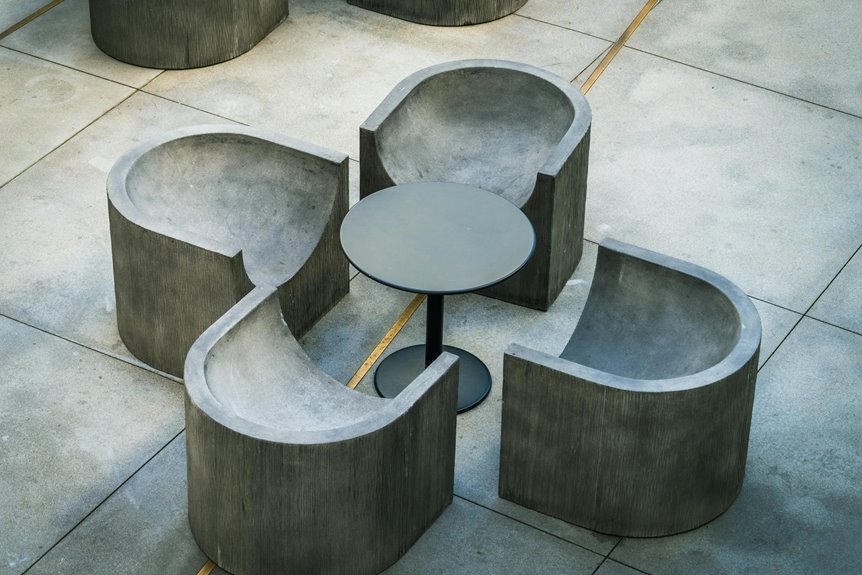
Yes, I should seal my concrete patio to stop water damage, UV fading, and freeze-thaw cracking. Here’s how I start.
First, I look over my patio for cracks, spalling (which is when pieces of concrete chip away), or chips. I sweep away debris and pressure-wash the surface at about 3000 PSI. Then I let it dry for 24 hours before moving forward.
Next, I fill any cracks I find with concrete filler like Sakrete Concrete Crack Sealant. I need to make sure my patio is fully cured, which takes 28 days minimum after it was poured.
When picking a sealer, I choose one that fits my climate. I want something with UV resistance and moisture protection. Products like Quikrete Concrete Sealer or TileLab Concrete Sealer work well for most patios.
I apply two coats of sealer using a roller or sprayer. I wait 4 to 8 hours between coats and pick cool conditions to apply it. I avoid sealing on hot days or when rain is expected within 24 hours.
To keep my patio in good shape, I reapply sealer every 1 to 3 years depending on foot traffic and weather. This regular maintenance extends my patio’s lifespan and keeps it protected.
Understand Why Sealing Protects Your Patio
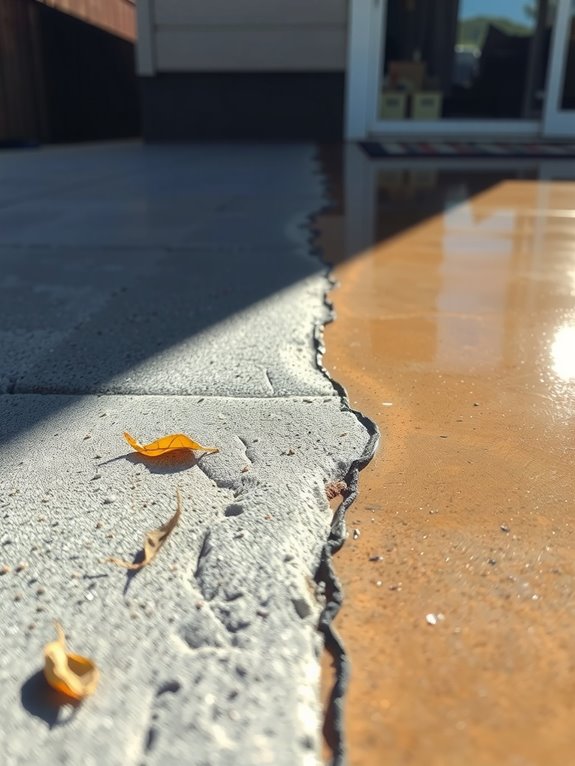
I seal my patio because concrete without sealing breaks down faster than sealed concrete. Water soaks into unsealed concrete and weakens it over time. When I apply a concrete sealer, I create a moisture-proof barrier that stops water from getting in. This one layer of protection makes a real difference in how long my patio lasts.
The sealant also locks in the color and stains on my concrete, so everything stays looking fresh instead of faded and dirty. Without sealing, freeze-thaw cycles crack and crumble the concrete surface. When moisture can’t get in, mold and mildew won’t grow on my patio either. I pick a high-quality sealer with UV resistance to keep my investment protected for years. By sealing now, I spend less money on maintenance later and keep my patio structurally stronger.
Assess Your Patio’s Condition and Repair Needs
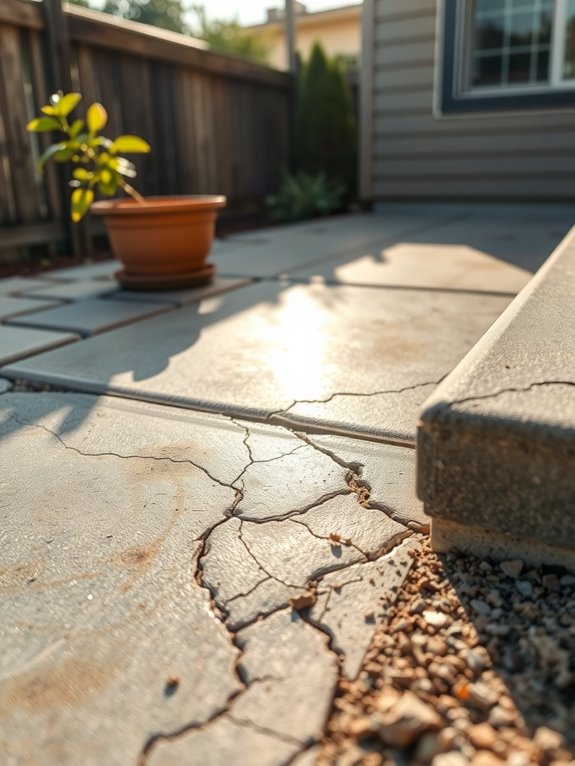
Before I seal my patio, I need to look it over carefully. I’m checking for cracks, spalling (that’s when concrete chips or flakes off), and chips that could stop the sealant from sticking properly. I also look for moisture problems and old stains underneath the surface. Trapped moisture under the concrete can cause the sealant to peel and create mold later on.
I handle structural issues first. This means I fill cracks and level uneven spots before applying any sealant. It’s similar to prepping a wall before painting—I can’t skip this step.
I also make sure the concrete is fully cured. Concrete typically needs 28 days to cure completely, though I check the manufacturer’s instructions for the specific product I used. Sealing too early locks moisture beneath the surface, which causes problems down the road. Taking time with this preparation gives me a uniform, durable finish that protects my patio for years.
Choose the Right Concrete Sealer for Your Climate
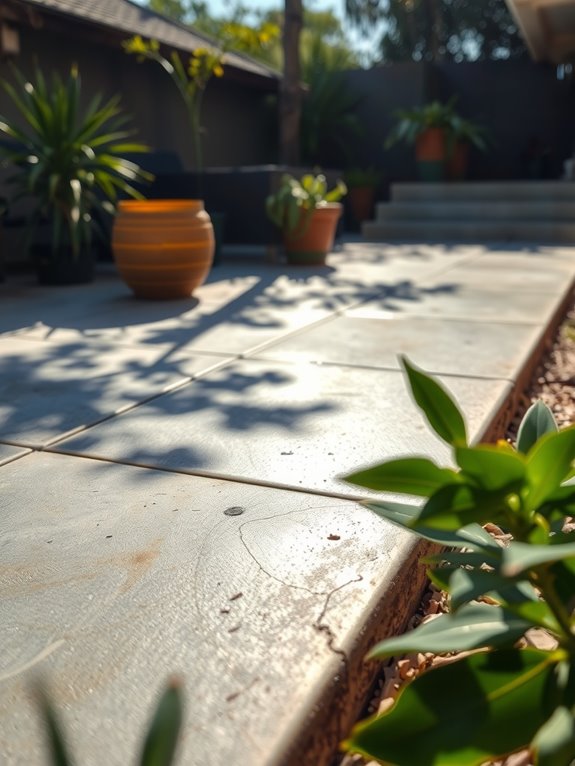
Once I’ve prepped my patio, picking the right sealer matters because different sealers work better in different climates. I need to match my choice to the weather I’m dealing with.
If I live somewhere cold, I want a sealer that handles freeze-thaw cycles. These are when water freezes and thaws repeatedly in cracks, which can cause peeling. For rainy regions, I choose penetrating sealers. These let moisture escape from underneath so the sealer doesn’t peel off the surface. I pick high-quality products with acrylics, resins, or epoxies from trusted brands because they last longer.
UV exposure is a real threat to my outdoor concrete. I look for sealers made to resist yellowing and weathering from sunlight. If I have colored or stamped concrete (concrete with patterns pressed into it), I pick a sealer that keeps the colors bright while blocking sun damage. Following the manufacturer’s instructions on the can makes sure my sealer works the way it should.
Clean, Level, and Repair Before You Seal
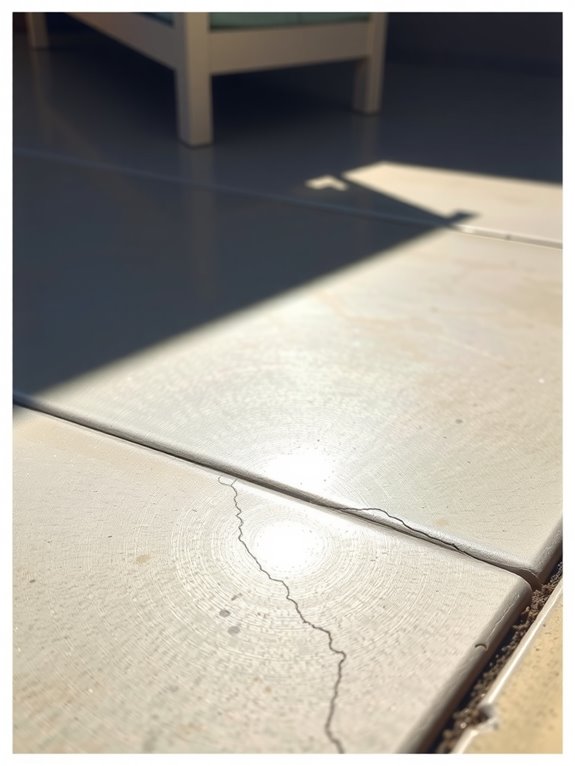
How’s your patio looking right now—is it covered in dirt and debris? Before we seal that concrete patio, we’ve got to get it ready.
I start by sweeping away loose dirt and grime. Then I use a pressure washer on medium setting to blast away stubborn stains and buildup. Let that dry completely for 24 hours.
Next, I check for cracks or damage. Small cracks need filling with concrete filler. I smooth it level with the surrounding surface. If there’s any unevenness, I address it now because bumps prevent even sealing coverage.
I also confirm the concrete is fully cured before sealing. Most patios need 28 days after pouring. Sealing too early weakens the surface.
Once everything’s clean, level, and repaired, we’re ready to apply the sealer.
Avoid Five Critical Mistakes During Application
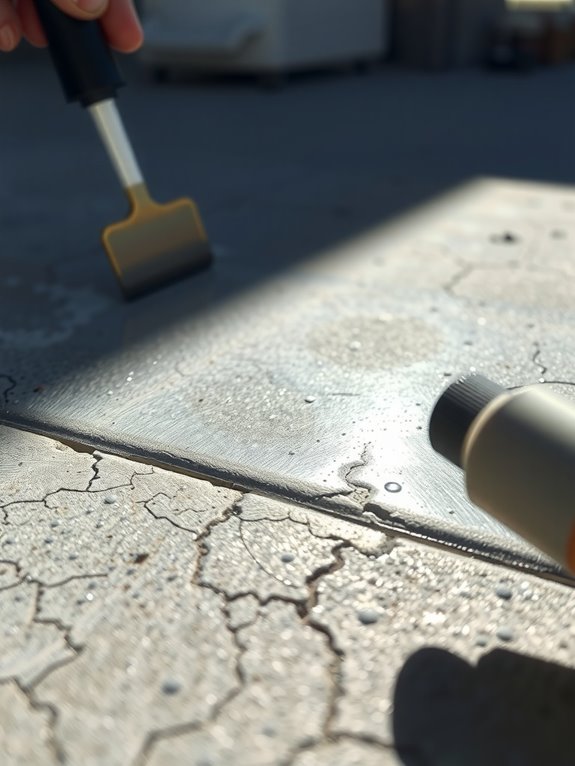
You’ve cleaned and prepped your patio—now comes the part where most people mess up. I’m talking about the actual sealing process where small mistakes create big problems.
Here’s what’ll trip me up if I’m not careful:
- Applying sealer before my concrete reaches full cure (this usually takes 28 days). If I seal too early, the surface weakens and the protection doesn’t last as long.
- Creating puddles and thin patches instead of maintaining an even coating across sections. Puddles look bad and dry unevenly.
- Working during hot, windy conditions that introduce air bubbles into my finish.
I’ll choose SEAL-ONCE® NANO+POLY or a similar high-quality sealer for my project. I’ll apply it in manageable sections using a sprayer and a brush for the edges. I work during the cooler parts of the day when there’s minimal wind. I avoid these mistakes and my patio stays protected for years.
Apply Your Sealer and Maintain It Long-Term
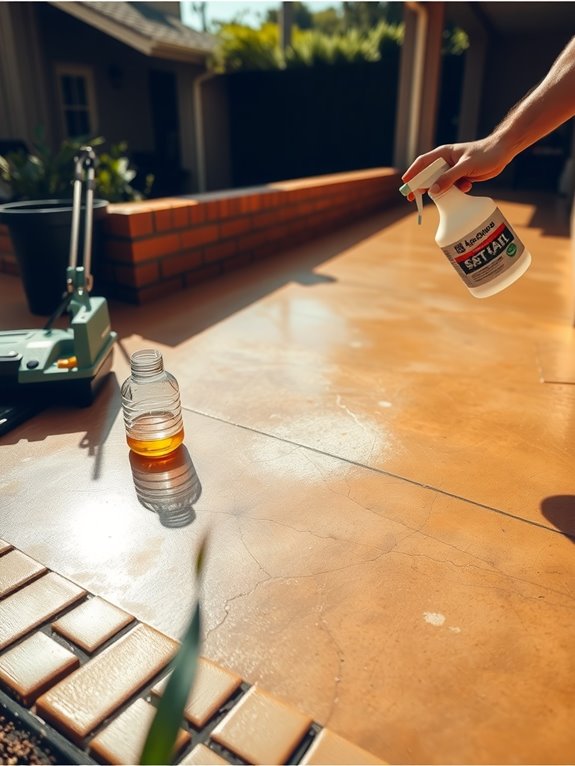
Now that your sealer’s on the concrete, you need to get the application right and keep that patio looking good for years. I’ll walk you through the best timing and technique so you avoid problems like puddles or thin spots. Then we’ll talk about maintaining your sealed concrete to keep it protected.
Getting the Application Right
The key is applying your sealer when conditions are ideal. I wait for a day when the temperature is between 50°F and 85°F, and I make sure there’s no rain in the forecast for at least 24 hours after I apply it. Humidity should be below 85 percent because moisture can mess with how the sealer bonds to the concrete.
I use a roller or sprayer to apply the sealer evenly across the surface. If I’m using a roller, I work in small sections about 4 feet by 4 feet and move in one direction. I never let the sealer sit and puddle in any spot because that creates thick, uneven areas that can look blotchy. I keep a wet edge as I work so each new section blends smoothly with the one I just did.
Most sealers need two coats. I wait the full time recommended on the product label—usually 4 to 8 hours—before applying the second coat. This waiting period lets the first coat cure enough to handle another layer without getting sticky or gummy.
Keeping Your Sealed Concrete Protected
Once your sealer is cured, protecting it keeps everything looking good. I avoid heavy foot traffic or parking on the patio for the first week after sealing. The sealer needs time to fully harden underneath the surface.
For regular cleaning, I sweep away dirt and debris with a soft broom. Every few months, I wash the patio with a garden hose and mild detergent mixed with water. I use a soft-bristled brush to scrub away any stains before they set in.
Every 1 to 3 years, I reapply sealer depending on how much wear the patio gets and which type of sealer I used. Penetrating sealers typically last 1 to 2 years, while membrane sealers last 2 to 3 years. I check the sealer’s condition by sprinkling water on the surface—if the water beads up, the sealer is still working. If it soaks in, it’s time to reseal.
Application Technique And Timing
With the right application technique, your concrete patio goes from vulnerable to protected. I’m going to work smart about timing and method.
Here’s what I need to do:
- Seal during cool hours (early morning or evening) so the sealer doesn’t dry too fast and create air bubbles
- Use a sprayer for large areas and a brush for edges, applying thin, even layers in manageable sections
- Avoid puddling by keeping coats light and uniform across the entire surface
I’ll allow plenty of drying time between coats. Most sealers need 24 hours or more depending on conditions. I’ll check the product’s tech sheet for exact recoat intervals. This application technique gets me professional results that last years.
Long-Term Maintenance Strategies
I keep my sealed patio looking fresh by staying on top of resealing every 1–2 years. The timing really depends on my climate and how much foot traffic the surface gets. I watch for wear indicators like water that doesn’t bead up as well as it used to or visible worn spots. When it’s time to reseal, I follow the same application process I used originally.
I use SEAL-ONCE NANO+POLY consistently because it’s a quality product that holds up well. After heavy cleaning or repairs, I reapply the sealant to rebuild that protective barrier. This regular maintenance keeps the sealant working against dirt, UV damage, and moisture. It extends my patio’s lifespan without requiring much effort on my part.