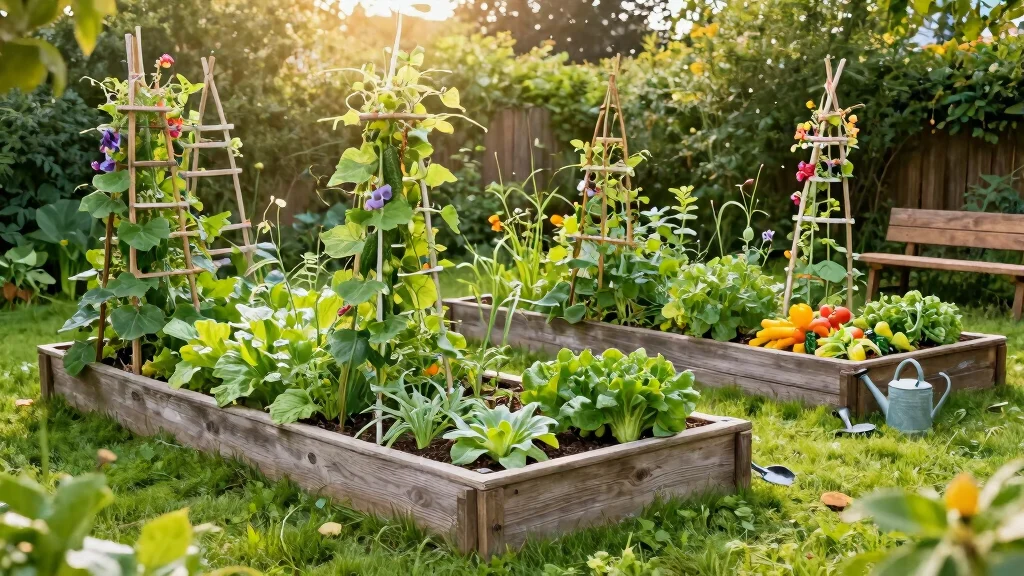
Creating a thriving vegetable garden in a compact space can be a challenge, but it’s also an exciting opportunity to get creative. That’s why I put together this post filled with fantastic raised bed trellis ideas tailored for small gardens. Whether you have a tiny backyard, a balcony, or a small plot, these trellis solutions will maximize your growing space and help your plants flourish upwards instead of outwards.
If you’re passionate about vertical gardening and want to make the most of your limited area, this guide is for you. You’ll find practical tips and clever designs that not only save space but also add beauty to your garden. Each trellis idea is designed to inspire you and help you rethink how you can cultivate your favorite vegetables efficiently.
By the end of this post, you’ll discover 12 unique trellis options that are functional, stylish, and perfect for enhancing your vegetable garden design. You’ll gain insights into how each trellis works, what materials you might need, and how to install them easily. Let’s dive into these ideas and get ready to elevate your gardening game!
Key Takeaways
– Explore 12 innovative raised bed trellis ideas that fit perfectly in compact spaces, making your garden more productive. – Learn about various materials and styles, from wooden to recycled options, to suit your gardening aesthetic. – Discover practical tips for installation and customization, ensuring your trellis meets your specific needs. – Understand how vertical gardening maximizes space and light, helping your vegetables grow healthier and more robust. – Gain inspiration from creative trellis designs that not only serve a purpose but also enhance the beauty of your garden.1. Classic Wooden Trellis
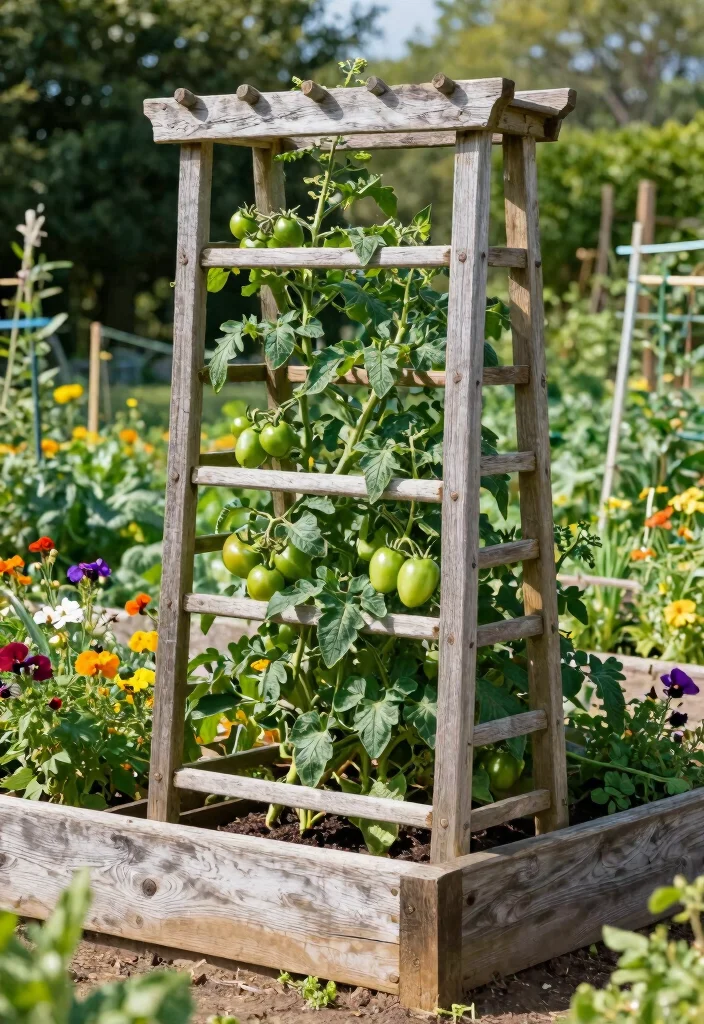
Looking to enhance your garden’s charm? A classic wooden trellis is your go-to solution. Its natural beauty effortlessly complements any garden style, making it a versatile choice for your raised beds. You can select from various woods like cedar or treated pine, each offering unique aesthetics and durability. This trellis supports climbing plants such as tomatoes, beans, and peas, promoting healthy growth and easy harvesting.
Ingredients:
– 4 cedar or treated pine boards (2×4 inches)
– Wood screws
– Outdoor sealant
– Drill and saw for assembly
Instructions:
1. Cut the boards to desired lengths for the frame.
2. Assemble the frame by screwing the boards together in a rectangular shape.
3. Attach the frame securely to your raised bed.
4. Apply outdoor sealant for added protection against the elements.
FAQs:
– Can I use untreated wood? Yes, but it may not last as long outdoors.
– Can I paint it? Absolutely! Just ensure the paint is suitable for outdoor use.
Fact: A classic wooden trellis can 2x your harvest in a small garden—boosting vertical growth with raised bed trellis ideas. With cedar or pine, you get beauty and durability, while tomatoes, beans, and peas climb easily.
Classic Wooden Trellis
Editor’s Choice




2. A-Frame Trellis
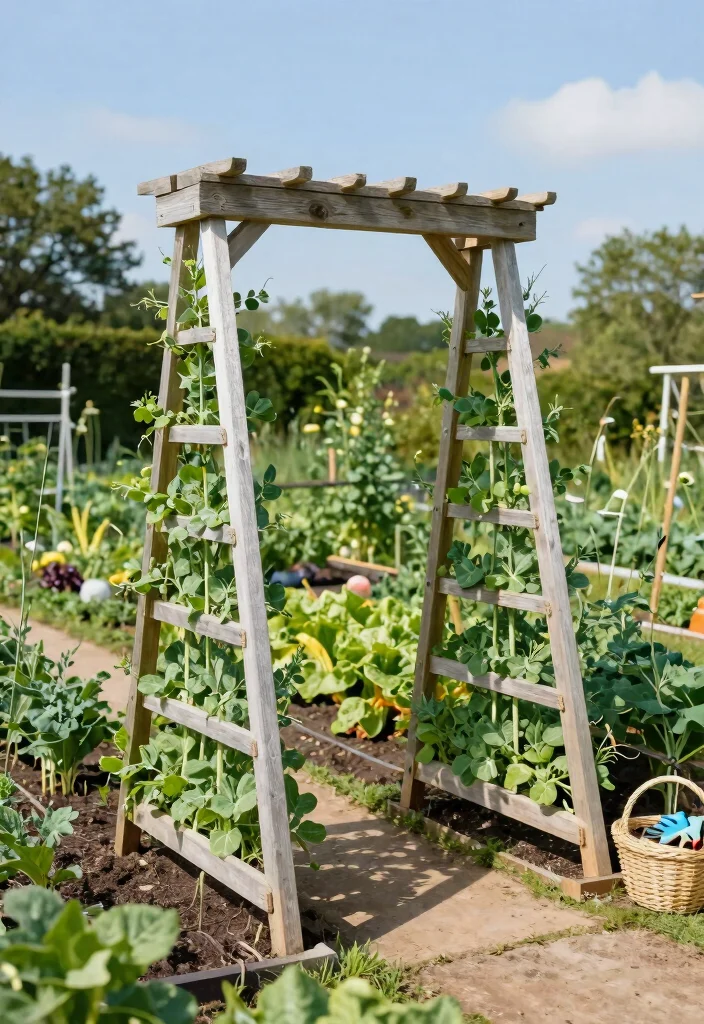
Craving a structure that combines style and functionality? The A-frame trellis is perfect for small gardens. This eye-catching design stands tall and slopes down, providing two sides for your plants to climb. It’s excellent for fast-growing peas and beans, ensuring they receive plenty of sunlight and air for a bountiful harvest. Editor’s Choice
Ingredients:
– 4 wooden stakes or PVC pipes
– Rope or wire for securing plants
– Drill for assembly
Instructions:
1. Form an ‘A’ shape using two stakes on each side.
2. Secure the base in the ground for stability.
3. Tie plants to the frame as they grow, ensuring they have support.
FAQs:
– Can I use it for flowers? Yes, it’s also great for flowering plants.
– Can I make it taller? Absolutely, just use longer stakes.
A-Frame Trellis


📹 Related Video: Titan A-Frame Trellis
3. Metal Arch Trellis
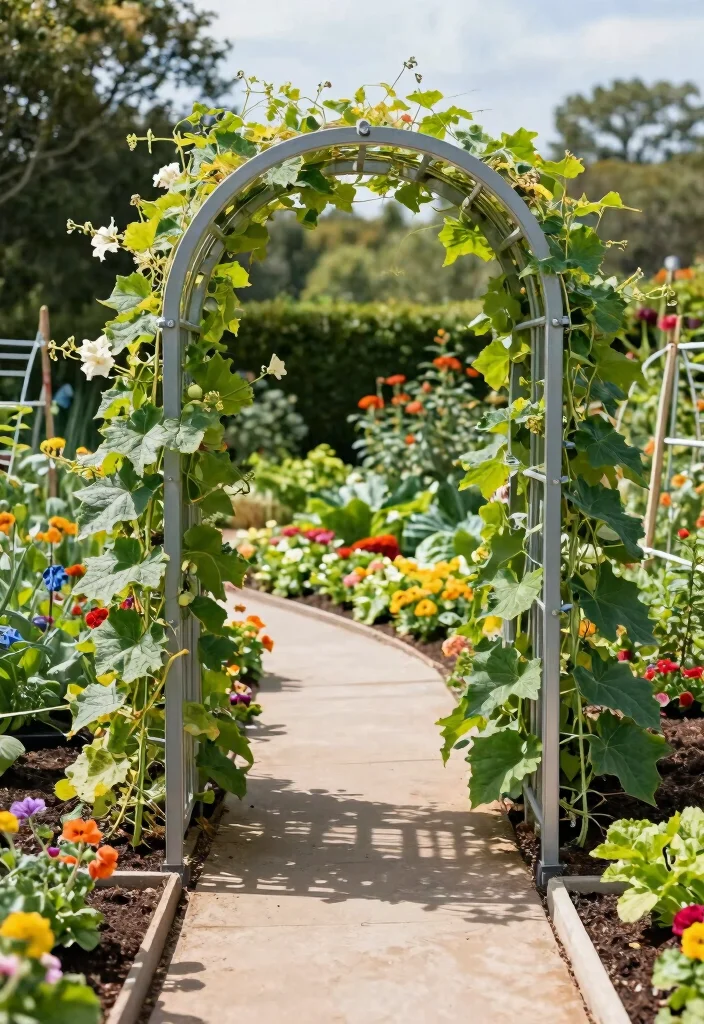
Want to make a bold statement in your garden? A metal arch trellis offers modern elegance and robust support. This striking design is perfect for climbing plants like cucumbers or vibrant flowering vines. It creates an inviting entry point, beckoning visitors to explore your garden space. Editor’s Choice
Ingredients:
– Rust-resistant metal tubing
– Metal anchors for stability
– Wire for plant support
Instructions:
1. Assemble the metal tubing into an arch shape.
2. Secure the base with anchors firmly in the ground.
3. Use wire to attach climbing plants as they grow.
FAQs:
– Can I paint it? Yes, ensure the paint is suitable for metal.
– Is it hard to maintain? No, metal is low maintenance and long-lasting.
Metal Arch Trellis

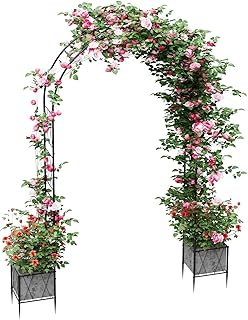

4. DIY Ladder Trellis
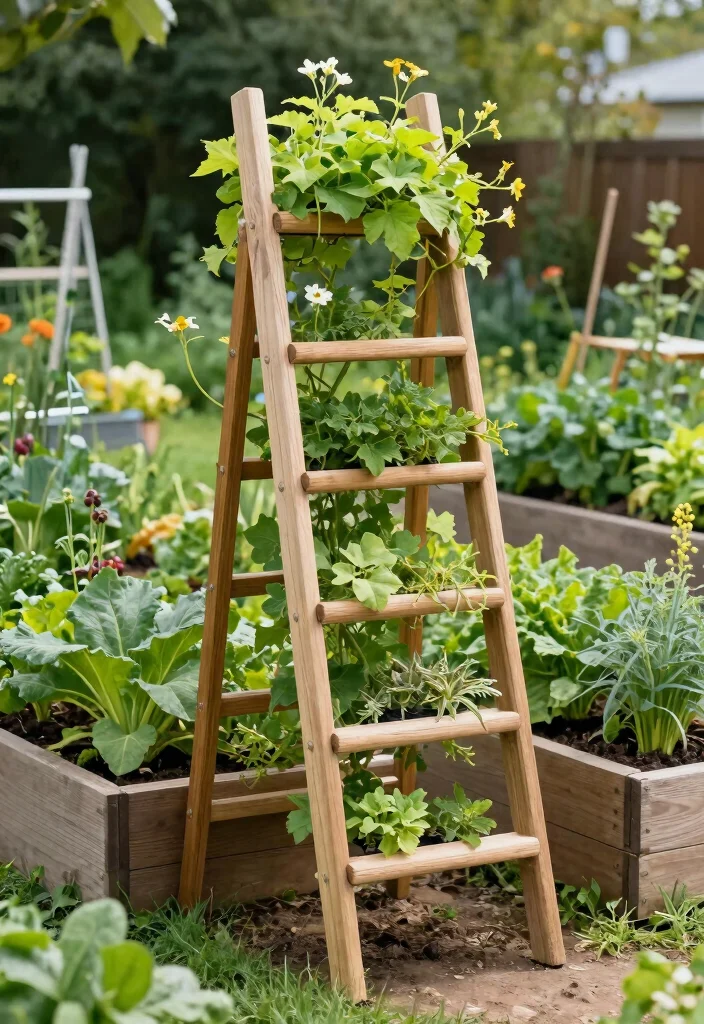
Feeling crafty? A DIY ladder trellis is a fantastic way to add character to your garden. This creative project allows you to repurpose an old ladder or build one from sturdy materials. It’s an excellent support system for climbing cucumbers or pole beans, making it both functional and stylish.
Ingredients:
– Old wooden ladder or new wood
– Sandpaper for finishing
– Optional paint or stain for aesthetics
Instructions:
1. If using an old ladder, sand down rough edges for safety.
2. Securely place the ladder against your raised bed.
3. Tie climbing plants to the rungs as they grow.
FAQs:
– Can I hang pots on it? Yes, the rungs are perfect for pots!
– Can I leave it unpainted? Absolutely! A natural finish can be very appealing.
💬 Fun fact: A DIY ladder trellis can increase vertical growing space by 60% in small plots, turning space into productive rows. With raised bed trellis ideas in mind, repurpose an old ladder and watch climbing cucumbers thrive.
DIY Ladder Trellis
Editor’s Choice


How To Choose The Right Raised Bed Trellis
When it comes to maximizing your small vegetable garden, selecting the right raised bed trellis is crucial. A trellis not only supports your plants but also saves space and enhances the garden’s aesthetic appeal. Here’s how to choose the best trellis for your compact vegetable garden. 1. Size Matters Think about the space you have available for your raised bed trellis. Measure the dimensions of your raised bed and consider the height of your plants. A trellis should be tall enough to support climbing plants like tomatoes or cucumbers without overwhelming your garden. Generally, a height of 5 to 6 feet works well for most vegetables, but consider your garden layout before deciding.2. Material Selection Trellises come in various materials, each with its benefits. Wooden trellises offer a natural look and can blend well with your garden, while metal trellises provide durability and sturdiness. Look for weather-resistant materials to ensure longevity, especially if you live in a region with harsh weather conditions. Bamboo is a lightweight, eco-friendly choice for DIY projects, whereas steel offers strength for heavy crops.
3. Design Features Different trellis designs serve different purposes. A classic vertical trellis is great for space-saving, while an A-frame design offers extra support for heavy plants. Consider your plants’ growth patterns; plants like peas may need a narrower spacing compared to sprawling cucumbers. Decide if you want a permanent fixture or a removable one for flexibility in your garden layout.
4. Ease of Installation Before you purchase a trellis, evaluate how easy it is to install. Some trellises require complicated setups or anchoring systems. Look for designs that can be easily secured in the soil without heavy tools. If you’re going for a DIY trellis, simple designs like a ladder or wire grid can be assembled quickly and efficiently.
5. Budget Considerations Determine how much you are willing to spend on a trellis. Prices can vary widely based on size and material. DIY trellis options can save money, but consider the time and effort needed for crafting. If you’re leaning towards a store-bought model, remember to factor in shipping costs if applicable. Always compare prices and features to find the best value for your needs.
6. Compatibility with Plants When choosing your trellis, consider what vegetables you plan to grow. Not all trellises support all types of plants effectively. For instance, heavy fruit-bearing plants like tomatoes need a robust structure, while lighter plants such as peas can thrive on simpler designs. Research the best trellis options for each plant type to maximize your garden’s potential.
Pro Tip: Consider creating a multi-use trellis by combining vertical and horizontal structures. This method allows you to train various plants in the same space, maximizing yield without overcrowding your garden.
By keeping these factors in mind, you can successfully choose the right raised bed trellis that will support your plants while making the most of your compact gardening space. Happy gardening!
5. Wire Grid Trellis
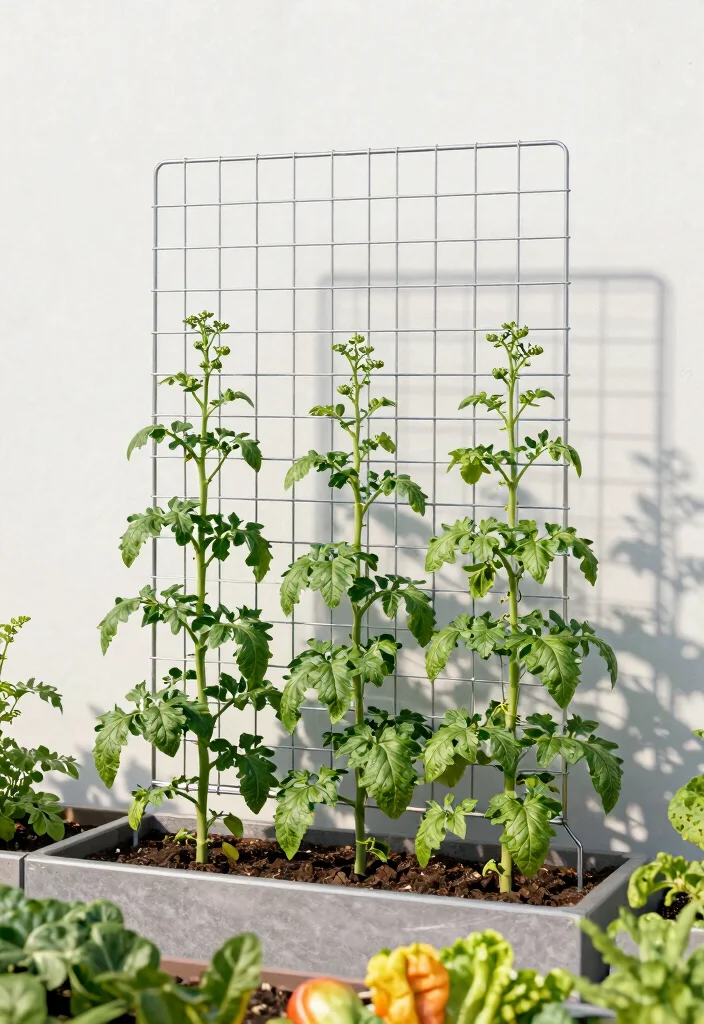
Searching for a sleek option for your compact garden? A wire grid trellis is an excellent choice. This minimalist design allows easy access to your plants while maintaining an airy feel in your space. It’s especially effective for supporting tomatoes and smaller crops like peppers, ensuring they receive ample sunlight.
Ingredients:
– Sturdy wire or metal mesh
– Wooden frame (optional for support)
– Tie materials for plants
Instructions:
1. Cut the wire or mesh to your desired size.
2. Attach it to a wooden frame if you choose to use one.
3. Tie plants to the grid as they grow, providing extra support.
FAQs:
– Can I use it for all vegetables? Yes, it’s versatile for many plants.
– Is it hard to assemble? Not at all! It’s quite straightforward.
6. Circular Trellis
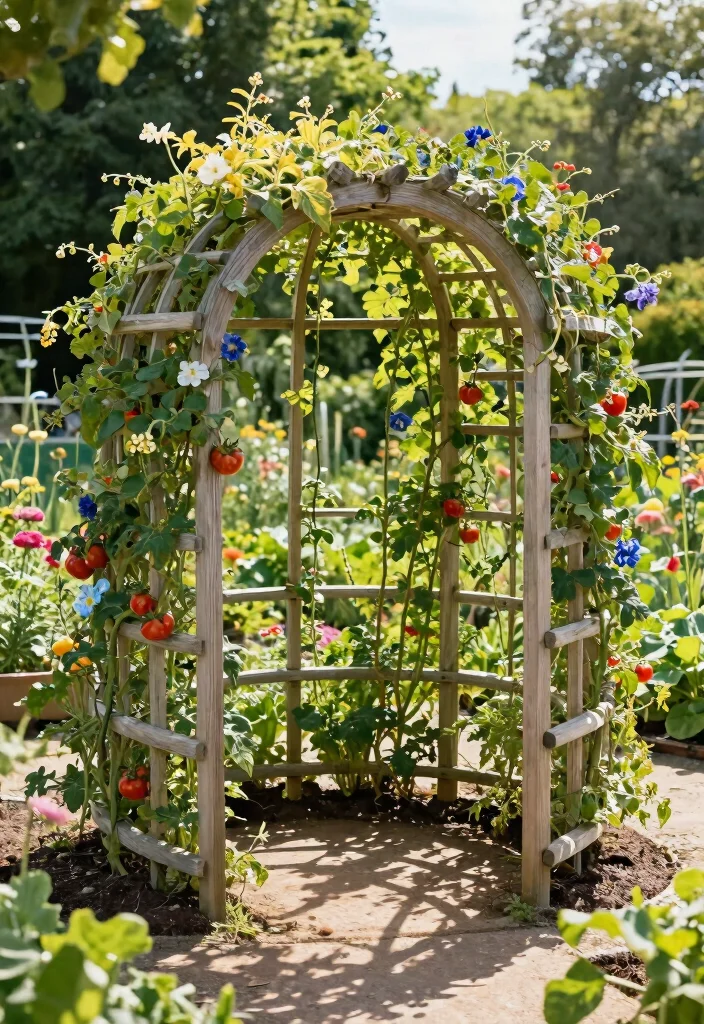
Want to add a whimsical touch to your garden? A circular trellis can be your perfect solution. This unique design supports climbing plants while maximizing vertical space. It’s ideal for growing tomatoes, sweet peas, or decorative flowering vines, making your garden visually stunning.
Ingredients:
– Flexible wood or wire for the frame
– Ground stakes for stability
– Optional paint for aesthetics
Instructions:
1. Form a circular frame using your chosen material.
2. Secure it in the ground using stakes for stability.
3. Plant your climbing plants at the base and guide them as they grow.
FAQs:
– Can I mix plants? Yes, combining edible and ornamental plants works beautifully.
– How tall can I make it? You can customize it to your desired height.
7. Pallet Trellis
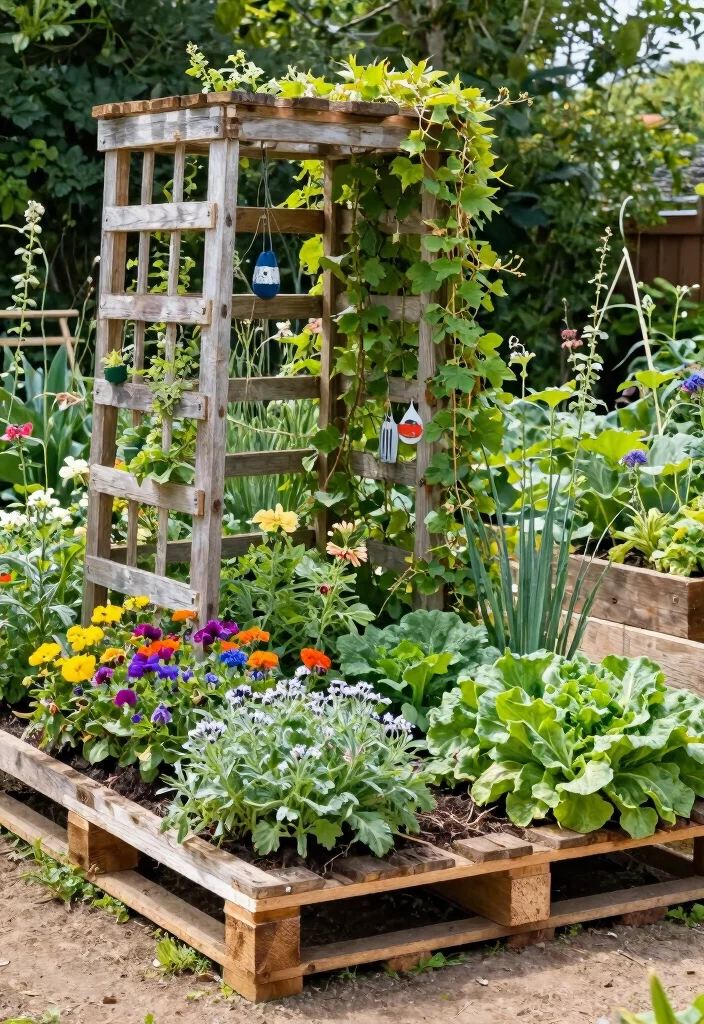
Looking for an eco-friendly option? A pallet trellis is an excellent way to upcycle while providing sturdy support for climbing plants. This easy DIY project can be painted or stained to match your garden, adding both function and style.
Ingredients:
– Wooden pallet
– Sandpaper for a smooth finish
– Optional paint or stain
Instructions:
1. Secure the pallet upright against your raised bed.
2. Ensure it is stable in the ground.
3. Plant your vining crops at the base and guide them up the pallet.
FAQs:
– Can I decorate it? Yes! Hanging pots or garden art can add flair.
– Is it durable? Yes, pallets are sturdy and can last a long time.
8. Archway Trellis
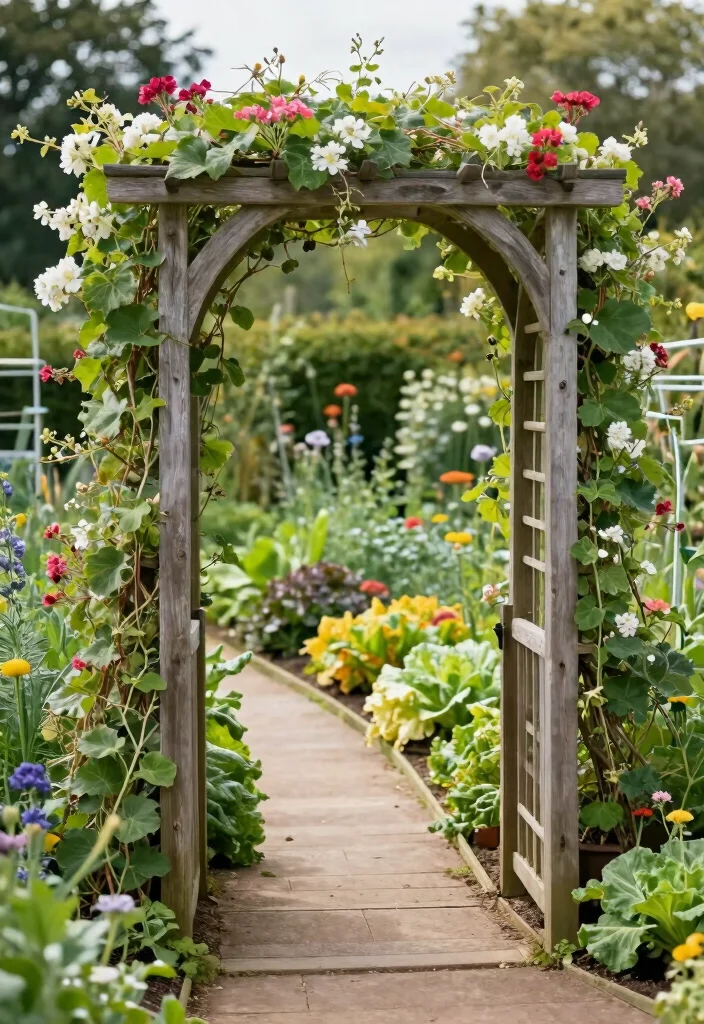
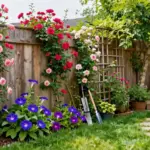
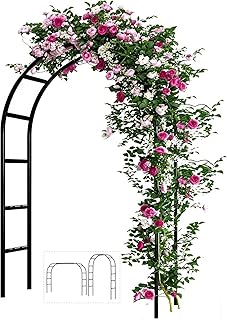
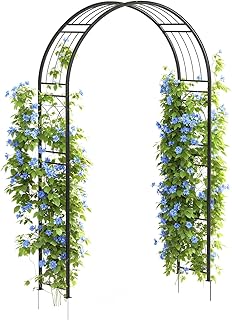
Want to create a charming entrance to your garden? An archway trellis adds both support for climbing plants and a decorative touch. It’s perfect for small gardens and can be adorned with flowering vines like morning glories or climbing roses, inviting guests into your green space.
Ingredients:
– Wood or metal for the arch
– Anchors for stability
– Optional decorative elements
Instructions:
1. Construct an arch using your material of choice.
2. Secure it in the ground with anchors.
3. Plant climbing plants at the base and watch them flourish.
FAQs:
– Can I mix plants? Yes, combining ornamental and edible plants creates a beautiful display.
– Is it hard to build? Not at all; with basic tools, it’s quite manageable.
9. Recycled Door Trellis
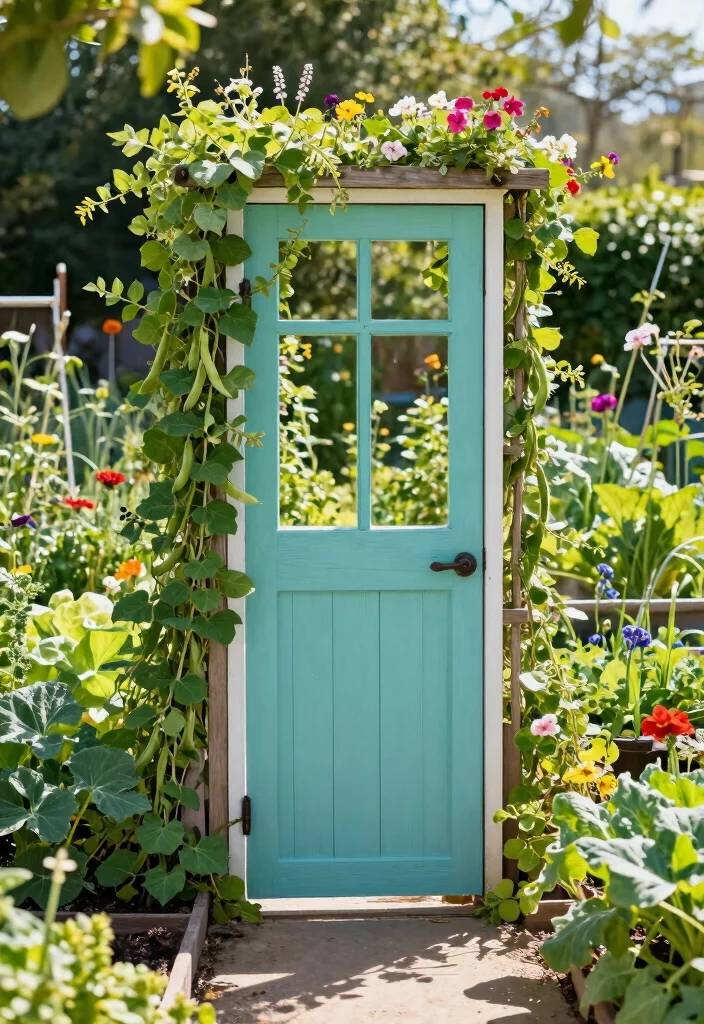
Why not repurpose an old door into a unique trellis? This creative idea adds personality to your vegetable garden while providing excellent support for climbing plants. It’s an eco-friendly option that sparks conversation and showcases your creativity. Editor’s Choice
Ingredients:
– Old door
– Hinges or brackets for stability
– Optional paint or decorations
Instructions:
1. Secure the door upright against your raised bed.
2. Make sure it is anchored well.
3. Plant beans or cucumbers at the base and guide them up the door.
FAQs:
– Can I make it colorful? Absolutely! Paint or decorations can give it new life.
– Is it durable? Yes, as long as it’s secured properly.
Recycled Door Trellis


10. Fabric Pocket Trellis
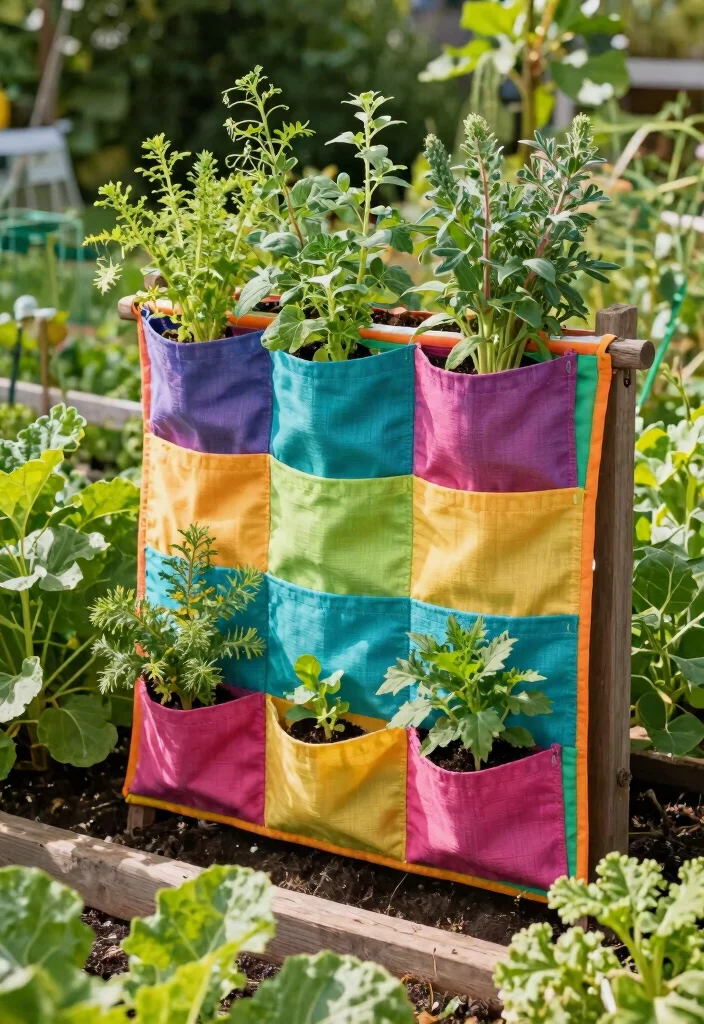
Looking for a fresh take on trellising? A fabric pocket trellis combines vertical gardening with traditional support. This innovative solution allows you to grow plants in pockets sewn into fabric, making it ideal for herbs and smaller vegetables.
Ingredients:
– Sturdy fabric like canvas
– Sewing materials for pockets
– Optional decorations for flair
Instructions:
1. Cut fabric into desired lengths and sew pockets at intervals.
2. Hang the fabric vertically against a wall or trellis frame.
3. Fill the pockets with herbs or small vegetables.
FAQs:
– Can I use colorful fabric? Yes, vibrant colors can enhance your garden’s look.
– Is it easy to maintain? Yes, just water your plants regularly and ensure proper drainage.
11. Vertical Plant Wall
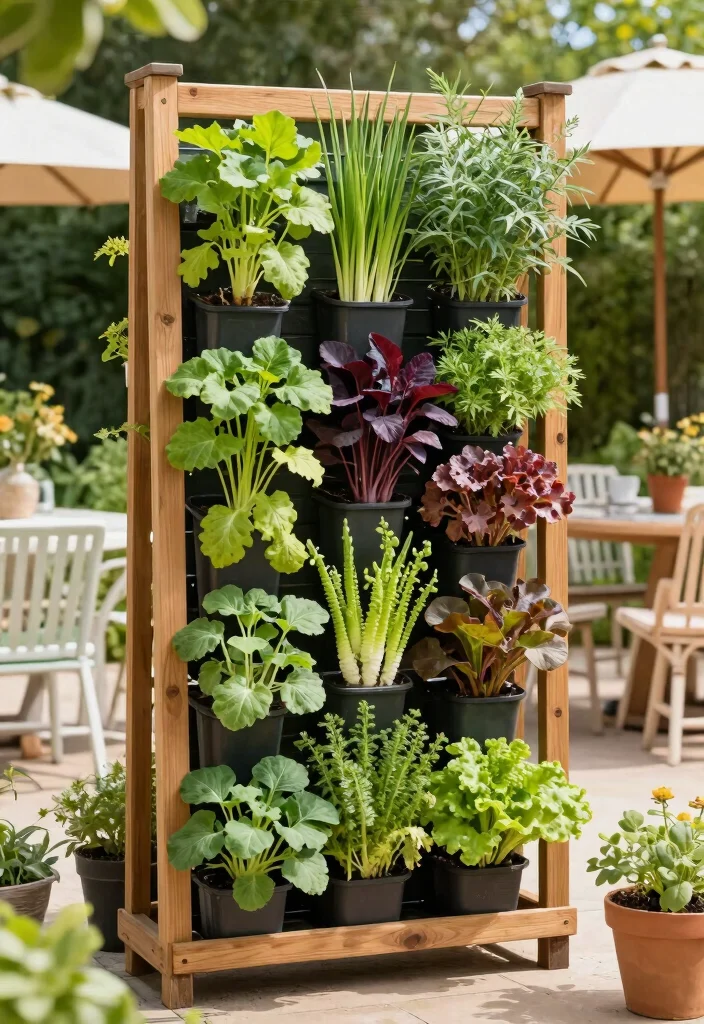
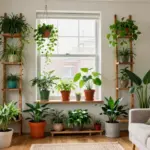
Short on space? A vertical plant wall is the perfect solution! This innovative concept allows you to grow various plants vertically, utilizing wall-mounted systems attached to your raised beds. It’s a fantastic way to maximize your gardening area.
Ingredients:
– Wooden pallets or vertical frames
– Soil and plants of choice
– Optional watering system for convenience
Instructions:
1. Create a vertical frame or use a pallet.
2. Fill with soil and plant your chosen crops.
3. Ensure proper drainage and consider adding a drip irrigation system.
FAQs:
– Can I grow flowers? Yes, it’s great for flowers, herbs, and vegetables.
– Is it hard to set up? Not at all; it’s very straightforward.
12. Green Wall Trellis
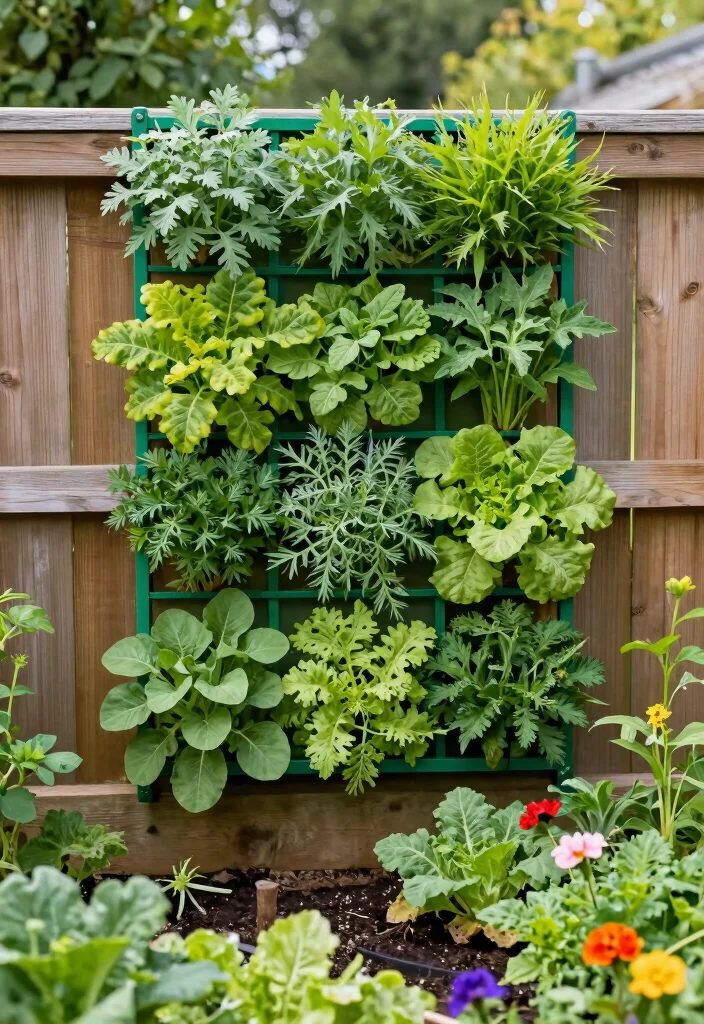
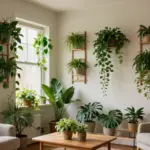
Want to create a stunning living wall? A green wall trellis is an eco-friendly option that lets you grow herbs, leafy greens, or edible flowers vertically against a wall or fence. It not only saves space but adds a lush appearance to your garden.
Ingredients:
– Sturdy frame for support
– Suitable planters or fabric pockets
– Fast-growing herbs or greens of choice
Instructions:
1. Attach the frame to a wall securely.
2. Fill it with planters or pockets for planting.
3. Choose and plant fast-growing herbs or leafy greens.
FAQs:
– Can I mix plants? Yes, mixing plants creates a beautiful display.
– Is it hard to maintain? No, regular watering and care will keep it thriving.
Fun fact: A green wall trellis can 3x your planting area in a compact space, turning a bare wall into an edible herb garden. With a sturdy frame and fabric pockets, you get a lush, space-saving solution—one of the best raised bed trellis ideas.
Conclusion
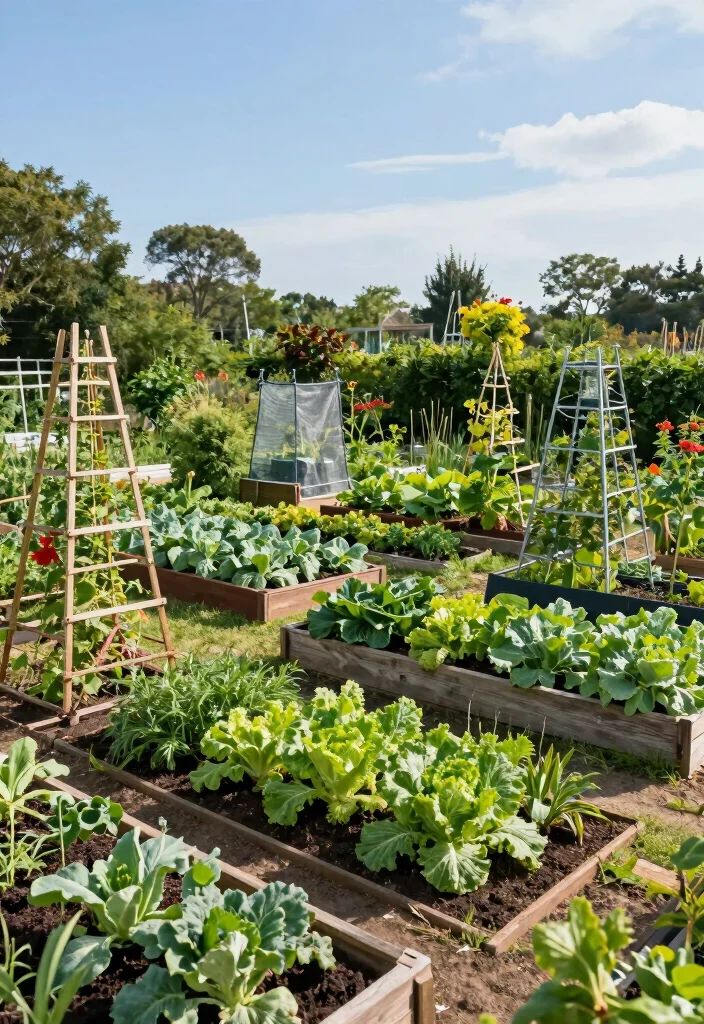
Crafting a compact vegetable garden with raised bed trellises can completely transform your small space into a green paradise. From classic wooden designs to innovative fabric pockets, there are endless ways to maximize your gardening potential. Choose the ideas that resonate with you, and don’t hesitate to mix and match designs to suit your style and needs. Let your creativity flow as you embrace vertical gardening solutions. With these trellis ideas, your compact garden will thrive, delivering not just fresh vegetables, but also a beautiful, green sanctuary you can enjoy throughout the growing season. Note: We aim to provide accurate product links, but some may occasionally expire or become unavailable. If this happens, please search directly on Amazon for the product or a suitable alternative. This post contains Amazon affiliate links, meaning we may earn a small commission if you purchase through our links, at no extra cost to you.
Frequently Asked Questions
What are the best raised bed trellis ideas for small space gardening?
Here are raised bed trellis ideas that fit vertical gardening in small space gardening and a tidy vegetable garden design approach. Start with a simple lattice panel attached to the back or side of the raised bed for peas and greens. For sturdier support, run a cattle panel or welded wire fence across the bed top to create a strong arch or panel. Freestanding arches or teepee frames with wooden or metal poles work great for cucumbers and pole beans. You can also install a wire grid along the bed edge to train tomatoes and other climbers. If you prefer a low-profile look, use vertical netting or a pair of tall stakes with twine. These raised bed trellis ideas help you obtain more harvest in a compact footprint while keeping maintenance manageable.
How do you install a trellis on a raised bed without damaging it?
Installation is easier if you treat the raised bed as your anchor point. For light lattice: screw brackets into the outer frame or use U-brackets anchored to the bed edge. For freestanding arches: place posts outside the bed and brace them with diagonal supports into the ground, not into the bed soil. Use stainless steel screws, eye bolts, or zip ties to secure the trellis to posts or the bed frame. Avoid drilling into the soil inside the bed; instead, anchor into the frame or nearby sturdy supports. After installation, train plants by tying stems at regular heights and gradually increasing tension as they grow. This keeps soil integrity intact while enabling effective vertical gardening in tight spaces.
Which vegetables grow best with trellises in a raised bed?
Peas and pole beans are classic starters for raised bed trellises. Cucumbers and small, vining tomatoes also perform well on sturdy supports. For compact spaces, choose dwarf or determinate tomato varieties and shorter cucumber types that suit trellising. You can also train squash, gourds, or melons on heavy-duty trellises if the structure is strong enough and the bed gets full sun. With thoughtful planning, trellised crops can dramatically boost yield in small space gardening and influence your vegetable garden design in a positive way.
What materials are best for affordable and durable raised bed trellis ideas?
Options range from cedar or redwood wood to galvanized steel, stainless cable, hardware cloth, and heavy-duty mesh. Cedar is rot-resistant and attractive, though pricier. Galvanized steel and welded wire are incredibly sturdy and long-lasting, great for heavier crops. Avoid pressure-treated wood near edibles unless certified safe; if unsure, seal wood or line contact points with a barrier. For budget-friendly setups, repurposed cattle panels, netting, or garden mesh can work with proper anchoring. Match materials to your climate and gardening tips for ongoing maintenance and a durable {trellis options} that fits your vertical gardening plan.
How can I maximize vertical space in a compact vegetable garden using trellises?
Start with a layout that dedicates a significant portion of the bed to vertical growth. Run long trellises along bed edges for climbing beans or peas, and stack multiple lightweight trellises to create micro-vertical shelves for cucumbers or small gourds. Use wall-mounted panels or freestanding frames to keep floor space open for other crops. Choose crop varieties suited to trellising—dwarf or indeterminate tomatoes, compact cucumber types, and pole beans—and practice succession planting to keep the vertical crop coming. With smart planning, a few well-placed trellises can dramatically increase yield in small space gardening while maintaining good gardening tips and overall vegetable garden design.