Are you looking to transform your outdoor space into a vibrant garden oasis? Maybe the thought of creating a beautiful garden box has crossed your mind, especially as we embrace more time spent outdoors. This post is crafted for you, the garden enthusiast or the casual plant lover who wants to explore simple yet creative ways to enhance backyards and patios. Whether you have a sprawling garden or a tiny balcony, these outdoor planter box ideas will inspire you to bring a touch of nature right where you live.
You’ll find a variety of innovative solutions, from DIY planter boxes to unique outdoor planter designs that fit any space. I’ve gathered 12 creative ideas that are functional, stylish, and perfect for making the most of your outdoor areas. You’ll discover how to use tiered wooden boxes, repurposed containers, and even ladder planters to showcase your favorite flowers and herbs. So grab your gardening gloves, and let’s dive into these amazing garden box inspirations that will help you cultivate beauty and joy in your outdoor spaces!
Key Takeaways
– Diverse Designs: Explore various outdoor planter designs that suit different styles and spaces, from tiered wooden boxes to concrete planters. – DIY Options: Learn how to create your own DIY planter boxes using materials like pallets and repurposed containers for a personal touch. – Vertical Gardening: Discover the power of vertical wall garden boxes and hanging planters to maximize small spaces while adding greenery. – Functional Features: Consider integrated planter boxes that double as seating or storage, making them ideal for patios and small backyards. – Aesthetic Appeal: Enhance your outdoor space with decorative planter ideas that not only serve a purpose but also elevate the overall look of your garden or patio.1. Tiered Wooden Planter Boxes
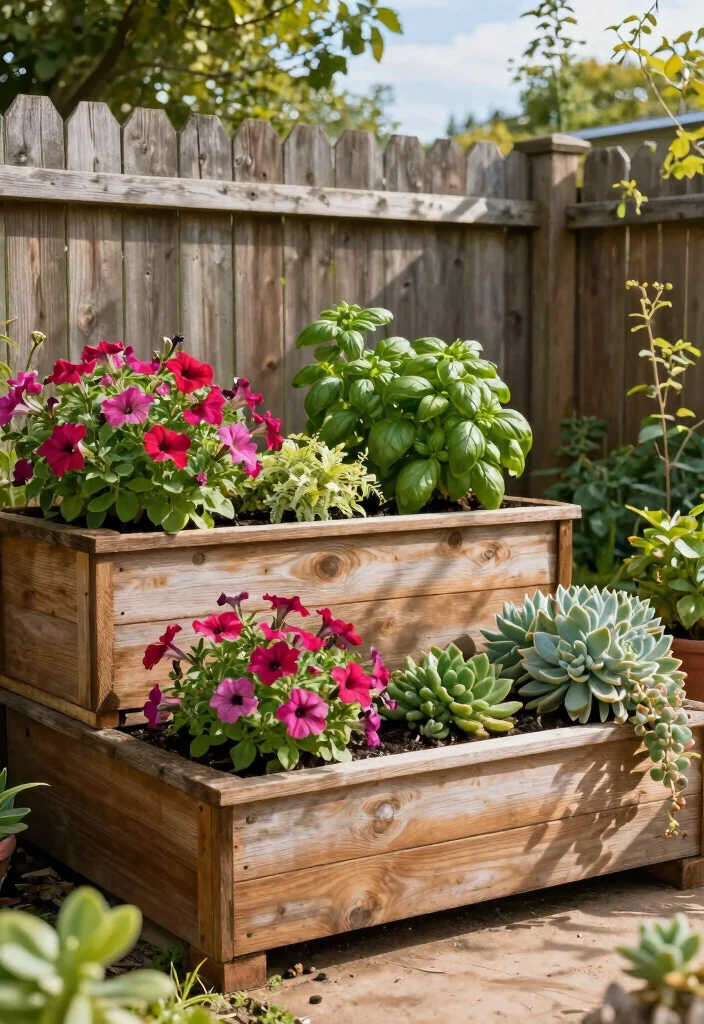
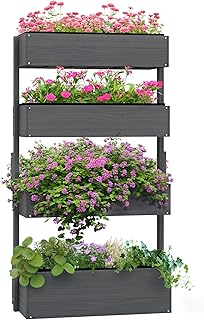
Imagine a beautiful garden that draws the eye upward with tiered wooden planter boxes. These delightful structures maximize vertical space, making them perfect for smaller backyards or balconies. With varying heights, you can showcase a colorful mix of plants, creating a dynamic focal point that enhances your outdoor area. Editor’s Choice
To get started, consider building a DIY tiered planter using reclaimed wood or pallets. Stain it to match your outdoor furniture for a harmonious look. It’s essential to select plants that thrive in the same light conditions for each level to ensure they flourish together.
Key features to consider:
– Utilize vertical space effectively for compact areas
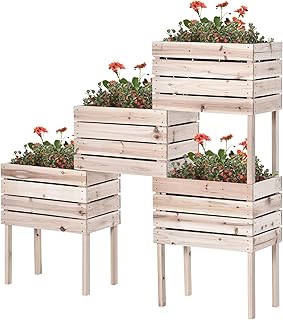
– Create attractive displays with diverse plant sizes
– Easy access for maintenance and harvesting
This design not only beautifies your space but also creates an aromatic garden. You’ll enjoy the visual appeal and be able to easily tend to your plants with this tiered approach.
Tiered Wooden Planter Boxes



2. Pallet Planter Boxes
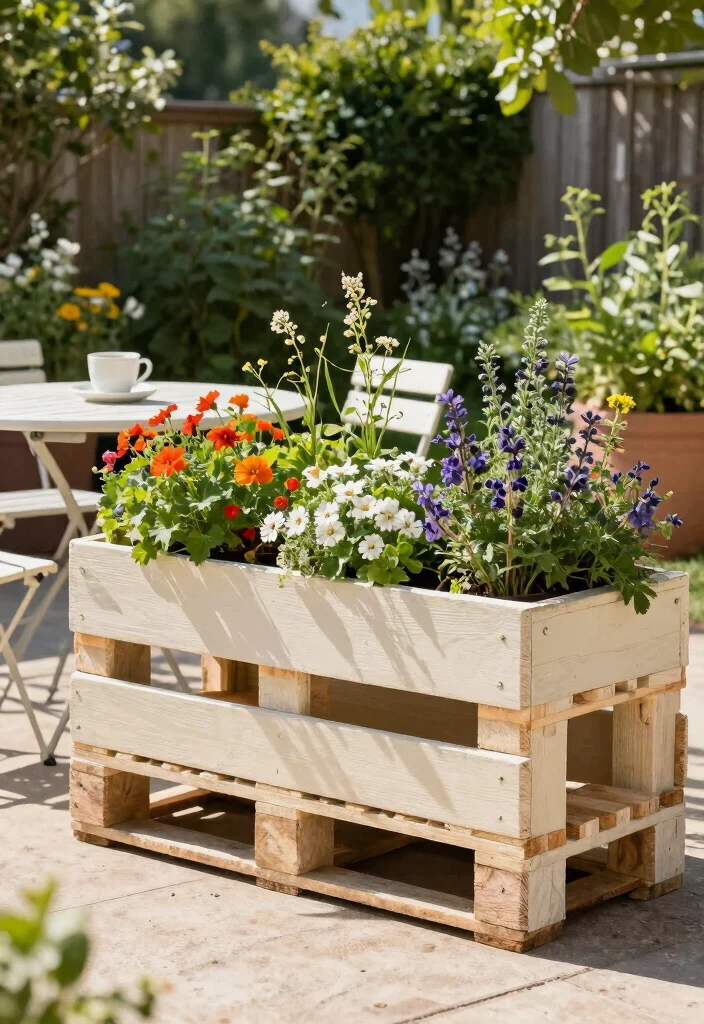
Transform your outdoor area with pallet planter boxes that are both budget-friendly and eco-conscious. These rustic planters add charm and personality to any space and are incredibly easy to customize to fit your style. Editor’s Choice
Start by disassembling a wooden pallet and reconstructing it into a planter box. You can paint it in vibrant colors or leave it in its natural state for a more rustic feel. Fill it with a delightful mix of herbs or flowers to bring your garden to life.
Essential benefits of pallet planters:
– Inexpensive materials readily available
– Versatile designs for creative expression
– DIY-friendly for enthusiasts
These planters can be freestanding or mounted on walls to maximize space. Just remember to line the inside with landscaping fabric to protect the wood and ensure proper drainage.
Pallet Planter Boxes


3. Hanging Planter Boxes
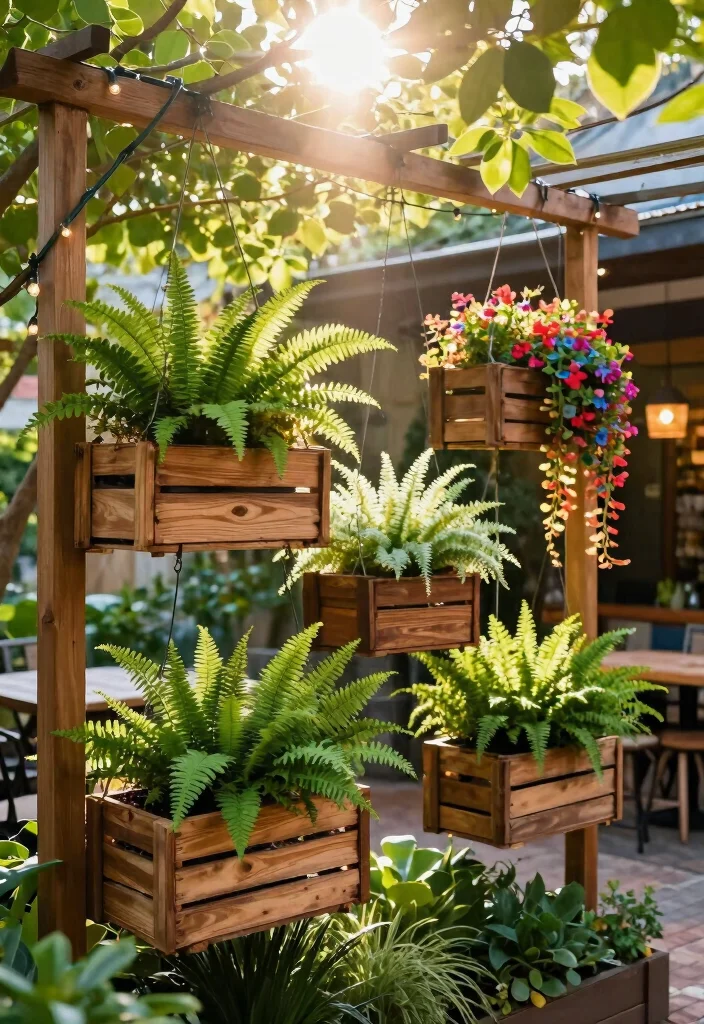
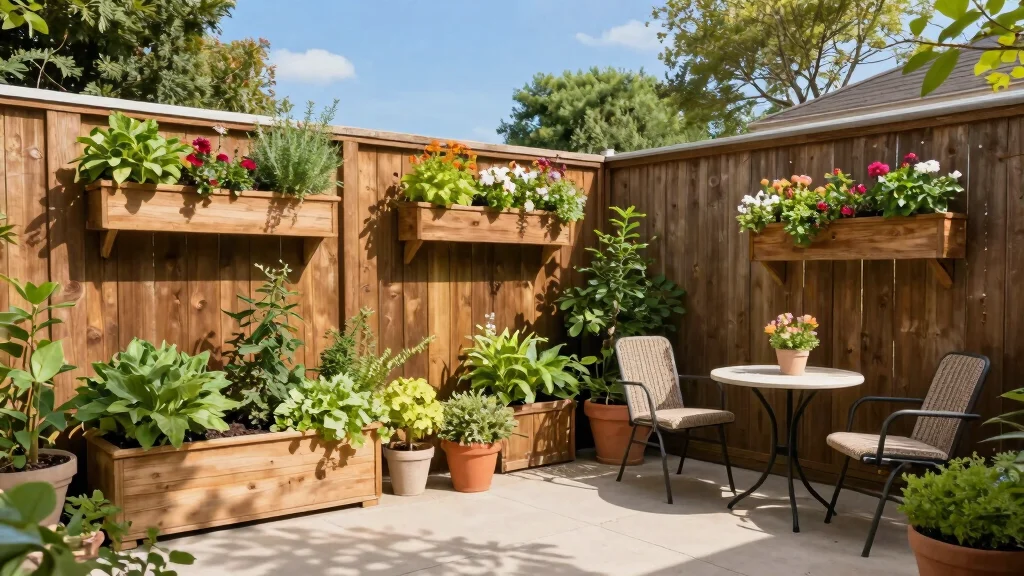
Hanging planter boxes are a fantastic solution for small spaces, allowing you to create stunning displays without sacrificing ground area. They can be suspended from walls, railings, or ceilings, adding a unique visual element to your outdoor decor.
Consider crafting your own hanging planters from repurposed materials like crates or buckets, ensuring they are securely attached to support the weight of the plants. This setup not only saves space but also offers a fresh perspective on your greenery.
Benefits of hanging planters include:
– Space-saving for limited areas
– Unique perspectives of your plants
– Enhanced outdoor decor with vertical gardening
Choose a variety of plant heights to create a layered effect, and remember to monitor their watering needs, as hanging planters may dry out more quickly.
Did you know that hanging planter boxes can free up to 60% of ground space in a small yard? A simple setup from repurposed crates can support multiple herbs and blooms, transforming walls into lush, vertical gardens.
4. Vertical Wall Garden Boxes
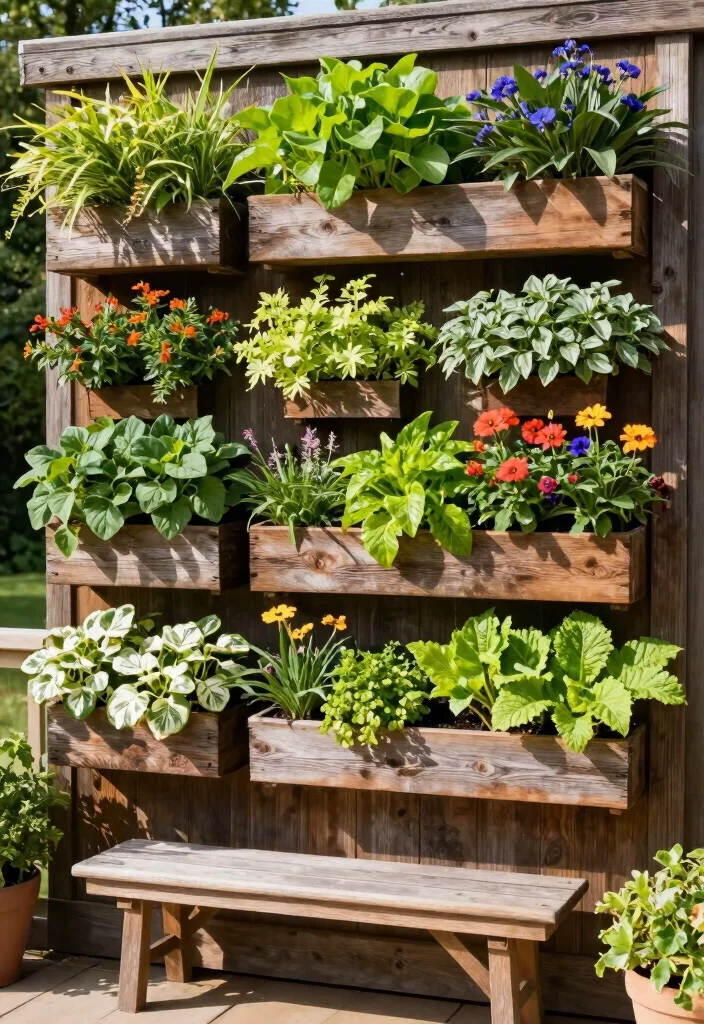
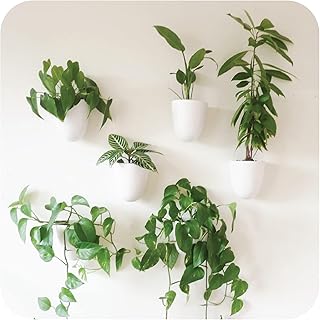
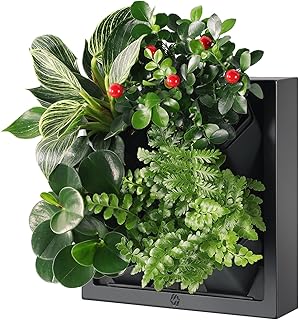
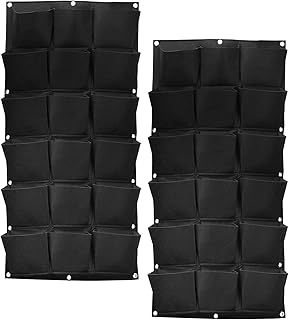
Vertical wall garden boxes offer a stylish way to elevate your gardening game, especially in compact areas. These sleek designs can transform bland walls or fences into vibrant green spaces that beautify your surroundings. Editor’s Choice
You can buy ready-made options or build your own using wooden frames with fabric pockets for plants. Proper drainage is crucial to promote healthy growth, so be sure to include this in your design.
Why choose vertical wall gardens?
– Space-saving for efficient gardening
– Stunning decorative elements for your space
– Versatile for herbs, flowers, or vegetables
Regular maintenance, including pruning, will keep your plants healthy and thriving while enhancing your outdoor ambiance.
Vertical Wall Garden Boxes


📹 Related Video: Easy DIY Living Plant Wall that Waters Itself
5. Repurposed Containers
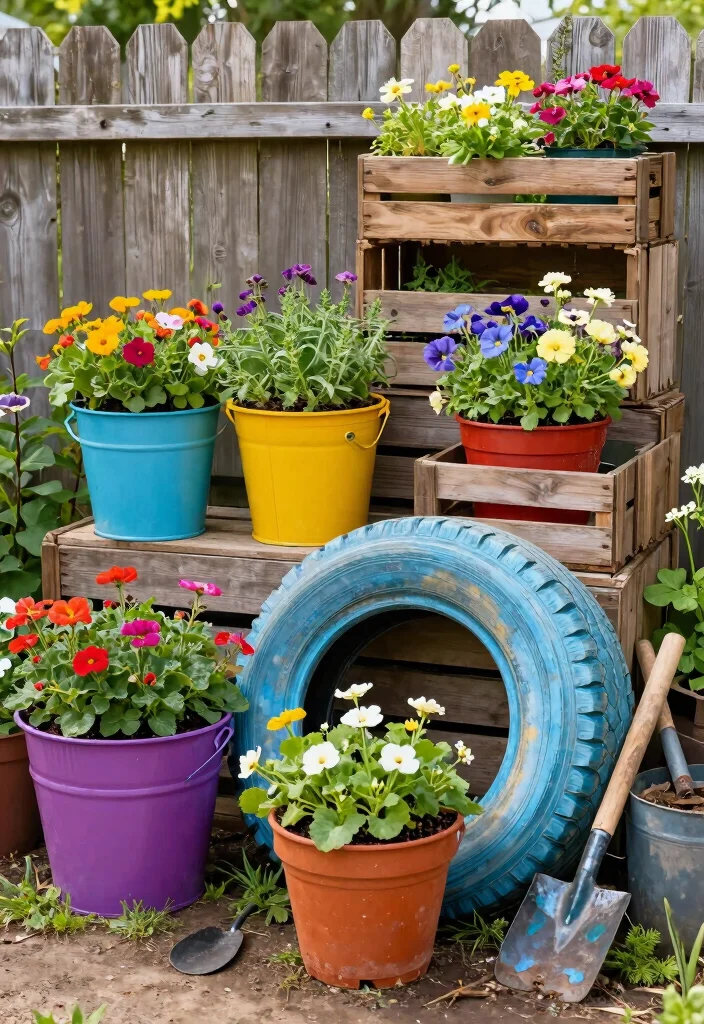
Unleash your creativity with repurposed containers for your planter boxes! Using items like old buckets, tires, or wooden crates adds a unique touch to your garden while being environmentally friendly. Editor’s Choice
When selecting containers, pay attention to size and drainage capabilities. If you’re using metal, be sure to drill holes at the bottom to prevent water from accumulating.
Here are some advantages of repurposed planters:
– Unique designs that reflect your personality
– Cost-effective and sustainable
– Versatile for any space or theme
Mixing different styles can create an eclectic and charming garden look. Regularly check soil moisture to keep your plants thriving.
Repurposed Containers



6. Ladder Planters
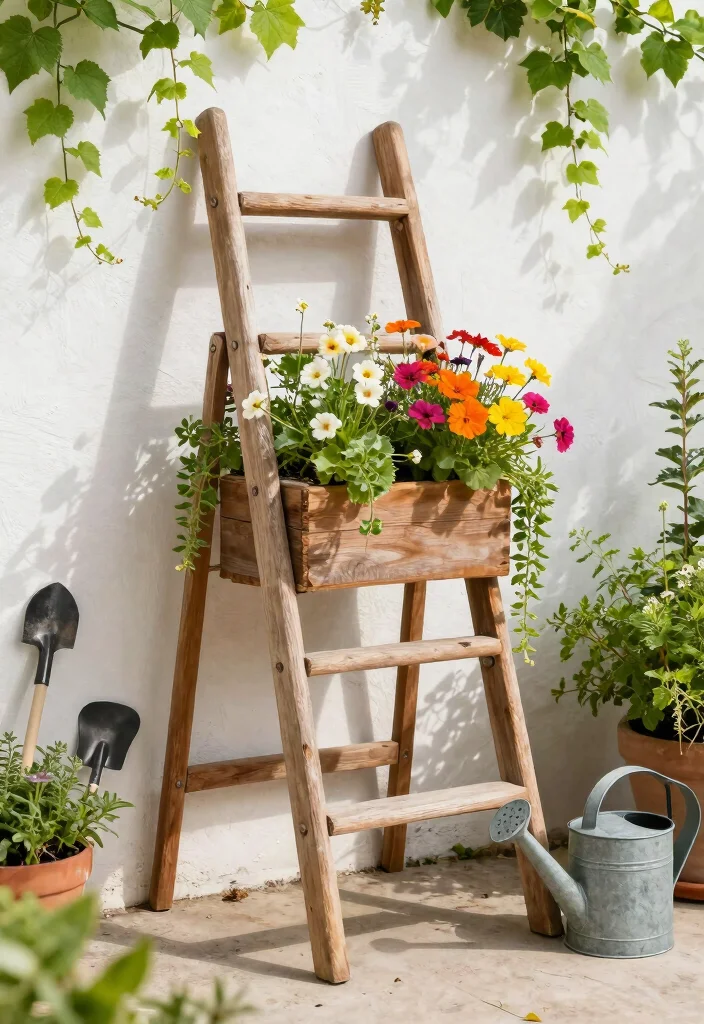
Ladder planters offer a trendy and functional way to display your plants, adding vertical interest to your backyard or patio. These eye-catching structures can be made from wooden ladders leaned against a wall or fence.
To create your own, simply paint or stain a wooden ladder in your favorite color and fill the rungs with an assortment of potted plants. This setup is perfect for showcasing various plant types and colors.
Key features of ladder planters:
– Stylish visual appeal for your garden
– Easy to build or find pre-made versions
– Ideal for cascading plants and flowers
Arrange plants from the tallest at the top to the shortest at the bottom for a balanced look. Ensure they receive adequate water and sunlight for optimal growth.
7. Planter Box Benches
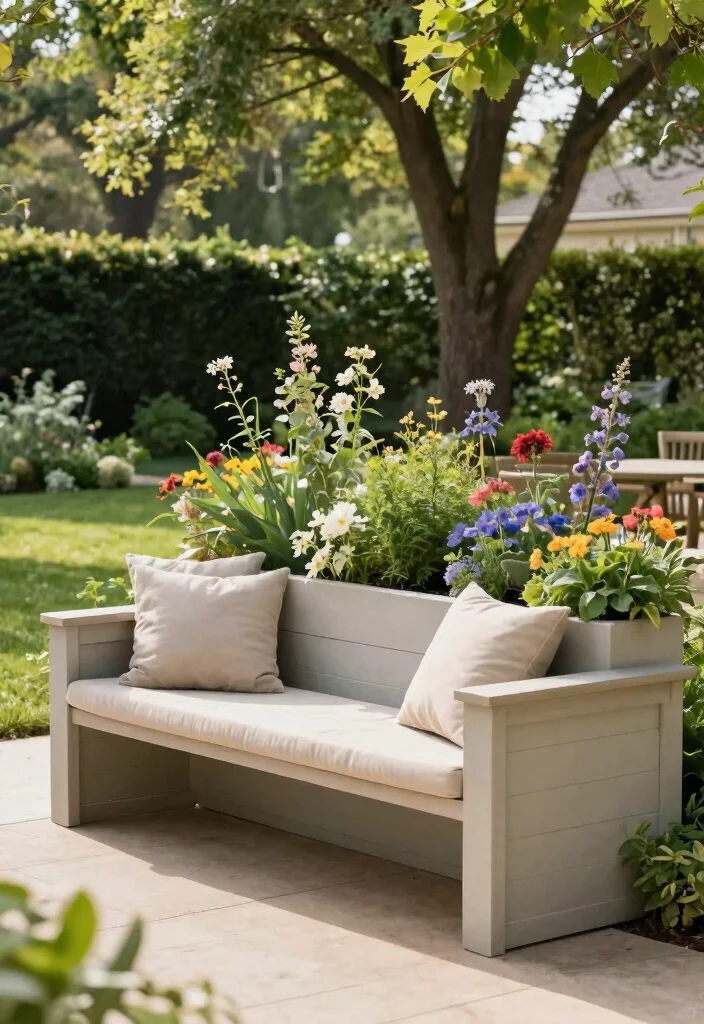
Combine function and style with planter box benches, which provide seating while showcasing beautiful plants. These benches are perfect for patios or backyards, inviting relaxation and enhancing your outdoor space.
Building your own planter box bench is an enjoyable project that integrates wood planters into the sides. Choose low-maintenance plants that won’t hinder seating comfort.
The benefits include:
– Unique seating with added greenery
– Space-efficient for smaller areas
– Creates a cozy atmosphere
Regular pruning and watering will keep your plants flourishing and your seating area inviting for guests.
8. Vertical Grid Planter Boxes
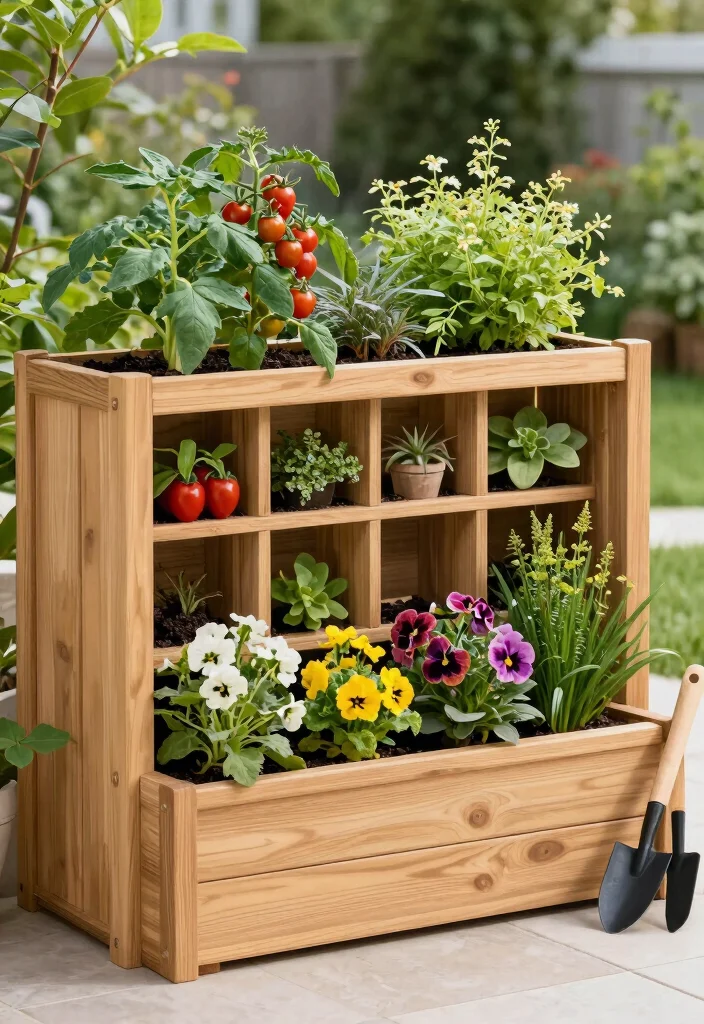
Vertical grid planter boxes offer a modern approach to gardening that combines form and function. These planters can be tailored to fit your space, allowing for organized plant displays and easy maintenance.
To construct these, use wooden frames with individual sections for each plant. This design allows for clear organization based on plant height and growth habits.
Advantages of vertical grid planters include:
– Space-efficient design for compact areas
– Neat organization for easy access
– Ideal for various plant types
Consider unifying the plants with a cohesive color scheme for a polished look. Regular monitoring of watering needs will ensure all plants thrive together.
How To Choose the Right Outdoor Planter Box
When selecting an outdoor planter box, you want to ensure it fits your space, style, and gardening goals perfectly. Here are some key criteria to consider when making your choice: 1. Size MattersBefore you purchase your planter box, measure the area where you plan to place it. Consider the width, height, and depth. A smaller space may benefit from vertical planter boxes or tiered designs, while larger areas can accommodate more expansive options. If you’re planting larger plants or herbs, ensure the box has enough depth to support root growth. Aim for a minimum of 12 inches in depth for most plants.
2. Material Choice
Planter boxes come in various materials, each with its pros and cons. Wood offers a natural look and good insulation but may require regular maintenance. Metal is durable and can add a modern touch but might heat up in the sun. Plastic or resin options are lightweight and resistant to weather but may not have the same aesthetics. Choose a material that complements your outdoor decor and fits your climate.
3. Drainage Features
Proper drainage is essential for healthy plants. Look for planter boxes with drainage holes at the bottom to prevent water from pooling. If you love a particular box without drainage, consider drilling holes yourself or placing it on a slightly elevated surface to allow water to escape. Using a layer of gravel at the bottom can also enhance drainage.
4. Style and Design
Choose a design that fits your personal style and enhances your outdoor space. Whether you prefer a rustic wooden look, sleek metal designs, or colorful plastic options, the right planter box can serve as a beautiful focal point. Explore different outdoor planter designs, such as tiered boxes or integrated benches, to find what resonates with your aesthetic.
5. Budget Considerations
Planter boxes range in price, so set a budget that works for you. DIY planter boxes can be a cost-effective solution if you’re handy. On the other hand, premade decorative planter boxes can vary in price based on material and design. Remember to factor in potential additional costs for paint, sealants, or hardware if you opt for a DIY project.
6. Purpose of the Planter Box
Are you aiming to grow herbs, flowers, or vegetables? The purpose of your planter box can determine its design and size. For herbs, consider vertical herb gardens or wall-mounted boxes to save space. For larger vegetables, choose a deep planter box that can accommodate the root systems. Understanding what you want to grow will guide your selection process.
Pro Tip: Always consider where the sun hits in your outdoor space. Some plants thrive in full sun, while others prefer shade. Position your planter box accordingly to maximize plant health and growth.
By keeping these criteria in mind, you can find the perfect outdoor planter box that fits your gardening needs and enhances the beauty of your backyard or patio. Whether you opt for DIY ideas or choose a stylish pre-made option, your new planter can be a fantastic addition to your outdoor space!
9. Concrete Planter Boxes
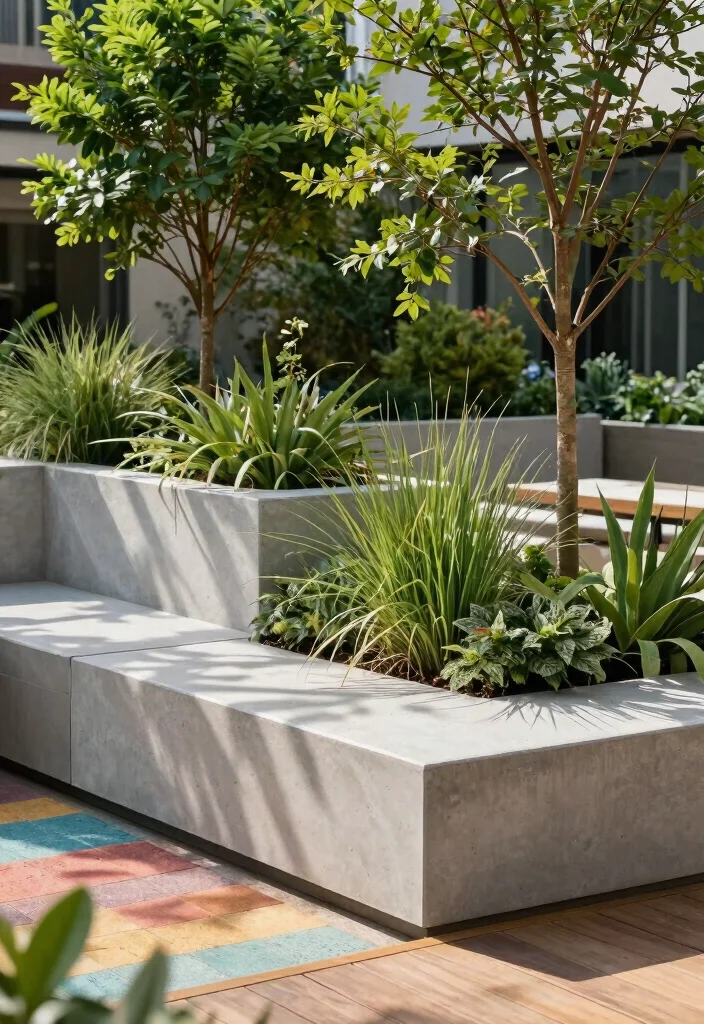
Concrete planter boxes provide a strong, modern aesthetic, perfect for adding an industrial vibe to your outdoor space. They are an excellent choice for those seeking durability and low maintenance.
You can purchase pre-made concrete planters or create your own using molds, ensuring to include drainage holes to prevent overwatering.
Why choose concrete planters?
– Long-lasting and weather-resistant
– Modern aesthetic for stylish gardens
– Great for larger plants and trees
Be mindful that concrete planters can be heavy, so plan their placement carefully. They tend to retain heat, so monitor watering, especially in warm weather.
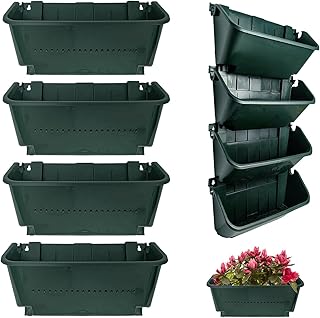
10. Vertical Herb Gardens
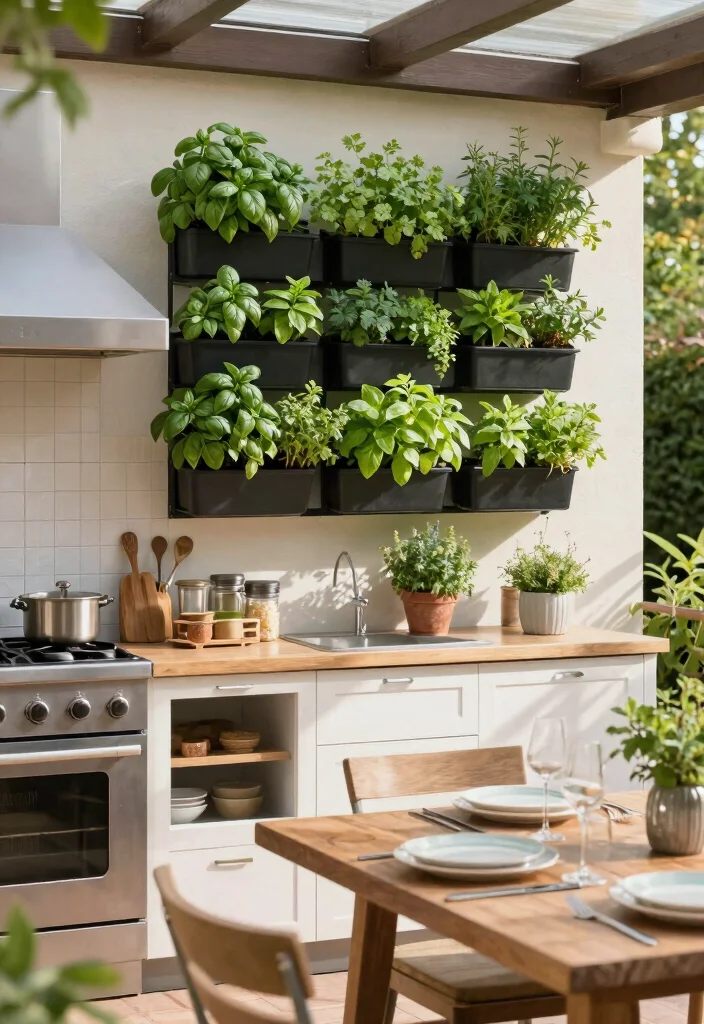
Vertical herb gardens are not only practical but also stunning to look at. Imagine having fresh herbs at your fingertips, enhancing both your cooking and your outdoor style!
Create a vertical herb garden using wall-mounted planters or repurposed crates, varying the heights for a visually engaging setup. This approach maximizes space while offering easy access to your favorite herbs.
Benefits of vertical herb gardens include:
– Space-saving design for easy access
– Ideal for cooking enthusiasts
– Compatible with any outdoor decor
Regular harvesting and pruning will encourage growth and keep your herbs healthy and vibrant.
Fun fact: A compact 4-square-foot vertical herb wall can yield 12–15 fresh herbs per season, right at your doorstep. It’s a space-saving win for planter box ideas outdoor—easy access and vibrant style in one wall-friendly setup.
Vertical Herb Gardens
Editor’s Choice



11. Decorative Planter Boxes
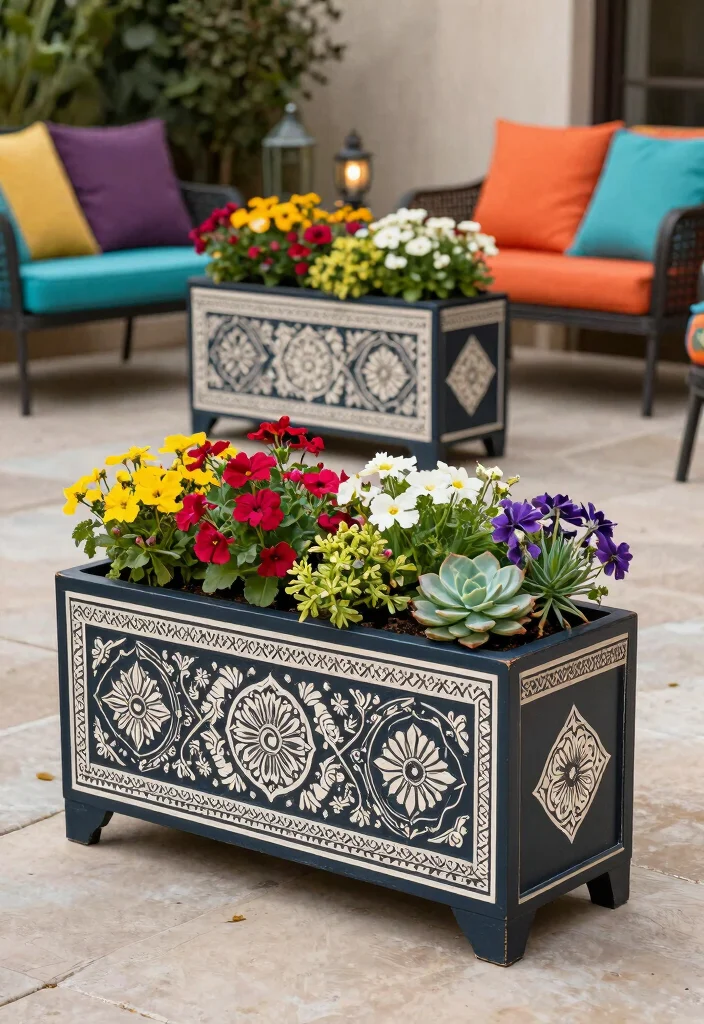
Enhance your outdoor decor with decorative planter boxes that serve as artistic expressions while housing your favorite plants. These customizable planters can add a unique charm to any space.
Consider hand-painting or staining your planter boxes, incorporating patterns or colors that complement your home’s exterior. Stencils or decals can also add intricate designs for a personalized touch.
Features of decorative planters:
– Customizable designs to reflect your style
– Variety of materials like wood, metal, or ceramic
– Artistic flair for any outdoor setting
Ensure good drainage in your decorative planters, and consider using pot liners to protect the material from water damage.
❝ Did you know decorative planter boxes with hand-painted patterns can boost curb appeal by up to 40%? These customizable planters are a quick win for any planter box ideas outdoor—turning small spaces into personal, color-rich galleries you’ll love.
12. Integrated Planter Boxes
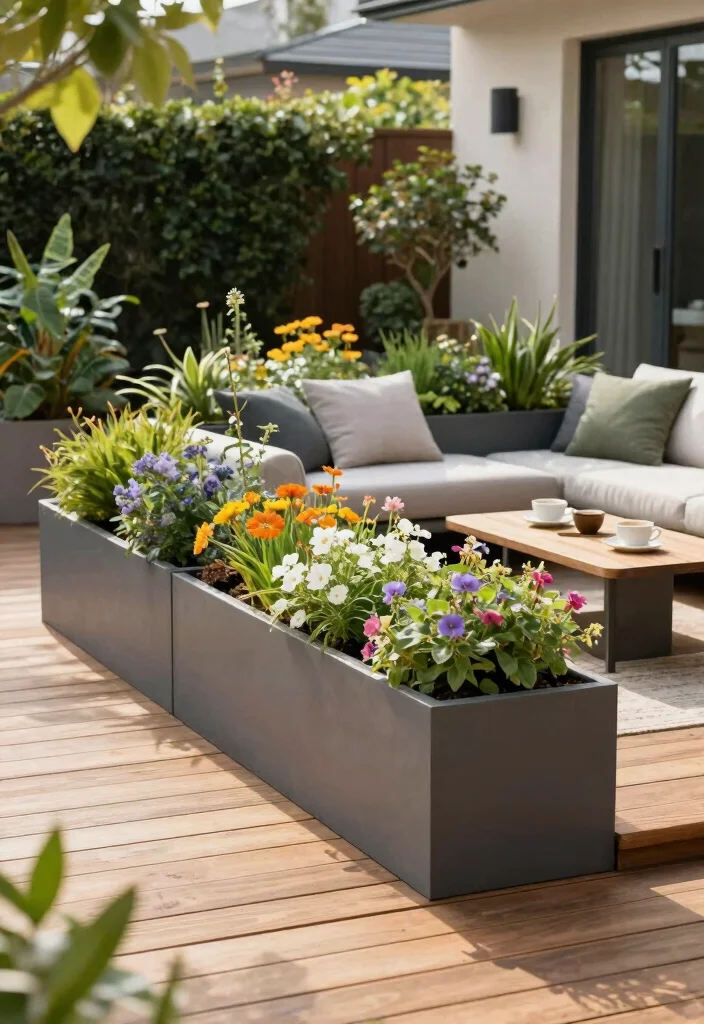
Integrated planter boxes offer a creative way to blend your outdoor furniture with gardening elements. These designs create a cohesive look that enhances both style and utility.
You can build integrated planters alongside benches, tables, or decks, ensuring they are designed to hold soil and drainage without compromising the furniture’s integrity.
Advantages of integrated planter boxes:
– Space-saving for multifunctional use
– Unique aesthetic for a unified outdoor theme
– Excellent for urban gardening
Regular maintenance involves checking drainage and ensuring that the plants receive adequate sunlight, allowing you to enjoy both furniture and greenery in harmony.
Conclusion
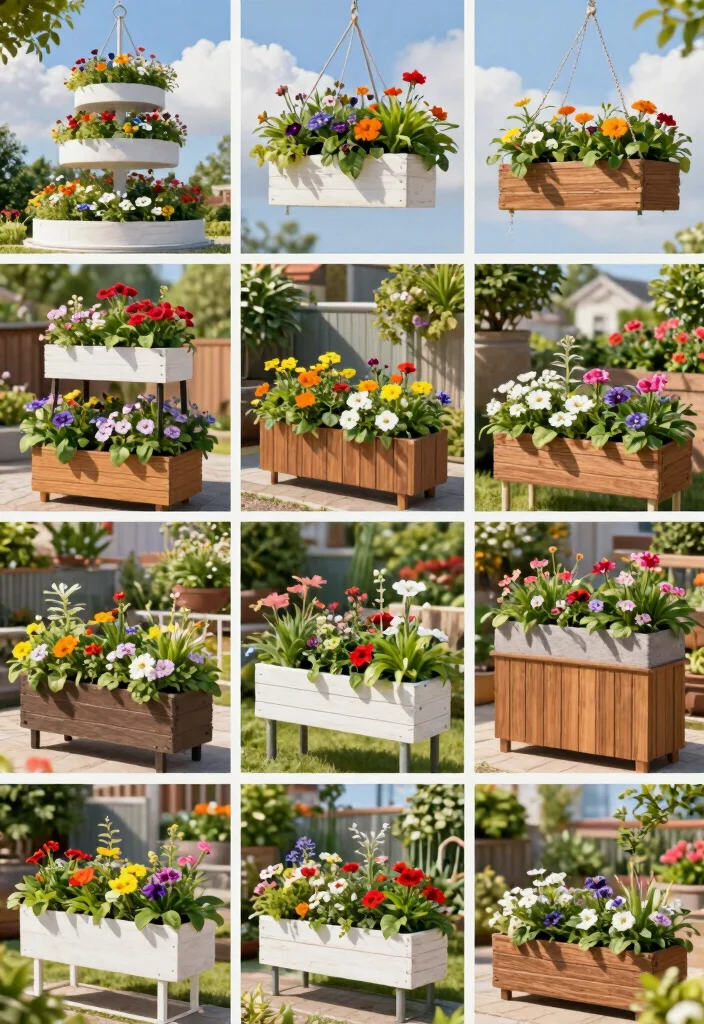
Exploring these twelve outdoor planter box ideas opens up new possibilities for enhancing your outdoor space, especially in smaller areas. From tiered designs to integrated solutions, these creative approaches allow you to garden stylishly and efficiently. Incorporating vertical planters not only maximizes space but also adds beauty to your backyard or patio. Consider your unique style and the space you have available, and let your garden flourish with these planter box ideas! Note: We aim to provide accurate product links, but some may occasionally expire or become unavailable. If this happens, please search directly on Amazon for the product or a suitable alternative. This post contains Amazon affiliate links, meaning we may earn a small commission if you purchase through our links, at no extra cost to you.
Frequently Asked Questions
What are the best planter box ideas outdoor for small patios and balconies to maximize space?
For small patios and balconies, start with vertical and space-saving designs. Think wall-mounted planters, tall freestanding towers, or a slim window box that doubles as a privacy screen. These options give you garden box inspiration without crowding the floor and fit a patio planting solutions mindset. Look for outdoor planter designs with good drainage and weather-ready materials like cedar, fiber-cement, or powder-coated metal. Keep the lineup modular so you can swap in herbs, edibles, or flowers as the seasons change, and choose shallow, wide planters for quick-growing herbs or lettuce. This approach is a practical way to maximize planter box ideas outdoor in a compact space.
How can I build and install DIY planter boxes for vertical gardening in a tiny outdoor area?
Start with a simple, sturdy design using affordable materials like cedar boards or lightweight plywood treated for outdoor use. Planter boxes should have drainage holes and a liner to protect wood.
For vertical setup, attach a backer board or fence mounting brackets and stack planters or use a pocket planter system so you can grow herbs or greens in a small footprint. Keep fasteners galvanized to resist rust and seal cut edges with exterior-grade sealant.
Tips: use a compact 2- to 4-foot-wide unit, add a drip line or self-watering insert, and label compartments to know what’s planted. This is classic DIY planter boxes territory that fits well with planter box ideas outdoor and garden box inspiration for vertical gardening.
Which outdoor planter designs are both stylish and low-maintenance for year-round use?
Look for outdoor planter designs that pair form with function: durable materials like cedar, redwood, powder-coated metal, or UV-stable resin give you long life with minimal upkeep. Go for simple rectangular boxes or troughs that drain well and accept removable liners, so you can swap soil and plants with ease. Add self-watering inserts or a simple drip irrigation to cut watering time. Group several planters into a tidy arrangement to create visual impact with decorative planter ideas that are still low-maintenance. This keeps your space stylish without constant work.
What materials and finishes work best for decorative planter ideas that resist weather damage?
Choose materials that stand up to sun, rain, and freezes. Good options include cedar or redwood (naturally rot-resistant), high-density polyethylene (a UV-stable plastic), powder-coated metal, and fiber-cement composites. For wood, seal with exterior-grade stain or sealant and use a liner to protect the interior. Ceramic and untreated terracotta look beautiful, but they can crack in freezing weather, so use them in sheltered spots or with a protective inner insert. Always ensure good drainage and use weatherproof fasteners. This aligns with outdoor planter designs and decorative planter ideas that endure seasons.
How can I arrange a patio planting solution using vertical planters to grow herbs, flowers, and vegetables?
Start with a quick layout that puts the best-lit planters where you’ll see them and can reach them easily. Use staggered tiers so you can reach herbs on top and lighter vegetables lower down. In the top pockets plant sun-loving herbs like basil and thyme; middle sections work well for leafy greens such as lettuce or spinach; bottom rows can hold flowering annuals or compact vegetables like strawberries. Choose inserts and lightweight soil, and add a simple drip irrigation line for even moisture. Group several vertical planters together to create a focal wall of color and edible yields. This garden box inspiration makes it easy to enjoy outdoor planter designs and patio planting solutions in a small space.