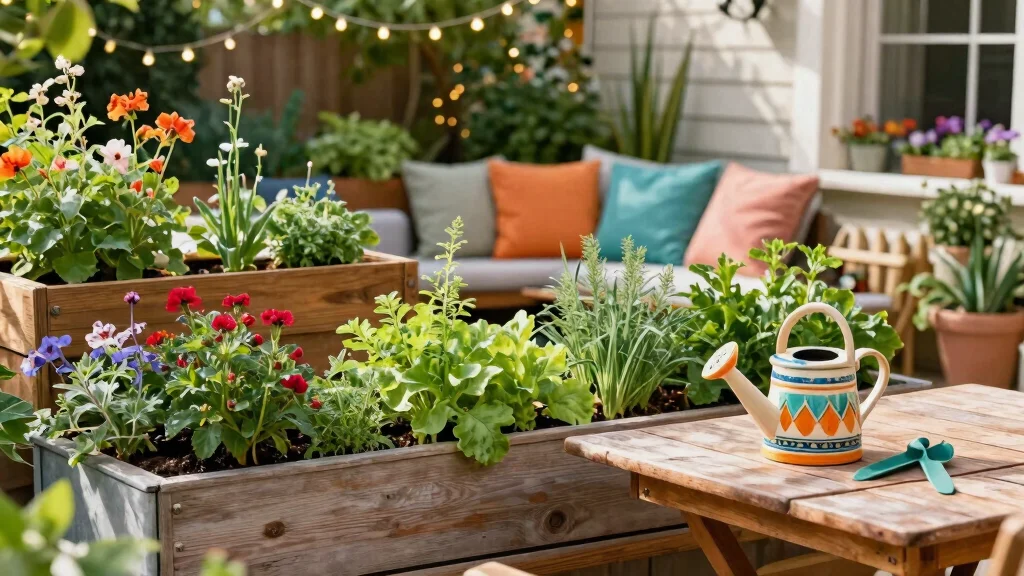
Are you dreaming of a beautiful patio, garden, or backyard filled with vibrant plants but feel limited by space? You’re not alone! Many gardening enthusiasts crave that lush greenery but struggle with small areas. That’s why I created this post. I want to help you discover creative and practical planter box ideas that make the most of your outdoor space without overwhelming it.
If you’re a lover of all things gardening, whether you’re a seasoned pro or just starting out, this guide is for you. You’ll find inspiration in these outdoor planter designs tailored for small spaces. Each idea is not only stylish but also functional, fitting perfectly into your patio, garden, or backyard.
In this post, you’ll get a curated list of 12 unique planter box ideas. From rustic wooden pallets to chic vertical herb gardens, these suggestions are designed to help you maximize your space and bring your gardening dreams to life. So, grab your tools and let’s dive into these DIY planter boxes that will transform your outdoor area into a green oasis!
Key Takeaways
– Discover 12 creative planter box ideas that are perfect for small patios, gardens, and backyards, helping you maximize your space. – Explore various styles, from rustic to modern, that fit your personal taste and blend beautifully with your outdoor environment. – Learn practical container gardening tips that will make your planting experience enjoyable and successful. – Find inspiration in vertical garden ideas that make efficient use of vertical space without sacrificing aesthetics. – Get ready to unleash your creativity with easy-to-follow DIY planter boxes that anyone can craft at home.1. Rustic Wooden Pallet Planter
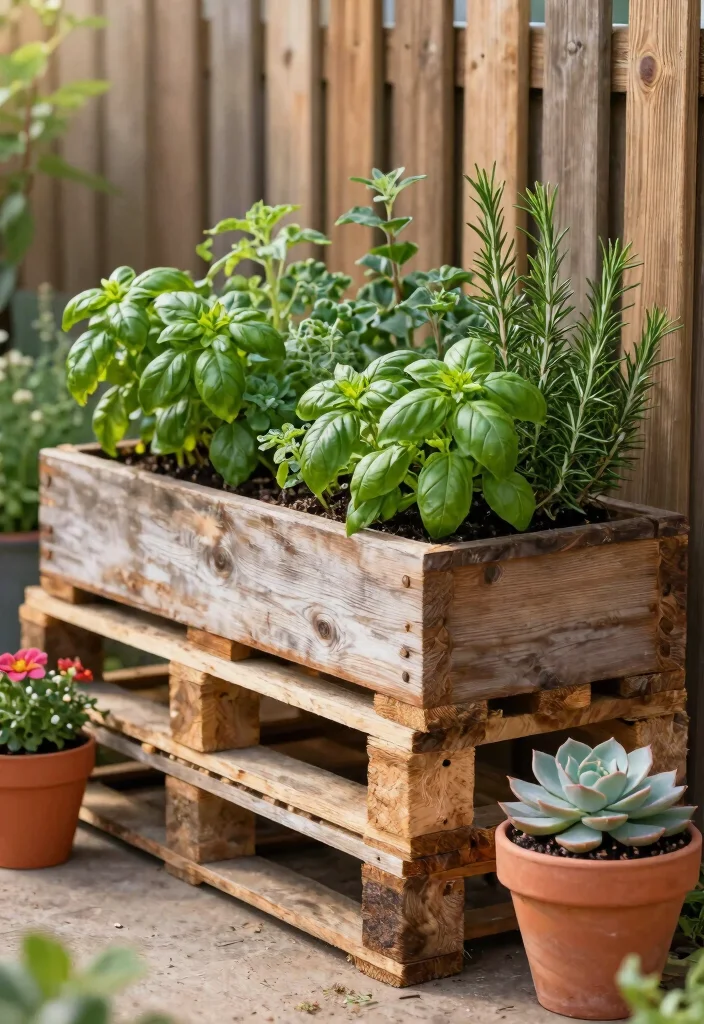
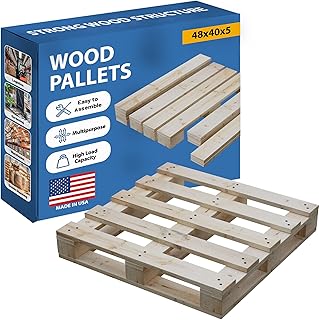
Are you looking for a charming DIY project? A rustic wooden pallet planter can transform your outdoor space with minimal effort. This creative idea repurposes old pallets into tiered planting stations, making it easy to grow a variety of plants. Fill the gaps with soil and your favorite herbs, succulents, or small flowers for a delightful touch of greenery.
Start by stacking the pallets securely and ensuring each layer is stable. You can customize the design to fit your space and even add a splash of color with paint or stains. Not only does this project foster an eco-friendly vibe, but it also enhances drainage and air circulation for your plants.
Key steps to create your rustic planter:
– Gather old wooden pallets and necessary tools.
– Sand down rough edges for safety.
– Stack pallets securely, using screws if needed.
– Fill with potting soil and arrange your chosen plants.
This planter elevates your garden aesthetic while being a fantastic conversation starter. You’ll love how it breathes new life into your outdoor area!
DIY planter box ideas don’t have to be fancy to be fabulous. A rustic wooden pallet planter stacks up quickly, and with a few stable layers you’re growing herbs, succulents, or flowers in minutes.
Rustic Wooden Pallet Planter
Editor’s Choice



2. Vertical Ladder Planter
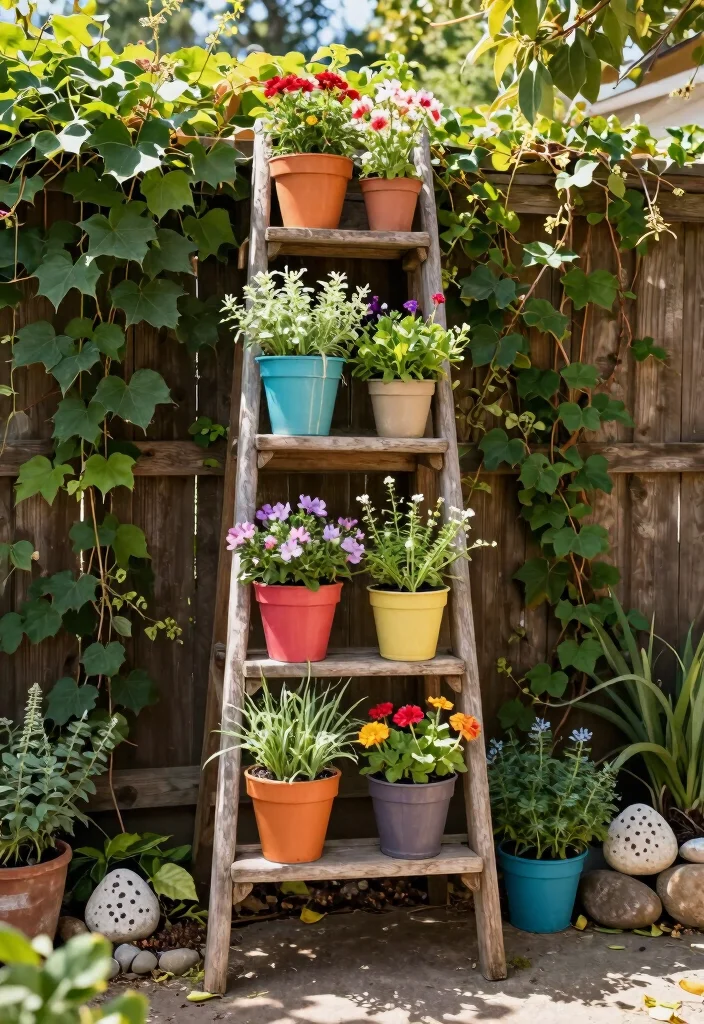
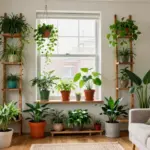
Do you want a unique way to showcase your plants? Turn an old ladder into a stunning vertical planter! This creative solution adds height and visual interest to your garden while being incredibly functional. Simply lean a wooden ladder against a wall and arrange small pots on each step for a colorful, eye-catching display. Editor’s Choice
Mix and match flowers and herbs to create a vibrant arrangement that draws the eye upward. Use different pot sizes for added depth and variation. This not only maximizes your planting space but also makes it easier to care for your plants.
Get started with these steps:
– Find an old wooden ladder and secure it in place.
– Arrange pots on each step, ensuring stability.
– Fill with potting soil and plant your selections.
A ladder planter not only saves space but also becomes a lovely focal point in your garden. Enjoy the beauty and accessibility it brings to your outdoor area!
Vertical Ladder Planter


📹 Related Video: Vertical Ladder Planter DIY
3. Hanging Bottle Planters
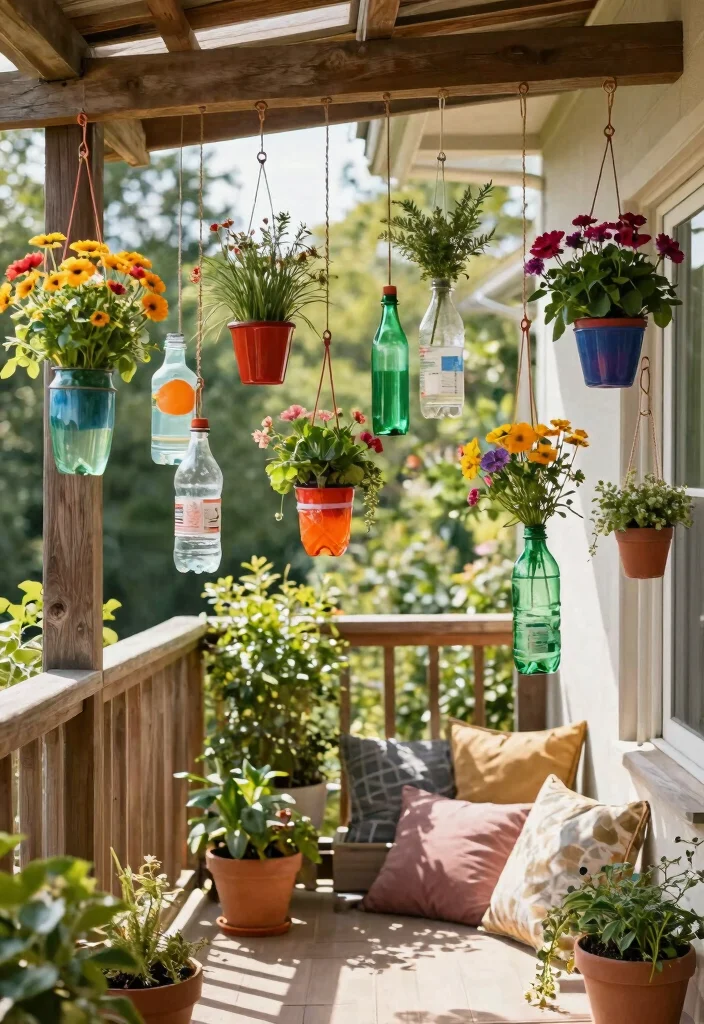
Are you looking for an eco-friendly gardening solution? Hanging bottle planters offer a quirky and creative way to grow plants while reusing materials. By cutting plastic bottles or glass jars in half and filling them with soil, you can create a unique vertical display perfect for any balcony or small space.
Attach your planters to a sturdy frame or railing using twine or wire, giving your space a playful touch. This method takes up minimal ground space and adds a charming aesthetic. Plus, it’s a great conversation starter!
Here’s how to make your hanging bottle planters:
– Collect plastic bottles or glass jars and cut them in half.
– Make drainage holes at the bottom for healthy roots.
– Fill with potting soil and add your chosen plants.
These planters not only save space but also allow for easy watering. Simply pour water into the top of the bottle, and watch your plants thrive!
Fun fact: A six-bottle hanging vertical planter can create a tiny grow space—just 2 square feet can yield fresh herbs. It’s one of the easiest planter box ideas that reuses bottles and brightens balconies without ground clutter.
4. Wall-Mounted Planter Boxes
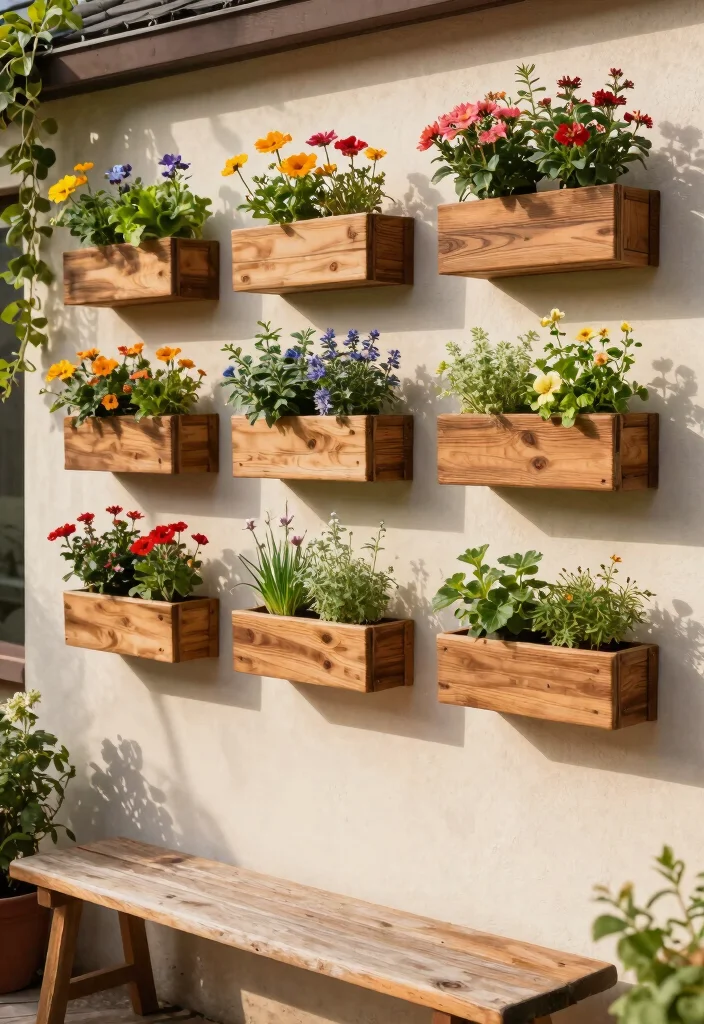
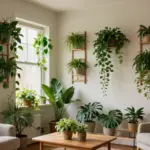
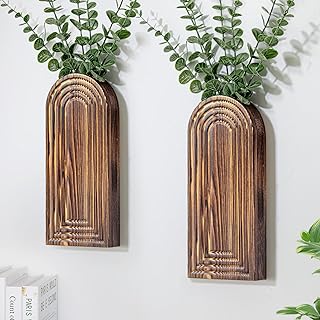
Have a blank wall that needs some life? Wall-mounted planter boxes are a stylish way to create a vertical garden. These planters can be crafted from wood or metal, allowing you to customize them to fit your aesthetic. Fill them with a variety of plants—from herbs to cascading flowers—for a stunning vertical display. Editor’s Choice
By attaching the boxes at different heights, you enhance visual interest while keeping your plants easily accessible. This setup not only looks great but also simplifies maintenance.
To create your wall-mounted planters:
– Choose wooden or metal planter boxes that suit your style.
– Secure them to your wall at varying heights.
– Fill with potting soil and plant your selections.
These planters beautify your space and improve air quality, creating a refreshing atmosphere in your home!
Wall-Mounted Planter Boxes




5. Gutter Garden Planters
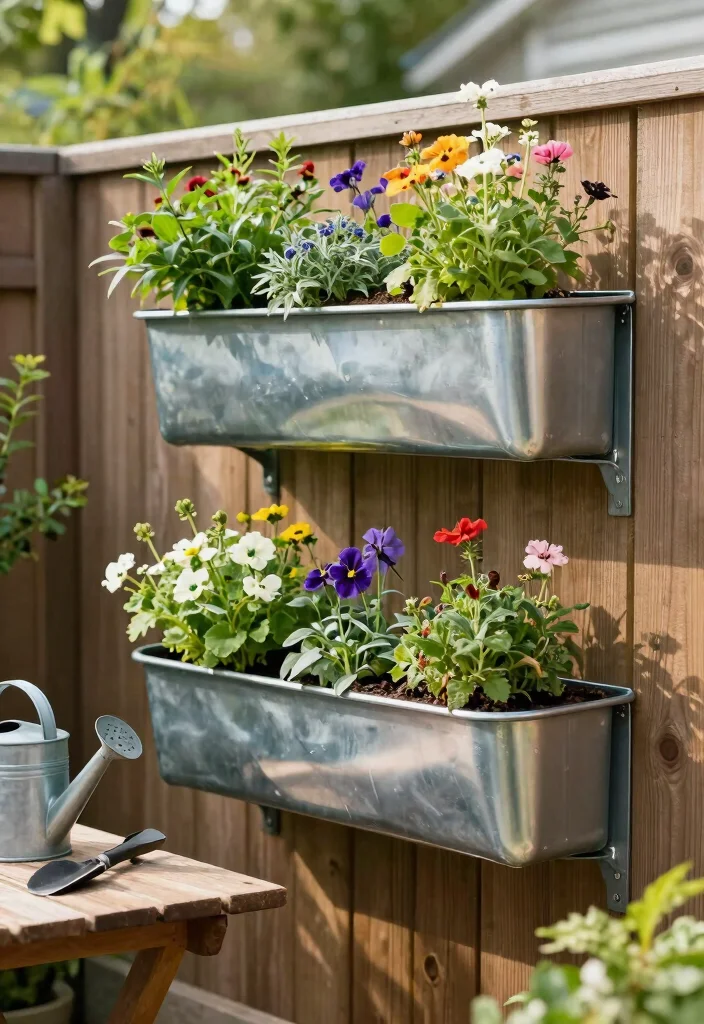
Looking for a unique gardening solution? Old gutters can be transformed into eye-catching planters that save space and look fabulous! By cutting gutters into sections and mounting them horizontally on a wall or fence, you create long, narrow planting areas perfect for a variety of plants.
Fill these sections with soil and choose a mix of herbs and flowers for a stunning display. Gutter planters are excellent for small spaces, allowing you to maximize your gardening area without taking up valuable ground space.
Here’s how to set up your gutter garden:
– Cut old gutters to your desired lengths.
– Securely mount them on a wall or fence using brackets.
– Fill with potting soil and add your plants.
These planters not only provide visual appeal but also offer a fun way to grow herbs right at your fingertips!
How To Choose The Right Vertical Planter Box
Choosing the perfect vertical planter box can significantly enhance your small garden space. With the right selection, you can grow various plants while maximizing your outdoor area. Here are some essential criteria to consider when selecting your vertical planter box: 1. SizeThe size of your vertical planter box is crucial. You need to consider the space you have available and the types of plants you want to grow. For small patios or balconies, look for compact designs that can fit in tight corners. Measure your available space to ensure that the planter box won’t overcrowd your outdoor area.
2. Material
The material of the planter box impacts both durability and aesthetics. Options include wood, metal, plastic, or fabric. Wooden boxes provide a rustic look but require treatment to prevent rot. Metal boxes can be stylish but may overheat in direct sunlight. Plastic is lightweight and weather-resistant, making it an excellent choice for beginners. Evaluate what material aligns with your garden style and climate conditions.
3. Drainage
Proper drainage is vital for plant health. Look for planter boxes with drainage holes or built-in systems that prevent water from pooling at the bottom. Excess moisture can lead to root rot and other issues. If the design you love lacks drainage, consider how you can add it—drilling holes is often an easy fix!
4. Plant Compatibility
Different plants have varying root depths and sunlight needs. Ensure that the vertical planter box you choose can accommodate the type of plants you wish to grow. For instance, if you want to grow herbs, a shallower box may suffice. Conversely, vegetables like tomatoes require deeper soil and more substantial support. Research the needs of your plants before making a purchase.
5. Style and Aesthetics
The visual appeal of the planter box plays a significant role in your outdoor design. Choose a style that complements your home and garden theme. Whether you prefer sleek modern lines or a more rustic look, there are plenty of options available. Remember, a beautiful planter can serve as a focal point in your garden.
6. Budget
Finally, define your budget. Vertical planter boxes come in a range of prices. Set a reasonable budget before you start shopping, and keep an eye out for discounts or DIY options if you’re crafty. Remember that investing a bit more in quality can result in a longer-lasting product that saves you money in the long run.
Pro Tip: Consider making your own DIY vertical planter box! With a few basic materials and tools, you can create a personalized design that fits your space perfectly. There are many resources online to guide you through the process, allowing for creativity while sticking to your budget. Happy gardening!
6. Vertical Succulent Garden
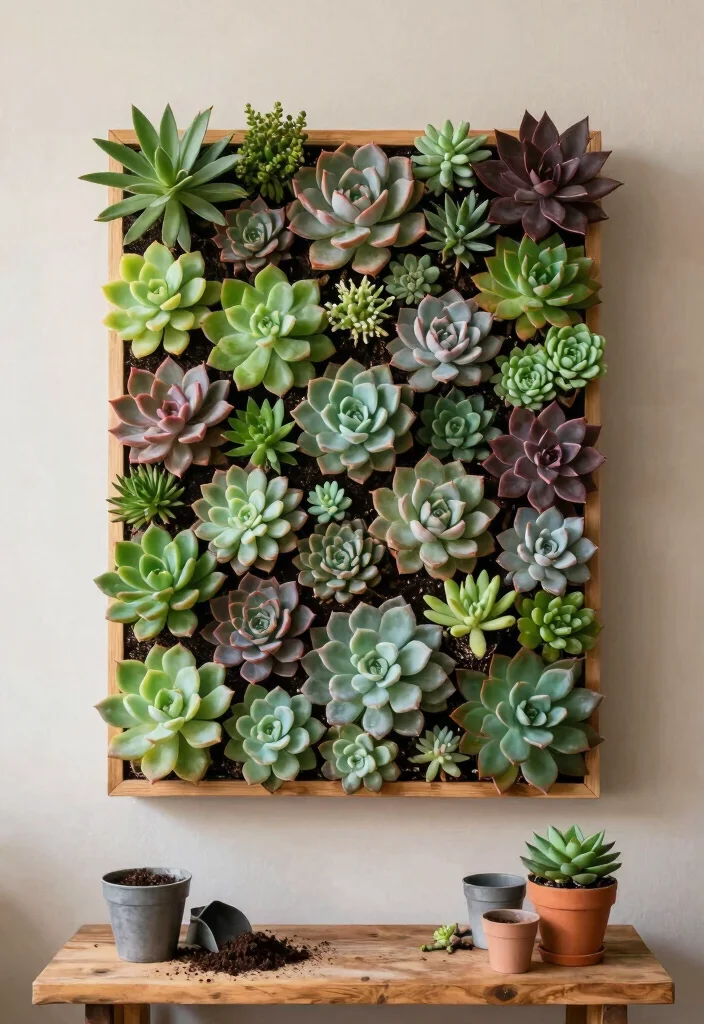
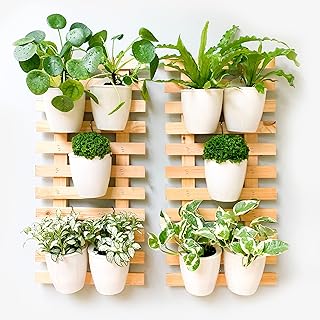
Do you want a low-maintenance gardening option? A vertical succulent garden is a perfect choice! Using a wooden frame or canvas, you can create a stunning display filled with pockets of soil for your succulents. Arrange them in patterns for a beautiful artistic effect. Editor’s Choice
Succulents come in various colors and shapes, making them ideal for a vibrant, eye-catching arrangement. This setup not only enhances your outdoor area but also acts as a natural air purifier.
Follow these steps to create your vertical garden:
– Attach landscape fabric to the back of your frame.
– Fill pockets with soil and place succulents inside.
– Hang your garden in a sunny spot and water sparingly.
A vertical succulent garden is not only visually appealing but also practical, bringing life to your space effortlessly!
Vertical Succulent Garden



7. Fabric Pocket Planters
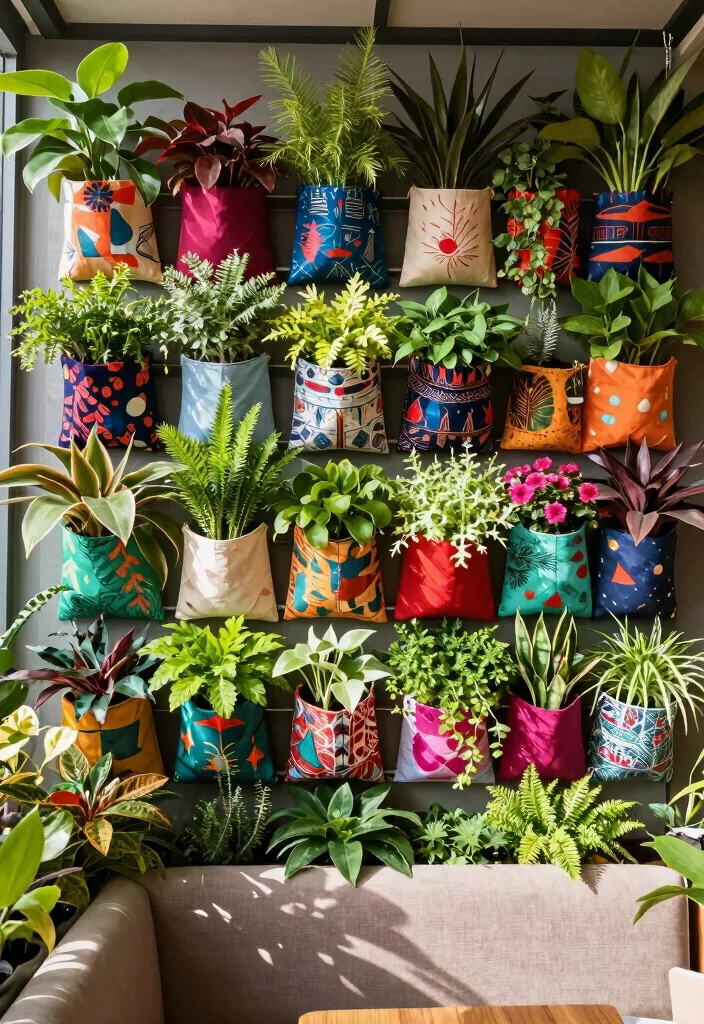
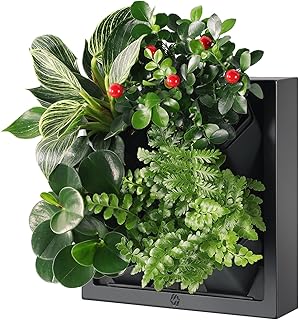
Want to add a whimsical touch to your gardening? Fabric pocket planters are a fun way to display your herbs and flowers! Made from durable fabric, these planters can be hung on walls or fences, featuring pockets that securely hold soil and plants.
Choose bright colors or fun patterns to enhance your outdoor decor. These lightweight planters allow for excellent drainage and air circulation, promoting healthy plant growth.
Here’s how to create your fabric pocket planters:
– Hang fabric pockets securely on a wall or fence.
– Fill each pocket with potting soil.
– Plant your selections and water lightly.
Fabric planters are particularly great for urban gardening, where traditional garden space is limited, turning any wall into a vibrant garden!
8. Tiered Fruit and Vegetable Planter
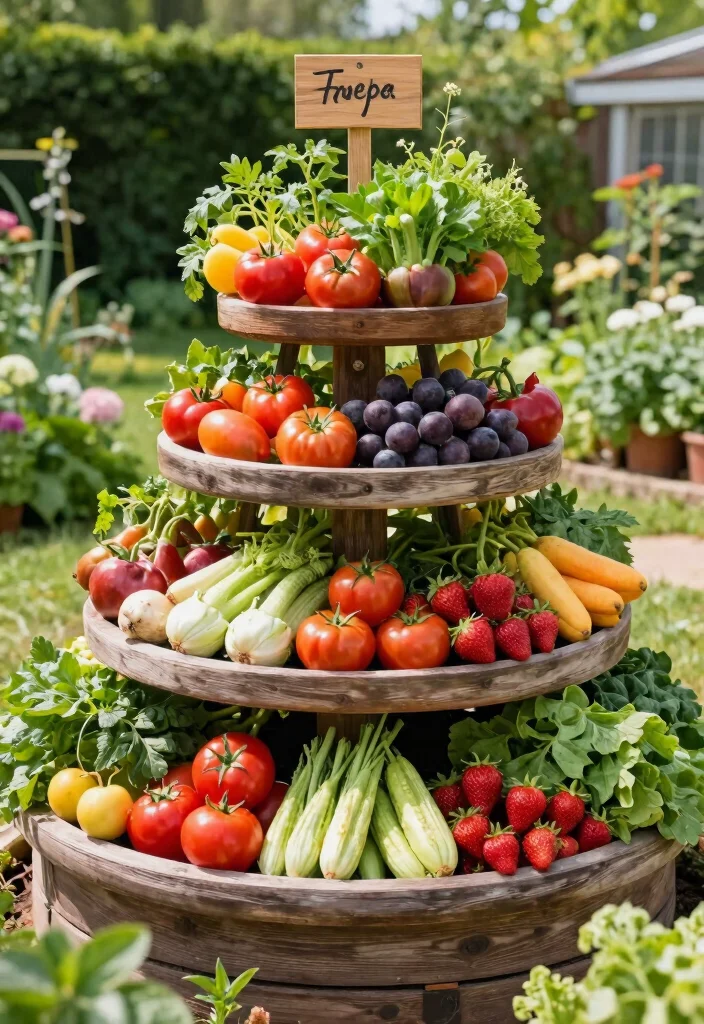
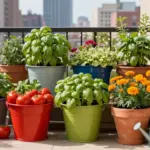
Are you eager to grow your own food? A tiered fruit and vegetable planter is a fantastic way to maximize your gardening space! This design allows you to cultivate various fruits and vegetables in a compact area, utilizing different levels for optimal productivity.
From strawberries to tomatoes, your tiered planter can become a mini-farm right in your backyard. This setup promotes better air circulation and makes harvesting easy.
To build your tiered planter:
– Construct or purchase a tiered planter box.
– Place it in a sunny location.
– Fill with potting soil and plant your selections.
A tiered planter enhances your gardening experience, leading to higher yields and a more organized approach to growing your food!
9. Repurposed Furniture Planters
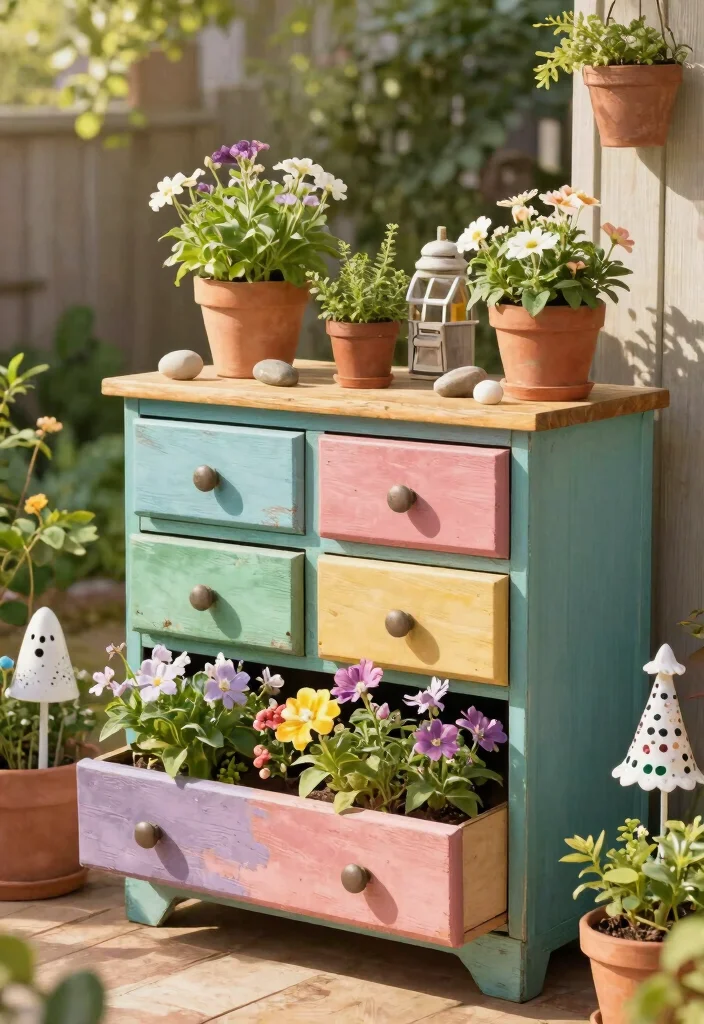
Do you have old furniture lying around? Give it new life as quirky planter boxes! Transform an old dresser, table, or bicycle into a unique planter by removing drawers or shelves and filling them with soil and plants.
This creative use of space not only adds character to your garden but also promotes sustainability. Repurposed furniture can serve as a stunning focal point, showcasing your personal style.
Here’s how to turn furniture into planters:
– Choose furniture pieces that can accommodate plants.
– Prepare them for planting by removing unusable parts.
– Fill with soil and add your selections.
This approach enriches your garden’s aesthetic while encouraging eco-friendly practices!
10. Vertical Herb Garden on a Fence
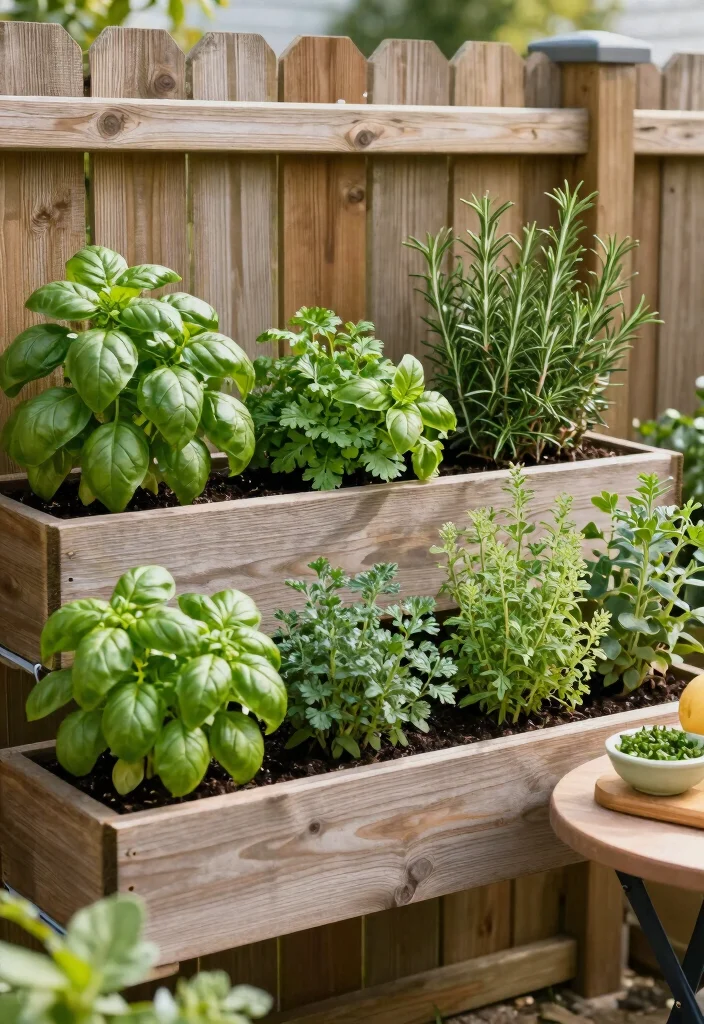
Do you love cooking with fresh herbs? A vertical herb garden on your fence is a practical and beautiful addition to any outdoor space! By attaching small planter boxes or pots to your fence, you can easily cultivate your favorite culinary herbs within arm’s reach. Editor’s Choice
This setup not only saves space but also adds a fresh look to your outdoor area. Enjoy the convenience of having fresh ingredients right outside your kitchen door!
To create your vertical herb garden:
– Secure small planter boxes or pots to your fence.
– Fill with potting soil and plant your herbs.
This method keeps your herbs organized and accessible, enhancing your cooking experience with fresh flavors right at your fingertips!
Vertical Herb Garden on a Fence


11. Multi-Level Planter Box
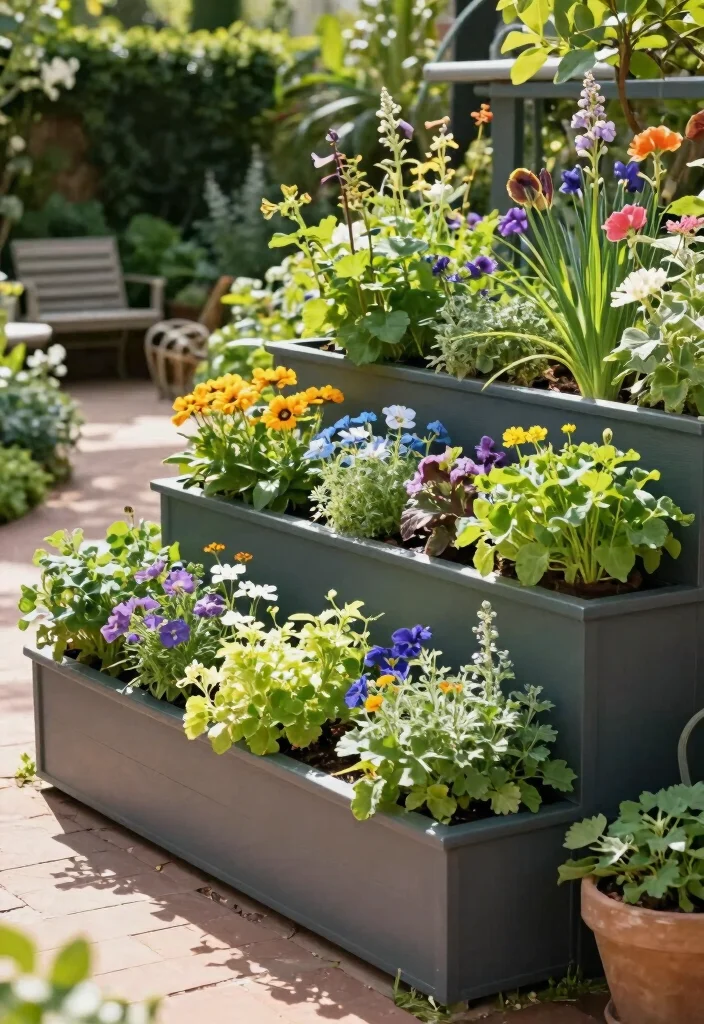
Are you ready to elevate your gardening game? Multi-level planter boxes bring sophistication and functionality to your outdoor space. Designed with several tiers, these planters encourage vertical growth, allowing you to mix and match herbs, flowers, and vegetables in one compact unit.
This design maximizes planting area and simplifies maintenance while adding an elegant touch to your garden.
To get started with a multi-level planter box:
– Build or purchase a multi-level planter.
– Secure it in a well-lit area.
– Fill with potting soil and plant your selections.
A multi-level planter not only beautifies your space but also promotes biodiversity, making your garden a thriving ecosystem!
12. Vertical Planter Wheels
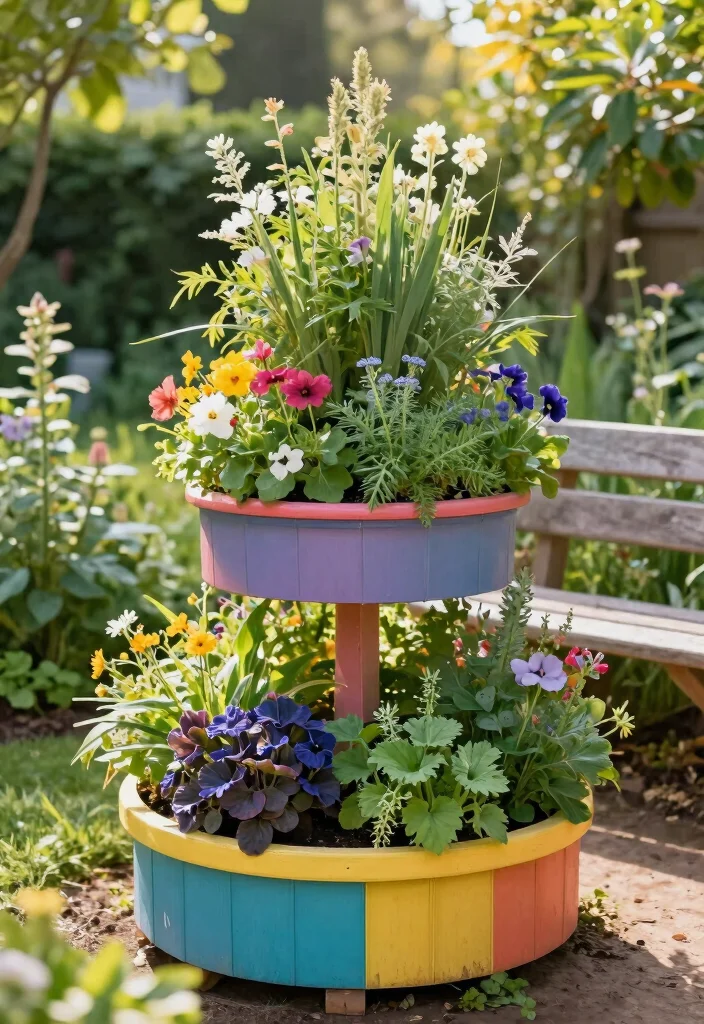
Looking for a fun and functional gardening solution? Vertical planter wheels bring your garden to life with mobility and creativity! These mobile planters, constructed from a large circular frame, allow you to fill each section with different plants for a varied display.
Easily move them around to find the perfect spot for sunlight. This dynamic approach makes them ideal for small spaces and patios.
To create your vertical planter wheel:
– Build or purchase a vertical planter wheel.
– Fill each section with potting soil and plants.
This playful twist on traditional gardening not only adds charm to your space but also makes gardening a delightful experience!
❝ Fun fact: vertical planter wheels can free up 60% of balcony space by stacking greens in one mobile frame. Move sections daily to chase sun, and you’ll keep herbs thriving—great planter box ideas on the move. ❞
Conclusion
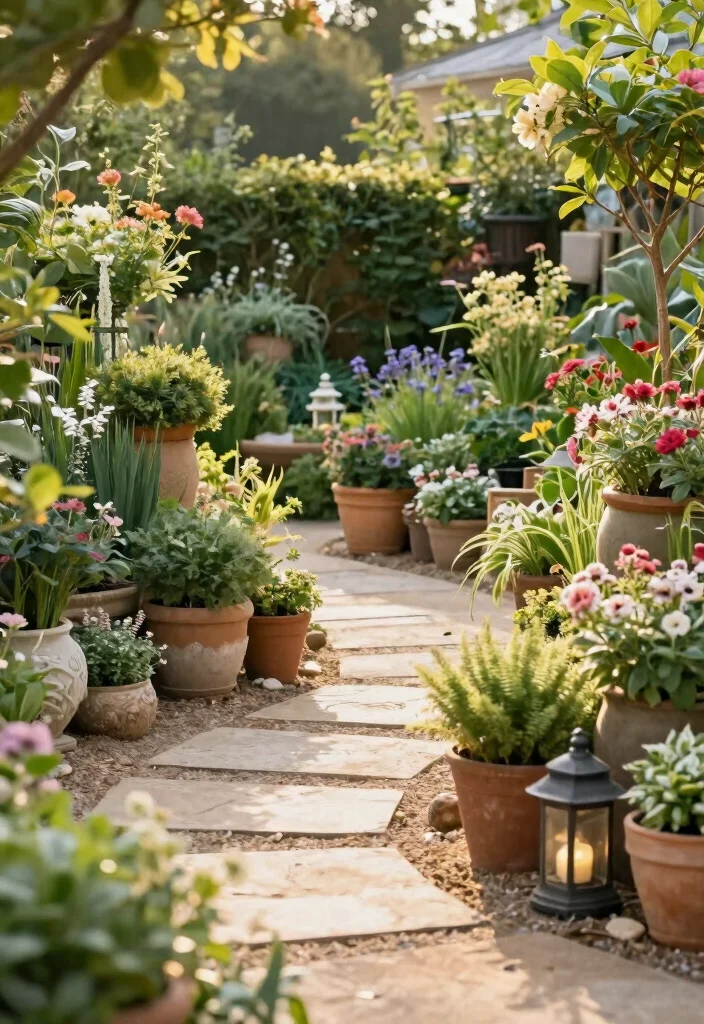
With these 12 planter box ideas, creating a lush vertical garden in your small space is more achievable than ever. From repurposed materials to innovative designs, there’s something for everyone looking to add greenery to their outdoor space. So grab your tools and get started on your gardening journey—your patio, garden, or backyard will thank you for it! Note: We aim to provide accurate product links, but some may occasionally expire or become unavailable. If this happens, please search directly on Amazon for the product or a suitable alternative. This post contains Amazon affiliate links, meaning we may earn a small commission if you purchase through our links, at no extra cost to you.
Frequently Asked Questions
What are the best space-saving planter box ideas for patios and small gardens?
For compact spaces, start with vertical and modular solutions that keep floor space clear. Try a wall-mounted planter to turn a fence or railing into a living screen. Add a tiered or corner planter to fit snug corners without crowding walkways. If you want flexibility, opt for modular, stackable planter boxes you can rearrange as your garden grows. These approaches highlight planter box ideas that maximize growing area while staying friendly to maintenance and water access.
For herbs and greens, use long shallow boxes to improve soil depth and drainage, or pair smaller pots with a trellis for climbing plants.
How can I create a DIY vertical garden with planter boxes?
Start with a simple frame or wall-mounted pockets so you can add layers without taking up ground space. Use cedar or recycled pallet slats for durability, or lightweight metal for a sleek look. Add drainage with holes or a drip tray, and secure the setup to a sturdy wall or fence. Fill with a rich potting mix designed for containers, then choose compact plants like herbs, salad greens, or dwarf tomatoes. With DIY planter boxes, you control size, color, and accessibility, making vertical garden ideas doable even on a balcony.
Which plants are best suited for planter boxes in small spaces?
Look for compact, sun-loving options that stay productive in containers. Good bets are herbs (basil, parsley, chives), leafy greens (lettuce, spinach), and compact vegetables (dwarf cherry tomatoes, patio peppers). Flowering varieties like nasturtium or marigold attract pollinators and brighten the box. Always check sun exposure and ensure drainage holes. For best results, group plants with similar water needs and use a premium potting mix tailored for container gardening tips.
What outdoor planter designs help maximize sun exposure and airflow?
Choose designs that minimize shade and maximize air movement. Elevate planters on pedestals or rails, or install staggered, multi-height units to avoid crowding. Use slatted wooden or metal boxes to encourage airflow, and leave space between boxes for ventilation. Opt for light-colored or breathable materials to reduce heat, and pair with a drip irrigation plan to keep soil evenly moist. For outdoor planter designs, think modular and adaptable.
What maintenance steps keep planter boxes healthy and productive?
Create a simple, repeatable routine: water deeply when the top inch of soil is dry, ensure drainage isn’t blocked, and refresh the soil annually or as needed. Feed with a balanced, water-soluble fertilizer every 2–4 weeks during the growing season and rotate crops to prevent nutrient depletion. Clean debris, prune leggy growth, and scout for pests. Winterize by draining excess water and storing sensitive boxes if your climate requires it. With these container gardening tips, your planter boxes stay healthy and productive year after year.