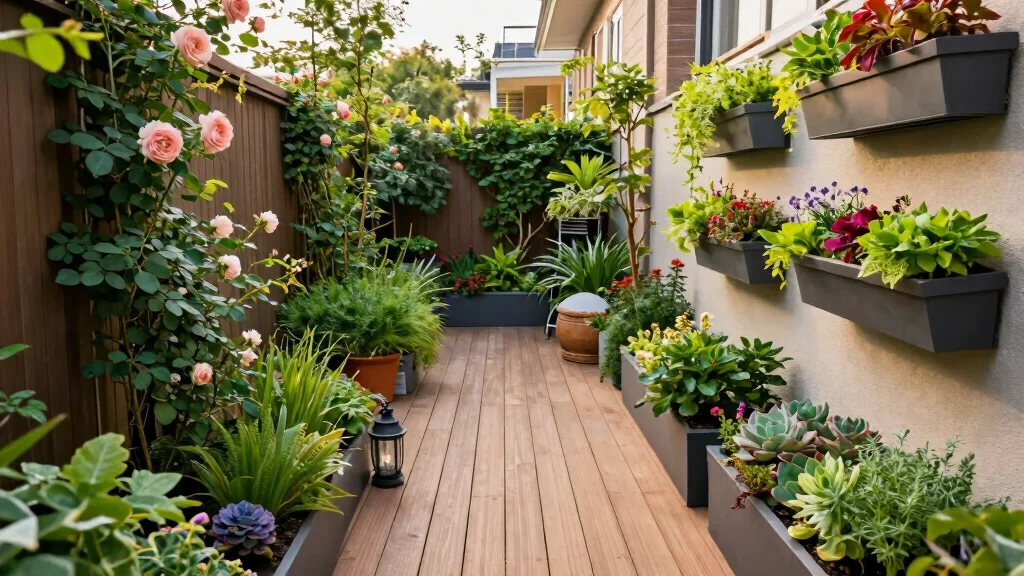
Creating a beautiful garden in a narrow backyard can feel like a daunting task. With limited space, the challenge is to maximize every inch while still creating a serene and inviting atmosphere. That’s why I put together this guide—because I know how much joy a well-designed garden can bring, even when the area is tight.
If you love gardening or have a passion for creating your own outdoor sanctuary, this post is for you. You might be looking for ways to utilize that long, narrow stretch of land behind your home, or perhaps you want to enhance your existing garden without taking up too much room. Either way, I’ve gathered ten innovative ideas that focus on vertical gardening solutions. They are not only clever but also practical, allowing you to incorporate a variety of plants and features.
You’ll find tips on creating vertical gardens, using space-saving plants, and incorporating unique design elements that transform your narrow backyard into a lush oasis. Each idea is designed to inspire you and can be adapted to fit your personal style and the specific dimensions of your space. Let’s dive into these narrow backyard ideas and discover how to make the most of those long spaces!
Key Takeaways
– Vertical Garden Wall: This is an excellent way to add greenery without taking up ground space. Use wall-mounted planters to display a variety of plants, making your backyard feel more expansive. – Vertical Planter Boxes: Stack planter boxes vertically to create a tiered effect. This not only saves space but also adds dimension to your garden. – Climbing Plants on Trellises: Utilize vertical space by encouraging climbing plants to grow on trellises. They add height and beauty while keeping the ground area free for other uses. – Hanging Baskets: Incorporate hanging baskets to introduce color and texture. They are perfect for flowers or herbs and can brighten up shady areas. – Zen Garden Elements: Create a calming atmosphere with Zen garden features. Use stones, sand, and small plants to design a tranquil space that encourages relaxation.1. Vertical Garden Wall
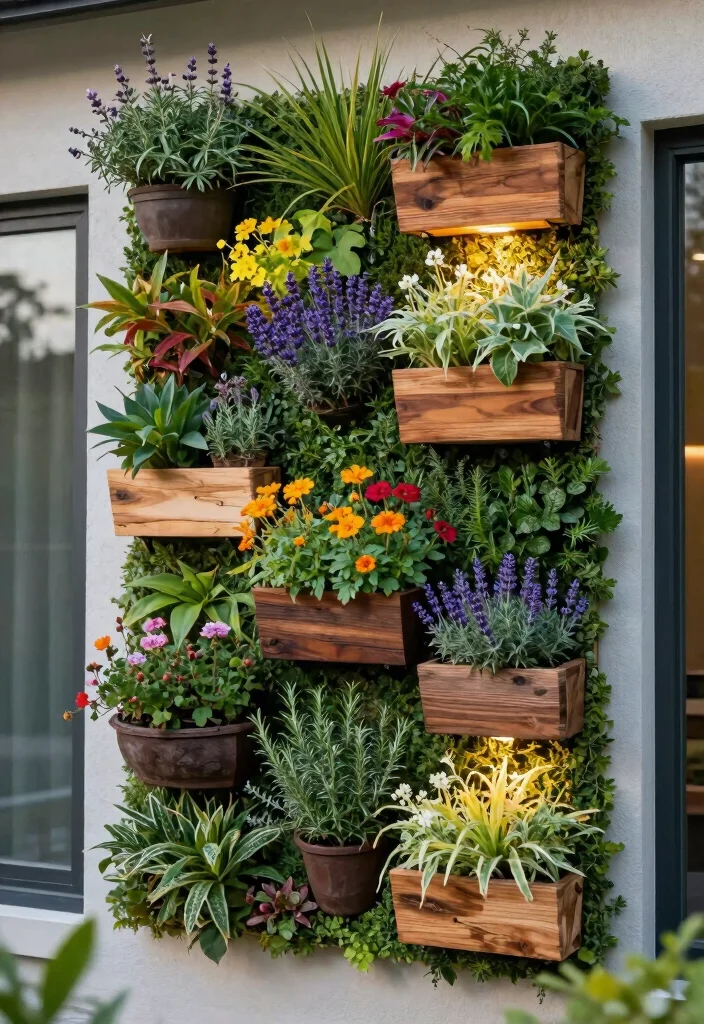
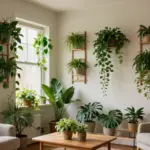
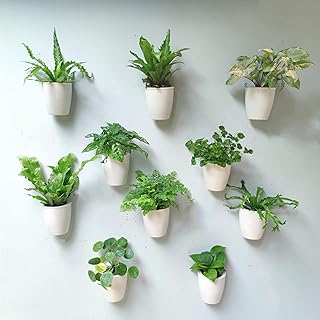
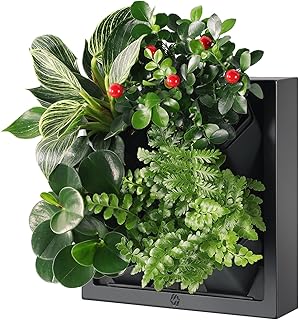
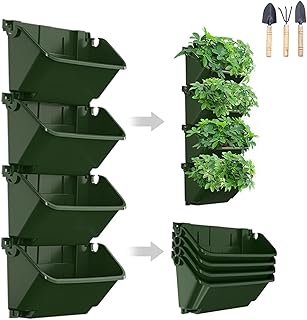
Imagine transforming a plain wall into a stunning vertical garden that bursts with life. This clever design not only beautifies your space but also maximizes your planting potential. With wall-mounted planters, you can grow everything from fragrant herbs to colorful flowering vines, creating a vibrant backdrop that complements your home’s aesthetic. Editor’s Choice
To set up your vertical garden wall, choose a solid wall as your base and mix various pots and planters for an engaging look. Layer your plants by height to add depth and interest. For added convenience, think about integrating an irrigation system to keep your plants healthy and flourishing. Opt for climbing plants like jasmine or clematis for added height and delightful scents.
Key benefits of a vertical garden wall:
– Select drought-resistant plants for low maintenance.
– Ensure the wall gets adequate sunlight for optimal growth.
– Add decorative lighting to showcase your garden at night.
Vertical Garden Wall



2. Vertical Planter Boxes
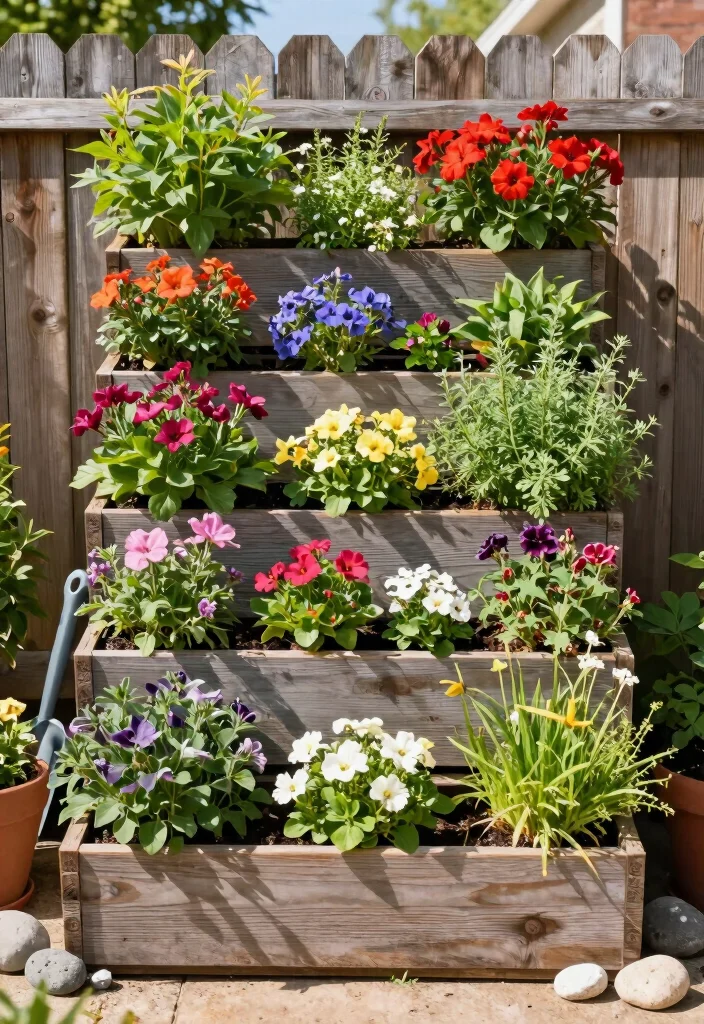
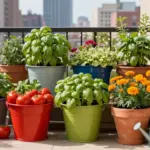
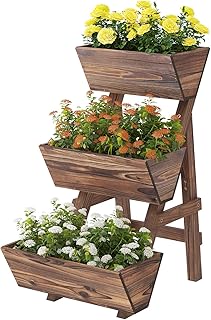
Elevate your narrow backyard with stylish vertical planter boxes that turn empty spaces into lush gardens. These versatile structures can easily be placed along fences or walls, allowing you to utilize vertical space effectively. Customize the size and shape of your planters to match your unique design vision.
Create visual interest by stacking planters or varying their heights. Incorporate a mix of vibrant flowers, fresh vegetables, and aromatic herbs to enhance both beauty and utility. Integrating lattice or trellis work allows climbing plants to flourish, adding even more charm to your garden.
Creative ideas for vertical planter boxes:
– Use wooden boxes for a rustic vibe or metal containers for a modern touch.
– Paint planters in bright colors to bring fun energy to your space.
– Consider drip irrigation systems for hassle-free maintenance.
Vertical planters turn tight spaces into thriving greens—no digging required. For narrow backyard ideas, stack boxes along a fence, mix herbs, vegetables, and flowers, and rotate crops seasonally. You’ll harvest fresh produce fast and keep your yard feeling lush.
Vertical Planter Boxes
Editor’s Choice



3. Climbing Plants on Trellises
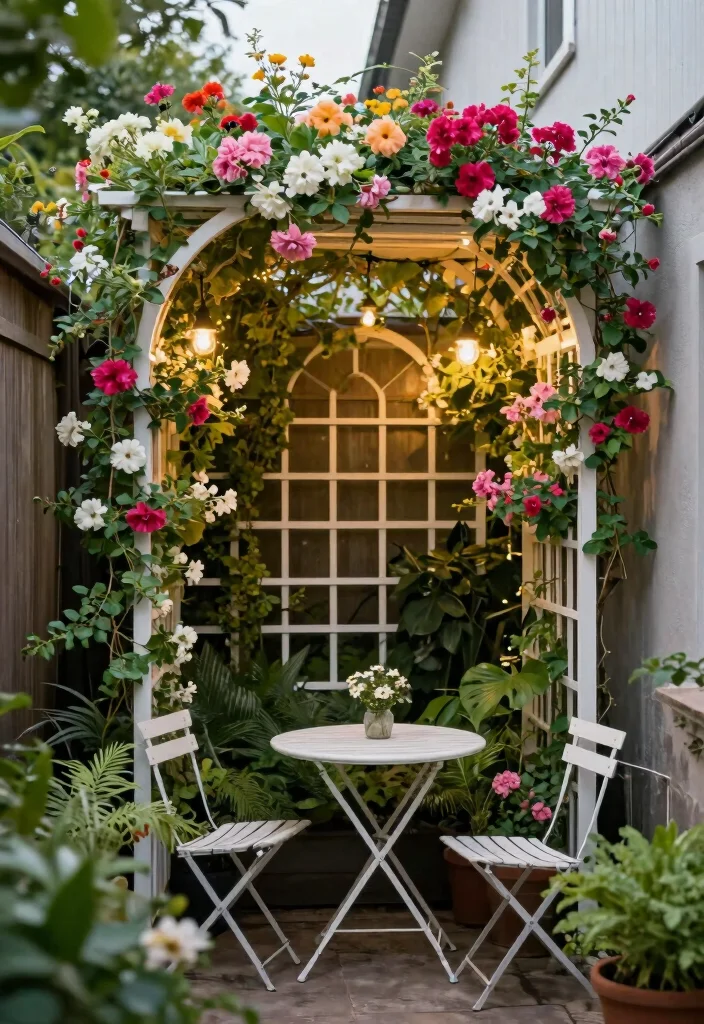
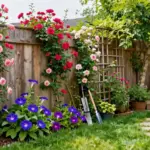
Trellises can transform your narrow backyard into a lush paradise by adding height and texture without taking up valuable ground space. By planting climbing varieties like wisteria, clematis, or grapevines, you can create captivating focal points that also provide natural shade and privacy. Editor’s Choice
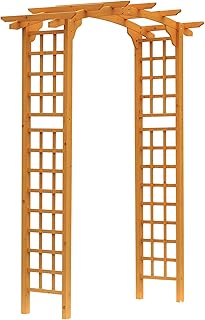
Select a trellis design that complements your backyard style, whether that’s classic wooden or sleek metal. Position trellises near seating areas to foster a cozy atmosphere. With seasonal blooms, your trellis will evolve throughout the year, ensuring a dynamic and inviting space.
Suggestions for using trellises:
– Regularly train your climbing plants for optimal growth.
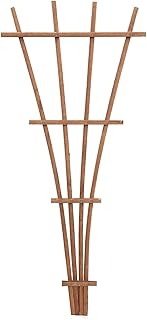
– Opt for a fan trellis for a striking geometric design.
– Pair your trellis with garden lighting to enhance its evening allure.
Climbing Plants on Trellises



4. Hanging Baskets
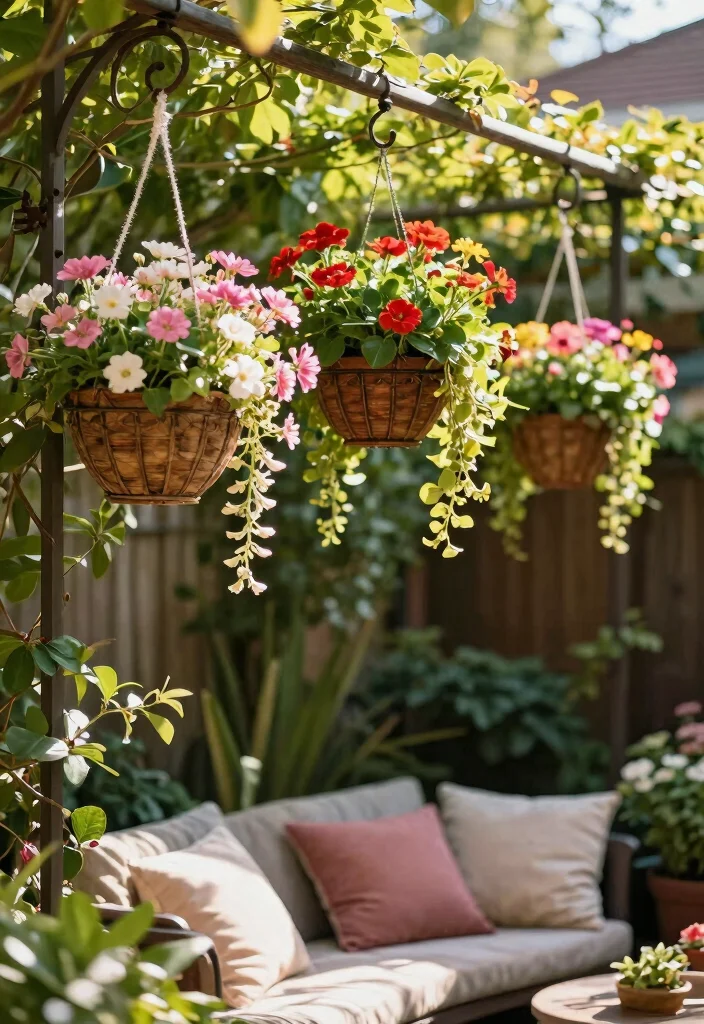
Hanging baskets are a fantastic way to maximize vertical space while infusing your narrow backyard with color and charm. Easily hung from fences, hooks, or tree branches, they allow you to showcase a variety of trailing plants like petunias, fuchsias, or even strawberries for delightful accents.
For a lush and layered effect, choose baskets in different sizes and hang them at varying heights. Simplify watering with drip trays or self-watering systems, and use hanging baskets to create cozy nooks in your outdoor area.
Pro tips for hanging baskets:
– Ensure baskets have good drainage to avoid overwatering.
– Rotate baskets regularly for even growth and sunlight exposure.
– Incorporate seasonal flowers for continuous visual excitement.
📹 Related Video: Planting Hanging Baskets: Getting Started! 🌸🙌// Garden Answer
5. Vertical Herb Garden
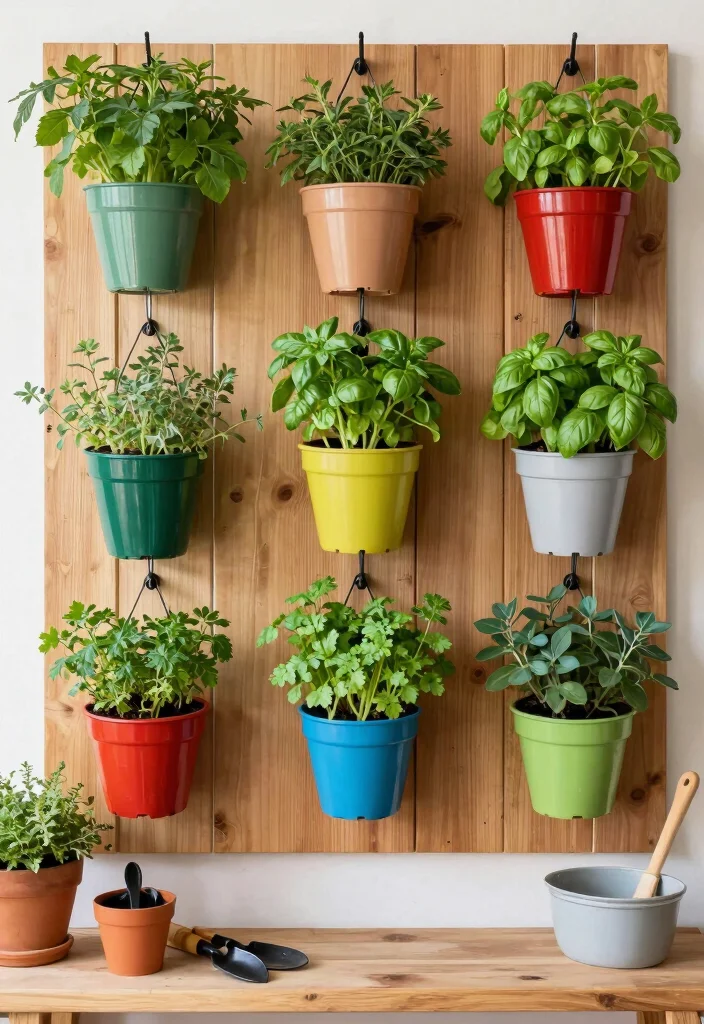
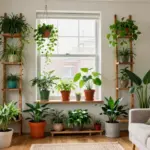
Herbs not only serve culinary purposes but also bring beauty to your backyard. A vertical herb garden allows you to grow an array of herbs without taking up valuable ground space. Utilize wall-mounted grids or tiered planters to cultivate your favorites like basil, rosemary, and thyme.
Herbs thrive in sunlight and are easily accessible for cooking. Use small pots for easy repositioning based on sunlight availability. Mixing herbs with ornamental plants can create a visually appealing display that’s both functional and attractive.
For herb garden success:
– Select herbs with similar light and water needs for planting together.
– Regularly prune herbs to promote bushy growth.
– Label pots for easy identification while cooking.
6. Modular Planters
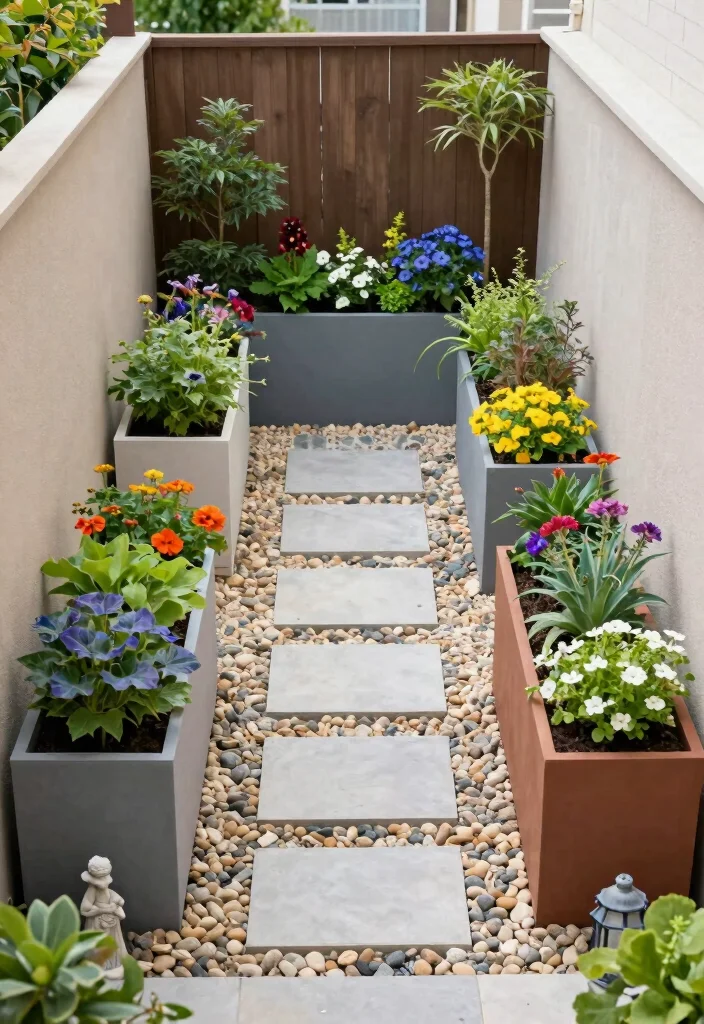
Modular planters are perfect for narrow spaces, allowing you to customize your garden layout to fit any area. These planters come in various shapes and sizes and can be arranged creatively, either stacked or side by side, to create a cohesive look.
This approach not only maximizes planting space but also introduces a unique design element to your backyard. Consider using modular planters for vegetables, flowers, or small fruit trees, making them an excellent choice for urban gardens.
Design ideas for modular planters:
– Mix different materials, like wood and metal, for a stylish appearance.
– Use bright colors to create a lively and playful atmosphere.
– Incorporate a watering system for added convenience.
For narrow backyard ideas, modular planters prove you don’t need wide space to grow big. Stack, twist, and rearrange them to fit any wall or corner—perfect for vegetables, herbs, and blooms.
7. Railing Planters
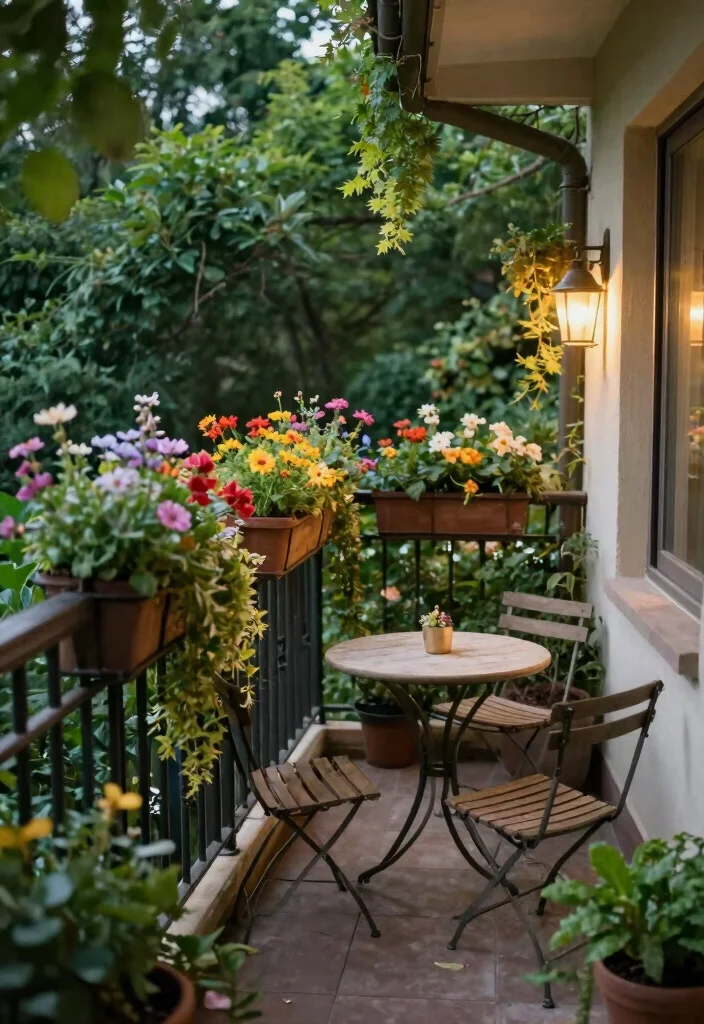
If you have a deck or balcony, railing planters can turn your narrow backyard into a vibrant garden. These planters attach easily to railings or fences, allowing you to grow flowers or herbs while maximizing your available space.
Many railing planters come with built-in drainage systems, ensuring your plants thrive without the worry of overwatering. They also create a charming visual border while adding layers to your garden. Choose cascading plants for added visual appeal and charm.
Key benefits of railing planters:
– Easy access for watering and harvesting your plants.
– Adds a charming visual border to your outdoor area.
– Easily change plants seasonally for variety.
How To Choose Vertical Gardening Solutions for Your Narrow Backyard
When you have a narrow backyard, vertical gardening can be a game changer. It allows you to grow plants upward rather than spreading out, making the most of your limited space. Here’s how to choose the right vertical gardening solutions for your backyard. 1. Assess Your SpaceStart by measuring your narrow space. You need to know the height and width available for vertical gardening. Consider any structures like walls, fences, or railings that can support vertical planters. For example, if your wall is 6 feet tall, you can select solutions that utilize the full height.
2. Choose the Right Materials
The materials for your vertical garden are crucial. Wood, metal, and fabric are popular options for planters. Wood looks natural but may require maintenance. Metal planters are durable but can heat up in the sun. Fabric planters are lightweight and easy to move but may not last as long. Consider your climate and how much maintenance you’re willing to do.
3. Opt for Space-Saving Plants
Not all plants are suited for vertical gardening. Look for small, space-saving plants like herbs, leafy greens, or trailing flowers. For example, cherry tomatoes and strawberries can flourish in vertical planters. Research the best plants that thrive in your climate and ensure they won’t outgrow their vertical space.
4. Evaluate Watering Needs
Watering your vertical garden can be tricky. Consider drip irrigation systems or self-watering planters to make your life easier. These systems can provide consistent moisture without the need for daily watering. Ensure that your chosen solution allows for proper drainage to prevent water from pooling at the bottom.
5. Factor in Sunlight Exposure
Assess how much sunlight your narrow backyard receives throughout the day. Some plants require full sun, while others thrive in partial shade. Position your vertical garden where it will receive adequate light. If your space is shaded, consider utilizing reflective surfaces nearby to enhance the light availability.
6. Budget Wisely
Vertical gardening solutions can vary widely in cost. Set a budget before you shop. Consider DIY options for building your own vertical garden using repurposed materials. This can save money and give your garden a personalized touch. If you prefer store-bought products, compare prices to find the best deal while ensuring quality.
Pro Tip: Before committing to any vertical garden solution, sketch out your ideas. This can help you visualize how it will look in your narrow space. Don’t hesitate to mix and match different solutions, like combining vertical planter boxes with climbing plants on trellises for added dimension.
With these guidelines in mind, you’re now ready to create a beautiful vertical garden that maximizes your narrow backyard. Take your time to choose the best options that fit your unique space, and enjoy the beauty and benefits of vertical gardening!
8. Green Roofs
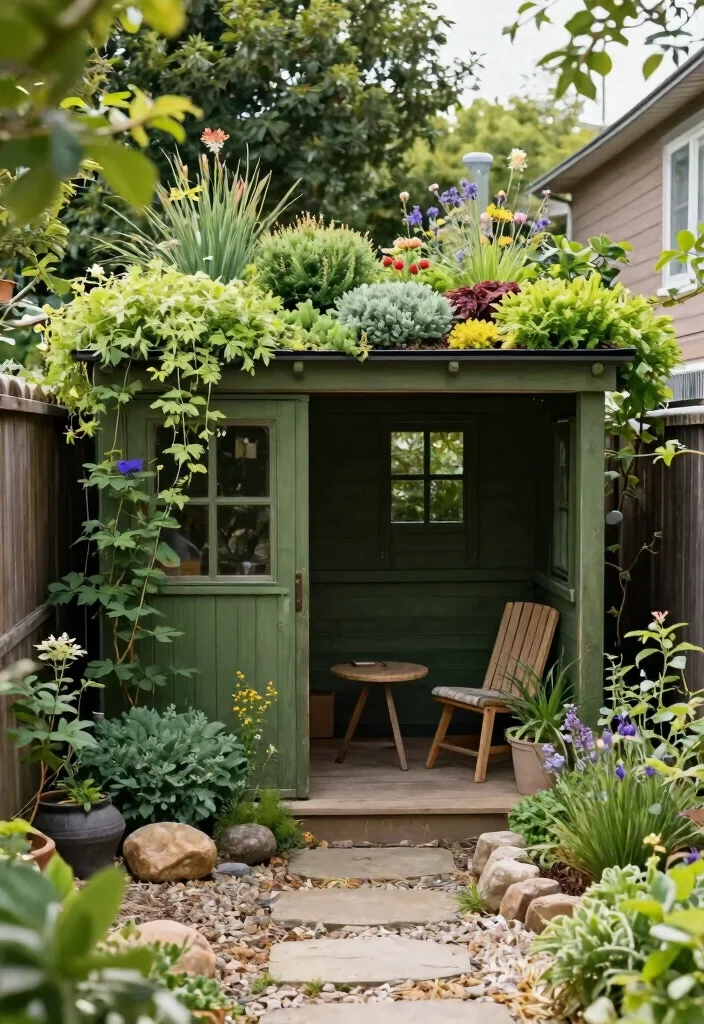
If your narrow backyard includes a shed or other structures, consider creating a green roof to maximize plant space. This not only enhances insulation but also reduces stormwater runoff, making it an eco-friendly choice. Use lightweight soil mixes to support plant growth without overloading the structure. Editor’s Choice
Opt for hardy plants like sedums, succulents, or wildflowers that can thrive in various conditions. A green roof not only adds greenery but also creates an eye-catching feature that integrates nature with your architecture.
Considerations for green roofs:
– Ensure adequate drainage to prevent water buildup.
– Choose low-maintenance and drought-resistant plants.
– Incorporate walkways or seating areas below for a lovely view.
Green Roofs


9. Repurposed Items
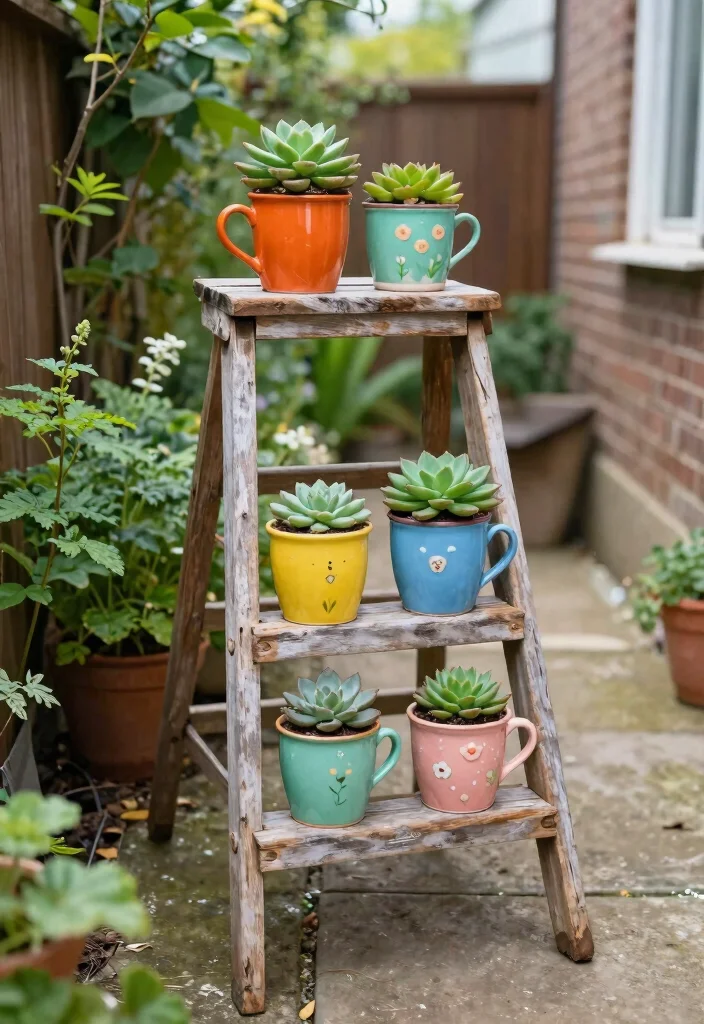
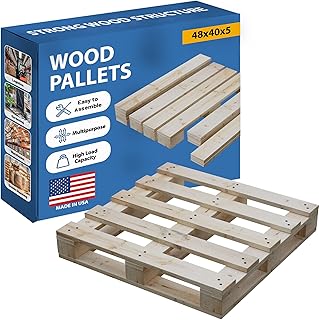
Get creative by repurposing everyday items into charming garden features. Old wooden pallets can become vertical gardens, while teacups can serve as whimsical planters for small succulents. This not only adds character to your garden but also promotes an eco-friendly lifestyle. Editor’s Choice
Repurposed painted furniture can also make unique planters; just ensure they have proper drainage. Incorporating these creative touches will personalize your narrow backyard, making it feel inviting and full of charm.
Creative ideas for repurposed items:
– Use old ladders as plant stands.
– Transform flower pots into bird feeders.
– Hang old tools as wall art while providing planting space.
Repurposed Items


10. Zen Garden Elements
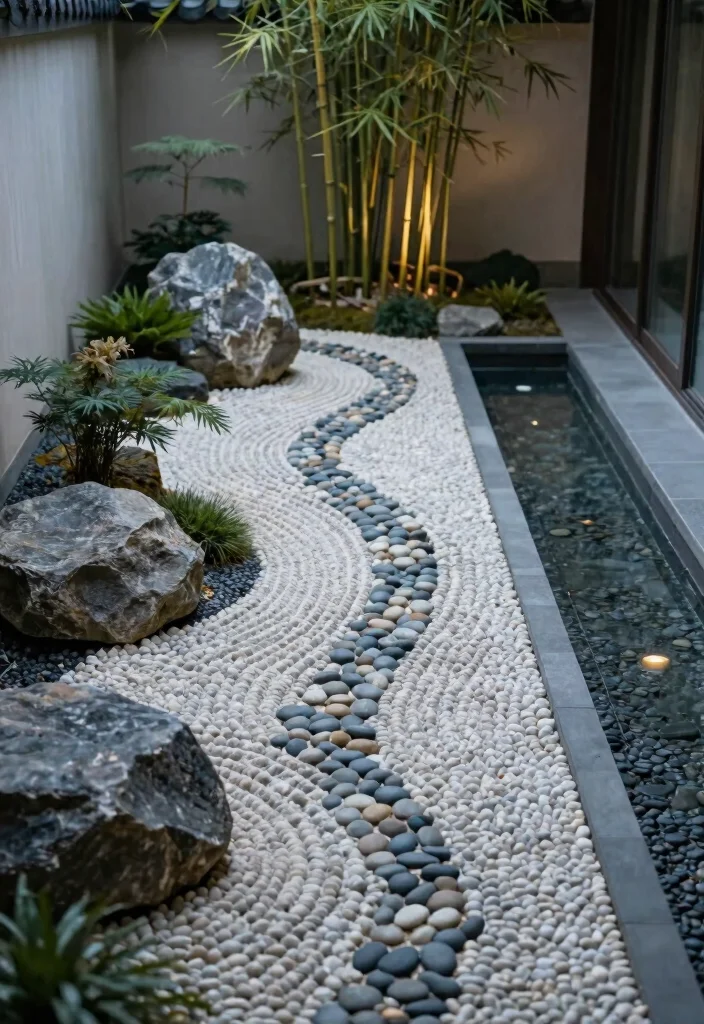
Create a peaceful retreat in your narrow backyard with zen garden elements. Incorporate gravel pathways, smooth stones, and minimalist plantings to cultivate a serene oasis. Use vertical elements like bamboo or tall grasses to introduce height without cluttering the space.
Zen gardens emphasize simplicity, so choose a few key features that resonate with tranquility. Consider adding water features, like small fountains or reflective ponds, to enhance the calming atmosphere. Stone lanterns can also contribute to the serene aesthetic.
For a zen space:
– Keep it minimalistic and uncluttered.
– Choose plants that evoke serenity, such as bonsai or ornamental grasses.
– Regular maintenance is key to keeping the zen aesthetic intact.
❝ Fun fact: A 3×6 foot Zen garden, a staple in narrow backyard ideas, can feel twice as spacious with a gravel path, smooth stones, and a single water feature. Use vertical elements like bamboo to add height without crowding. ❞
Conclusion
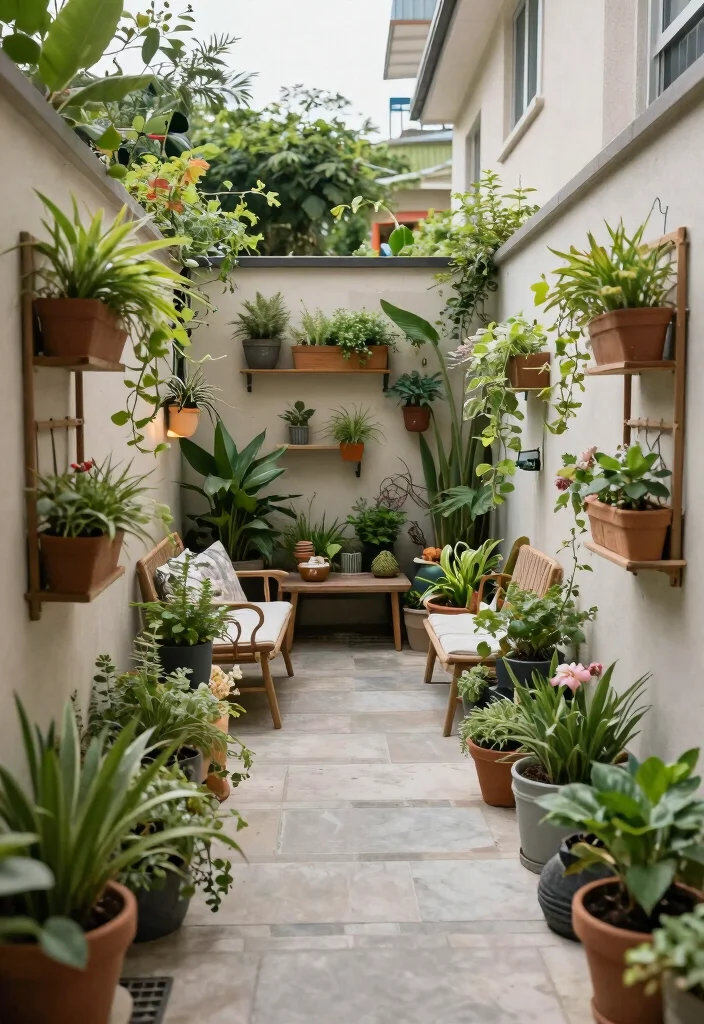
Transforming a narrow backyard into a captivating garden is all about ingenuity and planning. By incorporating vertical gardening solutions, you can maximize your space and create a thriving outdoor oasis that reflects your personality and style. From vibrant climbing plants to serene zen gardens, the possibilities are endless. Start planning your own narrow backyard paradise today! Note: We aim to provide accurate product links, but some may occasionally expire or become unavailable. If this happens, please search directly on Amazon for the product or a suitable alternative. This post contains Amazon affiliate links, meaning we may earn a small commission if you purchase through our links, at no extra cost to you.
Frequently Asked Questions
What are the best narrow backyard ideas to maximize long spaces with vertical gardening?
Vertical gardening can transform narrow backyards. Start with a sturdy vertical wall or trellis along a sunny boundary and install wall-mounted planters or hanging pockets to stack greenery without crowding the ground.
Choose space-saving plants—herbs, trailing vegetables, and compact ornamentals—that thrive in vertical setups. Add railing planters to run greenery along paths and create multiple green layers without sacrificing floor space.
Pair this with a small garden design plan: keep a clear focal point, limit hardscape, and add a compact seating area. With narrow backyard ideas centered on vertical gardening, you maximize long spaces without feeling cramped.
What small garden design tips help turn a long, narrow yard into a functional outdoor room?
Think zones, not rows. Create a seating zone, a planting wall, and a narrow path so every inch serves a purpose.
Use the same materials and plant heights to visually stretch the yard and guide the eye along its length. Choose slim, multi-use furniture and slender planters that won’t crowd the route.
Light it well and add vertical accents to draw the eye upward. These backyard landscaping tips and narrow space solutions pair beautifully with small garden design and vertical gardening strategies.
Which space-saving plants are ideal for vertical gardening in a narrow backyard?
Great picks include herbs like thyme and oregano that spill over pockets, compact lettuce, and cherry tomatoes grown in vertical towers. For shade, try ferns, variegated ivy, and small hostas in pocket planters. Succulents are great for dry walls, while flowering climbers such as clematis add vertical drama. Always match plant choice to sun and moisture; with space-saving plants and vertical gardening, you can keep a lush look in a narrow space.
How can I use vertical structures like trellises and wall planters to maximize a long, narrow backyard?
Start with sun exposure and wall space. Install a vertical trellis or lattice on a sunny wall and attach wall planters or fabric pockets. Train climbers or vines to create living screens that add privacy and color without floor crowding. Use mobile vertical planters along the edge to adapt as plants grow. Install a simple drip irrigation line to keep maintenance minimal. These are practical narrow space solutions and key parts of vertical gardening in a long space.
Are there simple backyard landscaping tips to visually widen a long, narrow yard?
Yes. Use light, cool colors and consistent materials to reduce the sense of a squeeze; plant verticals along walls to draw the eye upward and add depth. Repeat the same plant shapes and colors for a cohesive rhythm, and keep the central path narrow and uncluttered while placing a focal point at the far end to create perceived distance. These backyard landscaping tips and narrow space solutions work beautifully with narrow backyard ideas and small garden design approaches.