It depends on where you live. Some states allow backyard pet burial under specific conditions, while others ban it completely. Even if your state permits it, your county, city, or HOA might prohibit it. I’d also need to check my property deed and rental agreement if I don’t own the home.
Burial depth, distance from wells, and soil type matter too. Before I dig, I’ll want to verify what’s actually allowed in my specific location. This means calling my local animal control office, county health department, or city planning office to get the rules for my area.
Is Backyard Pet Burial Legal Where You Live?
Where I live determines whether I can bury my pet in my backyard. The U.S. doesn’t have one national law for pet burials. Instead, each state, county, and city sets its own rules. Some places allow backyard burial under specific conditions. Others ban it completely.
I need to check my local ordinances before digging. My HOA might restrict it too. Property deed restrictions can also matter. I should call my local health or animal control office. They’ll tell me exactly what’s permitted where I live.
Common legal requirements include burying my pet at least 2–4 feet deep. I’ll want to keep the burial spot away from wells and water sources. Using biodegradable containers helps meet regulations.
Why Pet Burial Laws Vary by State and County
Pet burial laws change from state to state and even between counties because different areas face different health and environmental challenges. My local government decides the rules based on things like soil type, groundwater depth, and how close homes are to each other. So what’s legal in one place might be banned just across the county line.
I also need to think about private property rights. Even if my state allows backyard burial, my lease agreement or HOA rules could prohibit it on my specific land.
Health And Environmental Protection
Why do pet burial rules change so much from one place to another? I’ve got to understand that health and environmental protection drive these regulations. My backyard burial might need specific burial depth requirements—often three to four feet down—to prevent groundwater contamination. I’m talking about protecting my soil and water sources from potential harm.
Local ordinances focus on keeping burial sites away from wells and water bodies. They’re concerned about secondary poisoning too, which happens when scavengers eat euthanized pets that have chemicals in their bodies. Flood zones and utility lines also matter because buried remains can shift and cause problems.
I need to check my county and local rules before I dig. What’s legal in one neighborhood might be prohibited just down the street. That’s why I can’t assume backyard burial is okay without asking first.
Local Jurisdiction And Authority
How’d you end up with different rules just a few miles away? The answer’s simple: pet burial legality depends on your specific location. I’m talking state laws, county rules, and city regulations all stacking on top of each other.
Here’s what I found happens a lot. My state might allow backyard burial, but my county could ban it entirely. My city’s local ordinances might be even stricter. Then there’s my HOA or lease agreement—they can override everything else.
Health Risks and Environmental Concerns Behind Burial Restrictions
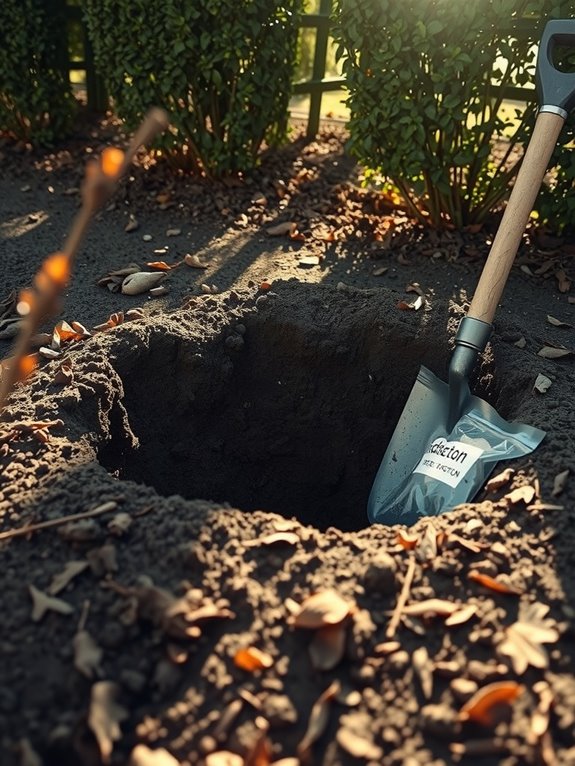
I need to understand why these burial laws exist, and honestly, there are some real health and environmental problems behind them. Let me break down the three main issues I found.
First, there’s the chemical problem. When animals get euthanized with drugs like pentobarbital, those chemicals don’t just disappear. They seep into the soil and can reach groundwater. That’s water I’d be drinking from my well or using to water my garden.
Second, shallow graves create another issue. If I bury a pet less than 3 or 4 feet down, scavengers can dig it up. Once that happens, disease spreads and the whole area becomes a health hazard for my neighborhood.
Third, location matters a lot. If I put a grave too close to a well, flood zone, or property line, I’m contaminating water sources that I and my neighbors depend on. That’s why states set specific distance requirements from water supplies and neighboring properties.
These aren’t random rules. Most states require burial depths of 3–4 feet for a reason. They’re trying to protect the ground and water I rely on every day.
Chemical Contamination In Soil
When I bury a pet in my backyard, I’m dealing with more than just the body. I’m also handling chemicals that seep into the soil and can affect the environment. Pentobarbital is the drug used to euthanize pets, and it doesn’t break down after burial. It stays in the soil and leaks downward over time.
I need to dig at least 3 to 4 feet deep. This depth creates a barrier between the chemicals and my groundwater—the water underground that I might use from a well. Without proper depth, these substances can reach my drinking water and harm wildlife.
I can reduce how far these chemicals travel by adding quicklime (a powder that helps neutralize things) and extra soil on top. This extra cover slows down the chemical movement underground. The combination of deep burial and these additions gives me the best protection for my groundwater and the area around my yard.
Groundwater And Water Source Pollution
Groundwater sits underground, and I pump it into my home through wells. I need to protect it from contamination. When I bury pets in my backyard, chemicals like pentobarbital can seep downward and reach my water supply. That’s why I dig 2 to 4 feet deep—this creates a barrier between the remains and the groundwater below.
I also need to keep burials away from water sources. I should place them at least 50 feet from wells and 100 feet from streams. If my area has a high water table, the water sits close to the surface and leaches faster. In that case, I might consider cremation instead.
| Risk Factor | What Happens | What I Do | How Far Away |
|---|---|---|---|
| Shallow burial | Quick seepage | Dig 2-4 feet deep | Critical |
| Near wells | Direct contamination | Stay 50+ feet away | Required |
| Close to streams | Runoff pollution | Stay 100+ feet away | Mandatory |
| High water table | Faster leaching | Consider cremation | Essential |
My community’s drinking water depends on these steps. Taking time to bury remains properly protects everyone who drinks from local wells.
Animal Disturbance And Disease Spread
How do I keep scavengers from digging up my pet’s grave? I need to dig deep—at least 3–4 feet down. Shallow graves invite raccoons, coyotes, and other animals to disturb the remains and spread harmful bacteria throughout my yard and neighborhood.
There’s another concern I’m dealing with. My euthanized pet contains pentobarbital, which is a medication that can poison scavengers if they eat the remains. So digging deep protects the local wildlife too.
I’m also positioning the grave at least 100 feet away from wells, streams, and springs. This distance protects my groundwater from contamination. Following these guidelines means I’m looking out for both my pet’s final resting place and my community’s health.
How to Research Your Local Pet Burial Regulations
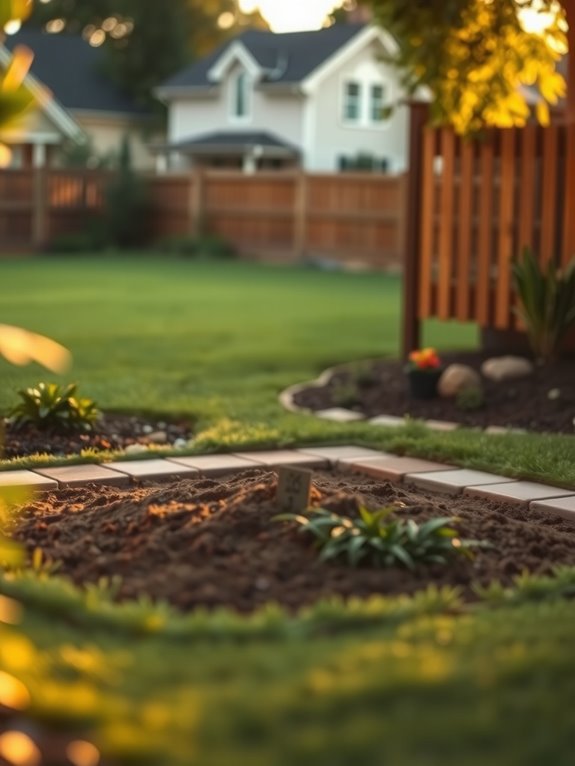
Before I dig a hole in my backyard, I need to understand what my local laws allow. First, I’ll check my state’s official guidance on pet burial regulations. My state’s department of agriculture or environmental quality website has this information posted.
Next, I’ll contact my county health department or animal control about backyard burial rules in my area. Local ordinances vary significantly by location, so I can’t assume the same rules apply everywhere.
I should also review any HOA covenants or rental agreements that might restrict what I can do on my property. These documents often have specific rules about burial on the land.
If I’m unsure where to look, calling my veterinarian gives me solid references to the right regulatory bodies. They’ll point me toward acceptable disposal methods that follow the law and keep my community safe.
Check Your HOA, Lease, and Property Deed Before Digging
Even if my state or local laws allow pet burials, I need to check my own property rules first. They almost always override what the government says I can do. My HOA, lease agreement, or property deed might have specific restrictions that ban burials or require me to remove grave markers.
Before I dig anywhere, I should grab those documents and read them carefully. I don’t want to violate any rules that could cost me money or force me to move my pet’s remains. It’s one of those things that seems simple on the surface but gets complicated fast if I skip this step.
Private Rules Trump Public Law
What happens when your state says backyard pet burials are fine, but your HOA says they’re not? You’ve got a problem. Private rules trump public law every time.
I need to understand that my HOA, lease, and property deed can restrict or ban pet burials outright. These private agreements override broader permissions I think I have. Before I dig that grave, I must verify not just public regulations but also private property documents.
My HOA handbook might require grave removal or prohibit the practice completely. Local restrictions create a narrower space for backyard burial than state rules suggest. I can’t assume public allowances protect me from private consequences.
Reading these documents carefully prevents costly mistakes and keeps me compliant with all applicable rules governing my land. I should check my property deed, lease agreement, and HOA handbook for specific language about pet burials, grave markers, and ground disturbance. These documents usually spell out exactly what I can and can’t do in my yard.
Reading Your Property Documents
I need to check my property documents before I do anything in my yard. My deed or plat might have burial restrictions I don’t know about. If I live in an HOA community or condo, the covenants could ban backyard burial altogether. My lease addendum might restrict it too.
I should read through these documents and look for specific language about graves, markers, or landscaping changes. These details matter because they can trigger enforcement actions. Private restrictions override local laws. So even if my city allows backyard burial, my documents might forbid it.
If I’m renting, I need to get written permission from my property owner first. I should document everything that shows I’m following the private restrictions. This protects me legally and keeps my relationship with my community solid.
Burial Depth, Distance, and Container Standards
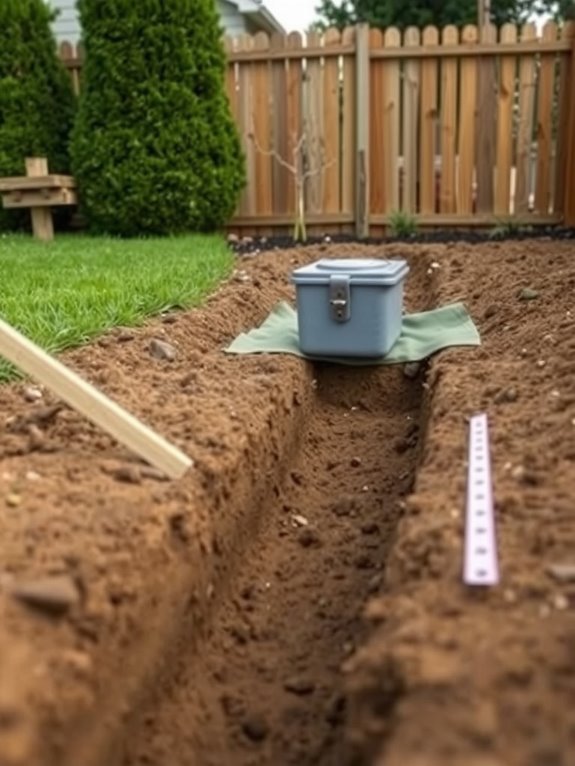
When I’m planning where and how to bury my pet, the details really do matter. I need to follow specific rules about burial depth, distance, and containers to do this properly on my property.
Planning a pet burial requires attention to specific rules about depth, distance, and containers to do it properly.
I should dig at least 3–4 feet deep. This depth stops animals from disturbing the burial site. I need to place the grave at least 100 feet away from wells, streams, and other water sources. I should also keep the burial spot far from my property lines and any underground utilities like gas or electric lines.
For the container, I’ll use something biodegradable. This means it breaks down naturally over time and won’t harm the environment. Some states like Oregon require me to add quicklime at the bottom of the grave. Quicklime is a white powder that speeds up decomposition.
Following these standards protects the groundwater in my area and respects my neighbors. It shows I’m handling this responsibility the right way and staying within the law.
Safe Burial Practices for Euthanized Pets
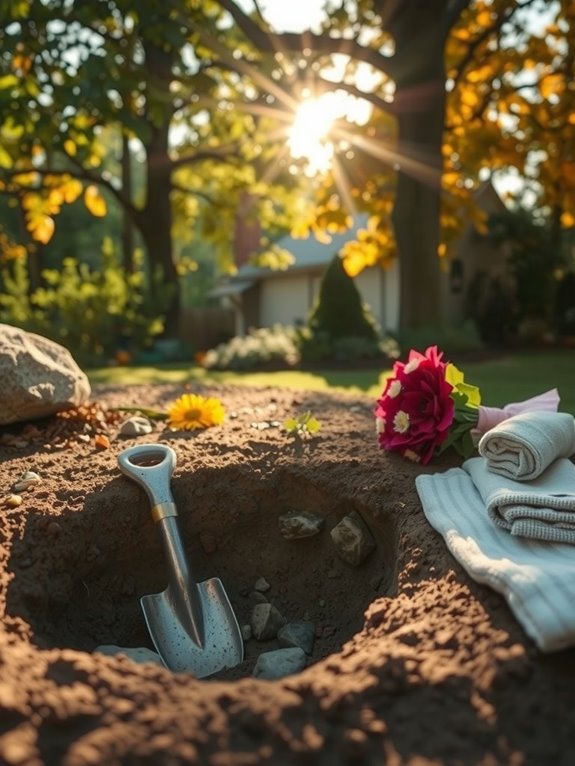
If backyard burial is legal in your area, I handle my pet’s remains with the same care I’d give to any burial. I follow safety guidelines to protect my family and the environment.
I dig at least four feet deep. This depth prevents scavengers from disturbing the burial site. At the bottom layer, I add quicklime, which is a white powder that speeds up decomposition. I keep the burial site at least fifty feet away from wells, streams, and septic systems. I also make sure I’m not digging near property lines or buildings.
I transport my euthanized pet promptly. Some areas have specific rules about how quickly I need to dispose of remains—sometimes within certain hours or days. I check my local regulations first so I know what timeline I’m working with.
These burial practices show respect for my pet while keeping those around me safe.
When Backyard Burial Isn’t Legal: Recognizing Deal-Breakers

Before I dig that hole in my backyard, I need to check if local laws or HOA rules actually allow pet burials in my area. Some jurisdictions prohibit them outright and can fine me if I break the rules. Beyond legal trouble, I need to think about environmental health hazards. If I bury my pet too shallow or too close to my water well, I risk groundwater contamination. This affects not just my property but my neighborhood’s water supply too. So I’ve got to figure out whether the legal restrictions apply to my property and whether my burial spot won’t cause environmental problems before I proceed.
Legal Restrictions And Fines
So here’s the thing: just because I own my property doesn’t mean I can automatically bury my pet there. Burial regulations and local ordinances vary a lot depending on where I live. Breaking these rules can cost me serious money in fines and penalties.
I’m looking at a few different restrictions that might apply to me:
- Local ordinances in my area that prohibit yard burials entirely
- Minimum depth requirements, usually 2 to 3 feet deep
- Distance rules that keep graves at least 100 feet away from wells and water sources
- Fines ranging from $100 to $1,000 or more if I don’t follow health codes
- Forced grave relocation at my own expense if authorities find out I violated the rules
Before I dig, I need to check my city or county regulations. I’ll contact my local health department directly. They can tell me exactly what’s allowed where I live.
Environmental Health Hazards
I’ve been thinking about burying my pet in the backyard, but I realized there’s a lot I don’t know about what happens underground. Shallow graves are risky because scavengers can dig up the remains. When that happens, they spread harmful chemicals like pentobarbital—that’s the drug vets use to help animals pass away peacefully. I need to dig deep enough, usually 2 to 4 feet down, to prevent this problem and keep my neighbors safe.
I also need to think about my soil type and where my groundwater sits. If I dig too close to my well or a nearby stream, I could contaminate the drinking water. That’s a real liability issue. Wildlife can also get sick from secondary poisoning if they come into contact with buried remains. Some areas have strict rules about backyard burial because of these environmental risks. I should check what my local regulations say before I dig. Knowing about these hazards helps me make a choice that protects my community.
Pet Cremation: Scattering, Urns, and Memorials

What happens after your pet’s cremation? I’ve got options that let me honor my companion in a way that feels right. Pet cremation gives me flexibility when backyard burial isn’t legal where I live.
Pet cremation offers flexibility to honor your companion in a meaningful way, especially when burial isn’t legal where you live.
After cremation, I receive my pet’s ashes in an urn. I can choose from traditional urns, decorative ones, or smaller keepsake urns that fit in my home. Some urns are ceramic or wood and sit on shelves or mantels.
I can scatter my pet’s ashes in permitted parks, beaches, or waterways. I just need to check local rules and get any required permits first. Some people scatter ashes in their backyard if local laws allow it.
I can also create pet memorials. These might be stone sculptures, engraved plaques, or garden markers. I can place these in my yard or a special spot that mattered to my pet.
Another option is memorial jewelry. Companies take a small amount of ashes and create pendants, bracelets, or rings. I wear these to keep my pet close.
I can mix these methods too. Maybe I scatter some ashes and keep some in an urn. Or I get memorial jewelry and also place a plaque in my yard.
Right now, about 61.9 percent of pet owners choose cremation instead of burial. That number is expected to go up to over 80 percent by 2045. More people are picking cremation because it works with where they live and what they need emotionally.
Pet Cemeteries and Green Burial Options
If I can’t bury my pet in my backyard, pet cemeteries give me a legal option. I get a permanent spot for my pet with either cremation services or a traditional burial in a professionally maintained plot.
Green burial is something I might consider if I want to reduce environmental impact. I can choose biodegradable caskets or shrouds instead of standard burial containers. The cemetery handles all the legal stuff like zoning laws and permits, so I don’t have to worry about breaking rules or upsetting neighbors.
Most pet cemeteries offer extras like grief counseling and online memorial pages where I can share photos and memories. I can get a plaque, an urn, or a keepsake memorial to remember my pet long-term. These facilities give my pet a dignified farewell with services that feel respectful and lasting.
Pros and Cons of Burying Your Pet at Home
Pet cemeteries handle all the paperwork for you, but I get something different when I bury my pet in my backyard—I control how the memorial looks and where my pet rests.
Backyard burial works well for me if it’s legal where I live. Here’s what I’m looking at:
- Lower costs than cemetery fees
- Personal memorials I design myself
- Emotional comfort from having my pet nearby in a familiar spot
- Burying my pet 3–4 feet deep to protect groundwater
- Checking local laws first before I dig
The downsides matter too. I could face fines if my area restricts backyard burial. Groundwater contamination is a real concern. Wildlife might dig up the remains, and if I sell my house later, construction could expose the burial site. I weigh all these factors before I decide to bury my pet at home.
Common Burial Mistakes That Trigger Legal Violations
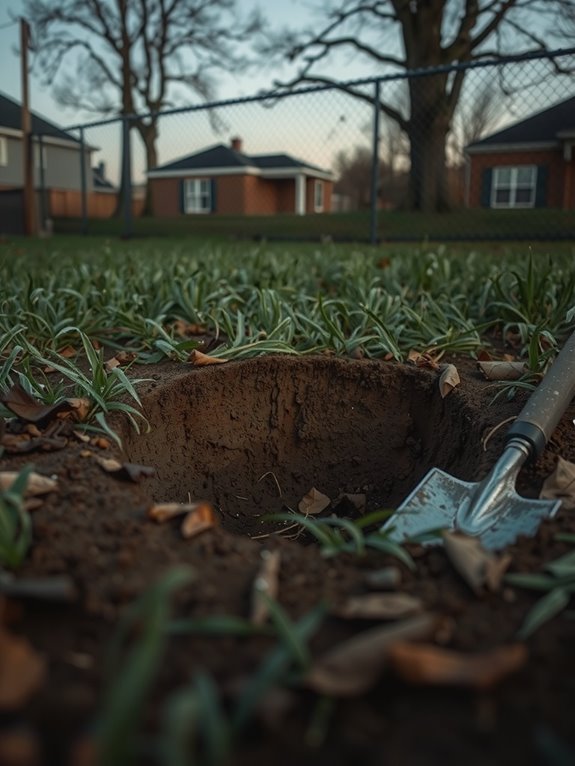
How do I know if I’m breaking the law when I bury my pet in my backyard? I often skip important steps that trigger legal violations. Let me walk you through the common mistakes I make.
| Mistake | Legal Issue | Solution |
|---|---|---|
| Shallow burial (under 3 feet) | Violates local ordinances | Dig to 3–4 feet depth |
| Too close to wells or streams | Creates distance from water sources violation | Place grave 50+ feet away |
| Backyard burial on rental property | Violates private property restrictions | Get landlord approval first |
| Missing protective layer | Fails health code requirements | Add quicklime if required |
| Digging on public land | Trespassing charge | Choose only your own land |
I need to check my local rules before digging. The fines and hassle aren’t worth it.
Digging the Right Depth
I have to dig my pet’s grave at least 3 to 4 feet deep. Anything shallower than 3 feet violates most local ordinances. This depth keeps the burial safe from scavengers and reduces health risks.
Keeping Distance from Water
I need to place the grave at least 50 feet away from any wells or streams. Water contamination is a real concern. If my property is close to water sources, I should measure out the distance before I start digging.
Getting Permission on Rental Property
If I’m renting, I can’t bury my pet without my landlord’s approval first. This is a private property issue. I should ask in writing and get permission before I dig.
Adding a Protective Layer
Some areas require quicklime in the grave for health code compliance. I should check with my local health department about this requirement. If it’s needed, I’ll add the quicklime according to local guidelines.
Choosing the Right Location
I can only dig on land I own. Public land is off-limits, and trespassing charges are serious. My own backyard is the only safe choice.
Planning a Respectful Home Burial: Step-by-Step
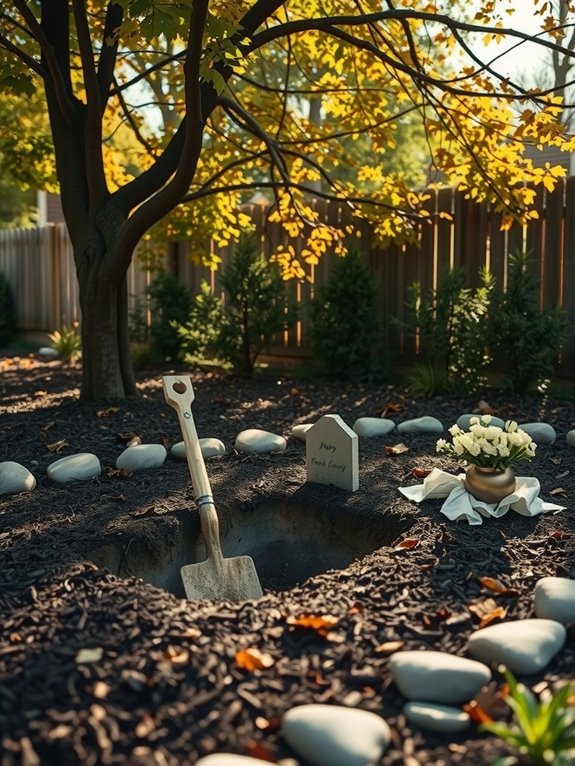
Now that I know what mistakes to avoid, I’m ready to plan the actual burial. I’ll create a respectful burial that honors my pet while following local regulations.
First, I need to check state and local regulations to confirm backyard burial is legal in my area. I’ll verify that I own the property and check any zoning rules that might apply.
Next, I’ll select a private location on my property. I want to pick a spot away from wells, gardens, and utility lines. This keeps the burial safe and protects the groundwater.
I’ll dig a hole that’s 3–4 feet deep. As I dig, I’ll account for soil type and work around any rocks or roots I encounter. A deeper hole helps prevent animals from disturbing the burial site.
I’ll line the grave with a biodegradable container or burial cloth. This protects the groundwater and lets the body break down naturally over time.
Finally, I’ll create a simple memorial marker that’s respectful without disturbing my neighbors. This could be a small stone, a plaque, or a planted shrub. The marker helps me remember where my pet rests.
Honoring Your Pet Within Legal and Budget Constraints
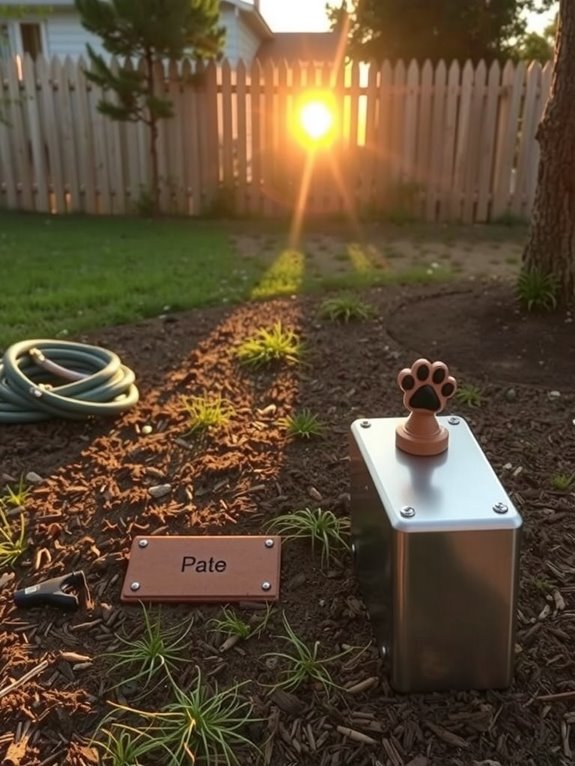
When I’m saying goodbye to my pet, I want the memorial to feel meaningful without spending a lot of money. I can create something personal by understanding what’s legal in my area and looking at my budget options.
I should check my local regulations first because yard burial laws vary by location. Some areas allow it if I dig the burial site 2-3 feet deep and keep it away from water sources like wells or streams. I’ll contact my city or county office to ask about specific rules in my neighborhood.
For the actual burial, I can skip expensive pet cemeteries and cremation services. Instead, I use a wooden box I already own or a biodegradable container made from materials like cardboard or woven grass. A simple cotton bedsheet works fine for wrapping too. I dig the burial site myself, which saves money on paying professionals to do the work.
This approach honors my companion respectfully while staying within both legal requirements and my budget. I’m creating something personal that I actually did with my own hands.