Cedar raised beds work great because they naturally fight rot and decay. The wood has oils and tannins in it that protect it for 10+ years without needing to seal or treat it. I don’t have to worry about my bed falling apart after a few seasons.
The cedar’s aroma keeps pests away without chemicals. I can skip the toxic sprays and still protect my plants. This means I’m not handling harsh pesticides when I’m working in my garden.
Cedar keeps soil cooler than metal or plastic beds do. Cooler soil helps plant roots absorb water better, so my vegetables and flowers get what they need to grow. The wood acts like a natural insulator against heat.
As cedar weathers over time, it turns a beautiful silver-gray color. The wood stays strong even as it changes appearance. I get a nice-looking bed that holds up to rain and sun without constant upkeep.
I need minimal maintenance since unsealed cedar handles weather just fine. I don’t have to repaint, reseal, or treat my bed every year. The wood does its job with almost no effort on my part once it’s built.
Cedar Naturally Resists Rot, Insects, and Fungal Decay
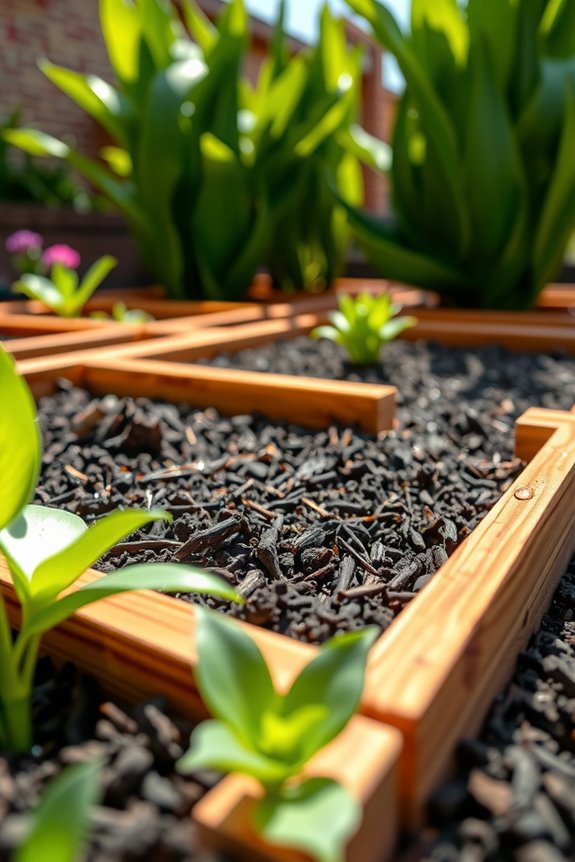
If I’m building a raised garden bed, I want it to last longer than just one or two seasons. I choose cedar because the wood naturally fights rot and decay. Cedar contains oils and tannins that work like built-in protection for my bed.
The wood has antimicrobial compounds in it, especially something called thujaplicin. These compounds fight off fungal problems without needing chemical treatments. That means I get rot resistance that actually protects my investment.
Cedar also resists moisture really well. I don’t have to worry about constant watering causing the wood to warp or swell and ruin the structure. The wood also keeps insects away from my garden beds.
With cedar, I’m looking at raised beds that last 10 or more years. That kind of durability makes me feel confident about my garden setup.
Cedar’s Aroma Deters Garden Pests Without Chemicals
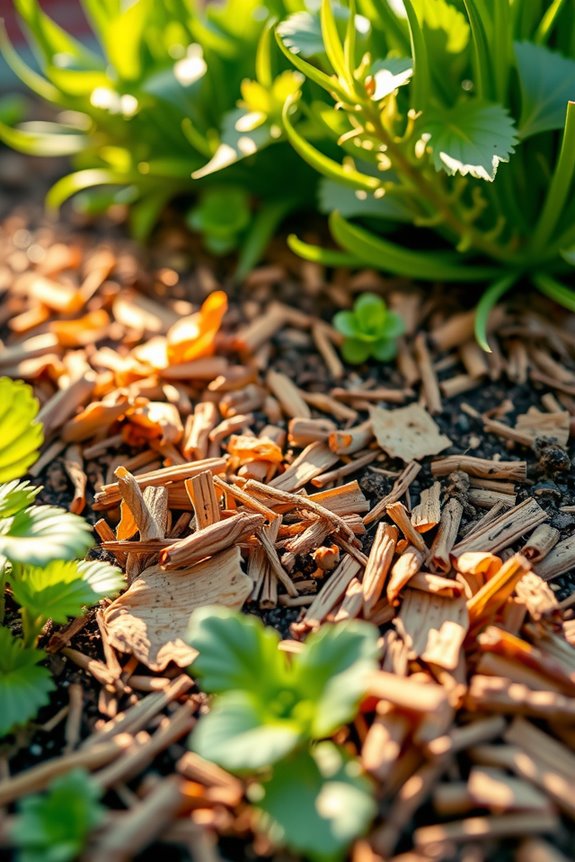
Why do I choose cedar for my raised beds? I love it because cedar’s aroma naturally deters pests without chemicals. The distinct cedar scent works like a natural barrier. Insects that dislike cedar smells simply avoid my garden beds.
The natural oils in cedar wood create this chemical-free pest deterrence. These oils defend the wood itself and repel unwanted garden visitors. I get pest protection and a pleasant, earthy scent at the same time. It’s a straightforward solution that keeps my garden healthier. I don’t need to spray anything toxic on my plants or soil. Cedar handles the job for me naturally.
Keep Plant Roots Cool and Hydrated
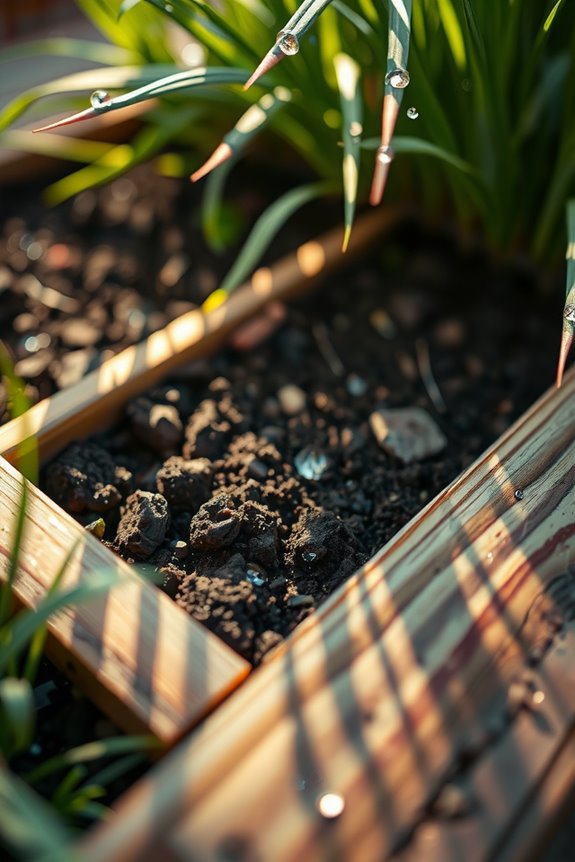
I use cedar raised beds to keep my plant roots from overheating during summer. Cedar’s natural oils resist moisture, which protects the soil underneath. The wood itself stays cooler than metal or plastic materials, so my plants get built-in temperature control. I add a layer of cedar mulch on top for extra insulation. Even on Seattle’s hottest days, my roots stay cool.
The cooler soil helps my plants drink water more efficiently. My roots get the moisture they need without becoming waterlogged because cedar frames drain properly. I’ve noticed my garden keeps producing longer into the fall because of the stable root temperatures. When the weather shifts suddenly, my plants handle the stress better than they used to.
Cedar Weathers to Beautiful Silver
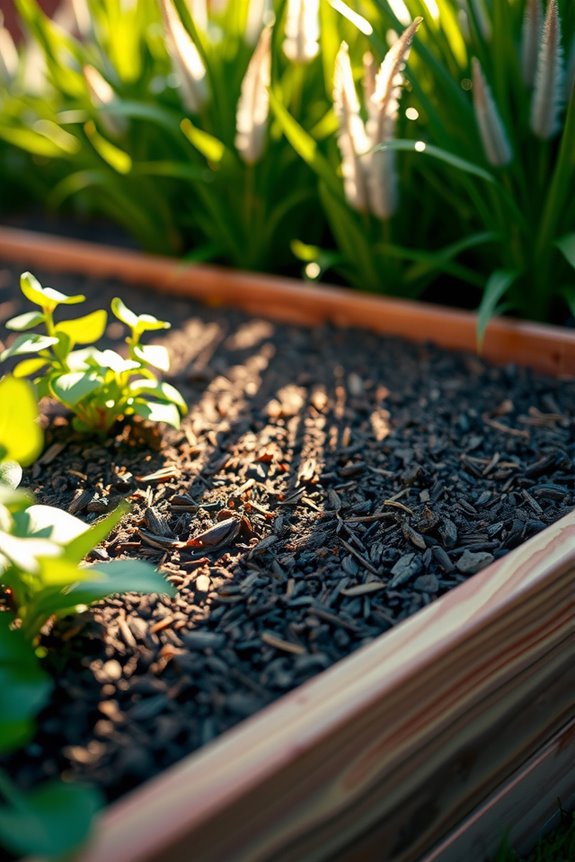
Beyond keeping your roots healthy, cedar raised beds look good as they age. I love how cedar weathers into a beautiful silver-gray color over time. Here’s what happens: cedar has natural oils and tannins in it. These oils and tannins work together to stop the wood from rotting while it ages. This means your bed stays strong even as it gets that silvered look. You can still see the grain and texture of the wood throughout this process. It gives you a rustic backdrop for your plants without needing any maintenance from me.
The weathered appearance works with almost any landscaping style. I don’t have to do anything special to keep it looking good. My bed actually looks better as the years go by because I’m just letting nature do its work. That’s the benefit of using cedar.
Minimal Maintenance Extends Bed Life to 10+ Years
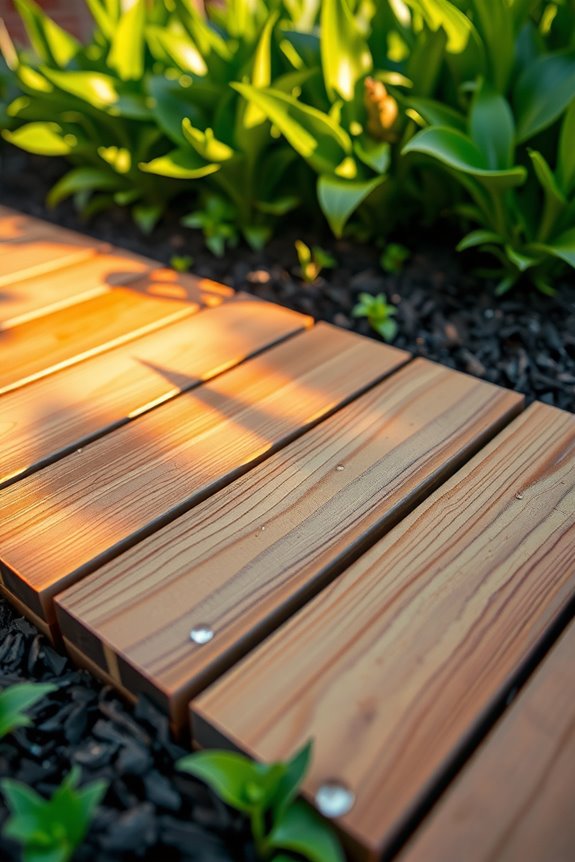
Why does cedar work so well for raised beds over the long haul? I find that cedar lasts 10+ years because of its natural oils and tannins. These compounds protect the wood from moisture and prevent rot. You won’t see decay like you would with pine or spruce.
The real benefit is how little I have to maintain it. I can seal cedar with a wood sealant if I want to extend its life even more. But here’s the thing—I don’t have to. Unsealed cedar holds up fine through rain and sun without any special treatment. This means I spend my time planting and weeding instead of replacing rotted boards. If I do decide to seal it with a product like Thompson’s WaterSeal, the cedar will last even longer. But the wood’s built-in protection handles most of the work on its own.