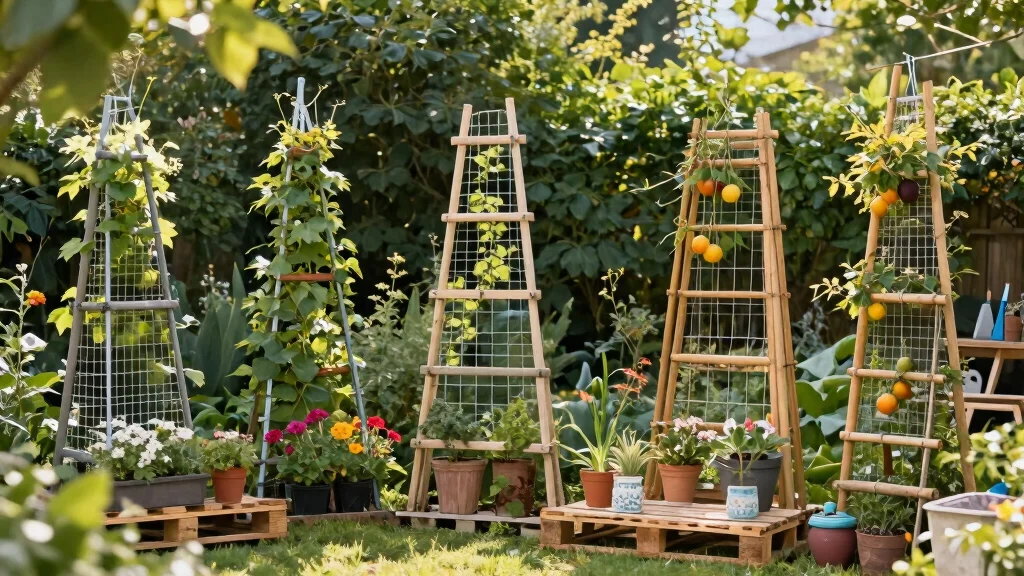
Gardening season has me craving new ways to beautify my outdoor space. If you’re like me and love the idea of growing plants vertically, then this post is for you. Vertical gardening not only saves space but also adds a stunning visual element to your garden. With just a few simple materials, you can create unique homemade trellis ideas that help your plants thrive while reflecting your personal style.
I’ve pulled together 12 creative trellis designs that are budget-friendly, easy to make, and perfect for any level of gardening enthusiasm. Whether you’re a seasoned pro or just starting out, you’ll find inspiration here to elevate your garden game. Let’s dive into these homemade trellis ideas that promise to bring charm and functionality to your gardening efforts.
Key Takeaways
– You can create stunning garden support structures using simple, affordable materials found around your home or local hardware store. – These homemade trellis ideas not only help with plant growth but also serve as decorative features in your garden. – Each trellis design caters to different aesthetics, from rustic to modern, ensuring there’s something for everyone. – Vertical gardening is an excellent way to maximize space, making it ideal for small gardens or patios. – With these creative trellis designs, you’ll be able to enhance your gardening experience while enjoying the satisfaction of DIY projects.1. Rustic Wooden Pallet Trellis
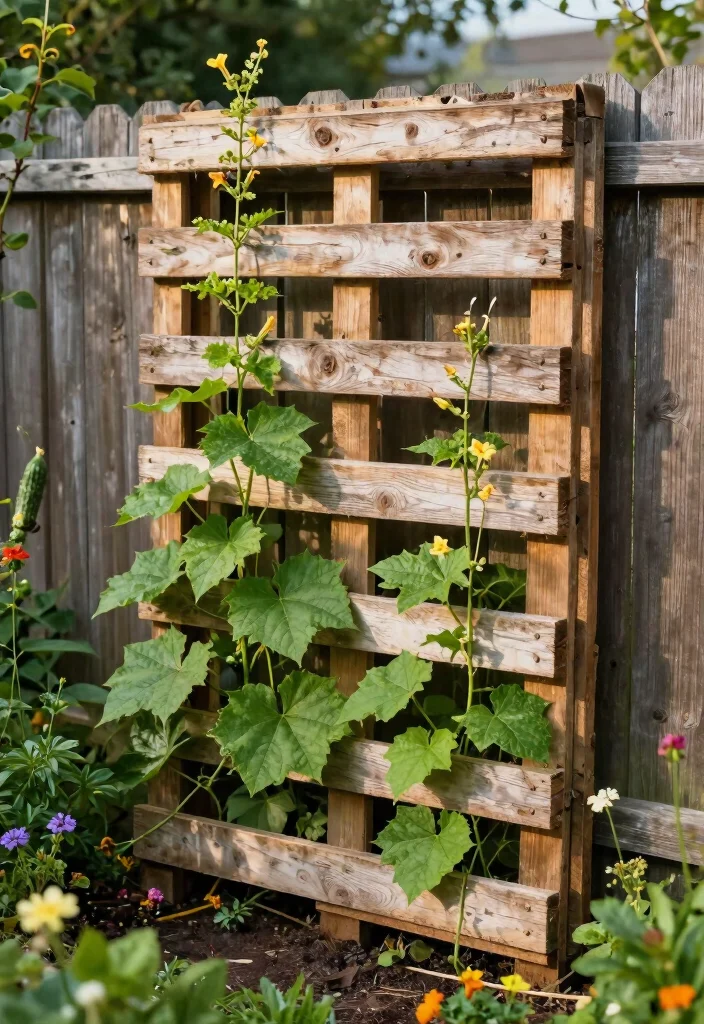
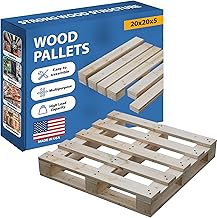
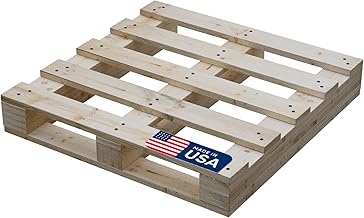
Transforming an old wooden pallet into a trellis is a fantastic way to blend style with sustainability. This rustic creation is not only eco-friendly but also provides sturdy support for climbing plants like cucumbers and pole beans. The unique texture of reclaimed wood adds charm to any garden space, making it visually appealing.
To set up your trellis, simply lean the pallet against a wall or fence. You can choose to leave it in its natural state for a weathered look or paint it in bold colors to add flair. Just make sure to clean the pallet and check for any harmful chemicals before use.
Materials Needed:
– Reclaimed wooden pallet
– Screws/nails
– Optional: paint or wood sealant
Tips:
– Verify the pallet’s strength for your plants’ weight.
– Position it in a sunlit area for optimal growth.
– Use twine to guide your plants up the slats as they grow!
This trellis not only serves a practical purpose but also becomes a delightful conversation piece in your garden.
Fun fact: A single reclaimed pallet can support a 6-foot-tall trellis for cucumbers and pole beans, using just basic nails and string. That means you get sturdy vertical gardening with minimal waste and big harvests—homemade trellis ideas that actually work.
Rustic Wooden Pallet Trellis
Editor’s Choice




2. Bamboo Stakes for a Modern Touch
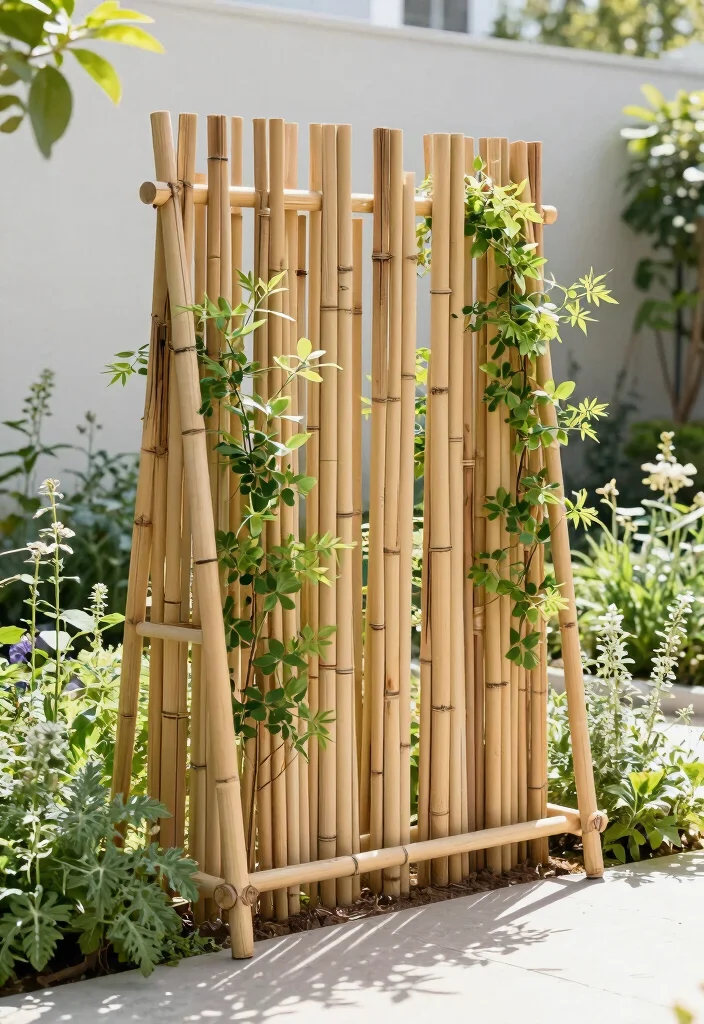
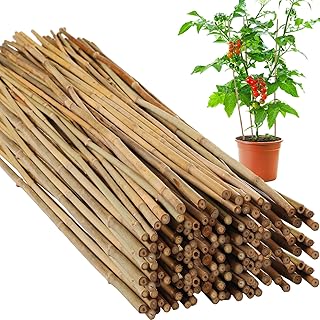
Bamboo stakes are a stylish and practical choice for creating an elegant trellis. Their sleek appearance fits perfectly into minimalist gardens while providing reliable support for climbing plants. Using bamboo enhances your garden’s modern aesthetic while being environmentally friendly. Editor’s Choice
To craft this trellis, secure bamboo stakes upright in the ground and connect them at the top with horizontal pieces. You can arrange them in a fan shape or a classic A-frame design, making it versatile for various plants like peas or sweet peas.
Materials Needed:
– Several bamboo stakes
– Twine or zip ties
– Optional: wood glue for extra support
Tips:
– Select stakes of uniform length for a cohesive look.
– Use a waterproof sealant if you live in a damp climate to prolong durability.
– This setup allows for easy access during harvesting, as you can walk right up to your plants!
This design not only supports your greenery but also adds a touch of elegance to your garden.
Bamboo Stakes for a Modern Touch




3. Woven Wire Fencing Trellis
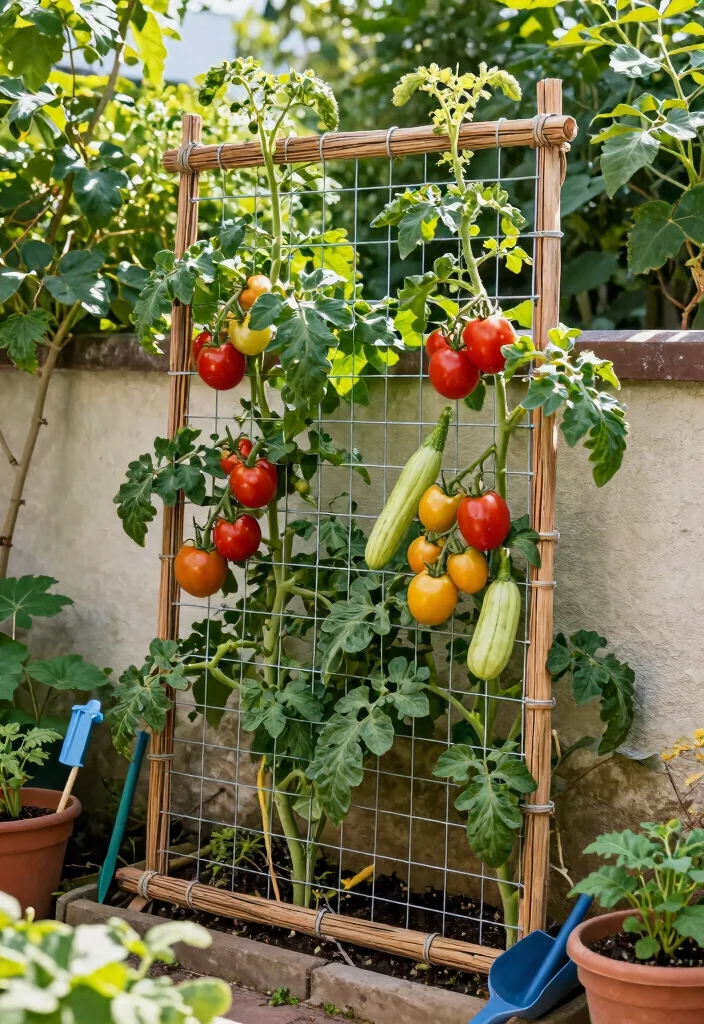
A woven wire fencing trellis is an excellent option for those seeking a durable and straightforward DIY solution. This design is particularly effective for supporting heavier plants like tomatoes and squashes, offering strength and stability. Customizing this trellis to fit your garden’s needs is a breeze.
To construct your trellis, cut a piece of wire fencing to your desired dimensions and attach it to a wooden frame or wall. Metal stakes can also be used for added stability, making it easy to train your plants as they grow.
Materials Needed:
– Wire fencing (chicken wire or mesh)
– Wooden frame or metal stakes
– Wire cutters
Tips:
– Make sure the fencing is tall enough for your plants.
– Secure the base well to withstand strong winds.
– Consider painting the wire to match your garden decor for a stylish touch!
This trellis provides the necessary support while enhancing the overall look of your garden.
4. Vintage Ladder Trellis
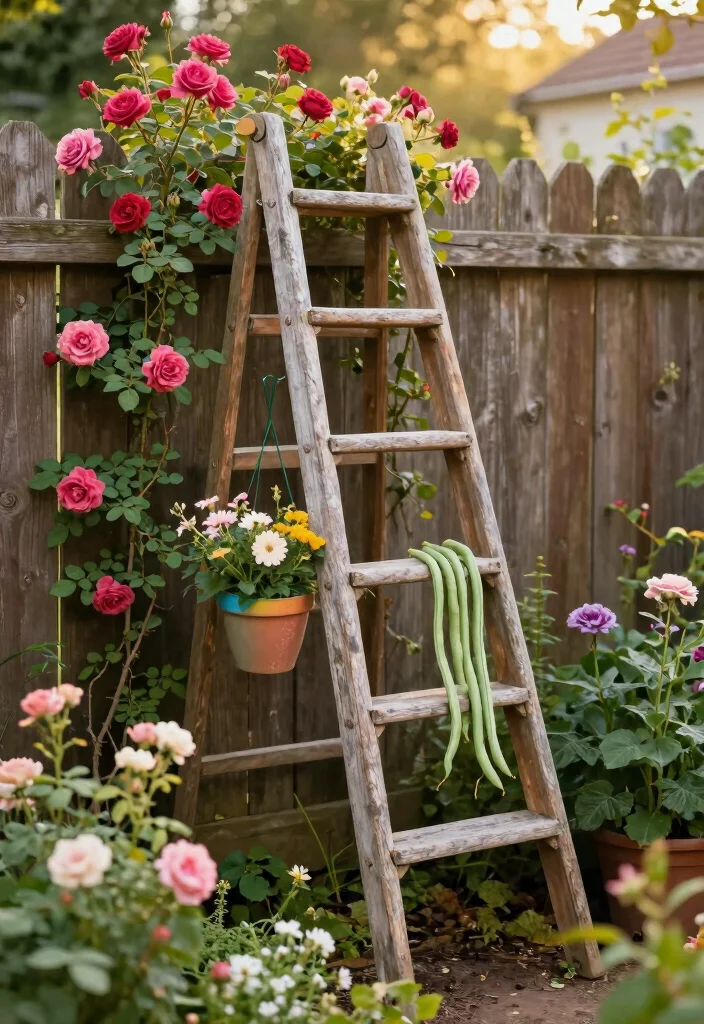
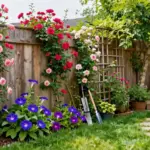
Repurposing an old ladder can add a unique charm to your garden as a vintage trellis. This delightful structure is perfect for cascading plants like climbing roses or beans, allowing them to flow beautifully over the sides. It brings character and a touch of nostalgia to any outdoor space.
To create your trellis, place the ladder against a wall or fence and secure it with screws if needed. You can leave it in its natural state or paint it a bright color for a fun pop. Adding flower pots on the rungs can also enhance its visual appeal.
Materials Needed:
– Old wooden ladder
– Screws or brackets (optional)
– Optional: paint or varnish
Tips:
– Make sure the ladder is sturdy enough to support your plants.
– Use jute twine to guide the vines upward as they grow!
– Decorate with fairy lights for a magical nighttime ambiance.
This trellis not only serves a functional purpose but also elevates the aesthetic of your garden.
📹 Related Video: Make a Trellis Out Of An Old Wooden Ladder
5. PVC Pipe Trellis
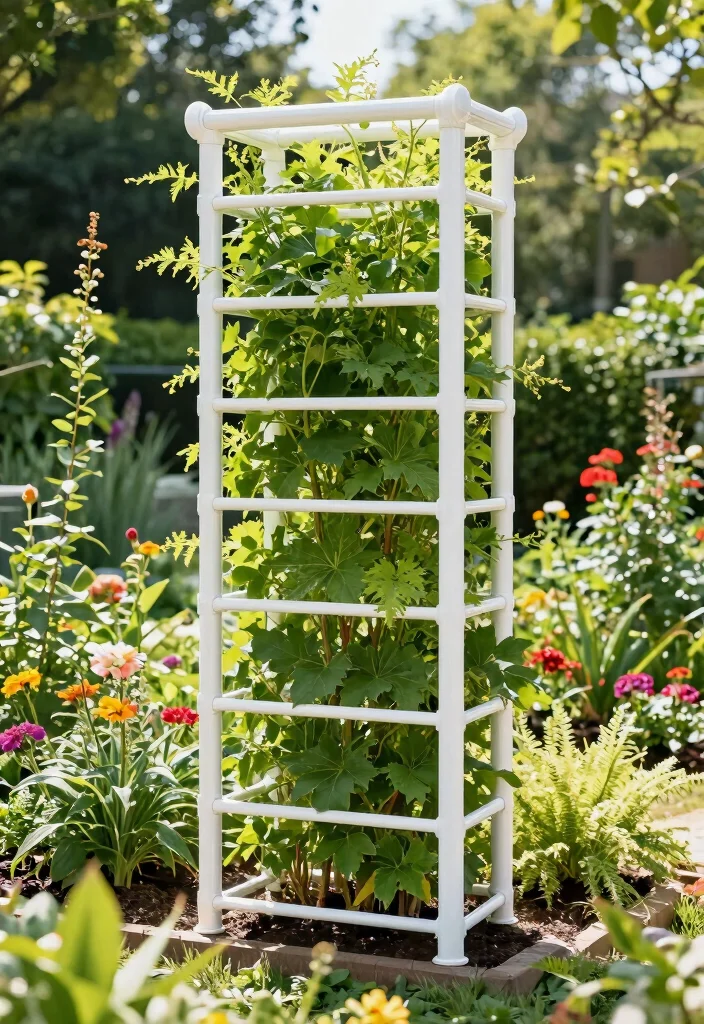
PVC pipes offer a modern and lightweight solution for creating a stylish trellis. This design is incredibly sturdy, making it suitable for plants of various sizes. The flexibility in shape allows you to customize it according to your garden’s style.
Start by cutting the PVC pipes to your desired lengths and connecting them with elbows and tees. You can create various shapes such as squares, triangles, or grids, depending on your design preference. The clean white appearance can also be painted to match your garden’s theme.
Materials Needed:
– PVC pipes
– PVC connectors (elbows, tees)
– Saw for cutting pipes
Tips:
– Add a coat of outdoor paint for a splash of color.
– Ensure the base is securely planted in the ground for stability.
– Attach twine or netting for climbing plants to grasp onto.
This trellis combines functionality and style, enhancing your garden’s visual appeal.
Fun fact: a DIY PVC pipe trellis can be built for under $15 in parts and in under an hour for homemade trellis ideas. Shape options like squares, triangles, or grids pair with a clean white look that fits any garden, and it stays sturdy for tall vines.
6. Recycled Door Trellis
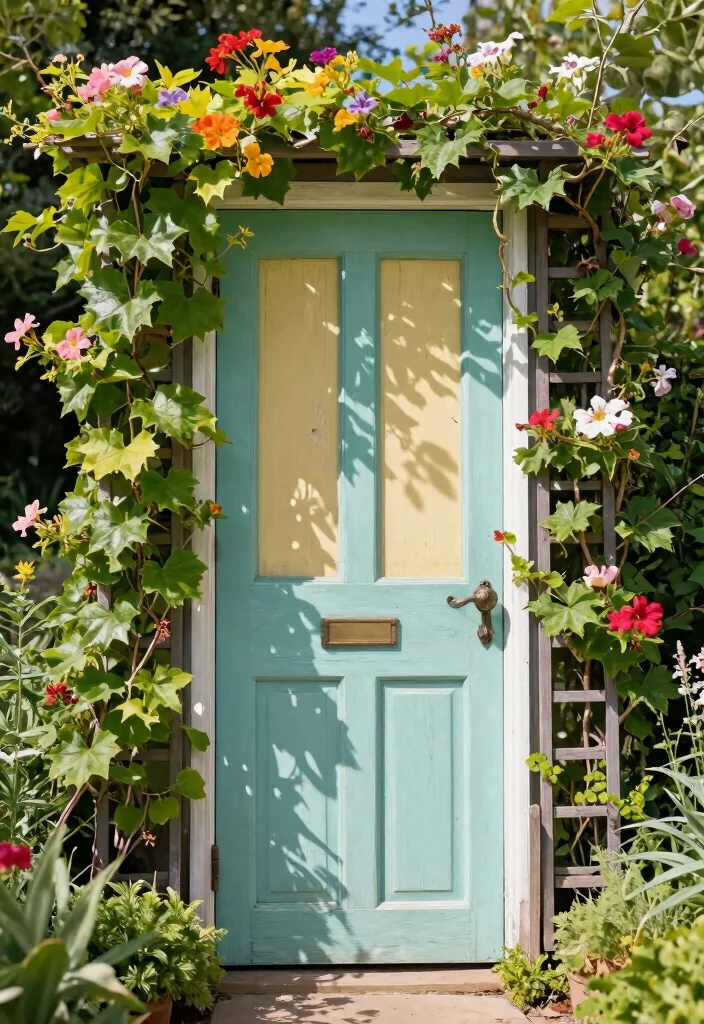
An old door can be creatively turned into a stunning trellis for your garden! This unique DIY project breathes new life into discarded items and serves as a focal point that draws attention. It’s perfect for supporting climbing vines and flowering plants, adding character to your outdoor space.
Simply position the door upright or hinge it to a wall for an effective trellis. You can paint it in vibrant colors or keep its rustic charm. Adding hooks or knobs can also provide extra planting options!
Materials Needed:
– Old door
– Hinges (if attaching to a wall)
– Optional: paint or decorative handles
Tips:
– Ensure the door is sturdy enough to withstand the elements.
– Use hooks to hang planters, adding a decorative touch.
– Place it prominently to showcase its beauty in your garden!
This trellis not only supports your plants but also adds a whimsical charm to your outdoor area.
7. Mesh Garden Netting Trellis
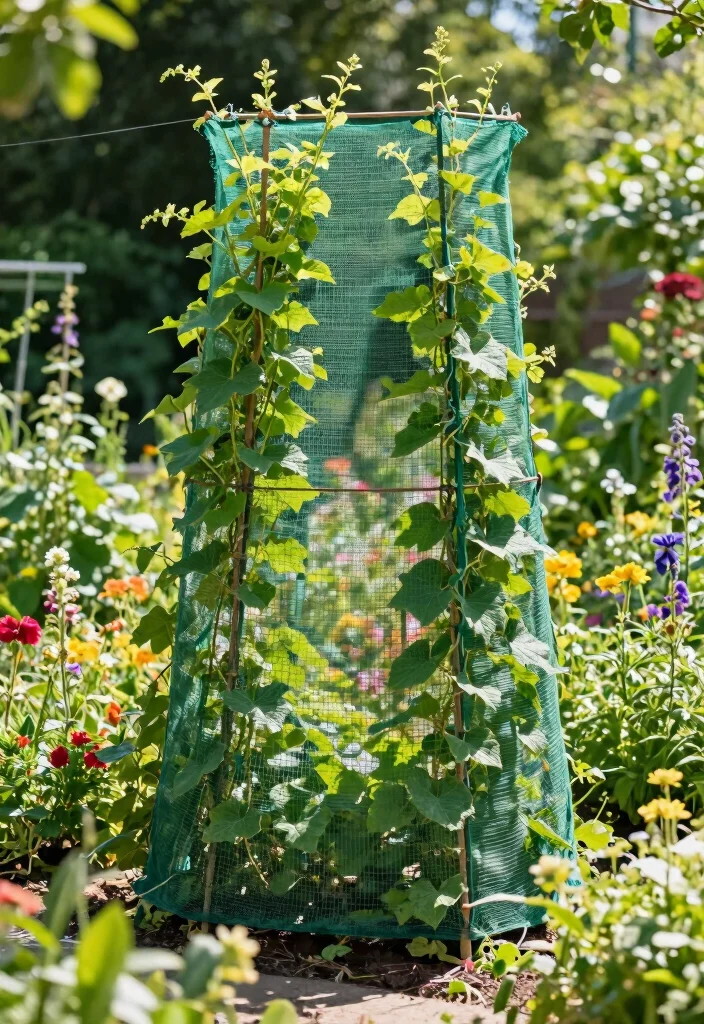
Using garden mesh netting is an innovative way to support your climbing plants while keeping everything organized. It works wonderfully for lighter climbers like peas and sweet potato vines, allowing for good airflow and sunlight exposure.
To set up this trellis, attach the garden netting to a sturdy frame made of stakes or posts. Ensure that the netting is taut, making it easy for plants to climb. This vertical garden solution not only looks great but also maximizes your gardening space!
Materials Needed:
– Garden mesh netting
– Wooden stakes or posts
– Zip ties or twine
Tips:
– Ensure the stakes are deep enough for stability.
– Train your plants gently as they grow by wrapping them around the netting.
– Consider planting colorful flowers at the base for added visual interest!
This trellis is a simple yet effective way to support your plants while beautifying your garden.
8. Natural Branch Trellis
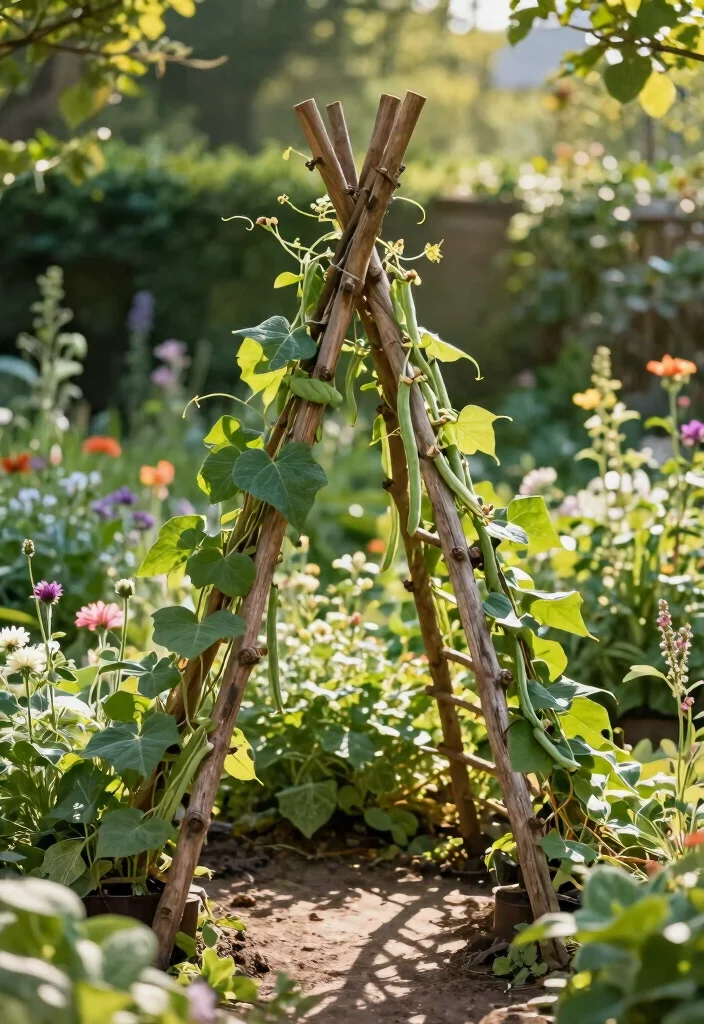
For a more organic feel, consider using natural branches to create a trellis that blends beautifully with your garden. This charming design acts as support for lighter climbing plants like beans and peas while enhancing the rustic atmosphere of your outdoor space. Editor’s Choice
Gather branches of similar thickness and length, arranging them in a teepee shape and binding them together with twine at both ends. Alternatively, you can create a lattice pattern for added support and style.
Materials Needed:
– Natural branches
– Twine
– Pruning shears (for trimming)
Tips:
– Select sturdy branches that can withstand the weather.
– Experiment with different arrangements to create a unique look.
– Position it in a sunny spot to encourage healthy growth!
This trellis not only supports your plants but also enhances the natural beauty of your garden.
Natural Branch Trellis


How To Choose the Right Homemade Trellis For Your Garden
When it comes to enhancing your garden space with homemade trellises, selecting the right one can make a world of difference. Here are some key criteria to consider: 1. Size MattersBefore diving into materials and designs, determine the size of the trellis you need. Think about the space available in your garden and how tall or wide you want the trellis to be. Measure the area where you plan to install it, ensuring you allow enough room for plants to grow. A trellis that is too small may limit plant growth, while an oversized structure can overwhelm a small garden.
2. Consider the Material
Homemade trellises can be made from various materials such as wood, bamboo, PVC, or even recycled items. Choose a material that blends well with your garden style and can withstand the elements. For instance, wooden trellises provide a rustic look but may require treatment to prevent rot. On the other hand, PVC is lightweight and resistant to moisture, making it a good option for a modern garden.
3. Intended Use
Think about the type of plants you want to grow. Are you looking to support climbing vegetables like beans and peas, or decorative plants like roses and clematis? Different plants have different support needs. For heavy plants, ensure your trellis can handle their weight. For lighter vines, you might opt for a simpler design. Understanding your plants’ requirements helps in choosing a suitable trellis design.
4. Design Aesthetics
The design of your trellis should not only serve a practical purpose but also enhance your garden’s visual appeal. Consider creative trellis designs such as a vintage ladder or a woven wire fence that can add character to your space. Look for inspiration online or in gardening magazines to find a style that resonates with your garden’s theme.
5. Budget Considerations
Homemade trellises can be budget-friendly, especially if you use recycled materials. Establish a budget before starting your project to avoid overspending. Calculate the costs of materials and tools needed. If you’re utilizing leftover wood or materials from previous projects, you can significantly reduce costs. Don’t forget to factor in any additional decor or paint you might want to use.
6. Ease of Installation
Finally, consider how easy it will be to install the trellis you choose. Some designs might require advanced skills or tools, while others can be assembled quickly with just a few screws or ties. If you are a beginner, opt for simpler designs that don’t require much construction knowledge. Look for DIY instructions that are clear and straightforward to follow.
Pro Tip: Always have a plan before starting your trellis project. Sketch your ideas and make a materials list. This will keep your project organized and help you stay focused on your vision!
By considering these factors, you’ll choose a homemade trellis that not only supports your plants but also enhances the beauty of your garden. Happy gardening!
9. Pallet Fence Trellis
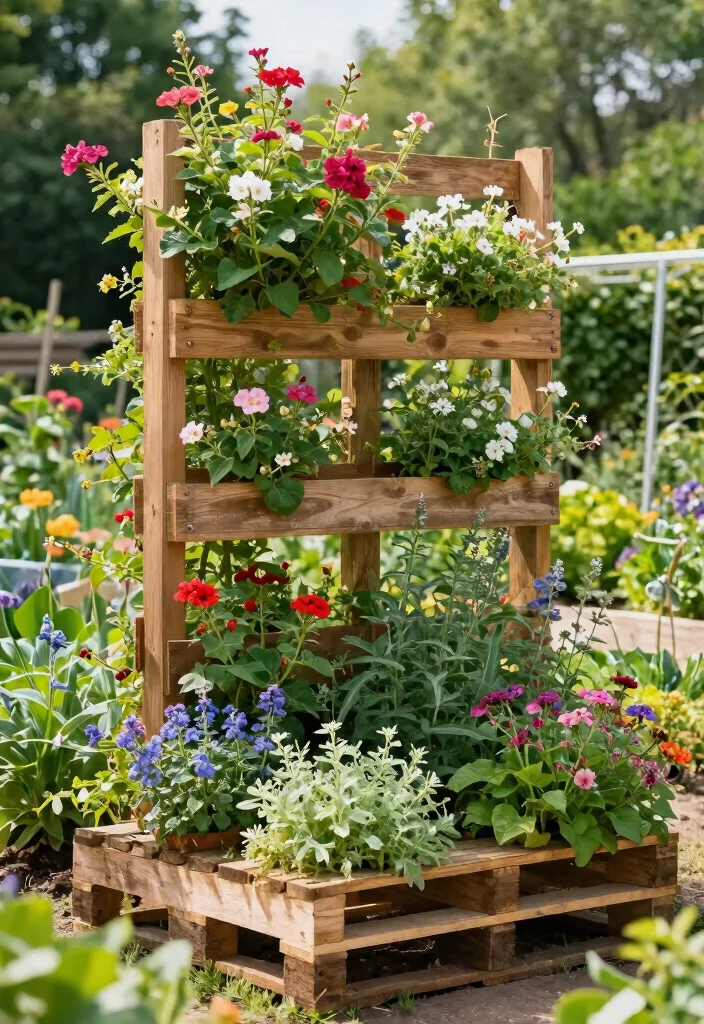
Converting a pallet fence into a trellis is a practical and creative way to support climbing plants while enhancing your garden’s decor. This approach works great for both flowers and vegetables, creating a striking vertical display.
Decide whether to position the pallet horizontally or vertically, then secure it against a wall or fence. As your plants grow, guide them to climb the slats for an organized appearance while adding dimension to your garden layout!
Materials Needed:
– Wooden pallet
– Screws or brackets for stability
– Optional: wood stain or paint
Tips:
– Select a pallet that is in good condition and free from harmful chemicals.
– Create multiple tiers for a more dynamic look.
– Use trailing flowers or herbs for delightful fragrances!
This trellis combines functionality with aesthetic appeal, making it a valuable addition to your garden.
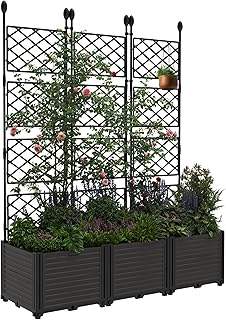
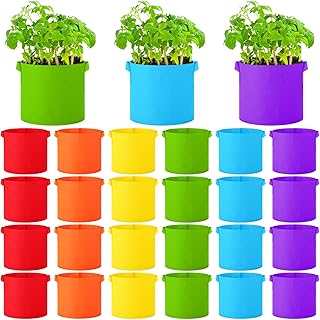
10. Fabric Pocket Trellis
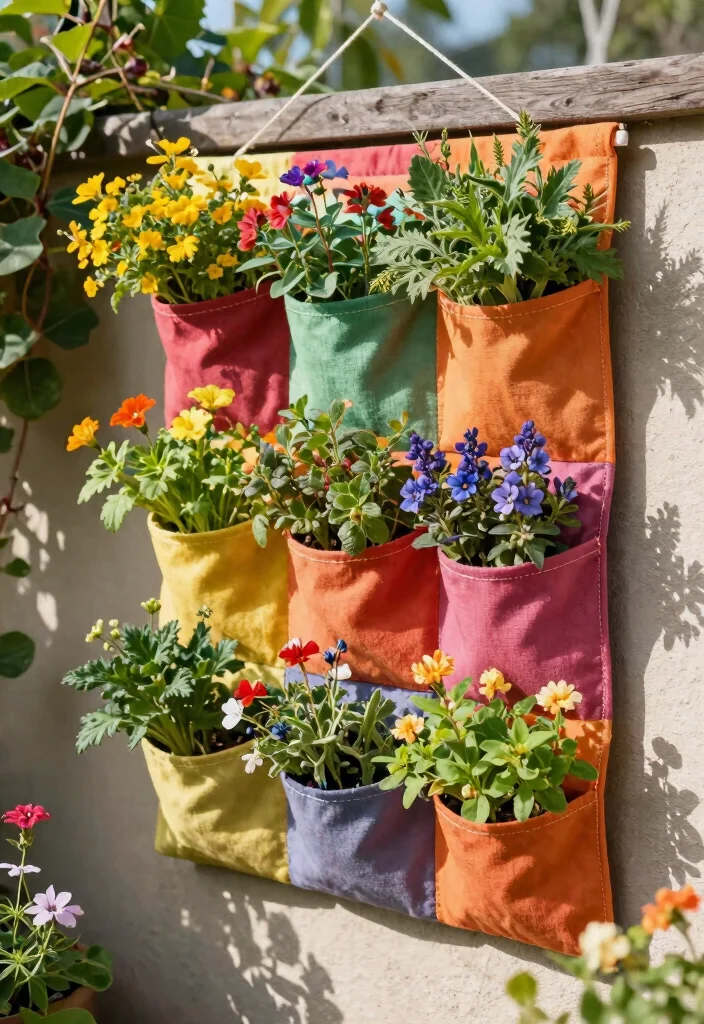
A fabric pocket trellis adds a burst of color and creativity to your garden while maximizing space! This design is particularly suited for herbs and small flowers, transforming your outdoor area into a vibrant display. Editor’s Choice
To create this trellis, sew pockets or repurpose fabric containers and attach them to a wooden frame or wall. Fill each pocket with soil and your selected plants, creating a vertical garden that is both practical and decorative!
Materials Needed:
– Sturdy fabric or old jeans
– Wooden frame or wall mount
– Soil and plants
Tips:
– Opt for breathable fabric to ensure proper drainage.
– Securely attach the pockets to prevent drooping.
– Place the trellis in a sunny spot for optimal plant growth!
This trellis not only supports your plants but also adds a fun, colorful element to your garden.
Fabric Pocket Trellis


11. Simple String Trellis
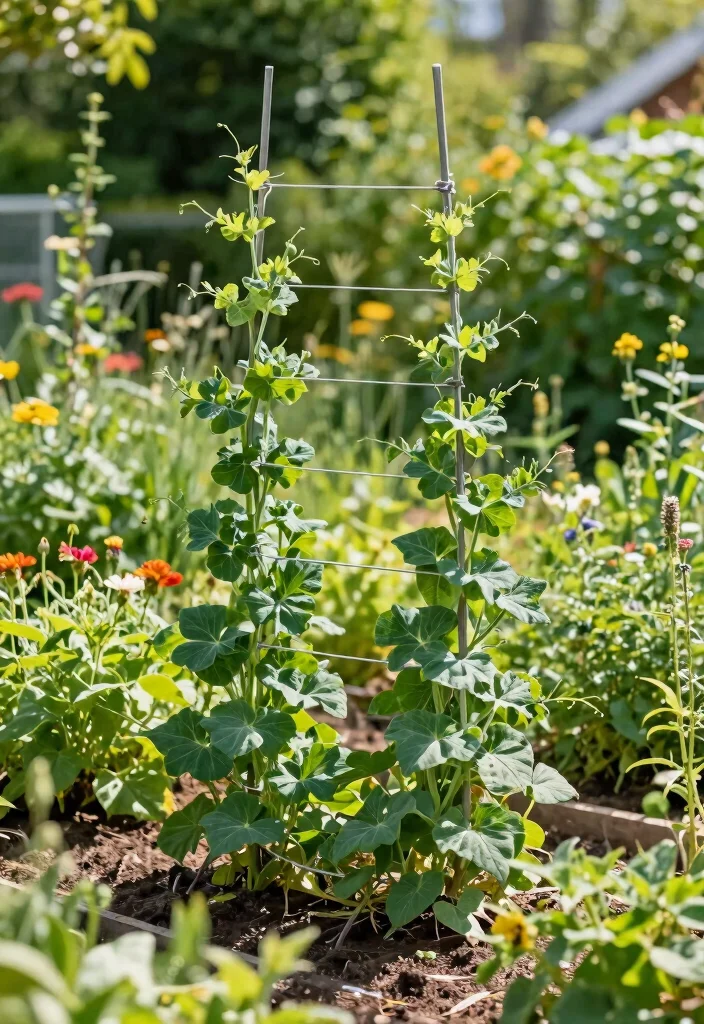
For a straightforward and effective solution, a simple string trellis is an excellent choice! This design works well for lighter climbing plants like peas, allowing them to grow freely without complicated setups.
To build your string trellis, attach horizontal strings to stakes or a wooden frame, providing ample space for your plants to climb. As they grow, they’ll naturally wrap around the strings, giving your garden a neat appearance.
Materials Needed:
– Twine or thin rope
– Stakes or wooden frame
– Scissors
Tips:
– Tighten the strings to ensure strong support.
– Opt for biodegradable twine for an eco-friendly choice.
– This trellis can be easily assembled and disassembled for seasonal planting!
This simple trellis is a practical solution, making your gardening experience more organized and enjoyable.
Simple string trellis makes homemade trellis ideas feel doable—it’s light, fast, and perfect for peas. Attach horizontal strings to stakes, watch climbers wrap around on their own, and harvest with less effort. Practical, affordable, and beautifully tidy for any garden.
Simple String Trellis
Editor’s Choice



12. Creative Recycled Materials Trellis
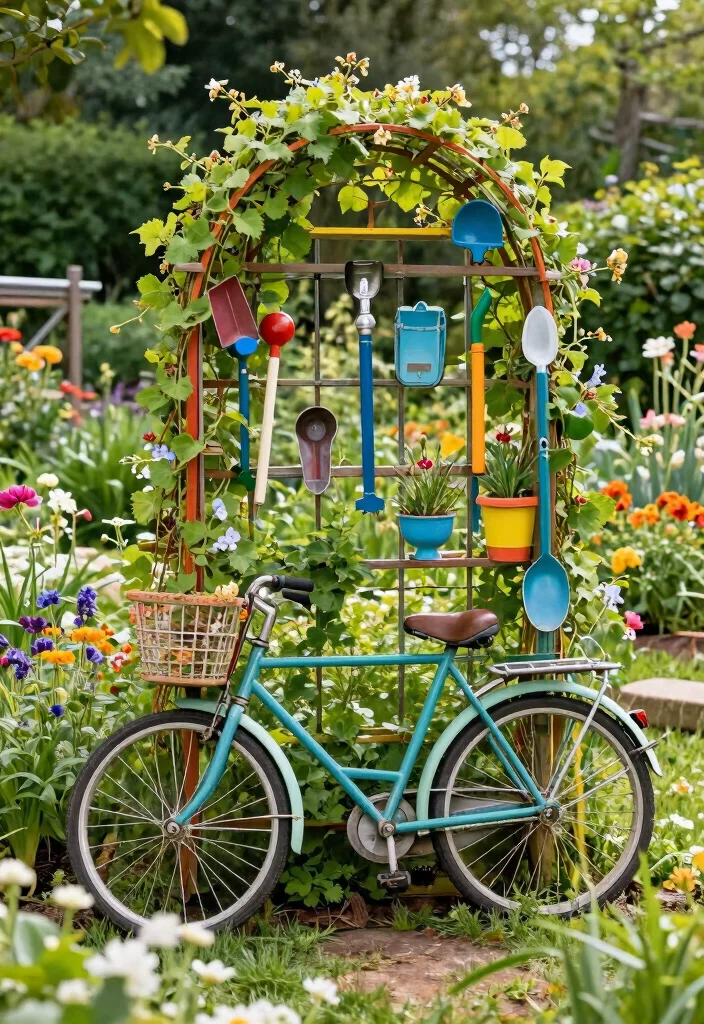
Unleash your creativity by repurposing recycled materials into stunning trellises! Items like old bicycle wheels, crates, or even garden tools can be transformed into unique structures that serve both function and artistry. This not only helps the environment but also adds a personal touch to your garden.
Arrange your chosen materials in imaginative ways, securing them so climbing plants can thrive. With a splash of paint or some decorative elements, you can create a beautiful focal point that showcases your creativity.
Materials Needed:
– Recycled materials (bicycle wheels, crates, tools)
– Paint or sealant (optional)
– Twine or wire for securing plants
Tips:
– Mix various materials for a whimsical effect.
– Ensure the structure is sturdy enough to support the plant weight.
– Position it prominently to highlight your artistic flair!
This trellis not only supports your plants but also makes a bold statement in your garden.
Conclusion
Creating your own homemade trellis is an enjoyable and rewarding project that can enhance your garden while being budget-friendly. With a touch of creativity and some simple materials, you can support your plants in style. Whether you choose a rustic wooden pallet, a trendy bamboo design, or even an old door, each trellis tells a story and adds personality to your outdoor space. So, gather your supplies and let your creativity flow, transforming your garden into a vertical paradise that’s both functional and beautiful! Note: We aim to provide accurate product links, but some may occasionally expire or become unavailable. If this happens, please search directly on Amazon for the product or a suitable alternative. This post contains Amazon affiliate links, meaning we may earn a small commission if you purchase through our links, at no extra cost to you.
Frequently Asked Questions
What are some beginner-friendly homemade trellis ideas using simple materials?
Great question for starting DIY garden trellis projects. Here are a few homemade trellis ideas that rely on common supplies and minimal tools:
1) Pallet slat lattice: Source a clean pallet, remove nails, and separate slats to form a simple lattice. Bind the frame with screws or heavy-duty zip ties to a pair of posts or a fence. Treat with weatherproof sealant for lasting use.
2) Cattle panel arch or tee: Unfold a welded wire cattle panel into an arch or a T shape, then secure both ends to sturdy stakes. This works great for cucumbers, beans, and flowering climbers.
3) Wooden frame with string grid: Build a shallow frame (about 2×4 feet), stretch twine or garden netting across the back in a crisscross or grid pattern, and let vines climb. Easy to adjust as plants grow.
4) Tomato cage repurpose: Turn a large tomato cage or two into a freestanding trellis by placing them back to back or cutting and bending their arms to create vertical lines.
5) Bamboo or reed screen: Bundle bamboo canes into a frame and bind with twine to form a lightweight creative trellis designs suitable for small spaces.
How can I build a DIY garden trellis on a budget?
Keep costs low by starting with free or inexpensive materials and repurposing what you have. Steps: 1) Scout for pallets, bamboo poles, or scrap metal from local sources with permission. 2) Choose a design that fits your space and plants. 3) Cut to size with basic tools. 4) Assemble with screws, nails, or sturdy ties. 5) Weatherproof wood with sealant or paint. 6) Anchor securely to the ground or a fence. Pro tips: combine multiple cheap materials for strength, and position the trellis where it gets good light and minimal wind exposure. This aligns with budget-friendly gardening tips while delivering practical homemade trellis ideas.
Which materials work best for vertical gardening ideas and garden support structures?
The best choices balance weight, durability, and look. Consider:
– Wood (cedar or pressure-treated) for a sturdy, long lasting frame; seal to prevent rot.
– Bamboo for a light, natural look that is easy to work with.
– Galvanized metal or steel for heavy loads and extreme weather.
– Welded wire panels or garden netting to create quick grids.
– Recycled pallets or old fencing for affordable, upcycled options. Pro tip: pair a solid base with diagonal bracing to improve stability on windy days.
How can I make a trellis sturdy enough to support heavy vines like squash or beans?
Simplicity plus a solid foundation goes a long way. Start with two sturdy posts or a wall anchor, then add cross braces or diagonal supports to form triangles for rigidity. Use long lag screws or galvanized brackets to attach the frame, and consider anchoring the base with concrete footings if you want a freestanding setup. Keep the load balanced by designing the trellis with a wide base and not overly tall sections. Regularly check joints and tighten as vines grow. This approach fits well with garden support structures designed for heavy climbers.
What are space-saving or creative trellis designs for small gardens or balconies?
Look for vertical solutions that maximize growth without stealing ground space. Options include freestanding corner trellises, wall-mounted lattice panels, arched gateways between beds, or foldable/portable frames for flexible layouts. Combine trellises with vertical planters or railing planters to keep floorspace clear. For balconies, light weight creative trellis designs using bamboo or netting can still deliver strong vertical growth. Start with a compact footprint, ensure secure anchoring, and choose designs that can be adjusted as plants mature.