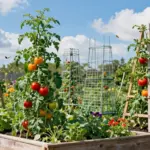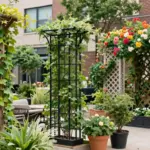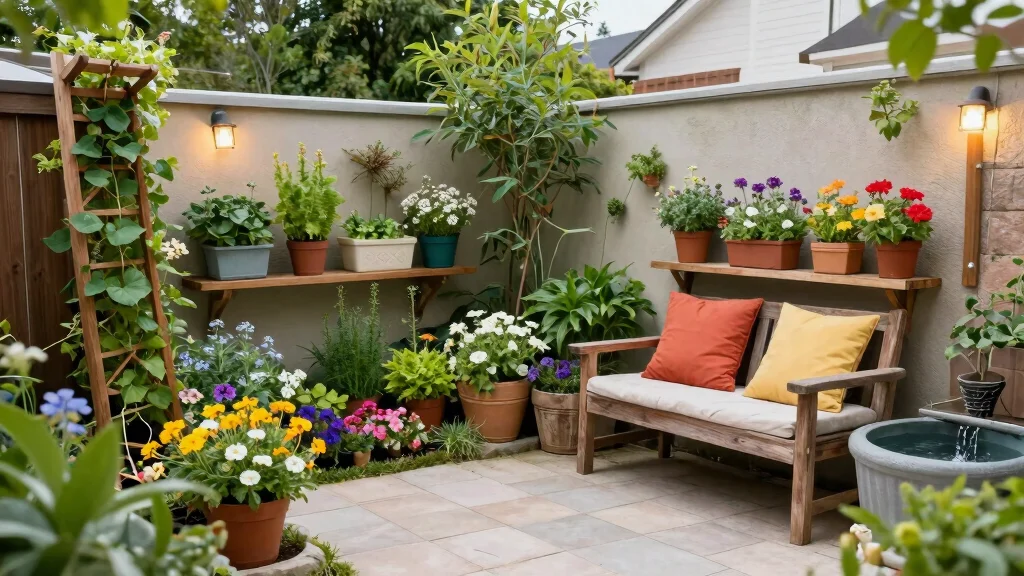
Creating a beautiful and productive backyard garden isn’t just for those with sprawling spaces; even the tiniest of yards can become vibrant oases of greenery and life. If you’ve been daydreaming about stunning garden ideas for your backyard, this post is just what you need. Gardening has always been a way to connect with nature, relieve stress, and create your own food. With many people now embracing gardening, it feels like the perfect time to explore unique and creative ways to maximize your outdoor space. This guide is designed for anyone who loves gardening, whether you’re a seasoned pro or a curious beginner. If you’re looking to spice up your garden, enhance your outdoor living spaces, or even grow your own vegetables, this article will inspire you. We’ve gathered 14 fantastic backyard garden ideas that are not only visually appealing but also practical. You’ll find options that fit small spaces and clever solutions to enhance your backyard landscaping. These ideas are achievable, enjoyable, and will allow you to create a garden that reflects your personality and style. Get ready to dive into garden designs that will transform your backyard into a stunning retreat. From vertical herb gardens to hanging plants and creative wall-mounted planters, these ideas will give you the tools you need to cultivate a space that is beautiful and productive. Whether you want to grow flowers or fresh vegetables, you’ll discover something here that sparks your creativity and inspires your unique garden journey.
Key Takeaways
– Vertical Gardening: Utilize vertical space to grow herbs, vegetables, and flowers, especially in small backyards where ground space is limited. – Container Gardening: Choose containers for your vegetables to maximize yield and aesthetics while allowing for easy mobility and arrangement. – DIY Vertical Systems: Create your own vertical garden systems using materials like pallets or PVC pipes, making gardening more accessible and fun. – Wildlife Friendly: Incorporate elements like vertical gardens designed for wildlife to attract beneficial insects and birds, enhancing biodiversity in your garden. – Upcycled Designs: Use upcycled materials creatively for planters and garden structures, promoting sustainability while adding a unique touch to your outdoor space.1. Vertical Herb Garden Planter
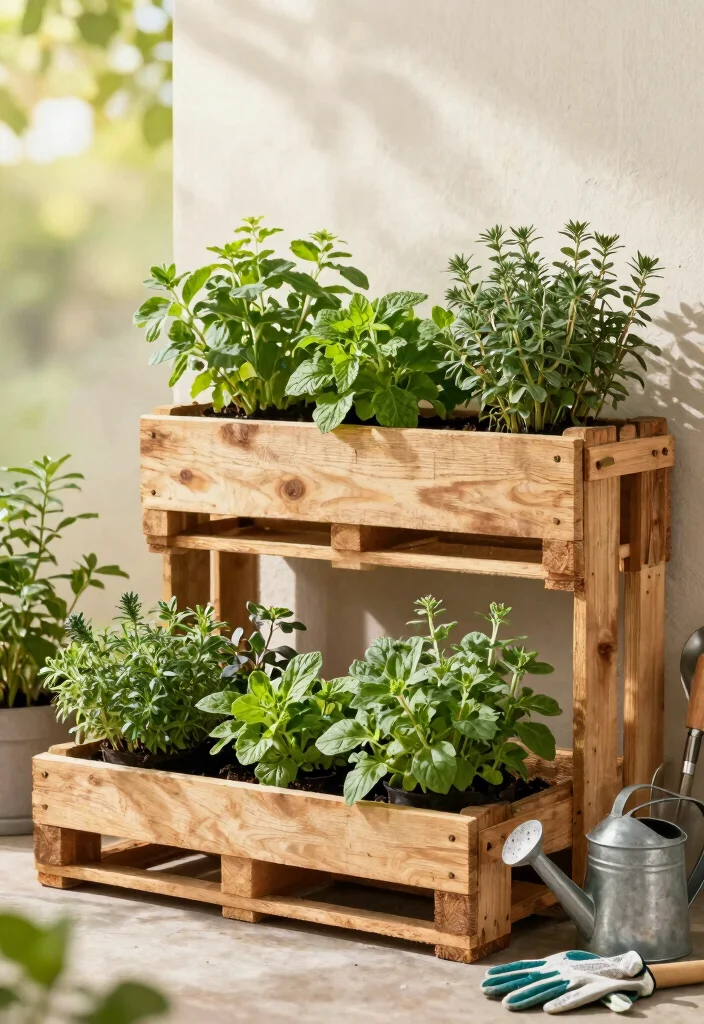
If you’re looking to elevate your gardening game, a vertical herb garden planter is a must-have. This unique setup not only conserves space but also keeps your fresh herbs within easy reach for cooking. By using materials like wooden pallets, you can create a charming display filled with basil, cilantro, and parsley, all basking in the sunlight. Imagine the delight of snipping fresh herbs right from your garden for your favorite dishes!
To get started, consider pairing herbs that thrive together and enjoy similar watering needs. Regular pruning will help your herbs flourish and maintain their shape. Don’t forget to ensure your planter has good drainage to avoid root rot.
Key steps to create your vertical herb garden:
– Select a sunny spot for optimal growth
– Fill openings with a mix of herbs
– Water regularly and enjoy fresh flavors daily
This approach not only beautifies your space but also brings fresh tastes to your kitchen right at your fingertips.
2. Living Wall of Flowers
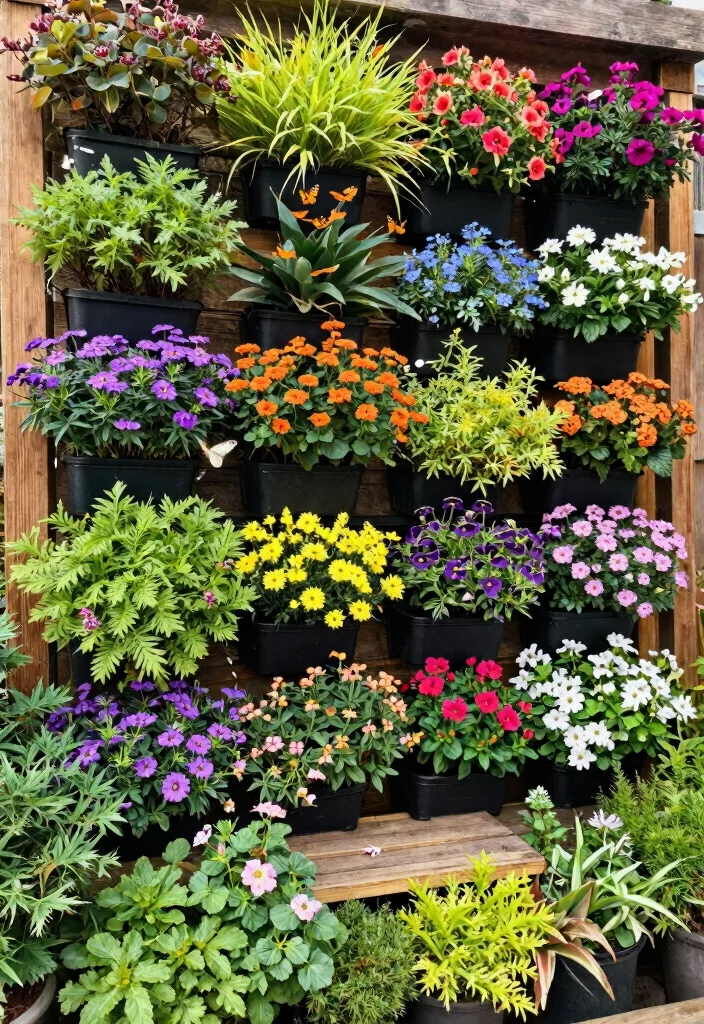
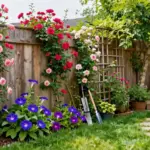
Transform your outdoor space into a blooming masterpiece with a living wall of flowers. This vertical garden design allows you to showcase vibrant flowers like petunias, geraniums, and violets, drawing in lovely pollinators such as bees and butterflies. It’s a perfect way to enhance your garden’s beauty while supporting local wildlife. Plus, choosing perennials means you’ll enjoy this colorful display year after year!
For a stunning effect, mix various plant heights and colors. Installing a drip irrigation system can help maintain moisture without the hassle of daily watering. Incorporate a trellis for climbing flowers, which adds depth and dimension to your living wall.
Consider these tips to create your flower wall:
– Select a mix of perennial and annual flowers
– Arrange plants in clusters for a fuller look
– Ensure easy access for watering and maintenance
A living wall not only adds a splash of color but also creates an ever-changing tapestry that brings joy throughout the seasons.
How To Choose the Right Vertical Garden for Small Spaces
Creating a vertical garden can be a fantastic way to maximize your small backyard space. With so many options available, it’s important to pick the right style and components to ensure a thriving garden. Here are some essential factors to consider when choosing your vertical garden setup: 1. Space RequirementsBefore you start, measure the area where you want to install your vertical garden. Knowing the dimensions of your space helps you decide on the size and type of vertical system that fits best. If you’re working with limited space, consider wall-mounted planters or a living wall that can create green verticality without taking up much ground area.
2. Plant Selection
Choose plants that thrive in vertical setups. Herbs like basil, parsley, and thyme are great for vertical herb gardens. If you’re looking for flowers, opt for trailing varieties such as petunias or fuchsias. Vegetables like lettuce and strawberries also do well in vertical gardens. Make sure the plants you select can adapt to the conditions of your space, including sunlight and moisture levels.
3. Support Structure
The support structure you choose is crucial for the success of your vertical garden. Options range from trellises and grids to repurposed ladders or custom-built shelves. Ensure the structure is sturdy enough to hold the weight of the plants and soil. Consider materials like treated wood, metal, or recycled pallets, which can add aesthetic appeal while being functional.
4. Watering System
Think about how you will water your vertical garden. Some vertical systems come with built-in irrigation or drip systems to make the process easier. If you prefer hand-watering, ensure the design allows for easy access. You could also incorporate self-watering systems for low-maintenance options, which can save you time and effort.
5. Sunlight Exposure
Evaluate how much sunlight your chosen location receives throughout the day. Most plants require 6 to 8 hours of sunlight daily. If your space doesn’t get enough natural light, consider using grow lights to supplement. Make sure to group plants with similar sunlight needs together to keep them healthy and thriving.
6. Budget
Finally, consider your budget. Vertical gardening can range from inexpensive DIY projects to more elaborate systems that can be costly. Determine how much you’re willing to spend on materials, plants, and any additional features. You can save money by using recycled materials or starting with fewer plants and expanding as you gain experience.
Pro Tip: Start small and expand gradually. This allows you to learn what works best for your conditions without overwhelming yourself. A few herbs and some easy-to-care-for flowers can provide instant beauty and give you the confidence to branch out into more complex designs later on!
3. Vertical Vegetable Tower
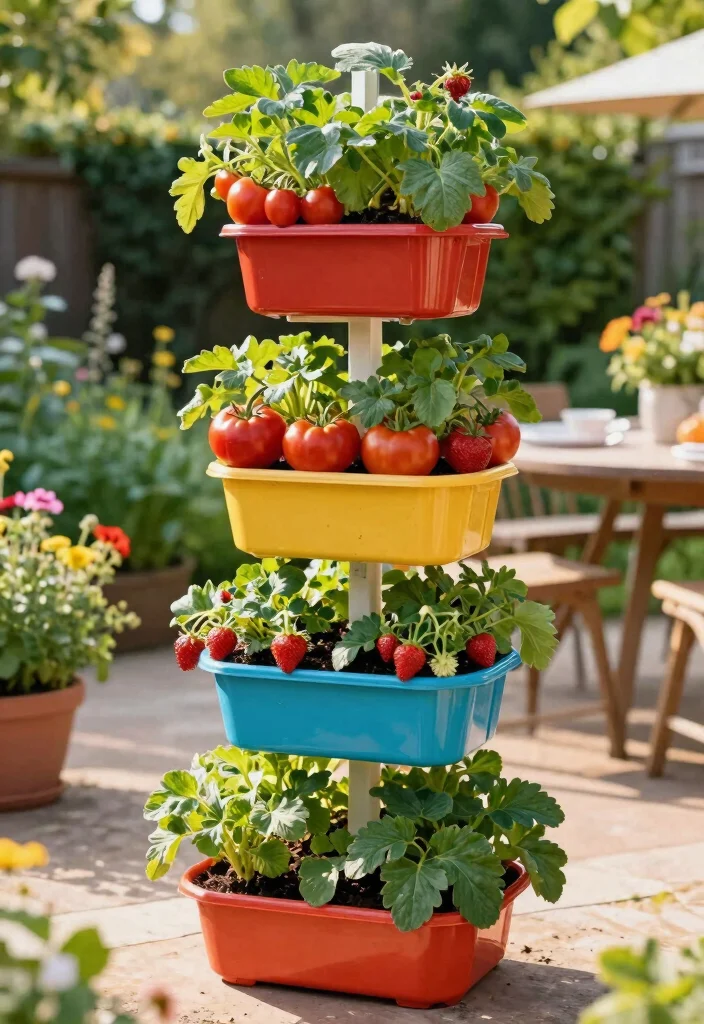
Elevate your vegetable gardening by opting for a vertical vegetable tower. This ingenious design maximizes your planting area while simplifying the harvesting process. Use stacked containers to grow delicious cherry tomatoes, strawberries, or leafy greens, transforming vertical space into a thriving garden. Enjoy the benefits of improved air circulation and increased sunlight exposure as your plants flourish! Editor’s Choice
To build your own vertical tower, choose durable containers or a tiered shelf. Line each container with landscape fabric for proper drainage, and fill them with nutrient-rich soil. Regular watering and occasional fertilizing will ensure your plants thrive.
Follow these simple steps to create your vertical garden:
1. Gather your chosen containers or shelving
2. Prepare the base by ensuring good drainage
3. Plant seeds or seedlings and care for them
This setup not only yields fresh produce but also serves as an engaging focal point in your garden.
Vertical Vegetable Tower




📹 Related Video: DIY Hydroponics Garden Tower Build | Less than $150
4. Hanging Gardens
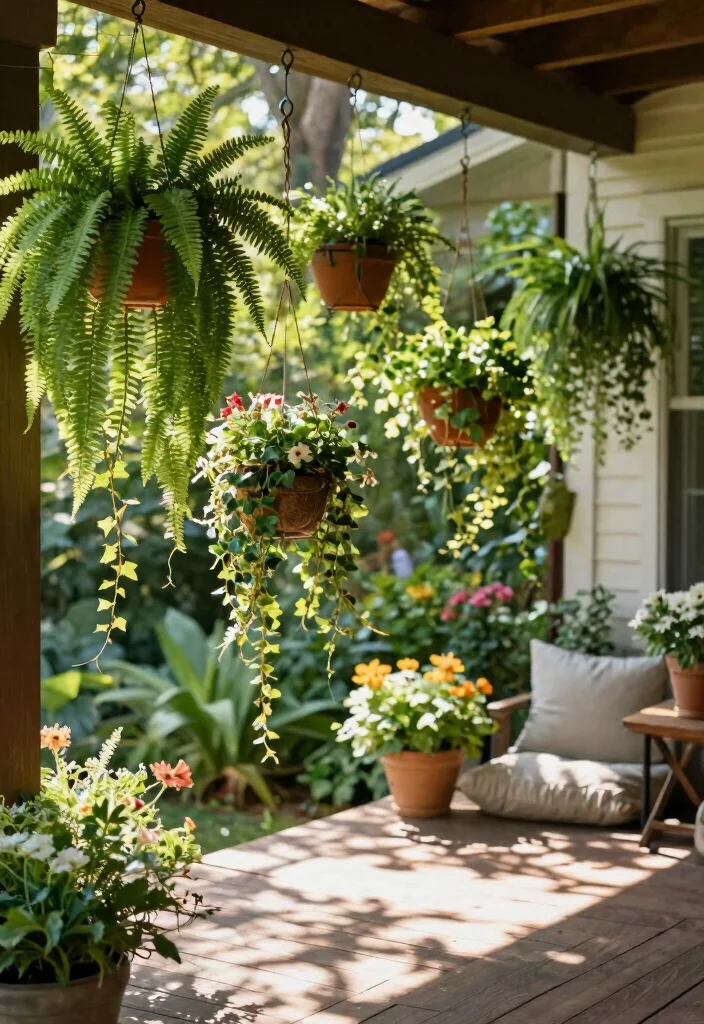
Infuse your outdoor space with charm by creating a hanging garden. Suspend plants from macramé hangers or repurposed pots to add lush greenery to your porch or balcony. Plants like ferns, trailing ivy, and blooming petunias thrive in this arrangement, softening hard edges and adding visual intrigue to your garden. It’s an excellent way to make the most of your vertical space!
Ensure your hooks are sturdy enough to support the weight of the plants. Regularly check moisture levels, as hanging plants can dry out quickly. Mixing various plants will create a dynamic and lively display that draws the eye.
Here are some ideas for your hanging garden:
– Choose lightweight pots to reduce strain
– Arrange plants by growth habits for balance
– Experiment with colors and textures for interest
A hanging garden not only enhances your outdoor decor but also creates a serene oasis you’ll love to relax in.
Did you know? A well-placed hanging garden can free up to 30% of floor space, giving you lush greenery and a cozy seating area. Pro tip: secure sturdy hooks, use lightweight pots, and check moisture weekly to keep vines thriving, a key element in garden ideas backyard for small spaces.
5. Vertical Gardening with Trellises
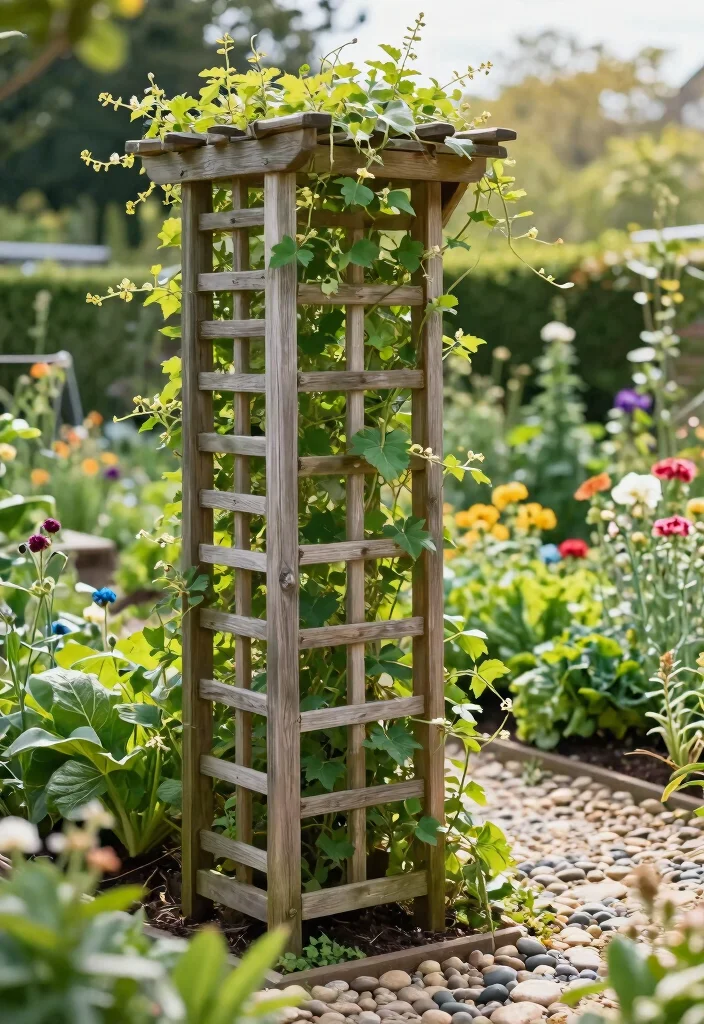
Make the most of your garden space with vertical gardening using trellises. These structures are perfect for growing climbing plants like peas, cucumbers, or pole beans, allowing them to reach for the sky instead of sprawling on the ground. This technique not only saves space but also enhances airflow, reducing pest issues while creating a stunning green backdrop.
Select a trellis that complements your garden’s style, whether it’s wooden or metal. Regularly inspect your climbing plants for pests, as they can congregate at the top. Use plant ties to secure them as they grow, ensuring they don’t topple over.
Here are a few tips for using trellises:
– Choose a trellis height suitable for your plants
– Position it in a sunny spot for optimal growth
– Integrate companion plants at the base for added diversity
Trellises not only maximize your garden’s space but also introduce height and visual interest, making your outdoor area more inviting.
6. Container Gardening for Vegetables
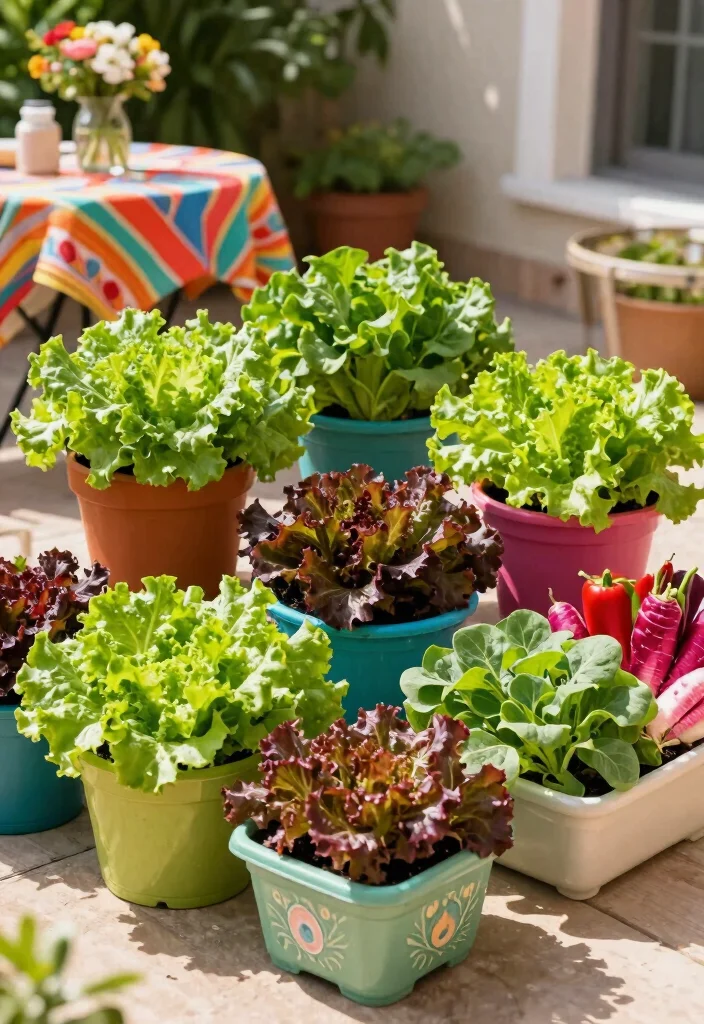
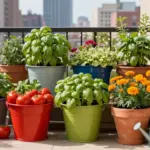
Container gardening is a flexible and creative way to grow vegetables, especially in smaller backyards. By using a variety of containers, from pots to window boxes, you can cultivate fresh veggies like lettuce, radishes, and peppers. This method not only adds visual appeal but also allows you to easily move plants for maximum sunlight exposure. Editor’s Choice
Select self-watering containers to simplify maintenance and group plants with similar watering needs for convenience. Using high-quality potting soil will promote healthy growth and yield bountiful harvests.
Here are some tips to get started with container gardening:
– Mix container sizes for an attractive layout
– Ensure proper drainage to prevent waterlogging
– Rotate crops each season for soil health
With container gardening, you can transform your small space into a thriving vegetable paradise, all while enjoying fresh produce right in your backyard.
Container Gardening for Vegetables


7. DIY Vertical Garden Systems
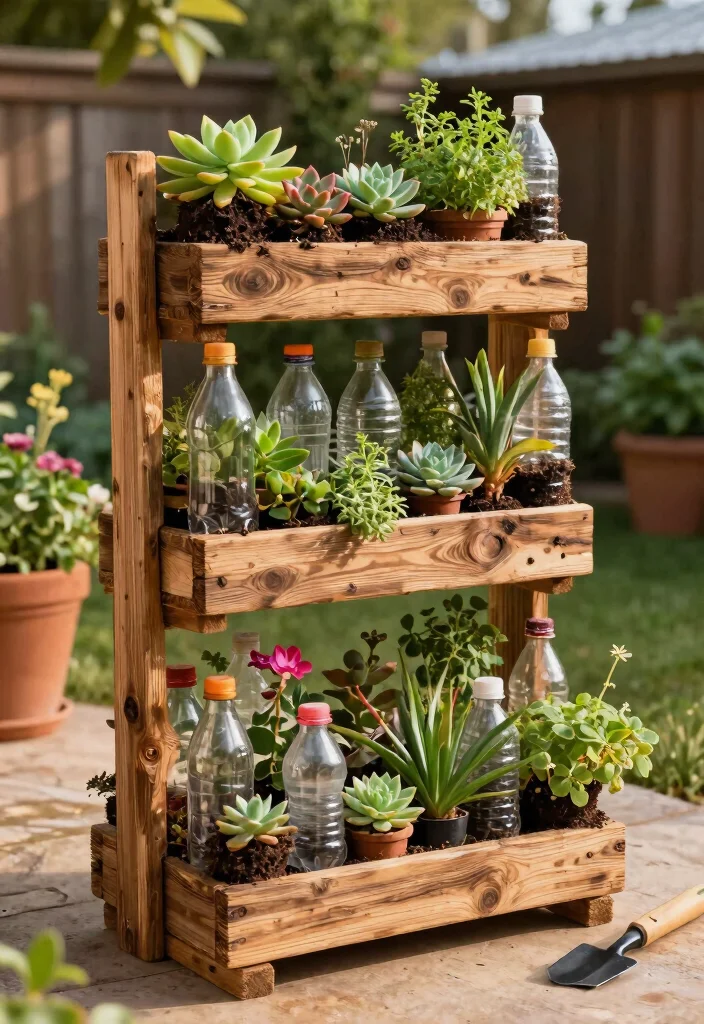
Embark on a creative journey by building your own DIY vertical garden system. Using materials like reclaimed wood, old pallets, or even plastic bottles, you can design a garden that represents your unique style. Create pockets for soil and plants, crafting an eco-friendly space that’s both functional and artistic—perfect for succulents, herbs, or small vegetables! Editor’s Choice
Start by gathering your materials and selecting a suitable location. Assemble your structure to create levels for planting, then line it with landscape fabric for soil retention. Fill each pocket with soil and plant your favorites.
Follow these steps to design your vertical garden:
1. Choose a spot with ample sunlight
2. Cut materials to your desired size
3. Create planting pockets and fill with soil
This DIY project not only beautifies your backyard but showcases your gardening creativity, turning heads with its unique flair.
DIY Vertical Garden Systems


8. Vertical Garden Screening
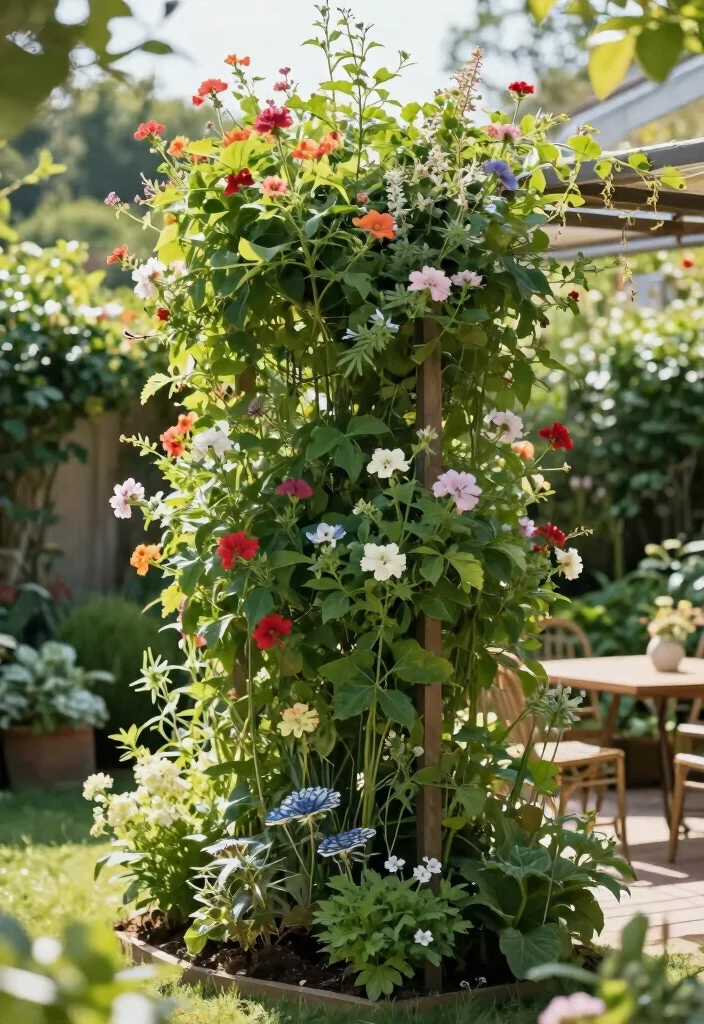
Enhance your backyard’s privacy with a stunning vertical garden screen. Utilizing tall planters or trellises filled with lush foliage creates a natural barrier that not only provides seclusion but also beautifies your outdoor space. Choose fast-growing plants like climbing roses or jasmine for a fragrant touch that can transform your area.
Make sure your plants receive adequate sunlight and water to thrive. Regular trimming will help maintain their shape and density, while incorporating a variety of plants ensures year-round interest.
Consider these tips for your vertical garden screen:
– Use a mix of evergreen and flowering plants
– Position planters strategically for effective coverage
– Regularly check for pests to maintain health
A vertical garden screen is an excellent way to create a personal oasis while adding a gorgeous visual display to your backyard.
9. Ladder Garden Design
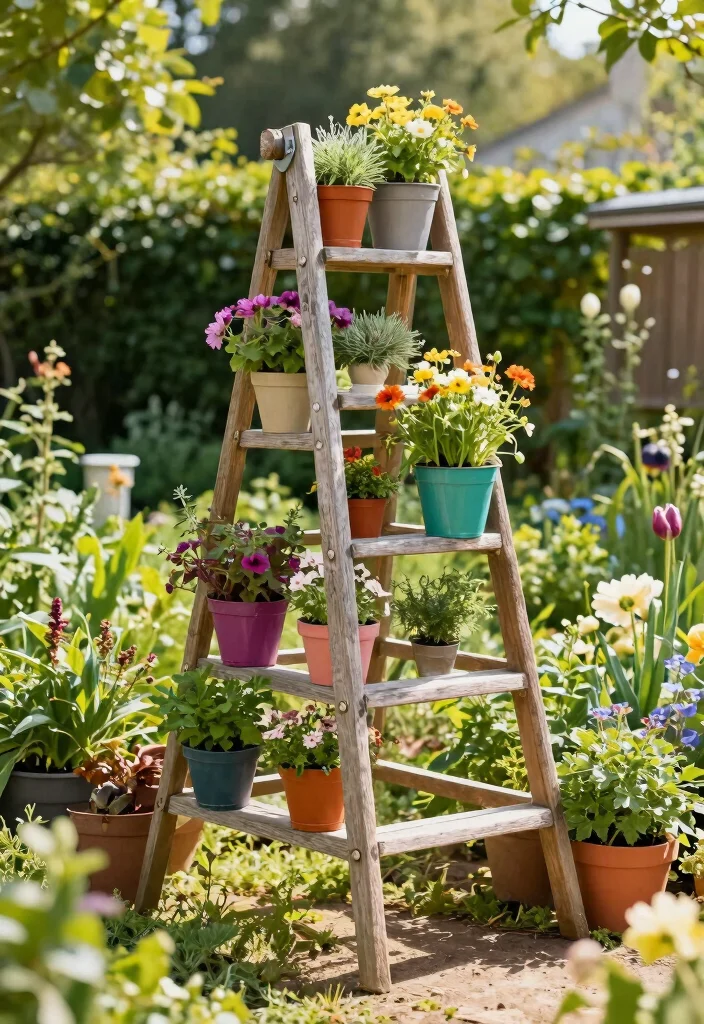
Use a fun ladder garden design to creatively utilize vertical space. By repurposing an old ladder, you can lean it against a wall and attach pots or crates filled with vibrant plants on each step. This whimsical setup can showcase a mix of flowers, herbs, or even small vegetables, making it an eye-catching focal point in your garden.
Consider staining or painting the ladder to match your outdoor theme. Opt for lightweight containers to ensure stability, and arrange plants by height for a visually appealing gradient.
Here are some tips for creating a ladder garden:
– Choose a sturdy ladder for safety
– Group plants with similar sunlight and water needs
– Create layers for a dynamic look
A ladder garden not only saves space but adds a playful, eclectic vibe to your outdoor area, bringing joy and creativity to your gardening experience.
Fun fact: a repurposed ladder can add vertical garden space with 50% more planting area in small yards. Paint or stain to fit your theme, and use lightweight containers to keep it stable. Stack herbs, flowers, and small veggies by height for easy care in your garden ideas backyard.
10. Wall-Mounted Planters
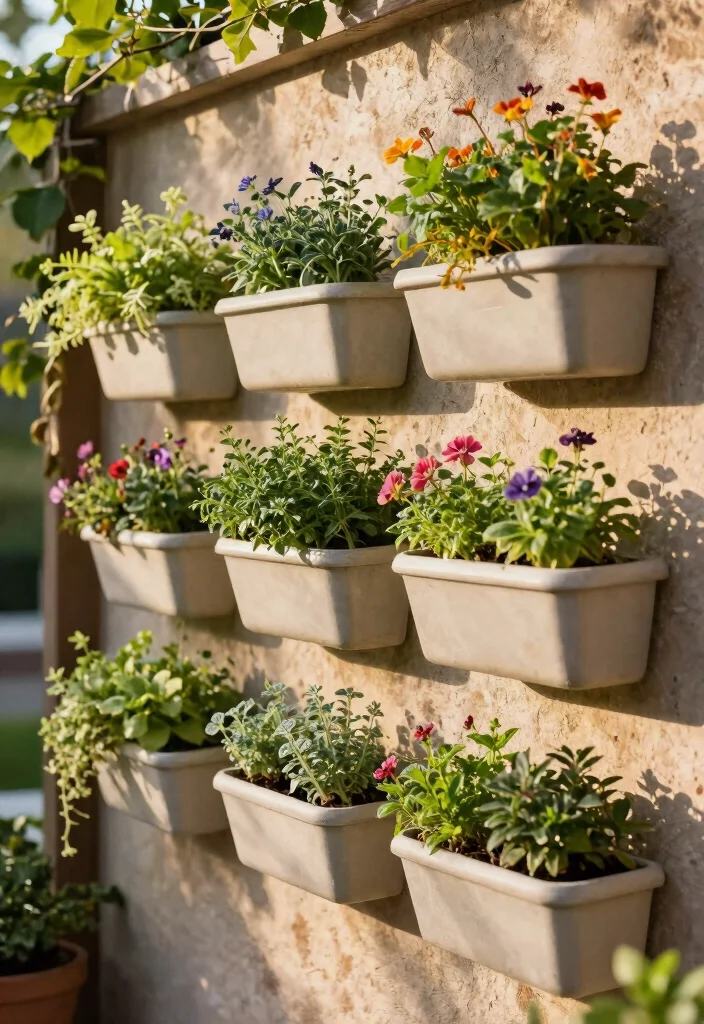
Maximize your gardening potential with wall-mounted planters, perfect for small spaces. These clever installations allow you to fill wall-mounted boxes or pockets with a variety of plants, transforming dull walls into vibrant displays. Herbs, trailing plants, or small flowers flourish in this setup, making the most of your vertical gardening space.
Select weather-resistant materials for outdoor use and ensure proper drainage for healthy plants. Mixing different plant types can create a visually stunning effect that brightens up your garden.
Consider these suggestions for wall-mounted planters:
– Arrange plants by height for added depth
– Incorporate a variety of colors and textures
– Regularly water and maintain your plants for longevity
Wall-mounted planters not only keep your garden organized but also add a stylish flair, turning any wall into a lively showcase of greenery.
11. Vertical Garden for Wildlife
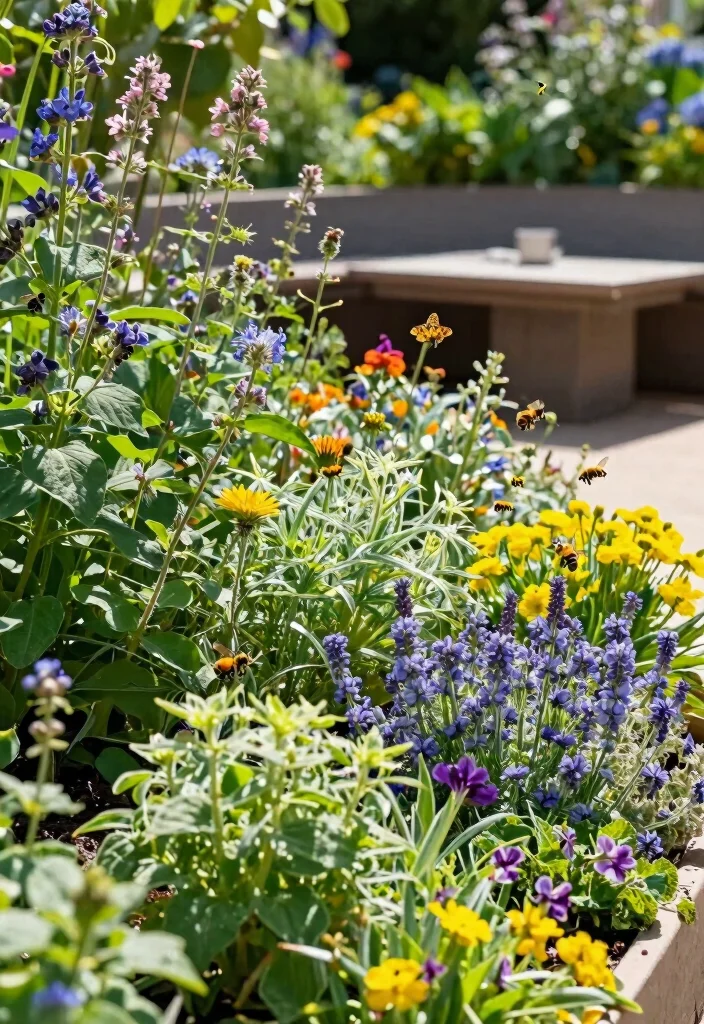
Design a vertical garden that supports local wildlife, particularly vital pollinators like bees and butterflies. By incorporating native flowering plants into your design, you can attract these helpful creatures while fostering biodiversity in your garden. Using a diverse range of plants creates a rich habitat that benefits the ecosystem.
Begin by selecting native plants suited for your region and arrange them to draw in different species. Avoid chemical pesticides to maintain a wildlife-friendly environment.
Follow these steps to develop a wildlife-friendly vertical garden:
1. Choose plants known to attract pollinators
2. Plant in clusters for maximum impact
3. Monitor the garden to ensure it remains a safe haven
Creating a vertical garden for wildlife not only enhances your backyard but also contributes to the health of your local ecosystem.
12. Upcycled Vertical Garden
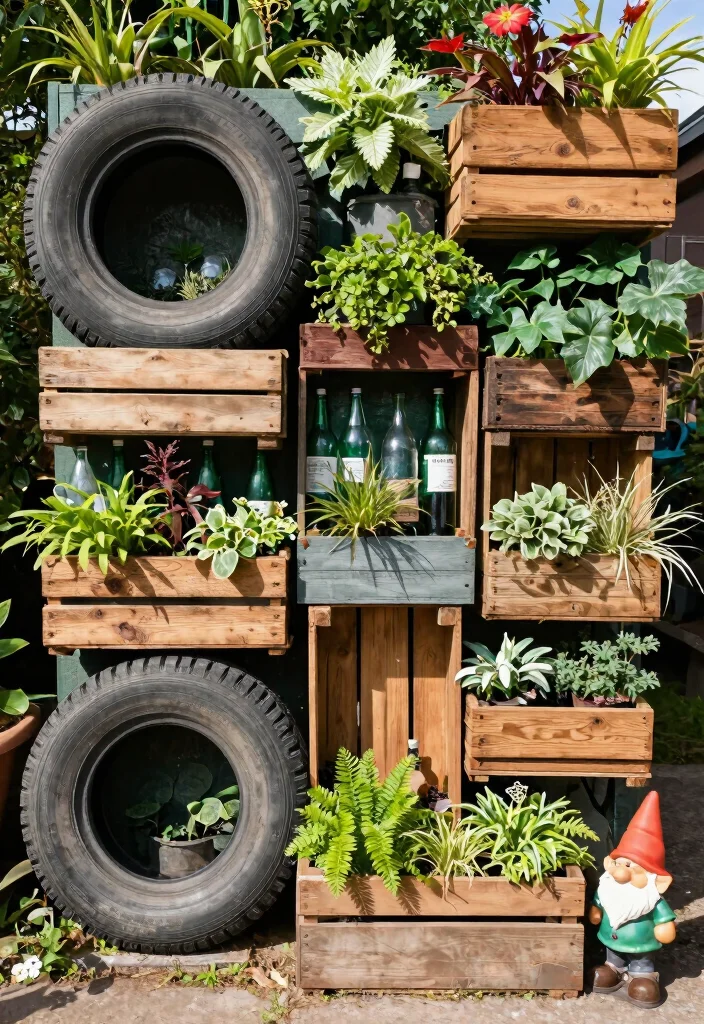
Embrace sustainability with an upcycled vertical garden, a creative way to showcase your gardening skills while reducing waste. Repurpose materials like old tires, bottles, or crates to craft unique planting areas that bring character to your garden. Fill these items with soil and plants, arranging them vertically for a quirky and artistic display.
Consider these ideas for upcycled materials:
– Paint and stack tires for colorful planters
– Mount old crates to walls for rustic charm
– Cut bottles in half for small herb gardens
An upcycled vertical garden is not just practical; it’s a fun way to express your creativity while supporting sustainable living, making your outdoor space truly one-of-a-kind.
Interesting fact: Upcycled vertical gardens can boost planting capacity by 30% in small spaces. Save waste, grow more greens—tire planters, crate walls, and bottle pockets turn clutter into charm. Start your garden ideas backyard with one colorful, creative vertical hack today.
Upcycled Vertical Garden
Editor’s Choice


13. Trellis for Small Spaces
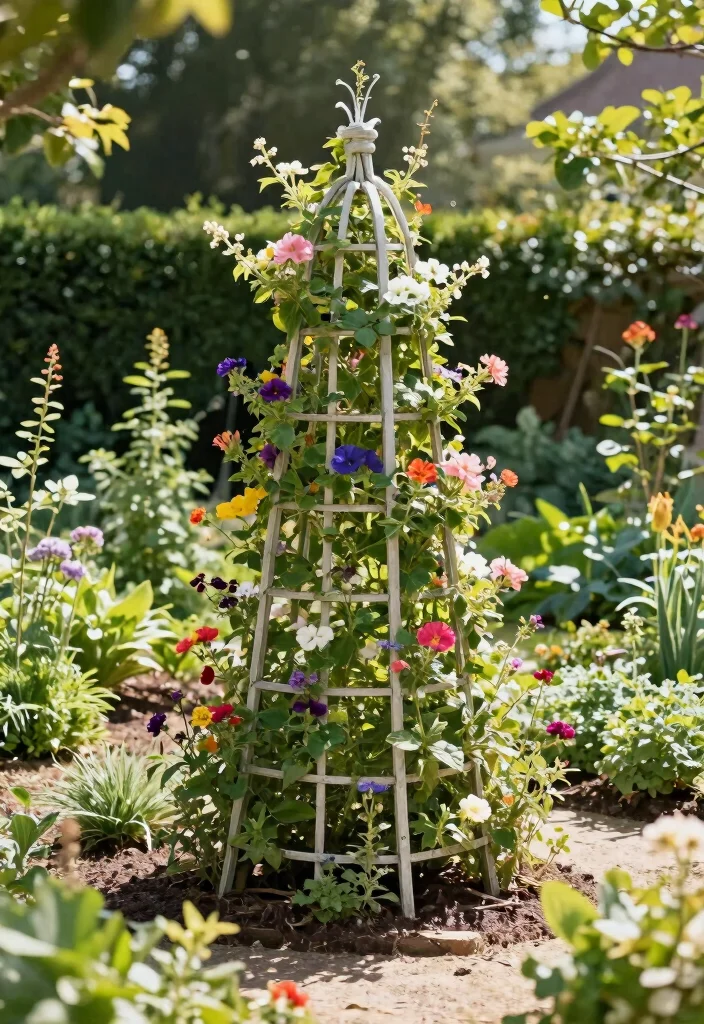
In small gardens, utilizing a trellis allows for vertical growth while conserving ground space. Choose a compact trellis structure for climbing plants like clematis or sweet peas, encouraging them to grow upward instead of sprawling. This method keeps your garden tidy, enhances visual interest, and can even create privacy in your outdoor area.
Select a trellis that complements your garden’s design, ensuring it’s made from sturdy materials to support your plants as they grow. Lightweight plant varieties are ideal to avoid overloading the trellis.
Here are some tips for incorporating trellises:
– Position them strategically for maximum effect
– Regularly check for pests on climbing plants
– Use ties to guide plants as they develop
Incorporating trellises adds dimension and charm to your garden, making it a more inviting space.
14. Create a Vertical Garden with PVC Pipes
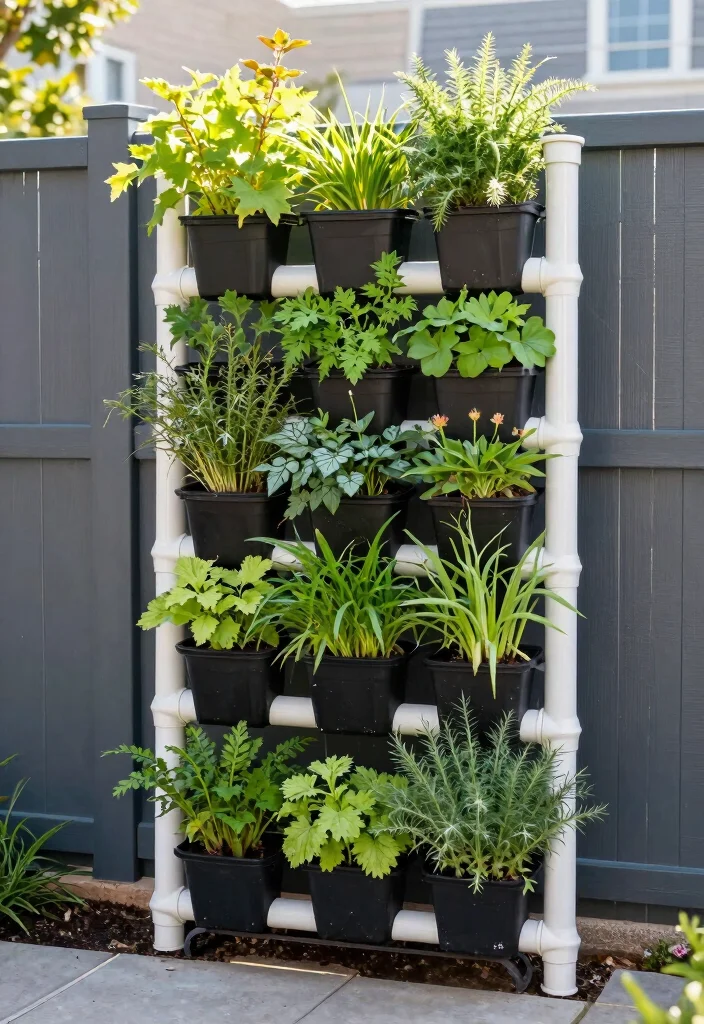
Discover the modern approach to vertical gardening by using PVC pipes. This innovative method involves cutting pipes into sections and securing them vertically to a wall or fence. Fill the sections with soil and your favorite herbs or flowers, creating a unique and space-saving garden that stands out with contemporary flair. Editor’s Choice
To create your PVC vertical garden, start by cutting the pipes to your desired lengths. Drill holes for drainage and secure them in an upright position. Fill with soil and carefully plant your selections, ensuring they have enough water.
Follow these steps to create your PVC vertical garden:
1. Cut pipes to the required lengths
2. Drill drainage holes and secure the pipes
3. Fill them with soil and plants for a stylish display
A PVC pipe vertical garden not only optimizes space but also adds a creative touch to your garden, merging functionality with modern aesthetics.
Create a Vertical Garden with PVC Pipes


Conclusion
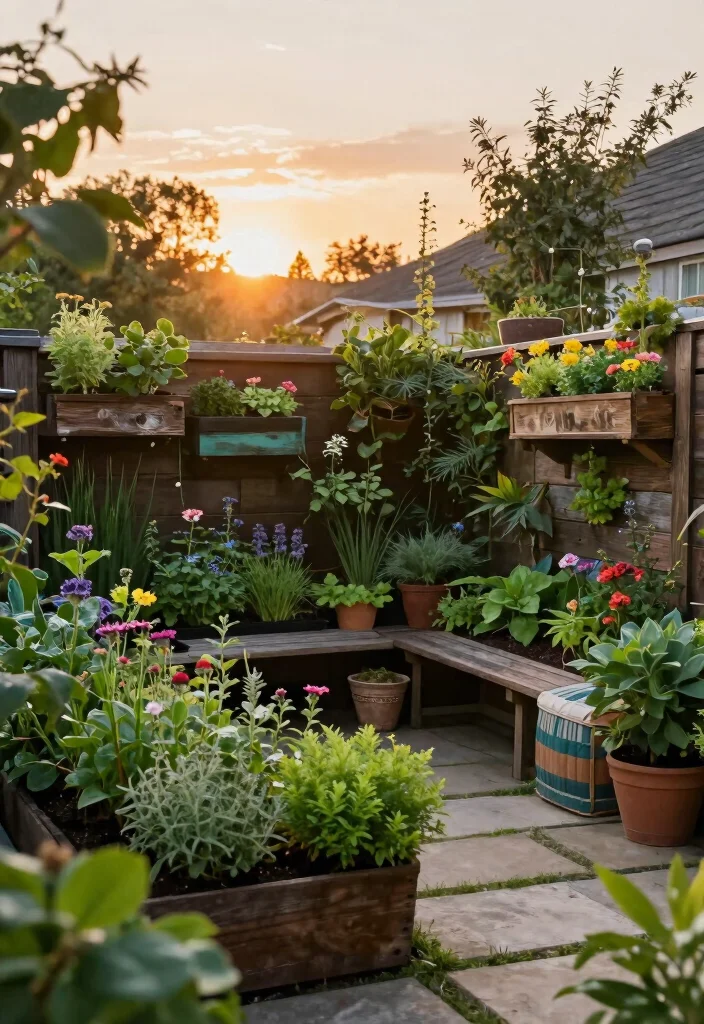
Maximizing your small backyard with vertical gardening can transform it into a beautiful and productive oasis. These ideas not only enhance the aesthetic appeal but also support sustainability and biodiversity in your outdoor space. So, whether it’s a simple herb garden or a whimsical ladder display, there’s no limit to what you can create in a small area. Get inspired and start your vertical gardening journey today! Note: We aim to provide accurate product links, but some may occasionally expire or become unavailable. If this happens, please search directly on Amazon for the product or a suitable alternative. This post contains Amazon affiliate links, meaning we may earn a small commission if you purchase through our links, at no extra cost to you.
Frequently Asked Questions
What are the top garden ideas backyard for small spaces, and how can vertical gardening help?
For small spaces, vertical gardening is a game changer because it frees floor space for seating and pathways while expanding growing area.
Start with wall-mounted planters, hanging pockets, trellises, and tall vertical beds. Choose compact varieties that perform well in containers, like dwarf tomatoes, bush beans, strawberries, and peppers.
Place vertical units along sun-facing walls and group plants with similar light needs. Use sturdy containers with good drainage and a simple drip irrigation or watering can to keep maintenance manageable. When you mix in garden ideas backyard, add a small seating area, herb rail, and a colorful vertical focal point to blend beauty with productivity.
How can I design backyard landscaping ideas that maximize produce with vegetable garden designs in a tight space?
Map your sun and shade first to place edibles where they’ll thrive.
Group zones: growing beds on one side, a compact seating area on another, and a compost/rainwater corner tucked away. Use raised beds or vertical trellises to boost soil depth and airflow in a small footprint.
For vegetable garden designs, use a square-foot or modular system so you can rotate crops easily and keep maintenance minimal. Finish with mulch and trellises that match your style for cohesive backyard landscaping ideas.
What are vegetable garden designs that work in a small backyard, and which crops yield best in containers or vertical setups?
Think compact and layered. Use 12-20 gallon containers for larger herbs and peppers, 5-7 gallon pots for cherry tomatoes or strawberries, and vertical trellises for beans and cucumbers.
Choose crops that perform well in small spaces: leafy greens, bush beans, cherry tomatoes, peppers, radishes, and herbs. Practice square-foot gardening to maximize harvest per square foot and rotate crops yearly to protect soil health.
Pair edibles with flowering companions like nasturtiums to attract pollinators and add color to your small garden.
How can I find flower bed inspiration for a small backyard without sacrificing space for edibles?
Focus on color, texture, and height variation rather than size. Mix flower bed inspiration with edible blooms like calendula, nasturtium, and chives for beauty and practicality.
Use narrow raised beds or border edges that run along fences to keep the center open for vegetables. Add vertical accents like a trellis with climbing ornamentals or a small vertical herb wall to introduce height and interest.
Choose a cohesive color palette and repeat plants across the yard so your small space feels intentional and lush.
What are practical tips to create outdoor living spaces and small garden solutions that work year-round in a backyard?
Design multi-use zones: a compact seating area, a container kitchen garden, and a sheltered plant corner all in one.
Use durable, weatherproof furniture and lighting to enjoy evenings outside. Install a simple irrigation system or soaker hoses to keep edibles thriving with minimal effort, and mulch to reduce weeds.
Choose evergreen or seasonally adaptable plants and incorporate vertical gardening to maximize space without clutter. With smart planning, your outdoor living spaces become welcoming year-round, while small garden solutions keep maintenance low and yields high.