Creating a beautiful garden filled with flowers can transform any outdoor space, but what if you’re limited on room? The struggle is real, especially for those of you living in apartments or homes with small yards. This is why I put together this collection of flower planter ideas tailored specifically for small spaces. You don’t need a sprawling backyard to enjoy the beauty of flowers; with the right containers and arrangements, you can bring vibrant color and life to even the tiniest nooks. If you’re someone who loves gardening but feels confined by limited space, this post is for you. Whether you’re a seasoned gardener or just starting to dip your toes into the world of plants, these creative planter arrangements will inspire you. From hanging baskets to vertical planters, you’ll find ideas that not only brighten your space but also maximize your growing potential. Dive into these twelve unique designs that promise bright and lush displays throughout every season. Get ready to unleash your creativity! With these flower container designs, you can craft stunning outdoor displays that reflect your personal style. You’ll learn practical tips for outdoor gardening, including how to pair different flowers for maximum impact and what seasonal blooms work best for your chosen planters. Let’s get started on your journey to a more colorful garden!
Key Takeaways
– Discover twelve unique flower planter ideas perfect for small spaces, ensuring you can enjoy a garden even in tight areas. – Learn about vertical flower planters and how they can save space while adding flair to your outdoor environment. – Explore various flower container designs, including hanging baskets and repurposed materials, to add character to your garden. – Gain practical outdoor gardening tips for maintaining your planters, including how to choose plants that thrive in small spaces. – Find inspiration for seasonal flower planters that will keep your outdoor displays fresh and exciting all year round.1. Towering Vertical Planters
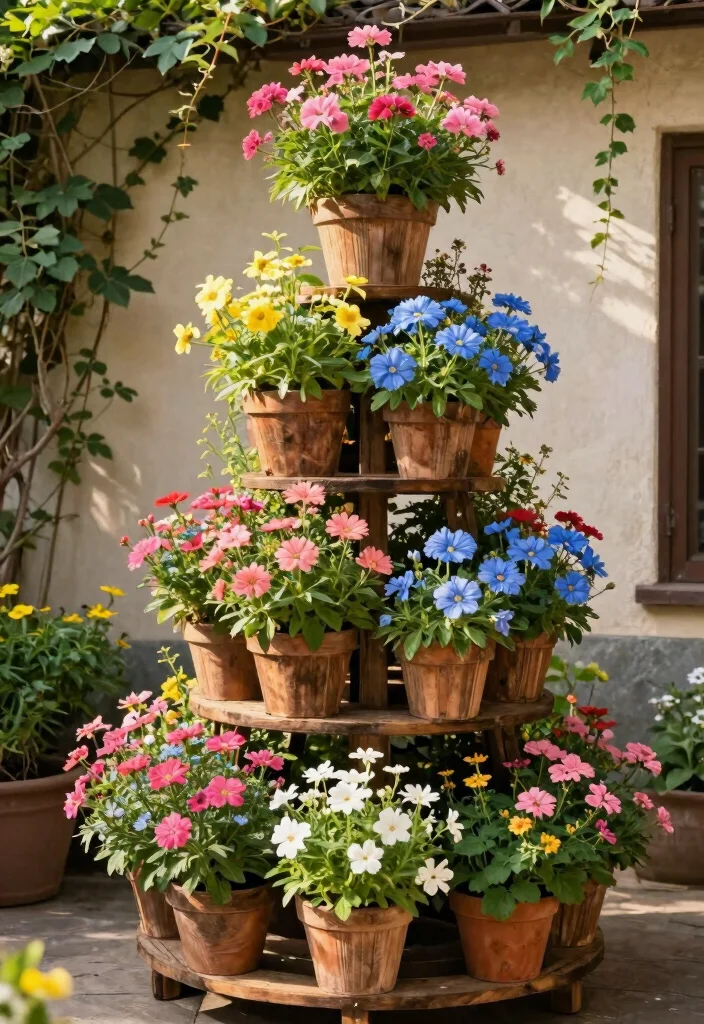
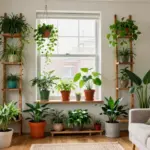
If you’re short on space but crave a vibrant garden, towering vertical planters are your answer. These impressive structures stack flower containers upward, transforming even the tiniest corners into breathtaking displays. Choose materials like wood, plastic, or even upcycled pallets, and select flowers that elegantly spill over, such as lobelia or trailing petunias, to create a cascading effect. Editor’s Choice
To get started, ensure your planters have good drainage, and opt for a lightweight potting mix to keep everything stable. Consider adding herbs like basil or mint to enhance both aesthetics and aroma. Position these planters against walls or fences to breathe life into otherwise dull areas.
Key steps to create your vertical garden:
– Gather materials: planter frame, potting mix, flowers, herbs.
– Fill the bottom planter with soil, plant flowers, and repeat upward.
– Secure the frame to the wall for added stability.
This approach not only maximizes your gardening space but also creates a stunning visual centerpiece that draws the eye.
Towering Vertical Planters




2. Hanging Basket Beauties
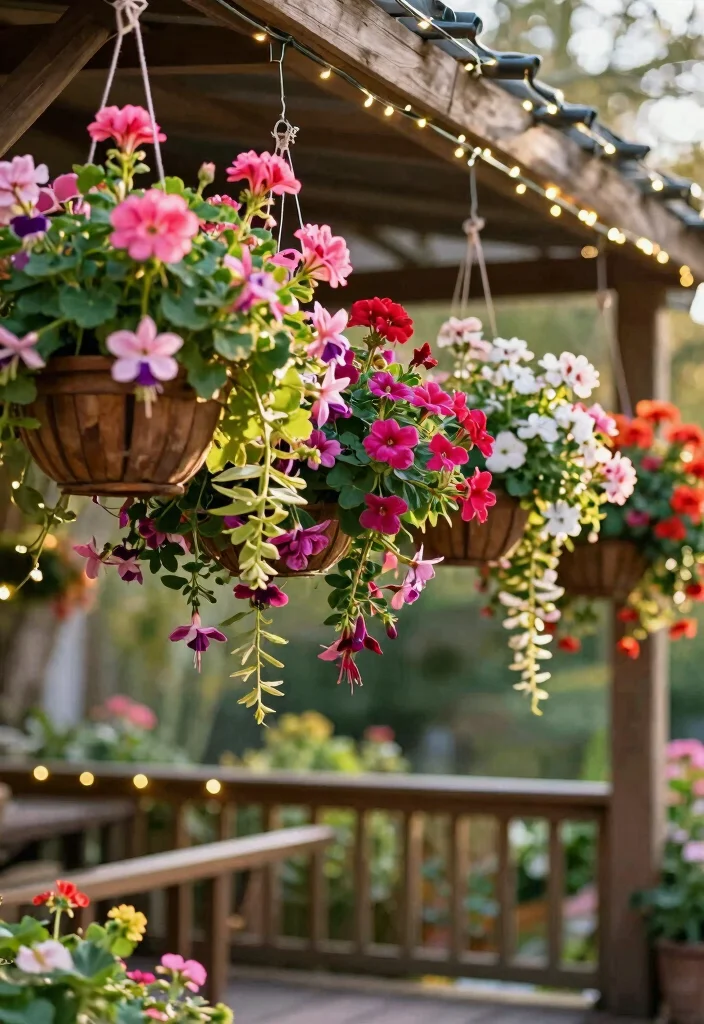
Hanging baskets instantly elevate your outdoor space, perfect for adding color to patios or balconies. These planters allow you to mix various flowers, creating a lively display that catches attention. Opt for blooms like geraniums or fuchsias that thrive in hanging arrangements for a cheerful atmosphere.
Keep in mind that hanging baskets may dry out more quickly than traditional planters, so be ready to water them frequently. Incorporate trailing plants for extra depth and to attract pollinators into your garden.
Essential materials for your hanging baskets:
– Secure hooks for hanging.
– Baskets filled with potting mix and flower selections.
– Position plants securely to prevent falls.
With the right care, these baskets will not only brighten your space but also create a delightful haven for bees and butterflies.
Hanging baskets are the tiny-stage where flower planter ideas come to life: mix geraniums and fuchsias for color, and keep them hydrated since they dry out faster. Pro tip: add trailing plants for depth and easy drama on patios.
Hanging Basket Beauties
Editor’s Choice


3. Repurposed Wood Crates
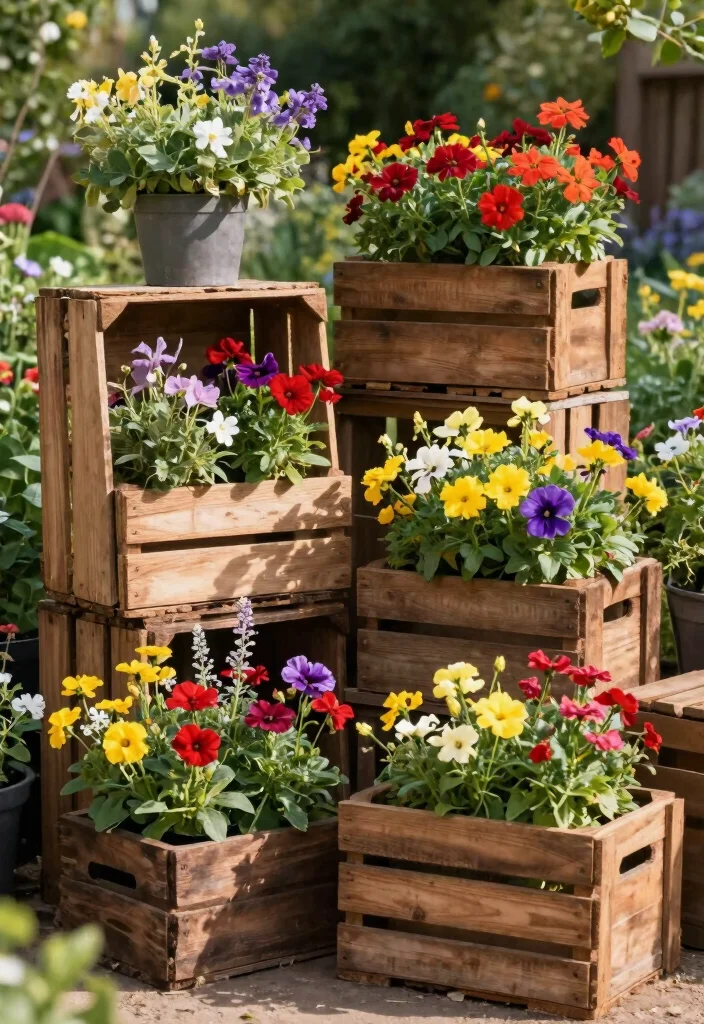
Transforming old wood crates into charming flower containers is a sustainable choice that adds rustic flair to your garden. These versatile planters can be stacked or creatively arranged, making them eye-catching focal points. Fill them with seasonal blooms to ensure your display remains fresh and inviting throughout the year.
Consider mixing different flower types in each crate for a layered look, and they can also house smaller plants like succulents. A splash of paint can further personalize your crates and enhance their charm.
Steps to create your wood crate planters:
– Gather old crates and optional paint.
– Drill drainage holes in the bottom.
– Fill with potting mix and plant flowers.
With minimal effort, you can elevate your garden aesthetics while promoting eco-friendly practices.
📹 Related Video: How To Build A Reclaimed Wood Crate
How To Choose the Right Vertical Flower Planter
When you’re looking to brighten up a small space with flowers, the right vertical flower planter can make a world of difference. Here are some key points to consider to ensure your choice fits well with your home and garden style. 1. Size MattersConsider the available space in your area. Measure the height and width of the wall or space where you plan to install the planter. If you have limited room, opt for a tall and narrow planter that utilizes vertical space efficiently without taking up much floor space. For wider areas, you can choose a broader planter that allows for a mixed variety of flowers. A good rule of thumb is to ensure that the planter doesn’t exceed one-third of the wall space to maintain balance.
2. Material Selection
The material of your vertical planter will affect its durability and style. Common choices include wood, metal, and plastic. Wooden planters offer a rustic charm but may require treatments to withstand moisture. Metal planters can add a modern touch but may need insulation to protect roots from heat. Plastic is lightweight and easy to move, making it user-friendly for seasonal changes. Always choose a weather-resistant material if your planter will be outdoors.
3. Drainage Features
Proper drainage is vital for healthy flowers. Look for planters with drainage holes or built-in water reservoirs to prevent overwatering. If you choose a planter without drainage, ensure you place a layer of gravel at the bottom to facilitate drainage. This will help maintain soil health and avoid root rot, keeping your flowers vibrant and thriving.
4. Plant Compatibility
Think about the types of flowers you want to grow. Some flowers thrive in full sun, while others prefer shade. Planters with multiple tiers or pockets can accommodate various flower types, allowing you to mix and match. Consider seasonal flower planters that can be changed out throughout the year. Always check the sunlight and watering needs of your chosen flowers to ensure they are compatible with the planter’s environment.
5. Style and Design
The design of your vertical flower planter should complement your home’s aesthetic. If you have a modern home, sleek metal or geometric designs might work best. For a rustic look, wooden planters with a weathered finish could be perfect. Choose colors that align with your garden theme and consider whether you want a more structured look or a whimsical, free-flowing arrangement.
6. Budget Considerations
Consider how much you’re willing to spend on your vertical flower planter. Pricing varies significantly based on size, material, and brand. You can find budget-friendly options at garden centers or online retailers. If you’re feeling crafty, consider DIY planter options using repurposed items. This can save money and allow for a personal touch.
Pro Tip: Always check online reviews or ask friends for recommendations when selecting a planter. Hearing about real-life experiences can guide you toward the best options available and prevent potential buyer’s remorse.
By following these guidelines, you can confidently choose a vertical flower planter that enhances your space and fosters beautiful, lush displays. Happy gardening!
4. Wall-Mounted Planters
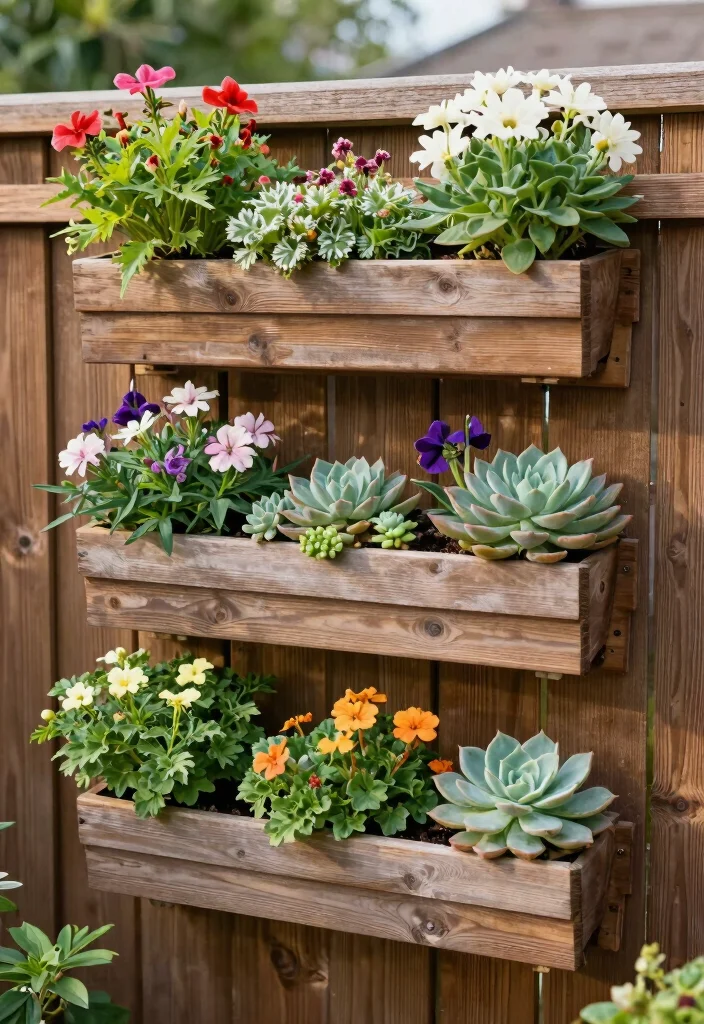
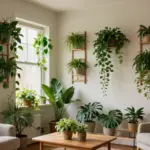
Wall-mounted planters are an excellent way to introduce greenery without taking up valuable ground space. Perfect for fences, walls, or even indoor settings, these planters add an innovative touch to any environment. You can thrive with succulents, herbs, or colorful flowers, creating a stunning green tapestry in your home.
Choose wall planters that provide adequate drainage to prevent water buildup, and consider mixing colors and textures for visual interest. Using a consistent style across multiple planters will create a cohesive look.
Materials you’ll need:
– Wall-mounted planters and potting soil.
– A selection of your favorite plants.
– Securely attach planters and fill with soil before planting.
These planters not only beautify your space but also enhance air quality, making them a smart choice for any home.
5. Vertical Garden Panels
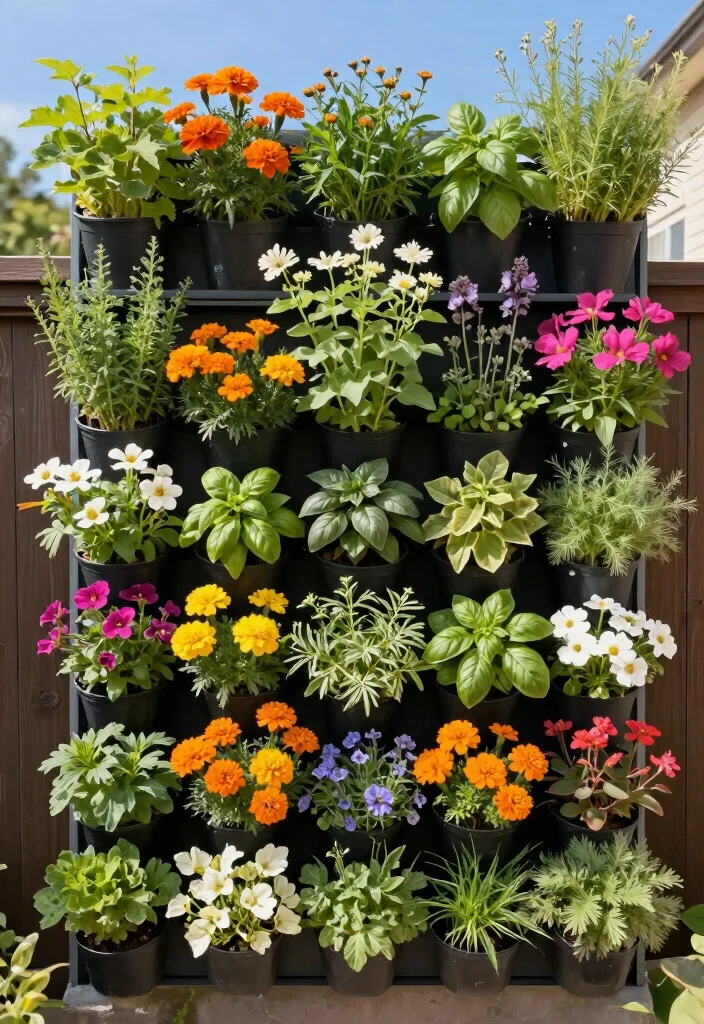
Creating a vertical garden panel is a fantastic way to maximize space and add visual interest to your surroundings. Whether you choose a pre-fabricated option or a DIY project, customizing the look to fit your style is easy. Colorful flowers, herbs, or even edible plants flourish in this setup, providing both beauty and functionality.
When selecting a panel, ensure it has a durable backing and allows for adequate drainage. Regular maintenance will keep your plants thriving and your panel looking its best.
Key materials for your vertical garden panel:
– Vertical garden panel kit and potting mix.
– A choice of flowers and herbs.
– Assemble the panel securely, then fill it with plants in the provided pockets.
This unique gardening method not only beautifies your space but also allows for practical gardening in limited areas.
Fun fact: Vertical garden panels can double plant capacity in small spaces, with 12–20 flowers thriving in a compact wall. Flower planter ideas become practical, too—group herbs and bright blooms for color and easy maintenance.
6. Pallet Gardens
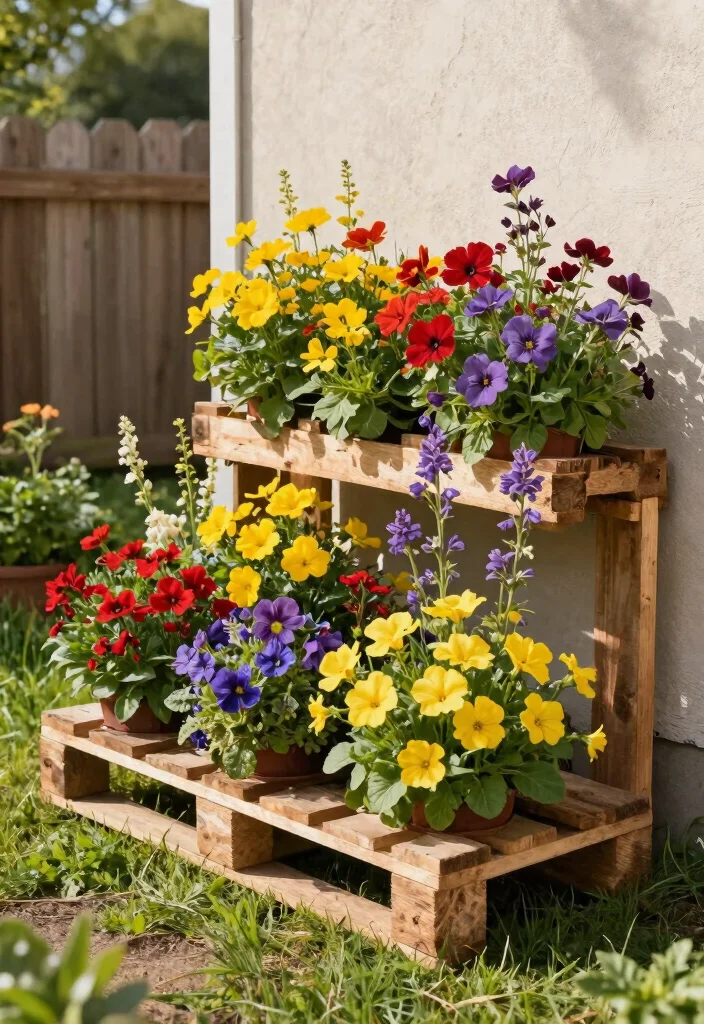
Using wooden pallets as flower planters is a trendy solution for gardening in small spaces. Positioned upright against a wall or laid flat, these pallets can accommodate a variety of flowers, creating stunning layered displays. The rustic charm of the wood beautifully complements brightly colored blooms. Editor’s Choice
To ensure stability, secure the pallets and fill them with lightweight potting mix. You can also customize the look with paint or stencils for a playful touch.
Necessary materials include:
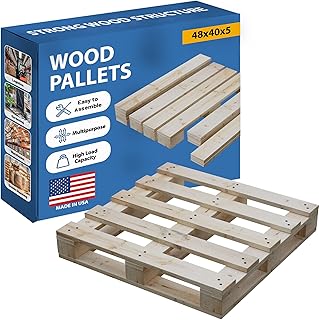
– A wooden pallet and potting mix.
– A selection of flowers.
– Position the pallet, fill with soil, and plant flowers in each gap.
This inventive approach allows you to create a vibrant garden that stands out while being friendly to your budget.
Pallet Gardens



7. Colorful Window Boxes
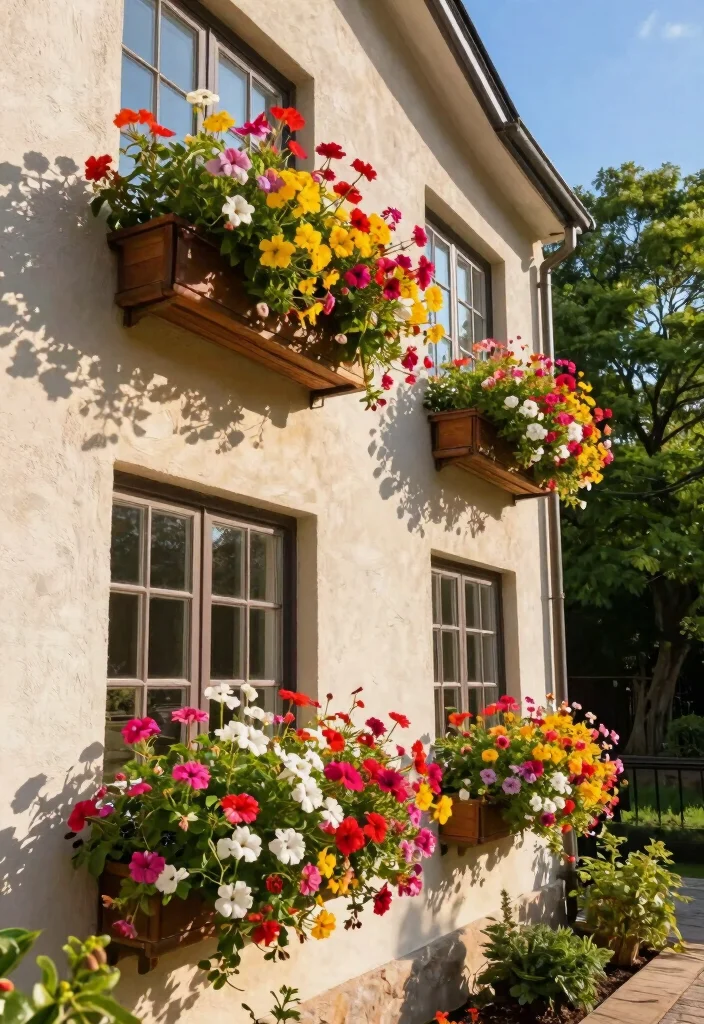
Window boxes are a delightful way to add charm to your home’s exterior, showcasing flowers just outside your window. These containers can sit on windowsills or hang beneath windows for added visual interest. Choose a mix of annuals and perennials for continuous blooms throughout the seasons.
Make sure your window boxes have drainage holes to prevent overwatering, and incorporating trailing flowers can create a beautiful overflow effect. These planters also offer a great opportunity to attract butterflies and bees.
Materials needed include:
– Window box containers and potting mix.
– A variety of colorful flowers.
– Fill the boxes with soil and plant your flowers securely.
With a bit of care, your window boxes will transform your view and bring joy to your home every day.
8. DIY Tire Planters
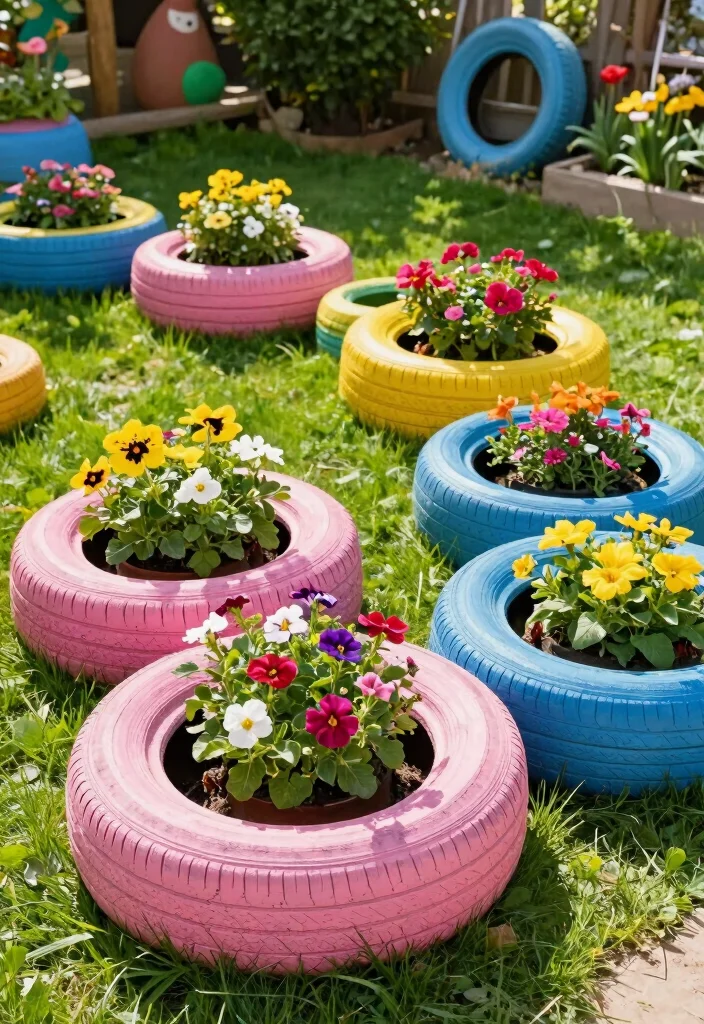
Old tires can become a fabulous and unexpected way to create unique flower planters. With a splash of paint and a dash of creativity, they can transform into fun containers for your garden. Stack them or arrange them in various configurations for a playful and vibrant look. Editor’s Choice
Bright flowers like zinnias or marigolds add cheerful color to your tire planters. You can even paint the tires in vibrant colors to create an eye-catching display, or design themed gardens with different colored flowers in each tire.
Materials for your DIY tire planters include:
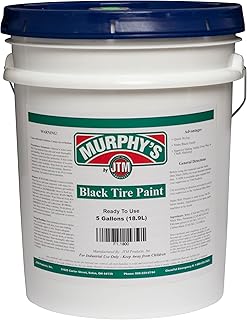
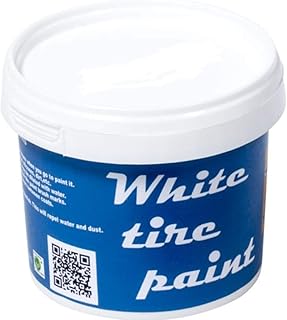
– Old tires and outdoor paint.
– Potting mix and assorted flowers.
– Clean and paint the tires, fill with soil, and plant.
This creative gardening approach not only recycles but also adds personality and charm to your garden.
DIY Tire Planters


9. Clustered Container Gardens
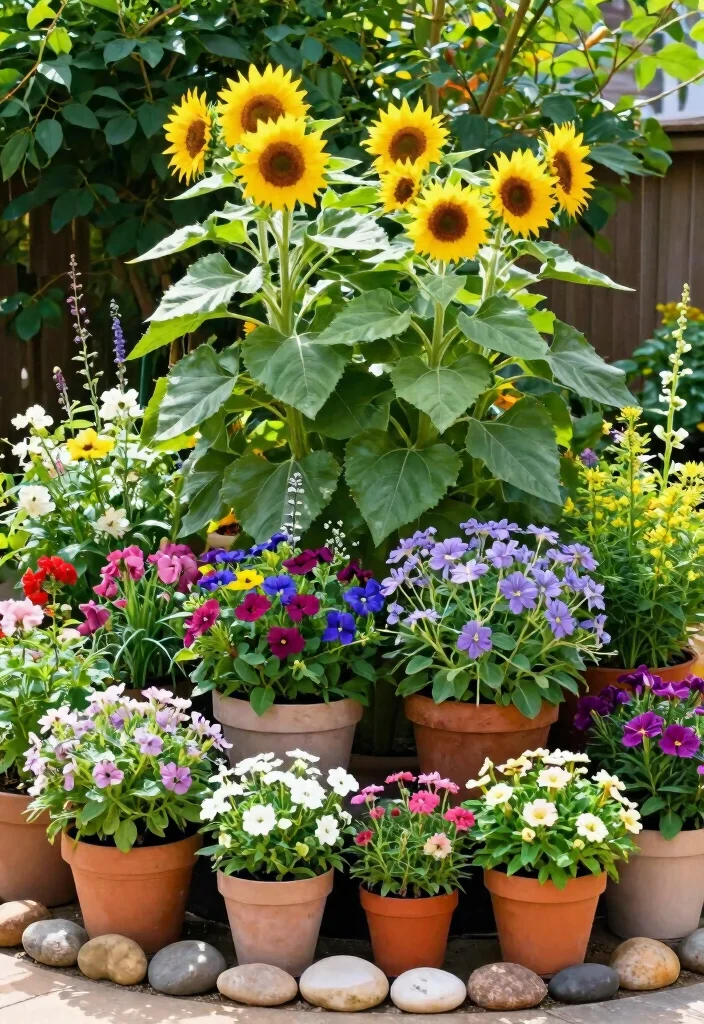
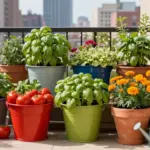
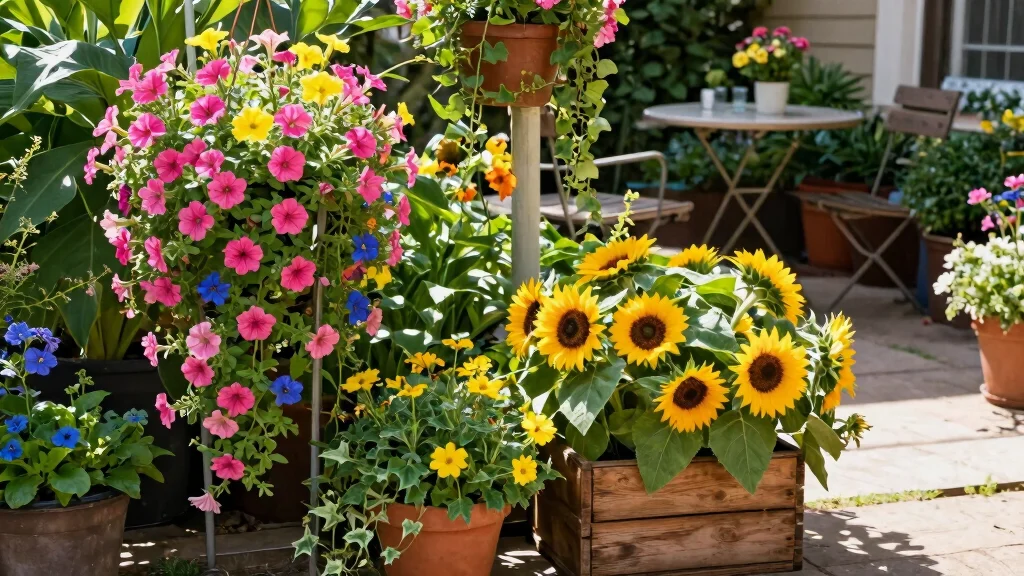
Creating a clustered container garden allows you to explore heights and textures within a compact area. By grouping different flower containers with varying sizes and shapes, you can achieve a dynamic and visually appealing display. Mix annuals and perennials for a continuous bloom, layering taller plants in the back and shorter ones in the front.
Using cohesive colors or themes across the containers will give your garden a unified look. Accessorizing with decorative stones or mulch can elevate the overall appearance even further.
Materials needed for your clustered garden include:
– A variety of flower containers and potting mix.
– Different flower selections.
– Start by placing larger pots in the back, then arrange smaller containers in the front.
This method not only brings life to your space but also allows for flexibility and creativity in your gardening design.
10. Scented Herb Planters
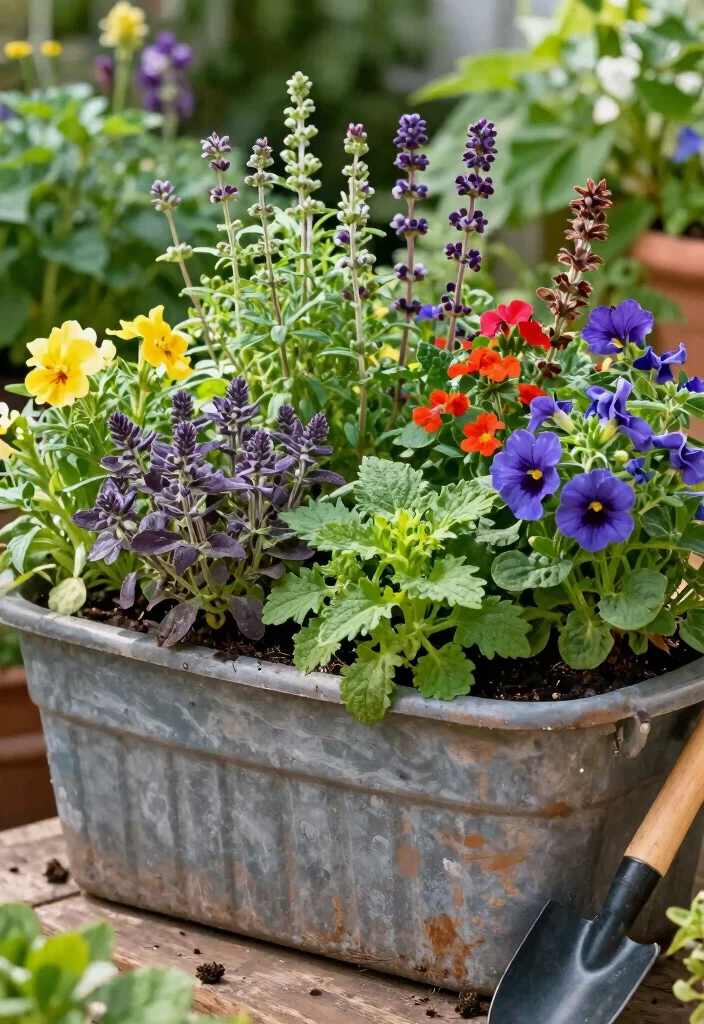
Mixing herbs with flowers in your planters adds delightful fragrance while creating a sensory experience. Consider using aromatic herbs like lavender, mint, or rosemary alongside colorful blooms such as pansies or daisies. These combinations not only enhance your garden’s beauty but can also elevate your culinary creations. Editor’s Choice
Ensure that your herbs and flowers have similar sunlight and water requirements, allowing them to thrive harmoniously in the same pot. Regularly harvesting your herbs will keep them healthy and encourage new growth.
Key materials for your scented herb planters:
– A flower container and potting mix.
– A mix of herbs and flowers.
– Fill the container with soil, plant your selections, and water them appropriately.
This combination offers both aesthetic and practical benefits, making your garden a feast for the senses.
Scented Herb Planters


11. Seasonal Flower Planters
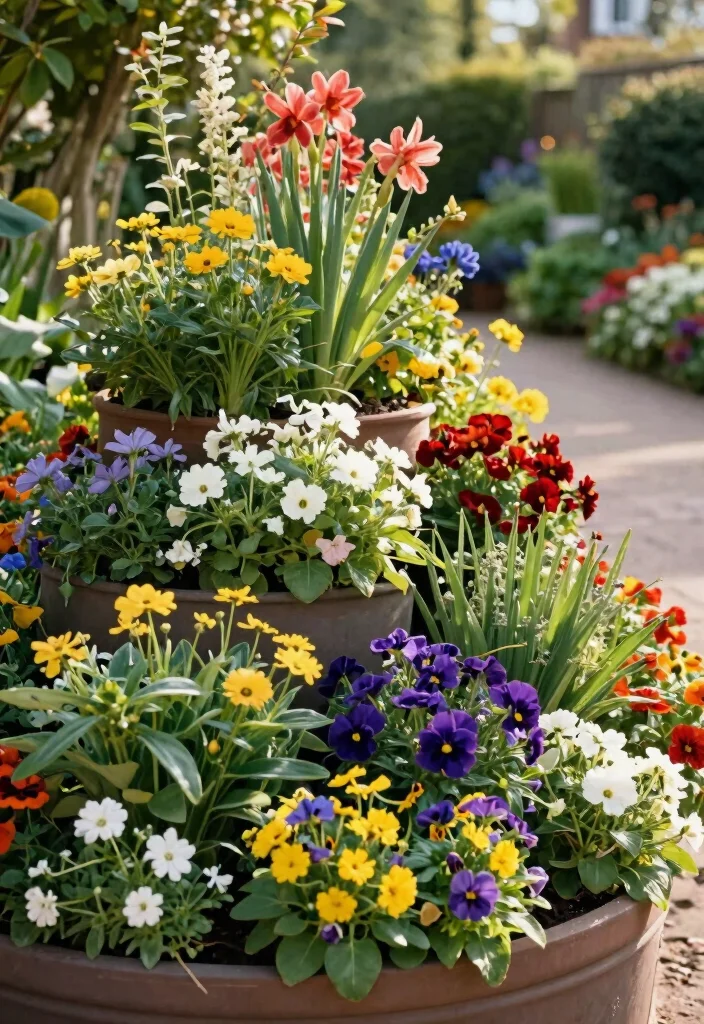
Seasonal flower planters allow you to refresh your garden’s appearance throughout the year. Each season brings its own array of flowers, from spring tulips and daffodils to summer zinnias and petunias, and fall chrysanthemums and pansies. This rotation keeps your garden lively and engaging all year round.
To make the most of this concept, rotate your plants with the seasons, ensuring you select flowers that bloom at different times. Mixing in evergreen plants can provide greenery even in winter months.
Materials you’ll need:
– Seasonal flowers based on your climate.
– Various containers and potting mix.
– Research seasonal flowers, fill your containers with appropriate soil, and plant accordingly.
This approach not only celebrates the changing seasons but also keeps your outdoor space vibrant and alive.
Fun fact: Rotating seasonal flower planters every 6-8 weeks keeps soil microbes active and your display fresh. Mix spring blooms with evergreen filler to maintain color year-round.
12. Obelisk Planters
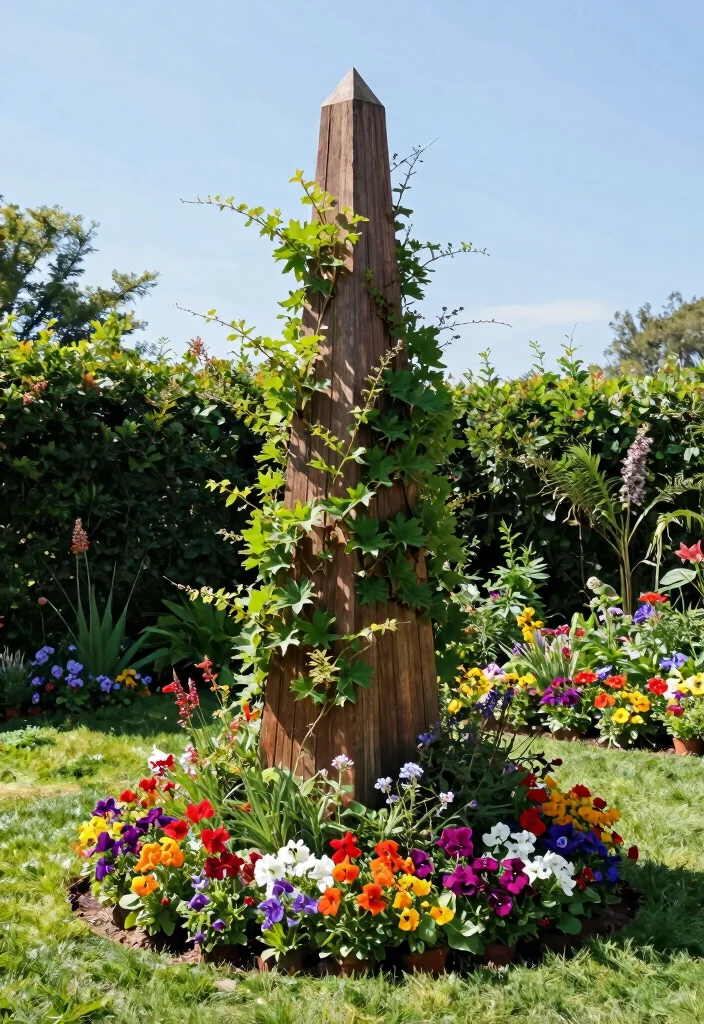
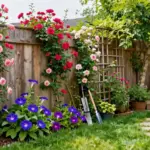
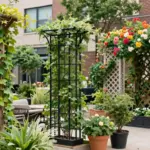
Obelisk planters are a striking way to introduce height and visual interest into your garden. These vertical structures support climbing plants like sweet peas or nasturtiums, creating a dramatic focal point. Surround the base with flowers for a lush, full appearance.
Consider painting or decorating your obelisk to match your garden style, adding a personal touch. Ensure that the base is securely anchored to withstand strong winds, and regularly check the climbing plants to ensure they are well-tied.
Materials needed:
– An obelisk structure and potting mix.
– Climbing plants and surrounding flowers.
– Position the obelisk in your desired spot, plant climbing plants at the base, and surround them with colorful blooms.
This approach not only enhances your garden’s aesthetic but also creates a captivating vertical element that draws the eye.
Conclusion
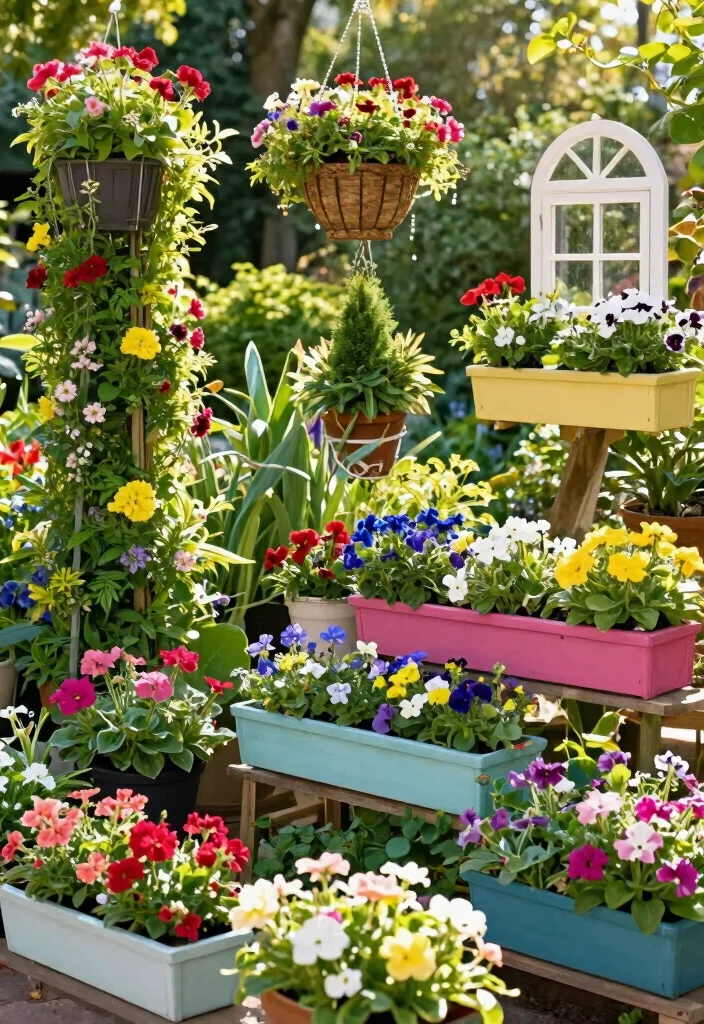
Embracing vertical flower planters is an exciting way to maximize your gardening potential, especially in smaller spaces. By incorporating these flower planter ideas, you can enjoy vibrant displays that change with the seasons, offering beauty and joy. Dive into the world of gardening and see how these creative arrangements can brighten your surroundings and spark joy in your life. Note: We aim to provide accurate product links, but some may occasionally expire or become unavailable. If this happens, please search directly on Amazon for the product or a suitable alternative. This post contains Amazon affiliate links, meaning we may earn a small commission if you purchase through our links, at no extra cost to you.
Frequently Asked Questions
What are the best flower planter ideas for small vertical spaces?
To make the most of small vertical spaces, start with flower planter ideas that go upward. Use wall-mounted pocket planters, a trellis with lightweight pots, or railing planters to free floor space.
Choose plants that suit your sun exposure and enthusiasm for care. Make sure each container has drainage, a light potting mix, and a simple watering plan.
For seasonal interest, rotate a few blooms every few weeks. Keep the color story cohesive by sticking to 2-3 complementary tones, and you’ll achieve vibrant flower displays that spark joy all season.
How can I create eye-catching flower container designs in a tiny balcony or patio?
On a tiny balcony, the secret is thoughtful flower container designs and clever placement. Use matching pots or a mix of textures for visual interest. Elevate with tiered stands, wall hooks, and hanging baskets to push blooms upward.
Group containers by sun needs and water schedule for easy maintenance. Pick a cohesive color palette and add a focal bloom to anchor the display. These tips help you craft creative planter arrangements that look full and deliberate, even in a compact space.
What are some creative planter arrangements to maximize blooms all season?
Want blooms from spring to fall? Try creative planter arrangements that layer vertical space with staggered levels. Pair trailing varieties with compact upright types so color spills both down and up. Plan a rotating schedule: cool-season blooms in spring, warm-season favorites in summer, and autumn interest with grasses or mums.
Mix a few perennials with annuals to maintain vibrant flower displays with minimal ongoing work. Pro tip: refresh soil yearly and mulch to conserve moisture and reduce maintenance.
What outdoor gardening tips help keep vibrant displays in small spaces?
For small spaces, prioritize practical outdoor gardening tips. Position planters to match sun exposure, ensure good drainage, and use a lightweight soil mix.
Water early in the day to minimize disease, fertilize sparingly, and mulch to conserve moisture.
Choose durable, weather-resistant containers and group plants with similar water needs. Protect from strong winds and pests with simple barriers to keep vibrant flower displays thriving.
How do I choose seasonal flower planters to keep color year-round in a compact area?
Plan with seasons in mind, selecting a mix of seasonal flower planters that give color all year. Include a few frost-hardy perennials or bulbs for off-season color, and rotate annuals as the weather changes.
Choose containers that are easy to swap soil and plants in and out, so you can refresh with new blooms without a full makeover.
Keep a simple calendar for planting and re-potting, and you’ll enjoy flower planter ideas that remain lively through every season.