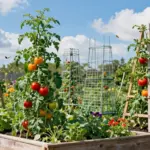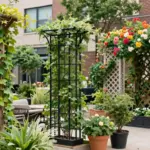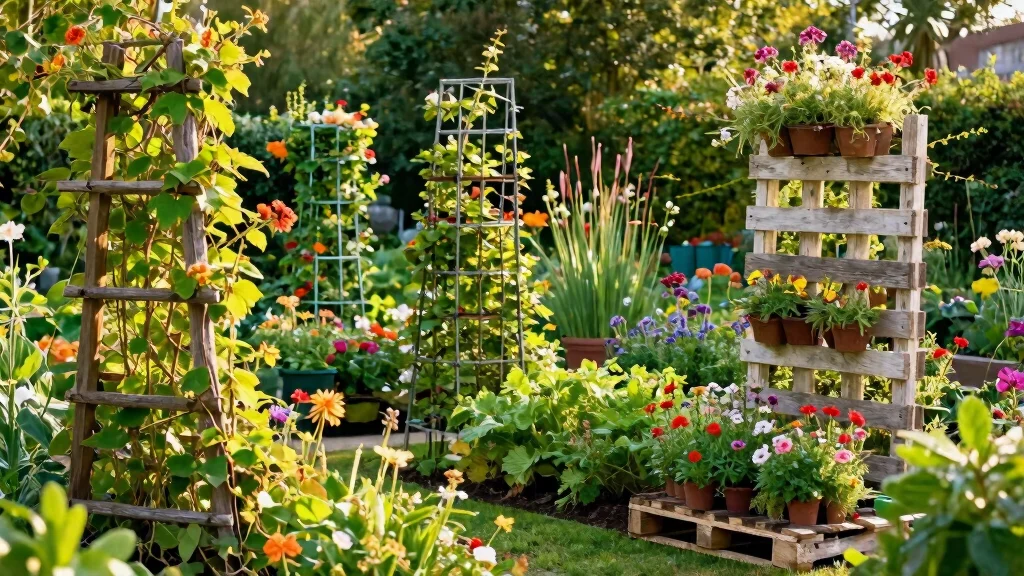
Creating a beautiful garden space can feel daunting, especially if you’re just starting out. With the growing popularity of vertical gardening, using trellises can transform even the smallest areas into lush green escapes. That’s why I crafted this list of 14 easy trellis ideas that are perfect for beginner gardeners. These projects are simple, affordable, and require minimal tools, making them accessible for anyone eager to dig into gardening.
If you’re someone who dreams of a vibrant garden but feels overwhelmed by the possibilities, this post is for you. Whether you live in a tiny apartment with a balcony or a house with a small yard, these trellis ideas will help you maximize your growing space. No matter your plant preferences—be it climbing vegetables, flowering vines, or fragrant herbs—these projects offer practical solutions that support your plants while adding unique charm to your outdoor space.
By the end of this post, you’ll find not only inspiration for your gardening journey but also actionable steps to create your own stunning trellis. From repurposing materials around your home to choosing the best designs for your plants, you’ll gain confidence in your gardening skills. Get ready to elevate your vertical gardening game with these easy and effective trellis ideas.
Key Takeaways
– Explore various designs: Each of the 14 trellis ideas offers a unique style, catering to different tastes and gardening needs. – DIY projects: Many of these trellis concepts utilize everyday materials, making them cost-effective and easy to assemble. – Support for various plants: Whether you’re growing tomatoes or climbing flowers, these trellises provide essential support tailored to your plants’ needs. – Space-saving solutions: Vertical gardening helps maximize limited space, allowing you to grow more plants in smaller areas. – Boost aesthetic appeal: A trellis can enhance the beauty of your garden, turning a simple patch into a visually appealing green sanctuary.1. Simple A-Frame Trellis
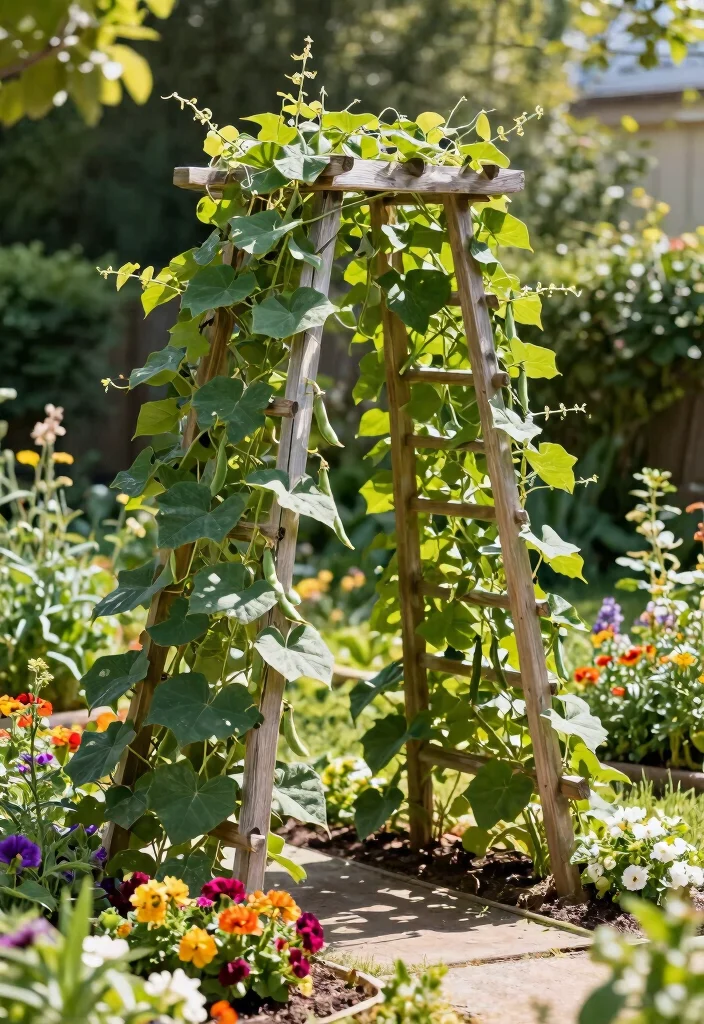
Looking for an easy way to support your climbing plants? The Simple A-Frame Trellis is perfect for beginners, providing a sturdy structure that helps plants like peas and beans thrive. Its design ensures that sunlight reaches all parts of your plants, promoting lush growth while saving space in your garden.
To make your own, gather two wooden stakes, twine, and some horizontal slats. Assemble the stakes into an A shape, securing them with twine for stability.
Key materials to gather:
– 2 wooden stakes
– Horizontal wooden slats
– Twine
Simple steps to build your trellis:
1. Position the stakes in an A formation, leaving room for plants at the base.
2. Attach slats across the A-frame and space them well for climbing.
3. Secure everything tightly with twine for support.
This trellis not only serves a practical purpose but also adds a charming focal point to your garden.
Fun fact: When you use easy trellis ideas like a Simple A-Frame, you can reclaim up to 40% more growing space for peas and beans in small gardens. It shelters plants, saves space, and boosts sunlight.
2. Repurposed Ladder Trellis
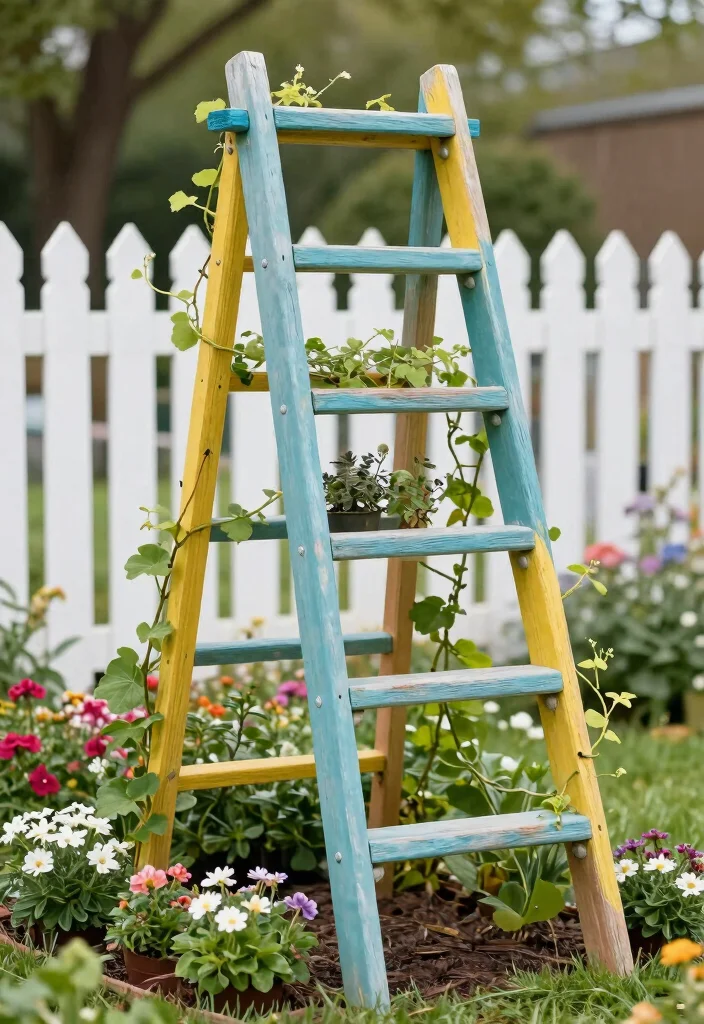
Got an old ladder laying around? The Repurposed Ladder Trellis is a creative way to give it new life while supporting your climbing plants. Lean it against a wall or fence for a rustic touch that works beautifully with plants like cucumbers and sweet peas. Editor’s Choice
Simply clean the ladder and give it a fresh coat of paint or stain to match your garden’s vibe. Then, plant your seedlings at the base and let them climb!
Materials you’ll need:
– Old wooden ladder
– Paint or wood stain (optional)
– Climbing plants
Follow these easy steps:
1. Clean the ladder and apply paint or stain if desired.
2. Lean it against a solid wall or fence.
3. Plant seedlings at the bottom, allowing them to climb.
This project not only recycles materials but also adds a unique charm to your gardening space.
Repurposed Ladder Trellis




📹 Related Video: Make a Trellis Out Of An Old Wooden Ladder
3. Wire Mesh Trellis
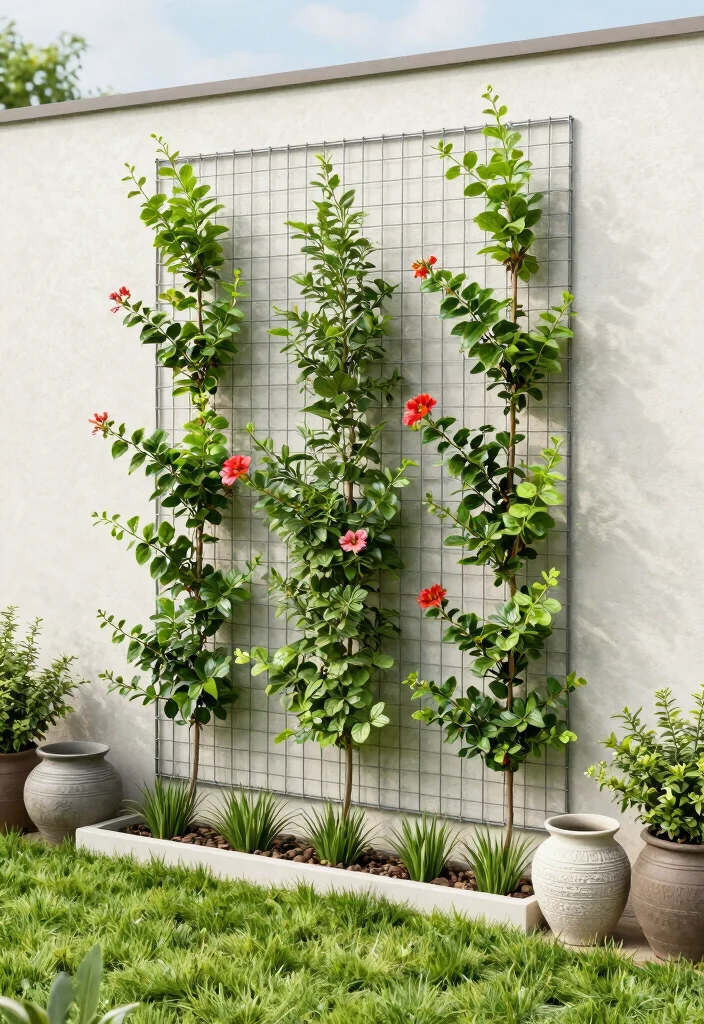
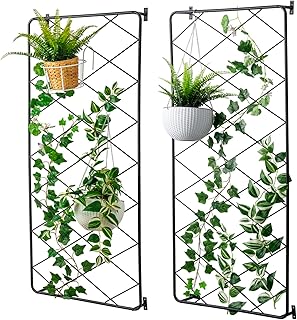
If you prefer a more contemporary look, consider a Wire Mesh Trellis. This sleek design provides ample support for climbing plants while maintaining a minimalist aesthetic. The open mesh allows sunlight to penetrate, which is essential for healthy growth.
This trellis can be easily installed against a wall or fence, seamlessly blending into your garden’s environment.
Gather these materials:
– Wire mesh
– Metal or wooden stakes
– Zip ties or wire
Follow these steps to create your trellis:
1. Measure the area where you want to install the mesh.
2. Cut the wire mesh to fit your space.
3. Secure the mesh to the wall using stakes and zip ties or wire.
4. Plant climbing plants at the base and guide them upwards.
This design not only supports your plants but also enhances the modern appeal of your garden.
With these easy trellis ideas, a wire mesh trellis turns a tight balcony into a thriving green wall—simple to install, big impact. Sunlight pours through the open mesh, and plants climb with minimal effort.
4. Pallet Garden Trellis
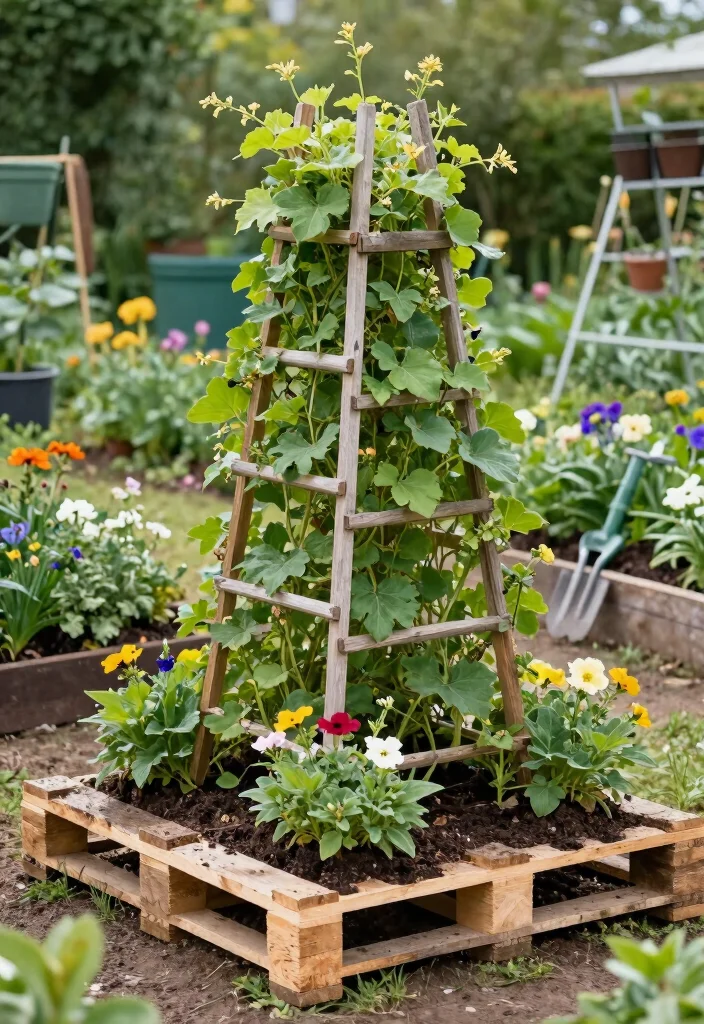
Transform old pallets into a stunning Pallet Garden Trellis. This eco-friendly option provides a vertical support system while recycling materials. Position it vertically on a wall for a space-saving garden that showcases your favorite climbing veggies and flowers. Editor’s Choice
Fill the gaps in the pallets with soil, creating an ideal environment for your plants to grow.
Materials to collect:
– Old wooden pallets
– Soil
– Climbing plants
Steps to create your trellis:
1. Clean the pallet and treat it with a non-toxic wood sealant.
2. Stand the pallet upright or hang it against a wall.
3. Fill the spaces with soil and plant climbing plants.
4. Water regularly to keep your garden thriving.
This design is not only practical but also brings a rustic charm to your outdoor area.
Pallet Garden Trellis


How To Choose the Right Trellis for Your Garden
Choosing the right trellis can make a big difference in your vertical gardening project. Here are some key points to consider when picking the perfect trellis for your plants.1. Size Matters
When selecting a trellis, consider the space you have available. Measure the area where you plan to install the trellis. Make sure it fits well without overcrowding your garden. A good rule of thumb is to allow at least 12-18 inches of space between the trellis and any nearby plants for airflow and growth.
2. Material Choice
The material of your trellis is crucial for durability and plant support. Common options include wood, metal, and plastic. Wood is natural and blends beautifully with gardens but may require treatment to prevent rot. Metal is sturdy and can support heavier plants, but ensure it won’t rust. Plastic is lightweight and resistant to weather, making it a good choice for beginners.
3. Plant Compatibility
Different plants have different needs. Consider the type of plants you want to grow. Vines like peas and cucumbers may need a more robust trellis, while lighter plants like sweet peas can thrive on simpler designs. Ensure the trellis you choose can support the weight and growth patterns of your chosen plants.
4. Aesthetic Appeal
Your trellis should not only be functional but also enhance the beauty of your garden. Think about the style of your garden when choosing a trellis design. Whether you prefer a rustic wooden look or a sleek modern metal structure, your trellis should blend in with your garden’s overall theme.
5. Budget Considerations
Trellises come in a range of prices, so it’s important to set a budget before you shop. DIY options, like creating a trellis from repurposed materials, can save you money while adding a personal touch to your garden. If you’re looking for something more polished, factor in the cost of materials and tools needed for installation.
6. Ease of Installation
Some trellises require complex installations, while others are simple to set up. If you’re a beginner, look for freestanding or modular designs that can be easily moved as your plants grow. Make sure you have the necessary tools and instructions for installation, which can make the process much smoother.
Pro Tip: Before making your final choice, visit your local garden center to see different trellis styles in person. This can help you visualize how they will look in your space and give you a better idea of material quality and size.
By taking these factors into account, you can choose a trellis that not only supports your plants but also adds charm to your garden space. Happy gardening!
5. Bamboo Trellis
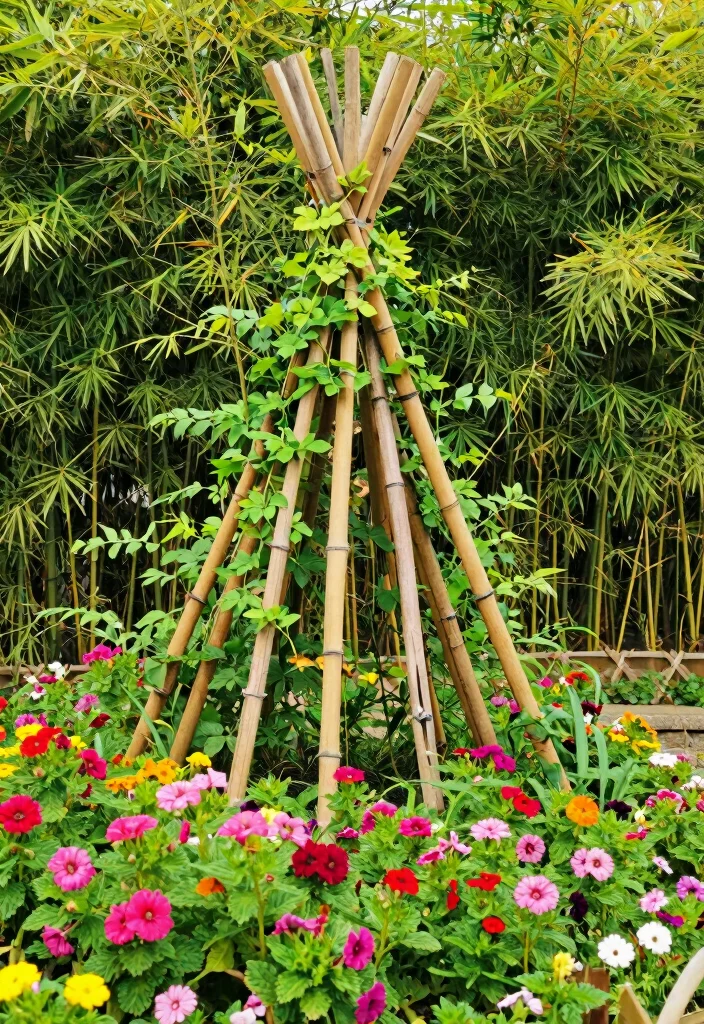
For a natural and strong support system, a Bamboo Trellis is an excellent choice. Its light weight and durability make it perfect for supporting climbing plants like tomatoes and grapes. You can design it as simply or as intricately as you prefer, allowing it to blend beautifully into your garden.
Bamboo poles are readily available at garden stores and can be easily cut to your desired length.
Materials you need:
– Bamboo poles
– Twine or natural rope
Steps to make your trellis:
1. Cut bamboo poles to the height you want.
2. Arrange them in your chosen design, like a teepee or straight support.
3. Secure the poles together with twine at the joints.
4. Plant climbing plants at the base and encourage upward growth.
This eco-friendly trellis style is both effective and visually appealing!
6. Vertical Planter Trellis
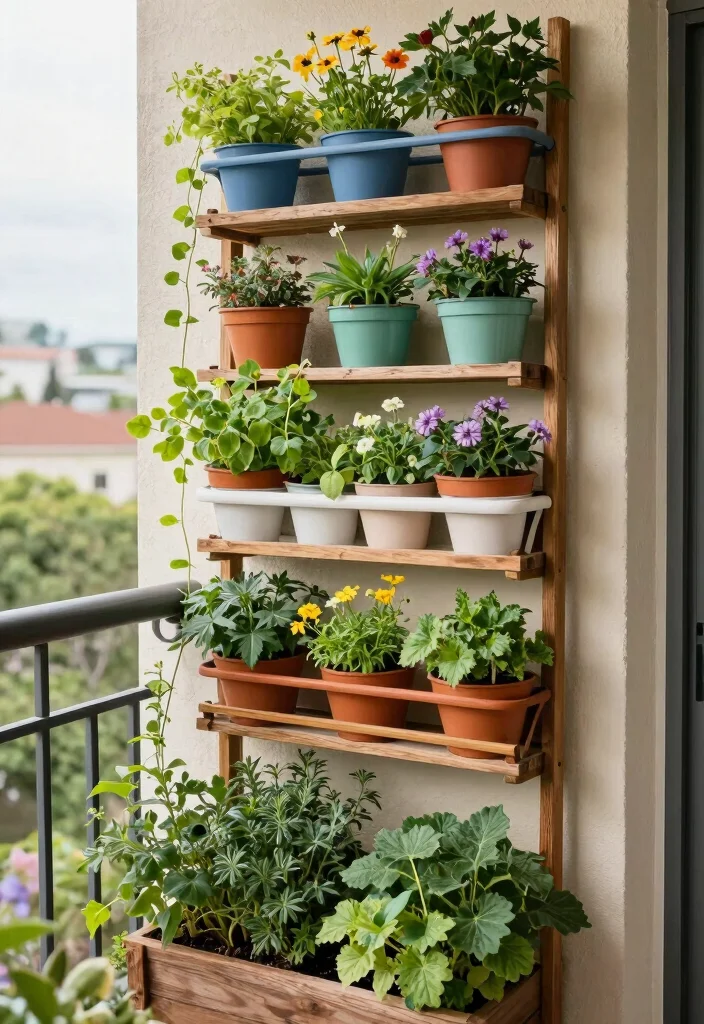
Take advantage of vertical space with a Vertical Planter Trellis. This design combines planters with trellis functionality, allowing you to grow herbs, flowers, or vegetables in pots while supporting climbing plants. It’s ideal for small gardens, maximizing your planting potential!
Construct a wooden frame with attached pots for a functional and attractive gardening solution.
Materials to gather:
– Wooden planks for the frame
– Small pots
– Climbing plants
Steps to create your trellis:
1. Build a wooden frame that fits your available space.
2. Securely attach small pots to the frame.
3. Fill the pots with soil and plant your climbing plants.
4. Water regularly to ensure healthy growth.
This trellis design is not only practical but also adds visual interest to any small garden area.
7. Criss-Cross Trellis
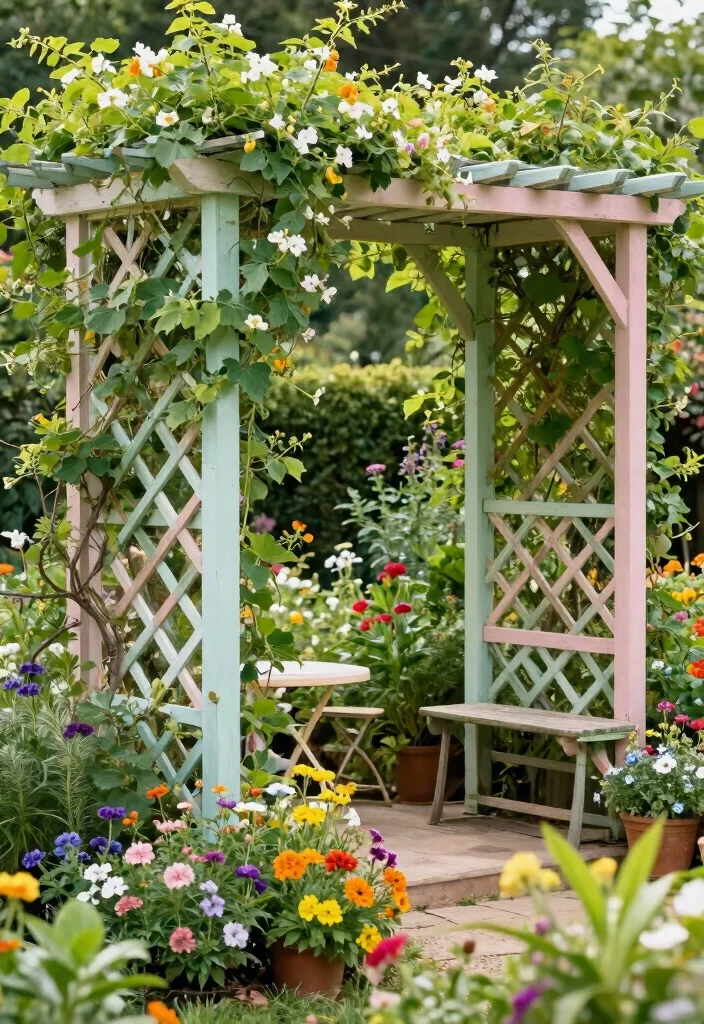
Add charm to your garden with a Criss-Cross Trellis. This decorative option supports climbing plants while creating a beautiful backdrop. It works wonderfully for plants like clematis and morning glories.
You can build it using wooden stakes or colorful lattice panels for an extra flair.
Materials needed:
– Wooden stakes or lattice panels
– Twine or nails
Steps to assemble your trellis:
1. Arrange the stakes or lattice in a criss-cross pattern.
2. Secure them together with twine or nails.
3. Position the trellis in your desired spot, and plant climbing plants at the base.
4. Train the plants to grow upwards as they flourish.
This design not only supports plants but also enhances your garden’s beauty.
8. Tomato Cage Trellis
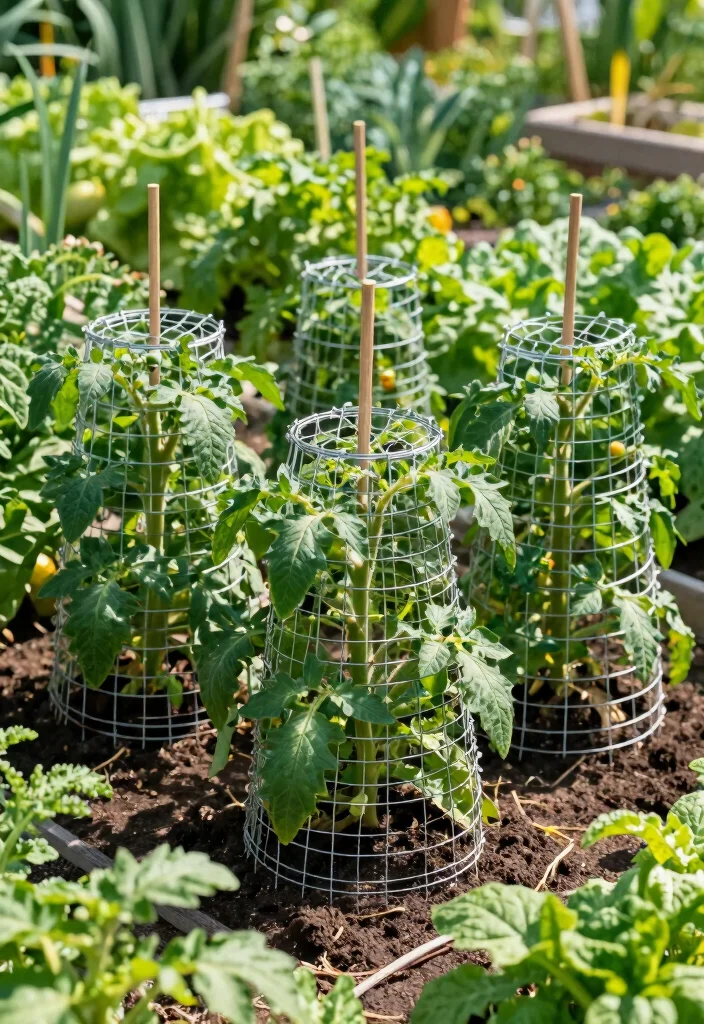
Growing tomatoes? A Tomato Cage Trellis is essential for healthy growth! These cages provide sturdy support, allowing your plants to grow tall and productive. They’re easy to find and can even be made from wire fencing for a custom touch.
Simply insert them into the soil around your plants for immediate support.
Materials needed:
– Tomato cages or wire fencing
– Twine (for securing plants)
Steps to use your trellis:
1. Insert tomato cages into the soil around the plants.
2. If using wire fencing, shape it into a circle and secure the ends.
3. Tie plants to the cages as they grow for added support.
4. Water regularly to ensure robust growth.
This straightforward solution is perfect for maximizing your tomato harvest!
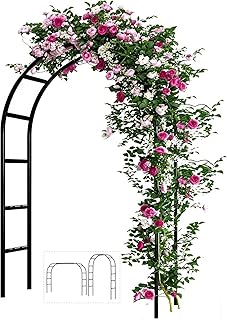
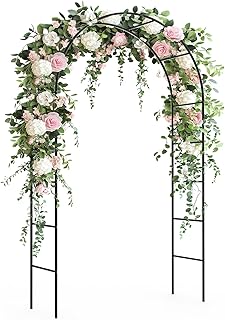
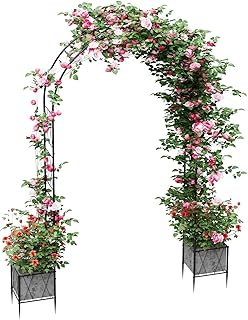
9. Garden Arch Trellis
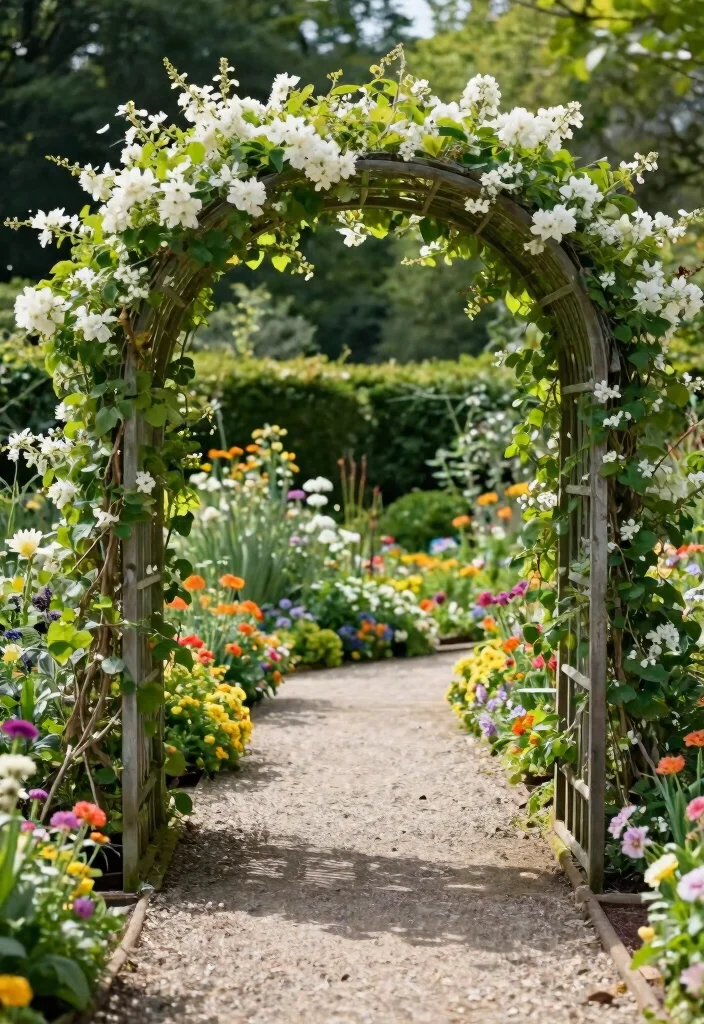
Create a stunning focal point in your garden with a Garden Arch Trellis. Ideal for climbing roses or beans, these arches can be constructed using metal or wood. They enhance pathways or entrances, offering a spectacular visual element. Editor’s Choice
Build your arch as simply or intricately as you like to suit your style.
Materials to collect:
– Wooden or metal arch frame
– Climbing plants
Steps to construct your arch:
1. Choose a location for the arch.
2. Assemble the frame according to your design.
3. Secure the arch in place, then plant climbing plants around the base.
4. Train the plants to grow up the arch for a magnificent display.
This trellis not only supports your plants but also transforms your garden into a magical retreat.
Garden Arch Trellis


10. DIY Fabric Trellis
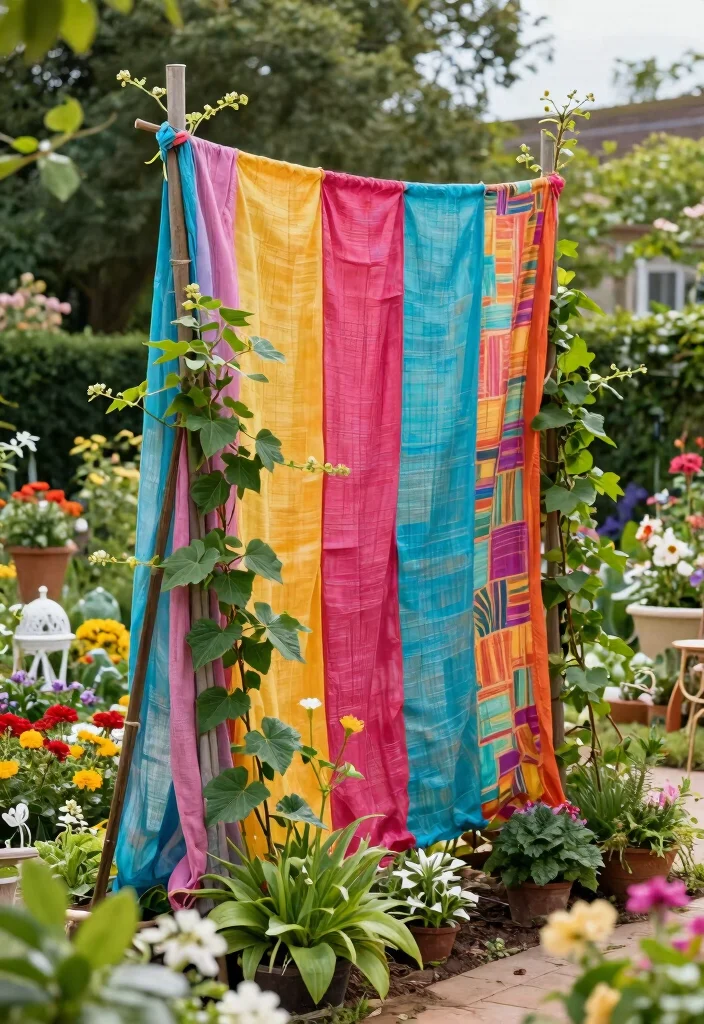
Looking for something different? A DIY Fabric Trellis offers a modern twist on traditional designs. Use sturdy fabric panels stretched between poles to create a colorful and artistic trellis perfect for lighter vines.
Select weather-resistant fabrics or treat them for durability to ensure they last.
Materials to gather:
– Sturdy fabric panels
– Wooden or metal poles
– Clips or ties to secure fabric
Follow these steps to make your trellis:
1. Set up two poles in your chosen spot.
2. Stretch the fabric between them and secure it with clips.
3. Plant climbing plants at the base and guide them as they grow.
4. Regularly check and adjust the plants as needed.
This unique idea allows for artistic expression while still being functional.
11. Living Wall Trellis
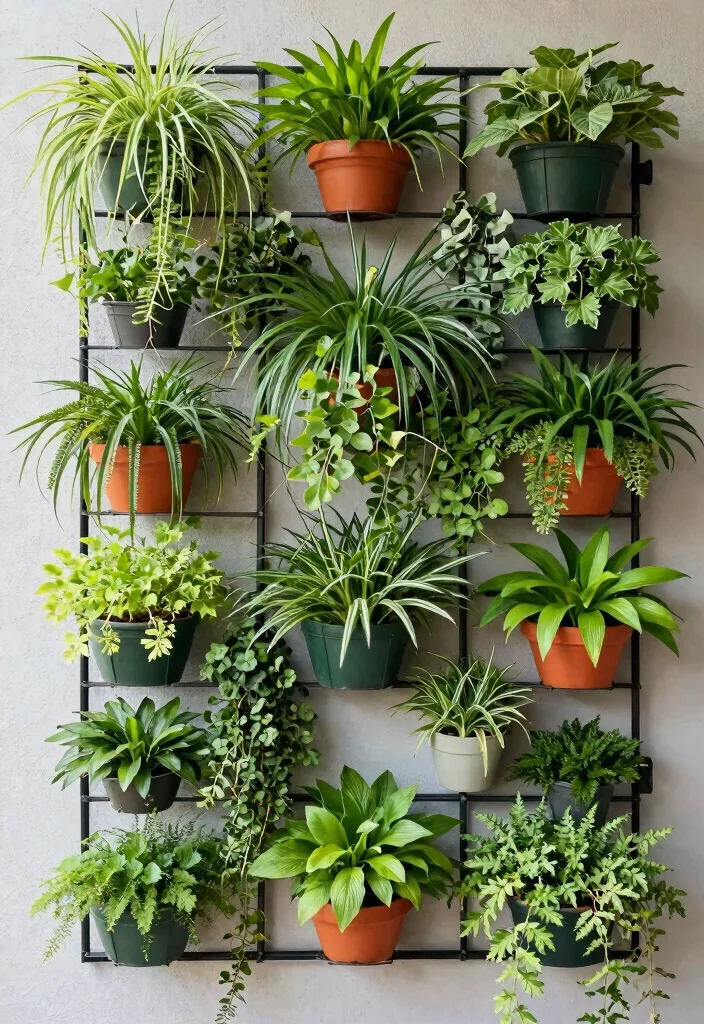
Create a stunning vertical garden with a Living Wall Trellis. This design combines trellis functionality with a plant-filled wall, maximizing space indoors or outdoors. Use wall planters or attach pots directly onto the wall for a beautiful cascade of greenery. Editor’s Choice
This trellis concept supports your plants while enhancing your space’s overall aesthetic.
Materials needed:
– Wall planters or pots
– Wall-mounted wooden or metal frame
– Climbing plants
Steps to construct your living wall:
1. Securely install the wall frame.
2. Attach planters to the frame.
3. Fill the planters with soil and plant your climbing plants.
4. Water and care for them regularly.
This design turns an ordinary wall into a lush, green masterpiece.
Living Wall Trellis



12. Circular Trellis
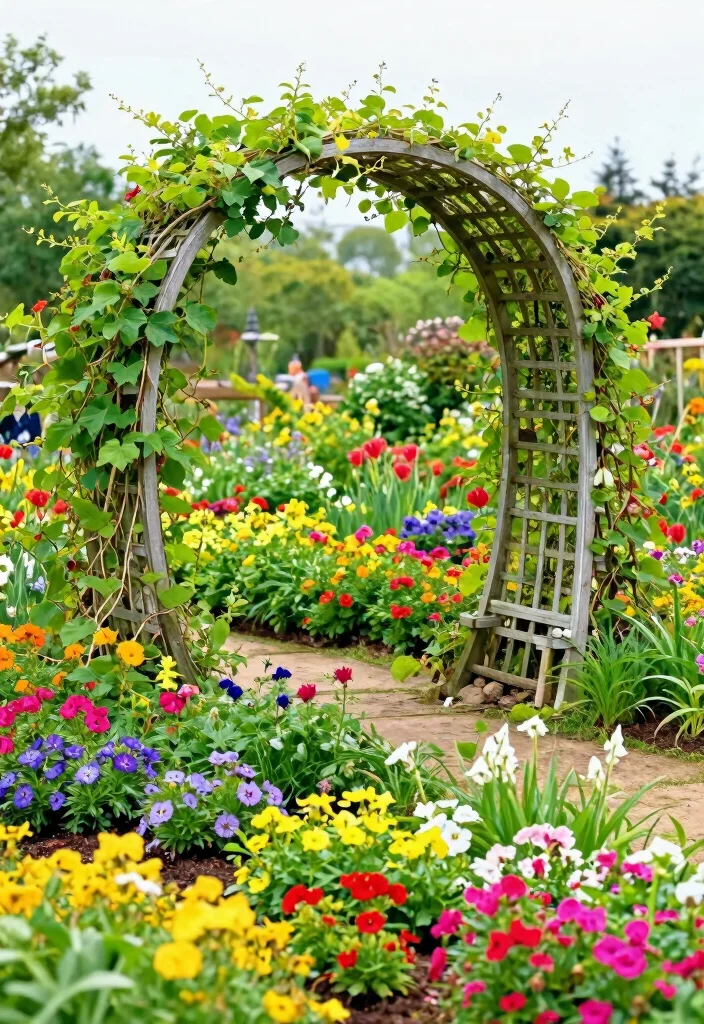
Introduce an artistic element with a Circular Trellis, supporting climbing plants while adding flair to your garden. This playful design is perfect for sweet peas or climbing roses, allowing for growth from all angles.
Craft it using a hoop of wire or wood for a simple yet elegant look.
Materials to gather:
– Sturdy wire or wooden dowels
– Twine or strong outdoor adhesive
Steps to create your circular trellis:
1. Form a circular frame with your chosen material.
2. Secure the ends with twine or adhesive.
3. Position it in your garden and plant climbing plants at the base.
4. Train the plants to spiral around as they grow.
This unique design adds a playful touch to any garden layout.
13. Garden Fence Trellis
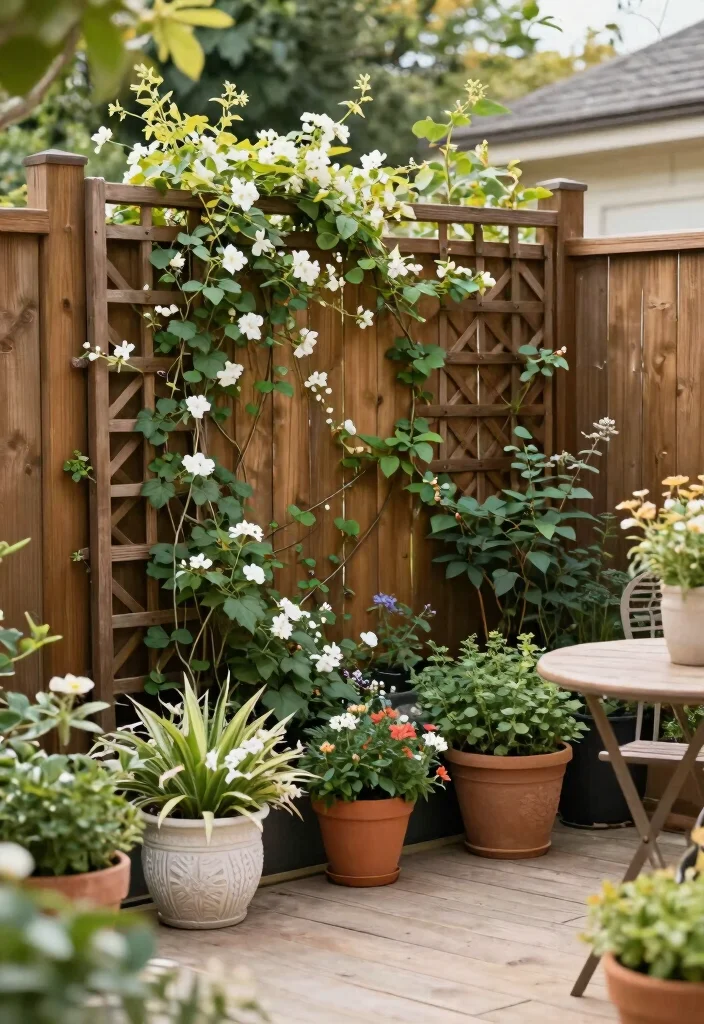
Enhance your outdoor space with a functional and stylish Garden Fence Trellis. By attaching a trellis to your fence, you can support climbing plants while adding beauty to your garden. This solution is great for small spaces and can be customized to fit any fence. Editor’s Choice
Simply attach a wooden or metal trellis to your fence and let your plants climb freely.
Materials needed:
– Trellis panel (wood or metal)
– Screws or nails for attachment
Steps to implement:
1. Choose a trellis panel that fits your fence.
2. Securely attach it using screws or nails.
3. Plant climbing plants at the base and guide them up the trellis.
4. Water and care for the plants as they grow.
This method is straightforward and effective, providing extra support while looking great.
Garden Fence Trellis


14. Portable Trellis
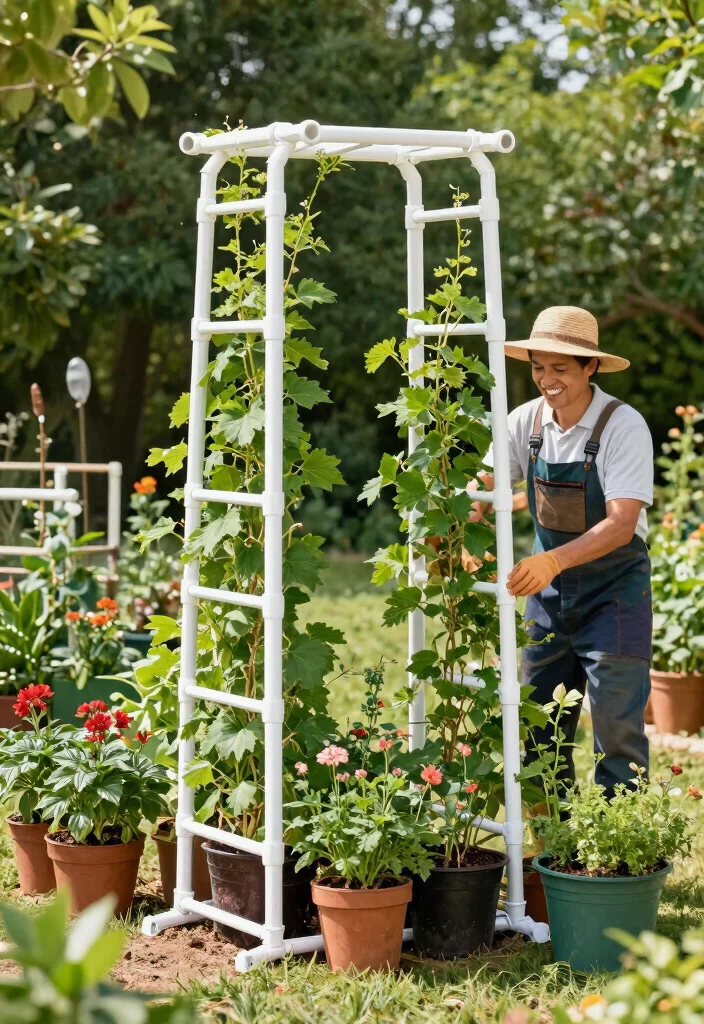
For gardening enthusiasts on the move, a Portable Trellis is an excellent option. This lightweight design allows for easy repositioning within your garden or patio, making it ideal for seasonal plants.
Create a simple frame using PVC pipes or light wood, ensuring you can relocate it effortlessly.
Materials needed:
– PVC pipes or light wood
– Connectors for the frame
Steps to create your portable trellis:
1. Decide on the desired height and width for your trellis.
2. Cut the PVC pipes or wood to size.
3. Assemble the frame using connectors for stability.
4. Plant climbing plants at the base and enjoy the flexibility.
This option is perfect for adaptable gardeners, providing a dynamic gardening experience.
Fun fact: A portable trellis made from PVC pipes takes under 20 minutes to assemble and can be repositioned as the sun shifts. Keep it lightweight, modular, and ready for seasonal plant rotations.
Conclusion
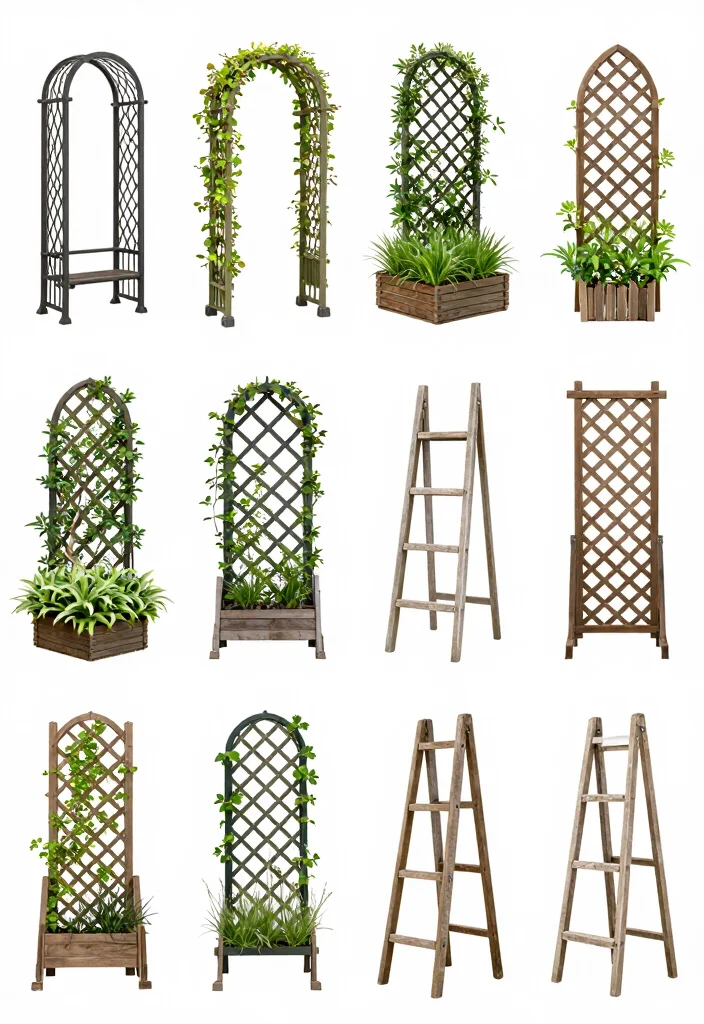
There you have it! 14 easy trellis ideas that not only support your climbing plants but also enhance the aesthetics of your garden, even in the smallest of spaces. Whether you prefer a rustic vibe or a more modern look, there’s something for everyone to help you on your gardening journey. With a little creativity and some simple materials, you can transform your vertical gardening dreams into reality. Happy gardening! Note: We aim to provide accurate product links, but some may occasionally expire or become unavailable. If this happens, please search directly on Amazon for the product or a suitable alternative. This post contains Amazon affiliate links, meaning we may earn a small commission if you purchase through our links, at no extra cost to you.
Frequently Asked Questions
What are some easy trellis ideas for beginners to maximize vertical space?
Getting started with easy trellis ideas can transform a small garden. Here are simple options that work for beginners: a freestanding lattice panel set on posts, a wall-mounted trellis with garden netting, a repurposed pallet trellis you can customize, or a tomato cage wrapped with twine to guide vines.
Choose a sunny, wind-protected spot and ensure the structure can handle the plant’s weight. For DIY trellis ideas, start with affordable materials like wood slats or bamboo, seal against weather, and secure with garden ties.
As you train climbing plants, tie vines every 6–8 inches with soft ties to avoid stem damage. These are practical plant support solutions and great entries into beginner gardening projects.
Which garden trellis designs work best for small balconies or patios?
Small spaces benefit from clever garden trellis designs that save floor space. Wall-mounted grids or lattice panels fastened to fences or walls create vertical greenery with minimal footprint. A foldable freestanding frame works on balconies that can be moved or stored. A trellis screen or panel can screen a corner while supporting beans or cucumbers. For vertical gardening tips, choose lightweight materials, anchor securely, and plan the planting height early. These options fit plant support solutions for compact spaces and make beginner gardening projects feel achievable.
What materials are best for DIY trellis ideas that a beginner can handle?
Great question. The best materials are affordable, sturdy, and weather-resistant. Wood frames (cedar or treated pine) with a sealant, bamboo canes, or metal conduit with wire mesh all work for DIY trellis ideas. Recycled pallets or garden netting on a simple frame also count as beginner-friendly. Keep weight in mind, use stainless or brass screws, and secure with zip ties or twine. For long-lasting plant support solutions, choose materials that resist rot and rust and maintain proper airflow for garden trellis designs.
How can vertical gardening tips help with plant health and yields in a small garden?
Vertical gardening tips help by improving air circulation, sun exposure, and pest management in constrained spaces. Use a sturdy trellis to keep fruiting crops off the ground, reducing rot. Pick climbing varieties such as beans, peas, cucumbers, and tomatoes, and train them using soft ties every few inches. Space plants to avoid crowding and rotate crops seasonally. With these strategies, you’ll maximize yield and keep your plants healthy in a compact garden. This approach aligns with vertical gardening tips and can become part of beginner gardening projects.
How do I install a simple trellis for crops like tomatoes, beans, or cucumbers?
Here’s a straightforward setup anyone can do. Start by selecting a sturdy location with enough sun. Install two or three posts or mount a wall trellis, then attach a grid, wire, or netting. Train plants by loosely tying the main stem to the support with soft garden ties as they grow, checking every week. Keep the trellis at a height you can reach for maintenance. For cucumbers and beans, guide vines upward; for tomatoes, prune and tie the main stem to the vertical frame. This is a practical DIY trellis ideas approach and a solid step in beginner gardening projects for reliable plant support solutions.