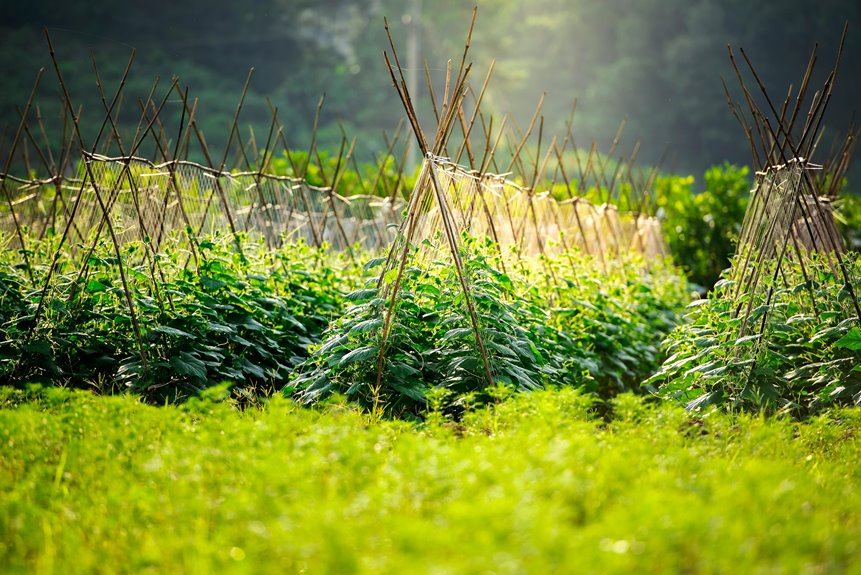
Bush beans don’t technically need a trellis to grow successfully. Without support, they stay compact and yield fine with just soil, sun, and water. But here’s what I’ve noticed: ground-grown beans face more disease, slugs, and pest damage since the pods touch moist soil.
When I add a simple 12-18 inch trellis, the benefits are clear. Better airflow keeps the pods clean and reduces disease. The harvest time cuts down substantially because the pods are easier to spot and pick. Plus, I get to stand while harvesting instead of bending over.
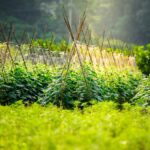
If you want to set up a trellis for your beans, it’s a straightforward project. You’ll need a basic support structure—bamboo stakes, wooden poles, or a wire cage all work well. Install it when you plant or shortly after the seedlings emerge. The beans will naturally climb as they grow, so they need something to grab onto within the first few weeks.
Do Bush Beans Actually Need a Trellis?
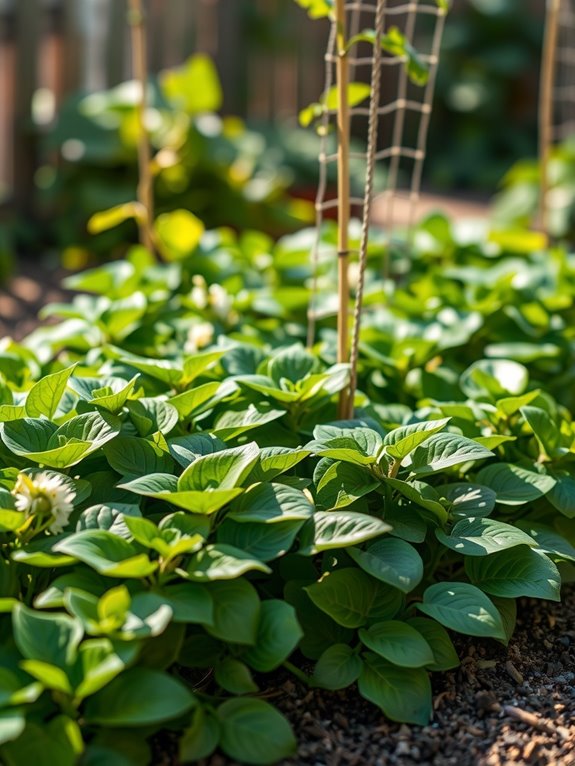
Bush beans don’t need a trellis to grow successfully. I can plant them directly in the ground or in containers without any support structure. Bush beans are non-climbing varieties that naturally stay compact and low to the ground. They won’t develop the vining behavior that pole beans show.
I’ve found they’re easy to grow in flat setups where I just let them sprawl naturally. Some gardeners add a trellis for specific reasons like saving space or improving air circulation. But it’s optional. I can skip it entirely and still get a solid harvest.
Bush beans work great for beginners because they require minimal fussing. I don’t have to worry about staking, tying, or managing climbing vines. I just plant the seeds about 1 to 1.5 inches deep and 4 to 6 inches apart. Then I water them regularly and wait for the harvest in about 50 to 60 days.
When Bush Beans Grow Fine Without Support
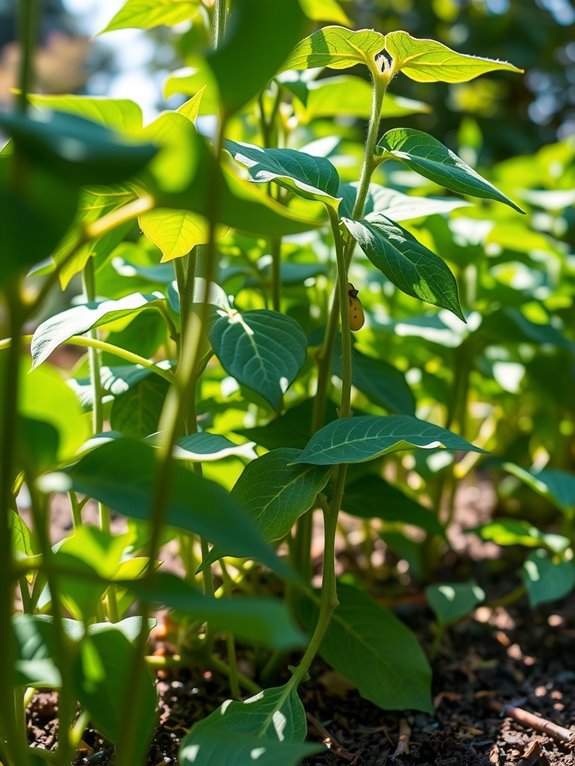
I’ve found that bush beans grow just fine without a trellis. These beans stay compact and low to the ground on their own. They don’t climb like pole beans do. I plant them, water them, and they handle themselves without vertical supports.
I’ve grown them in standard garden beds with zero trellis help. The plants spread out horizontally and still produce great yields. My beans don’t struggle or underperform without climbing structures. I get the same harvest as gardeners who use trellises.
This makes bush beans perfect for beginners who want straightforward growing. I appreciate how forgiving they are. No special equipment needed. I just need soil, sun, water, and patience.
Why Adding a Trellis Improves Yield and Health
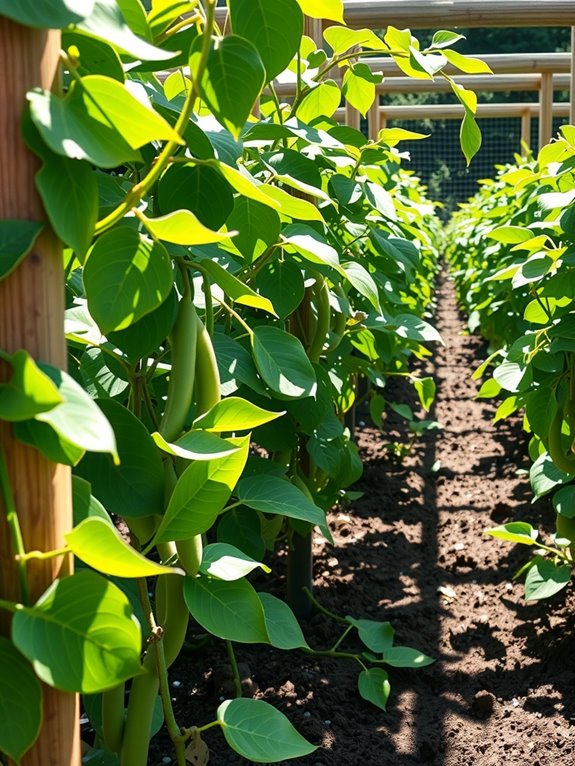
Bush beans grow fine on their own, but adding a trellis really does improve things. I’ve noticed two main benefits in my garden. First, I can fit more plants in the same space. Pole beans grow upward on the trellis, so they need way less ground room than sprawling bush varieties. A 10 ft long trellis only takes up 1 ft of width. Second, trellising keeps my plants healthier. Air moves better around the vines when they’re vertical. That better air circulation reduces moisture buildup and stops diseases like powdery mildew, which loves crowded, wet foliage.
Space Efficiency And Productivity
Why does a trellis make such a difference in what your garden produces? I’m talking about serious space savings. A 10-foot trellis takes up just 1 foot of width, so I can grow way more beans in the same footprint as bush varieties.
Here’s the real deal: pole beans mature around 75–80 days but yield significantly more than bush beans. I can harvest 5 gallons of prepped beans from one side of a 5-foot trellis. Under perfect conditions, I’m looking at 16–18 gallons total.
The trellis keeps vines climbing upward on twine or netting. This reduces ground contact and improves air circulation around my plants. I get healthier plants and bigger harvests from the same garden space.
Disease Prevention And Plant Health
One of the biggest advantages I’ve found with trellising is how it improves plant health. When I elevate beans off the ground, I’m protecting them from soil-borne pathogens that cause mold and pod rot.
The benefits go further though. Better air circulation around the vines means foliage dries faster after rain. Prolonged leaf wetness invites fungal infections and mildew, so faster drying really matters. Taller, well-supported plants also catch more wind ventilation, which naturally deters disease development.
Here’s what I’ve noticed: healthier plants mean fewer pods lost to infections. I experience higher yields because my beans aren’t fighting off diseases constantly. When I’ve used trellises in my garden, I’ve consistently seen stronger plants and better harvests than beans growing on the ground.
How Ground-Grown Beans Invite Disease and Pests
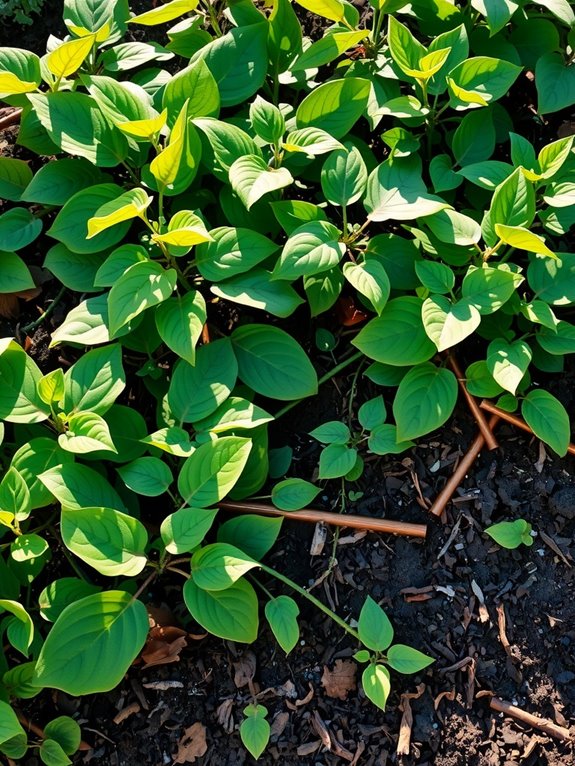
When I grow beans directly on the ground, I’m basically inviting problems into my garden. Those pods sitting in soil contact soak up moisture and disease from pathogens living in the earth. Slugs and other hungry bugs can reach my developing pods easily whenever they want to feed. Ground-grown beans also don’t get enough airflow, which means mildew and moisture problems spread faster than they would on a raised setup.
Without elevation or a trellis, my harvest suffers. I’ll notice fewer beans compared to what I’d get from beans growing on supports. Picking beans from the ground also takes longer and puts strain on my back since I’m constantly bending down.
Instead of dealing with these issues, I can use a simple wooden trellis or stake system. A basic 6-foot trellis costs around $15 to $30 and gives my beans the lift they need. I can also build raised beds that sit 12 to 18 inches off the ground for better drainage and pest protection. With beans elevated off the soil, I get better airflow around the plants, fewer disease problems, and an easier harvest when the pods are at waist level rather than near my feet.
Bush Beans vs. Pole Beans: Which Fits Your Garden?
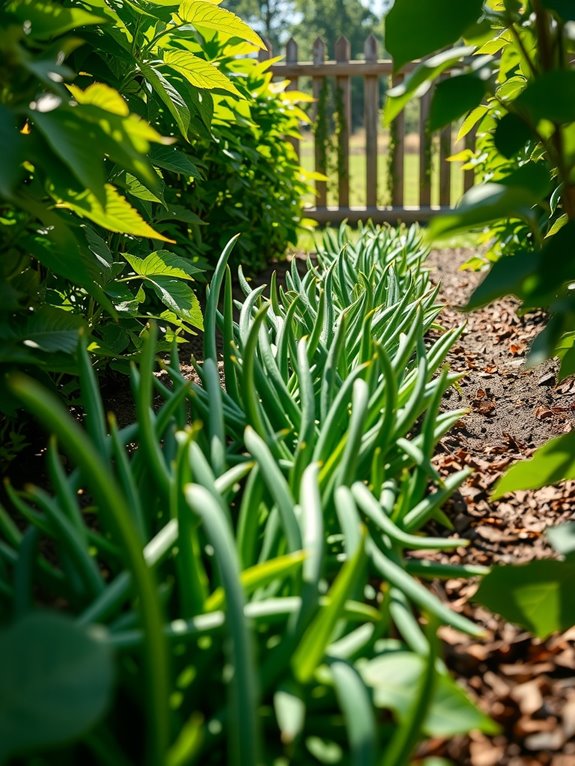
They’re completely different plants with different needs. Bush beans grow low to the ground and don’t need any support structure. I like them for filling in garden gaps and keeping maintenance simple. Pole beans climb and need vertical support like trellises or stakes. I get higher yields from pole beans because they produce more pods over a longer season. They mature later but give me greater productivity per square foot. I choose bush beans when I want something simple with easier harvesting at ground level. I pick pole beans when I’m ready to set up support structures and want maximum production. My garden space and effort level determine which one works best for me.
Light Support Options for Bush Beans
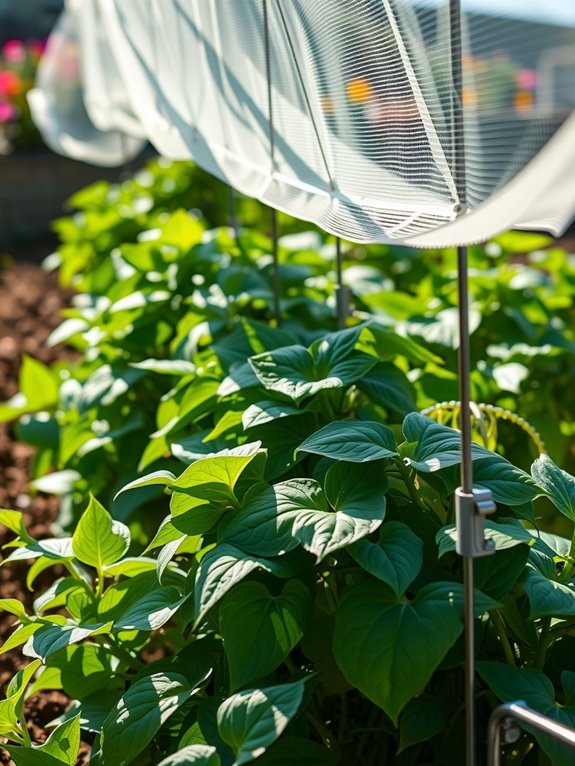
How much support do your bush beans actually need? I’ve found that light support options work great for keeping my plants organized and healthy. Two end-row stakes with string between them give my beans minimal lift off the soil. This simple setup reduces disease and slug damage without the full commitment of a trellis like I’d use for pole beans.
A railing works too if I’ve got one nearby. Ground-anchored supports keep vines elevated and air flowing around them. I don’t need anything fancy here. These lightweight solutions prevent my beans from sitting in moisture while letting me tend them easily.
I can pick whichever option fits my garden best.
How to Train Bush Beans on a Trellis
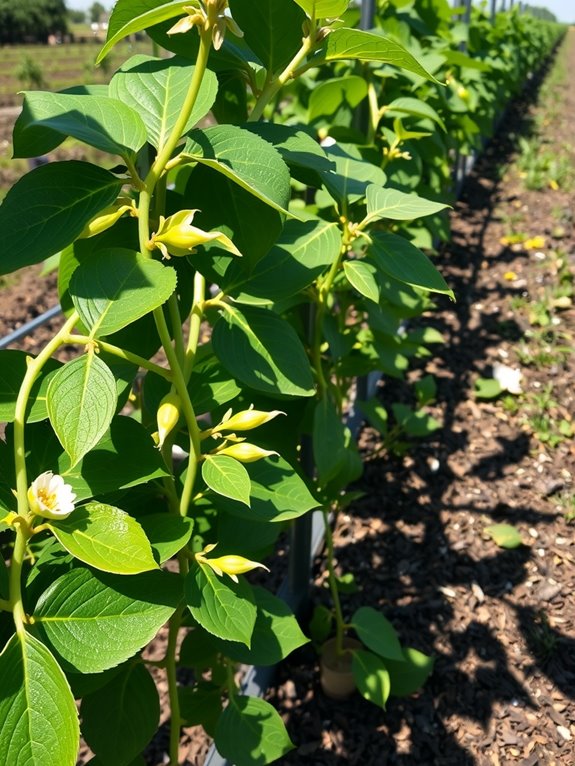
Training bush beans on a trellis isn’t something I have to do, but it’s worth considering if I want to save space in my garden or help my plants get better air circulation. I can use simple materials to guide my beans upward without needing heavy equipment.
| Method | Materials Needed |
|---|---|
| End-row stakes | Two 4-foot stakes and twine |
| Railing support | Existing fence or railing |
| String trellis | Bamboo poles and garden twine |
I’ll plant my beans near whichever structure I choose. Once they reach about 4 inches tall, I gently tie the stems to the trellis using soft twine so I don’t damage them. I check the ties once a week as my plants grow bigger. Setting up a simple trellis takes minimal time and gives me better harvests along with healthier leaves because air flows around them more easily.
Spacing Bush Beans for Maximum Production
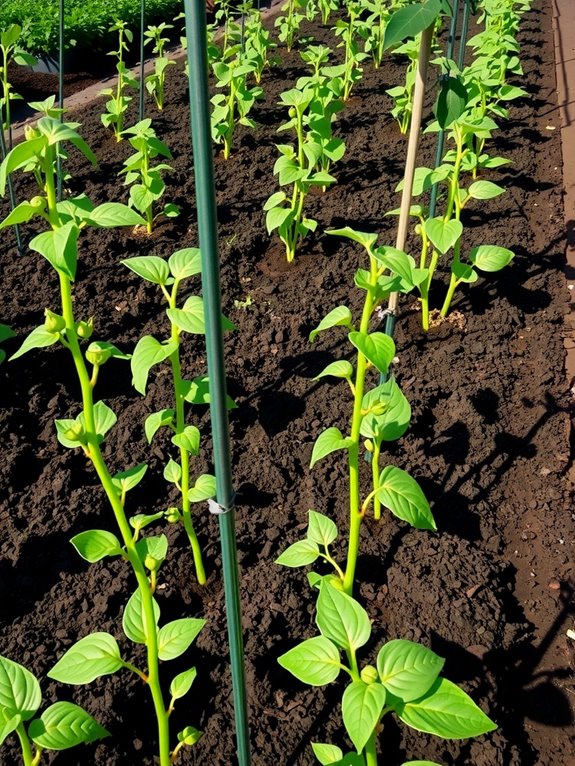
While trellising can help you organize your beans vertically, what really determines your harvest is how you space them on the ground or on whatever support you choose. I’ve found that proper spacing makes a real difference in how many beans you’ll get.
Here’s what I recommend for maximum production:
- Space bush beans 4-6 inches apart in rows that are 18-24 inches apart
- Plant seeds ½ inch deep and water consistently after planting
- Thin seedlings once they’ve sprouted to avoid overcrowding
When I space my bush beans correctly, they get better airflow. This reduces disease and lets each plant put its energy into producing beans instead of competing for light and nutrients. Plants thrive when they’ve got breathing room, and you’ll notice the difference in how full your harvest turns out.
Harvesting Bush Beans: Ground Level vs. Elevated
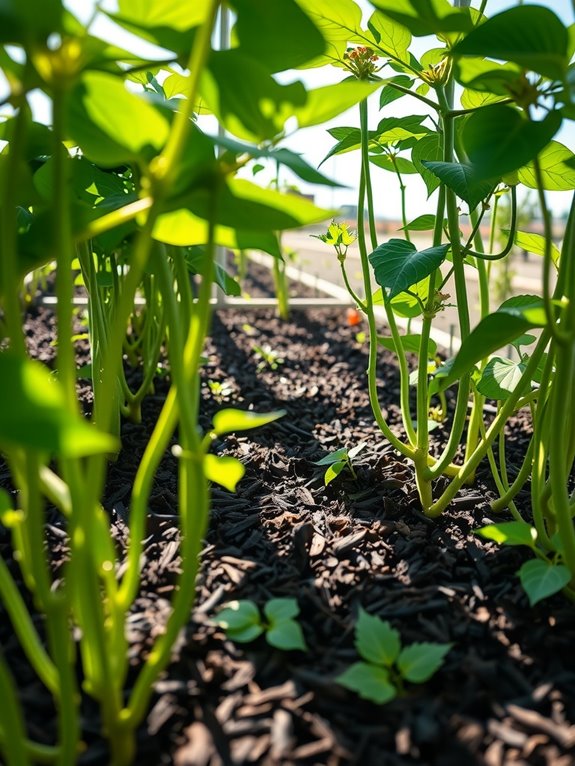
When I’m ready to pick my bush beans, I notice that pods touching the soil get damaged by disease or slugs. Raising my plants even a couple of feet off the ground helps a lot. I don’t need a full trellis—just something simple to lift the beans up. This keeps the pods cleaner and healthier while making it easier on my back when I harvest.
Accessibility And Physical Comfort
How much easier does harvesting get when you don’t have to bend down to pick your beans?
I’ve noticed that accessibility really matters when I’m picking my harvest. Ground-level beans mean I’m constantly bending, which strains my back and knees during picking sessions. When I raise my bush beans on simple supports or railings, I can stand upright while harvesting. This means my hands reach the pods easily and I’m not squatting or kneeling on damp soil.
Raised growth positions beans at waist or chest height, which reduces the physical strain on my body. I can harvest more beans without discomfort when I’m not fighting my posture the whole time. Since I enjoy tending my garden more when my body isn’t tired, I’ve found this one change makes a real difference in how often I actually want to get out there.
Disease Prevention At Ground Level
Bush beans sitting on soil get hit with disease problems pretty quickly. I’ve dealt with losing plants to soil pathogens, and it’s frustrating. When bean pods touch contaminated earth, soil-borne diseases spread fast through contact. Slugs and other pests also go after pods resting on the ground.
The solution is straightforward. I raise my beans 12 to 18 inches high using simple trellises or stakes. This elevation does a couple of things for you. It creates airflow around your plants, and better air circulation reduces mildew and fungal issues. You’ll harvest healthier beans with fewer disease losses when the pods stay off the ground.
Yield Optimization Through Plant Elevation
Keeping those pods off the ground does more than just stop diseases. It actually changes how much you can harvest. When I elevate my bush beans, I’m setting myself up for better yields in the same garden space.
Here’s what elevation brings to my harvest. Better air circulation keeps moisture away from pods and leaves. I can pick beans while standing instead of constant bending. Healthier plants produce more beans throughout the season.
I don’t need anything fancy for this. Light supports work perfectly near deck rails or end-row stakes. I’ve used basic wooden stakes that are about 12 to 18 inches tall. This modest elevation reduces soil contact without complicated setup. I’m talking about noticeably fuller harvests from the same footprint.
Storing and Preserving Your Bean Harvest
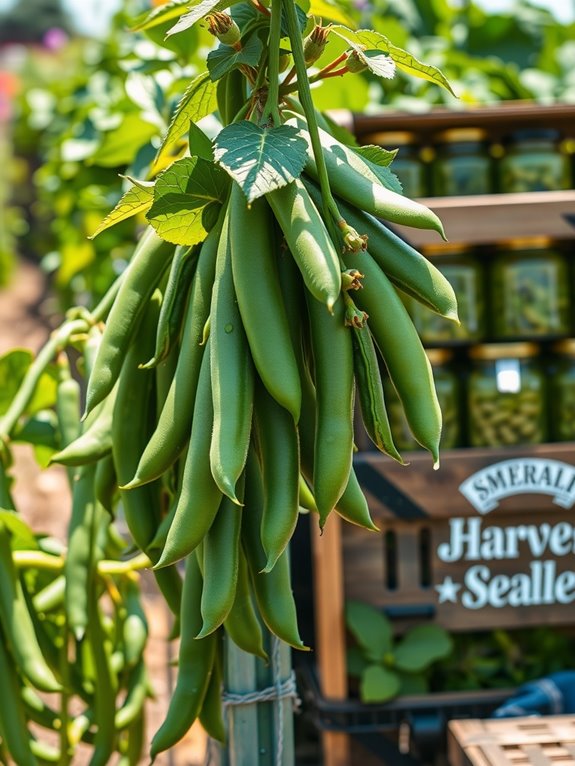
So you’ve grown a bunch of beans—now what? You need to process and preserve them quickly to keep that quality intact. Here’s what I do: I clean my beans first, then trim the ends. After that, I freeze them in manageable portions that fit in my freezer.
When I use trellis benefits for pole beans, I get bigger harvests—sometimes 13–18 gallons per season. That’s a lot of beans to handle. The key is working fast after harvest. Don’t let them sit around.
I label each frozen portion so I know exactly what I’ve got and when I froze it. Prompt preservation keeps the taste and texture better than waiting. Working quickly after picking makes a real difference in how good they taste months later.