A fence typically recovers 30 to 70 percent of your installation costs when you sell. The exact amount depends on your neighborhood and what material you choose. I’ve found that vinyl and cedar fences do better than chain link because buyers see them as higher quality.
Appraisers care about three things when they look at your fence. First, you need the right permits from your local government. Second, the installation has to be done properly. Third, it has to meet local building codes. This is why I always recommend hiring a professional instead of doing it myself.
The timing of when you install matters too. I put my fence up two to three years before I plan to sell. This gives me time to make sure it’s still in good condition and shows well to buyers. The material you pick and how you maintain it shape your actual returns, so I focus on keeping my fence clean and in repair.
The Short Answer: Does a Fence Really Add Value?
A fence won’t boost your home’s official appraised value the way a kitchen remodel does. Appraisers check the fence’s condition and compare it to what’s normal in your neighborhood, so the value bump stays pretty small.
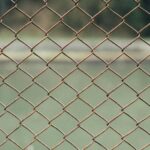
But here’s what matters more for selling—how the fence appeals to buyers. A good fence gives people the feeling of privacy and security, which most buyers want. Your return on investment depends on what you build. A basic chain link fence gets you about 30% back. Vinyl or cedar fences return closer to 50%. In neighborhoods with lots of families, you might see returns hit 70%. The material you pick really counts. Vinyl, aluminum, and wrought iron work well. Chain link is just functional—it does the job but doesn’t add much appeal.
I’m really selling a lifestyle feeling here, not just wood and posts.
How Neighborhood Context Affects Fence Value
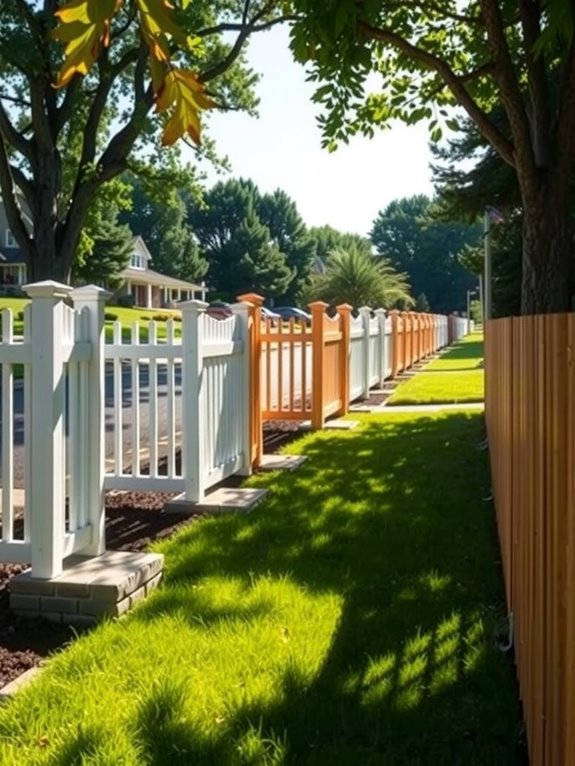
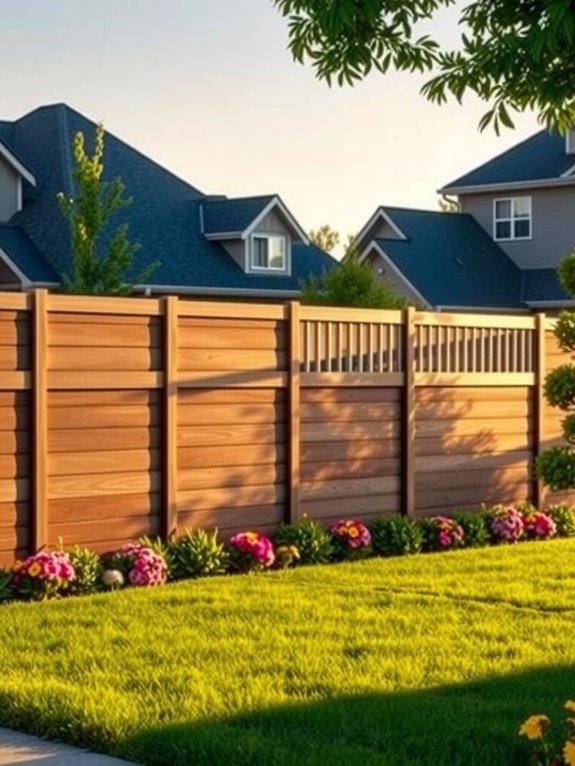
Your fence’s actual worth depends heavily on where you live. In family-oriented suburbs, privacy fences boost your property’s resale value. Historic neighborhoods favor natural wood like cedar to keep the area’s character intact. Your fence height and material choice matter for curb appeal.
I’ve noticed that matching your fence with surrounding landscaping changes how buyers see your property. When your fence aligns with neighborhood norms, you’re making a smart choice. Over-fencing or picking materials that clash with local character actually hurts your home’s value.
Real estate pros tell me fenced yards speed up sales for families with pets. The key is understanding what your specific neighborhood expects and building accordingly.
What Appraisers and Buyers Look For to Value Your Fence
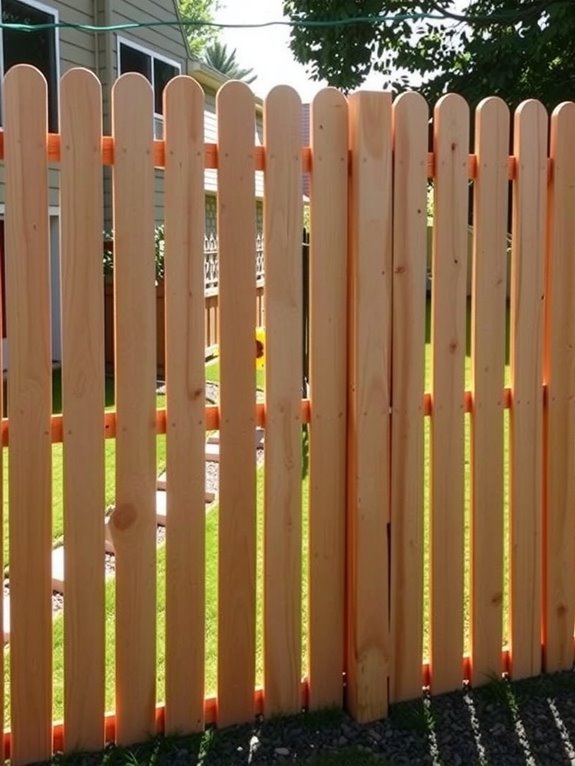
I’ve learned that appraisers and buyers look at your fence pretty differently. Appraisers care about the technical stuff like permits, how well it’s installed, and whether it follows local codes. They check if your fence meets regulations and sits on the correct property line. Buyers think about something else entirely. They notice curb appeal, how much privacy the fence gives them, and the quality of materials. They want cedar, vinyl, or composite fencing that looks well-maintained and feels secure.
I’ve found that buyers see a well-installed fence as an “invisible salesperson” that saves them time and effort. So here’s the thing: appraisers might not officially raise your property value because of a fence, but what buyers think about it really matters. Quality materials and proper permits convince both groups that you’ve made a smart investment in your home.
Vinyl Fences: Low Maintenance, High Appeal for Busy Homeowners
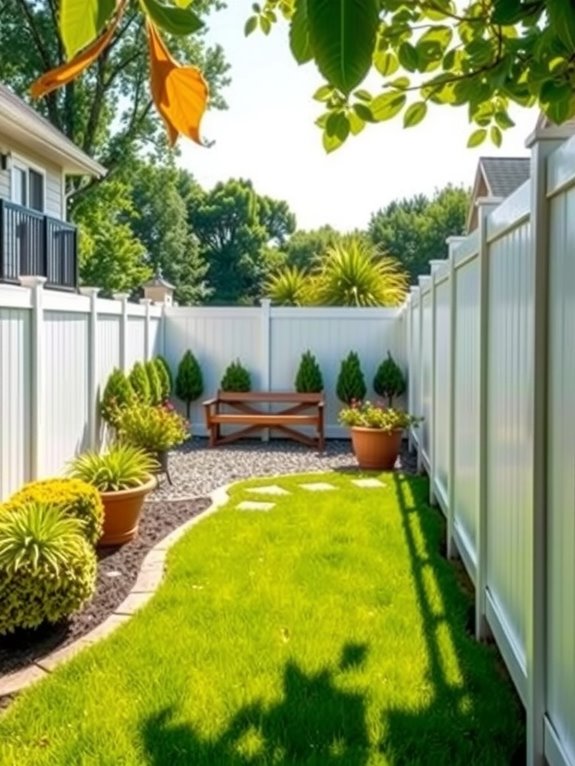
Why do so many homeowners with kids and pets choose vinyl instead of wood? I’ve found that vinyl fences deliver what my busy family needs: durability without constant upkeep. Unlike wood, my vinyl fence requires no staining or painting. I just rinse it occasionally and I’m done.
I appreciate the modern look vinyl brings to my home. It keeps my curb appeal strong while my maintenance stays minimal. Since vinyl resists weather damage and lasts about 20 years, I see solid value on my investment. The pet-friendly design keeps my dogs secure without splinters or deterioration.
I get predictable, low-maintenance care that fits my lifestyle. Wood demands staining every few years. Vinyl doesn’t. For me juggling work and activities, that difference matters. I’m choosing durability and freedom.
Wood Fences: Warmth and Privacy at the Cost of Upkeep
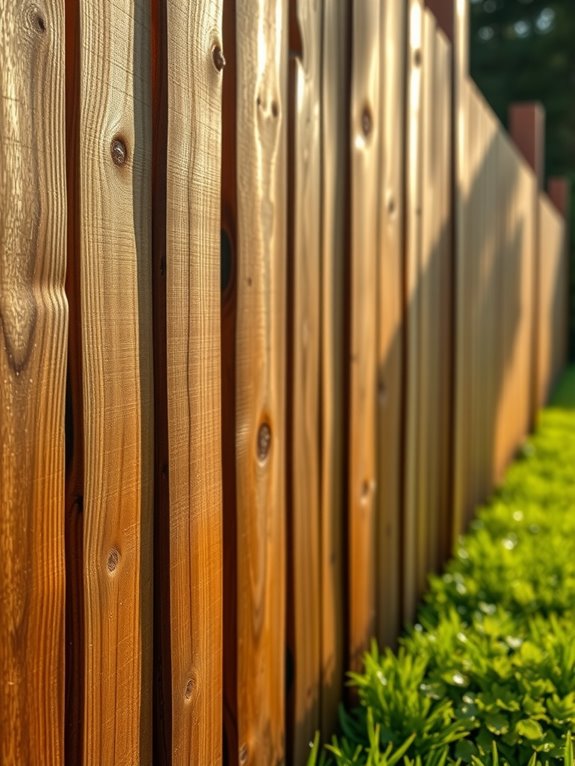
If you’re thinking about putting up a wood fence, I’m going to be honest with you. You get a material that looks really nice on your property, especially if you go with cedar. Cedar develops a silver-gray color over time that a lot of people like. But here’s the thing: wood needs work to stay in good shape. I have to stain or seal my fence every two to three years. Without that maintenance, the wood rots and the weather breaks it down. That means spending more money over the years.
The payoff is the privacy you get. A wood fence blocks views from the street and neighbors. In neighborhoods where people want enclosed outdoor space, that privacy can bump up what your house is worth when you sell. So the regular upkeep might be worth it depending on where you live and what buyers in your area actually want.
Cedar’s Natural Beauty Appeal
When I think about my backyard, I picture a cedar fence. There’s something about it that just works. Cedar has warm tones that blend right in with my landscaping and makes my curb appeal better.
What makes cedar special is how it fights off insects and bad weather naturally. Over time, my fence will turn a silver-gray color as it ages. That patina (the weathered surface layer) actually looks good to most people. The fence gets character without looking old and beat up.
I need to be honest about the downside though. Cedar needs regular work to stay in good shape. I’ll have to stain or seal it every couple of years to stop it from rotting. The upfront cost is higher than vinyl or aluminum fencing. But in neighborhoods where families care about privacy and natural materials, that extra cost matters when I sell.
Maintenance Requirements and Costs
Cedar fences look good for about two or three years. After that, I need to put in real work to keep them looking sharp. I’ll be cleaning, sealing, and painting about 1–2 times each year for UV protection. Moisture is a big deal too. When I set the fence posts in concrete during installation, I’m reducing rot and making the fence last longer. Posts that aren’t set in concrete deteriorate faster.
Here’s what I need to do each year:
| Maintenance Task | Frequency |
|---|---|
| Cleaning and inspection | 2x yearly |
| Sealing or painting | Every 2–3 years |
| Moisture treatment | Annually |
| Post inspection | Seasonally |
The costs add up fast. I’m paying for materials like wood sealant and paint, plus labor if I hire someone. That silver-gray patina (the weathered color that happens naturally) looks rustic, but buyers see it as a sign the fence wasn’t maintained. Vinyl or composite materials might give me better resale value without all this upkeep.
Privacy Value for Resale
How much does privacy matter to buyers in your neighborhood?
I’ve found that privacy fences really resonate with families and homeowners who want seclusion. A cedar privacy fence standing 6 feet tall signals move-in readiness to potential buyers. Here’s what I know matters.
Well-maintained cedar develops a silver-gray patina that enhances curb appeal naturally. Privacy fences align with neighborhood norms, so your home feels like it belongs. A quality wood fence improves how buyers perceive your property, even if appraisals don’t always reflect it formally.
I can’t guarantee your resale value jumps with fence installation. But I’ve seen that a sturdy, well-kept privacy fence removes buyer hesitations. The key is keeping up with maintenance. When I invest in cedar upkeep, I’m investing in the appearance that makes buyers feel at home right away.
Metal and Wrought Iron Fences: Durable and Impressive
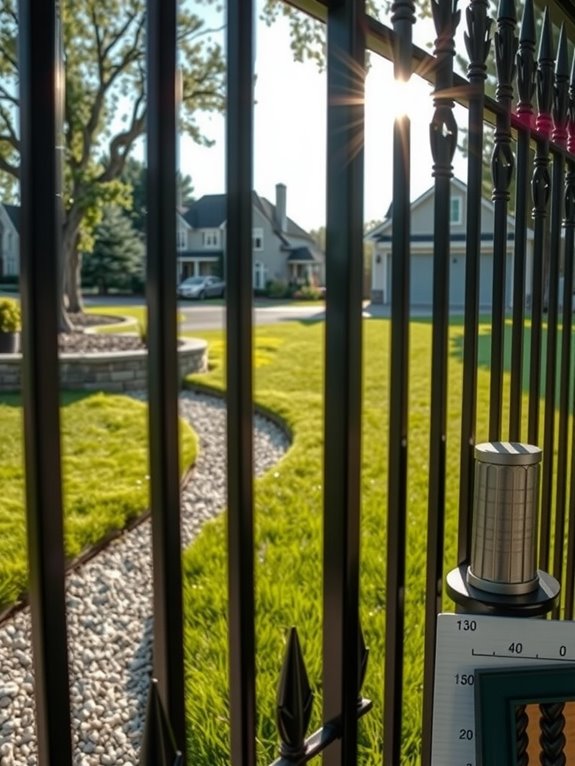
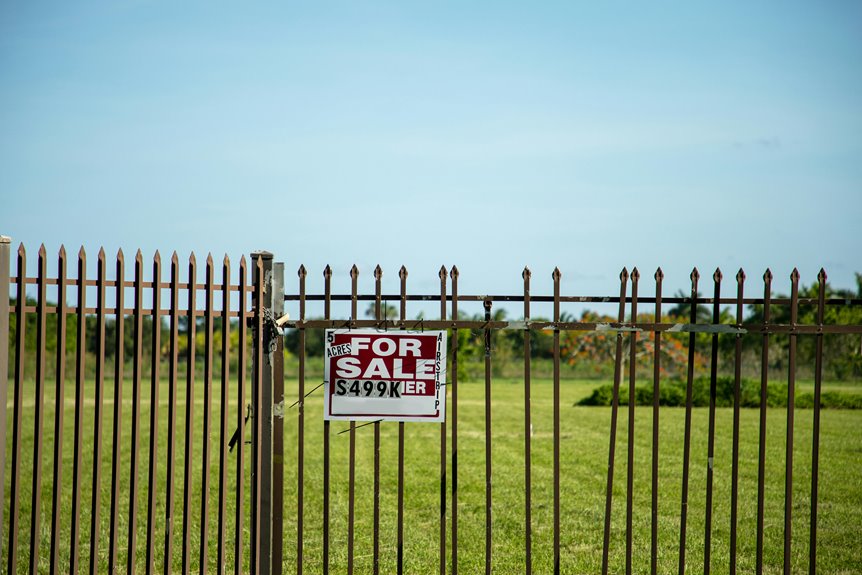
If you’re thinking about putting in a fence, wrought iron–style steel fences are worth considering. I like them because they boost your property value while staying elegant and low-maintenance.
Unlike wood fences, I don’t have to constantly paint and stain them. Metal fences resist rust when they have protective coatings and quality welds. That means I spend less time on upkeep.
The open design keeps my front yard looking sophisticated and spacious. That open style also gives me the high-end curb appeal that impresses potential buyers.
Timeless Appeal And Sophistication
When I’m looking to boost my property’s curb appeal, wrought iron–style steel fences deliver what upscale neighborhoods value most. I’m talking about timeless appeal that actually increases property value.
Here’s what I like about them:
- They combine high-end sophistication with minimal maintenance
- They maintain open sightlines while protecting my front yard
- They complement classic landscaping and architectural elements
A wrought iron fence isn’t just durable. It’s an investment that resists weathering without demanding constant painting or staining. I’ve noticed neighbors and potential buyers recognize quality when they see it. The timeless silhouette keeps my home looking refined for decades. Homes with these fences command stronger resale appeal.
My front yard becomes a showcase that signals sophistication and care.
Low-Maintenance Durability Benefits
I don’t need to repaint my metal or wrought iron fence every year like I would with wood. The protective coatings like powder coating and e-coat do the heavy lifting by shielding against rust. UV protection keeps the finish looking good for years without me having to restain it every couple seasons.
Here’s how the maintenance stacks up:
| Maintenance Task | Traditional Wood | Metal/Wrought Iron |
|---|---|---|
| Annual painting | Required | Rarely needed |
| Rust prevention | N/A | Built-in protection |
| Staining schedule | Every 2-3 years | Optional touch-ups |
| Long-term upkeep | High | Minimal |
My wrought iron fence stays looking sharp without me spending my weekends on upkeep. That means more time for me and better curb appeal for my property. When I keep my fence well-maintained, I’m also protecting my home’s resale value since buyers notice quality materials and care.
Front Yard Aesthetic Excellence
Beyond skipping weekend maintenance, my wrought iron fence does something that catches people’s attention right away. My front yard looks put-together and deliberate.
I’ve found that wrought iron-style steel fences actually work for curb appeal. Here’s why:
- They keep views open while looking fancy and upscale
- Quality welds and powder coating (a protective paint layer sprayed onto metal) resist rust for years without needing a fresh coat
- They fit with formal gardens and architectural styles without looking out of place
When I paired my fence with matching landscaping, the difference showed. The materials I picked—especially ones with e-coat finishes (a type of protective coating applied before powder coating)—held up well through bad weather.
My front yard now shows that I made intentional choices. Visitors see someone who put money into quality materials. That kind of polish isn’t just nice to look at. It signals that a property owner cares about details.
When a Fence Actively Hurts Your Home’s Market Value
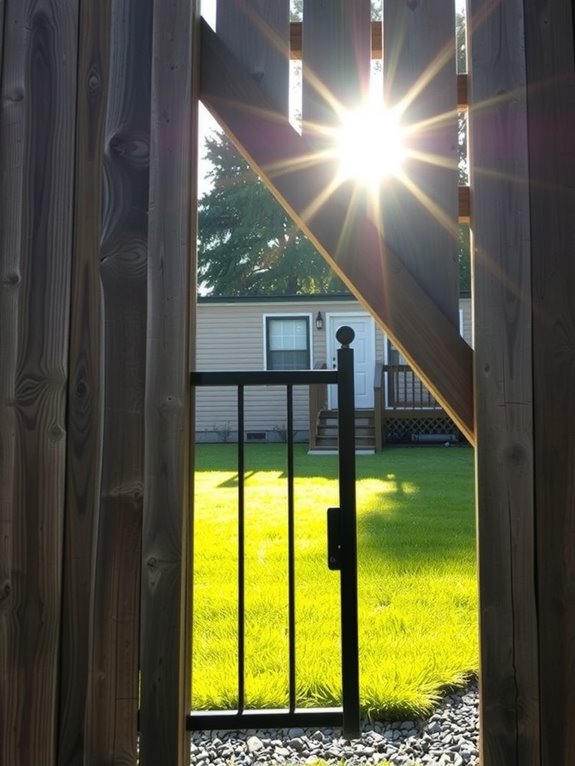
Here’s the thing about fences—I learned the hard way that a bad one can actually hurt my home’s value instead of help it. A poorly maintained chain link fence or one that’s installed crooked sends a red flag to buyers and appraisers. They see rust, loose gates, and misaligned posts and think the whole property has maintenance issues.
I also realized I can overdo the fencing. If my yard has too much fence or I pick materials that don’t match what my neighbors have, I’m working against myself. A fancy ornamental fence looks weird in a modest neighborhood. It sticks out in a bad way.
Here’s what I should do before I build anything. I check my local codes first. I walk around and look at what fences other homes have. My fence needs to blend in with the area, not stand out. When it matches the neighborhood standard, my curb appeal goes up. When it doesn’t match, I’m lowering my home’s market value.
The quality of the installation matters most. A sloppy job shows immediately. I’d rather spend time getting it right than dealing with buyer hesitation later.
Protective Coatings: Why They Increase Long-Term Fence Value
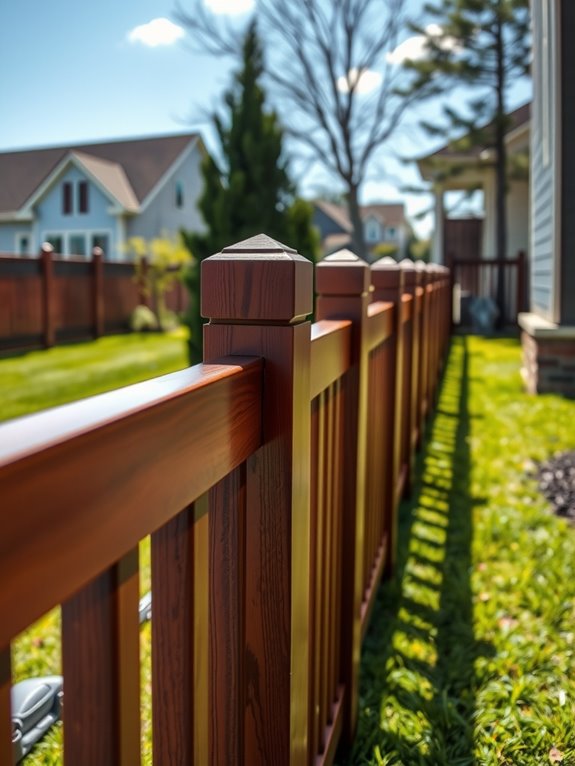
Ever notice how some steel fences look brand new after years while others rust and flake? That’s what protective coatings do. I’ve found that coated steel fences age way better than uncoated ones.
Here’s why I use them:
- Multi-layer protection – I apply galvanized steel with a zinc pre-coat, then an e-coat (a thin electrical coating that sticks to metal), and finally UV protection. This creates multiple barriers against rust.
- Less maintenance – I don’t have to touch up rust spots as often or spend time repairing damage. That saves me money and effort over time.
- Better resale value – My fence stays looking good, which keeps my property value up. Buyers notice a well-maintained fence.
I pair these coatings with corrosion-resistant fasteners (the bolts and screws that hold it together) and seal the fence regularly. This approach makes the fence last much longer. It shows potential buyers that I’ve invested in quality materials and upkeep. A coated fence meets their expectations for a long-lasting investment.
Professional Installation and Permits: Why They Matter More Than You Think
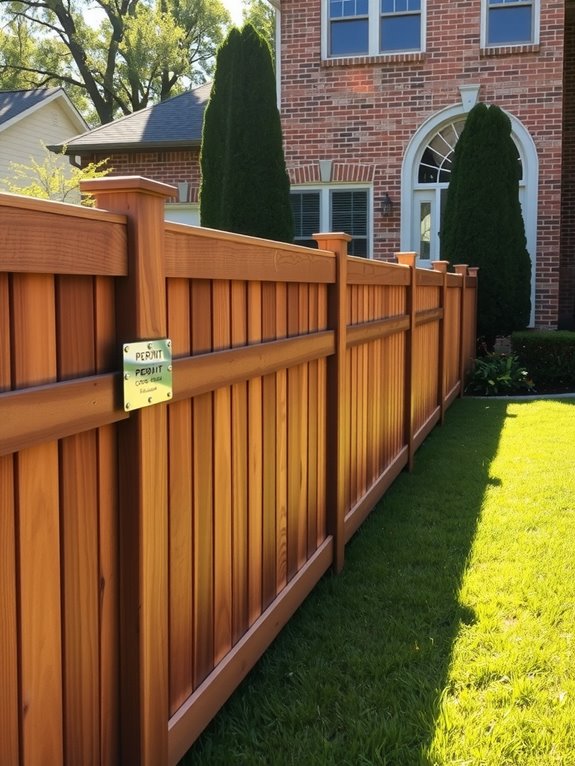
When you’re installing a fence to boost your property value, permits and regulations come first. They’re not just paperwork—they protect you legally and financially. I’ve watched homeowners skip professional installation to save money, then their fence ends up crooked in listing photos or fails inspection, which scares off buyers.
A licensed installer knows your local codes and handles all the permits and paperwork. They build to standards that appraisers actually respect. This means your fence will meet setback requirements (the distance it needs to be from your property line), height limits, and material specifications in your area. When you go this route, you avoid fines, forced removal, or having to rebuild the whole thing later.
I learned this matters most in neighborhoods with strict homeowner association rules or older districts with specific guidelines. A 6-foot privacy fence might be allowed in one zone but only a 4-foot open fence in another. Your installer knows these details and will get everything approved before the first post goes in the ground. That upfront work saves you headaches and money down the line.
Permit Requirements And Regulations
Most people don’t think about permits when they’re planning a fence, but skipping them can cost way more than the permit fee itself.
Here’s what I’m actually protecting myself from:
- Compliance issues – Local codes say how deep my posts need to go and how far back my fence has to be from the property line. These rules keep my fence standing strong for years.
- Resale complications – Unpermitted fences can hurt my home’s appraisal and make it harder to sell later.
- Renovation roadblocks – If I want to extend or modify an unpermitted fence later, it becomes a real headache.
When I pull permits, I’m verifying my fence meets the regulations in Seattle or Portland. I check HOA rules and zoning requirements before I start building. I make sure my gate meets safety standards and that I’m setting my fence back the right distance from my property line. Getting permits upfront saves me problems down the road and gives me confidence that my investment actually adds value to my home.
Professional Installation Quality Standards
Why does a professionally installed fence look so different from a DIY project? I’m talking straight lines, level posts, and proper footings that actually hold up. When I hire pros, they handle permitting and codes so I’m not scrambling with HOA issues later. They know how to set foundations correctly, and that’s where the real difference shows.
A quality installation means my fence photographs well for listing photos. Buyers notice secure hardware and clean appearance right away. I also get warranties backing the work. When I try DIY, I end up with crooked sections, loose gates, and rust spots that hurt my home’s value.
I invest in professional installation because it protects my investment. Proper installation quality boosts curb appeal and speeds up sales. That’s real money in my pocket, not just better looks.
Long-Term Value And Liability
Professional installation and permits might seem like extra costs upfront, but they’re actually my protection against expensive problems down the road. I want my home to look great and feel secure.
Fence permits keep me compliant with local codes. Without them, I risk costly fines or removal orders from my city or county. Durable footings installed by pros prevent shifting, settling, and structural failure over years. Low-maintenance materials like vinyl or aluminum preserve long-term value without constant repairs.
When I skip permits or cut corners, I’m risking liability issues if someone gets hurt on my property. Professional installation ensures straight lines, level posts, and proper privacy and security features that actually boost resale value. I’m protecting my investment and my peace of mind.
Budget and Timeline: ROI for Resale Value
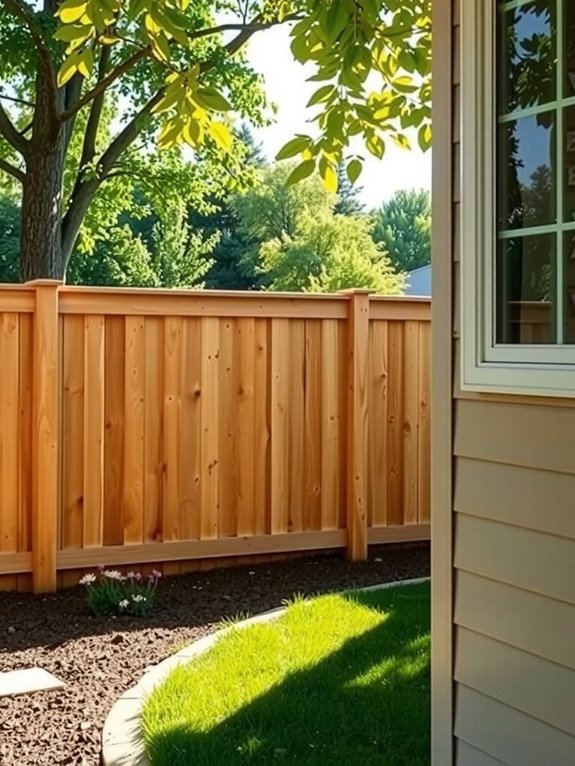
How much of your fence investment can you actually get back when you sell? I typically recover about 30% of my fence costs at resale, though strong markets push that toward 70%. My budget and timeline shape these returns substantially.
I’ve found that installing a fence 2–3 years before selling maximizes the impact on resale value. Material matters too—I get better returns from vinyl or cedar than chain link. Professional installation boosts curb appeal and helps homes sell roughly 18 days faster.
I’m not chasing official appraisal increases. Instead, I’m building perceived value that attracts buyers with families and pets. Planning ahead makes my fence investment a smart financial decision.
Fence Checklist: Ready Your Property for Resale
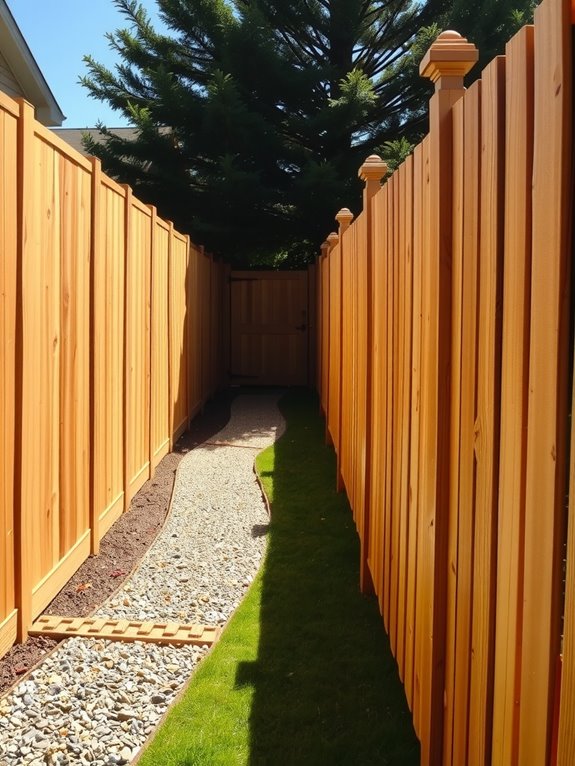
When you’re ready to sell, your fence needs to look good to potential buyers. I’ll walk you through what makes a fence ready for resale and helps with your home’s curb appeal.
- Inspect for damage and repair worn sections right away
- Check that permits were filed and a professional completed the installation correctly
- Clean and refresh your privacy fence with stain or paint
I recommend doing fence work 2–3 years before selling. This gives your fence time to settle naturally. When appraisers inspect your home, they notice the fence’s condition and whether it fits the neighborhood. A well-maintained privacy fence gets you better money back than chain link options.
I match my fence with my landscaping for the best look. Professional installation gives me level posts and a polished appearance that shows well in photos. When buyers see a fence that’s ready for them, they’re more interested in the property overall.