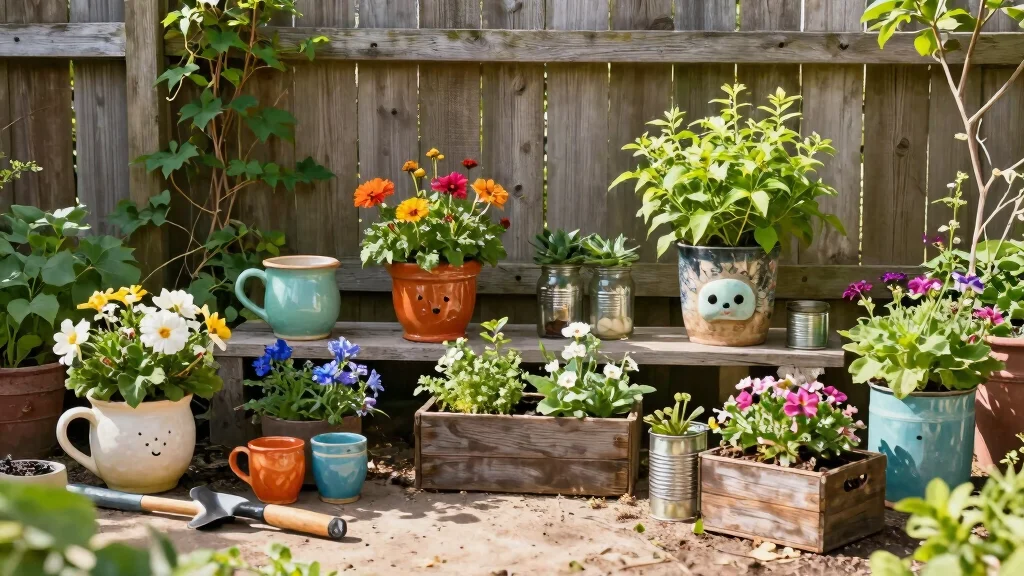
In a world where home décor can get pricey, the love for plants often collides with budget constraints. If you’re looking to add a touch of nature to your living space without breaking the bank, you’re not alone. Many of us crave a vibrant home filled with greenery but feel overwhelmed by the costs associated with traditional planters. That’s why I created this post! This article is perfect for anyone passionate about gardening or simply wanting to spruce up their home with plants. Whether you’re an experienced gardener or just starting out, these cheap planter ideas will inspire you to get creative. You’ll discover how to turn everyday household items into beautiful and functional plant containers that showcase your unique style. Get ready to dive into 12 affordable and clever planter ideas that will breathe new life into your gardening game. Each idea is not only budget-friendly but also environmentally conscious, making them a great fit for those who love DIY projects. Plus, these creative planter designs are sure to impress your friends and family, showing that gardening on a budget can still be chic and stylish!
Key Takeaways
– Discover 12 unique cheap planter ideas that utilize common household items, perfect for budget-friendly gardening. – Learn how to upcycle materials like tin cans and glass jars into eye-catching plant containers. – Find out how to incorporate old shoes and wooden crates into your garden décor for a quirky touch. – Understand the benefits of using recycled items, promoting sustainability while saving money. – Gain practical insights on designing and customizing your planters to fit your personal style and space.1. Upcycled Tin Cans
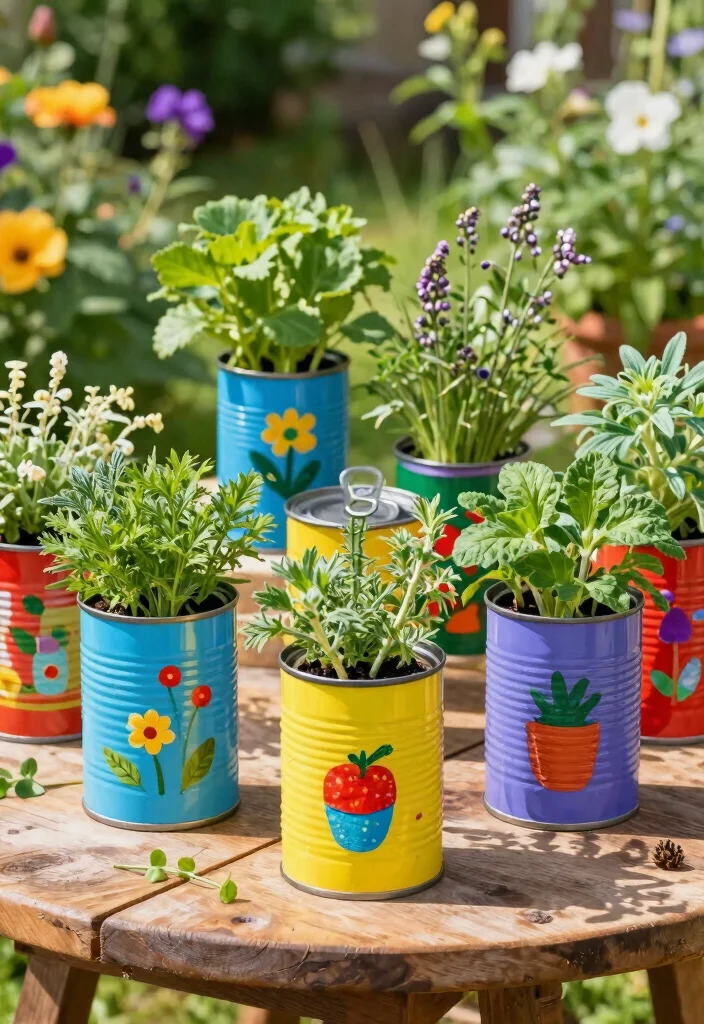
Turn those empty tin cans into delightful rustic planters! They’re lightweight, easy to customize, and can add a charming touch to your home. You can paint them in bright colors or decorate with fun washi tape to match your style. Picture rows of vibrant herbs in your kitchen or cheerful flowers on your balcony!
First, clean out any food residue and peel off the labels. Make drainage holes with a hammer and nail to prevent overwatering your plants. Personalize each can with acrylic paint or decorative tape, transforming them into unique pieces of art.
Key materials you’ll need:
– Empty tin cans
– Acrylic paint or decorative tape
– Hammer
– Nail
– Potting soil
– Plants (herbs, flowers, or succulents)
Steps to create your planters:
1. Rinse and dry the tin cans thoroughly.
2. Poke 3-4 holes in the bottom for drainage.
3. Decorate with paint or tape for a personal touch.
4. Fill with potting soil and plant your selections.
5. Place in a sunny spot and enjoy the greenery!
This project lets you embrace creativity while recycling. You’ll be amazed at how these simple cans can brighten up your space!
Did you know that upcycling tin cans can cut planter costs by up to 60%? These tiny, charming containers prove that cheap planter ideas can sprout big style—paint, punch holes, and watch herbs or blooms thrive in a sunny kitchen window.
Upcycled Tin Cans
Editor’s Choice




📹 Related Video: Turn Tin Cans into Cool Planters | Fun Recycling DIY for Plants
2. Wooden Crates
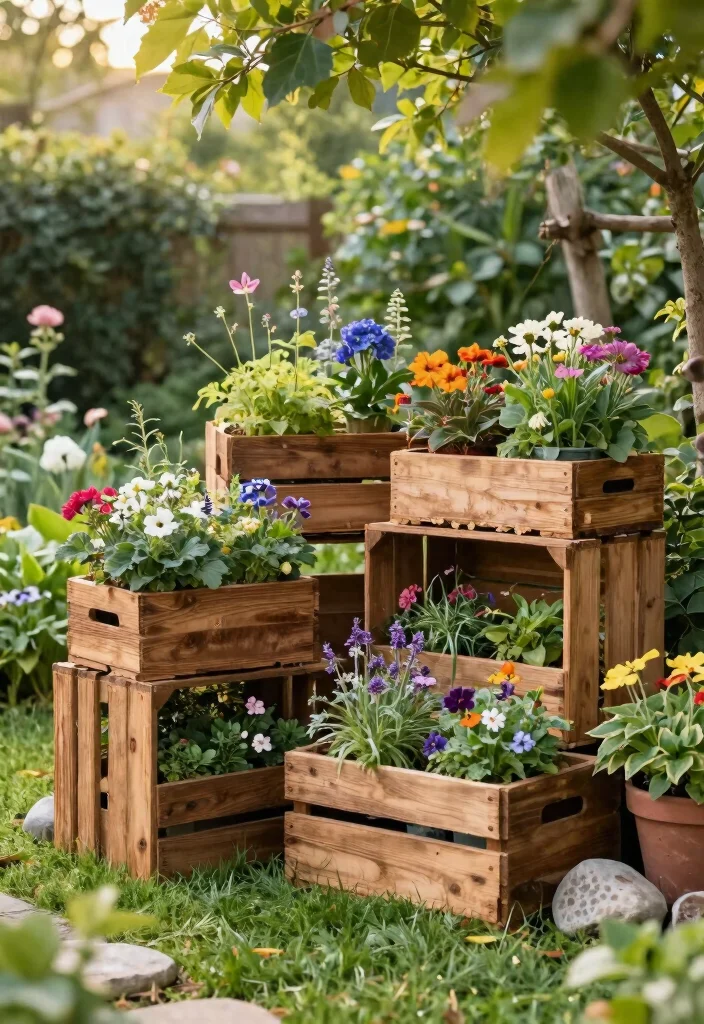
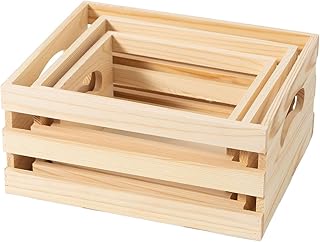
Old wooden crates can elevate your garden’s style effortlessly. They provide ample space for plants while adding rustic charm to any setting. By cleaning and preparing the crates, you can use them both indoors and outdoors, creating a unique planting area. Editor’s Choice
Start by checking for any sharp edges, then clean them thoroughly. You can stack crates for a vertical garden or lay them flat for a spacious arrangement. Mixing flowers and vegetables can create a stunning visual effect that enhances your garden’s beauty.
Gather these materials:
– Wooden crates
– Plastic liner or landscaping fabric
– Potting soil
– Plants (mixed flowers, vegetables, etc.)
Follow these simple steps:
1. Clean and inspect the crates carefully.
2. Line the interior with plastic or fabric for soil retention.
3. Fill with potting soil and arrange your plants.
4. Water and place them in your desired location.
This approach not only maximizes space but also adds a personal touch to your garden. You’ll love how inviting your outdoor area becomes!
Wooden Crates


3. Old Shoes
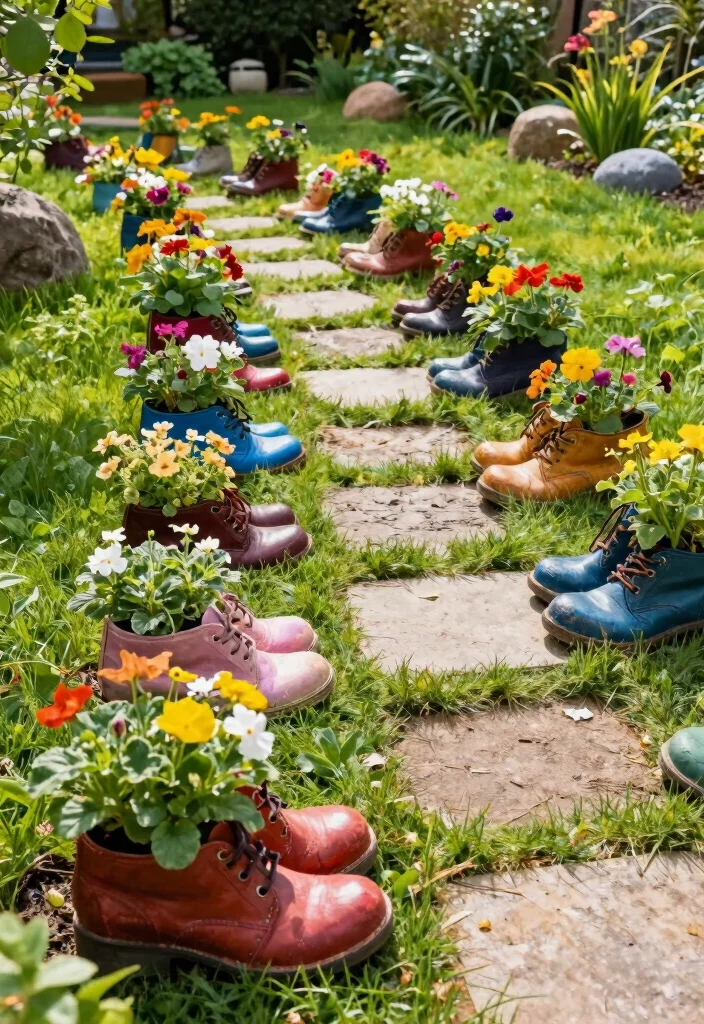
Yes, those old, worn-out shoes can become quirky planters! This fun recycling idea adds a playful and unique touch to your garden or porch. Choose shoes with depth, like boots or sneakers, to hold soil and moisture effectively.
Ensure the shoes are clean and make drainage holes if necessary. Fill them with potting soil and plant vibrant flowers or trailing plants like ivy for whimsical charm. This creative project will definitely spark conversations!
What you’ll need:
– Old shoes (boots, sneakers, etc.)
– Potting soil
– Plants (flowering plants, trailing plants)
Simple steps to follow:
1. Clean the shoes and remove dirt.
2. Create drainage holes as needed.
3. Fill with potting soil.
4. Plant your flowers or trailing plants inside.
5. Water gently and place them where they can shine.
This idea gives your garden a distinct flair. You’ll find joy in watching your quirky planters blossom and grow!
4. Glass Jars
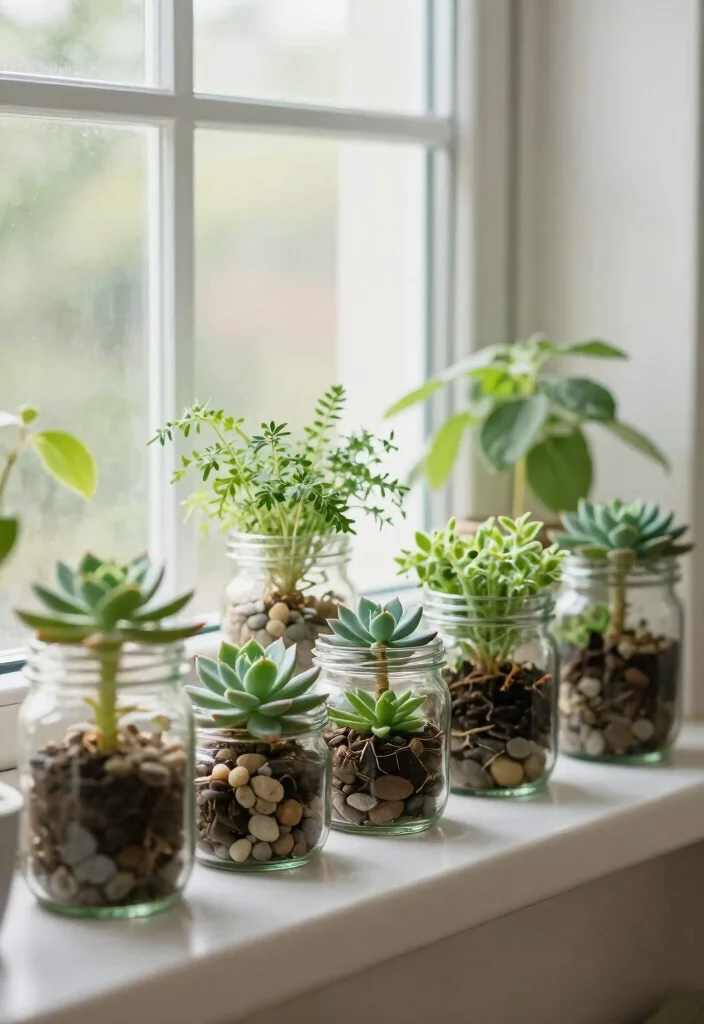
Don’t toss out those glass jars! They’re perfect for mini planters that can brighten any space. Whether you use mason jars or any glass container, they offer a stylish way to showcase small plants. Just add pebbles for drainage before filling them with soil.
You can layer soil and plants for a visually interesting look or plant easy-care succulents for a beautiful display. These jars will add charm to your desk or windowsill!
Materials needed:
– Glass jars (mason jars, jam jars, etc.)
– Pebbles or gravel
– Potting soil
– Small plants (succulents, herbs, etc.)
Steps to create your planters:
1. Clean the jars thoroughly and remove labels.
2. Add a layer of pebbles for drainage.
3. Fill with potting soil, leaving space for plants.
4. Add your plants and water gently.
5. Place in a sunny spot or on a windowsill.
These mini planters will instantly elevate your decor. You’ll love how they bring a touch of nature indoors!
Fun fact: glass jars become tiny planters with 3 simple steps, turning everyday jars into cheap planter ideas you can try this weekend. Layer pebbles for drainage, add soil, then plant easy-care succulents for a chic desk display.
How To Choose Affordable Plant Containers
Choosing the right affordable plant containers can be a fun and creative process! Here are some key factors to consider to find the perfect planter for your gardening needs while staying on a budget. 1. SizeThe size of your planter impacts your plants’ growth and health. Consider the space you have and the sizes of the plants you want to grow. For small herbs, smaller containers will do, while larger plants may need bigger pots. Remember, if you’re working with limited space, vertical planters or hanging options can maximize your area while keeping costs low.
2. Material
Planters come in various materials, each with its benefits. Plastic is lightweight and inexpensive, while terracotta is durable but can be more costly. Metal containers add a modern touch but may require extra care against rust. Choose a material that fits your aesthetic and maintenance preference. Also, consider if the material helps with drainage—some materials may hold moisture better than others.
3. Drainage Features
Proper drainage is essential for healthy plants. Ensure your chosen container has drainage holes or can be modified to include them. If a container lacks holes, consider using it as a cachepot (a decorative outer container) and place a smaller pot inside. This technique not only helps with excess water but also allows you to change the inner pot for different plants later.
4. Style and Design
Your planters should reflect your personal style! From rustic wooden crates to colorful tin cans, your choices can be as creative as you like. When selecting a design, think about how it will complement your home or garden. Upcycled materials can provide unique looks without breaking the bank. Don’t hesitate to paint or decorate inexpensive containers to match your aesthetic!
5. Budget
Determine how much you are willing to spend. You can find many budget-friendly gardening options at thrift stores or flea markets. When selecting a planter, make sure to balance affordability with quality. Sometimes investing a little more in a durable container can save you money in the long run. Consider the cost of potential replacements if a cheaper option fails.
6. Functionality
Think about how you will use the planter. If you plan to move it often, lightweight options like plastic or fabric are preferable. For permanent installations, heavier materials like stone or ceramic may be ideal. Also, consider if you need features like self-watering capabilities, which can save time and effort.
Pro Tip: Before making a purchase, visualize the planter in its intended location. Measure the space and compare it to the container’s dimensions. This step helps ensure that your selected planter fits perfectly and looks great in your home or garden.
By focusing on size, material, drainage, style, budget, and functionality, you can make informed decisions when selecting affordable plant containers. Happy gardening!
5. Plastic Bottles
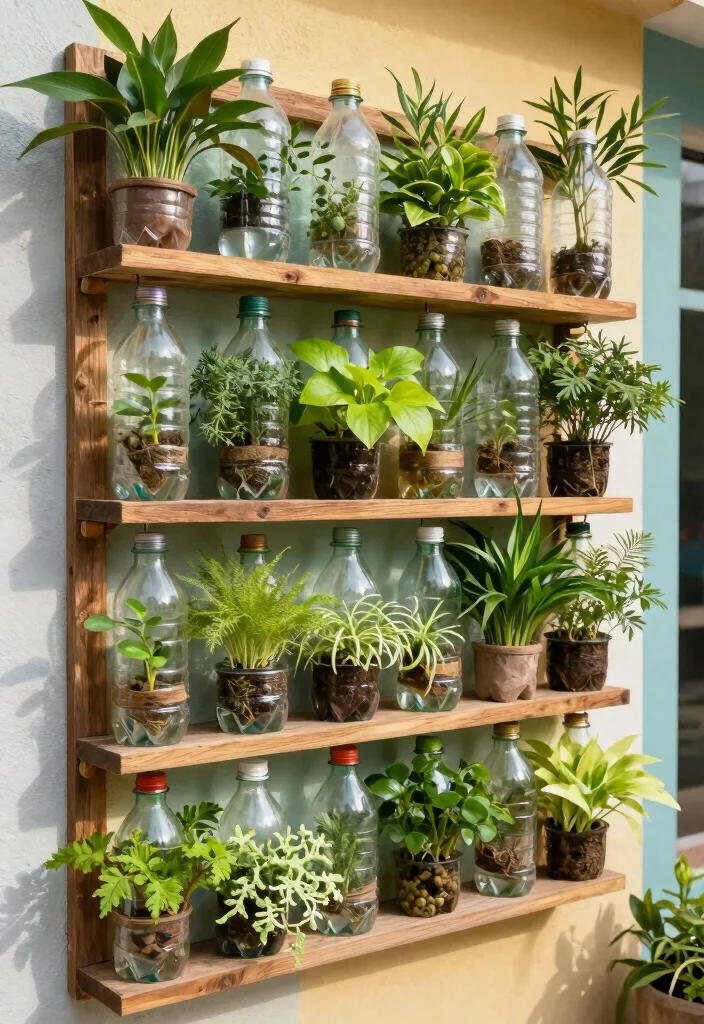
Plastic bottles are not just for recycling; they can turn into fantastic planters! This eco-friendly approach is perfect for budget-conscious gardeners. Simply cut the bottles in half, using the bottom for a simple self-watering planter.
Make drainage holes to ensure proper watering. You can paint or cover the bottles for a more attractive look. Hang them for a creative vertical garden that saves space and looks stylish!
Materials required:
– Plastic bottles (2-liter soda bottles work great)
– Scissors or a box cutter
– Potting soil
– Plants (flowers, herbs, etc.)
Follow these steps:
1. Clean and dry the plastic bottles.
2. Cut the bottles in half to create a top and bottom.
3. Poke drainage holes in the bottom.
4. Fill with potting soil and plant your seeds or seedlings.
5. Optionally, decorate and hang them where desired.
This project allows for creativity while being environmentally conscious. You’ll enjoy gardening in a fun and unique way!
Fun fact: Plastic bottles can become stylish, budget-friendly planters—a simple cut, a few drainage holes, and a splash of paint turn a 2-liter bottle into a vertical, self-watering display. Cheap planter ideas that actually work, with zero waste.
6. Colanders
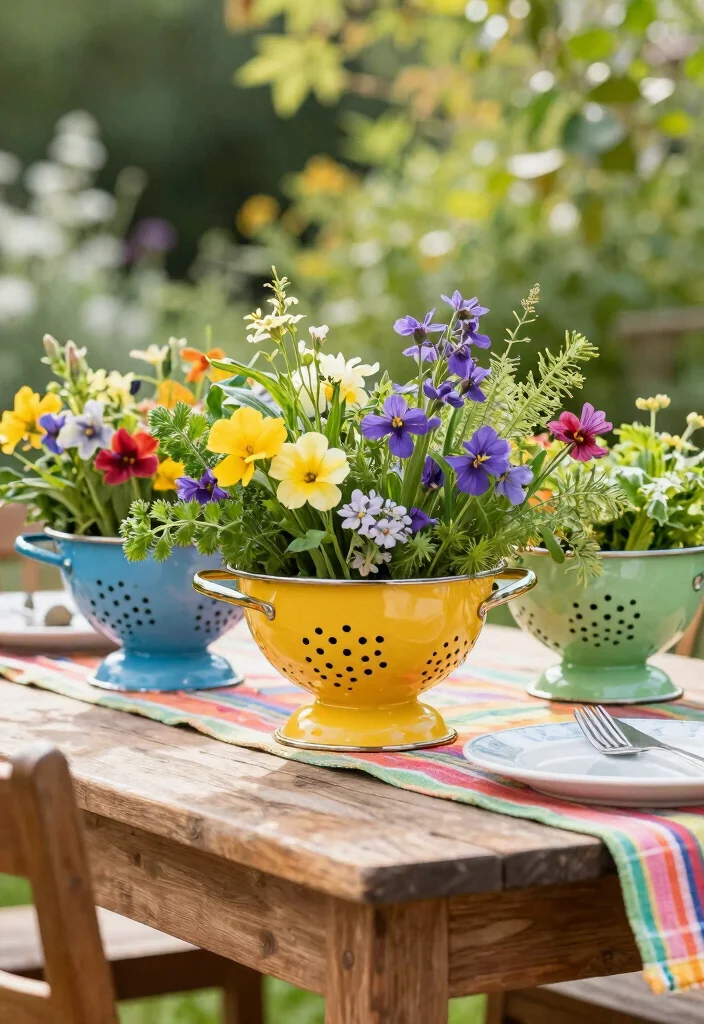
Colanders make unexpected yet delightful planters! Their holes provide excellent drainage, ensuring your plants thrive. Start by lining the inside with fabric or moss to retain soil moisture while allowing excess water to escape.
Fill with potting soil, and your plants will flourish beautifully! These quirky planters can serve as centerpieces on tables or hang for a lovely cascading effect.
Materials to gather:
– Old colanders (metal or plastic)
– Fabric or moss
– Potting soil
– Plants (flowers, herbs, etc.)
Steps to create your planters:
1. Clean the colanders thoroughly.
2. Line the interior with fabric or moss.
3. Fill with potting soil and plant your chosen flowers or herbs.
4. Display them where they can shine.
Adding colanders to your garden introduces a fun and functional element. You’ll appreciate their charm while enjoying the beauty of your plants!
7. Wooden Pallets
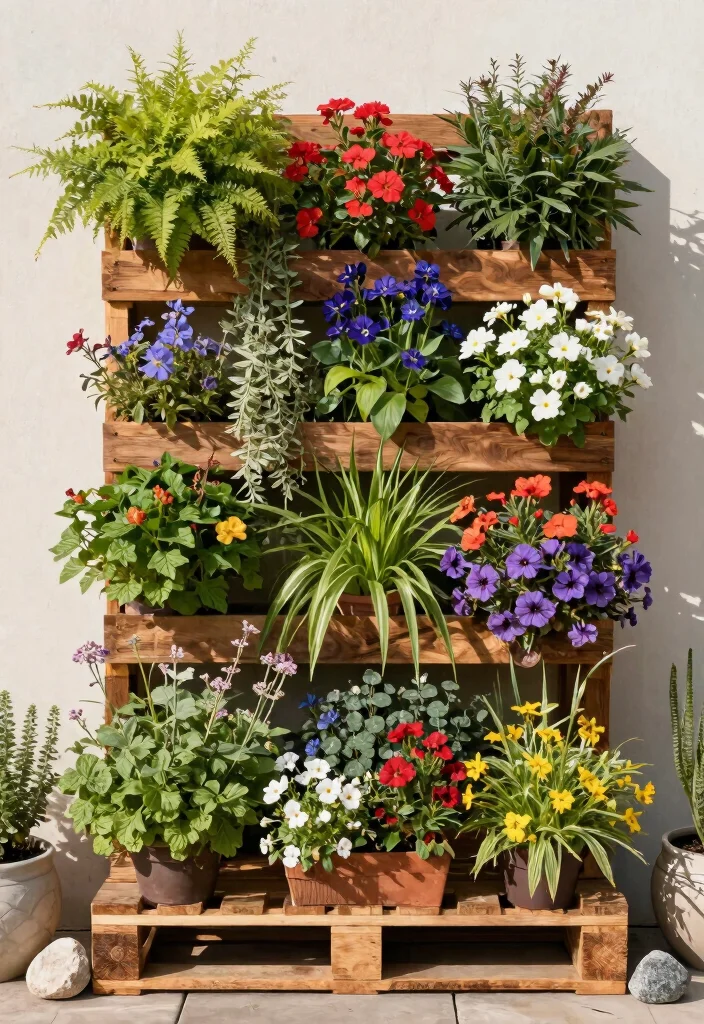
Wooden pallets offer a fantastic way to create vertical gardens that maximize your growing space. You can often find them for free or at a low cost. Start by cleaning the pallet and ensuring it’s safe for use before planting. Editor’s Choice
Stand it upright against a wall or lay it flat, attaching pots for a layered effect. Fill the gaps with a mix of herbs, flowers, or small vegetables for a stunning feature in your garden.
Materials to prepare:
– Wooden pallets
– Potting soil
– Plants (flowers, herbs, vegetables)
Steps to follow:
1. Clean the pallet and sand any rough edges.
2. Position it upright or lay it flat for planting.
3. Fill the gaps with potting soil and your plants.
4. Water regularly and watch your vertical garden flourish.
This creative use of pallets not only saves space but also enhances your garden’s appeal. You’ll love the lush greenery it brings to your outdoor area!
Wooden Pallets


8. Old Bowls
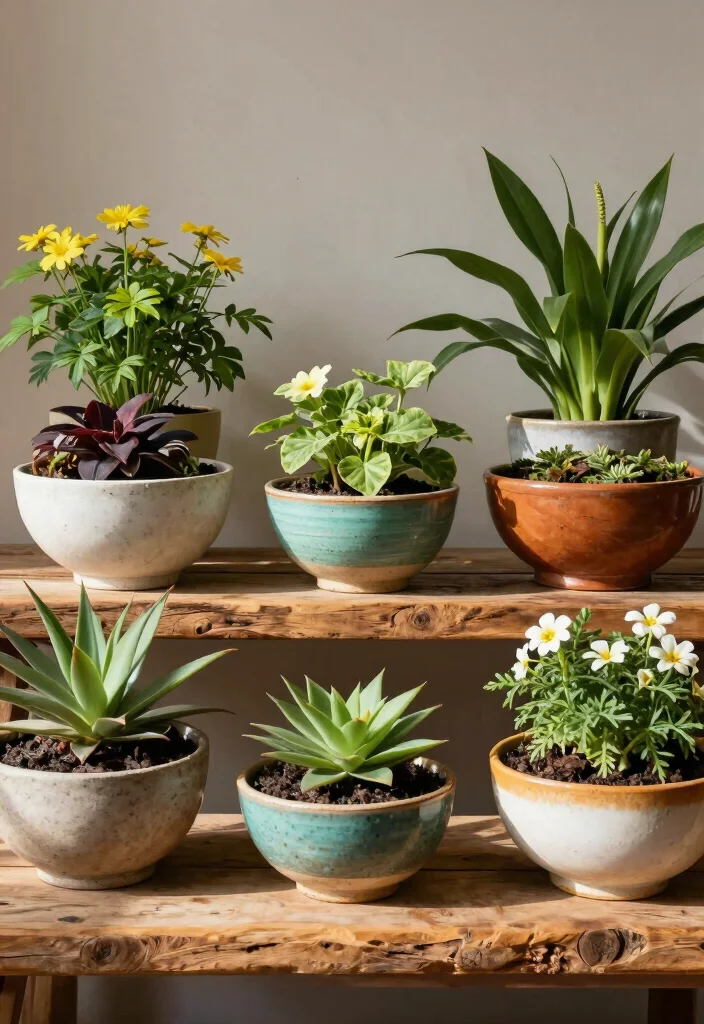
Old bowls can be transformed into charming planters that become the focal point of your garden. Choose bowls of various sizes and materials—ceramic, metal, or wood—for an interesting display. Ensure they have drainage; if not, poke some holes.
Fill them with potting soil and your favorite plants, creating a whimsical touch for your home. They work beautifully as centerpieces or decorative accents on shelves.
Materials you’ll need:
– Old bowls (ceramic, metal, etc.)
– Potting soil
– Plants (flowers, succulents, herbs)
Steps to create your planters:
1. Clean the bowls thoroughly, ensuring no residue remains.
2. Create drainage holes if necessary.
3. Fill with potting soil and plant your selections.
4. Place in creative locations for maximum impact.
Using old bowls adds character to your garden. You’ll enjoy the playful aesthetics they bring to your space!
9. Wine Bottles
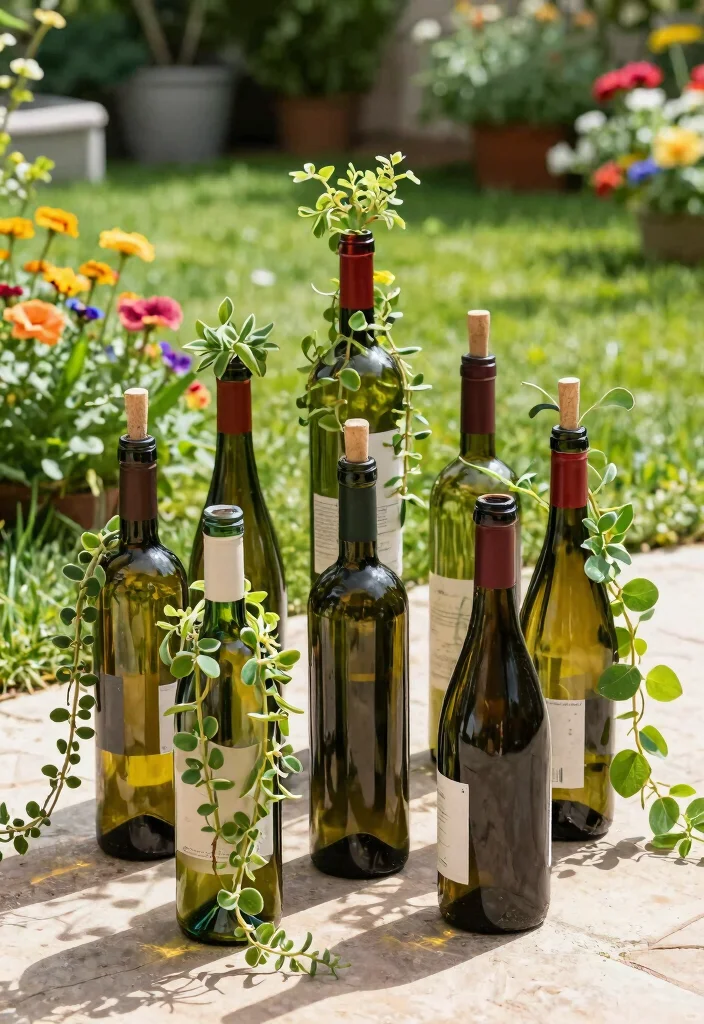
Empty wine bottles can be transformed into beautiful planters! Their long necks and vibrant colors create a lovely backdrop for cascading plants. You can cut the top off or leave them whole, filling the bottom with rocks for drainage before adding soil. Editor’s Choice
Consider using various colors for a stunning display that brightens your garden. These unique planters will certainly catch the eye and spark conversations!
Materials to have:
– Empty wine bottles
– Potting soil
– Plants (trailing plants, herbs)
Steps to follow:
1. Carefully cut the bottles if you prefer, or keep them intact.
2. If intact, fill the bottom with small rocks for drainage.
3. Fill with potting soil and plant your trailing plants inside.
4. Display them in a sunny area for cheerful ambiance.
This creative use of wine bottles adds charm and personality to your garden. You’ll love the eye-catching effect they create!
Wine Bottles


10. Baskets
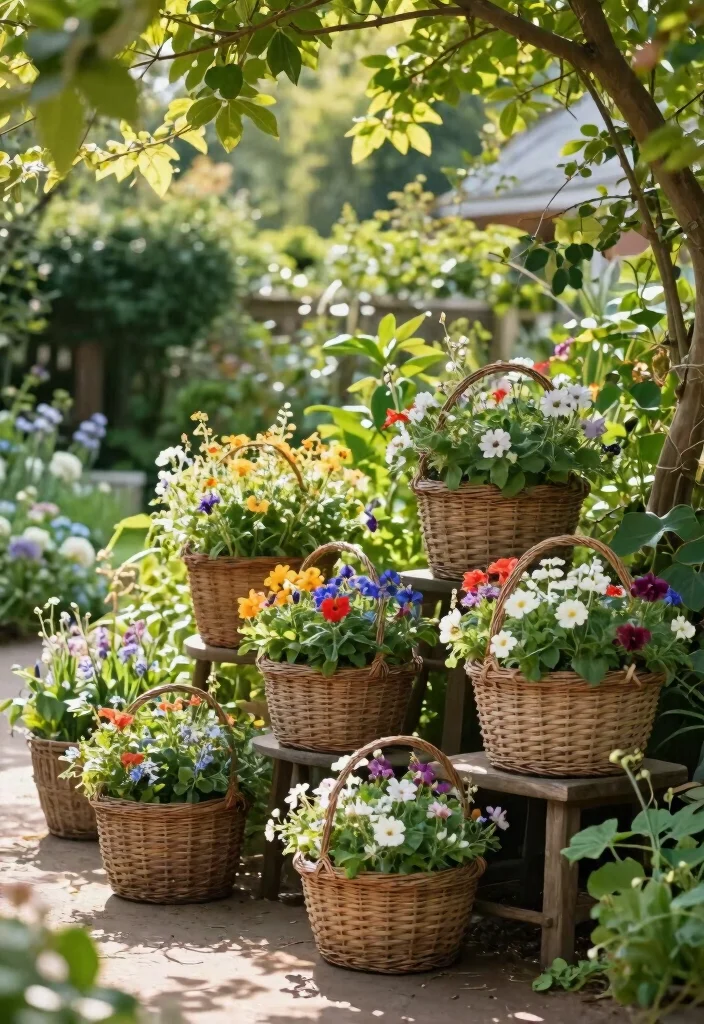
Old baskets are perfect for creating natural-looking planters. Their woven texture adds rustic charm to any garden. Before planting, line the inside with plastic or burlap to contain the soil.
Fill the basket with potting soil and choose flowers or herbs to plant, creating a beautiful arrangement. These can be hung for vertical gardening or placed on tables as lovely centerpieces.
Materials needed:
– Old baskets (wicker, fabric-lined, etc.)
– Plastic liner or burlap
– Potting soil
– Plants (flowers, herbs, etc.)
Follow these steps:
1. Clean the baskets, ensuring they’re free of debris.
2. Line with plastic or burlap to keep soil contained.
3. Fill with potting soil and arrange your plants.
4. Water and place them where desired.
Mixing different plant types adds diversity and interest. You’ll appreciate the inviting atmosphere these baskets create in your garden!
11. Old Tubs
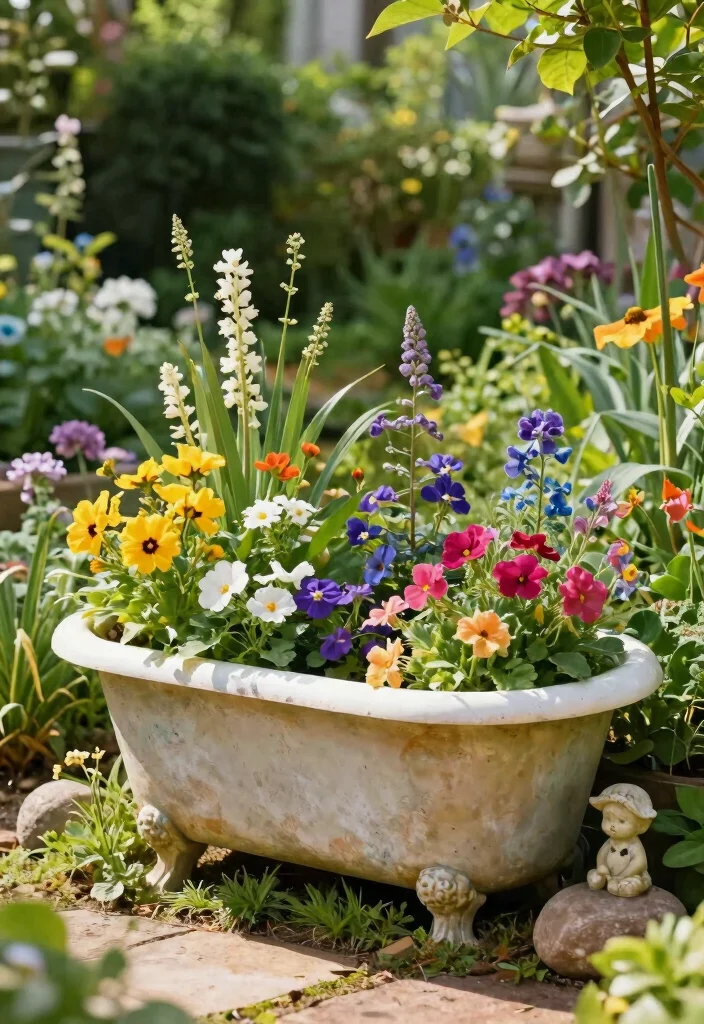
An old bathtub can be transformed into a stunning planter! Imagine a garden tub overflowing with colorful blooms. Start by cleaning it and removing any clogs to ensure proper drainage for planting. Editor’s Choice
Fill with potting soil and plant your favorites for a vibrant display. These tubs can be placed in gardens or serve as eye-catching focal points on patios.
Gather these materials:
– Old bathtub
– Potting soil
– Plants (flowers, vegetables, etc.)
Steps to create your planter:
1. Clean the bathtub thoroughly and remove debris.
2. Fill with potting soil, ensuring good drainage.
3. Plant flowers, vegetables, or herbs for a colorful array.
4. Place it prominently for maximum visual impact.
Adding a bathtub to your garden creates a unique and bold statement. You’ll enjoy the beauty and charm it brings to your outdoor space!
Old Tubs


12. Old Desks
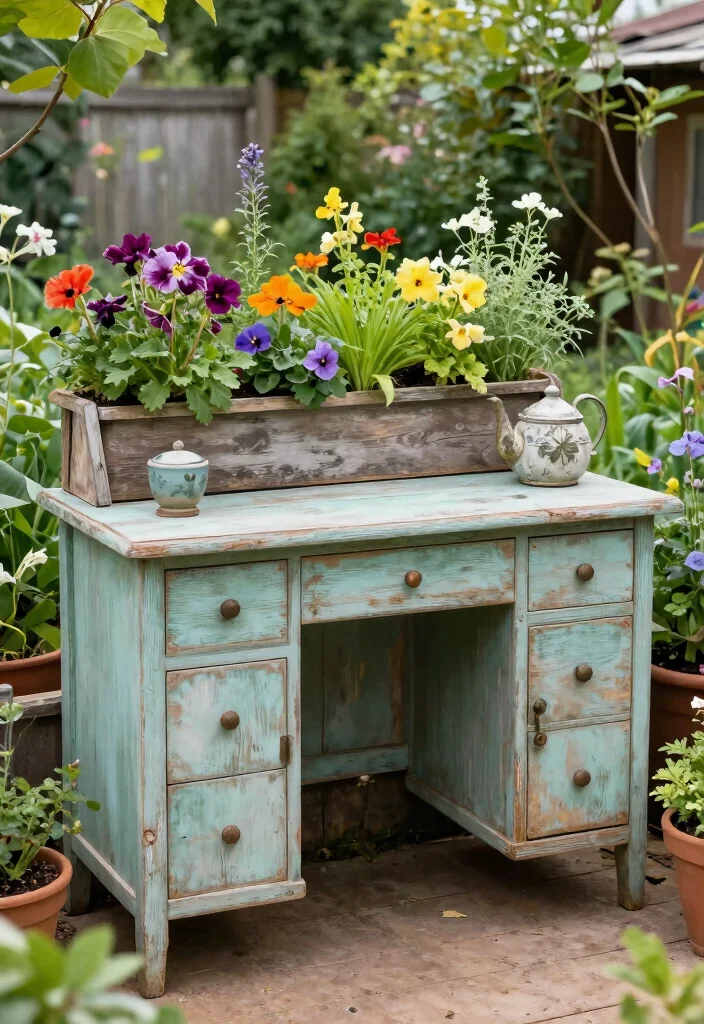
An old desk can be reimagined as an extraordinary raised planter! This creative use of furniture adds character to your garden. Remove the drawers for planting space or fill them with soil for unique mini planters.
Paint it or leave it rustic for added charm. This approach saves space and looks visually stunning in any outdoor setting.
Materials required:
– Old desk
– Potting soil
– Plants (flowers, herbs, etc.)
Steps to follow:
1. Clean the desk thoroughly and remove any debris.
2. Ensure the drawers have drainage holes if used.
3. Fill with potting soil and plant your chosen flora.
4. Display in your garden or on a patio for style.
Painting it in bright colors will make it pop beautifully. You’ll love the creativity and charm this project brings to your outdoor space!
Conclusion
Embracing budget-friendly gardening does not mean sacrificing beauty or creativity. By utilizing everyday household items as planters, you can cultivate a vibrant garden that reflects your personality while being kind to your wallet. So, gather those old items and start crafting your own DIY planters today! With these cheap planter ideas, not only can you enhance your home and garden, but you’ll also be doing your part for the environment by upcycling. Happy gardening! Note: We aim to provide accurate product links, but some may occasionally expire or become unavailable. If this happens, please search directly on Amazon for the product or a suitable alternative. This post contains Amazon affiliate links, meaning we may earn a small commission if you purchase through our links, at no extra cost to you.
Frequently Asked Questions
What are cheap planter ideas that still look great using upcycled household items?
There are plenty of cheap planter ideas that still look great by using upcycled household items. Consider tin cans, teacups, mason jars, wooden crates, or an old boot as planters. Here’s how to make them work: clean and dry your item, drill drainage holes, line with landscape fabric, and fill with a lightweight potting mix. Add a coat of paint or decorative wrap to tie them together for a cohesive look. Use a tray or saucer to catch excess water to protect surfaces. With these DIY planters you get stylish, budget-friendly gardening results that fit the cheap planter ideas vibe. Group several planters at varying heights to create a focal point.
How can I create DIY planters on a budget without sacrificing style?
Start with a clear theme and color palette to keep things stylish while you repurpose items you already own. Look for teacups, jars, metal tins, wooden crates, or even an old boot—the possibilities are endless for DIY planters. Then: drill drainage holes, line with landscape fabric, and fill with a lightweight potting mix. Finish with weatherproof paint or a decorative wrap to unify the look. Group different shapes and heights for visual interest and make your creative planter designs feel intentional. Finally, set them on a tray or shelf to protect surfaces and keep gardening on a budget.
What affordable plant containers work well for gardening on a budget?
Affordable plant containers include plastic storage bins with drilled holes, thrifted clay pots, old buckets, boots, teapots, colanders, and galvanized tubs. Clean them, add drainage, and line with landscape fabric to prevent soil leaks. For a cohesive look, paint or wrap several containers in a similar color family and group them together. Remember to check that each container has drainage or add a dish to catch overflow. These options offer affordable plant containers that still deliver style for budget-friendly gardening.
Which upcycled materials work best for creative planter designs on a budget?
There are plenty of options that shine when you turn them into planters. Classic picks include old boots, teapots, colanders, suitcases, watering cans, and metal tins. Consider performance: avoid heavy items if you need to move them, ensure drainage with holes or liners, and seal any porous material to prevent rot. Use a consistent finish or paint color to create creative planter designs. Pair with lightweight soil and appropriate plants (succulents, herbs, or small annuals) for the best results. For gardening on a budget, these upcycled materials often beat pricey store-bought options.
How can I maintain healthy plants with cheap planter ideas and ensure proper drainage on a budget?
Start with the right plant choices for your light and water conditions, and ensure every container has drainage. Use a breathable potting mix and a bottom drainage layer, then top with soil. Water deeply when the top inch of soil dries, and avoid overwatering in containers that retain moisture. Choose drought-tolerant or compact varieties for low-maintenance setups. Keep an eye on root health and repot if roots become crowded. Group planters to protect from wind and sun. With these practical steps, you’ll keep plants thriving while sticking to cheap planter ideas and your gardening on a budget plan.