Yeah, you can totally use modern treated wood for garden beds. The stuff they make now is way different from the old arsenic-treated lumber from back in the day. These days, manufacturers use copper-based preservatives instead, which is safer for growing vegetables.
Oregon State University did some studies on this. They tested vegetables grown in CA-C treated beds and found they don’t soak up extra copper. Copper does leach (that means it seeps out) about 1 inch into the soil around your bed, but it stays within the natural levels that are already in the ground.
Here’s what I do to keep leaching to a minimum. I line the inside of my bed with heavy plastic sheeting before filling it with soil. This creates a barrier between the wood and the dirt.
When you’re picking out your wood, look for boards labeled UC4A or UC4B. These ratings mean the wood is rated for ground contact, so it’ll hold up better in your garden. Wear gloves while you’re handling and installing the wood. I also do a soil test every couple of years just to check things are staying normal. You’ve got other options too if treated wood doesn’t feel right for you.
Is Treated Wood Safe for Vegetable Garden Beds?
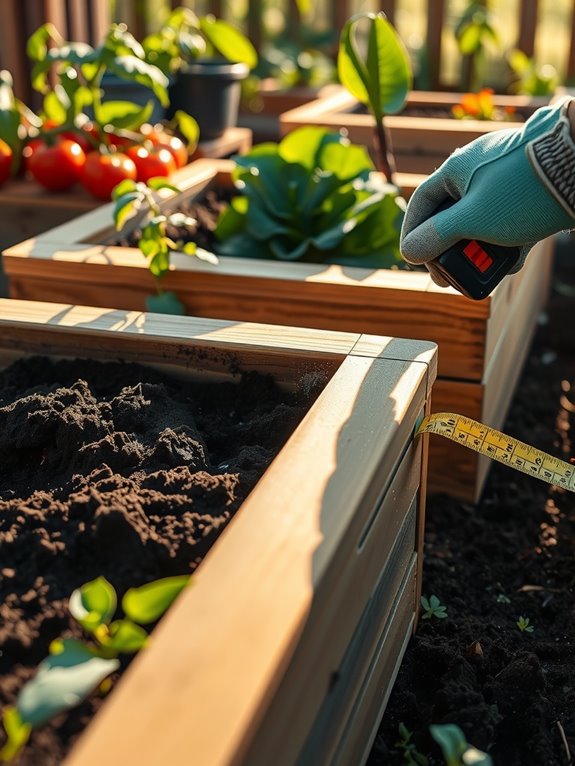
You might wonder if building a raised vegetable bed from treated wood could harm your plants or soil. The answer is that modern copper azole-treated lumber is safe for ground-contact raised beds.
Oregon State University researchers tracked vegetables grown in CA-C treated beds over multiple seasons. They found no measurable increase in copper concentration in the vegetables compared to untreated beds. Small copper increases only showed up within about one inch of the bed edge, and those amounts stayed within the natural copper levels already present in soil around here.
If I want extra protection, I can line the inside of my bed with heavy plastic sheeting to reduce direct soil contact with the wood. Using ground-contact rated treated wood gives me both safety and durability for my garden project.
Why Modern Treated Wood Is Safer Than Old Options
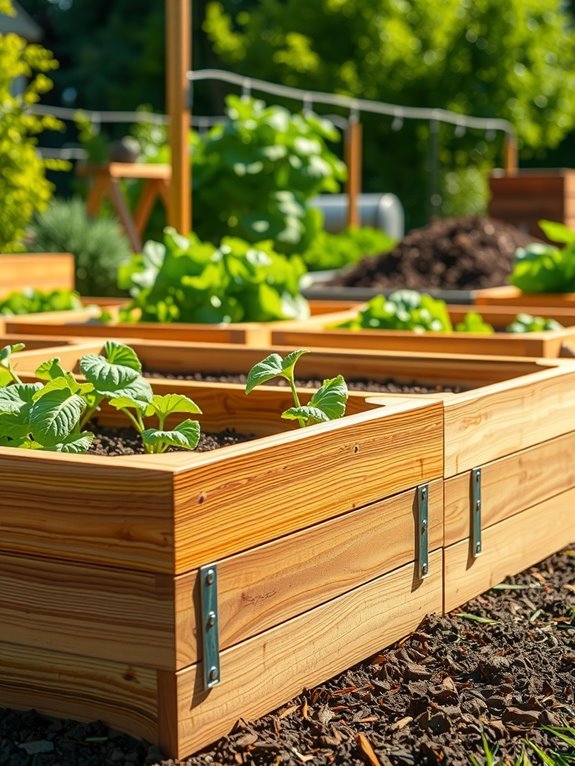
If I’d been gardening back in the 1980s and 90s, I would’ve worried about CCA-treated wood. That stuff contained arsenic, which could leak into my soil and damage my crops. We don’t use CCA anymore for residential garden beds, so that risk is gone now.
Today I use copper-based preservatives like CA-C and ACQ instead. They’re much safer because they don’t build up in vegetables over multiple growing seasons. I can feel confident that my garden beds won’t introduce harmful chemicals into the food I’m growing.
The Arsenic Problem Solved
When folks hear “treated wood,” many still think of the arsenic-laced stuff from decades past. That’s changed dramatically though.
I used to worry about the old CCA (chromated copper arsenate) wood that contained arsenic. It wasn’t safe for ground contact or anywhere near vegetable gardens. Now I can use CA-C treated wood instead. The main difference is that CA-C uses copper-based preservatives rather than arsenic.
OSU research shows no detectable copper increase in vegetables after multiple seasons of use. That means I can build raised beds without the old safety concerns hanging over my head.
I can add extra protection by using linings between the treated wood and soil. This reduces direct contact between the wood and whatever I’m growing. The shift to safer wood happened because regulatory agencies demanded better options. I monitor metal uptake continuously to stay on top of things.
Copper Azole’s Safety Profile
How’d we get from arsenic-soaked lumber to wood that’s actually safe for vegetable gardens? I switched to copper azole treatments like CA-C and MCA. These formulations protect wood from fungi and termites without the toxic baggage of old methods.
I found what matters most in the research. Oregon State University tested vegetables grown in CA-C treated beds over multiple seasons and found no detectable copper increase in the plants. That’s real data backing up what I need to know. The copper leaching risk stays minimal when I follow standard practices.
I can add an extra protective barrier too. I line the bed interior with heavy plastic sheeting to create distance between my soil and the treated wood. The industry standards (AWPA UC4A, UC4B, and UC4C) confirm these treated wood garden beds work safely when I use them correctly.
Modern Preservatives vs. CCA
I used to worry about arsenic when I built my raised beds. The old pressure-treated wood from years ago contained CCA, which was a chemical mix that included arsenic. It could leach into the soil where I grew my vegetables. That’s why they phased it out.
Now I use modern pressure-treated lumber with copper-based preservatives like CA-C or ACQ. These formulations keep arsenic completely out of my garden. The copper does the job of protecting the wood from rot and insects without the health risks.
I can buy lumber labeled for ground contact, which means it’s safe to use directly in soil. That makes building raised beds much simpler. I don’t need to line the inside or worry about what’s seeping into my beds year after year.
I’ve checked on copper levels in vegetables grown in these beds. The amount of copper that gets into the plants stays so low you can’t even measure it with normal testing. One season or five seasons—the results stay the same.
When I’m picking out wood for a garden project, I grab the copper-treated options. It’s a straightforward choice between materials I can feel good about using around my family.
Does Copper Leach Into Your Crops? (What the Research Shows)
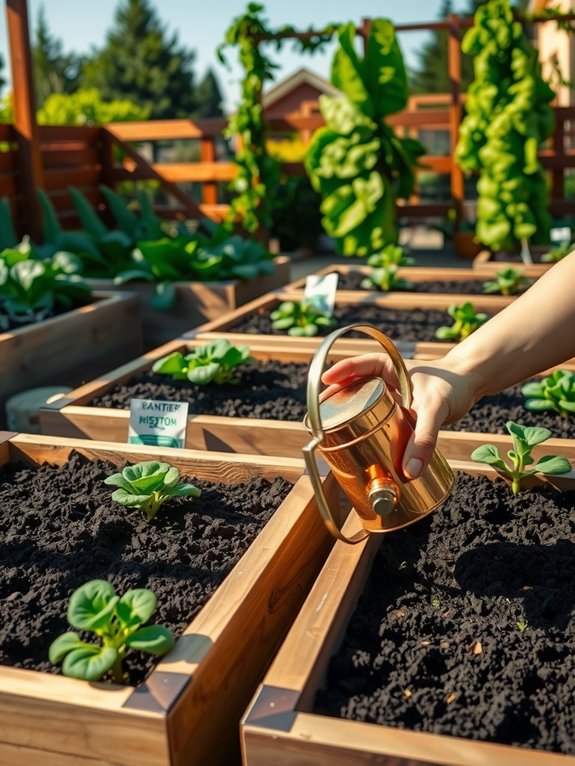
When I use copper azole treated wood for my raised beds, copper does leach into the soil right next to the wood edges. The copper concentration stays pretty close to the source though—it only goes about 1 inch out from the bed edge, with levels around 20–68 ppm higher than untreated beds.
The good news is my crops don’t soak up extra copper from this treated wood. I’ve grown vegetables and herbs through multiple seasons, and testing shows no detectable increase in copper inside the plants. The copper uptake stays normal and safe.
If I want extra protection, I can use soil liners to block direct contact between the wood and soil. But honestly, properly labeled ground-contact treated lumber doesn’t pose a real risk to my edible plants based on what the research shows.
How to Use Treated Wood Safely in Your Garden
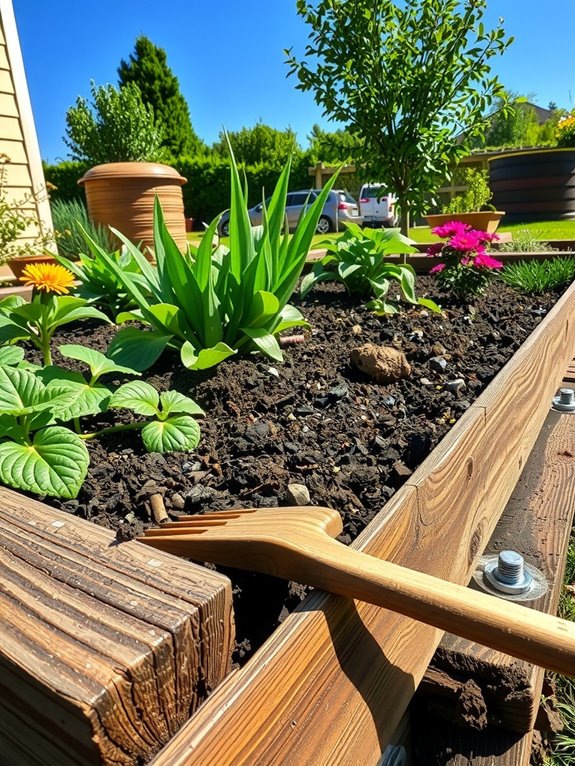
If you’ve decided treated wood works for your garden, here’s how to use it safely. I recommend choosing CA-C treated wood certified for ground contact like UC4A or UC4B ratings. These letters mean the wood can handle direct soil contact without rotting quickly.
I line the interior with heavy plastic to create a barrier that reduces copper leaching into my soil. Copper is a chemical in treated wood that keeps it from rotting. OSU research shows copper levels near bed edges stay localized, but this extra step gives me more confidence.
Line the interior with heavy plastic to reduce copper leaching and create a protective barrier between treated wood and soil.
When I handle the lumber, I wear gloves and wash my hands thoroughly afterward. These practices protect me during installation.
I consider periodic soil testing to monitor copper levels. I can test annually if I’m concerned about buildup. This way I know what’s happening in my garden and can grow vegetables with confidence.
Treated vs. Cedar: Which Lasts Longer?
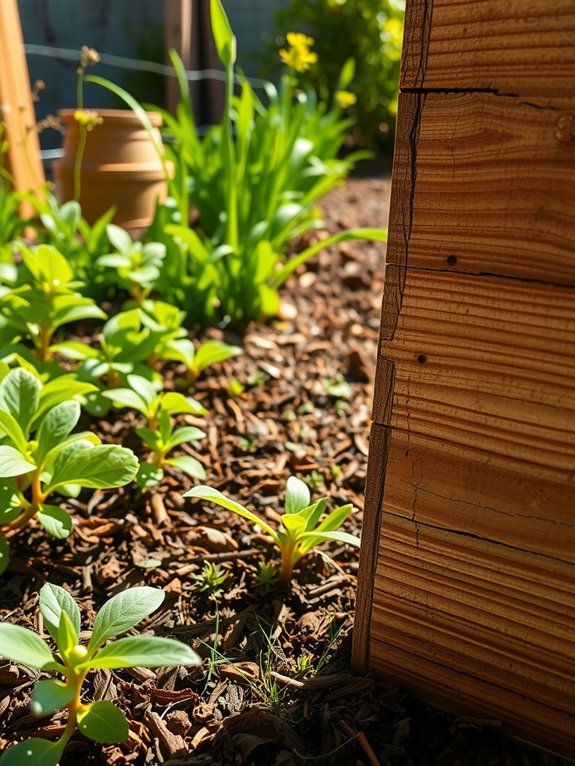
Now that you’ve got your bed lined and protected, you might wonder if treated wood is actually worth the extra cost compared to cedar or redwood. I’ve found that pressure-treated wood offers superior longevity when it’s in ground contact situations. An OSU study showed treated boxes remain mostly intact after six seasons, while untreated softwoods fail around that same timeframe. Cedar and redwood naturally resist decay because of their wood composition, but they’ll eventually need replacement too.
| Material | Cost | Lifespan | Ground Contact | Best For |
|---|---|---|---|---|
| Pressure-treated | Moderate | 15+ years | Excellent | Long-term durability |
| Cedar | High | 10-15 years | Good | Aesthetic appeal |
| Redwood | High | 10-15 years | Good | Natural beauty |
| Untreated softwood | Low | 3-6 years | Poor | Temporary beds |
| Composite | Very high | 20+ years | Excellent | Premium projects |
I choose treated wood for durability and value. The moderate cost and 15+ year lifespan make it the smarter choice when you’re planning to keep your bed for a while.
Better Alternatives to Treated Wood for Garden Beds
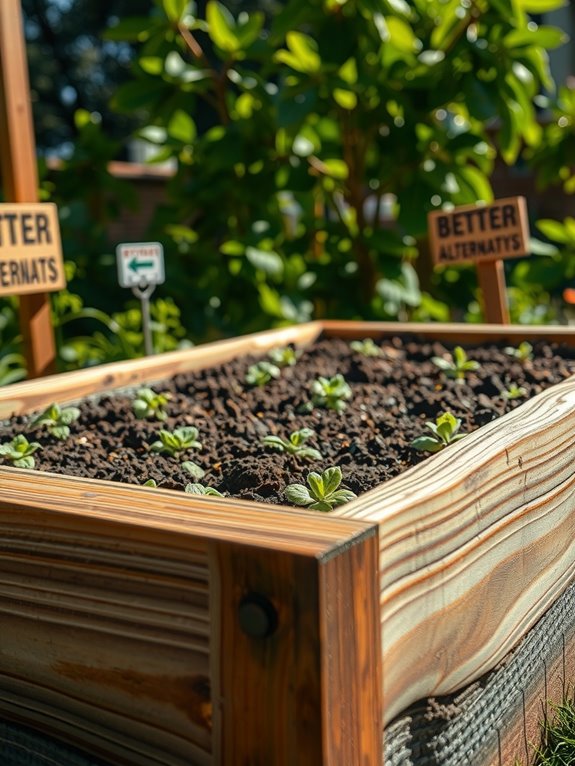
Maybe you’re concerned about chemicals leaching into your soil, or you simply want a garden bed that’ll outlast treated wood without the maintenance hassle. I’ve found some solid alternatives worth considering.
Cedar and redwood give you natural rot resistance without pressure-treated wood’s chemical preservatives. They skip the copper concentration concerns tied to soil contamination. Composite materials look like wood but avoid toxicity issues altogether, making them great for vegetable gardens and soil safety.
Metal frames like galvanized steel or aluminum resist weather and pests for decades. Bricks or stone beds deliver permanent solutions that won’t leach chemicals into your growing area. These alternative materials eliminate the guesswork around whether treated lumber harms your raised beds. I’d pick whichever fits my budget and garden style.