Yes, I can use garden soil in raised beds, but here’s the thing—it compacts and drains poorly by itself. I need to mix it with other materials to create air pockets for my plant roots.
I use equal parts topsoil, coarse sand, and compost. This blend stops waterlogging and root rot, which are problems where water sits in the soil and roots decay. I fill my raised bed with this mixture, then add 1 to 2 inches of fresh compost on top each season to keep nutrients strong.
Getting my soil structure right makes a real difference in how well my garden grows.
Can You Use Garden Soil in Raised Beds? Yes, But Here’s How
Why settle for plain garden soil when you can mix something better for your raised beds? I’ve found that combining garden soil with amendments makes a real difference in how well plants grow.
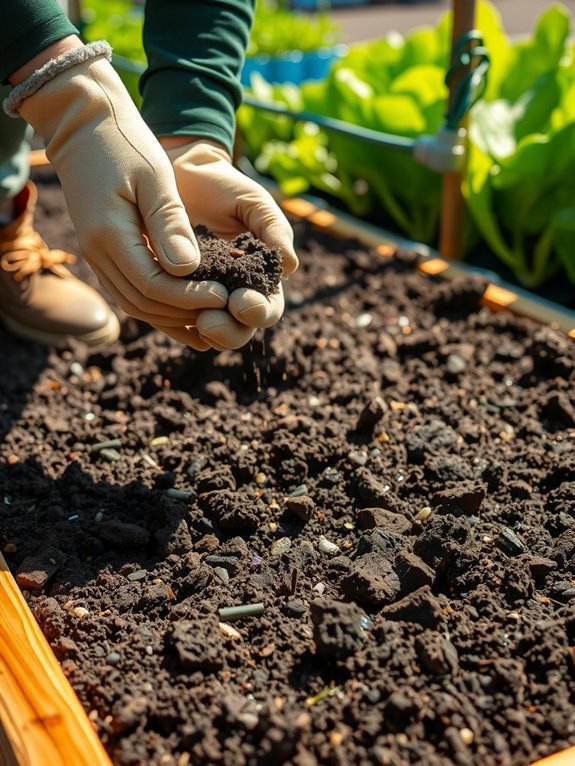
Here’s what I do: I mix 50% topsoil with compost, sand, and organic matter to create a balanced soil blend. I start by combining everything together thoroughly when I first fill my raised beds. The sand helps with porosity, which means it creates tiny air pockets so roots can breathe and spread out. The compost adds nutrients that plants need to thrive. This mixture also improves drainage so water moves through the soil instead of sitting on top.
Once I’ve filled my beds, I avoid heavy re-mixing during the season. Stirring up the soil too much breaks down the structure I worked to build. The result is a soil that works way better than plain garden soil straight from the ground. Your raised bed soil becomes the foundation for plants that actually grow well all season long.
Why Raised Bed Soil Needs Better Drainage and Aeration Than In-Ground Soil
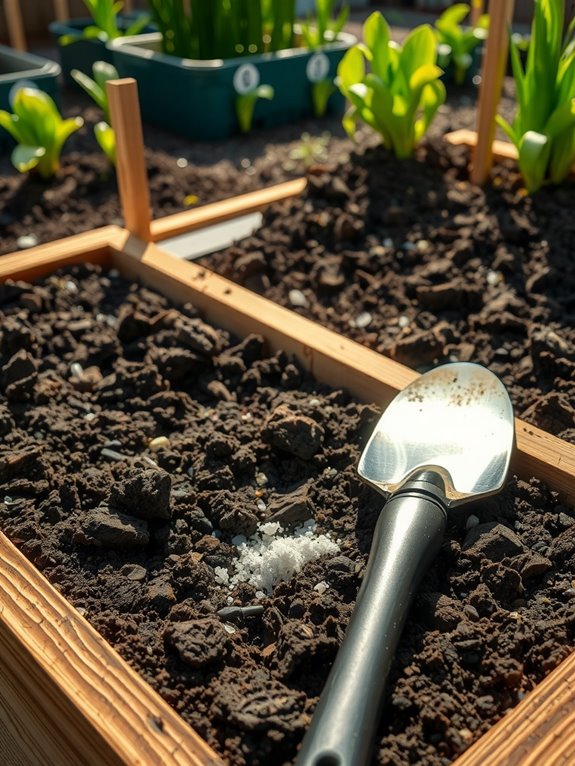
I’ve learned that raised beds need soil that drains way better than garden soil because water can’t escape sideways like it does in the ground. When you pack regular garden soil into a raised bed, it gets compacted and holds too much moisture. This blocks oxygen from reaching plant roots, which suffocates them.
That’s why I mix in sand, compost, and other materials. They create air pockets that let water move through the soil. This keeps roots from sitting in wet conditions and lets them grow deep and strong. I typically use a ratio of about 40% compost, 40% topsoil, and 20% coarse sand or perlite. The sand and perlite are the key—they’re what really keeps everything from packing down tight.
Drainage Differences Between Beds
I notice my raised bed drains way faster than my in-ground garden plot. That’s because my in-ground soil has natural layers and gets compacted over time, which slows water movement down. With my raised bed, I’m building with a special soil mix that lets water flow through quickly. The fast drainage keeps my roots healthy and stops waterlogging from becoming a problem.
Since I’m stacking soil in a limited space, I need to pay attention to how air and water move through it. I add sand and coarse organic matter to my mix. These materials keep pore spaces open so water can drain and roots can breathe. Without this attention, I’d end up with root rot and anaerobic conditions (that’s when soil doesn’t have enough oxygen). That’s why I can’t just dump regular garden soil into my raised beds. I need a mix that’s built for how raised beds work.
Aeration Requirements For Root Growth
Now that we’ve covered how raised beds drain differently from ground soil, let’s talk about why that drainage matters for your plants’ roots. Your roots need oxygen to breathe and grow strong. I create this air space by mixing coarse sand, perlite, and chunky organic matter into my raised bed soil. These components prevent compaction and let oxygen reach down where roots live.
| Component | Purpose |
|---|---|
| Coarse sand | Creates air pockets |
| Organic matter | Improves structure |
| Perlite | Enhances aeration |
| Silt | Holds moisture |
| Clay | Provides nutrients |
I replenish organic matter each season to maintain that porosity. When I get aeration right, root rot disappears and nutrient uptake improves.
Soil Compaction And Water Movement
When I dump garden soil straight into a raised bed, I’m basically asking for trouble with water and root growth. Native garden soil gets compacted over time. This compaction stops water from moving through the soil. My plants’ roots can’t breathe or absorb moisture properly.
I need to think differently about raised beds. Raised bed mixes use loose, well-balanced soil that lets water drain fast. I add organic matter like compost to create pore space. These tiny channels let air flow and water move freely through the root zone.
Here’s the thing: regular soil compacts naturally. I prevent this in raised beds by mixing in fresh organic matter each season. I use about 2-3 inches of compost mixed into the top layer of my bed every spring. This keeps my soil fluffy and my water movement consistent. My vegetables get what they need to grow.
Garden Soil vs. Raised Bed Soil: What’s Different?
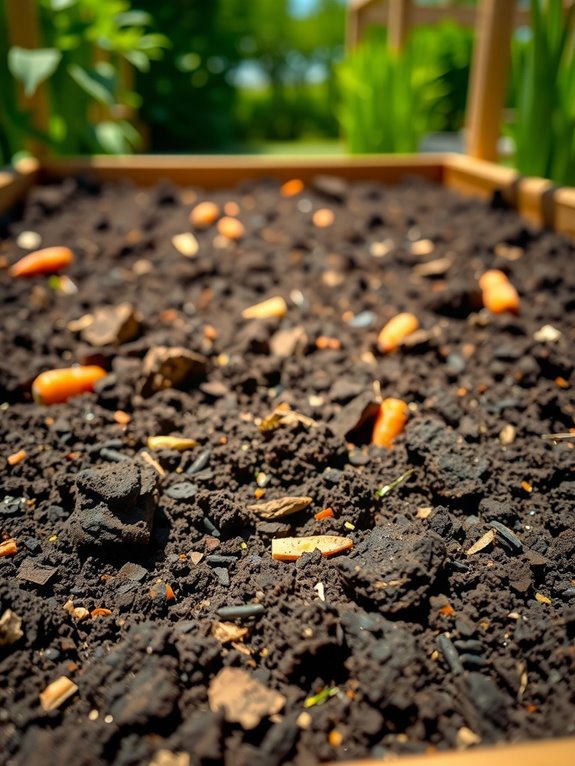
I use garden soil and raised bed soil for different things, and they work in totally different ways. Garden soil is made to improve the native soil I already have in my yard. It helps the soil hold onto water better. Raised bed soil is different. It’s a ready-to-use mix that I can dump straight into a container or elevated bed.
The big difference comes down to drainage. Raised bed soil has topsoil, compost, and other materials mixed together to let water drain through easily. It also has organic nutrients built in like worm castings and kelp meal. These feed my plants all season long. Garden soil might start with native soil as its base. Native soil can get packed down and doesn’t drain well when I use it in a raised bed.
I need to know these differences before I decide whether to swap one type for the other.
The Four Essential Components of High-Performance Raised Bed Soil
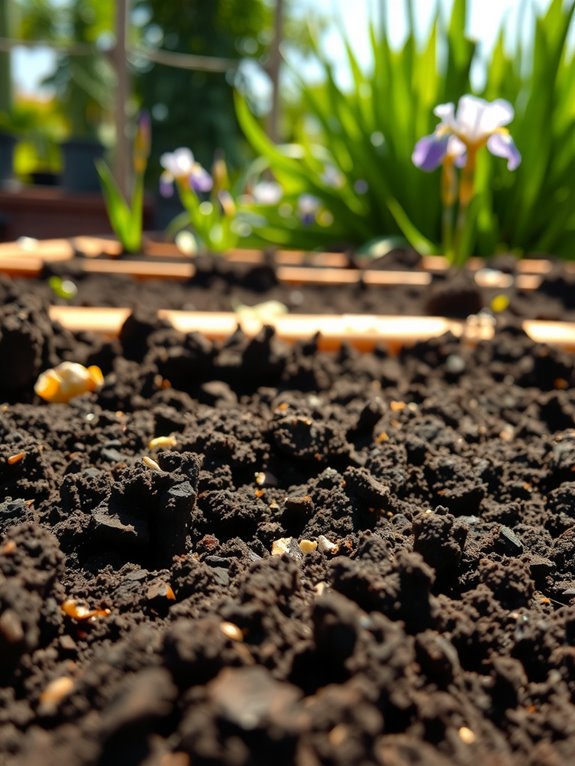
What makes one raised bed soil mix work so much better than another? I’ve found it comes down to four key ingredients working together.
Clay gives your soil structure and holds your plants firmly in place. Silt brings nutrients that feed your growing plants. Sand creates drainage so water doesn’t pool and drown roots. Organic matter—think compost or aged leaves—adds air pockets and feeds your soil’s living ecosystem.
When I combine all four in balanced amounts, I get dark, slightly moist soil that breathes well. Clay anchors your plants. Silt nourishes them. Sand prevents waterlogging. Organic matter supplies the living organisms that keep your soil healthy. Together, they create the right home for whatever you’re growing.
Amend Garden Soil in Three Steps
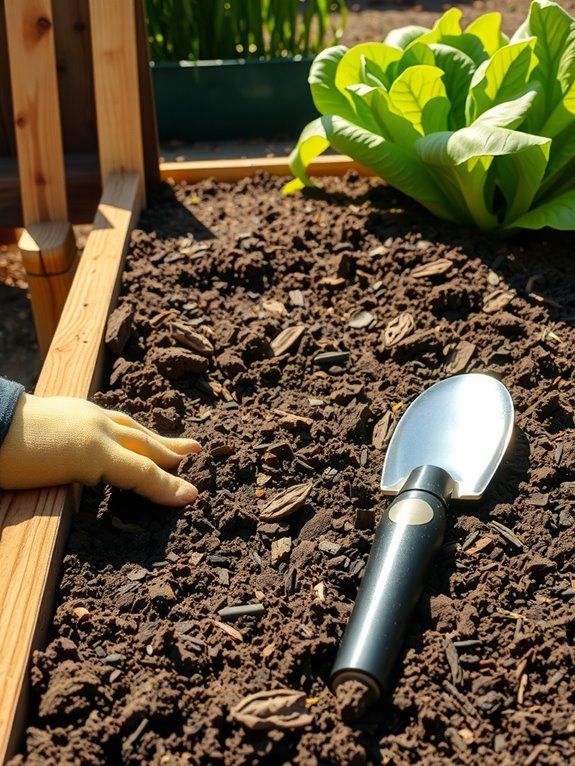
I start by testing my soil with a squeeze test and a smell check. The squeeze test tells me the soil texture—clay feels sticky, sandy soil falls apart, and loamy soil holds together loosely. The smell check is simple: healthy soil smells earthy, while sour or rotten smells mean I’ve got drainage or decomposition issues.
Next, I mix in compost until I reach about 5% organic matter by weight. This is the amount that makes the biggest difference in how plants grow. I can buy bagged compost at any garden center, or I can use my own if I have a compost pile. I work it into the top 6 to 8 inches of my existing soil.
Finally, I address any specific problems I found. If my soil drains slowly, I add coarse sand at about 10 to 20% by volume. If I noticed the soil stays too wet, I mix in vermiculite or coconut coir—these hold water without making the soil soggy. I only add these products if I actually identified the problem, not just as a precaution.
Test Your Soil First
Before I dump garden soil into my raised beds, I need to test it first. A soil test tells me what I’m working with. I’ll learn about nutrient levels, pH (how acidic or alkaline my soil is), and texture.
I recommend sending a sample to my local extension office. They’ll analyze it for me. The results show whether I need to adjust anything before mixing in compost and other amendments.
Testing prevents mistakes down the road. I won’t waste money on unnecessary additions. I’ll know exactly how much organic matter and drainage-improving materials to blend with my garden soil. This creates raised beds where plants actually thrive.
Mix In Organic Matter
Now that I know what’s in my soil, I can start building the right mix for my raised beds. I’ll blend high-quality topsoil with compost to create an ideal soil mix.
I aim for about 5% organic matter by weight, which looks like roughly 30% organic material by volume in my bed. Here’s what I do: I start with 50% topsoil as my base. Then I mix in compost to boost nutrients and organic content. I also add rock dust or minerals to improve soil structure and help roots grow deeper.
Before each season, I incorporate fresh compost to replenish nutrients. This keeps my raised beds healthy and thriving without relying on synthetic fertilizers. Simple organic inputs like compost and mulch maintain my soil’s vitality long-term.
Balance Drainage And Structure
Creating the right soil balance in your raised bed is like mixing a recipe—each ingredient plays a specific role. I combine clay for root support, silt for nutrients, sand for permeability, and organic matter for life.
Here’s what I focus on. I use topsoil as my base at about 50% by volume. I add compost and mineral additions like rock dust to improve texture. I mix everything thoroughly during initial fill to get proper interaction between all the ingredients.
I’m aiming for roughly 30% organic material by volume. This meets the five percent organic matter target by weight. Once I establish the bed, I avoid major mixing.
Instead, I regularly replenish with compost or worm castings. I adjust with sand or organic amendments to maintain structure and prevent compaction over seasons. This keeps my soil healthy without disrupting the ecosystem I’ve built underneath.
Does Your Bed Touch Ground? Soil Strategy Differs
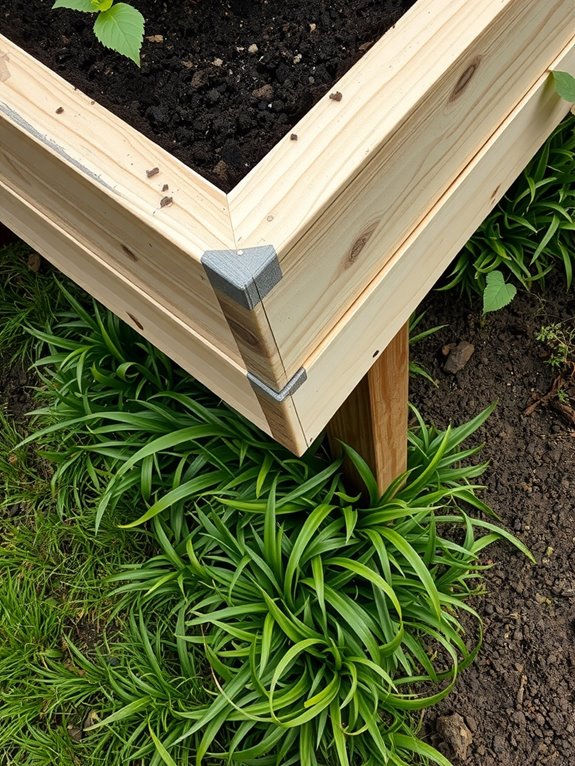
How you build your raised bed changes everything about what soil goes inside it. When my bed touches ground, I’m tapping into native soil underneath. This means I need less added compost because nutrients already flow up from below. I call this my nutrient source, and it saves me money.
Stand-alone beds sitting on hard surfaces are isolated from that natural nutrient supply. My soil mix strategy shifts completely. I need to load these beds with quality topsoil and compost amendments since they don’t get help from below.
Before I buy anything, I ask myself: Is my bed touching earth or sitting on concrete? That single answer determines how much added material I’ll actually need and what my maintenance looks like long-term.
The Simple 1-1-1 Raised Bed Soil Formula That Actually Works
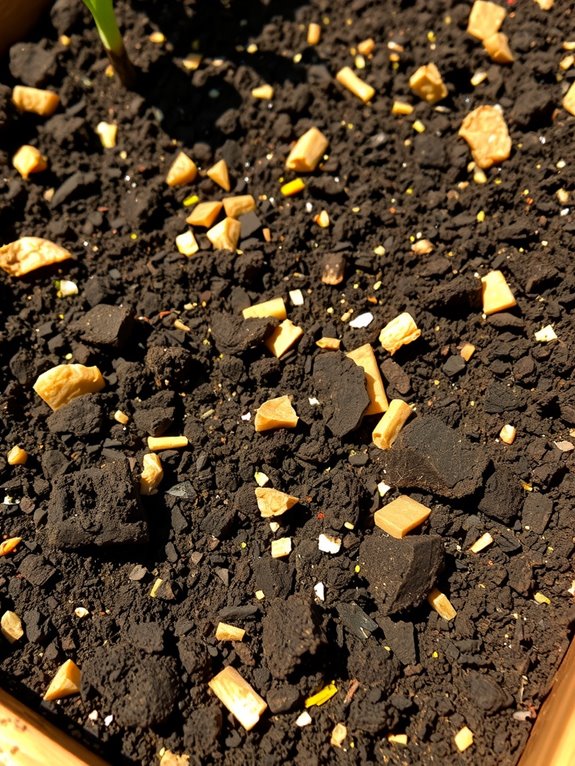
What if I told you there’s a straightforward recipe that works for almost every raised bed situation? I’m talking about the 1-1-1 formula. I mix equal parts by volume:
- 1 part high-quality topsoil for structure and stability
- 1 part coarse sand for drainage so water moves through properly
- 1 part compost for nutrients and beneficial microorganisms
This blend gives me roughly 30% organic material by volume, which translates to about 5% organic matter by weight. That’s the sweet spot I’m aiming for. When I fill my beds initially, I thoroughly mix all three ingredients together. After that, I shift to adding compost on top as maintenance rather than remixing everything.
The key is sourcing quality topsoil from reputable suppliers. I check it using the squeeze test and avoid overly rocky or sandy stocks. This takes the guesswork out of raised bed soil entirely.
Avoid These Soil Mistakes: Compaction, Wrong Ratios, and Skipped Amendments
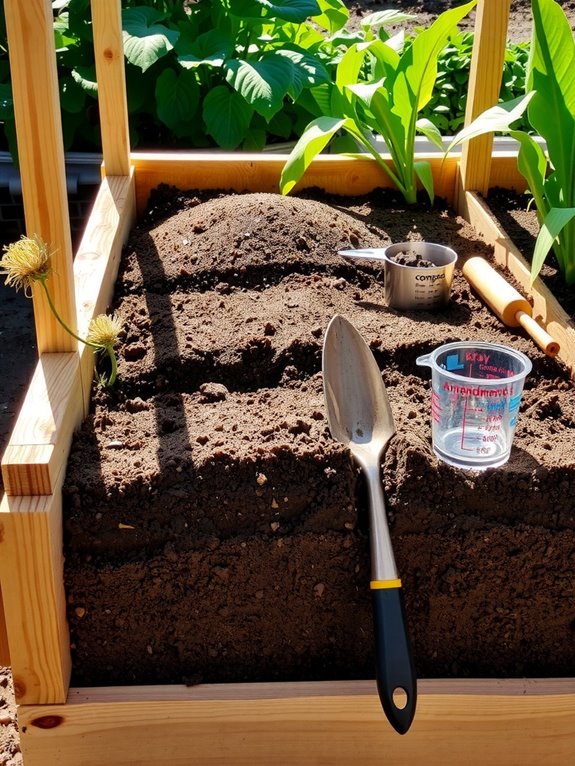
When I’m filling my raised beds, I’ve learned that three major mistakes can tank my whole garden before I even plant a seed. First, I avoid compaction by using loose, well-aerated mixes instead of dense garden soil. Second, I get my ratios right. Third, I never skip amendments like compost or worm castings.
| Mistake | What Happens |
|---|---|
| Compacted soil | Waterlogging and root suffocation |
| Wrong ratios | Poor drainage and nutrient loss |
| Skipped amendments | Weak plants and depleted soil |
I’ve found that balancing particle sizes matters a lot. I mix clay for structure, silt for nutrients, sand for drainage, and organic matter for soil life. This mimics natural soil and prevents germination failures. Getting these details right creates raised beds where plants actually thrive.
For my mixes, I use about 40 percent compost or aged bark, 30 percent peat moss or coconut coir (both help hold moisture), 20 percent perlite or coarse sand (for drainage), and 10 percent worm castings or aged manure. I avoid packing the soil down as I fill my beds. Instead, I let it settle naturally over a few weeks. If I need to plant right away, I water gently to help it settle without compacting it.
Your Soil Loses Nutrients Fast: Here’s When and What to Add Back
Your raised bed soil gets depleted quick because plants are constantly pulling nutrients out as they grow and produce food. I’ve found that adding 1 to 2 inches of fresh compost before each new planting season keeps my soil healthy and ready to support whatever I’m growing next.
Watch for signs like slower plant growth or pale leaves. These tell you it’s time to refresh your soil. I use organic amendments like compost or worm castings rather than synthetic fertilizers to maintain that nutrient balance. Compost is decomposed organic material that plants can use for food. Worm castings are the waste from worms that’s packed with nutrients.
Nutrient Depletion Rates
As your plants grow and you harvest vegetables throughout the season, they’re pulling nutrients right out of your raised bed soil. We quickly deplete what we started with.
Nitrogen disappears fast because leafy greens and fruiting plants need a lot of it. Phosphorus and potassium get absorbed steadily, which weakens root systems and reduces fruit quality. Micronutrients like calcium and magnesium (minerals your plants need in smaller amounts) vanish within weeks of planting.
To keep my soil healthy, I add 1 to 2 inches of fresh compost before each new planting cycle. This step maintains soil health and keeps my raised beds productive year after year. I use organic amendments like compost and worm castings instead of synthetic fertilizers. It takes consistent effort, but it’s worth it because I’m building something that lasts.
Seasonal Replenishment Schedule
Once you know how fast your plants drink up the soil’s nutrients, you need a plan for putting them back. I add 1 to 2 inches of compost before I start each new planting cycle. This keeps my soil healthy all growing season long.
Between plantings, I mix in organic amendments like worm castings and aged manure. These help nutrients cycle back into the soil naturally. Every few weeks, I check my soil by feeling the texture, testing how moist it is, and smelling it. These three things tell me when I need to add more amendments.
I refresh my beds once a year instead of using synthetic fertilizers. I also spread mulch on top, which holds moisture in the soil and builds up fertility over time. Doing these seasonal additions consistently keeps my raised beds productive year after year.
Organic Amendment Strategies
Your soil loses nutrients fast because plants pull them out as they grow and you harvest vegetables or flowers. I need to replenish what’s gone. I add 1–2 inches of fresh compost before each new planting season. This organic matter boosts the microbial life—that’s the tiny organisms living in your soil—and nutrient content in my raised beds.
Here’s what I add back:
- Fresh compost mixed into the top layer of soil
- Organic amendments like worm castings and kelp meal for sustained nutrition
- Rock dust or aged manure to improve soil structure and drainage
I’m targeting about 5% organic matter by weight, roughly 30% by volume in the bed mix. I skip synthetic fertilizers. Instead, I prioritize these organic inputs because they build my soil biology over multiple seasons and keep my raised beds healthy year after year.
Test Your Soil Before Amending
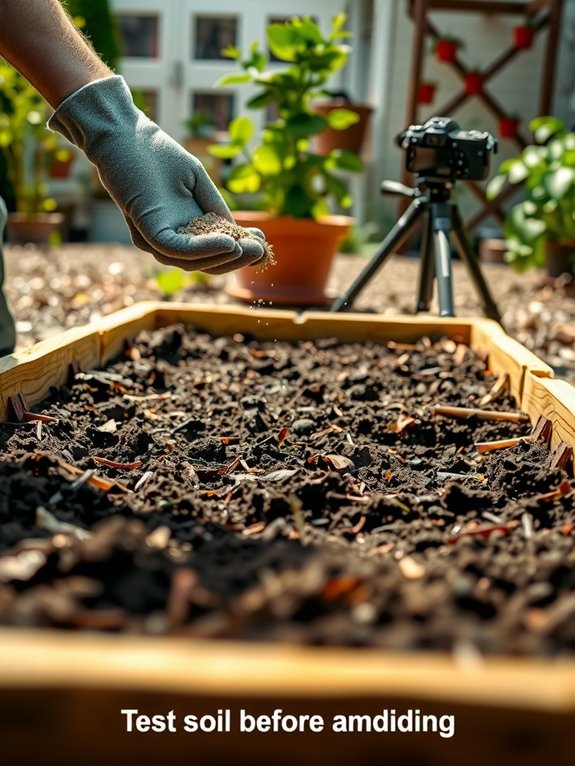
Why test your soil before you dump amendments into your raised bed? I’d be guessing without real information. A soil test tells me what’s actually there. I’ll discover nutrient deficiencies like boron or nitrogen. I’ll learn about texture, drainage, and pH levels. This knowledge shapes everything I do next.
I send samples to my local extension office. Results come back showing exactly what amendments I need. Maybe I need compost. Maybe rock dust or specific minerals work better. Perhaps my soil already has what I need.
Testing establishes a baseline. I track changes across seasons. This guides my organic maintenance decisions instead of randomly adding synthetic fertilizers. I’m building raised beds that actually work for my plants, not just guessing and hoping.
Keep Raised Bed Soil Alive: Seasonal Compost Additions and Organic Refreshes
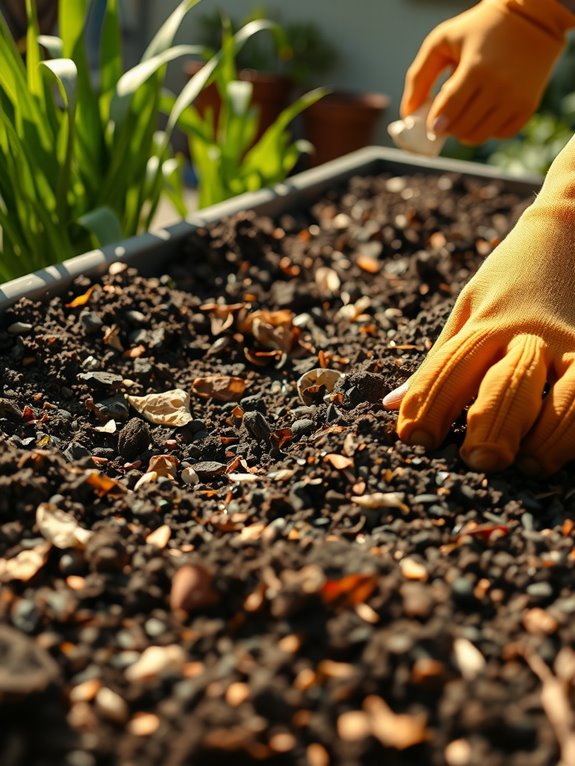
After I harvest my vegetables, I don’t leave the soil sitting idle. I refresh my raised beds with seasonal compost additions because healthy soil keeps producing year after year. I add 1 to 2 inches of fresh compost before each new planting season. This maintains soil fertility and structure as plants grow and get harvested.
Organic amendments make a real difference in how my beds perform:
- Worm castings supply nutrients without synthetic fertilizers
- Kelp meal supports long-term soil health and plant vigor
- Mulch keeps soil permeable and moisture-rich
I avoid relying solely on synthetic products. Instead, I build living, organic soil through regular maintenance. Adding these materials consistently keeps my raised beds nutrient-rich and productive season after season.
When to Replace Your Raised Bed Soil (And Why)
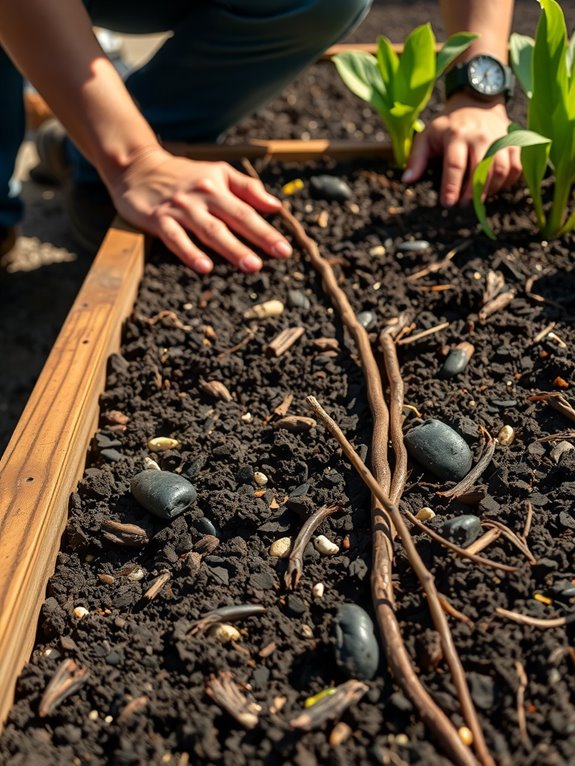
How long can you really keep the same soil in a raised bed before it stops working? I’ve found that my soil needs replacing when it becomes compacted, loses its structure, or stops draining well. These problems show up after a few seasons of planting and harvesting.
Here’s why this matters to me: compacted soil prevents roots from growing properly. Poor drainage traps water and causes root rot. Without fresh nutrients, my plants struggle to grow.
I recommend adding 1 to 2 inches of fresh compost before each planting season. This keeps my soil healthy without needing a complete replacement every year. But if my bed’s soil looks exhausted—dark, dense, and lifeless—I do a full replacement. Good soil keeps my plants thriving season after season.