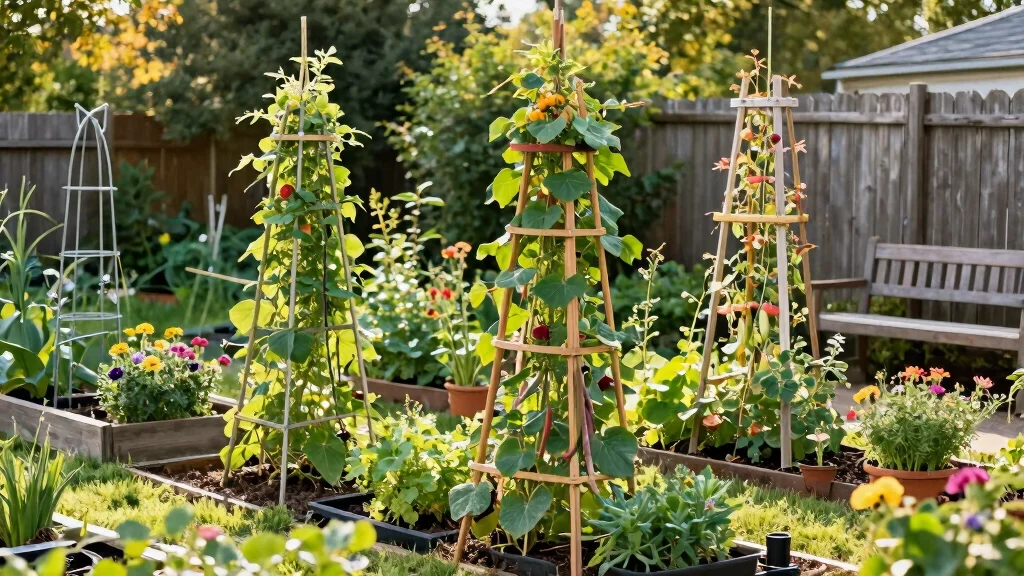
Vertical gardening has taken a front seat in many people’s hearts, especially those with limited garden space. If you’re like me, you’re obsessed with finding ways to grow lush plants without sprawling out into your yard. That’s why I created this post on 12 Bean Pole Trellis Ideas for Simple Vertical Growing. I want to share some creative solutions that not only maximize your small space but also add charm to your garden.
If you’re a gardening enthusiast, a small-space dweller, or someone looking to spruce up your balcony or patio, this guide is for you. Vertical gardening allows you to cultivate climbing plants while keeping your garden organized and beautiful. You’ll discover ideas that cater to various styles and materials, making it easy for anyone to implement them. Whether you’re a seasoned gardener or just starting out, these trellis designs will inspire you to grow more while using less space.
Get ready to explore 12 unique bean pole trellis ideas that are decorative, functional, and totally achievable. From rustic wooden structures to elegant metal frames, each option will help you create a thriving vertical garden. Let’s dive into these stunning concepts that promise to enhance your gardening experience and make your plants the star of the show.
Key Takeaways
– Explore Various Designs: Discover 12 unique trellis designs that cater to different styles and materials, ensuring there’s an option for everyone. – Maximize Space: Utilize vertical gardening techniques that can help you grow more plants in smaller areas, making the most of your available space. – DIY Opportunities: Many of the trellis ideas are DIY-friendly, allowing you to personalize your garden while saving money on store-bought solutions. – Support for Climbing Plants: Each trellis idea provides adequate support for climbing plants, ensuring they grow healthily and showcase their beauty. – Aesthetic Appeal: Enhance your garden’s visual appeal with unique trellis designs that serve as both functional structures and decorative elements.1. Rustic Wooden Teepee Trellis
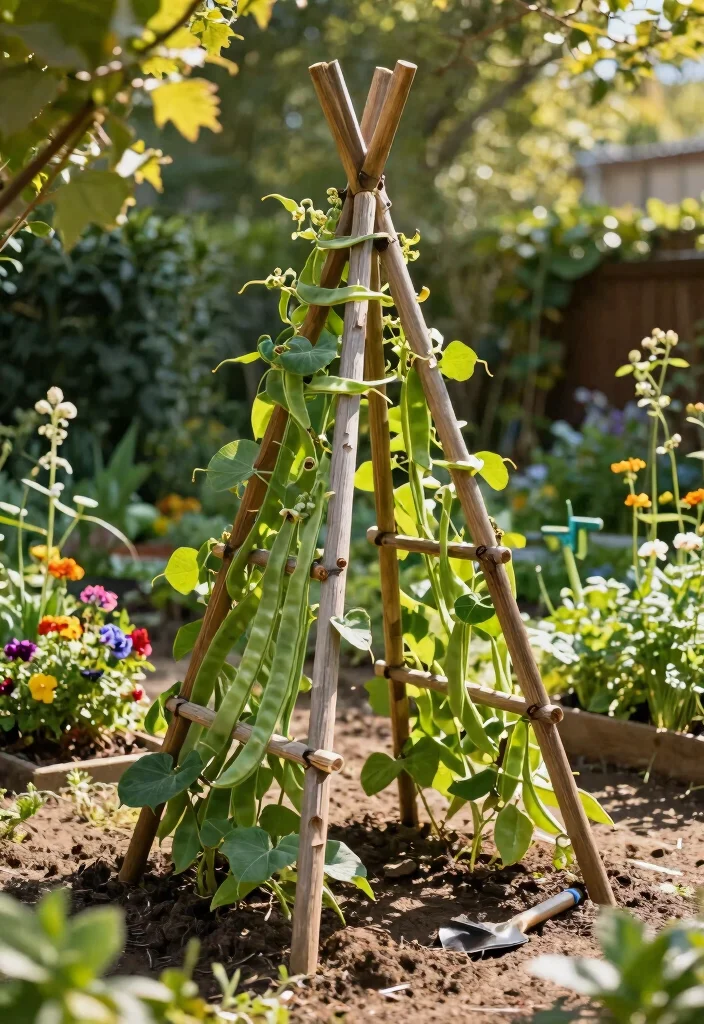
Are you looking for a charming way to enhance your garden? A rustic wooden teepee trellis not only provides vertical support for your plants but also adds a natural aesthetic to your outdoor space. Constructing this trellis is straightforward—just gather a few sturdy wooden poles and arrange them in a teepee shape. Tie the tops together securely and plant your climbing beans at the base. As they grow, the lush greenery will wrap around the poles, creating a stunning focal point that draws admiration.
Using a rustic wooden teepee trellis comes with several benefits. It’s easy to build, utilizing materials like bamboo, cedar, or untreated wood. This design is also space-efficient, perfect for small gardens as it occupies minimal ground area. Plus, it’s versatile enough to support various climbing plants, including peas and cucumbers.
For the best results, ensure you use strong poles that can support the weight of the plants and place the trellis in a sunny location for maximum growth. With your rustic wooden teepee, you’re not just growing plants; you’re creating a delightful garden feature that invites conversation.
2. Elegant Metal Arch Trellis
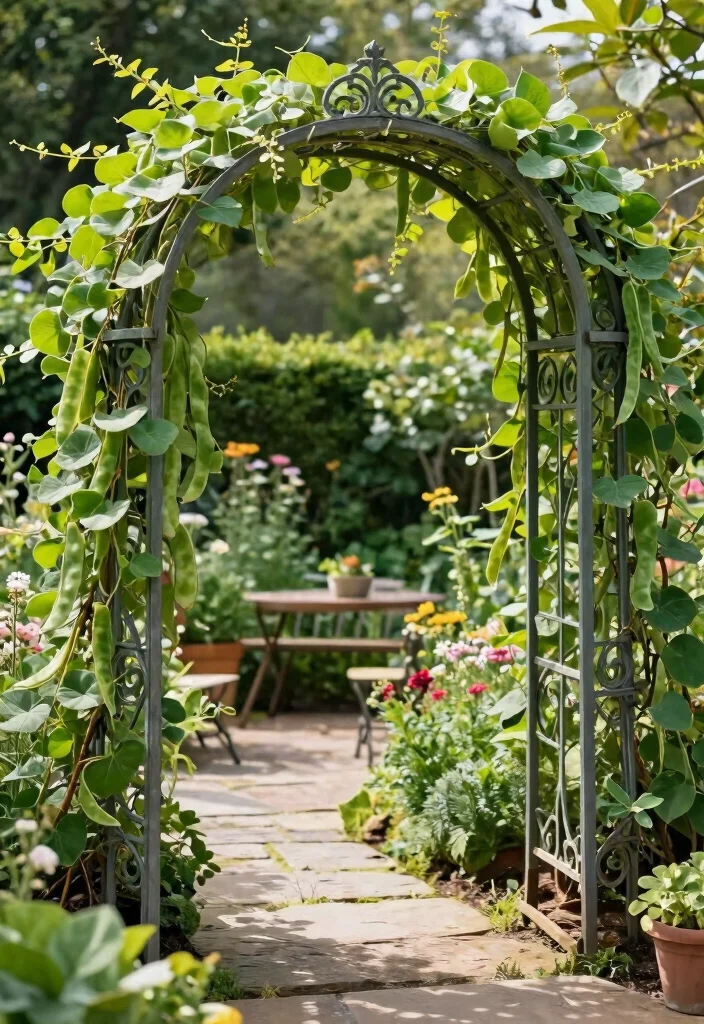
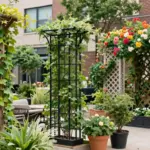
Looking to add a touch of sophistication to your garden? An elegant metal arch trellis serves as a beautiful entryway while supporting your climbing plants. Made from durable materials like wrought iron, these trellises come in various ornate designs that elevate the aesthetic of your space. Not only do they provide sturdy support for climbing plants, but they also create a stunning focal point that enhances your garden’s beauty.
Choosing a metal arch trellis offers numerous advantages. They are incredibly durable and can withstand various weather conditions better than wood. Their aesthetic appeal adds a refined touch, making your garden feel more elegant. Additionally, they’re perfect for supporting heavier plants like pole beans and gourds.
For installation, secure the base firmly in the ground to prevent wobbling, and plant climbing plants at the base of the arch to create a cascading effect. With the right plants, your metal arch trellis will become a vibrant green gateway, inviting exploration and providing a shady retreat.
3. DIY Ladder Trellis
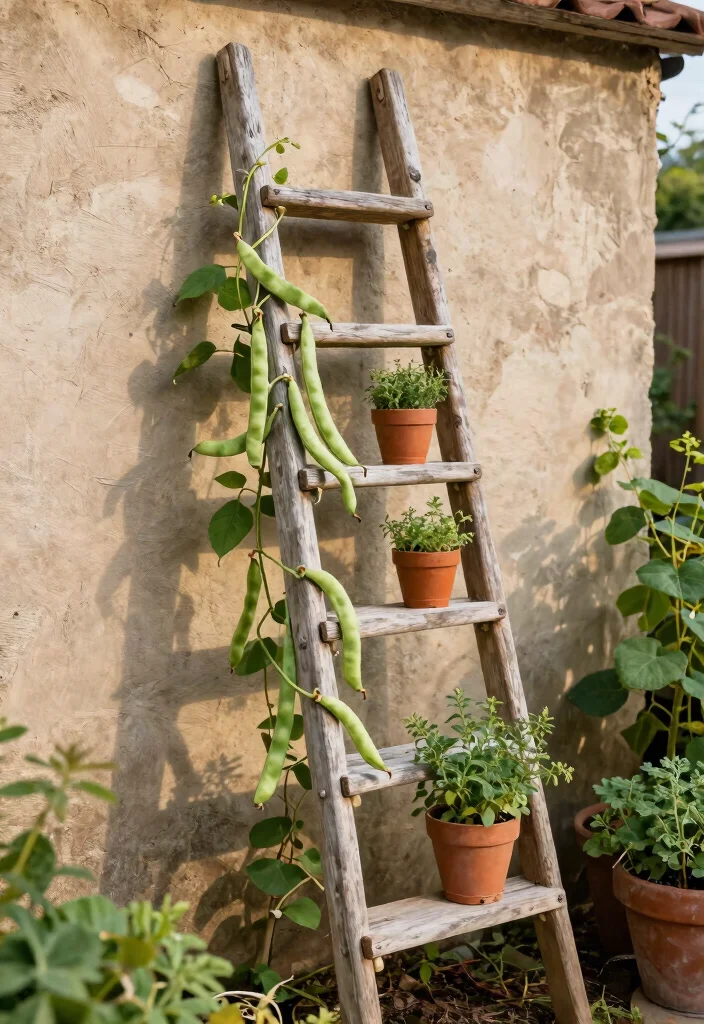
Do you have an old wooden ladder sitting unused? Turn it into a fabulous DIY ladder trellis! This creative project not only saves you money but also infuses your garden with unique character. Simply lean the ladder against a wall or fence and plant climbing beans at the base. As they grow, the beans will gracefully climb the rungs, creating a beautiful and captivating display. Editor’s Choice
The advantages of a DIY ladder trellis are plentiful. It’s eco-friendly, repurposing materials that may otherwise be discarded. You can customize it to fit your garden’s style, even painting it in a fun color. Plus, it’s easy to move if you decide to change things up.
Get creative by adding small pots on the steps for extra plant varieties or using twine to guide plants where you want them to climb. A DIY ladder trellis adds a playful touch to your garden while offering ample support for your climbing plants.
DIY Ladder Trellis





4. Trellis Wall Planter
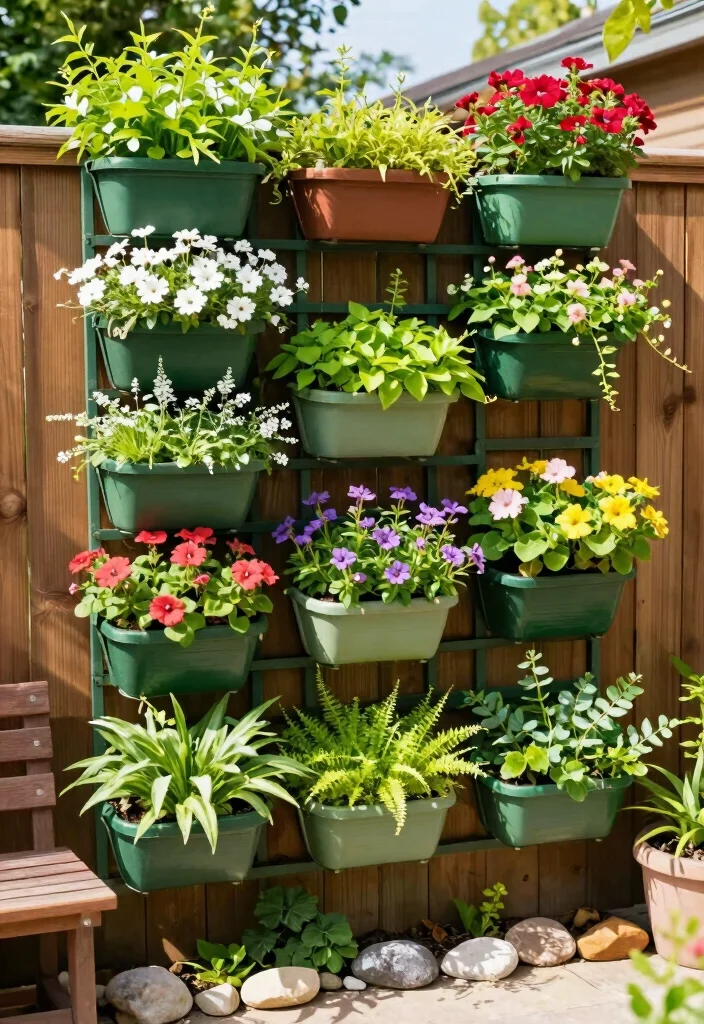
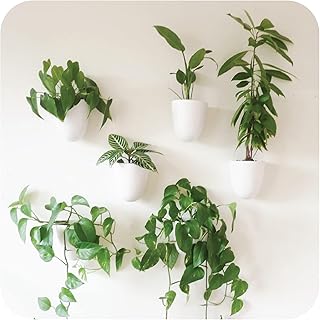
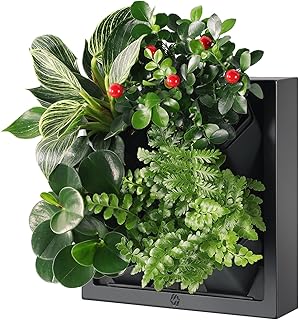
Want to transform a bare wall into a vertical garden? A trellis wall planter is an innovative solution that combines support with planters for a stunning and functional setup. You can either purchase ready-made wall planters or create your own by attaching planters to a wooden trellis. This method allows you to maximize your garden space while enjoying an abundance of climbing plants. Editor’s Choice
The benefits of trellis wall planters are significant. They maximize space, making them perfect for urban gardening where ground area is limited. This setup enhances aesthetics, creating a lush, green wall that serves as a beautiful backdrop. Plus, it keeps plants easily accessible for watering and harvesting.
When considering this option, ensure your wall can support the weight of the plants and soil, and choose lightweight planters to keep stress on the wall at a minimum. A trellis wall planter can transform an ordinary wall into a vibrant display of life, ideal for any garden enthusiast seeking to optimize their space.
Trellis Wall Planter


📹 Related Video: How to Build a Trellis Planter
5. Chicken Wire Trellis
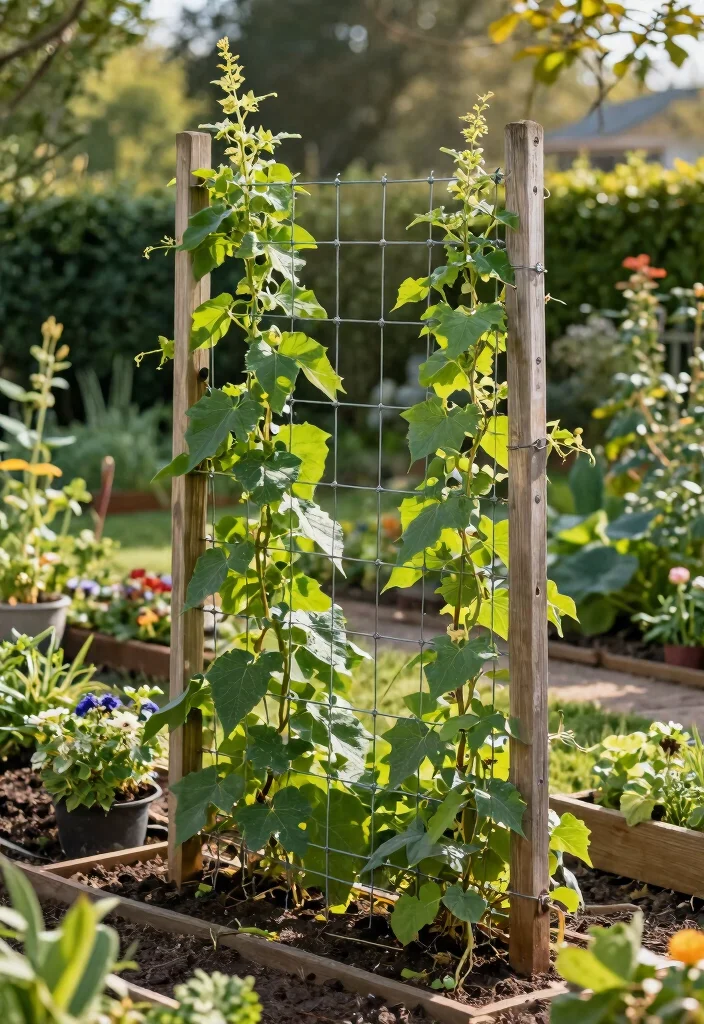
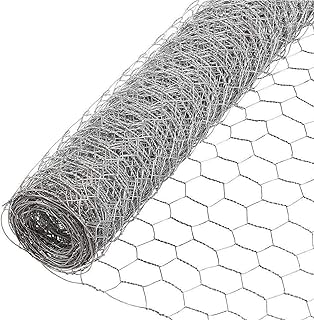
Are you searching for an economical and effective climbing support? A chicken wire trellis is a fantastic choice! This simple design involves stretching chicken wire between two posts or walls, providing excellent support for climbing plants like beans and peas. It’s an easy DIY project that can be customized to fit your garden’s needs. Editor’s Choice
Opting for a chicken wire trellis brings numerous advantages. It’s cost-effective, as chicken wire is inexpensive and readily available. You can customize the height and width to suit any space, and it’s ideal for supporting lightweight plants.
For installation, make sure the wire is taut to provide adequate support, and use sturdy posts to maintain the structure’s integrity. A chicken wire trellis not only performs its function well but also adds a rustic charm that enhances your garden’s character.
Chicken Wire Trellis



6. Vertical Palette Garden
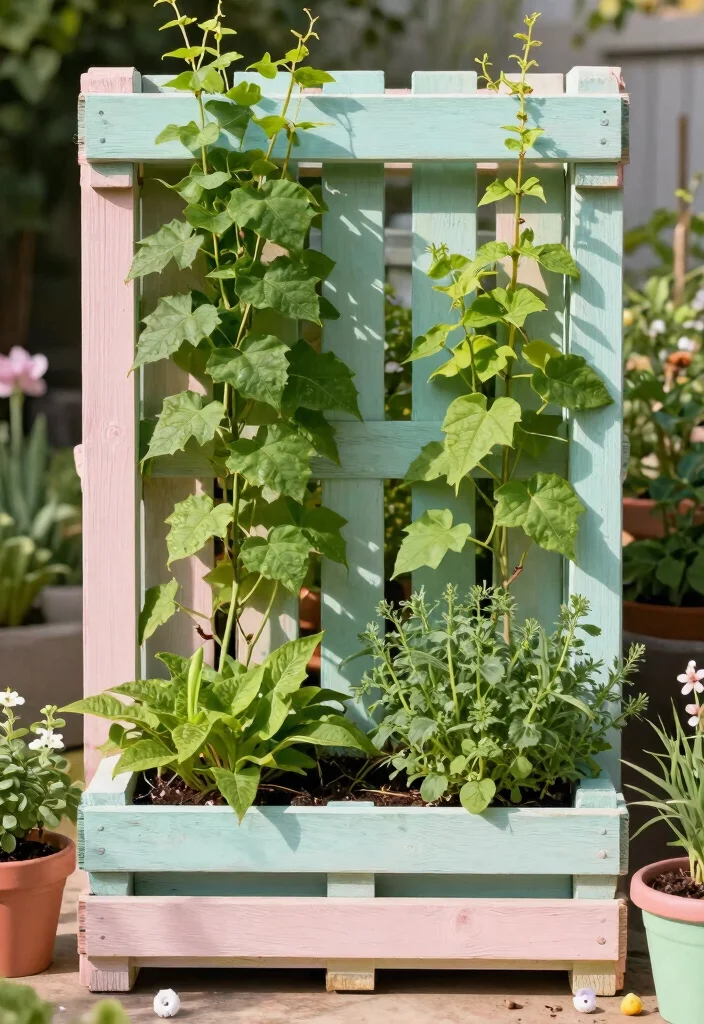
Looking for a whimsical gardening idea? A vertical palette garden can be just the thing! Old wooden pallets can be transformed into trellises and planters for your climbing plants. Simply stack the pallets upright, fill them with soil, and plant your beans at the openings. This method is not only visually appealing but also creates a unique garden structure.
There are several advantages to a vertical palette garden. It promotes sustainability by giving new life to discarded materials. The unique design adds a rustic feel and creativity to your outdoor space, while also maximizing limited areas effectively.
For a personal touch, consider painting the pallets to match your garden theme. Make sure to secure them properly to prevent tipping over. A vertical palette garden can serve as a true statement piece, providing ample climbing space for your plants.
How To Choose the Right Bean Pole Trellis
When it comes to vertical gardening, selecting the right bean pole trellis is vital for the growth and support of climbing plants. You want a structure that not only fits your space but also enhances the overall aesthetics of your garden. Here’s a detailed guide to help you make the best choice. 1. Size MattersBefore you start shopping, consider the size of your gardening area and the plants you plan to grow. Measure the height and width of the designated space. Most climbing plants need a trellis that’s at least 5-7 feet tall. If you have limited space, look for narrower designs. A trellis that’s too big can overwhelm a small area, while a trellis that’s too small won’t provide adequate support.
2. Material Choice
Trellises come in various materials, including wood, metal, and plastic. Each material has its pros and cons. Wooden trellises provide a rustic look and can blend well in natural settings, but they may require maintenance like sealing or staining. Metal trellises offer durability and strength, suitable for heavy climbers like beans. Plastic options are lightweight and easy to move but may not last as long in harsh weather. Choose based on your aesthetic preference and the climate conditions in your area.
3. Design Features
Consider how the trellis design will complement your garden. Some trellises have additional features like built-in planters or decorative elements that enhance visual appeal. If you want to maximize space, a vertical garden fence or a grid trellis system can be beneficial. Look for trellises that allow for easy access to your plants for maintenance and harvesting.
4. Climbing Plant Compatibility
Different climbing plants have unique support needs. For instance, pole beans and peas thrive on tall, sturdy structures, while lighter plants like sweet peas may need less robust support. Check the requirements for the plants you want to grow and choose a trellis that meets their specific needs. Some plants may need wider spacing between supports, while others may require a denser grid.
5. Budget Considerations
Trellis prices can vary widely based on materials and design complexity. Set a budget that allows for flexibility but also consider long-term value. A more expensive, durable trellis might save you money in the long run by lasting through multiple growing seasons. Browse online and local garden centers to compare prices for different styles and materials.
6. DIY Options
If you’re handy, consider a DIY bean pole trellis. Building your own can save money and allows for customization to fit your specific needs. Use materials like bamboo poles, old ladders, or pallets to create a unique structure. Make sure to secure it well, ensuring it can support the weight of your plants as they grow. There are many tutorial videos online to guide you through various DIY designs.
Pro Tip: Always check for stability when choosing your trellis. A wobbly or unstable structure can lead to broken plants and wasted effort. Before planting, give your trellis a gentle shake to ensure it’s securely anchored.
Choosing the right bean pole trellis is an essential step for successful vertical gardening. By considering size, material, design, plant compatibility, budget, and DIY options, you’ll find the perfect support for your climbing plants. Happy gardening!
7. Berry-Style Trellis
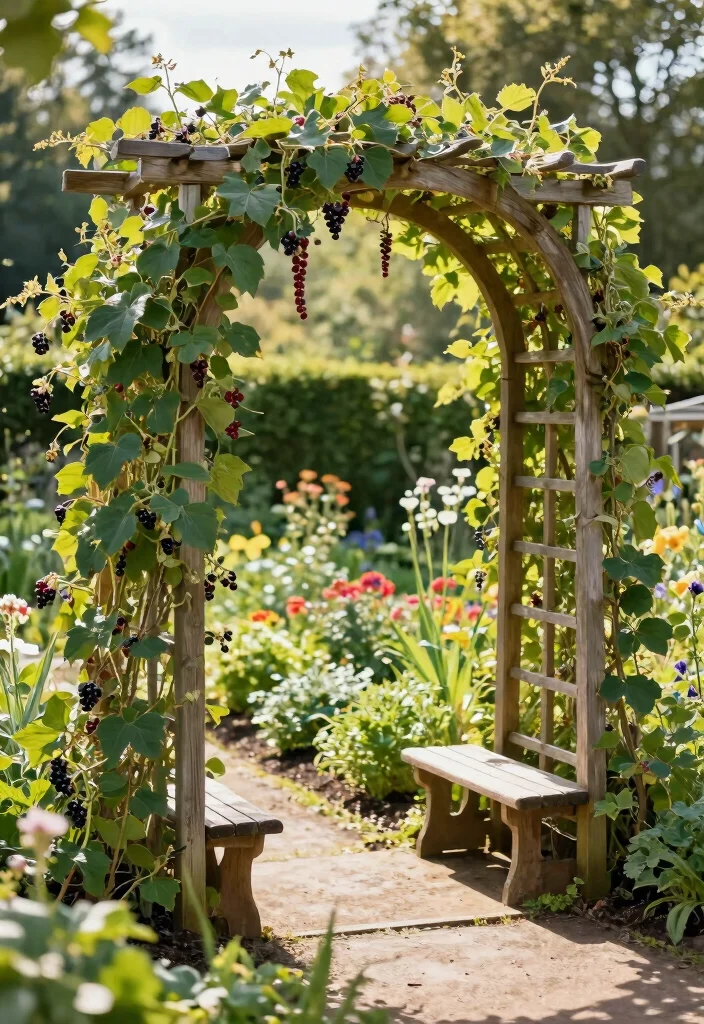
Do you dream of growing berries alongside your beans? A berry-style trellis could be the perfect solution! These trellises are typically taller and provide an arching support ideal for both climbing beans and trailing berry plants. With sturdy materials like wood or metal, you can create a strong, supportive structure that offers plenty of space for growth.
The benefits of a berry-style trellis are impressive. It doubles functionality by allowing you to grow multiple plants in the same space while providing a sturdy construction that supports heavier fruiting plants. Plus, its attractive design offers a beautiful archway in your garden.
For installation, choose a trellis design that’s easy to access for harvesting berries, and incorporate paths for easier navigation around the plants. A berry-style trellis not only provides functional support but also adds elegance to your garden as it flourishes with life.
Berry-style trellises take bean poles ideas trellis to the next level: taller arches let climbing beans and trailing berries share one strong, space-saving frame. Pro Tip: use durable wood or metal and secure anchors for seasons of harvest.
8. Grid Trellis System
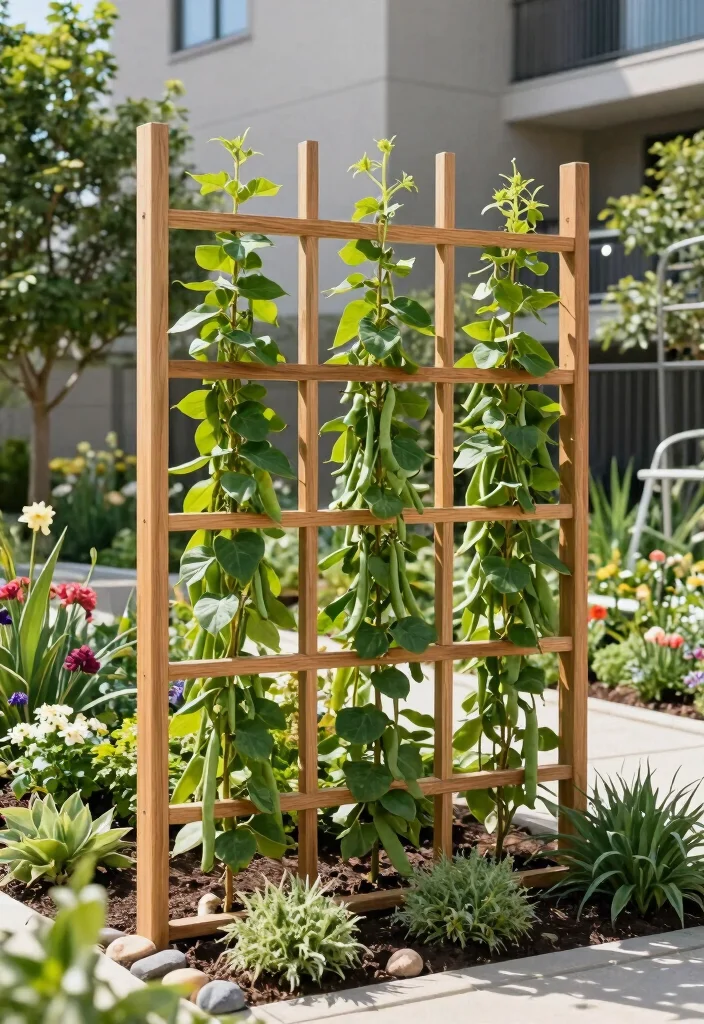
Want a modern approach to vertical gardening? A grid trellis system can provide organized and structured plant growth. This design typically consists of horizontal and vertical slats creating squares for your climbing plants to navigate. It’s perfect for small gardens where you want everything neat and tidy.
The clean look of a grid trellis system creates order in the garden, ensuring efficient growth by keeping plants from tangling and overcrowding. Additionally, it’s customizable to fit any garden size.
For installation, ensure the grid is sturdy enough to hold climbing plants and plant beans or other climbers around the grid for maximum coverage. A grid trellis system is not just functional but also adds a modern touch, making your garden feel organized and well-planned.
Grid trellis systems turn vertical growing into neat, manageable art. In small spaces, the clean grid keeps beans from tangling and makes watering a breeze. Pro tip: start with evenly spaced slats and customize the size to fit your garden.
9. A-frame Trellis
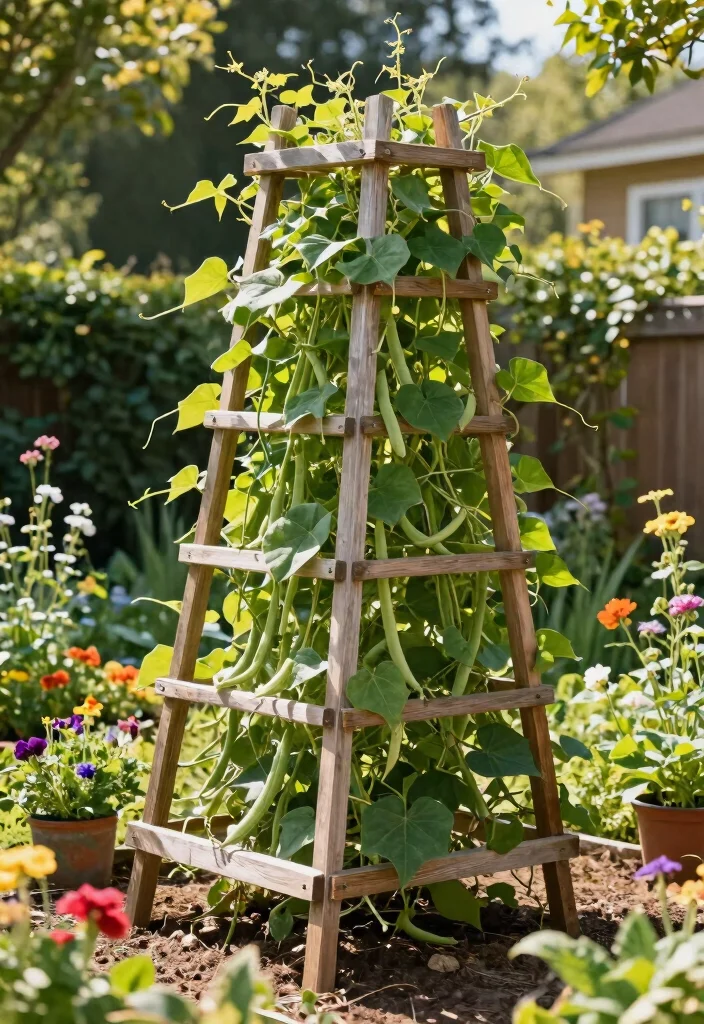
Looking for a classic way to support climbing plants? The A-frame trellis is a stylish choice that brings architectural flair to your garden. Its triangular shape provides stability and ample height for beans to thrive, and it’s particularly effective in smaller spaces where every inch counts. Editor’s Choice
The A-frame trellis offers several benefits. It’s stable enough to withstand strong winds, making it a reliable option for your garden. Harvesting is easy, allowing you to reach beans at the top without difficulty. Additionally, it fits nicely against a wall or in a corner, saving valuable space.
When building your A-frame, use screws and brackets for extra strength, and secure the base well to prevent it from toppling. This trellis not only supports your plants but also creates a stylish and practical feature in your garden.
A-frame Trellis


10. Vertical Garden Fence
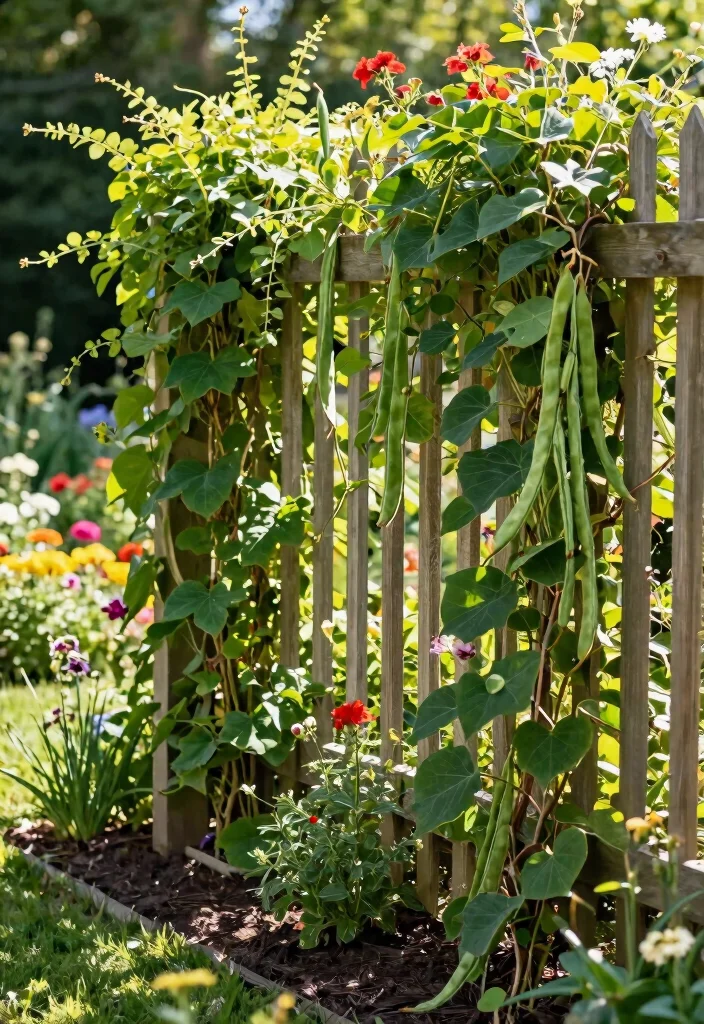
Do you have an existing fence that could use some enhancement? Turn it into a vertical garden support! A vertical garden fence allows climbing plants to flourish while utilizing vertical space efficiently. Simply add hooks or string to attach your climbing beans, and watch as they beautifully decorate your fence. Editor’s Choice
The benefits of a vertical garden fence are substantial. It utilizes existing structures, meaning you won’t need any additional materials. It also enhances your privacy, providing extra coverage and seclusion while requiring minimal upkeep once installed.
For implementation, ensure the fence is sturdy enough to support the weight of the plants, and use natural twine or wire for plant support. A vertical garden fence merges functionality with beauty, transforming your fencing into a lush, green backdrop.
Vertical Garden Fence


11. Hanging Trellis
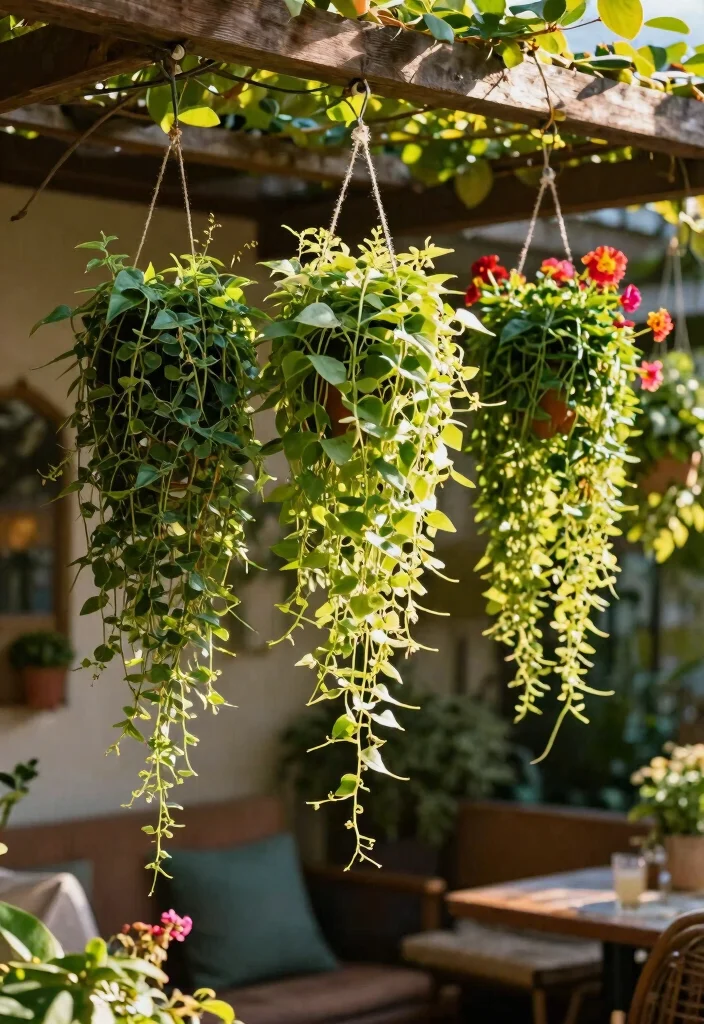
Do you want to maximize vertical space without taking up ground area? A hanging trellis is an ingenious solution! You can install it from a sturdy overhead structure, allowing climbing plants to cascade down or climb upwards. This approach adds a fun and eye-catching element to your garden.
The advantages of a hanging trellis are remarkable. It’s space-efficient, making it perfect for small patios or balconies. The unique display adds an unusual and creative flair, while it also keeps plants higher up and away from ground pests.
When installing, ensure to use strong hooks to support the weight of the plants, and choose lightweight climbing varieties for the best results. A hanging trellis introduces a whimsical touch to your garden while providing excellent support for your climbing plants.
12. Spiral Trellis
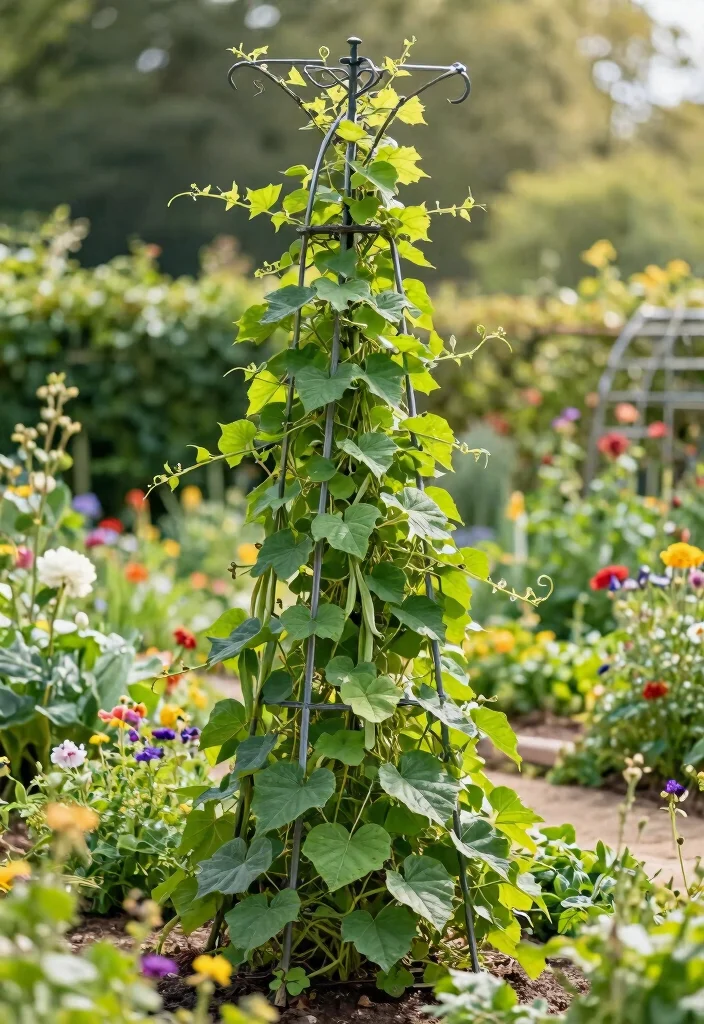
Are you looking for a unique garden feature that also supports climbing plants? A spiral trellis offers a stunning visual dynamic while providing robust support. This design resembles a corkscrew, allowing plants to wrap around as they grow upwards. Not only does it save space, but it creates an eye-catching feature in your garden.
Choosing a spiral trellis comes with several benefits. Its unique shape adds artistic flair to your outdoor space, while its efficient use of space allows plants to grow vertically and compactly. Plus, it provides strong support for heavier plants without bending.
For construction, use durable materials to ensure longevity and position it where it can receive full sunlight. A spiral trellis can serve as a centerpiece in your garden, inviting admiration while helping your climbing plants flourish beautifully.
Fun fact: a spiral trellis can save space while giving climbing beans a dramatic twist. For bean poles ideas trellis, this corkscrew design guides plants upward and adds artistic flair to your garden—no crowding, just graceful growth.
Conclusion
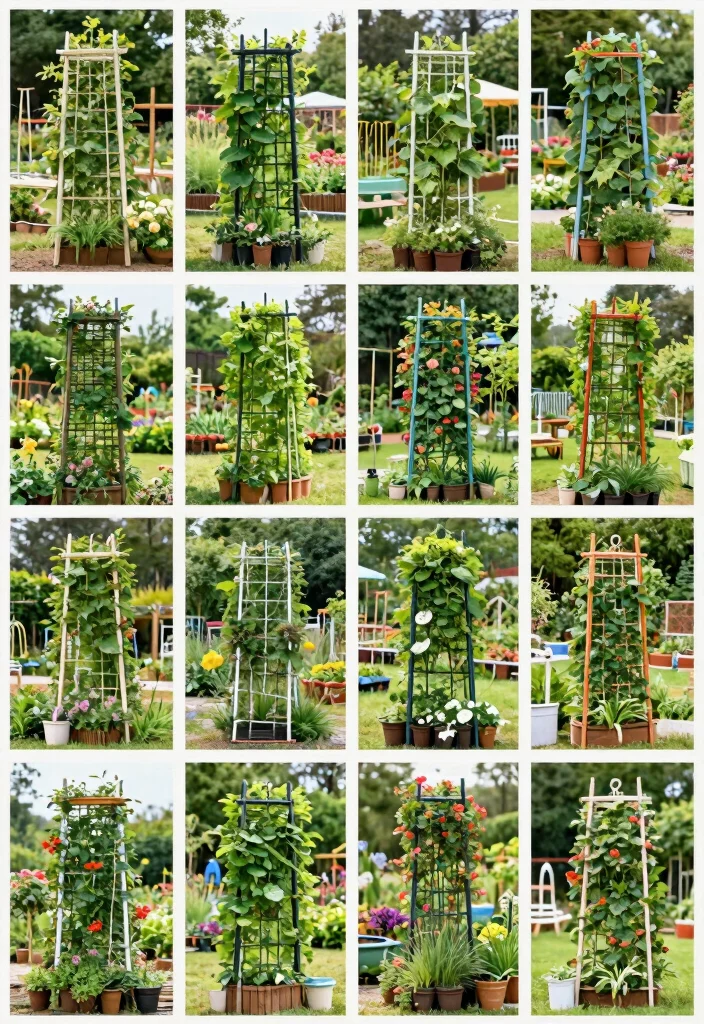
Exploring these twelve bean pole trellis ideas opens up a world of possibilities for vertical gardening in small spaces. Each design offers its own unique charm while enhancing your garden’s aesthetic and maximizing growing potential. Whether you opt for a rustic teepee or a modern grid trellis, the right structure can elevate your gardening game. Now it’s your turn! Which style inspires you the most? With creativity and the right support, your small garden can bloom into a stunning vertical oasis. Note: We aim to provide accurate product links, but some may occasionally expire or become unavailable. If this happens, please search directly on Amazon for the product or a suitable alternative. This post contains Amazon affiliate links, meaning we may earn a small commission if you purchase through our links, at no extra cost to you.
Frequently Asked Questions
What are the best bean pole trellis ideas for small spaces?
For small spaces, look for tall, slender structures that train beans upward without hogging ground space. Ideas like a tepee, a single-column stake cluster, or a lightweight fence-mounted lattice fit the bean poles ideas trellis concept and suit vertical gardening. Try a tepee with 6–8 bamboo poles tied at the top, a ladder trellis leaning against a wall, or a simple vertical lattice along a fence. Anchor the base with a wide stake, use soft plant ties to guide runners, and place in full sun for best yields. These setups optimize garden space optimization while keeping harvesting easy and enjoyable.
How do I choose an effective trellis design for beans and peas and other climbing plants?
Start with stability, ease of harvest, and space efficiency. Popular options include tepees, A-frames, ladder trellises, and fence-mounted lattices. Consider height (6–8 ft is common), width per row (about 3–4 ft), and how you’ll train vines. A tepee is great for corners; an A-frame saves height and improves air movement; a fence-mounted lattice leverages existing structures. Use durable materials (untreated wood or rust-resistant metal) and design for easy access to beans. A thoughtful vertical gardening layout will maximize garden space optimization and simplify maintenance.
Can I create a DIY bean pole trellis using affordable or recycled materials?
Absolutely. A DIY bean pole trellis can be built from bamboo poles, wooden pallets, an old ladder, or repurposed fencing. Popular ideas include a tepee from bamboo, a ladder trellis, or a pallet-slat vertical support. Tips: choose untreated wood for food safety, anchor structures securely with stakes or guy lines, and use soft ties to train vines. This approach aligns with DIY bean pole and trellis design concepts, helping you save money while boosting vertical gardening success.
What maintenance is required to keep vertical trellises productive throughout the season?
Keep trellises productive by training new growth weekly and tying vines with soft, flexible ties. Regularly check for wobble and tighten anchors after storms. Mulch around the base to conserve moisture and prevent weeds, and water at the root rather than overhead to protect the structure. Prune or pinch back excess growth to improve air circulation, monitor for pests, and rotate crops if you plant different climbers. Harvest beans regularly to encourage continuous production and keep the system strong for the next season.
How can vertical gardening with bean poles maximize space and yields in a small garden?
Vertical gardening with bean poles creates more growing area in the same footprint by sending vines upward instead of outward. Install trellises along fences or beds to free ground for herbs or compact crops, and use multiple trellises to create micro-zones that warm up faster. Practice succession planting by sowing new beans after harvest to extend yields. Plan sun exposure, map your space on paper, and choose fast-growing varieties to optimize garden space optimization and overall output in a limited area.