Creating a cozy and private backyard sanctuary can feel like a daunting task. But fear not! I made this post because I know many of you crave that feeling of seclusion without sacrificing the beauty of nature. Privacy is essential, especially in today’s world where outdoor spaces are becoming an extension of our homes. If you enjoy gardening and want to enhance your outdoor area, this guide is just for you. Whether you’re tired of feeling watched by neighbors or simply want a peaceful escape, you’ll find inspiration here. I pulled together 12 ideas for backyard privacy that feel natural and inviting. These solutions blend seamlessly with your environment, allowing you to create a stunning backdrop that feels like a retreat. From lush living fences to elegant vertical gardens, you’ll discover practical and sustainable options that not only add beauty but also support local wildlife. Let’s dive into these creative ideas that bring comfort and serenity to your outdoor spaces. You’ll leave with actionable tips and designs that will help you transform your backyard into a beautiful haven of privacy.
Key Takeaways
– Explore Living Fences: Use native shrubs to create vibrant living fences that provide both privacy and habitat for local wildlife.– Consider Vertical Gardens: Implement vertical gardens as a stylish way to block views while adding greenery and texture to your space.
– Natural Stone Walls: Incorporate natural stone walls for an earthy, rustic look that stands the test of time and enhances your backyard’s aesthetic.
– Bamboo Privacy Screens: Use bamboo for quick-growing privacy screens that are both functional and visually appealing.
– Sustainable Techniques: Embrace sustainable gardening techniques to enhance privacy while supporting the ecosystem and reducing environmental impact.
1. Living Fences with Native Shrubs
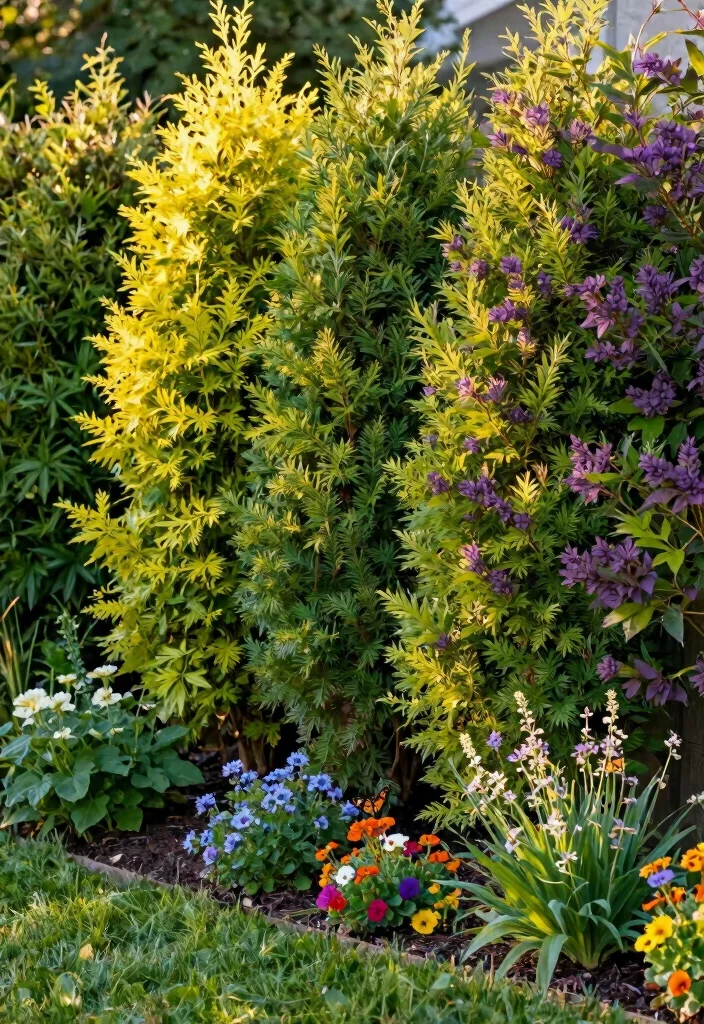
Imagine transforming your backyard into a private retreat with living fences made from native shrubs. These natural barriers not only create a beautiful boundary but also thrive effortlessly in your local climate. Opt for vibrant varieties like Aronia melanocarpa (black chokeberry) and Ilex verticillata (winterberry) to add color while providing food and shelter for wildlife. Editor’s Choice
To achieve the best results, consider planting a diverse mix of shrubs. This layered approach not only enhances privacy but allows sunlight to filter through, creating a lively atmosphere. Here are some tips to get started:
– Choose local species: They adapt easily to your environment and need less care.
– Layer your plants: Combine tall and mid-sized shrubs for a fuller look.
– Maintenance tips: Regular pruning keeps your living fence healthy and beautifully shaped.
Creating a living fence is more than just privacy; it boosts biodiversity and enriches your outdoor space.
Living Fences with Native Shrubs




2. Vertical Gardens
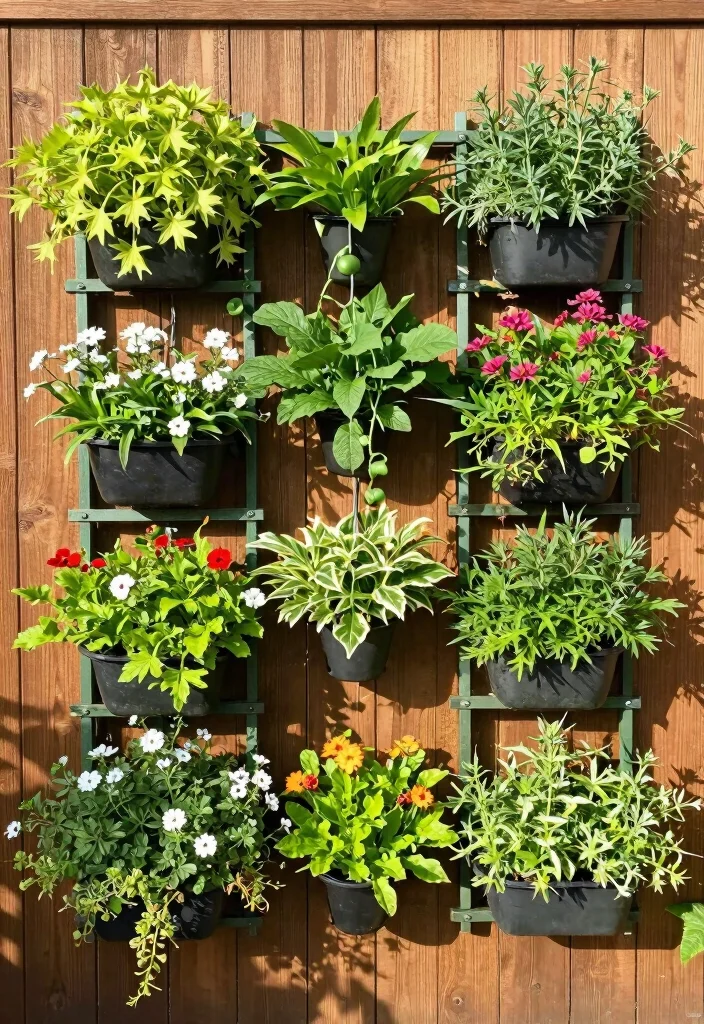
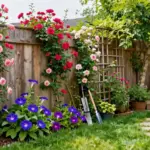
Vertical gardens are a vibrant way to add privacy without sacrificing space in your backyard. These stunning features can be installed on walls, fences, or even made from repurposed pallets, turning any area into a lush oasis. With climbing plants like Clematis or Honeysuckle, you can soften hard edges and enjoy a natural barrier that flourishes beautifully.
Design your vertical garden to maximize its impact. Consider options like:
– Green wall systems: Use wall-mounted planters for a dense, leafy backdrop.
– Trellis displays: Support climbing plants with trellises for added height and interest.
– Pallet gardens: Get creative by using old pallets to hold your plants and make a statement.
Maintaining your vertical garden involves regular watering and pruning. This keeps your plants thriving and ensures a full, lush appearance.
3. Natural Stone Walls
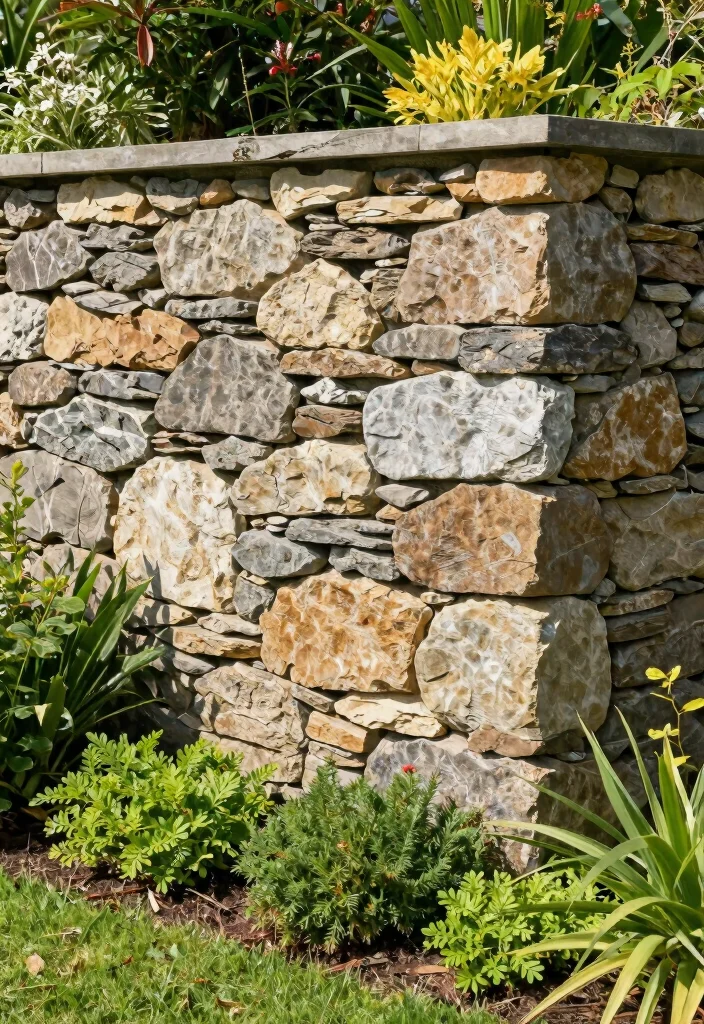
A natural stone wall can serve as a stunning and durable boundary that complements your garden’s landscape. By using locally sourced stones, you create a visually appealing option for privacy that also stands the test of time. These walls can be tailored to fit your yard’s contours, enhancing the natural flow of your outdoor space.
Consider the many advantages of natural stone walls:
– Longevity: They require minimal upkeep, making them a smart investment.
– Aesthetic appeal: Each stone adds unique texture and character to your property.
– Erosion control: These walls help manage water runoff, supporting sustainable landscaping.
Surround your stone wall with native plants for added greenery and to soften the hard edges, creating a more inviting atmosphere.
4. Privacy Screens with Bamboo
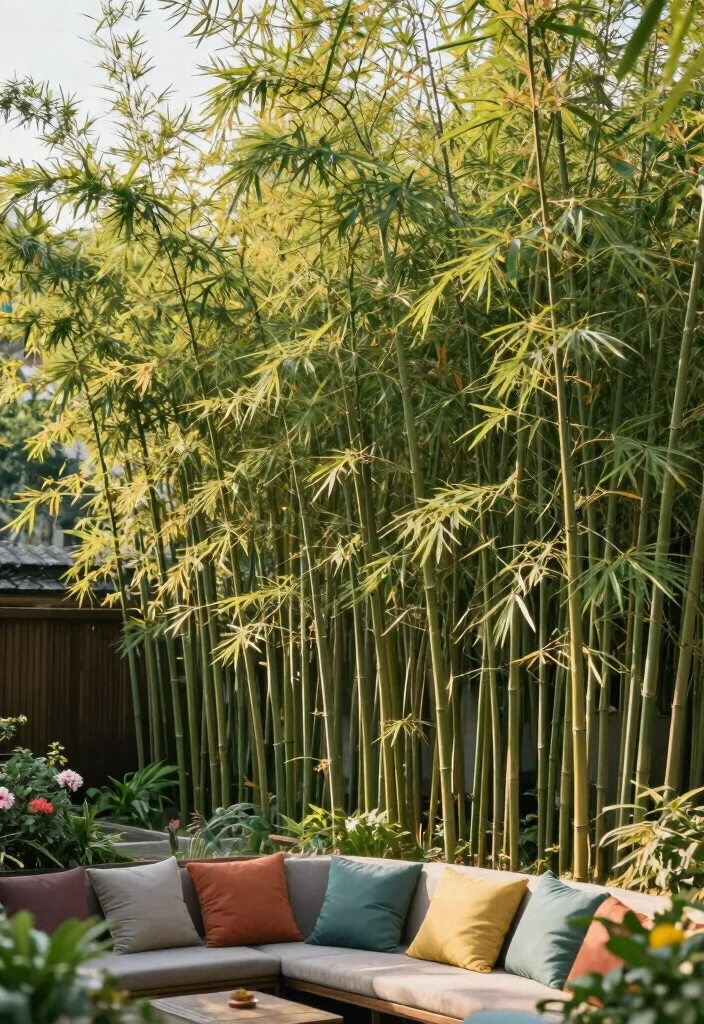
If you’re seeking a quick and stylish way to enhance your backyard privacy, bamboo screens are an excellent choice. Fast-growing and eco-friendly, bamboo can reach impressive heights, creating a natural shield for your space. Opt for clumping varieties like Fargesia to keep your garden manageable and aesthetically pleasing.
Here are some practical tips for incorporating bamboo:
– Choose the right variety: Clumping types prevent uncontrolled spreading.
– Plant strategically: Place bamboo to maximize privacy where you need it most.
– Maintenance: Trim back to control height and density, allowing some light to filter through.
Bamboo not only provides privacy but also brings an exotic vibe to your backyard, making it both functional and beautiful.
Fun fact: bamboo can grow up to 3 feet in a single season, giving you quick backyard privacy ideas from neighbors. Clumping varieties like Fargesia keep the growth contained while delivering tall screens and a natural look.
5. Ornamental Grasses
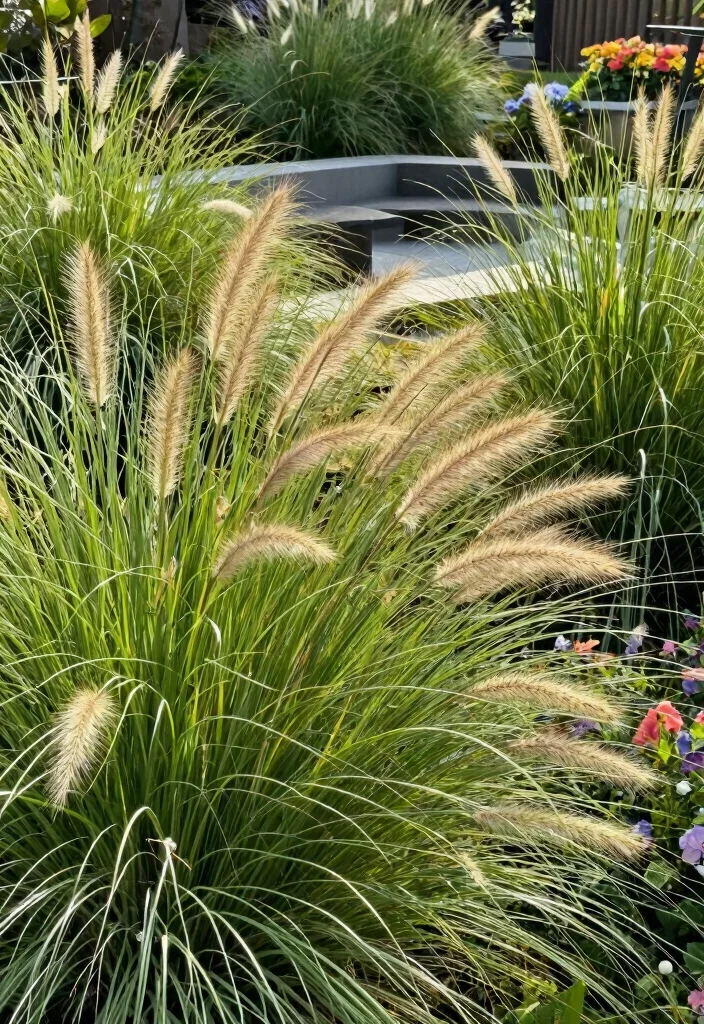
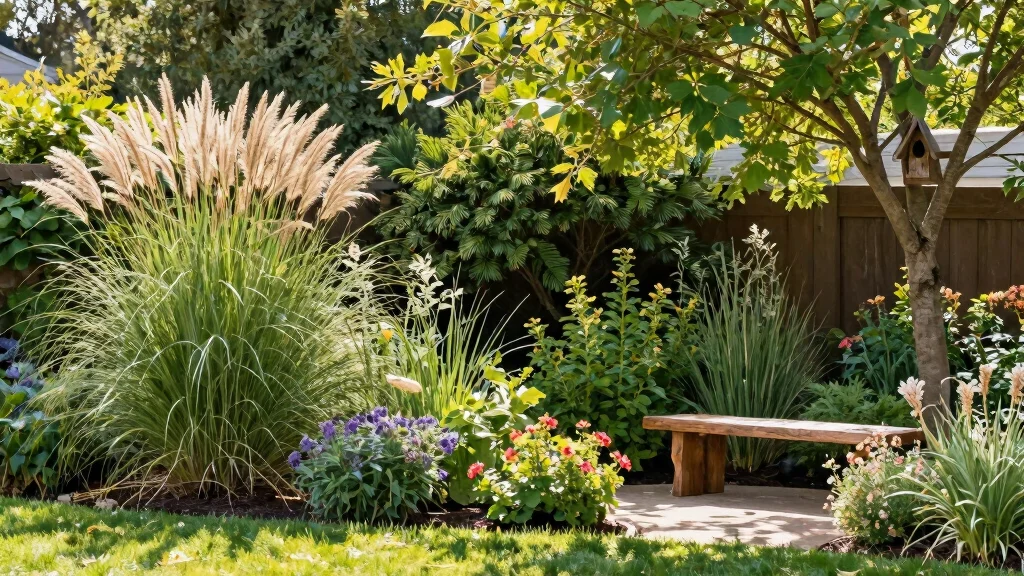
Ornamental grasses offer a fantastic way to create natural barriers while adding texture and movement to your backyard. Varieties like Miscanthus and Pennisetum can grow tall and dense, forming a soft, swaying privacy wall. These grasses are low-maintenance and drought-tolerant, making them perfect for sustainable gardening. Editor’s Choice
To make the most of ornamental grasses, consider these strategies:
– Mix heights: Combine different grass heights for visual interest.
– Seasonality: Many grasses change color with the seasons for year-round beauty.
– Easy care: A simple cutback in early spring is all they need to thrive.
Incorporating ornamental grasses not only enhances privacy but also creates a serene environment that feels alive and inviting.
Ornamental Grasses

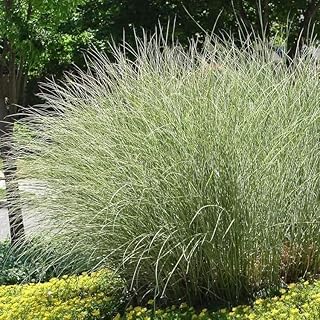


📹 Related Video: 8 Best Ornamental Grasses for Your Garden Privacy
6. Garden Arches with Vines
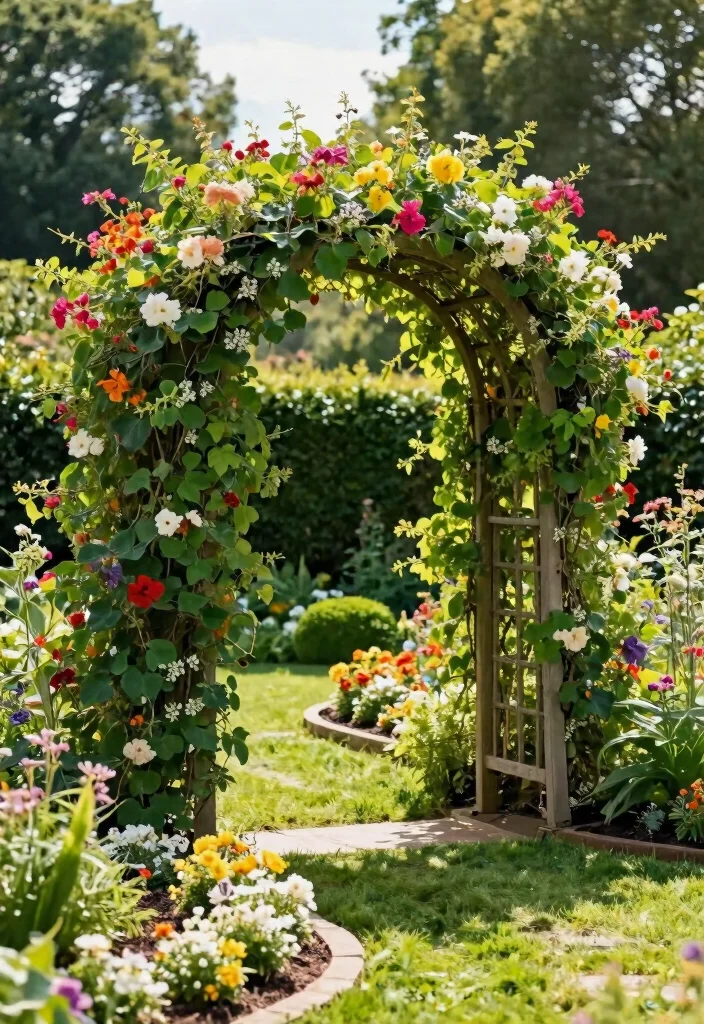
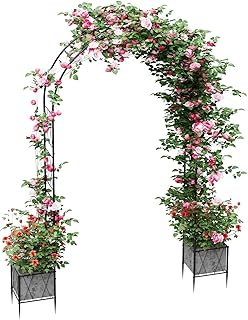
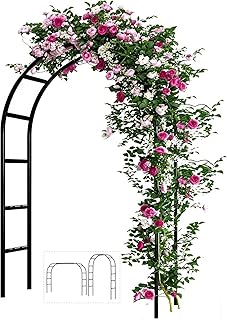
Garden arches are both functional and visually striking, providing a natural entryway while enhancing privacy in your yard. By planting climbing vines like Wisteria or Grapevine around the arch, you create a lush canopy that draws the eye upward and shields unwanted views. This design not only beautifies your space but also encourages vertical growth, making the most of your garden area. Editor’s Choice
Keep these key considerations in mind:
– Choose sturdy materials: Ensure your arch can support mature vines.
– Plan for growth: Select fast-growing varieties for quick privacy establishment.
– Seasonal interest: Different vines offer various blooms and foliage throughout the year.
With garden arches, you can transform your backyard into a secluded haven, perfect for relaxation or gatherings.
Garden Arches with Vines



7. Green Roofs on Sheds
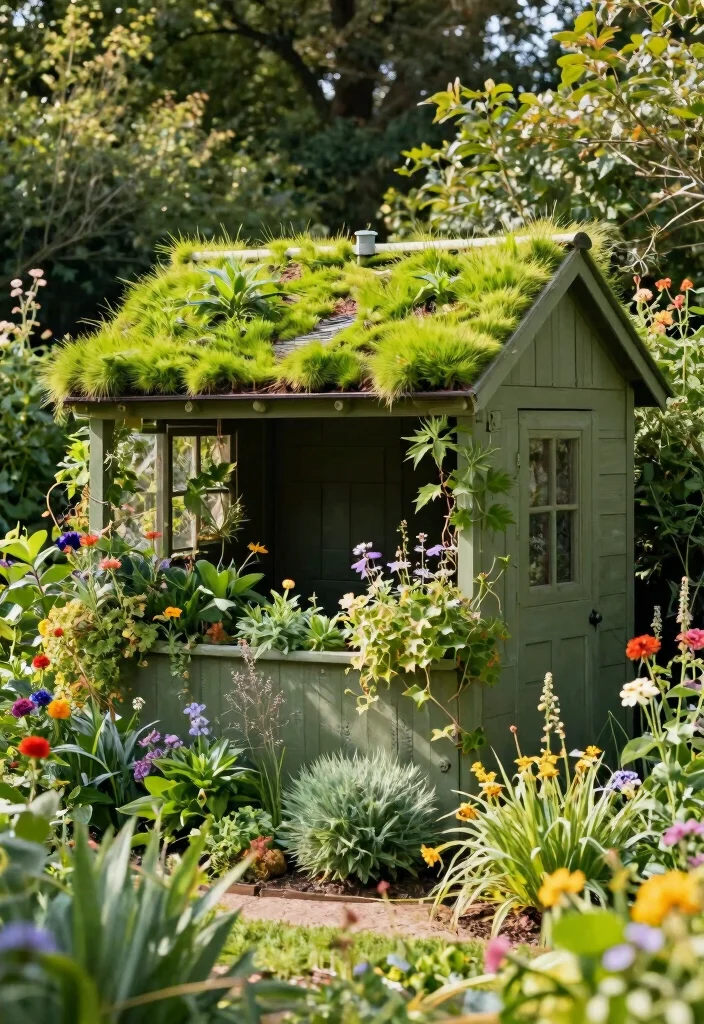
Enhance your garden’s aesthetic with a green roof on your shed, providing an eco-friendly solution that promotes biodiversity while ensuring privacy. A living roof can host native plants, attracting pollinators and birds, creating a lively environment. This design also assists in insulating your structures and managing rainwater, which benefits the ecosystem.
To create a green roof, follow these steps:
– Select a sturdy base: Ensure your shed can support the weight of soil and plants.
– Choose the right plants: Opt for native, drought-tolerant species that thrive in rooftop conditions.
– Maintenance: Regular watering and occasional weeding will keep your green roof healthy.
A living roof transforms your shed into an attractive feature while providing a natural privacy solution.
8. Natural Wood Fencing
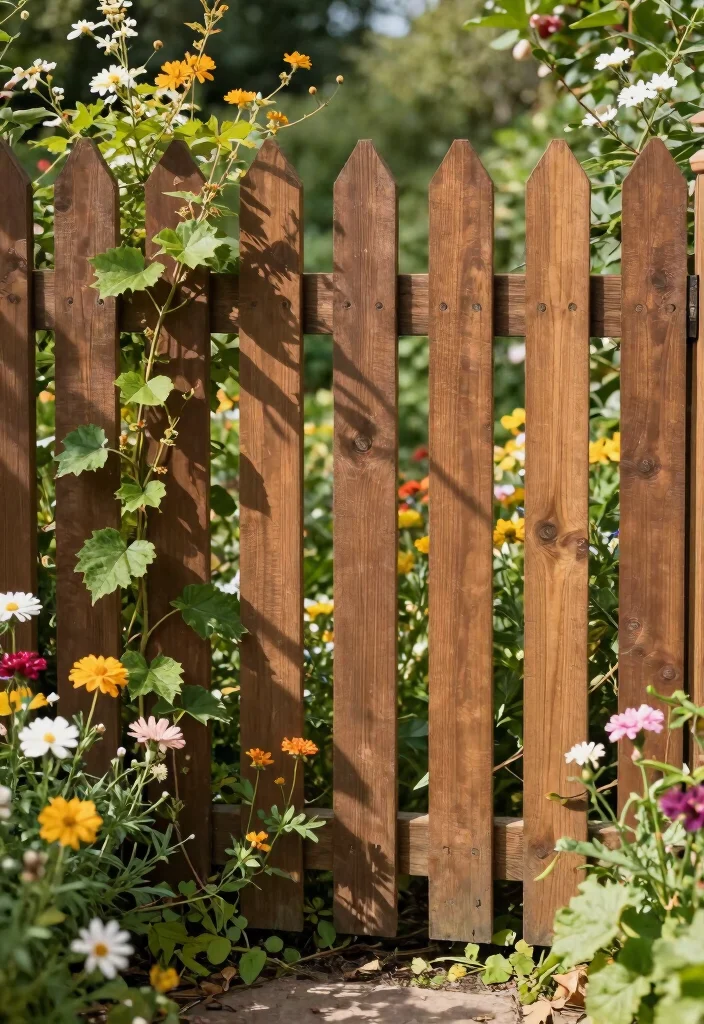
Natural wood fencing adds rustic charm and creates a cozy barrier around your backyard. Using materials like cedar or redwood ensures durability and pest resistance. A wooden fence can blend beautifully with your garden, especially when adorned with climbing plants or vines.
When selecting wood fencing, consider these factors:
– Stain and finish: A natural wood finish enhances durability while preserving its organic look.
– Height and spacing: Decide on the height based on your privacy needs and spacing for airflow.
– Plant integration: Incorporate climbing plants to soften the fence and boost privacy.
A natural wood fence is more than just a boundary; it invites you to enjoy the beauty of your backyard.
Natural wood fencing makes privacy feel cozy, not fortress-like. Pick cedar or redwood, add a light stain, and let climbing plants do the rest—instant shade, scent, and a friendlier neighborly vibe. These backyard privacy ideas from neighbors prove that beauty and privacy can grow together.
How To Choose Backyard Privacy Solutions
When it comes to enhancing your backyard privacy, selecting the right solution is key. With various options available, a thoughtful approach can ensure that your space feels both secluded and inviting. Here are some important criteria to consider when choosing backyard privacy ideas from neighbors: 1. Consider SizeThe size of your yard plays a significant role in determining what kind of privacy solution will work best for you. Measure your space to understand the dimensions you’re working with. For smaller yards, consider vertical solutions like living fences or tall ornamental grasses that maximize space. Larger areas may benefit from natural stone walls or a combination of different elements to create a layered effect.
2. Evaluate Materials
Choosing the right materials is crucial for both aesthetics and durability. If you prefer a natural look, native plants and shrubs are excellent options. They not only provide privacy but also support local wildlife. If you lean towards a more structured appearance, consider wood fencing or stone walls. Each material has its pros and cons, so think about your climate and how much maintenance you’re willing to commit to.
3. Assess Style and Design
Your backyard should reflect your personal style. Take note of how your neighbors have approached their privacy solutions. Do you prefer a rustic feel with natural wood or a more modern vibe with sleek bamboo screens? Consider garden design ideas that incorporate elements like arches with climbing vines, which can add flair while providing seclusion. Remember, the solution you pick should not only serve a practical purpose but also enhance your enjoyment of the space.
4. Think About Functionality
What do you want from your privacy solution? If you’re looking for a barrier against noise, thicker materials or dense plantings might be your best bet. If your main goal is to block the view from neighbors, taller solutions like privacy screens or trees can be effective. Decide whether you want something permanent or if you might want to change it up seasonally. This will influence your choice significantly.
5. Budget Wisely
Privacy solutions can range from affordable DIY projects to more costly installations. Establish a budget before you start making decisions. Natural barriers like shrubs and grasses can be relatively inexpensive, especially if you plant them yourself. In contrast, stone walls or elaborate fencing can require significant investment. Look for options that offer both value and longevity.
6. Maintenance Requirements
Consider how much time and effort you want to dedicate to upkeep. Native plants generally require less maintenance as they are well-suited to your local climate. However, if you opt for a wood fence or stone wall, be prepared for regular maintenance tasks like staining, sealing, or weeding around plants. Choose a solution that fits your lifestyle and time availability.
Pro Tip: Before committing to any privacy solution, take time to visualize how it will look in your space. Sketch out your ideas or use garden design software to experiment with different options. This can help you choose the solution that best fits your needs and enhances your backyard’s overall appearance.
With these criteria in mind, you can confidently select the right backyard privacy ideas from neighbors that not only meet your functional needs but also contribute to the beauty of your garden. Remember, your outdoor space should feel like a personal retreat, so take the time to find what works best for you!
9. Garden Design with Native Plants
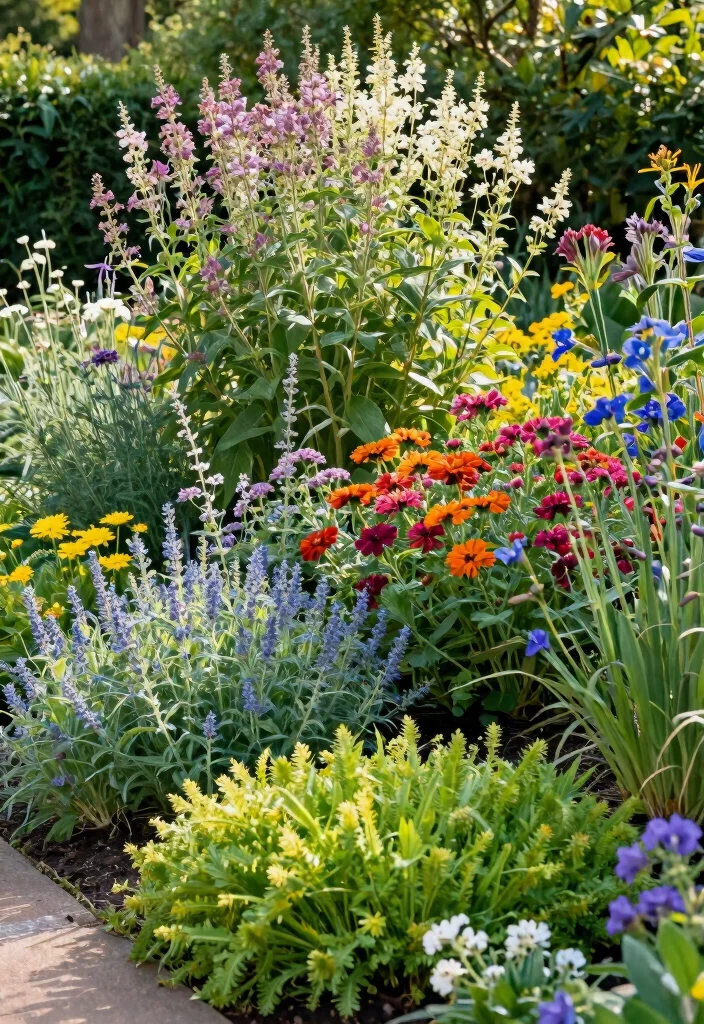
Incorporating native plants into your garden design can enhance privacy while supporting the local ecosystem. A well-planned garden with layered plant heights creates a natural screen that blocks views without feeling confining. Varieties like Echinacea or Rudbeckia can form eye-catching borders, while taller plants provide essential coverage. Editor’s Choice
Effective garden design strategies include:
– Layering: Position taller plants at the back and shorter ones in front for depth.
– Mixing textures: Combine smooth-leaf and textured foliage for contrast.
– Seasonal variation: Choose plants that bloom at different times for year-round interest.
Embracing native species not only enhances privacy but also fosters a vibrant, sustainable habitat for local wildlife.
Garden Design with Native Plants


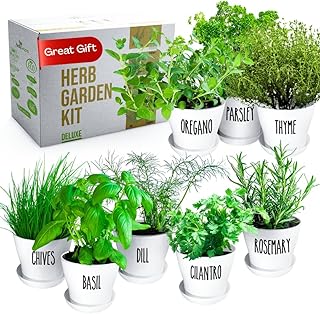
10. Herb Borders for Privacy
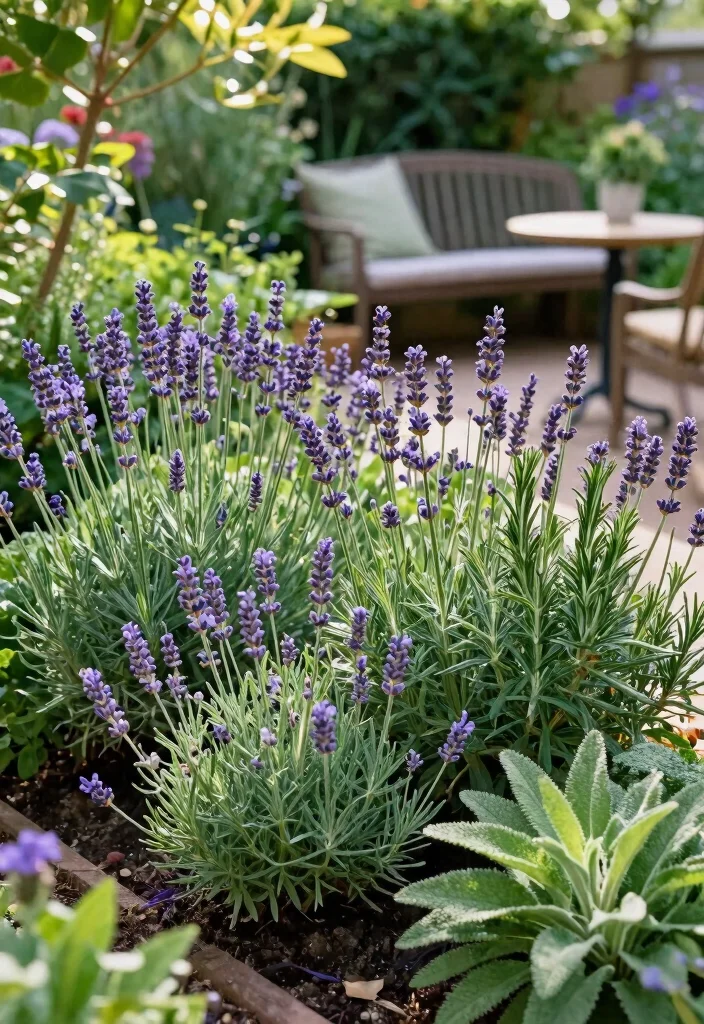
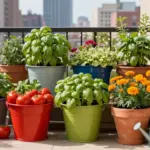
Herb borders are a delightful way to boost privacy while infusing your backyard with fragrance and flavor. Creating a living wall with herbs like Lavender, Sage, and Rosemary not only provides a natural barrier but also attracts beneficial insects. Plus, these herbs can be harvested for culinary use, adding functionality to your garden. Editor’s Choice
Benefits of herb borders include:
– Softening edges: Herbs create a lush, aromatic landscape that promotes relaxation.
– Easy maintenance: Most herbs are drought-tolerant and thrive with minimal care.
– Seasonal interest: Many herbs bloom beautifully, enhancing your garden’s visual appeal.
Planting herb borders around seating areas cultivates privacy while enriching the sensory experience of your outdoor space.
Herb Borders for Privacy


11. Gravel and Stone Pathways
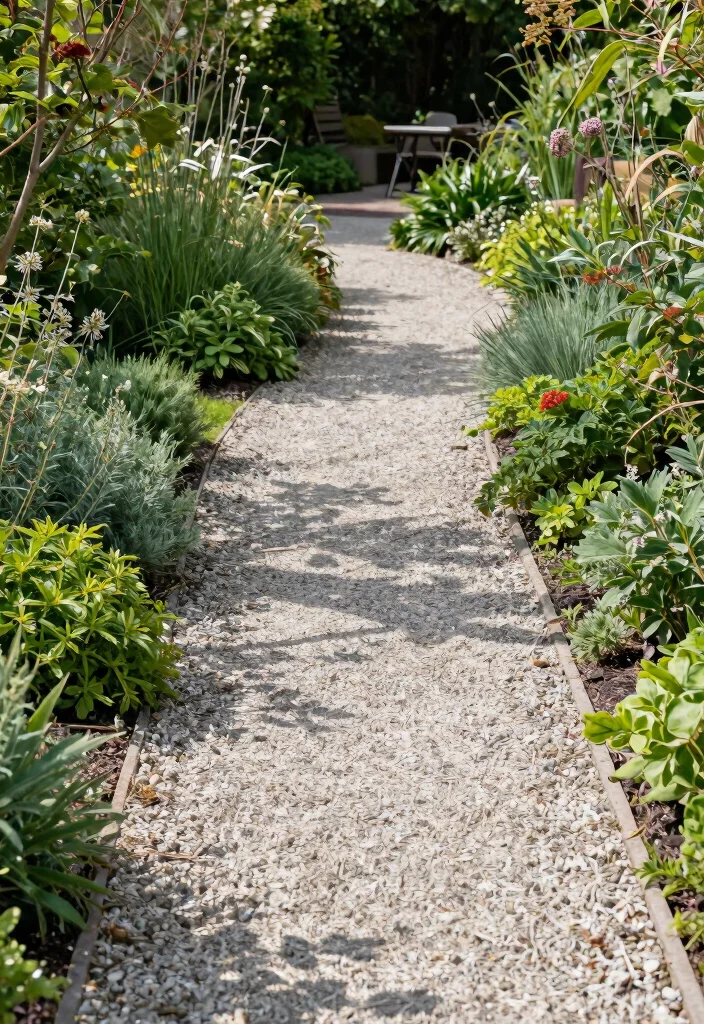
Gravel and stone pathways can act as natural dividers in your backyard, guiding the eye while creating distinct areas for relaxation and play. These pathways can be lined with plants or shrubs that provide privacy without overwhelming the space. Native ground covers and low shrubs can soften edges and create a welcoming ambiance.
Here are some design considerations:
– Path width: Ensure the pathway is wide enough for comfortable movement.
– Plant selection: Choose low-maintenance, drought-resistant plants that thrive in your environment.
– Seasonal interest: Incorporate a mix of plants that offer blooms and colors year-round.
Well-designed pathways enhance privacy while creating a peaceful flow throughout your outdoor space.
12. Sustainable Landscaping Techniques
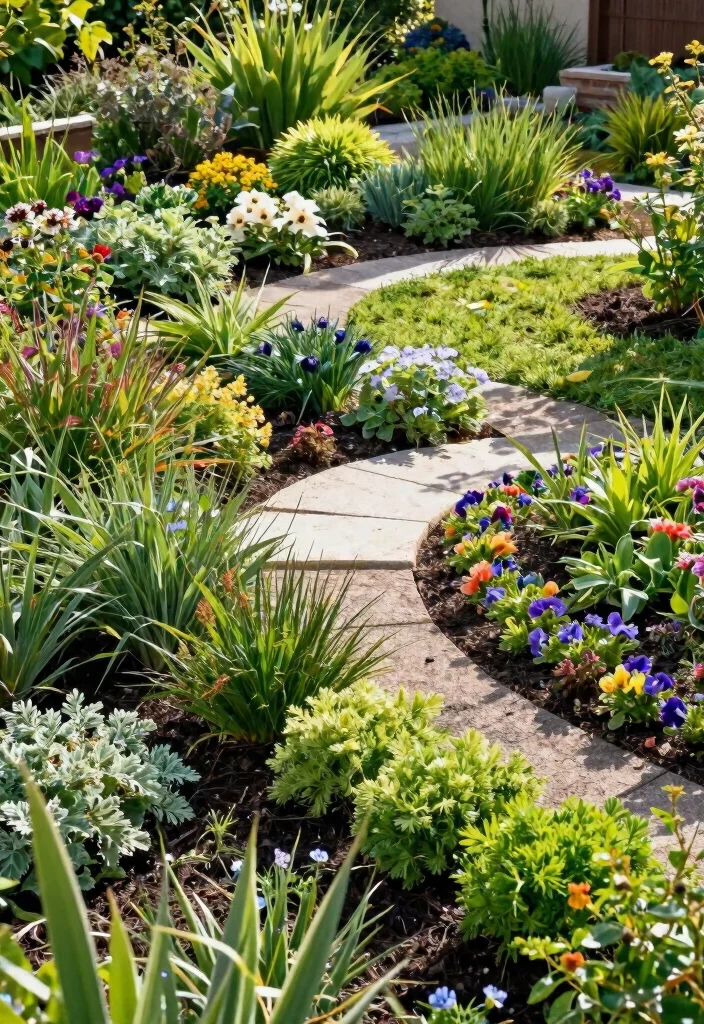
Adopting sustainable landscaping techniques is key to creating an eco-friendly backyard that provides privacy while supporting conservation. Practices such as xeriscaping, rain gardens, and permaculture not only enhance your space but also positively impact the environment. Choosing perennial plants reduces the need for constant replanting, while local materials help minimize your ecological footprint.
Consider these essential techniques:
– Xeriscaping: Select drought-resistant plants to conserve water while maintaining beauty.
– Rain gardens: Design areas to capture rainwater, supporting local ecosystems.
– Permaculture principles: Create a self-sustaining environment that promotes biodiversity.
Implementing these thoughtful practices will ensure your backyard remains a beautiful, private oasis for years to come.
Did you know that backyard privacy ideas from neighbors can be achieved with xeriscaping and native plants, cutting water use by up to 50%? Sustainable landscaping naturally creates privacy, with plants maturing to form living screens over time.
Conclusion
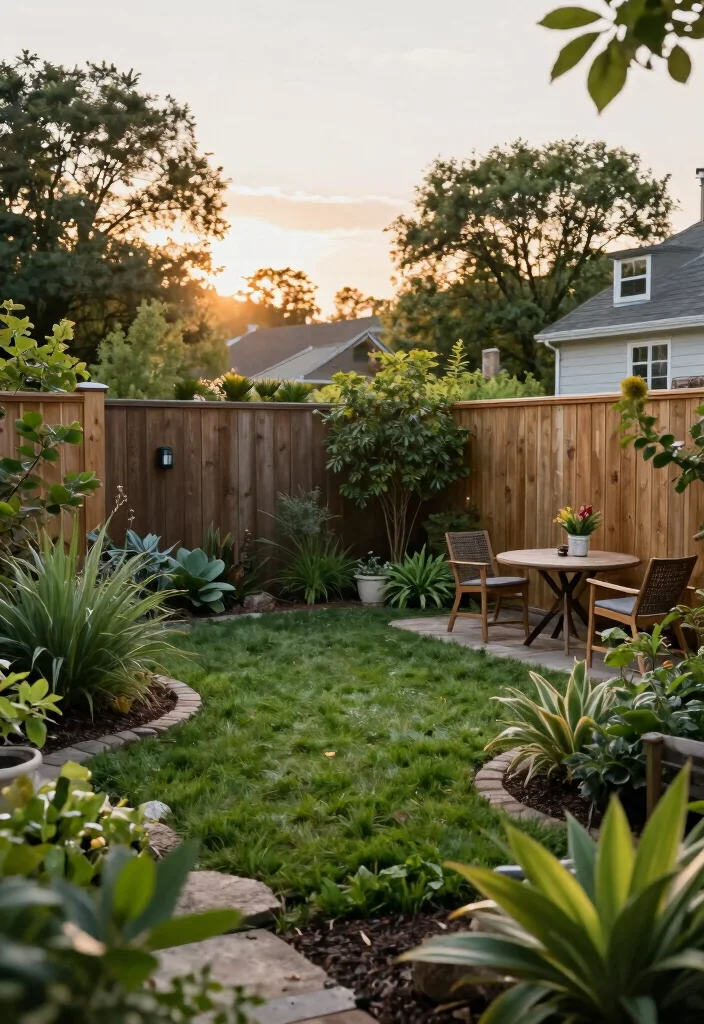
Wrapping up these backyard privacy ideas highlights the beauty of integrating nature into your outdoor spaces. Each idea showcases how we can create serene environments that feel personal and inviting, all while promoting sustainability. Inspired by our neighbors, these concepts remind us that protecting our privacy doesn’t have to come at the expense of nature. Explore these sustainable approaches, and you’ll find that enhancing your privacy can also mean enriching your garden. Now, go ahead and create that beautiful retreat you’ve always dreamed of! Note: We aim to provide accurate product links, but some may occasionally expire or become unavailable. If this happens, please search directly on Amazon for the product or a suitable alternative. This post contains Amazon affiliate links, meaning we may earn a small commission if you purchase through our links, at no extra cost to you.
Frequently Asked Questions
What are some backyard privacy ideas from neighbors that use native plants?
Great question. Start with a neighbor-friendly, layered living screen using native plants to create a privacy effect that still looks natural. A simple 3-layer setup tends to work: tall native trees or evergreens at the back, medium-height shrubs in the middle, and groundcovers or grasses in front. Group plants in dense clusters for better screening and choose varieties suited to your sun, soil, and climate. This approach gives you backyard privacy ideas from neighbors that feel sustainable and integrated with the landscape. Add seasonal interest with flowering natives for beauty year-round.
Which native plants make the best natural barriers for garden privacy?
Native plants as natural barriers can provide year-round privacy without the look of a wall. Focus on tall evergreen or semi-evergreen options for the back row, mid-height shrubs for screening, and drought-tolerant grasses or groundcovers in front. Plan for spacing, root depth, and maintenance: avoid plants with aggressive roots near foundations or sidewalks. Pick natives that suit your sun exposure and soil, and consider a staggered planting layout to reduce gaps. By using native plants, you create a screening that supports local wildlife and stays vibrant with less effort.
What fencing options work well with natural privacy from neighbors?
Fencing options can complement living screens instead of competing with them. Try low-profile wooden slats or lattice panels that let light through and let climbing natives cover the sides. A living trellis with native vines can turn any fence into an outdoor privacy solution without looking bulky. If you prefer a solid look, use eco-friendly composites or sustainably milled wood, then soften the edges with native plants climbers along the posts. This pairing gives you privacy while preserving garden design ideas and airflow.
How can I design a sustainable backyard privacy plan using native plants?
Start with a quick site audit: sun, shade, soil type, and drainage. Then sketch a layered layout: back row of tall natives, middle shrubs, front grasses or groundcovers. Choose a handful of drought-tolerant, wildlife-friendly natives to reduce maintenance and water use. Add durable mulch, smart spacing, and a maintenance calendar to keep the privacy screens healthy over time. Finally, align the plan with a few garden design ideas like screens along property lines or curved berms for natural edges and outdoor privacy solutions that feel intentional.
What landscaping tips help maximize outdoor privacy solutions without sacrificing sunlight?
Use deciduous trees and shrubs so windows and patios stay shaded in hottest months but let light in during winter. Create staggered screens instead of straight lines to avoid blocking light in pockets of the yard. Mix textures: tall natives at the back, leafy shrubs in the middle, and airy grasses in front to maintain airflow. Mulch wisely, water efficiently with drip irrigation, and choose natives that require minimal fertilizer. These landscaping tips help you craft outdoor privacy solutions that keep your yard bright and welcoming while respecting neighbors.