Creating a beautiful backyard garden can seem daunting, especially if you’re unsure where to start. That’s why I put this post together. Gardening has become a passion for many, and whether you have a sprawling yard or a cozy balcony, you can make the most of your space. You deserve a place that brings you joy and delicious homegrown produce.
If you love gardening, or if you’re simply curious about the benefits of sustainable edible landscaping, this one’s for you. The ideas I’ve gathered cater to both small and large yards, ensuring that everyone can find inspiration. I pulled together 14 backyard garden ideas that are practical, creative, and perfect for adding a touch of green to your home. From raised garden beds to vertical gardens, you’ll discover ways to utilize your space efficiently while enjoying the beauty and bounty of your own garden.
Get ready to explore a variety of options that not only enhance the look of your yard but also promote a sustainable lifestyle. You’ll find out how to create pollinator gardens, implement composting, and even whip up DIY garden decor. With these ideas, you can cultivate a garden that suits your style and meets your needs.
Key Takeaways
– Discover how raised garden beds can maximize your growing space and make urban farming accessible. – Learn about vertical gardens that save space while adding a unique aesthetic to your backyard. – Explore edible landscaping techniques using native plants that support local wildlife and provide delicious produce. – Get tips on container gardening for a flexible approach that allows you to grow herbs and vegetables even in tight spaces. – Uncover the benefits of seasonal planting, ensuring you have fresh harvests all year round, no matter your yard size.1. Raised Garden Beds for Urban Farming
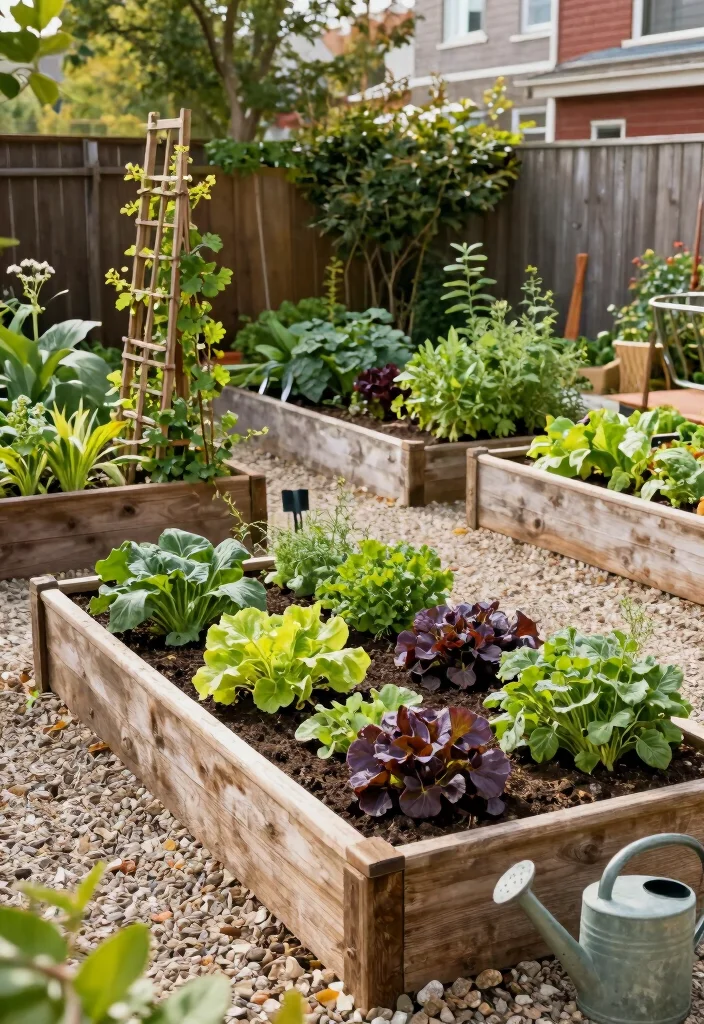
Are you looking to make the most of your urban backyard? Raised garden beds offer a fantastic solution, allowing you to grow vibrant plants while optimizing limited space. These beds not only provide excellent drainage but also keep the soil warm, encouraging healthy growth and reducing pesky weeds. Editor’s Choice
Customizable in height and size, raised beds can suit any garden layout. Using reclaimed wood or bricks adds a charming touch while being eco-friendly. With raised beds, you can easily cultivate your own fresh vegetables right at home, making gardening accessible and rewarding.
Ingredients:
– Reclaimed wood or bricks
– Nutrient-rich soil
– Seeds or seedlings of your choice (like tomatoes, peppers, or cucumbers)
– Trellis (optional for climbing plants)
– Watering can or hose
Instructions:
1. Decide on the location and size of your raised bed.
2. Construct the frame using reclaimed wood or bricks.
3. Fill the bed with nutrient-rich soil.
4. Plant your seeds or seedlings according to package instructions.
5. Water regularly, ensuring soil stays moist but not soggy.
6. Add a trellis if you’re growing climbing plants.
7. Enjoy watching your garden flourish!
FAQs:
– Can I use treated wood for my raised beds? It’s best to avoid treated wood to prevent chemicals leaching into the soil.
– How deep should my raised bed be? A depth of 12-18 inches is ideal for most vegetables.
Raised Garden Beds for Urban Farming




2. Vertical Gardens for Space-saving Appeal
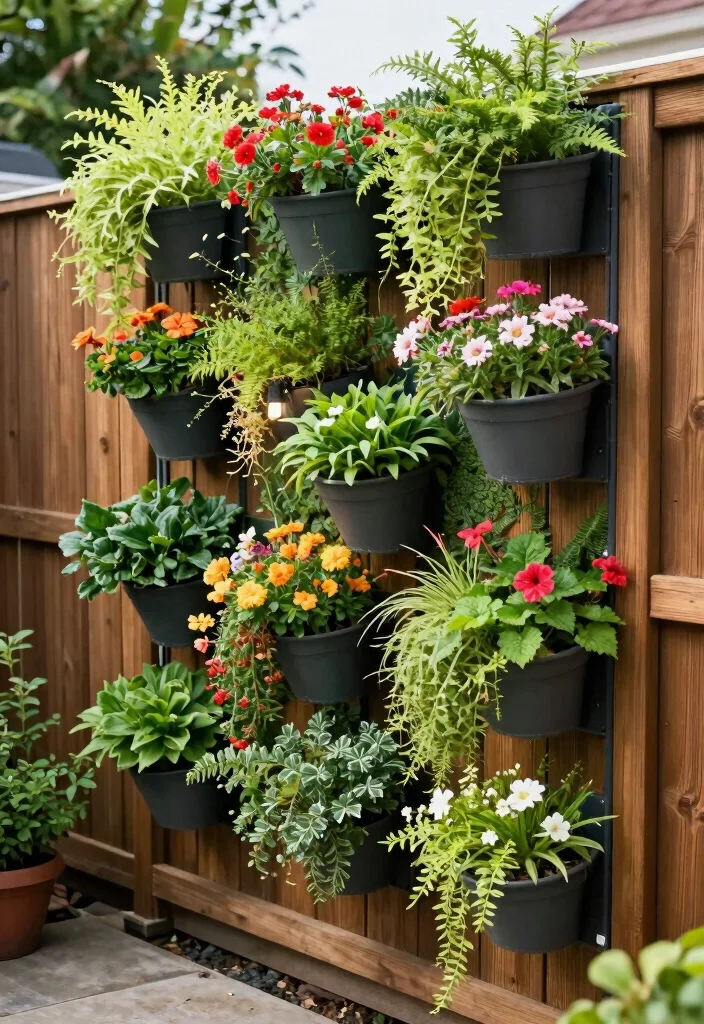
Feeling cramped in your small backyard? Vertical gardens can transform your space into a lush oasis. They allow you to grow a variety of plants even when square footage is limited. With options like wall-mounted planters and hanging pots, you can create a stunning green wall that adds beauty and freshness to your outdoor area.
Select vibrant flowers like petunias or fragrant herbs like basil to enhance your garden’s appeal. This creative gardening style not only saves space but also turns your yard into a visual delight that captivates all who see it.
Ingredients:
– Wall-mounted planters or pallets
– Hanging pots
– Potting soil
– Plant selections (herbs, flowers, or small vegetables)
– Drip irrigation system (optional)
Instructions:
1. Choose a sunny wall or fence for your vertical garden.
2. Install wall-mounted planters or hang pots securely.
3. Fill each planter or pot with high-quality potting soil.
4. Select plants that thrive in similar light and water conditions.
5. Water your plants regularly, using a drip irrigation system if preferred.
6. Enjoy the beauty and aroma of your vertical garden!
FAQs:
– Can I use any plants in a vertical garden? Choose plants that have similar light and water needs for best results.
– Are vertical gardens hard to maintain? With proper planning and plant selection, they can be quite easy to care for.
Backyard garden ideas show that a 6-foot vertical garden can double your edible yield in a small yard. With wall-mounted planters and hanging pots, you gain lush herbs like basil and flowers like petunias, all without sacrificing ground space.
Vertical Gardens for Space-saving Appeal
Editor’s Choice


3. Edible Landscaping with Native Plants
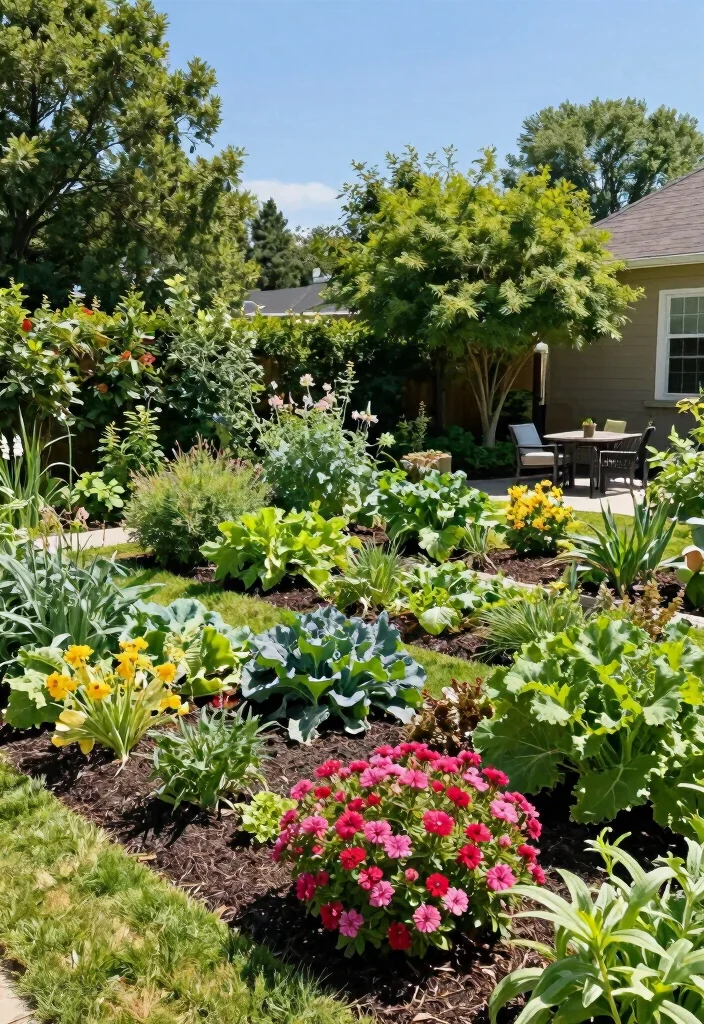
Do you want to support local wildlife while enjoying fresh produce? Edible landscaping with native plants is a brilliant way to achieve this. Native plants are adapted to your area, requiring less maintenance and water, while providing delicious fruits and vegetables for you and local pollinators. Editor’s Choice
Incorporating shrubs like blueberries and blackberries can create a stunning and functional landscape. By mixing these with ornamental plants, you’ll enjoy a beautiful garden that’s also beneficial to the environment.
Ingredients:
– Native flowering plants
– Edible shrubs (like blueberries, blackberries)
– Vegetables of your choice
– Compost for soil enrichment
– Mulch for moisture retention
Instructions:
1. Choose a variety of native plants and edible shrubs suitable for your climate.
2. Plant them in groups according to their height and growth habits.
3. Add compost to enrich the soil.
4. Mulch around plants to retain moisture.
5. Water regularly, especially during dry spells.
6. Harvest fruits and vegetables as they ripen!
FAQs:
– Can I plant native flowers with vegetables? Yes, combining them creates a beautiful and functional garden.
– Will native plants attract pests? They can attract beneficial insects that help control pests naturally.
Edible Landscaping with Native Plants


4. Container Gardening for Flexibility
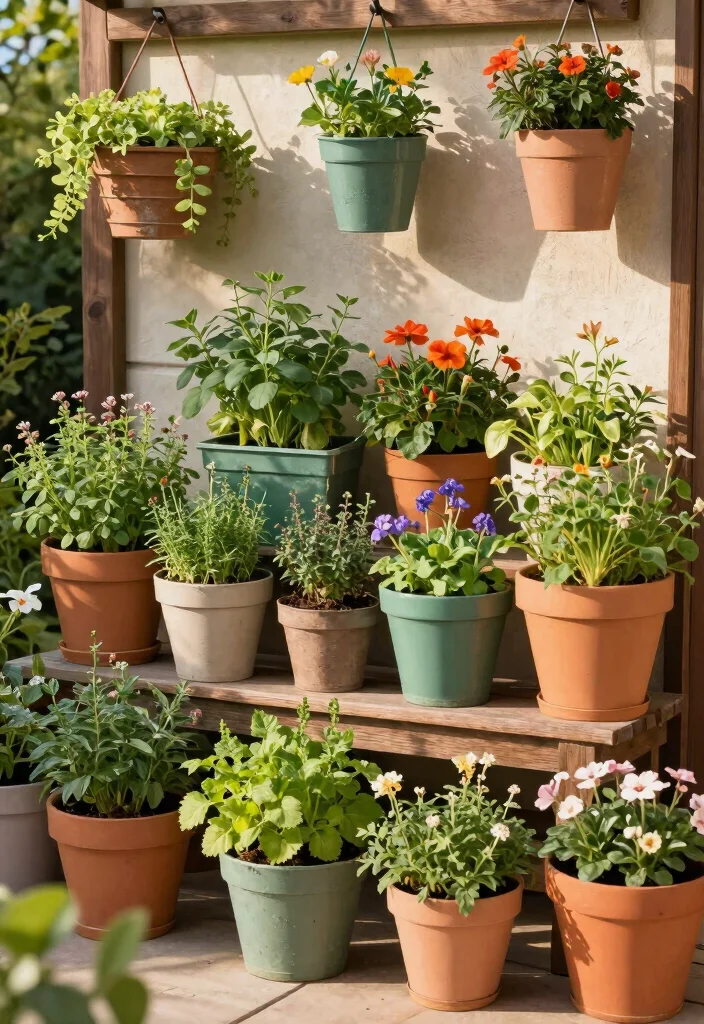
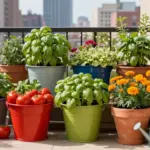
Are you short on space but want to enjoy the joy of gardening? Container gardening is an ideal solution that allows you to cultivate a variety of plants in small spaces like patios and balconies. You can grow everything from vegetables to colorful flowers in pots, making it easy to personalize your garden layout.
Choose sustainable materials like terracotta or wood for your containers, and mix different shapes for added visual appeal. Herbs like cilantro and vibrant flowers can thrive in pots, adding both beauty and flavor to your meals.
Ingredients:
– Containers (terracotta, wood, or recycled materials)
– Potting soil
– Seeds or seedlings (vegetables, herbs, flowers)
– Watering can or hose
Instructions:
1. Select containers with proper drainage holes.
2. Fill each container with high-quality potting soil.
3. Plant your seeds or seedlings according to their needs.
4. Water regularly; ensure the soil stays moist.
5. Group containers for an attractive display.
6. Enjoy your homegrown herbs and flowers!
FAQs:
– Can I grow large plants in containers? Yes, just ensure you choose appropriately sized containers.
– How often should I water my container plants? Check daily; containers tend to dry out faster than garden beds.
Fun fact: A single 12-inch pot can yield a week’s supply of fresh herbs. With sturdy containers and proper drainage, you can design multiple backyard garden ideas on a balcony—no yard required.
Container Gardening for Flexibility
Editor’s Choice


5. Pollinator Gardens for Healthier Yards
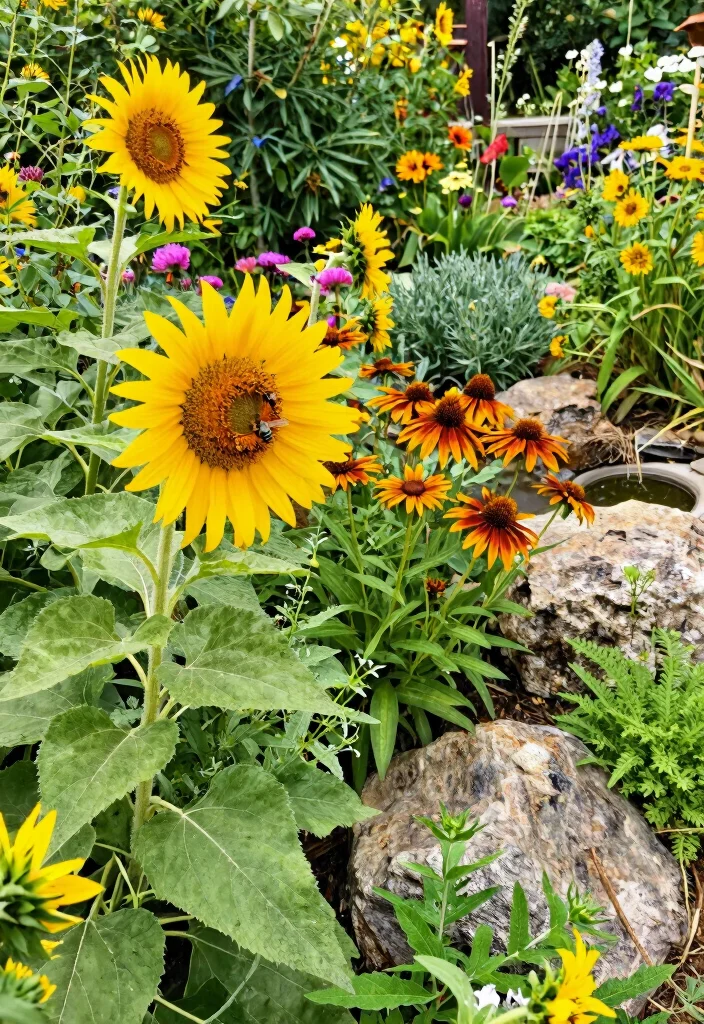
Want to support local wildlife while enhancing your garden? Creating a pollinator garden is a delightful way to attract bees, butterflies, and beneficial insects. By planting a variety of flowers, herbs, and native plants, you can provide a reliable food source for these essential creatures.
Incorporate nectar-rich plants like sunflowers and lavender for a colorful and fragrant oasis. Pollinator gardens not only beautify your yard but also boost the productivity of your vegetable garden by ensuring pollinators are present to help your plants thrive.
Ingredients:
– Nectar-rich flowers (like sunflowers, coneflowers)
– Native grasses and shrubs for shelter
– Herbs (like mint and thyme)
– Compost for soil enrichment
– Water source (like a birdbath)
Instructions:
1. Choose a variety of nectar-rich flowers and native plants.
2. Plant in clusters to attract pollinators effectively.
3. Avoid pesticides to protect beneficial insects.
4. Create sunny and shady spots for different pollinator species.
5. Add a water source for hydration.
6. Enjoy the buzzing life in your garden!
FAQs:
– Can I include non-native plants? While native plants are best, many non-native flowers can also attract pollinators.
– How do I know if my garden is attracting pollinators? Look for bees, butterflies, and other insects visiting your flowers.
6. Herb Spiral for Space Efficiency
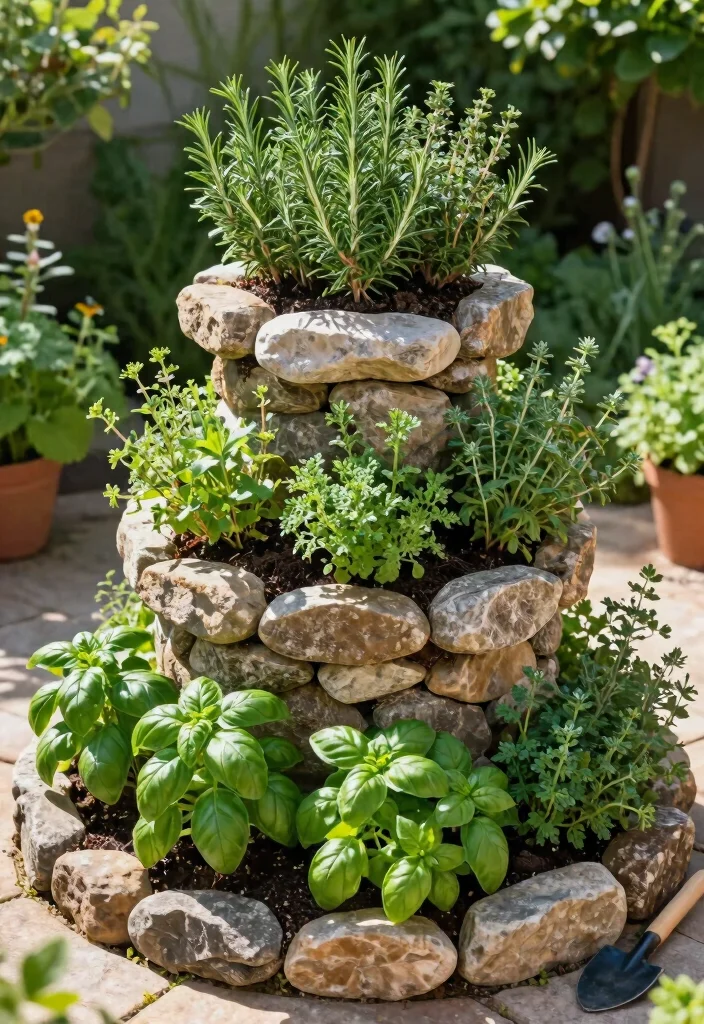
Looking for a creative way to maximize your gardening space? An herb spiral is a unique and efficient design that allows you to grow various herbs in a small area. This vertical structure creates different microclimates, helping your herbs thrive in their ideal conditions.
The top of the spiral can dry out, perfect for Mediterranean herbs like rosemary, while the lower section retains moisture for basil and parsley. Building an herb spiral is not only functional but also adds an attractive feature to your garden.
Ingredients:
– Stones or bricks for the spiral structure
– Quality potting soil
– Herb seeds or seedlings (like thyme, basil, parsley)
– Water source
Instructions:
1. Construct the spiral using stones or bricks, ensuring stability.
2. Fill the spiral with potting soil.
3. Plant herbs according to their water and sun needs, placing drier herbs at the top.
4. Water the plants regularly, especially during dry periods.
5. Enjoy the fresh aroma and flavors of your homegrown herbs!
FAQs:
– Can I grow vegetables in an herb spiral? While herbs are ideal, you can experiment with small vegetables in the lower sections.
– How much space do I need for an herb spiral? A footprint of about 4-6 feet in diameter is sufficient for a functional spiral.
📹 Related Video: This is how You build a Herb Spiral!
7. Fruit Trees in Small Spaces
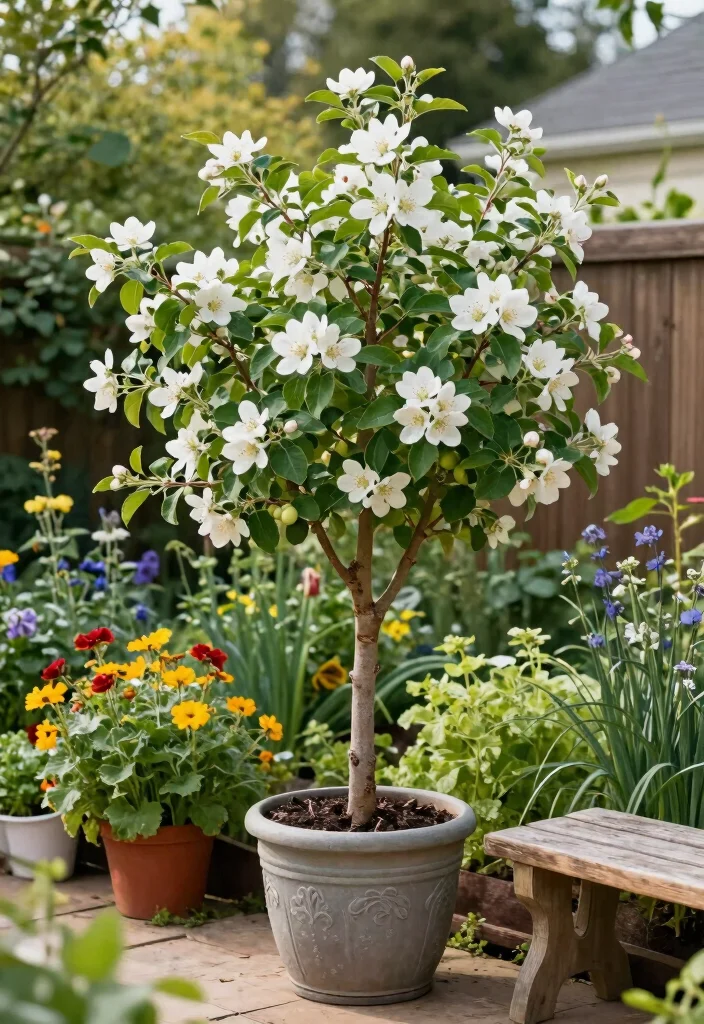
Do you dream of growing your own fruit but have limited space? Dwarf fruit trees are an excellent choice for small gardens, providing delicious fruits without overwhelming your yard. Trees like peaches, apples, or figs can thrive in a compact area while offering shade and beauty. Editor’s Choice
Whether you plant them in large pots or directly in the ground, these trees can flourish alongside flowering plants or herbs, creating a charming garden scene. With careful selection and maintenance, you can enjoy home-grown fruit even in urban settings.
Ingredients:
– Dwarf fruit trees (like peaches, apples, figs)
– Quality potting soil (if using pots)
– Companion plants (like herbs or flowers)
– Mulch for moisture retention
Instructions:
1. Choose dwarf varieties suited for your climate.
2. Decide whether to plant in pots or directly in the ground.
3. Dig a hole or prepare the pot with quality potting soil.
4. Water regularly and mulch to retain moisture.
5. Prune the trees to maintain shape and size.
6. Enjoy the fruits of your labor!
FAQs:
– Can I grow fruit trees in pots? Yes, dwarf varieties are perfect for container gardening.
– How often should I water my fruit trees? Ensure the soil is consistently moist, especially during dry spells.
Fruit Trees in Small Spaces




8. Zen Gardens with Edible Elements
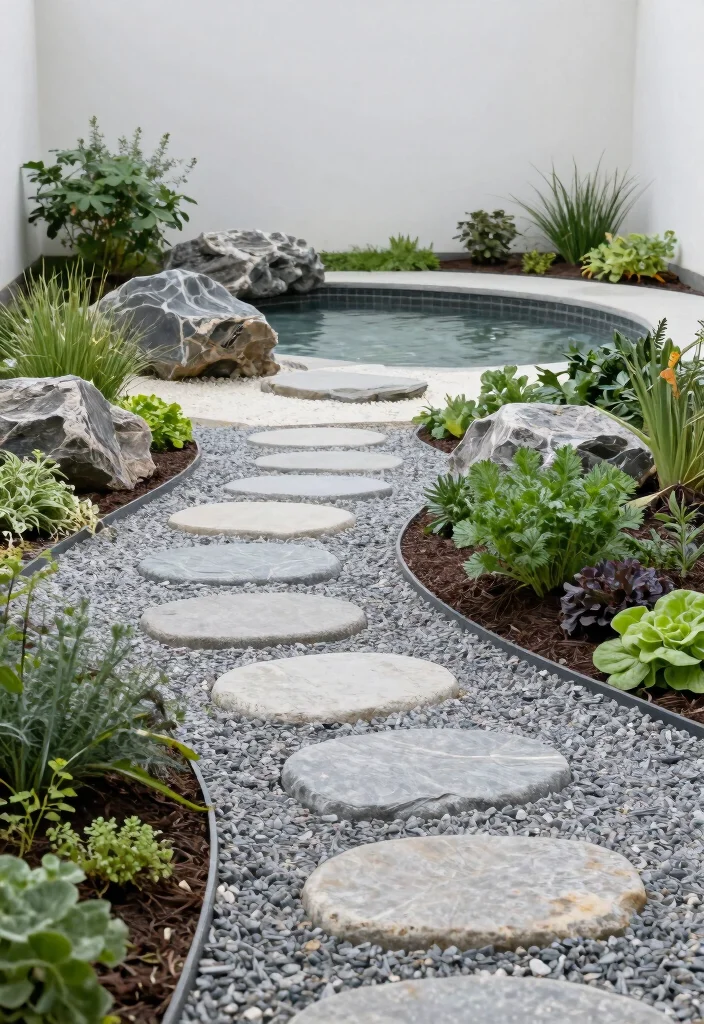
Are you seeking tranquility in your garden while growing your own food? Incorporating edible plants into a Zen garden is a beautiful way to create a peaceful retreat. With a focus on simplicity, you can design a space that fosters relaxation and functionality.
Consider using gravel or sand for pathways, interspersed with herbs or dwarf vegetables to maintain a clean, minimalist look. This blend of aesthetics and productivity allows you to enjoy the serenity of your garden while cultivating fresh ingredients.
Ingredients:
– Gravel or sand for pathways
– Edible plants (like herbs, dwarf veggies)
– Decorative stones for accents
– Water feature (optional)
Instructions:
1. Plan your layout, keeping it simple and uncluttered.
2. Create pathways using gravel or sand.
3. Plant edible plants in designated areas for easy access.
4. Consider adding a water feature for tranquility.
5. Use stones to outline pathways and enhance aesthetics.
6. Enjoy your peaceful Zen garden!
FAQs:
– Can I use larger plants in a Zen garden? Keep it simple with smaller, manageable plants for a more serene look.
– How do I maintain a Zen garden? Regularly rake the gravel and tend to your plants to keep the space tidy.
9. Greenhouse Gardening for All-Year Harvest
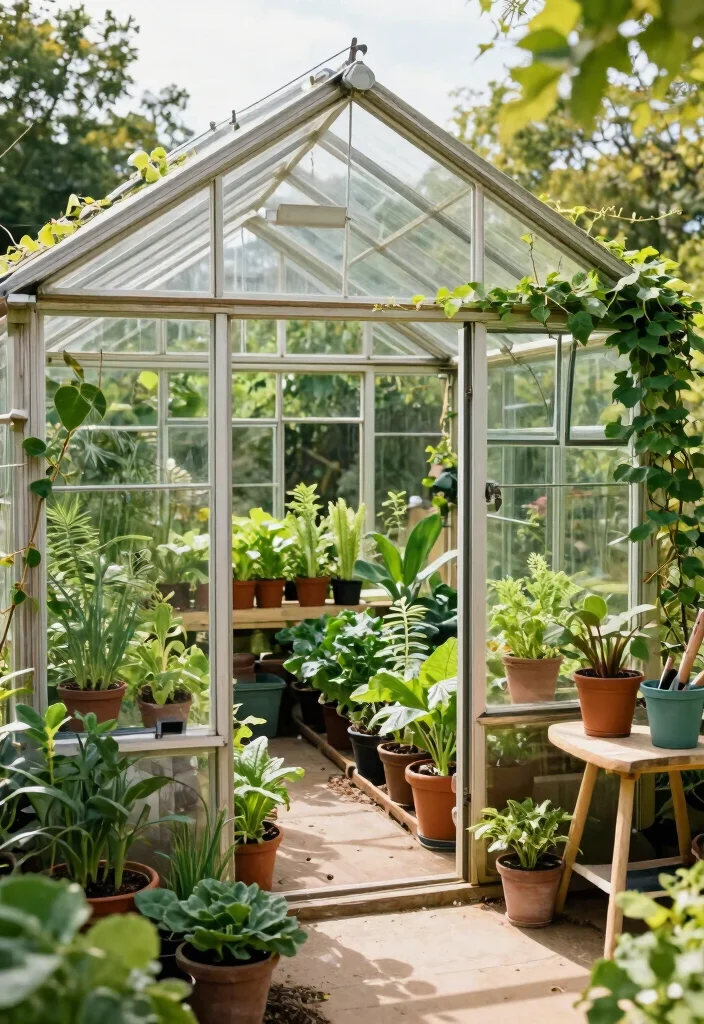
Do you want to extend your gardening season? A greenhouse is a fantastic investment for year-round gardening. It allows you to grow a wide range of vegetables, herbs, and flowers, unaffected by weather changes.
Whether you choose a small or large greenhouse, it can be tailored to your gardening style. Consider using reclaimed materials to create an eco-friendly structure, adding sustainability to your gardening practices.
Ingredients:
– Greenhouse structure (small or large)
– Growing trays or pots
– Quality potting soil
– Seeds or seedlings (various vegetables and herbs)
– Watering system (automatic or manual)
Instructions:
1. Set up your greenhouse according to manufacturer instructions.
2. Fill trays or pots with potting soil.
3. Plant seeds or seedlings, following spacing guidelines.
4. Monitor temperature and humidity regularly.
5. Water as needed, considering an automatic system for convenience.
6. Enjoy year-round harvests from your greenhouse!
FAQs:
– Can I grow all types of plants in a greenhouse? Most vegetables and herbs thrive; check specific needs for optimal growth.
– How do I control temperature in my greenhouse? Use ventilation and shading techniques to maintain ideal conditions.
How To Choose the Right Backyard Garden Design
Choosing the right backyard garden design is essential for creating a space that is both functional and beautiful. Whether you have a small yard or a larger area to work with, the right design can enhance your outdoor living experience. Here are some key points to consider when selecting your backyard garden ideas: 1. Size of Your SpaceStart by assessing the size of your yard. Measure the available space to understand the area you have for gardening. For small gardens, consider vertical gardening or container gardening. Larger spaces might accommodate raised garden beds or even fruit trees. Knowing your dimensions will help you visualize what fits best in your yard.
2. Sunlight Exposure
Different plants require different amounts of sunlight. Observe your yard throughout the day to see where the sun hits the most. If you have sunny spots, ideal for vegetable gardening ideas, you can grow sun-loving plants like tomatoes or peppers. For shaded areas, consider planting herbs or shade-tolerant vegetables like spinach. Knowing the light conditions will guide your plant choices effectively.
3. Soil Quality
Test your soil to understand its quality. You can do this using a simple soil test kit, available at most garden centers. Assessing pH and nutrient levels will help you determine what amendments, if any, are needed. For instance, if the soil is too acidic, you may need to add lime to balance it. Good soil quality is key to a thriving garden, whether you opt for raised garden beds or traditional in-ground planting.
4. Budget Considerations
Establish a budget for your garden project. This will guide your choices for materials and plants. Raised garden beds might require lumber and soil, while container gardening can be more flexible and low-cost. For decor, consider DIY projects to save money while personalizing your space. Understanding your budget will help you avoid unnecessary expenses while still achieving your gardening goals.
5. Maintenance Level
Think about how much time you can dedicate to garden maintenance. Some designs, like pollinator gardens or wildlife-friendly gardens, can be lower upkeep. Others, like vegetable gardens, may require regular watering, weeding, and harvesting. Choose a design that fits your lifestyle. If you’re busy, you might prefer low-maintenance plants or pre-planned garden kits that simplify the process.
6. Personal Style and Functionality
Finally, consider your personal style and how you plan to use the space. Do you want a tranquil retreat, or are you looking for a productive vegetable garden? Incorporate elements like outdoor seating areas, pathways, or even a small fountain to enhance the experience. Your garden should reflect your personality while serving its intended purpose.
Pro Tip: Before making any final decisions, sketch out a rough plan of your ideal garden layout. This will help you visualize the design and make adjustments easily. Don’t hesitate to visit local gardens or look online for inspiration tailored to your space.
By following these guidelines, you’ll be well on your way to creating a thriving backyard garden that meets your needs—whether it’s for relaxation, producing food, or enhancing your outdoor decor. Happy gardening!
10. Wildlife-friendly Gardens with Edibles
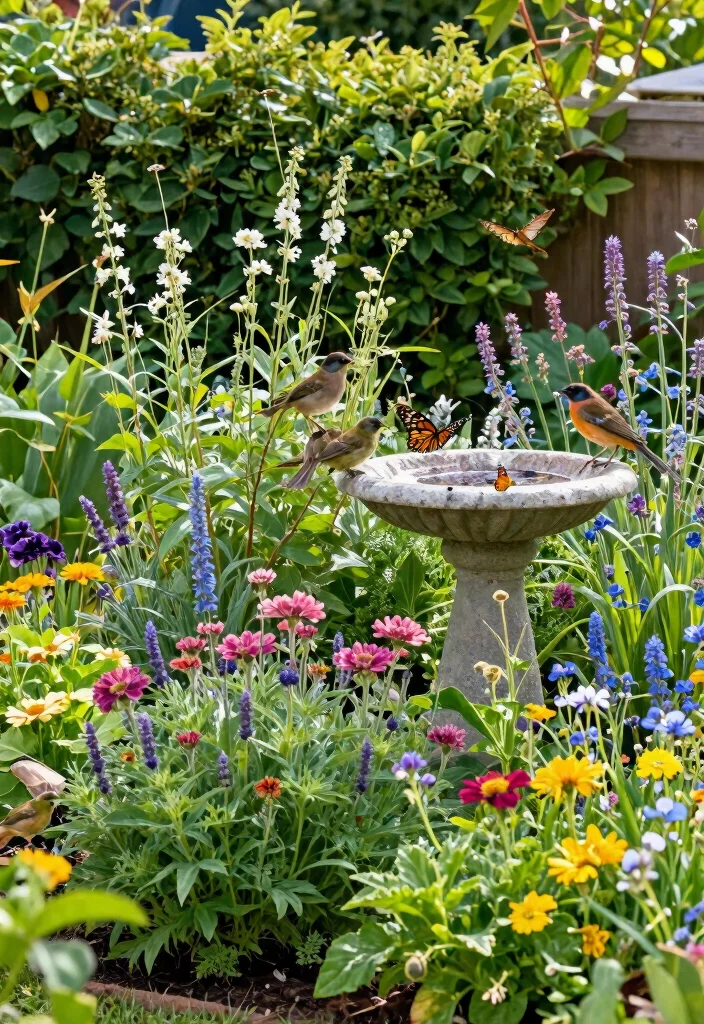
Would you like to create a vibrant ecosystem in your backyard? A wildlife-friendly garden is a perfect way to attract beneficial insects, birds, and small mammals while enjoying homegrown fruits and vegetables. By planting a diverse range of plants, you can enhance biodiversity and support nature.
Mingle edible plants with native flowers and grasses to create a welcoming habitat. Adding birdbaths or feeders can further attract wildlife, enriching your garden’s life and beauty.
Ingredients:
– Variety of edible plants (fruits, vegetables)
– Native flowering plants
– Birdbath or feeder
– Compost for soil enrichment
– Organic gardening supplies
Instructions:
1. Plant various flowers to attract pollinators and beneficial insects.
2. Use organic gardening practices to keep your garden safe.
3. Create nesting sites using shrubs or small brush piles.
4. Water regularly and maintain the garden for health.
5. Enjoy watching your garden flourish with life!
FAQs:
– Can I grow vegetables in a wildlife-friendly garden? Absolutely! Just incorporate a mix of native and edible plants.
– Will wildlife harm my garden? Most beneficial wildlife will help pollinate and control pests rather than cause harm.
11. Composting in Your Garden
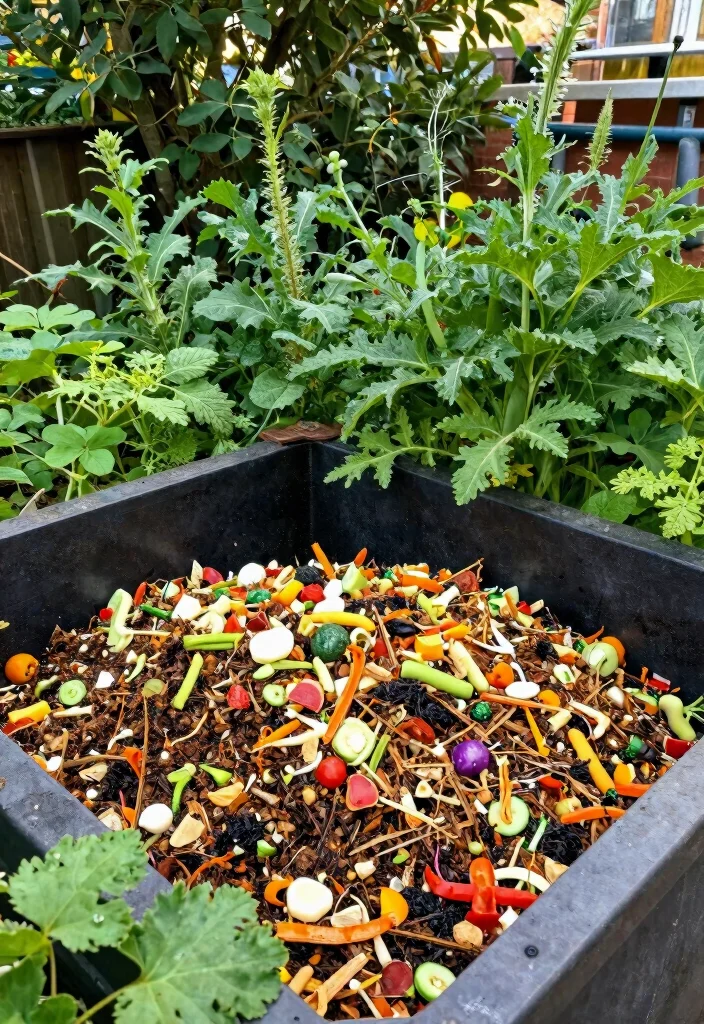
Do you want to enrich your garden while minimizing waste? Composting is a fantastic way to create nutrient-rich soil for your plants. By recycling kitchen scraps and yard waste, you can enhance your soil quality and promote a sustainable gardening cycle.
Set up a compost bin or simple pile in your backyard, balancing green materials like vegetable scraps with brown materials such as dried leaves. This method not only reduces waste but also saves money on fertilizers, making your garden healthier.
Ingredients:
– Compost bin or designated area
– Kitchen scraps (vegetable peels, coffee grounds)
– Yard waste (leaves, grass clippings)
– Water for moisture
Instructions:
1. Choose a spot for your compost bin or pile.
2. Collect kitchen scraps and yard waste to add to the compost.
3. Balance green and brown materials for best results.
4. Keep the pile moist but not soggy.
5. Turn the compost regularly to aerate.
6. Use the finished compost in your garden for healthy plants!
FAQs:
– Can I compost cooked food? It’s best to compost fruit and vegetable scraps; avoid meat and dairy.
– How long does it take for compost to be ready? Typically, 3-6 months depending on conditions.
12. Outdoor Seating Areas with Garden Views
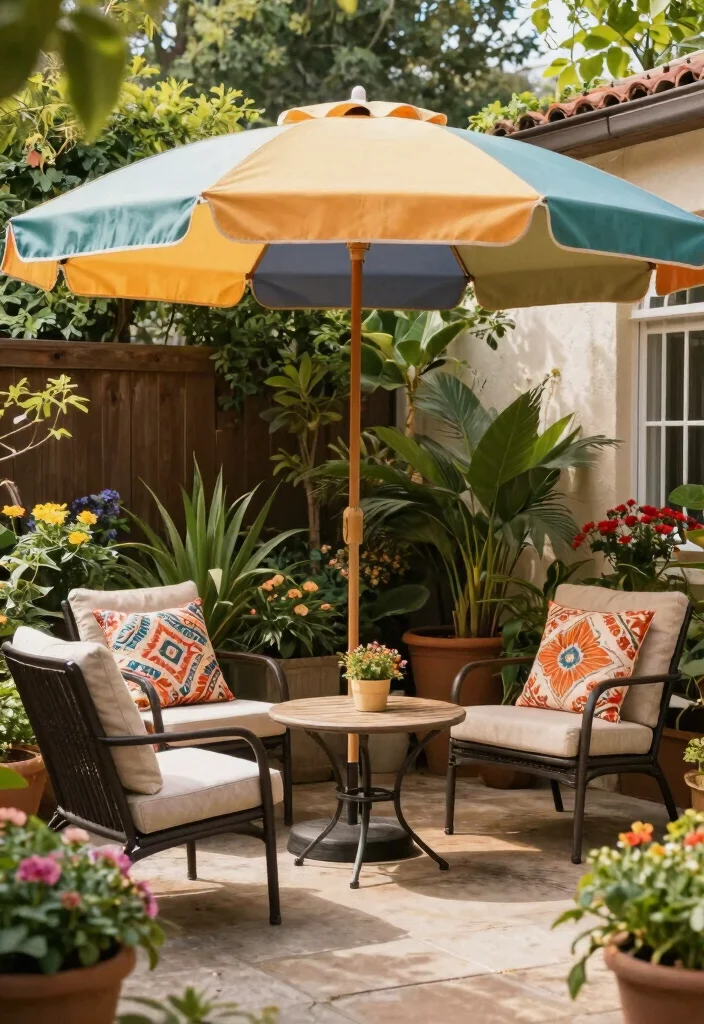
Do you want to create a relaxing outdoor space? Designing comfortable seating areas in your backyard allows you to enjoy the beauty of your garden while providing a welcoming spot for gatherings. Choose seating options that enhance your garden’s aesthetic while being functional.
Natural materials like wood or wicker give a cozy vibe, and surrounding your seating with flowering plants or herb pots adds charm. Consider adding umbrellas or pergolas for shade, so you can enjoy your outdoor space comfortably all day.
Ingredients:
– Comfortable seating (like garden chairs or benches)
– Natural materials (wood, wicker)
– Flowering plants or herb pots
– Umbrellas or pergolas for shade
Instructions:
1. Choose a location for your seating area with great garden views.
2. Select comfortable seating options that fit the space.
3. Surround the area with flowering plants or herbs for beauty.
4. Add umbrellas or a pergola for shade.
5. Enjoy your garden while relaxing outdoors!
FAQs:
– How do I maintain outdoor seating? Regularly clean and protect furniture with suitable sealants or covers.
– Can I create a seating area in a small yard? Yes! Use compact furniture and arrange it to maximize space.
13. Seasonal Planting for Year-Round Harvest
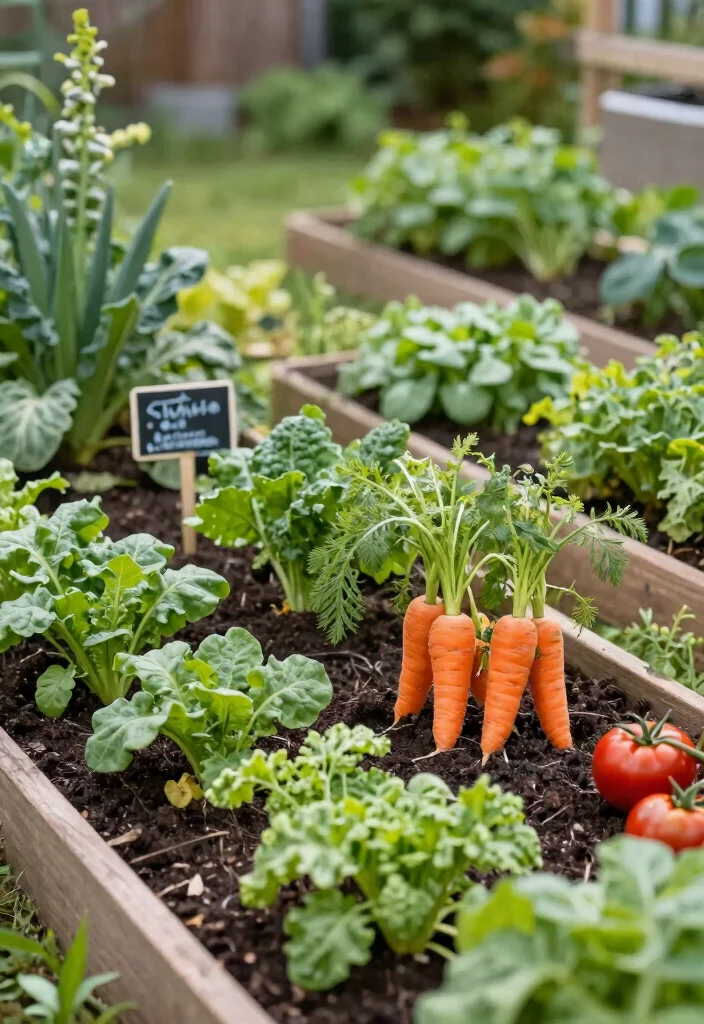
Are you eager to maximize your garden’s output? Implementing seasonal planting practices is the key to enjoying fresh produce all year long. This strategy ensures a continuous supply of fruits and vegetables, tailored to the seasons.
Plan your garden layout based on seasonal crops, like leafy greens in spring and hearty root vegetables in winter. This method not only keeps your garden productive but also enhances the variety of flavors and colors on your plate.
Ingredients:
– Seeds for seasonal crops (leafy greens, root vegetables)
– Compost for soil enrichment
– Mulch for moisture retention
– Row covers for protection in cooler months
Instructions:
1. Plan your garden layout around seasonal crops.
2. Rotate crops to prevent soil depletion.
3. Use succession planting for staggered harvests.
4. Apply mulch to retain moisture.
5. Cover plants with row covers during cold spells.
6. Harvest your produce throughout the year!
FAQs:
– Can I plant the same crops every year? Crop rotation helps maintain soil health and prevents pests.
– How do I know when to plant each crop? Research your local growing seasons for optimal planting times.
Seasonal planting is your garden’s heartbeat—consistent, practical, and rewarding. Start leafy greens in spring, hearty roots in winter, and watch your backyard garden ideas bloom year-round. With a simple crop plan, you’ll harvest fresh flavor any day of the year.
14. DIY Garden Decor to Personalize Your Space
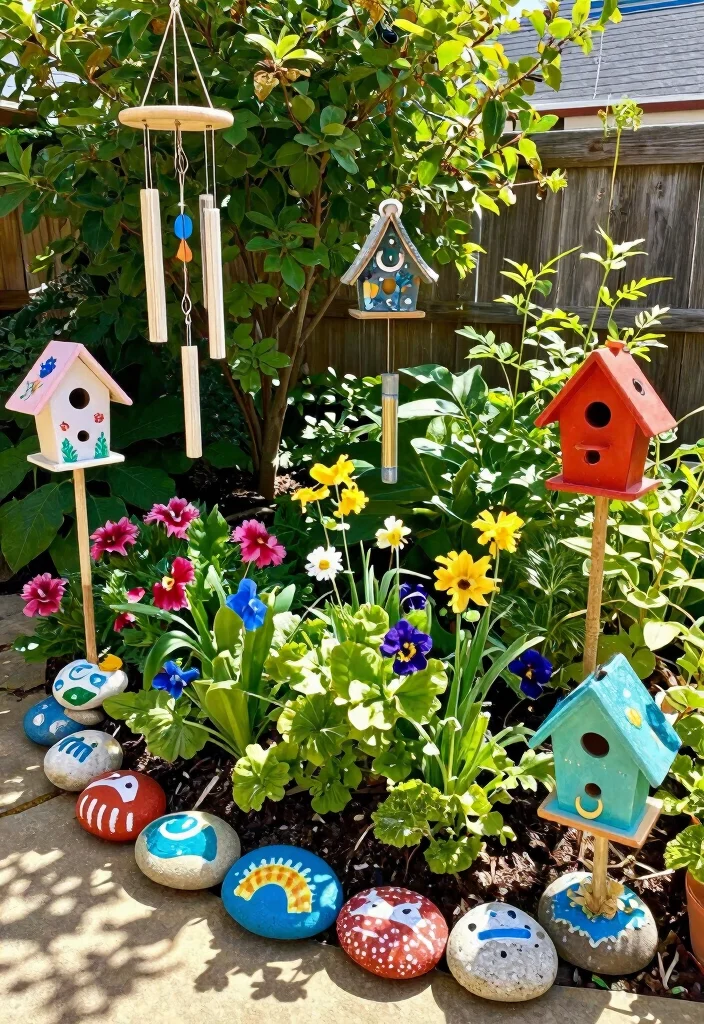
Want to add a personal touch to your garden? Crafting DIY decor is a fun way to showcase your creativity while enhancing the overall look of your backyard. These projects allow you to express your style through unique garden art, signage, and plant displays.
Get the kids involved for a family-friendly activity! Consider making wind chimes from recycled materials, painting garden stones, or creating trellises from twigs. Personal touches make your garden uniquely yours and inspire visitors with your imagination.
Ingredients:
– Recycled materials (like old tools, wood)
– Paint for garden stones
– Twigs for trellises
– Twine or string for hanging items
Instructions:
1. Gather materials for your DIY projects.
2. Create wind chimes or decorative pieces from recycled items.
3. Paint garden stones with fun designs.
4. Build trellises using twigs for climbing plants.
5. Hang colorful birdhouses or feeders to attract wildlife.
6. Enjoy the personal touch these projects bring to your garden!
FAQs:
– Can I use any materials for DIY projects? Use non-toxic and weather-resistant materials for durability.
– How can I get kids involved? Let them paint stones or help build decor for a fun family project.
Conclusion
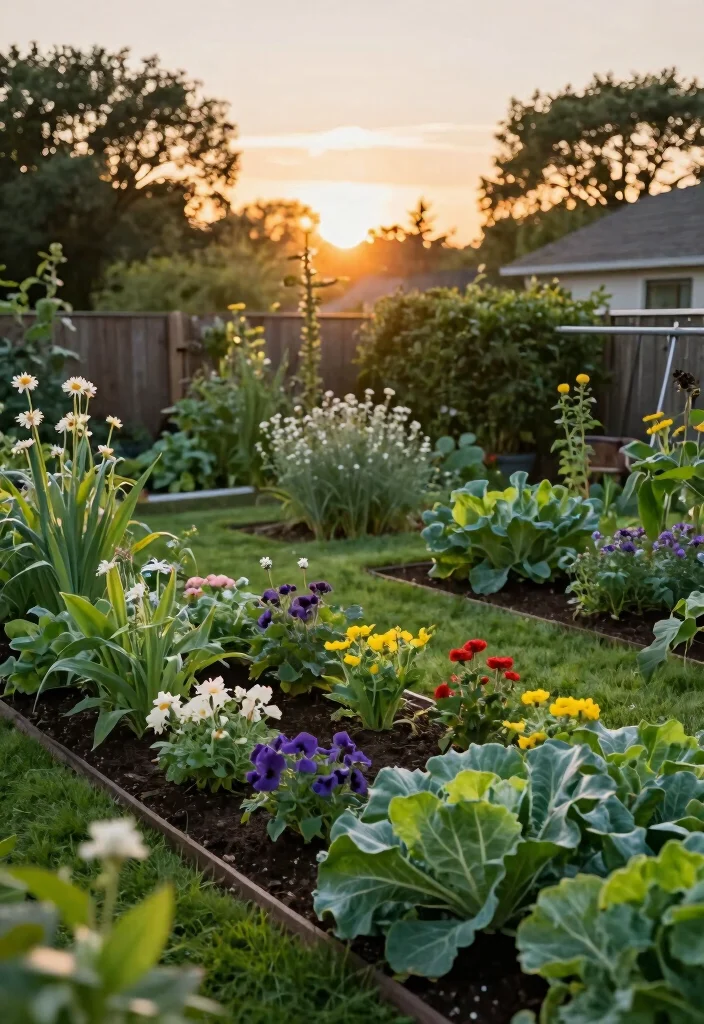
With these backyard garden ideas, you’re well on your way to creating a beautiful and sustainable outdoor space. Remember, no garden is too small or large to be functional and stunning. Each idea brings you closer to a thriving green space filled with life and nourishment. Take the plunge and start planning your backyard transformation today, and enjoy the incredible journey that comes with growing your own food! Note: We aim to provide accurate product links, but some may occasionally expire or become unavailable. If this happens, please search directly on Amazon for the product or a suitable alternative. This post contains Amazon affiliate links, meaning we may earn a small commission if you purchase through our links, at no extra cost to you.
Frequently Asked Questions
What are the best backyard garden ideas for small urban spaces?
Start with space-saving strategies like vertical gardening, container setups, and raised beds to maximize a small yard.
Choose productive crops that fit your sunlight and space, such as lettuce, herbs, bush beans, and compact tomatoes, and plan for continuous harvest with succession planting.
Install a simple drip irrigation system and a small compost area to keep inputs low and soil healthy.
With thoughtful planning, you can turn a tiny yard into practical backyard garden ideas that deliver fresh produce.
How can I design small garden designs that maximize yield and sustainability?
Begin with a compact, modular layout using raised beds or square foot beds to optimize soil and space.
Use companion planting and crop rotation to boost soil health and reduce pests, then plan for year-round harvest with seasonal varieties.
Install a drip irrigation system and consider rainwater harvesting to cut water use.
Choose edible landscaping elements that double as ornament, like herbs in borders and dwarf fruit trees, for practical small garden designs and vegetable gardening ideas that work in tight spaces.
What landscaping tips help blend edible landscaping into a small yard while keeping it beautiful?
Plan a cohesive layout by grouping edible beds with ornamental plants and smooth pathways.
Use raised garden beds for clean lines and soil control, plus vertical supports for climbing crops to save ground space.
Mulch to retain moisture and suppress weeds, and plant pollinator-friendly flowers around beds for color and habitat.
Incorporate outdoor decor elements like seating, lighting, and decorative planters that echo your color palette, so your edible landscape feels intentional and inviting.
Are raised garden beds worth it for vegetable gardening ideas in tight spaces?
Absolutely. Raised beds improve soil quality, drainage, and accessibility in small yards.
They let you tailor soil mixes, control weeds, and optimize sun exposure. A series of 4×6 or 4×8 beds can produce a surprising amount of vegetables in a compact footprint, especially with well-planned crop rotation and companion planting.
Pair beds with a simple drip irrigation system and mulch to reduce water use and maintenance. This setup is a proven cornerstone of urban edible landscaping and a great way to implement vegetable gardening ideas.
How can I blend outdoor decor with backyard garden ideas to create a cohesive look?
Start with a unifying material and color palette across beds, containers, and paths.
Place edible crops alongside ornamental plants to create color, texture, and seasonal interest, and use trellises or arbors as both structure and focal points.
Incorporate seating, lighting, and decorative planters that echo the color scheme to extend the space into the evening hours.
Add functional elements like a compact compost area or rain barrel that look intentional. With a thoughtful plan, you get practical and beautiful backyard garden ideas that suit urban spaces.