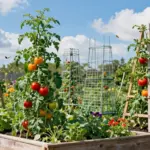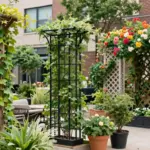
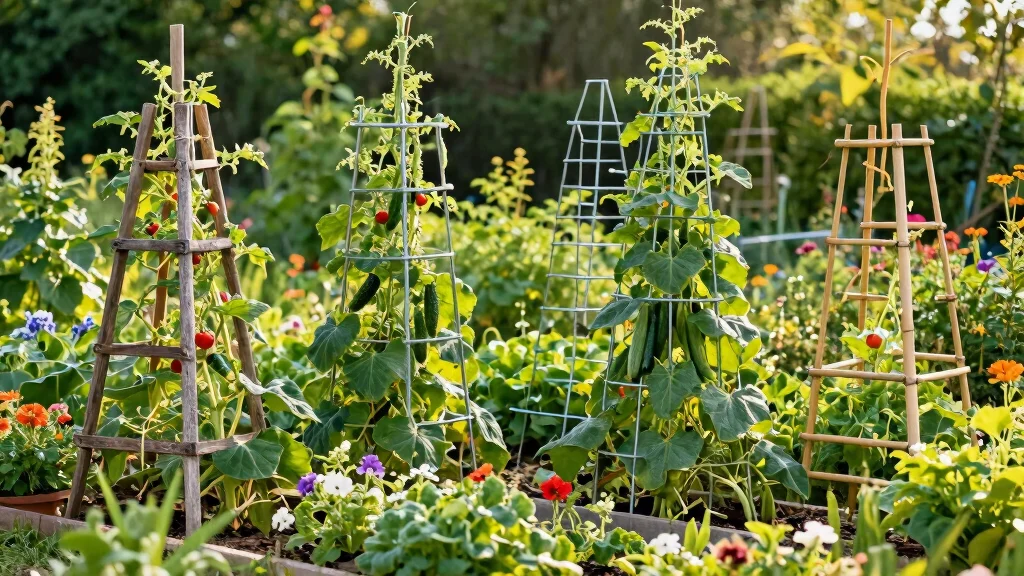
Growing your own vegetables can be a rewarding experience, but if you’re limited on space, it can feel a bit daunting. That’s why I created this post about vegetable garden trellis ideas. I know firsthand the struggle of wanting a bountiful garden while dealing with limited room. With some clever vertical gardening techniques, you can elevate your gardening game and enjoy higher yields without needing a massive plot of land.
If you’re an urban gardener, a balcony enthusiast, or simply someone who loves to grow their own food, this guide is for you. You’ll find innovative solutions tailored for small spaces and creative designs that not only save space but also enhance the aesthetics of your garden. I pulled together 14 unique trellis ideas that are practical, inspiring, and perfect for anyone looking to maximize their garden yields.
From rustic wooden structures to sleek metal arches, each suggestion is designed to help you grow climbing plants efficiently. By implementing these trellis styles for vegetables, you’ll not only enjoy a more organized garden but also get the most out of your limited space. So grab your gardening gloves and let’s dive into these ideas that will transform your gardening journey!
Key Takeaways
– Explore 14 creative vegetable garden trellis ideas that maximize yields in limited spaces. – Discover various trellis styles for vegetables ranging from rustic to modern designs. – Learn practical vertical gardening techniques that make the most of your small garden. – Find DIY options alongside pre-made structures, allowing you to customize based on your skill level and budget. – Gain insights into maintaining and optimizing your vertical garden for continuous growth and productivity.1. Rustic Wooden A-Frame Trellis
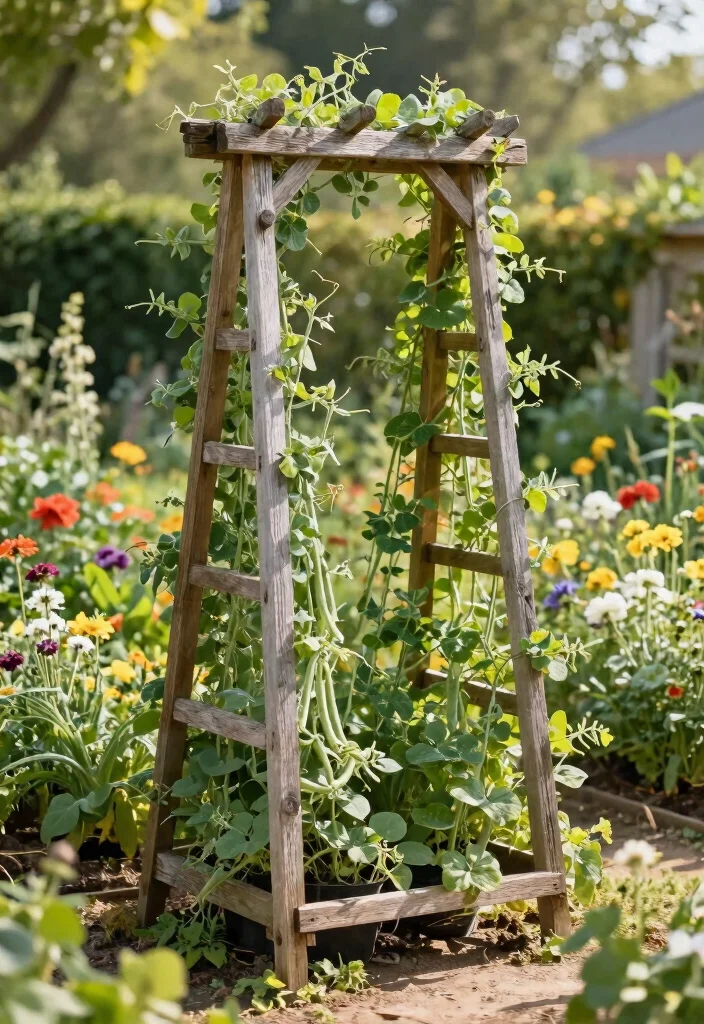
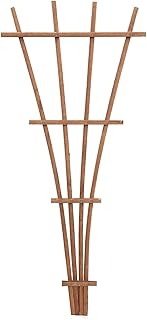
If you’re looking to add some farmhouse charm to your garden, a rustic wooden A-frame trellis is an excellent choice. This classic style provides strong support for climbing vegetables like peas and beans while enhancing your garden’s character. Made from weathered wood, it’s not only sturdy but also visually appealing, inviting nature right to your doorstep.
With this trellis, you can enjoy the benefits of good air circulation and ample sunlight for your plants, promoting healthy growth and higher yields. Plus, it’s a wonderful spot to hang decorative lights for a cozy evening atmosphere.
Ingredients:
– Untreated cedar or pine wood
– Tools for assembly (saw, drill, screws)
– Optional decorative elements (lights, plants)
Instructions:
1. Cut the wood into two equal lengths for the sides and one for the base.
2. Assemble the frame in an A-shape, securing the base with screws.
3. Drive the legs into the ground firmly to withstand wind.
4. Decorate as desired with lights or climbing plants.
FAQs:
– Can I use treated wood? It’s best to use untreated wood to avoid chemicals leaching into the soil.
– Can I support heavier plants? Yes, as long as the structure is securely installed.
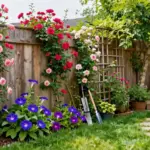
Morning glory trellis ideas diy can turn a small patch into a vertical bloom haven. A rustic wooden A-frame keeps vines neat and adds natural charm to your garden. Start by cutting two long sidings and a shorter top piece, then secure with outdoor glue and screws.
Rustic Wooden A-Frame Trellis
Editor’s Choice




2. Elegant Metal Arch Trellis
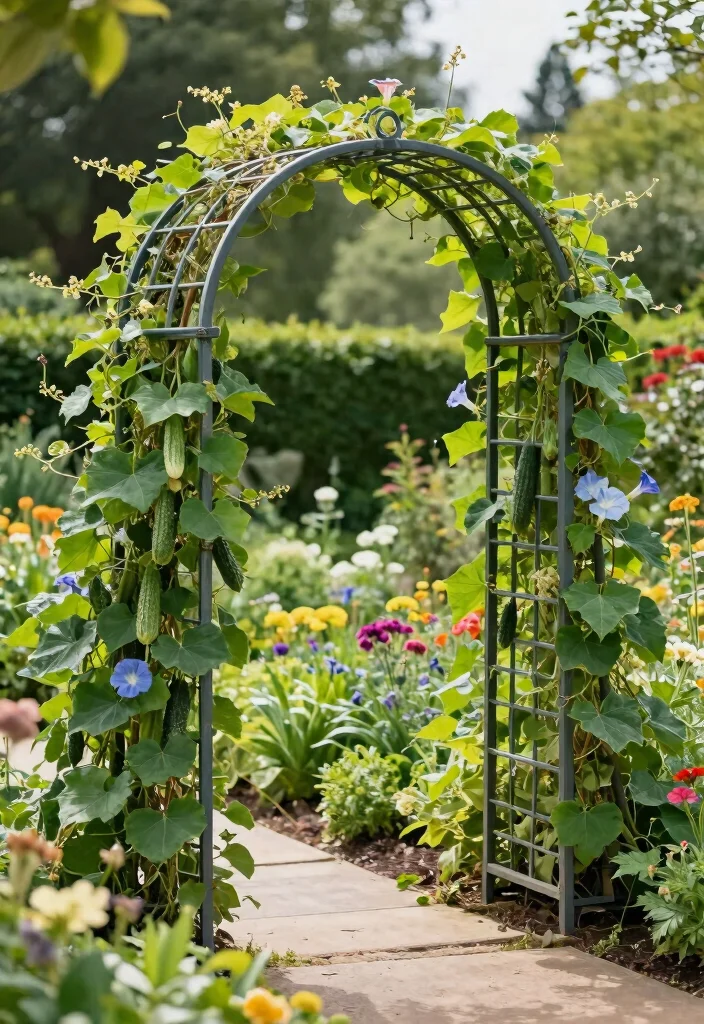
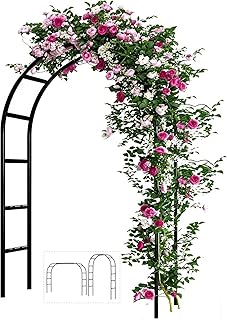
Looking to elevate your garden’s style? An elegant metal arch trellis provides not only sturdy support for climbing plants but also adds a sophisticated touch to your outdoor space. This stunning structure serves as a charming entryway, inviting you into a lush green haven. Editor’s Choice
Metal trellises are durable and often powder-coated to prevent rust, ensuring they last for years. They’re perfect for vining crops like grapes and cucumbers, making them a functional yet beautiful addition to your garden.
Ingredients:
– Powder-coated metal arch
– Optional decorative elements (climbing plants, lights)
Instructions:
1. Position the arch in a sunny spot where plants can climb.
2. Secure it into the ground for stability.
3. Plant climbing vegetables at the base and guide them up the arch.
4. Add decorative elements as desired for a personal touch.
FAQs:
– Can I use it for heavy plants? Yes, it’s strong enough for most climbing crops.
– Can I move it easily? Once installed, it’s best to keep it in place to ensure stability.
Elegant Metal Arch Trellis




3. DIY Bamboo Trellis
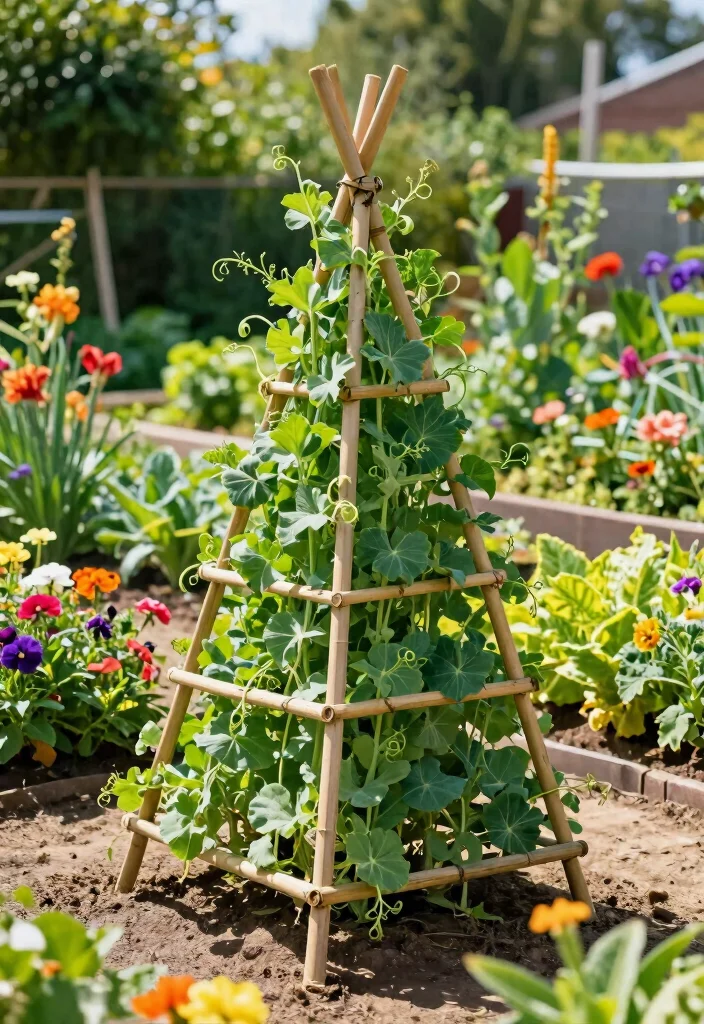
Want an eco-friendly trellis option that doesn’t break the bank? A DIY bamboo trellis is a fantastic choice. Lightweight yet durable, bamboo blends beautifully with your garden while supporting your climbing plants effectively.
Building your bamboo trellis is straightforward and can be tailored to fit your garden’s needs. It allows for plenty of sunlight and air circulation, leading to a bountiful harvest.
Ingredients:
– Long bamboo poles
– Natural twine or wire
– Optional plants for wrapping
Instructions:
1. Gather your bamboo poles and arrange them into a teepee or grid.
2. Secure the joints with twine or wire for stability.
3. Ensure the height is at least 6 feet for climbing plants.
4. Plant climbing vegetables at the base, allowing them to grow upward.
FAQs:
– Can I use other materials? Yes, you can use wood or metal if preferred.
– Can I grow different types of plants? Absolutely, mix and match your favorites!
DIY bamboo trellises prove you don’t need to spend a fortune to get sturdy vertical support. With long bamboo poles and natural twine, you can boost sun exposure and airflow for healthier vines—while keeping your vegetable garden trellis ideas affordable and eco-friendly.
How To Choose the Right Vegetable Garden Trellis
Choosing the right trellis for your vegetable garden can significantly enhance your yield and make the most out of limited space. With so many options available, it’s essential to consider a few key factors to ensure you select the best one for your needs. Here are some tips to guide your decision-making process: 1. SizeWhen selecting a trellis, consider the size of your garden and the vegetables you plan to grow. Measure your planting area to ensure the trellis fits well. For taller plants like cucumbers or pole beans, a trellis height of at least 5-6 feet is ideal. If you’re working with limited space, opt for compact trellis designs to encourage vertical growth without overcrowding your garden.
2. Material
Trellises come in various materials such as wood, metal, and bamboo. Wooden trellises offer a rustic charm but may need treatment to resist weathering. Metal trellises are durable and can support heavier crops but may rust over time if not coated properly. Bamboo is lightweight and eco-friendly, perfect for DIY trellis projects. Choose a material that complements your garden style and can withstand your local climate.
3. Trellis Style
Trellis styles vary greatly, from A-frames to flat panels. Consider what best suits your vegetable types. Climbing vegetables like peas and beans thrive on vertical, sturdy structures, while others may do well on flat lattice designs. Decorative trellises can also add aesthetic appeal. Explore different styles to find one that fits your gardening needs while enhancing your garden’s look.
4. Features
Some trellises come with additional features like adjustable heights, removable sections, or integrated planters. If you plan to grow various types of vegetables, you might want a trellis that can accommodate different growth patterns or can be modified as plants grow. Look for versatility in features to maximize the functionality of your trellis throughout the growing season.
5. Budget
Trellis prices can vary widely based on material, size, and design. Set a budget before you start shopping. While more expensive options might offer durability and style, there are many affordable DIY options available that can be just as effective. Decide how much you’re willing to invest, considering both short-term needs and long-term durability.
6. DIY vs. Pre-made
If you enjoy hands-on projects, consider building your own trellis. DIY options allow for customization and often can save money. You can use reclaimed wood, PVC pipes, or even old furniture to create unique structures. However, if you want convenience and a quicker setup, pre-made trellises are readily available at garden centers and online.
Pro Tip: Always read reviews and check for stability before purchasing or building your trellis. A well-constructed trellis will support your plants better and contribute to a healthier garden. Investing time in choosing the right trellis can lead to a flourishing vegetable garden that thrives year after year!
4. Vertical Pallet Garden Trellis
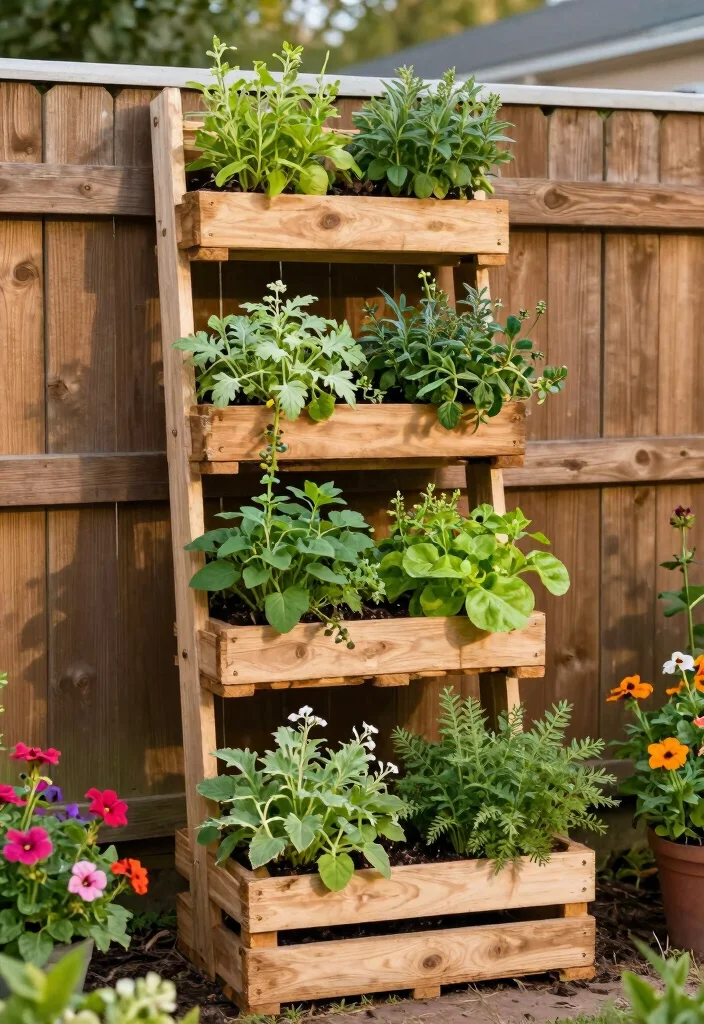
Looking for a quirky way to garden? A vertical pallet garden trellis is a creative and sustainable option that saves space while adding unique charm to your outdoor area. Repurposing old pallets not only cuts costs but also contributes to an eco-friendly garden.
This trellis allows you to grow various plants in a compact space, making it perfect for small gardens or balconies.
Ingredients:
– A sturdy wooden pallet
– Soil for planting
– Optional plants (herbs, climbing vegetables)
Instructions:
1. Find an intact pallet and secure it against a wall or fence.
2. Fill the slats with soil, ensuring good drainage.
3. Plant herbs or small climbing vegetables in the slots.
4. Optionally paint the pallet for added color.
FAQs:
– Can I use a broken pallet? It’s best to use a sturdy one for stability.
– Can I grow larger plants in it? Smaller plants work best due to space constraints.
5. String Trellis for Climbing Plants
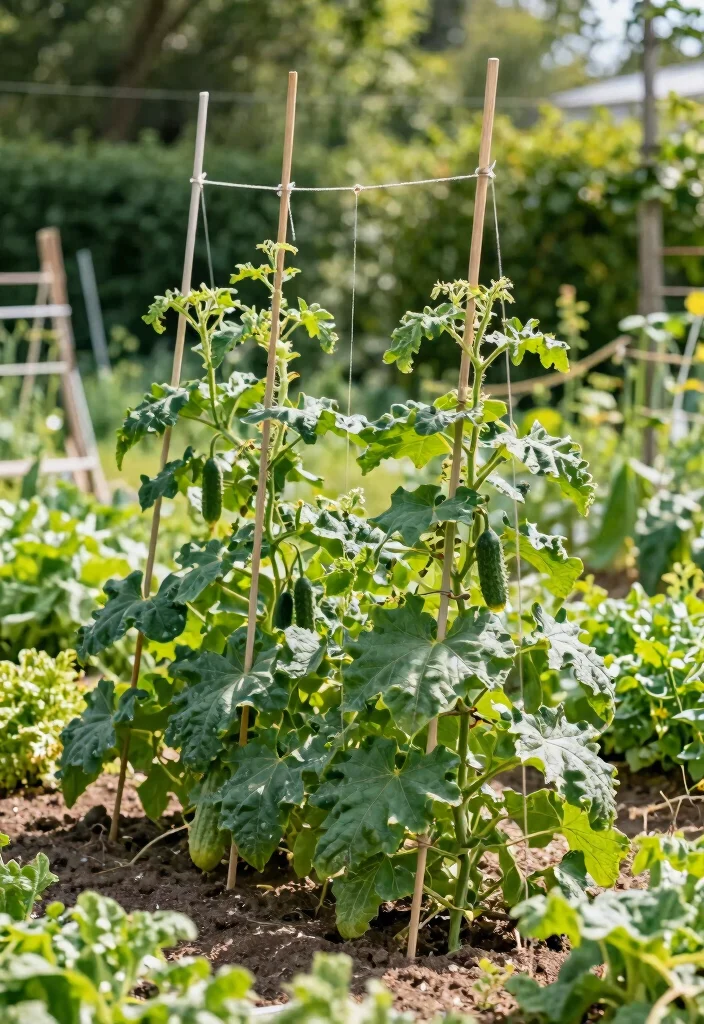
Searching for a simple yet effective gardening solution? A string trellis is perfect for fast-growing climbing plants like cucumbers and tomatoes. This method allows for vertical growth, keeping your garden organized and neat.
Creating a string trellis is easy and requires minimal materials, making it a practical choice for any gardener.
Ingredients:
– Sturdy stakes or poles
– Durable gardening twine
Instructions:
1. Install vertical stakes in the ground, spaced 5-10 feet apart.
2. Attach horizontal strings between the stakes at intervals.
3. Ensure the strings are at least 5-6 feet high for ample growth.
4. Guide your plants to climb the strings as they grow.
FAQs:
– Can I use regular string? It’s better to use strong twine to support plant weight.
– Can I grow heavier plants with this method? It works best for lighter, faster-growing varieties.
6. Mesh Trellis Panels
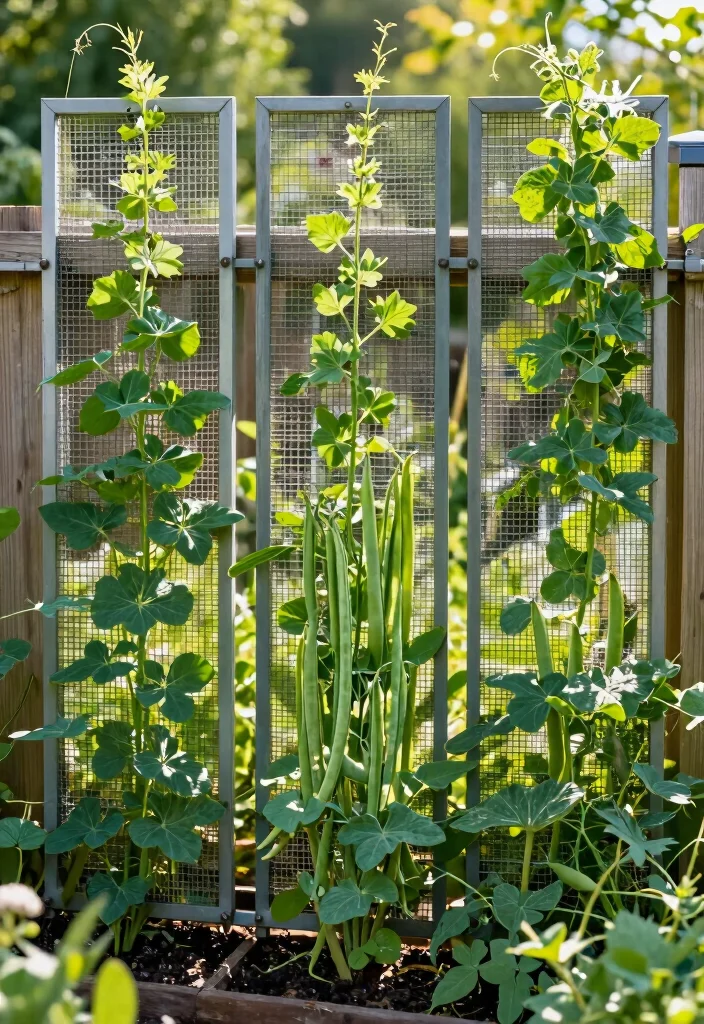
Looking to maximize your garden’s potential? Mesh trellis panels are an excellent choice for supporting climbing vegetables while allowing sunlight and air to pass through effortlessly. This sturdy framework is perfect for a variety of plants, enhancing your garden’s productivity. Editor’s Choice
With easy installation and durable materials, mesh panels provide a practical solution for gardeners seeking efficiency and yield.
Ingredients:
– Weather-resistant mesh panels
– Optional plants (peas, beans, strawberries)
Instructions:
1. Attach mesh panels securely to fences or walls.
2. Plant climbing vegetables at the base of the panels.
3. Ensure the plants have room to cling and grow through the mesh.
4. Decorate the base with pots for added visual appeal.
FAQs:
– Can I use it for fruit plants? Yes, it works well with small fruits like strawberries.
– Are these panels durable? Yes, they’re made to withstand various weather conditions.
Mesh Trellis Panels


📹 Related Video: How to Build a Strong Cattle Panel Arch Trellis!
7. Decorative Iron Trellis
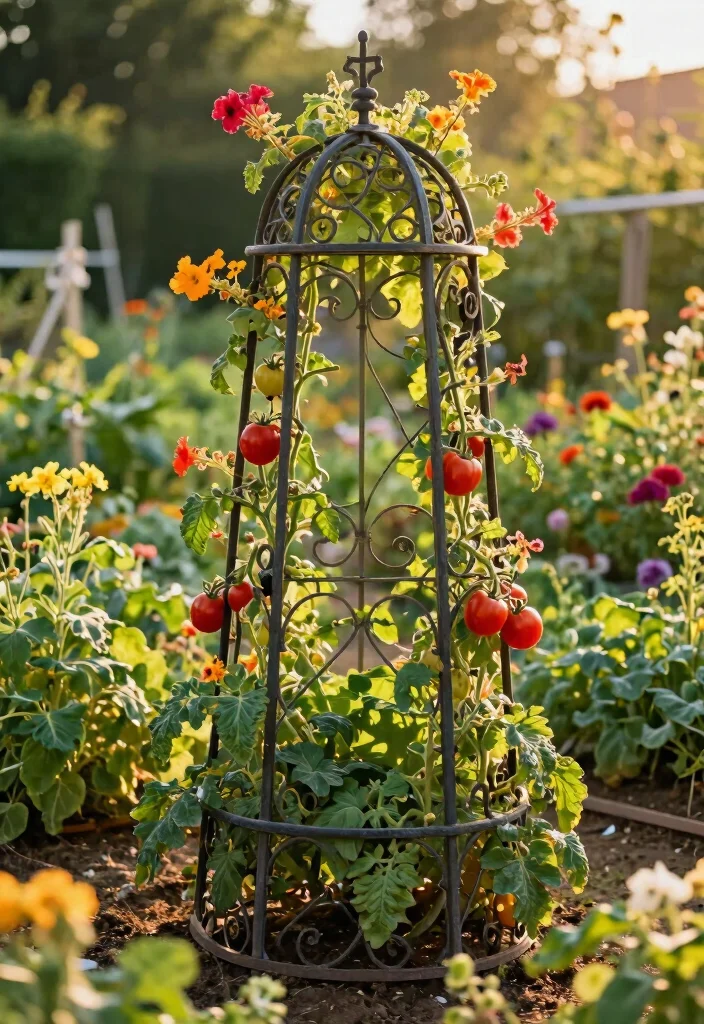
Ready to upgrade your garden’s look? A decorative iron trellis adds an elegant touch while providing strong support for your climbing vegetables. With intricate designs and classic scrollwork, it enhances your garden’s aesthetic and functionality. Editor’s Choice
These trellises are not only visually appealing but also built to last, making them a worthwhile investment for your outdoor space.
Ingredients:
– Decorative iron trellis
– Optional climbing plants (vining tomatoes, cucumbers)
Instructions:
1. Position the trellis against a wall or fence for best results.
2. Ensure it’s securely anchored to withstand plant weight.
3. Plant climbing vegetables at the base and guide them as they grow.
4. Enjoy the beautiful display as your plants flourish.
FAQs:
– Can I grow heavy plants? Yes, it’s designed to support a variety of climbing crops.
– Will it rust? Most decorative iron trellises are treated to resist rust.
Decorative Iron Trellis



8. Trellis Wall Planters
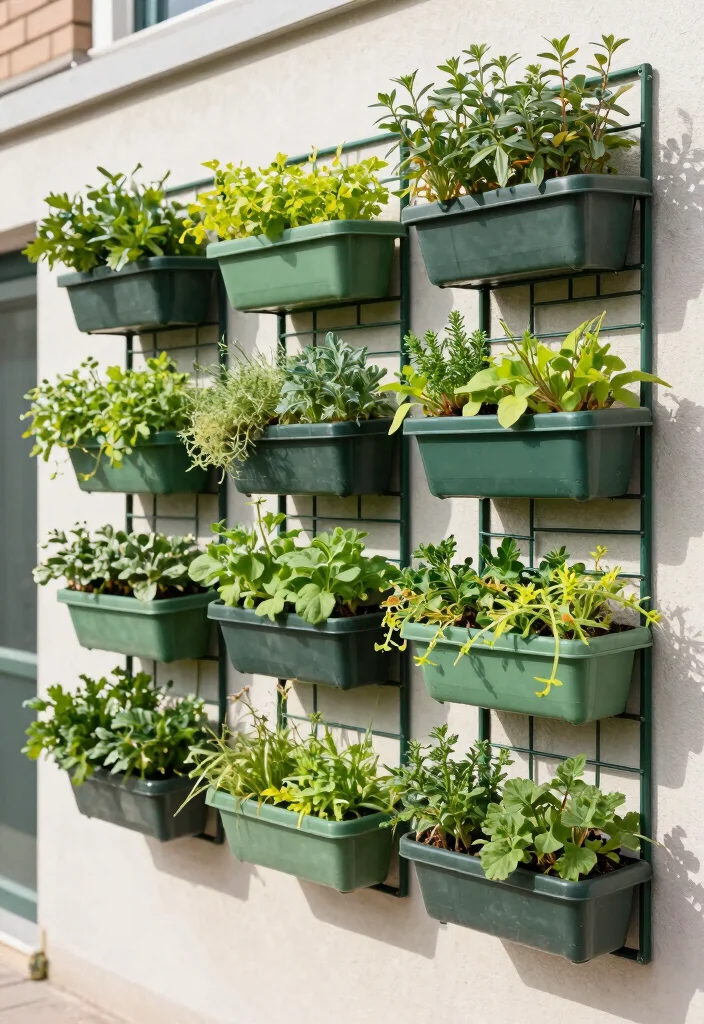
Maximizing vertical space has never been easier with wall planters that feature integrated trellis systems. These innovative designs let you grow climbing plants without taking up valuable ground space, perfect for urban gardening.
Creating a wall planter trellis allows you to enjoy fresh herbs and small vegetables right at your fingertips while enhancing your outdoor decor.
Ingredients:
– Wall-mounted planters with trellis frames
– Optional herbs or small vegetables
Instructions:
1. Choose a sunny spot on your exterior wall or balcony.
2. Install the wall-mounted planters securely.
3. Plant herbs or small vegetables in the containers.
4. Allow climbing plants to grow up the trellis for added greenery.
FAQs:
– Can I use this indoors? It’s best suited for outdoor spaces with sunlight.
– Can I grow larger plants? Stick to smaller varieties for best results.
9. Classic Lattice Trellis
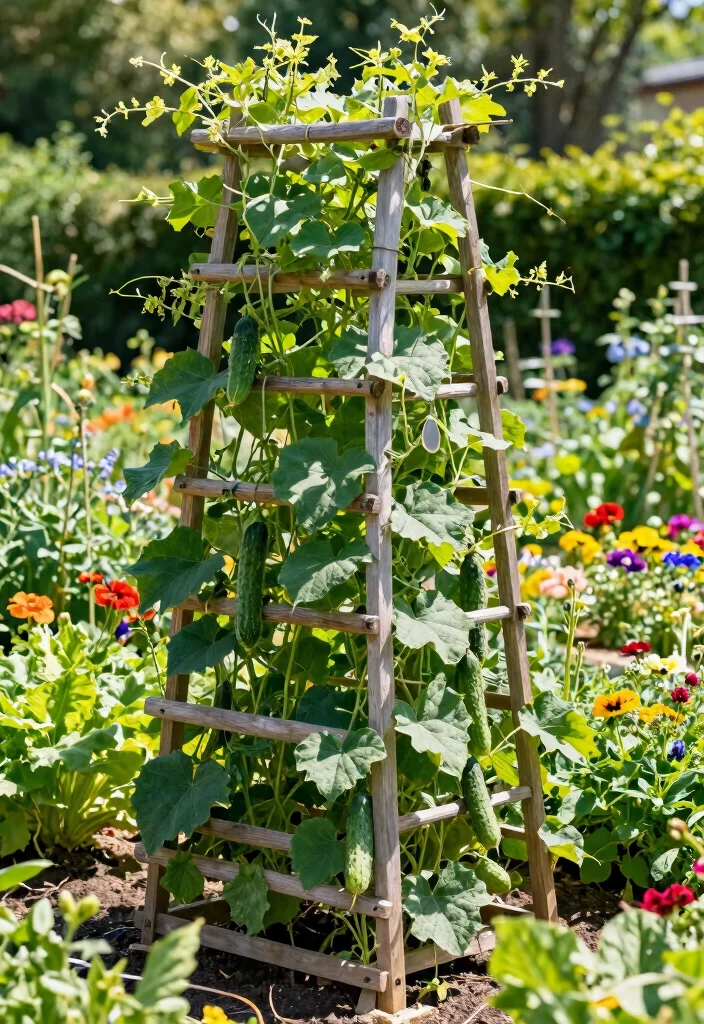
If you’re after a timeless look, a classic lattice trellis is the way to go. This design effectively supports a variety of climbing vegetables, from cucumbers to peas, all while adding charm to your garden.
Utilizing a lattice trellis allows for excellent air circulation and sunlight exposure, promoting healthy plant growth and abundant harvests.
Ingredients:
– Wooden or vinyl lattice panels
– Optional paint for customization
Instructions:
1. Choose your lattice material and cut it to the desired height of about six feet.
2. Secure the trellis to a fence or create a freestanding structure.
3. Plant your climbing vegetables at the base.
4. Consider painting it for a splash of color in your garden.
FAQs:
– Can I use it for flowering plants? Yes, it works beautifully for both vegetables and flowers.
– How do I secure it? Use sturdy stakes or brackets to ensure stability.
10. Vertical Garden Frame
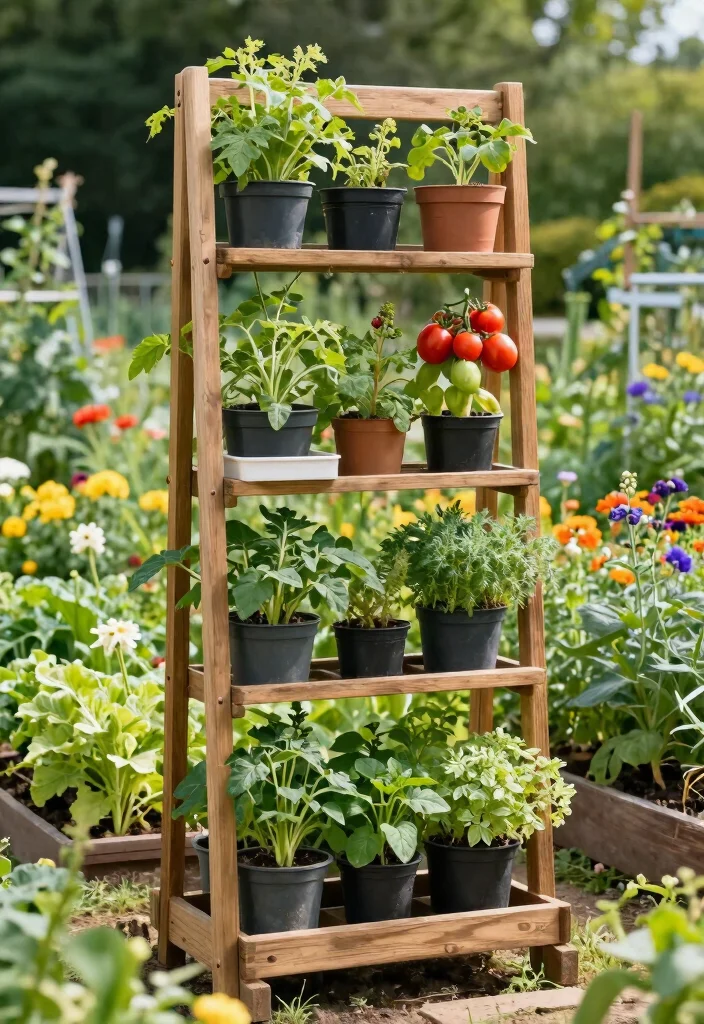
Want a unique solution for your garden? A vertical garden frame can help you maximize space while keeping everything organized. This freestanding structure supports multiple rows of potted plants, creating an artistic touch to your garden.
Building a vertical garden frame allows for flexibility in plant arrangement, letting you mix and match your favorite varieties.
Ingredients:
– Wood or metal for construction
– Planter boxes or pots
Instructions:
1. Construct a frame that can support several pots.
2. Arrange it to hold climbing vegetables like tomatoes.
3. Position it in a sunny area for optimal growth.
4. Enjoy the organized look and easy access to your plants.
FAQs:
– Can I use it for flowers? Yes! It’s versatile enough for various plants.
– Is it hard to build? With basic tools, it’s quite manageable.
11. T-Post Trellis System
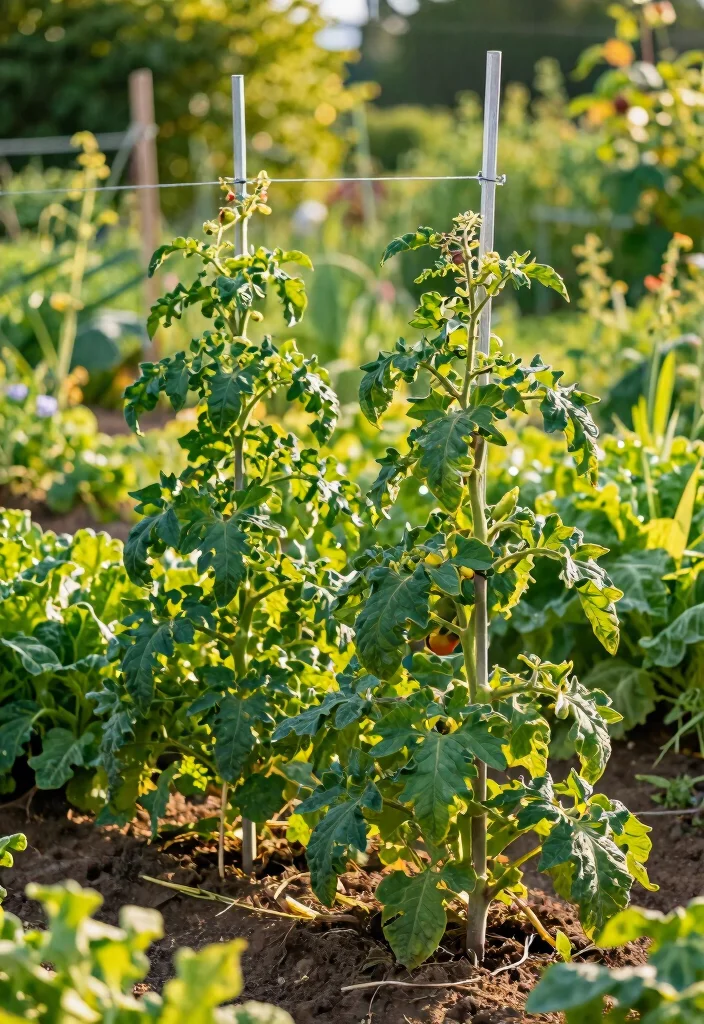
For a sturdy and cost-effective gardening solution, consider a T-post trellis system. This method is easy to install and provides reliable support for climbing vegetables, making it a favorite among gardeners.
Creating a T-post trellis is straightforward and effective, especially for heavier crops like tomatoes.
Ingredients:
– T-posts from a garden supply store
– Natural twine or wire for support
Instructions:
1. Drive T-posts into the ground at intervals of 5-10 feet.
2. Attach horizontal strings or wire between the posts for climbing plants.
3. Ensure the design provides ample support for the plants.
4. Guide your vegetables to grow upright for easy harvesting.
FAQs:
– Can I use this for lighter plants? Yes, it works well for all types of climbing crops.
– Is it durable? Yes, T-posts are designed to last in various weather conditions.
12. Fence Trellis
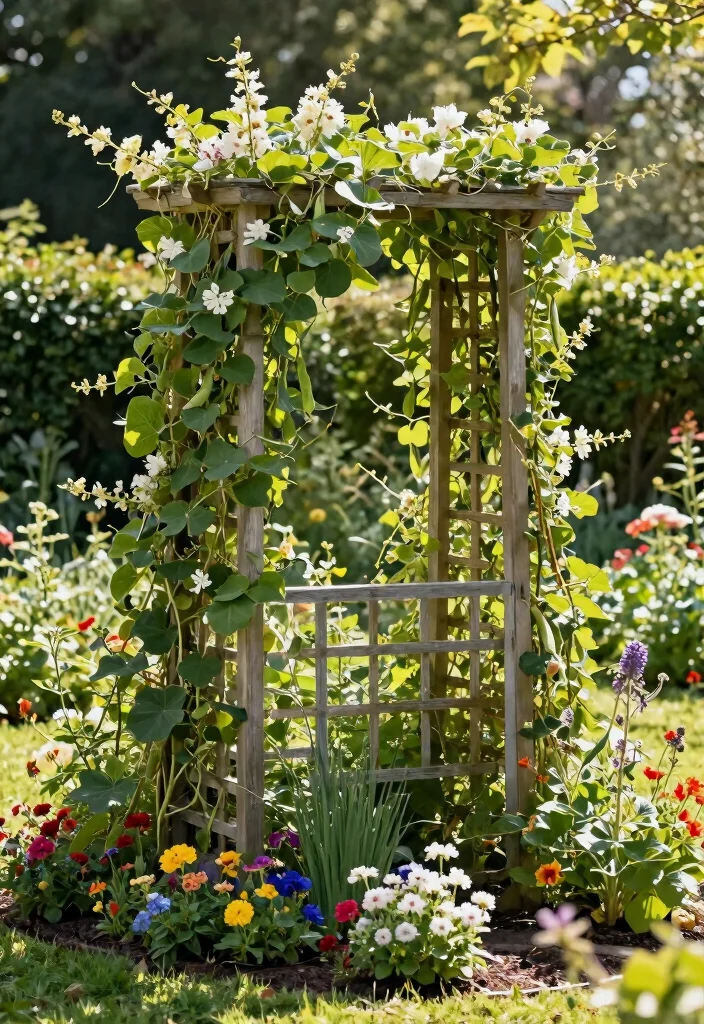
Want to make the most of your garden space? Transforming your fence into a trellis is a clever and space-efficient way to support climbing vegetables. This method not only maximizes your planting area but also enhances your garden’s aesthetics.
Implementing a fence trellis allows for seamless integration of your garden into the landscape, giving it a polished look while providing easy access for harvesting.
Ingredients:
– Hooks, wires, or netting
– Climbing plants (beans, flowering vines)
Instructions:
1. Select a fence that can support plant growth.
2. Attach hooks or wires to assist climbing.
3. Ensure plants can reach at least 5-6 feet for optimal growth.
4. Enjoy the beautiful display as your vegetables flourish.
FAQs:
– Can I plant flowers? Yes! It’s a great way to combine vegetables and blooms.
– Will this damage my fence? As long as it’s secure, there should be no issues.
Fence trellises turn every inch into harvest space. With simple hooks and netting, your fence becomes a climbing vegetable corner—quietly boosting your vegetable garden trellis ideas for higher yields and easier harvests in tight spaces.
13. Hanging Macrame Trellis
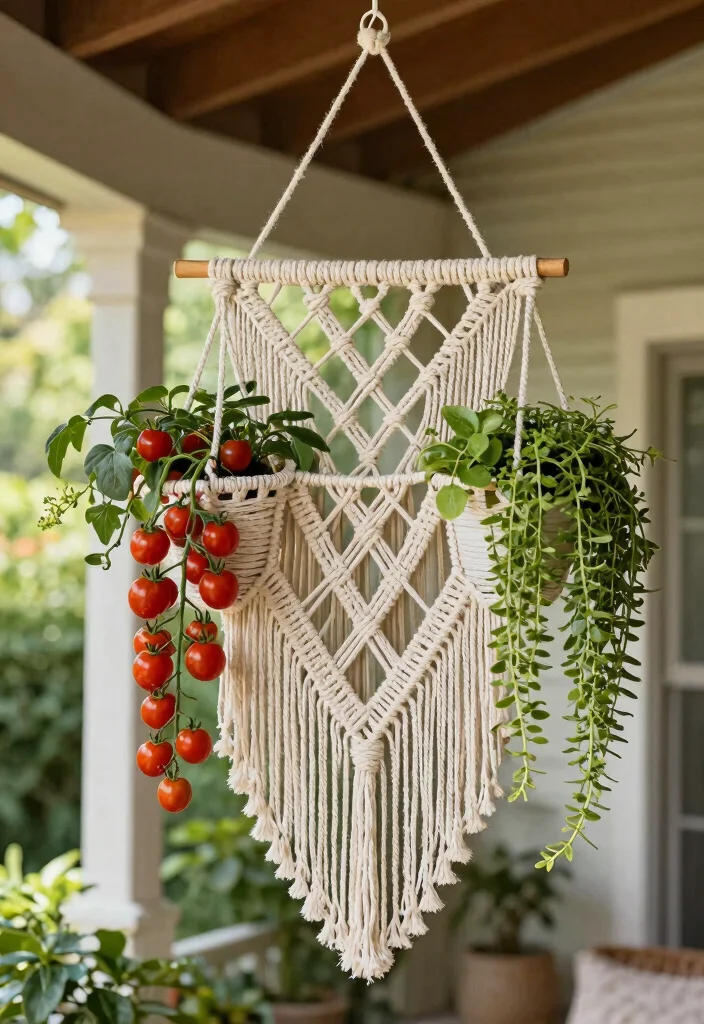
Elevate your container gardening with a stylish hanging macrame trellis. This trendy option is perfect for small spaces, allowing you to grow trailing plants and herbs creatively. Editor’s Choice
Creating your hanging macrame trellis is not only fun but also adds a bohemian flair to your garden, maximizing vertical space in an aesthetically pleasing way.
Ingredients:
– Macrame cord
– Sturdy support structure or ceiling hook
– Trailing plants (cherry tomatoes, herbs)
Instructions:
1. Knot the macrame cord to create secure hangers for plant pots.
2. Ensure the design allows pots to hang without falling.
3. Choose a sunny spot for optimal plant growth.
4. Enjoy the unique look as your plants cascade beautifully.
FAQs:
– Can I use it outdoors? Yes, it’s perfect for sunny balconies and patios.
– Is it hard to maintain? With the right plants, it’s quite low-maintenance.
Hanging Macrame Trellis



14. Retractable Trellis System
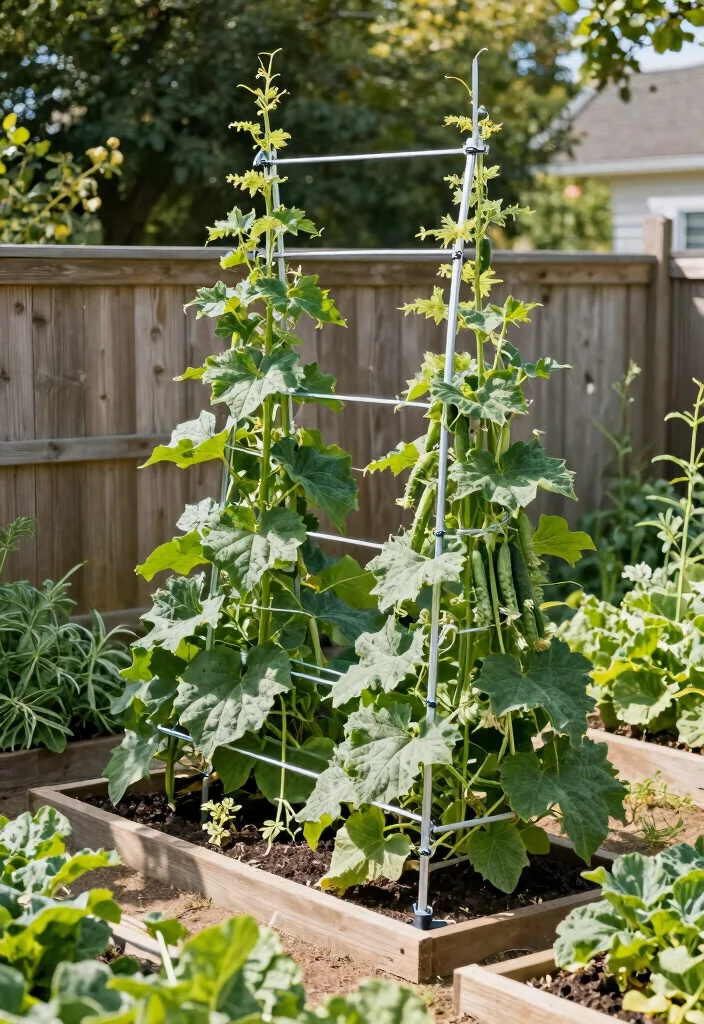
Do you crave versatility in your garden? A retractable trellis system offers a flexible solution, allowing you to adjust the height and layout according to your plants’ needs. This innovative design is perfect for adapting to different plant varieties throughout the growing season.
Setting up a retractable trellis is straightforward, providing the convenience of expanding or retracting as necessary, ensuring your plants receive the best support possible.
Ingredients:
– Retractable trellis kit
– Climbing plants that require support
Instructions:
1. Purchase a set from a garden supply store.
2. Follow the instructions to set it up securely.
3. Adjust the height as needed for your plants.
4. Enjoy the flexibility it brings to your gardening experience.
FAQs:
– Can I use it for any climbing plants? Yes, it can accommodate various climbing vegetables.
– Is it easy to store? Yes, it retracts easily for off-season storage.
Conclusion
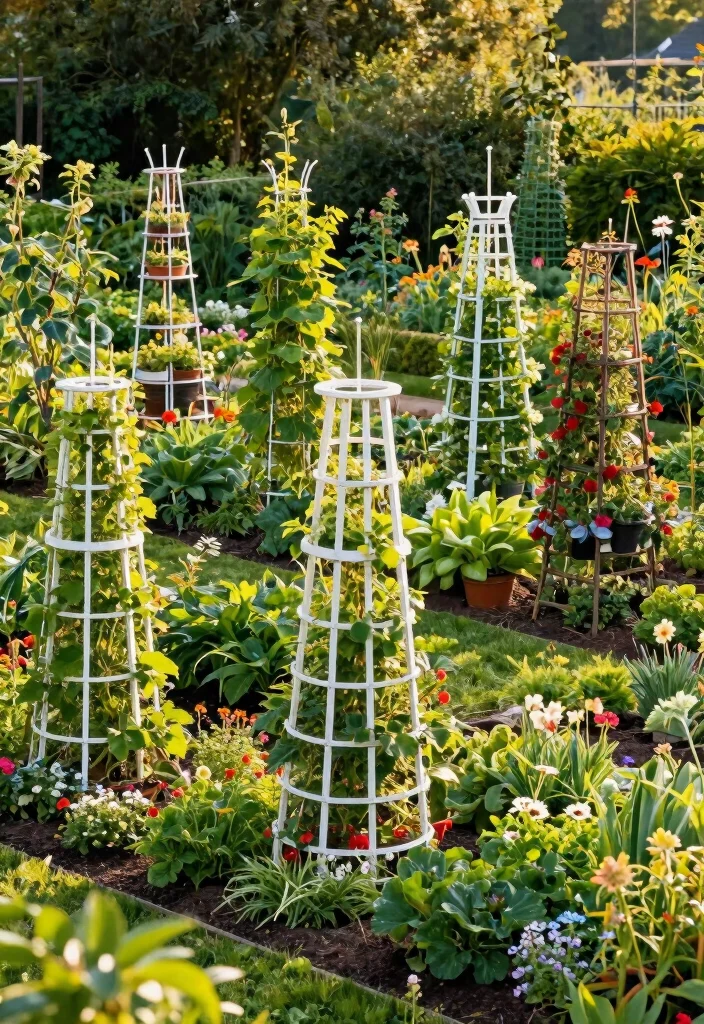
Embracing vertical gardening through trellis systems not only maximizes yields but also brings beauty and personality to your outdoor space. With so many diverse styles to choose from, you can find the perfect trellis to fit your needs and aesthetic. Whether you opt for rustic wooden designs or modern metal frames, each trellis idea presents an opportunity to grow more in less space. Get creative and start transforming your garden into a vertical paradise! Note: We aim to provide accurate product links, but some may occasionally expire or become unavailable. If this happens, please search directly on Amazon for the product or a suitable alternative. This post contains Amazon affiliate links, meaning we may earn a small commission if you purchase through our links, at no extra cost to you.
Frequently Asked Questions
What are the best vegetable garden trellis ideas to maximize yields in a small space?
Explore a few vegetable garden trellis ideas that fit tight plots and busy growing seasons. By using vertical gardening techniques, you can lift vines, save ground space, and improve airflow for healthier plants. Start with a simple trellis netting for beans, a cucumber ladder, or a sturdy A-frame for tomatoes. Choose durable materials, anchor firmly, and plan crop placement so tall plants don’t shade shorter ones.
Think of this as the core concept of vegetable garden trellis ideas for maximizing garden yields in limited spaces.
Which trellis styles work best for vegetables like beans, cucumbers, and tomatoes?
Beans and peas climb well on trellis netting or a teepee; cucumbers shine on a ladder or arch; tomatoes thrive in cages or tall, sturdy trellises with slings. This mix covers trellis styles for vegetables and keeps vertical gardening techniques productive. Use a combination in your space-saving garden designs to boost airflow, sunlight access, and yields. Regularly check tensions and anchors as vines grow.
These strategies are great examples of vegetable garden trellis ideas to maximize maximizing garden yields.
How can I install DIY garden structures to save space and boost yields?
DIY garden structures are affordable and customizable. Start with a simple ladder, arch, or trellis panel using sturdy lumber or metal, then attach weatherproof netting. Position structures to optimize sun, wind, and air flow, while keeping paths clear for harvests. This approach highlights vertical gardening techniques and space-saving garden designs, with a focus on DIY garden structures.
Pro tip: anchor posts deeply and use rated hardware to support heavy vines year after year.
What are common mistakes to avoid when using vertical gardening for higher yields?
Common mistakes include underestimating weight, weak anchoring, and choosing too-small fasteners. Crowding plants reduces air flow and invites pests. Placing trellises in too shady or too windy spots wrecks growth. Plan with space-saving garden designs and trellis styles for vegetables, and you’ll stay on track toward maximizing garden yields.
Rotate crops and monitor for diseases; catch issues early to protect your trellis system and harvests.
How can I maintain and harvest efficiently on a trellised vegetable garden?
Maintenance becomes easier with a good trellis system. Train new growth weekly, prune to keep air moving, and check ties and anchors monthly. Harvest when pods and fruits reach the expected size and color for each crop; frequent picking also encourages more production. Keep up with watering and feeding tailored to vertical setups. This mirrors the spirit of vegetable garden trellis ideas that support maximizing garden yields in small spaces.
Tip: label varieties on the trellis to track performance in your space-saving garden designs.