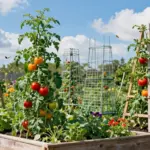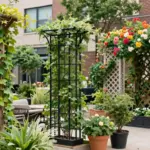
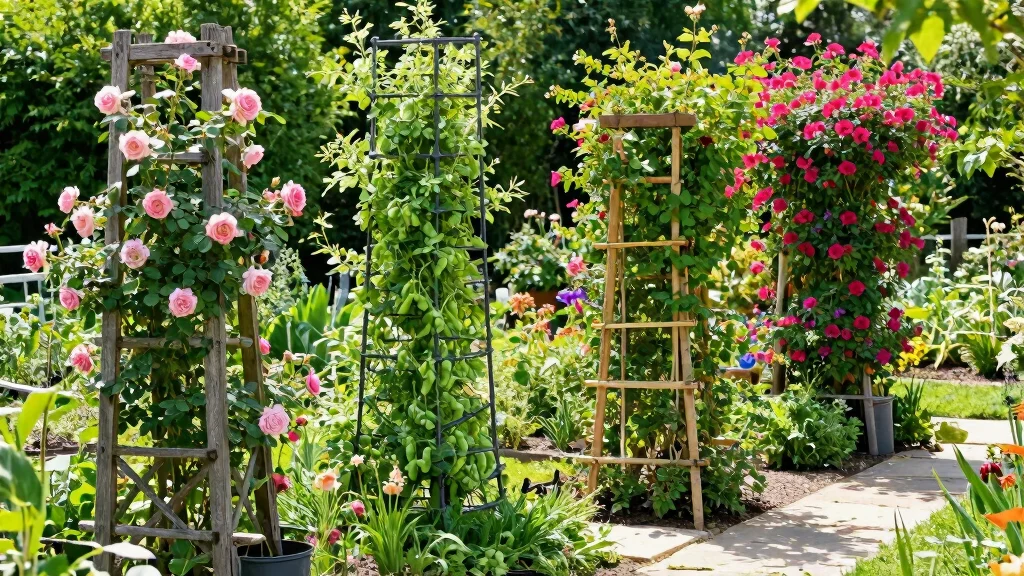
Gardening season has me dreaming about lush green spaces and beautiful blooms. If you’re someone who loves gardening, particularly in smaller areas, then this post is perfect for you. We know that gardening can be a challenge when space is limited, but incorporating trellises is one effective way to maximize your garden’s potential. So I pulled together 14 unique trellis ideas that are stylish, functional, and perfect for climbing plants and vines.
Trellises not only provide necessary support for your plants but also add visual interest to your garden design. Whether you are an experienced gardener or just starting out, you’ll find inspiration that caters to your taste and space needs. This guide will offer practical tips, creative concepts, and simple DIY solutions to help you transform your vertical gardening experience. Let’s get your garden growing up!
Key Takeaways
– Explore 14 diverse trellis ideas that enhance garden aesthetics while supporting climbing plants and vines. – Learn about different materials like wood, metal, bamboo, and pallets that can be used for trellises. – Discover DIY options that allow you to customize your trellis to fit your unique garden style. – Find out how to incorporate trellises into small spaces for effective vertical gardening solutions. – Understand the benefits of trellises, including improved air circulation and easier access to plants for maintenance.1. Rustic Wooden Trellis
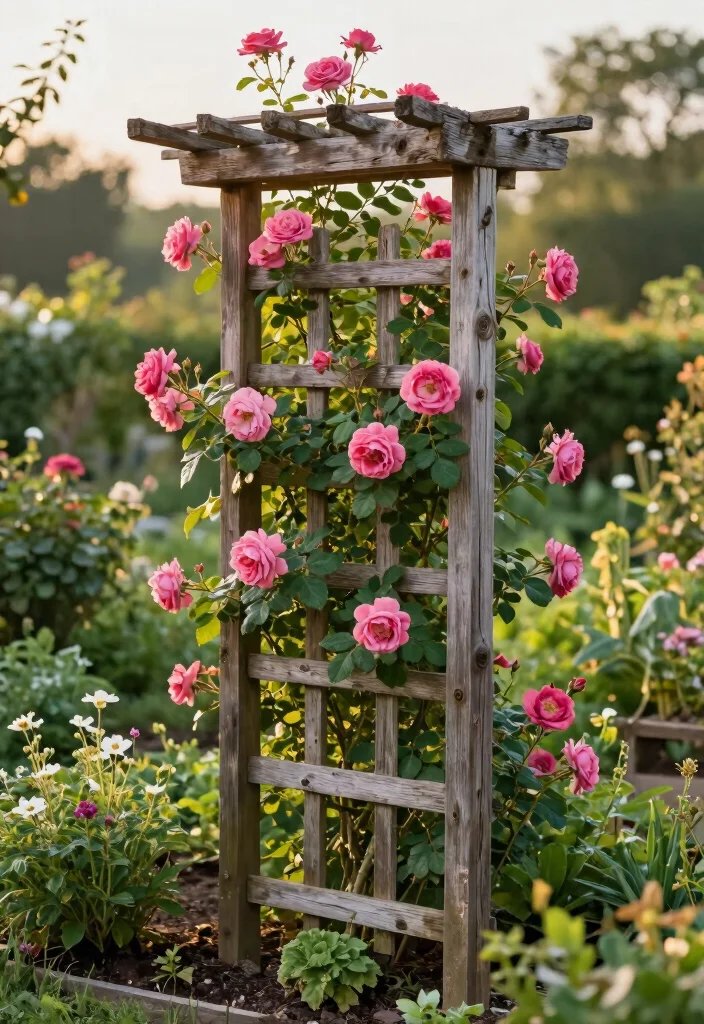
If you’re looking to add charm to your garden, a wooden trellis is a fantastic choice. Crafted from repurposed wood, these trellises not only look great but are also eco-friendly. Their natural appearance complements climbing plants like roses and clematis beautifully, creating a picturesque scene in your outdoor space. You’ll enjoy the rustic vibe they bring, transforming any garden into a serene retreat.
Start by selecting treated wood to ensure durability against the elements. Consider a fan-shaped design to add a unique twist, and don’t forget to create multiple levels for your plants to thrive. This way, you maximize the growing space while enhancing visual interest.
Key steps for crafting your wooden trellis:
– Choose treated wood for longevity
– Design a fan shape for added flair
– Create multiple levels for climbing plants
With some creativity and basic tools, your garden can feature a stunning wooden trellis that provides support while enhancing your outdoor aesthetic.
2. Vertical Garden Trellis
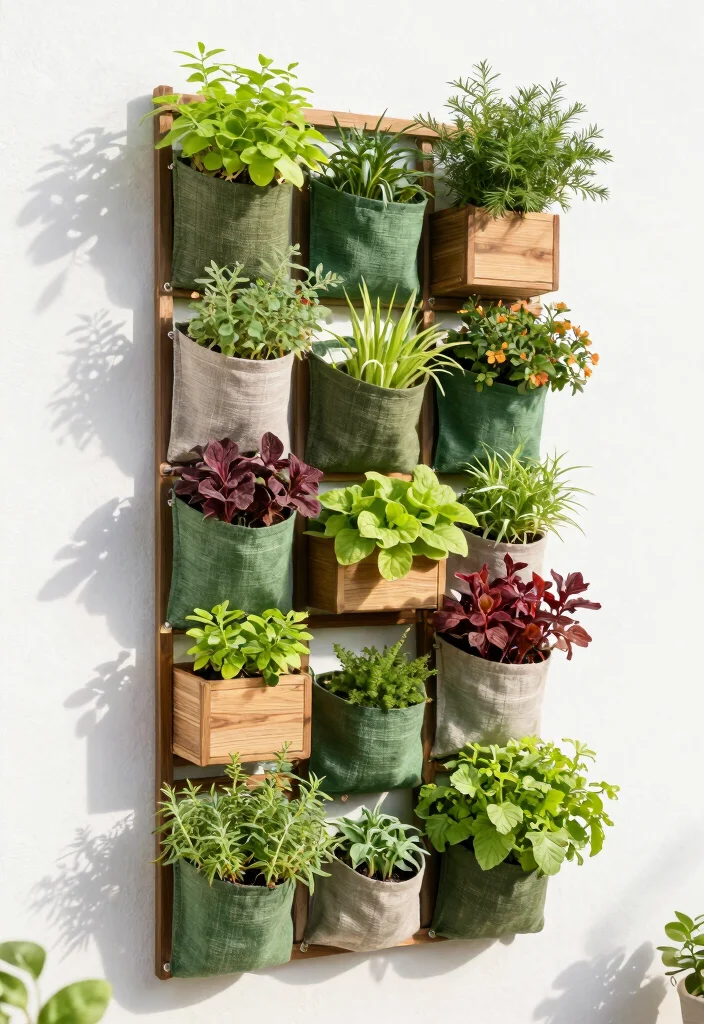
A vertical garden trellis is perfect for those with limited space but a passion for gardening. This versatile structure can be made from materials like fabric pockets or modular panels, bringing greenery right to your eye level. It’s a wonderful way to grow herbs, vegetables, and even flowering plants, making it a favorite among urban gardeners.
Start by choosing a sturdy backing, such as plywood or an existing fence. Securely attach planters or fabric pouches and plant your climbing favorites, guiding them as they grow. This setup not only saves space but also allows for easy access to your fresh produce.
Key ideas to implement:
– Use wall-mounted planters for easy herb access
– Hang fabric pockets for a colorful display
– Ensure your backing is sturdy and secure
This arrangement enhances your outdoor space, providing both beauty and the joy of harvesting fresh produce right outside your door.
3. Metal Garden Trellis
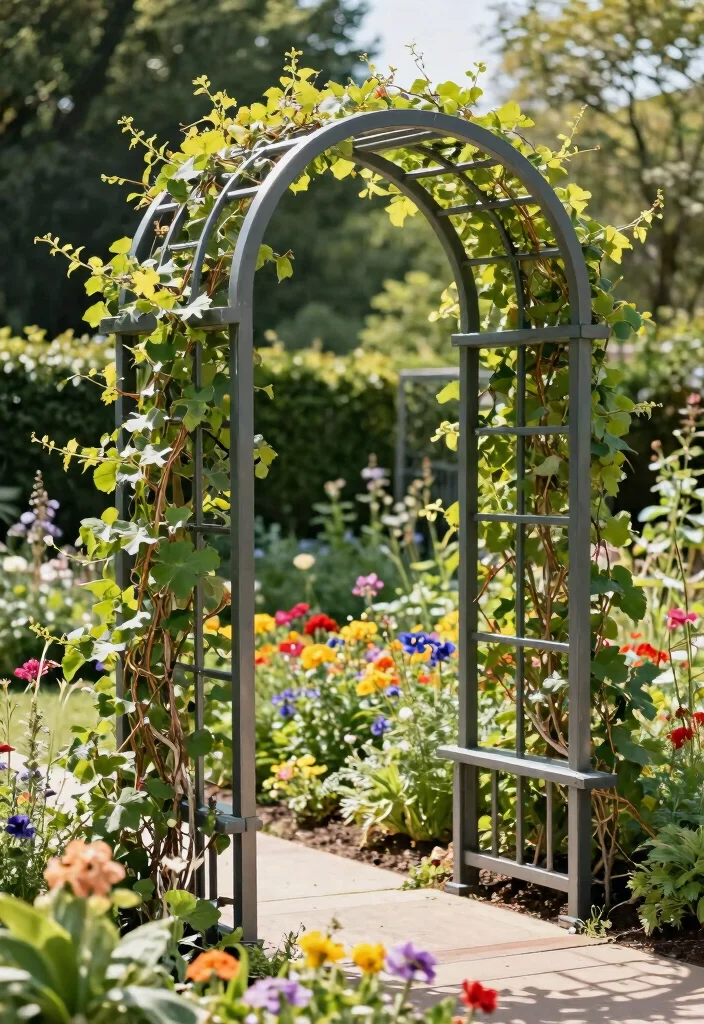
If you prefer a modern touch in your garden, a metal trellis is an excellent option. Not only do they look sleek, but they also provide strong support for climbing plants while requiring minimal maintenance. Their durability ensures they last for years, making them a worthwhile investment for any garden enthusiast. Editor’s Choice
Choose intricate designs for a striking centerpiece or go for minimalist styles that fit contemporary gardens. Make sure your trellis is securely anchored in the ground to withstand winds, and pair it with climbing beans or vines for added texture.
Here’s how to get started:
– Select intricate designs for a striking look
– Ensure secure anchoring for stability
– Pair with textured climbing plants
With the right metal trellis, you can create a stunning vertical garden that enhances your outdoor space while supporting your favorite plants.
Metal Garden Trellis





📹 Related Video: How to Build a Strong Cattle Panel Arch Trellis!
4. Bamboo Trellis
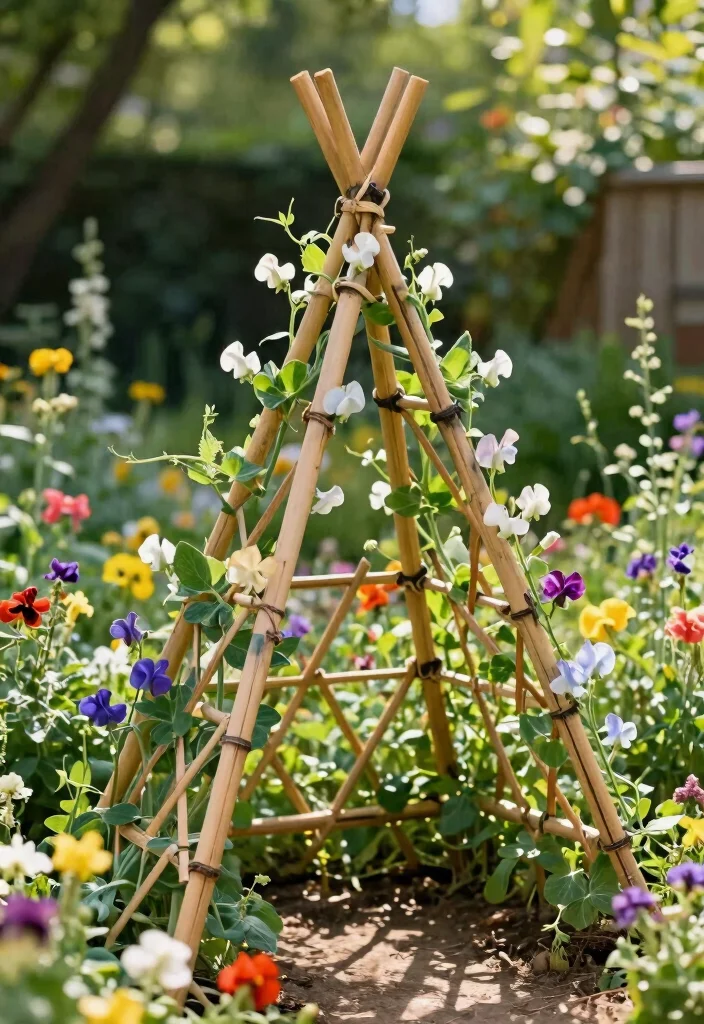
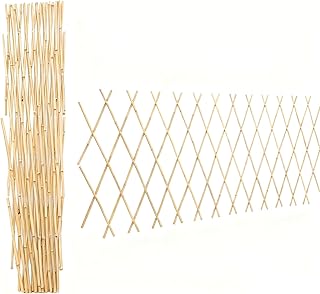
For a natural and organic addition to your garden, consider a bamboo trellis. Lightweight and easy to assemble, bamboo can be crafted into various styles. Its natural rot-resistance makes it ideal for supporting fast-growing plants like peas and sweet peas while allowing for good air circulation. Editor’s Choice
Create whimsical teepee structures or tie multiple bamboo poles together for a sturdy frame. This eco-friendly option not only supports your climbing plants but also adds a unique flair to your garden.
Steps to build your bamboo trellis:
– Gather sturdy bamboo poles and twine
– Arrange poles in a teepee or grid shape
– Secure with twine for stability
Your garden will benefit from a charming bamboo trellis that enhances the natural beauty while helping your plants flourish.
Bamboo Trellis



5. Arched Trellis
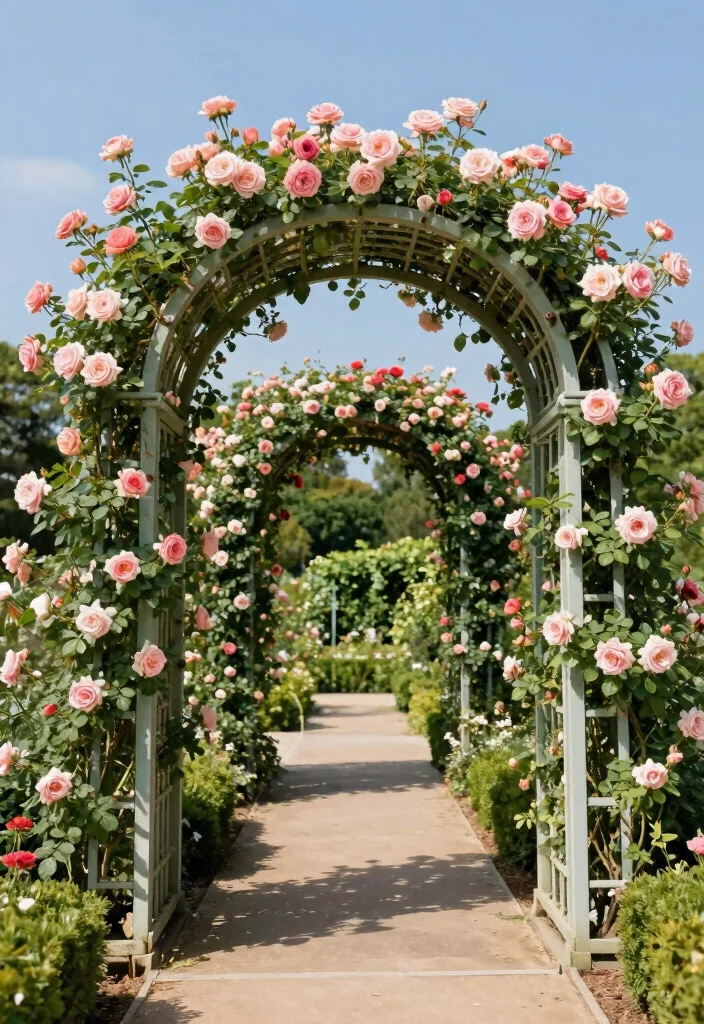
An arched trellis can transform your garden into an elegant escape. This stunning structure serves as both a focal point and an entryway, enhancing the vertical space while providing a beautiful backdrop for climbing plants. Imagine the graceful arch adorned with vibrant flowers, inviting you into your garden paradise.
Choose durable materials like wood or metal to ensure it holds up against the elements. Make sure the base is firmly planted to support the weight of your climbing plants, like roses and jasmine, which thrive beautifully on this structure.
To create your arched trellis:
– Opt for durable materials for longevity
– Firmly plant the base for stability
– Select climbing plants that complement the arch
This lovely addition will not only beautify your garden but also create a delightful spot for your climbing plants to thrive.
6. Pallet Trellis
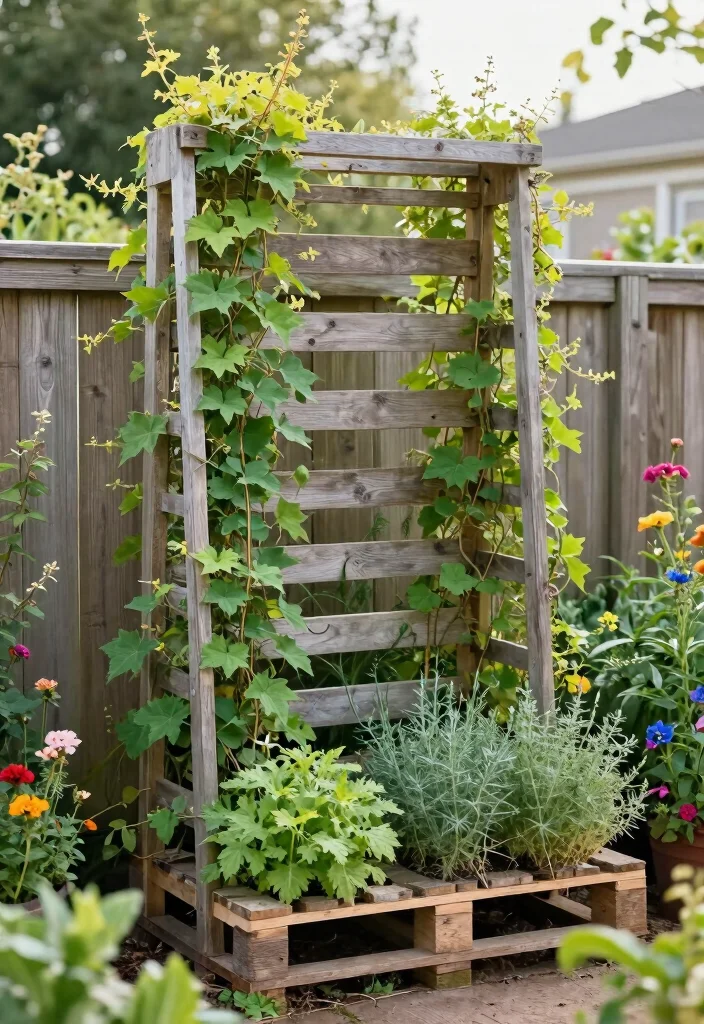
Repurposing wooden pallets into trellises is a trendy and budget-friendly option for eco-conscious gardeners. This versatile choice allows you to customize the design for various climbing plants while adding a rustic charm to your outdoor space. It’s both a creative solution and an environmentally friendly one.
Start by cleaning an old wooden pallet thoroughly, then secure it upright against a wall or fence. Plant climbing vines at the base and encourage them to grow up the pallet. You can also add hooks for hanging planters or use it as a vertical herb garden.
Steps to create a pallet trellis:
– Clean an old wooden pallet thoroughly
– Secure it upright against a wall
– Plant climbing vines at the base
Your pallet trellis can be a stylish and functional addition, enhancing both the beauty and utility of your garden.
Fun fact: turning old pallets into a trellis can slash costs by up to 60% while adding rustic charm. Clean the pallet, secure it upright, and plant climbing vines at the base to train them up the panel—trelisses trellis ideas in action.
7. Lattice Trellis
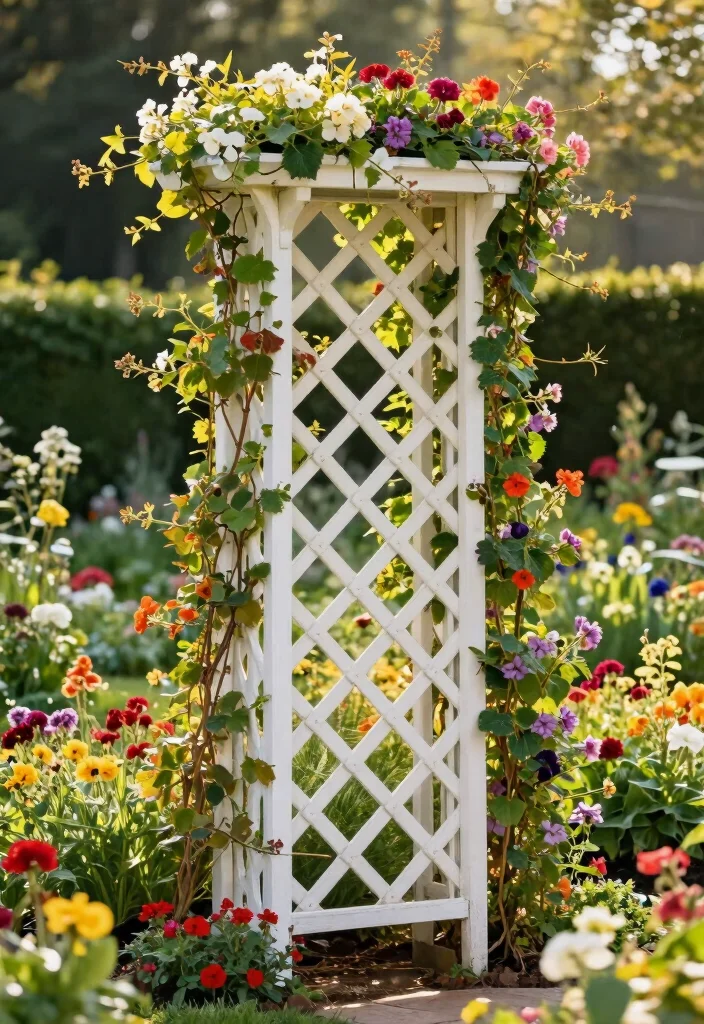
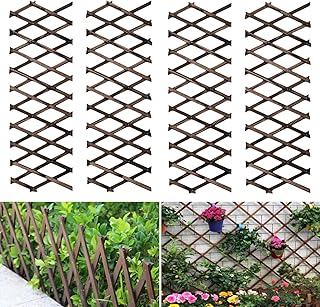
Lattice trellises are a classic choice that remains popular for good reason. Their crisscrossed pattern provides excellent support for climbing plants while serving as a visually appealing backdrop. This design is perfect for gardeners looking to add both functionality and charm to their space. Editor’s Choice
Lattice is great for stability and can support heavier vines. Consider painting it in vibrant colors for a fun twist or combining panels to create a privacy screen adorned with climbing plants.
Here’s how to make the most of your lattice trellis:
– Secure it to a fence or wall for stability
– Plant climbing plants at the base for upward growth
– Experiment with colors for a unique design
With its timeless appeal, a lattice trellis will enhance both the functionality and beauty of your garden.
Lattice Trellis



8. Archway Trellis
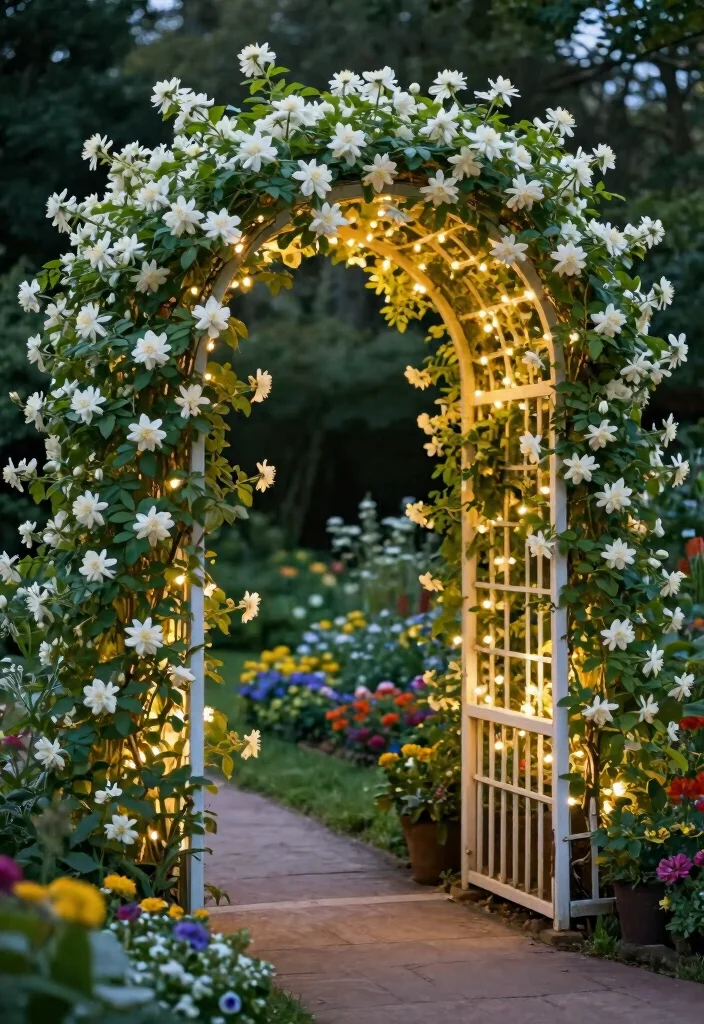
An archway trellis creates a magical entrance to your garden, inviting guests in while allowing climbing plants to flourish overhead. This structure offers an enchanting touch that can become the highlight of your outdoor space. Decorate it with lights or fragrant flowers to elevate the experience even more.
Choose strong materials to ensure stability and make sure the arch is wide enough for comfortable passage. Consider using fragrant jasmine or climbing hydrangeas, which will thrive beautifully on this structure.
Tips for building your archway trellis:
– Use strong materials for durability
– Ensure the arch is wide for easy access
– Plant fragrant flowers to enhance the charm
This enchanting structure not only frames your garden beautifully but also creates a delightful atmosphere for all who visit.
How To Choose The Right Trellis for Your Garden
When it comes to incorporating climbing plants and vines into your garden, selecting the right trellis is crucial. A good trellis not only supports your plants but also adds to your garden’s design. Here’s how to choose the best trellis for your needs.1. Size Matters
Before you buy a trellis, you need to consider the size of your space and the plants you will be growing. Measure the area where you want to install the trellis. Ensure there’s enough height and width for your climbing plants to thrive. For instance, larger plants such as beans or climbing roses may require a taller trellis, while smaller plants like peas can thrive on shorter options.
2. Material Type
The material of your trellis greatly impacts its durability and aesthetic appeal. Common materials include wood, metal, and bamboo. Wooden trellises can provide a rustic charm but may rot if exposed to moisture. Metal trellises are sturdy and can handle heavy vines but might require protective coatings to prevent rust. Bamboo is lightweight and gives a natural look, perfect for smaller spaces. Think about the weather conditions in your area when choosing the material.
3. Style and Design
Your trellis should match your overall garden design. Are you going for a modern look, or do you prefer something traditional? Arched trellises are great for adding elegance, while lattice trellises can provide a classic appeal. If you have a specific theme in mind, like cottage or contemporary, choose a design that complements that style.
4. Functionality
Consider how you plan to use your trellis. Will it be a support structure for climbing plants, or do you also want it to serve as a decorative piece? If you plan to grow heavy vines, look for sturdy options that can hold the weight. For decorative purposes, you might opt for a simpler design that is easy to install. Think about whether you want your trellis to be movable or permanent based on your gardening needs.
5. Budget Considerations
Trellis prices can vary widely based on material, size, and design. Set a budget before you start shopping. Sometimes, DIY trellis projects can save money while allowing for personalization. If you’re looking to avoid splurging, consider making a simple lattice design with inexpensive materials from your local hardware store.
6. Ease of Installation
Before making your purchase, think about how easy it will be to install the trellis. Some trellises come pre-assembled, while others may require tools and time to set up. If you’re not handy, go for simpler designs. The installation also needs to align with the type of climbing plants you choose. Make sure you know whether you need to anchor it into the ground or can just lean it against a wall.
Pro Tip: Don’t forget to plan for the growth of your plants! Choose a trellis that not only fits your current plants but can also accommodate future growth. This helps avoid the hassle of replacing or upgrading the trellis down the line.
By following these guidelines, you can effectively choose a trellis that meets your gardening needs and enhances the beauty of your vertical garden. Happy gardening!
9. Tension Wire Trellis
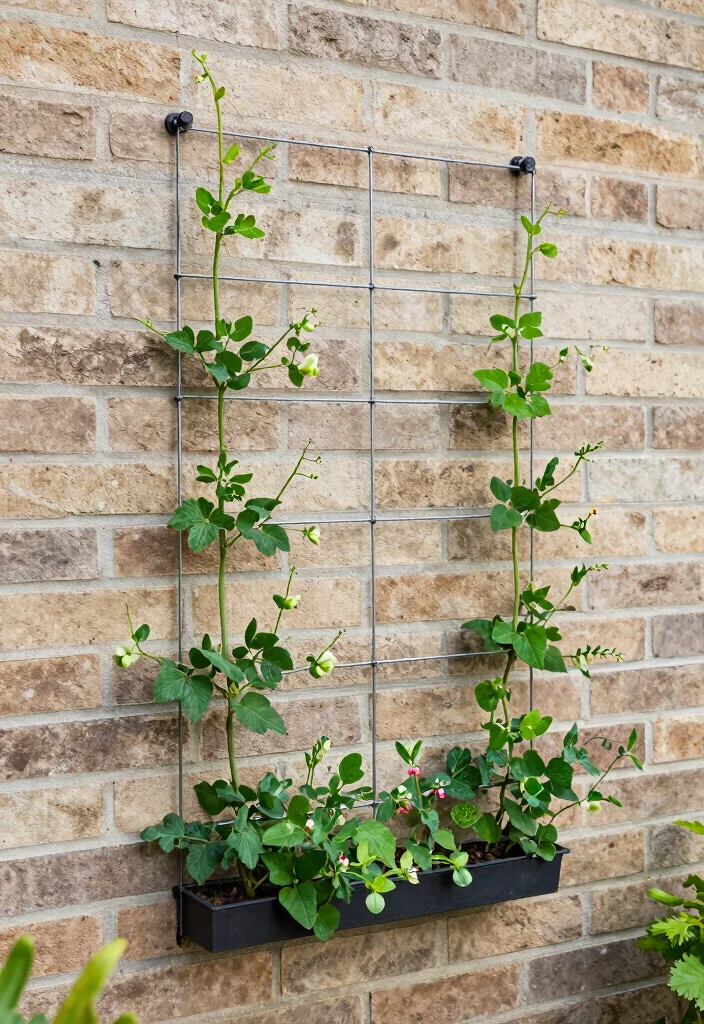
For a sleek and modern look, consider using tension wire trellises. This innovative approach allows climbing plants to twine gracefully without taking up much space, making it perfect for tighter gardens. The minimalistic design enhances your plants while providing flexible support.
Use durable stainless steel wire to withstand outdoor conditions and anchor it to a wall or fence, creating a grid-like support system. Ideal for lightweight climbers like peas or small flowering vines, this trellis blends seamlessly into any garden.
Steps for installing a tension wire trellis:
– Choose stainless steel wire for durability
– Anchor securely to a wall or fence
– Select plants that will thrive with lightweight support
This modern approach allows your climbing plants to shine while maintaining a clean and unobtrusive aesthetic.
10. Container Garden Trellis
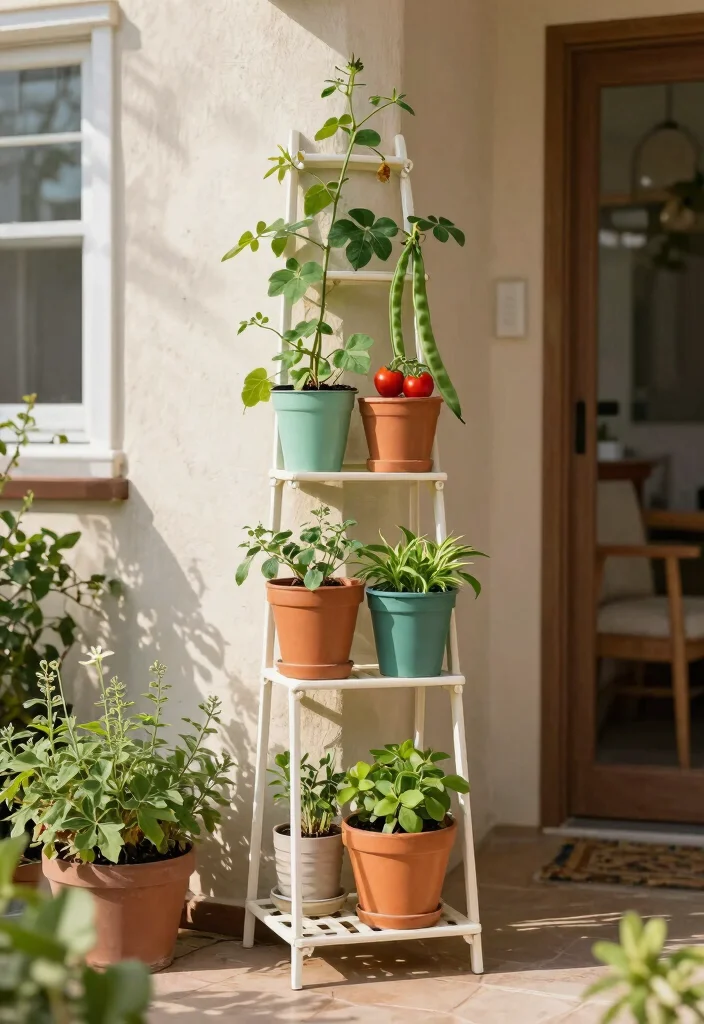
Short on space? A container garden trellis is your perfect solution! Ideal for patios or balconies, this approach combines gardening with decorative design, allowing you to easily move containers and change layouts while supporting climbing plants beautifully.
Select decorative pots that match your space’s style, and use tall containers for climbing beans or tomatoes. Ensure containers have drainage holes and choose a lightweight trellis that can be anchored into the pot.
Here are some ideas for your container trellis:
– Use decorative pots to enhance your space
– Choose tall containers for climbing plants
– Ensure proper drainage for plant health
This method not only showcases your plants but also adds height and dimension, making your smaller spaces feel more vibrant.
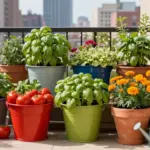
Container trellises turn every inch of patio into green space. With trelisses trellis ideas, you can move pots, pair decorative containers with lightweight supports, and let climbing beans or tomatoes thrive. Small space, big harvests—on your terms.
11. Garden Fence Trellis
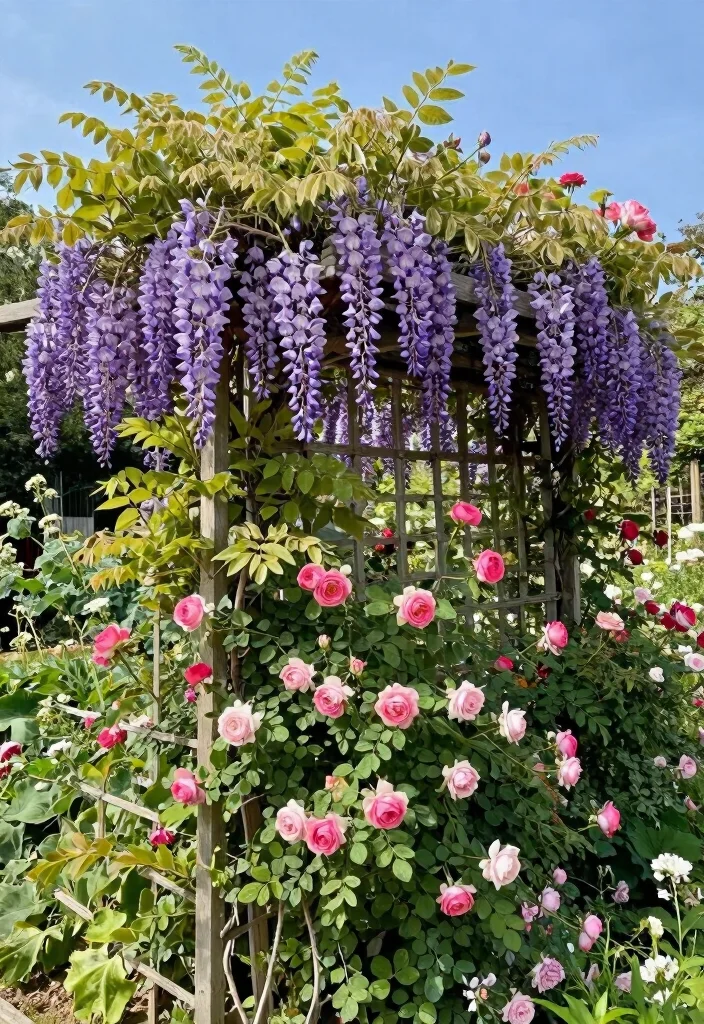
Transform your bland garden fence into a vibrant vertical space filled with climbing plants. A garden fence trellis invites greenery to flourish while enhancing the beauty of your yard. It’s an effective way to utilize existing structures for gardening purposes.
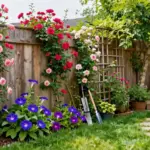
Utilize the fence as the base for trellis panels or integrate vertical frames directly onto it. Plants like wisteria, climbing roses, and ivy thrive beautifully on these structures, creating lush greenery.
Steps to install a garden fence trellis:
– Securely attach trellis panels with brackets
– Guide vines to climb along the trellis
– Choose climbing plants that suit your climate
This dual-purpose approach not only boosts privacy but also creates a lush, green atmosphere in your outdoor space.
Turn your fence into a thriving green wall with trelisses trellis ideas. Start by adding modular trellis panels and train wisteria or ivy along the lines, and watch your small space bloom without crowding the yard. Step-by-step, you’ll create privacy and color you can enjoy daily.
Garden Fence Trellis
Editor’s Choice


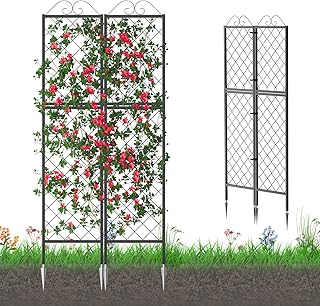

12. Greenhouse Trellis
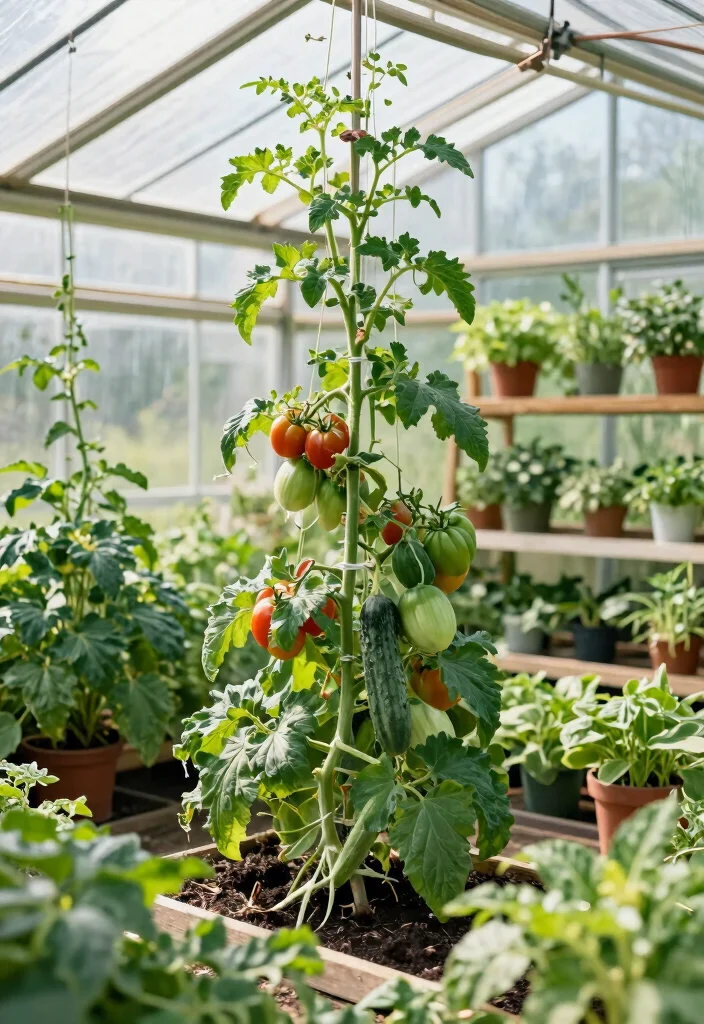
Incorporate trellises inside your greenhouse for a functional and appealing design. This setup maximizes space while effectively supporting climbing plants like cucumbers and tomatoes, allowing for better organization and plant health. Editor’s Choice
Design grid panels across the walls or use freestanding frames for versatility. Make sure to provide proper support for heavier plants and position trellises to maximize sunlight exposure.
Here are some tips for your greenhouse trellis:
– Create grid panels for organized growth
– Ensure support for heavier plants
– Maximize sunlight exposure for healthy growth
This innovative approach allows you to grow a wider variety of plants while keeping your greenhouse organized and visually appealing.
Greenhouse Trellis

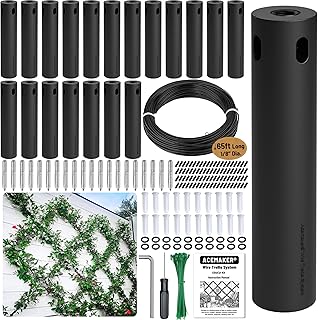


13. Customized Trellis Art
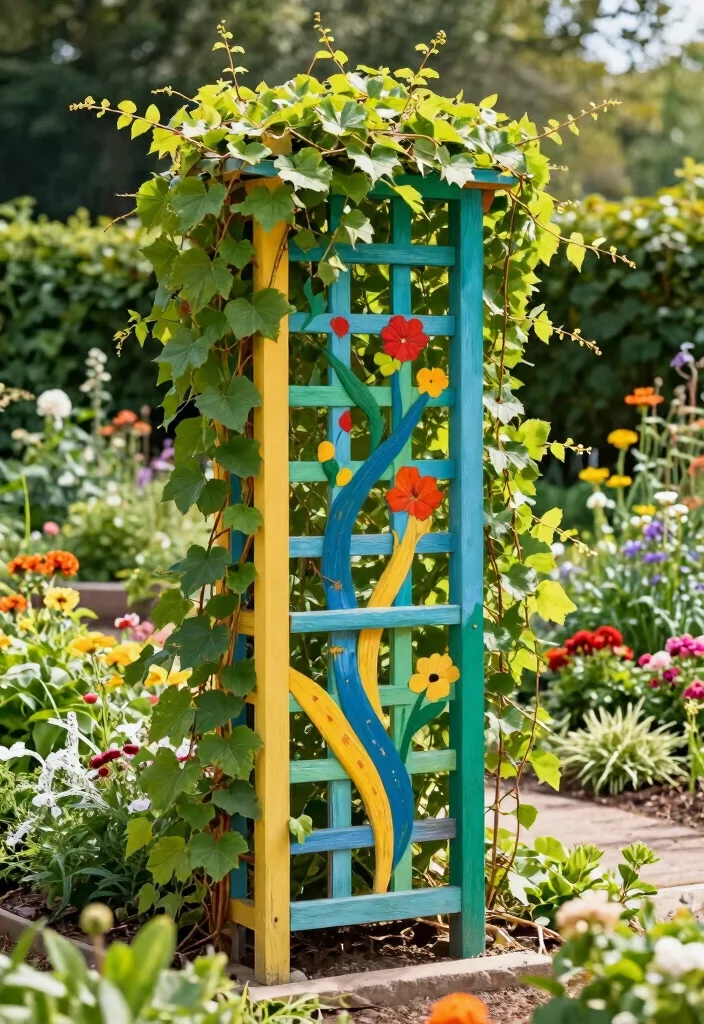
For a personal touch in your garden, consider creating customized trellis art. This combines structure with creativity, transforming climbing plants into living artworks that reflect your style. It’s a great way to express yourself while nurturing your plants.
Ideas for customization include painting the trellis in unique patterns or using recycled materials for an artistic flair. Opt for colorful flowering vines that will enhance your creative design.
Steps to create your customized trellis:
– Plan your design and gather materials
– Construct the trellis and decorate as desired
– Plant and guide climbing plants for maximum impact
Your personalized trellis can stand out in your garden, showcasing both your artistic style and favorite plants.
14. Simple DIY Trellis
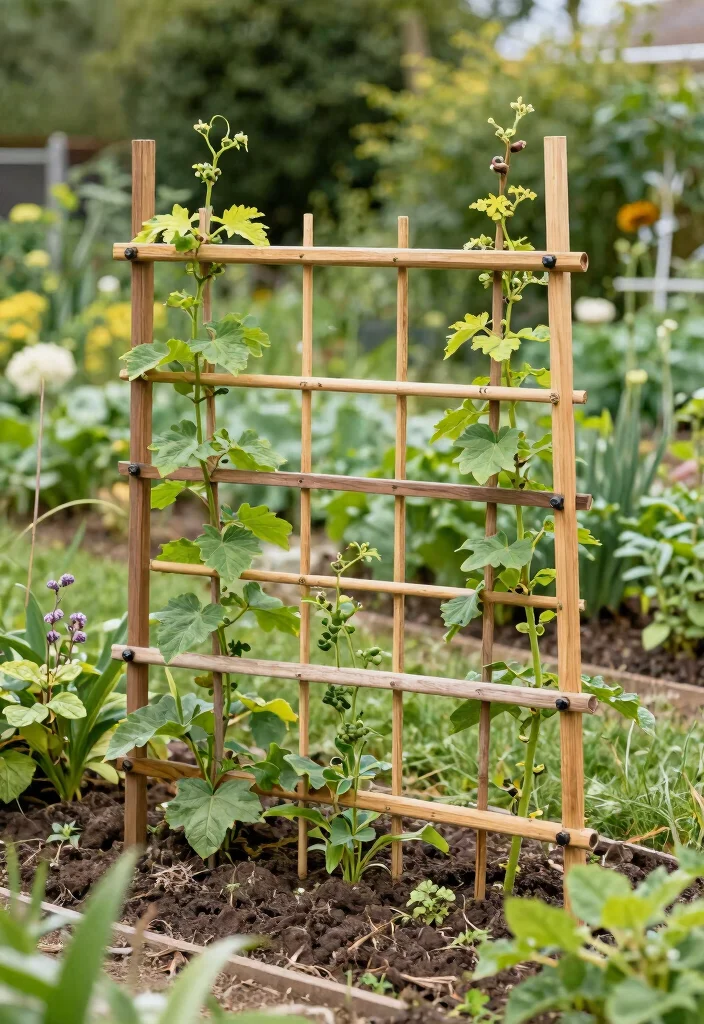
If you’re new to gardening or DIY projects, creating a simple trellis is a great way to start. It can be crafted from basic materials you likely have at home, making it both budget-friendly and fulfilling.
This DIY approach allows flexibility in design and a sense of accomplishment. Use old wooden stakes or bamboo poles, tying them together in a grid pattern with twine or wire. Secure it into the ground and plant climbing plants at the base.
Here are some easy steps to follow:
– Use old stakes or poles for the frame
– Tie them together in a grid pattern
– Secure into the ground and plant climbers
This straightforward method helps you create a functional trellis while enhancing your gardening skills.
Conclusion
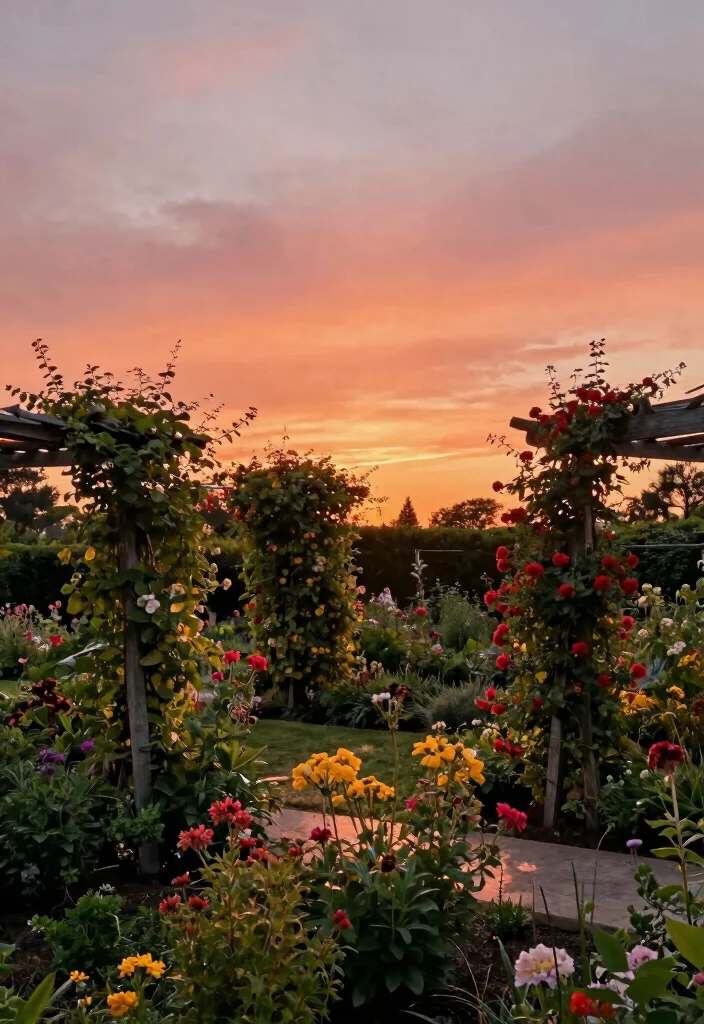
Incorporating trellises into your garden can elevate your space while maximizing vertical growth opportunities. Each of these ideas brings a unique charm and practicality suited for any gardening style. Whether you opt for rustic wood, sleek metal, or creative DIY options, trellises can support your climbing plants beautifully. So why not bring your garden dreams to life? Choose the designs that resonate with you and start your journey towards a vertical garden filled with lush greenery! Note: We aim to provide accurate product links, but some may occasionally expire or become unavailable. If this happens, please search directly on Amazon for the product or a suitable alternative. This post contains Amazon affiliate links, meaning we may earn a small commission if you purchase through our links, at no extra cost to you.
Frequently Asked Questions
What are the best trellis ideas for small spaces to support climbing plants?
Small-space gardening thrives with vertical solutions. Start with a wall-mounted lattice or a freestanding obelisk to add height without stealing floor space.
Options include lattice panels, arches, or a series of narrow panels arranged as a living screen. Choose weather-resistant materials like cedar, powder-coated metal, or durable resin, and anchor them securely into walls, fences, or sturdy posts. Plan for lighter vines first and space plants 12–18 inches apart along the trellis to keep growth tidy.
This approach embodies vertical gardening and vine support structures that maximize small yards.
How can I choose a DIY trellis design that fits my space and plant type?
To pick a DIY trellis design that works, start with your constraints: space, sun, wind, and how heavy the mature vines will be.
For walls, a slim lattice panel or modular screen works well; for corners, a freestanding obelisk or teepee offers 3D structure; for sunny borders, an arch can be a focal point.
Materials matter: cedar or redwood for a natural look, powder-coated steel for durability, or weatherproof PVC as a low-maintenance option. Plan for proper spacing and tie-in points; use soft plant ties and avoid rigid wires that can damage stems.
If you’re exploring trelisses trellis ideas, start with a simple wall-mounted lattice and adapt it to your space.
Which materials are best for a durable DIY trellis and how do I maintain them?
Durable DIY trellises start with good materials and a simple maintenance routine.
Wood like cedar or redwood resists rot, especially when finished with a weather seal. Metal options (galvanized or powder-coated steel) resist rust but can get hot in full sun. If you want low maintenance, consider composite or weatherproof PVC. Install the trellis away from soil splash and check fasteners annually for wobble or rot. Clean vines off the frame to prevent moisture buildup, and re-seal wooden parts every 2–3 years as needed.
Regular inspections keep your garden design safe and attractive.
Which climbing plants pair well with different trellis styles and how do I train them?
Different trellis styles invite different climbers. A lattice panel or arch can showcase climbing roses, clematis, honeysuckle, or jasmine beautifully. A lightweight wire mesh works well for sweet peas or runner beans. For heavy hitters like wisteria, choose a sturdy freestanding support and anchor it well.
Training tips: install the trellis when the plant is young; loosely tie new shoots to the structure with soft plant ties; train one or two leads horizontally or in a gentle zig-zag pattern; prune after flowering to maintain shape; check ties so they don’t girdle stems as the plant grows.
With thoughtful selection, you’ll create a stunning vertical garden that enhances your garden design and vertical gardening goals.
Are there renter-friendly or temporary trellis options that still look great in a garden design?
Absolutely. If you rent or want temporary solutions, look for freestanding screens, modular lattice panels, or decorative obelisks that require little or no permanent fasteners.
Options include leaning screens against a wall, lightweight bamboo lattices, or repurposed pallet trellises tied to sturdy posts. Use removable hooks, zip ties, or slide-in feet to keep things mobile and damage-free. These DIY trellis ideas fit neatly into any garden design and keep your vertical gardening ambitions flexible.