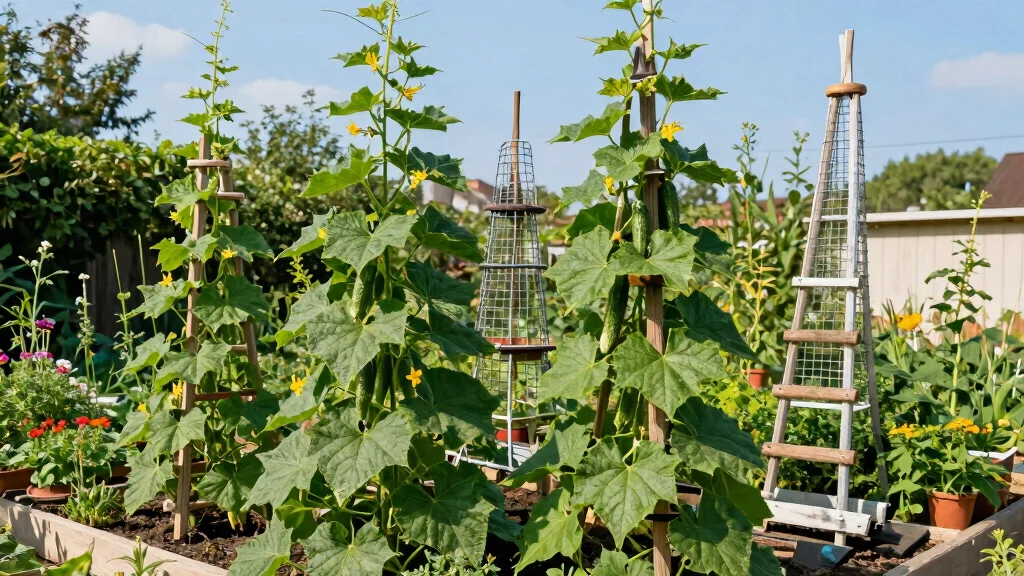
Creating a garden can feel like a dream, especially when you’re eager to grow fresh vegetables like cucumbers. This time of year, I find myself craving the crunchy, juicy taste of homegrown cucumbers. If you’re someone who enjoys gardening but worries about not having enough space, this post is for you. I’ve compiled 12 DIY cucumber trellis ideas that will help you take advantage of every inch in your garden, even if it’s small.
These trellis designs aren’t just practical; they can also add a charming touch to your garden. Whether you’re a seasoned gardener or just getting started, you’ll discover various creative solutions that fit into your garden design. You’ll walk away with fresh ideas that are budget-friendly, easy to build, and perfect for elevating your cucumber-growing game. Get ready to dive into these space-saving trellis options that will make your cucumbers thrive!
Key Takeaways
– You’ll learn how to create trellises using everyday materials like ladders, bamboo poles, and recycled pallets. – Each design is tailored for vertical gardening, allowing you to maximize space and enhance your garden’s aesthetic. – The trellis ideas are suitable for various skill levels, making them accessible for both beginner and experienced gardeners. – You’ll find practical cucumber growing tips alongside the trellis designs to ensure your plants flourish. – Explore creative combinations of trellis materials and techniques that can inspire your own DIY gardening projects.1. Ladder Trellis
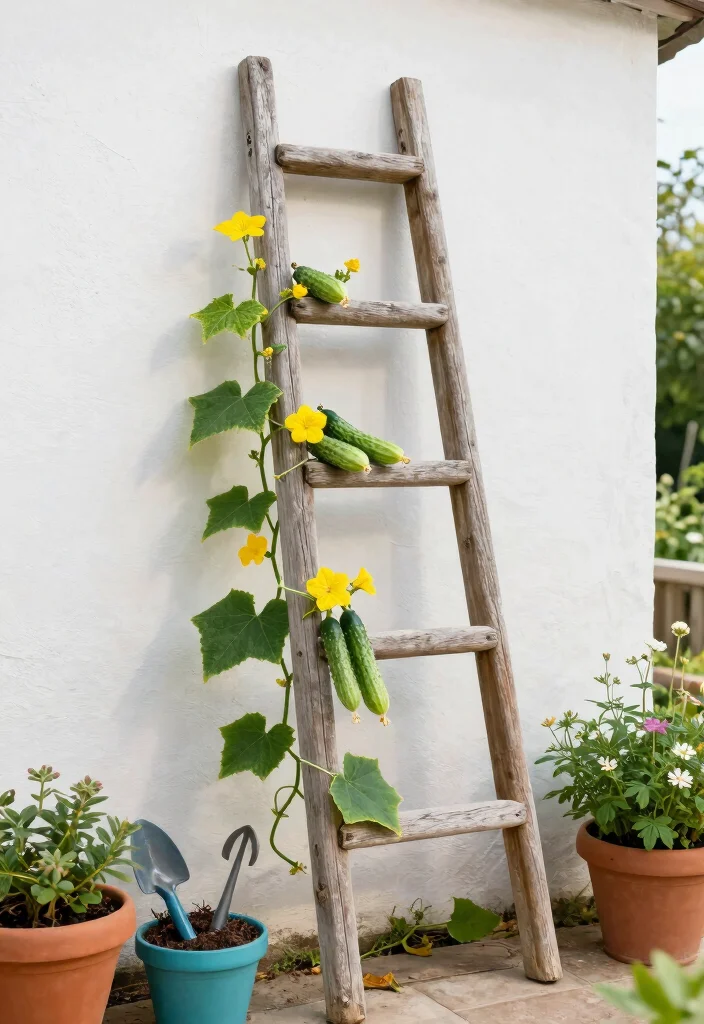
Are you looking for a charming way to support your cucumber plants? A ladder trellis not only offers a sturdy climbing frame but also adds rustic aesthetics to your garden. By repurposing an old wooden ladder, you create an eco-friendly structure that promotes airflow, helping to keep your plants healthy and mold-free.
It’s a perfect blend of style and function, providing excellent support for your heavy cucumbers while making harvesting a breeze.
Ingredients:
– 1 old wooden ladder
– Optional: weatherproof paint
Instructions:
1. Clean the ladder thoroughly.
2. If desired, paint it with a weatherproof finish.
3. Lean the ladder against a wall or fence at a comfortable angle.
4. Plant cucumbers at the base and guide them to climb the rungs.
FAQs:
– Can I use a metal ladder? Yes, just ensure it’s securely anchored.
– How do I maintain this trellis? Regular checks for rust or deterioration are essential.
Fun fact: a repurposed ladder trellis boosts cucumber airflow and sun exposure, trimming mold risk by up to 30% and making harvests a breeze. Embrace cucumber trellis ideas diy for a stylish, space-saving garden.
2. Tomato Cage Trellis
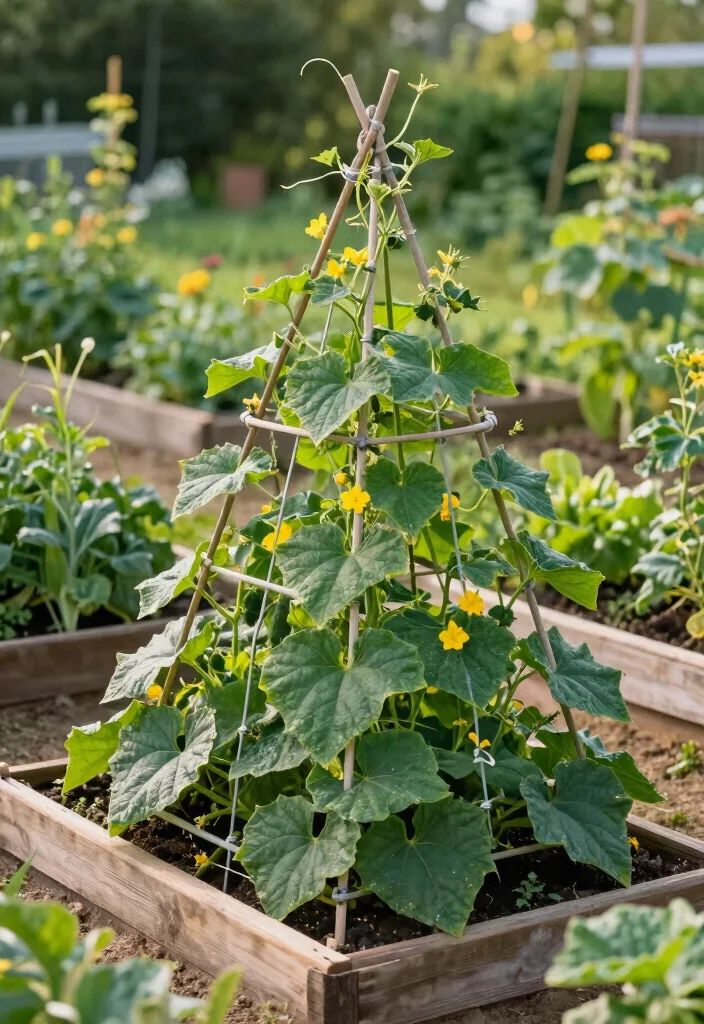
Have you ever thought of using a tomato cage for cucumbers? This clever twist allows you to easily create a vertical garden. By flipping the cage upside down, you provide a robust support system where cucumbers can thrive, all while being incredibly simple to set up and take down. Editor’s Choice
This method is perfect for small spaces, ensuring your cucumbers have ample sunlight and airflow without taking up much room.
Ingredients:
– 1 tomato cage
Instructions:
1. Turn the tomato cage upside down and push the narrow end into the ground.
2. Plant your cucumber seedlings around the base of the cage.
3. Guide the cucumber vines to climb up the cage for support.
FAQs:
– Can I use other types of cages? Yes, as long as they provide sufficient support.
– How do I prevent rusting? Consider using coated cages for better durability.
Tomato Cage Trellis




How To Choose the Right Cucumber Trellis for Your Garden
Choosing the right trellis for your cucumbers can make a big difference in how well they grow and how much space they take up. With so many options available, it’s essential to consider several factors to ensure you select the right one for your needs. Here are some helpful tips to guide you through the process.1. Size Measure the space where you plan to grow your cucumbers. Consider the height and width of your trellis. Cucumbers can grow quite tall, so most trellises should be at least 5-6 feet high. Ensure the width allows for proper spacing between plants. A proper size will not only support your cucumber plants but also give them enough room to thrive.
2. Material The material you choose can impact durability and ease of installation. Common materials for cucumber trellises include wood, metal, and PVC. Wood offers a natural look and can last a long time if treated properly. Metal is sturdy and can withstand various weather conditions, while PVC is lightweight and easy to work with. Consider your local climate and how much weight the trellis will need to support.
3. Design Different designs serve different needs. A ladder trellis provides ample space for multiple plants, while an A-frame trellis allows for easy access to the cucumbers. Some trellises, like the tomato cage design, are perfect for smaller gardens, while vertical planter boxes can save even more space. Think about what fits best in your garden layout and complements your gardening style.
4. Stability Your trellis must be stable enough to support growing cucumbers. Check if it needs anchoring, especially in windy areas. Trellises with a wide base or those that can be secured into the ground tend to be more stable. Test the structure by gently shaking it to ensure it can withstand the weight of the plants as they grow.
5. Budget You can find cucumber trellises in various price ranges. Consider how much you are willing to spend. DIY options can often save you money while allowing for creativity. A simple design using materials like bamboo or repurposed wood can be both cost-effective and functional. Think about the long-term investment; a quality trellis may cost more upfront but can last for years.
6. Ease of Access Ensure your chosen trellis allows you to easily access your cucumbers for maintenance and harvesting. A trellis that is too tall or too far back can make it difficult to reach your plants. Consider creating pathways or space around your trellis for comfortable access as your cucumbers grow.
Pro Tip: Before finalizing your choice, observe the trellis in action by visiting local gardens or community spaces. Seeing different designs in use can help clarify what would work best for your garden setup.
By keeping these factors in mind, you can confidently choose the right cucumber trellis that fits your garden’s space and style. Enjoy the process of creating a functional and attractive vertical gardening solution!
3. PVC Pipe Trellis
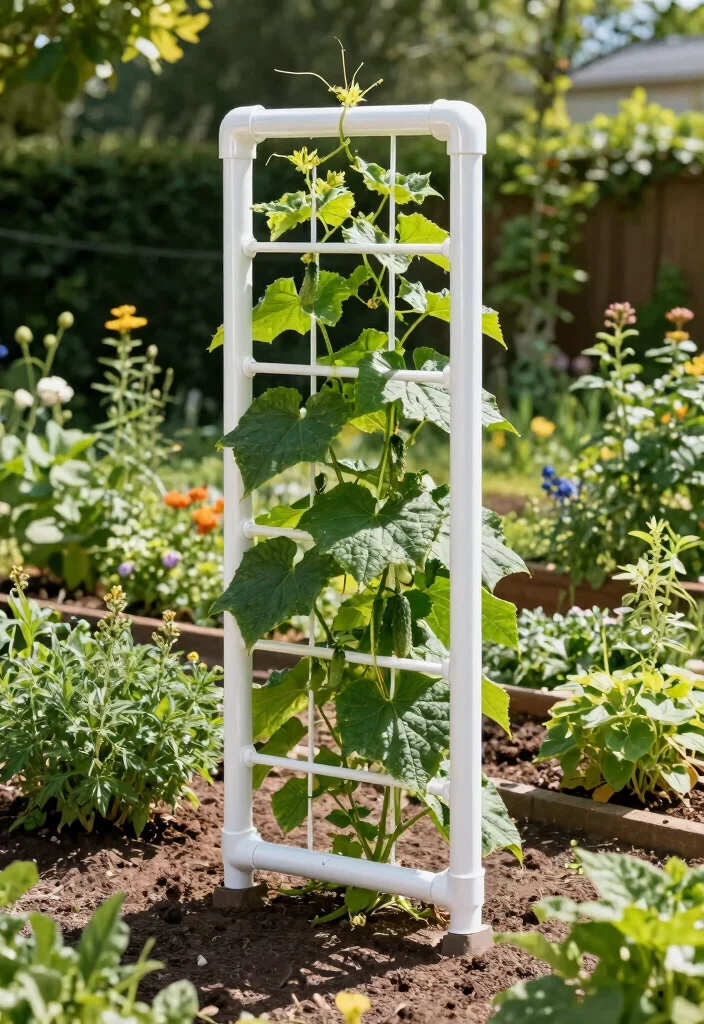
Looking for a modern solution for your cucumber plants? A PVC pipe trellis could be just what you need. Lightweight and easy to assemble, this trellis provides excellent support while keeping your garden looking tidy. You can customize the size to fit your space and create a clean, organized look that enhances your garden’s appeal.
It’s also resistant to rot, making it a durable choice for any gardener.
Ingredients:
– 4 PVC pipes (for vertical posts)
– 4 PVC pipes (for horizontal supports)
– PVC fittings (elbows and tees)
Instructions:
1. Cut pipes to desired lengths for your frame.
2. Assemble the frame using PVC fittings for corners.
3. Secure the frame in the soil where you want your cucumbers to grow.
4. Plant cucumbers around the base and guide them up the frame as they grow.
FAQs:
– Can I paint the PVC pipes? Yes, using outdoor paint can help them blend into your garden.
– How long will PVC last? PVC is very durable and can last for years without deteriorating.
❝ Fun fact: a PVC pipe trellis can be assembled in under 20 minutes and still support vigorous cucumber vines. It’s lightweight, rot-resistant, and highly customizable for any space—perfect DIY to save space without sacrificing airflow! ❞
📹 Related Video: DIY PVC Trellis / Arbor, Beans & Cucumbers – BroBryceGardens
4. Fencing Trellis
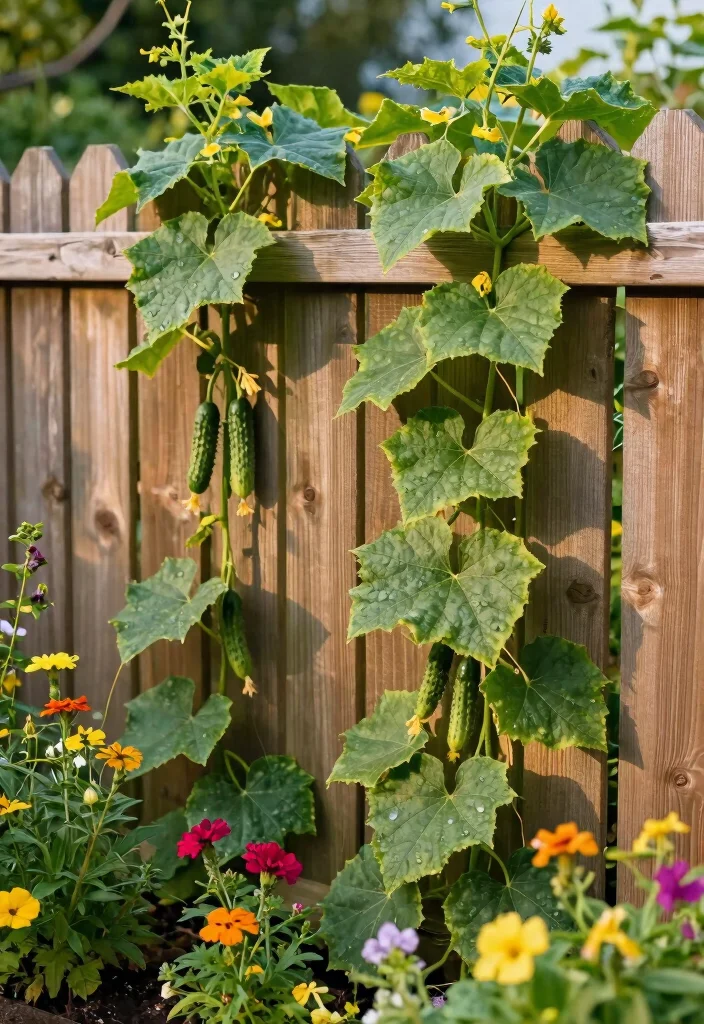
Do you have a fence in your garden? Turn it into a trellis! Using your existing fence for cucumber plants is a smart way to maximize vertical space. Plant the cucumbers at the base and gently guide them up the fence with twine or clips, ensuring they have the support they need while creating a stunning visual effect. Editor’s Choice
This method not only saves space but also protects your plants from ground pests.
Ingredients:
– 1 sturdy fence
– Twine or garden clips for guidance
Instructions:
1. Plant cucumbers at the base of the fence.
2. Use twine or garden clips to gently tie the vines to the fence as they grow.
3. Regularly check for any required adjustments to keep them aligned.
FAQs:
– Is it okay to plant cucumbers too close to the fence? They should be at least a foot away for adequate airflow.
– Can I use a chain-link fence? Yes, chain-link works well for this purpose!
Fencing Trellis


5. Wire Grid Trellis
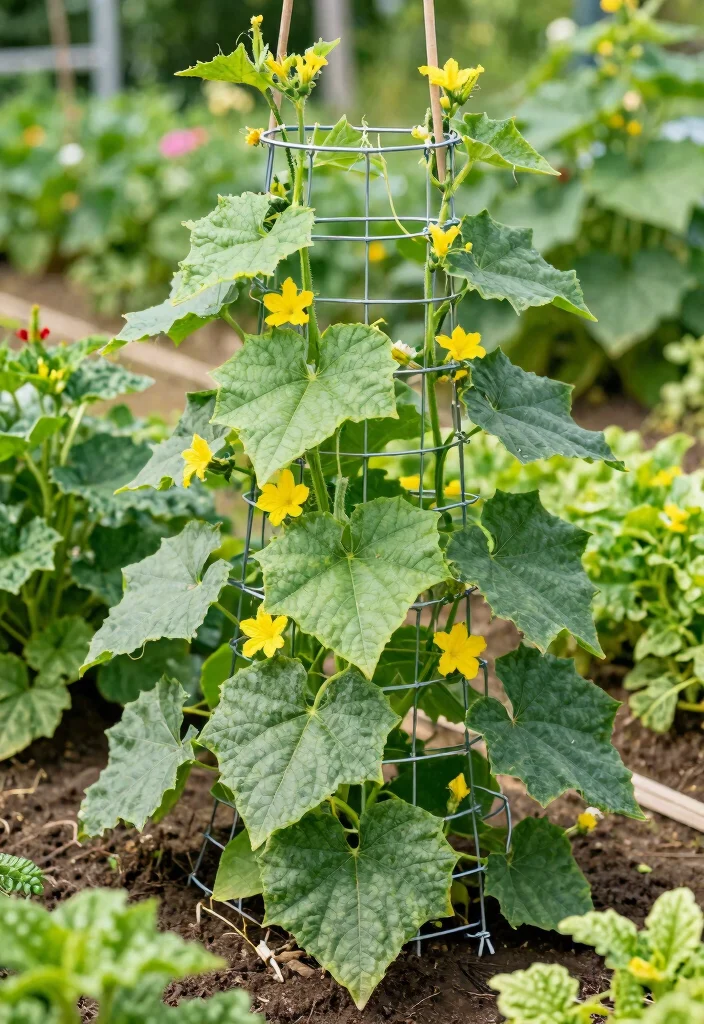
Searching for an efficient way to support your cucumbers? A wire grid trellis could be the perfect solution. By using wire mesh, you create a grid that allows for excellent airflow and sunlight exposure, ensuring your plants grow strong and healthy. Editor’s Choice
This lightweight structure is easy to assemble, making harvesting and maintenance a breeze.
Ingredients:
– Wire mesh or fencing materials
– Wooden posts or stakes for support
Instructions:
1. Cut the wire mesh to your desired size for the trellis.
2. Secure wooden posts in the ground to create a frame.
3. Attach the wire mesh to the frame for added support.
4. Plant cucumbers at the base and guide them to climb the grid.
FAQs:
– How do I keep the wire from rusting? Rust-resistant wire is ideal for outdoor use.
– Can this trellis be used for other plants? Absolutely, it works well for tomatoes and beans too!
Wire Grid Trellis


6. Bamboo Poles Trellis
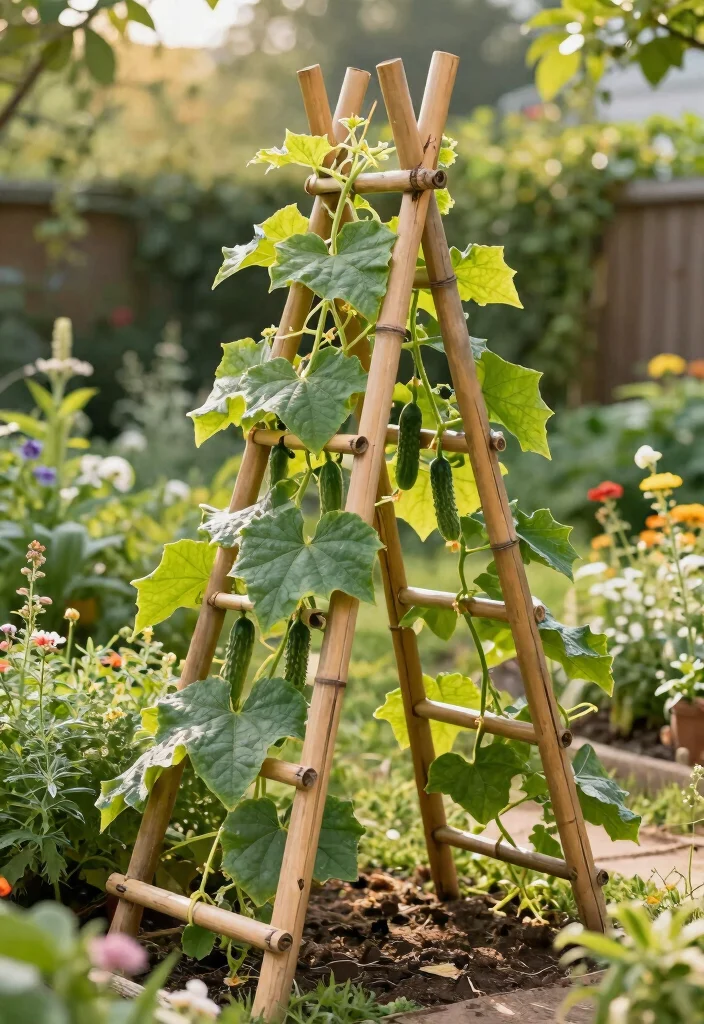
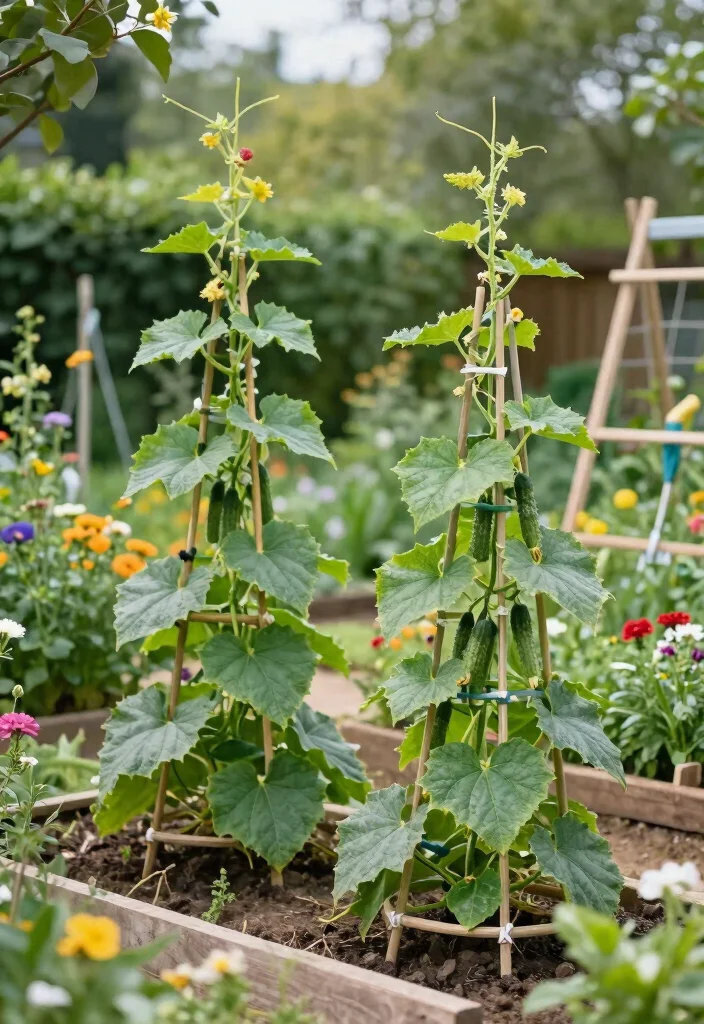
Want a natural touch in your garden? Bamboo poles make for an attractive and functional trellis. Lightweight and durable, you can create an A-frame or teepee shape that allows cucumbers to climb with ease. This structure not only saves space but also elevates the aesthetic of your garden.
Bamboo is sustainable, making it an eco-friendly choice for any gardener.
Ingredients:
– Several bamboo poles
– Twine or string for securing
Instructions:
1. Gather bamboo poles and cut them to your desired length.
2. Arrange them in an A-frame or teepee shape and secure them at the top.
3. Plant cucumbers around the base and guide them as they grow.
FAQs:
– How long do bamboo poles last? They can last for several seasons if cared for properly.
– Can I paint the bamboo? Yes, using a natural stain can enhance its lifespan.
7. Recycled Pallet Trellis
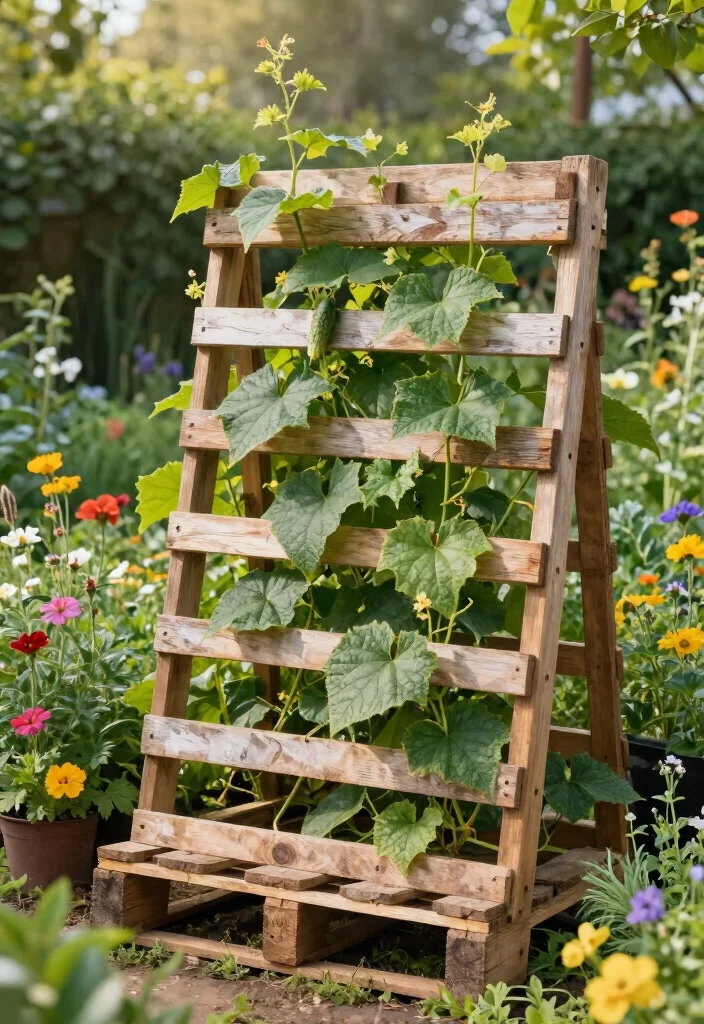
Looking for an eco-conscious option? Reusing wooden pallets for a trellis is both budget-friendly and stylish. Stand the pallet upright against a wall or fence, or lay it flat on the ground for cucumbers to climb. This unique structure provides solid support while adding a trendy rustic feel to your garden.
It’s a perfect way to contribute to sustainable gardening practices.
Ingredients:
– 1 wooden pallet
– Optional: paint or stain for finishing
Instructions:
1. Clean and sand the pallet if necessary.
2. Position the pallet against a wall, or lay it on the ground, depending on your garden layout.
3. Plant cucumbers at the base and encourage them to climb the slats.
FAQs:
– How do I find a suitable pallet? Many local stores offer free or low-cost pallets.
– Can I use treated pallets? Avoid treated wood as it may contain harmful chemicals.
Did you know a repurposed wooden pallet can support 40-60 pounds per panel when used as a cucumber trellis? DIY pallet trellis ideas save space while delivering sturdy vertical growth, and they add rustic charm to any small garden.
8. A-Frame Trellis
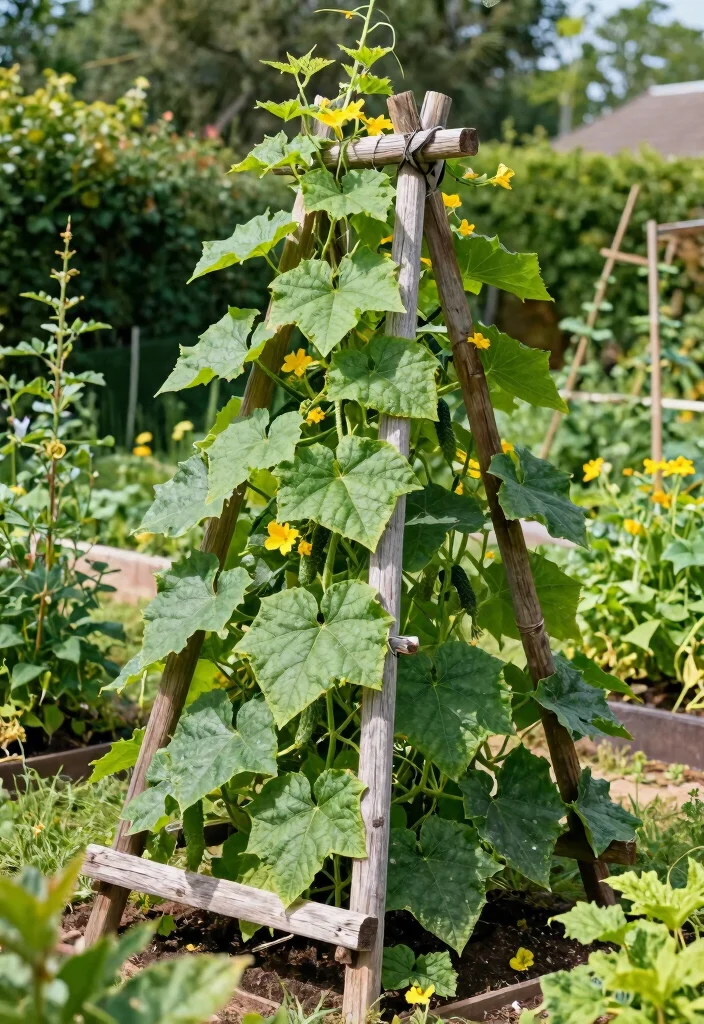
Want a reliable structure for your climbing plants? An A-frame trellis is a classic choice. This design features two panels braced together to form a triangle, providing sturdy support for your cucumbers. It’s easy to construct from wood or metal and maximizes vertical space while allowing easy access from both sides.
This trellis not only serves a practical purpose but also adds a unique visual element to your garden.
Ingredients:
– 4 wooden boards (for panel sides)
– 2 for cross braces
– Fastening hardware
Instructions:
1. Cut the wood to desired lengths for A-frame shape.
2. Assemble two panels, securing them with hardware.
3. Push the base of the A-frame into the soil in your garden.
4. Plant cucumbers at the base and guide them to climb.
FAQs:
– How tall should the trellis be? Aim for at least 4-6 feet tall.
– Can I use metal instead of wood? Yes, metal can provide extra durability.
9. Trapeze Trellis
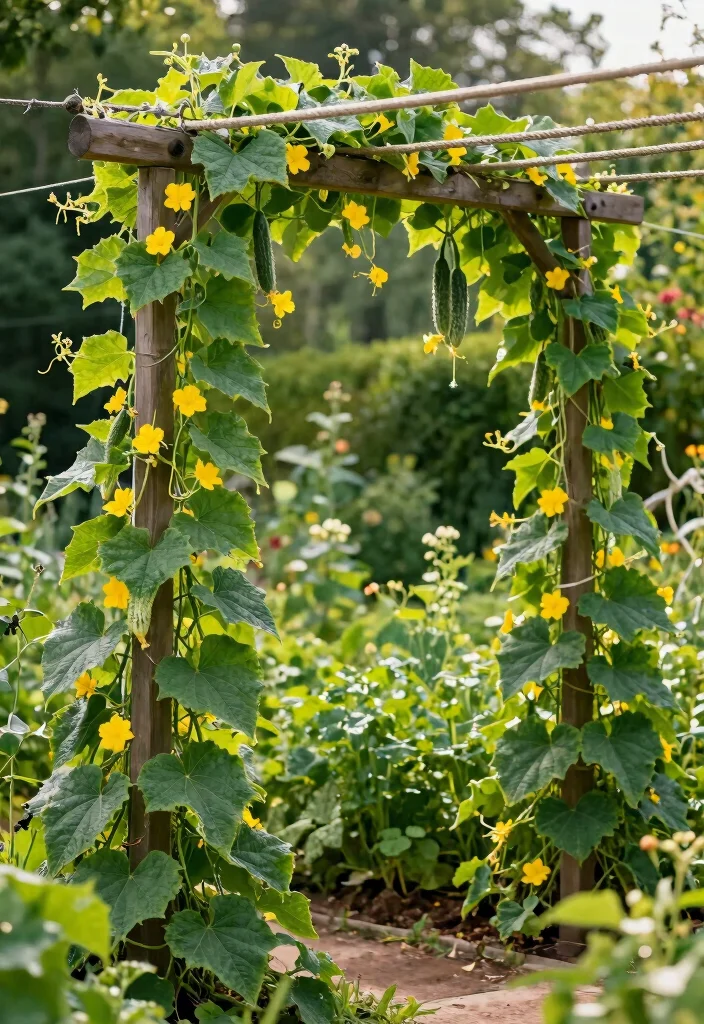
Looking for a unique way to support your cucumbers? The trapeze trellis offers a fun design that allows your plants to spread out horizontally, maximizing growth while saving ground space. This innovative structure not only serves a functional purpose but also adds a creative twist to your garden.
It’s sure to become a conversation starter among fellow gardeners!
Ingredients:
– Rope or strong twine for hanging
– Wooden or metal beams for structure
Instructions:
1. Create a sturdy frame using beams for the base.
2. Attach ropes or twine securely at desired height for hanging.
3. Plant cucumbers at the base and guide them to climb upwards.
FAQs:
– How do I ensure stability? Use strong knots to secure the structure.
– Can this be used for other climbing plants? Yes, it can work for beans and peas as well!
10. Hanging Basket Trellis
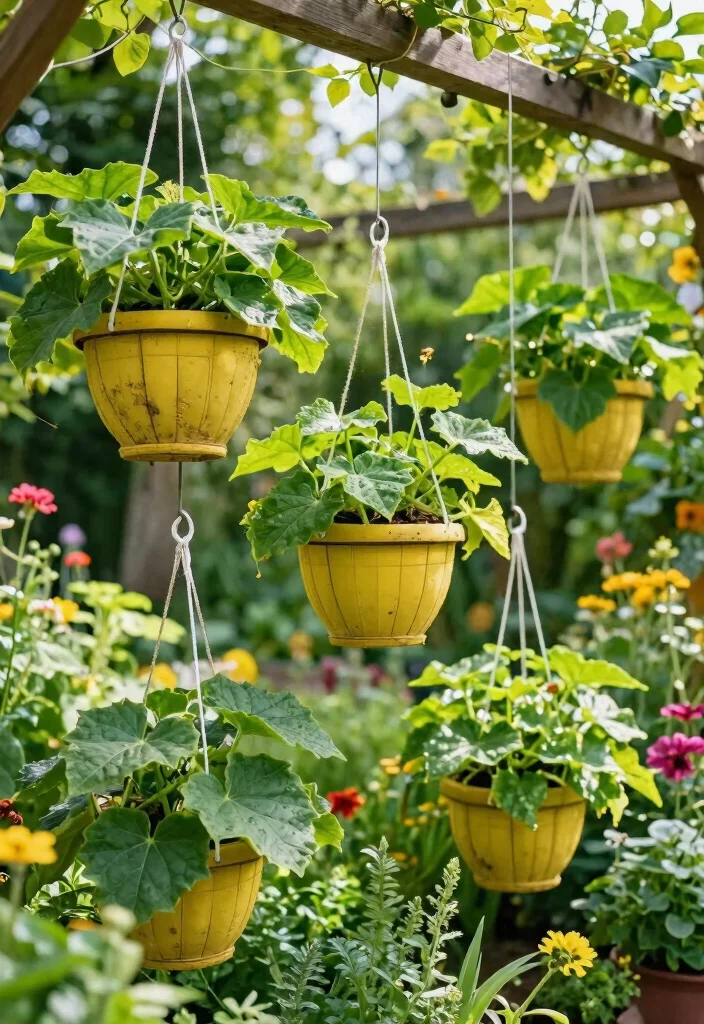
Want to add a whimsical touch to your garden? Using hanging baskets for your cucumbers creates a stunning vertical garden. By filling baskets with soil and seedlings at various heights, you not only save ground space but also create a visually appealing display. Editor’s Choice
This method allows for easier access to your plants while maintaining a creative garden style.
Ingredients:
– Hanging baskets
– Potting soil
Instructions:
1. Fill hanging baskets with potting soil and plant cucumber seeds or seedlings.
2. Hang the baskets at varying heights using sturdy hooks.
3. Ensure the baskets receive adequate sunlight and water as needed.
FAQs:
– How do I water the plants? Use a watering can with a long spout for easy access.
– Can I use this method indoors? Yes, as long as they receive enough sunlight!
Hanging Basket Trellis




11. Vertical Planter Box Trellis
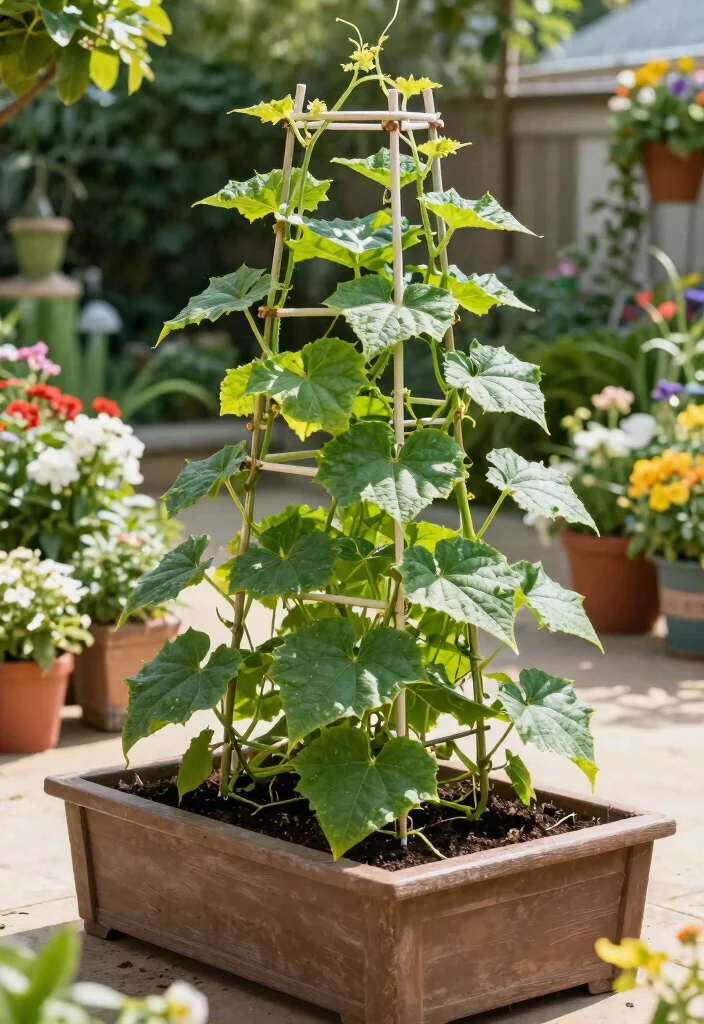
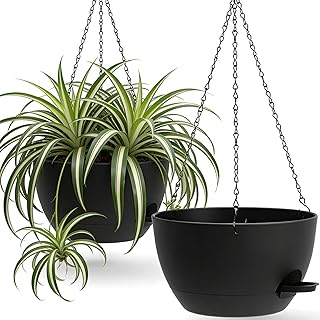
Are you short on space but want to grow cucumbers? A vertical planter box with a trellis is a game-changer. This dual-purpose design keeps your plants off the ground while allowing for easy access during maintenance and harvesting.
It’s perfect for maximizing limited garden areas while combining planting and trellising into one efficient unit.
Ingredients:
– Vertical planter box
– Support materials for the trellis
Instructions:
1. Assemble or purchase a vertical planter box with a trellis.
2. Fill the planter with soil and plant cucumber seedlings.
3. Guide the vines to climb the trellis as they grow.
FAQs:
– Can I use this for other plants? Yes, this setup is versatile for various climbing plants.
– How much sunlight do they need? Ensure they get at least 6-8 hours of sunlight daily.
12. Decorative Trellis with Planters
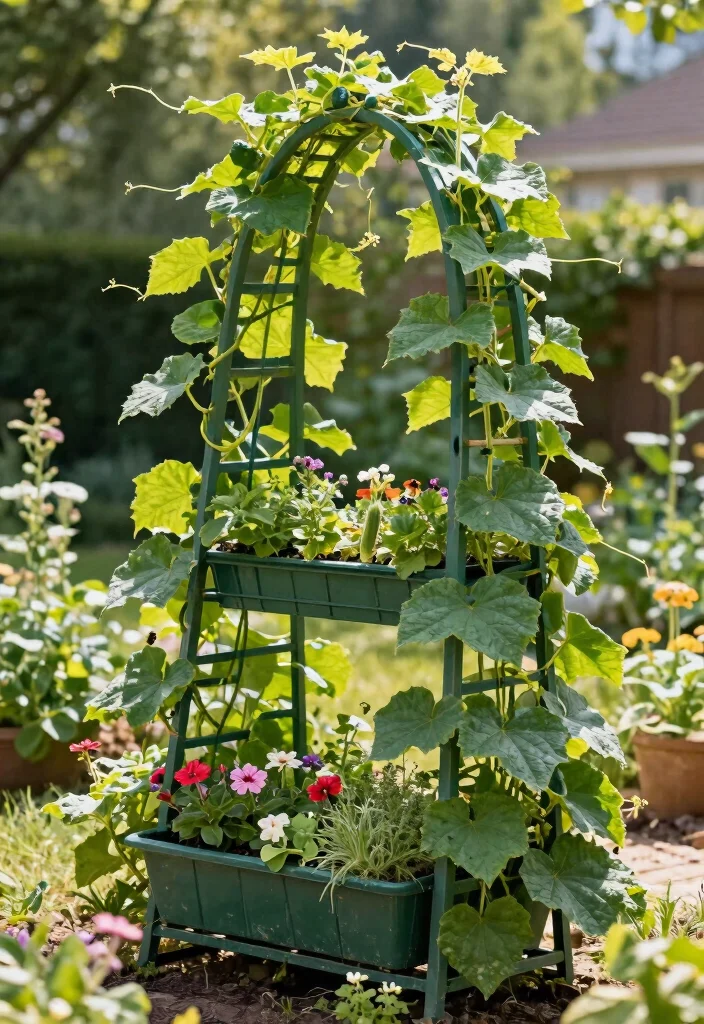
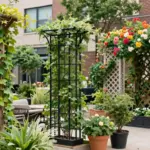
Want to combine beauty with functionality in your garden? A decorative trellis with built-in planters creates a stunning centerpiece while supporting your cucumbers. You can even add flowers or herbs in the planters to attract beneficial insects. Editor’s Choice
This design not only enhances your garden’s appeal but also promotes biodiversity, ensuring a healthy growing environment for your cucumbers.
Ingredients:
– Decorative trellis structure
– Potting soil for planters
Instructions:
1. Build or buy a decorative trellis with integrated planters.
2. Fill the planters with soil and plant appropriate companion plants.
3. Plant your cucumbers at the base and train them to climb the trellis as they grow.
FAQs:
– What types of plants should I use in the planters? Consider herbs like basil or flowers like marigolds.
– How do I maintain this setup? Regularly check for watering and sunlight needs for all plants.
Decorative Trellis with Planters



Conclusion
Transforming your small space into a flourishing cucumber garden is easier than you might think! With these 12 DIY cucumber trellis ideas, you can maximize vertical space creatively while ensuring your plants thrive. Whether you prefer rustic, modern, or unique designs, there’s something here for everyone. Consider which style resonates with your garden aesthetics and practical needs. Remember, gardening is about experimentation and enjoyment, so don’t hesitate to try different methods. Happy gardening! Note: We aim to provide accurate product links, but some may occasionally expire or become unavailable. If this happens, please search directly on Amazon for the product or a suitable alternative. This post contains Amazon affiliate links, meaning we may earn a small commission if you purchase through our links, at no extra cost to you.
Frequently Asked Questions
What are the best DIY cucumber trellis ideas for small spaces?
Small-space gardening really shines with vertical solutions. For cucumber trellis ideas diy, start with a freestanding pallet or a wall-mounted lattice, then train vines with soft ties as they grow. A tensioned string system along a fence or railing is another effective option that saves floor space while keeping fruit accessible.
Tips: choose a trellis at least 4–6 feet tall, space plants 8–12 inches apart, and use sturdy materials that won’t sag under fruit. These space-saving designs support good air circulation and easier harvesting, and they blend well with vertical gardening aesthetics.
How can I build a space-saving cucumber trellis for a balcony or small garden?
Start with a plan that mounts to a wall, fence, or a small freestanding frame. Use materials you already have, like a wooden lattice, repurposed pallet, or a cattle-panel frame with a slim base. Attach it securely, then train cucumber vines upward with soft ties or garden Twine as they grow. Keep the trellis near the sunniest spot and water at the base to prevent foliage from staying damp.
Maintenance is simple: check for sagging spots after heavy rain, prune excess growth to keep airflow, and harvest regularly for best yields.
What materials are affordable and durable for DIY cucumber trellis ideas?
Good options include wooden lattice panels, repurposed pallets, metal cattle panels, bamboo, and PVC-coated wire fencing. Wood provides a sturdy, affordable option but needs sealing against moisture. Metal panels are highly durable but heavier, and bamboo gives a natural look with decent strength. For budgets, combine a lightweight frame with a netting or twine grid to create a space-saving trellis that lasts through multiple seasons. Always consider weather exposure and plant load when choosing materials.
What cucumber growing tips help maximize yields on vertical trellises?
Choose vining cucumber varieties that climb well and set fruit high enough for easy harvesting. Plant them 8–12 inches apart along the trellis, and train new shoots by gently tying them to the frame. Water at the base to keep leaves dry, apply a balanced fertilizer, and mulch to conserve moisture. Prune lateral runners if you need to manage space, and rotate crops each season to reduce disease pressure. With vertical support, you’ll often see bigger fruit and a longer harvest window.
Are there design ideas that blend with garden aesthetics while saving space?
Absolutely. Try decorative, modular trellis panels that can be arranged in different configurations to suit your space. Paint or stain wooden trellises to match your garden color scheme, or use natural bamboo for a tropical look. Combine trellises with slim planter boxes and climbers for a cohesive design that hides clutter while maximizing yield. For flexibility, use removable panels or foldable frames so you can adapt the setup as the season changes.