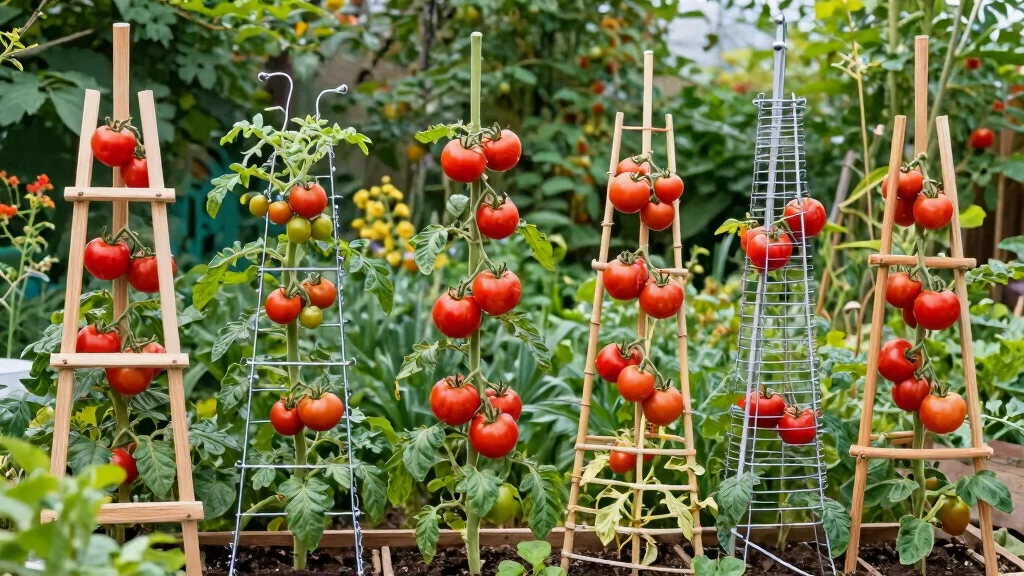
Growing your own tomatoes can be incredibly rewarding, but managing these beautiful plants can sometimes feel overwhelming. That’s why I put together this post about DIY tomato trellis ideas. Whether you’re a seasoned gardener or just starting out, having a sturdy support system for your tomato plants can make all the difference during the growing season. A trellis not only keeps your plants organized but also helps improve air circulation, reduces disease risk, and makes harvesting a breeze. If you love gardening in small spaces or are eager to implement vertical gardening solutions, this post is for you. You’ll find tips tailored for vegetable gardening enthusiasts who want to maximize their yield without compromising on space. From rustic wooden structures to modern PVC designs, I’ve gathered 12 creative and practical tomato trellis ideas that are budget-friendly and easy to make. Each option is designed to inspire you, regardless of your skill level or the size of your garden. By the end of this post, you’ll have a fresh set of ideas for enhancing your garden support structures, turning your space into a thriving tomato haven. With these DIY projects, you can simplify your gardening routine while practicing sustainable gardening methods. So grab your tools, get ready to dig in, and let’s explore these trellis ideas that will lead to easy, bountiful harvests!
Key Takeaways
– Discover 12 unique DIY tomato trellis ideas suitable for any gardener, whether you have a large backyard or a small balcony. – Learn how vertical gardening techniques can optimize your space and increase your tomato yield. – Get practical vegetable gardening tips to keep your plants healthy and thriving throughout the growing season. – Explore sustainable gardening practices through creative, eco-friendly trellis designs using recycled materials. – Find inspiration for your next DIY garden project that makes harvesting tomatoes easier and more enjoyable.1. Rustic Wooden A-Frame Trellis
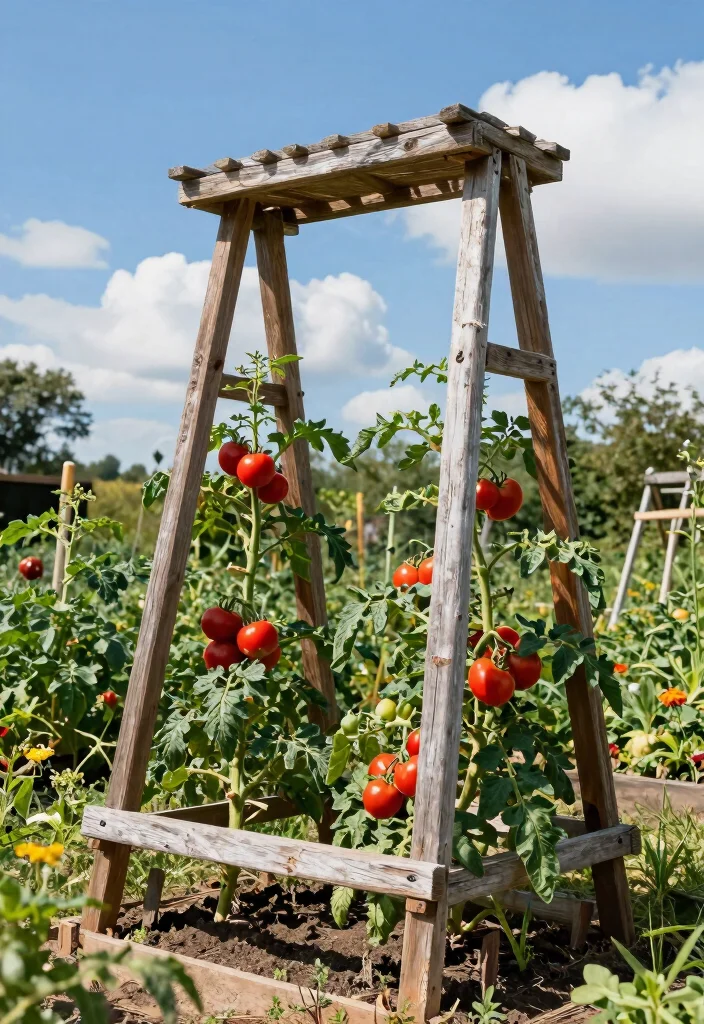
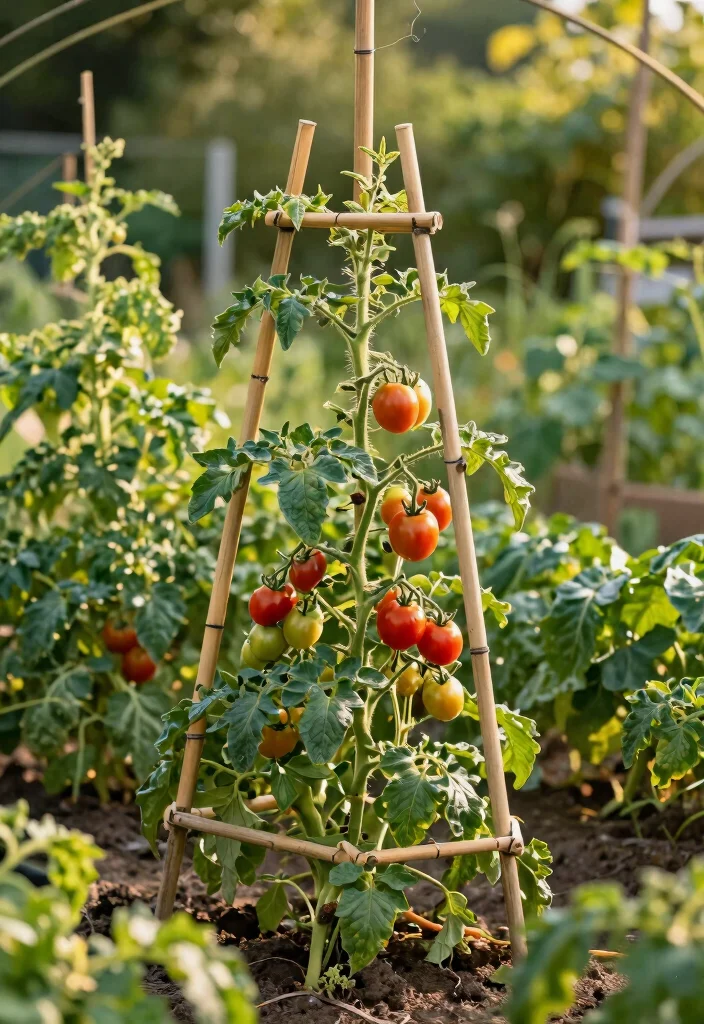
Are you dreaming of a charming, rustic addition to your garden? The wooden A-frame trellis not only offers a sturdy support for your tomato plants but also adds a delightful aesthetic to your outdoor space. Made from reclaimed wood, it promotes sustainability while ensuring your plants receive the airflow and sunlight they need for a plentiful harvest. Editor’s Choice
Crafting this trellis is straightforward. Start by cutting two wooden beams to about six feet and connect them at the top with a horizontal piece to form an ‘A’ shape. Secure the base into the ground at an angle for stability. You can even weave twine through the frame for your tomatoes to climb as they grow upwards. This design seamlessly integrates into any garden setting!
Ingredients:
– 2 wooden beams, each about 6 feet long
– 1 horizontal wood piece for the top
– Twine for plant support (optional)
– Screws for assembly
– Drill for securing the structure
Instructions:
1. Cut the wooden beams to your desired length.
2. Connect the beams at the top to form an ‘A’ shape.
3. Secure the bottom into the ground at an angle.
4. Tie twine or wire across for added support.
This rustic A-frame trellis not only supports your tomatoes but enhances your garden’s charm!
Rustic Wooden A-Frame Trellis




2. Simple Bamboo Trellis
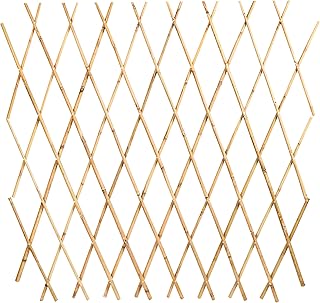
Looking for a quick and affordable way to support your climbing tomatoes? The bamboo trellis is an excellent choice, combining ease of assembly with a natural look. Lightweight and eco-friendly, it’s perfect for gardeners who appreciate sustainable solutions. Editor’s Choice
To create this trellis, arrange several bamboo poles vertically, ensuring there’s enough space for your tomatoes to flourish. Cross-connect smaller poles horizontally for added support, allowing your plants to climb freely while remaining undamaged. This straightforward design makes it easy to achieve an attractive vertical garden without spending much!
Ingredients:
– Several bamboo poles (6-8 feet long)
– Smaller bamboo pieces for cross supports
– Twine or zip ties for securing
Instructions:
1. Cut bamboo poles to your desired height.
2. Stick them into the ground in a triangular formation.
3. Add horizontal connections using smaller bamboo pieces.
4. Secure everything with twine or zip ties.
This bamboo trellis is a fun DIY project that enhances the natural beauty of your garden!
Simple Bamboo Trellis


3. Recycled Pallet Trellis
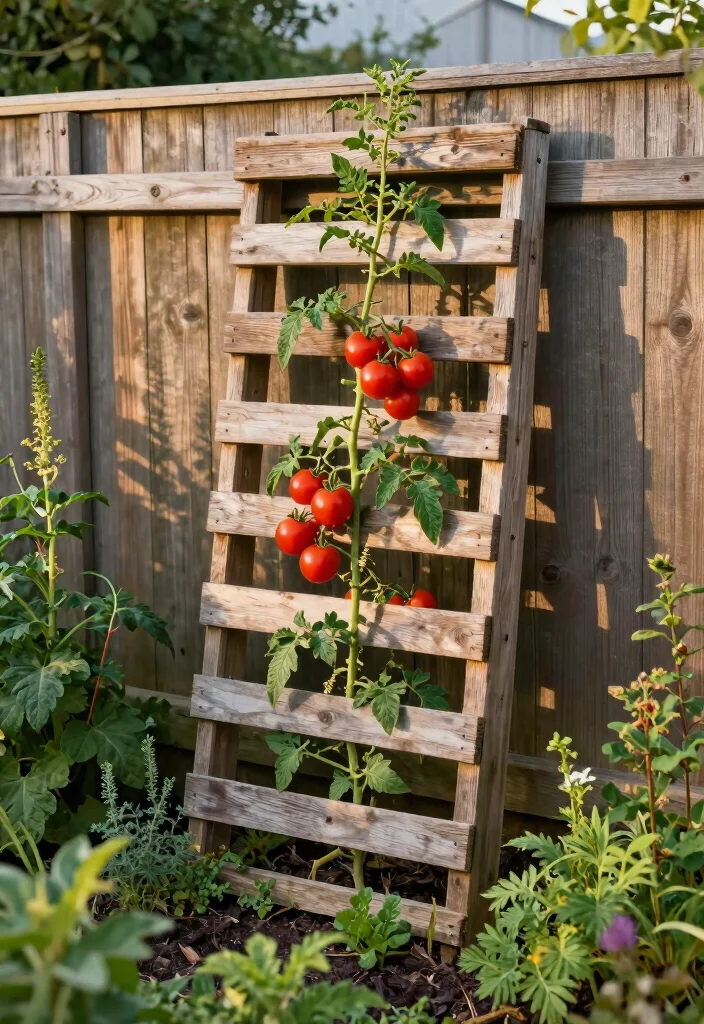
Upcycling is a fantastic way to add character to your garden while supporting your tomato plants effectively. A recycled pallet trellis offers a unique look and is incredibly easy to construct, even for beginners.
Start by finding a wooden pallet in decent condition. Lay it horizontally or vertically against a wall or fence for added stability. Plant your tomatoes at the base, and they’ll easily climb the slats as they grow. Feel free to paint or decorate the pallet to reflect your style!
Ingredients:
– 1 wooden pallet (check for chemical treatment)
– Sturdy potting mix for planting
– Optional paint or embellishments
Instructions:
1. Obtain a clean wooden pallet.
2. Secure it against a wall or fence for added support.
3. Plant your tomatoes at the base of the pallet.
4. Water regularly and observe their growth!
This creative trellis gives your garden a fresh look while being environmentally friendly!
Reuse a recycled pallet for a chic, budget-friendly tomato trellis ideas diy that actually works. Start with a sturdy pallet, lean it against a wall, plant at the base, and watch your tomatoes creep up the slats, then paint or decorate to suit your style.
How To Choose the Right Tomato Trellis
When it comes to growing tomatoes, the type of trellis you choose can make a big difference in your harvest. Picking the right trellis involves several factors that can affect your plants’ health and the ease of your gardening experience. Here’s a guide to help you choose the best tomato trellis for your needs.1. Size
The size of your trellis is crucial for supporting your tomato plants. Consider the height and width of the trellis. Ideally, a trellis should be at least 5 to 6 feet tall to accommodate the growth of most tomato varieties. If you have limited space, opt for a vertical design to maximize your gardening area. Measure the space in your garden before making a decision to ensure a good fit.
2. Material
Choose a trellis material that suits your gardening style and environment. Common options include wood, metal, and plastic. Wooden trellises offer a rustic look but may require more maintenance. Metal trellises tend to be sturdier and longer-lasting, while plastic options are lightweight and affordable. Think about your local weather conditions, too; for instance, metal may rust in humid climates, while untreated wood may rot.
3. Design
The design of your tomato trellis can affect how well your plants grow. A-frame trellises are simple and provide excellent support, while vertical wall planters help save space. Teepee trellises are great for smaller gardens and add visual interest. Consider how you want your garden to look and how the design will influence plant accessibility during harvest.
4. Stability
Ensure that your chosen trellis is stable enough to withstand wind and the weight of the plants. Look for designs with a strong base or anchoring system. If you’re using a DIY approach, ensure your materials can support the expected load. For taller trellises, consider adding stakes or additional support structures to prevent tipping.
5. Budget
Your budget will also play a role in your choice of trellis. DIY projects can save money, especially if you use recycled materials like pallets or old fencing. However, if you prefer a ready-made option, prices can range significantly. Set a budget before you start shopping, and remember that investing in quality materials can be more cost-effective in the long run.
6. Ease of Maintenance
Think about how much maintenance you’re willing to commit to. Some trellises may require regular upkeep, such as painting or treating wood to prevent rot. If you prefer a low-maintenance option, consider metal or plastic designs that are easy to clean and resistant to weather conditions.
Pro Tip: Before finalizing your choice, visualize how the trellis will fit into your gardening space. Use garden stakes or markers to outline the dimensions of your selected trellis to see how it will look before you invest in materials. This simple step can save you time and money by preventing mismatched designs or sizes.
By considering these factors, you can confidently choose the right tomato trellis for your garden. Happy gardening, and enjoy those delicious homegrown tomatoes!
4. Wire Cage Trellis
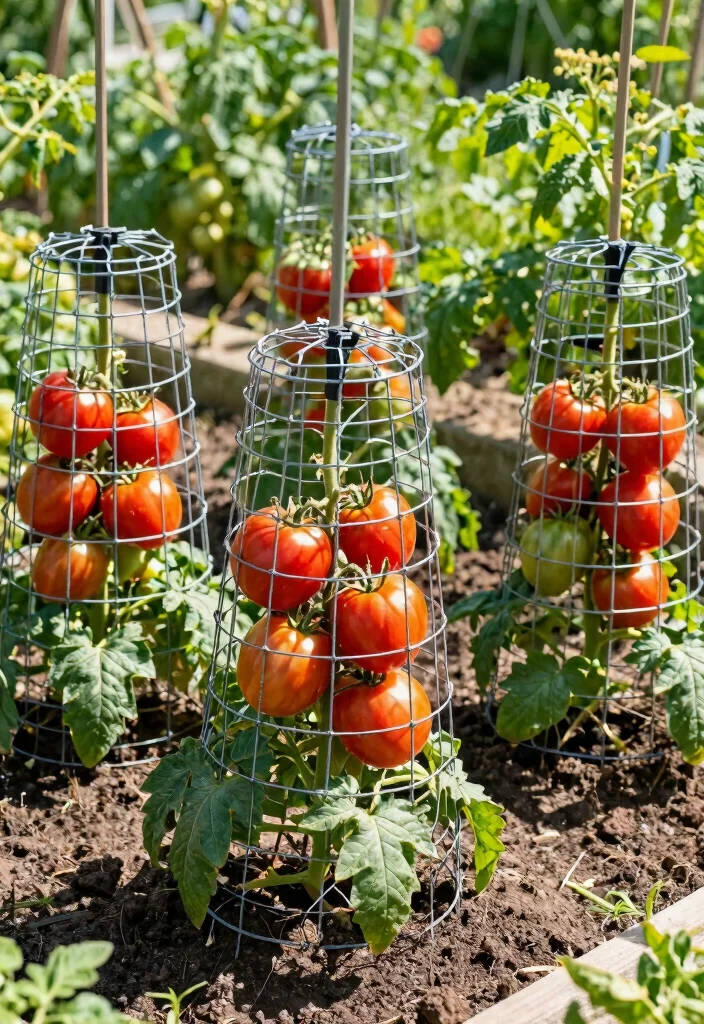
If you’re in search of a practical and effective way to support your tomato plants, the wire cage trellis is a great solution. It provides sturdy support while allowing you to easily access your tomatoes during harvest.
To make a wire cage, you’ll need a roll of sturdy wire fencing. Cut sections to about four feet tall and shape them into circles, securing the ends. Place these cages around your tomato plants, giving them the necessary support to grow tall and healthy while keeping them off the ground to prevent rot.
Ingredients:
– Roll of sturdy wire fencing
– Wire cutters for shaping
– Optional mulch for moisture retention
Instructions:
1. Cut wire fencing into sections, shaping them into circles.
2. Secure the ends with wire or zip ties.
3. Place the cages around your tomato plants.
4. Watch your plants thrive throughout the season!
This wire cage trellis is a straightforward and effective way to enhance your garden!
5. Vertical Garden Wall Planters
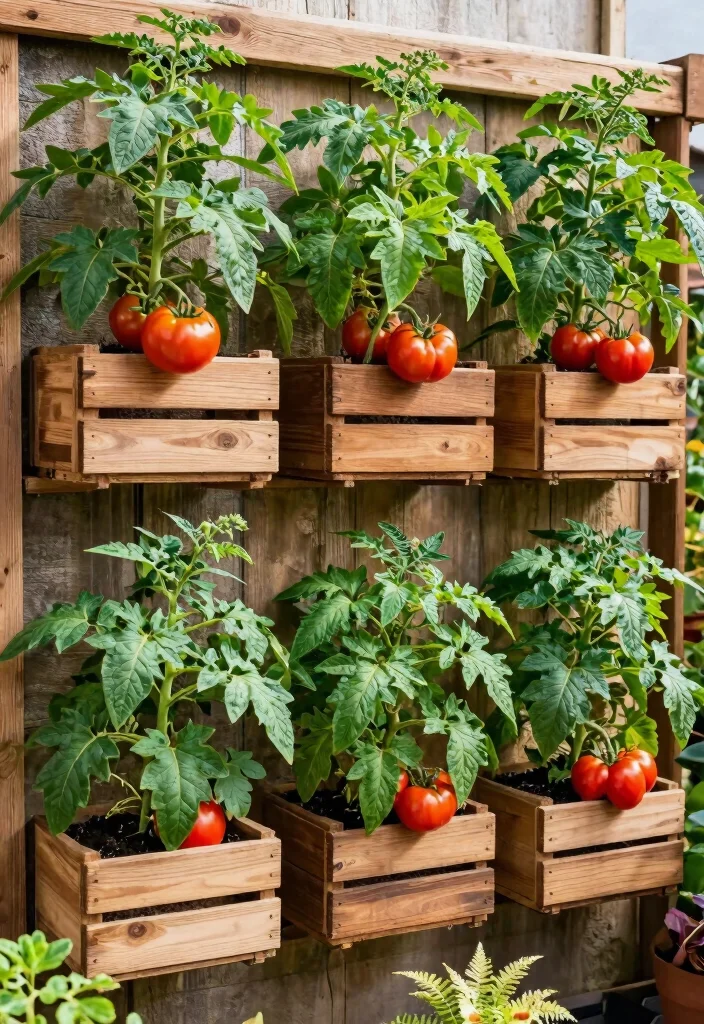
Want to maximize space in your garden? Vertical garden wall planters are the perfect solution! They allow you to grow tomatoes efficiently while transforming your wall into a stunning vertical oasis.
To create wall planters, you can use wooden boxes or repurpose old crates. Secure them to a wall or fence in a staggered pattern for visual appeal. Planting tomatoes in these vertical containers not only saves ground space but also provides a captivating display. Just ensure there’s proper drainage for your plants to thrive!
Ingredients:
– Wooden boxes or crates
– Quality potting soil
– Screws or brackets for mounting
Instructions:
1. Source wooden boxes or crates for planting.
2. Secure them to a wall or fence in a staggered formation.
3. Fill with quality potting soil, leaving room for growth.
4. Plant your tomatoes and water as needed for healthy development.
These vertical planters not only serve a purpose but also add a lush, green backdrop to your garden!
Fun fact: Vertical garden wall planters can double tomato yields in small spaces. Use wooden boxes or repurposed crates, secured in a staggered pattern for airflow and easy access—perfect for DIY tomato trellis ideas and colorful, productive walls.
6. Trellis Ladder
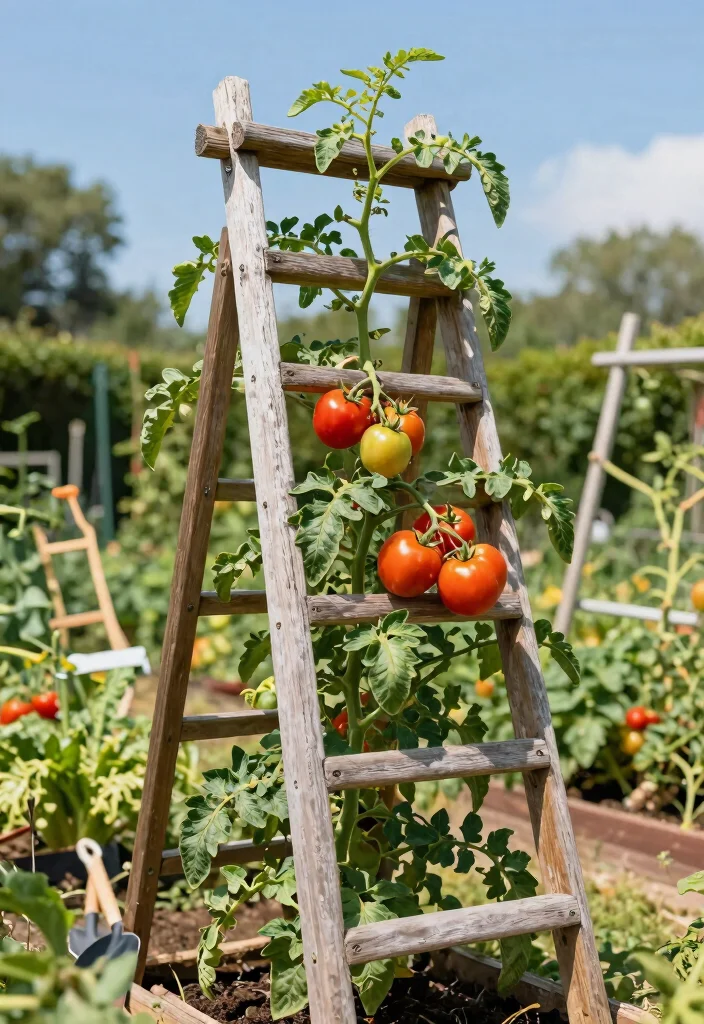
Looking for a stylish and functional way to support your tomato plants? A ladder trellis can be the ideal choice! It provides a unique climbing structure while adding vertical interest to your garden landscape.
Building a ladder trellis is quite simple. Use wooden planks to create a ladder shape; the rungs will serve as perfect support for your tomatoes. Secure the ladder in the ground or lean it against a fence for added stability. Your tomatoes will thrive, and the ladder itself will enhance the charm of your garden.
Ingredients:
– Wooden planks for the ladder
– Screws for assembly
– Optional paint or stain for aesthetic appeal
Instructions:
1. Cut the wooden planks to your desired lengths.
2. Assemble the ladder shape by connecting the rungs.
3. Secure it in the garden or against a wall.
4. Plant your tomatoes around the base and guide them as they grow.
This ladder trellis adds both function and beauty to your garden space!
Fact: a simple ladder trellis can 2x your vertical gardening space in a small yard. With tomato trellis ideas diy, your vines climb neatly, improving airflow and reducing disease. DIY ladder trellises are quick, affordable, and surprisingly sturdy—perfect for easy harvests.
Trellis Ladder
Editor’s Choice





📹 Related Video: How to use Ladder mesh as a Trelis multiple ways in your Garden/Homestead🫑🌶🥒🥬
7. Arching Garden Trellis
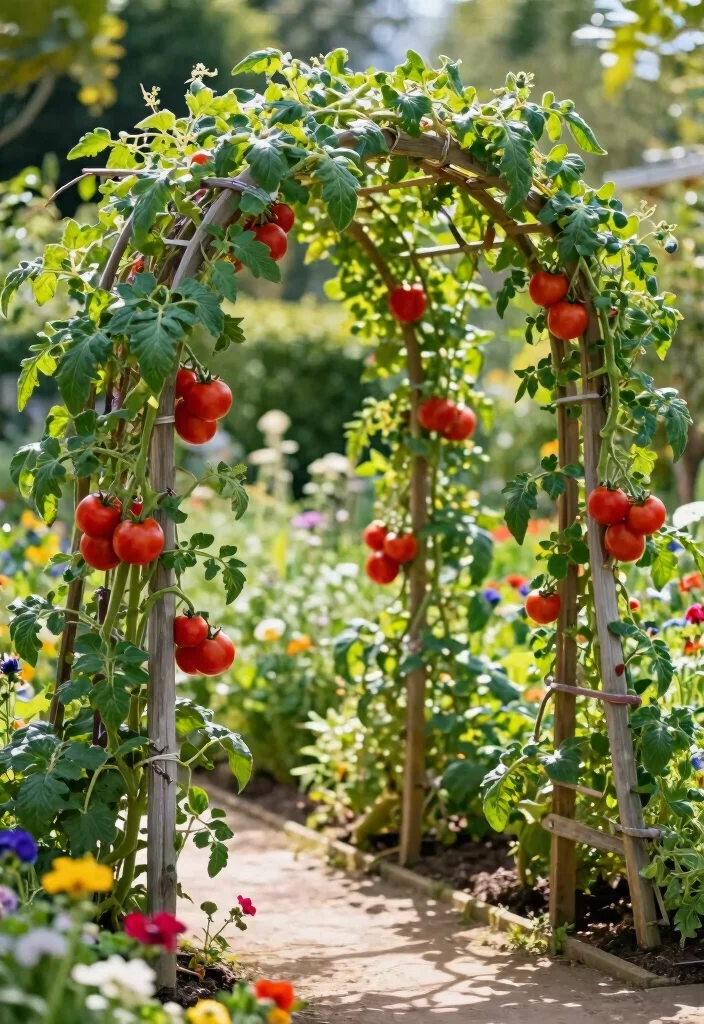
Want to create a stunning focal point in your garden? An arching garden trellis provides both support for your tomato plants and an eye-catching design. It’s a beautiful way to incorporate functionality into your outdoor space.
To construct an arch trellis, bend two long wooden poles or PVC pipes and secure them in the ground to form an arch. Connect smaller poles across the arch for extra support. As your tomato plants grow, they will gracefully drape over the arch, creating a whimsical entryway filled with luscious tomatoes.
Ingredients:
– Long wooden poles or PVC pipes
– Smaller poles for cross support
– Twine or wire for securing tomatoes
Instructions:
1. Gather long poles or pipes for the arch.
2. Secure them in the ground to form an arch shape.
3. Add cross beams for additional stability.
4. Plant your tomatoes and watch them cascade beautifully over the arch.
This stunning trellis invites elegance into your garden while providing ample support for your plants!
8. Teepee Trellis
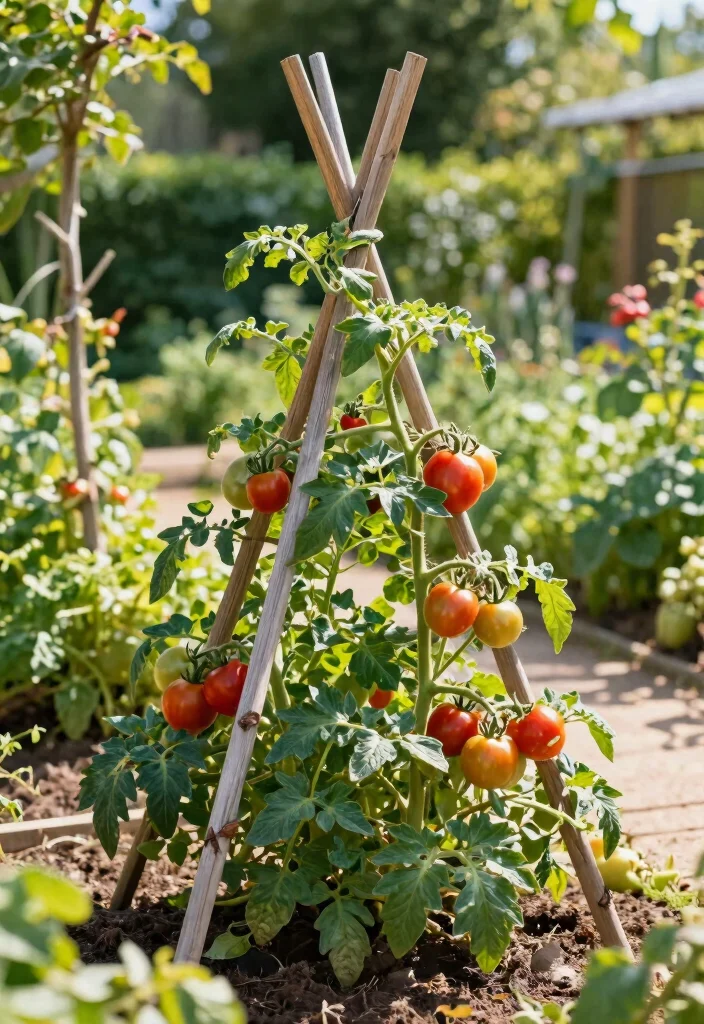
Looking for a fun and functional way to support your tomato plants? A teepee trellis is a delightful structure that not only offers excellent support but also adds a whimsical touch to your garden.
To create this trellis, gather several wooden stakes or bamboo poles and arrange them in a teepee shape, securing the top with twine or wire. Plant multiple tomato plants at the base, and as they grow, they will climb the poles, forming a vibrant centerpiece in your garden.
Ingredients:
– Wooden stakes or bamboo poles
– Twine for securing the top
– Optional decorative elements for added charm
Instructions:
1. Gather poles to form the teepee structure.
2. Secure the ends together at the top with twine.
3. Plant your tomatoes at the base.
4. Train them to climb as they grow.
This teepee trellis not only supports your plants but also adds a delightful feature to your gardening space!
9. Hanging Tomato Planters
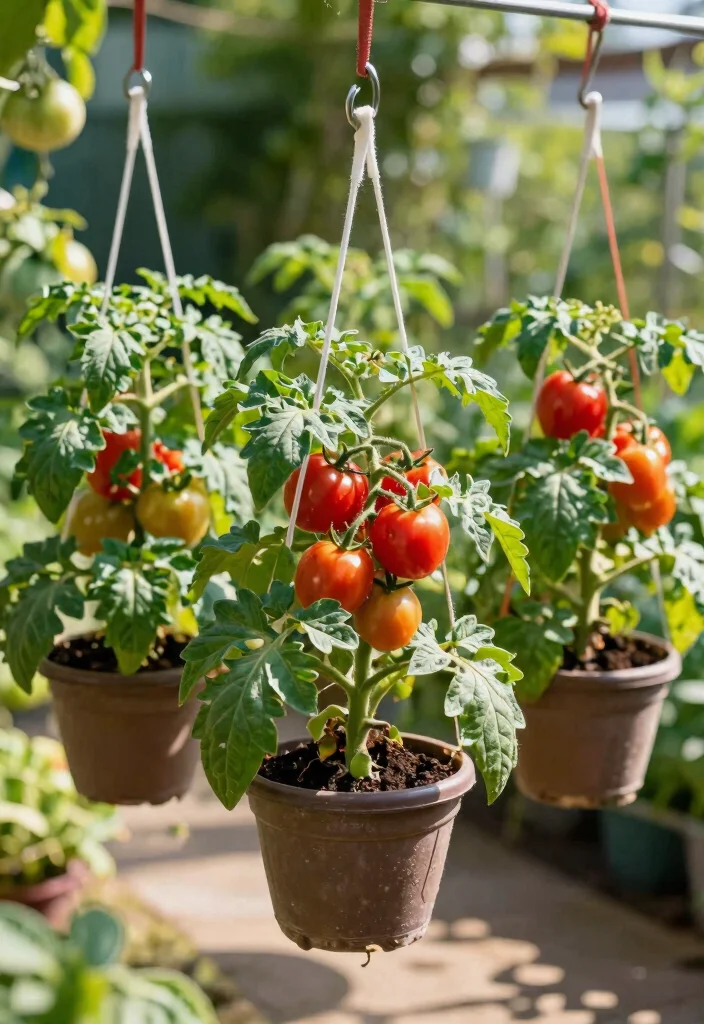
Elevate your gardening game with hanging tomato planters! This method allows you to use both wall and overhead space creatively while giving your garden a unique flair.
Utilize pots, baskets, or repurposed containers to hang tomatoes from a sturdy overhead structure like hooks or beams. Fill the containers with quality potting mix, plant your tomatoes, and hang them securely. This not only saves ground space but also protects your tomatoes from pests and rot.
Ingredients:
– Hanging containers (pots, baskets, etc.)
– Quality potting soil
– Hooks or sturdy ropes for hanging
Instructions:
1. Choose suitable hanging containers for your tomatoes.
2. Fill them with potting soil and plant your tomatoes.
3. Hang securely using hooks or ropes.
4. Water as needed and admire your beautiful hanging garden!
Hanging planters are a stylish way to save space while adding a fresh twist to your garden’s aesthetics.
10. Cattle Panel Trellis
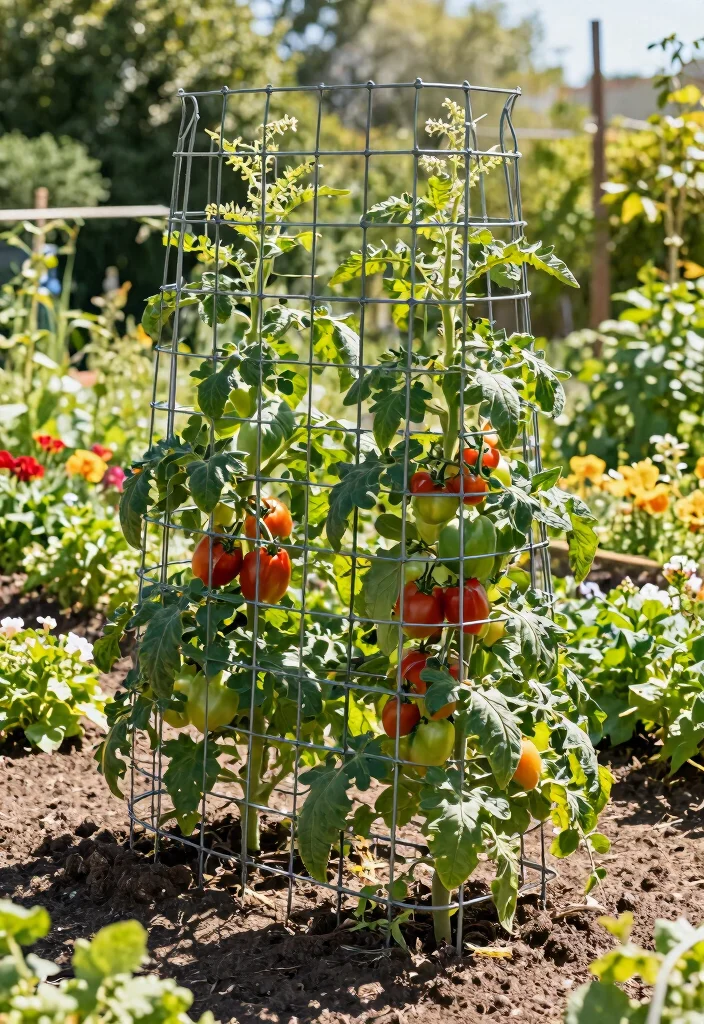
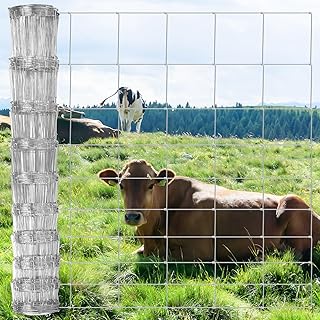
For those wanting a robust and durable option, a cattle panel trellis is an excellent choice. These panels are made from strong wire, providing exceptional support for your tomato plants as they grow tall and heavy. Editor’s Choice
Simply cut the panel to your desired height and secure it firmly in the ground. The open grid allows for easy access and plenty of sunlight, promoting healthy growth. Plus, they are easy to install and can be reused season after season.
Ingredients:
– Cattle panel cut to size
– Optional PVC pipes for added stability
– Strong posts for securing the panel
Instructions:
1. Acquire a cattle panel and cut it to your preferred height.
2. Firmly install it in the garden.
3. Plant tomatoes at the base and guide them to the panel.
4. Watch them thrive throughout the growing season!
Cattle panel trellises offer a sturdy option that withstands the elements, making them a wise investment for your garden.
Cattle Panel Trellis



11. Lattice Trellis
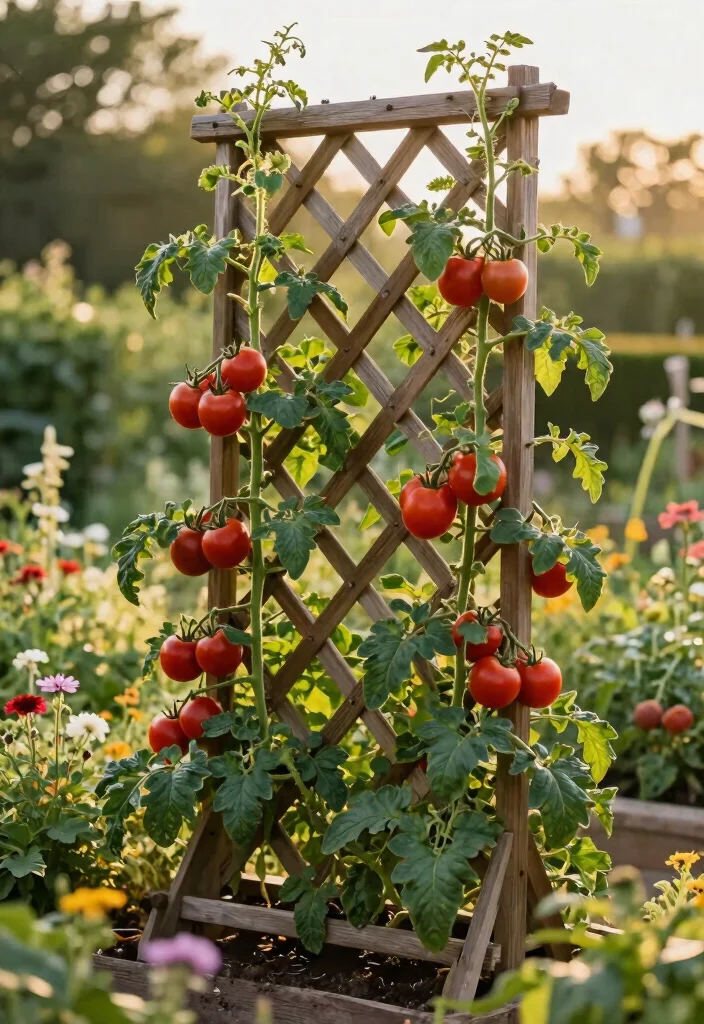
A lattice trellis brings a classic charm to your garden while providing superb support for climbing tomato plants. This design ensures ample airflow and sunlight for healthier growth.
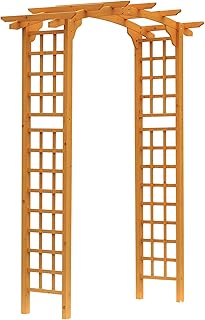
To create a lattice trellis, use wooden slats or purchase ready-made lattice panels. Attach them to a sturdy frame and place them against a wall or fence. As your tomato plants climb the lattice, they create a beautiful backdrop that enhances your garden’s visual appeal.
Ingredients:
– Wooden slats or ready-made lattice panels
– Screws for assembly
– Optional paint for a vibrant touch
Instructions:
1. Gather wooden slats or ready-made lattice panels.
2. Construct a sturdy frame if necessary.
3. Attach the lattice to a wall or fence for support.
4. Plant your tomatoes at the base and guide them as they grow.
This classic design not only supports your plants but also adds timeless beauty to your garden!
12. PVC Pipe Trellis
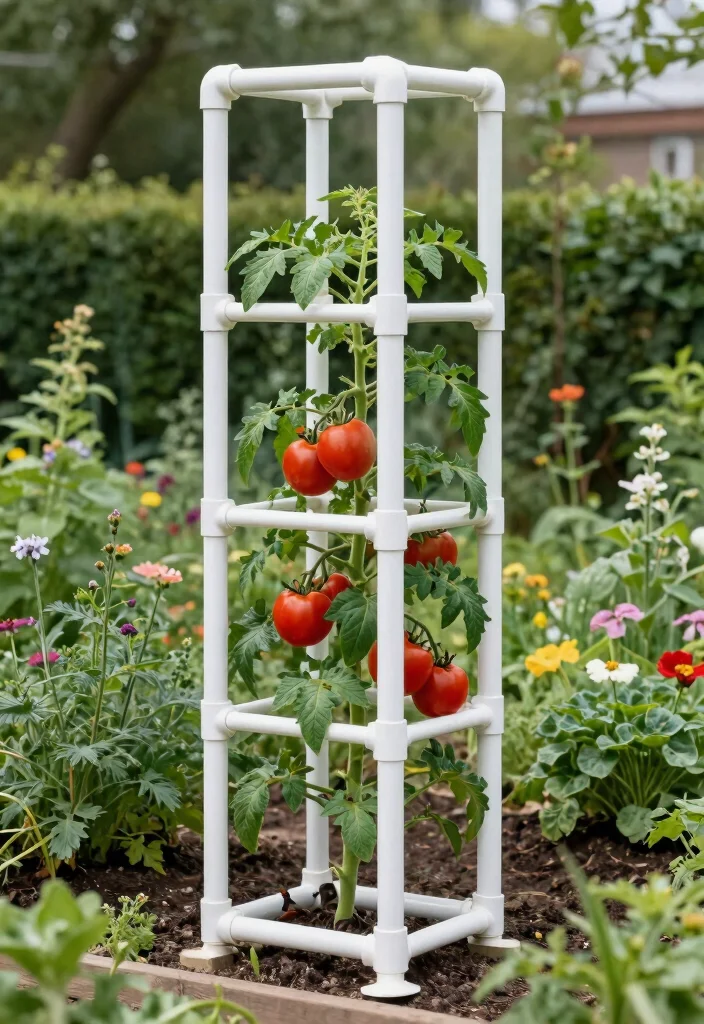
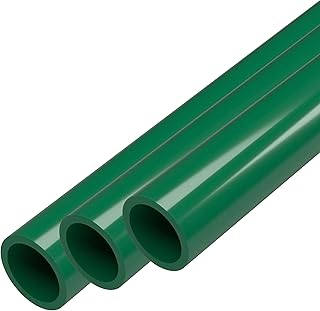
Using PVC pipes for your trellis is a modern and innovative approach that combines durability with practicality. PVC is lightweight, easy to manipulate, and resistant to the elements. Editor’s Choice
To build a PVC pipe trellis, cut the pipes to your desired lengths and connect them using T-joints to create a solid framework. This customizable design allows you to adjust the height and width according to your garden’s needs. Plant your tomatoes at the base and help them climb as they grow.
Ingredients:
– PVC pipes cut to size
– T-joints for connecting
– Optional paint to match your garden theme
Instructions:
1. Cut PVC pipes to the desired lengths.
2. Create a frame using T-joints as connectors.
3. Install the trellis in your garden.
4. Plant your tomatoes and train them to grow upwards.
This innovative design is functional and stylish, making it a fantastic option for modern gardens!
PVC Pipe Trellis




Conclusion
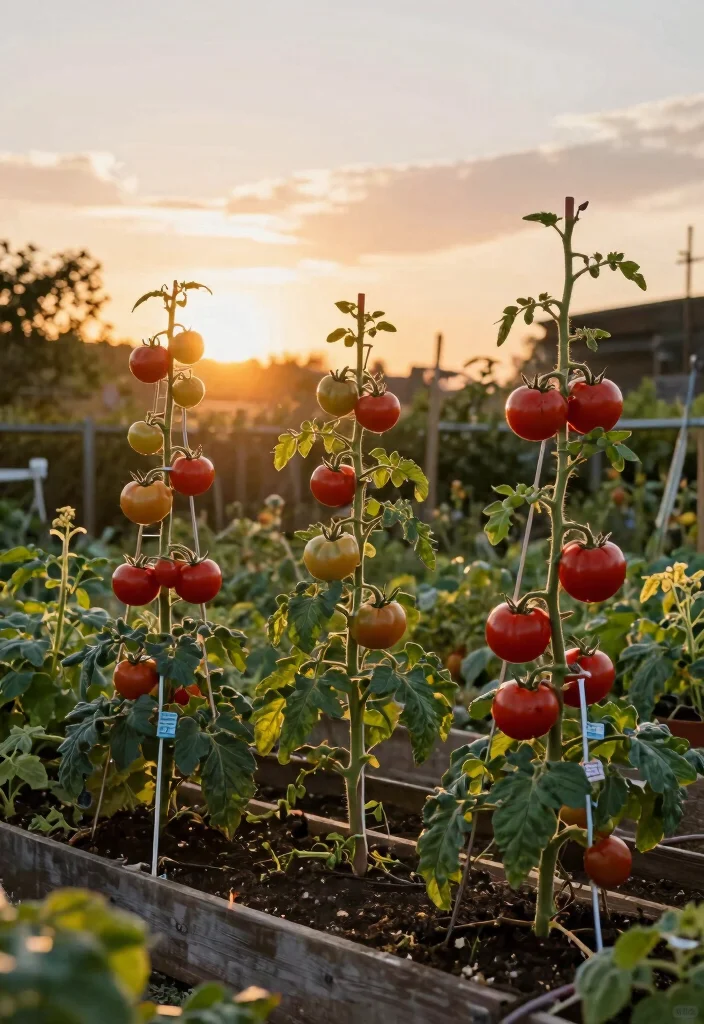
Creating a DIY tomato trellis can transform your gardening experience. It not only helps your plants thrive but also adds a unique and beautiful element to your outdoor space. With these twelve creative ideas, you have plenty of options to choose from, each bringing its own charm and functionality. Whether you prefer the rustic look of wood or the sleek design of PVC, there’s a trellis option that will suit your style and needs! Happy gardening, and may your tomato crops flourish throughout the season! Note: We aim to provide accurate product links, but some may occasionally expire or become unavailable. If this happens, please search directly on Amazon for the product or a suitable alternative. This post contains Amazon affiliate links, meaning we may earn a small commission if you purchase through our links, at no extra cost to you.
Frequently Asked Questions
What are the best tomato trellis ideas diy for small spaces?
For compact spaces, start with simple, sturdy options like a stake-and-twine setup, a vertical lattice panel against a wall, or a freestanding frame made from 2x4s and wire.
If you have a fence or railing, you can grow tomatoes up the structure using vertical gardening techniques and soft plant ties.
For heavier varieties, consider a garden support structures that’s reinforced at the base, such as a cattle-panel arch or a pallet-frame trellis.
Install at planting time and run the ties or wire every 8–12 inches as the vines grow. This keeps fruit off the ground, promotes airflow, and makes harvests easier in tight spaces.
How do I choose the right garden support structures for a vertical tomato garden?
Start by considering the tomato variety, space, and sun. For determinate types, lighter supports can work, while indeterminate varieties need stronger, taller trellises.
Look for durable materials like galvanized steel, powder-coated metal, or weather-treated wood.
Make sure the structure anchors securely to the ground or a fence and leaves room for airflow and easy pruning.
With the right garden support structures, you’ll reduce disease risk and simplify training your vines.
What affordable, sustainable materials work well for tomato trellis ideas diy?
Look for budget-friendly, sustainable options like bamboo stakes, recycled pallet slats, welded wire panels, or hardware cloth.
Repurpose an old ladder or fence panel as a vertical trellis.
Avoid toxic treated lumber near edibles; opt for untreated wood and metal that won’t leach chemicals.
Use recyclable fasteners and keep stems safe with soft ties.
This keeps your gardening project sustainable gardening practices and budget-friendly while still robust enough for sturdy tomato plants.
How can I maintain a DIY tomato trellis for easy harvests and good airflow?
Train the first true leaves to climb by tying stems to the trellis with soft, stretchy ties and check ties regularly for tightening as the plant grows.
Prune dense foliage at the base to boost airflow and reduce disease risk.
Space your ties 8–12 inches apart so growth is even and you can harvest without snagging fruit.
Inspect the structure for wobble after storms and reinforce any weak joints.
With consistent training, your tomatoes will be easier to pick and healthier all season.
What common mistakes should I avoid with tomato trellises in vertical gardening?
Don’t skip anchoring the trellis—wind can topple a weak setup.
Avoid using nails or staples that could cut into vines; instead, use soft ties or wire with gentle bends.
Don’t over-tighten ties and damage stems, yet don’t leave vines to sprawl on the soil.
Choose materials suitable for outdoor use and check for corrosion or rot.
Finally, don’t forget to adjust as plants grow and for harvests to remain easy and sustainable.