Growing cucumbers can be one of the most rewarding experiences for a gardener. If you’ve ever tasted a crisp, homegrown cucumber, you know exactly what I mean. But let’s be real: finding ways to maximize your yield in a limited space can be a real challenge. That’s why I created this post—because I am passionate about helping gardeners like you discover trellis ideas for cucumbers that not only save space but also increase your harvest. If you love gardening but are short on room, you’re in the right place. This guide is tailored for anyone interested in vertical gardening solutions, especially those looking to enhance their cucumber crops. Whether you’re a novice or a seasoned gardener, you’ll find something useful here. I’ve compiled twelve creative and practical trellis designs that will help you grow cucumbers effectively, even in small spaces. Get ready to explore some innovative and fun trellis ideas that are not only effective but also enjoyable to build. You’ll learn how to construct everything from a classic A-frame trellis to a spiral trellis, ensuring your cucumber plants have the support they need to thrive. Let’s dive in!
Key Takeaways
– Learn about a variety of trellis ideas for cucumbers that fit different garden styles and space constraints. – Discover vertical gardening techniques that can significantly increase your cucumber yield without requiring a large footprint. – Get practical tips for constructing a DIY trellis for cucumbers using common materials found around your home. – Explore the benefits of trellis gardening, including better air circulation and reduced risk of pests. – Find out which best plants for trellis gardening can work alongside cucumbers to make the most of your vertical space.1. Classic A-Frame Trellis
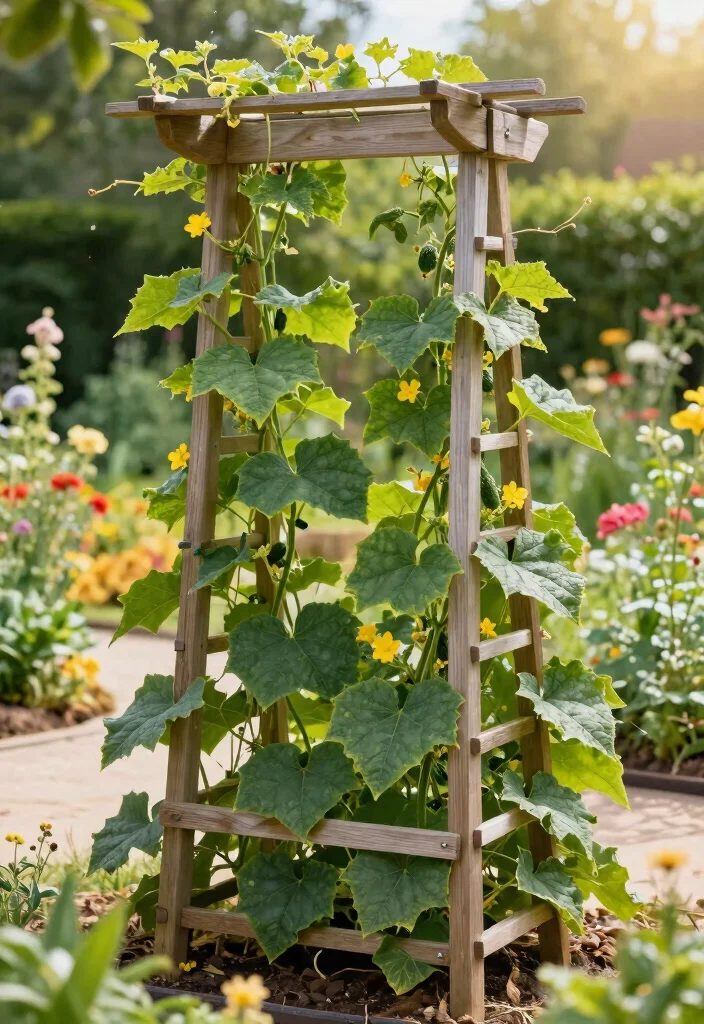
Are you looking for a simple yet effective way to support your cucumbers? The A-frame trellis is a classic choice that provides stability and maximizes sunlight exposure for your plants. This design is perfect for small gardens, letting cucumbers thrive without taking up too much space.
Building your own A-frame is straightforward. You can use wood or bamboo sticks and lean it against a wall or fence for extra support.
Ingredients:
– Wooden planks or bamboo poles
– Screws
– Basic tools
Instructions:
1. Cut the wood or bamboo to your desired height, around 5-6 feet.
2. Assemble the A-frame shape and secure it with screws.
3. Position it in your garden, ideally against a wall or fence.
4. Plant cucumbers 12-18 inches apart at the base for the best growth.
FAQs:
– Can I use other materials? Yes, as long as they are sturdy enough.
– Can I make it taller? Absolutely! Just ensure it remains stable.
Fun fact: Among wood trellis ideas, a classic A-frame trellis instantly adds vertical charm to any garden. Measure your space, choose cedar or redwood for longevity, and watch beans, sweet peas, and morning glories thrive with rustic support.
2. Vertical Grid Trellis
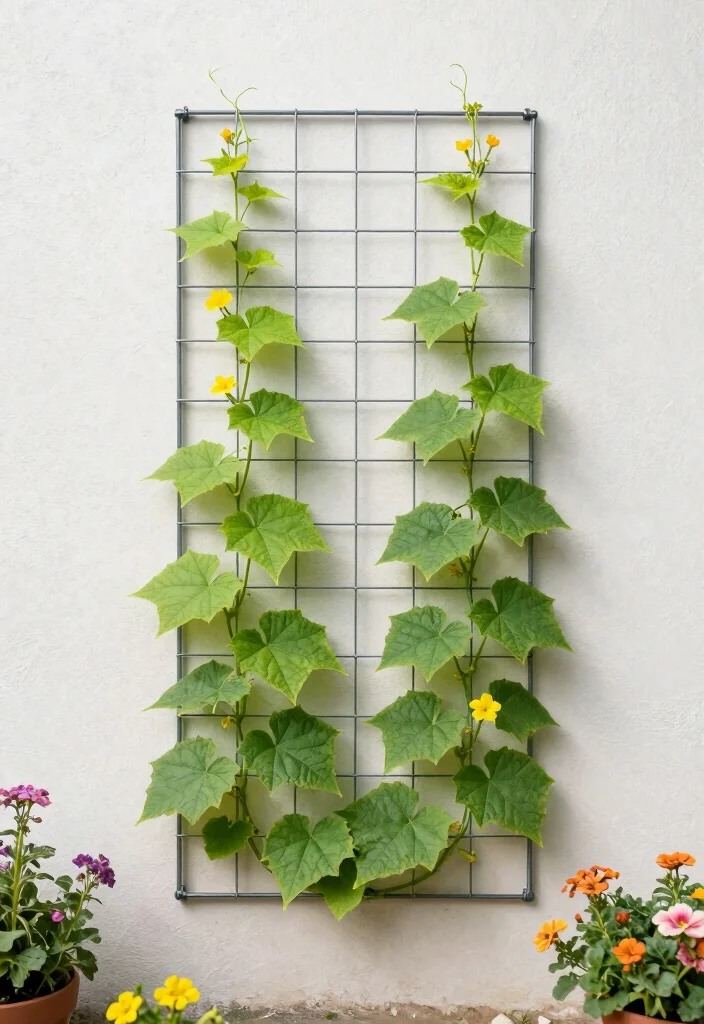
Do you want to make the most of your vertical space? The vertical grid trellis is an excellent choice that adds a modern touch while supporting your cucumbers. This design creates a grid for your plants to climb, maximizing sunlight and air circulation.
Perfect for small areas, you can easily mount it on a wall or fence, making your garden more efficient.
Ingredients:
– Wire mesh or heavy-duty trellis netting
– Screws
– Mounting hardware
Instructions:
1. Cut the mesh to your desired size.
2. Secure it to the wall, leaving a gap of at least 6 inches for airflow.
3. Plant cucumbers at the base, allowing them to climb.
FAQs:
– Can I use it for other plants? Yes, it works great for various climbing plants.
– Is it easy to install? Yes, just ensure it’s securely mounted.
3. Arched Garden Trellis
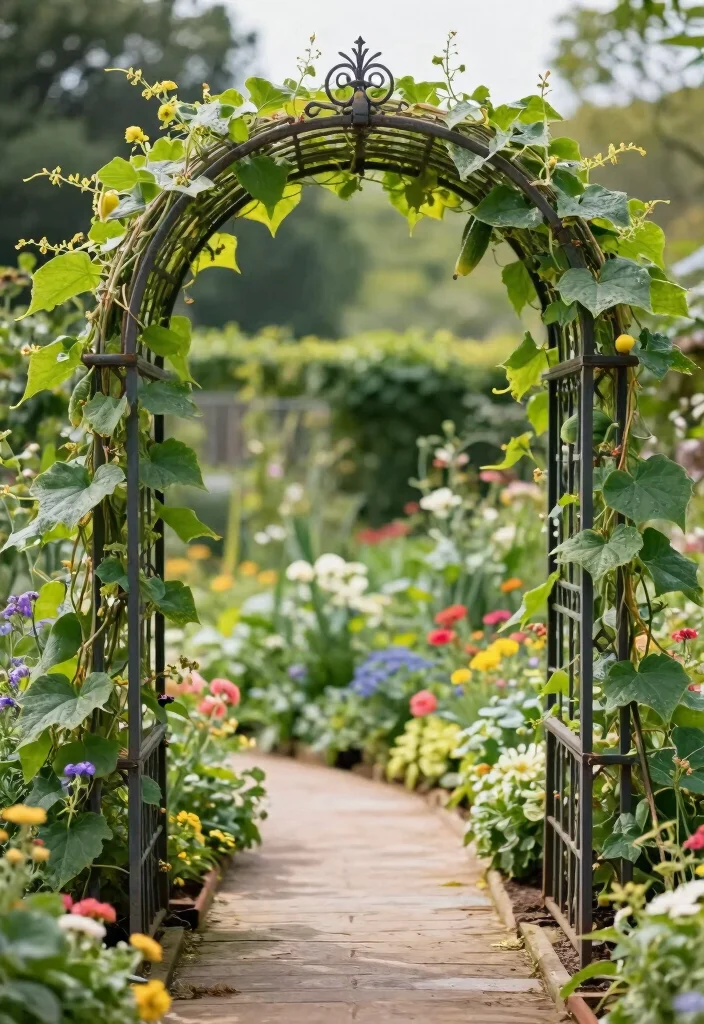
Looking to add elegance to your garden while supporting cucumbers? An arched garden trellis not only provides the necessary support but also enhances your outdoor aesthetics. This trellis creates a beautiful entrance or archway in your garden, making it a lovely retreat. Editor’s Choice
It’s perfect for spacing your cucumbers while allowing them to create a lush green tunnel.
Ingredients:
– Metal or treated wood
– Tools for assembly
Instructions:
1. Build an arch frame, aiming for about 7 feet in height.
2. Secure it firmly in the ground.
3. Space cucumbers 18-24 inches apart at the base.
FAQs:
– Can I use this for flowers? Yes, it’s great for flowering vines too.
– Will it hold up in bad weather? Ensure it’s secured well for stability.
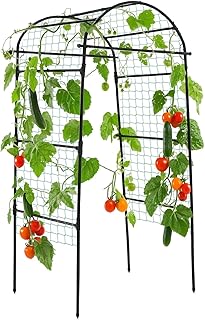
Arched Garden Trellis




4. DIY Pallet Trellis
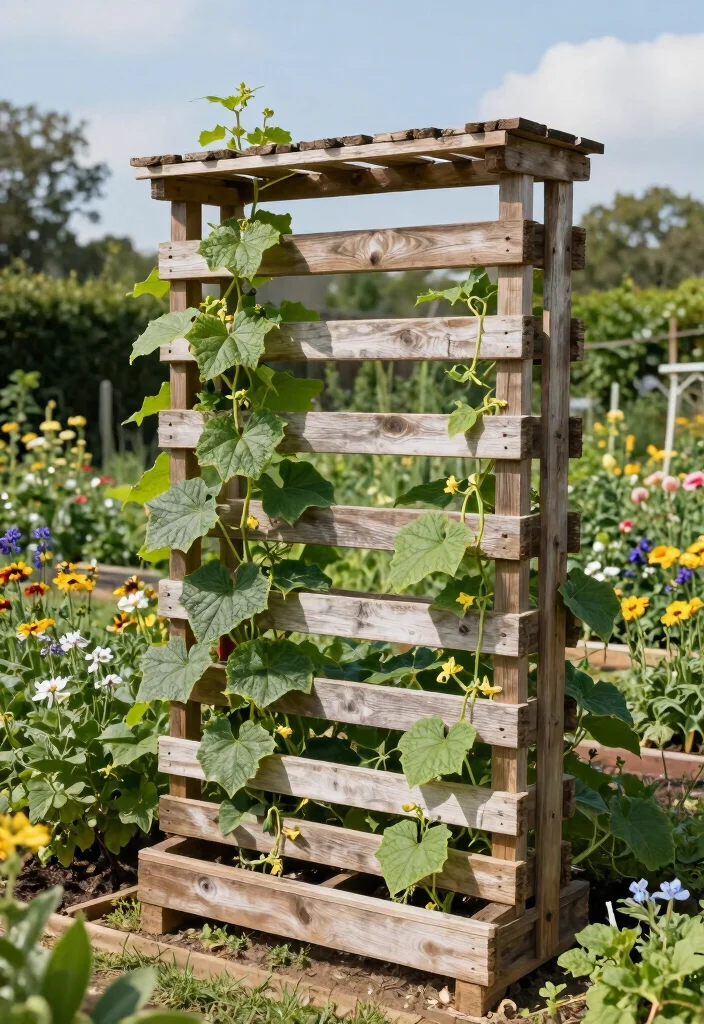
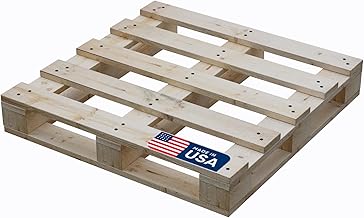
On a budget but still want a charming trellis for your cucumbers? A DIY pallet trellis is a fantastic solution. Old wooden pallets can be repurposed to create a rustic and functional support system for your plants. Editor’s Choice
Simply position the pallet vertically and secure it to the ground for added stability.
Ingredients:
– One or two old pallets
– Screws
– Sandpaper for smoothing edges
Instructions:
1. Stand the pallet upright and secure it in place.
2. Sand any rough edges for safety.
3. Space cucumbers at the base for climbing.
FAQs:
– Can I paint the pallet? Yes, feel free to customize it for your garden style.
– Is it durable? Yes, as long as the pallet is in good condition.
DIY Pallet Trellis



5. Netting Trellis
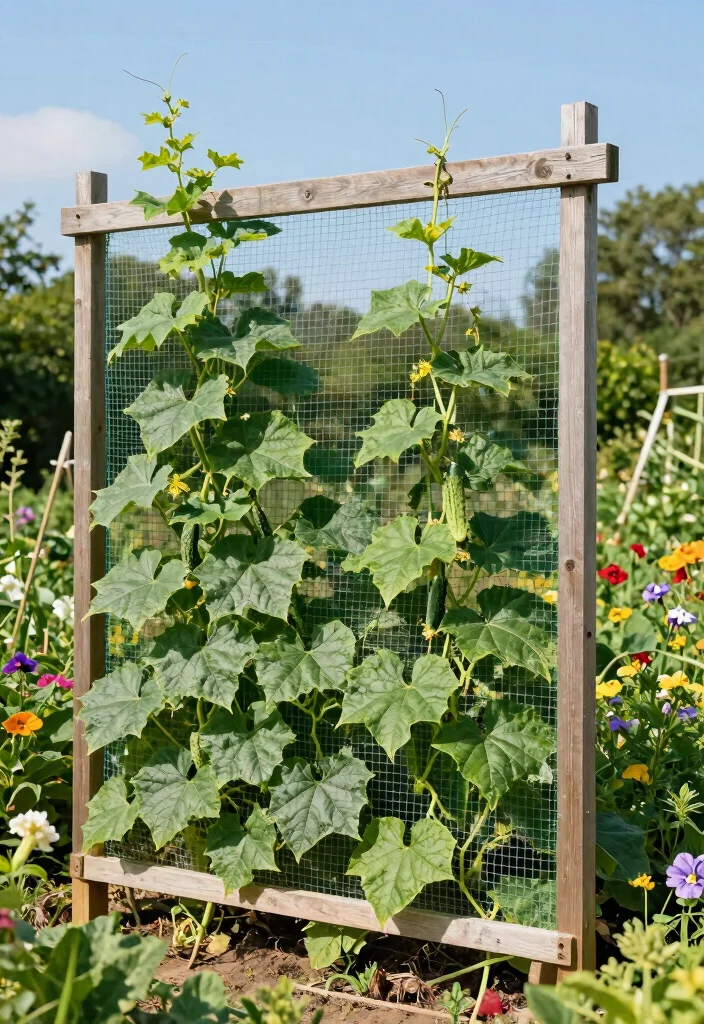
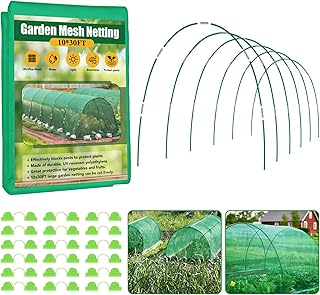
Need a solution for tight spaces? Using netting as a trellis is an excellent option. Stretching netting across a frame or against a wall allows cucumber vines to cling easily, ensuring they have the support they need while promoting vertical growth. Editor’s Choice
This method is practical, making it easy to spot and harvest cucumbers.
Ingredients:
– Garden netting or trellis mesh
– Wooden posts or wireframe
Instructions:
1. Secure the netting to the frame or wall tightly.
2. Ensure there is no sagging to provide support.
3. Plant cucumbers nearby so they can climb the net.
FAQs:
– Can I use this for other plants? Yes, netting works well for various climbing vegetables.
– Is it hard to install? No, it’s quite simple to set up.
Netting Trellis



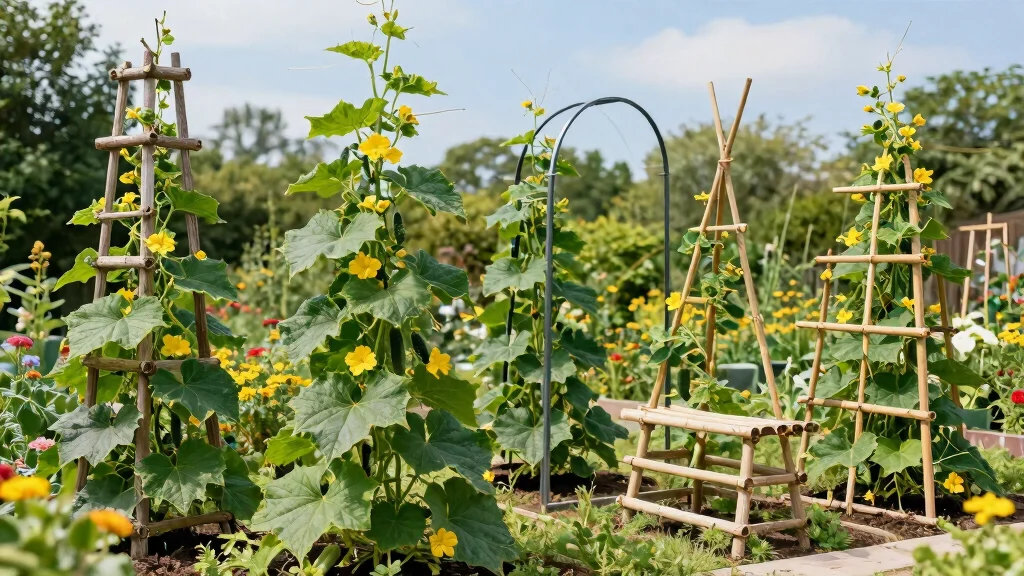
6. Teepee Trellis
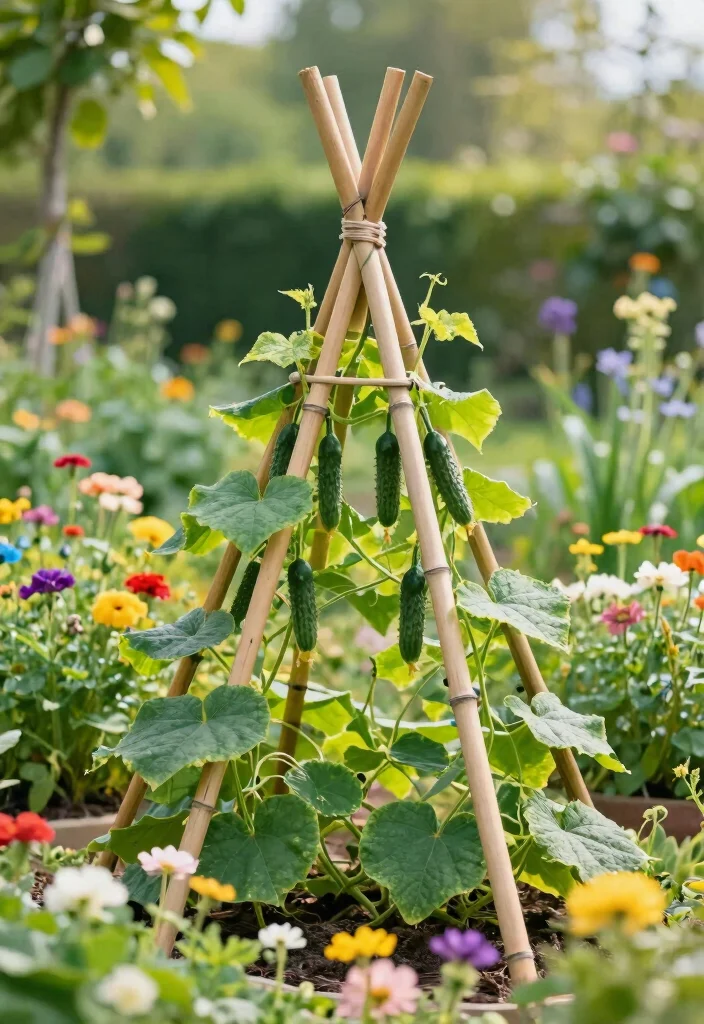
Want to add a whimsical touch to your garden? The teepee trellis is a delightful structure for cucumbers. Made from several tall stakes tied at the top, this design encourages your plants to climb upward, creating a fun and inviting shape.
It’s perfect for children’s gardens, making gardening a playful adventure.
Ingredients:
– Tall bamboo poles or sturdy sticks
– Twine for securing
Instructions:
1. Arrange the poles in a circle and tie them together at the top.
2. Secure them in the ground for stability.
3. Plant cucumbers at the base and let them climb naturally.
FAQs:
– Can I use this design for other plants? Yes, it’s great for various climbing plants.
– Is it easy to make? Absolutely, just gather your materials and get started!
Try a teepee trellis—the playful, practical example of trellis ideas for cucumbers. Train vines up tall bamboo poles with simple twine, saving space and inviting kids to help garden. It’s a charming, space-smart solution for small yards.
📹 Related Video: Vertical Gardening – How to Build a Teepee Trellis & Save Space
7. Vertical Pipe Trellis
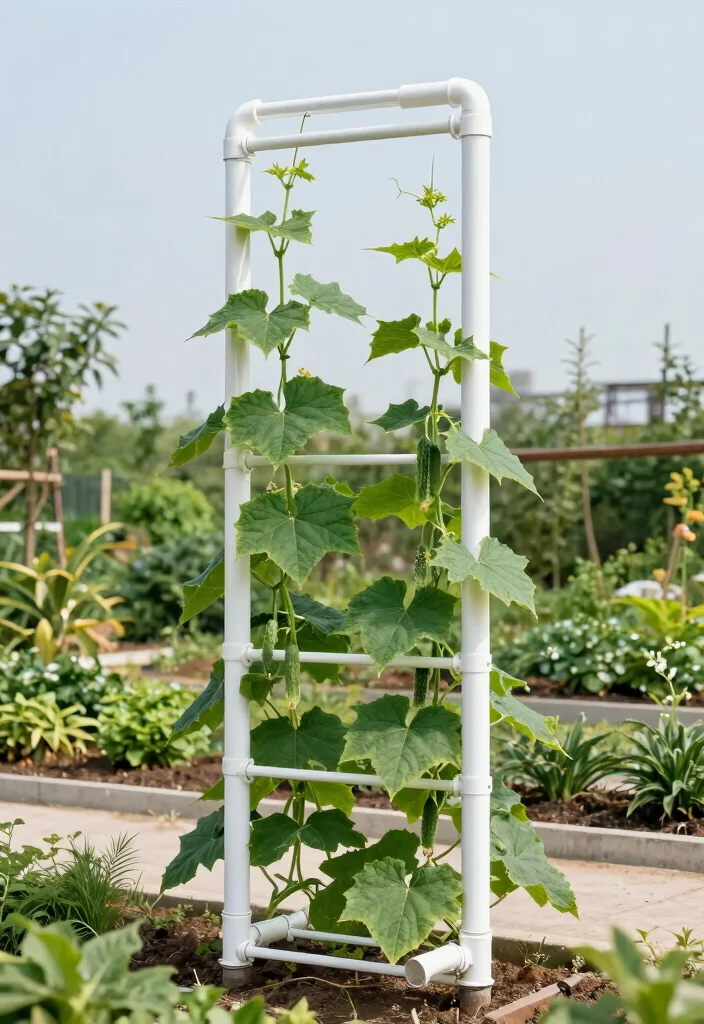
Looking for a modern twist? A vertical pipe trellis is a stylish option for supporting cucumbers. Using PVC or metal piping, this sturdy design withstands the elements while adding a contemporary flair to your garden.
The clean lines of this trellis create a stunning visual while providing excellent support for your plants.
Ingredients:
– PVC pipes or metal piping
– Connectors for stability
Instructions:
1. Assemble the pipes to your desired height, aiming for 6-7 feet.
2. Use T-joints and elbows for a more intricate design.
3. Secure into the ground firmly.
FAQs:
– Can I use this for other vegetables? Yes, it’s suitable for various climbing plants.
– Is it easy to assemble? Yes, with basic tools it’s quite simple.
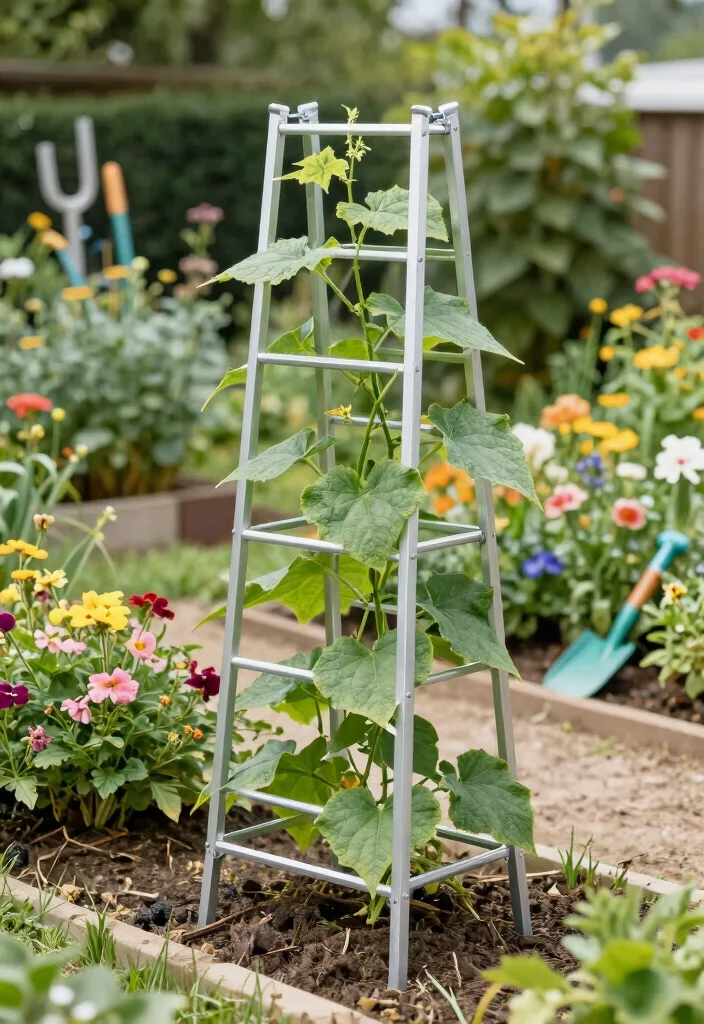
8. Ladder Trellis
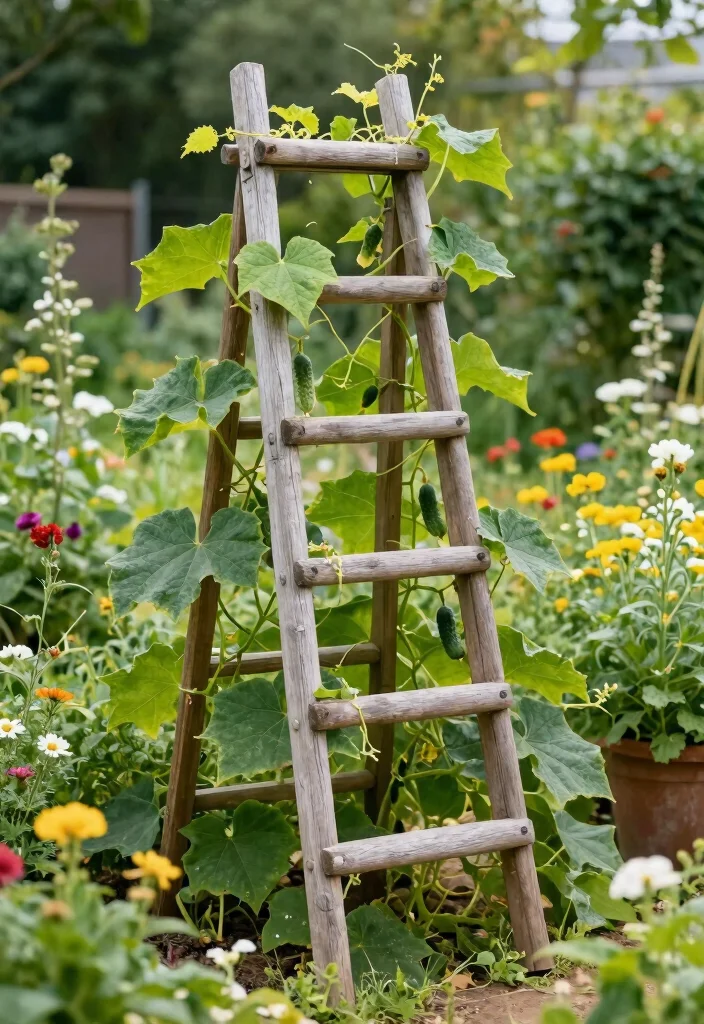
Transform an old wooden ladder into a charming ladder trellis for your cucumbers. By positioning it upright, the rungs provide excellent grip for the vines and add a rustic touch to your garden. Editor’s Choice
This inventive design maximizes vertical space and turns a simple ladder into a unique garden feature.
Ingredients:
– An old wooden ladder
– Paint or stain for aesthetics
Instructions:
1. Secure the ladder upright in your garden.
2. Paint or stain it if desired for added charm.
3. Space cucumbers evenly on each side of the ladder.
FAQs:
– Can I use this design for other plants? Yes, it works well for various climbing varieties.
– Is it safe in windy conditions? Just ensure it’s securely anchored.
Ladder Trellis


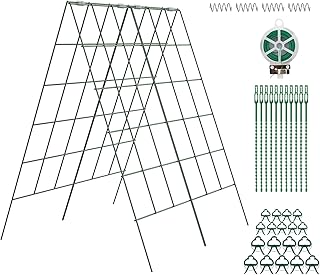
9. Foldable Trellis
Struggling with limited space? A foldable trellis is a flexible and convenient solution, perfect for urban gardeners. This portable design can be collapsed when not in use, allowing you to maximize your garden space efficiently. Editor’s Choice
It’s ideal for seasonal gardening, adapting to your needs as they change.
Ingredients:
– Lightweight materials like aluminum or collapsible wood
– Sturdy hinges for folding
Instructions:
1. Assemble the trellis according to the design.
2. Make sure it’s sturdy enough to support plants.
3. Fold flat for easy storage when not in use.
FAQs:
– Can I use this for heavy plants? It’s best suited for lighter climbing varieties.
– Is it easy to set up? Yes, it’s user-friendly and quick to install.
Foldable Trellis


How To Choose The Right Trellis For Cucumbers
When it comes to growing cucumbers, choosing the right trellis can significantly impact your yield and overall gardening experience. A good trellis supports the plants, saves space, and helps keep the fruits off the ground. Here are some key factors to consider when selecting the perfect trellis for your cucumbers. 1. SizeBefore you buy or build a trellis, measure the space where you plan to grow your cucumbers. Most cucumber plants need a trellis that is at least 5-6 feet tall. This height allows the plants to grow upwards, giving them plenty of space to flourish. Additionally, consider how many cucumber plants you want to grow. A larger trellis can accommodate more plants, so think about the size of your garden and your harvest expectations.
2. Material
The material of your trellis plays a critical role in its durability and effectiveness. Common materials include wood, metal, and plastic. Wooden trellises are great for aesthetics but may decay over time. Metal trellises, like those made from galvanized steel, tend to be more robust and long-lasting. Plastic options are lightweight and resistant to moisture but might not support heavy crops as effectively. Choose a material that fits your garden’s design and can withstand the weather conditions in your area.
3. Design
Cucumber trellis design varies greatly, and you should select one that fits your gardening style and space. For small areas, consider vertical gardening techniques, such as A-frame or leaning trellises. These designs maximize vertical space and can look appealing in your garden. If you have more room, a horizontal grid or a netting trellis might be suitable. Consider how the design will support your cucumber plants as they grow, ensuring they have enough contact with the trellis for climbing.
4. Stability
A stable trellis is crucial for the health of your cucumber plants. Make sure the trellis can withstand wind and the weight of the growing fruits. If you’re building a DIY trellis for cucumbers, reinforce it with anchors or stakes to keep it secure. If using a store-bought option, check for reviews regarding its stability and durability. A sturdy trellis ensures that your cucumber plants can grow up without falling over or breaking.
5. Cost
Budget is always a consideration when selecting a trellis. DIY projects can save you money but may require time and effort. Pre-made trellises often come with varying price tags depending on size and materials. Set a budget that works for you and explore both DIY options and available trellises. Remember, investing a little more in a durable trellis saves money in the long run, as you won’t have to replace it as often.
6. Maintenance
Lastly, consider how much maintenance you’re willing to do. Wooden trellises may need treatment to prevent rot, while metal ones might require rust prevention. Plastic options usually need minimal upkeep. Choose a trellis that matches your lifestyle and level of commitment to gardening maintenance. A low-maintenance trellis can make your gardening experience more enjoyable.
Pro Tip: Before making a final decision, visualize how the trellis will look in your garden. You might even want to sketch your design or use string to outline the area. This step helps you understand the space it will occupy and ensures it meets your planting needs. Happy gardening!
10. Hanging Trellis
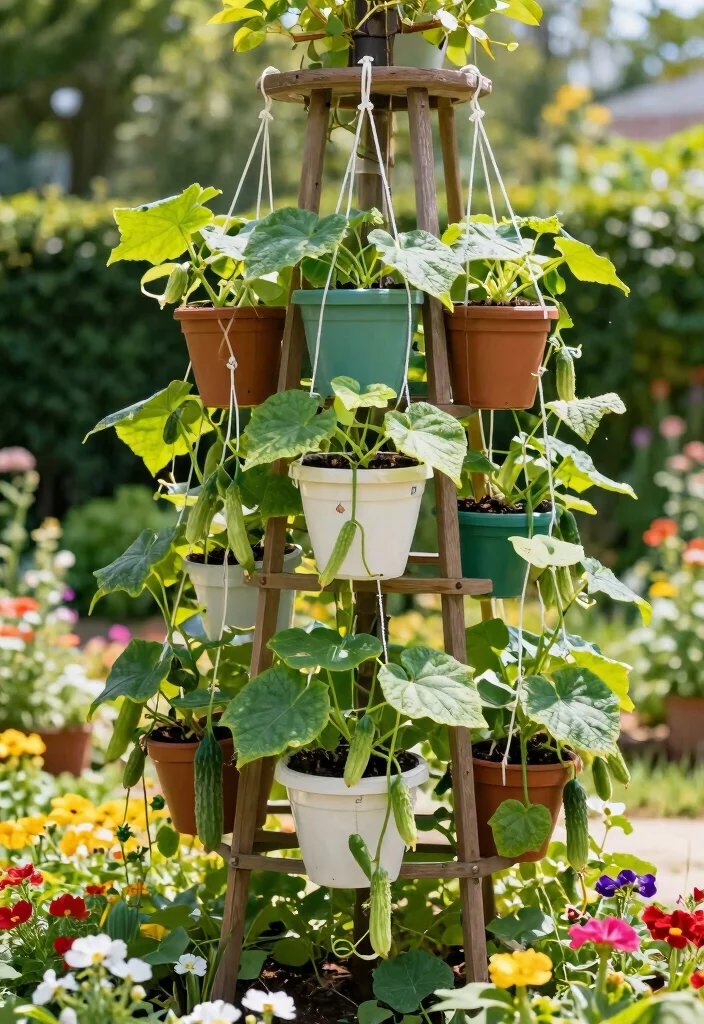
Want to create a unique vertical garden? A hanging trellis makes excellent use of space by allowing pots or containers to hang from a sturdy frame. This creative approach lets cucumbers grow sideways or downwards, adding an artistic flair to your garden.
It’s a fantastic way to maximize yield while enhancing your garden’s decor.
Ingredients:
– A sturdy frame or shelf
– Pots with good drainage
Instructions:
1. Securely hang the frame at a suitable height.
2. Fill pots with soil and plant cucumbers, ensuring good drainage.
3. Regularly check water levels, especially in hot weather.
FAQs:
– Can I use this for other plants? Yes, it works well for various hanging varieties.
– Is maintenance tricky? Just monitor water levels regularly for best results.
Fun fact: Hanging trellises can save up to 40% of garden space, letting you fit more cucumbers in a compact layout. With trellis ideas for cucumbers, this simple setup boosts yield and decor.
11. Mesh Wall Trellis
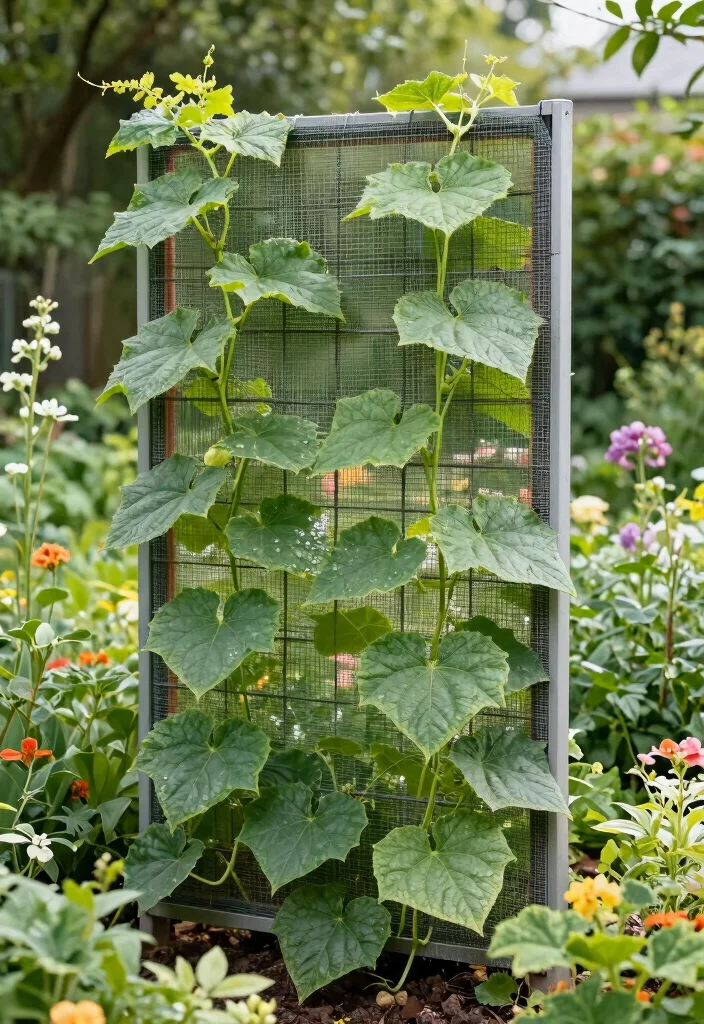
Maximize your garden’s potential with a mesh wall trellis. By attaching mesh to existing structures like fences or walls, you create a seamless and effective support system for cucumbers. This space-saving method ensures your plants have ample support while looking great.
It enhances airflow around your plants, promoting better health and growth.
Ingredients:
– Sturdy garden mesh or netting
– Staples or nails for attachment
Instructions:
1. Cut the mesh to the desired size.
2. Securely attach it to the wall or fence, avoiding sagging.
3. Plant cucumbers close for easy access during harvesting.
FAQs:
– Can I use it for other climbing plants? Yes, it’s versatile for various types.
– Is it easy to install? Yes, just ensure it’s properly secured.
12. Spiral Trellis
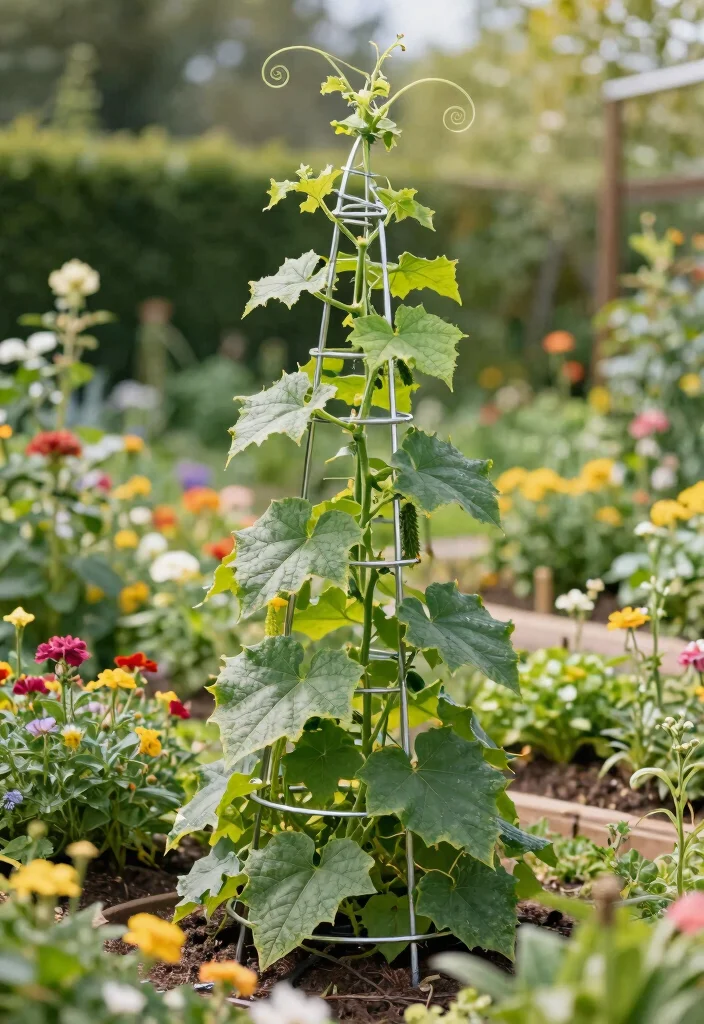
Looking for a fun and unique design? A spiral trellis adds whimsy to your garden while efficiently supporting cucumbers. This captivating structure allows vines to spiral upward, creating a visually stunning display that will draw attention.
Not only does it maximize yield, but it also becomes a focal point in your outdoor space.
Ingredients:
– Metal rods or thick wire
– Tools for shaping the spiral
Instructions:
1. Shape the rods or wire into a spiral.
2. Secure the base firmly in the soil.
3. Gently guide cucumber vines to follow the spiral as they grow.
FAQs:
– Can I use this for other plants? Yes, it’s great for various climbing vegetables.
– Is it easy to construct? With some basic tools, it’s straightforward to make.
Conclusion
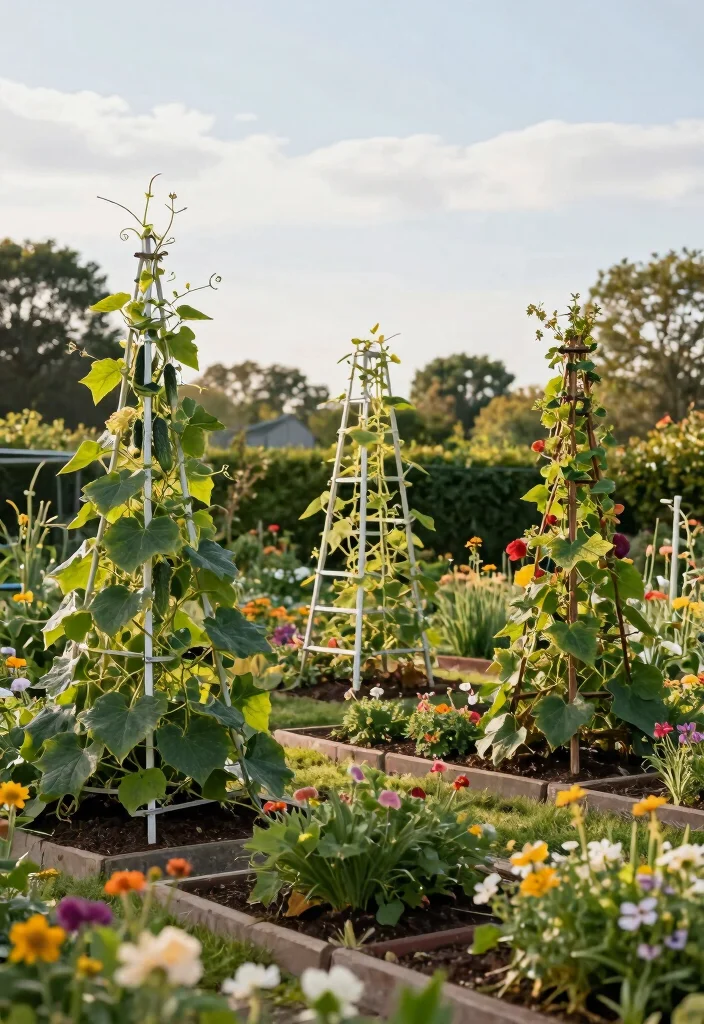
Embracing vertical gardening through creative trellis ideas can transform your cucumber-growing experience, especially in small spaces. Each design offers unique benefits, allowing for maximum yield while adding visual interest to your garden. Whether you prefer a classic or modern approach, these trellis ideas will inspire you to cultivate your cucumbers with flair. Happy gardening! Note: We aim to provide accurate product links, but some may occasionally expire or become unavailable. If this happens, please search directly on Amazon for the product or a suitable alternative. This post contains Amazon affiliate links, meaning we may earn a small commission if you purchase through our links, at no extra cost to you.
Frequently Asked Questions
What are the most effective trellis ideas for cucumbers to maximize yield in a small garden?
To get the most from your cucumbers, try a few tested trellis ideas for cucumbers that fit tight spaces: a sturdy wire panel against a wall, a freestanding cattle-panel trellis, or a lattice panel mounted on a frame. For ultra-tight spots, a simple vertical netting or string trellis works surprisingly well. Whichever design you choose, it falls under cucumber trellis design options that help with maximizing cucumber harvest in limited space.
How to implement: 1) pick a design based on your space and weight needs; 2) build or mount a frame sturdy enough to hold heavy fruit; 3) anchor securely into the wall, fence, or ground; 4) train the vines with soft ties, guiding them upward as they grow. Regularly check growth and adjust ties as needed so fruit stays off the ground and receives sun.
How can I build a DIY trellis for cucumbers in a small space?
Getting started with a DIY trellis for cucumbers is easier than you think. Choose a material you already have (PVC pipes, wooden lattice, or a metal grid). A 5–6 ft tall frame works well for most cucumbers, and make it as wide as your space allows. Attach it securely to a wall, fence, or posts, then add mesh or netting so vines can climb. Plant cucumbers at the base and carefully train the vines upward with soft ties. Keep an eye on growth and keep tying as needed. This approach embodies vertical gardening techniques to maximize yield in compact spaces.
Which cucumber varieties work best with trellis gardening?
Choose vining cucumber varieties that readily climb and spread, making them perfect for trellising. Look for names described as vining or pole types in seed catalogs. Popular options include Marketmore 76, Suyo Long, Diva, and Armenian cucumber. These are excellent examples of best plants for trellis gardening because they produce well when trained upward. Always check your local seed sources for regional recommendations.
What common mistakes should I avoid when trellising cucumbers?
Great question to prevent wasted space. Common mistakes include using undersized supports that sag under fruit, not anchoring the frame securely, tying vines too tightly and damaging them, failing to train new growth, and letting fruit sit on damp soil. Also watch for poor airflow and insufficient sun exposure. To avoid these pitfalls, go with sturdy frames, DIY trellis for cucumbers or ready-made panels, and use soft ties. This helps with maximizing cucumber harvest and keeps plants healthy.
How do vertical gardening techniques help maximize cucumber harvest in small spaces?
Vertical gardening techniques let you fit more plants in a small area by training cucumbers upward, increasing sun exposure and airflow, and keeping fruit clean and off the ground. In tight spots, this approach directly supports maximizing cucumber harvest and improves plant health. Plan your trellis height, provide regular pruning or tip-trimming, and harvest frequently to encourage continuous production. It’s a practical way to convert every square foot into productive garden space.