Gardening has always been a passion of mine, and lately, I’ve been craving some fresh ideas to elevate my vegetable garden. One of the most satisfying challenges is growing squash. But, let’s be honest—if you’re short on space, sprawling squash plants can quickly take over your garden. That’s why I created this post, packed with creative squash trellis ideas for vertical gardening. If you’re someone who loves to garden but struggles with limited space, you’re in the right place. These ideas are designed specifically for you—whether you’re a novice gardener or a seasoned pro looking to maximize your yields. With these trellis designs, you’ll not only save space but also enhance your garden’s aesthetic appeal. You’ll discover twelve unique trellis ideas that are practical, easy to implement, and perfect for supporting climbing plants. From DIY projects to using recycled materials, there’s something here for everyone. Get ready to transform your garden and grow delicious squash while enjoying the benefits of vertical gardening!
Key Takeaways
– Learn how classic A-frame trellises can create a sturdy support for your squash, allowing them to grow upward instead of sprawling on the ground. – Explore the charm of rustic ladder trellises, which not only support your plants but also add a decorative touch to your garden. – Discover the versatility of horizontal grid trellises, perfect for maximizing space and providing excellent support for multiple climbing plants. – Get inspired by DIY PVC trellis designs, which are budget-friendly and easy to assemble, making them ideal for beginner gardeners. – Find tips on space-saving gardening techniques that can help you cultivate a thriving vegetable garden even in the smallest of spaces.1. Classic A-Frame Trellis
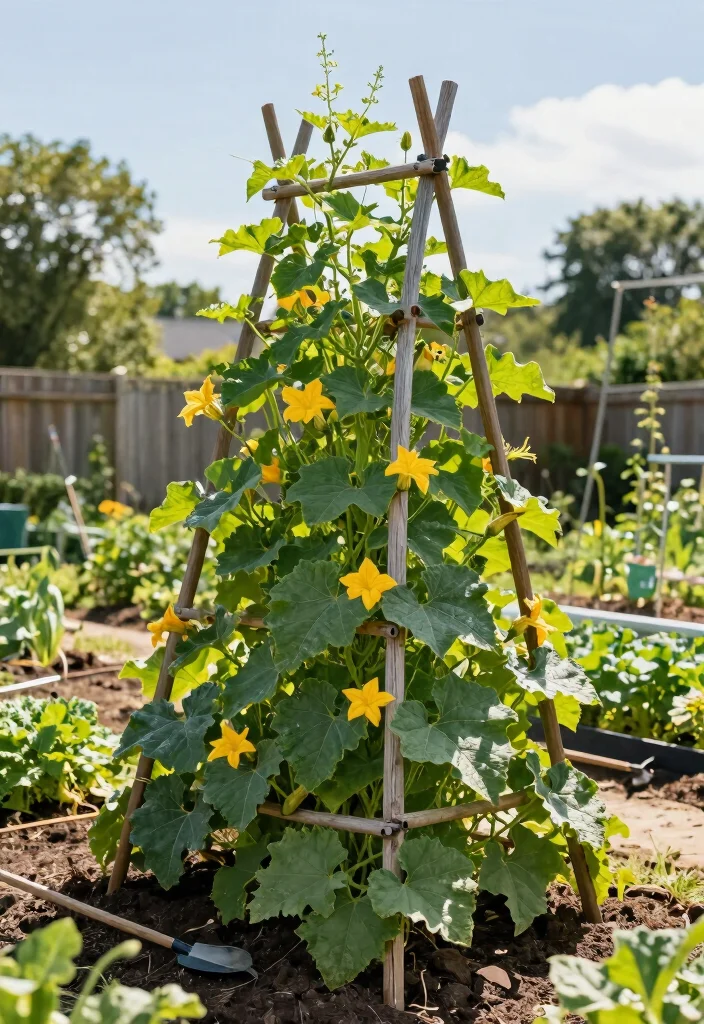
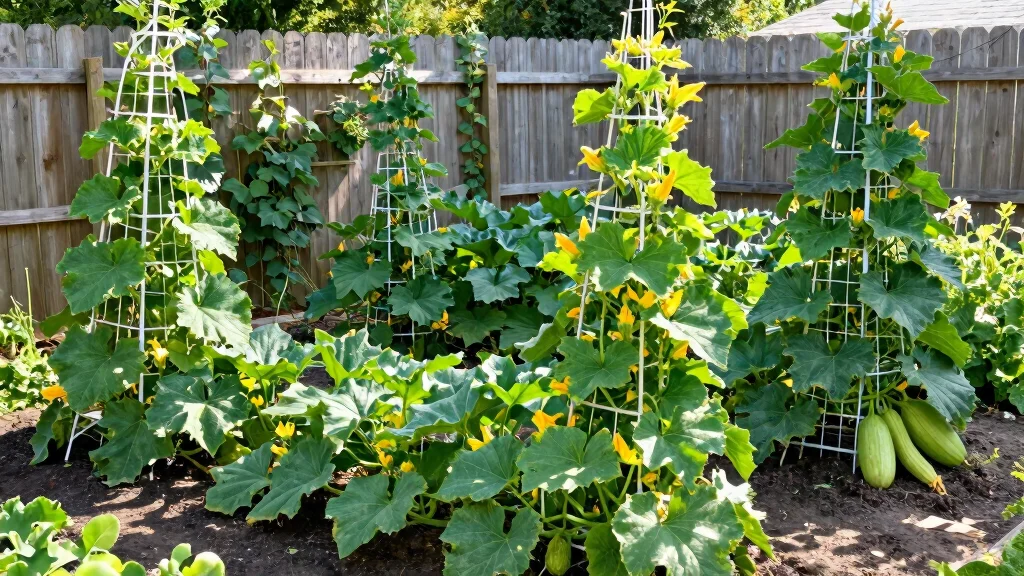
Are you looking for a reliable structure to support your climbing squash? The classic A-frame trellis is not only sturdy but also adds a charming touch to your garden space. It’s easy to construct using wooden stakes or bamboo poles, arranged in an inverted ‘V’ shape. Editor’s Choice
Set your A-frame in a sunlit area and plant your squash at its base. As the plants grow, they will gracefully climb the trellis, creating a lush green backdrop. This design saves ground space and enhances air circulation around the plants, helping to minimize disease risks.
For building an A-frame trellis:
– Use rot-resistant wood or bamboo for durability.
– Space the legs about three feet apart for stability.
– Secure the top of the A-frame with a crossbar for extra support.
– Add twine or wire for climbing assistance.
This trellis is ideal for smaller gardens and can be customized for various squash varieties.
Classic A-Frame Trellis




2. Rustic Ladder Trellis
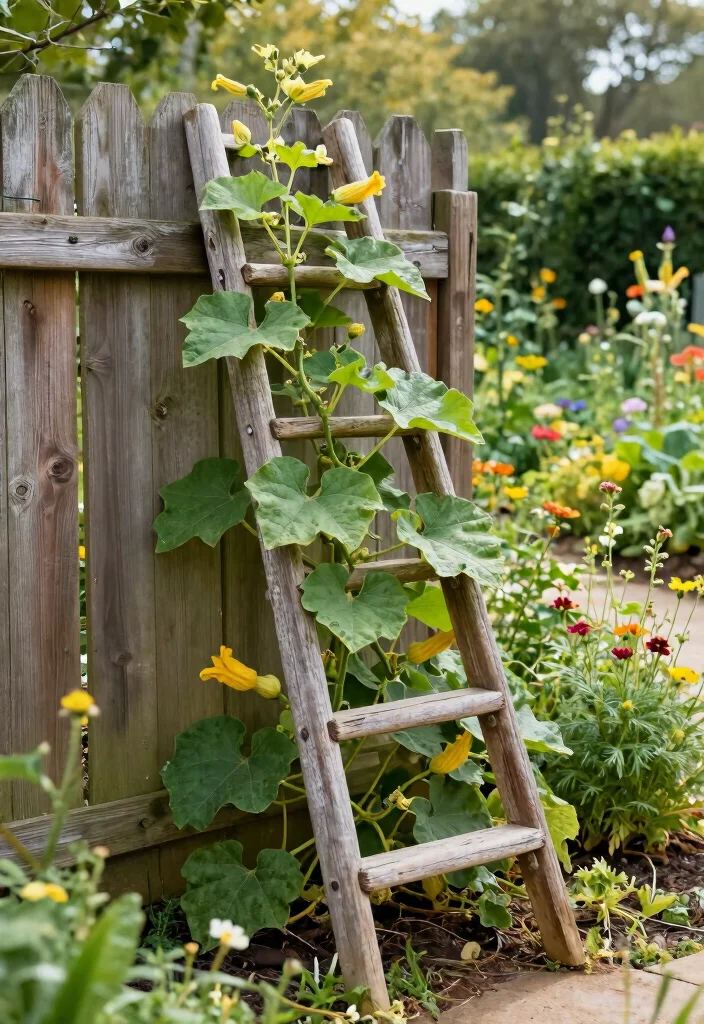
Got an old wooden ladder lying around? Transform it into a rustic ladder trellis for your squash plants! This fun DIY project not only reuses items but also brings a charming, rustic aesthetic to your garden. Lay the ladder horizontally against a wall or fence, then plant your squash at the bottom. Editor’s Choice
As the plants grow, they will weave through the rungs, creating a beautiful display. This design is perfect for smaller spaces and can be easily repositioned as needed.
Additional tips for the ladder trellis:
– Choose a ladder at least six feet tall for plenty of climbing space.
– Apply a weather-resistant finish to prolong its life.
– Add extra crossbars for heavier squash support.
This rustic feature will help your squash thrive while serving as an eye-catching focal point.
Rustic Ladder Trellis



📹 Related Video: AE Garden- renew/reuse an old wooden ladder
How To Choose The Right Squash Trellis
When it comes to growing squash, a sturdy trellis is essential for supporting climbing plants and maximizing your garden space. Choosing the right trellis can make a significant difference in your vegetable garden design. Below are key factors to consider when selecting a squash trellis.1. Size
Consider how much space you have available for your trellis. Measure the height and width of the area where you plan to install it. Most squash plants need a trellis that is at least 5-6 feet tall to allow for proper growth. If you’re working with limited space, opt for a vertical option that can fit snugly against a wall or fence.
2. Material
The material of your trellis affects its strength and durability. Common materials include wood, metal, and PVC. Wooden trellises offer a rustic look and are easy to customize, while metal ones provide sturdiness and longevity. PVC is lightweight and resistant to weather, making it a good option for mobility. Make sure the material can withstand the weight of mature squash plants.
3. Design
Choose a trellis design that suits your gardening style and space. Options like A-frame, ladder, or grid styles can support squash plants well. A-frame trellises are great for small gardens because they take up less ground space. Consider if you want a decorative element too, such as an archway, to add charm to your vegetable garden design.
4. Stability
Your trellis must be stable enough to support heavy squash vines, especially when laden with fruit. Look for features like grounded posts or anchored designs to ensure your trellis won’t topple over. If you live in a windy area, consider adding extra bracing or weights at the base to keep it secure.
5. Ease of Access
Think about how you will care for your plants. Your trellis should allow easy access for watering, pruning, and harvesting. If it’s too high or difficult to reach, you may find yourself struggling. Choose a height and design that allows you to tend to your plants comfortably.
6. Budget
Trellis costs can vary widely based on materials and designs. Determine your budget before shopping. DIY options can be more cost-effective if you have the skills. However, ready-made trellises offer convenience and often come with guarantees. Keep in mind that investing in a sturdy trellis now could save you money in the long run by preventing damage to your plants.
Pro Tip: Before making your final decision, sketch out your garden layout. This will help you visualize how the trellis fits into your overall vertical gardening plan. Take notes on measurements and designs that appeal to you. This way, you can make a well-informed choice that enhances your small space garden.
With these considerations, you can choose the right squash trellis that not only supports your plants but also fits perfectly with your vertical gardening aesthetic. Happy gardening!
3. Horizontal Grid Trellis
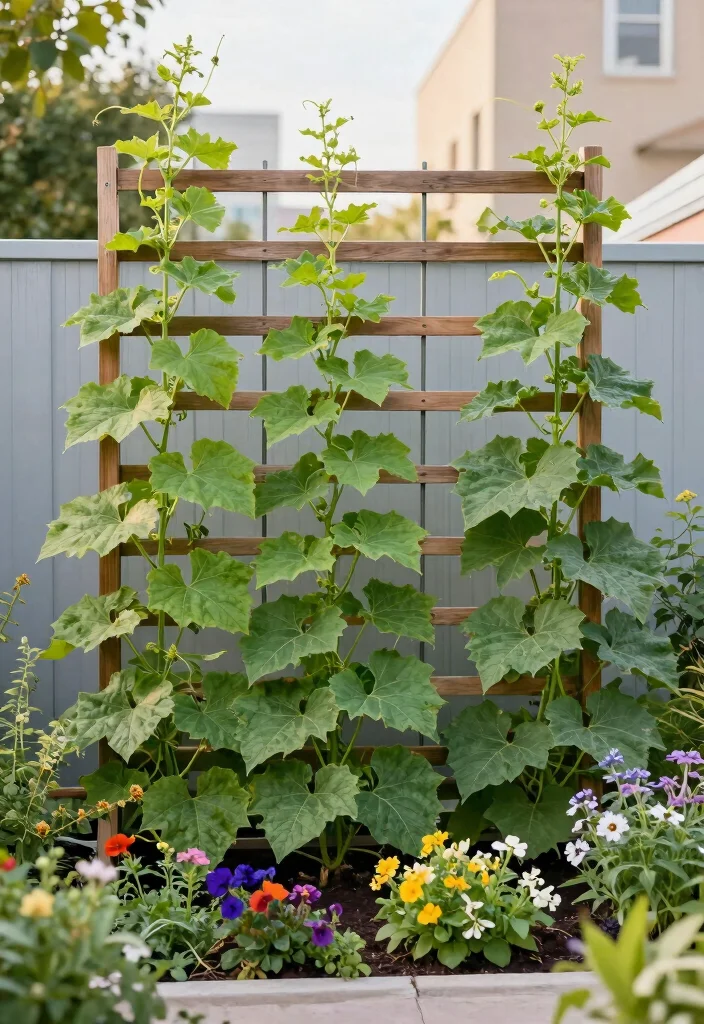
Looking for a modern twist on trellising? A horizontal grid trellis offers a stylish and functional way for squash plants to climb. This design features evenly spaced horizontal slats, allowing plants to grow in all directions and form a unique green lattice.
Building this trellis is straightforward; just use wooden boards or wire to create the grid and mount it against a wall or fence. This structure not only supports your squash but also adds a contemporary flair to your garden.
For this trellis, consider:
– Setting the grid at an angle for visual interest.
– Using treated wood or galvanized wire for durability.
– Planting companion plants at the base for added color.
This chic design saves space while enhancing the overall look of your vegetable garden.
4. Archway Trellis
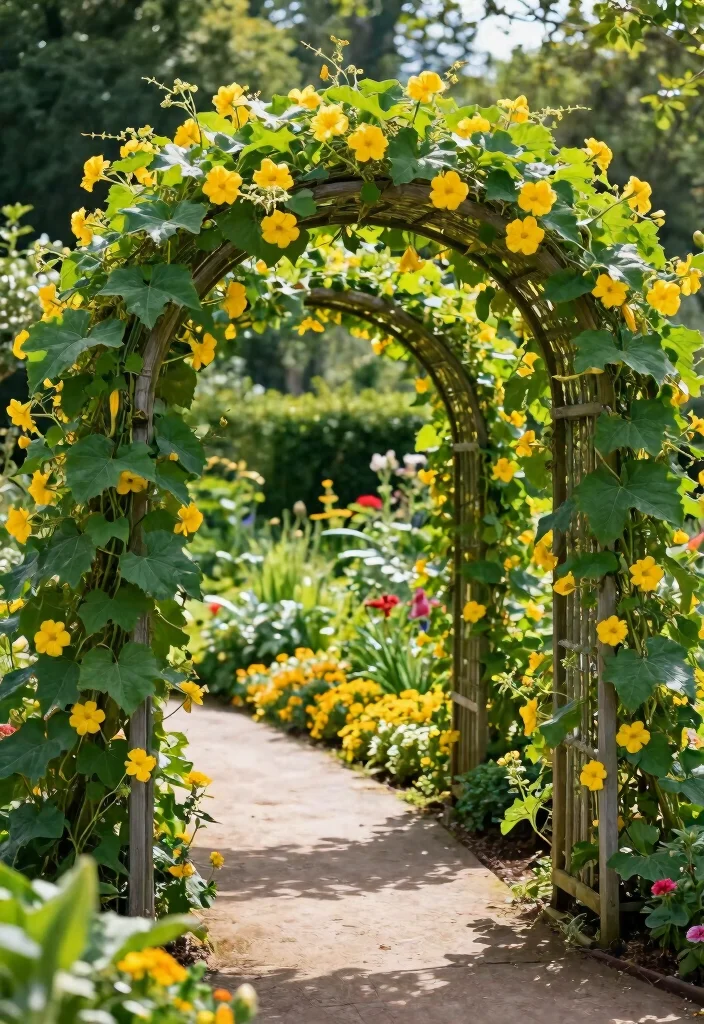
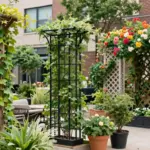
Searching for a way to elevate your garden’s charm? An archway trellis creates an enchanting passageway while providing vital support for climbing squash. This design invites you into a natural tunnel of green and blooms, making it a stunning focal point.
To build an archway, install two tall posts at each end and connect them with rounded trellis panels. As your squash vines grow, they will weave around the arch, forming a beautiful canopy. This vertical garden design is perfect for narrow spaces, transforming pathways into delightful green corridors.
Consider these tips:
– Use sturdy materials like metal or treated wood for longevity.
– Plant colorful flowers along the base for added appeal.
– Regularly prune your squash to promote healthy growth.
The archway trellis not only supports your squash but also adds a whimsical touch to your garden.
5. DIY PVC Trellis
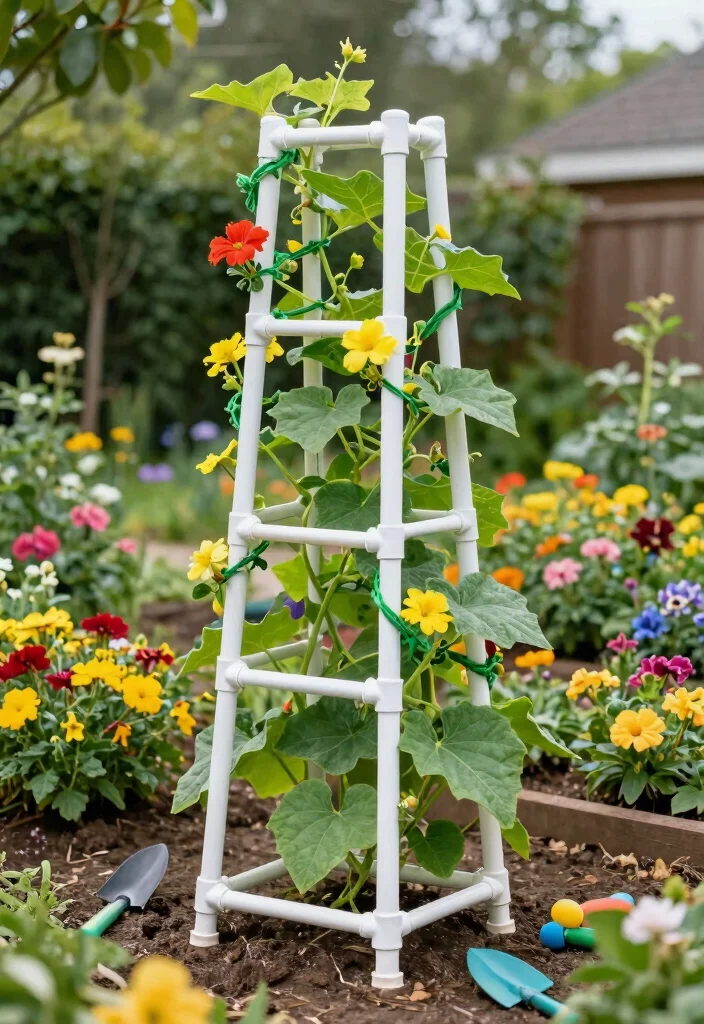
Looking for an affordable and lightweight solution? A DIY PVC trellis is a budget-friendly option that’s easy to assemble. Perfect for beginner gardeners, this design works well in limited spaces. Simply cut and connect PVC pipes to create various shapes like squares or rectangles.
Once your frame is ready, attach mesh or wire along the sides to provide a climbing surface for your squash. A major benefit of a PVC trellis is its resistance to rot, ensuring it lasts for multiple growing seasons.
For your DIY PVC trellis:
– Use a thicker diameter for added strength.
– Add anchors at the base to stabilize it against wind.
– Consider painting the PVC for a stylish look.
This practical design helps squash flourish while keeping your garden neat and organized.
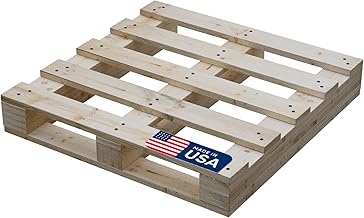
6. Vertical Pallet Garden
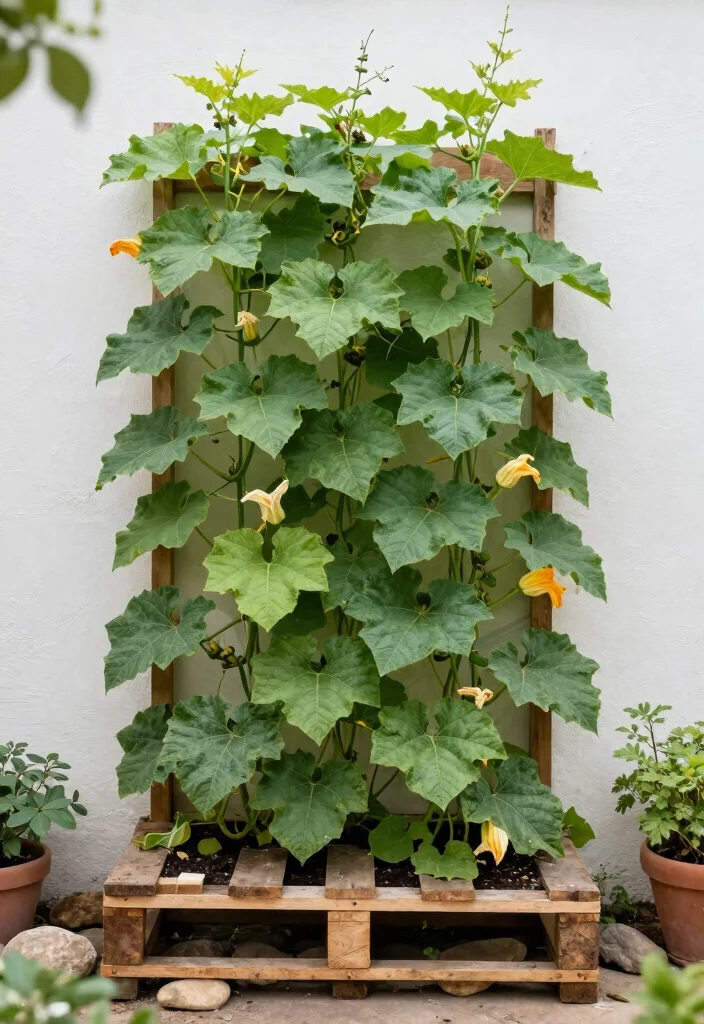
Want to maximize your gardening space sustainably? A vertical pallet garden is a trendy and eco-friendly way to grow squash. Old wooden pallets can be repurposed into trellises or planting beds, adding rustic charm to your garden. You can stand the pallet upright against a wall or attach it to a fence for support.
As your squash vines grow, they will climb the pallet, creating a stunning layered effect. This method is perfect for small urban settings and doubles as a decorative piece.
Here are some tips:
– Sand down pallets to avoid splinters.
– Secure the pallet to a wall with brackets for stability.
– Use landscape fabric to retain soil while allowing drainage.
This space-saving technique not only provides a unique gardening solution but also enhances your garden’s ambiance.
Max out tiny balconies with a vertical pallet garden, ditch ground clutter, and let squash climb. This is one of the squash trellis ideas that frees space while vines add rustic charm and a harvest-ready payoff. Practical, doable, and perfect for urban gardeners chasing fresh squash.
Vertical Pallet Garden
Editor’s Choice



7. Fence Trellis Integration
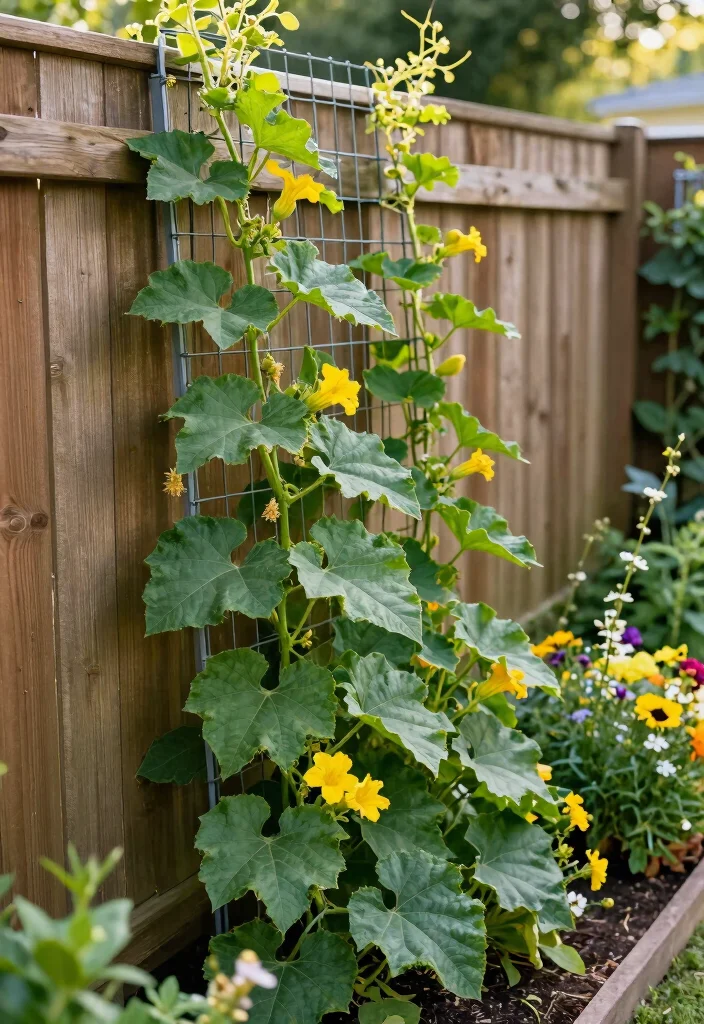
Have a fence in your garden? Why not use it to support your squash? Integrating a trellis into your fence creates a beautiful blend of function and aesthetics. You can attach wire mesh or wooden slats directly to the fence, allowing your squash plants to climb easily.
This method saves space and enhances the visual appeal of an otherwise bare structure in your yard. Plus, it’s customizable; you can adjust the height and spacing to suit different squash varieties.
Consider these pointers:
– Ensure your fence is sturdy enough to support plant weight.
– Use weather-resistant materials for longevity.
– Mix in trailing flowers for a colorful touch.
This design not only supports your squash but also transforms your fence into a vibrant living wall.
8. Portable Trellis for Mobility
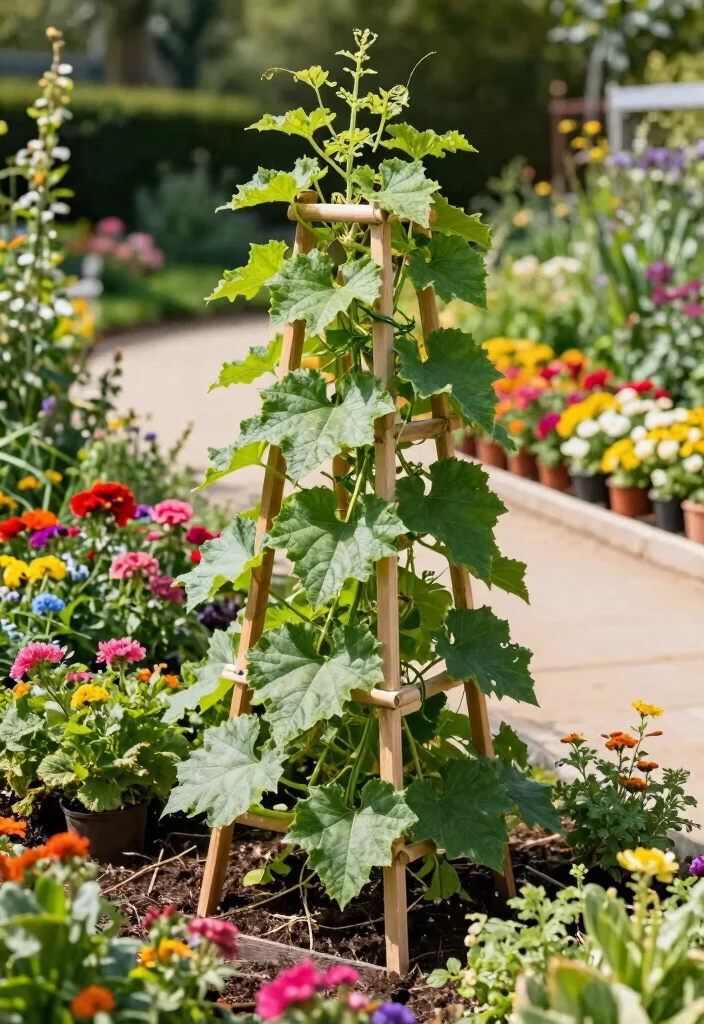
Do you want flexibility in your garden layout? A portable trellis is perfect for gardeners who like to rearrange their plants. This movable design allows you to position your squash according to sunlight or gardening needs. Use lightweight materials like PVC or wood to create a freestanding trellis that’s easy to relocate.
Place it wherever you need it, and as your squash grows, you’ll appreciate the accessibility for maintenance and harvesting. Portable trellises are especially useful for container gardens where space is limited.
Remember these tips:
– Ensure the base is heavy enough to prevent tipping.
– Use lightweight materials for easy movement.
– Consider adding wheels for convenience.
This mobility lets you adapt your garden to changing conditions, maximizing your garden’s potential.
Pro Tip: Portable squash trellis ideas let you chase the sun wherever you plant. Move lightweight trellises to optimize 6–8 hours of light, keep maintenance quick, and harvest confidence grows with every relocation.
Portable Trellis for Mobility
Editor’s Choice


9. Tension Wire Trellis
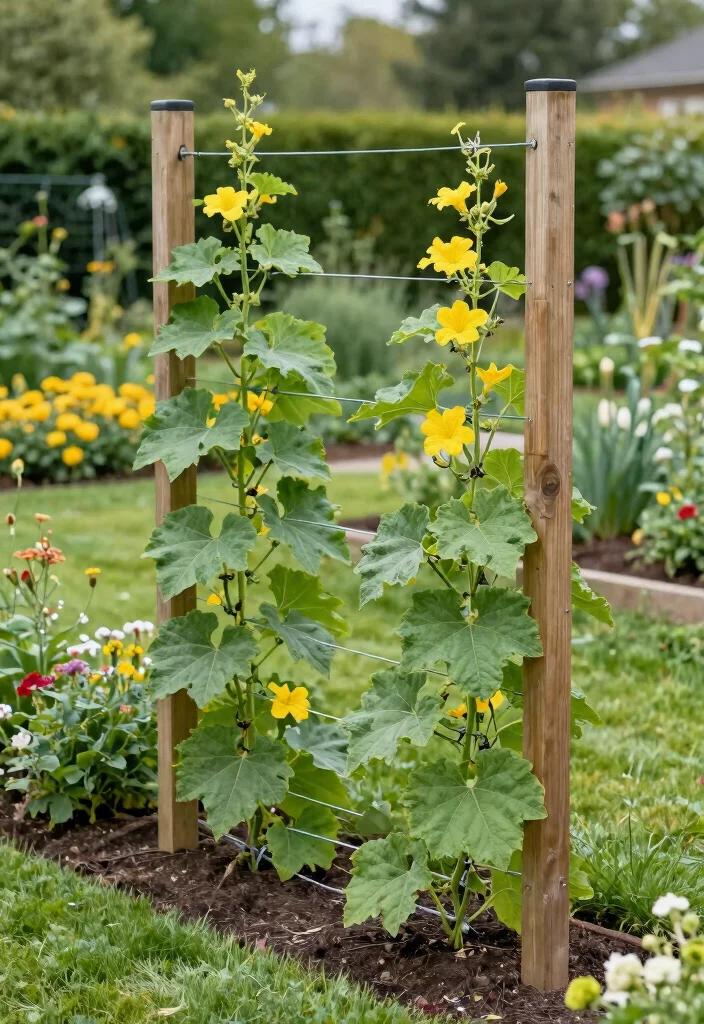
Want a sleek and effective way to support climbing squash? A tension wire trellis is a minimalist solution that involves running strong wire between anchor points, providing vertical support for your plants. This design takes up minimal space, creating a clean look in your garden.
To set up a tension wire trellis, securely attach the wire to sturdy posts, ensuring it’s taut enough to hold the weight of growing squash.
Important tips:
– Use stainless steel or galvanized wire to prevent rust.
– Space the anchors according to the expected height of the plants.
– Add horizontal lines for extra climbing support.
This modern design is not only functional but also adds a contemporary aesthetic to your garden.
10. Wall-Mounted Trellis Panels
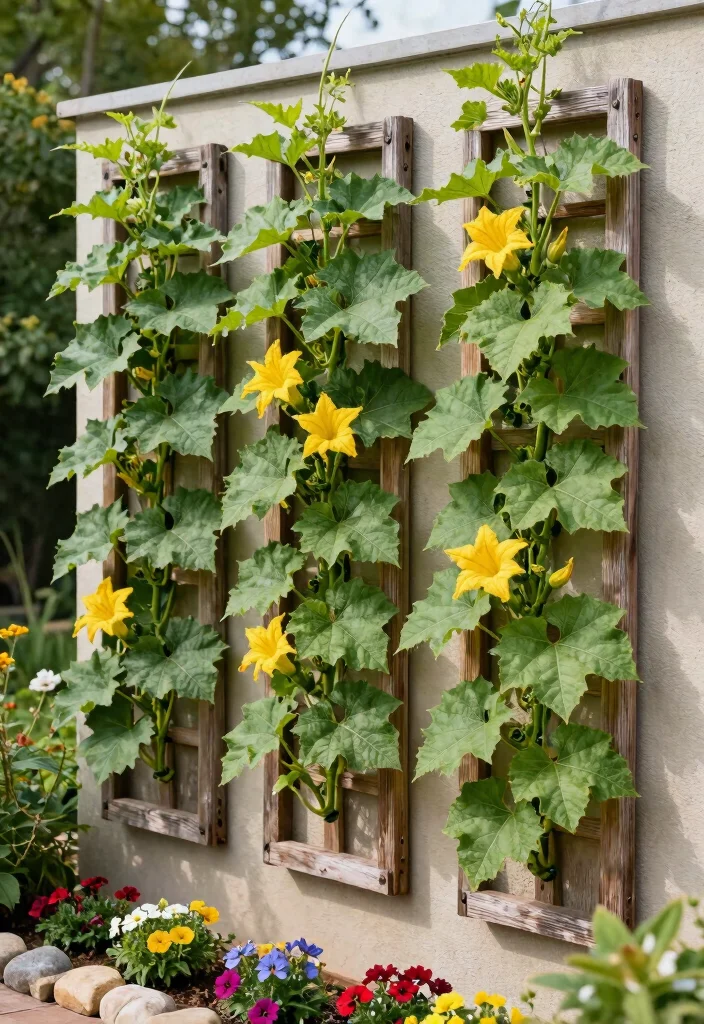
Looking to create a vertical garden that showcases your squash plants? Wall-mounted trellis panels are ideal for elevating your plants while adding beauty to your outdoor space. These panels attach directly to walls, allowing squash to grow up and over, enhancing texture and depth.
You can choose from various materials, including wood, metal, or repurposed fences. This design keeps squash off the ground, reducing the risk of rot and pests.
Consider these creative ideas:
– Use decorative panels for an artistic touch.
– Mix in trailing flowers or herbs for a layered look.
– Ensure proper spacing for adequate sunlight and airflow.
This design not only supports your squash but also enhances the overall aesthetic of your garden.
Fun fact: Wall-mounted squash trellis ideas elevate vining plants off the ground, cutting rot and pests by up to 40%. Weave your squash up and over a wood, metal, or repurposed panel for a lush, space-smart harvest.
11. Multi-Level Vertical Planter
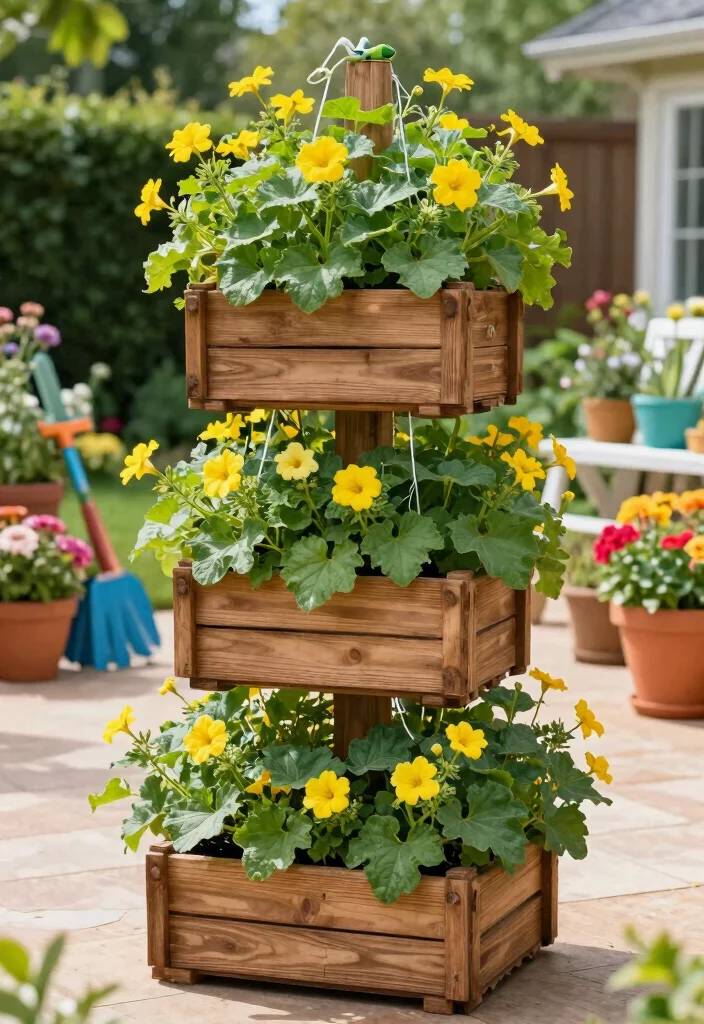
Searching for a space-saving solution for your garden? A multi-level vertical planter allows you to grow several squash plants in a compact area. This design features stacked levels, where each tier supports climbing plants, making it perfect for small gardens or patios.
You can build this using wooden planter boxes or repurposed materials, ensuring each layer has enough depth for the roots. As the squash climbs, it creates a lush vertical garden that adds character to your outdoor space.
For your multi-level planter:
– Use lightweight materials for easier movement.
– Position it in a sunny area for optimal growth.
– Incorporate companion plants for added benefits.
This vibrant structure supports various squash types and transforms your gardening experience.
12. Recycled Materials Trellis
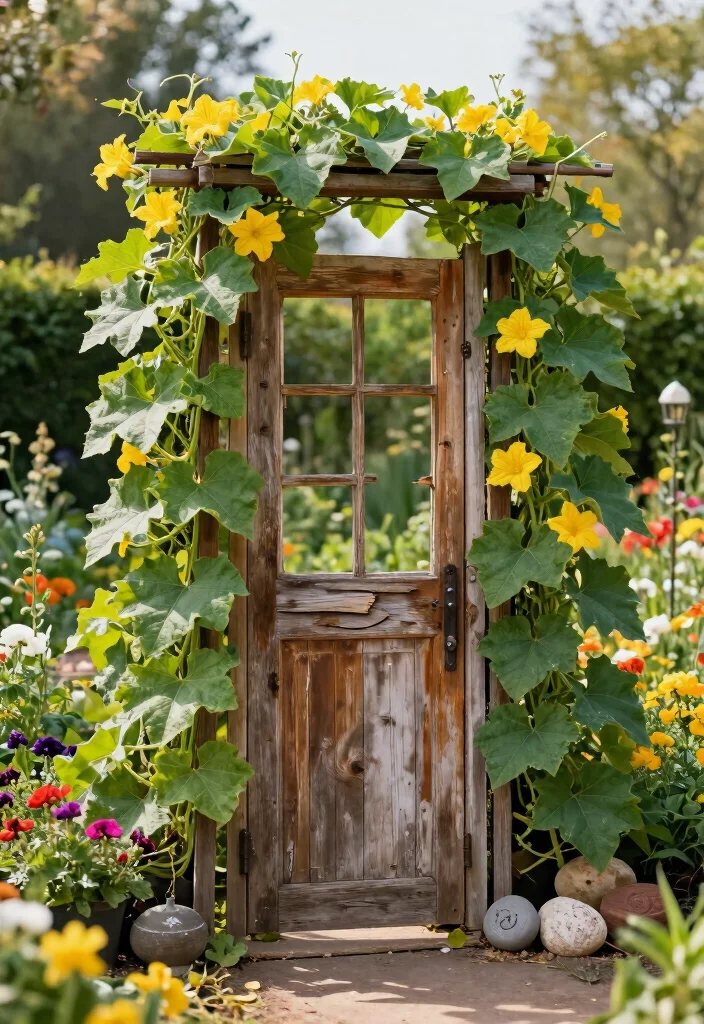
Want to showcase your creativity while being eco-friendly? A trellis made from recycled materials is a unique and sustainable option for your garden. Old furniture, discarded pallets, or repurposed pipes can be transformed into distinctive trellis designs for climbing squash. Editor’s Choice
Simply clean and prepare the materials, then assemble them to provide adequate support for your squash. This innovative design is full of character, making your garden truly one-of-a-kind.
Some ideas for recycled materials:
– Old doors or windows for a vintage feel.
– Broken furniture frames for a rustic vibe.
– Wire hangers twisted into shape for a lightweight option.
This sustainable method allows you to cultivate a vibrant vertical garden while being kind to the planet.
Recycled Materials Trellis



Conclusion
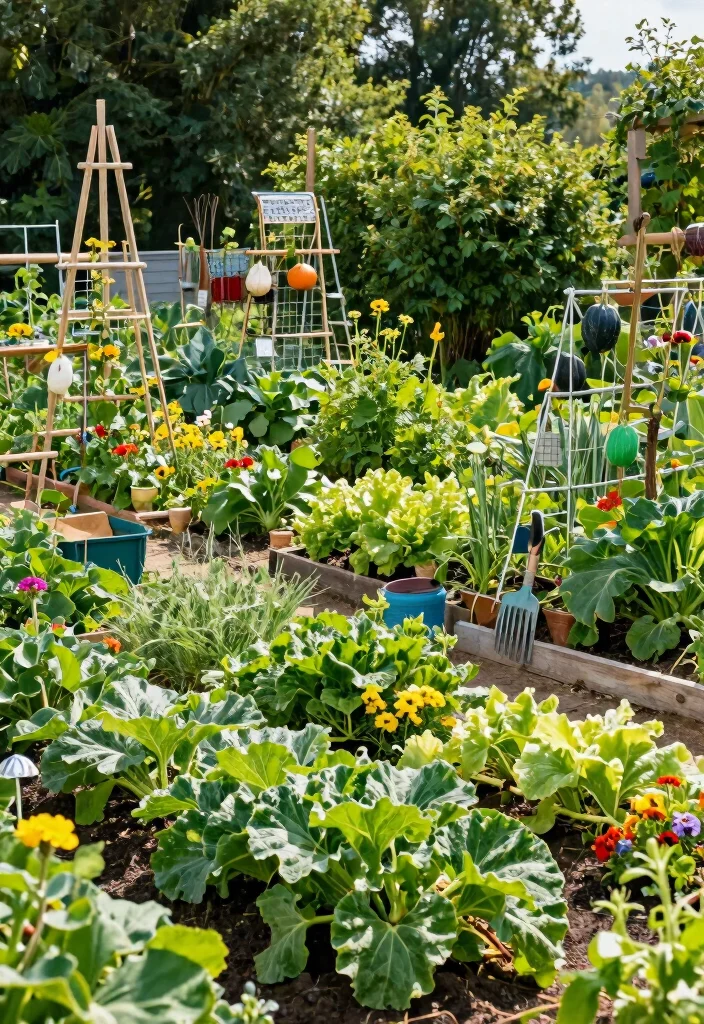
Creating a vertical vegetable garden using squash trellis ideas not only maximizes your space but also enhances the beauty of your garden. From classic A-frames to innovative recycled materials trellises, the options are endless. By embracing these designs, you can cultivate a thriving garden that showcases your creativity and commitment to sustainable gardening practices. Try out these ideas and let your squash flourish upwards, adding life and color to your small garden space. What’s your favorite trellis design? Share your thoughts and tips in the comments below! Note: We aim to provide accurate product links, but some may occasionally expire or become unavailable. If this happens, please search directly on Amazon for the product or a suitable alternative. This post contains Amazon affiliate links, meaning we may earn a small commission if you purchase through our links, at no extra cost to you.
Frequently Asked Questions
What are the best squash trellis ideas for small spaces?
For small spaces, these squash trellis ideas make vertical gardening easy and productive.
First, a freestanding cattle-panel arch provides strong support and a striking focal point. Make sure it’s well anchored and wide enough for vines to spread.
Second, mount a lattice panel or wall-mounted trellis on a sturdy structure to save floor space and improve air circulation.
Third, try a Teepee or A-frame trellis using bamboo or PVC for quick setup and strong vertical lines.
Fourth, use a PVC-frame with a strong garden net to guide vines upward without crowding the ground.
Fifth, repurpose a fence section or pallet into a compact vertical garden panel topped with wire mesh. As you train the squash, monitor for crowding and prune to maintain airflow. This aligns with space-saving gardening techniques and climbing plants support concepts.
How do I choose a climbing plant support for squash in a vertical garden?
Choosing the right support boils down to weight, durability, and how you’ll anchor it.
Look for sturdy, weather-resistant materials (metal, treated wood, or heavy-duty PVC). If you’re in windy areas, go with anchored posts and cross-braces.
Ensure the support is tall enough for the variety’s vines and leaves ample room for fruit to hang without touching the ground. Attach securely to a wall or fence using strong fasteners or ties.
This approach provides solid climbing plants support, supports effective vertical gardening tips, and complements your vegetable garden design.
Are there easy DIY trellis designs for squash that beginners can build?
Absolutely. Here are a few beginner-friendly DIY trellis designs for squash:
1) PVC frame with garden net: cut PVC to height, connect with elbows, drape a sturdy garden net, and secure with zip ties.
2) Cattle-panel arch: set two posts, bend a cattle panel into an arch, and anchor firmly at the base.
3) Wooden lattice on a fence: mount a lightweight lattice panel to an existing fence with screws and eye bolts.
All of these are accessible projects that fit into practical space-saving gardening techniques and vegetable garden design goals.
What vertical gardening tips help maximize yield in a small vegetable garden?
Focus on light, airflow, and training. Choose squash varieties that perform well on trellises, place the trellis where they’ll get full sun, and train vines early to maximize vertical growth. Practice proper spacing, mulch to retain moisture, and water at the base to avoid leaf disease. Feed with a balanced fertilizer and monitor for nutrient needs as the plants mature. This approach highlights vertical gardening tips, supports smart vegetable garden design, and leverages space-saving gardening techniques.
What are common mistakes in squash trellis setups and how can I fix them?
Common mistakes include underestimating the weight of mature fruit, not anchoring posts deeply enough, using flimsy fasteners, and letting vines sprawl instead of being trained. Fixes: use sturdy, outdoor-rated materials with cross-bracing; anchor posts firmly; tie vines with soft, adjustable ties; train growth regularly to keep fruit off the ground; ensure good airflow by spacing and pruning as needed. By avoiding these issues, you’ll enhance climbing plants support and stay aligned with DIY trellis designs and space-saving gardening techniques.