Creating a beautiful outdoor space can feel overwhelming, especially when you’re limited on room. If you’re like me, you’ve been daydreaming about lush greenery and vibrant blooms, but your small balcony or patio leaves you feeling stuck. That’s why I put together this post—it features 16 outdoor planter ideas that work in any space! Whether you’re a seasoned gardener or just starting out, these creative solutions will inspire you to transform your outdoor area without breaking the bank. This guide is perfect for anyone who loves gardening but struggles with limited space. Perhaps you live in an apartment, or maybe your backyard is on the smaller side. If you care about making your environment green and inviting, you’re in the right place. You’ll discover practical tips on vertical gardening, DIY outdoor planters, and innovative container gardening ideas that’ll breathe life into your limited space. Get ready to dive into a world of space-saving planters and imaginative designs! With these tips, you’ll learn how to make the most out of your outdoor area, no matter how small it may be. From hanging baskets to recycled planters, there’s something for everyone. Let’s explore how you can create your own little oasis right outside your door!
Key Takeaways
– Creative Planter Designs: Discover unique outdoor planter ideas, like vertical wall planters and tiered planters, that maximize space and add charm to any area. – DIY Outdoor Planters: Learn how to create your own planters using recycled materials, from pallet planters to rustic wheelbarrows, giving your garden a personal touch. – Space-Saving Planters: Explore innovative options like hanging baskets and wall-mounted planters to make the most of your limited space without sacrificing beauty. – Container Gardening Ideas: Dive into container gardening tips that enable you to grow flowers, herbs, or even small fruit trees right in your backyard or patio. – Practical Outdoor Gardening Tips: Get practical advice on plant selection and care that fits your space and lifestyle, ensuring your garden thrives even in small areas.1. Vertical Wall Planters
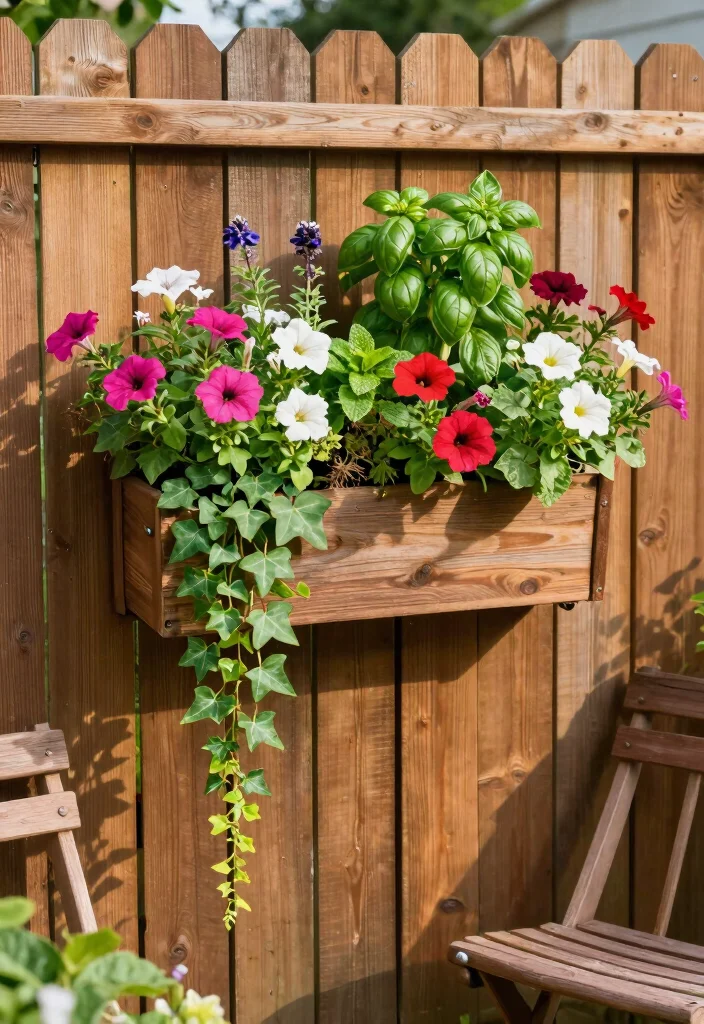
Are you looking to bring life to your walls while saving space? Vertical wall planters are an excellent choice for infusing your outdoor area with greenery and style. These stylish planters can be mounted onto fences or walls and can host a variety of plants, from fragrant herbs to vibrant succulents, giving you options to match your aesthetic. Their versatility means you can choose from sleek modern designs or rustic wooden setups, enhancing your garden with a unique touch.
To get started, consider assessing your wall’s structure and the types of plants you want to grow. Mix and match different species for a colorful display and ensure there’s enough sunlight for each plant. With the right setup, these planters can transform your outdoor space into a lush, vibrant retreat.
Key steps to create stunning vertical wall planters:
– Use strong mounting hardware for safety.
– Incorporate drainage solutions for plant health.
– Choose a drip irrigation system for easy upkeep.
– Combine trailing and upright plants for visual depth.
Vertical wall planters not only save space but also add a stunning focal point to your garden, revitalizing your outdoor living area!
2. Tiered Planters
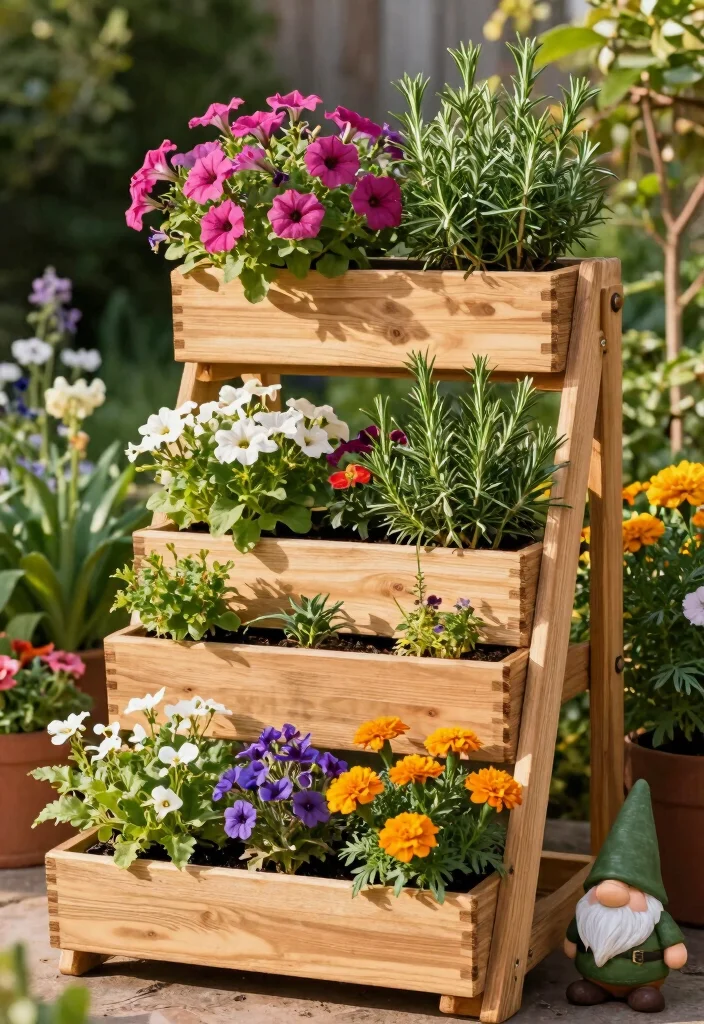
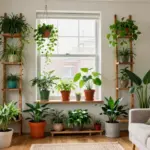
Tiered planters are a chic solution for those wanting to maximize plant variety while minimizing space. These multi-level designs allow you to cultivate an array of plants in a compact area, making them ideal for balconies or small gardens. Crafted from materials like wood, metal, or ceramic, they add a stylish element to your outdoor decor.
Arranging plants in tiers creates a stunning visual effect, where trailing varieties can cascade down while taller plants stand proud on top. This not only enhances aesthetics but also ensures every plant gets ample sunlight for healthy growth.
Here’s how to make the most of your tiered planters:
– Select plants with similar watering needs for easier care.
– Position them in sunny locations to promote optimal growth.
– Accentuate with decorative stones or string lights for charm.
Tiered planters allow you to explore diverse plant life without sacrificing space, making gardening accessible and enjoyable!
📹 Related Video: Creating a Beautiful Tiered Planter | Gardening with Creekside
3. Hanging Baskets
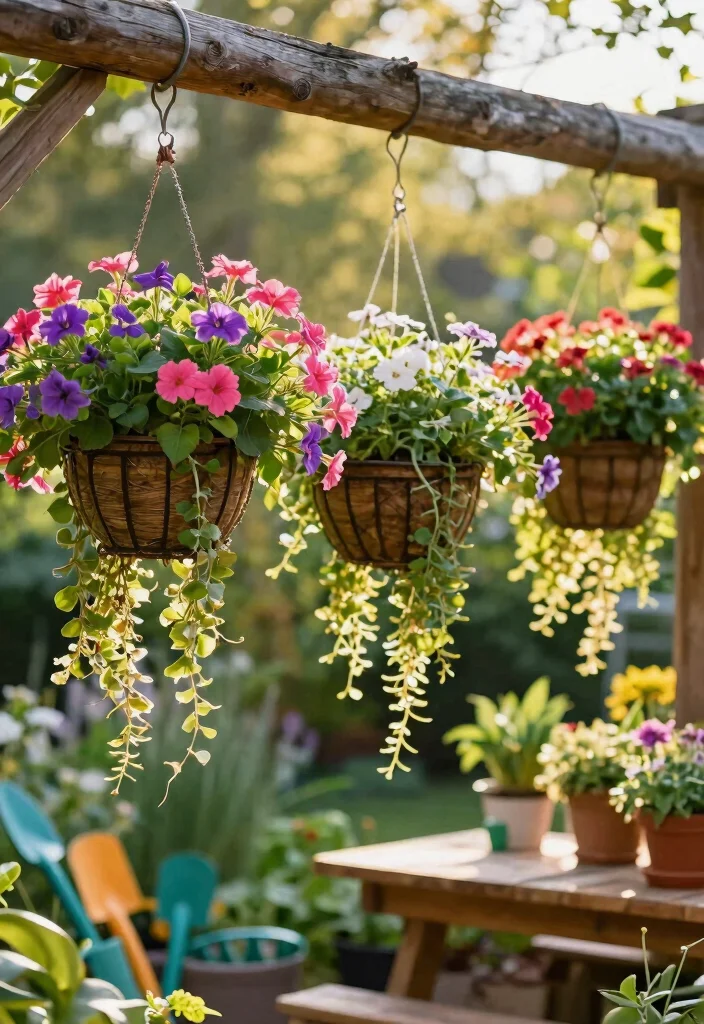
Hanging baskets are a delightful way to add dimension to your outdoor space while utilizing vertical areas. Available in styles like wire or wicker, these versatile planters can host a variety of plants, from lush ferns to colorful petunias. Suspend them from hooks, ceilings, or railings to create a captivating display that draws the eye upward.
This design not only frees up ground space but also highlights your plants at eye level for a more engaging experience. The gentle movement of hanging plants adds a dynamic touch to your outdoor environment.
Consider these tips for successful hanging baskets:
– Ensure proper drainage by using well-aerated potting soil.
– Regularly inspect for pests, as elevated plants may attract insects.
– Combine different colors and textures for a vibrant showcase.
Hanging baskets introduce a playful element to your garden, allowing for creative combinations that brighten your space!
4. Recycled Planters
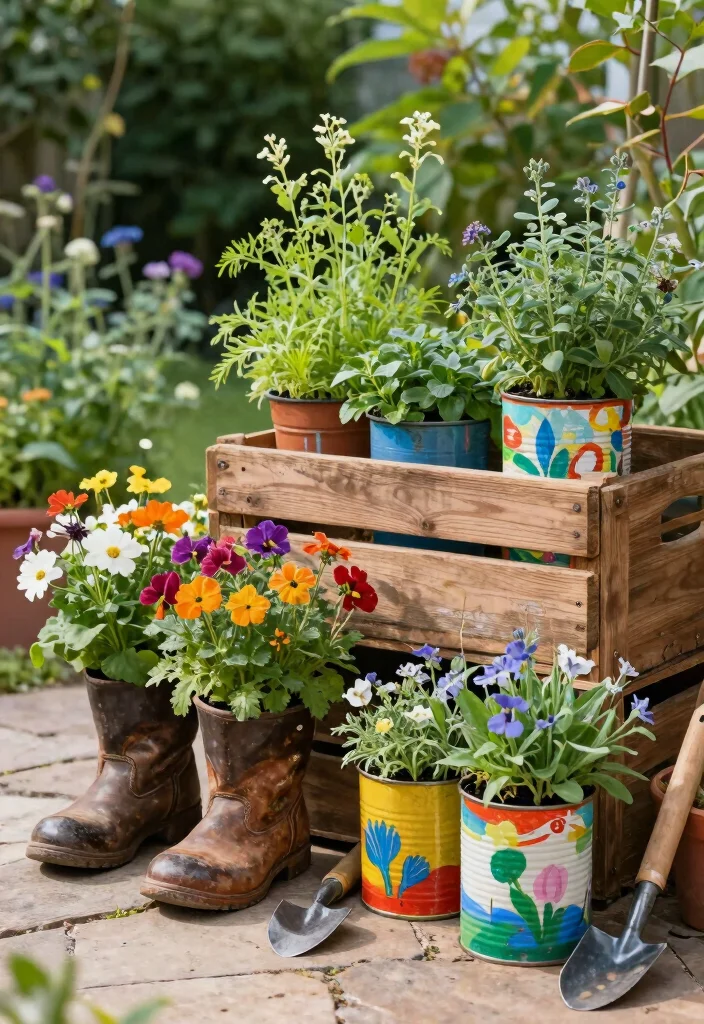
Embrace sustainability with recycled planters that offer both creativity and eco-friendliness. Items like old containers, bottles, or furniture can be transformed into unique planters that tell a story while enhancing your outdoor space. The beauty of recycling is your ability to customize these materials with paint, decorative touches, or even mosaic designs.
Each planter becomes a unique piece of art that adds character and charm to your garden. Plus, it’s a fun way to express your style while being kind to the planet.
Here are some tips for creating recycled planters:
– Ensure all materials are clean and have drainage holes.
– Consider using a liner to protect against moisture damage.
– Get inventive—transform old boots or tin cans into charming planters!
Recycled planters not only enhance your garden’s aesthetic but also showcase your commitment to sustainable practices!
5. Wall-Mounted Planters
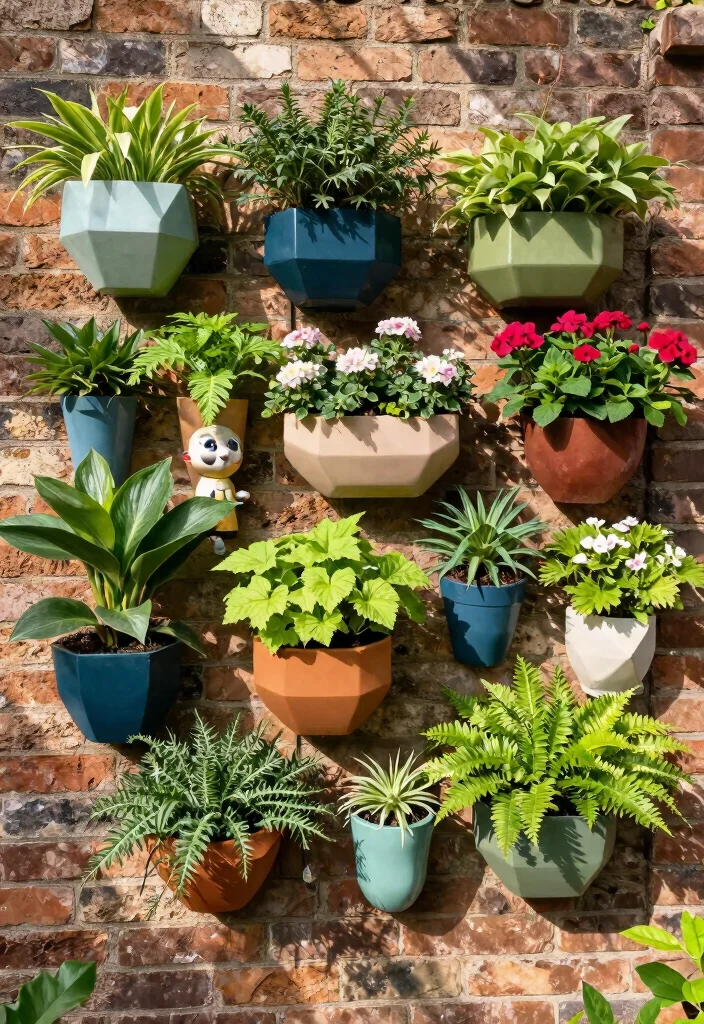
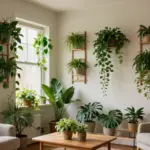
Short on garden space? Wall-mounted planters are your ideal solution! These sleek designs attach directly to your walls, creating a vertical garden that requires minimal ground area. You can choose modular boxes, artistic geometric shapes, or decorative wall-mounted structures that serve as both planters and decor.
These planters can accommodate a variety of plants, from colorful flowers to culinary herbs. Mixing in trailing plants creates a lush appearance that enhances your walls beautifully.
Consider these tips for wall-mounted planters:
– Opt for lightweight materials to reduce strain on the wall.
– Explore vertical garden systems for maximum plant yield.
– Choose colors that complement your outdoor design for a cohesive look.
Wall-mounted planters fuse art and function, transforming your outdoor space into a vibrant masterpiece!
Wall-mounted planters prove you don’t need acres to grow color—just clever space and a little sun. For planter ideas outdoor, stacking greens creates a vertical garden that looks like a lush painting.
6. Pallet Planters
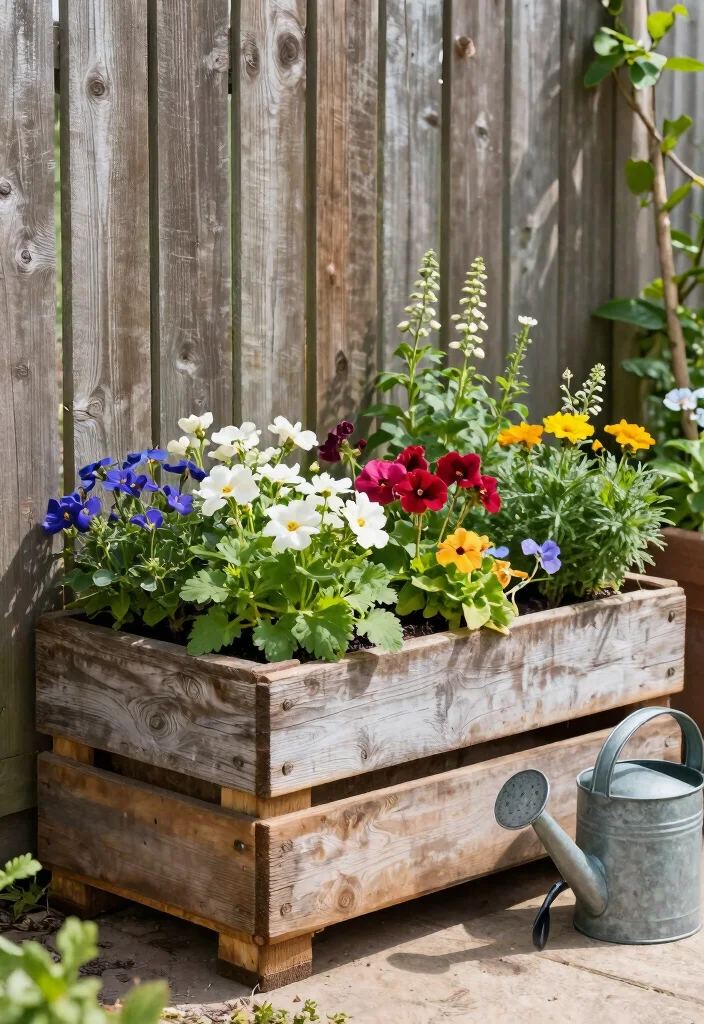
Pallets can be transformed into stunning planters that are both stylish and environmentally friendly. With a bit of creativity, you can turn a simple wooden pallet into a vertical garden or tiered planter. Just stack or lean the pallets against a wall, fill them with soil, and plant your favorite flowers or herbs. The rustic look of pallets adds a unique texture to your garden.
To maximize your pallet planters, consider staining or painting them to match your garden theme. Adding wheels can enhance mobility, making it easy to adjust their placement.
Here are some creative ideas for pallet planters:
– Use landscape fabric to hold soil while allowing drainage.
– Create a vertical garden by stacking pallets on top of one another.
– Fill with colorful flowers or herbs for a vibrant display.
Pallet planters embody practicality and creativity, allowing you to make a stylish statement in your outdoor area!
7. Container Gardens
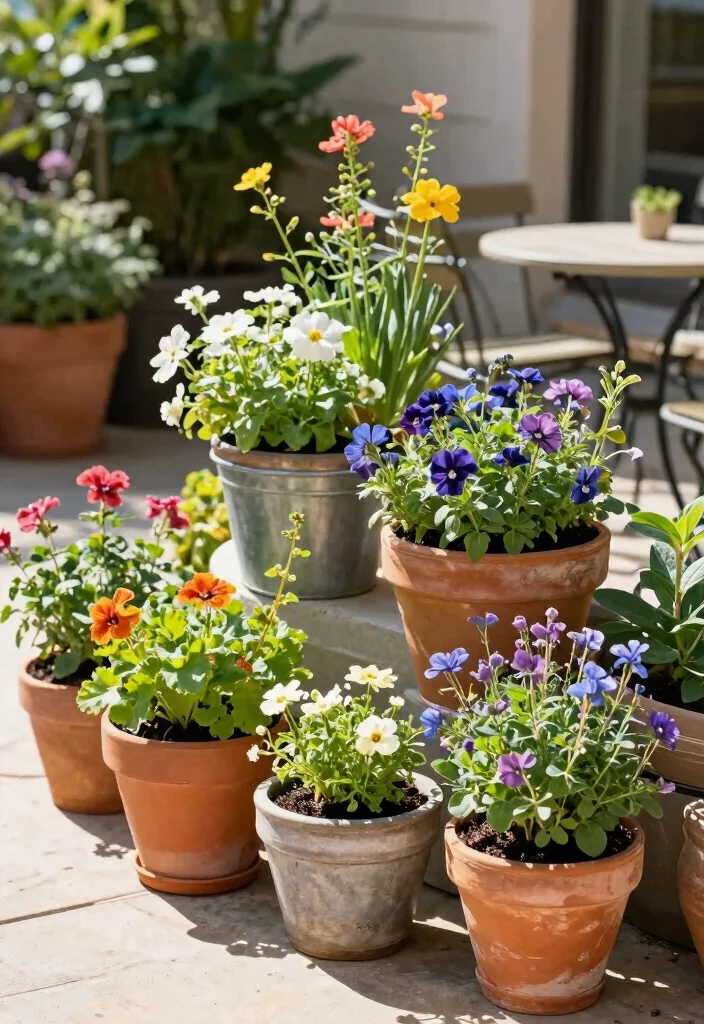
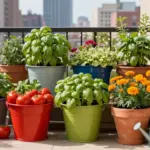
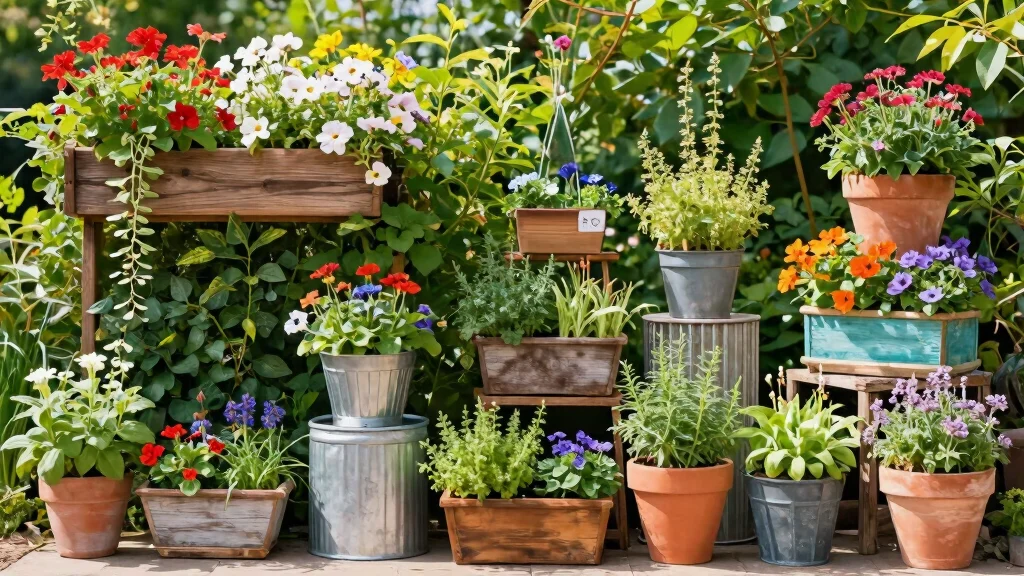
Container gardens are perfect for those with limited space or poor soil conditions. By using pots or containers, you can control soil quality and drainage, making it easier to grow your favorite plants. Experiment with various container sizes and shapes to create a visually engaging arrangement, layering plants for fuller growth. You can even mix edible plants with ornamental varieties for a garden that’s both beautiful and functional. Editor’s Choice
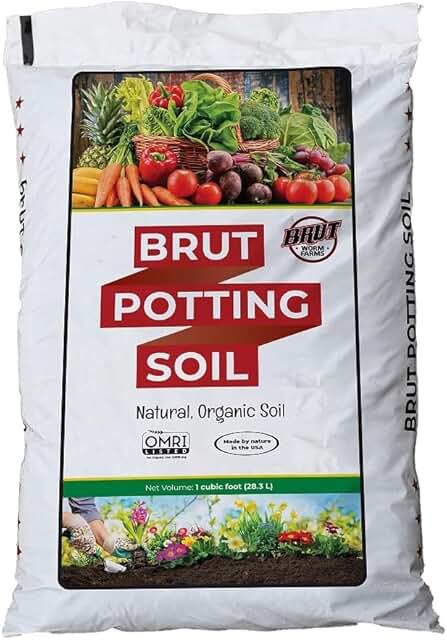
To ensure success with your container garden, select high-quality potting soil tailored to your plants. Regularly check for drainage to avoid waterlogging, and group containers based on their sunlight and watering needs for easier care.
Key tips for container gardening:
– Choose containers that provide adequate drainage holes.
– Rotate plants seasonally for continual interest.
– Use decorative pots to enhance your outdoor aesthetic.
Container gardening promotes flexibility and diversity, making it a great choice for all gardening enthusiasts!
Container Gardens




8. Straw Bale Planters
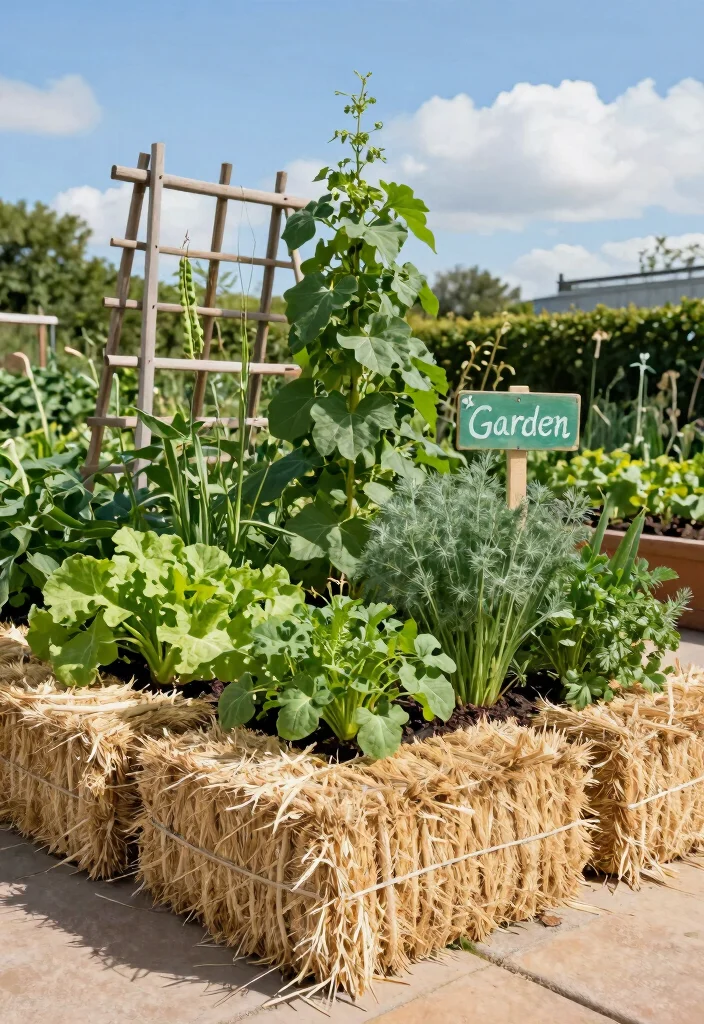
Straw bale planters are an innovative and sustainable gardening method gaining traction among green thumbs. Straw bales provide excellent drainage and nutrients as they decompose, making them a great option for growing vegetables, herbs, and flowers. Simply arrange your bales in a sunny spot, and watch your garden flourish! Editor’s Choice
Watering the bales before planting helps initiate decomposition, creating a nutrient-rich environment for your plants. Combining straw bales with trellises for climbing plants can add vertical interest to your garden space.
Tips for successful straw bale gardening:
– Use mulch to retain moisture and prevent weeds.
– Mix in compost for added nutrients.
– Ensure bales are positioned for maximum sunlight exposure.
Straw bale planters showcase your commitment to sustainable gardening while yielding bountiful harvests!
Straw Bale Planters


How To Choose the Right Vertical Garden Planter
When you’re looking to add greenery to a small outdoor space, vertical garden planters are a fantastic option. They save space and bring a fresh vibe to your environment. But how do you choose the right one? Let’s break it down into simple steps. 1. Size MattersYou need to consider the available space before selecting a vertical garden planter. Measure the area where you plan to place it. Ensure that the planter fits well without overcrowding your area. Vertical planters come in various sizes; some can reach heights of 6 feet or more. A narrower design may be ideal for tight spaces, while a wider option can accommodate more plants.
2. Material Choice
The material of your planter affects durability and appearance. Common materials include wood, metal, and plastic. Wooden planters provide a rustic charm but may require regular treatment to withstand weather. Metal can be sleek and modern but might heat up in direct sunlight. Plastic is lightweight and typically resistant to the elements, making it a practical choice for many. Choose a material that complements your outdoor décor.
3. Drainage Features
Good drainage is key to healthy plants. Look for planters that have drainage holes at the bottom to prevent water from pooling, which can lead to root rot. Some vertical planters come with built-in drainage systems, ensuring that the water flows freely. You might also consider adding a layer of gravel at the bottom for extra drainage support.
4. Plant Compatibility
Think about what types of plants you want to grow. Some vertical planters are designed specifically for herbs, while others are ideal for flowering plants or vegetables. Research the needs of your desired plants regarding sunlight, soil type, and watering. Ensure that your planter can support the growth of those plants effectively.
5. Aesthetic Appeal
A vertical garden is not just functional; it’s also a visual statement. Choose a design that matches your style, whether it’s modern, rustic, or whimsical. You might opt for a colorful planter to add a pop of color or a minimalist design for a sleek look. Consider how the planter will fit with your existing outdoor furniture and décor.
6. Budget Considerations
Establish a budget before you start shopping for a vertical garden planter. Prices can vary significantly based on size, material, and brand. While it can be tempting to go for the cheapest option, investing a bit more in quality can save you from replacing it in the future. Consider DIY options as well, as creating your own planter can often be more cost-effective.
Pro Tip: Before making a purchase, read reviews or ask for recommendations from fellow gardening enthusiasts. This can help you identify any potential issues with specific models and ensure you make the best choice for your outdoor space.
By considering these factors—size, material, drainage, plant compatibility, aesthetics, and budget—you can find the perfect vertical garden planter that will thrive in your small space. Happy gardening! 🌱
9. Hanging Gutter Gardens
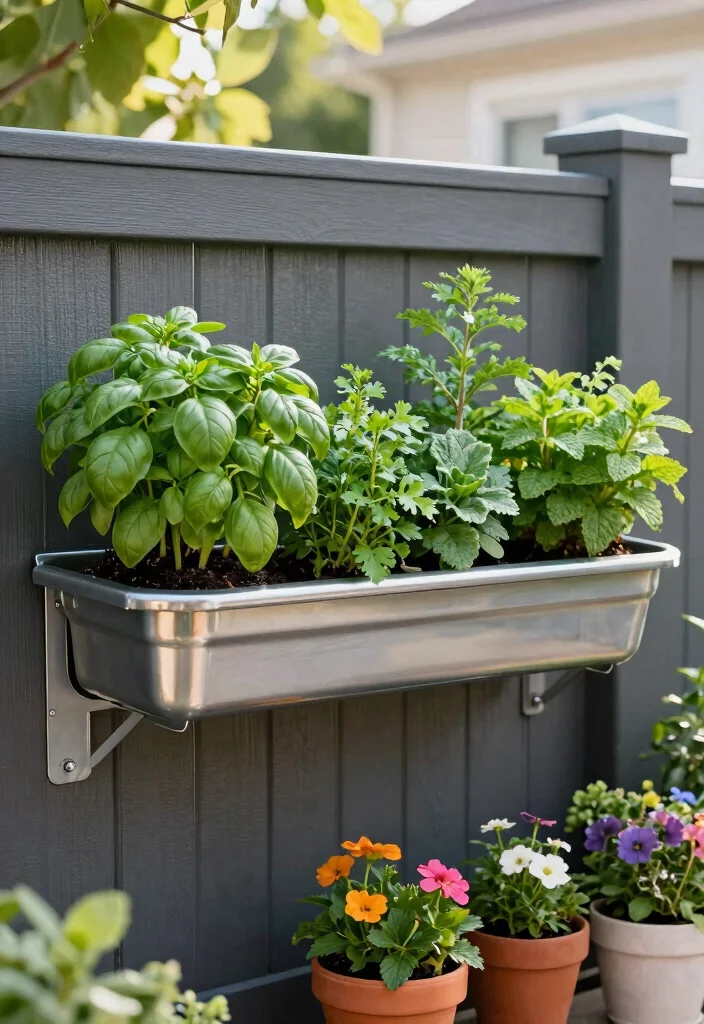
Have you ever thought about using old gutters as planters? Hanging gutter gardens are a unique way to repurpose materials into eye-catching planters. Simply cut and attach gutters to a wall or fence, fill them with soil, and plant herbs or flowers of your choice. This design allows for easy maintenance and watering, making it perfect for small spaces.
This modern gardening approach adds a contemporary twist to your outdoor decor. You can get creative with plant combinations to create a unique display.
Here are some ideas for your hanging gutter gardens:
– Paint the gutters to give them a decorative touch.
– Mix different plant varieties for a vibrant showcase.
– Install a drip tray below to catch excess water.
Hanging gutter gardens are space-efficient and bring a fresh, stylish flair to your gardening endeavors!
Did you know a single 6-foot gutter can hold 8–12 herbs or flowers, turning a tiny balcony into a living wall? Hanging gutter gardens prove that small spaces can deliver big, practical planter ideas outdoor—mess-free watering included.
10. Fruit Tree Planters
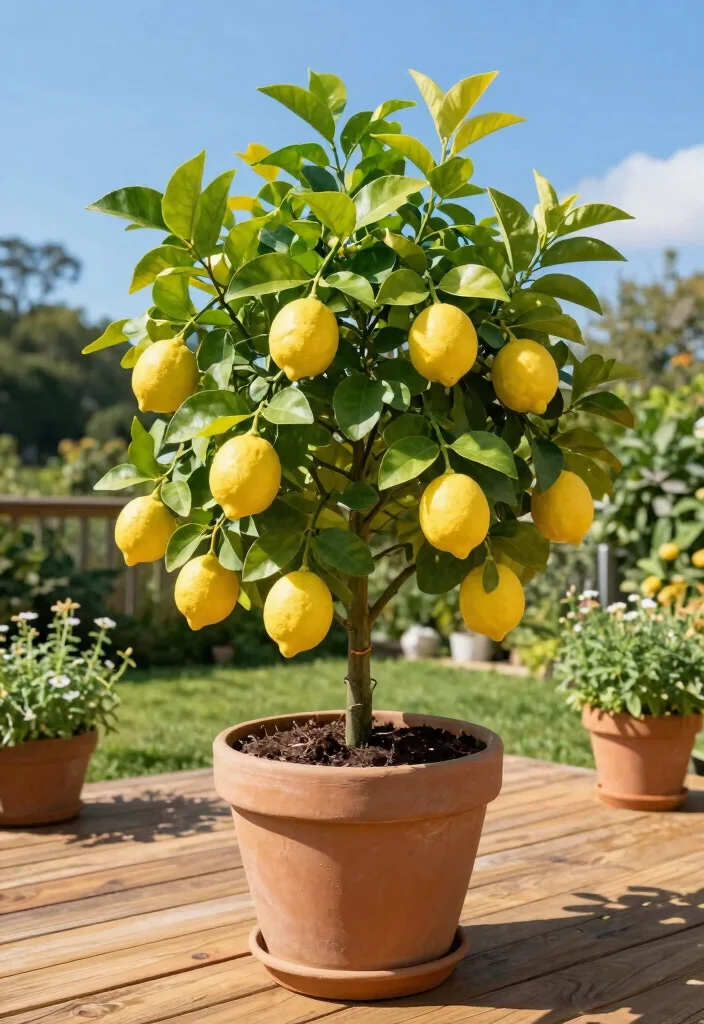
If you have the space, large planters are perfect for growing fruit trees. Dwarf varieties thrive beautifully in containers, yielding delicious fruits while adding a striking focal point to your outdoor setting. Consider growing lemon, apple, or fig trees, ensuring they are placed in sunny spots for optimal growth. Editor’s Choice
When selecting containers, choose large and sturdy ones to accommodate the root growth of fruit trees. Using high-quality potting mix designed specifically for fruit trees can make a big difference in their health.
Tips for growing fruit trees in containers:
– Regularly prune trees to maintain shape and health.
– Water consistently to prevent stress during fruiting.
– Fertilize with a balanced mix for best results.
Growing fruit trees in planters transforms your outdoor space into a delightful mini orchard that’s both fruitful and visually appealing!
Fruit Tree Planters


11. Rustic Wheelbarrow Planters
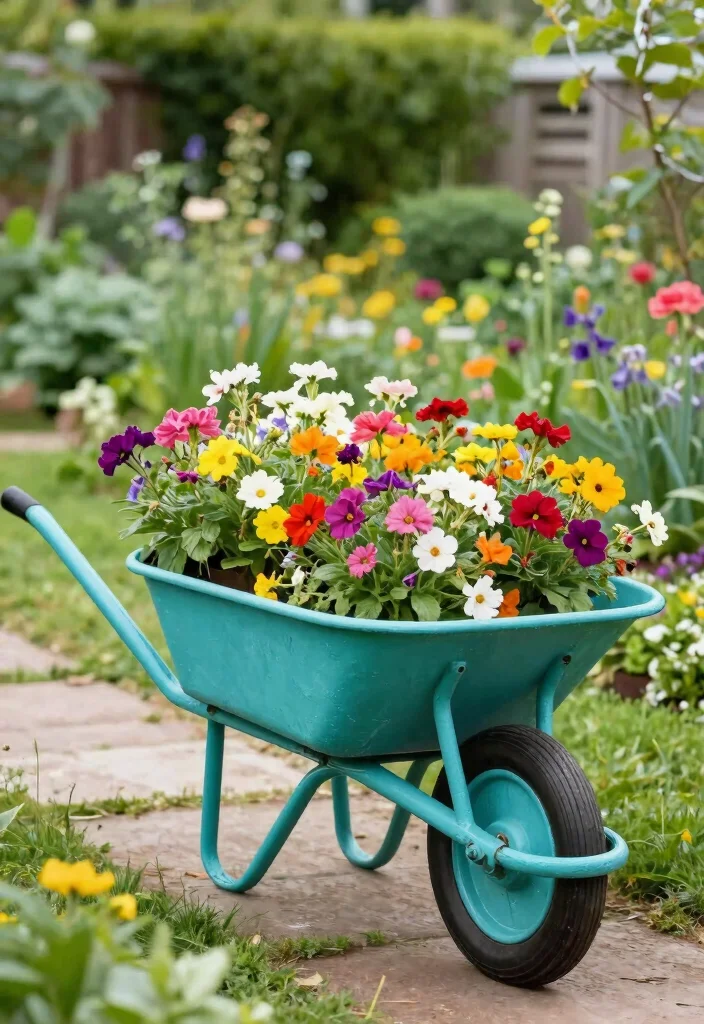
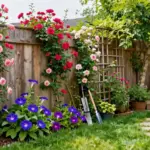
Add a rustic touch to your garden with charming wheelbarrow planters. These delightful pieces can be filled with soil and a variety of plants, instantly creating a vintage vibe in your outdoor area. Position them strategically in your garden or on patios to serve as whimsical focal points. The combination of the wheelbarrow’s rustic charm and blooming flowers creates an inviting atmosphere.
To enhance your wheelbarrow planters, consider painting them in bright colors for a fun twist. Use them as a centerpiece with trailing plants spilling out for a gorgeous effect.
Key tips for wheelbarrow planters:
– Ensure you drill drainage holes to keep plants healthy.
– Group multiple wheelbarrows for an eye-catching arrangement.
– Fill with colorful blooms for added visual impact.
Rustic wheelbarrow planters add personality and character, making your garden setup truly unique!
12. Garden Trug Planters
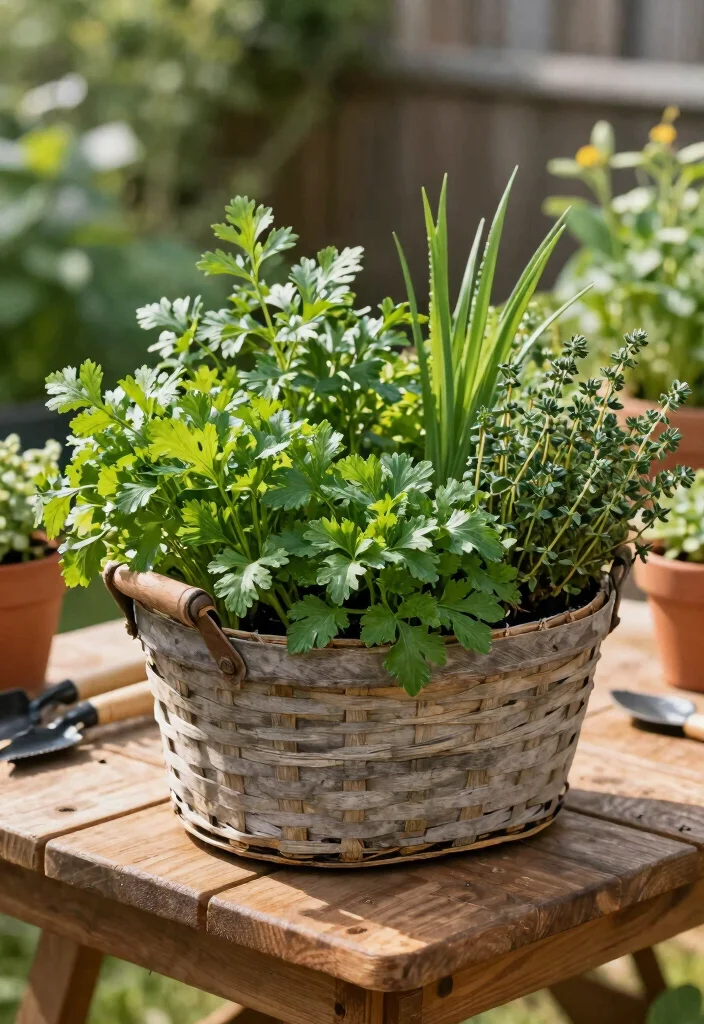
Garden trugs are traditionally used for carrying produce, but they make delightful planters too! These shallow containers are perfect for herbs, succulents, or smaller flowering plants. Place them on tabletops or hang them on fences to add charm to your outdoor space. The woven design ensures great drainage, helping your plants thrive.
To maximize their potential, line the bottom with landscape fabric to keep the soil in place. Group multiple trugs together for a cohesive and charming look.
Here are some tips for using garden trug planters:
– Use a mix of herbs for easy access while cooking.
– Consider adding colorful flowers for a vibrant display.
– Regularly check soil moisture to keep plants happy.
Garden trug planters lend a rustic touch to your garden, making them a delightful addition to your outdoor setup!
Fun fact: Garden trug planters boost drainage by 40% compared to plastic pots, thanks to their woven design. For planter ideas outdoor that actually work, line the bottom and group several trugs for a charming, low-maintenance herb display.
Garden Trug Planters
Editor’s Choice


13. Trough Planters
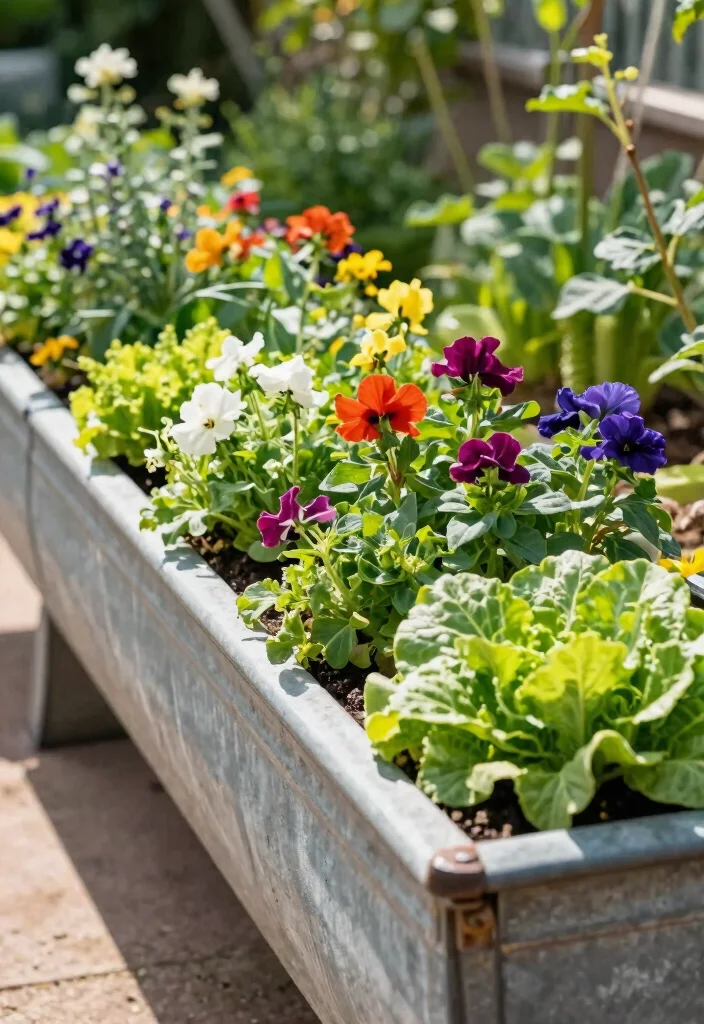
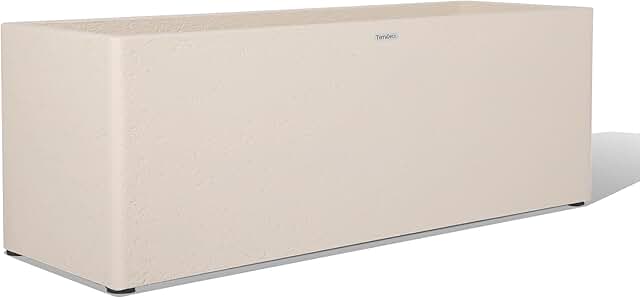
Trough planters are an exciting option for creating long, linear gardens. Often made from metal or wood, these versatile planters can accommodate multiple plants in one space. They work well for both vegetables and flowers, providing ample growing space while being visually appealing.
When placed in sunny spots, trough planters can ensure your plants receive the light they need to thrive. You can fill them with a variety of plants for a stunning display throughout the seasons.
Key tips for trough planters:
– Use a mix of soil and compost for optimal results.
– Consider companion planting to maximize health and yield.
– Regularly inspect for pests, especially when growing vegetables.
Trough planters are functional and fashionable, making them an excellent choice for contemporary garden setups!
14. Balloon Plant Towers
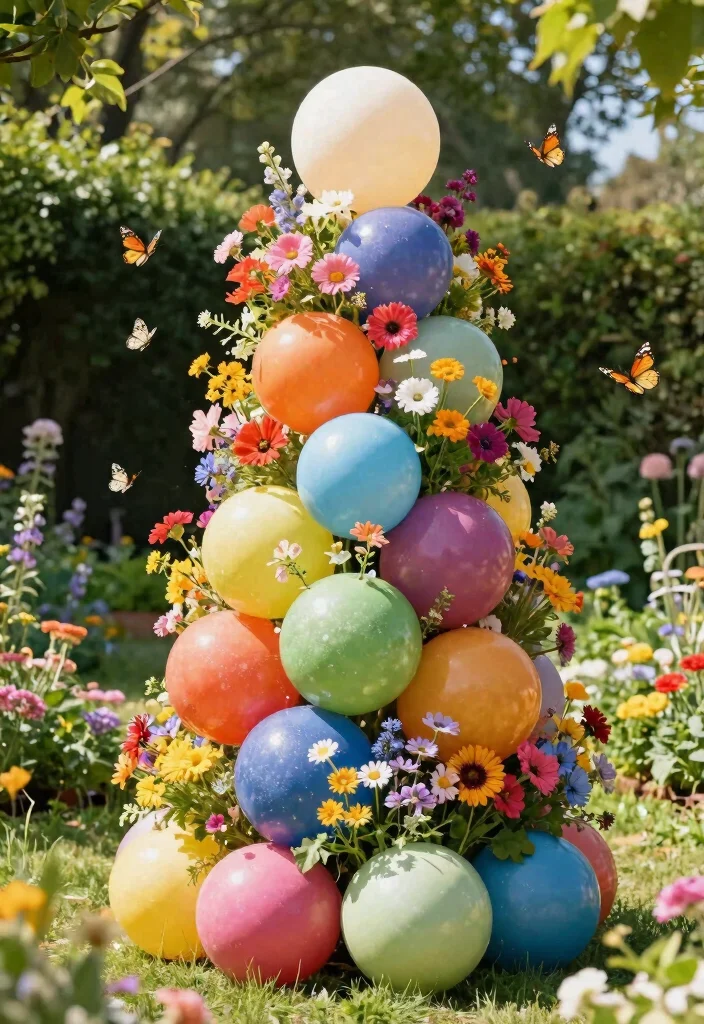
For a fun and whimsical touch, try balloon plant towers. These vertical structures can be created from round containers stacked together, resulting in a playful look. They’re ideal for trailing plants or colorful flowers, adding a burst of life to your outdoor area. Balloon towers can fit snugly in corners or serve as a striking centerpiece on patios.
To enhance their appearance, use vibrant colors for the containers to catch the eye. Combine different plant types for a visually stunning display that draws attention.
Here are some tips for balloon plant towers:
– Ensure each container has proper drainage.
– Experiment with varying heights for a dynamic effect.
– Regularly check moisture levels for healthy growth.
Balloon plant towers provide a cheerful element to your garden, perfect for those who love a bit of flair!
15. Window Box Planters
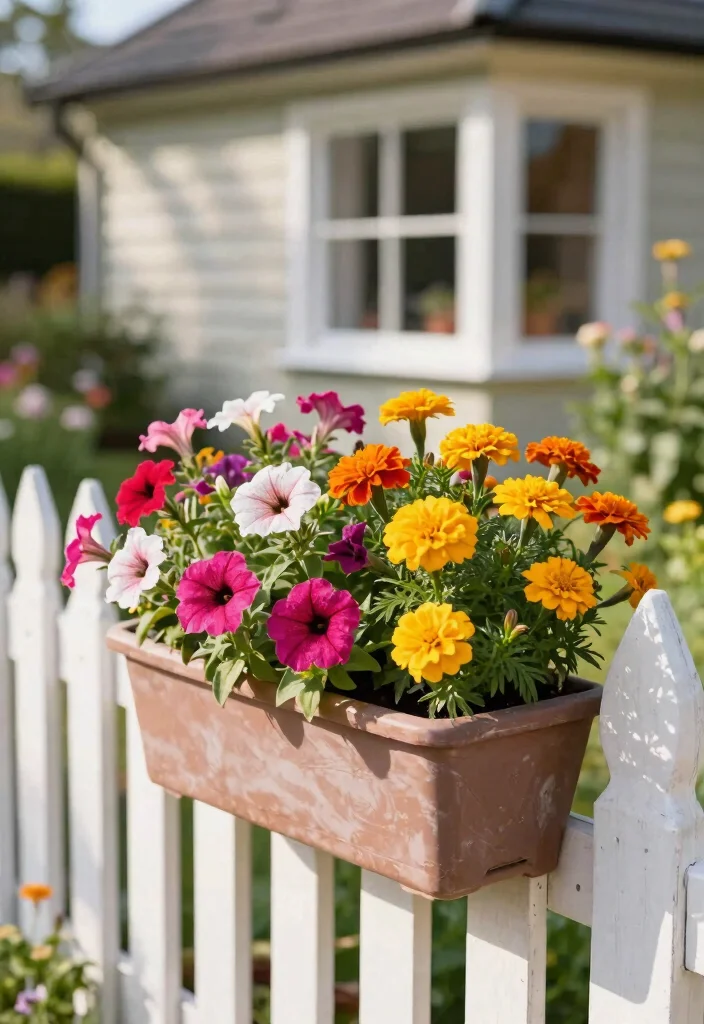
Window box planters can add charm to any outdoor setting, especially when placed along fences, railings, or windowsills. These planters are perfect for growing herbs, flowers, or small vegetables, bringing life directly to your living space. Made from wood, metal, or plastic, you can choose a style that fits your home’s aesthetic.
To achieve continuous color, select vibrant flowers that bloom throughout the seasons and ensure proper drainage for healthy plants. Using a drip tray can help catch excess water, protecting your surfaces from damage.
Key tips for window box planters:
– Choose a mix of flowers for varied visual interest.
– Regularly check soil moisture to keep plants thriving.
– Use trellises for climbing plants for added height.
Window box planters are a classic choice, adding elegance and practicality to your gardening endeavors, making any space feel homely!
16. Greenhouse Planters
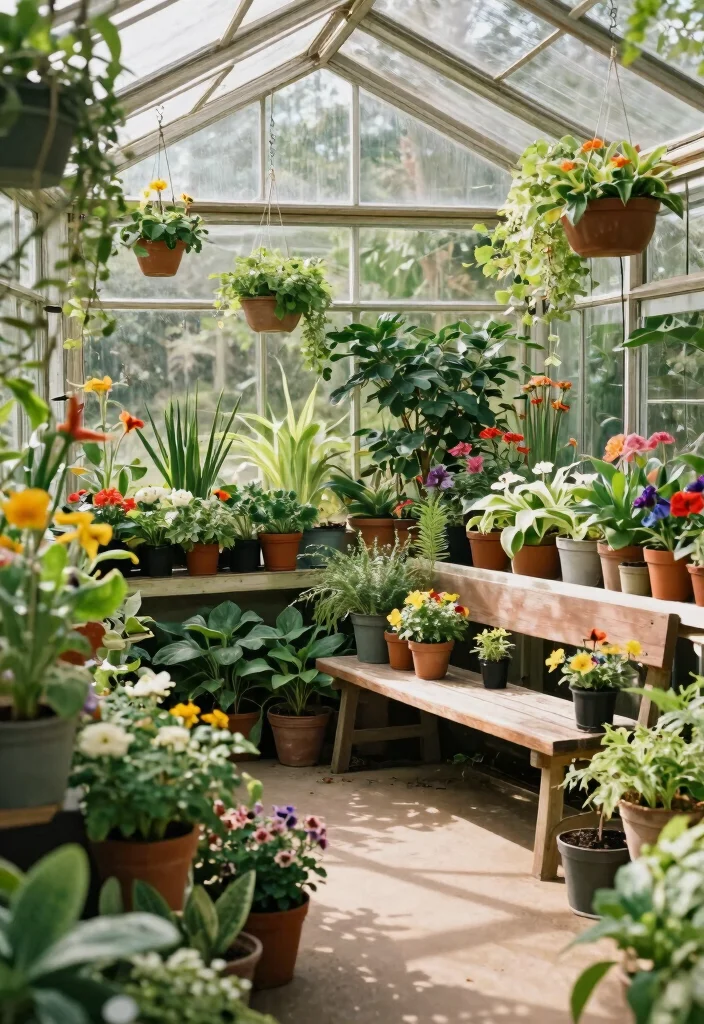
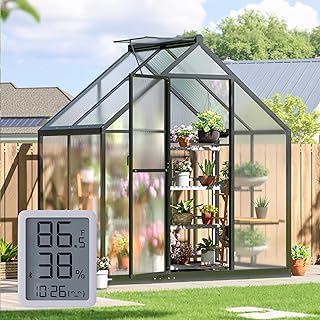
If you want to take your gardening to the next level, greenhouse planters can be an amazing investment. These structures create a controlled environment for your plants, perfect for extending the growing season. With greenhouse planters, you can cultivate everything from herbs to fruits and vegetables, all while keeping pests at bay. Editor’s Choice
Whether you choose a small greenhouse or a larger setup, these planters provide numerous opportunities for learning and growth. You can experiment with different plants while enjoying the benefits of a protected space.
Here are some tips for maximizing your greenhouse planters:
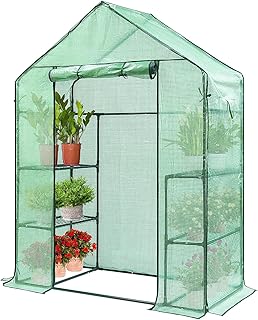
– Consider a mini greenhouse for compact areas.
– Utilize shelving to maximize vertical growth inside.
– Monitor temperature and humidity levels for optimal conditions.
Greenhouse planters turn gardening into an art form, allowing you to cultivate a vibrant and diverse garden year-round!
Greenhouse Planters



Conclusion
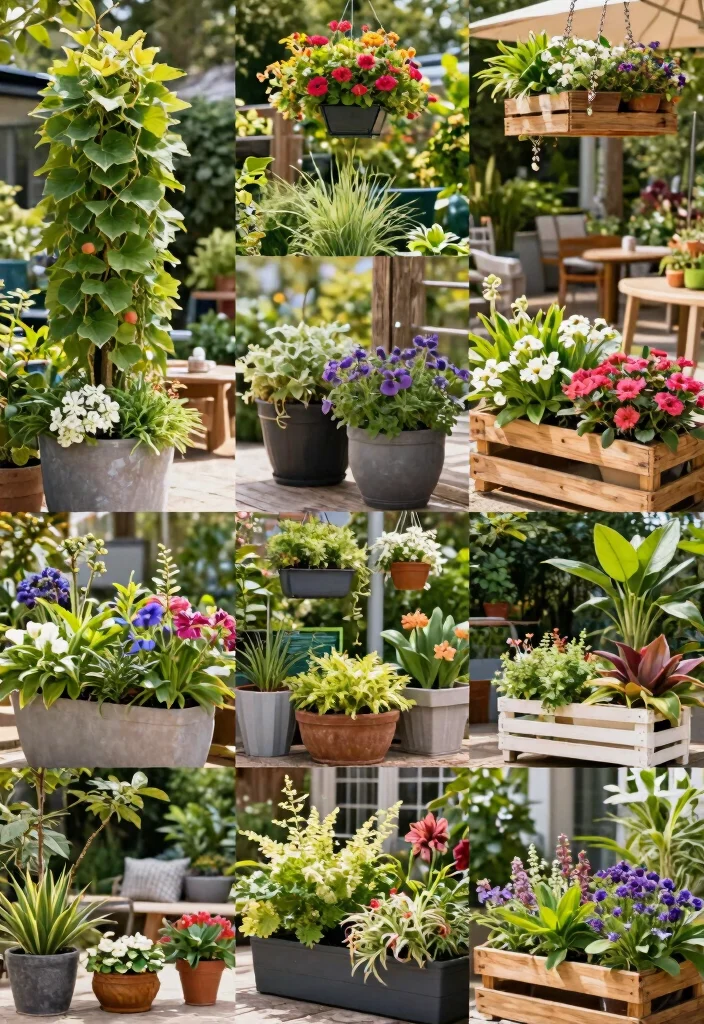
There are endless possibilities for outdoor planters that can fit any space, style, or preference. Whether you dive into vertical gardening or experiment with recycled materials, each planter idea offers a unique pathway to creativity and sustainability in your gardening endeavors. Take inspiration from these ideas, get your hands dirty, and transform your outdoor space into a beautiful haven filled with greenery! Note: We aim to provide accurate product links, but some may occasionally expire or become unavailable. If this happens, please search directly on Amazon for the product or a suitable alternative. This post contains Amazon affiliate links, meaning we may earn a small commission if you purchase through our links, at no extra cost to you.
Frequently Asked Questions
What are the best space-saving planter ideas for outdoor spaces?
Creating a functional outdoor space doesn’t have to feel cramped. Try these space-saving planters and planter ideas outdoor that work in any space: vertical walls, railing planters, tiered pots, rolling plant carts, wall-mounted pockets, and window boxes.
Choose containers with good drainage and fit your sun exposure. Use lightweight materials for easy rearrangement and consider a simple self-watering setup to reduce maintenance. Group planters by height and color for a cohesive look, and mix in container gardening ideas like herbs and compact veggies to boost both form and function.
How can I create a vertical garden with planters in a small outdoor space?
A vertical garden makes the most of limited space. Start with a sturdy frame or wall-mounted planters, then add railing planters, pocket planters, or a DIY pallet garden. Use space-saving planters and creative planter designs to stack herbs, greens, and flowers without crowding the floor.
Be sure to drill drainage, set up a simple watering routine (drip or table-top watering), and group plants with similar sun needs. This approach fits well with outdoor gardening tips for small balconies or patios.
What materials are best for DIY outdoor planters and how do I maintain them?
For DIY outdoor planters that last, choose weather-ready materials like cedar or other rot-resistant woods, high-quality plastics, fiberglass, powder-coated metal, or stone. Each has trade-offs for weight, heat, and drainage.
Always ensure drainage holes and use a liner or buffer to prevent rot when using wood. Seal wooden planters with exterior wood sealant and refresh soil each season. Regularly clean planters, rotate plants, and add fresh mulch or compost to keep soil healthy. These planter ideas outdoor stay durable with simple maintenance.
Which plants thrive in container gardening for small spaces?
Opt for compact, sun-loving herbs and veggies like basil, thyme, chives, lettuce, spinach, radishes, and dwarf tomatoes or peppers. For flowers, try marigolds, petunias, or lobelia. If you’re short on sun, choose shade-tolerant options like hostas or ferns in larger containers. Remember to match pot size and watering needs; containers dry faster, so check soil moisture daily and fertilize every few weeks. Great container gardening ideas for year-round color and harvest.
What are budget-friendly DIY outdoor planter ideas that still look stylish?
You don’t need to break the bank to get chic outdoor planters. Reuse pallets, wooden crates, terracotta pots, galvanized tubs, or even repurposed cans and bottles. Paint, stain, or seal them to match your style, and add liners for durability. Create a vertical or layered look with DIY outdoor planters and creative planter designs, then group them to build a cohesive scene. Use low-cost drainage inserts and inexpensive soil mixes, and you’ll have planter ideas outdoor that look intentional without a hefty price tag.