Gardening is an art that can transform any space, no matter how small. If you’re like me, the idea of lush greenery or vibrant blooms tugging at your heartstrings has you craving a garden of your own. The challenge often lies in limited space, especially when it comes to narrow areas and borders. That’s why I created this post to share 10 long planter ideas that fit perfectly into those tight spots while making a stunning visual impact. If you’re someone who loves gardening but struggles with small spaces, this guide is for you. Whether you’re a busy professional, a city dweller, or just someone looking to beautify your outdoor area, you’ll find inspiration here. You’re about to uncover creative long planter ideas that will help you maximize your gardening potential without feeling cramped. From vertical solutions to decorative designs, these tips will make your narrow garden planters not just functional, but a work of art. Get ready to discover ten fantastic ideas that are not only practical but also engaging and fun to implement. You’ll learn how to transform your outdoor spaces into a lush oasis, perfect for showcasing your personality and style. Say goodbye to boring borders and hello to flourishing planters that bring your gardening dreams to life!
Key Takeaways
– Vertical Herb Garden: Utilize vertical space with an herb garden that saves room and adds fresh flavors to your meals. – Succulent Long Planter: Create a low-maintenance display with various succulents that thrive in narrow spaces and need minimal care. – Colorful Annual Flowers: Brighten up your borders with seasonal flowers that can be easily swapped out to match your style. – Vertical Vegetable Planter: Grow your own veggies and herbs in a vertical setup, maximizing yield in limited areas. – Recycled Material Planters: Get creative and eco-friendly by using recycled materials for unique planter designs that tell a story.1. Vertical Herb Garden
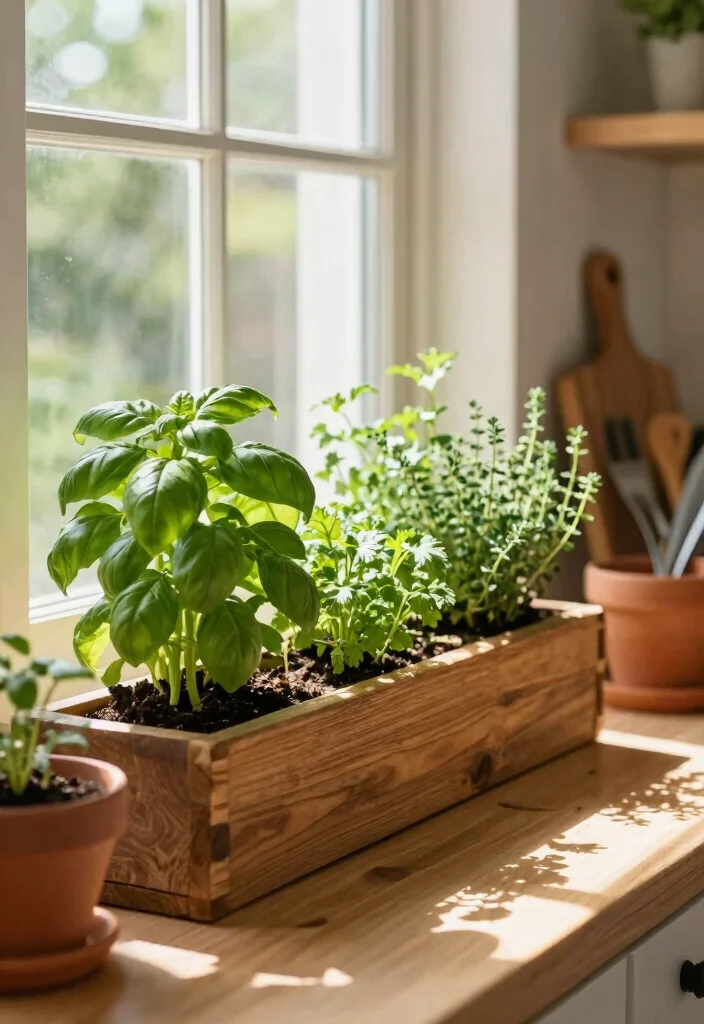
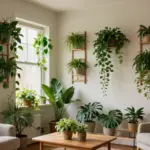
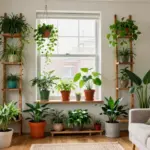
If you love cooking with fresh herbs, a vertical herb garden is perfect for you. This setup not only saves space but also adds a vibrant green touch to your kitchen or balcony. By using long, narrow planters, you can grow herbs like basil, parsley, and thyme that thrive in vertical arrangements. Quality potting soil and proper drainage are key to keeping your herbs healthy and flavorful.
Start by positioning your planters against a wall or fence for easy access. Choose rustic wooden designs or sleek modern styles that match your decor. This convenient arrangement allows you to snip fresh herbs right when you need them, making your culinary adventures even more enjoyable.
Tips for Creating a Vertical Herb Garden:
– Use lightweight planters to reduce wall strain.
– Group herbs by watering needs for better care.
– Place taller herbs like rosemary at the top.
– Regularly trim to encourage lush growth.
Fun fact: a vertical herb garden can triple your fresh herbs in a tiny space, great for small backyard ideas. Attach planters to a sunny wall or stack shelves, water with a tray, and harvest cilantro, basil, and mint daily for flavor at your fingertips.
Vertical Herb Garden
Editor’s Choice




2. Succulent Long Planter
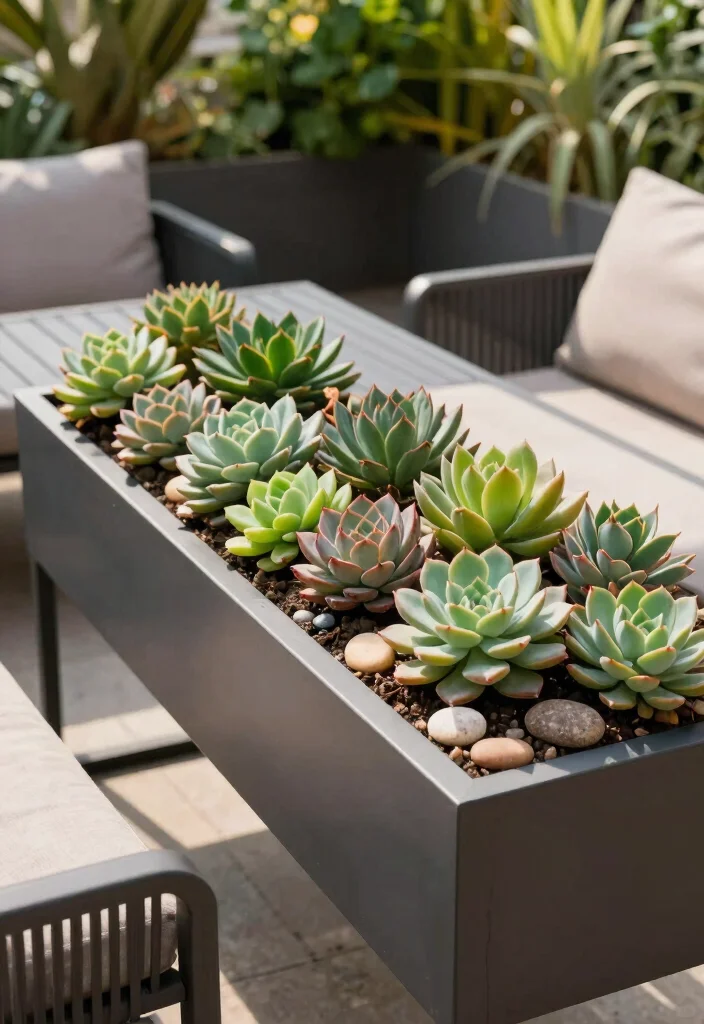
Succulents are the perfect blend of beauty and low maintenance, ideal for narrow spaces. With long planters, you can design a stunning arrangement featuring varieties like Echeveria, Haworthia, and Jade plants. These hardy plants thrive on minimal water, making them perfect for busy lifestyles. A long, shallow planter allows the roots to spread while keeping your display compact. Editor’s Choice
Add decorative stones or sand on top of the soil for a touch of flair and improved drainage. This setup can brighten up a windowsill or outdoor table, transforming any dull spot into a lively focal point.
Tips for Maintaining Succulent Planters:
– Ensure at least 6 hours of sunlight daily.
– Water fully but infrequently, allowing soil to dry.
– Use cactus mix soil for optimal growth.
– Rotate the planter occasionally for even growth.
Succulent Long Planter


3. Colorful Annual Flowers
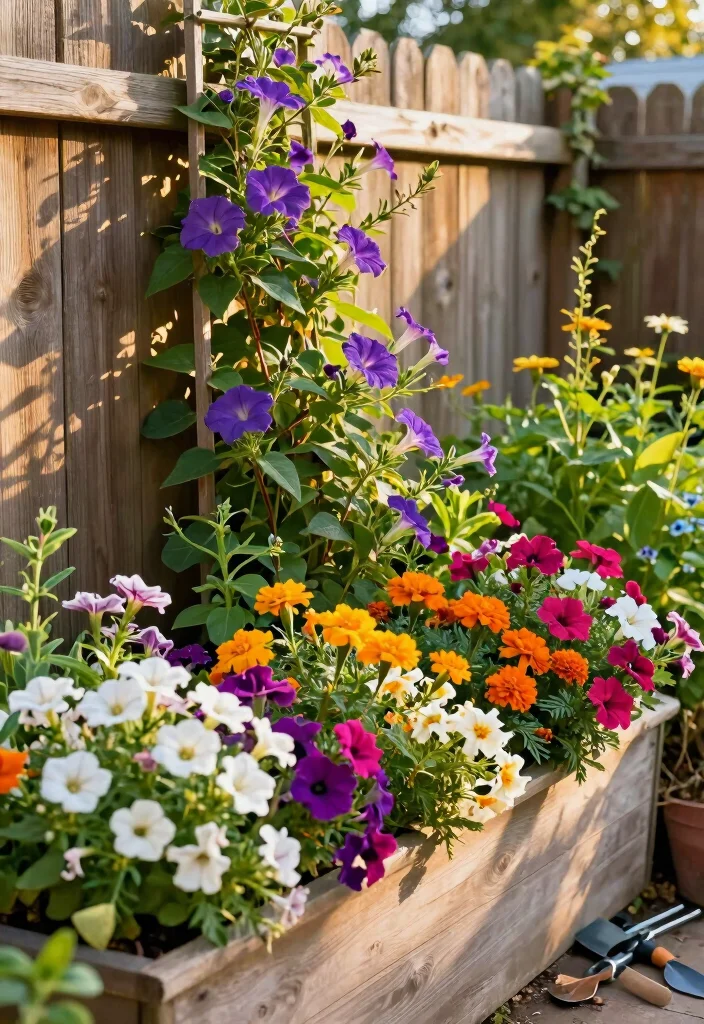
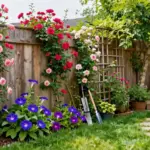
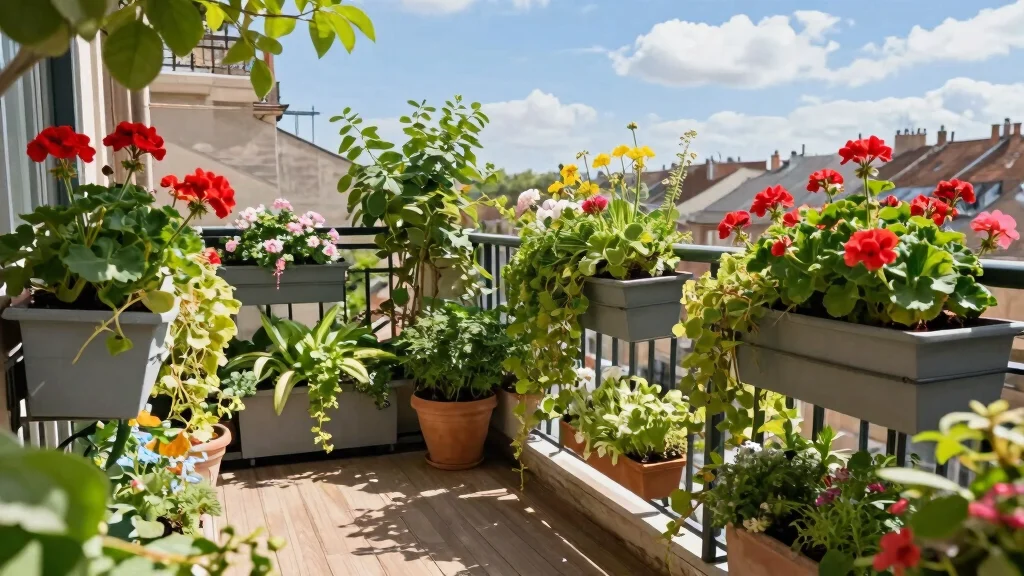
Brighten your narrow borders with long planters filled with vibrant annual flowers. Varieties like petunias, marigolds, and zinnias bloom beautifully throughout the season. When arranged in a long planter, taller flowers can stand at the back while shorter ones grace the front, creating a stunning layered effect. This design maximizes your garden space while adding visual appeal.
Consider adding a trellis behind the planter for climbing annuals like morning glories, enhancing vertical interest. Regular deadheading will encourage continuous blooms, keeping your garden lively and colorful.
Container Gardening Tips:
– Choose planters with good drainage.
– Use quality potting mix for thriving plants.
– Fertilize regularly for best results.
– Rotate varieties for continuous blooms throughout the seasons.
📹 Related Video: 6 Container Combinations to Love! 😍💚🥰 // Garden Answer
4. Vertical Vegetable Planter
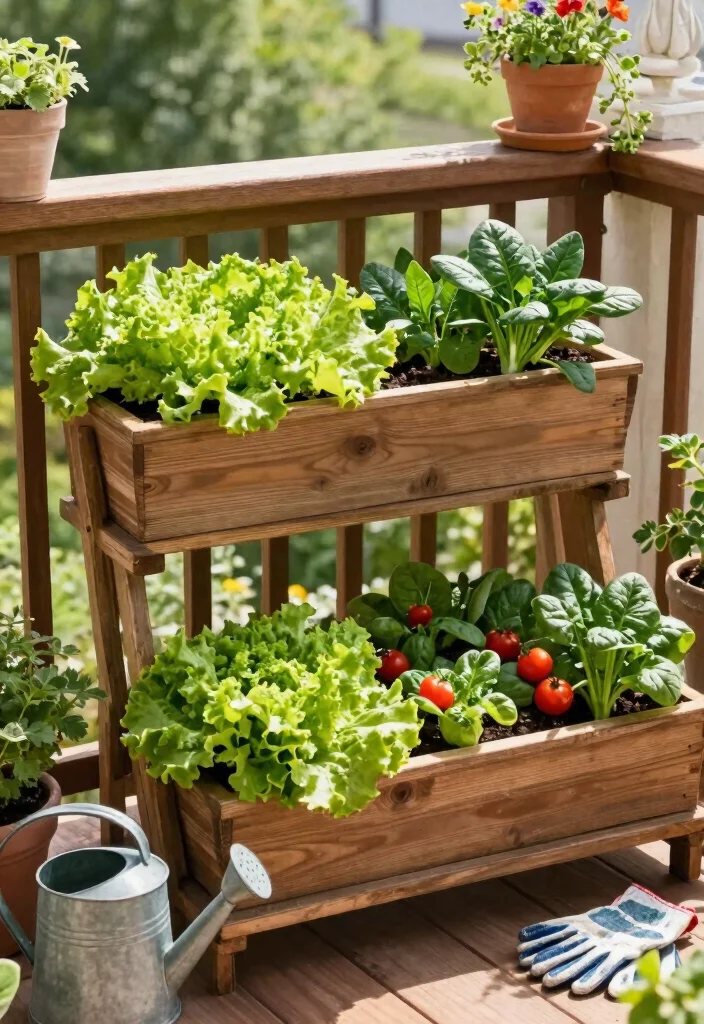
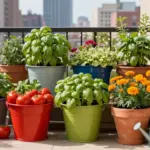
Don’t let limited space stop you from enjoying home-grown vegetables. A vertical vegetable planter is a fantastic solution for narrow areas. Use long planters to grow veggies like lettuce, spinach, or cherry tomatoes, arranged in tiers for easy access and maximum space efficiency. This setup not only simplifies plant care but also helps keep pests away and improves air circulation. Editor’s Choice
Opt for dwarf vegetable varieties to make harvesting easier, and ensure each planter has adequate drainage. This method allows you to cultivate fresh produce right at home, enhancing your meals with homegrown goodness.
Container Gardening Tips for Vegetables:
– Use organic soil and fertilizers for healthy plants.
– Water regularly, avoiding waterlogging.
– Incorporate companion plants to boost growth.
– Harvest often to encourage new growth.
Vertical Vegetable Planter


5. Edible Flower Planter
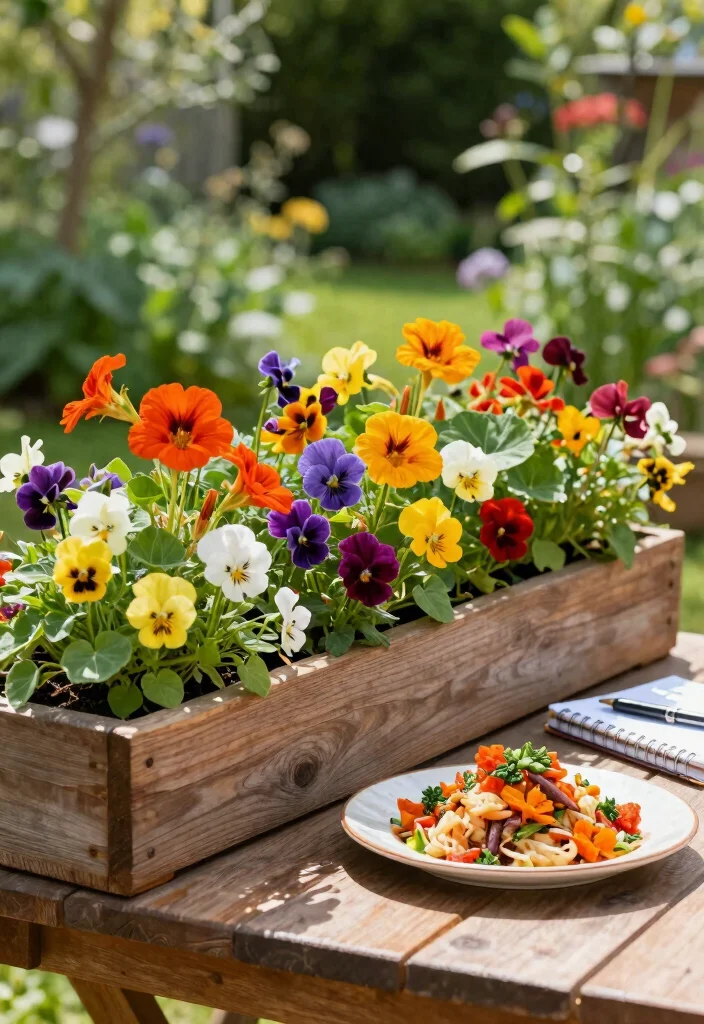
Transform your narrow space into a stunning display of edible flowers! A long planter filled with colorful blooms not only looks beautiful but can elevate your culinary experience. Flowers such as nasturtiums, pansies, and calendulas add unique flavors and vibrant colors to your dishes. Pair these flowers with herbs for a delightful blend of color and aroma. Editor’s Choice
Group flowers by color for a dramatic look or mix varieties for a cheerful rainbow display. Regular deadheading ensures continuous blooms and a bountiful harvest throughout the season.
Container Gardening Tips:
– Ensure flowers are labeled as edible before consumption.
– Use organic fertilizers for optimal growth.
– Water consistently but avoid overwatering.
– Harvest in the morning for the best flavor.
Edible Flower Planter


6. Vertical Fence Planters
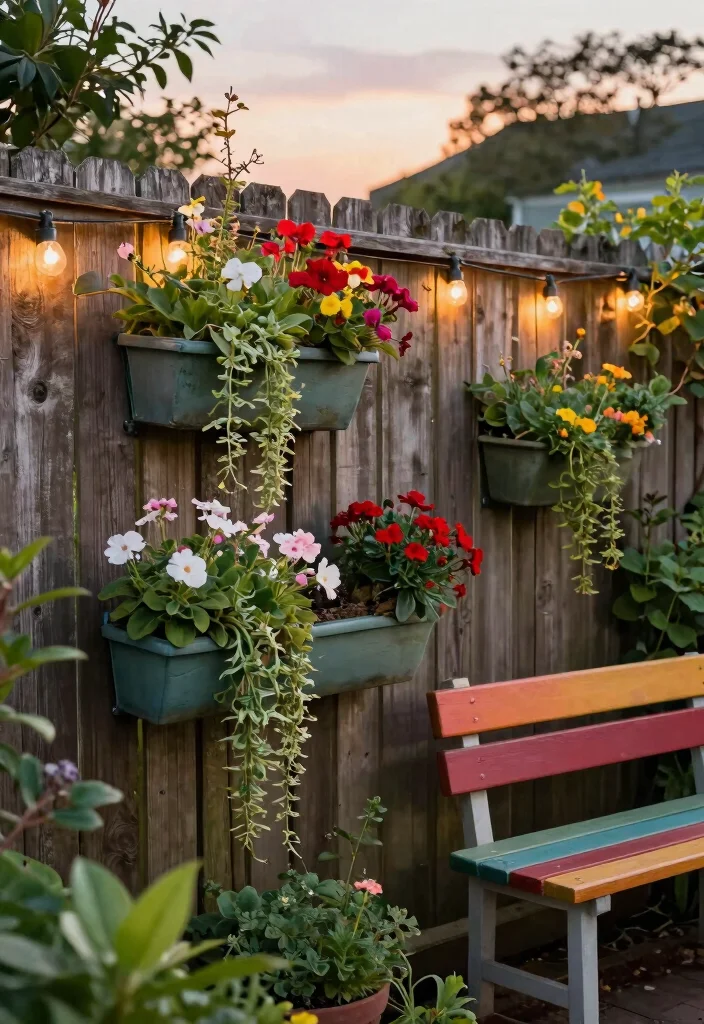
Maximize your vertical space with fence planters that infuse charm and greenery into narrow areas. Long planters can be mounted directly on your fence, turning an ordinary surface into a lively garden. Combine trailing plants, flowers, and even vegetables for a striking living wall.
Choose vibrant trailing plants like ivy or cascading petunias for an eye-catching waterfall effect. Alternating flowers and greens will create a colorful and textured display, while regular watering and sunlight will keep your plants thriving.
Creative Insights:
– Use recycled materials like crates for an eco-friendly touch.
– Incorporate drip irrigation for easy upkeep.
– Mix plant heights and shapes for visual interest.
– Add garden lights for a magical evening ambiance.
7. Long Planter with Decorative Stones
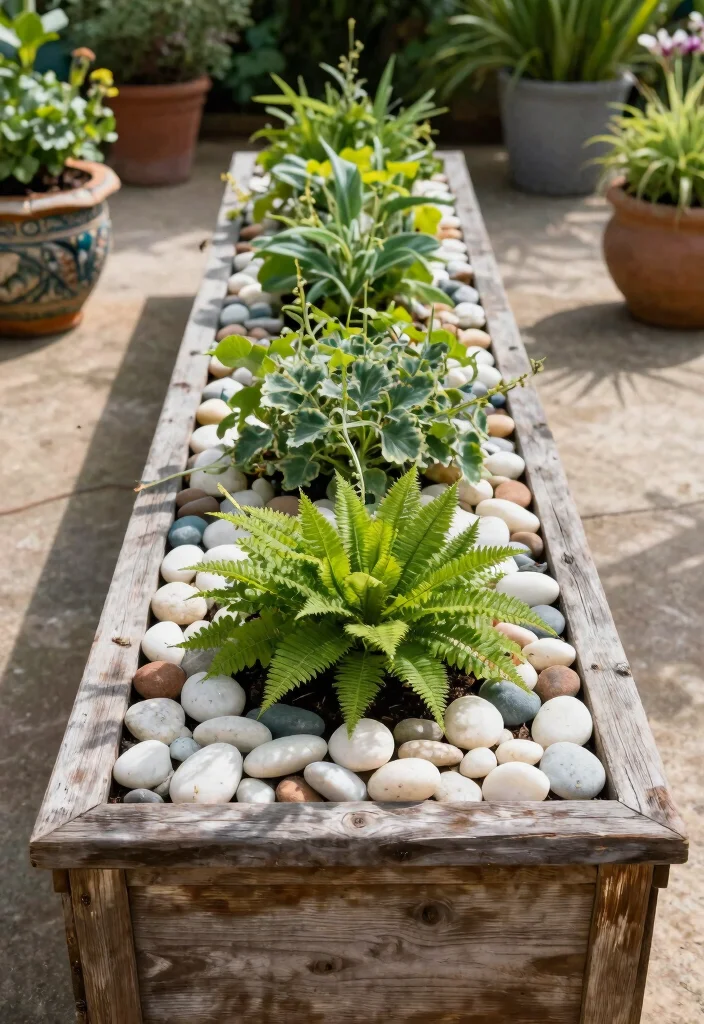
Combine plants with decorative stones for a visually stunning long planter display. Fill a narrow planter with hardy plants like sedums or small shrubs, then top the soil with decorative stones or pebbles for added texture. This not only enhances the visual appeal but also helps retain soil moisture.
Choose stones in various colors to match or contrast with your plants, creating a unique design that showcases your personal style. Ensure your plants have similar watering needs for the best results.
Design Tips:
– Select stones that won’t wash away easily.
– Use plants of varying heights for a dynamic look.
– Add moss or driftwood for extra texture.
– Refresh the design seasonally for new looks.
Fun fact: A 4-foot long planter topped with decorative stones can reduce watering by up to 30% while keeping soil cooler in hot sun. Pair sedums with small shrubs and enjoy low-maintenance, long planter ideas.
8. Low-Maintenance Perennial Planter
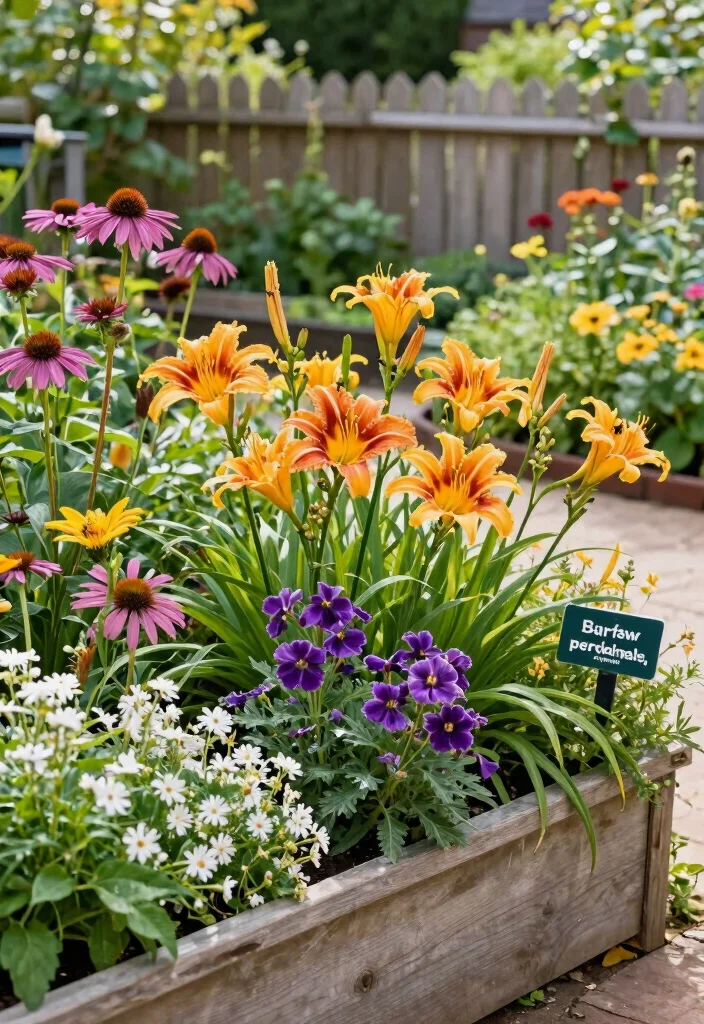
For a hands-off gardening approach, consider creating a long planter filled with low-maintenance perennials. Plants like daylilies, sedums, and purple coneflowers offer stunning blooms year after year. Group these plants in a long planter to create a cohesive and attractive display that changes with the seasons.
Choose perennials that thrive in your climate for the best results. Adding a layer of mulch helps retain moisture and suppress weeds, making care even easier.
Maintenance Tips:
– Divide perennials every few years for healthy growth.
– Water regularly during establishment, then reduce.
– Deadhead spent blooms to promote new flowers.
– Incorporate organic compost annually for nutrient boost.
How To Choose the Right Long Planter for Narrow Areas
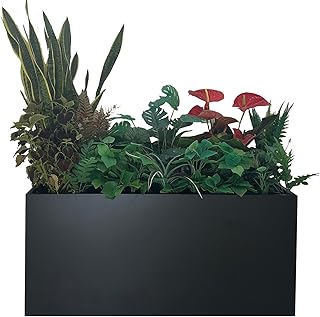
Selecting the perfect long planter for your narrow spaces is essential for maximizing your gardening potential. Here’s how to make the best choice: 1. Consider the SizeWhen choosing a long planter, size is key. Measure the area where you plan to place it, ensuring the planter fits comfortably without overcrowding the space. A good rule of thumb is to leave at least a few inches of space on either side for easy access and air circulation. Long planters typically range from 24 to 60 inches, so think about how much length you need based on your planting goals.
2. Material Matters
The material of your planter affects both durability and aesthetics. Options include wood, plastic, metal, and ceramic. Wooden planters offer a rustic charm but may need sealing to prevent rot. Plastic is lightweight and affordable but can fade over time. Metal provides a modern look but can heat up quickly in the sun. Choose a material that complements your garden style and withstands your local weather conditions.
3. Drainage Features
Proper drainage is crucial for plant health. Look for long planters that have drainage holes to prevent water buildup, which can lead to root rot. If your chosen planter lacks holes, consider drilling some yourself. Additionally, adding a layer of gravel at the bottom can further enhance drainage, keeping your plants healthy and thriving.
4. Style and Design
Think about how the planter will fit into your garden’s overall aesthetic. Long planters come in various designs, from sleek modern lines to intricate traditional patterns. Consider whether you want a planter that stands out or one that blends seamlessly with your garden’s look. Decorative options, like colored ceramic or painted wood, can add a touch of personality to your space.
5. Budget Considerations
Planters come in a wide range of prices. Establish a budget before you start shopping. Remember, while you might find cheaper options, investing in a quality planter can save you money in the long run as it will last longer and provide better conditions for your plants. Compare prices and materials to find the best balance between quality and cost.
6. Plant Compatibility
Lastly, consider what you want to grow in your long planter. Different plants have varying space and depth requirements. For instance, deep-rooted plants like tomatoes need more soil depth compared to shallow-rooted herbs. Make sure your planter can accommodate the types of plants you wish to cultivate, taking into account their growth patterns and spacing needs.
Pro Tip: Before purchasing, visualize your long planter in place by using painter’s tape to outline its dimensions. This helps ensure it fits perfectly in your narrow garden area and aligns with your design vision. Take your time to evaluate each option, as the right planter can transform your space into a beautiful, productive garden.
9. Seasonal Themed Long Planters
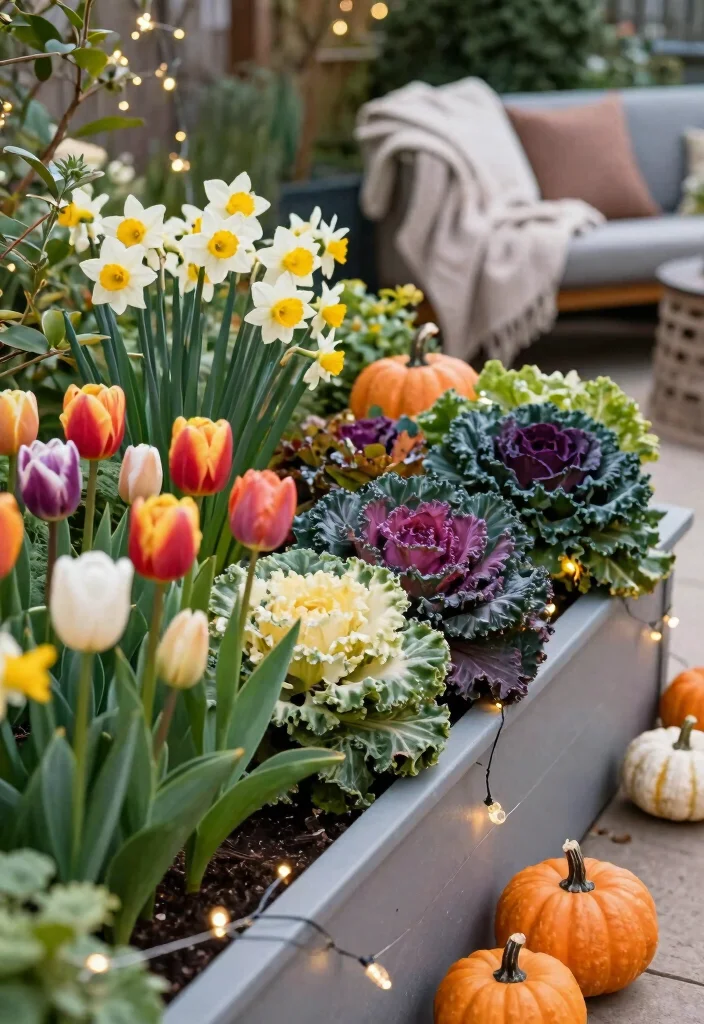
Elevate your gardening with seasonal themed long planters! You can create displays that reflect the changing seasons using long planters. Plant colorful tulips and daffodils in spring, vibrant sunflowers and cosmos in summer, ornamental cabbage and kale in fall, and evergreens in winter. This approach keeps your garden fresh and engaging all year long.
Incorporate seasonal decorations, like pumpkins for fall or twinkling lights for winter, to enhance the aesthetic further. This not only beautifies your space but also creates a fun, festive atmosphere.
Creative Suggestions:
– Use seasonal decor to add character.
– Plant flowers that bloom at different times for ongoing color.
– Rotate designs to surprise your guests.
– Capture seasonal photos to document your garden’s evolution.
Seasonal themed long planters make tiny spaces sing. Switch blooms with the seasons, from tulips and daffodils in spring to sunflowers in summer, and evergreens in winter. With a few pumpkins or twinkling lights, your long planter ideas stay fresh year-round.
Seasonal Themed Long Planters
Editor’s Choice


10. Recycled Material Planters
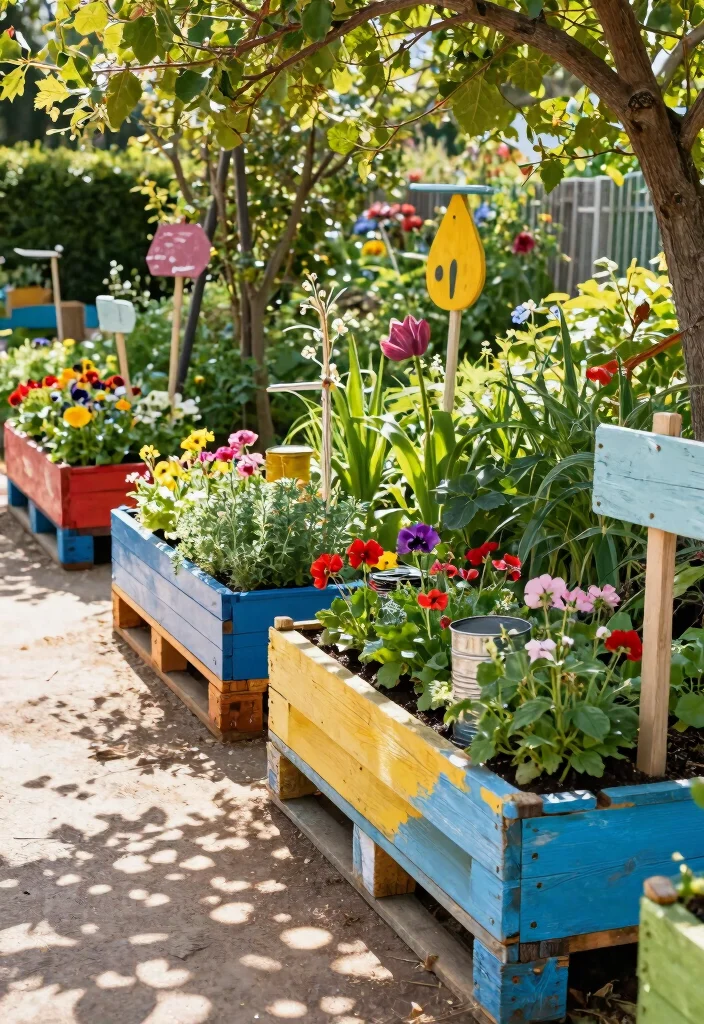
Get creative and eco-friendly with long planters made from recycled materials! Repurposing items like wooden pallets, old crates, or tin cans adds a unique flair to your garden while benefiting the planet. These planters can hold everything from flowers to vegetables, serving as conversation starters in your outdoor space.
Customize your recycled planters with paint or natural finishes that reflect your style. Just remember to ensure they have proper drainage for healthy plants, making your gardening both cost-effective and personal.
DIY Tips:
– Sand edges to prevent splinters.
– Use liners for wooden planters to extend life.
– Choose non-toxic paint for vibrant colors.
– Personalize with stencils or family names for a unique touch.
Conclusion
Transforming narrow areas and borders into vibrant gardens is possible with the right long planter ideas. From vertical herb gardens to seasonal themes, each of these approaches adds beauty and functionality to small spaces. Experimenting with different plants and materials can elevate your gardening game while making the most of limited space. Don’t hesitate to get creative and make your garden a reflection of your personality! Embrace these innovative ideas, and watch your gardening dreams come to life. Note: We aim to provide accurate product links, but some may occasionally expire or become unavailable. If this happens, please search directly on Amazon for the product or a suitable alternative. This post contains Amazon affiliate links, meaning we may earn a small commission if you purchase through our links, at no extra cost to you.
Frequently Asked Questions
What are some practical long planter ideas for narrow spaces?
Practical long planter ideas for narrow spaces start with vertical solutions. Think tall, slender planters and wall-mounted troughs to add height without widening the footprint.
Use narrow garden planters that run along the edge and pair them with a vertical garden solutions to maximize greens without stealing floor space.
For decorative planter designs, choose a cohesive color or material to keep the border looking intentional.
Quick container gardening tips: pick lightweight pots with good drainage, group plants with similar water needs, and top with mulch or decorative gravel to hide soil.
How can I transform a long narrow border into a thriving vertical garden?
Transform a long narrow border into a thriving vertical garden by mounting pocket planters or rail planters along a fence or wall.
Layer with modular long planter ideas: bottom troughs for tall herbs, mid-level shelves for salad greens, and top rails for trailing varieties. Use vertical garden solutions to maximize leaf area without widening the footprint.
Container gardening tips: choose lightweight materials, ensure good drainage, water efficiently with a drip line or reservoir, and mulch to reduce evaporation.
What space-saving techniques work best for long planters in small spaces?
Space-saving gardening in long planters means stacking or modular arrangements that create multi-level planting in a single long footprint.
Use space-saving gardening approaches like upright trellises, hanging baskets off the sides, or attachable vertical panels that piggyback on existing structures.
Add a drip irrigation or self-watering planters to minimize watering chores. Group plants with similar water needs and choose drought-tolerant varieties to simplify maintenance.
Which plants work best in long planters for a decorative border?
For long planters, choose plant combinations that spill, trail, and fill edges nicely: creeping thyme, sedum, ivy, vinca, and small flowering accents like alyssum. Consider sun exposure and soil depth; mix trailing and compact varieties to fill edges evenly.
Container gardening tips: place shallow-rooted herbs toward the front and deeper-rooted perennials toward the back, and keep spacing uniform for a tidy, decorative planter design.
How do I maintain and water long planters to keep a neat border?
Keep long planters neat with good drainage and reliable watering. Install a drip irrigation line or use self-watering planters to maintain steady moisture with less effort.
Mulch with decorative gravel or bark to reduce evaporation and hide soil, and check drainage holes regularly to prevent soggy roots. Schedule seasonal pruning and deadheading to keep the border looking fresh, and consider a light vertical element to reduce ground clutter while preserving cohesive decorative planter designs.