If you’ve been looking for ways to beautify your outdoor space, then you’re in the right place. Summer is here, and with it comes the urge to bring some greenery into your life. Whether you have a sprawling yard or a cozy balcony, planter boxes can bring your gardening dreams to life. I created this post because I believe everyone deserves a little slice of nature, and planter boxes are perfect for that. They not only add charm to your space but also give you the opportunity to grow some of your favorite plants without needing a traditional garden. This guide is for anyone who loves gardening, whether you’re a seasoned pro or just starting your green journey. If you enjoy creative gardening solutions, outdoor planter designs, or DIY projects, then this collection of planter box ideas is tailored for you. You’ll discover 12 unique and practical designs that fit any outdoor setting, no matter how small. From tiered wooden boxes to wall-mounted planters, I’ve gathered a range of ideas that are stylish, functional, and, most importantly, easy to implement. By the end of this post, you’ll have plenty of inspiration to create your own outdoor oasis. Each idea not only looks great but also maximizes your space, so you can enjoy the beauty of nature right outside your door. Get ready to transform your garden with these creative, space-saving planter box ideas!
Key Takeaways
– Explore 12 unique planter box ideas that suit various outdoor spaces, including small balconies and backyards. – Discover how tiered and wall-mounted planter boxes can maximize space without sacrificing style. – Learn about DIY planter box projects that allow you to customize your gardening experience, with materials like wood, pallets, and concrete. – Get practical tips on container gardening, ensuring your plants thrive in creative setups while looking visually appealing. – Understand the benefits of outdoor planter designs, from aesthetic value to improving your outdoor environment, making it a lovely space to relax.1. Tiered Wooden Planter Box
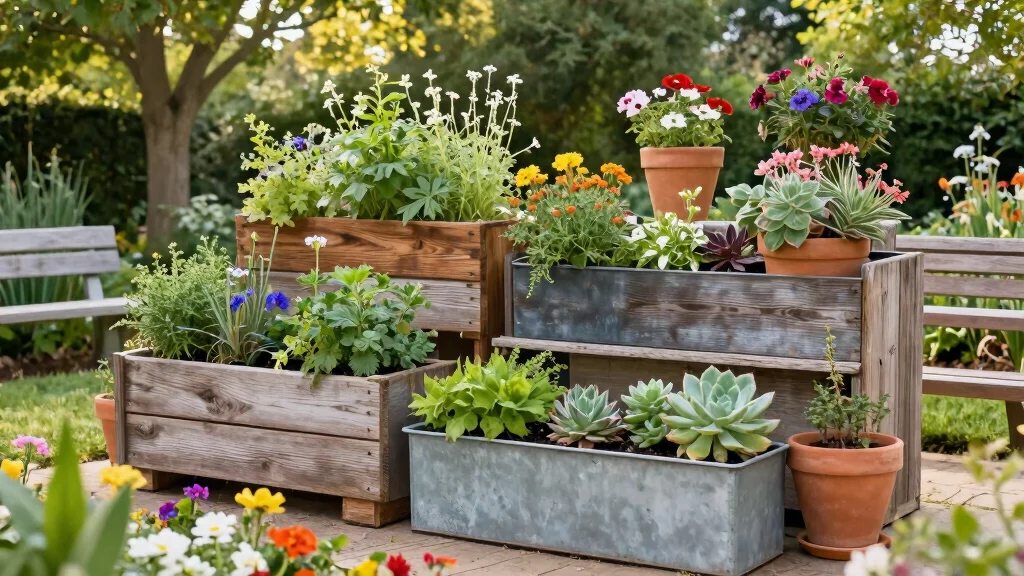
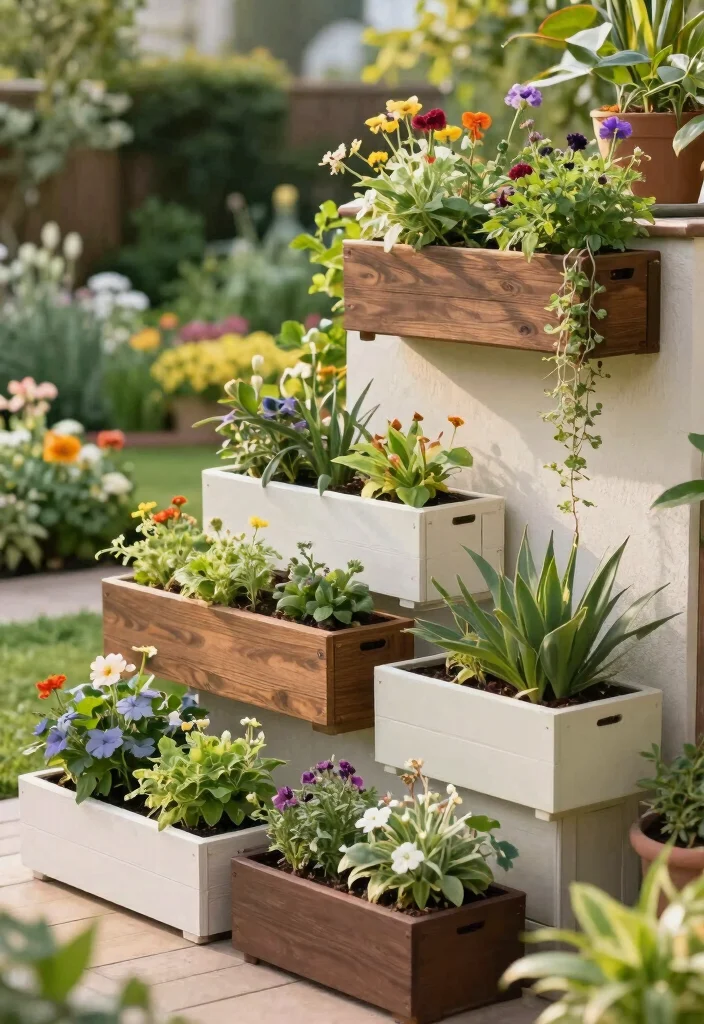
Imagine a tiered wooden planter box that elevates your garden while adding a touch of elegance. Made from rustic wood, these planters create a stunning staircase effect, allowing various plants to flourish at different heights. This design not only captivates the eye but also ensures each plant receives the sunlight it needs to thrive.
Start by placing vibrant flowers in the bottom tier, capturing attention immediately, while using the upper levels for herbs or trailing plants. Incorporating a liner can help maintain moisture and keep soil secure.
Key features to consider:
– Height Variation: Creates layers to maximize your space.
– Material Options: Select weather-resistant wood for longevity.
– Plant Varieties: Combine flowers, herbs, and greens for visual diversity.
– Care Tips: Ensure proper drainage to avoid root rot.
This design fits beautifully against fences or walls, making it a perfect choice for compact gardens or patios.
2. Pallet Vertical Garden
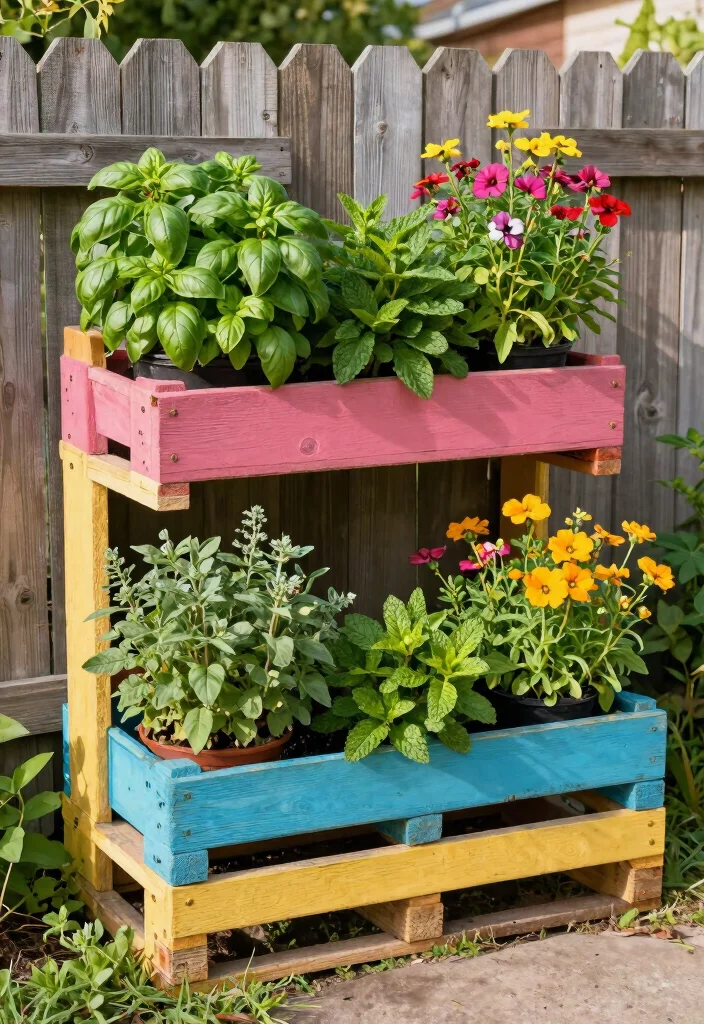
Transforming old wooden pallets into vertical gardens is not only trendy but also environmentally friendly. These projects spark creativity while being budget-conscious. Simply lean a reclaimed pallet against a wall, fill each slat with soil, and plant a variety of flowers, herbs, or even strawberries.
This design enhances air circulation and drainage, creating a healthy environment for your plants. Customize your pallet garden with vibrant paint or whimsical decorations to showcase your style.
Key benefits include:
– Cost-Effective: Pallets are often free or very low-cost.
– Customization: Paint in bright colors or add fun accents.
– Plant Choices: Ideal for herbs, small flowers, or tiny vegetables.
– Location: Position it in a sunlit area for optimal growth.
A pallet vertical garden brings rustic charm and creativity to your outdoor space while being a fun DIY project.
3. Wall-Mounted Planter Boxes
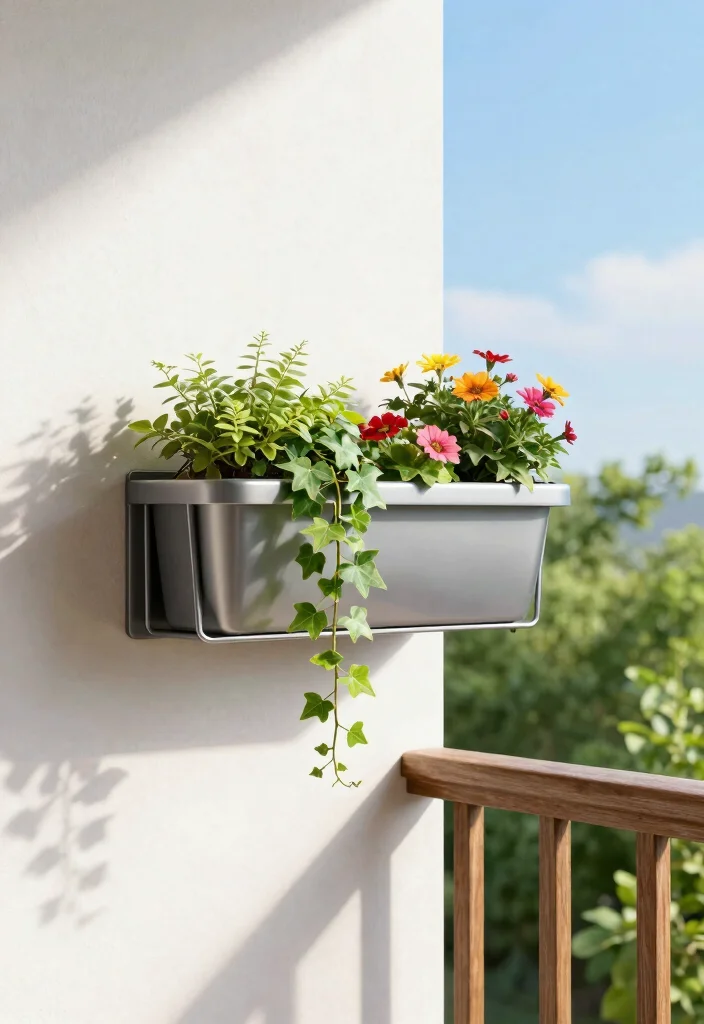
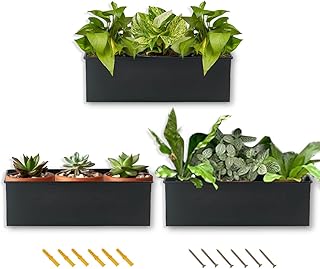
When floor space is at a premium, wall-mounted planter boxes become your best friend. These stylish planters attach to vertical surfaces, like walls or balcony railings, providing a modern touch to your outdoor area. Available in materials like metal or wood, they add artistic flair to your garden. Editor’s Choice
These boxes work wonderfully with trailing plants, such as ivy or geraniums, creating a stunning cascading effect. Arrange multiple boxes together for a captivating wall garden.
Consider these advantages:
– Space-Saving: Effectively uses vertical surfaces.
– Material Variety: Choose from metal, wood, or ceramic for diverse aesthetics.
– Plant Selection: Opt for trailing plants or compact flowers.
– Installation Tips: Ensure sturdy mounts to support plant weight.
Wall-mounted planter boxes not only save space but also serve as a chic focal point in your outdoor design.
Wall-Mounted Planter Boxes





📹 Related Video: Easy DIY Living Plant Wall that Waters Itself
4. Ladder Planter Box
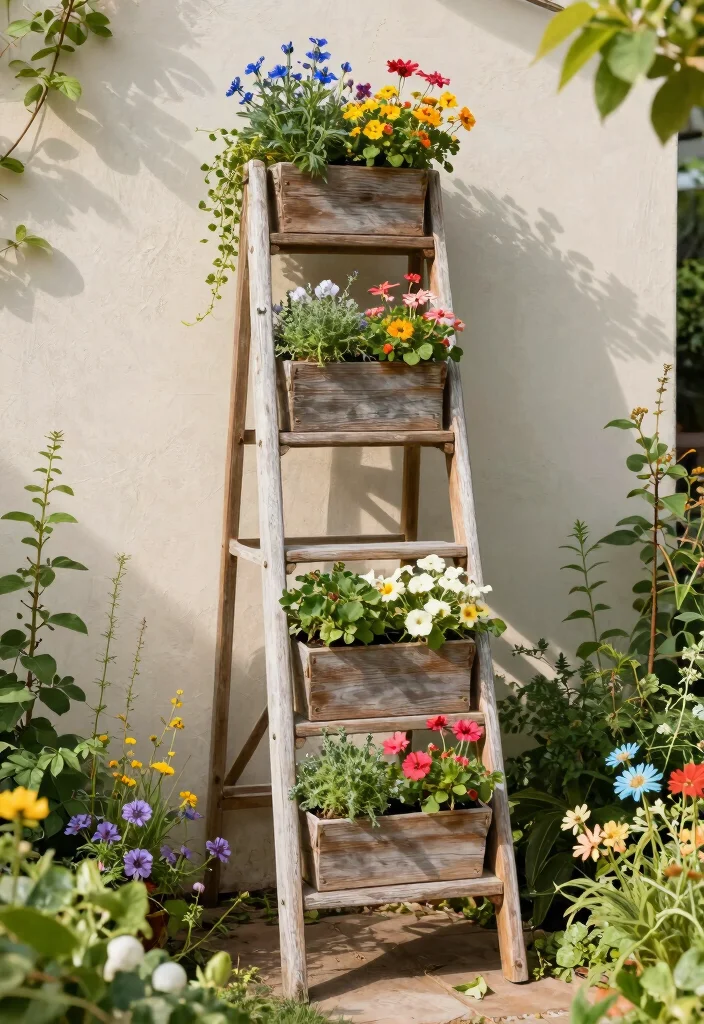
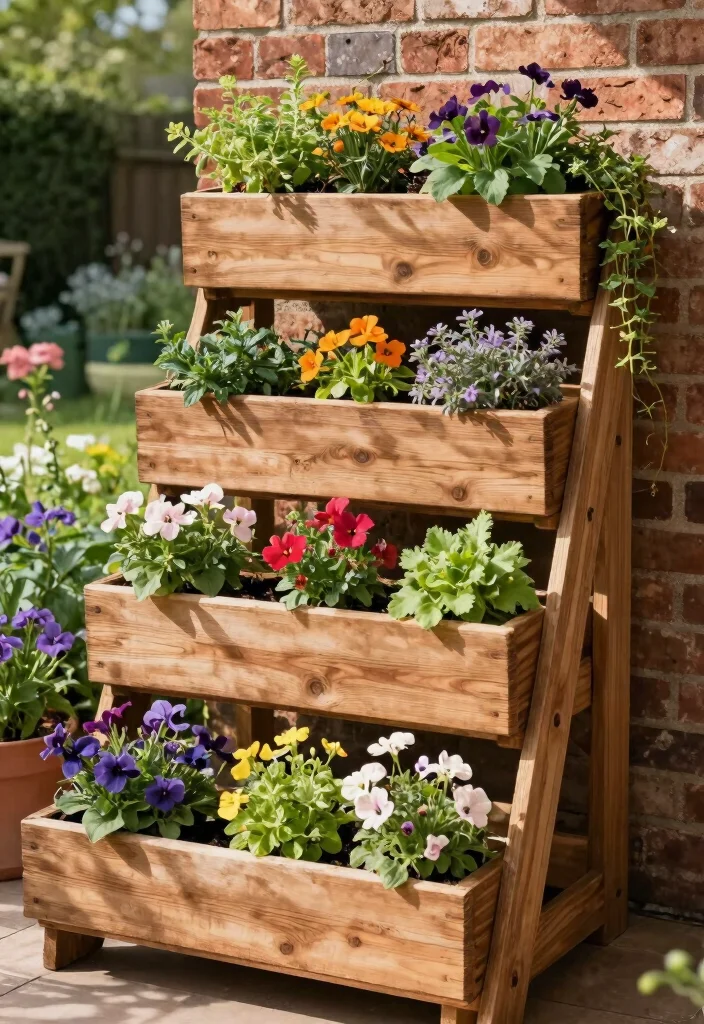
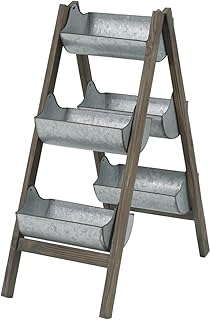
Ladder planter boxes add a playful twist to vertical gardening. This unique design uses an old wooden ladder or a new one crafted specifically for planting. Each step serves as a planter, allowing you to cultivate different plant species in each section.
Feel free to paint the ladder in bold colors or leave it natural for a rustic vibe. You can fill the steps with pots or soil, depending on your gardening approach. This eye-catching design fits perfectly in corners or near seating areas.
Key aspects to explore:
– Unique Shape: Introduces height and interest to your garden.
– Versatile: Easily movable and rearranged.
– Plant Varieties: Mix flowers, herbs, and small vegetables.
– Maintenance: Water each level carefully to avoid over-soaking.
Ladder planters are not just functional; they also provide a charming focal point in any garden.
Pro tip: with planter boxes ideas, a ladder planter turns small spaces into vertical gardens you can actually use. Paint the ladder bold or go rustic, then rotate herbs and flowers on different steps for easy, colorful growing. It’s practical, stylish, and surprisingly simple.
Ladder Planter Box
Editor’s Choice




How To Choose the Right Planter Box for Your Outdoor Space
Choosing the perfect planter box can boost your gardening experience, especially in small spaces. The right planter box not only enhances your outdoor aesthetic but also provides the functionality you need for your plants to thrive. Here’s how to make the best choice for your needs. 1. Size MattersConsider the size of your outdoor area. Measure the space where you plan to place the planter. A tall planter can add vertical interest without taking up much ground space. Choose a planter box that fits your area while allowing enough room for the plants to grow. Generally, a height of 24 to 36 inches is perfect for vertical gardening.
2. Material Selection
Planter boxes come in various materials, each with strengths and weaknesses. Wood is a popular choice for its natural appearance but may require more maintenance. Metal offers durability but can heat up quickly, affecting plant roots. Plastic is lightweight and affordable but may lack the aesthetic appeal of natural materials. Consider your climate and choose a material that will withstand the elements in your area.
3. Drainage Design
Proper drainage is crucial to prevent root rot. Make sure your planter box has drainage holes at the bottom. If you’re opting for a tiered or stacked design, ensure that each level has adequate drainage. This helps excess water escape, which is especially important for delicate plants. You can also add a layer of gravel at the bottom for extra drainage.
4. Style and Design
The style of your planter box should complement your outdoor décor. Do you prefer a rustic look with reclaimed wood, or a modern appeal with sleek metal? Choosing a design that meshes well with your other outdoor elements will create a cohesive look. Ladder planter boxes add a charming touch, while vertical hydroponic gardens offer a contemporary vibe.
5. Budget Considerations
Planter boxes can vary widely in price. Determine your budget before shopping. DIY planter box projects can save money and allow for customization. If you prefer store-bought options, look for sales or local artisans who craft unique designs. Remember, investing in quality materials can save you money in the long run.
6. Plant Compatibility
Consider the type of plants you want to grow. Some plants, like herbs, prefer shallow boxes, while others, like tomatoes, need deeper soil. Make sure the planter box you choose can accommodate the root systems of your chosen plants. Research recommended soil depths for various plants to ensure successful growth.
Pro Tip: Before making your final decision, visualize your planter box in the space. Use tape to outline its dimensions on the ground. This simple trick helps you see how it fits in your area and allows you to make adjustments if needed.
By considering size, material, drainage, style, budget, and plant compatibility, you can find the ideal planter box. This thoughtful approach will not only enhance your garden but also make your outdoor space more enjoyable. Happy gardening!
5. Gutter Garden Planters
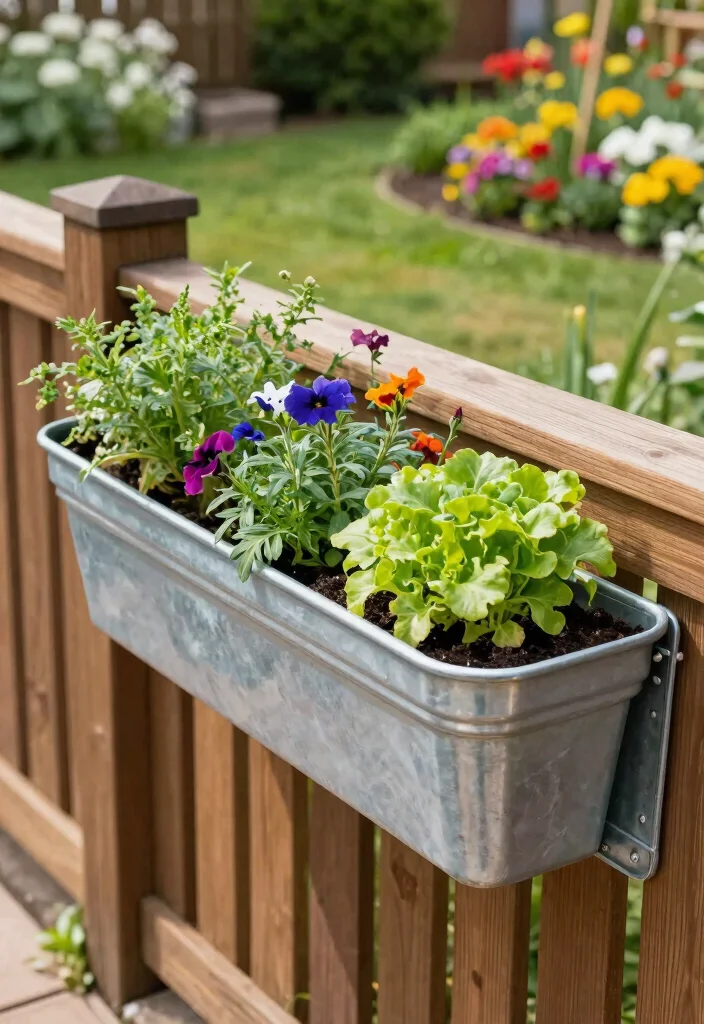
Repurpose old rain gutters into stylish planters that are perfect for small spaces. This clever design allows for a series of narrow planters mounted horizontally against a wall or fence. They are excellent for growing herbs, lettuce, and flowers that don’t require extensive root space. Editor’s Choice
The long, narrow shape maximizes vertical space while adding a contemporary touch to your garden. Be sure to drill holes for drainage and consider painting the gutters for a splash of color.
Key features include:
– Space-Friendly: Ideal for compact gardens or patios.
– Drainage: Smart holes prevent water logging.
– Plant Suggestions: Great for herbs, small flowers, or leafy greens.
– Maintenance: Regularly check for drainage issues.
Gutter gardens add a quirky, fun element to tight spaces without sacrificing style.
Gutter Garden Planters



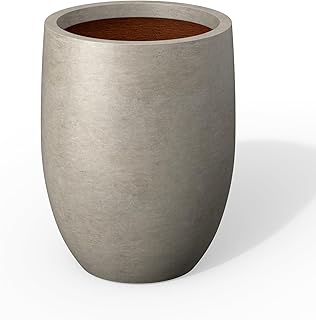
6. Concrete Block Planters
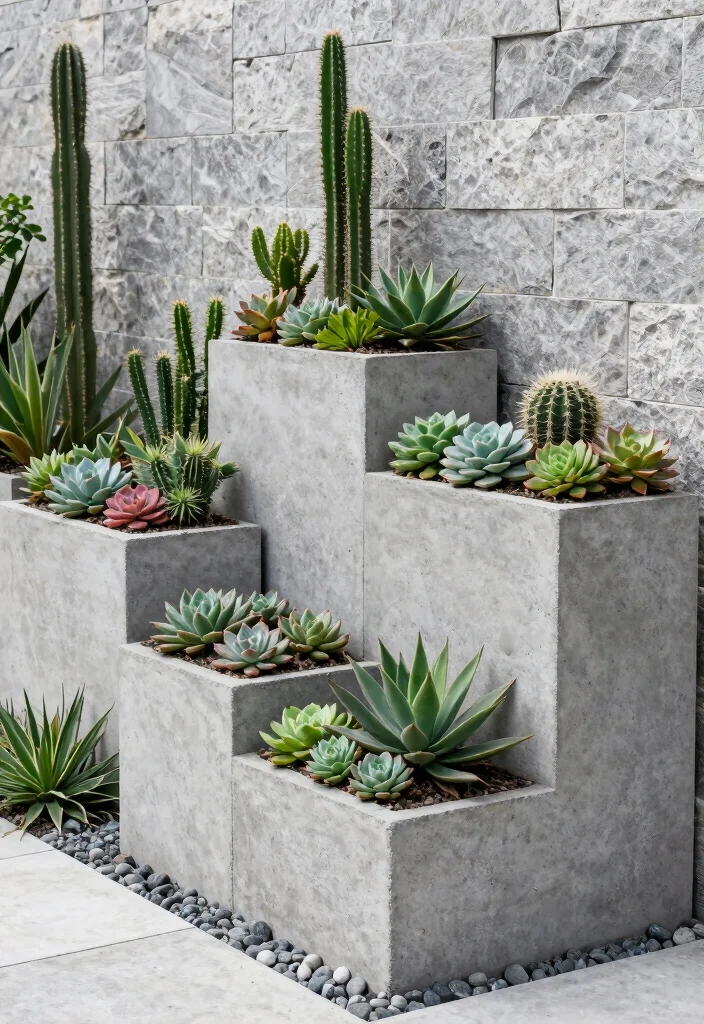
Concrete blocks serve as sturdy and unique planter boxes for outdoor spaces. These blocks can be creatively stacked to form walls or individual planters. Their industrial aesthetic suits modern garden designs while providing ample space for growing. Editor’s Choice
Fill each hollow block with soil or use them as bases for pots. These planters are especially great for succulents and cacti, which thrive in well-drained environments.
Consider these benefits:
– Durable: Weather-resistant and sturdy design.
– Adaptable: Suitable for various plant types or pot arrangements.
– Design Flexibility: Stack creatively for different shapes and sizes.
– Care: Ensure proper drainage to avoid overwatering.
Concrete block planters are trendy and functional, perfect for creating a modern garden aesthetic.
Concrete Block Planters



7. Hanging Planter Boxes
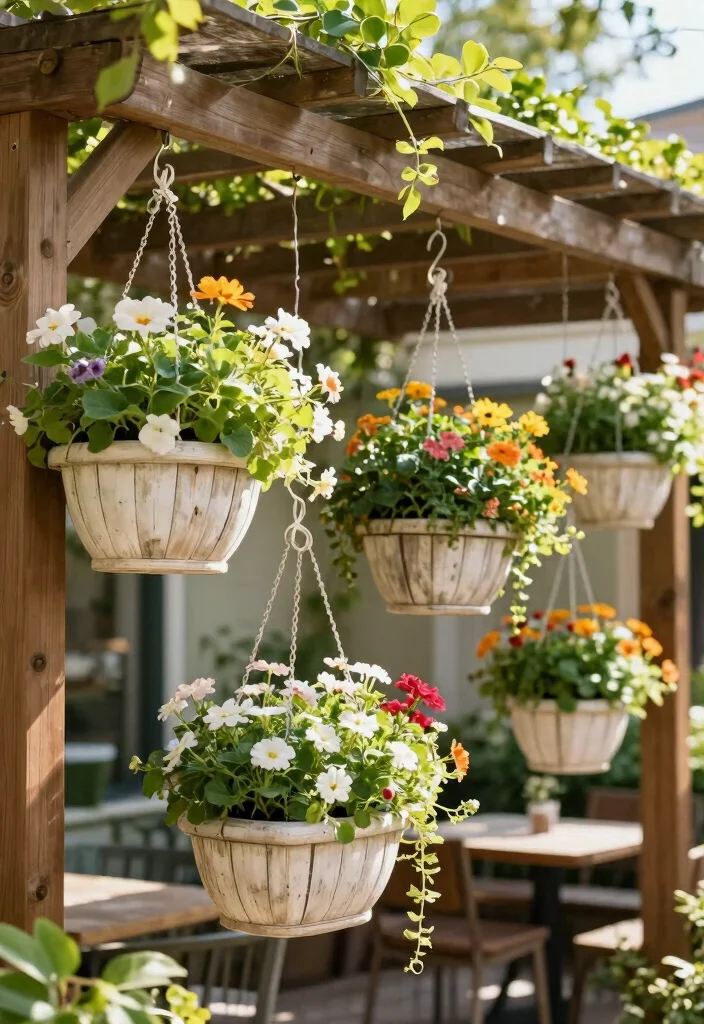
Hanging planter boxes are a delightful way to introduce greenery to elevated spaces like patios or balconies. These planters can be suspended from hooks or beams, bringing plants to eye level for easy access and stunning visual appeal.
Select from a variety of styles, including macramé hangers or metal chains, to match your decor. Fill these planters with flowers, herbs, or trailing plants for maximum impact.
Key advantages include:
– Eye-Catching: Creates an attractive display at varying heights.
– Material Variety: Explore options from fabric to metal.
– Plant Options: Perfect for trailing plants or cascading blooms.
– Care Tips: Water carefully to prevent dripping below.
Hanging planter boxes add dimension to your garden while allowing for creative use of vertical space.
8. Reclaimed Wood Planter Box
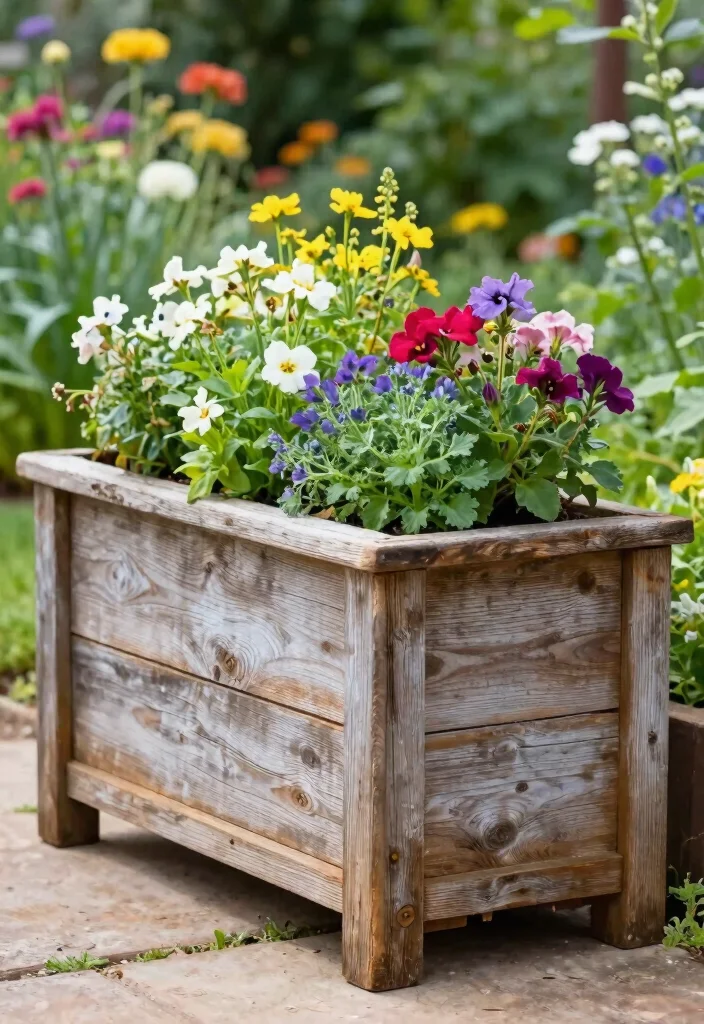
Using reclaimed wood for planter boxes promotes sustainability while offering a beautiful rustic aesthetic. You can build these boxes in various sizes to fit your gardening needs, placing them in sunny spots for optimal growth.
The natural weathering of reclaimed wood creates unique textures and colors, enhancing your outdoor decor. They can be designed deeper for root vegetables or shallower for annual flowers.
Consider these features:
– Eco-Friendly: Reuse wood and reduce waste.
– Custom Sizes: Adapt to your space and plant needs.
– Design Potential: Unique character through natural wear.
– Planting Tips: Ensure drainage holes for healthy roots.
Reclaimed wood planter boxes add charm to your garden and spark conversations about sustainability.
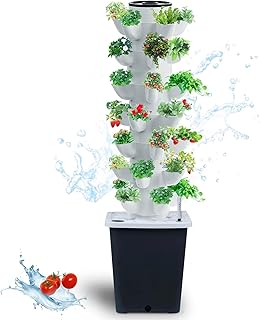
9. Vertical Hydroponic Garden
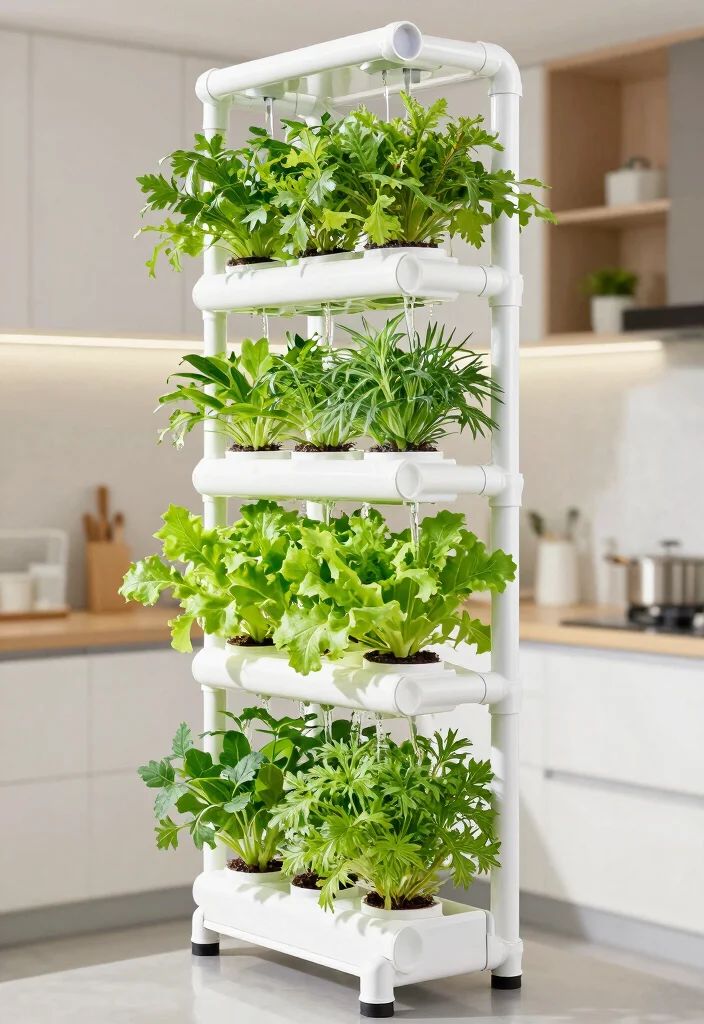
For tech-savvy gardeners, a vertical hydroponic garden is a game-changer. This soil-less gardening method allows you to cultivate plants in nutrient-rich water, making it ideal for various herbs and leafy greens. The vertical setup maximizes space while ensuring optimal light exposure for each plant.
Using modular systems or creating your own from PVC pipes can yield delightful results. Berries, greens, and herbs thrive in hydroponic setups with less maintenance compared to traditional soil gardening.
Key benefits include:
– Space Efficient: Perfect for urban settings with limited space.
– Soil-Free: Less mess and more control over nutrients.
– Plant Variety: Great for quick-growing plants and herbs.
– Maintenance: Regularly monitor water and nutrient levels.
Vertical hydroponic gardens revolutionize traditional gardening, allowing you to enjoy fresh produce right at home.
Fun fact: a compact vertical hydroponic stack can yield up to 8–12 heads of lettuce per month in as little as 2 square feet. That’s why planter boxes ideas thrive in small spaces—modular PVC setups boost harvest with less soil mess and maintenance.
Vertical Hydroponic Garden
Editor’s Choice



10. Fabric Hanging Planters
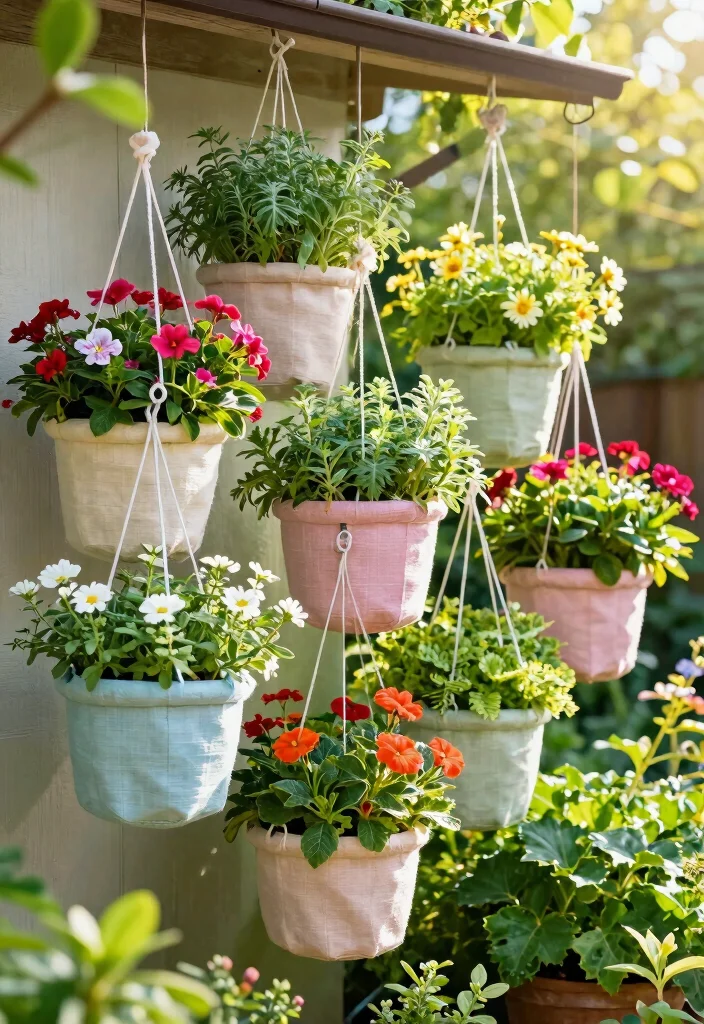
Fabric hanging planters offer a fun and versatile way to enhance your outdoor space. Made from breathable materials, these planters allow for excellent drainage and aeration, promoting healthy root growth.
Utilize pocket-style designs to grow herbs, flowers, or even small vegetables like cherry tomatoes. The lightweight nature makes them ideal for hanging on walls, fences, or balcony rails.
Consider these features:
– Breathable Material: Keeps roots healthy and prevents overwatering.
– Lightweight: Easy to hang and reposition.
– Plant Options: Perfect for herbs, small flowers, or veggies.
– Care: Regular watering is necessary, as fabric can dry out quickly.
These fabric hanging planters add a unique touch to your outdoor garden, blending functionality with visual appeal.
11. Planter Box Bench
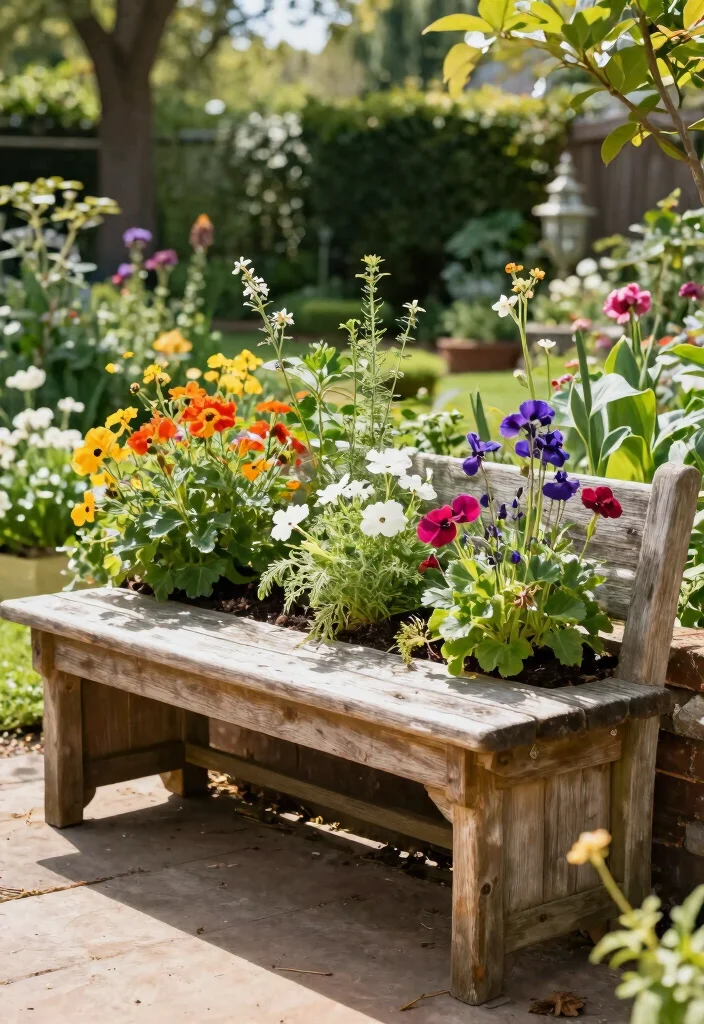
A planter box bench provides a clever two-in-one solution, offering seating while showcasing your favorite plants. This design typically includes a shallow planter area built into the bench, allowing flowers or herbs to thrive while you enjoy your outdoor space.
Customize the size and shape to fit your patio or garden area. Opt for durable materials that withstand the elements, and consider painting or staining to match your outdoor decor.
Key features include:
– Dual Purpose: Combines seating with gardening.
– Design Flexibility: Create styles that suit your setting.
– Plant Choices: Use vibrant flowers for color or herbs for easy access.
– Location: Ideal for patios, porches, or gardens.
A planter box bench enhances your outdoor space with beauty and functionality, inviting relaxation amidst nature.
Small spaces become thriving outdoor rooms with a planter box bench. It’s a two-in-one win: seating plus a living display of herbs and blooms. Planter boxes ideas like this keep patios inviting and easy to care for.
12. Modular Planter Boxes
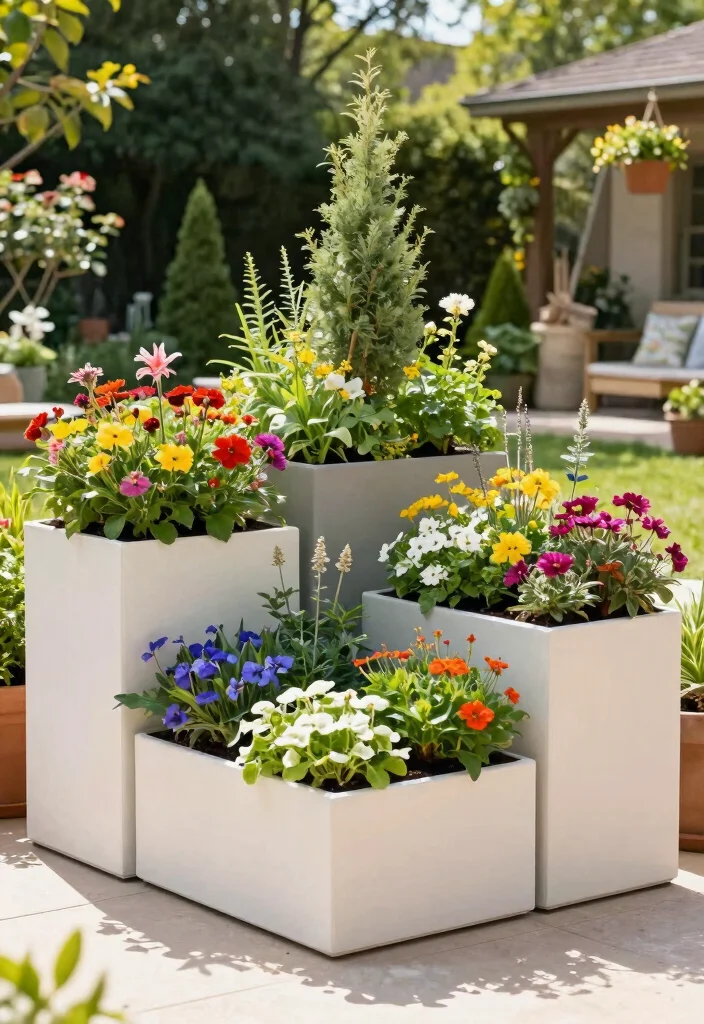
Modular planter boxes offer the ultimate flexible gardening solution. These boxes can be arranged and rearranged to create different layouts, making it easy to adapt your garden as your plant choices evolve. The modular design introduces a variety of heights and shapes, adding visual interest to your space.
Available in materials ranging from wood to plastic, they can accommodate herbs, flowers, or even small vegetables. This versatility is perfect for gardeners who enjoy experimenting with different plant combinations.
Key aspects to consider:
– Adaptable Design: Rearrange for different aesthetics.
– Material Variety: Choose from eco-friendly options.
– Plant Selection: Great for diverse plant types and sizes.
– Assembly Tips: Follow guidelines for stability.
Modular planter boxes are practical and allow your garden to evolve with your creativity.
Conclusion
Incorporating vertical planter boxes into your outdoor space is a fantastic way to maximize your gardening potential, especially when space is tight. These creative solutions not only enhance the beauty of your garden but also allow you to grow a diverse range of plants, even in the most compact areas. From rustic wooden designs to modern hydroponics, the options are endless, and the best part is that you can easily create your own DIY projects to fit your style. Embrace these planter box ideas to breathe life into your small outdoor spaces while showcasing your personality and gardening skills. Note: We aim to provide accurate product links, but some may occasionally expire or become unavailable. If this happens, please search directly on Amazon for the product or a suitable alternative. This post contains Amazon affiliate links, meaning we may earn a small commission if you purchase through our links, at no extra cost to you.
Frequently Asked Questions
What are some planter boxes ideas for small outdoor spaces?
Small outdoor spaces can still grow a big harvest with the right planter boxes ideas. Here are practical options that fit a balcony, patio, or narrow wall:
– Wall mounted pockets or railing planters for herbs and greens.
– Stacked crate planters or tiered vertical towers to multiply growing area.
– Tall column planters or freestanding boxes on wheels for flexibility.
– Window boxes and shallow troughs that maximize sun exposure.
– Hanging pocket planters from eaves or balcony rails for added height.
Practical tips: choose lightweight, durable materials, ensure proper drainage, use high-quality potting mix, group plants by sun needs, and consider self watering options for easy maintenance. container gardening tips
How can I use DIY planter box projects to maximize yield on a small balcony?
Start with a clear plan for your DIY planter box projects. Measure the space, note sun spots, and decide if you want modular units that can be rearranged.
Choose durable materials like cedar or recycled composites and seal them well to handle moisture. Line interiors with landscape fabric and drill drainage holes if needed.
Fill with a quality potting mix, select compact, high-yielding varieties, and use a lightweight irrigation approach such as a drip line or self watering insert.
Keep maintenance simple by grouping high water needs together and using vertical stacking to free floor space. For inspiration, browse ideas that blend outdoor planter designs with practical container gardening tips.
Which outdoor planter designs are best for different light conditions and limited spaces?
Choose outdoor planter designs that match how much sun your spot gets and how you water. For full sun, go tall, deep planters with sun-loving herbs and vegetables; for shade, use shallow boxes with leafy greens and shade-tolerant herbs. Use light colored or reflective finishes to prevent overheating. Ensure drainage with holes in the bottom and a gravel layer, and consider a self watering system for easier care. For very small spaces, vertical or railing planters let you stack growing area off the floor. This approach aligns with outdoor planter designs and container gardening tips.
What container gardening tips should I follow to keep herbs and vegetables thriving in small planters?
Start with the right potting mix and drainage. Use at least 6-8 inch pots for herbs and 8-12 inch for small veggies, with drainage holes. Fill with a high-quality potting mix and compost. Water deeply when the top inch dries, and mulch to conserve moisture.
Group plants by water needs and sun exposure to simplify care. Choose compact or dwarf varieties for container gardening tips you can actually manage in a small space. Fertilize monthly with a balanced, water-soluble fertilizer and monitor for pests with organic controls.
How do raised garden beds compare to planter boxes for small spaces, and which should I choose?
Raised garden beds offer deep soil, strong drainage, and fast soil warming—great for veggies if you have ground space. Planter boxes save space and work well for vertical layouts, balconies, and patios, letting you rearrange as needed. If you have a compact balcony, combine vertical planters with rolling planter boxes to maximize use of space. For a versatile setup, mix in planter boxes ideas to adapt to different spaces and seasons. This approach pairs with raised garden beds and container gardening tips.