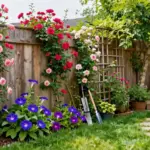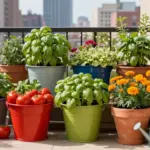
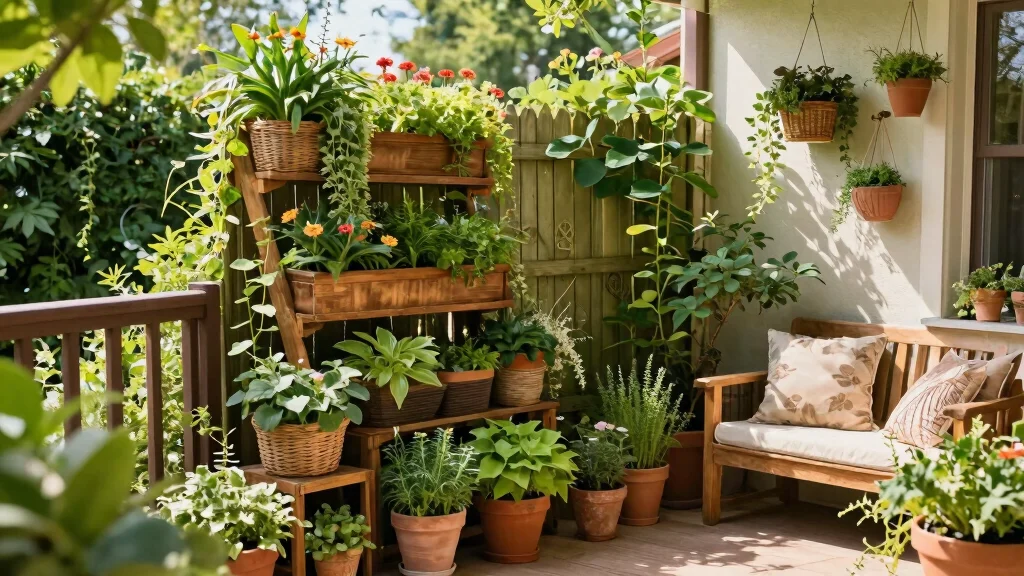
Creating a beautiful outdoor space can feel overwhelming, especially if you’re limited by size or budget. The thought of filling your garden with plants is exciting, yet figuring out how to maximize your space can be a challenge. That’s why I put together this guide on stylish and functional outdoor planter ideas. Whether you’re a seasoned gardener or a beginner, you’ll find inspiration to elevate your garden game.
If you’re someone who loves to enjoy the outdoors but feels constrained by a small yard or balcony, this post is for you. Perhaps you’re passionate about container gardening, or maybe you’re looking for unique garden decor that serves a purpose. You want your outdoor space to look appealing while still being functional. Here, you’ll discover 16 creative outdoor planter ideas that are not only aesthetically pleasing but also practical for your small garden area.
Get ready to transform your space! From wall-mounted vertical planters to DIY options that use recycled materials, each idea will help you make the most of your limited area. You’ll learn how to add greenery without sacrificing style, making your outdoor environment a little slice of paradise.
Key Takeaways
– Discover 16 outdoor planter ideas that maximize small spaces while providing beautiful greenery. – Learn about different types of vertical planters, including wall-mounted and tiered options that save space. – Explore DIY planter ideas using recycled materials to create unique and budget-friendly garden decor. – Find practical tips on how to incorporate container gardening in your outdoor design for easy maintenance. – Gain insights into creating a visually appealing layout that enhances your overall outdoor space design.1. Wall-Mounted Vertical Planters
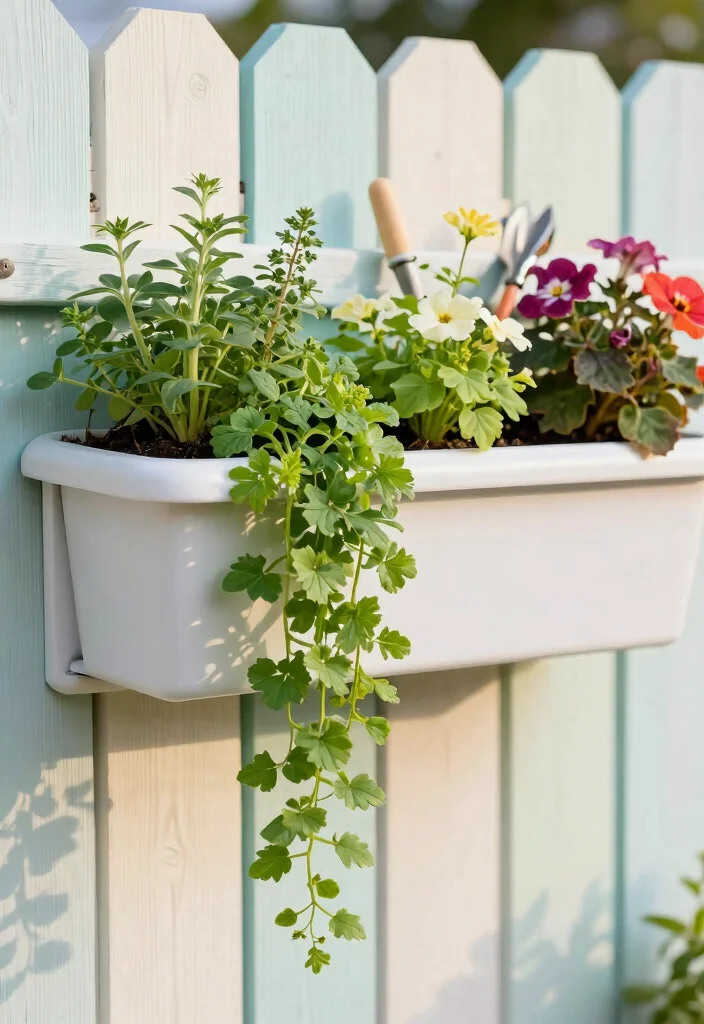
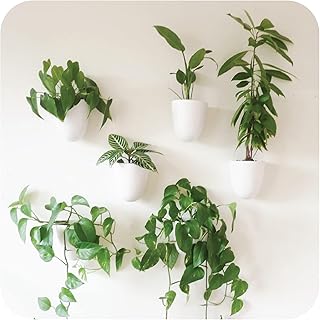
Are you looking to make the most of your vertical space? Wall-mounted vertical planters are a fantastic choice for displaying herbs, flowers, or succulents right on your wall or fence. They come in various designs and materials, allowing you to customize your garden aesthetic while saving valuable ground space. Perfect for small patios or balconies, these planters draw the eye upwards, creating an illusion of a larger area. Editor’s Choice
Start by selecting materials that suit your garden style, such as rustic wood or sleek metal. Opt for plants that thrive in vertical settings, like ivy or strawberries, and consider the sunlight each plant requires when positioning them.
Key tips for successful installation:
– Securely anchor the planters to the wall
– Use quality potting soil for healthy plants
– Regularly maintain and water for vibrant growth
With the right care, wall-mounted planters can transform your outdoor space into a lush oasis.
Wall-Mounted Vertical Planters



2. Ladder Planters
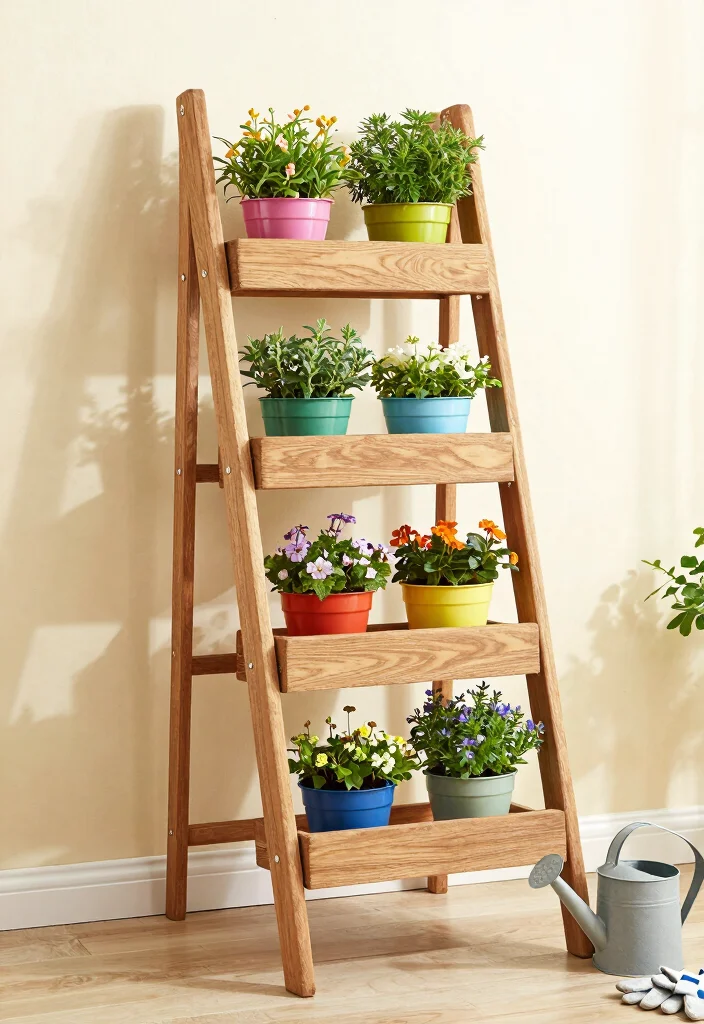
Looking for a stylish way to utilize vertical space in your garden? Ladder planters offer a unique tiered structure where pots can be placed on each rung, creating a functional and attractive display. They are ideal for corners or tight spaces and can house everything from colorful blooms to fresh herbs.
Consider painting your ladder to match your outdoor decor or keep it natural for a more rustic vibe. Ensure that your pots are suitable for outdoor conditions, and feel free to rearrange them as your gardening journey evolves.
Key features of ladder planters:
– Use durable pots for outdoor resilience
– Rearrange plants seasonally for variety
– Maintain good drainage with pots that have holes
With a little care, ladder planters can become a vibrant focal point in your garden.
📹 Related Video: How to make a ladder planter
3. Hanging Planters
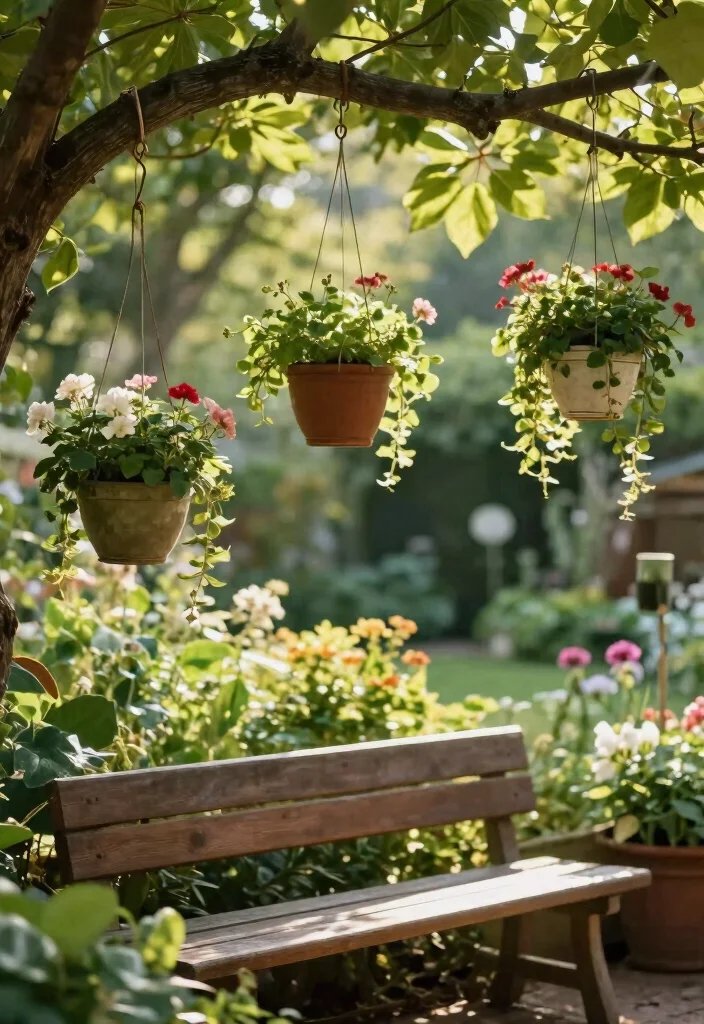
Want to add depth and greenery without sacrificing floor space? Hanging planters are the perfect solution! They can be suspended from overhead beams, trees, or hooks, creating a stunning floating garden effect. Various materials like woven baskets or ceramic pots offer a range of styles to suit any garden theme.
Choose plants that cascade beautifully, such as petunias or trailing vines, and consider their sunlight needs when hanging them. Positioning your planters at different heights creates a dynamic and eye-catching display.
Key highlights of hanging planters:
– Ensure plants receive adequate sunlight
– Water regularly while avoiding soggy soil
– Check for pests to keep plants thriving
With the right care, hanging planters can elevate the beauty of your outdoor space.
4. Recycled Material Planters
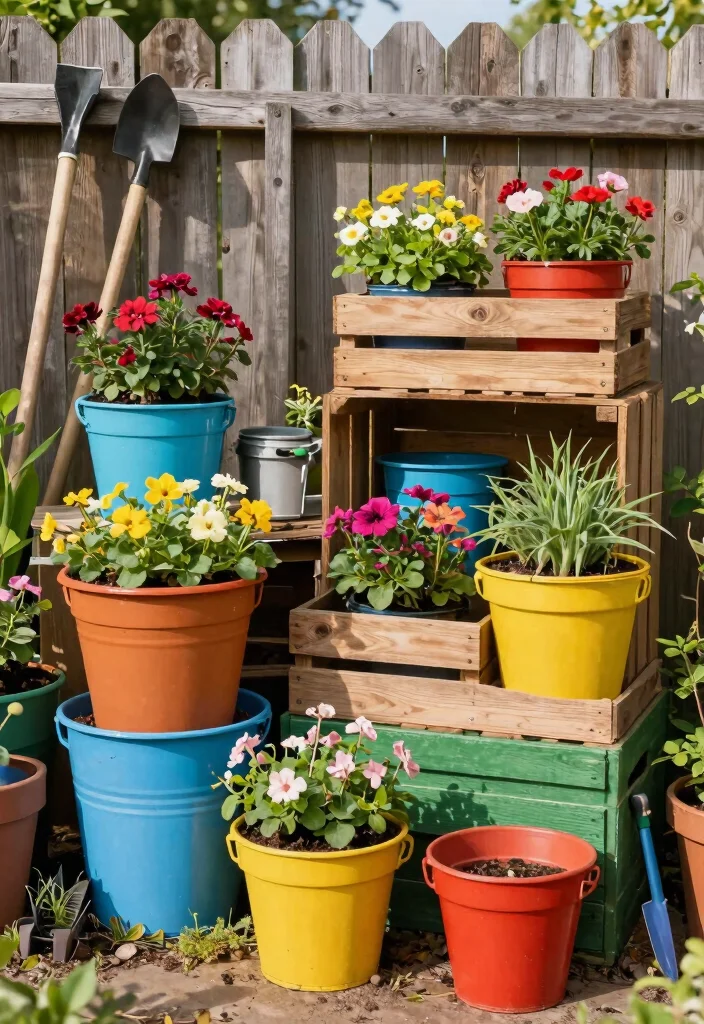
Get creative with recycled materials to craft unique and eco-friendly planters! Old buckets, wine crates, or wooden pallets can be transformed into charming garden features. This DIY approach not only helps the environment but also adds a personal touch to your outdoor space.
For instance, a vertical garden made from a wooden pallet can save space and create a striking wall display. Just ensure any materials used are clean and safe for plants.
Key ideas for using recycled materials:
– Brighten up with vibrant paint or weatherproof finishes
– Plant seasonal flowers or herbs for variety
– Drill drainage holes for healthy soil
With thoughtful design, recycled planters can become a standout feature in your garden.
5. Tiered Plant Stand
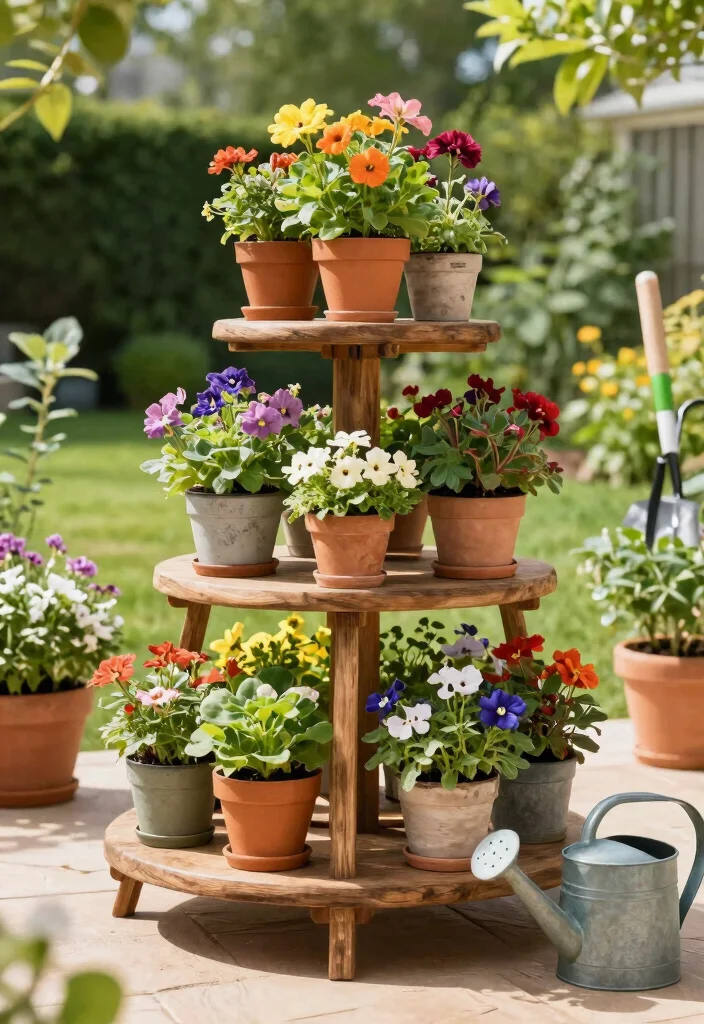
A tiered plant stand is a brilliant way to organize your garden beautifully! This multi-level structure maximizes space by offering layers for different plants. You can choose a stand that matches your outdoor theme, whether it’s modern or rustic.
Arrange taller plants at the back and smaller ones in front for a lush, layered look. These stands aren’t just for flowers; they can also accommodate herbs and vegetables for practical gardening.
Key points to remember:
– Place in a sunny spot for healthy growth
– Ensure easy access for watering
– Regular maintenance keeps it looking stunning
With proper care, a tiered stand can be a gorgeous focal point in your outdoor area.
Fun fact: A four-tier plant stand can double your vertical garden space in a tiny patio, letting you grow 12 herbs and compact veggies in under four square feet. It’s one of the easiest outdoor planter ideas for small spaces.
6. Vertical Garden Frame
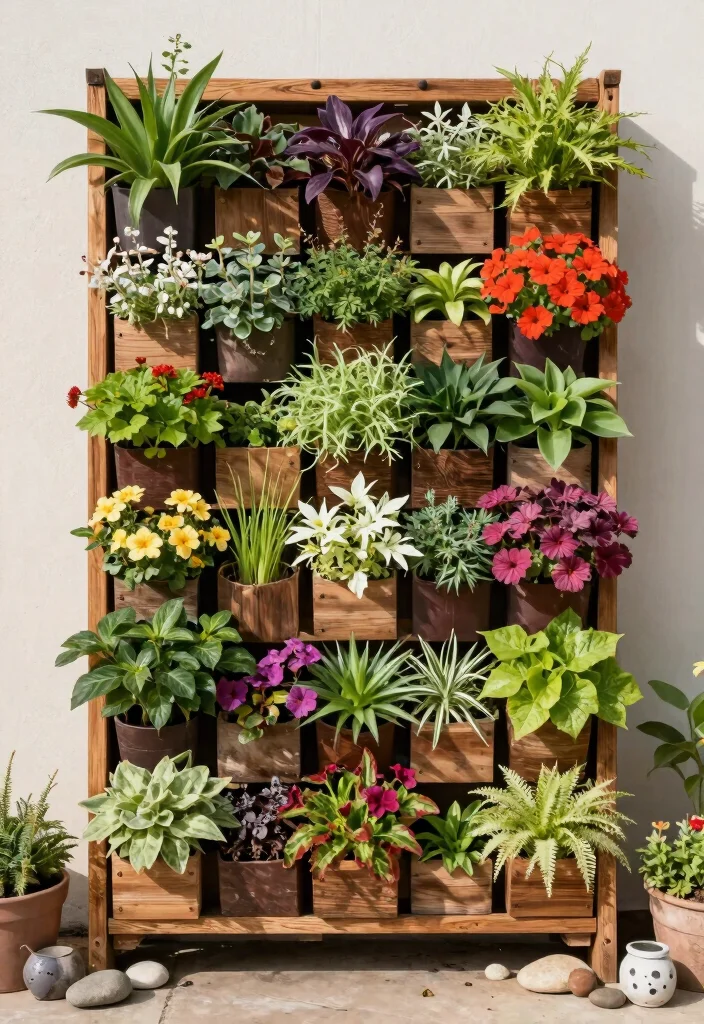
Create a stunning living wall with a vertical garden frame! This structure allows you to plant various herbs, flowers, and vegetables in a compact area, perfect for small gardens. You can purchase ready-made frames or easily DIY one using wooden pallets.
Make sure to build a sturdy base that can support the weight of soil and plants. Select plants that thrive in vertical arrangements, like succulents or herbs, to make the most of your garden.
Key elements for success:
– Choose a sunny location for optimal growth
– Ensure good drainage for healthy plants
– Regularly water and prune for lush results
This eco-friendly approach enhances your outdoor space while promoting sustainable living.
How To Choose the Right Vertical Outdoor Planters
Choosing the perfect vertical outdoor planter can elevate your garden space while maximizing limited areas. With so many options, it’s essential to focus on a few key factors to make the best choice for your needs. Here are some crucial criteria to consider: 1. SizeThe size of your vertical planter is vital, especially if you’re working with a small outdoor space. Measure the area where you plan to place your planter. Look for planters that are tall and narrow, allowing you to take advantage of vertical space without crowding your garden. Ensure the planter has enough room for the plants you want to grow, considering their growth patterns and root systems.
2. Material
Planters come in various materials, including wood, metal, plastic, and fabric. Each material has its benefits and drawbacks. For instance, wooden planters often blend well with nature, but they may require more maintenance. Metal can withstand the elements but may heat up quickly in the sun. Choose a material that fits your style and practical needs. Remember, lighter materials can be easier to move if you need to rearrange your garden layout.
3. Drainage Features
Proper drainage is crucial for plant health. Look for vertical planters with drainage holes or built-in trays to catch excess water. This feature prevents root rot and ensures your plants stay healthy. If a planter doesn’t have drainage holes, consider drilling some yourself, but be cautious to avoid damaging it. Keep your plants’ moisture needs in mind when selecting a planter with the right drainage setup.
4. Design and Aesthetic
The design of your vertical planter should complement your garden decor and personal style. From rustic wooden planters to sleek modern designs, select a style that enhances your outdoor space. Consider colorful options if you want to add a pop of color or stick with neutral tones for a more classic look. A well-chosen design can make your garden feel more inviting and cohesive.
5. Plant Compatibility
Different plants have varying needs regarding sunlight, water, and space. Before making a purchase, check if the planter size and type are suitable for the plants you wish to grow. If you’re considering herbs or flowers, ensure the planter can accommodate their root needs. Research which plants thrive in vertical settings to create a gorgeous and functional garden display.
6. Budget
Lastly, keep your budget in mind. Vertical outdoor planters can range from inexpensive plastic options to more costly handcrafted wooden designs. Set a budget that suits your financial situation while allowing for quality products. Sometimes, investing a little more in a durable, well-designed planter can save you money in the long run, as it may last through various seasons.
Pro Tip:
Before buying, check online reviews or ask fellow gardeners for recommendations. This can help you avoid poor-quality products and find the best vertical planters that will meet your aesthetic and functional needs. Happy planting! 🌱
7. Pallet Planters
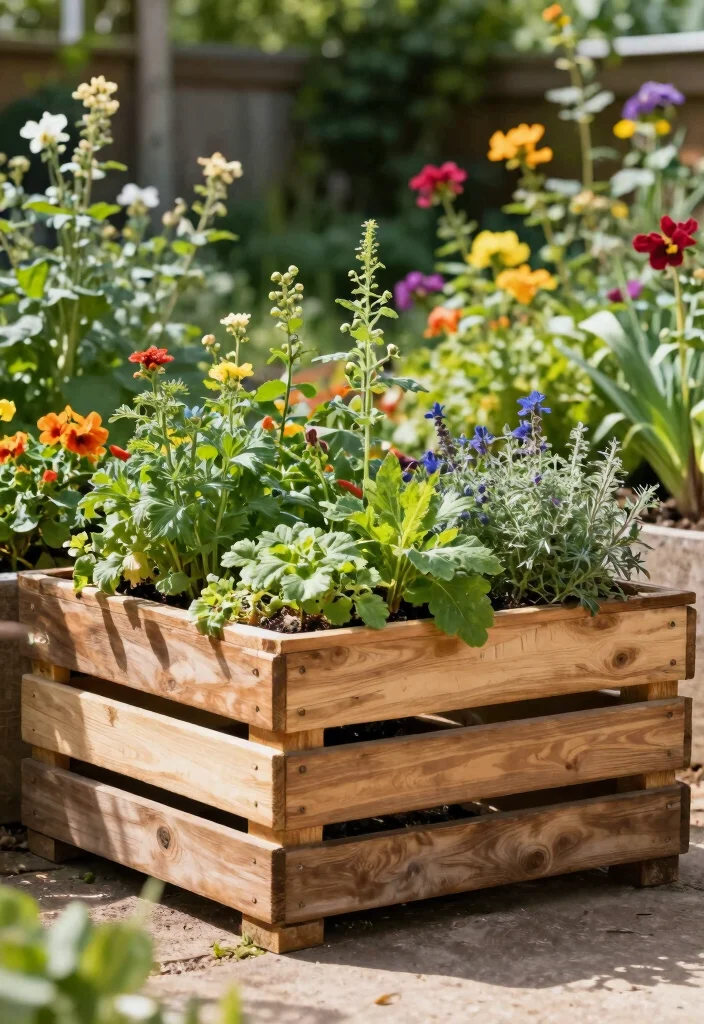
Pallet planters add rustic charm to your garden while being functional! By repurposing wooden pallets, you can create vertical or horizontal planters that maximize visual impact with minimal space. Simply stain or paint the pallet, fill it with soil, and choose your favorite plants.
Position the pallet against a wall for support and consider sunlight needs when arranging your plants. Ensure good drainage by creating holes if necessary.
Key benefits of pallet planters:
– Great for herbs, flowers, or strawberries
– Easy to maintain with regular watering
– Create an eye-catching focal point
With a little care, your pallet planter will thrive and enhance your outdoor decor.
8. Hanging Wall Planters
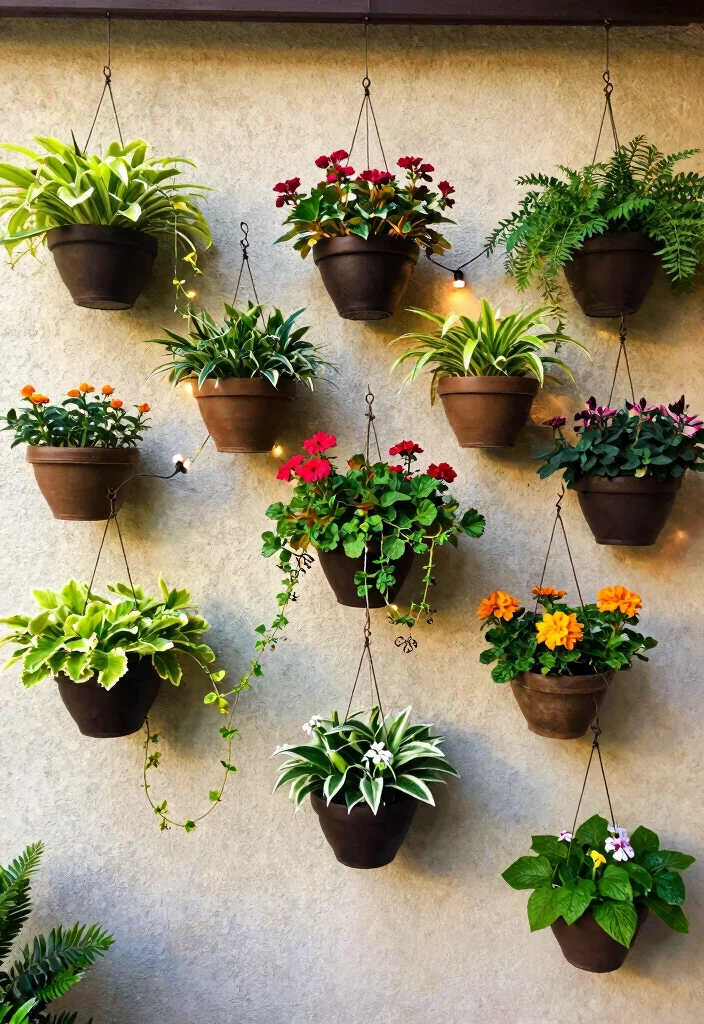
Hanging wall planters are a simple way to introduce greenery without using up valuable floor space! These can be mounted directly on walls or fences, creating a vertical garden that enhances your decor. Look for wall-mounted pockets or containers that can hold multiple plants. Editor’s Choice
You can customize the layout to fit your design preferences, making them perfect for small balconies or patios. Layering different plants can create a beautiful tapestry of colors and textures.
Key features to consider:
– Use trailing vines or herbs for a lush effect
– Ensure they receive adequate sunlight
– Regularly water to keep plants healthy
Adding decorative elements like fairy lights will make them even more charming at night.
Hanging Wall Planters


9. Vertical Herb Garden
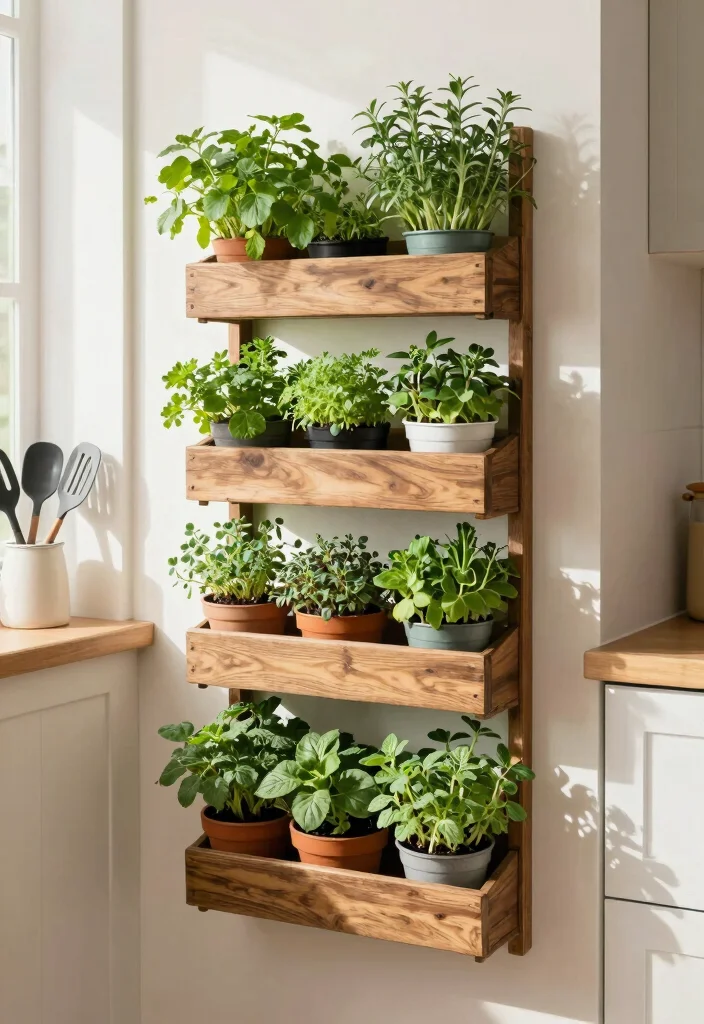
If you love cooking, a vertical herb garden is essential! These planters allow you to grow your favorite culinary herbs in a compact format right outside your door. You can create one using wooden pallets, hanging planters, or specially-designed wall units for easy access and sunlight.
Common herbs like basil, parsley, and mint thrive in vertical settings, making them perfect choices. Position your garden near your kitchen or patio for convenience when cooking.
Key tips for your herb garden:
– Ensure proper watering and drainage
– Choose a sunny spot for optimal growth
– Regularly harvest for fresh flavors
With a bit of care, your vertical herb garden will elevate your culinary creations.
Vertical herb gardens are practical outdoor planter ideas that transform tiny spaces into cooking hubs. Keep basil, parsley, and mint within arm’s reach by your door, growing in compact planters that fit any balcony or wall.
10. Reclaimed Wood Planters
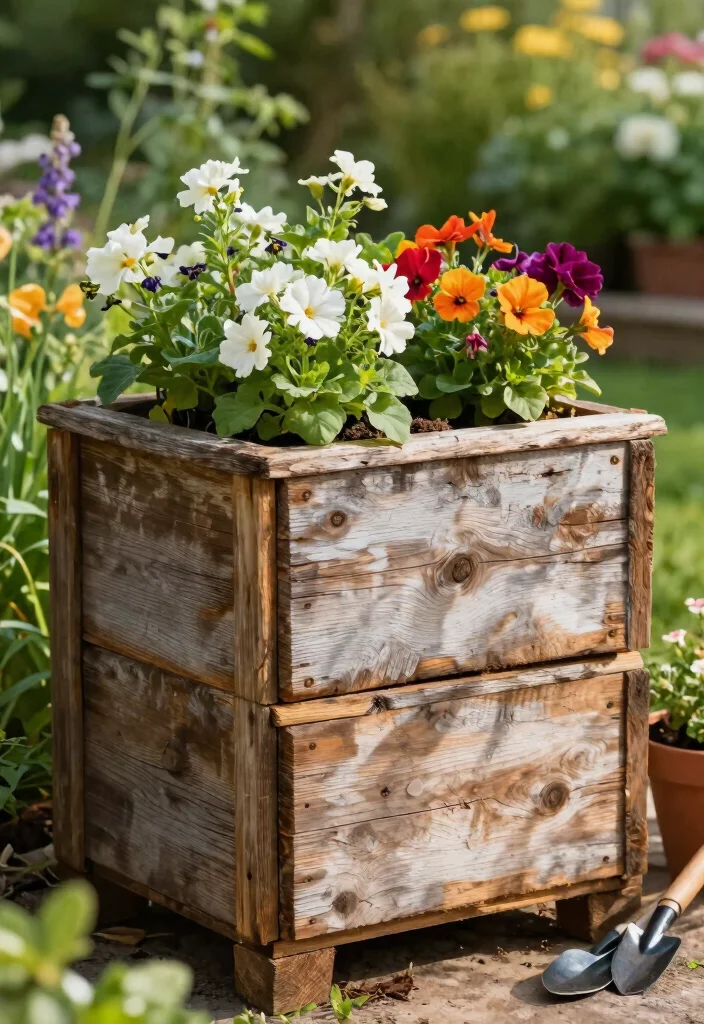
Using reclaimed wood for planters offers a rustic vibe while promoting sustainability. Old wood can be expertly crafted into beautiful, functional planters that enhance your outdoor space. Choose sturdy pieces that withstand the elements, treating them if necessary to prevent rot.
These planters work well in both vertical and horizontal arrangements, allowing for endless design possibilities. You can grow vibrant flowers, lush greens, or even vegetables while supporting eco-friendly practices.
Key considerations for reclaimed wood planters:
– Drill drainage holes for healthy plants
– Stack them for added visual interest
– Regular maintenance keeps them looking great
Your reclaimed wood planters can become a stunning centerpiece in your garden with the right care.
Pro Tip: Reclaimed wood planters bring rustic charm and eco-friendly vibes to your space. Seal against moisture, then stack vertically or trim into horizontal beds—these outdoor planter ideas work for small spaces to maximize beauty, with fresh herbs and vibrant blooms.
Reclaimed Wood Planters
Editor’s Choice


11. Vegetable Tower Planters
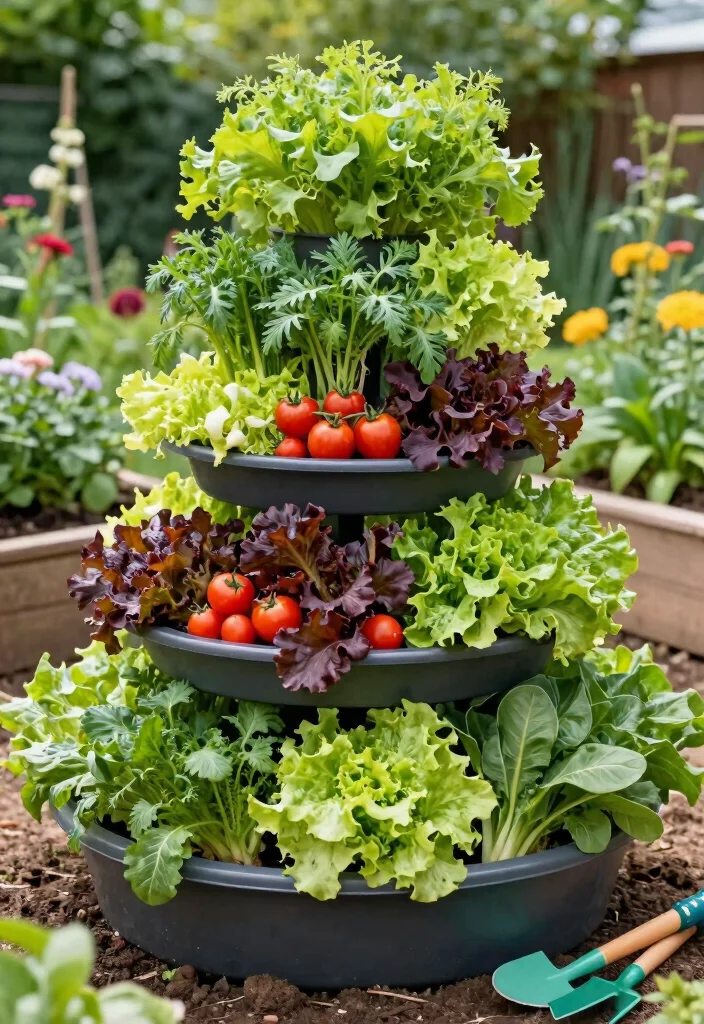
Maximize your gardening potential with vegetable tower planters, perfect for small spaces! These vertical systems allow you to grow a variety of vegetables, herbs, or flowers in a compact setup. You can purchase prefabricated towers or create your own using stacked pots. Editor’s Choice
Strategically position them to ensure they receive ample sunlight while remaining accessible for harvesting. Popular choices for tower planters include cherry tomatoes, lettuce, and peppers, all thriving in vertical arrangements.
Key tips for tower planters:
– Ensure proper drainage for healthy growth
– Water regularly to keep plants thriving
– Position for easy access
With a little care, these planters can yield a bountiful harvest while adding charm to your garden.
Vegetable Tower Planters


12. Gutter Planters
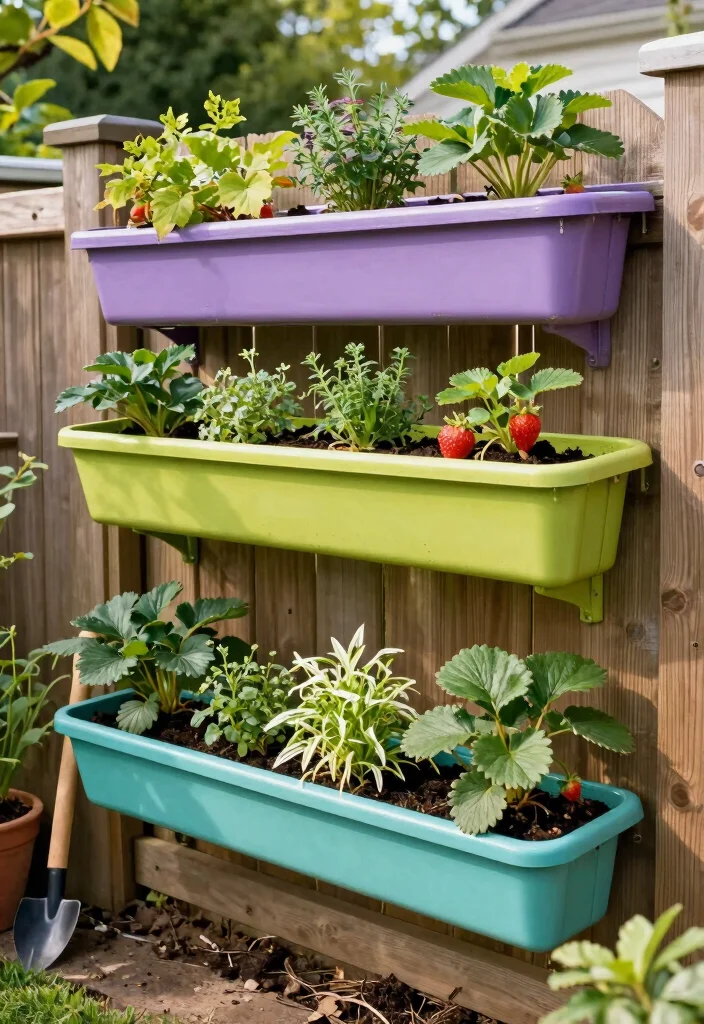
Gutter planters offer a clever and budget-friendly solution for vertical gardening! By repurposing old gutters, you can create long, narrow planters that attach easily to walls or fences. These are perfect for shallow-rooted plants like lettuce, herbs, or strawberries.
Cut the gutters to your desired length and attach securely, ensuring they have drainage holes to prevent waterlogging. Gutter planters maximize space in smaller areas while providing a unique look.
Key features of gutter planters:
– Great for maximizing vertical space
– Regular watering supports healthy growth
– Easy to maintain with proper positioning
With care, gutter planters will flourish, providing fresh produce right at your fingertips.
13. Modular Planters
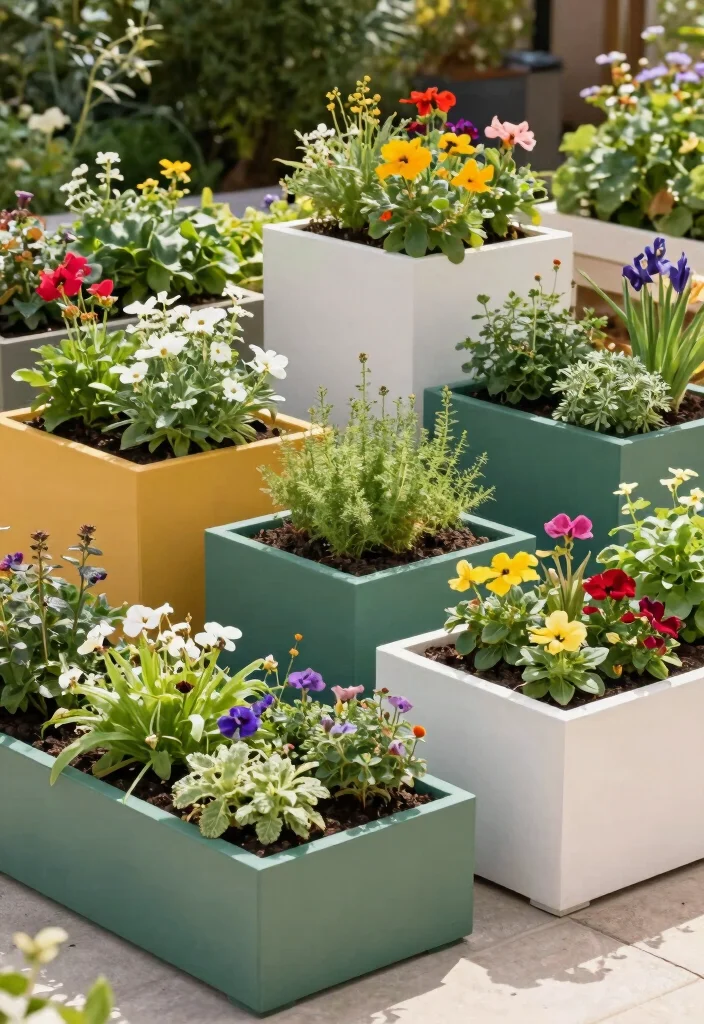
Modular planters provide a flexible and customizable option for gardening! You can rearrange and stack these planters to fit your unique space and gardening goals. Made from durable materials, they come in various designs that complement your outdoor decor beautifully.
Mix and match different types of plants to create an engaging visual display. These planters are perfect for small spaces, allowing you to elevate plants for better sunlight exposure.
Key ideas for modular planters:
– Ensure each module has proper drainage
– Incorporate herbs or flowering plants for color
– Regular maintenance keeps them looking fresh
With thoughtful arrangement, modular planters can create a stunning garden display.
14. Stackable Planters
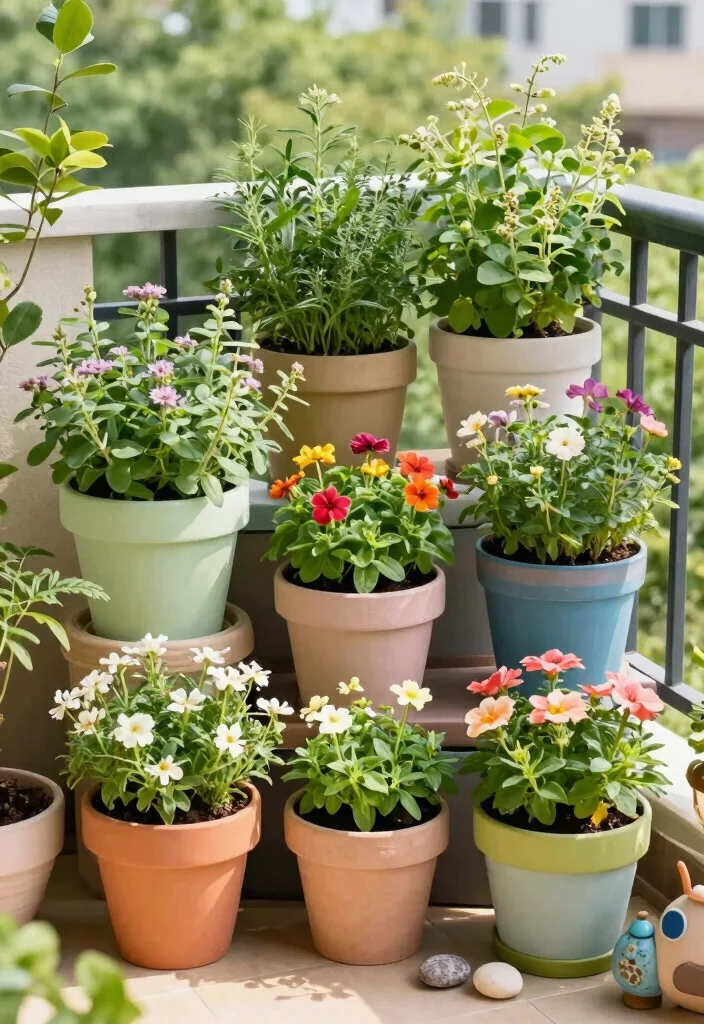
Stackable planters are a fun and space-saving way to create a vertical garden! These come in various designs and materials, allowing you to stack them on top of each other, maximizing your planting capacity. Perfect for small patios or balconies, they can hold herbs, flowers, or even small vegetables.
When stacking, consider the light requirements of each plant to ensure they thrive. Choose planters with built-in drainage systems to maintain healthy soil conditions.
Key benefits of stackable planters:
– Save floor space while growing a variety of plants
– Mix different plants for a beautiful display
– Easy to rearrange and maintain
With a little creativity, stackable planters can enhance your outdoor space beautifully.
15. Decorative Pot Stand
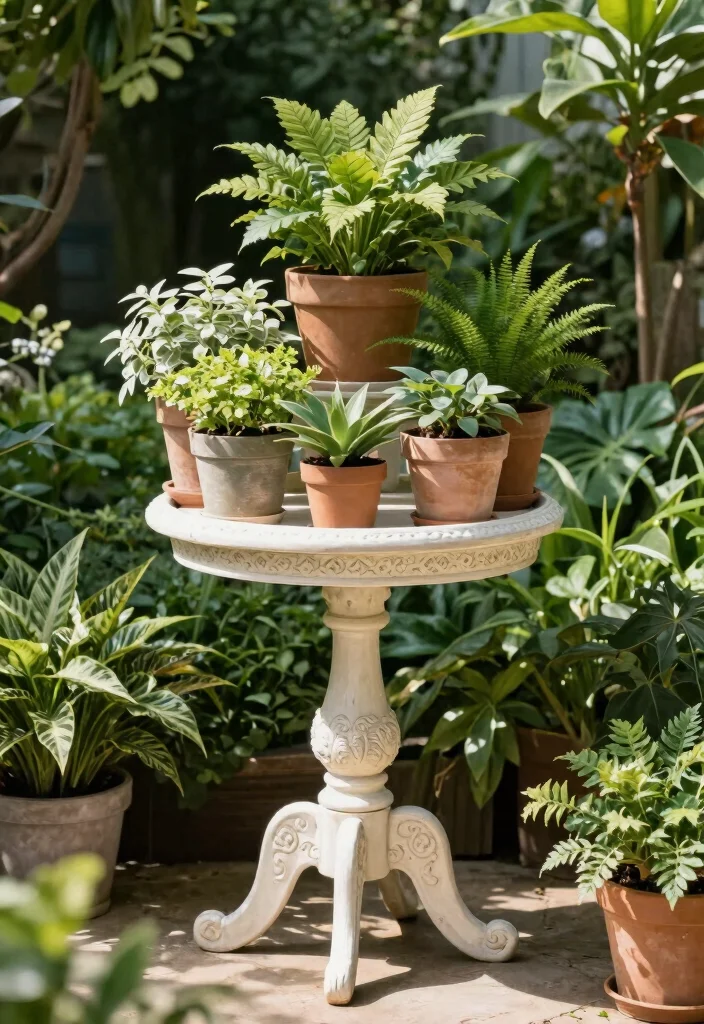
A decorative pot stand is a stylish way to showcase your favorite plants while adding height and dimension to your garden. These stands come in various designs, from modern to vintage, helping to create visual interest in your layout.
Place them in groups or individually, depending on your space and design vision. Mixing various pots can create an eclectic look that enhances your outdoor decor.
Key features to consider:
– Ensure the stand is sturdy for outdoor use
– Choose plants that complement the stand’s design
– Regular care keeps it looking fresh
With the right plants and maintenance, a decorative pot stand can elevate your garden’s charm.
16. Multi-Function Planters
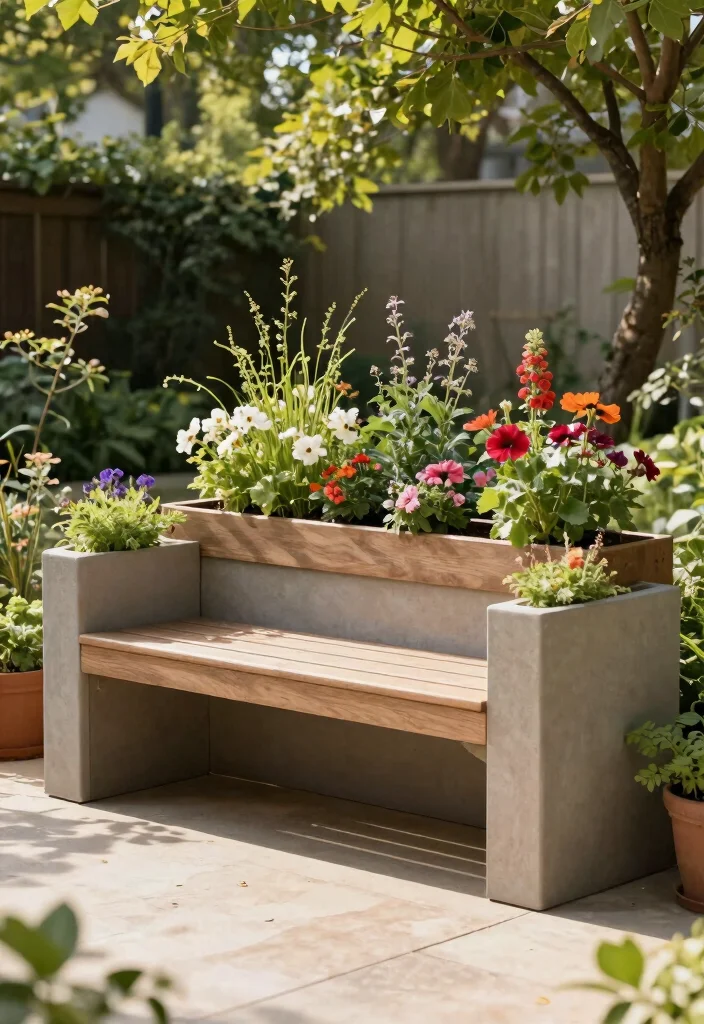
Multi-function planters are the ultimate solution for combining utility and style in small gardens! These versatile planters may include features like benches or storage while providing plenty of space for your plants. Look for designs that blend beauty and function, perfect for creating a cozy outdoor nook. Editor’s Choice
Ensure these planters are made from durable materials suitable for outdoor use and provide good drainage for plant health. Regular maintenance is essential to keep both plants and furniture looking great.
Key advantages of multi-function planters:
– Maximize space while adding utility
– Create inviting areas for relaxation
– Enhance both beauty and functionality
With proper care, these planters can transform your garden into a stylish retreat.
Multi-Function Planters


Conclusion
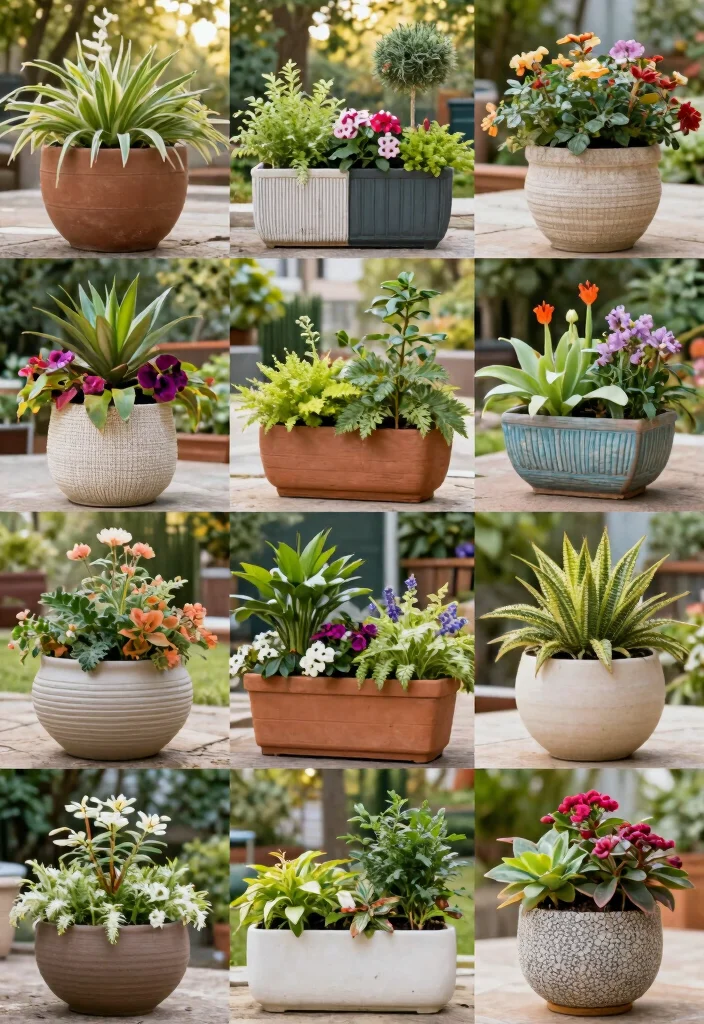
With these 16 outdoor planter ideas, transforming your small space into a lush garden paradise is easier than ever. Whether you opt for vertical gardens, creative DIY solutions, or stylish decorative pieces, each idea offers a unique way to bring nature into your life while being functional. Embrace the beauty of container gardening and start crafting your ideal outdoor oasis today! Note: We aim to provide accurate product links, but some may occasionally expire or become unavailable. If this happens, please search directly on Amazon for the product or a suitable alternative. This post contains Amazon affiliate links, meaning we may earn a small commission if you purchase through our links, at no extra cost to you.
Frequently Asked Questions
What are some practical outdoor planter ideas for small spaces?
For small spaces, start with vertical strategies and compact containers to maximize growth without crowding.
Choose vertical planters such as wall-mounted pockets or a tall, narrow planter tower to free floor space. Combine herbs and colorful flowering plants in shallow beds to boost garden decor while keeping maintenance easy. Ensure good drainage and consider self-watering pots to simplify container gardening in sunny spots. Add a rolling cart or corner shelf to adapt outdoor space design as seasons change.
How can vertical planters transform a tiny outdoor area?
Vertical planters let you turn walls, fences, and railings into productive greenery.
Try wall-mounted pockets, pallet planters, or hanging pots to add height without stealing square footage. Pair leafy greens with pops of color from flowers to boost garden decor and create a focal point in your outdoor space design. Use lightweight materials for easy repositioning and add a simple irrigation wicking system to keep plants hydrated in sun or breeze.
What containers work best for container gardening in outdoor space design?
The best containers mix durability, drainage, and style.
Choose weatherproof materials like resin, fiberglass, or treated wood; ensure drainage holes and consider a saucer or built-in reservoir. For mobility, lighter options like plastic or fabric planters help you reconfigure outdoor space design seasonally. Group containers of varying heights to create depth and use a cohesive color palette to sharpen your garden decor.
Can I DIY planters to improve garden decor on a budget?
Absolutely. DIY planters let you customize size, color, and texture while keeping costs down.
Repurpose items you already have—wood crates, metal buckets, even old rain gutters—to craft vertical or freestanding planters. Seal wood against the weather, line with a root barrier, and add drainage. A simple vertical shoe organizer can become a charming vertical planters system with pockets of herbs or trailing plants. With a little paint and weatherproofing, your garden decor will feel designer-level without breaking the bank.
How should I water and care for vertical planters to keep plants healthy?
Watering vertical planters requires thoughtful planning.
Install a drip line or use self-watering inserts to keep soil evenly moist without overwatering. Group plants with similar water needs and use a well-draining potting mix designed for containers. Water in the morning to reduce evaporation and feed with a balanced fertilizer according to product directions. Regularly check drainage and prune to maintain airflow, keeping your outdoor planter ideas vibrant and healthy.