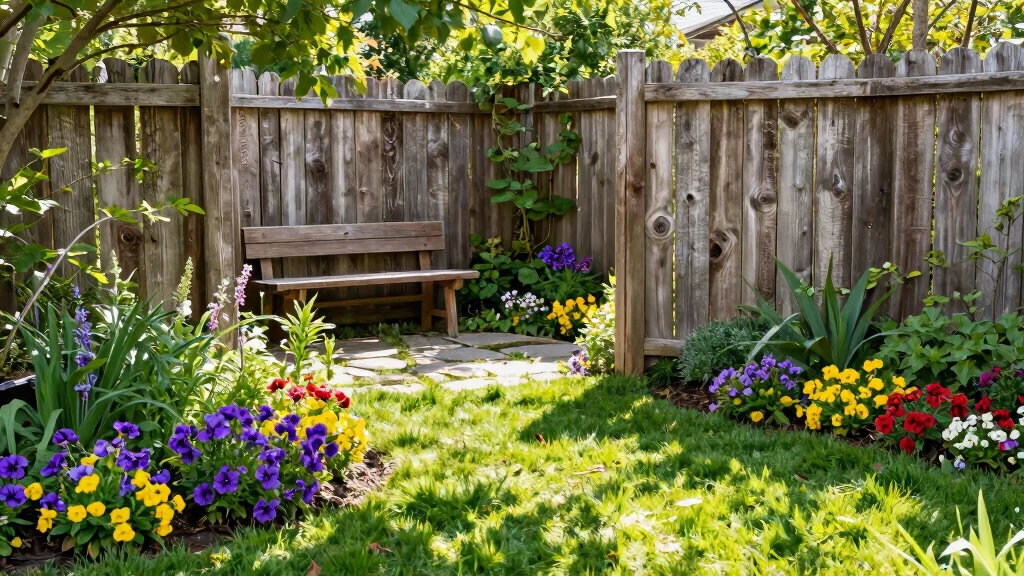
Looking to enhance your yard with some timeless charm? Wood fences have a special way of creating classic and durable boundaries that can elevate the look of any garden. With sustainability in mind, I’ve put together this post to offer you a range of eco-friendly wood fence ideas that not only protect your space but also align with sustainable gardening practices. Whether you’re seeking privacy, aesthetic appeal, or a natural habitat for local wildlife, there’s a wood fence style that’s perfect for your needs. If you’re a gardening enthusiast or simply someone who appreciates the beauty of a well-defined outdoor space, this post is for you. You care about creating an inviting atmosphere while being mindful of the environment. With that in mind, I’ve gathered twelve inspiring wood fence ideas that are not only stylish but also durable and eco-friendly. Each idea is designed to help you create the perfect boundary that complements your garden while enhancing its overall charm. In this guide, you’ll discover a variety of wood fence styles—from rustic and charming to modern and sleek. You’ll also find practical tips on installation and maintenance, ensuring your fence stands the test of time. By the end of this post, you’ll be equipped with the knowledge and inspiration you need to choose the ideal wood fence for your garden oasis.
Key Takeaways
– Explore twelve unique wood fence ideas that combine beauty and durability to enhance your garden space. – Discover how each style, such as the classic picket or the rustic pallet fence, can fit your aesthetic and functional needs. – Get practical wooden fence installation tips to ensure that your new boundary will last and look great for years to come. – Learn about eco-friendly materials and designs that promote sustainable gardening practices while maintaining your yard’s privacy. – Find inspiration for outdoor privacy solutions that not only protect your space but also create a welcoming environment for plants and wildlife.1. Vertical Slat Fencing
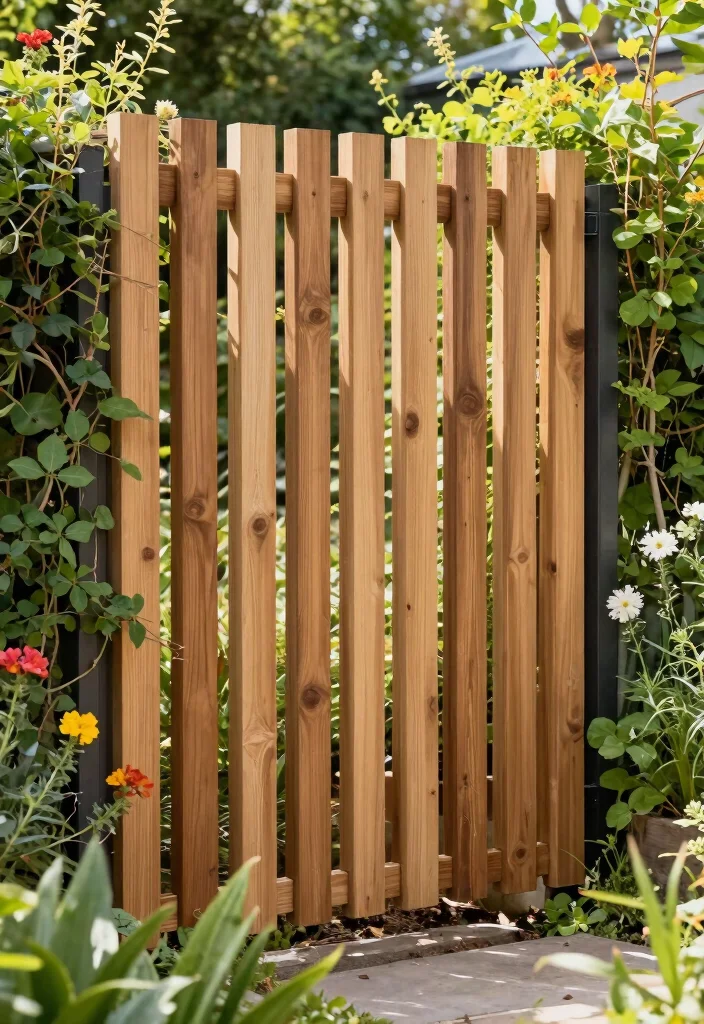
If you’re looking for a stylish yet practical fencing option, vertical slat fencing is a fantastic choice. This modern design features tall, slim wooden slats arranged with intentional spacing, allowing light and air to flow through while maintaining a sleek look. It offers a fresh aesthetic that enhances your outdoor space while providing a sense of privacy without feeling too enclosed.
To get the most out of your vertical slat fence, consider the orientation of the slats. Vertical slats emphasize height, while horizontal arrangements can create a more spacious atmosphere. Pair this fence with climbing plants to create a lush, integrated look in your garden.
Key features to consider:
– Light & Air Flow: Spacing allows sunlight and air circulation, nurturing nearby plants.
– Customizable Heights: Choose heights that best fit your garden’s layout.
– Eco-Friendly Options: Opt for sustainably sourced wood or reclaimed materials.
With a vertical slat fence, you can enjoy a beautiful boundary that complements your landscape while enhancing the overall ambiance of your yard.
Vertical slat fencing is a game changer for wood fence ideas. It blends modern privacy with airy light, and you can tilt slats to channel breeze and sun, boosting curb appeal without feeling boxed in.
Vertical Slat Fencing
Editor’s Choice
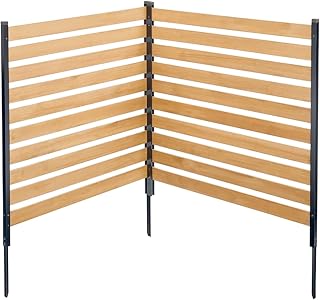



📹 Related Video: How to build a slatted fence | DIY
2. Lattice-Topped Fence
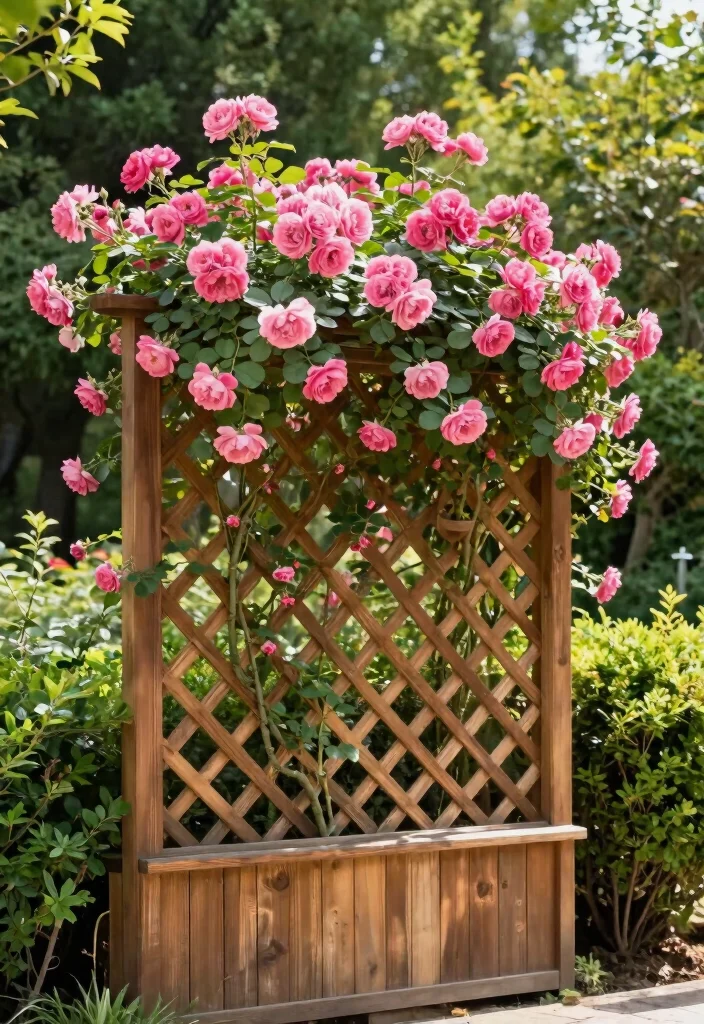
A lattice-topped fence is a perfect blend of beauty and function, featuring a solid wood base topped with an intricate lattice design. This combination provides additional height for privacy while allowing your yard to feel open and inviting. The decorative lattice not only enhances visual appeal but also serves as a perfect support for climbing plants.
When planning your lattice-topped fence, focus on using quality wood that can withstand the elements. A simple stain or paint can elevate its look, and choosing colors that complement your garden theme creates a cohesive design.
Why consider a lattice-topped fence?
– Stylish Design: Adds character and a foundation for climbing plants.
– Increased Privacy: Offers seclusion while keeping an open feel.
– Garden Enhancements: Perfect for framing flower beds or supporting trellises for veggies.
With a lattice-topped fence, you’ll enjoy a unique combination of style and functionality that enhances your outdoor living space.
Fun fact: a lattice-topped wood fence can boost perceived privacy by up to 20% while still inviting light and airflow for a livelier garden. For sustainable wood fence ideas, choose quality wood, finish it with a simple stain, and let the lattice support climbing plants.
Lattice-Topped Fence
Editor’s Choice


3. Rustic Pallet Fence
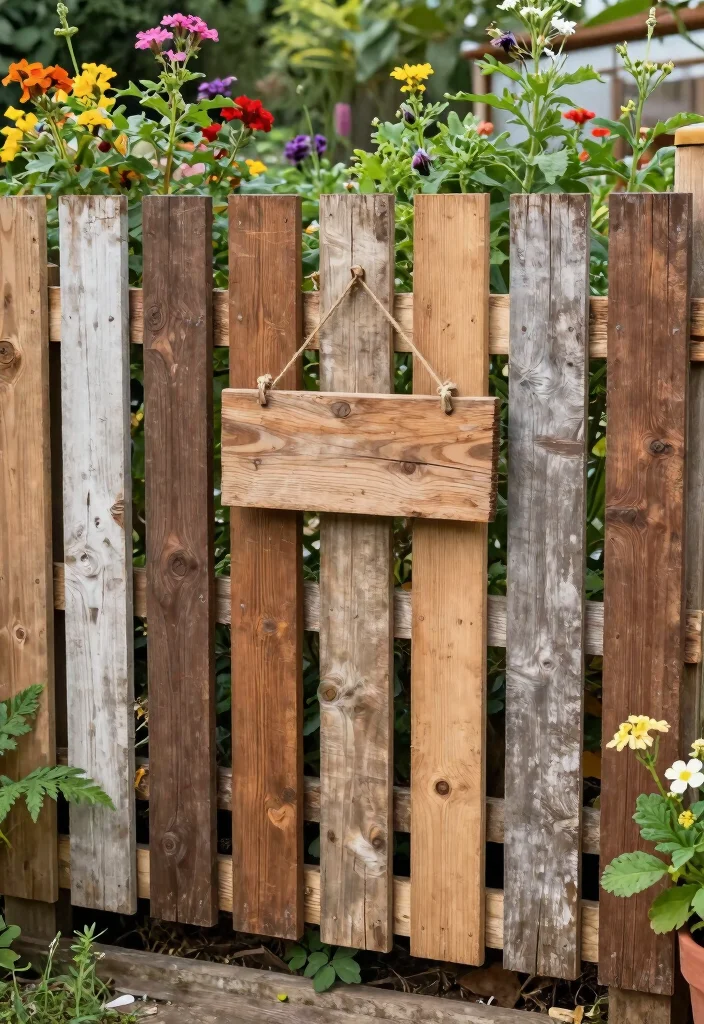
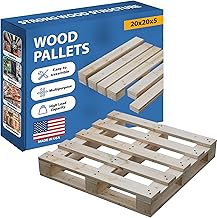
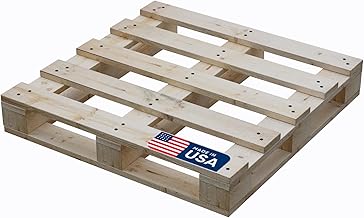
Looking for a budget-friendly and eco-conscious fencing option? A rustic pallet fence could be your answer. Using reclaimed wooden pallets, this fencing style brings a distinctive charm while promoting sustainability through upcycling. It’s a unique way to add character to your garden without spending a fortune. Editor’s Choice
When constructing your pallet fence, ensure you select sturdy pallets and decide on a vertical or horizontal arrangement based on your style. You can leave them natural for a rustic vibe or paint them for a pop of color.
Top reasons to love a pallet fence:
– Cost-Effective: Easily sourced for free or low cost, perfect for DIY projects.
– Unique Appearance: Each pallet offers its own character and texture.
– Versatile Uses: Can also be transformed into furniture or garden decor.
With a rustic pallet fence, you not only create an inviting boundary but also embrace a sustainable lifestyle while showcasing your creativity.
Rustic Pallet Fence

4. Horizontal Board Fence
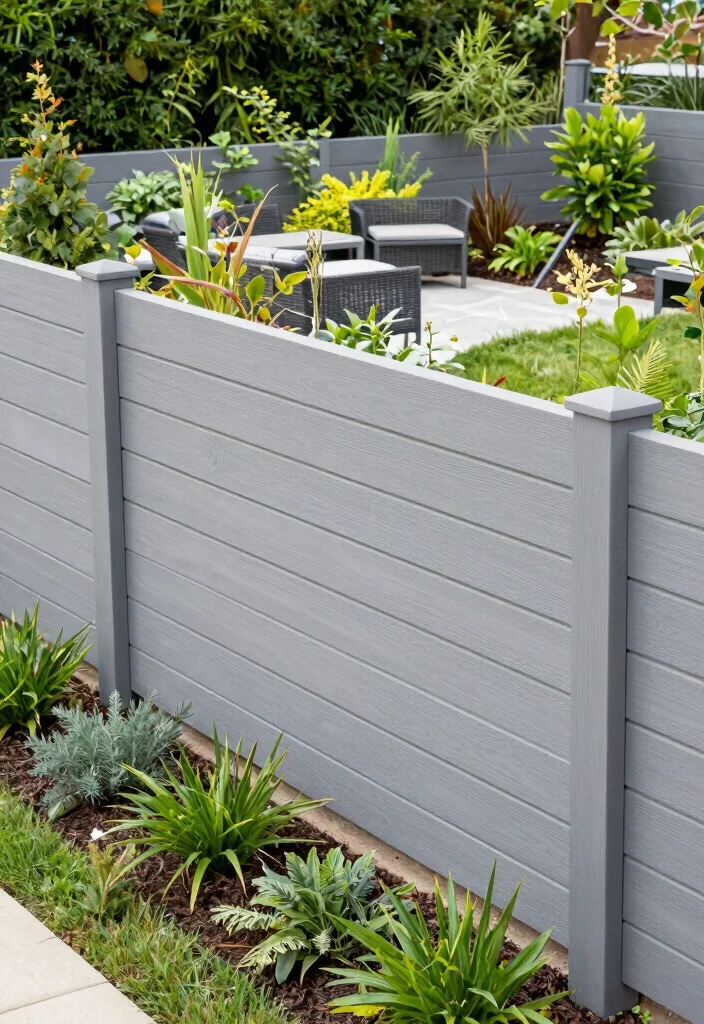
Horizontal board fences are making waves for their sleek, modern look. This design features long wooden boards arranged horizontally on posts, creating an open and airy feel in your yard. It’s an excellent choice for those wanting to make a bold statement while enjoying the benefits of a functional fence. Editor’s Choice
When planning your horizontal board fence, experiment with board spacing and thickness. Wider gaps provide a light, breezy feel, while closely packed boards enhance privacy. Opt for weather-resistant wood and finish it with an eco-friendly sealant to ensure durability.
Benefits of horizontal board fencing:
– Contemporary Look: Fresh aesthetic suitable for various garden styles.
– Illusion of Space: Horizontal lines make small yards feel larger.
– Low Maintenance: Fewer boards mean less upkeep.
With a horizontal board fence, you’ll enjoy a striking design that elevates your garden’s appeal while being practical and easy to maintain.
Horizontal Board Fence


How To Choose the Right Wood Fence for Your Garden
Choosing the right wood fence for your garden is essential for creating a beautiful and functional outdoor space. With so many styles and materials available, it can feel overwhelming. Here are some key factors to consider when selecting the perfect wood fence for your yard boundaries. 1. StyleFirst, think about the style of your home and garden. Do you prefer a classic look or something more modern? Options like a classic picket fence or a rustic log fence can complement different aesthetics. A horizontal board fence can give your yard a contemporary feel, while a lattice-topped fence adds a touch of elegance. Make sure the style you choose matches the overall theme of your outdoor space.
2. Material Quality
The type of wood you select significantly affects the durability of your fence. Common choices include cedar, pine, and redwood. Cedar is naturally resistant to decay, making it a great long-term choice. Pine is budget-friendly but may require treatment to enhance its lifespan. Redwoods add a rich color and are also resistant to rot. Consider how much maintenance you’re willing to commit to when choosing your material.
3. Height and Design
Consider the height of your fence and how it fits your needs. If privacy is a priority, opt for a taller fence—typically between 6 to 8 feet—like a shadowbox fence or a living fence. If the goal is to define space without blocking views, a shorter picket fence or a trellis-style fence might work better. Additionally, think about if you want a solid barrier or a more open design that allows light and air through.
4. Budget
Your budget will play a significant role in your decision. High-quality wood can be costly, so determine how much you’re willing to spend. Remember to factor in installation costs if you’re hiring professionals. DIY can save you money, but make sure you have the necessary skills and tools. Research different options to find quality materials at a price that fits your budget.
5. Local Climate
The climate in your area will influence the lifespan and maintenance of your wood fence. In areas with high humidity or frequent rainfall, choose treated wood to prevent rot. Conversely, in dry regions, untreated wood may fare well but could require regular sealing to avoid cracking. Understanding your local weather conditions can help you make a more informed choice.
6. Installation Requirements
Finally, consider the installation process. Will you hire professionals, or tackle it as a DIY project? If you’re going the DIY route, make sure you have the right tools and follow proper installation techniques. Most wooden fences require concrete footings to ensure stability. Research local regulations and any required permits to prevent headaches down the line.
Pro Tip: Before making a final decision, visit local gardens or neighborhoods to see different wood fences in person. Take notes on what appeals to you and what doesn’t. This hands-on approach can greatly aid in making your final choice!
5. Gabion Wall Fence
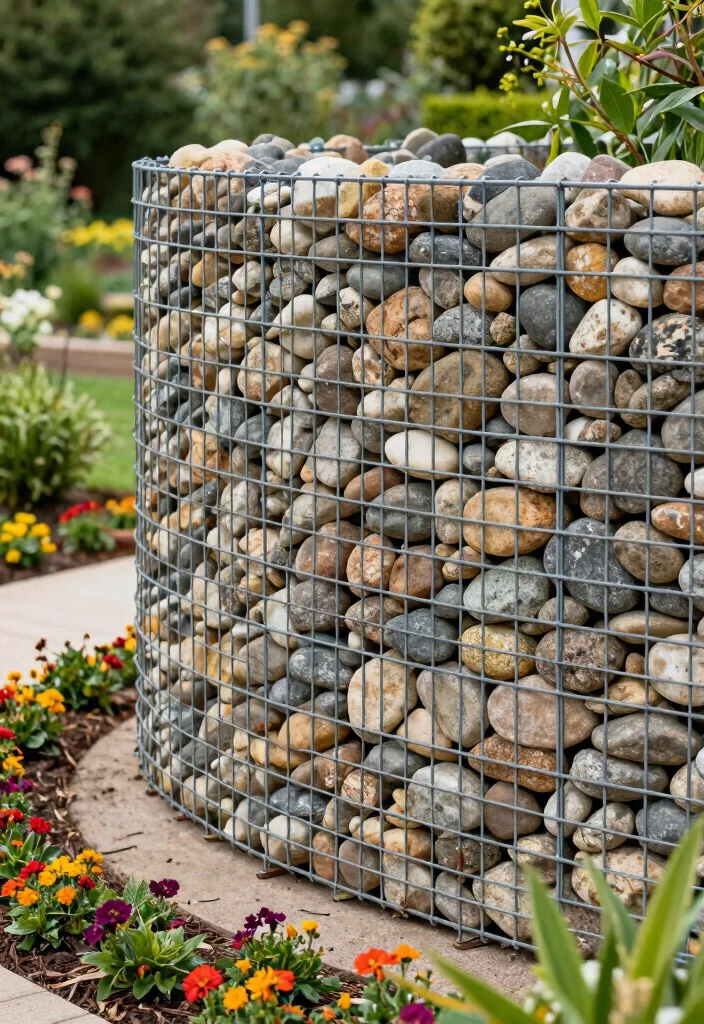
Gabion wall fences present a unique and eye-catching choice for garden boundaries. Made by filling wire cages with stones or gravel, this option blends beautifully with natural landscapes while adding structure to your yard. It promotes a rustic yet contemporary vibe, making it a standout feature in any outdoor space.
When planning your gabion wall, consider using visually pleasing stones that complement your garden. These walls can serve as standalone dividers or work alongside traditional wood fencing for added interest.
Why opt for a gabion wall?
– Durable Structure: Can withstand harsh weather conditions.
– Natural Drainage: Stones allow water to flow, preventing pooling.
– Eco-Friendly Materials: Use local stones to reduce environmental impact.
A gabion wall fence not only creates a strong boundary but also enhances the natural beauty of your garden, offering endless design possibilities.
Gabion wall fences prove that durable, eco-friendly boundaries can be both stylish and low-maintenance. Use stones that echo your garden palette, and you’ll enjoy a strong, natural divider with minimal upkeep—perfect for traditional charm and sustainable gardening. If you’re chasing wood fence ideas, consider gabion for a modern twist.
6. Bamboo Fence
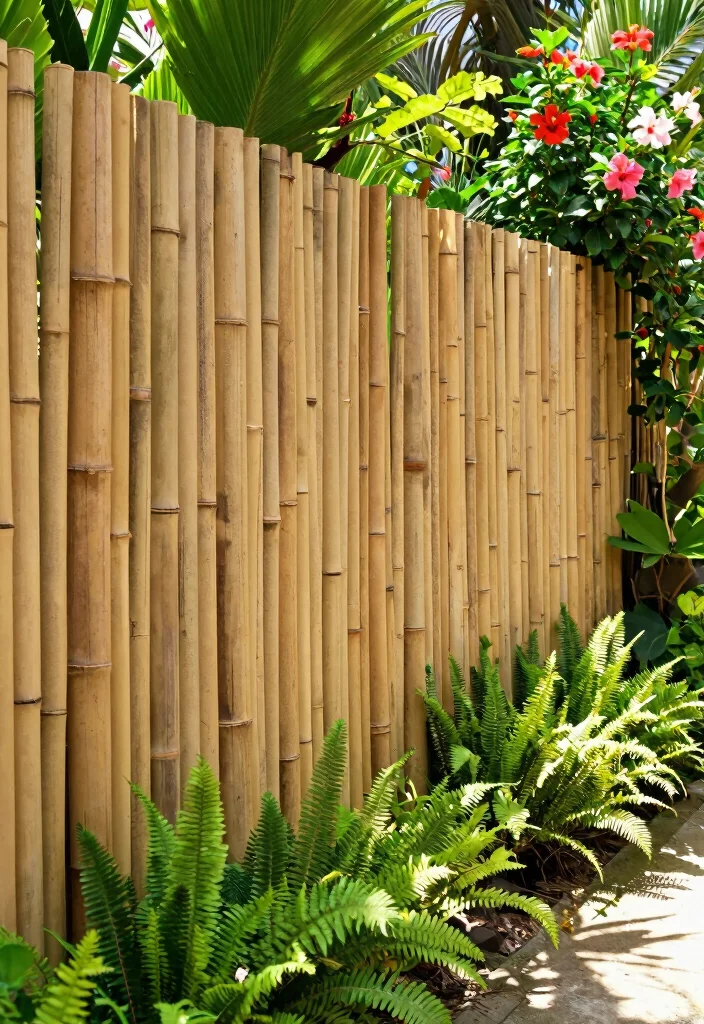
Bamboo fences are becoming increasingly popular for their sustainable qualities and tropical aesthetic. This eco-friendly option brings warmth and texture to your outdoor space while being a highly renewable resource. It’s not just a fence; it’s a statement of your commitment to sustainability.
For installation, consider creating a simple vertical fence with bamboo poles or a more intricate woven design. You can also treat bamboo to withstand the elements, enhancing its longevity while maintaining its natural charm.
Reasons to consider a bamboo fence:
– Sustainably Sourced: Grows quickly and safely harvested.
– Aesthetic Appeal: Adds unique warmth and texture to your garden.
– Flexible Design: Customizable height and density for privacy needs.
With a bamboo fence, you’ll create a stunning backdrop for your garden while embracing an eco-friendly lifestyle.
7. Living Fence
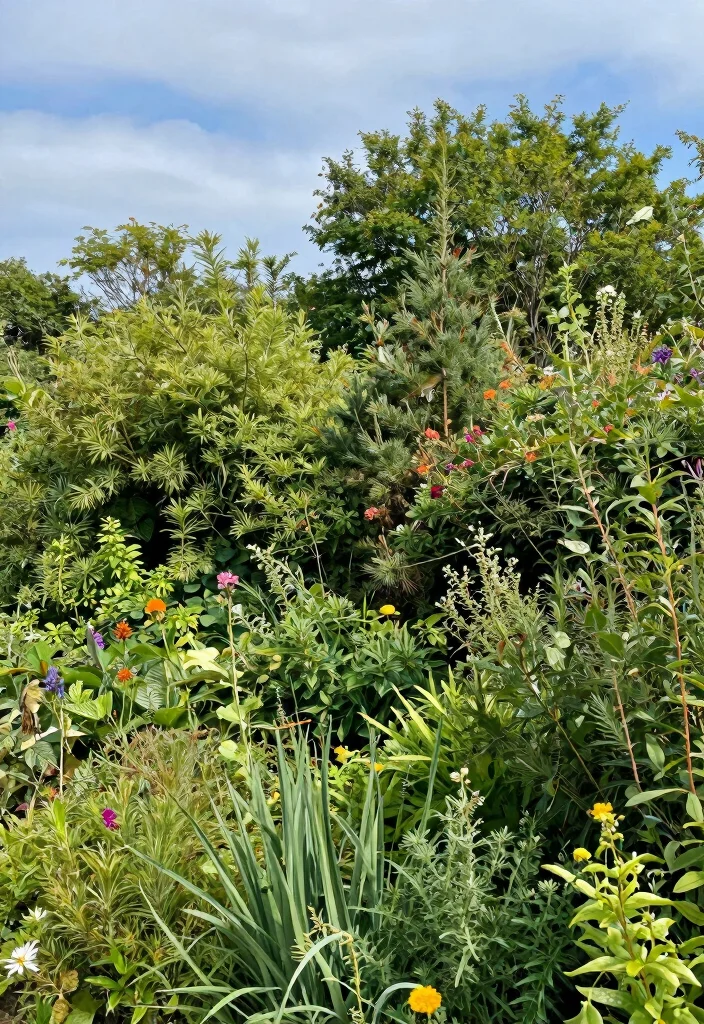
Living fences are an innovative way to merge gardening with fencing. By planting dense shrubs or trees, you create a natural barrier that provides privacy and a habitat for wildlife. This approach not only beautifies your space but also supports biodiversity.
When selecting plants for your living fence, choose local native species that thrive in your area. Fast-growing options like boxwood can quickly provide cover, while fruit-bearing plants add extra benefits to your garden.
Benefits of living fences:
– Natural Aesthetic: Blends seamlessly into the landscape.
– Wildlife Friendly: Attracts birds and beneficial insects.
– Privacy & Noise Reduction: Dense foliage blocks noise and offers seclusion.
With a living fence, you’ll enrich your outdoor space while creating a thriving ecosystem that benefits both you and local wildlife.
8. Classic Picket Fence
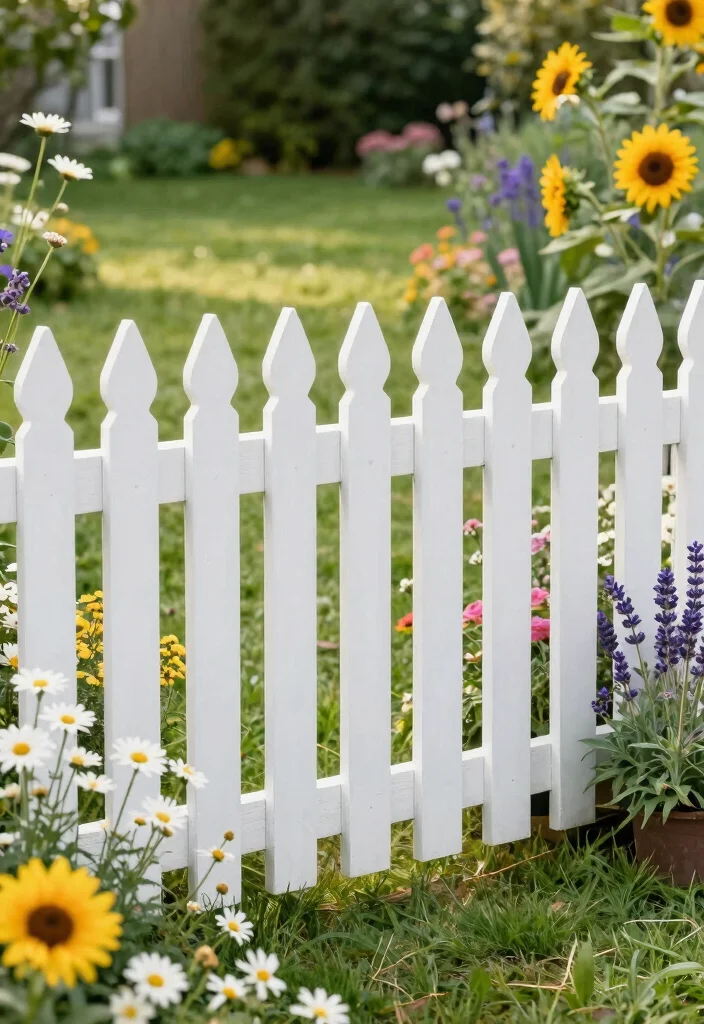
A classic picket fence brings a nostalgic charm to any garden. With its vertical wooden boards featuring pointed tops, it creates a welcoming atmosphere while ensuring safety for pets and children. This timeless design is perfect for those looking to enhance their property’s curb appeal. Editor’s Choice
When installing your picket fence, ensure the posts are securely set for stability. You can customize the height and spacing between pickets to suit your preferences and landscape. A white picket fence surrounded by colorful flowers creates an enchanting border that is both functional and beautiful.
Reasons to choose a classic picket fence:
– Quintessential Appeal: Adds a nostalgic touch to your landscape.
– Customizable Styles: Paint it any color to match your theme.
– Visibility: Open design allows you to enjoy your view.
With a classic picket fence, you’ll create a charming boundary that enhances your yard’s character while providing a sense of security.
Classic Picket Fence


9. Wooden Trellis Fence
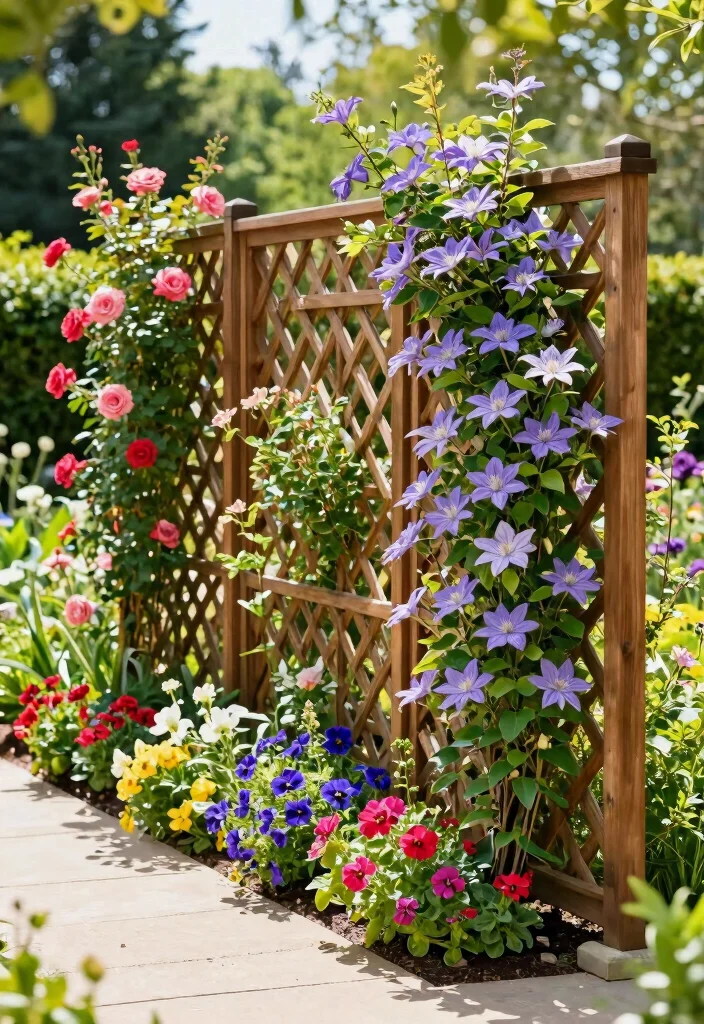
A wooden trellis fence serves as both a functional divider and a support structure for climbing plants. This dual-purpose fencing idea allows you to enjoy privacy while adding greenery and vertical interest to your garden space. It’s a wonderful way to incorporate nature into your outdoor design.
When designing your trellis fence, ensure the framework is sturdy enough to support your chosen plants. Consider beautiful climbers like clematis or roses that will thrive and enhance the visual appeal of your fence.
Key benefits of trellis fencing:
– Visual Interest: Provides a lovely backdrop for flowering vines.
– Defined Spaces: Creates distinct sections while maintaining openness.
– Versatile Designs: Customize patterns and heights to suit your style.
With a wooden trellis fence, you’ll enjoy a beautiful blend of functionality and natural beauty in your garden.
10. Shadowbox Fence
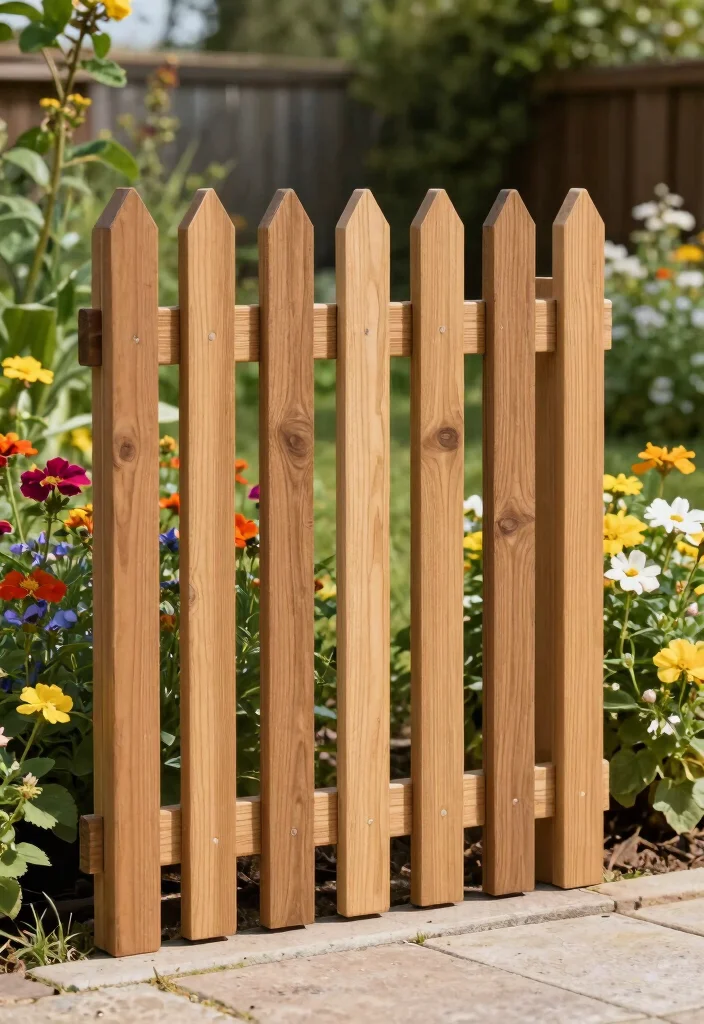
Shadowbox fences create a captivating visual effect while maintaining privacy. Featuring alternating pickets on each side, this design looks great from both perspectives and allows light to filter through. It’s a stylish option for those seeking a balance between seclusion and openness.
When selecting materials for a shadowbox fence, choose durable wood that can withstand outdoor conditions. You can apply a stain or paint to match your garden theme, enhancing its overall appeal.
Reasons to opt for a shadowbox fence:
– Aesthetic Versatility: Blends well with various landscaping styles.
– Enhanced Privacy: Great privacy without blocking out light.
– Wind Resistance: Allows wind to flow through, minimizing damage.
With a shadowbox fence, you’ll create an attractive boundary that combines style with practicality, enhancing your outdoor living experience.
11. Rustic Log Fence
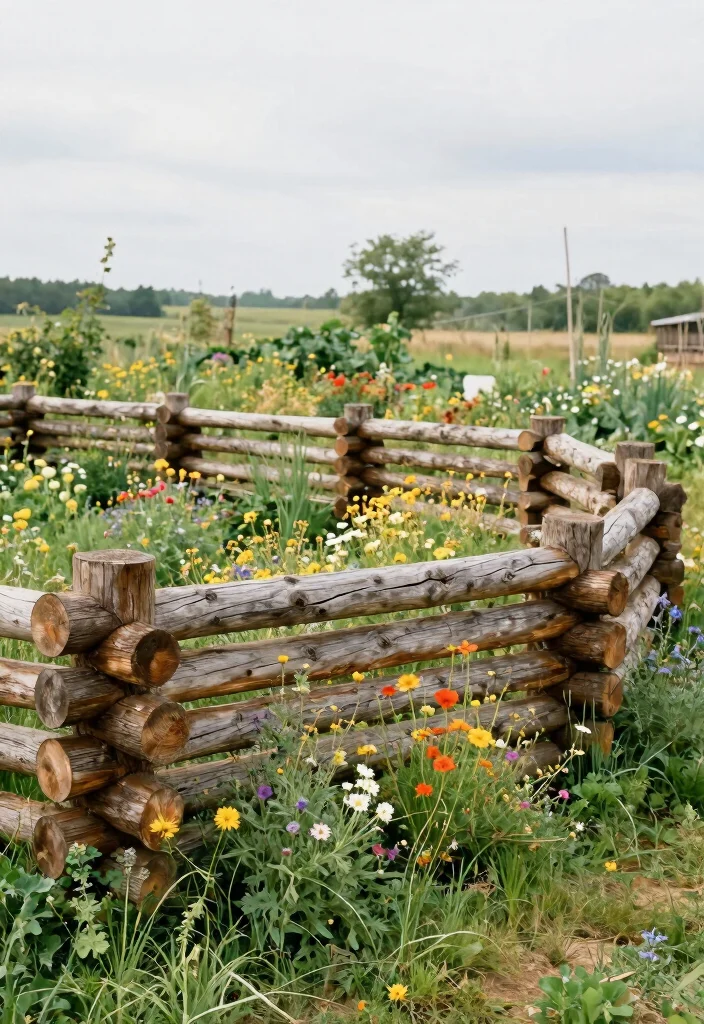
For a truly rustic look, a log fence can add a unique charm to your outdoor space. Using whole logs or thick branches, this style evokes a feeling of countryside living while providing a strong boundary that stands out. It’s perfect for those who appreciate natural materials and a bit of ruggedness.
When building a log fence, choose sturdy logs free from decay. You can lay them horizontally or vertically based on your preference. To maintain their natural beauty, consider treating the logs with a sealant to protect them from insects and weathering over time.
Why choose a log fence?
– Natural Beauty: The raw look enhances rustic appeal.
– Durability: Logs withstand various weather conditions.
– Wildlife Friendly: Attracts local wildlife, enriching your garden’s ecosystem.
With a rustic log fence, you’ll create a strong and charming boundary that complements your outdoor environment beautifully.
12. Eco-Friendly Treated Wood Fence
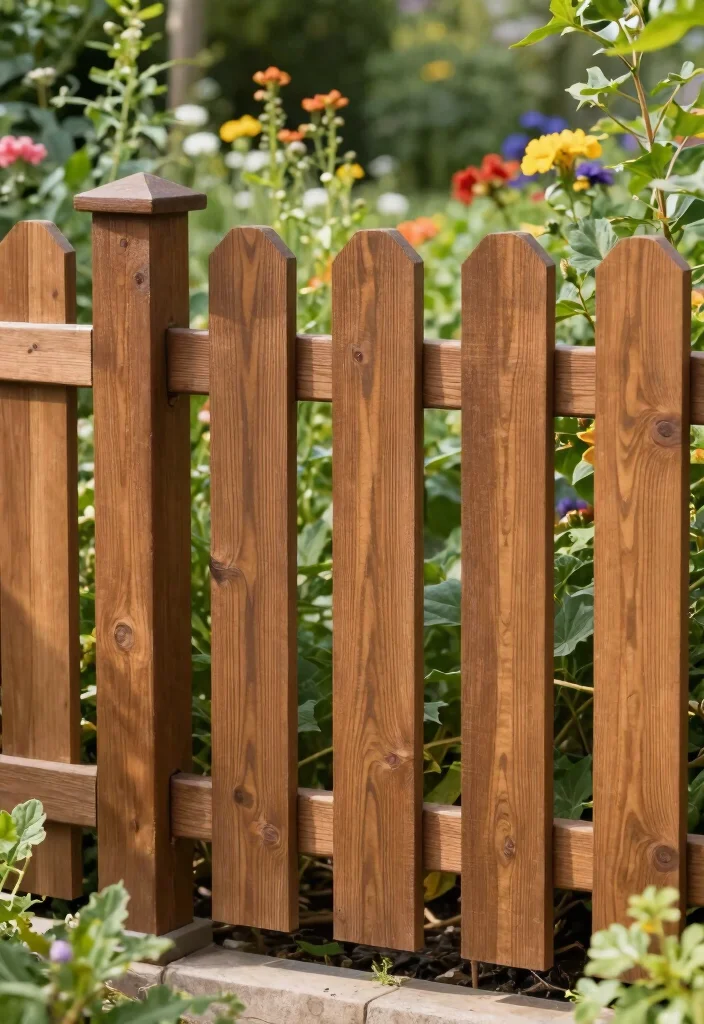
Choosing a treated wood fence can be an excellent eco-friendly option, especially when opting for non-toxic treatments. This approach allows you to enjoy the natural beauty of wood while ensuring its longevity against the elements. It’s a perfect choice for those who want sustainability without sacrificing aesthetics.
When selecting treated wood, look for environmentally friendly options to ensure a safe garden environment. After installation, you’ll appreciate the polished finish and durability of your fence, which can be paired with various garden designs and styles.
Advantages of treated wood fencing:
– Extended Longevity: Lasts significantly longer, reducing replacement needs.
– Visual Appeal: Retains the natural beauty of wood while enhancing durability.
– Healthier Option: Non-toxic treatments keep plants and wildlife safe.
With an eco-friendly treated wood fence, you’ll enjoy a beautiful and sustainable boundary that enhances your garden while reflecting your values.
Conclusion
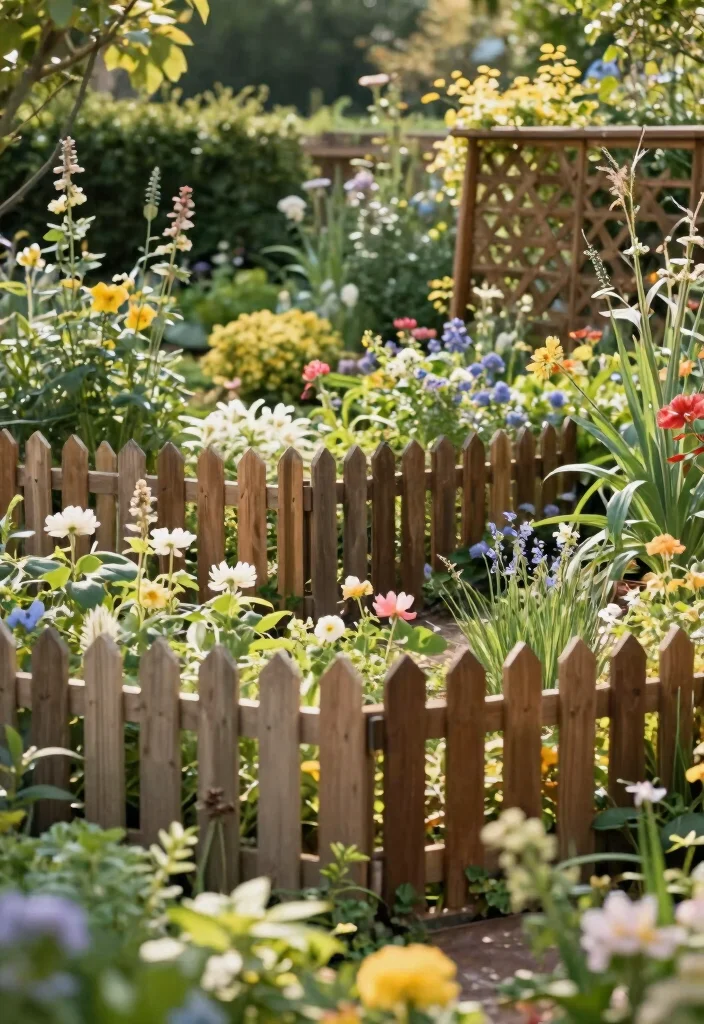
Incorporating a wood fence into your garden not only defines your space but also enhances its beauty and sustainability. Each of these wood fence ideas offers a unique charm while promoting eco-friendly practices, ensuring your outdoor area remains inviting and functional. From classic picket styles to modern bamboo options, there’s a design to suit every gardener’s taste. As you consider your choices, think about how each style aligns with your gardening goals and aesthetics. A well-designed fence can truly elevate your garden experience, making it a sanctuary for relaxation and enjoyment. Note: We aim to provide accurate product links, but some may occasionally expire or become unavailable. If this happens, please search directly on Amazon for the product or a suitable alternative. This post contains Amazon affiliate links, meaning we may earn a small commission if you purchase through our links, at no extra cost to you.
Frequently Asked Questions
What are the best wood fence ideas for eco-friendly and durable yard boundaries?
These wood fence ideas blend classic charm with durability and sustainability. Start with materials like reclaimed wood or FSC-certified lumber to minimize impact.
For style, mix rustic wood fence styles with practical garden fencing designs such as board-on-board, rail-and-stile, or slatted privacy panels. Include privacy where needed and lattice tops or intentional gaps to improve airflow.
Choose rot-resistant species like cedar or redwood, or durable cores wrapped in real wood. Protect surfaces with a low-VOC stain or sealant and ensure proper drainage around posts to keep durable yard boundaries looking timeless in any garden.
How can I design garden fencing designs that provide both privacy and airflow?
To balance privacy and airflow in your yard, look for garden fencing designs that mix solid panels with openings. Try lattice tops, vertical slats with small gaps, or alternating board patterns. These rustic wood fence styles give character while letting breeze through, which is great for plant health. Pair with living elements like espaliered fruit trees or evergreen hedges for additional privacy without blocking light. For eco-friendly options, choose sustainably sourced wood and use water-based finishes. Finally, consider ventilated panels in windy areas to keep your fence durable and comfortable.
What maintenance and installation tips help wooden fences last longer in an eco-friendly garden?
These wooden fence installation tips plus ongoing care will extend your fence’s life. Start with site prep: grade the area, ensure good drainage, and set posts in concrete or stone for stability. Use rot-resistant wood like cedar or redwood, or choose durable cores with natural finishes, and seal with a low-VOC product. Regularly inspect for loose boards, clean buildup, and re-stain every 2–3 years. When installing, keep boards flat and plumb, pre-drill to prevent splitting, and maintain proper spacing for seasonal movement. With these steps, your fence becomes a true wood fence ideas that lasts.
Are there durable yard boundaries that combine rustic wood fence styles with sustainability?
Yes. You can achieve durable yard boundaries that honor rustic wood fence styles while staying green. Consider board-on-board or rail fences with lattice accents for privacy and charm. Use responsibly harvested wood, natural or low-VOC finishes, and design for good airflow to reduce heat buildup in the garden. When paired with native plantings and thoughtful landscaping, these designs become effective outdoor privacy solutions that age gracefully and require minimal maintenance.
Can I install a wooden fence myself and keep it eco-friendly?
Absolutely. A DIY approach can be rewarding and eco-friendly. Start by checking local regulations and obtaining any needed permits. Plan your layout, measure carefully, and mark a straight line. For tools, rent or borrow a post-hole digger, level, and saw. Build a sturdy frame, set posts in concrete, check for plumb, and attach boards with corrosion-resistant hardware. Use reclaimed or sustainably grown wood, apply a low-VOC stain, and finish with a breathable sealant. With patience, you’ll create a beautiful, durable wood fence ideas while supporting sustainable gardening practices.