Spring is here, and you might be feeling the urge to turn your backyard into a haven of tranquility and beauty. It’s that time of year when the flowers bloom, birds sing, and the possibility of outdoor living comes alive. If you’ve been thinking about ways to make your yard more inviting without spending a fortune or hours on upkeep, you’re in the right place. I’ve put together a collection of 12 simple backyard ideas that are not only easy to build but also easy to maintain.
Whether you’re a seasoned gardener or just starting out, these ideas cater to everyone who enjoys the outdoors. If you’re someone who loves to roll up your sleeves for a little DIY or simply wants a cozy spot to relax, this list will inspire you. From vertical gardens to inviting fire pits, each project is designed to enhance your outdoor space while being kind to your wallet and the environment. The best part? You don’t need to have a green thumb; these easy garden projects and beginner gardening techniques will help you create a stunning backyard oasis that requires minimal effort.
Get ready to dive into projects that will transform your yard into a space you and your friends will love. You’ll find plenty of low-maintenance landscaping ideas, plus some outdoor decor ideas that will make your backyard a true reflection of your style. So grab your gardening gloves and let’s get started on these simple yet effective ideas!
Key Takeaways
– Discover simple and easy garden projects that fit any skill level, making it fun to beautify your backyard. – Learn how to create a vertical garden wall or a DIY compost bin, perfect for small spaces and sustainability. – Explore low-maintenance landscaping options like a container vegetable garden and recycled planting containers that are easy to care for. – Find practical DIY backyard tips such as creating a rain garden and a wildlife habitat garden, enriching your outdoor experience. – Get inspired with creative outdoor decor ideas like an outdoor sitting area with planters and a cozy fire pit area for gatherings.1. Vertical Garden Wall
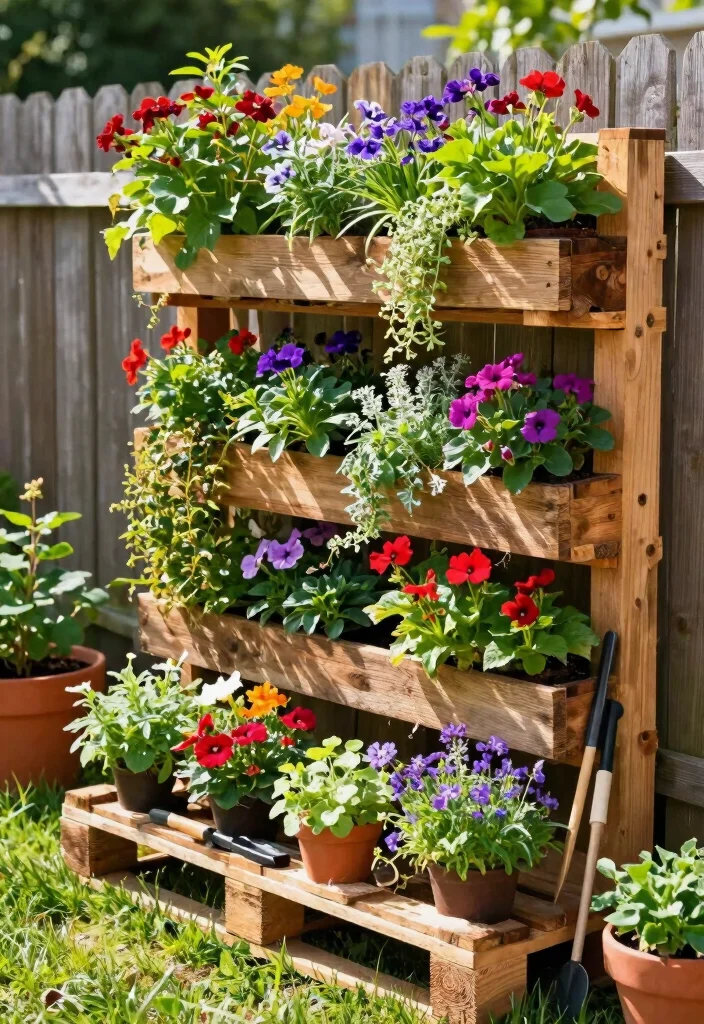
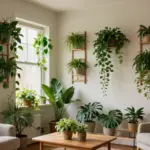
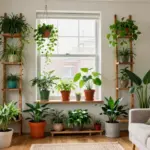
Looking to spice up your plain fence? A vertical garden wall can turn that ordinary space into a lush, green paradise! By using vertical space, you can fit in various plants, from vibrant flowers to fresh herbs, making your garden not only beautiful but functional too.
Start by choosing the right materials like pocket planters or wooden pallets to create your garden wall. Ensure your plants have the right light and watering conditions for optimal growth. This project allows you to enjoy gardening even in tight spaces.
Key materials for your vertical garden:
– Wall-mounted planters or pallets
– Potting soil
– A mix of colorful plants (e.g., herbs, succulents, or flowers)
Helpful tips for building your garden:
– Pick a sunny spot or adjust according to your plants’ needs.
– Ensure drainage to keep plants thriving.
– Mix different plant heights and colors for visual appeal.
This project brings life to your space and makes gardening easy and enjoyable.
Fun fact: a vertical garden wall can multiply your growing space by up to 5x in small yards. With pocket planters and wooden pallets, those simple backyard ideas become lush, low-maintenance greenery—easy to water and harvest right at your door.
2. DIY Compost Bin
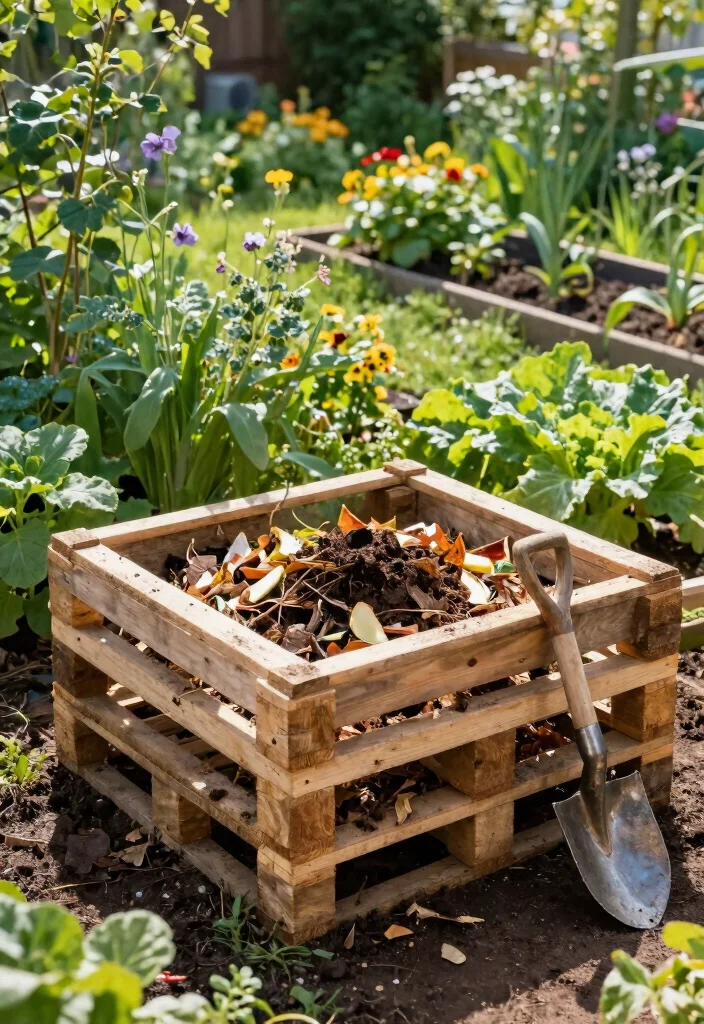
Want to turn kitchen scraps into garden gold? A DIY compost bin is a fantastic way to recycle waste while enriching your soil. This simple project can significantly boost your garden’s health and reduce trash heading to landfills.
Build your compost bin using wooden pallets or wire mesh, ensuring it’s well-ventilated. Layer green materials like vegetable peels with brown materials such as dried leaves to create a healthy compost mix.
Here’s how to create your compost bin:
– Find a dry spot with good drainage.
– Construct a bin using pallets or mesh, at least three feet wide.
– Alternate layers of greens and browns, adding water as needed.
– Turn the pile every few weeks for aeration.
Benefits of composting:
– Cuts down on landfill waste.
– Enriches your soil with nutrients.
– Promotes beneficial microbes for healthy plants.
This sustainable project enriches your garden and supports a healthier planet.
3. Herb Spiral
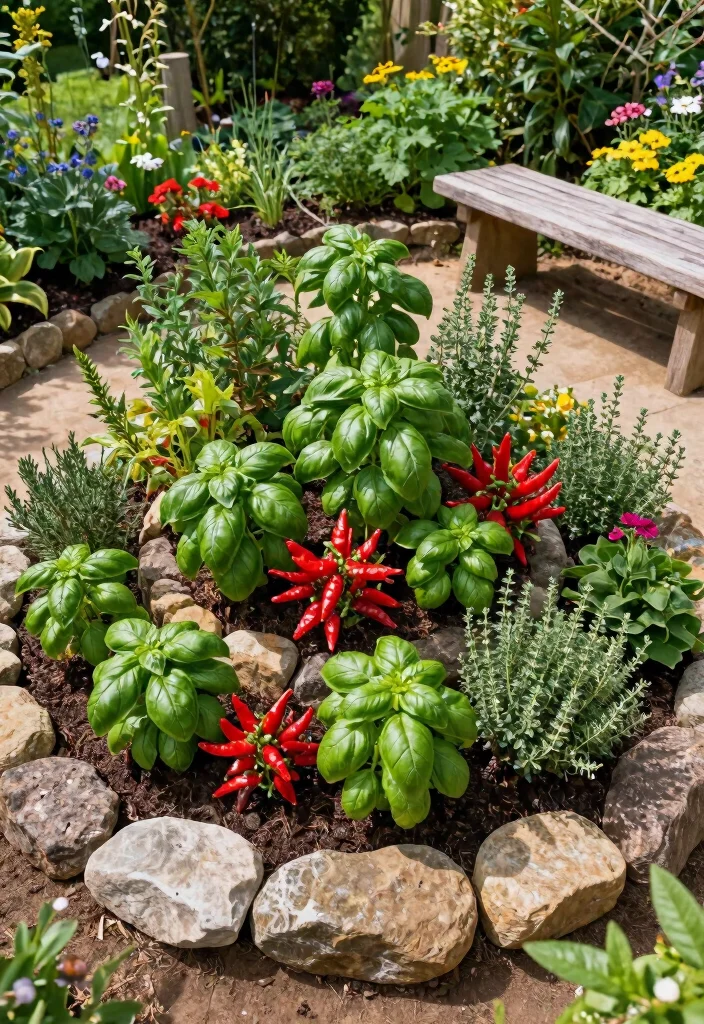
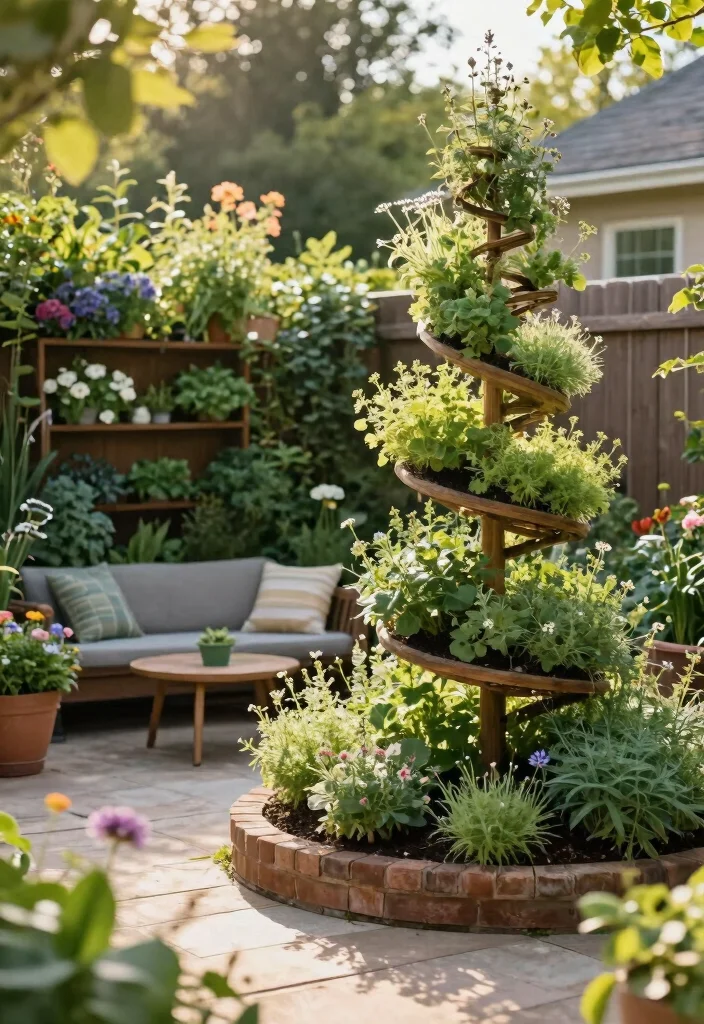
Enhance your backyard with a unique herb spiral that not only looks great but is functional too! This spiraled structure creates diverse microclimates, perfect for growing a variety of herbs in one compact area. Editor’s Choice
To build your herb spiral, stack stones or bricks in a spiral shape, filling it with soil for planting. The top will stay dry for drought-tolerant herbs, while the bottom remains moist for those that thrive in wet conditions.
Steps to create your herb spiral:
– Sketch a design that fits your space.
– Gather stones or bricks for the spiral.
– Fill the spiral with soil, ensuring good drainage.
– Plant herbs like thyme, basil, or mint in their ideal zones.
Advantages of an herb spiral:
– Maximizes space while adding beauty.
– Minimizes watering needs for certain herbs.
– Provides fresh herbs right at your fingertips.
This creative feature not only beautifies your yard but also simplifies herb gardening.
Herb Spiral




4. Container Vegetable Garden
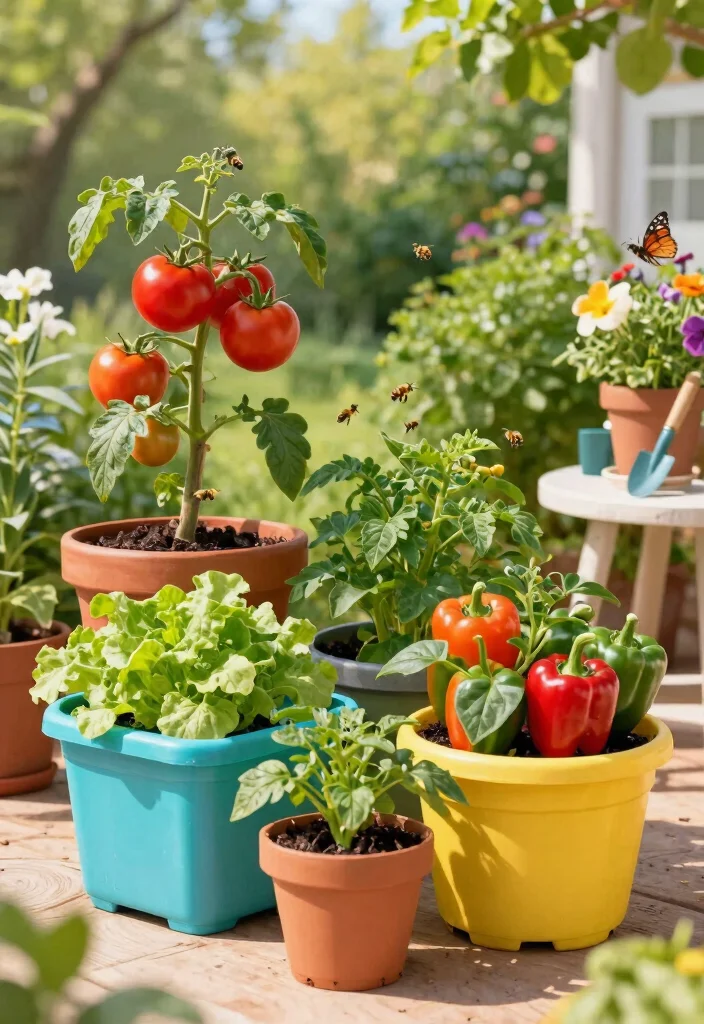
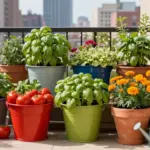
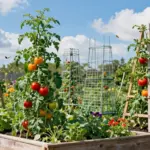
Short on space but want to grow fresh veggies? A container vegetable garden is the perfect solution! You can cultivate tomatoes, peppers, and lettuce right on your balcony or patio for easy access to fresh produce.
Select a variety of containers with proper drainage and fill them with high-quality potting mix. Consider self-watering pots for a low-maintenance option that keeps your plants hydrated.
Best vegetables to grow in containers:
– Tomatoes
– Bell Peppers
– Leafy Greens like Lettuce and Spinach
– Radishes
Care tips for your container garden:
– Water regularly, as container plants dry out faster.
– Fertilize every few weeks with organic options.
– Rotate crops each season for healthy soil.
This sustainable gardening method offers fresh produce with minimal effort and maximum reward.
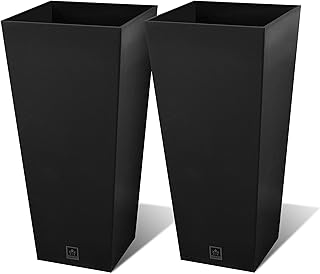
How To Choose the Right Container for Sustainable Gardening
When starting a sustainable container garden, picking the right containers is key to your success. The right choice can affect how well your plants grow and how easy they are to maintain. Here are some essential criteria to help you choose the best containers for your garden.1. Size Matters
Choose containers that suit the plants you want to grow. Smaller plants like herbs can thrive in pots that are around 6-12 inches in diameter. For larger plants like tomatoes or peppers, opt for containers at least 14-18 inches wide. Bigger pots hold more soil, which helps retain moisture and nutrients.
2. Material Selection
Containers come in various materials, each with unique benefits. Plastic pots are lightweight and retain moisture well, making them ideal for beginners. Terracotta pots are more breathable, which helps prevent root rot, but they can dry out quickly. Consider your climate and how much maintenance you’re willing to do when selecting material.
3. Drainage is Key
Ensure your containers have adequate drainage holes. Without these, excess water can accumulate, leading to root rot. If you find a container without holes, you can create them yourself. Good drainage is crucial for healthy plants, especially in containers where the soil can dry out quickly.
4. Color and Aesthetics
The container’s color can affect the soil temperature. Dark colors absorb heat, which can be beneficial in cooler climates. However, in hot areas, lighter colors help keep the soil cooler. Choose a style that fits your outdoor decor while considering how the color impacts your plants.
5. Cost-Effectiveness
Budget is a significant factor for many gardeners. Determine how much you’re willing to spend on containers. You can often find affordable options at garden centers, or even thrift stores! Also, consider that investing in durable containers might save you money in the long run, as they can last for years.
6. Portability
If you plan to rearrange your garden or bring plants indoors during colder months, consider the weight and design of your containers. Lightweight materials make it easier to move plants around. Alternatively, look for pots with built-in wheels for added convenience.
Pro Tip: Think about using a mix of different sizes and materials. This diversity can create visual interest and help accommodate various plants’ needs.
By carefully considering these factors, you can select containers that not only enhance the beauty of your backyard but also support your sustainable gardening goals. Start with what you love, and let your garden grow!
5. Recycled Planting Containers
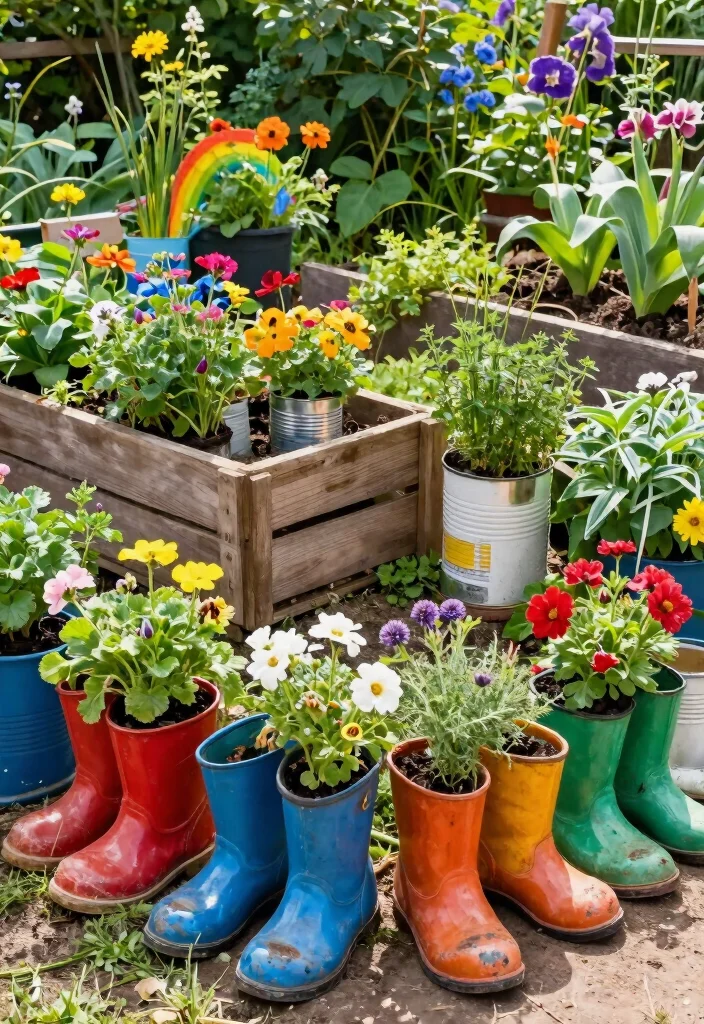
Looking for a fun, eco-friendly project? Transforming recycled items into planting containers can add charm and character to your garden! Use old tires, wooden crates, or tin cans for unique planters that are both creative and sustainable. Editor’s Choice
Be sure to drill drainage holes in the bottom of your containers. You can paint or decorate them to reflect your personal style, making your garden a vibrant display of creativity.
Popular recycled planting ideas:
– Old boots or shoes for whimsical planters
– Wooden pallets turned into raised beds
– Cinder blocks for a modern look
Maintenance tips for your recycled containers:
– Check for drainage issues regularly.
– Clean and refresh containers as needed.
– Choose plants that fit the size and style of your container.
This project enhances your garden’s uniqueness while promoting sustainability.
Recycled Planting Containers


6. Pathway with Edible Plants
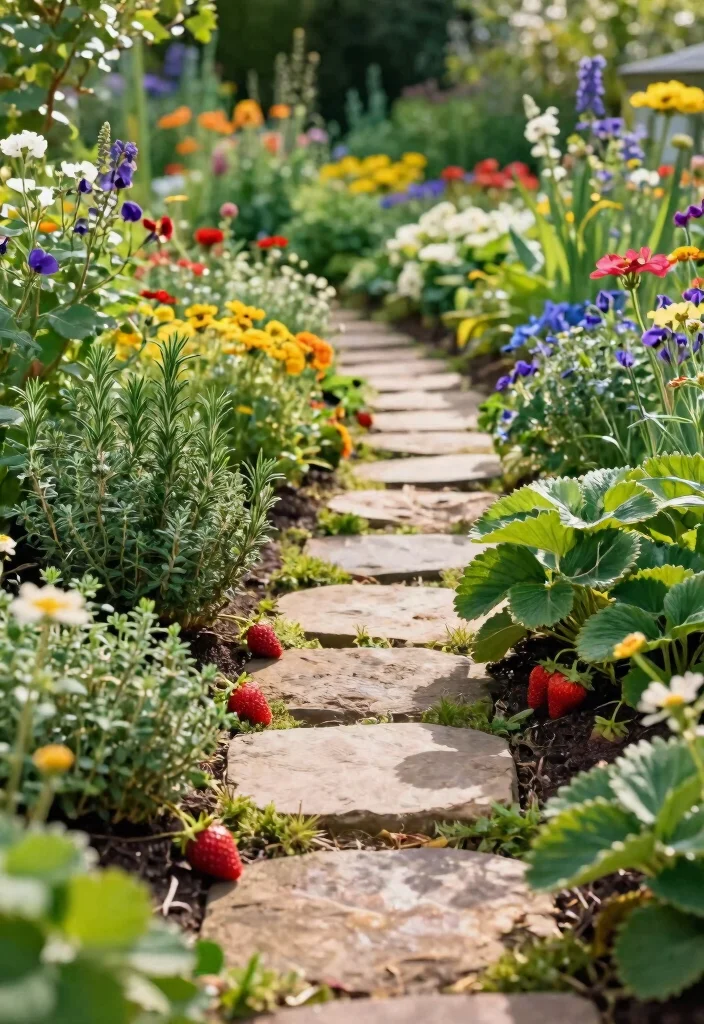
Imagine strolling through your garden and plucking fresh herbs or veggies as you go! An edible pathway is a clever way to integrate gardening with landscaping. By selecting plants that tolerate foot traffic, you can create beauty and functionality.
Line your pathway with herbs like thyme, oregano, or strawberries, ensuring they can handle occasional brushing. This design lets you enjoy your garden in a new way.
Steps to create your edible pathway:
– Plan your layout with space for foot traffic.
– Choose a mix of edible plants that thrive in your area.
– Set borders with bricks or stones to define the path.
– Plant the edible plants along the edges.
Maintenance tips for your edible path:
– Trim herbs regularly to promote growth.
– Water during dry spells to keep plants healthy.
– Rotate crops seasonally for variety.
This idea enriches your garden’s aesthetics while providing fresh ingredients right at your doorstep!
📹 Related Video: Edible Trail Side Plants every Rocky Mountain Hiker should know (early summer, late spring)
7. Rain Garden
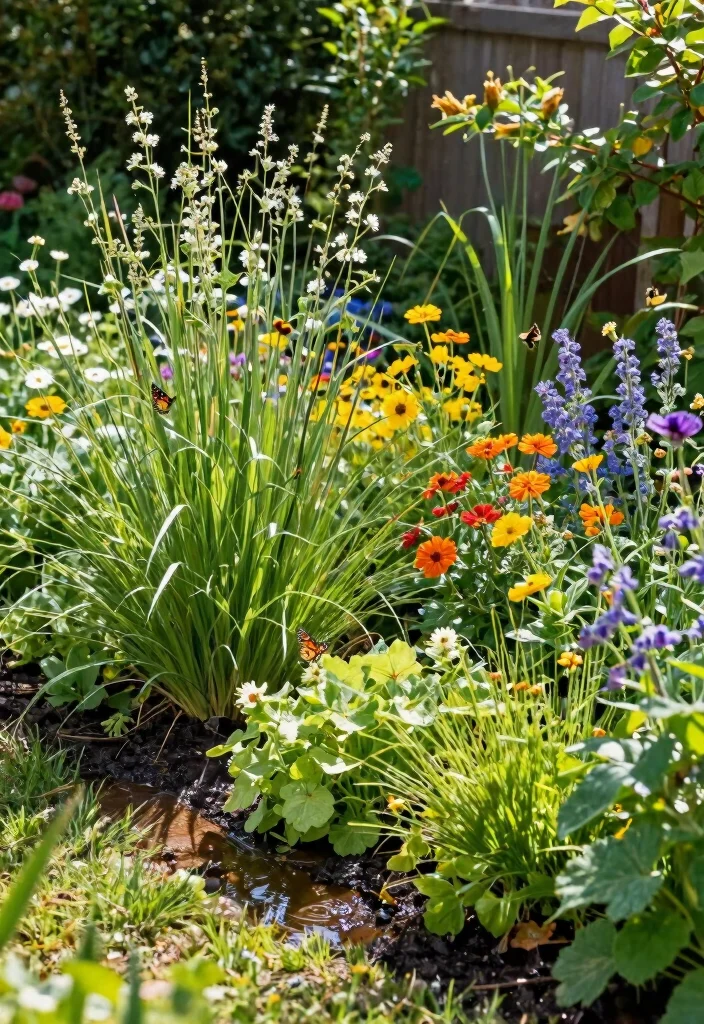
A rain garden is a beautiful and eco-friendly way to manage runoff while attracting wildlife. This type of garden features native plants that thrive in wet conditions, helping to absorb rainwater and reduce flooding in your yard.
To create a rain garden, find a low area where water collects. Select native plants suited to your climate and soil for the best results.
Steps to build your rain garden:
– Choose a location with good drainage.
– Dig a shallow depression to hold water.
– Amend the soil with compost for better drainage.
– Plant a variety of native species that can thrive in wet and dry conditions.
Benefits of a rain garden:
– Provides habitat for wildlife and beneficial insects.
– Manages stormwater runoff effectively.
– Reduces irrigation needs once established.
This sustainable practice enhances your yard’s beauty while supporting the local ecosystem.
Fun fact: A rain garden can absorb up to 30% of runoff from a 1-inch rainfall, helping your yard stay dry. Place it in a low spot and choose native plants that thrive in wet soil for simple backyard ideas that actually work.
8. Trellis for Climbing Plants
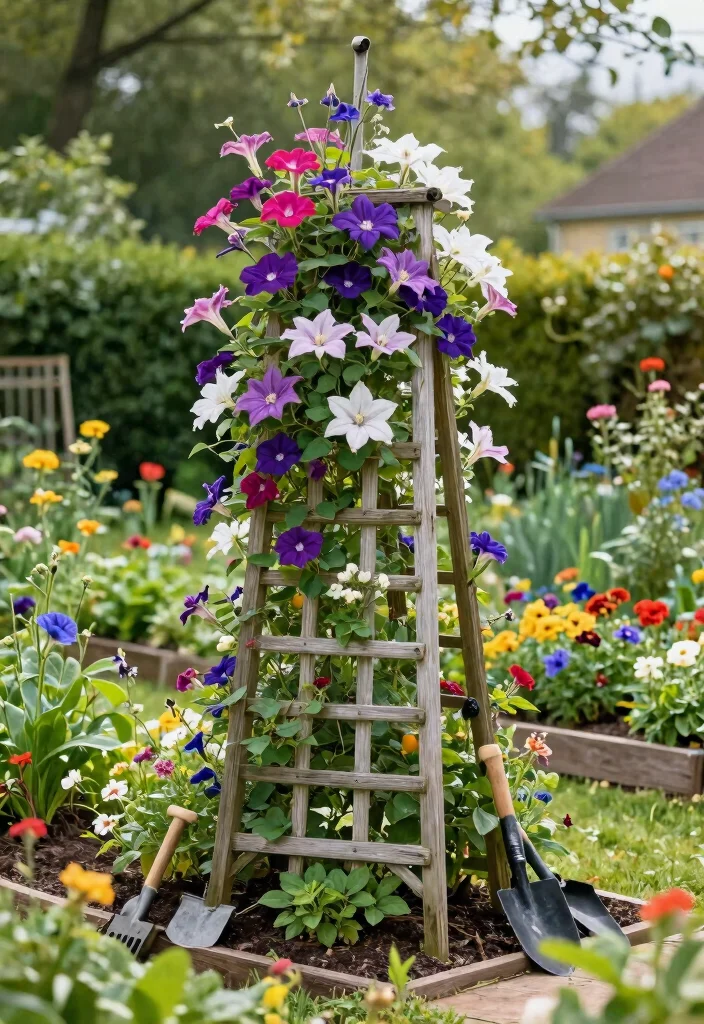
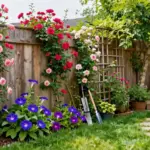
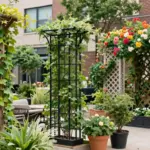
Introduce vertical beauty to your garden with a trellis that supports climbing plants. Not only do they provide a natural barrier, but they also create an eye-catching focal point in your yard.
You can easily build a simple wooden trellis or repurpose old fence boards. Choose climbing plants like peas, cucumbers, or flowering vines to cover the structure.
Building your trellis:
– Select a sunny spot for optimal plant growth.
– Gather materials (wooden boards, nails/screws, and a hammer).
– Construct a frame and secure it in the ground.
– Plant climbing plants at the base and guide them as they grow.
Growth tips for your climbing plants:
– Tie back new growth to encourage upward growth.
– Water thoroughly to support climbing plants.
– Fertilize regularly to promote healthy growth.
This project adds depth to your garden while inviting wildlife into your space.
Did you know a 6-foot trellis can turn a small corner into an inviting vertical garden? For simple backyard ideas, start with a wooden frame in a sunny spot and watch peas, cucumbers, and flowering vines climb to the sky.
Trellis for Climbing Plants
Editor’s Choice

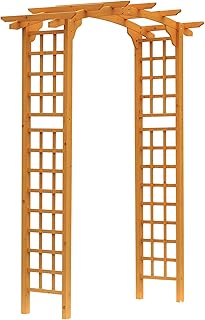

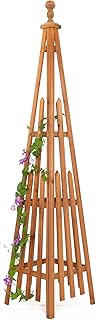
9. Outdoor Sitting Area with Planters
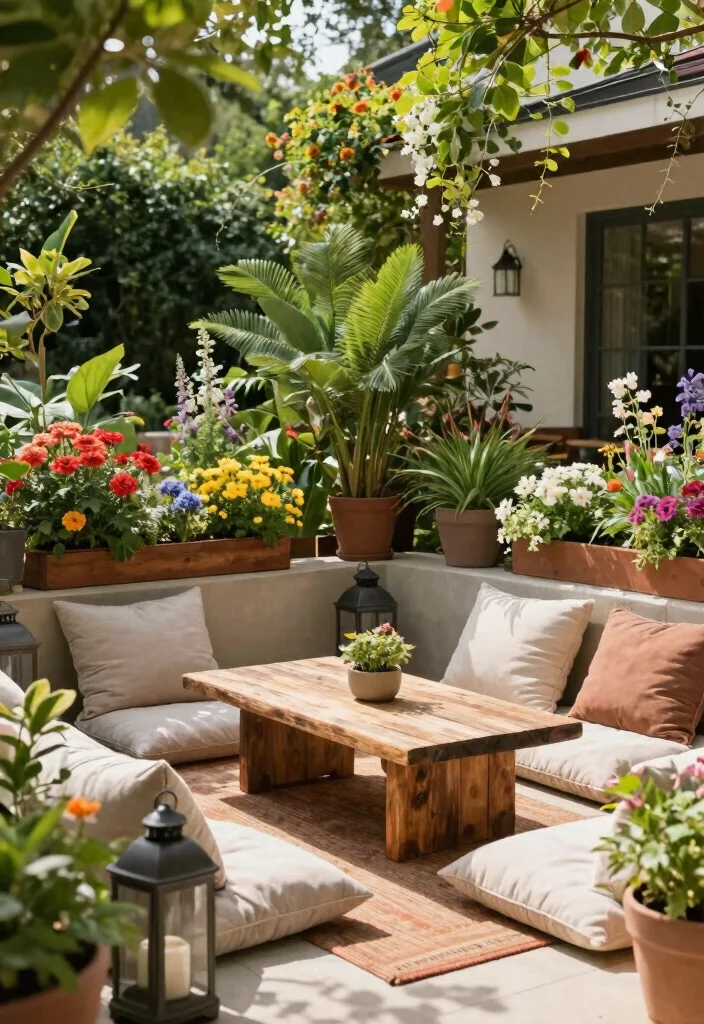
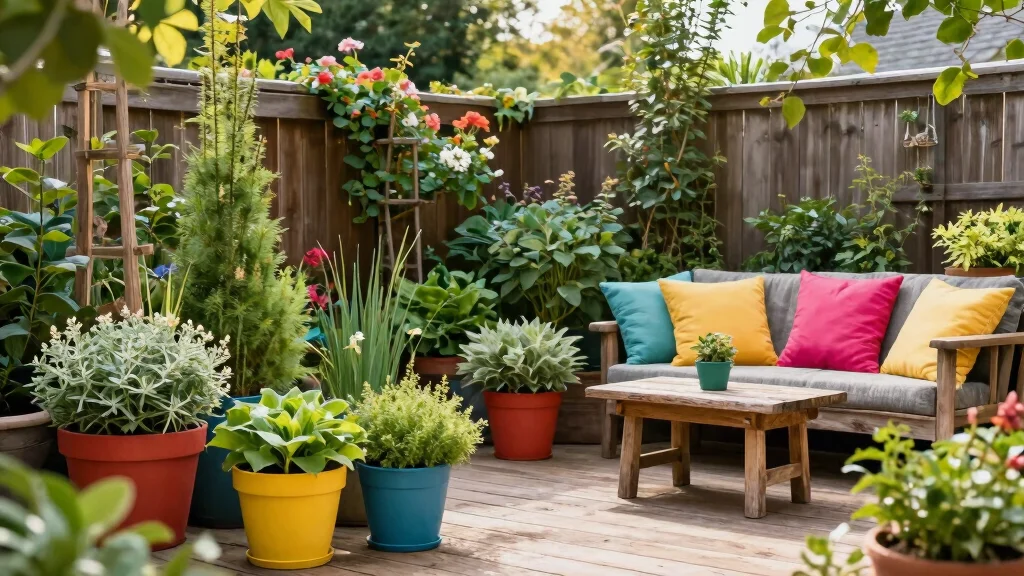
Creating a cozy outdoor sitting area surrounded by planters can transform your backyard into a personal oasis. Use large planters filled with colorful flowers or greenery to frame your seating, providing comfort and enclosure. Editor’s Choice
Choose weather-resistant furniture and add soft cushions for relaxation. Plant fragrant flowers or herbs nearby to enhance your sensory experience in this inviting space.
Steps to create your outdoor retreat:
– Pick a location with sunlight and shade for comfort.
– Select seating that suits your style and is durable.
– Position planters around your seating area with varied heights and colors.
– Add decorative touches like lanterns or outdoor rugs for warmth.
Benefits of this design:
– Creates a welcoming space for gatherings with family and friends.
– Enhances your outdoor area with beautiful greenery.
– Encourages relaxation and enjoyment of nature.
This setup not only beautifies your backyard but also offers a serene escape.
Outdoor Sitting Area with Planters


10. Wildlife Habitat Garden
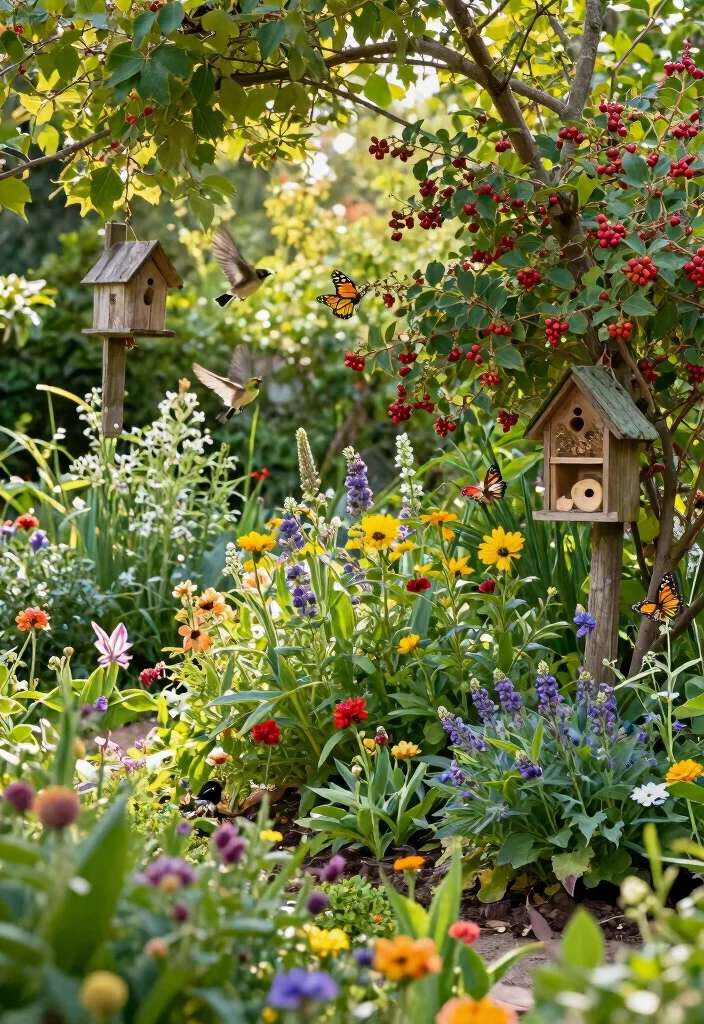
Designing a wildlife habitat garden is a wonderful way to support local birds, insects, and other creatures. This garden focuses on native plants, food sources, and shelter, restoring balance to the ecosystem.
Select plants that attract local wildlife, such as nectar-rich flowers and berry-producing shrubs. Create nesting spots using plants or birdhouses to encourage visits from various creatures.
How to create your wildlife garden:
– Research native plants that attract beneficial insects and birds.
– Incorporate food sources like berry bushes and nectar-rich flowers.
– Provide shelter through dense plantings and birdhouses.
– Avoid chemical pesticides to maintain a healthy habitat.
Impact of a wildlife garden:
– Supports local biodiversity and ecosystem health.
– Provides educational opportunities for families and children.
– Beautifies your garden while attracting life.
Creating a wildlife habitat not only enhances your space but also plays a vital role in environmental conservation.
11. Fire Pit Area
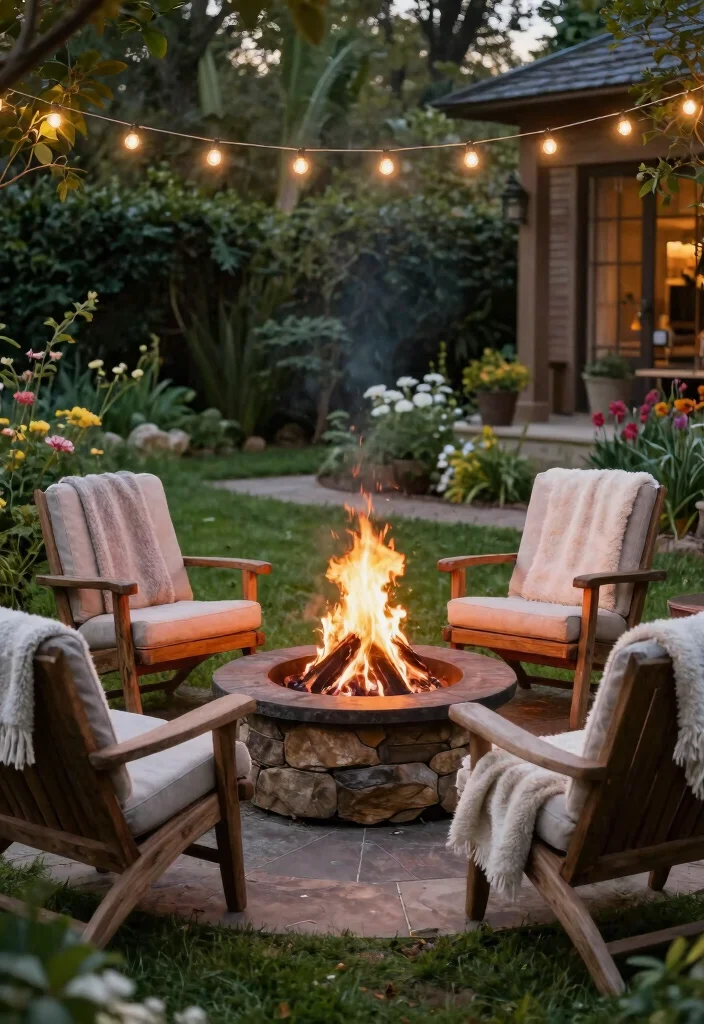
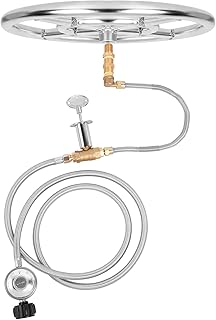
A fire pit can become the heart of your backyard, creating a warm gathering spot for friends and family. You can easily build a stone or brick fire pit that complements your outdoor decor, surrounded by cozy seating for those starry nights. Editor’s Choice
Consider planting low-maintenance perennials around the fire pit to add beauty without extra work. Choose comfortable outdoor furniture and throw in some pillows for extra coziness.
Steps to build your fire pit:
– Pick a location away from flammable structures.
– Mark the area and dig a shallow hole for the fire pit.
– Arrange stones or bricks into a circular shape.
– Set up seating around the pit for safety and comfort.
Thoughtful additions to your fire pit area:
– Include a small table for snacks and drinks.
– Provide blankets for chilly evenings.
– Add lighting for a warm ambiance.
This inviting space becomes a focal point for gatherings, fostering cherished memories under the stars.
Fire Pit Area


12. Sustainable Water Feature
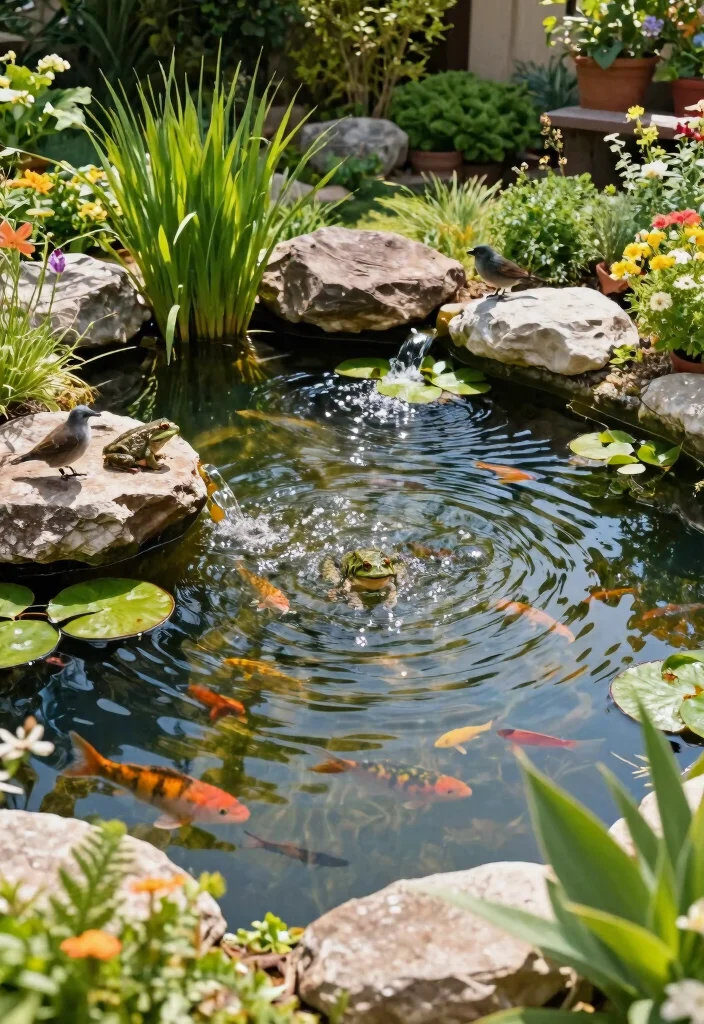
Adding a small water feature to your backyard not only enhances its beauty but also attracts wildlife. A simple pond or fountain can create a serene atmosphere, providing a habitat for frogs and birds.
Consider building a rainwater collection system to supply water, promoting sustainability in your garden. Using native aquatic plants can minimize maintenance while benefiting the ecosystem.
Steps to create your water feature:
– Decide on the type of water feature (pond, fountain, etc.).
– Choose a location that gets sunlight but isn’t overly exposed.
– Dig the area and line it properly to prevent leaks.
– Fill with water and plant native aquatic plants.
Maintenance tips for your water feature:
– Monitor water levels to support aquatic life.
– Clean debris to maintain water quality.
– Consider adding a small filter for clarity.
This project enhances your backyard’s beauty while supporting local wildlife and creating a tranquil retreat.
Conclusion
Creating a beautiful and sustainable backyard is easier than you think. With these simple backyard ideas, you can make the most of your outdoor space while being kind to the environment. Try out these DIY projects, and don’t hesitate to mix and match ideas to suit your style! Your garden can not only look good but also contribute to a healthier planet. Note: We aim to provide accurate product links, but some may occasionally expire or become unavailable. If this happens, please search directly on Amazon for the product or a suitable alternative. This post contains Amazon affiliate links, meaning we may earn a small commission if you purchase through our links, at no extra cost to you.
Frequently Asked Questions
What are the best simple backyard ideas for sustainable container gardening?
Here are beginner-friendly, sustainable container gardening ideas that fit simple backyard ideas and low-maintenance landscaping.
Start with lightweight containers (recycled materials work well) and a premium potting mix enriched with compost.
Choose native or drought-tolerant edibles and compact ornamentals to cut water needs. Group plants by sun and water needs for a tidy DIY backyard setup.
Add a basic drip irrigation kit or self-watering containers, and collect rainwater to reuse. Mulch well to reduce evaporation and keep roots cool.
This scalable approach matches sustainable container gardening solutions for any space.
How can I design low-maintenance backyard spaces with containers?
Design a low-maintenance container garden by focusing on a few hardy, evergreen plantings and a small, rotating herb bed.
Use matching planters and a simple color palette for a cohesive outdoor decor look that doesn’t demand daily upkeep.
Keep irrigation simple with a timer-driven drip line and moisture sensors to avoid overwatering.
Choose scalable containers you can move if your space changes, and repurpose old containers to reduce waste.
This is a practical path to low-maintenance landscaping with sustainable container gardening solutions.
What beginner gardening techniques work best for DIY backyard tips in small spaces?
Begin with the basics: test your soil, start with raised beds or tall containers, and plant vertically with trellises for sun-loving climbers and herbs.
Stick to easy-care crops like lettuce, spinach, radishes, herbs, and peppers for quick wins.
Practice smart watering (morning only, deep soak) and mulch to suppress weeds.
These beginner gardening techniques translate into DIY backyard tips you can repeat year after year.
Which outdoor decor ideas pair well with sustainable container gardens and require little upkeep?
Choose outdoor decor ideas that complement your plants and stay maintenance-light.
Opt for neutral planters, weatherproof seating, and decorative stones or mulch to reduce weeding and dirtiness.
Pick containers with built-in water-saving features or smart saucers to catch drips.
Keep the color scheme simple and let the plants do the talking—this is a practical way to merge outdoor decor ideas with sustainable container gardening solutions.
What practical steps keep a simple backyard easy to maintain year-round?
To keep a simple backyard easy to maintain year-round, set up a lightweight routine: quick weekly checks on irrigation, monthly pruning, and seasonal cleanups.
Protect containers in winter with covers or moveable sleeves, refresh mulch in spring, and compost kitchen scraps to feed your soil.
Favor perennials and evergreen herbs to reduce replanting and use weatherproof, modular containers to swap plants as seasons change.
With this plan, you’ll enjoy steady results and true easy garden projects that fit DIY backyard tips.