Creating a garden that radiates rustic charm often starts with the right fencing. This post is all about exploring unique wood and wire fence ideas that not only enhance your outdoor space but also reflect a sustainable ethos. I’ve put this together because I believe that a well-designed garden fence can transform your yard into a sanctuary while respecting the environment. With a touch of creativity, you can create a captivating backdrop for your plants, flowers, and cherished garden moments.
If you love gardening or simply appreciate the beauty of outdoor spaces, this guide is for you. Whether you’re a seasoned gardener or someone just beginning to explore the joys of cultivating a green space, you’ll find inspiration here. These wood and wire fence ideas are perfect for achieving that rustic garden design you crave, while also offering practical solutions for your DIY garden projects.
In this post, you’ll discover ten distinctive fence styles that are both practical and aesthetically pleasing. From classic post and wire designs to charming pallet constructions, these ideas will add character to your garden. Get ready to create an inviting outdoor atmosphere that speaks to your love for nature and sustainable aesthetics.
Key Takeaways
– Explore ten creative wood and wire fence ideas that enhance rustic garden charm and sustainability. – Learn how to incorporate reclaimed materials into your garden fencing, adding both character and eco-friendliness. – Discover various garden fence styles that fit any landscape, from classic to contemporary rustic designs. – Get inspired by DIY garden projects that allow you to customize your fence according to your taste and budget. – Understand how to improve your outdoor garden aesthetics by choosing the right fencing that complements your plants and overall design.1. Classic Post and Wire
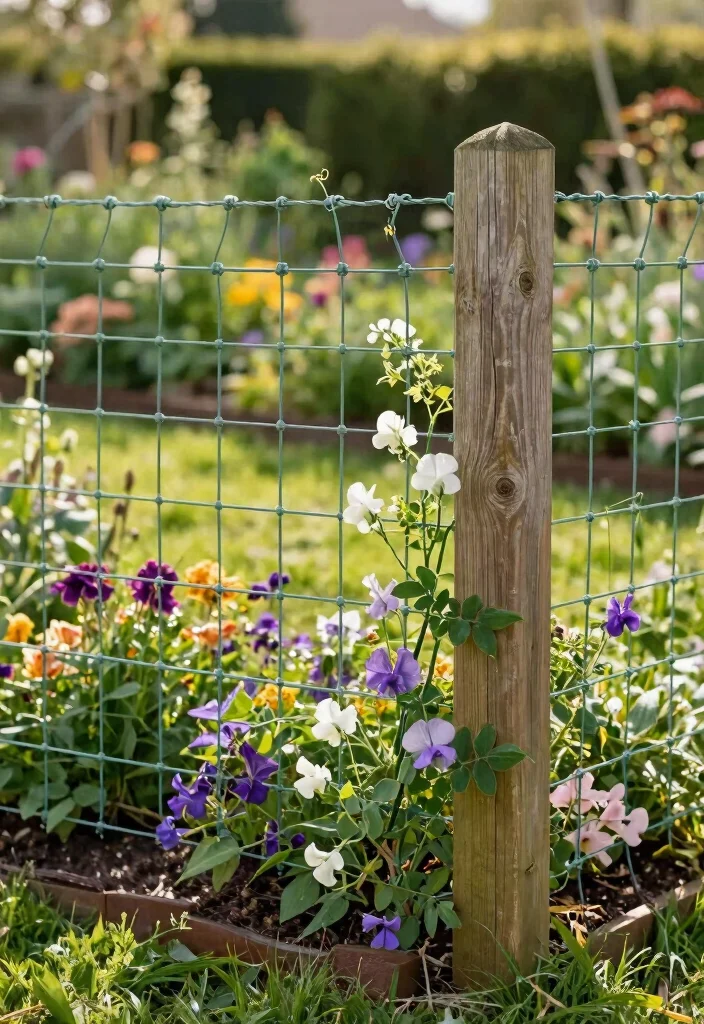
Looking for a straightforward yet stylish way to define your garden? The classic post and wire fence is the perfect choice, blending functionality with a touch of charm. With sturdy wooden posts set deep into the ground, this design ensures durability while maintaining an open feel. You can choose from various wire materials, such as robust galvanized steel or softer options for a more delicate look, to best suit your aesthetic.
To make it even more visually appealing, think about intertwining climbing plants like sweet peas or clematis through the wire. This not only enhances the beauty of your space but also makes it a delightful DIY project for gardening enthusiasts eager to get hands-on.
Key Features:
– Versatile design that suits gardens of all sizes.
– Simple to install and personalize.
– Excellent support for vertical gardening.
Tips:
– Opt for treated wood to ensure longevity.
– Regularly check wire tension for stability.
📹 Related Video: How to Install a Welded Wire Fence the Fast & Easy way with Elevation Changes, No Digging
2. Reclaimed Barn Wood Paneling
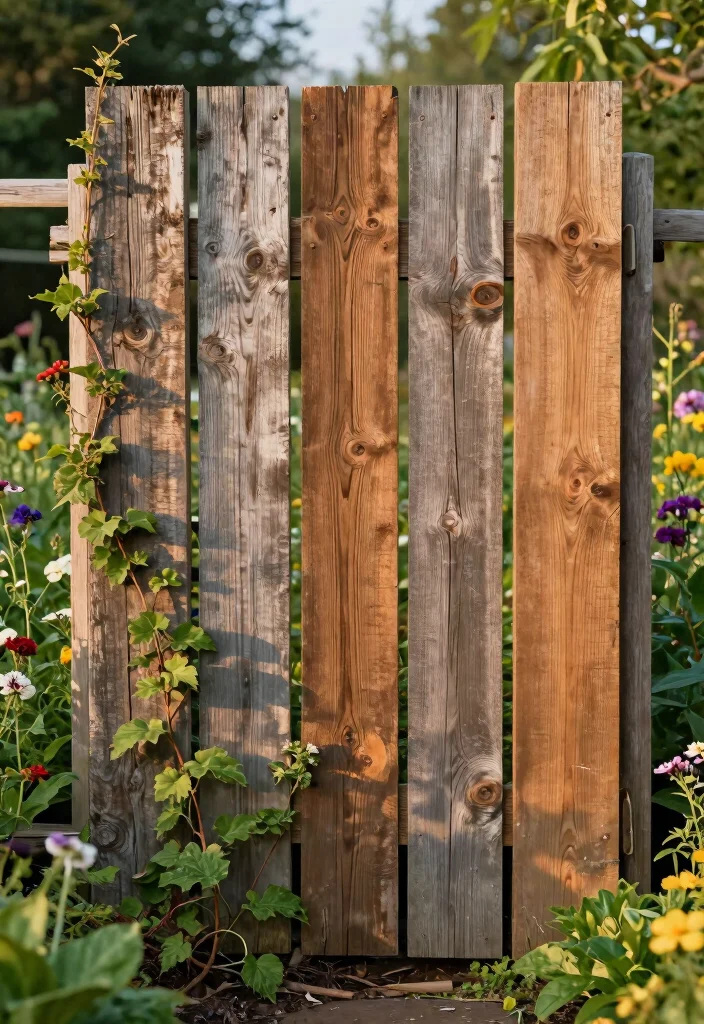
If you crave a truly rustic ambiance, consider using reclaimed barn wood for your fence panels. This choice not only adds character but also emphasizes sustainability by giving new life to materials that tell a story. Each piece of wood has its own unique texture and color, creating a stunning mosaic effect that enhances your garden’s appeal.
You can choose between vertical or horizontal paneling, depending on the look you prefer. Vertical panels offer a classic vibe, while horizontal ones can give a more modern, expansive feel. For added interest, consider leaving gaps between the panels, allowing vines to peek through for a natural touch.
Key Features:
– Unique panels that add charm and history.
– Eco-friendly and sustainable choice.
– Durable with proper maintenance.
Tips:
– Use eco-friendly finishes to seal the wood for durability.
– Combine different wood types for a textured appearance.
3. Twisted Wire Panels with Wood Trim
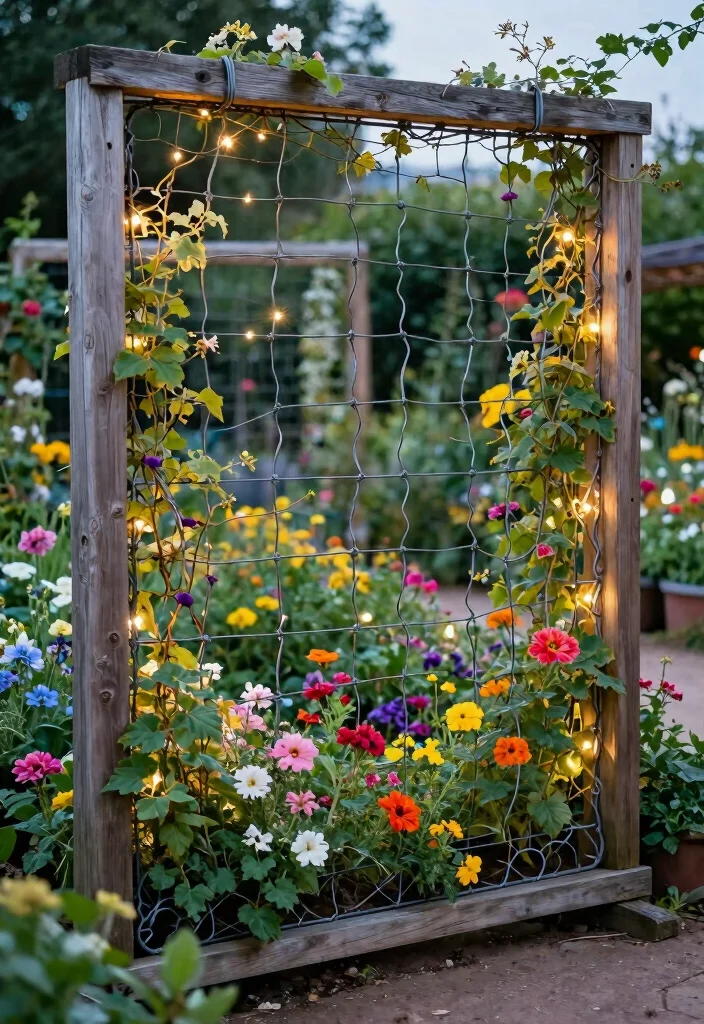
Want to elevate your garden fencing? Twisted wire panels framed with wooden trim create an artistic blend of elegance and rustic charm. This design transforms a basic wire fence into a stunning focal point, with intricate patterns that add a whimsical touch.
The sturdy wooden trim not only enhances the aesthetic but also provides stability. This style is perfect for gardens filled with climbing vines or flowering plants, as the twisted wire supports their growth beautifully. Consider painting the wooden trim in a vibrant color to make it stand out even more!
Key Features:
– Unique patterns that catch the eye.
– Ideal for showcasing climbing plants.
– Adaptable to different garden styles.
Tips:
– Try different wire thicknesses for varied effects.
– Add fairy lights to create enchanting evening ambiance.
Fun fact: Twisted wire panels with wood trim embody wood and wire fence ideas and can boost garden curb appeal by up to 25%, turning a simple fence into a stunning focal point. The wood frame supports climbers and adds rustic charm, a practical upgrade you can DIY this weekend.
Twisted Wire Panels with Wood Trim
Editor’s Choice




4. Vertical Slats with Wire Mesh
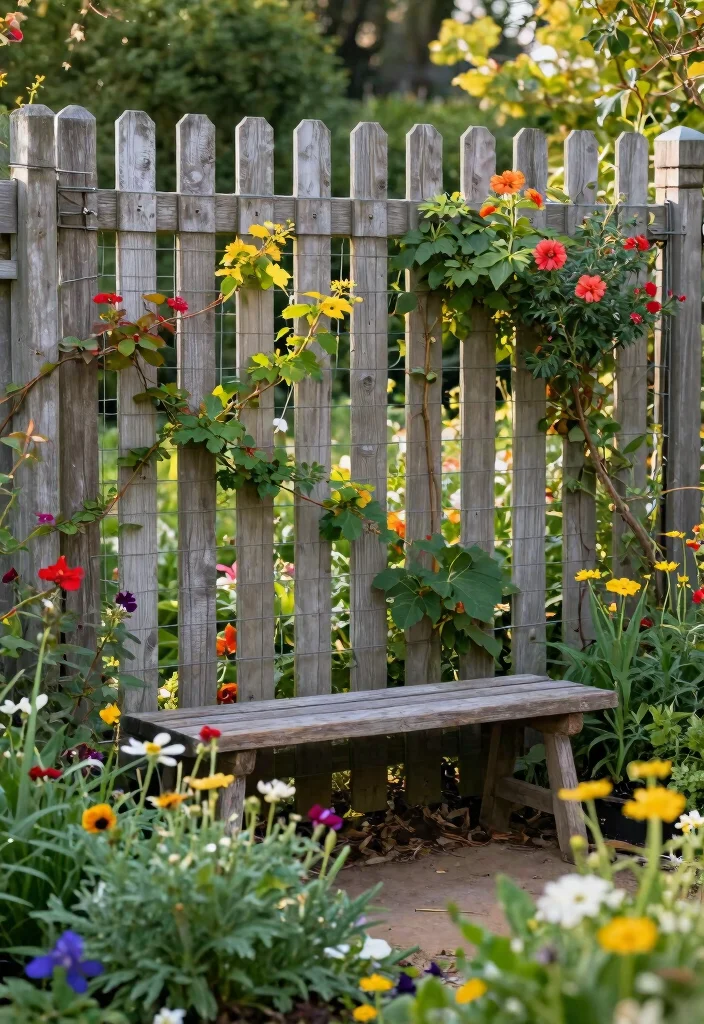
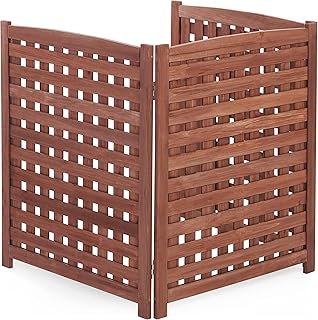
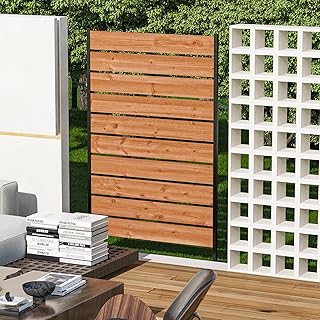
If you’re looking for a fence that balances privacy and style, vertical wooden slats paired with wire mesh is an excellent option. This design modernizes traditional fencing while maintaining rustic appeal, allowing light and air to flow through. Editor’s Choice
By spacing the vertical slats, you can create a sense of openness, while the wire mesh offers a sturdy support for climbing plants or decorative elements. This style is perfect for creating cozy nooks in your garden, such as a serene reading spot or a charming flower bed sanctuary.
Key Features:
– Combines privacy with an open feel.
– Perfect for vertical gardening applications.
– Customizable colors and materials to match your theme.
Tips:
– Use pressure-treated wood for lasting durability.
– Add trellises for extra support for climbing plants.
Vertical Slats with Wire Mesh


5. Rustic Pallet Fence
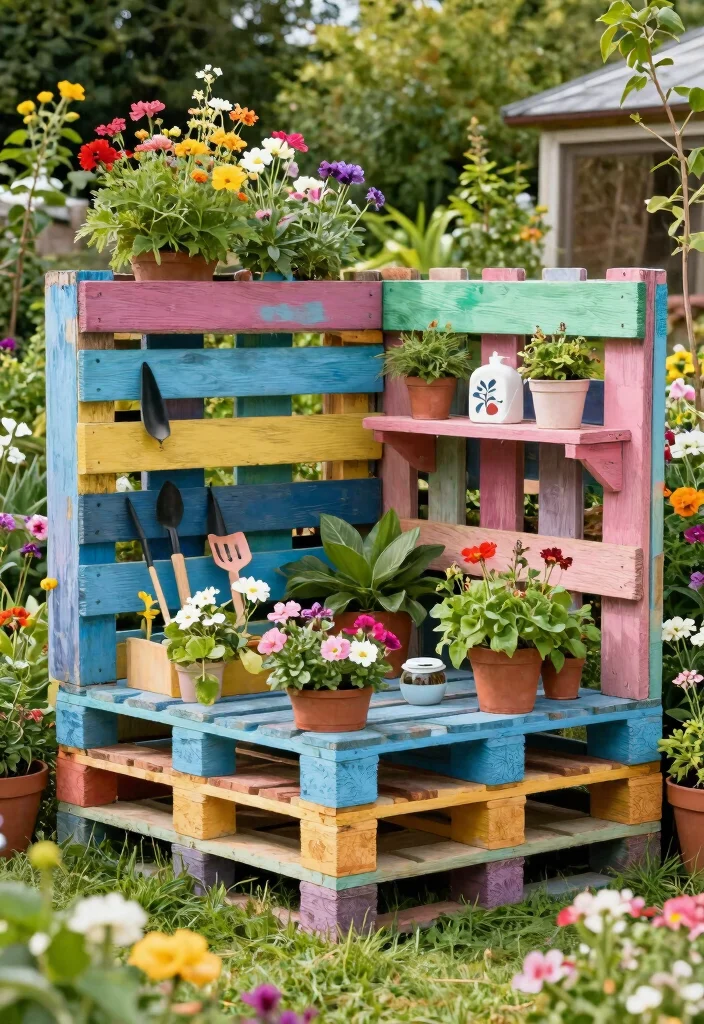
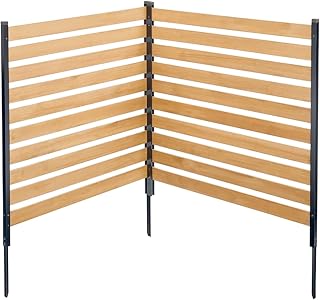
A rustic pallet fence is not only charming but also a fantastic DIY project that can transform your garden. Pallets can often be sourced for free or at a low cost, making this an affordable option that creates a unique look. Whether stacked horizontally or vertically, pallets can serve as a striking visual element. Editor’s Choice
To personalize your pallet fence, consider painting it in bold hues or keeping it in its natural state for that authentic rustic feel. You can even add hooks or small shelves to display your favorite plants, tools, or decorative items.
Key Features:
– Budget-friendly and eco-conscious choice.
– Fully customizable in color and design.
– Adds a unique rustic charm to your space.
Tips:
– Sand down pallets to avoid splinters.
– Secure pallets properly for stability.
Rustic Pallet Fence



6. Wire Fencing with Wooden Arches
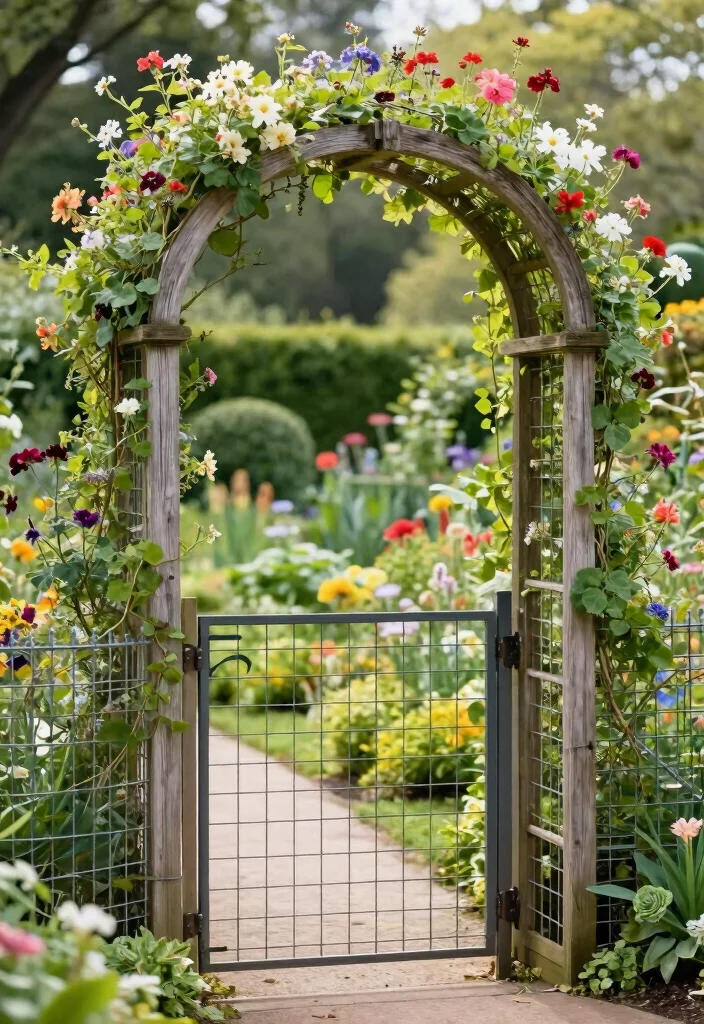
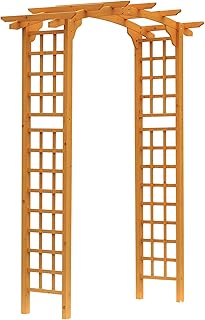
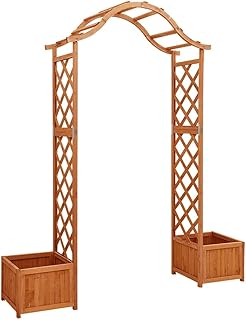
For a magical entrance to your garden, consider combining wire fencing with wooden arches. These arches, crafted from durable wood, can be adorned with climbing plants to create a whimsical transition into your outdoor paradise. This design serves as both a functional fence and a captivating focal point. Editor’s Choice
The wire fencing allows for visibility while protecting your plants, making it a practical choice. Adding a gate within the arch can enhance the enchanting feel, providing a seamless transition from the outside world to your tranquil garden.
Key Features:
– Creates a welcoming entryway.
– Promotes vertical growth of climbing plants.
– Versatile for various garden themes.
Tips:
– Secure the arches well to withstand strong winds.
– Select climbing plants that complement your garden’s aesthetic.
Wire Fencing with Wooden Arches



7. Decorative Wire Lattice with Wood Borders
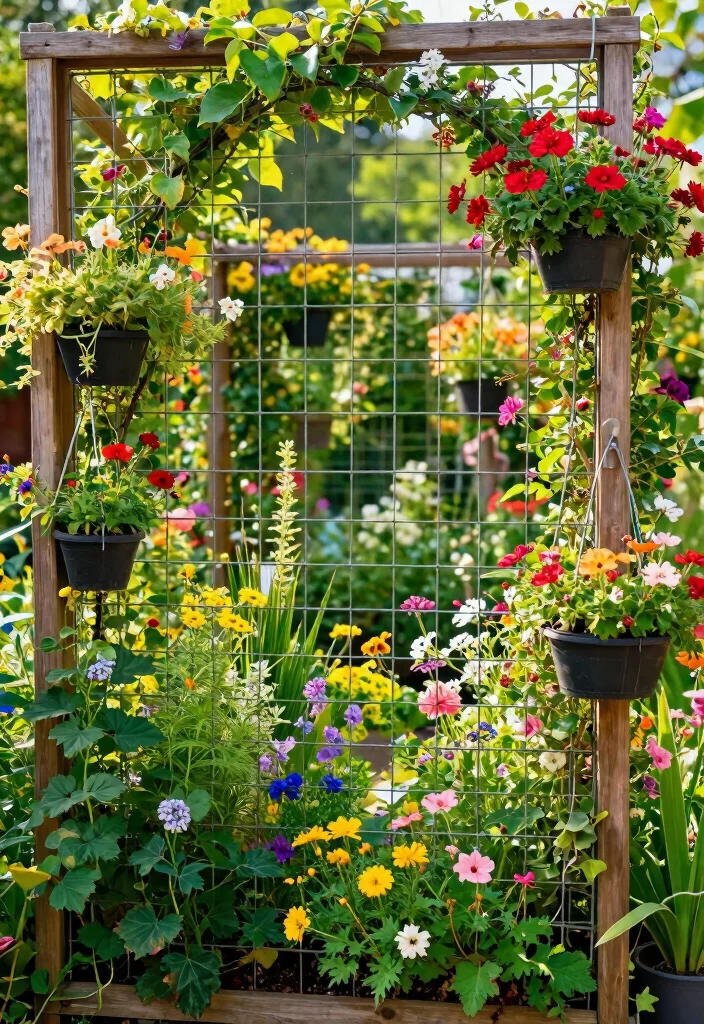
Choosing a decorative wire lattice framed by wooden borders can add a unique style to your garden fencing. The lattice allows climbing plants and flowers to weave through, promoting vertical growth and creating a stunning visual effect. This design is perfect for enhancing garden corners or lining pathways with beauty.
You can paint or stain the lattice to match your garden’s theme, making it a practical yet decorative element. Hang small planters or decorative items along the lattice for added interest.
Key Features:
– Encourages vertical gardening opportunities.
– Provides a creative design element.
– Fully customizable with various colors and accents.
Tips:
– Ensure the frame is sturdy enough to support plant growth.
– Choose treated wood for increased durability and weather resistance.
How To Choose the Right Wood and Wire Fence for Your Garden
Choosing the right wood and wire fence can greatly enhance your garden’s rustic charm. With various styles and materials available, it’s essential to consider several key factors before making a decision. Here’s how to choose the best option for your outdoor space: 1. Consider Your Garden StyleThink about the overall look you want to achieve. If you prefer a traditional rustic garden design, classic post and wire or a reclaimed barn wood paneling might suit your needs. For a more modern touch, mixed material fences can blend wood with wire in interesting ways. Your fence should complement the aesthetics of your garden, so visualize the entire space before deciding.
2. Determine the Purpose of the Fence
Identify why you need the fence. Is it to keep animals out, define boundaries, or add privacy? For instance, a rustic pallet fence can provide a charming boundary while keeping deer at bay. A decorative wire lattice with wood borders might be better for aesthetic purposes, allowing sunlight and visibility while maintaining a boundary.
3. Evaluate Material Options
Different materials offer various benefits. Reclaimed wood is sustainable and adds character, while galvanized wire is durable and resistant to rust. Assess the materials based on your climate. If you live in a wet area, choose wood treated to resist moisture. Always consider how different materials will look together if you opt for a mixed material fence.
4. Think About Maintenance
Some fence styles require more upkeep than others. Wood fences might need regular staining or sealing to maintain their look and durability. On the other hand, wire fences often require less maintenance. If you prefer a low-maintenance option, consider a timber frame with wire infills or a classic post and wire setup that combines durability with ease of care.
5. Set Your Budget
Fencing costs can vary widely depending on material and design. Calculate your budget early on. Simple wire fencing can be budget-friendly, while elaborate decorative options might be pricier. Don’t forget to factor in installation costs if you plan to hire a professional. If you’re savvy with DIY projects, consider using reclaimed wood for a cost-effective yet charming fence.
6. Measure Your Space
Before making a purchase, accurately measure the area you want to fence. Know the length and height you require. A typical garden fence ranges from 3 to 6 feet high, depending on your needs for privacy or security. Mark out the space with stakes or spray paint to visualize how different fence styles will fit in your garden.
Pro Tip: Before finalizing your fence choice, visit local gardens or community spaces for inspiration. Seeing different styles in person can help you decide what works best for your own garden’s aesthetics!
By taking these factors into account, you can confidently choose a wood and wire fence that not only enhances your garden’s charm but also meets your practical needs. Whether you go for a rustic pallet fence or a decorative wire lattice, the right fence can create a beautiful and inviting outdoor space.
8. Timber Frame with Wire Infills
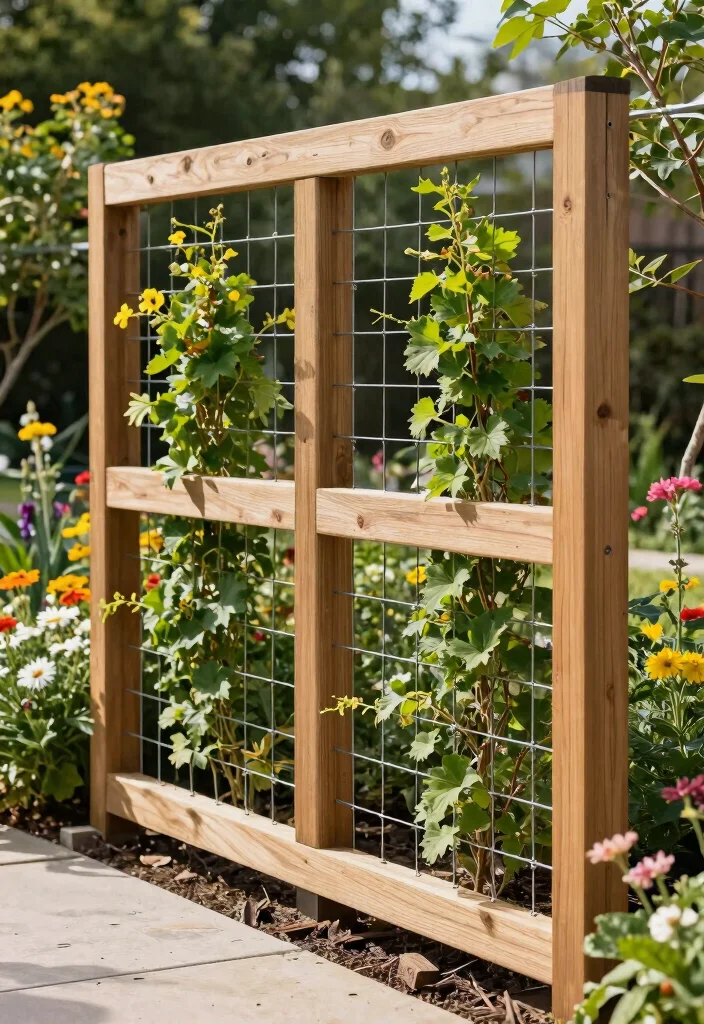
A timber frame fence with wire infills offers a modern twist on traditional fencing. This design features the solid appearance of timber combined with the transparency of wire, allowing for an open view while clearly defining your garden’s boundaries.
The timber frame provides a robust structure, while wire infills can be customized in various styles and colors. This option is both stylish and functional, supporting climbing plants while adding a contemporary touch to your garden. You might even consider infilling the wire with flowers or greenery for a living fence effect.
Key Features:
– Blends modern aesthetics with rustic appeal.
– Perfect support for climbing plants.
– Customizable wire designs available.
Tips:
– Use treated timber for enhanced durability.
– Mix different wire designs for a unique appearance.
For wood and wire fence ideas, a timber frame with wire infills hits that perfect balance: sturdy and open. You’ll love the visibility for garden beds, plus it’s easy to train climbers and swap in color.
Timber Frame with Wire Infills
Editor’s Choice


9. Garden Rail Fence
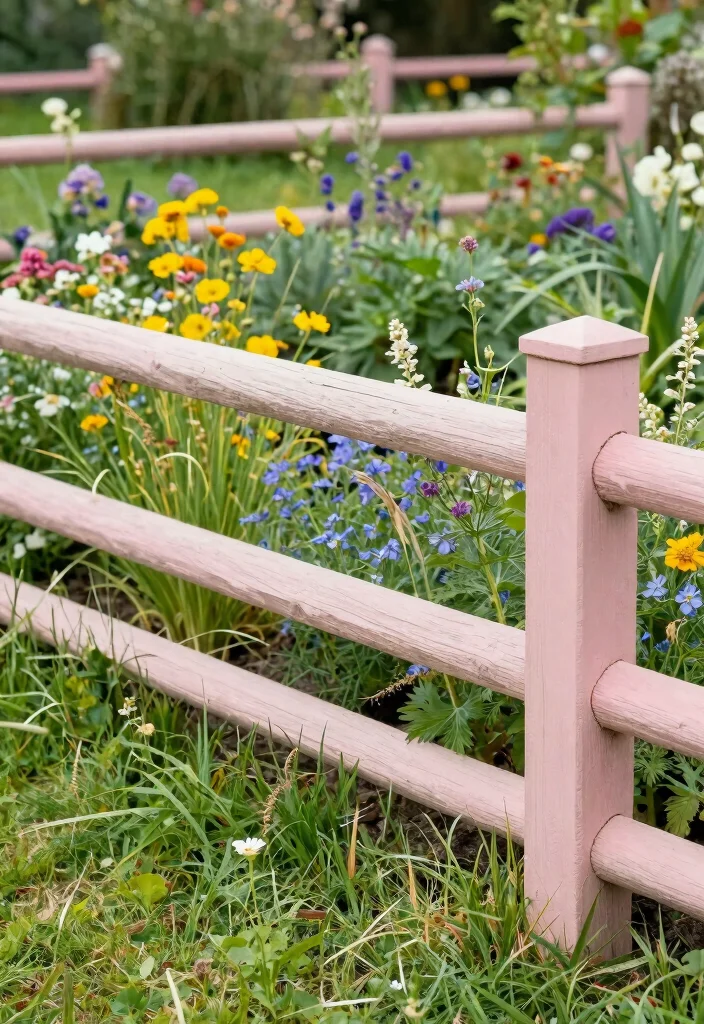
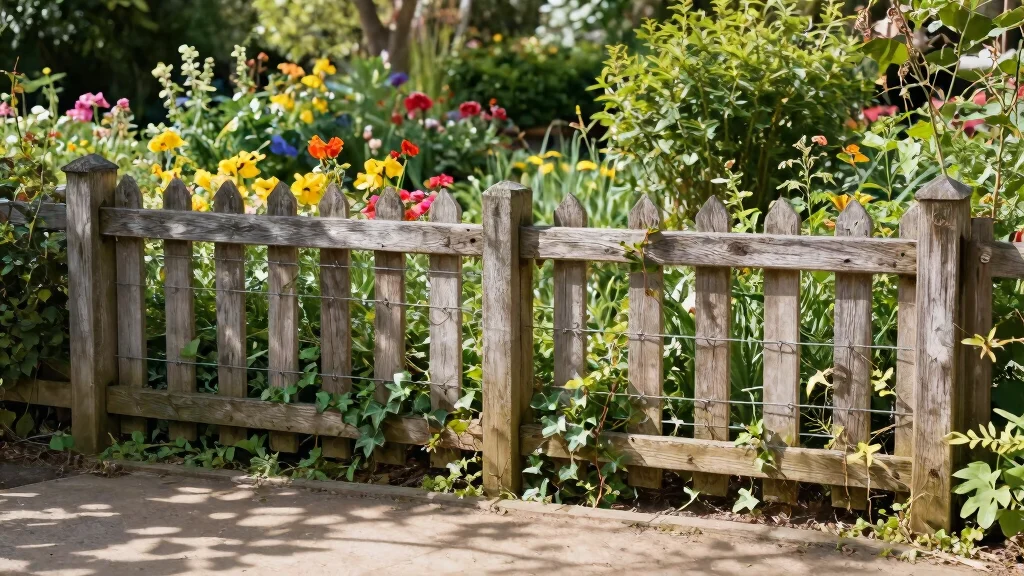
A garden rail fence embodies classic rustic charm, making it ideal for country or cottage-style gardens. This design typically features horizontal wooden rails supported by vertical posts, creating a simple yet effective boundary. Rail fences are great for keeping small animals out while maintaining an inviting, open feel.
This style beautifully frames flower beds or vegetable patches and can be painted in cheerful colors or left in their natural state for an organic vibe. Adding wildflowers or grasses along the base can enhance the natural beauty of this design.
Key Features:
– Traditional rustic design.
– Effective at containing small animals.
– Can be painted or left natural.
Tips:
– Ensure posts are deeply set for stability.
– Consider using reclaimed wood for an eco-friendly touch.
Garden rail fences are a key node in wood and wire fence ideas—quick to build, budget-friendly, and framing beds with rustic charm. Paint the rails in a cheerful color or leave them natural for an organic vibe that invites your garden to shine.
10. Mixed Material Fence
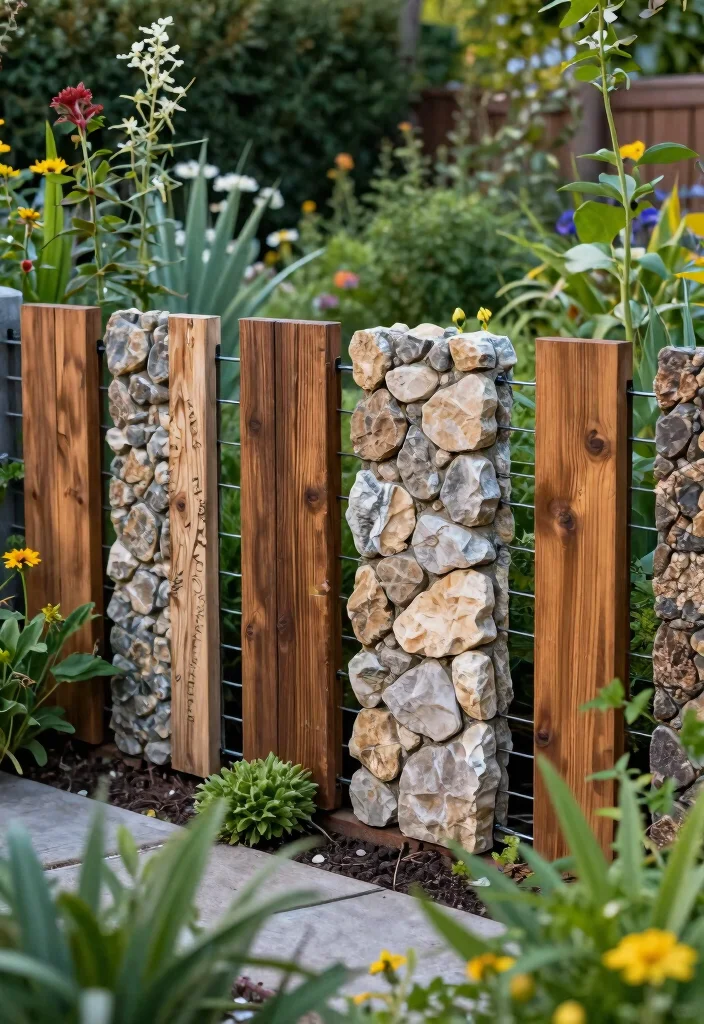
If you want to unleash your creativity, a mixed material fence can beautifully blend wood and wire with other materials like stone or metal. This eclectic approach allows for endless design possibilities, adding an artistic flair to your garden. By mixing textures and colors, you can create a striking visual statement that reflects your personal style.
This style is fantastic for defining different garden areas or simply serving as a decorative feature. Combining reclaimed wood, industrial wire, and stone can form an eye-catching focal point.
Key Features:
– Highly customizable with diverse materials.
– Offers creative design opportunities.
– Effectively defines garden spaces artistically.
Tips:
– Consider how materials will weather together.
– Use a cohesive color palette for a harmonious look.
Conclusion
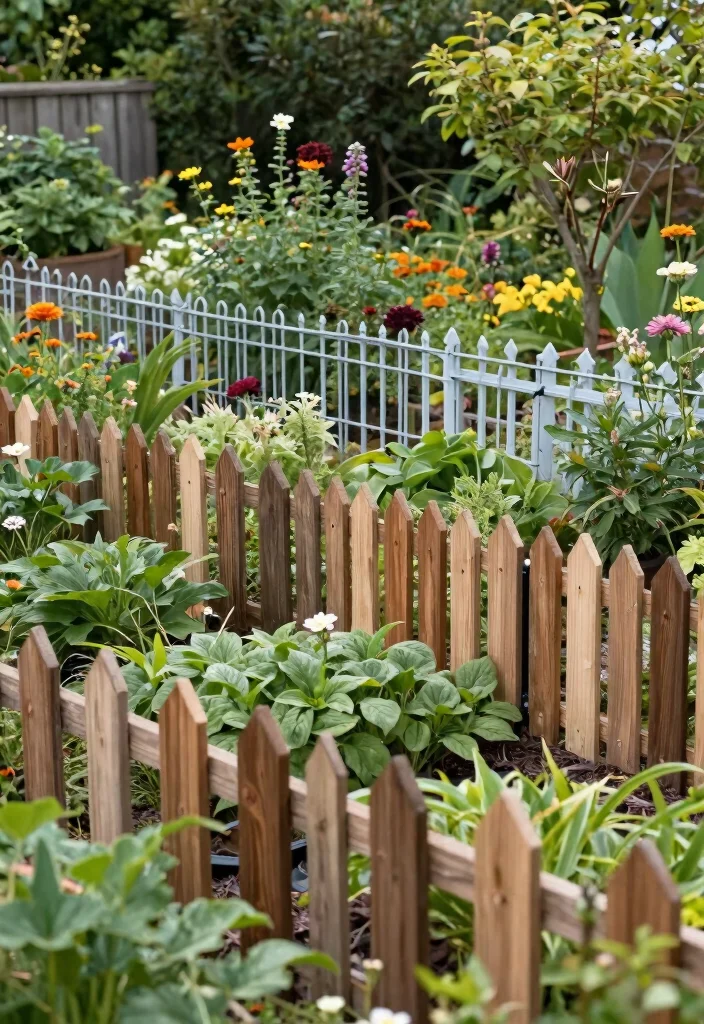
Incorporating wood and wire fences into your garden not only adds charm but also promotes a sustainable approach to outdoor aesthetics. Each idea presented here showcases the beauty of reclaimed materials and creative design choices, allowing you to define your garden space while adding unique character. Whether you go for a classic look or a more modern mixed material design, there’s something here for every garden enthusiast. So, grab your tools and start planning your own rustic fence design that reflects your personal style and enhances the beauty of your garden! Note: We aim to provide accurate product links, but some may occasionally expire or become unavailable. If this happens, please search directly on Amazon for the product or a suitable alternative. This post contains Amazon affiliate links, meaning we may earn a small commission if you purchase through our links, at no extra cost to you.
Frequently Asked Questions
Which wood and wire fence ideas deliver rustic charm without breaking the bank?
Here are practical wood and wire fence ideas that deliver rustic charm on a budget:
1) Reclaimed pallet wood slats paired with galvanized wire mesh for a quick, airy boundary.
2) Reclaimed board panels mounted on simple posts with welded-wire fencing for a solid, rustic look.
3) Cedar or pine boards with decorative wire lattice to soften the lines while staying affordable.
4) Hog panel fencing tied to wood posts for a sturdy, low-cost boundary you can DIY in a weekend.
5) Wire-topped trellis panels attached to a wood frame for vertical interest and airflow.
Finish with weatherproofing like tung oil or eco-friendly stain to protect reclaimed wood and keep colors vibrant.
How do I choose sustainable materials for a wood and wire fence using reclaimed wood?
Choosing sustainable materials keeps your fence eco-friendly and charming. Prioritize reclaimed wood from reputable sources to reduce new lumber demand. Pair it with durable, corrosion-resistant wire such as galvanized or PVC-coated welded wire. Avoid pressure-treated lumber for edible garden zones unless properly sealed; if you must use it, ensure it’s a food-safe type and allow curing time. Inspect reclaimed pieces for rot, nails, or pests and dry them before use. Seal with natural oils or water-based stains to extend life while preserving the rustic look. This approach aligns with DIY garden projects that honor outdoor garden aesthetics and sustainability.
What are the essential DIY steps to build a wood and wire fence for a rustic garden?
Planning and measuring come first. Outline your fence line, posts, and gate if needed, and decide on post spacing (usually 6–8 ft for simplicity). Gather materials: weathered lumber or pallet boards, posts, galvanized wire mesh, fasteners, and concrete. Dig post holes, set posts plumb, and pour concrete to secure. Attach the wood sections to the posts, then staple or tie the wire mesh to the frame, tensioning it gently to avoid sag. Add a top rail or decorative cap, seal all wood, and finish with a weatherproof coating. Regular maintenance—tightening wires and resealing every couple of years—keeps wood and wire fence ideas looking great in your rustic garden.
How can I style wood and wire fence ideas to suit different garden designs and decorative fencing options?
These fence ideas adapt to many settings. For rustic garden design, use weathered boards and a simple post layout, or mix in slim lattice panels for texture. Explore garden fence styles such as horizontal boards, vertical pickets, or flat top with wire inlays. Enhance with decorative fencing options like planter boxes along the base, climbers on the wire, or hanging lanterns. A little color—stain, whitewash, or soft gray—can dramatically improve outdoor garden aesthetics and keep DIY garden projects approachable.
What practical benefits do wood and wire fences provide beyond aesthetics?
Beyond looking charming, a wood and wire fence can define space, create privacy, and act as a windbreak in a garden. The wire portion keeps air moving, which helps plant health, while the wood rails offer a natural screen from neighbors or road noise. It also deters small intruders and pets when placed at the right height. For flexibility, you can add privacy slats or grow climbers to increase screening over time. Maintenance tips: keep wood sealed, treat any rust spots on wire, and re-tension the mesh as the fence settles. This approach supports outdoor garden aesthetics and practical garden boundary needs.