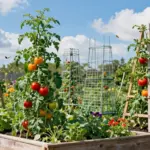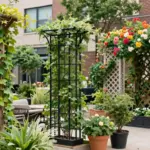
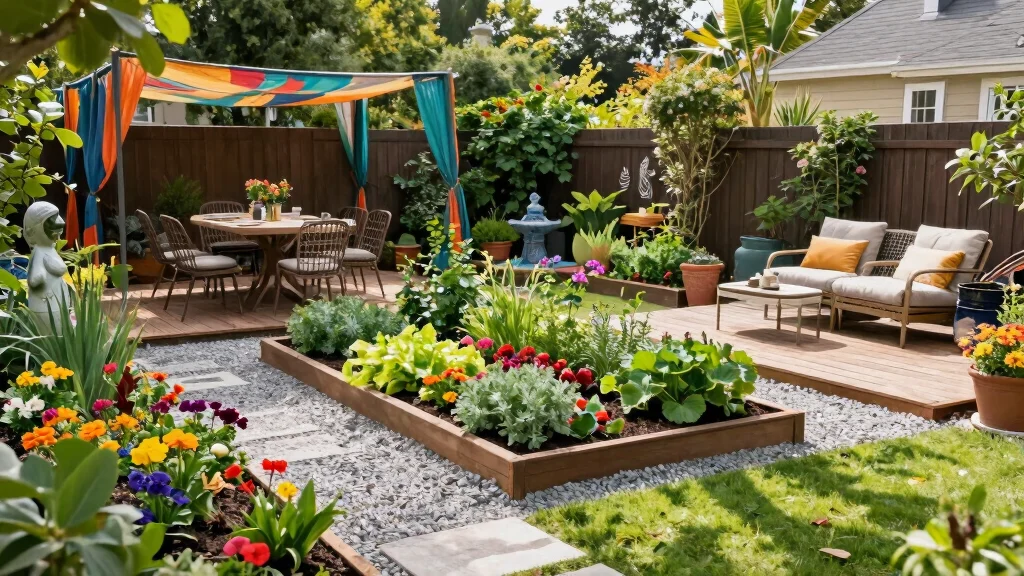
Creating an inviting and functional outdoor space can feel like a daunting task, especially when you have a big backyard at your disposal. This post was crafted to inspire you to embrace the potential of your outdoor area with 12 big backyard ideas that cater to flexible layouts. Whether you’re looking to establish a peaceful retreat, a vibrant family playground, or an edible garden bursting with flavor, these ideas will help you shape your backyard into an area you can’t wait to spend time in.
If you’re someone who loves gardening, outdoor living, or simply enjoying fresh air, this guide is for you. Finding the perfect balance between practicality and creativity can be tricky, but you don’t have to tackle it alone. I’ve pulled together a collection of ideas that are functional, aesthetically pleasing, and perfect for various activities, giving you the freedom to enjoy your yard in multiple ways. Get ready to transform your outdoor space into a multifunctional haven that reflects your style and meets your needs.
From cozy corners for reading to exciting play zones for the kids, you’ll discover how to optimize your backyard for relaxation, recreation, and gardening. Each idea comes with practical tips to help you implement these concepts effectively. Before you know it, your backyard will be the go-to spot for family gatherings, solo retreats, and everything in between.
Key Takeaways
– Versatile Garden Zones: Create dedicated spaces for different activities like gardening, lounging, and dining to make the most of your yard. Consider using flexible dividers or plantings to define areas. – Outdoor Living Room: Set up a cozy outdoor living area with comfortable seating, pillows, and blankets to enjoy nature while relaxing with family and friends. – Edible Landscaping: Incorporate fruits, vegetables, and herbs into your garden design. This not only enhances beauty but also provides fresh produce right from your backyard. – Water Features: Adding a small pond or fountain can bring tranquility and attract wildlife, creating a serene environment for relaxation. – Wildlife-Friendly Spaces: Design your garden with native plants and habitats to support local wildlife. This promotes biodiversity and adds life to your outdoor space.1. Create a Versatile Garden Zone
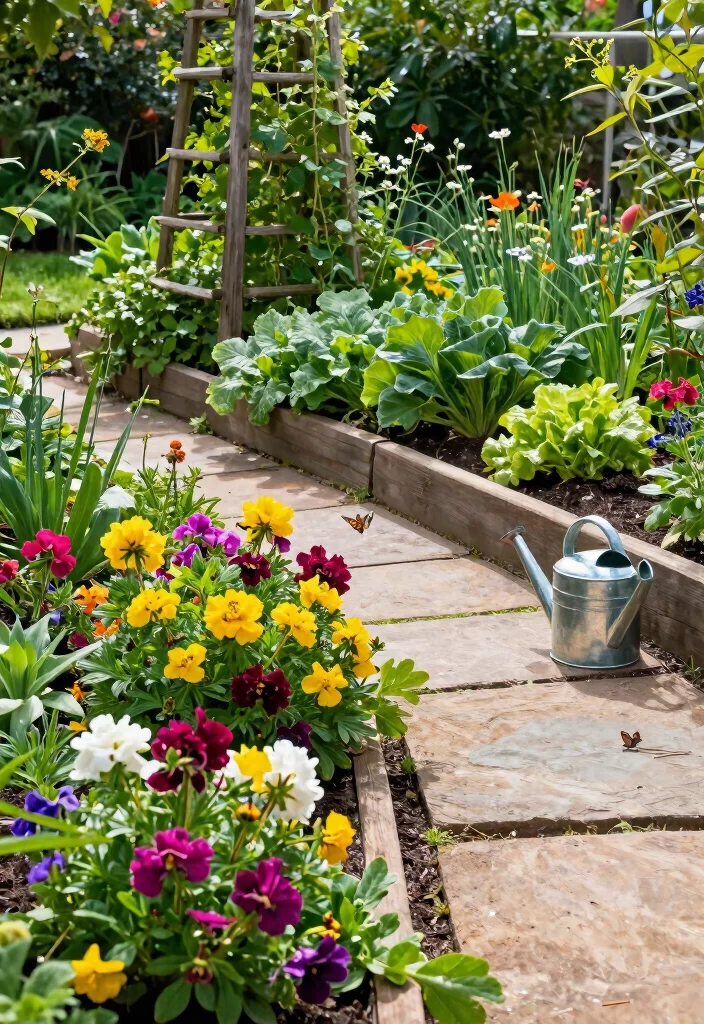
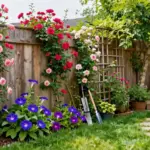
Imagine a garden that evolves with your needs, blending beauty and utility seamlessly. A multi-functional garden space can host vibrant flowers alongside fresh vegetables, giving you a feast for both the eyes and the taste buds. With raised beds, you can ensure easy access and maintain a tidy look, making it simple to enjoy your homegrown produce year-round.
Start by mixing perennial plants with your vegetable favorites for continuous blooms and harvests. Design pathways to navigate through your garden easily, and employ vertical gardening techniques to utilize every inch of space creatively.
Ways to enhance your garden zone:
– Mix perennials with vegetables for ongoing blooms and harvests.
– Incorporate pathways for easier navigation.
– Utilize vertical gardening methods to maximize space and visual appeal.
With this approach, your garden can transition beautifully from a vibrant vegetable patch in spring to an eye-catching flower haven in summer, ensuring beauty and practicality all year long.
A garden that grows with you is the heart of big backyard ideas. Mix perennials with your veggies for continuous blooms and year-round harvests too.
Create a Versatile Garden Zone
Editor’s Choice




How To Choose Flexible Outdoor Layouts for Your Big Backyard
To create an engaging and versatile outdoor space, it’s essential to choose the right elements that will allow for flexibility. Here are some criteria to consider when planning your big backyard layout:1. Space Utilization
Evaluate the total area of your backyard. Think about how you want to use it. Do you need zones for gardening, relaxation, or play? Creating designated zones can help you maximize space. Consider measuring your yard and marking areas for each purpose. This approach allows for a fluid transition from one section to another, making your yard more functional and enjoyable.
2. Style and Aesthetics
Consider the overall look you want to achieve. Do you prefer a modern, sleek design or a more rustic, natural feel? Use plants, furniture, and decorations that match your chosen style. For example, if you go for a modern look, opt for clean lines and minimalist furniture. Incorporating elements that reflect your taste ensures your outdoor space feels personal and inviting.
3. Materials and Durability
Choose materials that suit your climate and intended use. For example, if you live in a rainy area, opt for weather-resistant materials like composite decking or treated wood. Think about maintenance too. Some materials require more upkeep than others. In contrast, stone or concrete options may be more durable and easier to maintain. Select materials that will stand the test of time while fitting your design vision.
4. Functionality and Flexibility
Your backyard should adapt to your needs. Think about furniture that can be rearranged or moved easily. Use foldable tables or stackable chairs, allowing you to change the layout for gatherings or quiet evenings. Incorporating features like portable fire pits or movable garden beds can also create versatile spaces that cater to changing seasons or activities.
5. Budget Considerations
Set a clear budget before starting your backyard project. Determine how much you can spend on landscaping, furniture, and decorations. Research costs for different elements to avoid overspending. Think creatively about DIY projects or repurposing items to save money while achieving a beautiful outdoor space. Keeping your budget in mind allows for smart choices without compromising your vision.
6. Seasonal Adaptability
Design your backyard layout with changing seasons in mind. Incorporate elements that can be enjoyed year-round, like evergreen plants or a permanent seating area. Use seasonal decorations to change the vibe of your space throughout the year. Think about how to adapt your layout or furniture arrangements to match each season’s activities, whether it’s cozying up by the fire in winter or enjoying a summer barbecue.
Pro Tip: Always sketch your ideas on paper or use design software. Visualizing your backyard layout can help you make informed decisions and adjustments before committing to any installations. This way, you can see what works best together and refine your outdoor space plan.
By considering these criteria, you’ll be empowered to create a big backyard layout that is flexible, functional, and reflective of your style. Whether you want a peaceful retreat, a lively play area for kids, or a social space for gatherings, careful planning can truly optimize your outdoor space.
2. Cozy Outdoor Living Room
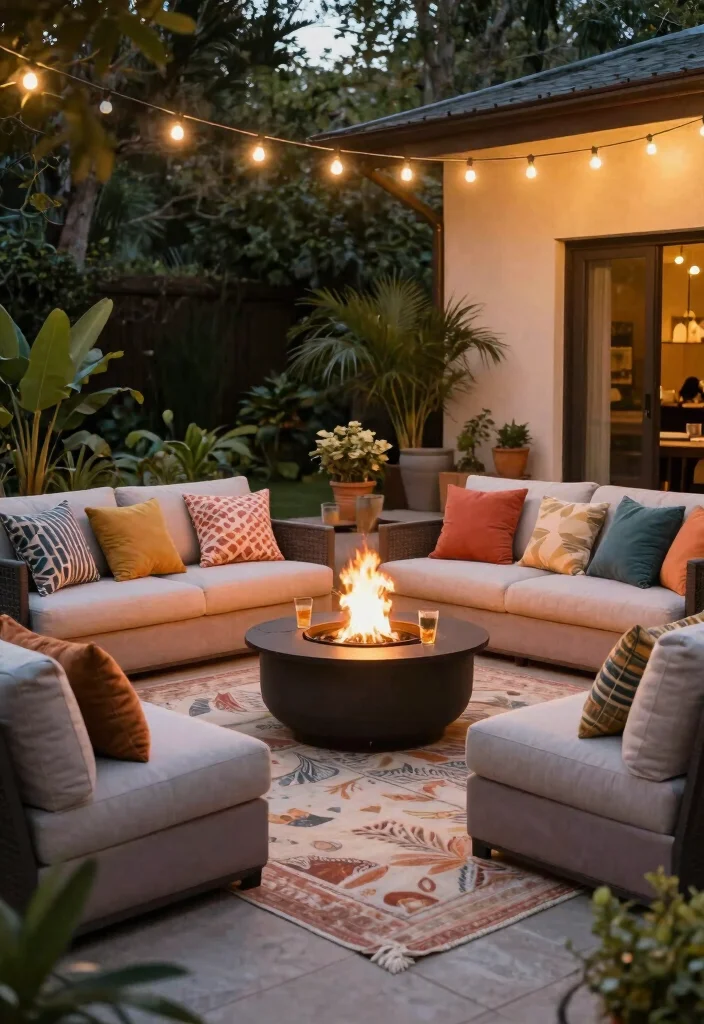
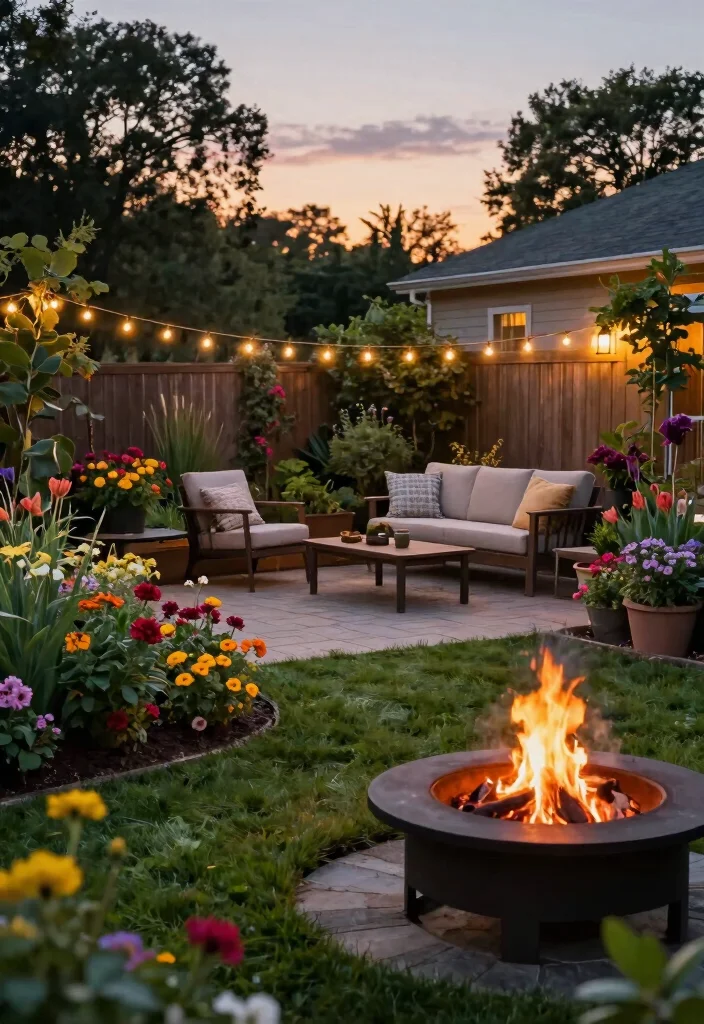
Picture stepping outside to a cozy outdoor living room that rivals your indoor space in comfort. With weather-resistant furniture, you can create a versatile area perfect for lounging, reading, or entertaining friends. Add a fire pit or patio heater to keep the space inviting, even on cooler evenings, so you can enjoy it all year round. Editor’s Choice
Choose soft, durable fabrics for your cushions that match your backyard’s aesthetic. Don’t forget ambient lighting like string lights or lanterns to set a warm, inviting mood, and consider an outdoor rug to anchor the space and add comfort.
Design elements to consider:
– Select soft, weather-resistant fabrics for cushions that fit your style.
– Incorporate ambient lighting like lanterns or string lights for warmth.
– Add an outdoor rug to define the area and enhance comfort.
This cozy outdoor living room can become a favorite gathering spot for family and friends, allowing you to enjoy nature while indulging in all the comforts of home.
Cozy Outdoor Living Room

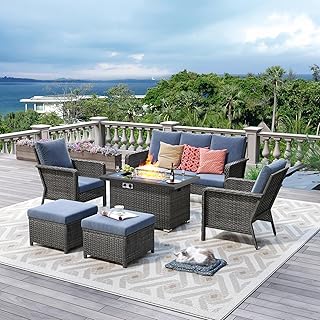


📹 Related Video: 7 BEST Outdoor Living Room Features!
3. Edible Landscaping
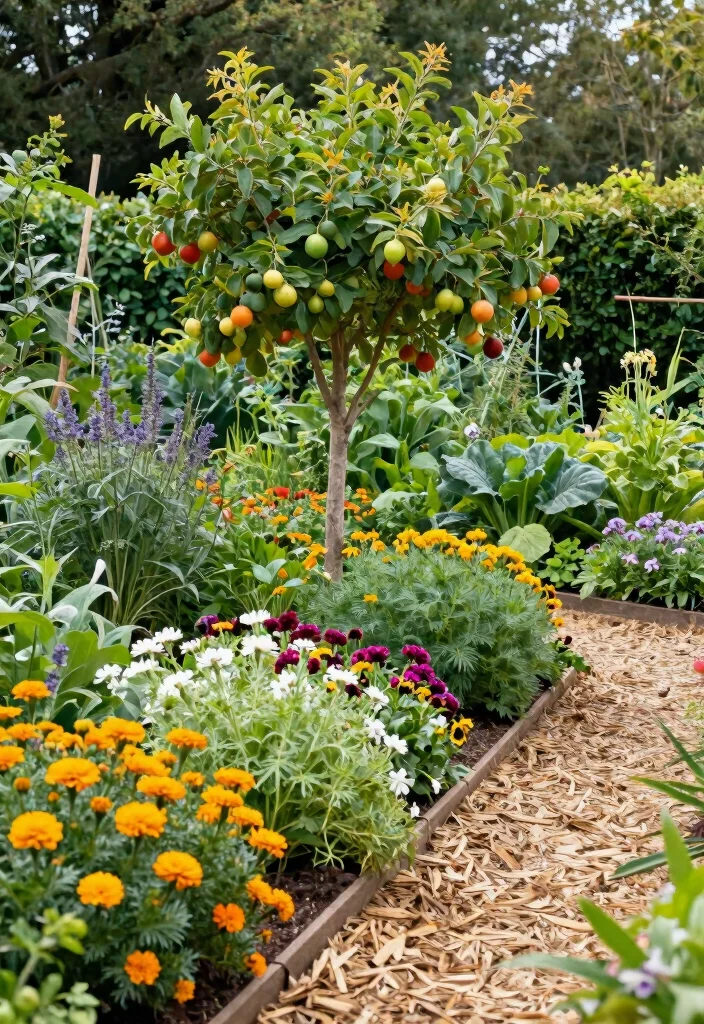
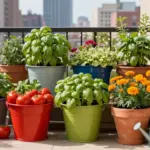
Why not blend beauty with functionality through edible landscaping? This approach allows you to integrate fruit-bearing plants and herbs into your overall garden design. Imagine strolling through your yard, plucking fresh tomatoes, fragrant herbs, and juicy berries right from the vine or bush! Editor’s Choice
Start with native plants that harmonize with ornamental varieties for a cohesive look. Design flower beds that double as vegetable patches, mixing marigolds with tomatoes to help deter pests. Consider establishing a grove of fruit trees as a stunning focal point in your landscape.
Getting started with edible landscaping:
– Choose native plants that complement your ornamental ones.
– Create flower beds that also serve as vegetable patches.
– Establish a fruit tree grove for a stunning visual impact.
This unique gardening style not only enriches your outdoor space but also encourages sustainable practices, ensuring a fresh supply of seasonal produce right at your fingertips.
Edible Landscaping


4. Outdoor Dining Experience
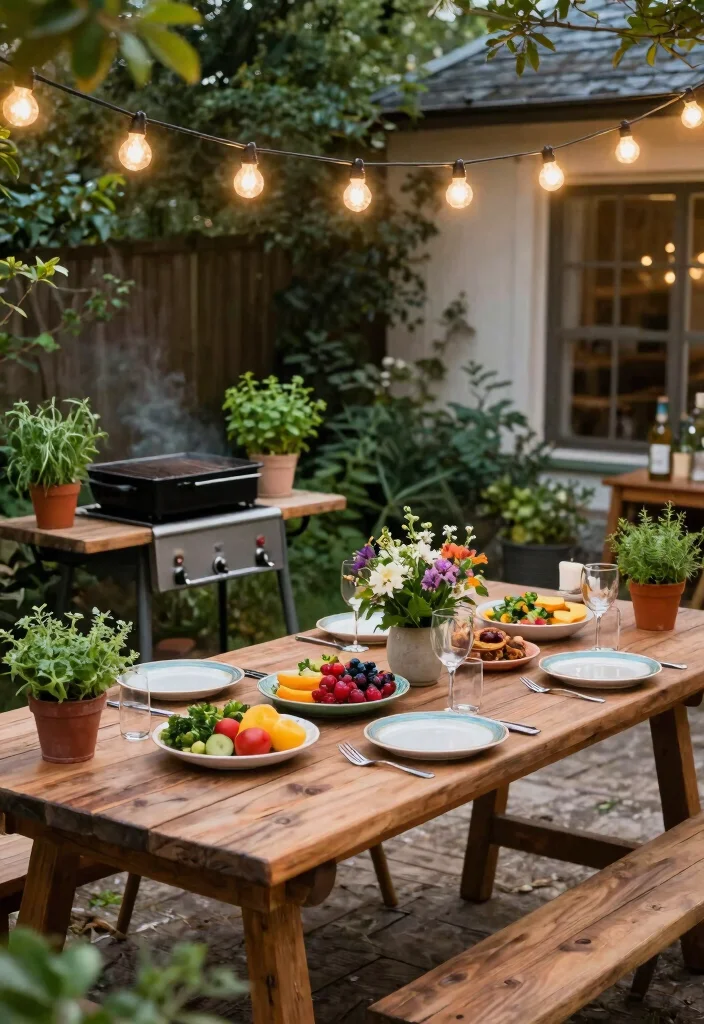
Bringing your dining experience outdoors can elevate everyday meals into delightful occasions. Designate a charming dining area that invites alfresco dining with family and friends. A rustic wooden table under a canopy of lights can set the perfect scene for memorable gatherings.
Consider using a portable grill for easy barbecuing and keep cooking tools close at hand. Plant a nearby herb garden; nothing enhances a meal like freshly picked herbs! If you have space, install a small outdoor kitchen for added convenience.
Enhancement ideas to consider:
– Use a portable grill for easy barbecues and access to cooking tools.
– Plant a herb garden nearby for fresh culinary delights.
– Create an outdoor kitchen for extra convenience and fun.
This outdoor dining area can quickly become your go-to spot, perfect for summer cookouts or holiday festivities, reflecting your personal style through sustainable materials and thoughtful details.
5. Playful Garden Zones for Kids
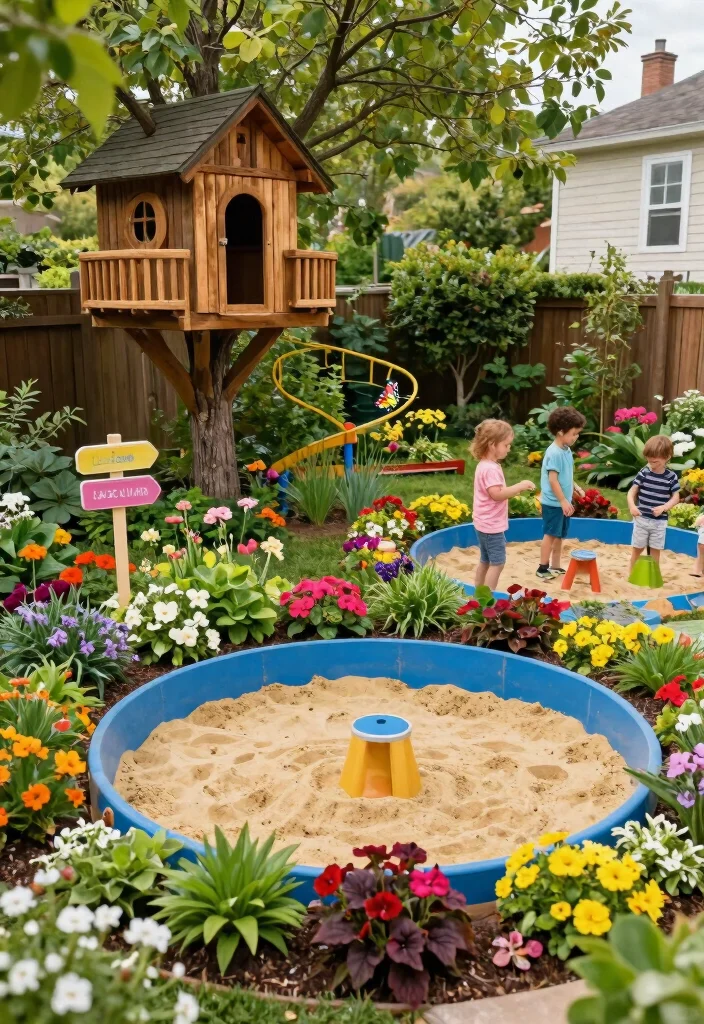
Designing playful zones for kids in your backyard transforms gardening into a fun family adventure. Spaces where children can explore and learn about nature foster a lifelong love for the outdoors. Think about incorporating features like a small sandpit, a butterfly garden, or even a whimsical treehouse.
Use bright colors in your flower choices to attract butterflies and bees, which adds excitement to their learning experience. Build a small herb garden for kids to tend and use in family meals. Set up engaging garden games like scavenger hunts to keep them entertained.
Incorporating fun elements:
– Plant bright flowers to attract butterflies and bees.
– Create a small herb garden for kids to nurture and enjoy.
– Set up garden games like scavenger hunts to engage their curiosity.
These playful areas will not only entertain your kids but also teach them valuable lessons about gardening, sustainability, and the beauty of nature.
6. Water Features for Tranquility
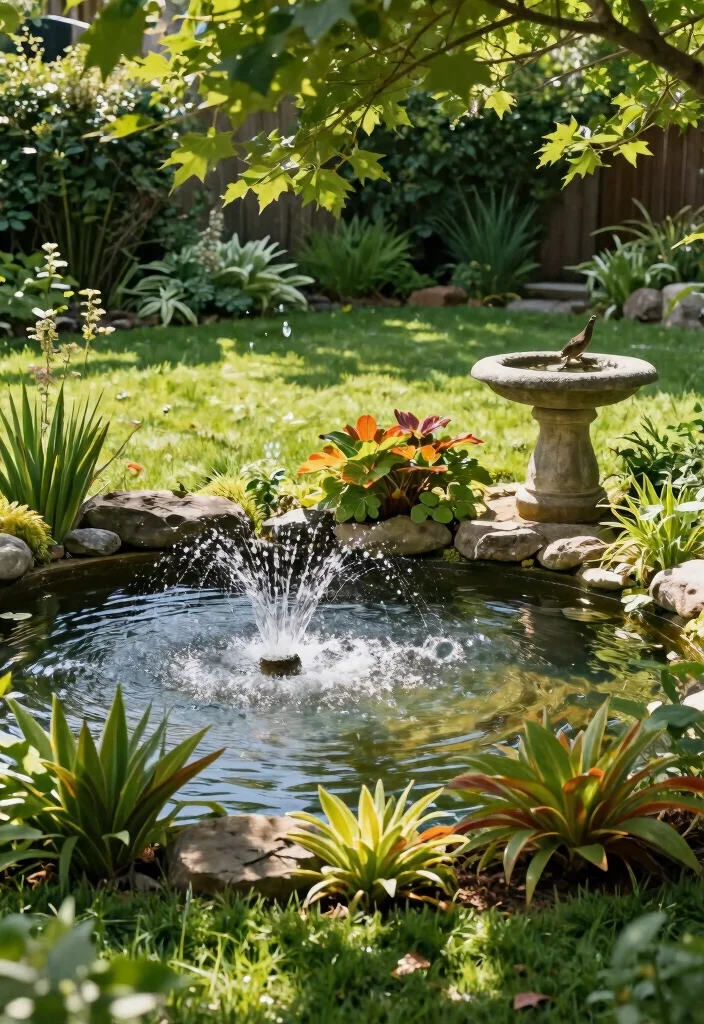
Adding water features can elevate your backyard design, bringing both tranquility and visual flair. Whether you opt for a serene pond, a charming fountain, or a simple birdbath, the soothing sound of flowing water creates a calming ambiance.
Select a style that harmonizes with your overall garden design; for instance, a modern fountain suits contemporary spaces, while a rustic pond complements traditional gardens. Consider how your water feature can attract wildlife, enhancing biodiversity in your area. Add aquatic plants for beauty and to create a natural habitat.
Considerations for water features:
– Choose styles that blend with your overall garden design.
– Think about attracting wildlife with ponds or birdbaths.
– Incorporate aquatic plants for added beauty and habitat creation.
Water features can serve as stunning focal points while providing a serene backdrop for relaxation. Enjoy peaceful afternoons by the water, listening to the gentle sounds of nature.
7. Vertical Gardens for Space Optimization
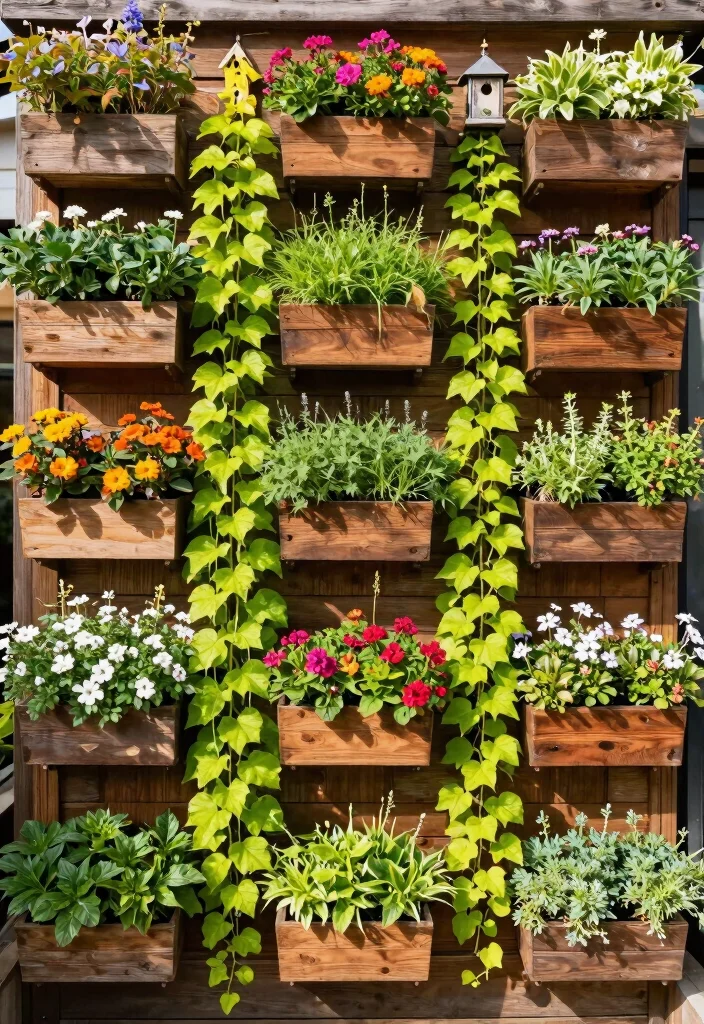
Using vertical space is a clever way to optimize your backyard, especially if you have limited ground area. Vertical gardens can be created on walls, fences, or trellises, allowing you to grow a variety of herbs, flowers, and vegetables without consuming too much space.
Consider wall-mounted planters or pocket gardens to create a lush living wall. Use climbing plants like cucumbers or peas that thrive in vertical spaces. Enhance the aesthetics with decorative elements like trellises or grids.
Tips for designing vertical gardens:
– Utilize wall-mounted planters or pocket gardens for living walls.
– Opt for climbing plants that thrive vertically, such as peas or cucumbers.
– Incorporate decorative trellises to add visual appeal.
This method not only conserves ground space but also infuses your outdoor area with vibrant greenery, making it feel alive and inviting. Vertical gardens are perfect for urban settings or small backyards where space is at a premium.
8. Fire Pits for Gathering
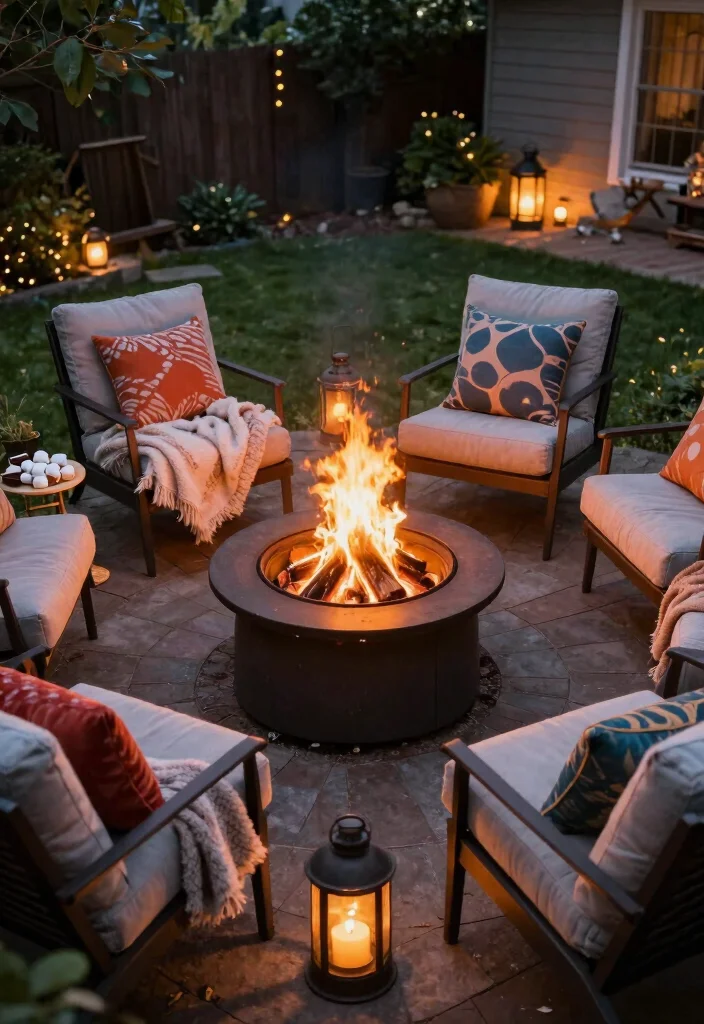
A warm fire pit draws people together like nothing else, especially on cool evenings. Creating a cozy fire pit area with comfortable seating makes for a perfect spot for storytelling and forging memories with loved ones. Editor’s Choice
Choose a safe location for your fire pit, keeping it clear of overhanging branches or flammable materials. Arrange seating in a circular pattern to foster conversation and warmth. Keep firewood handy or opt for a gas fire pit for convenience.
Essentials for your fire pit area:
– Select a safe location, away from hazards.
– Arrange seating in a circle to promote togetherness.
– Stock up on firewood or use a gas fire pit for ease.
This area can be made even more inviting with cozy blankets, pillows, and outdoor rugs, perfect for roasting marshmallows or simply enjoying each other’s company around the fire.
Fire Pits for Gathering


9. Wildlife-Friendly Spaces
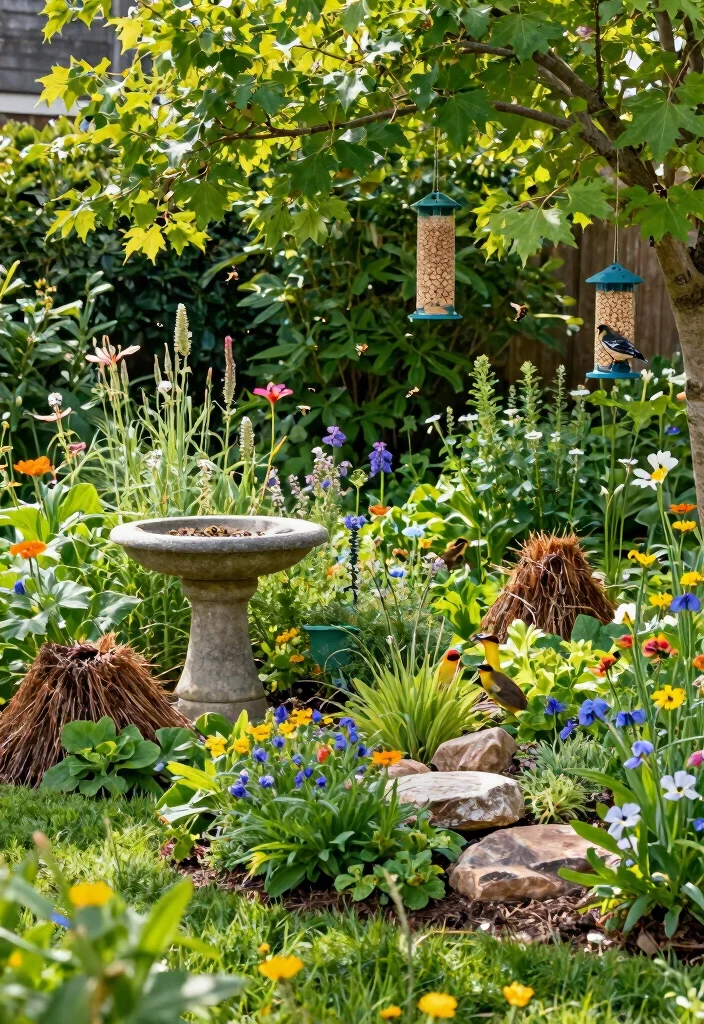
Creating wildlife-friendly spaces in your backyard not only supports local ecology but also enriches your garden’s vibrancy. Consider adding native plants, bird feeders, or small habitats to invite various species into your yard.
Incorporate plants that provide food and shelter for local wildlife, ensuring a thriving ecosystem. Include bird baths and feeders to attract birds and pollinators. Create small brush piles or rock gardens to support beneficial insects.
Wildlife-friendly ideas to try:
– Plant native species to provide food and shelter.
– Set up bird baths and feeders to attract local wildlife.
– Create brush piles or rock gardens for beneficial insects.
This approach invites the joy of observing wildlife while maintaining a sustainable ecosystem in your backyard. Welcoming nature enhances the beauty of your outdoor space while supporting biodiversity.
10. Raised Garden Beds for Easy Maintenance
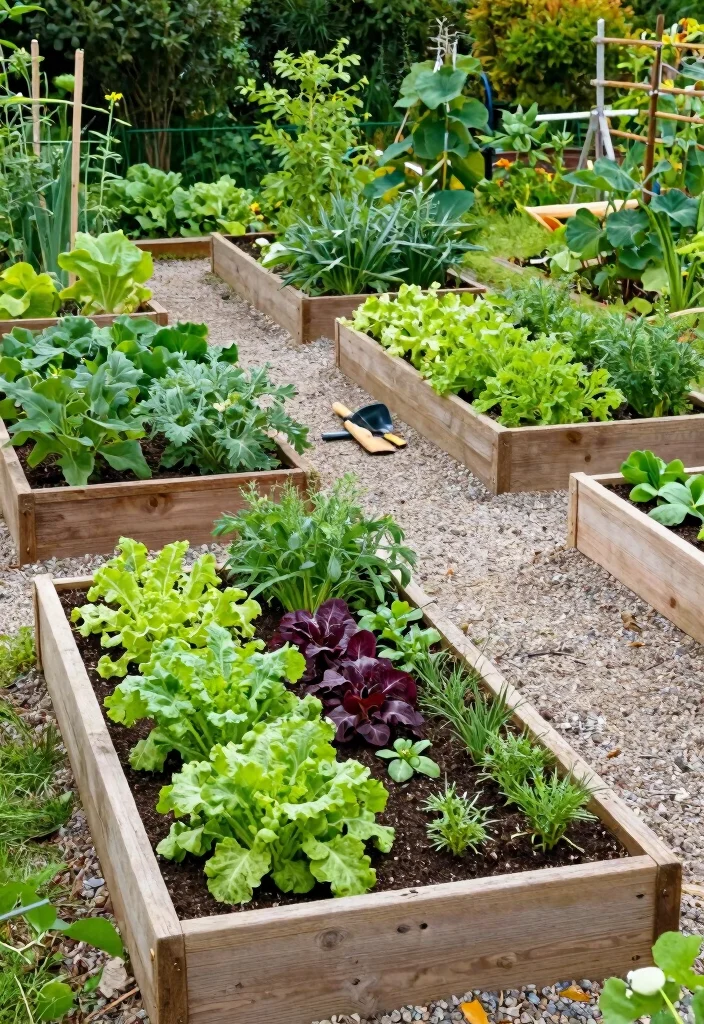
Raised garden beds are not only visually appealing but also provide significant advantages for gardening. They offer better drainage, help keep pests at bay, and simplify maintenance, especially for those who find bending difficult.
These beds align with sustainable gardening practices by improving soil quality and reducing compaction. Choose materials that blend seamlessly into your design, such as wood or stone, to enhance the overall aesthetics. Organize your garden layout for efficient planting and easy access.
Benefits of raised beds:
– Improve soil quality and minimize compaction for better growth.
– Use materials that fit your garden’s design, like wood or stone.
– Organize your layout for efficient planting and maintenance.
With proper planning, raised beds can become stunning features in your backyard while ensuring a bountiful supply of fresh produce.
11. Artistic Garden Sculptures
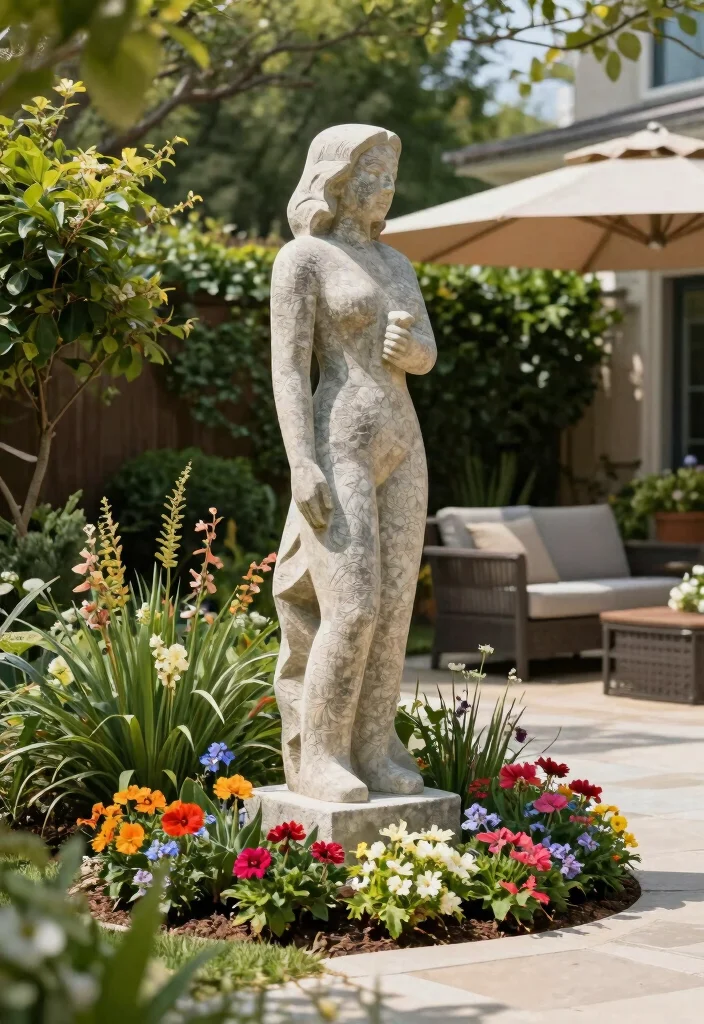
Incorporating artistic garden sculptures is a fantastic way to add character and flair to your outdoor space. These pieces can enhance your garden’s visual appeal and spark conversations when you host guests.
Select sculptures that resonate with your personal style, whether you prefer modern, whimsical, or classic designs. Position them in ways that attract the eye, perhaps near seating areas where they can be appreciated. Use natural materials like stone or metal to create harmony with the landscape.
Choosing art for your garden:
– Seek sculptures that reflect your personal taste and style.
– Position them thoughtfully to draw attention and engage guests.
– Incorporate natural materials for a cohesive feel.
Art can transform a simple garden into a unique outdoor gallery, encouraging a visual dialogue with nature and making your backyard truly distinctive.
Big backyard ideas come alive when art meets function. Place sculptures near seating to guide the eye, choose materials that echo your climate, and let big backyard ideas spark conversations that guests remember.
Artistic Garden Sculptures
Editor’s Choice




12. Seasonal Themes and Decorations
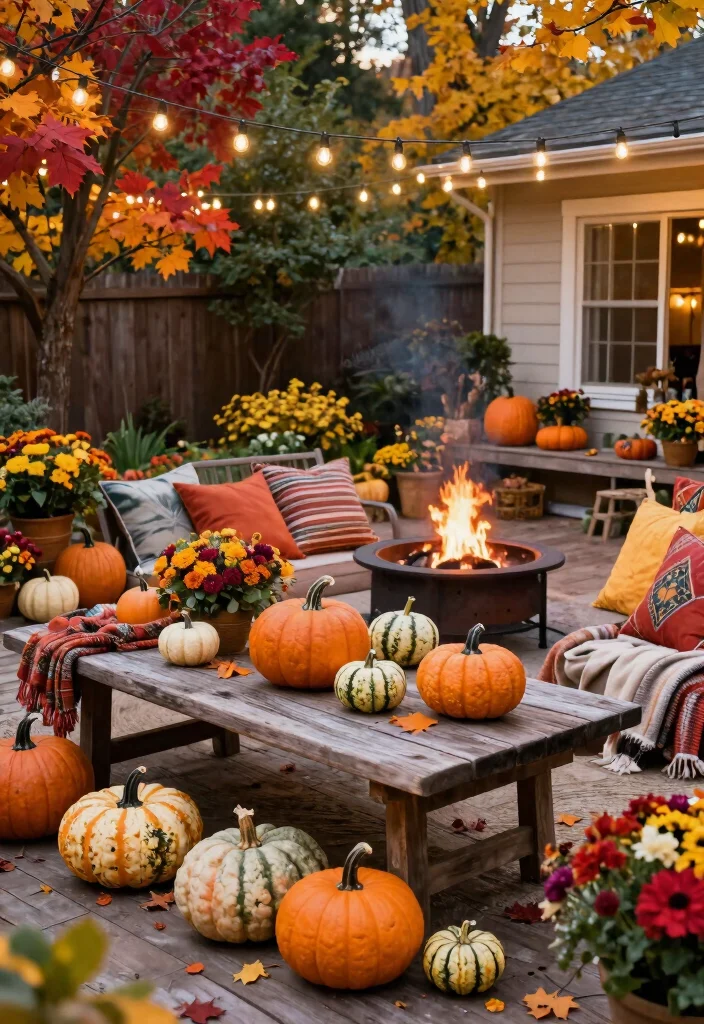
Embracing seasonal themes and decorations can keep your backyard dynamic and fresh all year long. By rotating decor to reflect the seasons, you create a welcoming atmosphere that feels special no matter the time of year.
Use festive colors and plants for holidays, like pumpkins in autumn or colorful blooms in spring. Change your outdoor cushions and throws to match the seasons, adding a cozy touch. Incorporate seasonal lighting, such as lanterns or fairy lights, to enhance the ambiance.
Seasonal decorating ideas:
– Use festive plants and colors for holidays like pumpkins in fall.
– Change outdoor cushions and throws to match the seasons.
– Add seasonal lighting like lanterns or fairy lights for warmth.
These decorations can infuse joy and excitement into your backyard, ensuring every visit feels unique. Rotating themes keeps the space vibrant and offers endless opportunities for creative expression throughout the year.
Seasonal changes are your best designer— perfect for big backyard ideas, where every month becomes a chance to refresh with sustainable touches. Rotate cushions, plants, and lights to match the season, and your outdoor space stays welcoming year-round.
Conclusion
With these 12 big backyard ideas, you can unlock the full potential of your outdoor space. Each concept encourages flexibility, creativity, and sustainability, ensuring your backyard is a reflection of your lifestyle and values. Whether you opt for a vibrant garden, a cozy outdoor living area, or nature-friendly designs, the possibilities are endless. Take the leap to make your backyard dreams a reality and enjoy all the beauty and functionality your outdoor space has to offer. Note: We aim to provide accurate product links, but some may occasionally expire or become unavailable. If this happens, please search directly on Amazon for the product or a suitable alternative. This post contains Amazon affiliate links, meaning we may earn a small commission if you purchase through our links, at no extra cost to you.
Frequently Asked Questions
What are some big backyard ideas for creating flexible outdoor layouts?
Here are practical steps to craft flexible outdoor layouts in a big backyard with actionable ideas.
Start by mapping zones: dining area, lounge zone, gardening beds, kids’ play space, and a quiet retreat. That’s the core of big backyard ideas for flexible layouts.
Use modular furniture and movable planters so you can reconfigure the space quickly for gatherings or relaxed days. Keep paths wide and sightlines clear to support outdoor space optimization.
Choose weatherproof materials and drought-tolerant plants to reduce maintenance and water use, boosting your landscaping inspiration while staying practical.
Consider a simple shade structure (gazebo or pergola) and a compact irrigation plan to tie zones together without clutter.
How can I design a sustainable garden in a big backyard?
To design a sustainable garden in a big backyard, start with a climate-appropriate plan and native plants.
Collect rainwater with a barrel and use drip irrigation to minimize waste; mulch generously to conserve moisture.
Incorporate a compost system to recycle kitchen scraps and plant a mix of edible crops and pollinator-friendly perennials to boost biodiversity.
Arrange beds to maximize sun exposure for veggies while shading fragile plants, and install solar-powered lighting to reduce energy use. These practical backyard design tips support landscaping inspiration and sustainable living.
How can I optimize outdoor space in a large backyard for different activities?
Think in zones: a dining area for entertaining, a shaded lounge, a productive kitchen garden, and a kids’ play corner. This framework supports outdoor space optimization and big backyard ideas.
Choose multi-use furniture and stackable or foldable pieces so the space can flex from party to quiet reading. Use vertical gardening to save ground space and add privacy with trellises or evergreen screens. Install a simple irrigation system and drought-tolerant plantings to keep maintenance low. By planning ahead, you can maximize every square foot.
What are budget-friendly backyard design tips for big backyards?
Start with a layout that prioritizes high-impact, low-cost changes. Use existing lawn or patio as the backbone, then layer in movable planters and DIY borders.
Add a few affordable features like planters made from pallets or cinder blocks and choose perennials that return each year to keep costs down.
Create a focal feature with a small water element or a rock garden and use mulch to reduce weeds and conserve moisture.
Plan around one or two scalable elements that can be expanded later, which aligns with backyard design tips for a big space without a big price tag.
How can I get landscaping inspiration for creative gardening ideas in a big backyard?
Start by collecting landscaping inspiration from local gardens, magazines, and online galleries to build a mood board.
Identify color palettes, plant textures, and lighting ideas that fit your climate and soil.
Test ideas with container plantings or small sections before committing to full-scale changes. This is where creative gardening ideas and landscaping inspiration come together to guide your plan.