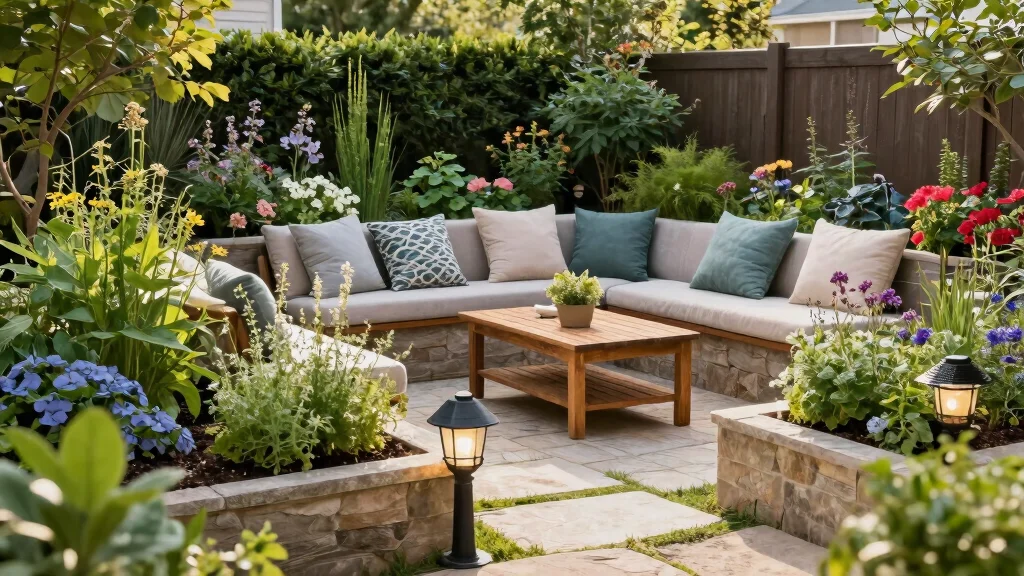
Creating a backyard that feels both stylish and functional can transform your outdoor living experience. With so many options available, it can feel overwhelming to decide where to start. That’s why I put together this list of backyard ideas that blend creativity with practicality. Whether you’re looking to create a cozy space for gatherings, a sustainable garden, or simply a beautiful retreat, you’ll find inspiration here.
This post is for anyone who loves spending time outdoors, especially urban gardeners and eco-conscious homeowners. If you’re passionate about making the most of your backyard, you’ll appreciate the ideas that cater to both aesthetics and functionality. You don’t need to be a gardening expert or a design guru; these ideas are approachable and perfect for creating a space that you and your loved ones will enjoy for years to come.
In this guide, you’ll discover 16 backyard ideas that are stylish, practical, and sustainable. From vertical gardens and cozy fire pits to outdoor kitchens and wildlife habitats, each suggestion is designed to enhance your outdoor living area. You’ll learn how to make your space both beautiful and useful, ensuring that your backyard is not just an afterthought but a cherished part of your home.
Key Takeaways
– Explore creative ideas like vertical gardens and cozy fire pits to make the most of your outdoor space. – Consider sustainable furniture options that are eco-friendly and stylish, enhancing both comfort and aesthetics. – Learn about edible landscaping to combine beauty with delicious home-grown produce for your meals. – Discover the benefits of outdoor lighting and garden paths to create ambiance and define areas in your backyard. – Understand how to incorporate wildlife habitats and native plants for a low-maintenance, eco-conscious garden.1. Vertical Gardens: Maximize Your Space
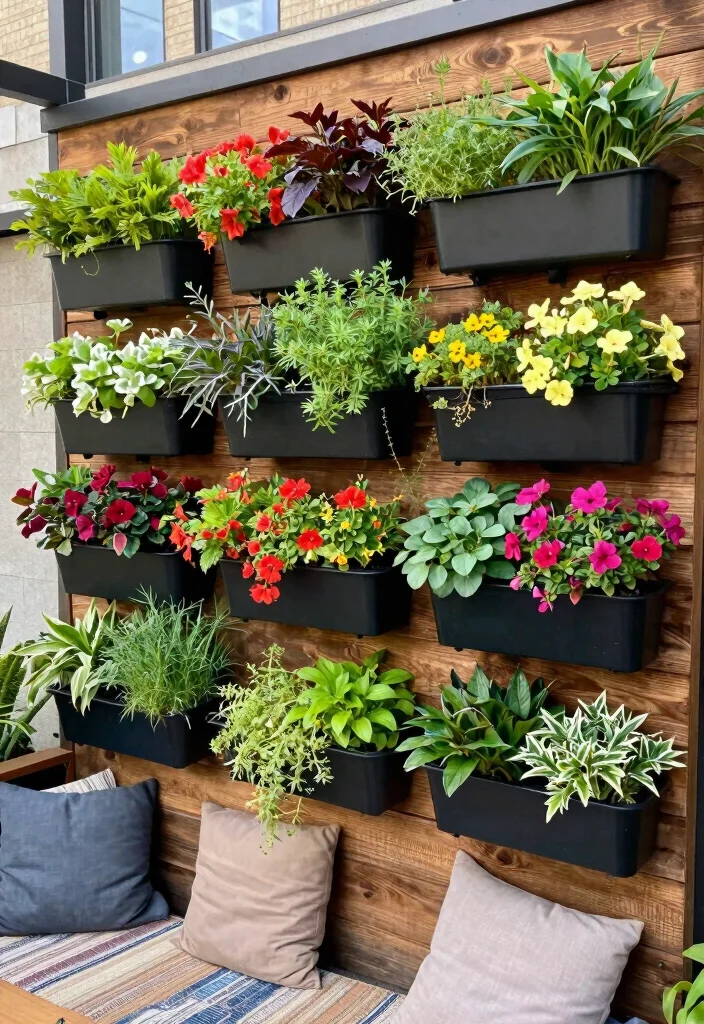
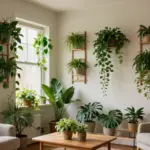
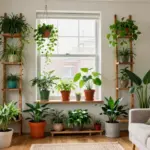
Are you short on space but long on gardening dreams? Vertical gardens are the perfect solution! They not only save precious ground space but also introduce a stunning green aesthetic to your outdoor area. You can utilize vertical planters, hanging pots, or wall-mounted shelves to showcase an array of plants, adding life to even the tiniest corners of your garden.
Start by selecting plants that flourish in your environment, such as aromatic herbs or vibrant flowers. This technique works wonders in urban settings where traditional gardening might be a challenge. To simplify upkeep, think about incorporating a drip irrigation system that ensures your plants receive the moisture they need.
Key benefits of vertical gardening:
– Maximizes limited space for small yards or patios.
– Adds visual appeal and acts as a beautiful focal point.
– Enables growing of fresh herbs and vegetables right at home.
Essential tips to get started:
– Use lightweight soil and secure your planters to avoid any mishaps.
– Select plants that thrive in your local climate and available light.
Consider adding a decorative trellis or wall for an extra touch of charm to your vertical garden.
2. Cozy Fire Pit: Gather Around
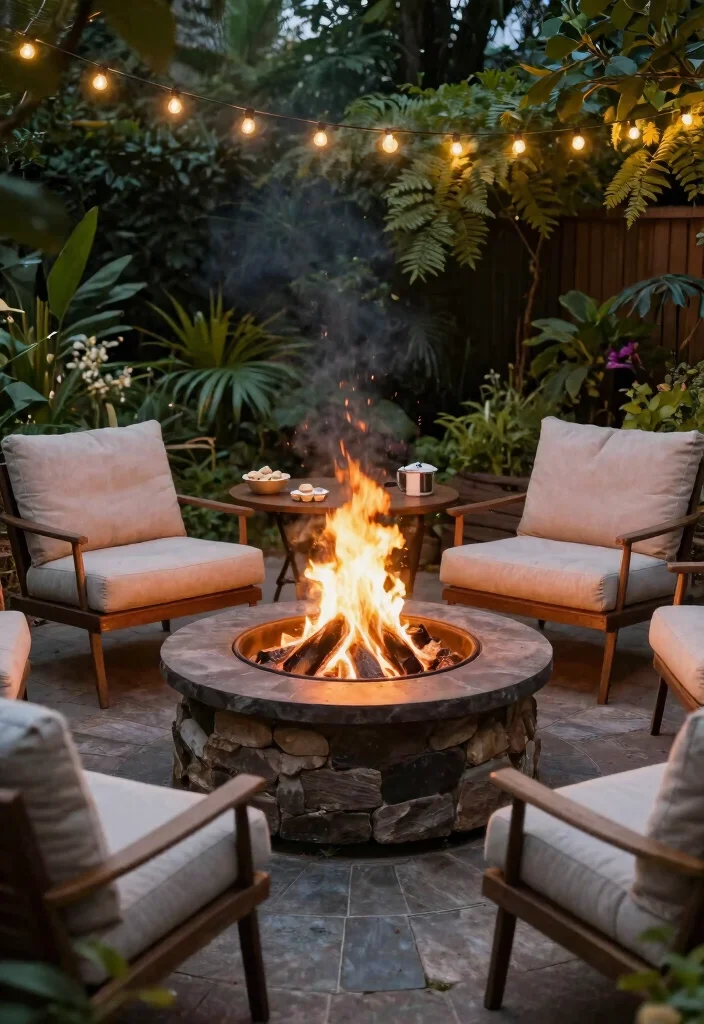
Imagine cozy evenings in your backyard, surrounded by friends and family, gathered around a warm fire pit. This centerpiece not only provides heat but also creates a welcoming spot for storytelling and roasting marshmallows under the stars.
Choose between a classic stone fire pit or a sleek portable design that suits your personal style. To enhance the atmosphere, surround your fire pit with comfortable seating options like plush chairs or inviting benches, and consider adding string lights for a magical glow.
Key benefits of having a fire pit:
– Creates a social hub for gatherings and relaxation.
– Extends outdoor enjoyment into the cooler months.
Practical tips for your fire pit:
– Ensure adequate seating to comfortably host guests.
– Choose materials that harmonize with your overall backyard aesthetics.
Don’t forget to prioritize safety by keeping a fire extinguisher close and maintaining a safe distance from flammable materials.
Fun fact: A well-placed fire pit adds 2–3 extra months of usable outdoor living each year. Pair it with comfy seating and soft string lights, and these backyard ideas come alive as a cozy gathering spot for stories and marshmallows under the stars.
Cozy Fire Pit: Gather Around
Editor’s Choice




3. Sustainable Furniture: Eco-Friendly Choices
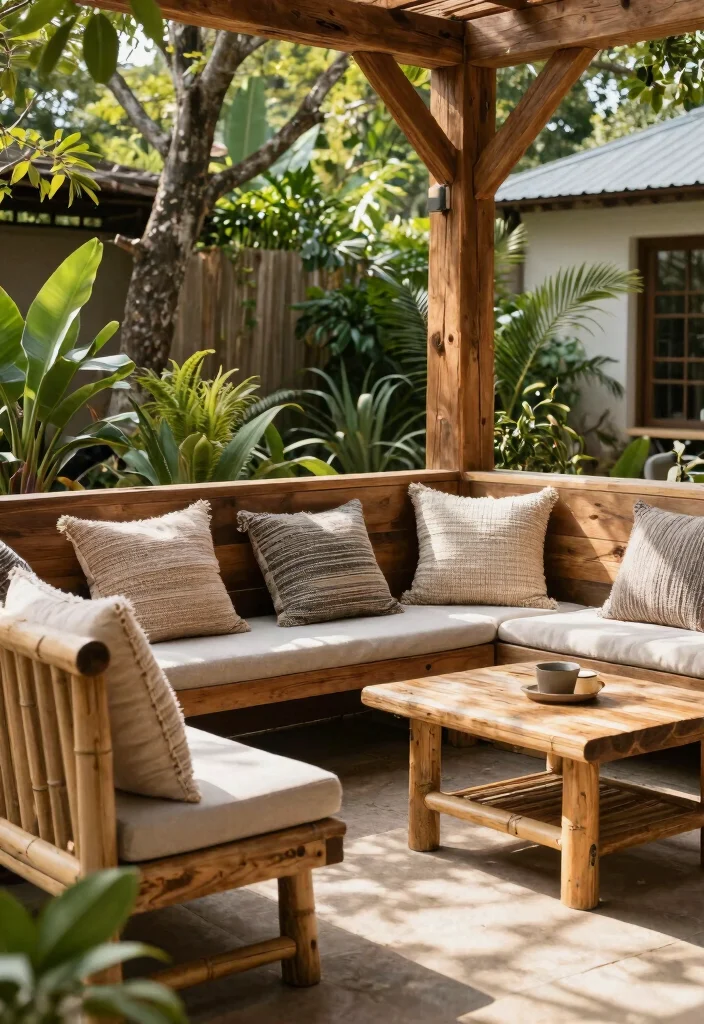
Opting for sustainable outdoor furniture is a smart choice that benefits both the environment and your backyard’s aesthetic. Look for pieces crafted from reclaimed wood, recycled materials, or eco-friendly resources like bamboo. These selections not only enhance your outdoor style but are also built to last.
Mix and match various materials for a distinctive look that reflects your personal taste. To boost comfort, consider adding cushions made from eco-conscious fabrics, allowing you to create an inviting outdoor retreat that aligns with your values.
Advantages of sustainable furniture:
– Reduces your carbon footprint with environmentally friendly materials.
– Designed for durability to withstand outdoor conditions.
Helpful tips to choose wisely:
– Look for FSC-certified wood products for assurance of sustainability.
– Select UV-resistant fabrics to maintain colors over time.
Explore local suppliers that focus on sustainability to support your community and minimize shipping impacts.
4. Edible Landscaping: Beautiful & Delicious
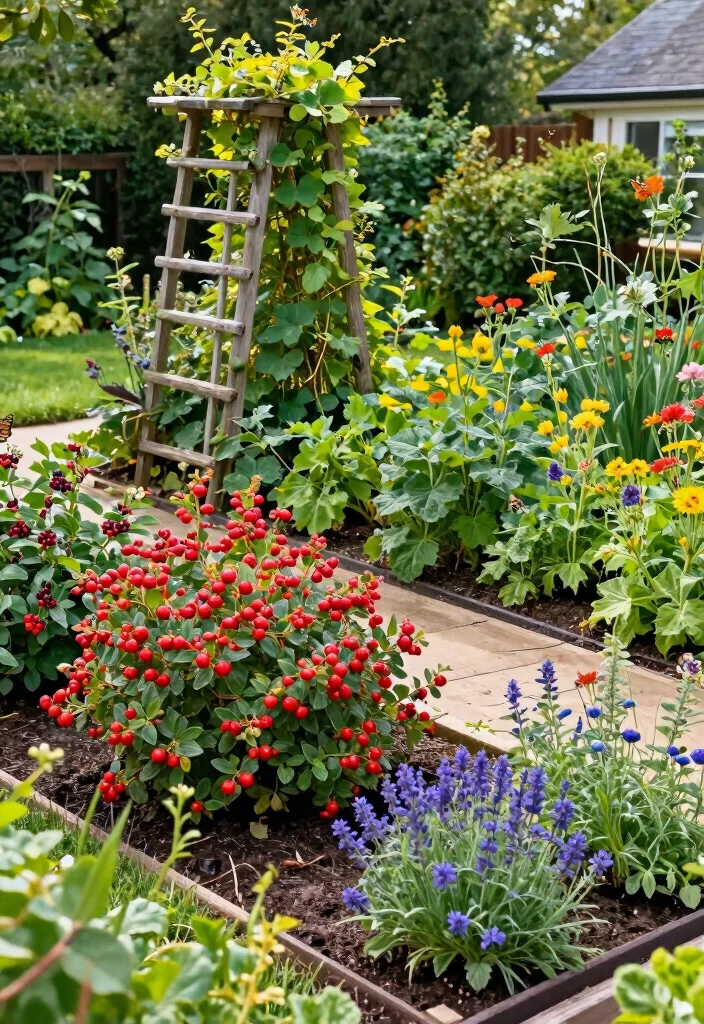
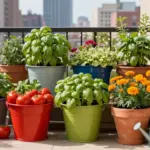
Why not combine beauty with function in your garden? Edible landscaping blends fruits, vegetables, and herbs into your outdoor design, resulting in a vibrant and productive space. By planting berry bushes and fruit trees amid ornamental flowers, you can create a visually stunning layout.
This approach not only enhances the aesthetic appeal but also provides fresh produce right at your fingertips! Utilize raised beds, trellises, or containers to optimize space while adding variety to your garden design.
Key benefits of edible landscaping:
– Provides organic produce right in your backyard.
– Attracts beneficial insects and pollinators to support your plants.
Helpful tips for success:
– Research companion planting to boost plant health and yield.
– Choose varieties suited to your climate for better results.
This approach not only beautifies your space but also promotes sustainability and a healthy lifestyle.
5. Outdoor Lighting: Set the Mood
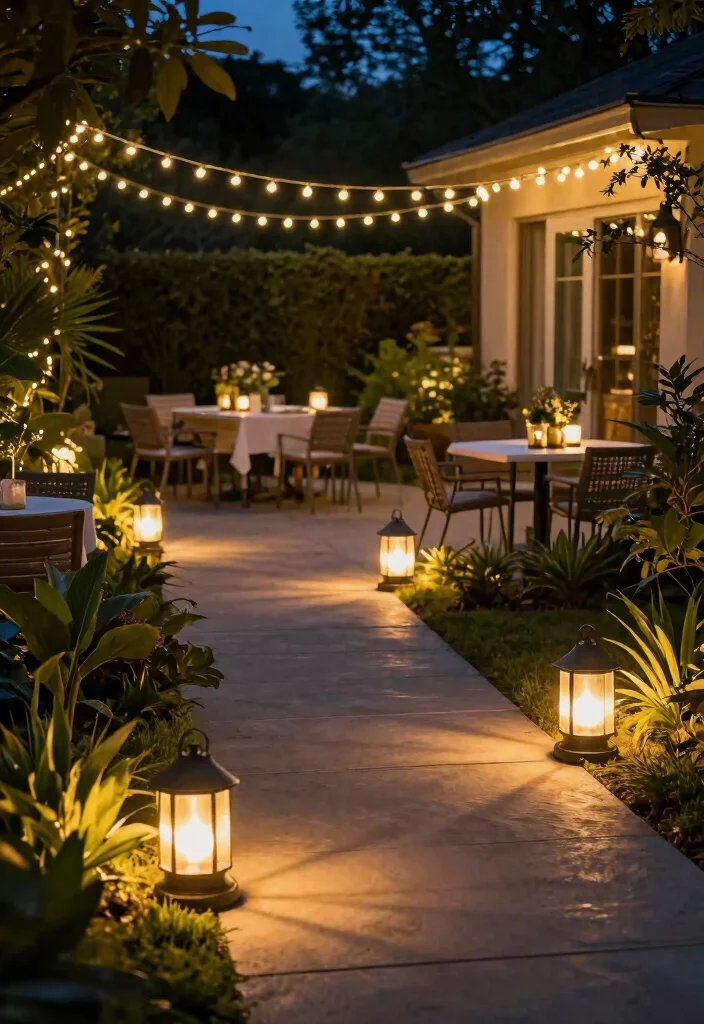
Setting the right mood in your backyard is essential, and outdoor lighting plays a huge role in this. Use various light sources, like string lights, lanterns, and pathway lights, to illuminate different areas in a charming way. Hang string lights above gathering spots or along fences to create a whimsical atmosphere.
Opt for solar-powered lanterns for an eco-friendly touch that adds charm without the hassle of wiring. For pathways, implement solar stakes or low-voltage lighting for safety during nighttime.
Benefits of outdoor lighting:
– Improves safety by brightening walkways.
– Creates a warm atmosphere for outdoor gatherings.
Essential tips for effective lighting:
– Mix different lighting types for added depth.
– Consider motion sensor lights for security and energy efficiency.
Plan your lighting layout carefully to enhance your backyard design while ensuring functionality.
📹 Related Video: Landscape Lighting | How to, Tips, and Tricks
6. Garden Paths: Define Your Space
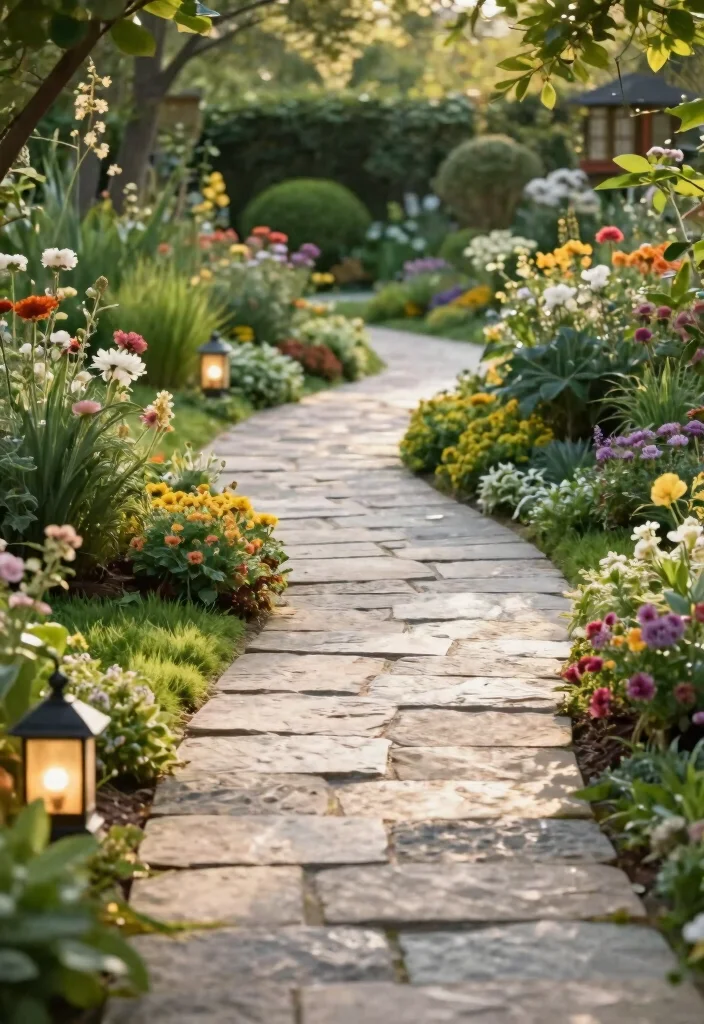
Garden paths do more than provide a way to walk through your backyard; they also enhance the overall design and invite visitors to explore your green oasis. Use materials like gravel, stone, or pavers to create visually appealing paths that align with your garden’s theme. Curved pathways can introduce a whimsical touch, while straight paths offer a more formal appearance.
Consider adding edging plants alongside the paths for additional beauty and to define spaces more clearly. Stepping stones can serve both functional and decorative purposes.
Key benefits of garden paths:
– Defines areas in your backyard for varied uses.
– Enhances safety while navigating your garden.
Useful tips for planning:
– Choose non-slip materials to ensure safety, especially in wet conditions.
– Design your path layout to lead to key areas, such as seating or flower beds.
A well-planned path not only beautifies your space but also encourages exploration throughout your garden.
7. Raised Garden Beds: Efficient & Stylish
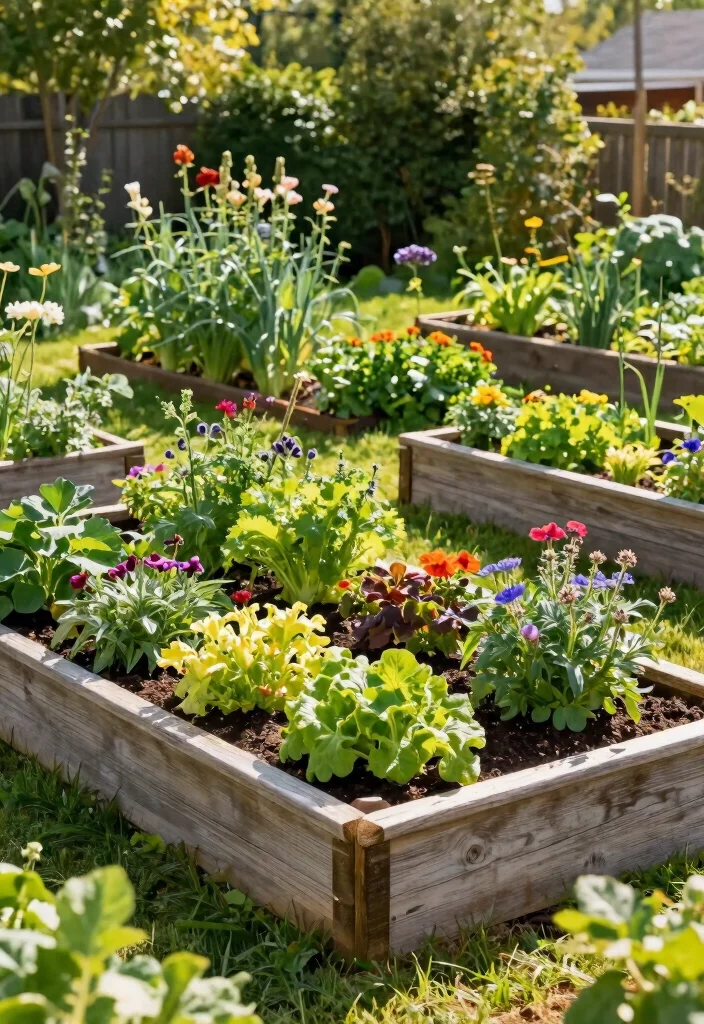
Raised garden beds are a stylish and practical solution for gardening enthusiasts. They improve drainage, enhance soil quality, and make planting and maintenance a breeze. You can construct these beds using untreated wood, stone, or recycled materials for a sustainable option.
Elevating your garden not only alleviates back strain but also allows for better control over soil quality. Opt for uniform sizes for a structured look, or mix different shapes for a more unique design.
Benefits of raised garden beds:
– Maximizes space, especially in urban environments.
– Reduces weeds and lowers the need for chemical pesticides.
Tips for building:
– Ensure beds are high enough for easy access, yet manageable for watering.
– Fill with rich compost and soil mix to encourage optimal plant growth.
Starting your vegetable or flower garden in a raised bed combines form and function beautifully.
❝ Fun fact: Raised garden beds warm soil up to 2 weeks earlier in spring, speeding harvests and boosting productivity. With uniform sizes or mixed shapes, you get better drainage, easier maintenance, and smarter backyard ideas for sustainable urban gardening solutions.
8. Water Features: Serenity in Your Space
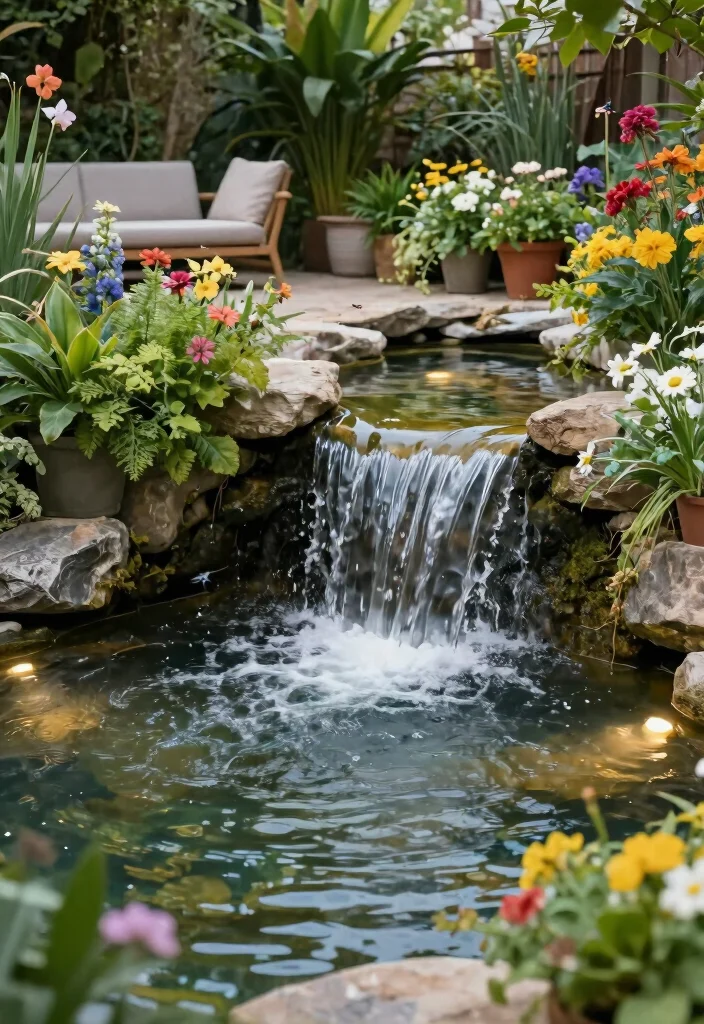
Adding a water feature to your backyard can create a peaceful ambiance and enhance the visual appeal. Consider a small pond, waterfall, or fountain to introduce tranquility to your outdoor space. The gentle sounds of flowing water provide a soothing backdrop, perfect for relaxation or entertaining. Editor’s Choice
Choose a design that complements your garden style, whether it’s modern water walls for sleekness or rustic stone fountains for charm. Surround your feature with lush plants to create a serene oasis.
Benefits of water features:
– Attracts wildlife and beneficial pollinators to your garden.
– Offers a relaxing retreat from daily stresses.
Practical tips for your water feature:
– Incorporate lighting to highlight your feature at night.
– Ensure easy access for maintenance and cleaning.
A thoughtfully designed water feature can elevate your outdoor living experience into a tranquil escape.
Water Features: Serenity in Your Space





9. Outdoor Art: Personal Touches

Infuse your backyard with personality through outdoor art that showcases your unique style! From striking sculptures to colorful ceramic pieces, art can add character and charm to your garden. Place a bold piece at the entrance or use smaller artworks to accent various garden beds.
Consider incorporating a beautiful mural on a garden wall or hand-painted pots filled with your favorite blooms. Art made from natural or recycled materials enhances the sustainable feel of your space.
Benefits of outdoor art:
– Personalizes your area and highlights your creativity.
– Encourages conversation and creates a unique atmosphere for gatherings.
Helpful tips for art placement:
– Ensure your pieces are weather-resistant to withstand outdoor conditions.
– Coordinate colors and designs with your existing landscape for a harmonious look.
Adding art to your backyard creates a delightful ambiance that guests will love.
How To Choose Outdoor Furniture
Choosing the right outdoor furniture can elevate your backyard’s style and functionality. With so many options available, it can feel overwhelming. Follow these key criteria to select furniture that complements your outdoor space and suits your needs. 1. Size MattersStart by measuring your outdoor area. Consider the space available for seating, dining, or lounging. You want your furniture to fit comfortably without overcrowding the area. A good rule of thumb is to leave at least 3 feet of space for walking paths around furniture. This ensures you and your guests can move around easily.
2. Material Considerations
Outdoor furniture comes in a variety of materials, each with its own pros and cons. Popular options include wood, metal, and synthetic materials like resin. Wood offers a classic look but requires maintenance to prevent weather damage. Metals can be durable but may heat up in the sun. Synthetic materials often mimic natural looks while being low maintenance and resistant to the elements. Think about the climate in your area and choose a material that suits your needs.
3. Style and Design
Your furniture should reflect your personal style and the overall theme of your backyard. Whether you prefer a modern, rustic, or tropical vibe, there are countless design options available. Look for pieces that enhance the beauty of your garden design and outdoor decor. Matching colors can create a cohesive look, while contrasting styles can offer an eclectic charm.
4. Comfort Features
Don’t overlook comfort when selecting your outdoor furniture. Look for cushioned seats with weather-resistant fabric or ergonomic designs that invite you to relax. Test out chairs and sofas to see if they provide adequate support. If you plan to host gatherings, consider larger seating options like sectionals or modular sets that allow for flexible arrangements.
5. Budgeting Wisely
Set a budget before you start shopping. Outdoor furniture can vary widely in price, so know what you can afford. Keep in mind that investing in quality furniture can save money in the long run as it may require less frequent replacement. Look for sales and discounts at local retailers or online to stretch your budget further.
6. Storage Solutions
Consider how you will store your outdoor furniture when not in use. Some materials can withstand the elements, while others may need protection from harsh weather. Look for stackable chairs or tables that can be easily stored away. Alternatively, you could invest in a furniture cover or dedicated storage space to keep your items in excellent condition.
Pro Tip: Before making a purchase, visualize how the furniture will look in your backyard. Use a tape measure to mark out dimensions on the ground. This physical representation can help you see how different pieces will fit together and give you a better idea of your backyard layout.
10. Pergolas and Gazebos: Define Your Space
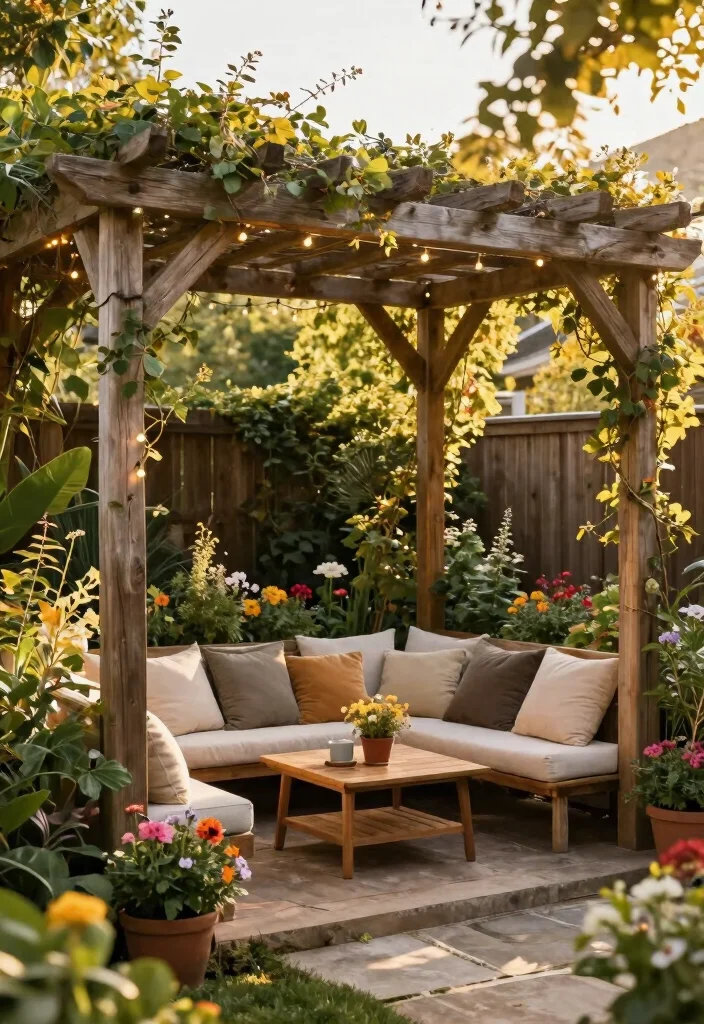
A pergola or gazebo can transform your backyard into a charming retreat, providing both shade and a designated area for relaxation. Use a pergola to create an inviting outdoor dining space or an entertainment area with cozy furniture. Adding climbing plants enhances the aesthetic, making it feel like a natural extension of your garden.
Gazebos offer a more enclosed setting, ideal for family gatherings or quiet reading spots. With various designs available, you can find one that matches your backyard’s style perfectly.
Benefits of pergolas and gazebos:
– Offers shelter from sun and rain, maximizing outdoor enjoyment.
– Enhances landscaping with visually appealing structures.
Useful tips for your structure:
– Add lighting and curtains for ambiance and privacy.
– Select durable materials that can withstand your local climate.
A well-placed pergola or gazebo can significantly enhance your outdoor living experience.
11. Composting: A Sustainable Solution
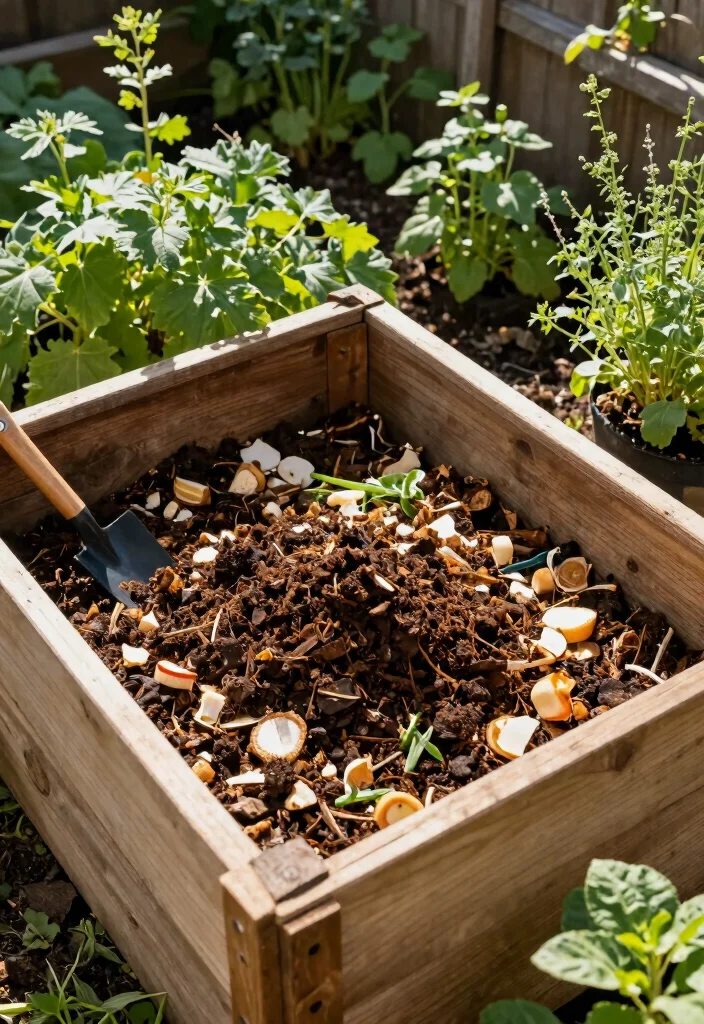
Implementing a composting system in your backyard is a sustainable choice that enriches your garden while reducing waste. You can use a simple bin or a more complex setup based on your space and needs. Collect kitchen scraps, yard waste, and paper products to create nutrient-rich compost for your plants.
Composting not only improves soil quality but also minimizes landfill waste and promotes a healthier ecosystem. Regularly turning your compost pile helps ensure efficient decomposition.
Benefits of composting:
– Reduces reliance on chemical fertilizers, promoting organic gardening.
– Diverts waste from landfills, helping the environment.
Practical tips for effective composting:
– Balance green (nitrogen-rich) and brown (carbon-rich) materials for optimum results.
– Monitor moisture levels to maintain a healthy compost pile.
Establishing a composting system adds functionality to your backyard while supporting sustainable practices.
12. Native Plant Gardens: Low Maintenance Beauty
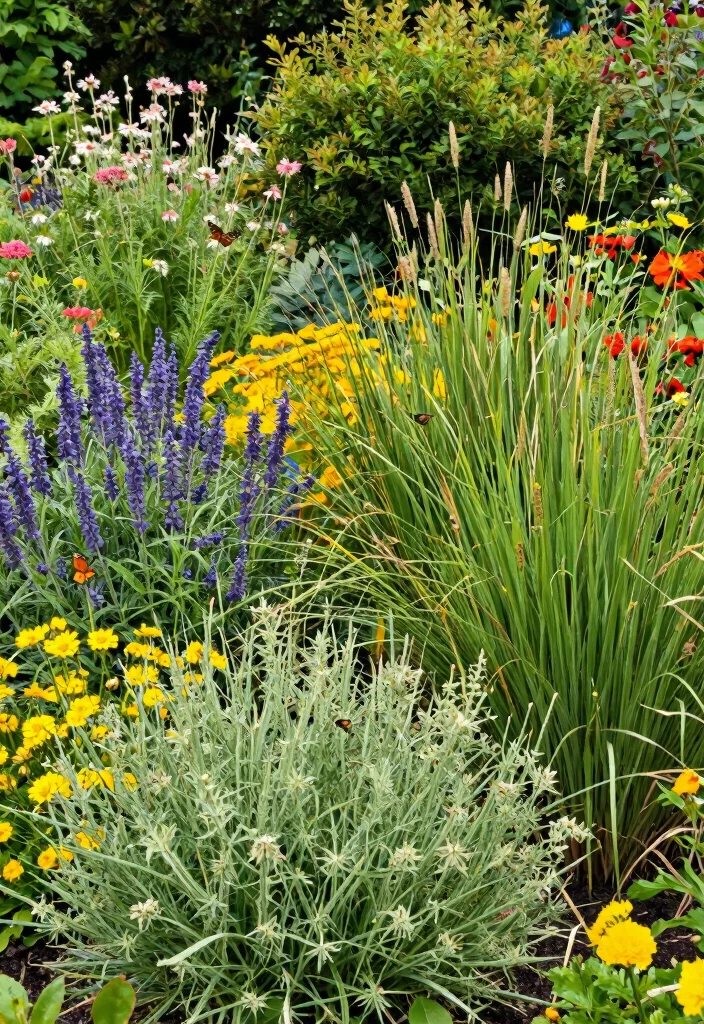
Creating a native plant garden is not just beautiful; it’s one of the most eco-friendly choices you can make. Native plants are adapted to your local climate and soil, requiring less water and maintenance. They provide habitats for local wildlife, enhancing biodiversity in your area.
Incorporate a variety of native flowers and shrubs for a colorful landscape that evolves through the seasons. Group plants based on their light and moisture needs for optimal growth.
Benefits of native plant gardens:
– Decreases water usage and maintenance compared to traditional gardens.
– Supports local wildlife, contributing to a healthier ecosystem.
Helpful tips for successful native gardening:
– Research local native species for your area.
– Design your layout to promote growth and blooming for continuous color.
Establishing a native garden adds visual beauty while fostering a connection to local ecology.
13. Outdoor Kitchen: Entertain in Style
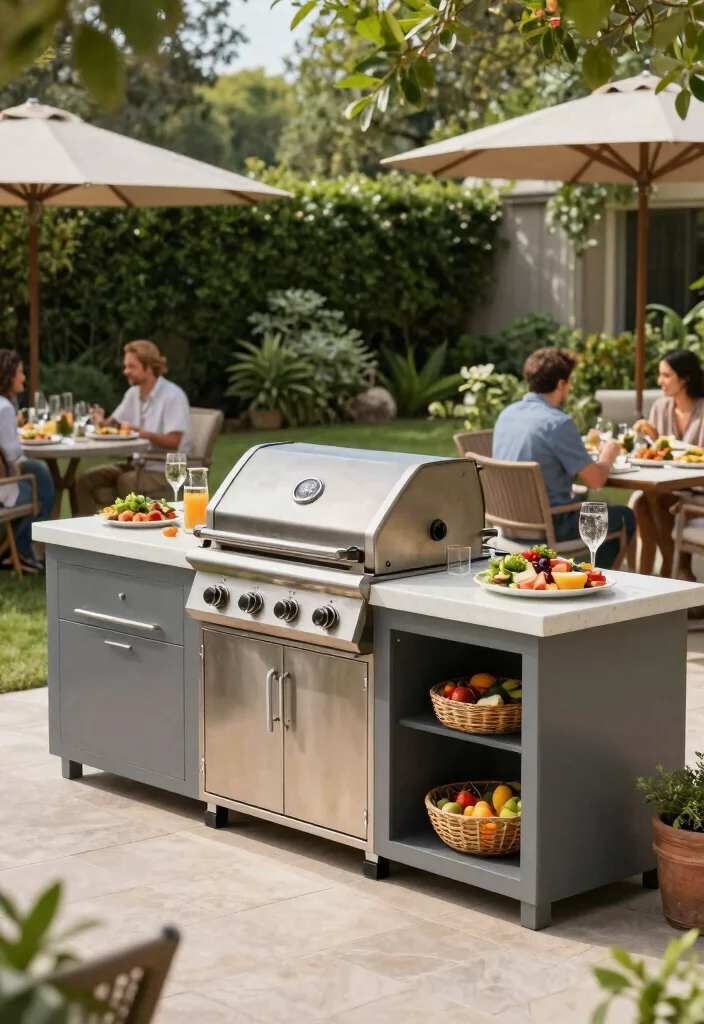
Imagine transforming your backyard into the ultimate entertaining space with an outdoor kitchen. Cooking outdoors allows you to grill fresh veggies or serve meals right from your setup! If space allows, consider adding features like a grill, sink, or counter space for meal prep.
Incorporate stylish outdoor furniture for dining and lounging nearby, ensuring your kitchen feels cohesive with your overall landscaping. This way, your outdoor kitchen becomes a central hub rather than an afterthought.
Benefits of an outdoor kitchen:
– Makes entertaining more convenient and enjoyable.
– Expands your cooking space for unique culinary experiences.
Essential tips for planning:
– Ensure proper ventilation and consider weather-resistant materials.
– Plan access to utilities like gas and water for your appliances.
An outdoor kitchen can make your backyard the go-to place for family and friends to gather and enjoy.
Did you know homes with outdoor kitchens are among the top backyard ideas, boosting entertaining 3x? A compact grill, sink, and prep counter turn any yard into a central hub—even small urban spaces become stylish, functional, and ready for dinner under the stars.
14. Wildlife Habitat: Encourage Nature
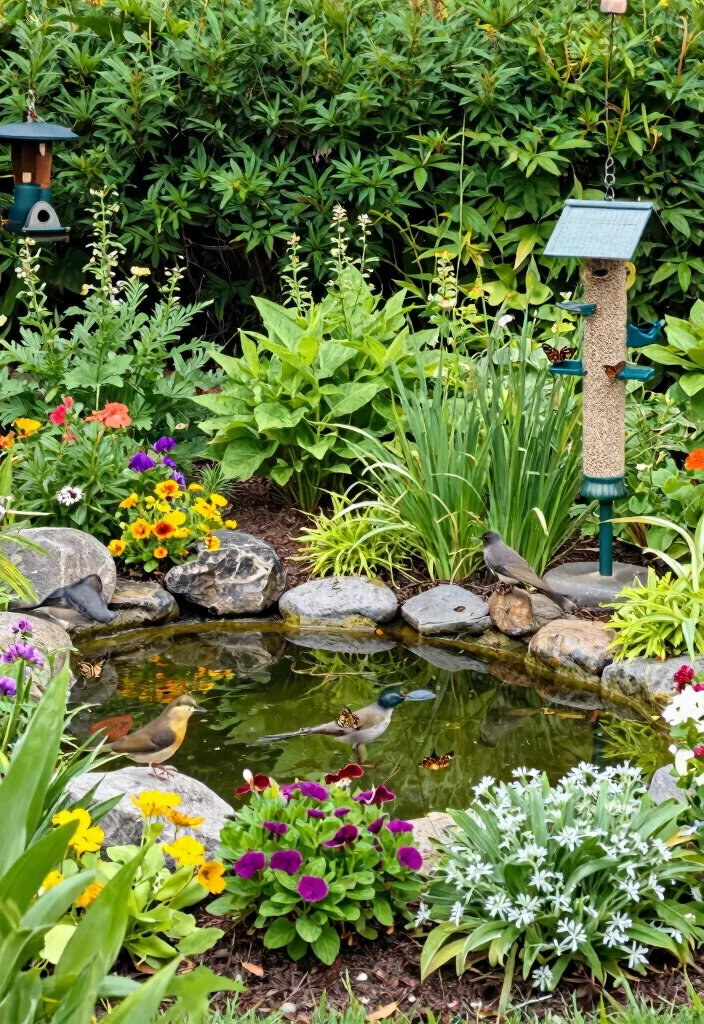
Creating a wildlife habitat in your backyard not only promotes biodiversity but also connects you with nature. Incorporate elements like native plants, water features, and shelter to support local wildlife. A small pond or birdbath can attract birds and beneficial insects, while diverse plants provide food sources and nesting sites. Editor’s Choice
Add bird feeders and houses to invite feathered friends, and designate garden areas as sanctuaries for butterflies and bees, essential for pollination.
Benefits of a wildlife habitat:
– Enhances local ecosystems and contributes to environmental health.
– Provides educational experiences for everyone.
Helpful tips for creating a wildlife-friendly space:
– Avoid pesticides to create a safe haven for wildlife.
– Incorporate shelter with shrubs, logs, or brush piles for small animals.
Designing a wildlife-friendly backyard transforms your space into a lively hub of activity and natural beauty.
Wildlife Habitat: Encourage Nature




15. Decorative Fencing: Style & Privacy
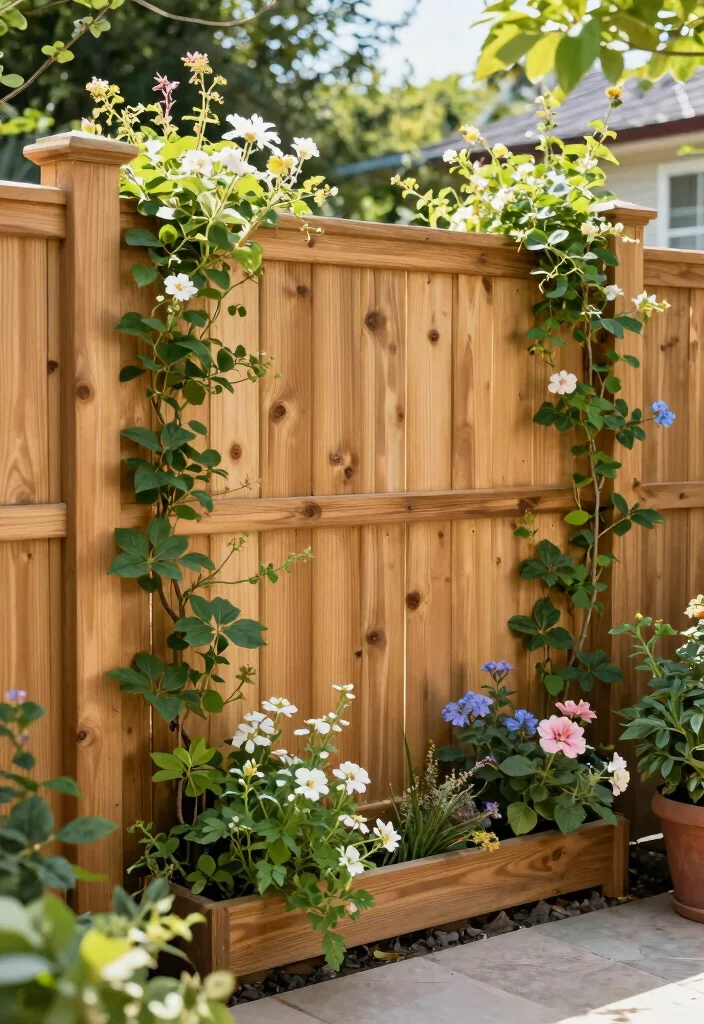
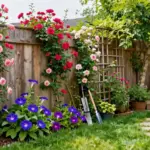
Fencing serves a dual purpose in your backyard: it defines boundaries and adds style and privacy. Consider decorative options like lattice, wrought iron, or wooden panels that align with your aesthetic. A well-crafted fence can provide a beautiful backdrop for your garden, perfect for climbing plants or decorative art. Editor’s Choice
Select materials that harmonize with your landscaping for a cohesive look throughout your outdoor space. The right fence can shield your backyard from prying eyes while enhancing your overall design.
Benefits of decorative fencing:
– Offers privacy and security for outdoor living.
– Adds character to your garden design.
Helpful tips for choosing fencing:
– Opt for weather-resistant materials to ensure longevity.
– Incorporate gates or entrances that align with your garden paths for seamless flow.
Investing in decorative fencing elevates your outdoor aesthetic while providing essential functionality.
Decorative Fencing: Style & Privacy


16. Outdoor Rugs: Soft Touches
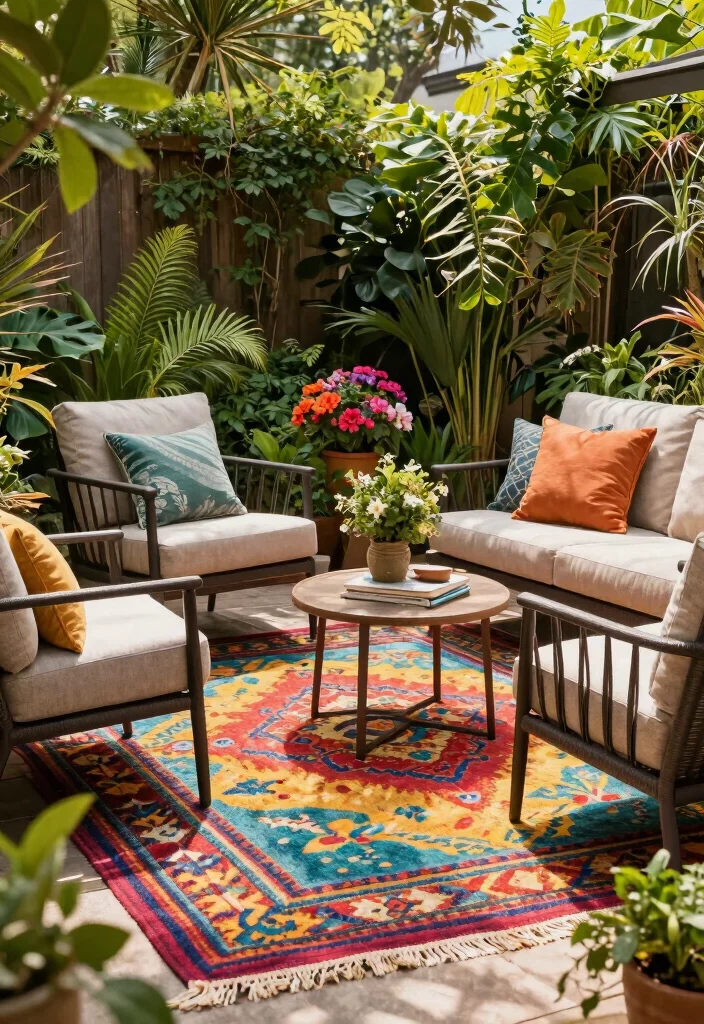
Outdoor rugs are a fantastic addition that can completely transform your space, adding both comfort and style. They define seating areas and bring warmth to hard surfaces like stone or concrete. Choose rugs specifically designed for outdoor use, crafted from weather-resistant materials that can handle the elements. Editor’s Choice
Pick colors and patterns that complement your existing decor while adding a splash of personality to your outdoor area. Layering rugs can create visual interest and texture, making your space feel more inviting.
Benefits of outdoor rugs:
– Enhance comfort for lounging or dining outdoors.
– Adds color and design to your space.
Essential tips for choosing outdoor rugs:
– Select low-pile rugs for quick drying after rain.
– Regularly clean and shake out rugs to maintain their appearance.
Incorporating outdoor rugs elevates your backyard experience, making it feel like a true extension of your home.
Outdoor Rugs: Soft Touches


Conclusion: Cultivate Your Perfect Backyard Oasis
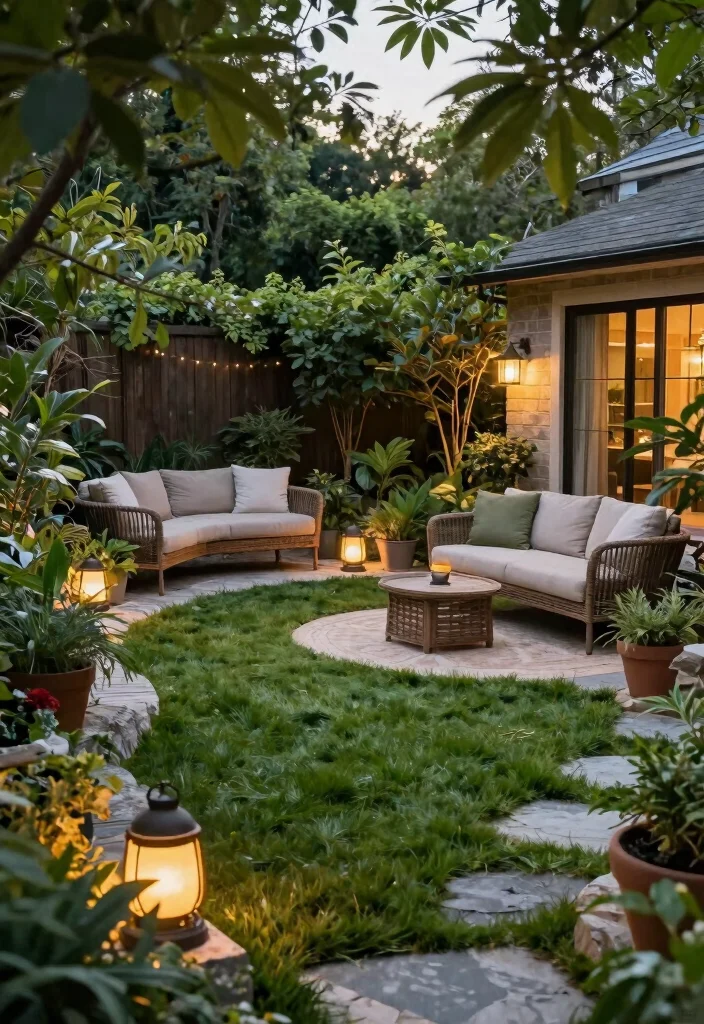
With these 16 backyard ideas at your fingertips, you’re well on your way to creating a stylish, functional outdoor space perfect for relaxation and entertaining. Whether you go for sustainable gardening solutions or cozy seating areas, every little detail counts in curating your personal haven. Let your creativity flow and make your backyard a reflection of your personality and lifestyle. Note: We aim to provide accurate product links, but some may occasionally expire or become unavailable. If this happens, please search directly on Amazon for the product or a suitable alternative. This post contains Amazon affiliate links, meaning we may earn a small commission if you purchase through our links, at no extra cost to you.
Frequently Asked Questions
What are the best budget-friendly backyard ideas for stylish outdoor living in urban spaces?
Great question for backyard ideas that are both stylish and budget-friendly. Start by outlining two or three zones in your space—dining, lounging, and a small garden. Use outdoor decor elements like string lights, weatherproof cushions, and DIY planters to create ambiance without breaking the bank. Choose versatile outdoor furniture that can serve multiple roles, like a bench with storage or a foldable table. Implement sustainable urban gardening solutions with vertical planters, native or drought-tolerant plants, and a compact compost system. Collect rainwater with a barrel to reduce water use and connect it to planters for irrigation. For backyard landscaping, use a simple color palette and reuse materials you already own to create a cohesive, low-cost look.
How can I incorporate outdoor decor and garden design that also improves sustainability?
Blending outdoor decor and garden design with sustainability is totally doable. Start with reclaimed or upcycled materials for planters and furniture, and choose a cohesive color palette. Add solar-powered lighting and a rain garden or efficient irrigation to cut utility use. Grow edible or pollinator-friendly plants in containers and vertical setups to maximize space. Use permeable ground covers or gravel to reduce runoff and keep soil healthy in your backyard landscaping.
What are effective landscaping tips for small backyards to maximize space and function?
Smart landscaping tips for small backyards include zoning, vertical gardening, and multi-functional outdoor furniture. Create a focal point to anchor the space, use light colors or mirrors to give a sense of openness, and choose modular, compact furniture that folds or stacks. Incorporate permeable surfaces like pavers with gaps or gravel to handle rainwater and reduce runoff. Use raised beds or narrow borders for easier maintenance and to improve soil health with compost and organic mulch.
Which outdoor furniture options are durable and eco-friendly for urban backyards?
Durable and eco-friendly outdoor furniture options include recycled plastic or aluminum, FSC-certified wood, and cushions made from recycled materials. Look for weather-resistant finishes and UV protection to extend life. Choose modular or stackable designs that fit different layouts and minimize waste. Keep fabrics clean and use breathable, outdoor-grade coverings to protect cushions during off-season.
How do I start backyard landscaping with sustainability in mind for urban spaces?
To start backyard landscaping sustainably in urban spaces: assess your site for sun/shade, wind, and water flow; test soil quality and plan based on what you find. Prioritize native and drought-tolerant plants, add mulch to conserve moisture, and set up a simple composting system. Install water-wise irrigation like drip lines or a rain barrel to cut irrigation needs. Plan pollinator-friendly plantings to support wildlife and add seasonal interest. Finally, set a realistic budget and timeline, and execute in stages so you can adapt as you learn.