Creating a beautiful patio doesn’t have to be a daunting task. In fact, this is the perfect time to give your outdoor space the love it deserves. If you’ve been dreaming of a cozy corner where you can sip your morning coffee or host friends for an evening barbecue, you’re not alone. A well-designed patio can enhance your home’s aesthetic while providing a comfortable oasis. That’s why I’ve put together this guide filled with 12 patio landscaping ideas that will inspire you to frame and finish your space beautifully.
If you’re someone who enjoys gardening or appreciates outdoor decor, this post is tailored for you. You might be a city dweller with a small balcony or a homeowner with a compact backyard; either way, these ideas are designed to help you maximize your patio potential. You will find practical tips on how to incorporate patio plants, clever designs, and thoughtful landscaping tips that elevate your outdoor living experience.
You’ll discover a range of creative suggestions that suit multiple styles, preferences, and budgets. From layered planters that add vertical interest to cozy fire pits that create warmth and ambiance, these ideas are functional and aesthetically pleasing. Let’s dive into the details and transform your patio into the outdoor haven you’ve always wanted.
Key Takeaways
– Explore layered planters to create vertical interest and maximize space in small patios. – Consider adding a cozy fire pit to enhance your outdoor ambiance, perfect for gathering with friends or family. – Incorporate decorative trellises with climbing plants for added visual appeal and greenery. – Use multi-functional furniture to provide practical solutions while saving space and enhancing comfort. – Utilize lighting features to create magical evenings outdoors and transform your patio into a welcoming retreat.1. Layered Planters for Vertical Interest
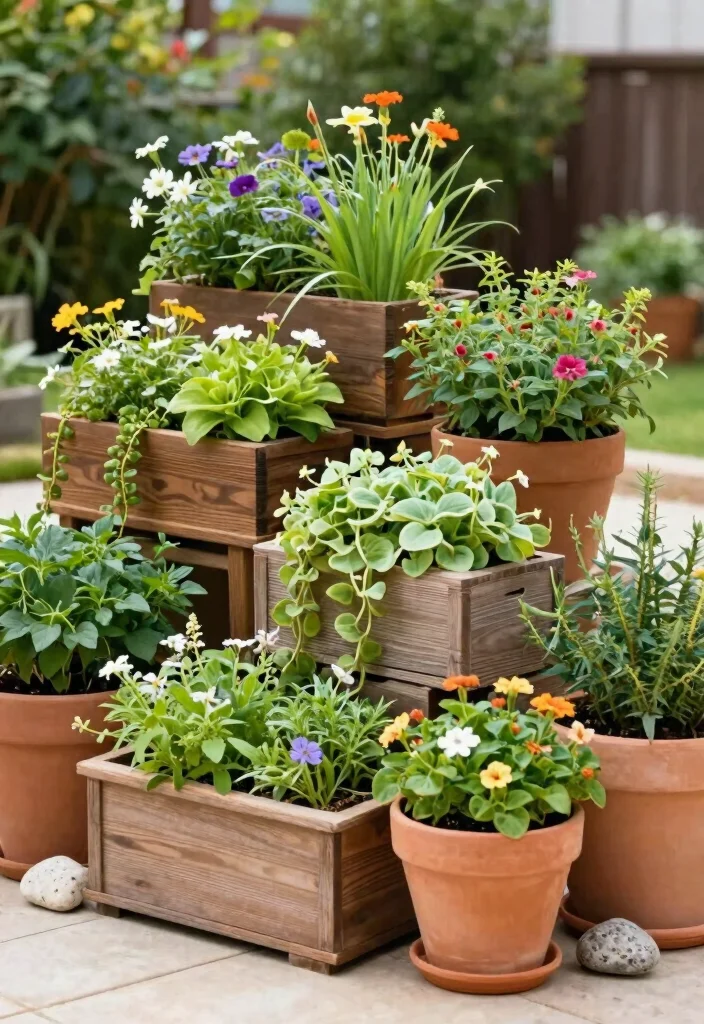
If you’re looking to elevate your patio’s appeal, layered planters are the perfect solution. These multi-tiered setups create stunning displays with a variety of plants, showcasing vibrant colors and textures that catch the eye. Made from wood, metal, or even upcycled materials, they can be customized to fit your style and space. By drawing the gaze upward, layered planters can make your patio feel more expansive and inviting. Editor’s Choice
Start by selecting plants that thrive in your climate and suit your aesthetic. Trailing varieties like ivy can be paired with bright blooms such as petunias for a dynamic look. Consider using a mix of materials, like ceramic and wood, to add rustic charm.
Key considerations for creating layered planters:
– Select trailing plants for a cascading effect
– Combine different materials for visual interest
– Ensure good drainage to prevent overwatering
Layered planters not only enhance beauty but also provide a sense of privacy, transforming your small patio into a cozy retreat.
Layered Planters for Vertical Interest




2. Cozy Fire Pit for Warmth and Ambiance
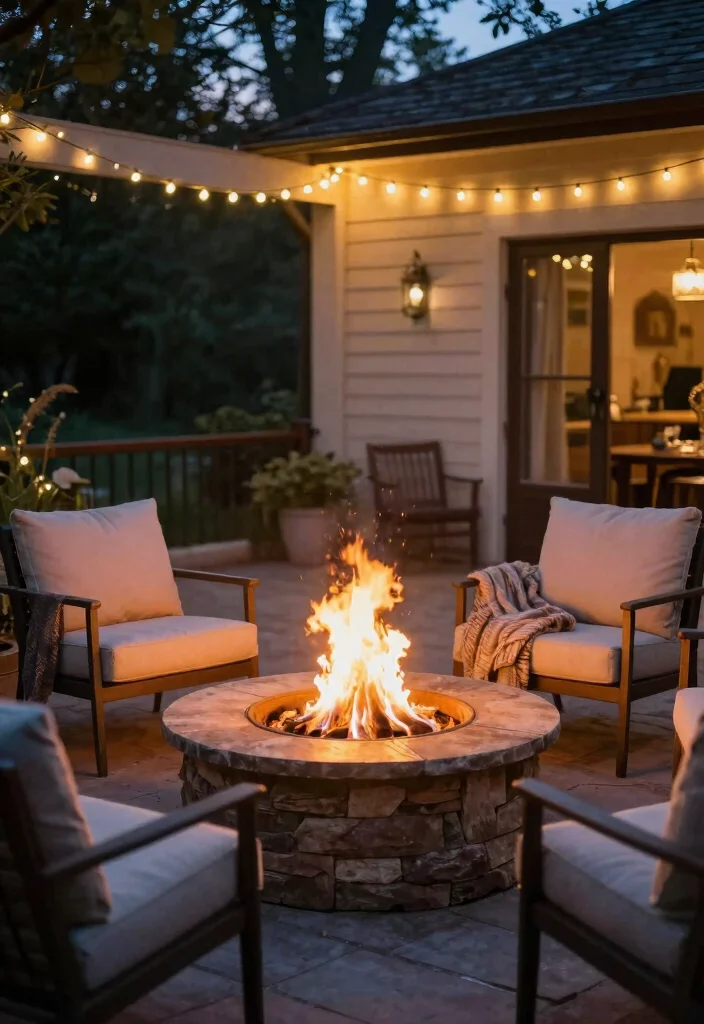
A cozy fire pit can instantly transform your patio into a warm and inviting spot for gatherings. The flickering flames create a magical ambiance that draws friends and family together. You can opt for a store-bought model or try your hand at a DIY project using bricks or stones for a personal touch. Editor’s Choice
When setting up your fire pit, think about its placement. Position it at the center with comfortable seating around it to encourage conversation. Always prioritize safety by checking local regulations and having necessary precautions in place.
Tips for creating a fire pit area:
– Center the fire pit for better interaction
– Use safety measures to prevent accidents
– Add cushions and blankets for comfort
A fire pit not only enhances your outdoor space but also serves as a gathering place for storytelling and star-gazing, making it ideal for creating cherished memories.
Cozy Fire Pit for Warmth and Ambiance


📹 Related Video: My 4-Day Fire Pit Patio Build [Full DIY Project]
3. Decorative Trellis with Climbing Plants
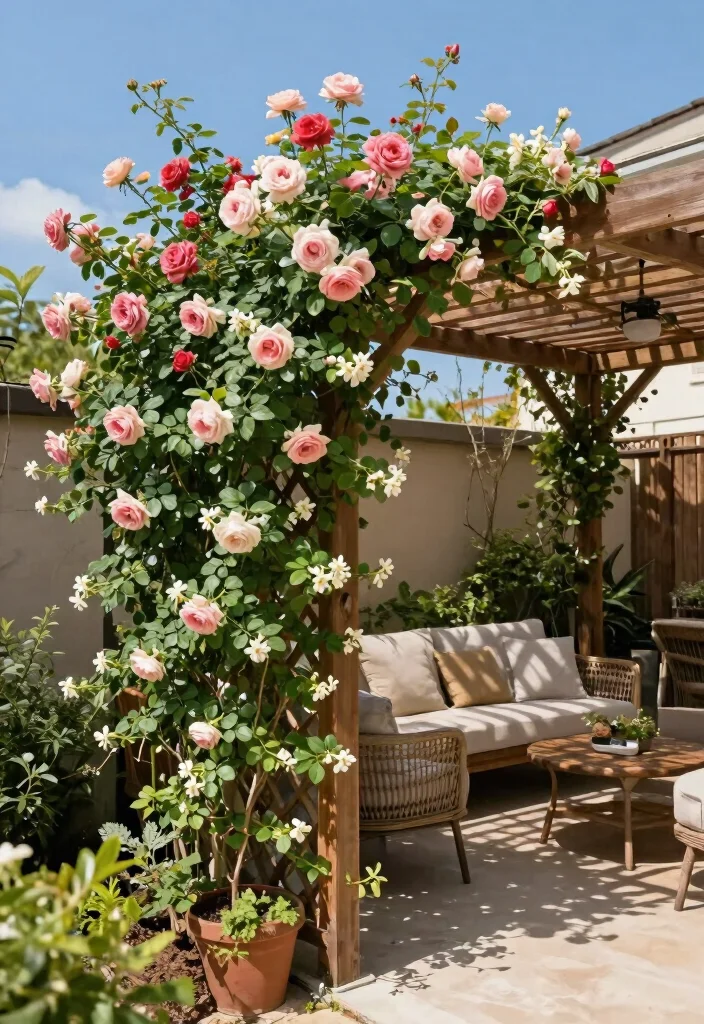
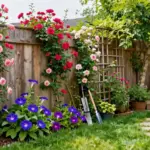
Integrating a decorative trellis with climbing plants can significantly enhance your patio’s character. It not only acts as a stunning visual element but also provides a natural screen for added privacy. You can choose from various climbing plants that offer vibrant blooms and lush greenery.
Select plants like climbing roses or jasmine for their delightful fragrances and beautiful foliage. Consider the materials of your trellis; wooden options lend warmth, while metal can offer a sleek, modern vibe. Regular pruning and training will help these plants grow beautifully across the trellis.
Steps to maximize your trellis:
– Select fragrant climbing plants for added charm
– Choose materials that match your decor
– Regularly prune for healthy growth
This vertical garden solution not only beautifies your patio but also provides a lush display throughout the growing season.
4. Compact Herb Garden for Functionality
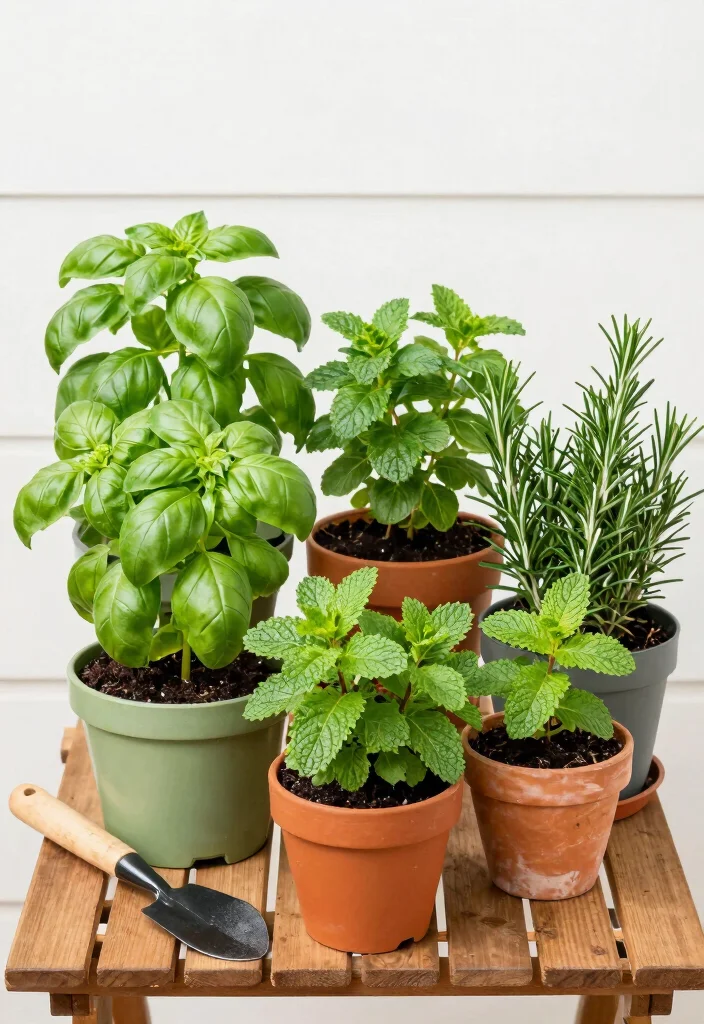
A compact herb garden is an excellent addition to small patios, providing fresh ingredients right at your fingertips. Growing your own herbs not only elevates your cooking but also brings delightful aromas and greenery to your outdoor space.
Choose small pots or vertical systems to save space while growing herbs like basil, rosemary, and mint. Make sure your herbs receive plenty of sunlight, aiming for at least 6 hours daily. Be cautious with watering, as herbs prefer slightly dry soil.
How to get started with your herb garden:
– Use small containers to maximize space
– Ensure ample sunlight for healthy growth
– Avoid overwatering to promote thriving herbs
Having a herb garden just outside your door enhances both the beauty and functionality of your patio, making it a delightful space for cooking and enjoying meals.
Fun fact: a compact herb garden can slash kitchen trips and boost flavor in a tiny patio. Use vertical planters for basil, rosemary, and mint, and give them at least 6 hours of sun daily to fuel practical, tasty patio landscaping ideas.
Compact Herb Garden for Functionality
Editor’s Choice


5. Multi-functional Furniture Solutions
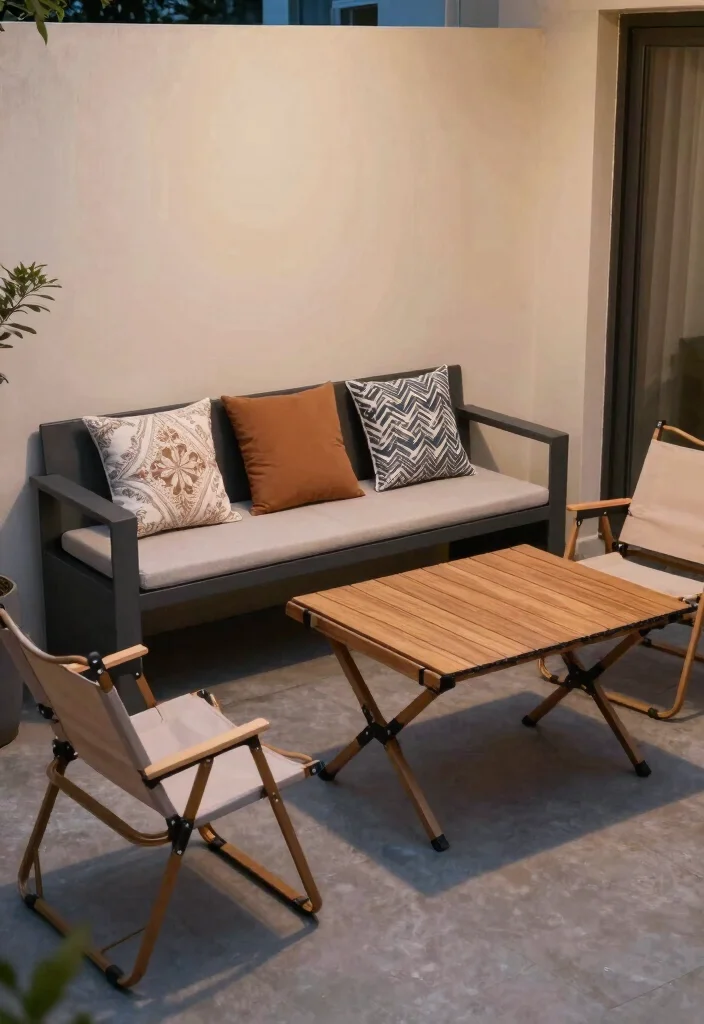
Multi-functional furniture can revolutionize how you utilize your patio space. Consider benches that double as storage or tables that expand for gatherings, allowing you to enjoy comfort without sacrificing style.
Look for foldable options that can be easily stowed away when not in use, freeing up space for movement. Stylish storage solutions, like benches with hidden compartments, can keep your patio looking tidy.
Key features to consider:
– Opt for folding furniture for flexibility
– Choose storage benches to declutter
– Mix materials for a visually appealing setup
By incorporating these versatile solutions, you enhance not only the functionality of your patio but also its overall aesthetic.
Multi-functional furniture is a game changer for small patios. Benches with hidden storage and foldable tables free up space for daily life and easy gatherings, all while keeping style intact. Practical, stylish, and ready to adapt—your patio landscaping ideas stay smart and livable.
How To Choose the Right Patio Plants
Selecting the right patio plants can transform your outdoor space. With the right choices, you can create a vibrant and inviting atmosphere. Here are some essential tips to help you choose the perfect patio plants for your space.1. Assess Your Space Start by evaluating your patio area. Measure the size and note how much sunlight different parts receive throughout the day. Full sun areas (6-8 hours of sunlight) can accommodate sun-loving plants like tomatoes or geraniums. In contrast, shaded spots will thrive with ferns or hostas. Understanding your space helps narrow down plant options.
2. Consider Your Climate Your local climate plays a significant role in plant selection. Check the USDA Hardiness Zone for your region to find plants that can survive and thrive in your weather conditions. For instance, if you live in a warmer climate, you might opt for succulents or tropical plants like hibiscus. Colder areas might be better suited for perennials that can withstand frost.
3. Choose the Right Containers Container choice impacts plant health. Ensure pots have drainage holes to prevent waterlogging. Consider the size of the container; larger plants need bigger pots to accommodate their root systems. A pot that is too small can stunt growth. You can select materials based on your style — terracotta, ceramic, or even recycled materials can add character to your patio decor.
4. Think About Maintenance Different plants require different levels of care. If you want low-maintenance options, consider drought-tolerant plants like lavender or sedum. On the other hand, if you enjoy gardening, choose plants that need regular attention, such as orchids or vegetables. Always check the care requirements before making a final choice.
5. Mix Textures and Colors For visually appealing patio landscaping, combine plants of various textures and colors. Use broad-leaved plants alongside fine-leaved ones for contrast. Consider seasonal variations as well. For example, you can plant spring-blooming bulbs, summer flowers, and fall foliage plants to keep the patio lively throughout the year.
6. Plan for Vertical Space If your patio is small, consider using vertical space. Climbing plants like sweet peas or clematis can grow on trellises, saving ground space for other plants. Hanging baskets filled with trailing plants like petunias or ivy can also add layers to your garden design. This approach maximizes your patio’s potential without overcrowding.
Pro Tip: Before planting, sketch out your patio layout. This will help you visualize the arrangement and ensure that taller plants aren’t blocking sunlight from shorter ones. Don’t forget to leave space for walking paths and seating areas.
By keeping these criteria in mind, you can create a stunning patio filled with plants that not only beautify your space but also thrive in their environment. Happy planting!
6. Lighting Features for Magical Evenings
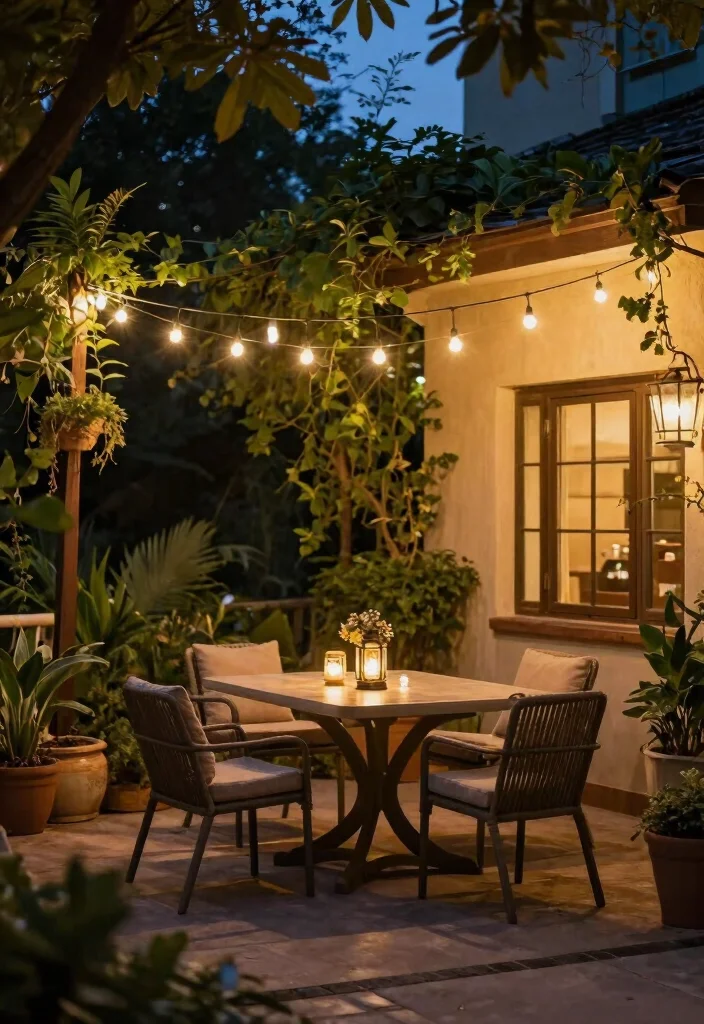
Effective lighting is crucial in patio landscaping. Creative lighting transforms your outdoor area into an enchanting escape. Whether you prefer string lights, lanterns, or solar lamps, the right lighting sets the perfect mood for any occasion.
Layer your lighting by using ambient lights for general brightness and accent lights to highlight plants or decorative features. Consider adding dimmers to adjust brightness and timers for convenient automation. Eco-friendly solar lights are a great option for sustainable decor.
Essential lighting tips:
– Combine various light sources for depth
– Use dimmers and timers for convenience
– Choose solar lights for an eco-friendly touch
Proper lighting not only enhances safety but also creates an inviting atmosphere for gatherings or simply unwinding after a busy day.
7. Outdoor Rugs to Define Spaces
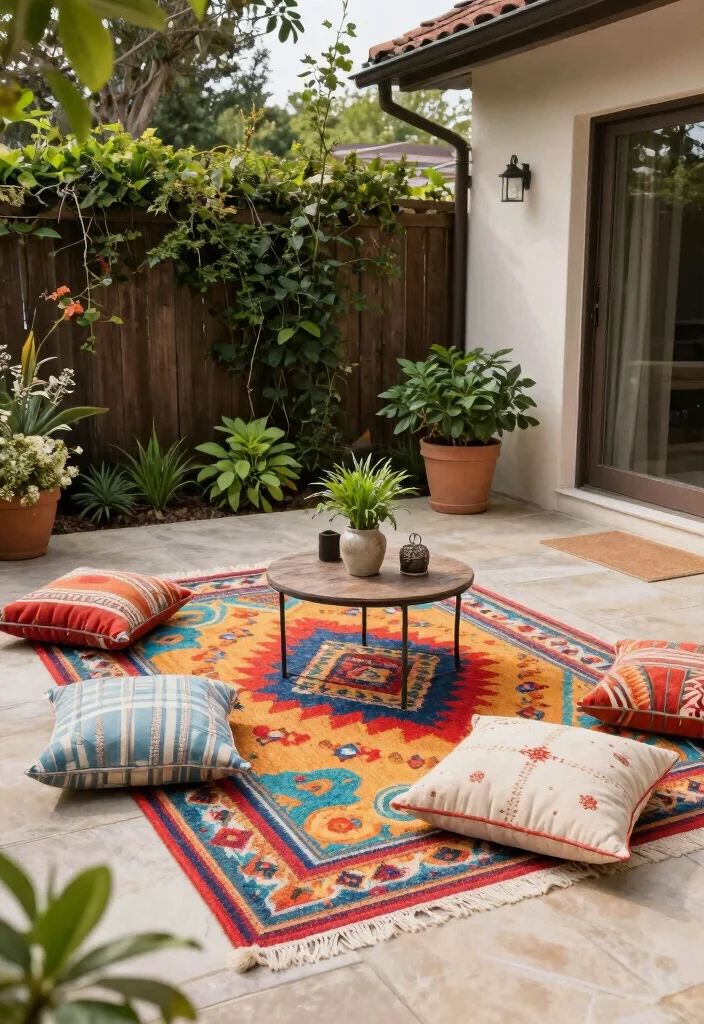
An outdoor rug can greatly enhance your patio by adding color and texture while defining different areas. It’s like creating a cozy room outside, providing comfort underfoot and tying your design together.
Choose durable, weather-resistant materials that can withstand the elements. Ensure your rug is appropriately sized to fit your seating area without overwhelming your space. Select colors and patterns that complement your existing decor for a cohesive look.
Key tips for choosing an outdoor rug:
– Opt for weather-resistant materials
– Make sure the size fits your area well
– Coordinate colors for a harmonious design
Adding an outdoor rug creates a welcoming atmosphere, encouraging relaxation and making your patio feel more inviting.
8. Hanging or Wall-mounted Plants
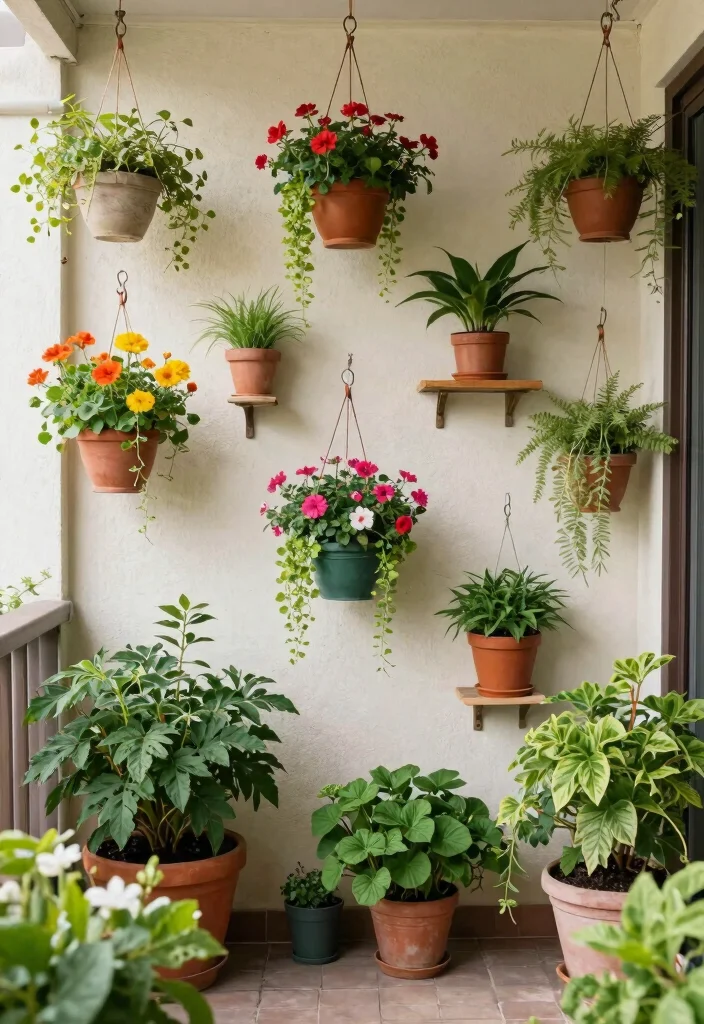
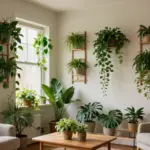
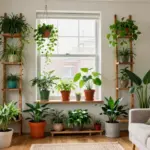
Introducing hanging or wall-mounted plants is an excellent way to maximize limited space while adding greenery at various heights. This stylish approach not only enriches your patio but also creates visual interest.
Select lightweight planters suitable for your wall structure, utilizing plants like succulents or ferns. Ensure secure installation using brackets or hooks that can support the weight of your plants. Combining different plant types in one arrangement can create a dynamic display.
Get started with wall-mounted plants:
– Choose lightweight planters for ease
– Securely install with proper supports
– Mix plant varieties for visual diversity
These innovative displays bring nature to vertical surfaces, enhancing your patio experience and providing a lush, green environment.
9. Edible Landscaping for a Unique Touch
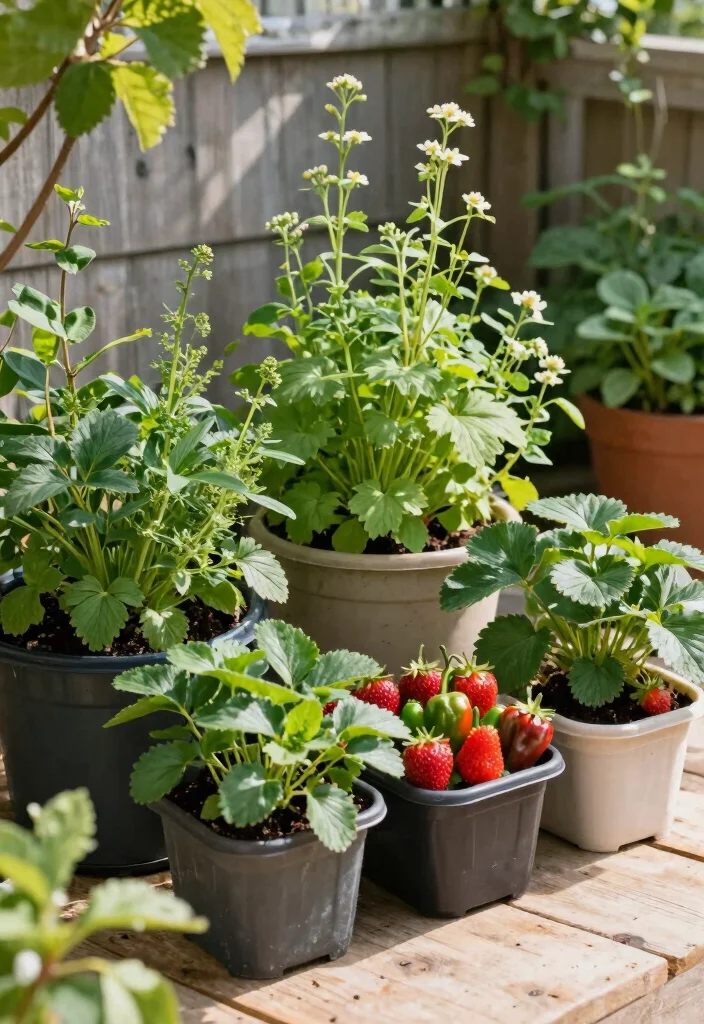
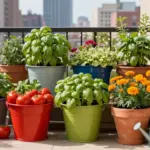
Incorporating edible landscaping into your patio design allows you to blend beauty with functionality. Imagine vibrant strawberries in hanging baskets or colorful peppers in pots, providing both visual appeal and fresh produce. Editor’s Choice
Mix ornamental and edible plants for an intriguing garden layout. Choose varieties like herbs, tomatoes, or dwarf fruit trees that can thrive together. Be mindful of their light and water needs to ensure compatibility.
Steps for successful edible landscaping:
– Combine ornamental and edible plants for diversity
– Ensure compatibility in light and water needs
– Regularly prune to maintain health
This approach not only adds delightful flavors to your meals but also creates an engaging and charming garden design.
Edible Landscaping for a Unique Touch


10. Artistic Pathways for Added Charm
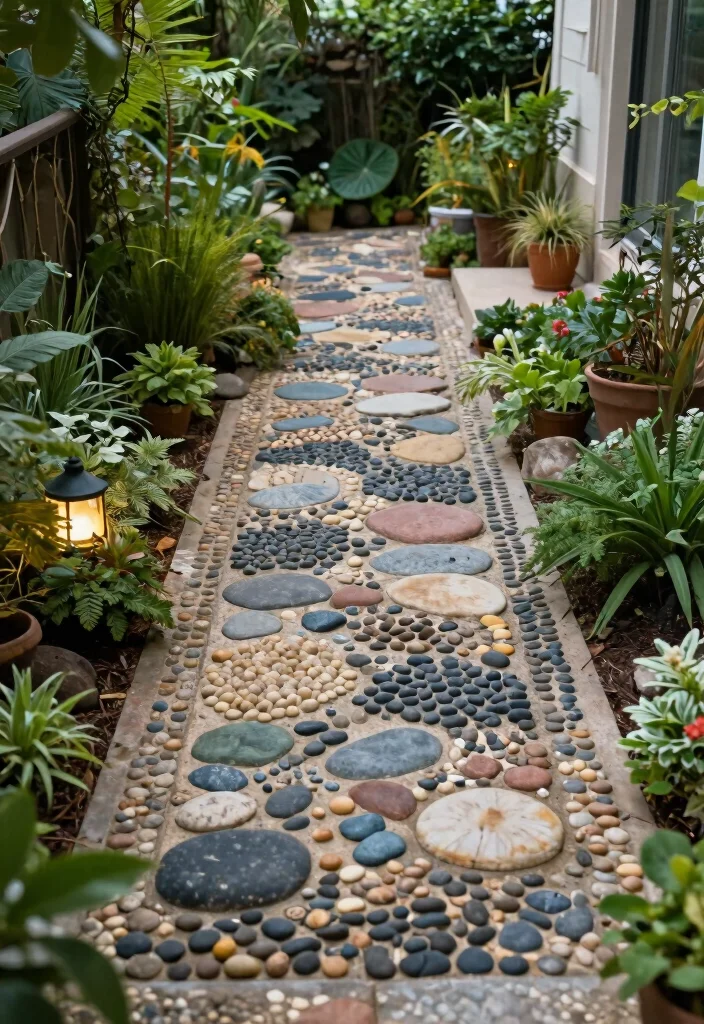
Creating artistic pathways adds unique character to your patio while guiding guests through your outdoor space. Using pebbles, stones, or tiles, you can highlight your garden design and create distinct areas.
Experiment with different patterns and materials to add visual interest to your pathways. Consider lining them with small plants or flowers to soften the edges and integrate nature. Ensure that your pathways are well-maintained and accessible to prevent any tripping hazards.
Key elements for artistic pathways:
– Explore different materials for creativity
– Add bordering plants for a natural touch
– Keep pathways well-maintained for safety
Artistic pathways not only enhance aesthetics but also invite exploration, serving both practical and decorative purposes.
11. Seasonal Decor for Year-Round Enjoyment
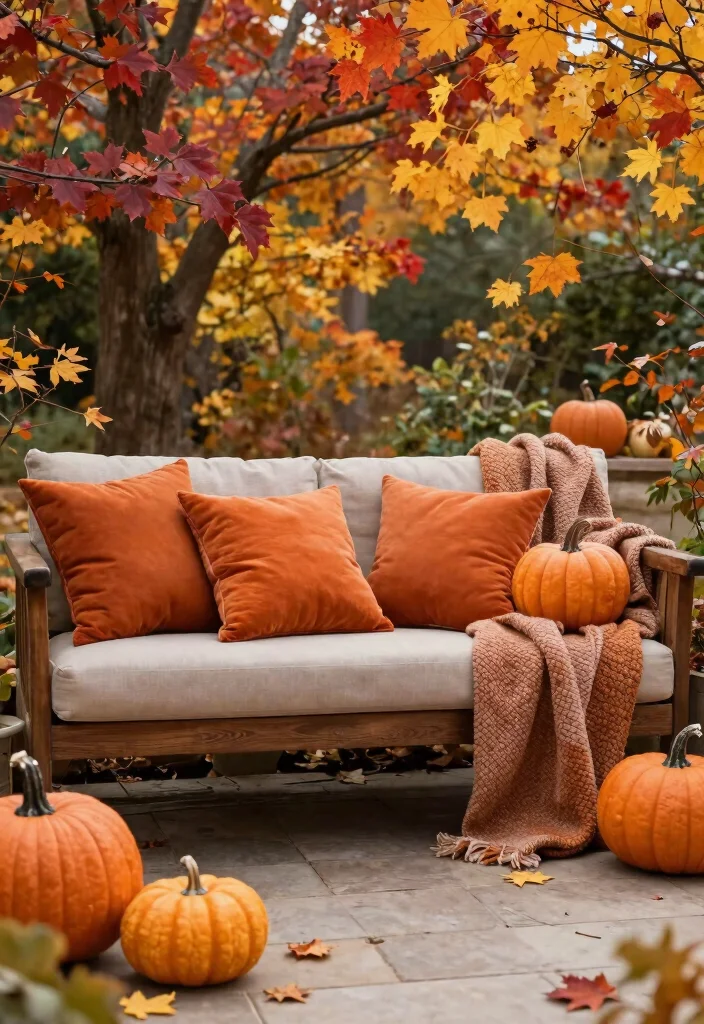
Incorporating seasonal decor into your patio landscaping creates a dynamic space that reflects each time of year. This keeps your outdoor area feeling fresh and inviting as the seasons change.
Switch out cushions, throws, and decorative items to match seasonal colors and themes, such as warm tones in autumn or bright hues in summer. Consider adding or swapping seasonal plants and flowers to keep your greenery lively. Having designated storage for seasonal items allows for quick decor changes.
Steps to seasonal decor:
– Change cushions and throws to suit the season
– Rotate plants to maintain visual interest
– Use storage solutions for easy transitions
By adapting your decor to the seasons, your patio becomes a delightful sanctuary all year round.
Seasonal decor is a simple win for patio landscaping ideas. Swap cushions and colors with the seasons, add a few seasonal plants, and tuck extras in a storage bin for quick, stylish updates that keep your space inviting all year round.
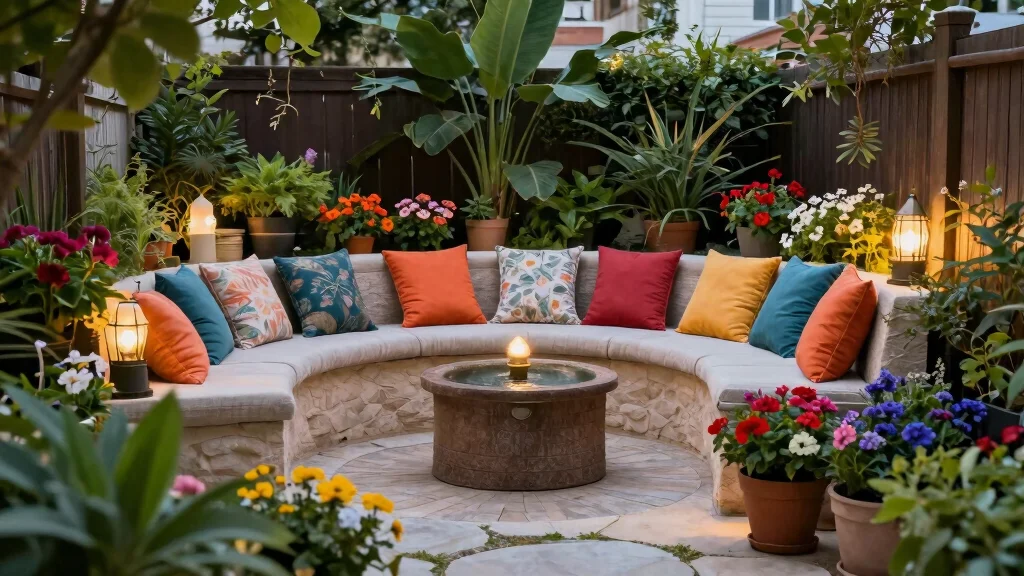
12. Water Features for Serenity
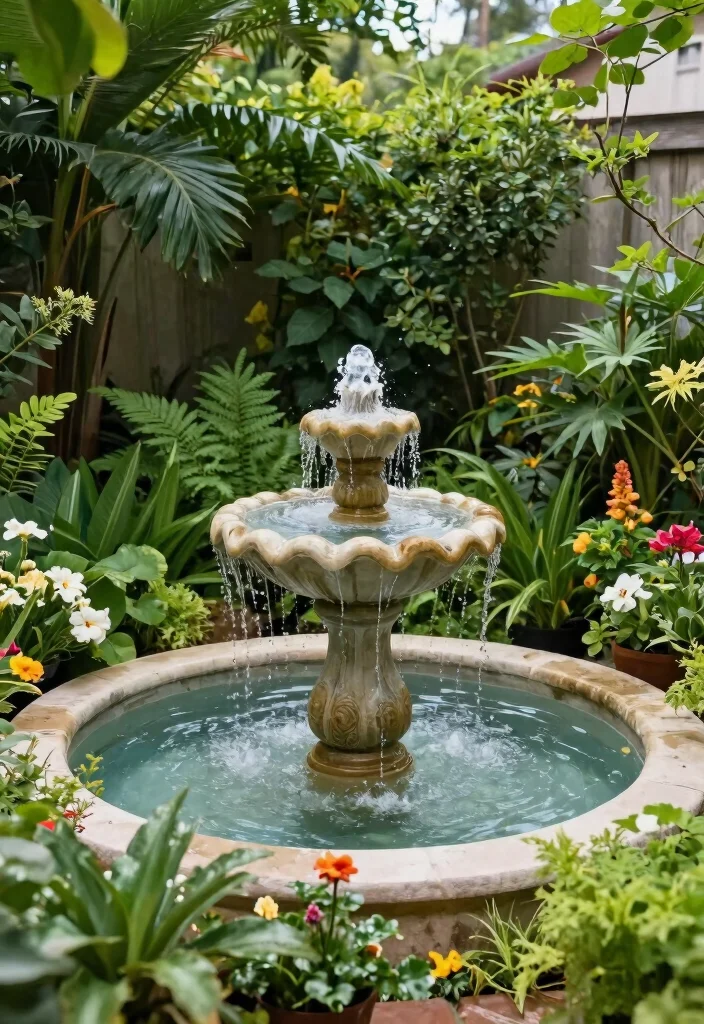
Nothing brings tranquility to a patio quite like a water feature. Whether it’s a small fountain, a birdbath, or a reflecting pool, the soothing sound of water creates a peaceful atmosphere ideal for relaxation. Editor’s Choice
Choose a compact water feature that complements your patio without overwhelming it. Consider materials like stone, ceramic, or metal to match your decor style. Regular maintenance is essential; keep the water clean and check any pumps for optimal function.
Key suggestions for incorporating water features:
– Select compact designs to fit your space
– Choose materials that harmonize with your decor
– Maintain regularly for a fresh appearance
Adding a water feature not only beautifies your patio but also heightens the sensory experience, turning it into a true escape from daily life.
Water Features for Serenity


Conclusion
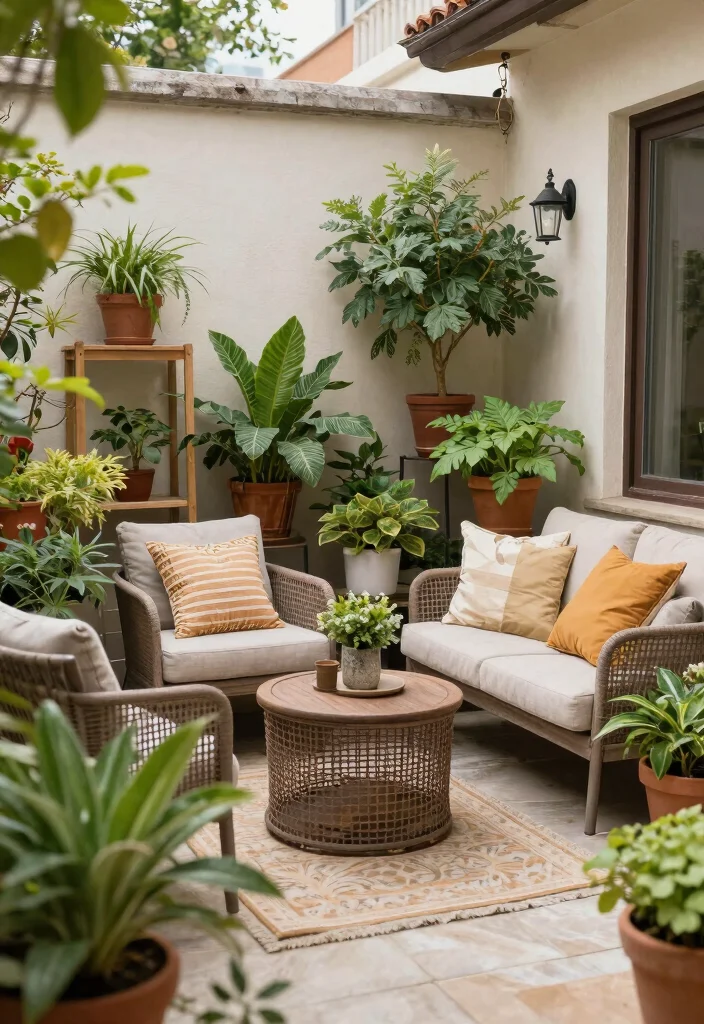
Transforming your small patio into a charming outdoor sanctuary is all about creativity and utilizing the right ideas. The twelve patio landscaping ideas shared here offer practical inspiration to help you frame and finish your space beautifully. Whether you incorporate vertical gardens, cozy seating, or enchanting lighting, these tips will surely elevate your outdoor living experience. As you embark on your patio journey, don’t hesitate to mix and match these ideas to fit your personal style. Happy gardening! Note: We aim to provide accurate product links, but some may occasionally expire or become unavailable. If this happens, please search directly on Amazon for the product or a suitable alternative. This post contains Amazon affiliate links, meaning we may earn a small commission if you purchase through our links, at no extra cost to you.
Frequently Asked Questions
What are practical patio landscaping ideas for small spaces to frame and finish a patio?
For small patios, start with a clear focal point and scale every element to fit. Embrace vertical gardening and container gardens to bring greenery without crowding.
Define zones with minimal outdoor decor and compact furniture, like a bistro table or a built-in bench with storage.
Choose patio plants such as dwarf grasses, herbs, and trailing vines in matching pots. Add outdoor lighting to extend usability after dark and create the illusion of space. Finish with a simple edging or decking to frame the area. These are patio landscaping ideas that work in tight spots.
How can I maximize outdoor living with compact garden design on a small patio?
Maximize outdoor living by creating a few distinct zones—dining, lounging, and greenery—without crowding the footprint. Use compact, multi-purpose furniture that folds or stacks for easy storage. Tie the look together with a cohesive garden design and a limited color palette that carries through outdoor decor and textiles. Add vertical planters and a trellis for greenery without sacrificing floor space, and choose hardy, drought-tolerant plants that thrive in containers. Finish with warm lighting to boost usability and turn a small patio into an inviting outdoor living area.
Which patio plants work best in small patio landscapes and how should I choose them?
Look for compact or dwarf varieties that stay tidy in pots and don’t overwhelm the space. For sun-filled patios, try herbs like thyme or oregano, compact perennials like dwarf lavender, and trailing vines such as ivy or creeping fig in stylish containers. For shade, go with small ferns, hostas with compact growth, and shade-tolerant begonias. Use matching pots and vary height with a single vertical planter to add depth without crowding. This is where patio plants shine in a garden design that fits a small space. Always consider sun exposure, drainage, and irrigation before buying.
What simple landscaping tips help create a cohesive look on a tiny patio?
Start with a single palette of materials—stone, wood, and metal—that repeats across planters, furniture, and edging. Use container groups to unify color and texture, and echo a theme in outdoor decor like cushions and rugs. Keep scale in mind: choose low-profile furniture and planters that give you walking room. Add seasonal interest with a few color accents and evergreen greenery for year-round structure. These practical landscaping tips help a tiny patio feel intentional and cohesive.
How do I arrange hardscaping and plants to frame a patio without crowding it?
Plan from the inside out: decide your focal point, then place hardscape elements like a slim path or edge to frame the view, not block it. Use vertical elements—trellises, wall pockets, or tall planters—to add height without taking floor space. Space plants in layers: tall at the back, mid, then groundcover or low shrubs to keep sightlines open. Choose narrow or modular pavers and keep furniture to one side to preserve flow. This balanced approach is a core landscaping tips for patio landscaping ideas on small spaces and helps maintain a clean, airy feel while you enjoy outdoor living.