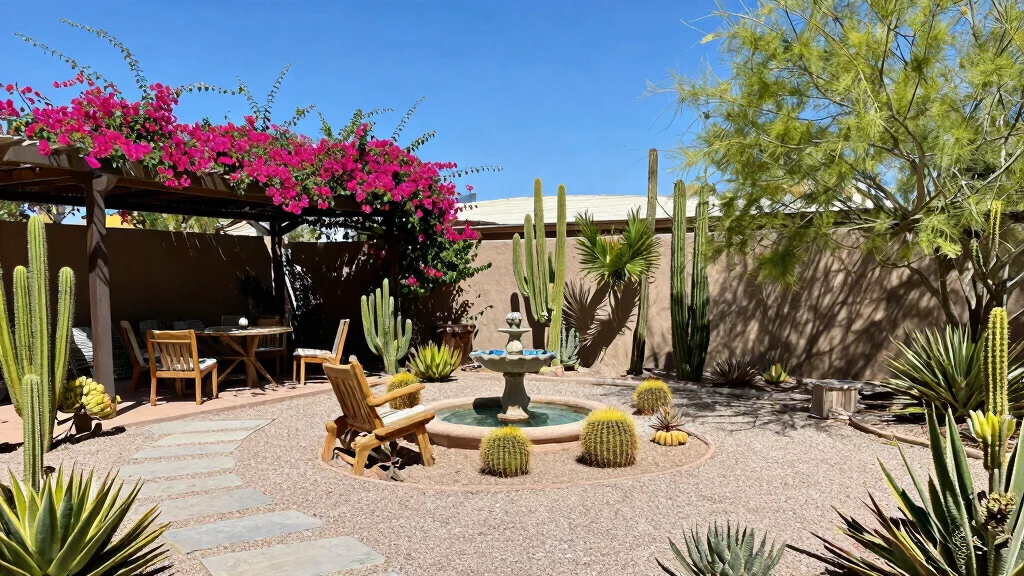
Creating a comfortable and inviting outdoor space in Arizona can be a challenge, especially with the intense heat and dry climate. That’s why I decided to put together this post about heat-smart outdoor design. If you’re looking to make the most of your backyard while staying cool and conserving water, you’re in the right place. Whether you’re a seasoned gardener or just starting your journey in desert xeriscaping, this guide offers practical Arizona backyard ideas tailored for our unique environment. You’ll find tips on incorporating drought-resistant plants, designing shaded areas, and using sustainable practices that not only beautify your space but also help you beat the heat. Get ready to explore 12 creative ideas that will transform your outdoor space into a heat-tolerant sanctuary. Each suggestion is designed to enhance your backyard’s appeal while prioritizing comfort and resource efficiency. Let’s dive in!
Key Takeaways
– Xeriscaping Basics: Understand the principles of xeriscaping, which focus on water conservation and utilizing native plants to thrive in Arizona’s climate.– Outdoor Shade Solutions: Discover how pergolas, ramadas, and shade sails can create comfortable areas in your yard to escape the desert sun.
– Drought-Resistant Plants: Learn about various drought-resistant plants that not only survive but flourish in arid conditions, adding beauty to your garden.
– Water-Wise Gardening: Explore ways to create a water-efficient garden that includes techniques for reducing water usage while maintaining vibrant plants.
– Sustainable Practices: Incorporate eco-friendly approaches into your outdoor design, ensuring your backyard is as sustainable as it is beautiful.
1. Embrace Xeriscaping Basics
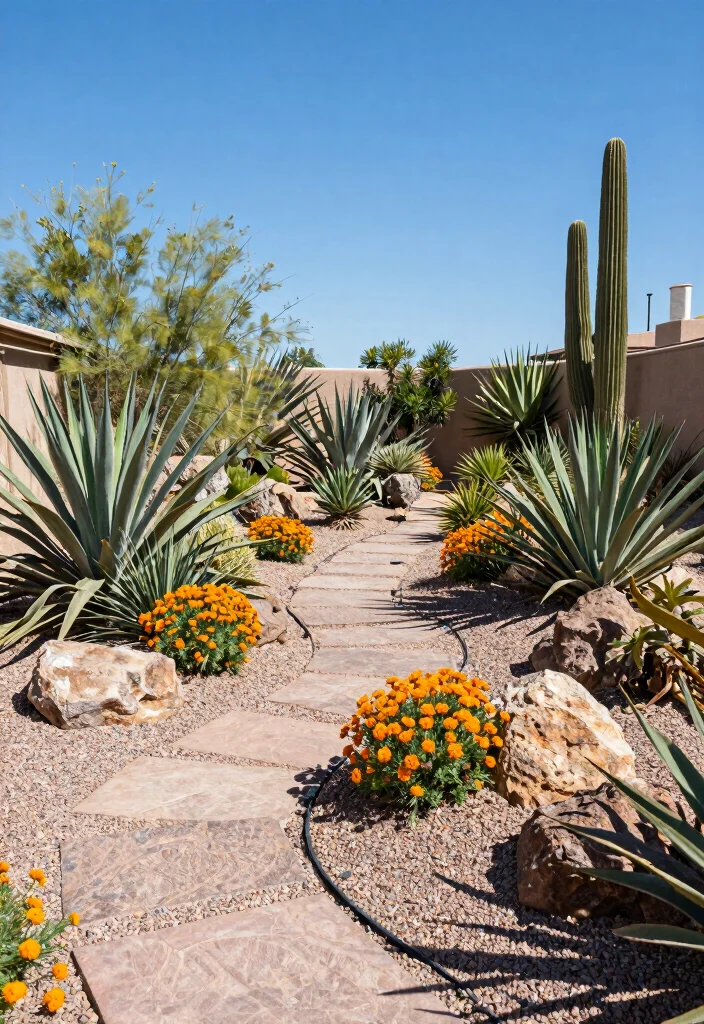
Xeriscaping is the perfect solution for creating a stunning garden while saving water. This method focuses on using native plants that thrive in Arizona’s dry climate, ensuring your garden stays vibrant without excessive watering. You’ll enjoy a beautiful landscape filled with color and texture, all while conserving precious resources. Editor’s Choice
To get started, plan your layout by considering sunlight and wind patterns. Group plants with similar water needs together for efficient irrigation. This not only makes maintenance easier but also enhances the overall look of your garden.
Key tips for successful xeriscaping:
– Select native plants like agave and red yucca for beauty and resilience.
– Use mulch to keep soil moisture intact.
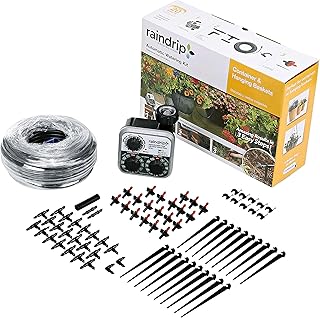
– Implement drip irrigation systems for precise watering.
By embracing xeriscaping, you can create a stunning and sustainable Arizona backyard that flourishes with minimal water.
Embrace Xeriscaping Basics




📹 Related Video: The Seven Principles of Xeriscape
2. Create Shade with Pergolas and Ramadas
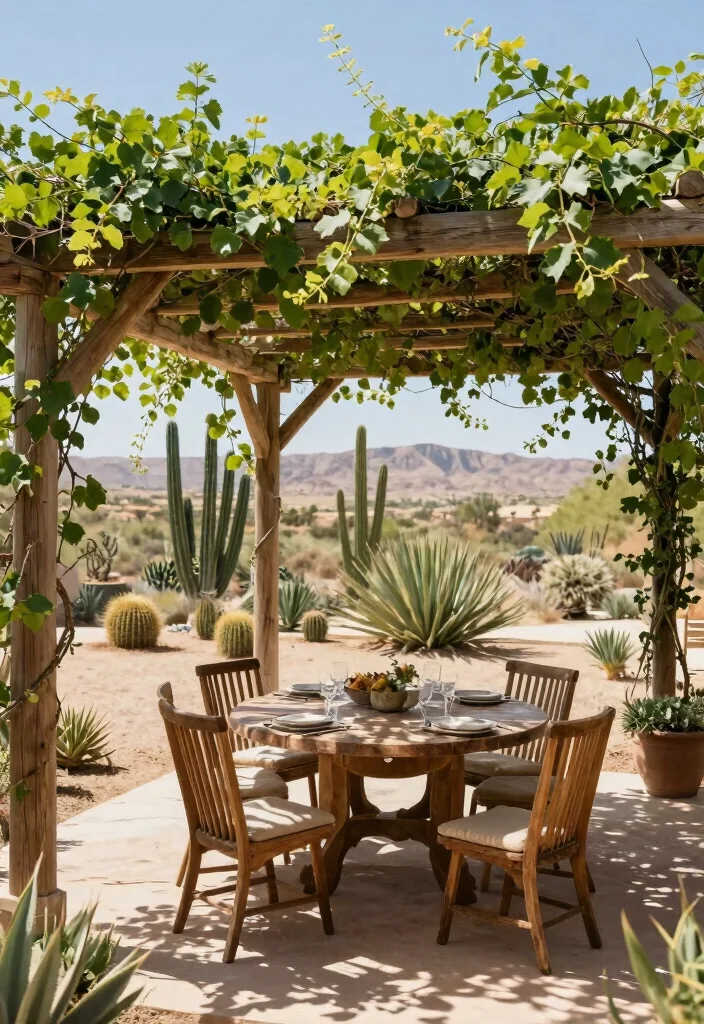
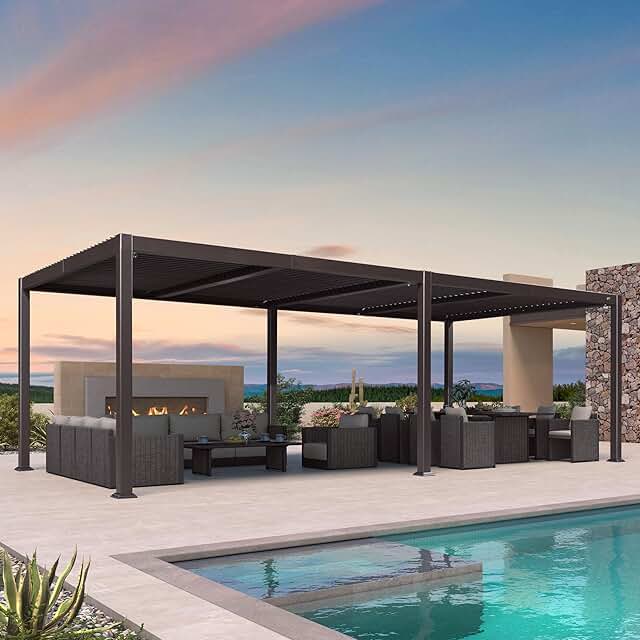
In Arizona’s heat, shade is not just a luxury; it’s a necessity. Building a pergola or ramada provides a stylish shelter, allowing you to enjoy your outdoor space without the scorching sun. These structures can be adorned with climbing plants like wisteria for added beauty and shade.
Position your pergola near seating areas to create an inviting space for meals or relaxation. This thoughtful placement ensures you stay comfortable during sunny days while enhancing your backyard’s aesthetic.
Benefits of adding shade structures:
– Lowers outdoor temperatures significantly.
– Protects your furniture and plants from sun damage.
– Fosters a cozy atmosphere for gatherings.
With the right shade solutions, your backyard can become a cool oasis perfect for entertaining or unwinding.
Fun fact: A pergola can cut direct sun exposure by up to 60%, cooling your outdoor space fast. In Arizona backyard ideas, placing shade near seating turns hot afternoons into comfy meals and chats, while wisteria adds beauty and extra shade.
Create Shade with Pergolas and Ramadas
Editor’s Choice


3. Incorporate Desert Landscaping Elements
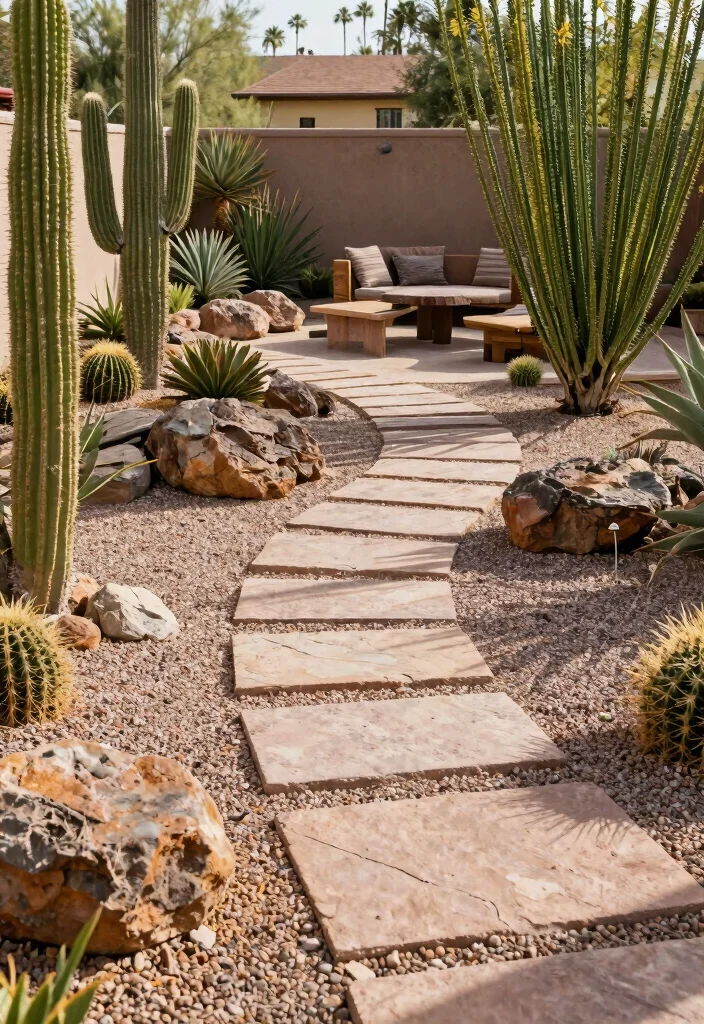
Desert landscaping is all about harmonizing with your natural environment while reducing water usage. By integrating materials such as gravel and boulders, you can craft a beautiful, low-maintenance garden that embodies the essence of Arizona.
Using native stones will enhance your backyard’s beauty while managing water needs effectively. Choose hardy plants like saguaro cacti that thrive in arid conditions, creating stunning focal points throughout your garden.
Desert landscaping ideas:
– Select rocks in various sizes for visual interest.
– Create raised beds to improve drainage.
– Plant in clusters to mimic natural growth patterns.
This approach allows you to celebrate Arizona’s unique landscape while designing an eco-friendly garden that stands out.
4. Use Drought-Resistant Plants
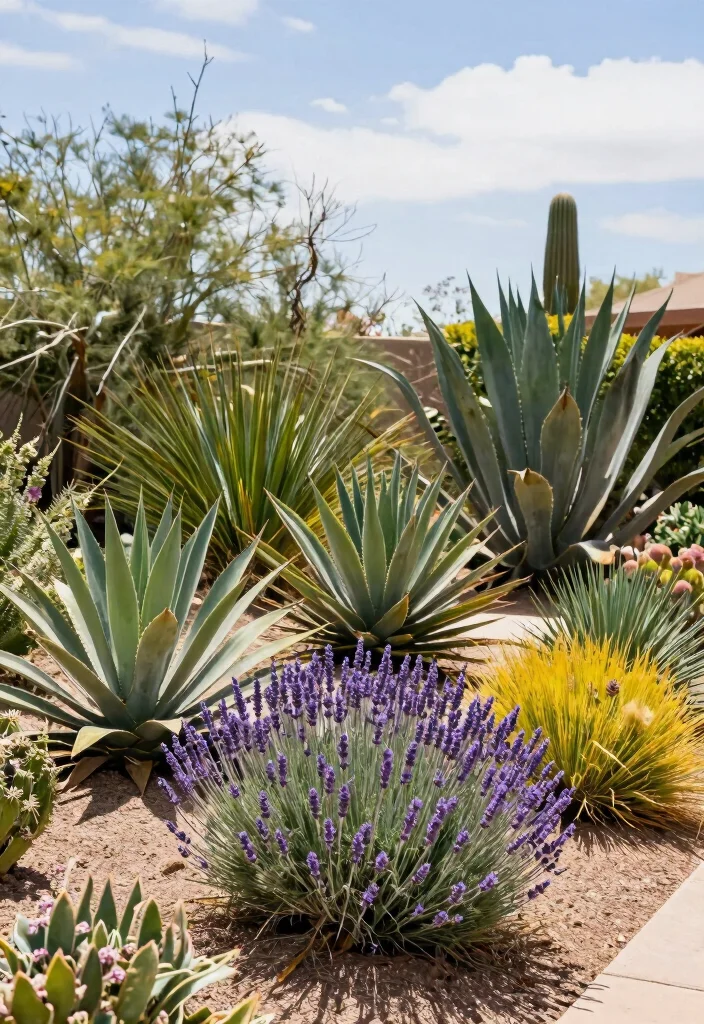
Drought-resistant plants are essential for thriving in Arizona’s climate while conserving water. These plants not only beautify your garden but also require minimal moisture, making them incredibly efficient. Consider options like lavender and yucca for a lively yet low-maintenance landscape.
When selecting plants, prioritize those well-suited to local conditions. Grouping these plants together enhances aesthetics and simplifies care, allowing for a lush garden without excessive water usage.
Top drought-resistant choices:
– Agave: Eye-catching and water-efficient.
– Desert Willow: Hardy and perfect for shade.
– Lantana: Vibrant and attracts pollinators.
By incorporating these resilient plants, your garden will thrive beautifully while remaining water-wise.
How To Choose Drought-Resistant Plants for Your Arizona Backyard
Selecting the right drought-resistant plants is crucial for a sustainable Arizona backyard. These plants not only survive the heat but also thrive, adding beauty and functionality. Here’s how to choose the best ones for your space. 1. Consider Your Climate ZoneArizona spans several climate zones, from desert to mountainous areas. Knowing your specific zone helps you choose plants that will thrive. Refer to the USDA Plant Hardiness Zone Map to determine your area. For example, the southern regions are hotter and can handle more heat-tolerant varieties.
2. Assess Sunlight Availability
Different plants require varying amounts of sunlight. Observe your yard at different times of the day to see how much sun each area gets. For example, cacti love full sun, while certain native wildflowers might prefer partial shade. Choose plants that match the sunlight conditions of your space.
3. Select Native Plants
Native plants have adapted to Arizona’s climate and soil, making them ideal choices. They require less water and maintenance compared to non-native varieties. Some great options include desert marigolds, penstemons, and agaves. These plants are not only beautiful but also support local wildlife.
4. Look for Drought-Resistant Varieties
Not all plants are created equal when it comes to drought tolerance. Research or ask local nurseries for varieties known for their drought resistance. For example, consider lavender or succulents like aloe vera, which store water and thrive in dry conditions. Ensure you read up on their care requirements to keep them healthy.
5. Think About Maintenance
Some drought-resistant plants require more care than others. If you want a low-maintenance garden, opt for plants that need minimal pruning and watering. For instance, many succulents need little more than an occasional drink and some occasional dusting off. If you prefer more variety, be prepared for a bit more upkeep.
6. Plan for Visual Appeal
When choosing plants, consider how they will look together. Aim for a mix of colors, heights, and textures. You might pair tall blue agave with vibrant red yucca for a striking display. Think about seasonal changes too; some plants bloom in spring while others shine in the fall, keeping your garden lively year-round.
Pro Tip: Visit local botanical gardens or native plant sales for inspiration and advice. Engage with knowledgeable staff about the best plants for your specific yard conditions. They can provide insights into what works well in your area and help you make informed decisions.
By following these steps, you can confidently choose drought-resistant plants that will thrive in your Arizona backyard. Not only will you create a stunning outdoor space, but you’ll also contribute to water conservation efforts. Enjoy your beautiful, sustainable garden!
5. Add A Splash of Color with Native Wildflowers
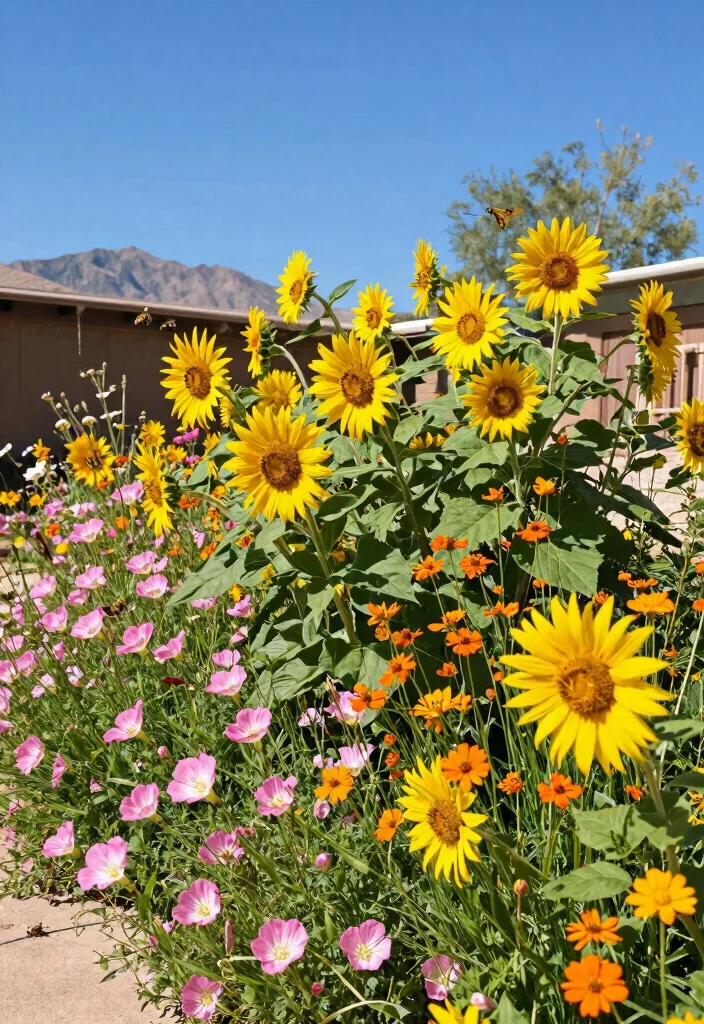
Infusing your Arizona backyard with native wildflowers creates vibrant bursts of color while supporting local wildlife. These flowers are perfectly adapted to the region and attract beneficial insects like bees and butterflies. Think about planting varieties such as desert sunflower to brighten your garden.
Creating a wildflower patch can be as simple as scattering seeds in a designated area. Alternatively, intersperse them among your existing plants for a more structured look, enhancing the overall visual appeal.
Advantages of native wildflowers:
– Require little maintenance and thrive in dry conditions.
– Provide essential nectar for pollinators.
– Transform your garden into a lively haven.
By adding these wildflowers, you enrich both your backyard’s beauty and the local ecosystem.
6. Create a Water-Wise Garden
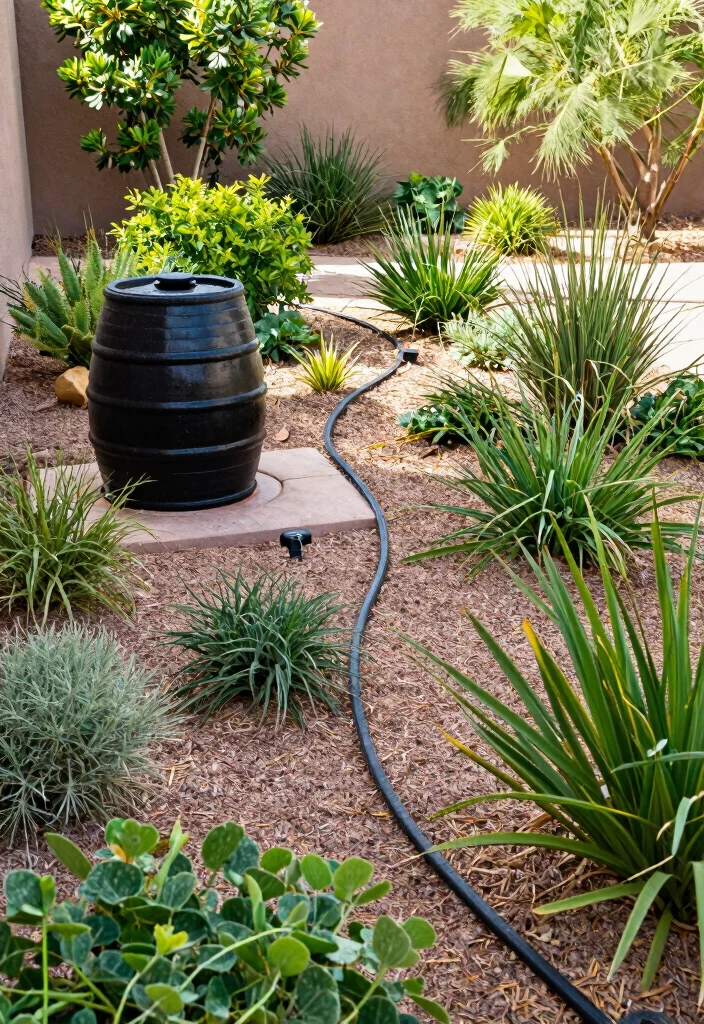
A water-wise garden is all about beauty without wasting resources. In Arizona, employing techniques like rainwater harvesting and drip irrigation can significantly cut down on water usage while keeping your garden lush. You might even consider installing a rain barrel to collect runoff from your roof. Editor’s Choice
Planting a mix of perennials and annuals creates layers of beauty while requiring less water over time. This thoughtful approach ensures your garden remains vibrant without straining your water supply.
Tips for water-wise gardening:
– Use native soils that retain moisture effectively.
– Apply mulch to minimize evaporation.
– Group plants by their water needs for better irrigation.
By adopting these practices, your garden can thrive beautifully while being kind to the environment.
Create a Water-Wise Garden


7. Install a Fire Pit for Year-Round Enjoyment
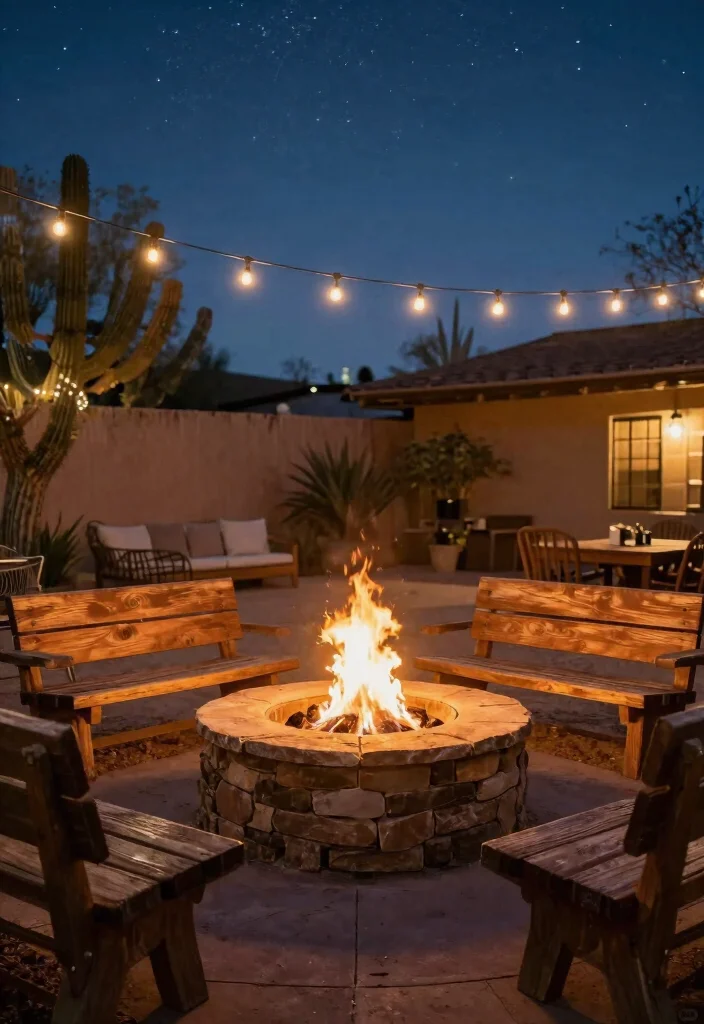
A fire pit can transform your backyard into a cozy retreat that you can enjoy year-round. Choose materials that blend with your garden’s design, such as stone or brick, and position it to take advantage of scenic views. Fire pits are especially delightful during cooler months, extending your outdoor enjoyment.
Add comfortable seating, like benches or patio chairs, around the fire pit for a welcoming gathering space. String lights overhead can enhance the ambiance, making evenings even more special.
Fire pit design considerations:
– Maintain a clear safety perimeter around the fire.
– Include storage for firewood nearby.
– Ensure the style fits your backyard theme.
This inviting focal point can elevate your outdoor space into a warm haven for relaxation and socializing.
An evening around a fire pit makes arizona backyard ideas feel personal—stone or brick sets the stage, while comfy seating invites conversation. Add string lights, and you’ve got a year-round gathering spot you’ll actually use, not just admire.
8. Design a Rock Garden
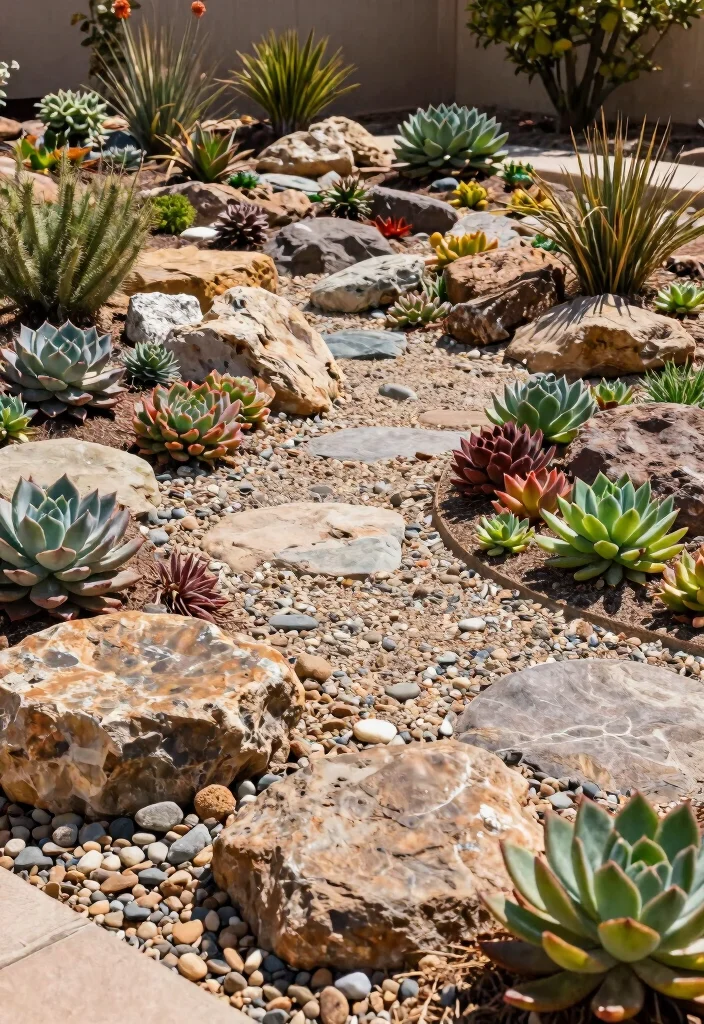
Rock gardens are not only beautiful but also ideal for Arizona’s climate, requiring minimal water and upkeep. By using a variety of rocks, pebbles, and hardy plants, you can create a stunning focal point that enhances your outdoor space. Incorporating different sizes of rocks adds texture and visual interest.
Select drought-tolerant plants such as succulents that thrive in dry conditions, arranging them among the rocks for a natural appearance.
Steps to create a rock garden:
– Choose a sunny spot for optimal plant growth.
– Use landscaping fabric to keep weeds at bay.
– Add pathways for easy access and enjoyment.
Your rock garden can serve as a low-maintenance landscape design that beautifully showcases your backyard.
9. Incorporate Outdoor Furniture for Relaxation
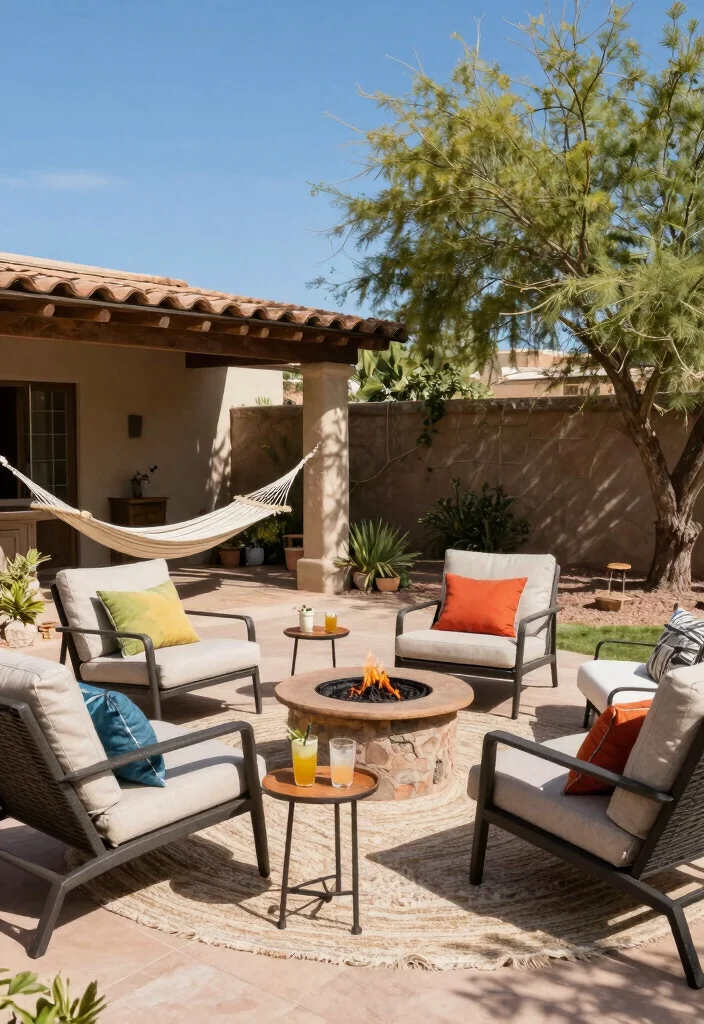
Quality outdoor furniture can turn your backyard into a welcoming escape. Opt for heat-resistant materials like teak or aluminum that withstand the Arizona sun. Look for comfy seating options, such as lounge chairs or hammocks, to enhance relaxation.
Place furniture in shaded areas or near a fire pit to maximize usability throughout the day. Adding colorful cushions and throws not only boosts comfort but also brings vibrant colors to your outdoor space.
Suggestions for outdoor furniture:
– Select weather-resistant fabrics for durability.
– Choose light colors to reflect sunlight and stay cool.
– Define seating areas for social gatherings.
Your backyard can become a favorite retreat, perfect for entertaining or enjoying quiet moments.
10. Create a Zen Garden for Tranquility
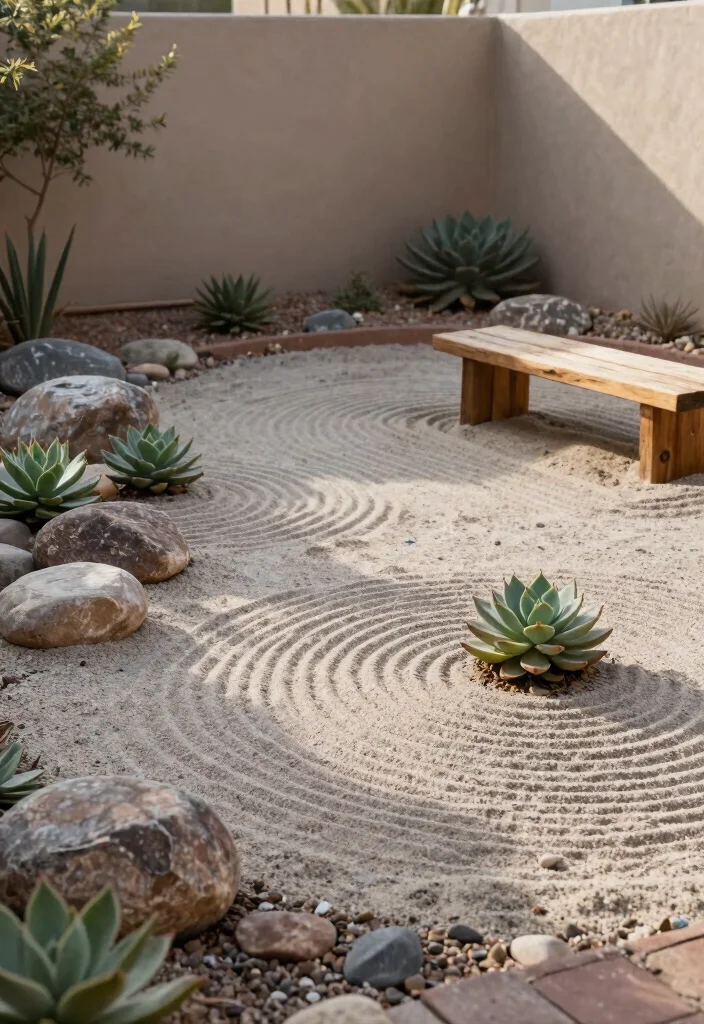
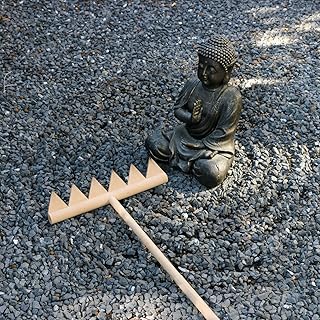
A Zen garden can provide a serene retreat in your backyard, perfect for meditation and relaxation. Incorporating elements like sand, rocks, and minimalist plants creates a peaceful atmosphere. Use rakes to create patterns in the sand that symbolize water ripples, adding a calming touch. Editor’s Choice
Pair the sand and rock features with low-maintenance plants like sedum for subtle color and texture. This simplicity can enhance the tranquil vibe of your space.
Design tips for your Zen garden:
– Select a quiet area free from distractions.
– Include a bench or seating for contemplation.
– Keep the design minimal for a clean look.
This peaceful space can serve as a daily reminder of calm amidst a busy life.
Create a Zen Garden for Tranquility


11. Use Edible Landscaping
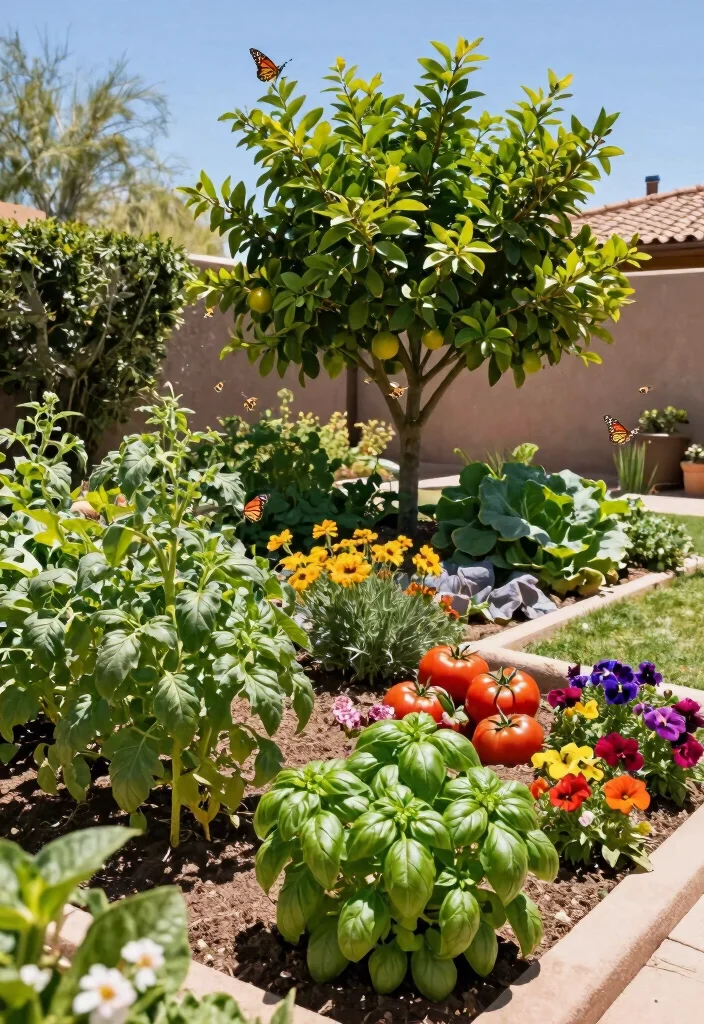
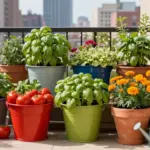
Edible landscaping combines beauty and functionality, allowing you to grow fruits and vegetables alongside ornamental plants. This unique approach provides fresh produce right in your backyard while enhancing its visual appeal. Consider planting citrus trees like lemons or oranges alongside vibrant herbs like basil.
Using raised beds or container gardens can help manage space and improve drainage for your edible plants. This blend of aesthetics and productivity creates a lush, inviting environment.
Benefits of edible landscaping:
– Access to fresh produce at your fingertips.
– Merges beauty with sustainability.
– Attracts beneficial insects to your garden.
By incorporating edible plants, your backyard becomes a beautiful and productive oasis.
12. Incorporate Sustainable Practices
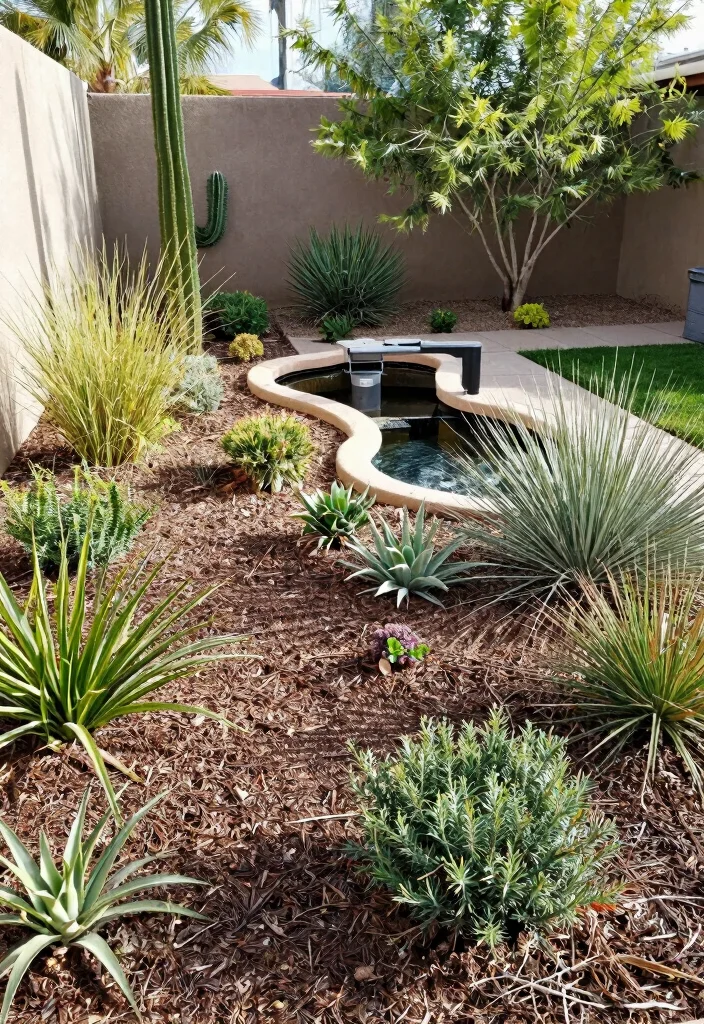
Sustainable practices are essential for a heat-smart Arizona backyard. Incorporating techniques like composting, recycling greywater, and using organic gardening methods can significantly enhance your outdoor environment. Planting a variety of species promotes biodiversity while natural pest control methods keep your garden healthy.
Set up a composting area to enrich your soil with kitchen scraps and yard waste. Consider implementing rain gardens to manage stormwater sustainably and create a vibrant ecosystem in your backyard.
Ideas for sustainable practices:
– Use organic mulch to suppress weeds and retain moisture.
– Plant companion crops to improve soil health.
– Educate yourself about local flora for better landscaping choices.
By adopting these sustainable practices, you contribute positively to the environment while enjoying the beauty of your backyard.
Did you know rain gardens can cut outdoor water use by up to 50% in arizona yards? Pair that with composting and greywater recycling, and your arizona backyard ideas become cooler, greener, and more sustainable.
Incorporate Sustainable Practices
Editor’s Choice


Conclusion
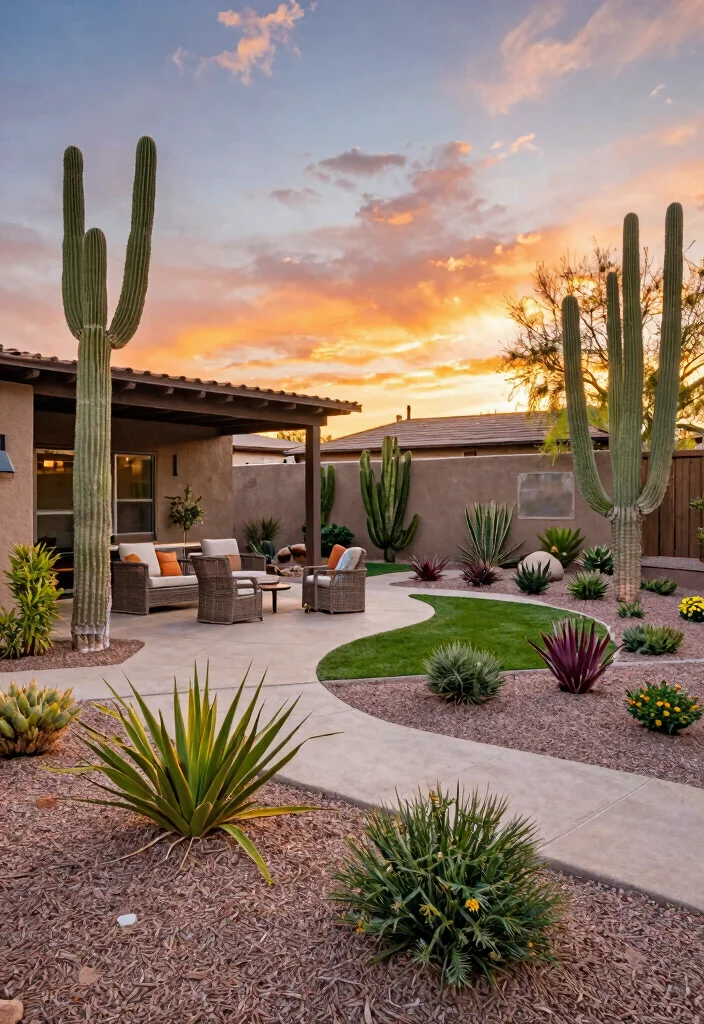
Creating a heat-smart Arizona backyard is about blending beauty with sustainability. By embracing xeriscaping, selecting the right plants, and integrating functional structures, your outdoor space can thrive while conserving vital resources. Strategically implementing these ideas will not only enhance your home but also support the delicate balance of the desert ecosystem. Note: We aim to provide accurate product links, but some may occasionally expire or become unavailable. If this happens, please search directly on Amazon for the product or a suitable alternative. This post contains Amazon affiliate links, meaning we may earn a small commission if you purchase through our links, at no extra cost to you.
Frequently Asked Questions
What Are Some Arizona Backyard Ideas for Heat-Smart Outdoor Design?
These arizona backyard ideas focus on desert landscaping, drought-resistant plants, and heat-tolerant gardens designed for hot summers. Start with a sun/shade assessment, then create shaded zones using pergolas, shade sails, or deciduous trees to cut heat before it reaches seating areas. Choose desert landscaping favorites like agave, yucca, desert willow, and native grasses, grouped by water needs for easier xeriscaping techniques. Mulch heavily, install a drip irrigation system, and use smart controllers to minimize water waste. Finish with light-colored or reflective hardscapes to lower surface temperatures.
Tip: keep a simple maintenance routine—check irrigation regularly, adjust plant choices seasonally, and enjoy a cooler, low-water oasis.
How Do I Start Desert Landscaping in Arizona?
Begin with a practical plan: assess sun and wind patterns, set a realistic water budget, and test your soil. For desert landscaping, pick a core palette of drought-resistant plants suited to your microclimate, then design zones with outdoor shade solutions like shade structures or trees. Plan your irrigation with drip lines and a smart controller to minimize evaporation, and apply 2–3 inches of mulch to conserve moisture. Use permeable surfaces and gravel to keep the yard cooler and easier to maintain.
As you refine the design, focus on low-maintenance, high-impact features that embody xeriscaping techniques and sustainability.
Which drought-resistant plants Thrive in Arizona Backyards?
Arizona-friendly options include bold drought-resistant plants such as agave, yucca, desert willow, ocotillo, and desert marigold. Pair them with smaller textures like aloe and desert grasses for year-round interest. Remember to group plants by water needs to simplify irrigation and support healthy growth under heat-tolerant gardens. Layer foliage with mulch and create microclimates near walls or fences to protect sensitive species.
Always choose natives when possible for resilience, and tailor watering to each plant’s stage of establishment for best results.
What Are Effective Outdoor Shade Solutions for a Hot Arizona Summer?
The key is to create cool, comfortable spaces first. Consider outdoor shade solutions like pergolas with climbing vines, sturdy shade sails, or deciduous shade trees to block harsh sun. Use light-colored, reflective or permeable surfaces to reduce heat absorption, and position seating to catch breeze paths. Combine shade with smart irrigation to keep nearby plantings healthy without wasting water.
For a practical finish, design with layered shade—high canopies near living areas and lower, dappled shade around pots and path edges—so your arizona backyard ideas stay livable all summer long.
What Are Practical Xeriscaping Techniques for a Sustainable Arizona Backyard?
Xeriscaping starts with strategic plant choices and efficient watering. Group plants by water needs, use xeriscaping techniques such as drought-smart planting palettes, and apply plenty of mulch to cut evaporation. Install a drip irrigation system with a smart controller and schedule watering for early morning or late evening. Use desert landscaping elements like rocks, gravel, and native hardscapes to reduce maintenance and create visual interest.
Finally, monitor your yard seasonally, adjust irrigation as temperatures shift, and lean into sustainable practices that make heat-tolerant gardens thrive with minimal water.