Creating a beautiful garden often means addressing harsh edges and creating a softer, more inviting space. If your fence lines are looking a bit stark, you’re not alone. Many gardeners face the challenge of making these boundaries more appealing. That’s why I’ve put together this post focused on fence line landscaping ideas that can help you soften those hard edges and transform your outdoor space into a cozy retreat.
This guide is for anyone who loves gardening, whether you’re a seasoned gardener or just starting out. If you find joy in creating beautiful spaces, these ideas will inspire you to enhance your fence lines. You’ll discover ways to incorporate plants, decorative elements, and even functional features into your design, bringing warmth and charm to your garden.
You can expect to find a variety of creative ideas that are practical and visually stunning. From climbing vines that add height to container gardens that offer flexibility, you’ll learn how to use softscape ideas to enhance your outdoor aesthetics. Let’s dive into this collection of 12 unique ideas that will elevate your garden and help you create a space that feels both personal and inviting.
Key Takeaways
– Explore climbing vines to add vertical appeal and create a lush backdrop against your fence. – Discover how mixed flower beds can infuse color and vibrancy, breaking up stark lines with natural beauty. – Use ornamental grasses to introduce texture and movement, softening the visual impact of hard fencing materials. – Consider privacy plants that not only provide a natural barrier but also enhance your garden’s tranquility and aesthetics. – Learn about decorative borders and container gardens that can define spaces while allowing for easy maintenance and seasonal changes.1. Climbing Vines for Vertical Appeal
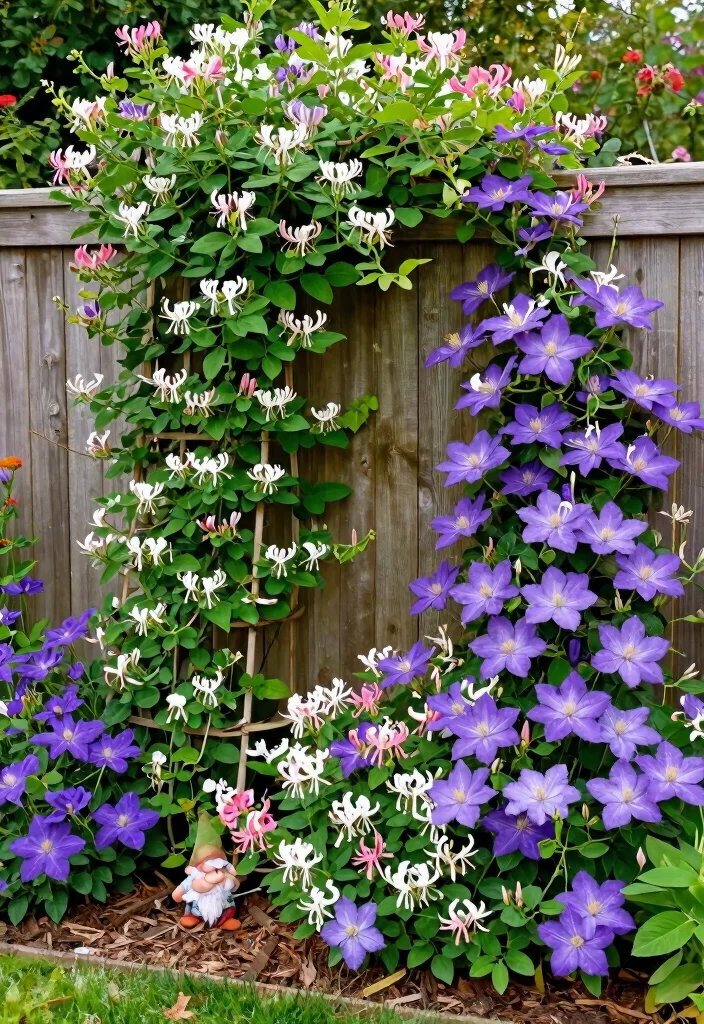
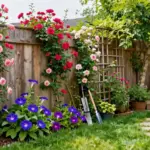
If you want to enhance your fence line, climbing vines are a perfect choice. They add vertical beauty and can create a lush privacy screen, softening the harsh lines of your property. Varieties like clematis, wisteria, and honeysuckle not only look stunning but also invite pollinators into your garden.
Be sure to provide a sturdy trellis or support system for these vines to flourish. Plant them at the base of your fence where they can soak up sunlight and get plenty of water for thriving growth.
Key tips for success:
– Prune regularly to keep growth in check
– Mix various species for seasonal color changes
– Add mulch at the base to retain moisture and reduce weeds
With climbing vines, you’ll enjoy beautiful blooms that attract wildlife while creating a lovely, private space.
Fun fact: Climbing vines can transform a fence line into a privacy screen in weeks. As part of fence line landscaping ideas, a sturdy trellis and sun-loving varieties like clematis and honeysuckle boost curb appeal and attract pollinators—without sacrificing space. It’s a practical, lush upgrade anyone can try.
Climbing Vines for Vertical Appeal
Editor’s Choice





2. Mixed Flower Beds
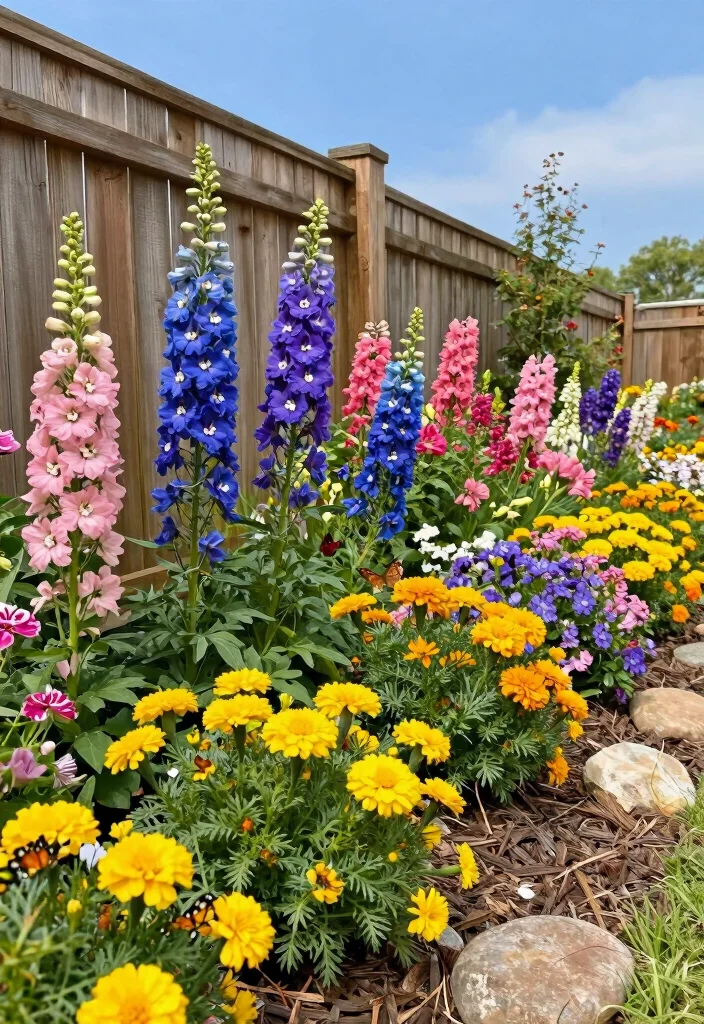
Transform your fence line into a vibrant flower bed by combining perennials and annuals. This mix guarantees a continuous splash of color throughout the seasons. Pair tall plants like delphiniums with shorter blooms such as marigolds and petunias to create depth and interest.
For best results, plant in odd-numbered groups to create a natural look. Choose a color palette that complements your existing garden, and don’t forget to deadhead spent blooms to encourage more flowering.
Helpful suggestions:
– Incorporate native plants to support local wildlife
– Vary plant heights for dynamic visuals
– Regularly remove weeds to keep beds pristine
Your flower bed will be a stunning focal point, appealing to both the eye and garden visitors.
Fun fact: Mixing perennials and annuals keeps fence line color going for up to 9 months straight. Plant tall delphiniums with marigolds and petunias in odd-numbered groups to boost bloom density and depth—fence line landscaping ideas you can actually use.
Mixed Flower Beds
Editor’s Choice


3. Ornamental Grasses
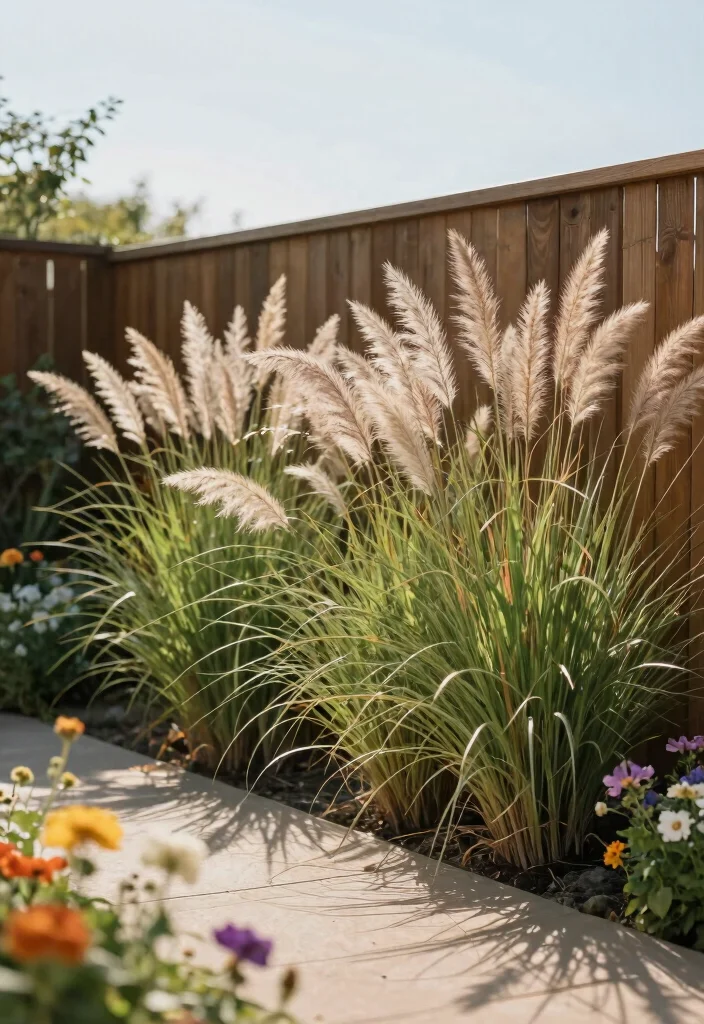
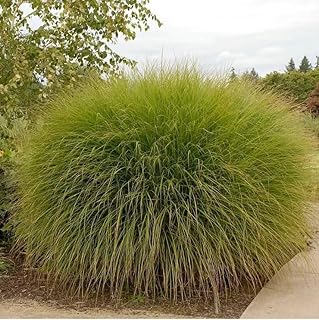
Ornamental grasses are a fantastic way to introduce texture and movement to your fence line. Available in various shapes and sizes, they create a natural curtain that softens sharp edges. Grasses like fountain grass, miscanthus, and blue fescue offer beautiful backdrops for other plants. Editor’s Choice
Plant them in clusters for a striking visual impact, and watch them sway gracefully in the wind. These grasses thrive in sunny spots and require minimal maintenance, making them a practical choice for your landscape.
Consider these tips:
– Group different heights for layered effects
– Ensure they are in well-drained soil
– They are drought-resistant, perfect for water conservation
Ornamental grasses will add a lively touch to your landscape while requiring very little upkeep.
Ornamental Grasses



How To Choose the Right Plants for Your Fence Line Landscaping
1. Consider Your Climate Before selecting plants for your fence line, assess your local climate. Different plants thrive in various conditions, from hot and dry to cool and moist. Research the hardiness zones in your area to choose plants that will grow well year-round. For example, if you live in a warmer region, opt for drought-resistant plants like succulents or ornamental grasses.2. Evaluate Sunlight Exposure Check how much sunlight your fence line receives throughout the day. Some plants require full sun, while others thrive in partial shade or full shade. Use a sunlight meter or simply observe the area during different times of the day. If your fence line gets direct sunlight, consider vibrant flowering plants. For shaded areas, leafy ferns or shade-tolerant flowers will work better.
3. Think About Privacy Needs If you’re looking to create a private space, the height and density of plants matter. Tall shrubs or climbing vines can block views effectively. Consider using fast-growing privacy plants like bamboo or climbing hydrangeas. You might also combine various heights to create a layered effect that enhances both privacy and aesthetics.
4. Assess Maintenance Requirements Some plants require regular care, while others are low-maintenance. Decide how much time you can dedicate to upkeep. If you prefer a no-fuss garden, choose drought-tolerant plants that need minimal watering and pruning. For example, ornamental grasses typically require less maintenance than flowering plants.
5. Select Complementary Colors and Textures Creating visual appeal is vital for your fence line. Choose a mix of colors and textures to bring life to your garden. Think about the blooming seasons of your plants. Combining early bloomers with those that flower later ensures continuous color throughout the year. Mixing textures, like soft ferns alongside stiff grasses, also adds visual interest.
6. Factor in Soil Conditions Different plants prefer different soil types, so evaluate your soil’s composition. Test the pH level and nutrient content to determine what plants will thrive. If your soil is sandy, choose drought-resistant plants. For heavier clay soils, look for plants that tolerate wet conditions. Amending the soil with compost can also help improve drainage and fertility.
Pro Tip: Always group plants with similar needs together. This makes care easier and ensures that each plant thrives in its environment. Consider creating a sketch of your fence line to visualize plant placements and colors. Taking your time to plan will lead to a more cohesive and beautiful fence line garden.
Enhancing your fence line with the right plants not only softens hard edges but also adds charm to your outdoor aesthetics. By paying attention to climate, sunlight, and your unique gardening goals, you can create a stunning and functional landscape that suits your needs.
4. Privacy Plants for a Natural Barrier
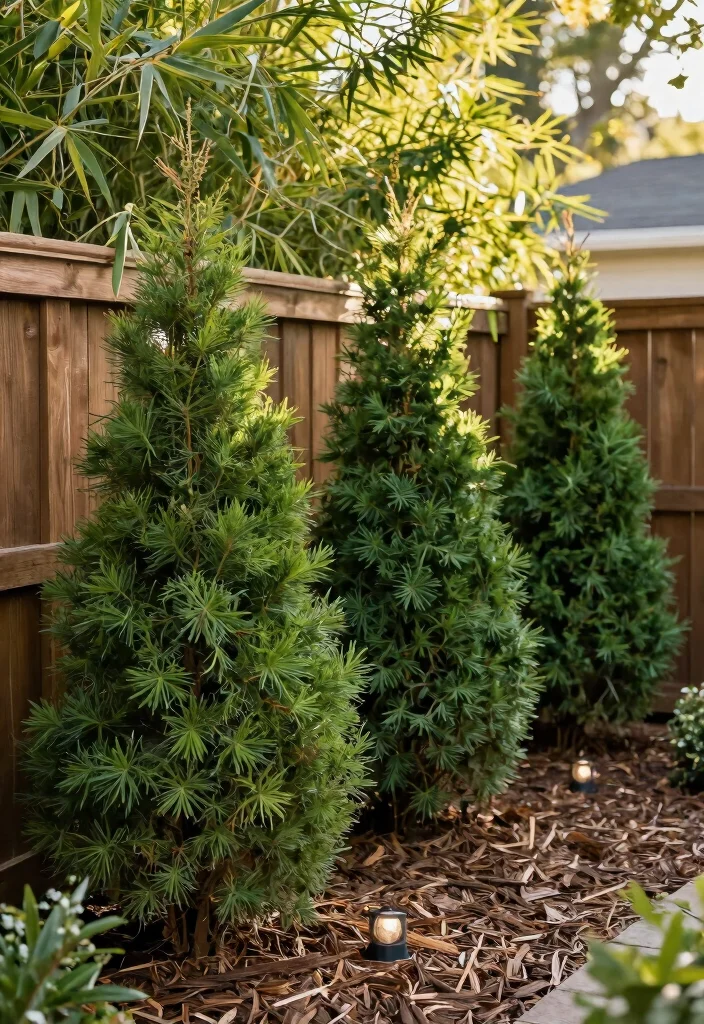
If privacy is a priority, consider planting privacy plants along your fence. Varieties such as arbovitae, laurel, and bamboo serve as natural barriers that enhance your garden’s beauty. These plants grow tall and dense, creating a secluded space for relaxation.
Stagger the heights of your plants to achieve a natural look. Mixing evergreens with deciduous varieties ensures your fence line remains visually interesting throughout the year.
Useful tips:
– Select native species for easier maintenance
– Regular trimming keeps them healthy and manageable
– Apply mulch around the base to retain moisture
These privacy plants not only shield your space but also enrich your garden’s aesthetics effortlessly.
5. Vertical Gardening with Wall Planters
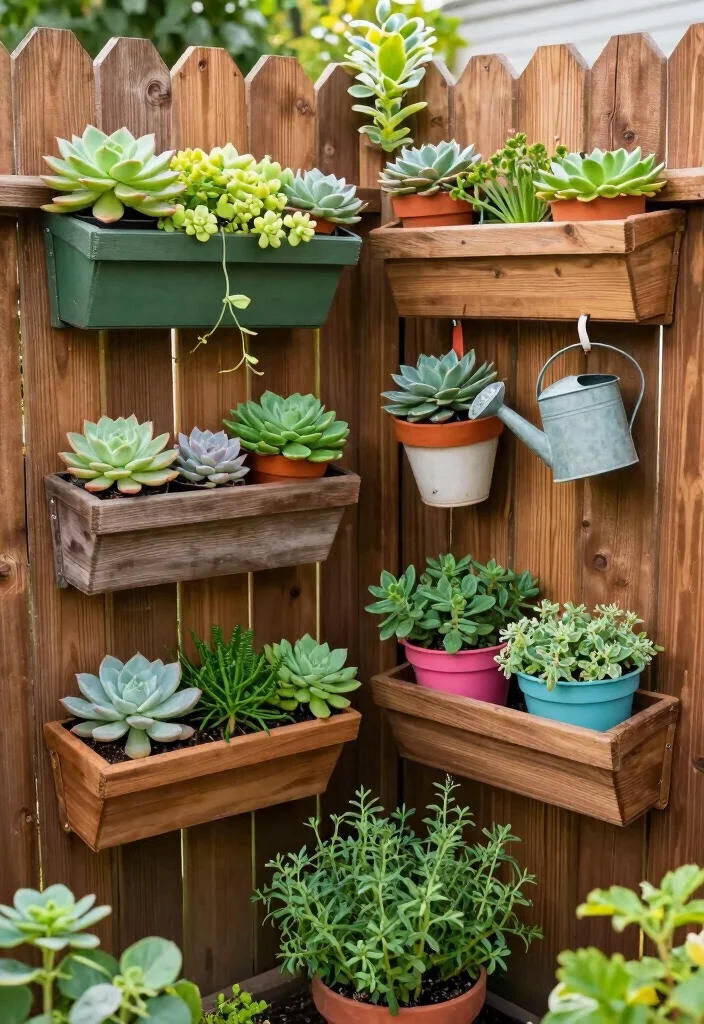
Maximize your space with wall planters, perfect for adding greenery along your fence. These vertical solutions allow you to grow herbs, succulents, or vibrant flowers without taking up ground space. Wall-mounted planters create visual interest and feature seasonal plants beautifully.
Experiment with varying sizes and colors to craft an eclectic look. Ensure your planters have adequate drainage, and monitor moisture levels, especially during hot spells.
Tips for success:
– Use a drip irrigation system for efficient watering
– Choose a mix of plants for diverse textures
– Regularly check for pests and diseases
Wall planters will not only save space but also provide a stunning, customizable display in your garden.
📹 Related Video: Easy DIY Living Plant Wall that Waters Itself
6. Decorative Garden Borders
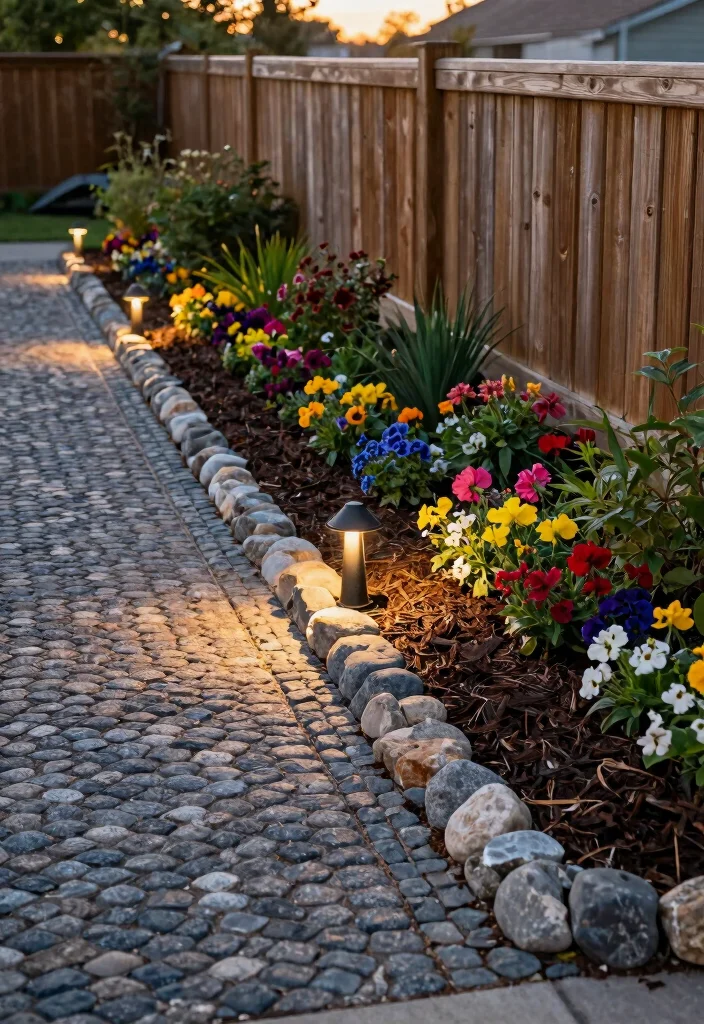
Enhance your fence line with decorative garden borders that add structure and define your garden spaces. Using materials like cobblestones, wooden logs, or decorative fencing outlines your garden beds beautifully. This approach protects plants from encroaching grass while creating clean lines that guide the eye.
Add a layer of mulch or gravel for a polished finish. Choose contrasting colors and materials for a more dynamic look, ensuring your borders are level and securely placed.
Actionable steps:
– Incorporate solar lights for evening charm
– Regularly check borders to prevent shifting
– Consider seasonal flowers along the edges for added beauty
With decorative borders, your garden will have a neat appearance and defined spaces, enhancing overall aesthetics.
7. Container Gardens for Flexibility
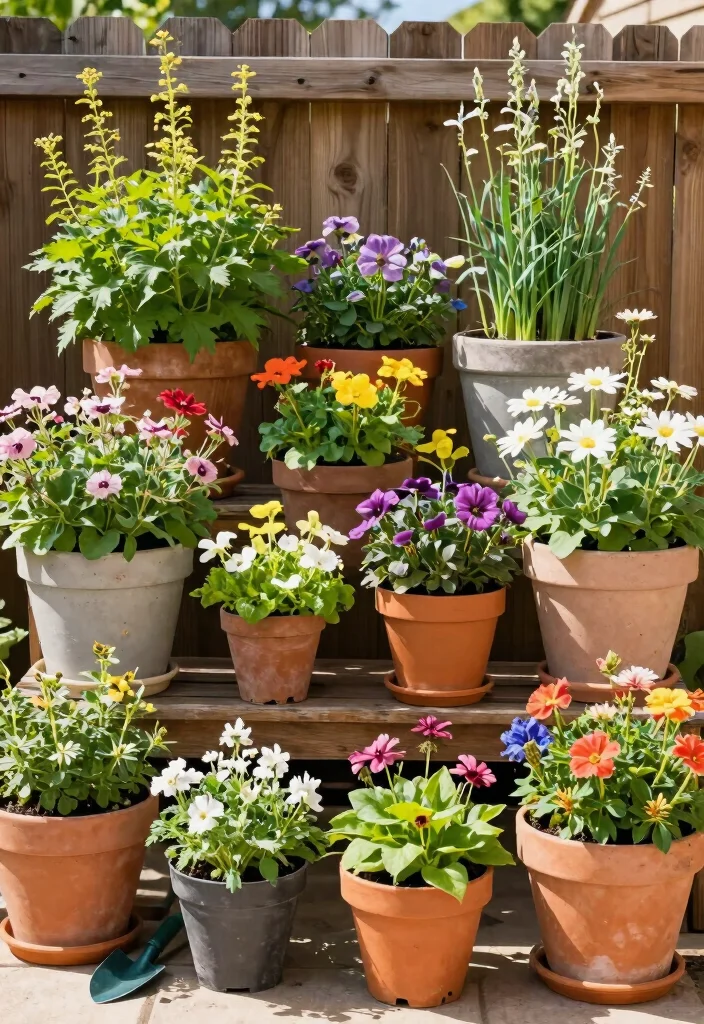
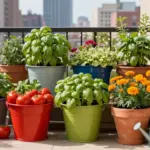
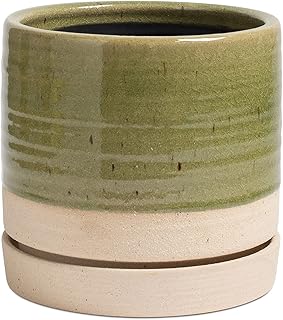
Container gardens offer a flexible way to create a lively look along your fence without permanent plantings. These can easily be moved or changed, allowing you to refresh your landscape whenever you like. Use pots in various sizes and materials—ceramic, metal, or wood—for an interesting visual display. Editor’s Choice
Grow seasonal flowers, herbs, or small shrubs in these containers, which encourages creativity in your garden design. Ensure each container has proper drainage and use quality potting soil for healthy growth.
Tips for effective gardening:
– Water regularly and apply fertilizer as needed
– Group containers to create a cohesive look
– Choose plants that thrive in similar conditions
Container gardens provide easy customization and vibrant bursts of color, perfect for small spaces.
Container Gardens for Flexibility


8. Artistic Trellises
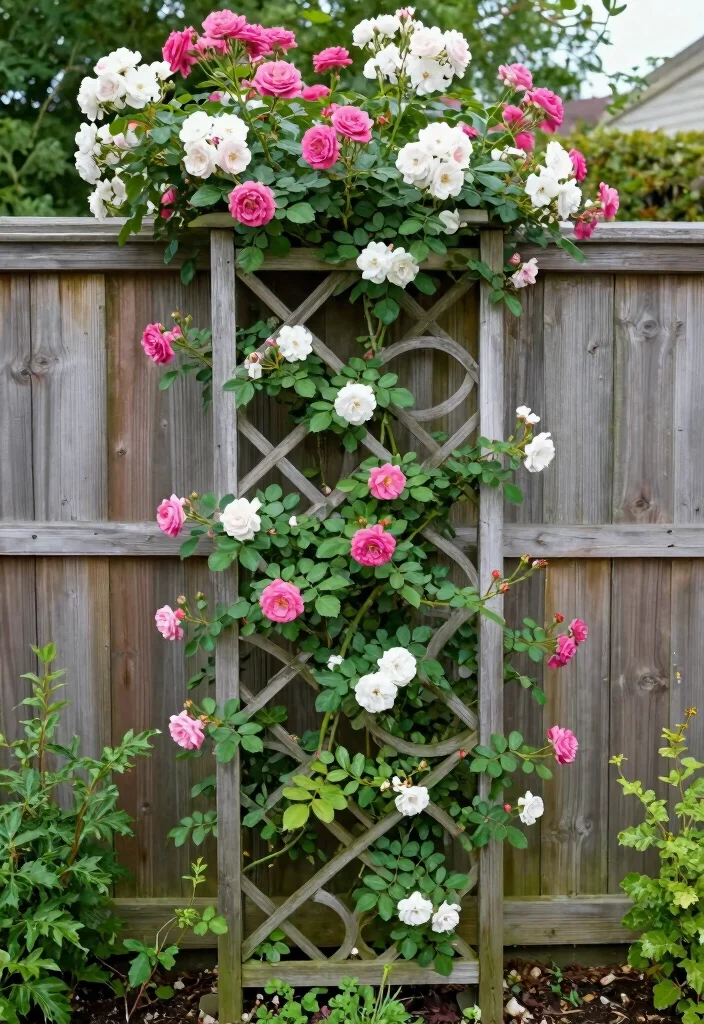
Trellises are not just for supporting climbing plants; they can also be stunning artistic elements in your garden. Select unique designs that fit your garden’s theme, whether it’s modern or rustic. Climbing roses, vines, or decorative features can create a striking backdrop along your fence.
Position trellises at different heights to add dimension to your landscape. Securely anchor them to withstand strong winds, and train plants to climb in specific patterns for a personalized touch.
Consider these tips:
– Choose durable materials for longevity
– Regularly check ties and supports for plant growth
– Incorporate seasonal plants for changing displays
Artistic trellises will enhance your garden’s charm while supporting healthy plant growth.
9. Rustic Fence Enhancements
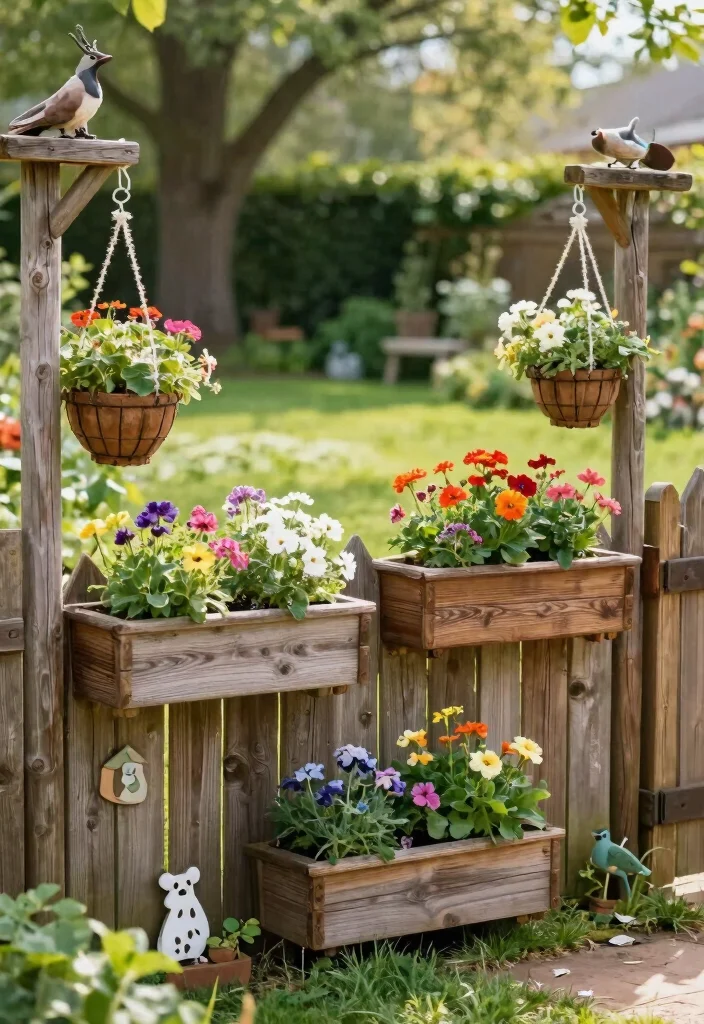
Bring a cohesive look to your rustic or country-style fence by adding natural elements. Wooden planters, hanging baskets, or a small herb garden can breathe life into your fence. Use reclaimed wood for eco-friendly planters, while seasonal flowers in hanging baskets can add vibrant pops of color. Editor’s Choice
Incorporate garden art or rustic signs to enhance the charm. Ensure that these enhancements are securely fastened for safety and longevity.
Helpful suggestions:
– Choose plants that complement your fence’s rustic design
– Regular maintenance keeps everything looking inviting
– Consider adding fairy lights for a warm glow at night
Rustic enhancements will not only beautify your fence but also create a welcoming atmosphere.
Rustic Fence Enhancements




10. Incorporate Edible Plants
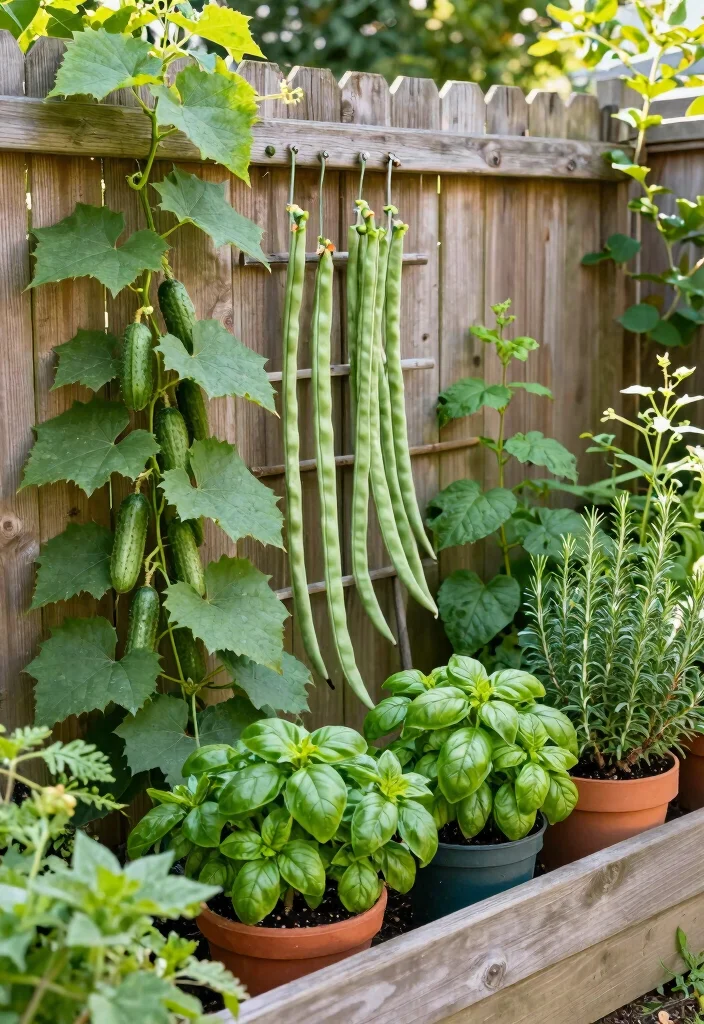
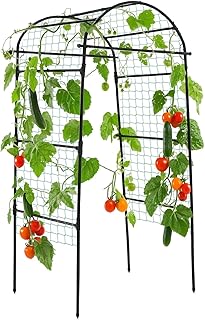
Turn your fence line into a productive area by incorporating edible plants. Herbs like rosemary, basil, and mint can thrive alongside your fence, offering both beauty and utility. Vegetables such as pole beans or cucumbers can climb a trellis, maximizing your garden’s potential.
This not only enhances your landscape but also provides fresh ingredients for your meals. Intermingle edible plants with ornamental varieties for stunning visual effects.
Actionable tips:
– Ensure plants get enough sunlight and moisture
– Regular harvesting promotes growth and productivity
– Plan your layout to balance aesthetics and function
Incorporating edible plants creates a functional garden space that looks great and provides delicious benefits.
11. Seasonal Decorations
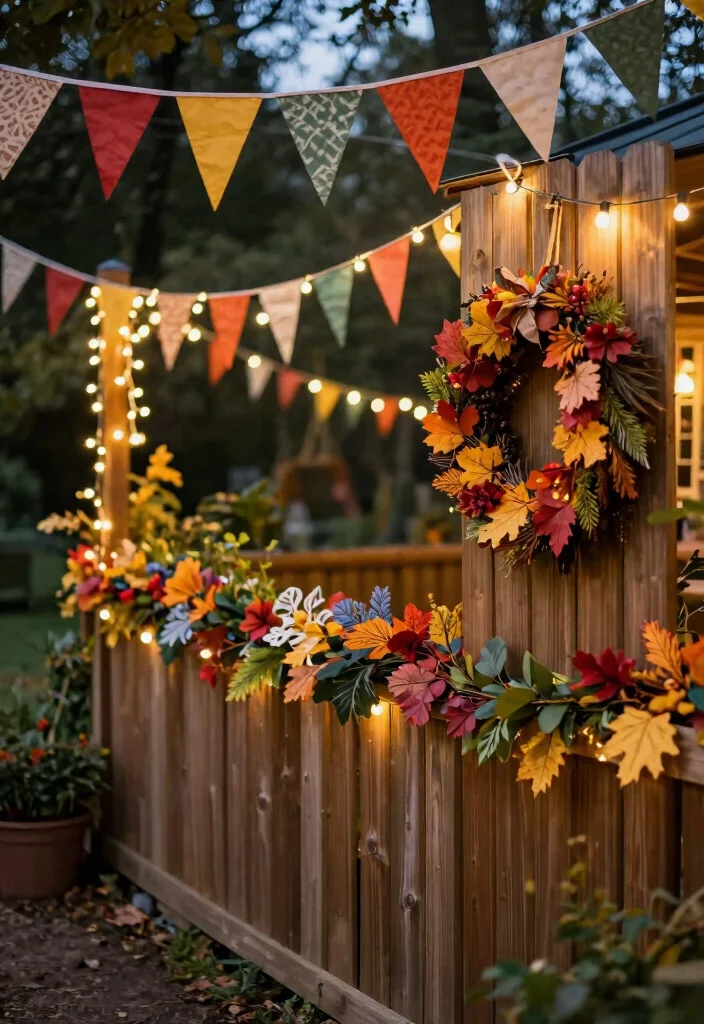
Keep your landscape fresh and festive by decorating your fence line for the seasons. Simple items like bunting, fairy lights, or seasonal wreaths can add character to your outdoor space. These decorations can change throughout the year, allowing your garden to reflect the seasons.
Small touches like hanging lanterns in summer or festive ornaments in winter create a warm, inviting atmosphere. Choose durable decorations that withstand outdoor conditions for lasting appeal.
Key practices:
– Highlight your fence with low-voltage lighting for nighttime ambiance
– Regularly replace or remove seasonal decor to maintain tidiness
– Create a cohesive theme with your decorations for a polished look
Seasonal decorations will keep your garden lively and full of personality.
12. Water Features
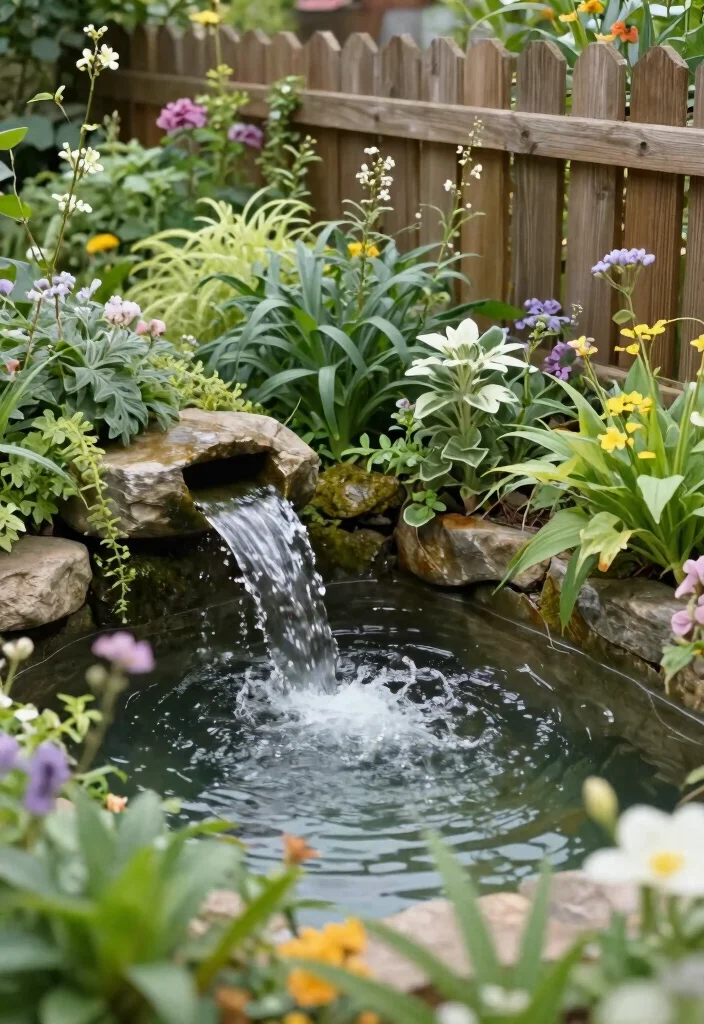
Consider adding a water feature to your fence line, like a small fountain or pond. The soothing sound of trickling water creates a calming ambiance, attracting wildlife while enhancing your landscape. Integrate plants around the feature for a tranquil oasis right at home.
Position your water feature where it can be seen from multiple angles in your yard to maximize its visual appeal. Ensure proper installation to prevent leaks and perform regular maintenance to keep the water clean.
Helpful suggestions:
– Surround the feature with moisture-loving plants for a cohesive look
– Choose materials that blend well with your overall garden style
– Plan for seasonal changes to keep the feature appealing year-round
Water features provide relaxation and beauty, creating a peaceful retreat in your outdoor space.
Fun fact: A 12-inch fountain can add about 5–10 dB of soothing sound, boosting your fence line landscaping ideas and transforming the space into a calmer retreat. Pair it with plants around the feature, and your vertical garden becomes a wildlife-friendly oasis right at home.
Conclusion
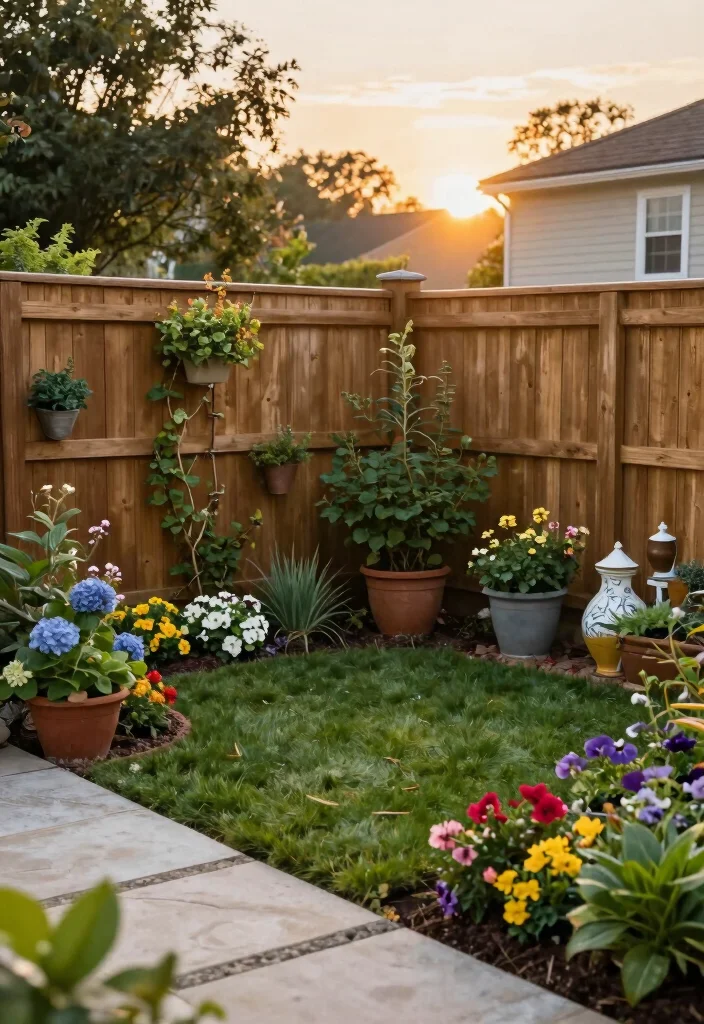
Transforming your fence line into a beautiful part of your garden is easier than you might think. With these twelve landscaping ideas, you can soften hard edges and create a space that feels inviting and vibrant. Whether you choose climbing vines for vertical appeal or a stunning water feature for tranquility, there’s something here for every garden enthusiast. So roll up your sleeves and start designing your stunning fence line today! Note: We aim to provide accurate product links, but some may occasionally expire or become unavailable. If this happens, please search directly on Amazon for the product or a suitable alternative. This post contains Amazon affiliate links, meaning we may earn a small commission if you purchase through our links, at no extra cost to you.
Frequently Asked Questions
What are practical fence line landscaping ideas to soften hard edges?
Every fence line is a chance to turn a straight edge into living texture. Start with vertical structure: add trellises or wall-mounted planters, then train climbing plants for instant height and privacy. Pair with softscape ideas like ornamental grasses, hostas, and flowering perennials to blur the boundary and boost outdoor aesthetics.
Choose plants based on sun and soil: full sun loves climbers such as climbing roses or clematis; shade favors ferns and hostas. Use containers or pocket planters for tight spaces and rotate seasonal blooms to keep the look fresh. This approach follows practical landscape design principles and builds inviting garden borders rather than a hard wall.
How can I use vertical gardening along a fence line to maximize privacy and outdoor aesthetics?
Vertical gardening turns a plain fence into a living wall. Start with a sturdy trellis, vertical planters, or hanging pockets, then pick tall, fast-growing climbers or upright plants to create a privacy plants effect. Layer with lower-height fillers like ferns and grasses to soften edges and add color, a key softscape idea for texture. For watering, install drip irrigation or soaker hoses and mulch to minimize evaporation. With regular pruning and the right plant mix, you’ll achieve a lush fence line that boosts outdoor aesthetics and landscape design.
Which plants work best for garden borders along fence lines in small spaces?
Small-space borders shine when you choose compact, layered plantings. Try evergreen dwarfs like dwarf boxwood or pittosporum for year-round structure, and pair with tall grasses such as Calamagrostis or Miscanthus to soften the edge. For color and texture, add perennials like Salvia, Echinacea, and Nepeta. In shady spots, go with hostas, astilbe, or ferns. Use privacy plants and softscape ideas to create a cozy, layered garden border along your fence line.
How do I maintain fence line landscaping ideas to keep them healthy year-round?
Maintenance is about steady care. Prune after bloom to preserve shape, mulch to conserve moisture, and check irrigation weekly. In spring, refresh soil with compost, lightly fertilize, and inspect for pests. In winter, protect tender plants and plan for spring cleanup. With a simple schedule, your fence line remains vibrant and cohesive, reinforcing landscape design and well-defined garden borders all year.
What are budget-friendly softscape ideas for fence lines that boost outdoor aesthetics and privacy?
You can transform a fence line without a big budget. Start with affordable vertical solutions—trellises or repurposed pallets as planters. Use native perennials or self-seeding annuals for color with low maintenance, and layer with evergreen shrubs for year-round privacy (privacy plants). Add texture with grasses and low-cost groundcovers, then finish with a simple mulch bed to improve outdoor aesthetics and overall landscape design.