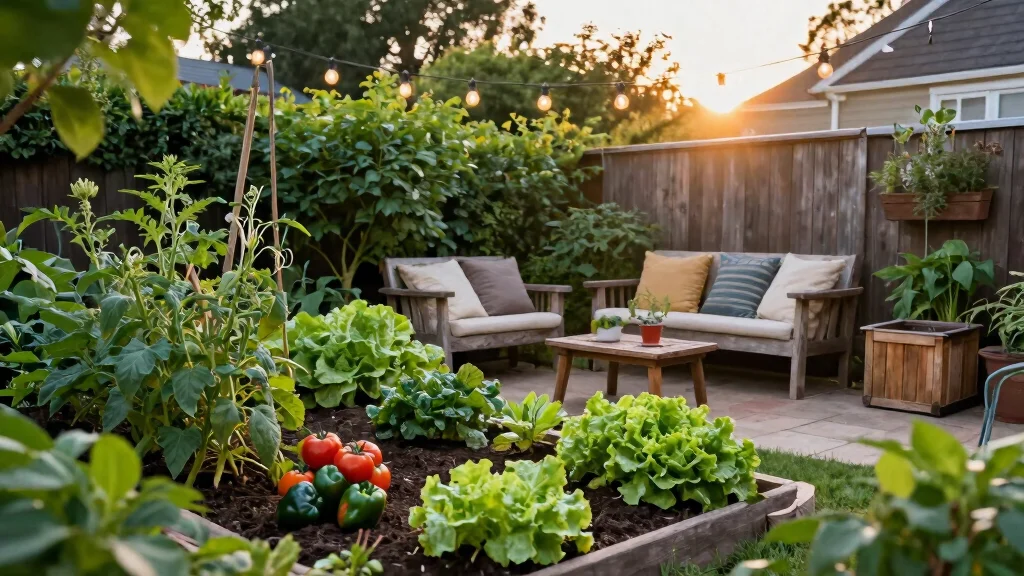
Creating an inviting and functional outdoor space is more important than ever. With the hustle and bustle of everyday life, having a backyard that offers a slice of tranquility can be a true escape. This post comes together from my desire to help you transform your outdoor space into a sanctuary for relaxation, recreation, and even a bit of gardening magic.
If you’re someone who loves spending time outdoors, enjoys gardening, or simply wants to enhance your living space, you’re in the right place. These ideas are perfect for anyone looking to enjoy their backyard to the fullest, regardless of size or budget.
In this post, I’ve compiled 14 outdoor backyard ideas for everyday living. Each idea is not only sustainable but also easy to implement. You’ll find practical tips for creating vertical gardens, cozy fire pit areas, and even a delightful edible flower garden. By the end of this guide, you’ll have creative inspiration to turn your backyard into a lively and sustainable extension of your home.
Key Takeaways
– Explore Sustainable Gardening: Discover how to incorporate sustainable practices, like composting and water conservation, into your backyard design. – Maximize Small Spaces: Learn how to utilize vertical gardens and container herb gardens to make the most of limited space. – Create Cozy Gathering Spots: Find ideas for designing inviting fire pit areas and outdoor dining spaces perfect for family gatherings or cozy nights. – Incorporate Edible Landscaping: Get tips on growing edible flowers and a miniature fruit orchard, making your garden not only beautiful but also productive. – Personalize with DIY Decor: Unleash your creativity with DIY garden decor and outdoor art installations that reflect your personality and style.1. Vertical Garden Wall
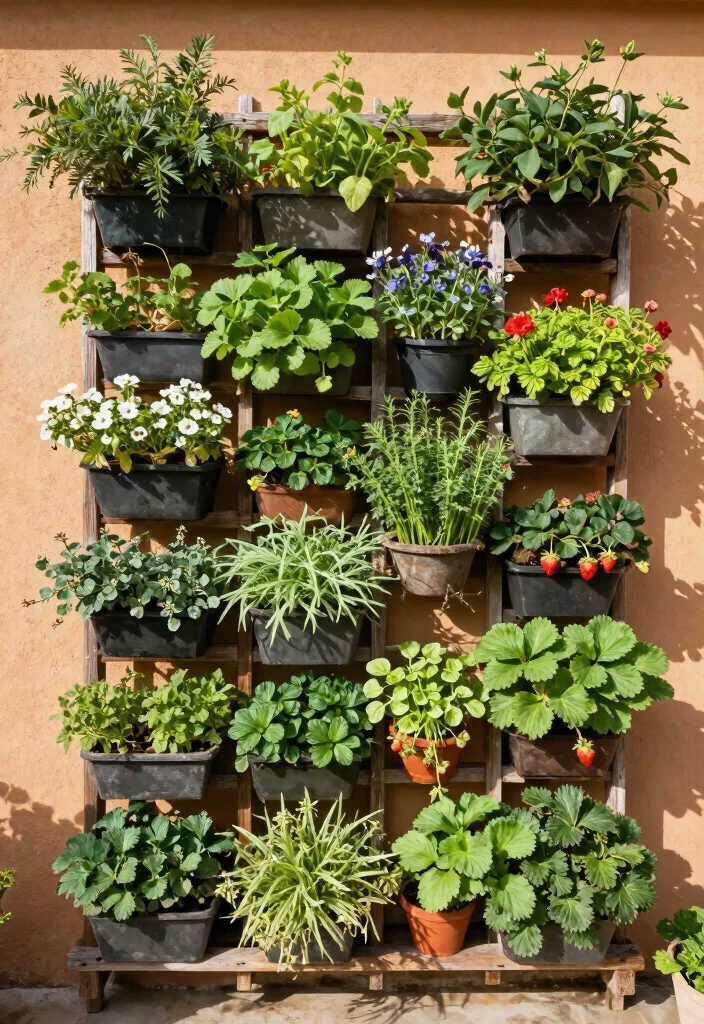
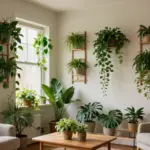
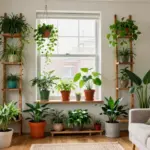
Are you short on space but still want a garden? A vertical garden wall is your answer! This stunning feature allows you to grow fresh herbs, greens, or even small fruits right on your wall, adding beauty and practicality to your outdoor space. With a wooden trellis or a repurposed pallet, you can create a lush display that’s easy to maintain and visually appealing.
It saves space, enhances your garden’s aesthetics, and gives you easy access to fresh produce right outside your door. Imagine snipping basil for your pasta or plucking strawberries for dessert, all from your vertical garden.
Ingredients:
– Wooden trellis or repurposed pallet
– Potting soil
– Herb plants (basil, parsley)
– Small fruit plants (strawberries, cherry tomatoes)
Instructions:
1. Select a sunny wall or area in your yard.
2. Install the trellis or hang wall planters securely.
3. Choose plants that thrive in vertical spaces and plant them.
4. Water regularly to keep them healthy and vibrant.
FAQs:
– How often should I water? Generally, once a day during warm months works well.
– Can I grow large plants? It’s best to stick with lighter plants like herbs to avoid strain on the structure.
📹 Related Video: How to Make a Living Plant Wall (DIY)
2. Container Herb Garden
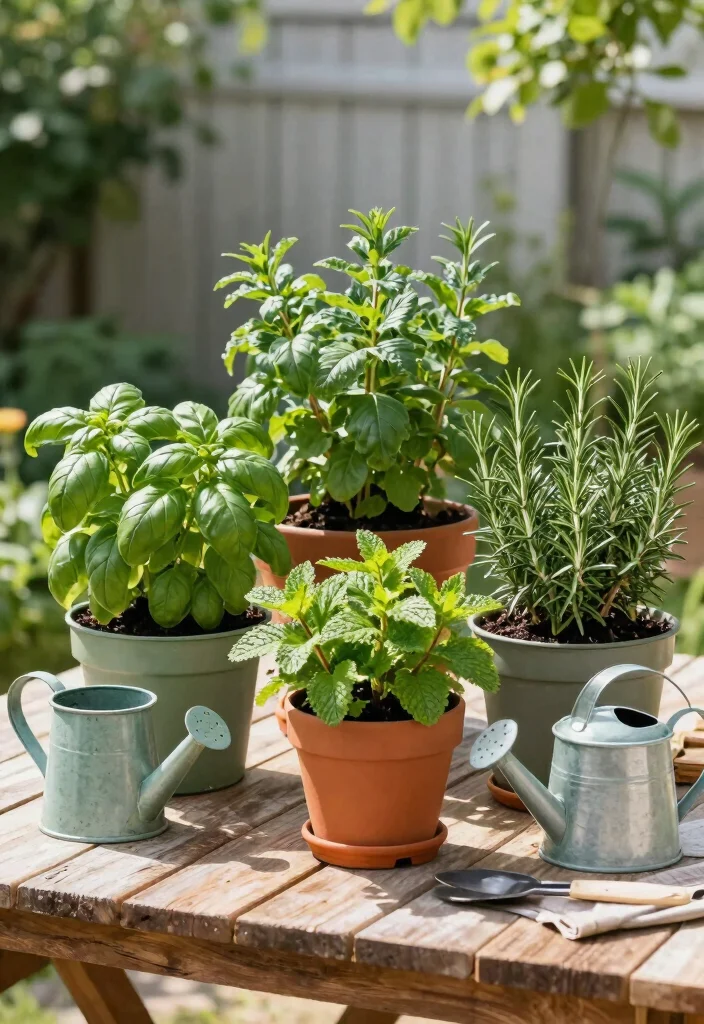
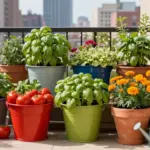
Craving fresh herbs for your cooking? Start a container herb garden! It’s perfect for limited spaces and allows you to grow a variety of herbs right at your fingertips. You can place colorful pots on your patio, balcony, or even a sunny windowsill, creating a vibrant and functional outdoor area. Editor’s Choice
This setup makes it easy to add flavor to your dishes while enhancing the aesthetic of your space. Plus, you can move the pots around to catch the sun or shade as needed.
Ingredients:
– Containers or pots with drainage holes
– Quality potting soil
– Herb seeds or seedlings (basil, cilantro, mint)
Instructions:
1. Fill your containers with potting soil, leaving space at the top.
2. Plant your chosen herbs according to their spacing requirements.
3. Water regularly, ensuring they get enough sunlight.
4. Harvest leaves as needed to encourage new growth.
Tips:
– Group herbs with similar sunlight and watering needs.
– Recycle containers to add an eco-friendly touch.
Container Herb Garden




3. Compost Bin Garden
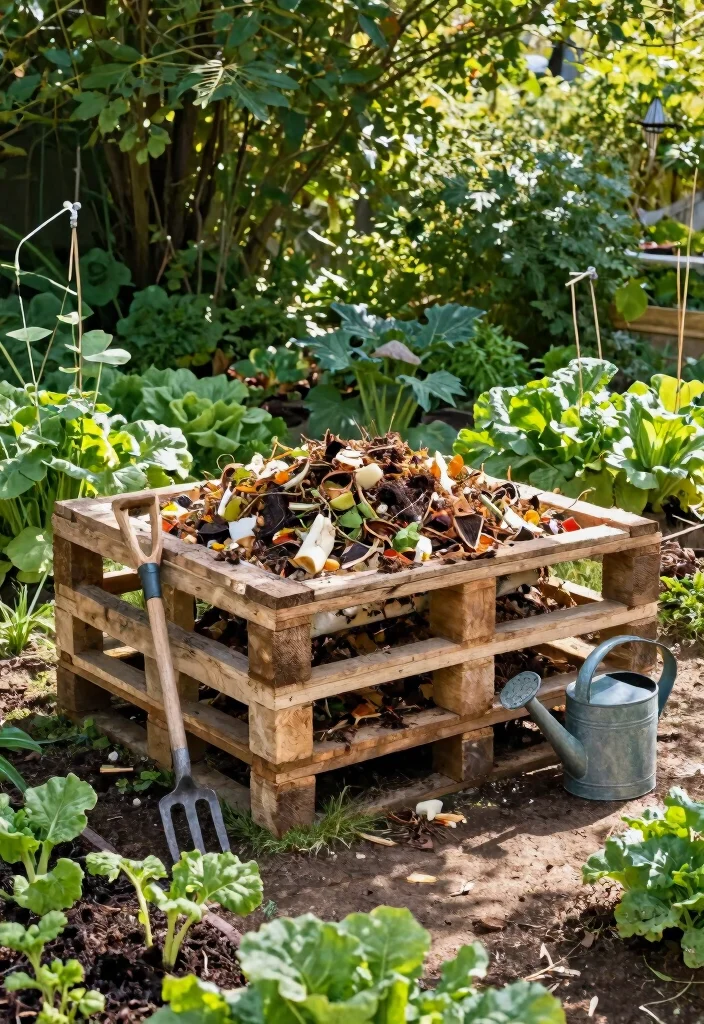
Looking to make your garden more sustainable? A compost bin garden is the way to go! By turning kitchen scraps and yard waste into nutrient-rich soil, you enrich your garden while reducing waste. It’s easy to set up and requires minimal space in your backyard.
This eco-friendly approach not only benefits your plants but also saves you money on fertilizers. Imagine the satisfaction of using your own compost to nourish your garden!
Ingredients:
– Compost bin (store-bought or homemade)
– Kitchen scraps (vegetable peels, eggshells)
– Yard waste (grass clippings, leaves)
Instructions:
1. Choose an accessible spot in your yard for the bin.
2. Fill the bin with kitchen scraps and yard waste in layers.
3. Turn the pile every few weeks to aerate it.
4. Wait 2-3 months until it breaks down into compost.
Tips:
– Avoid adding meat, dairy, and oily foods to prevent pests.
– Balance green (nitrogen-rich) and brown (carbon-rich) materials for best results.
Did you know a small backyard compost bin can divert up to 30% of kitchen waste from the landfill each year? Turning scraps into nutrient-rich soil boosts plant health and trims fertilizer costs—perfect for your outdoor ideas backyard.
4. Edible Flower Garden
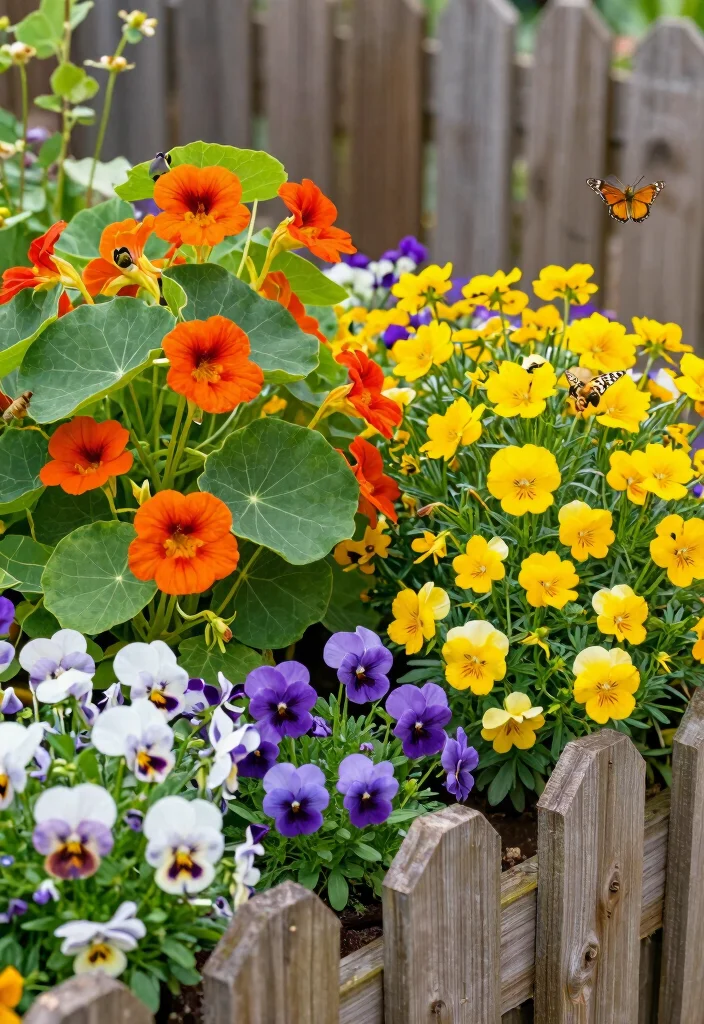
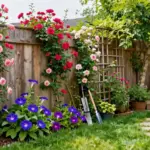
Want to add beauty and flavor to your meals? An edible flower garden is the perfect solution! These flowers not only look gorgeous but also enhance your dishes with unique flavors and vibrant colors. You can use nasturtiums, pansies, or calendula to elevate salads, desserts, or even cocktails. Editor’s Choice
This delightful garden not only beautifies your space but also attracts pollinators, enriching your yard’s ecosystem.
Ingredients:
– Edible flower seeds or seedlings (nasturtiums, pansies)
– Quality soil
– Watering can
Instructions:
1. Choose a sunny spot with well-drained soil.
2. Plant your edible flowers according to the seed package instructions.
3. Water them regularly to promote blooming.
4. Harvest flowers as they bloom for culinary use.
Tips:
– Research which flowers are edible to avoid toxic varieties.
– Deadhead flowers to encourage continuous blooming.
Edible Flower Garden


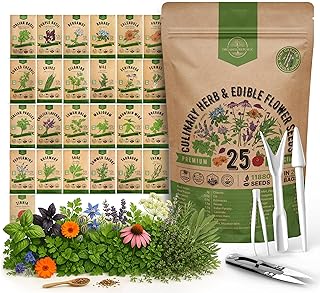
5. Cozy Fire Pit Area
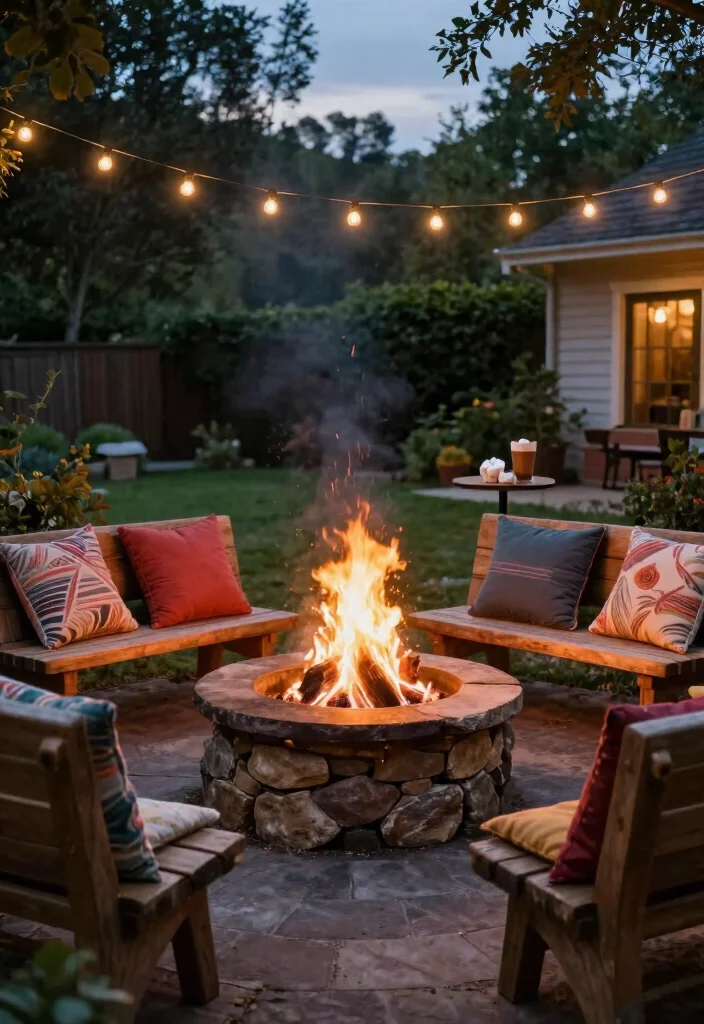
Dreaming of cozy evenings under the stars? Create a fire pit area that invites relaxation and storytelling! This space is perfect for gathering friends and family, and you can easily make it sustainable by using local materials for seating.
The warmth of the fire extends your outdoor living into cool evenings, creating a magical atmosphere that everyone will love.
Ingredients:
– Fire pit (stone or metal)
– Seating (benches or chairs made from reclaimed wood)
– Firewood or eco-friendly logs
Instructions:
1. Choose a safe, open space for the fire pit away from flammable structures.
2. Set up your fire pit, arranging seating around it.
3. Light the fire and gather to enjoy.
Tips:
– Keep fire safety tools like water or a shovel nearby.
– Use natural wood for burning to minimize smoke.
6. Raised Garden Beds
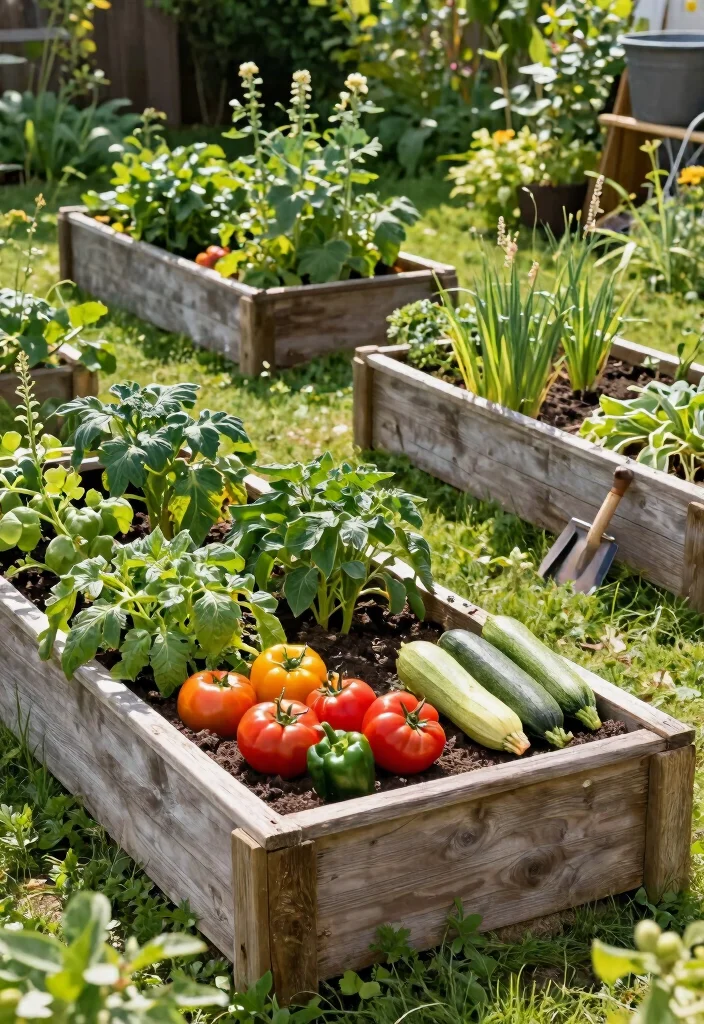
Want to grow a garden without all the back pain? Raised garden beds are the perfect solution! They offer better drainage, reduce soil compaction, and keep your plants easily accessible. You can build them from reclaimed wood or bricks for a stylish and sustainable look. Editor’s Choice
This setup allows you to control soil quality, leading to healthier plants and bountiful harvests.
Ingredients:
– Wooden planks or bricks for the frame
– Quality soil and compost mix
– Vegetable or flower seeds
Instructions:
1. Choose a sunny location with good drainage for the beds.
2. Build or purchase frames, typically 4×4 feet.
3. Fill the frames with the soil and compost mix.
4. Plant your selected seeds or seedlings.
Tips:
– Interplant flowers with vegetables to attract pollinators.
– Consider planting perennial herbs for continuous harvests.
Raised Garden Beds


7. Outdoor Dining Area
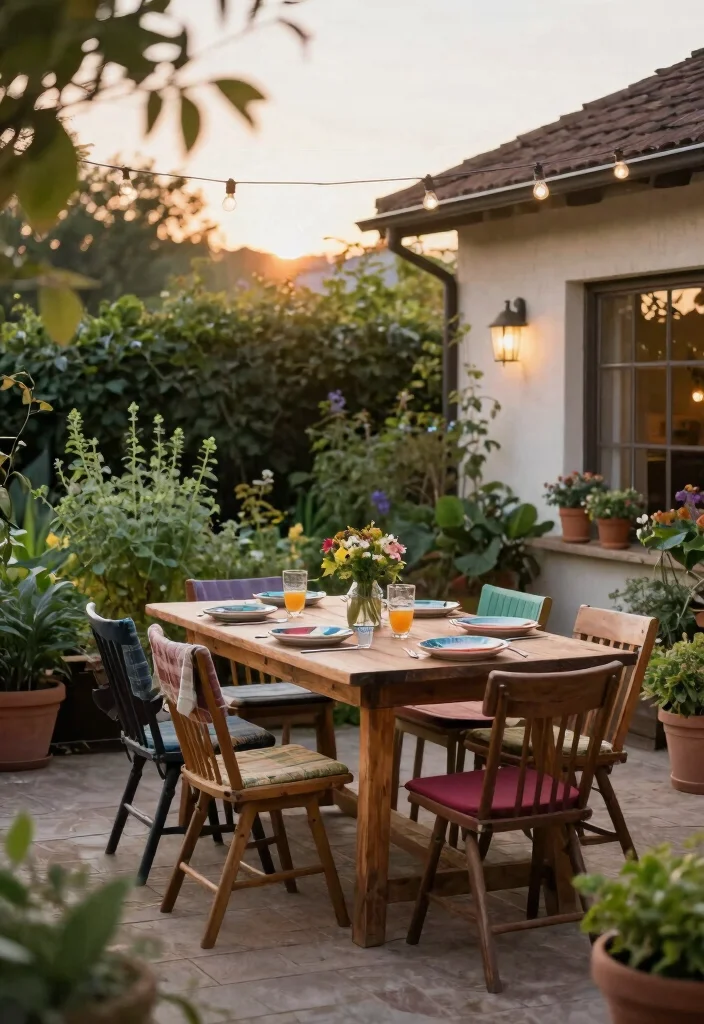
Looking to enjoy meals in the fresh air? Transform your backyard into an outdoor dining area! This space encourages family gatherings and casual brunches with friends while allowing you to savor nature with every meal.
Choose sustainable materials for your furniture and add some greenery to create an inviting atmosphere.
Ingredients:
– Outdoor table and chairs (preferably made from recycled materials)
– Tableware
– Potted plants for decoration
Instructions:
1. Find a flat surface for your dining setup in a shaded area if possible.
2. Arrange your table and chairs comfortably.
3. Decorate with plants and ambient lighting for a cozy feel.
4. Prepare meals using fresh ingredients from your garden!
Tips:
– Use bright tableware to match the outdoor vibe.
– Consider adding umbrellas for sun protection.
8. DIY Garden Decor
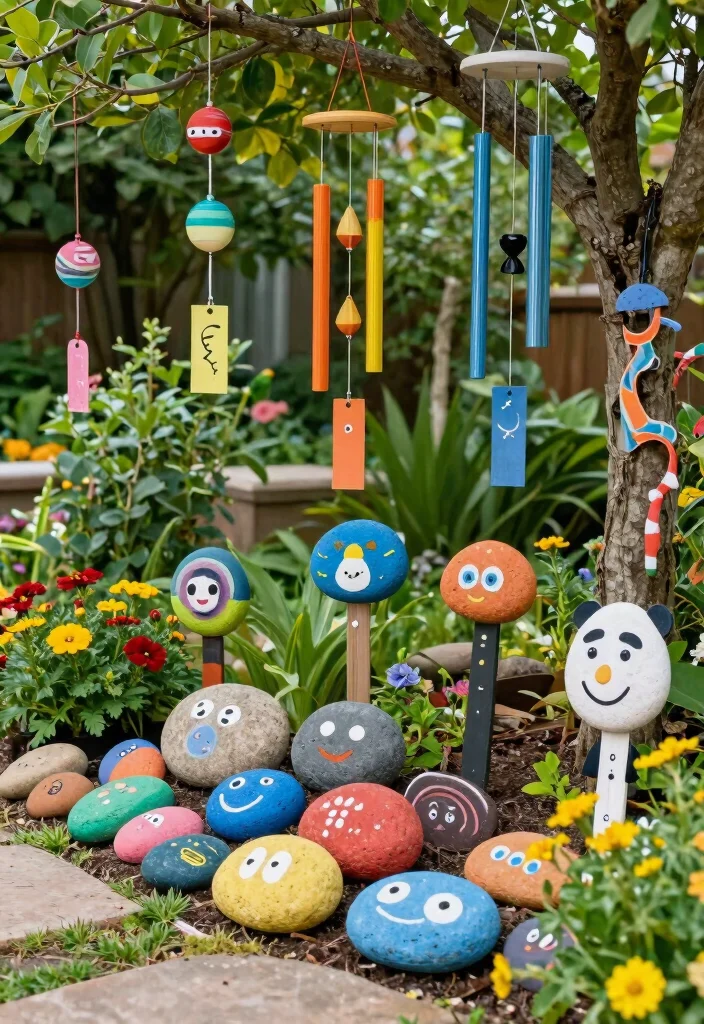
Want to add personality to your backyard? Create DIY garden decor that showcases your creativity! From handmade bird feeders to painted garden signs, these unique touches beautify your space and give you a sense of accomplishment.
Using recycled materials promotes sustainability while allowing you to craft one-of-a-kind decorations.
Ingredients:
– Old wood, jars, fabric, or other recyclable materials
– Non-toxic paint or natural finishes
Instructions:
1. Gather your materials and brainstorm creative ideas.
2. Create items like painted stones or garden stakes.
3. Use non-toxic finishes for safety.
4. Place your creations around the garden for a personal touch.
Tips:
– Involve kids in the crafting process for family fun.
– Use bright colors that contrast with greenery for visual impact.
How To Choose Outdoor Furniture for Your Backyard
When it comes to creating the perfect outdoor living space, choosing the right furniture is essential. Your furniture should not only complement your garden decor but also be functional and durable for everyday living. Here’s how to pick the best outdoor furniture for your backyard. 1. Consider Your SpaceBefore you start shopping, measure your outdoor area. Think about the layout and how you plan to use the space. Do you want a cozy corner for reading, or an area for entertaining guests? Ensure there’s enough room for movement and that the arrangement feels open, not cramped. A good rule of thumb is to leave at least 3 feet of walking space around furniture.
2. Choose Durable Materials
Outdoor furniture needs to withstand the elements. Look for materials that are weather-resistant. Options like teak, eucalyptus, and aluminum are great choices. They resist rust and fading, ensuring your furniture stays looking fresh. If you opt for cushions, choose covers made from water-resistant fabrics to protect against rain or spills.
3. Define Your Style
Your furniture should reflect your personal taste. Do you prefer a modern look with sleek lines, or a more rustic style with wooden finishes? Mixing styles can create a unique vibe but stick to a color palette to maintain cohesion. Consider how your furniture complements your landscaping and garden decor for a harmonious look.
4. Prioritize Comfort
Comfort is key for outdoor spaces where you’ll spend time relaxing or entertaining. Test out seating options before buying. Look for cushioned seats or lounge chairs that provide back support. Don’t forget about accessories like throw pillows for added comfort and style. The goal is to create an inviting area where you and your guests will want to spend time.
5. Think About Storage
Outdoor furniture can take up a lot of space, so consider options that are easy to store or stack. Foldable tables and chairs can save space when not in use. Additionally, look for furniture with built-in storage to keep cushions and other accessories protected from the weather. This feature can help extend the life of your outdoor setup.
6. Set a Budget
Outdoor furniture can range in price. Decide how much you’re willing to spend before you start shopping. Keep in mind that investing in higher quality pieces may save you money in the long run, as they often last longer. Look out for sales or second-hand options, as these can provide great finds at a reduced cost.
Pro Tip: Always check for warranties on outdoor furniture. A good warranty can offer peace of mind, especially if your furniture gets a lot of use or exposure to harsh weather. Plus, it can be a sign of a brand’s confidence in their product quality.
By keeping these key factors in mind, you can select outdoor furniture that enhances your backyard. Choosing the right pieces allows you to create a functional and beautiful outdoor living space for everyday enjoyment. Whether you’re hosting family gatherings or enjoying quiet afternoons, the right furniture will make your backyard a favorite spot in your home.
9. Wildlife-Friendly Garden
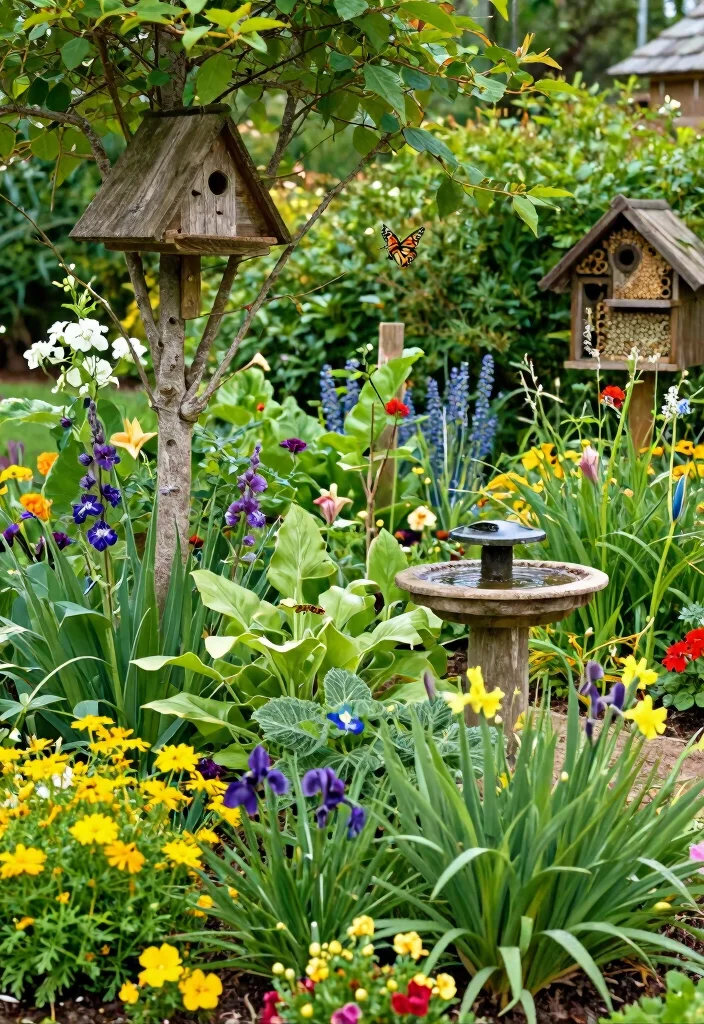
Want to support local wildlife in your backyard? Create a wildlife-friendly garden that attracts birds, bees, and butterflies! This not only enriches your garden but also helps maintain ecological balance. Editor’s Choice
By planting native species and providing habitats, you can encourage biodiversity and enjoy the beauty of nature.
Ingredients:
– Native plant seeds
– Bird feeders and birdhouses
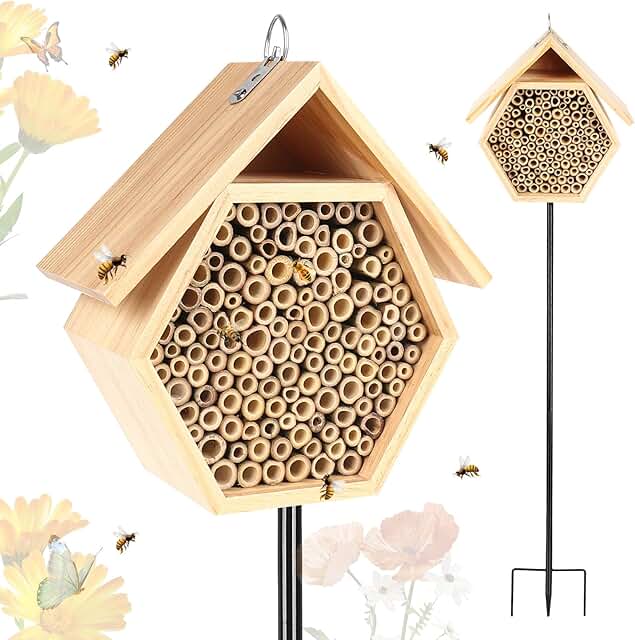
– Bee hotels or insect habitats
Instructions:
1. Research local native plants that attract pollinators.
2. Install bird feeders, houses, and bee hotels in your garden.
3. Avoid using pesticides to protect beneficial insects.
4. Create small water sources like bird baths or ponds.
Tips:
– Plant flowers that bloom at different times to support wildlife year-round.
– Group similar plants to make it easier for pollinators to find food.
Wildlife-Friendly Garden



10. Sustainable Water Features
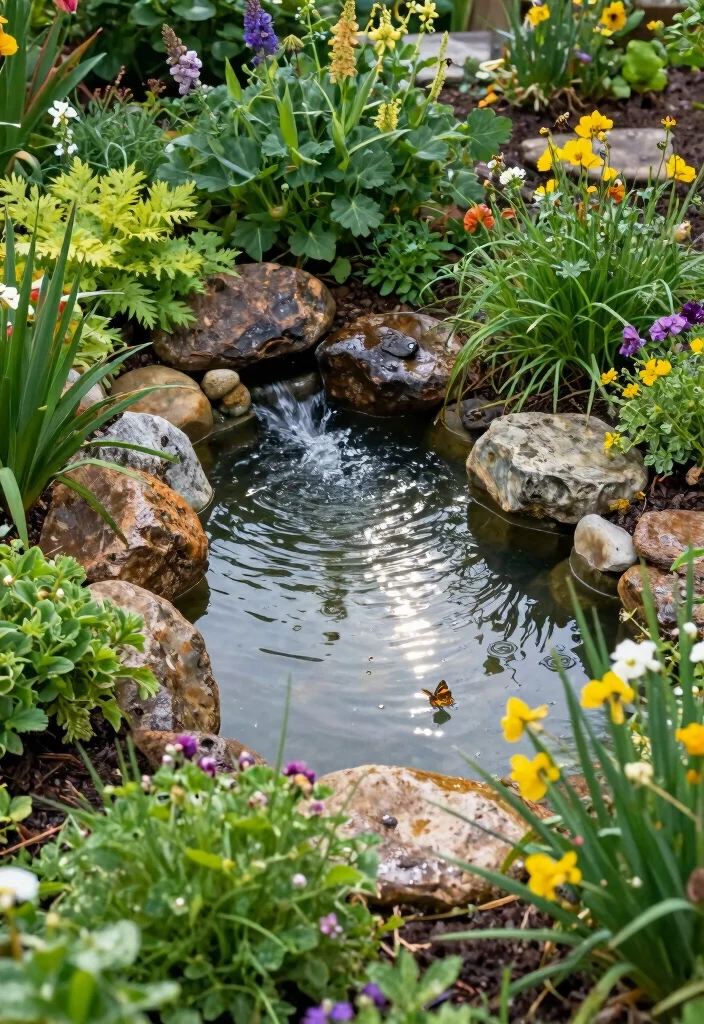
Looking to enhance your garden’s beauty while promoting biodiversity? Incorporate sustainable water features like rain gardens or ponds! These additions not only create serene environments but also support wildlife and efficiently manage rainwater.
Imagine the peaceful sounds of water while enjoying your outdoor space, all while contributing to a healthier ecosystem.
Ingredients:
– Location for a rain garden or pond
– Native plants that thrive in wet conditions
– Stones for decoration
Instructions:
1. Choose a suitable location for your water feature.
2. Design and dig a rain garden or install a small pond.
3. Ensure proper drainage to manage excess rainwater.
4. Add stones and plants around the area for a natural look.
Tips:
– Use native plants to maintain balance and reduce care needs.
– Regularly check water quality to keep it healthy.
❝ Turn your outdoor ideas backyard into a living pond with rain gardens—nature does the heavy lifting. A small water feature boosts biodiversity, slows runoff, and sounds like a mini retreat. Start with native plants and simple, seasonal maintenance.
11. Miniature Fruit Orchard
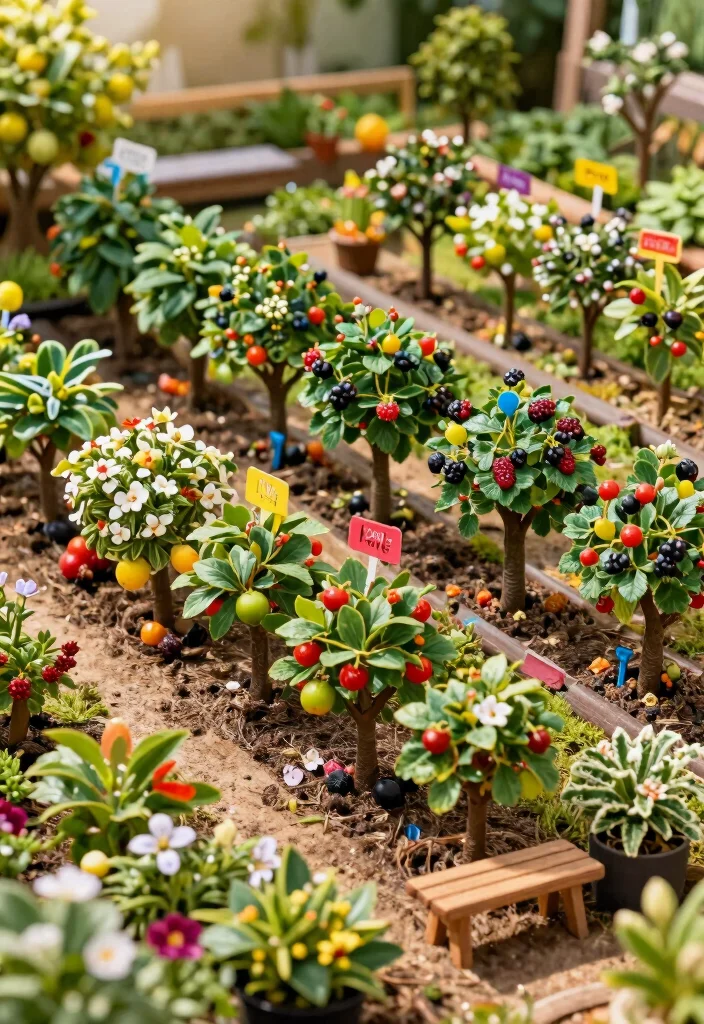
Craving fresh fruit from your own backyard? Transform part of your space into a miniature fruit orchard! Using dwarf fruit trees or berry bushes allows you to grow delicious fruits without needing a lot of room, while adding charm to your landscape.
Imagine picking apples or blueberries right at your doorstep, enjoying the freshest flavors possible.
Ingredients:
– Dwarf fruit trees or berry bushes
– Quality soil
– Watering can
Instructions:
1. Choose a sunny area in your yard for planting.
2. Select dwarf fruit trees or berry bushes suitable for your climate.
3. Space them properly to allow for growth and air circulation.
4. Water regularly and apply mulch to retain moisture.
Tips:
– Companion plant with flowers to attract pollinators.
– Prune trees for better growth and easier access.
Fun fact: A tiny backyard orchard with dwarf fruit trees can yield 40–60 pounds of fresh fruit each year. With smart spacing and quality soil, your outdoor ideas backyard can become a thriving, low-effort harvest.
12. Outdoor Workshop Space
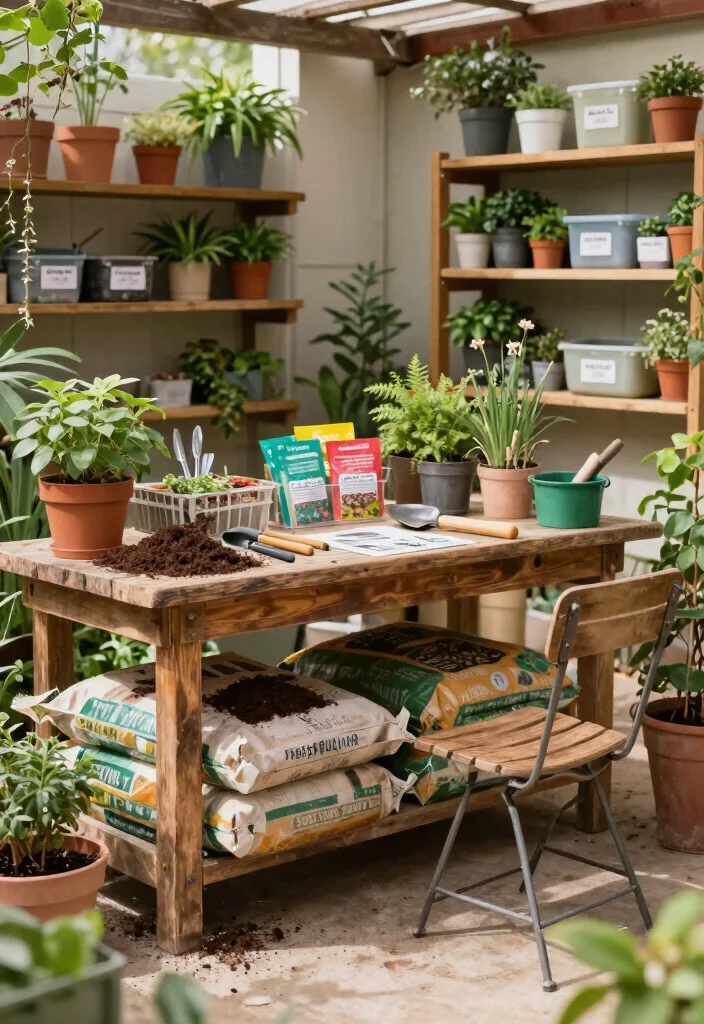
Are you a gardening enthusiast looking to unleash your creativity? Turn part of your backyard into an outdoor workshop space! This area is ideal for potting plants, organizing tools, and even relaxing with a good book under the sun.
Having a dedicated space for gardening and crafting can stimulate your creativity and keep your supplies organized.
Ingredients:
– Sturdy potting bench
– Storage for tools
– Comfortable seating
Instructions:
1. Choose a shaded area for your workshop.
2. Set up a potting bench and shelves for your tools.
3. Organize materials in labeled containers for easy access.
4. Add seating for moments of relaxation and inspiration.
Tips:
– Decorate with potted plants to spark creativity.
– Use recycled materials to build storage and benches.
13. Shade Garden
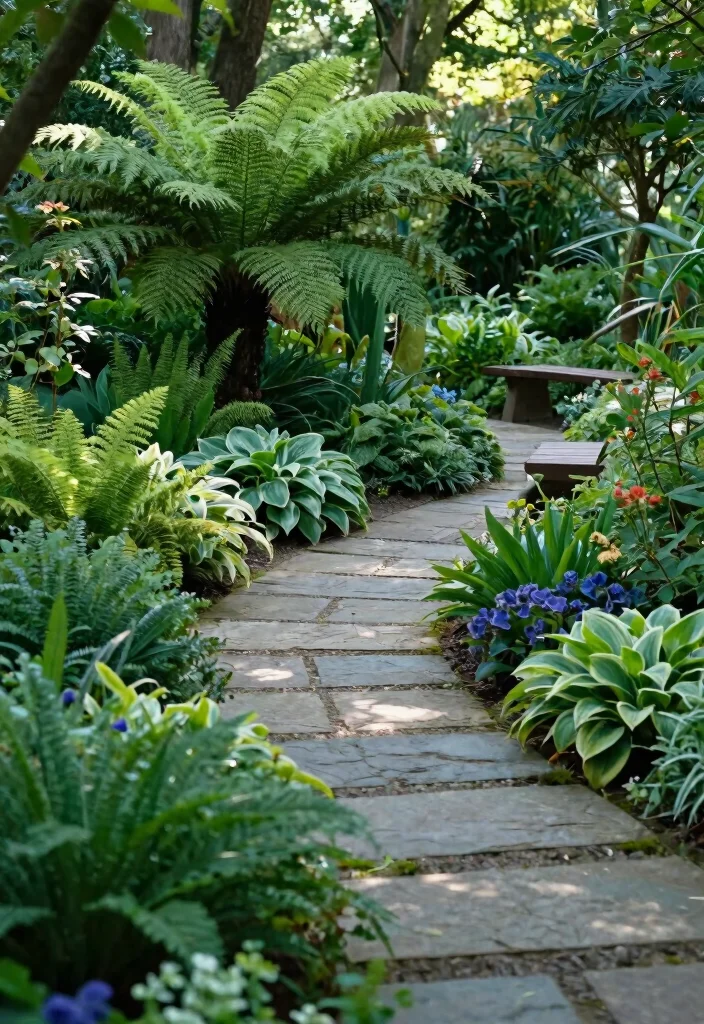
Do you have shady spots in your backyard that go unused? Create a tranquil shade garden! This type of garden can be lush and vibrant, providing a peaceful escape from the sun with a variety of ferns, hostas, and shade-loving perennials.
It transforms hard-to-use spaces into serene retreats, showcasing the beauty of diverse plant life.
Ingredients:
– Shade-tolerant plants (ferns, hostas)
– Quality soil
– Stepping stones or paths
Instructions:
1. Identify shady areas in your yard.
2. Select shade-loving plants suited to your climate.
3. Incorporate stepping stones or paths for easy access.
4. Add seating to relax and enjoy the tranquility.
Tips:
– Layer plants to create depth and interest.
– Consider adding a water feature for added serenity.
14. Outdoor Art Installation

Want to infuse creativity into your backyard? An outdoor art installation can showcase your personality and interests! From sculptures to painted rocks, these pieces add joy and color to any outdoor space, making it feel more vibrant and alive. Editor’s Choice
Art not only beautifies your area but can also spark conversations among guests, making your garden a true reflection of you.
Ingredients:
– Materials for sculptures (wood, metal, stone)
– Paint for decoration
Instructions:
1. Decide on a theme or style that resonates with you.
2. Gather materials for creating your art pieces.
3. Arrange your installations for visual harmony.
4. Ensure all pieces are weather-resistant for longevity.
Tips:
– Integrate art with plants for a cohesive look.
– Refresh your art regularly for a new perspective.
Outdoor Art Installation




Conclusion
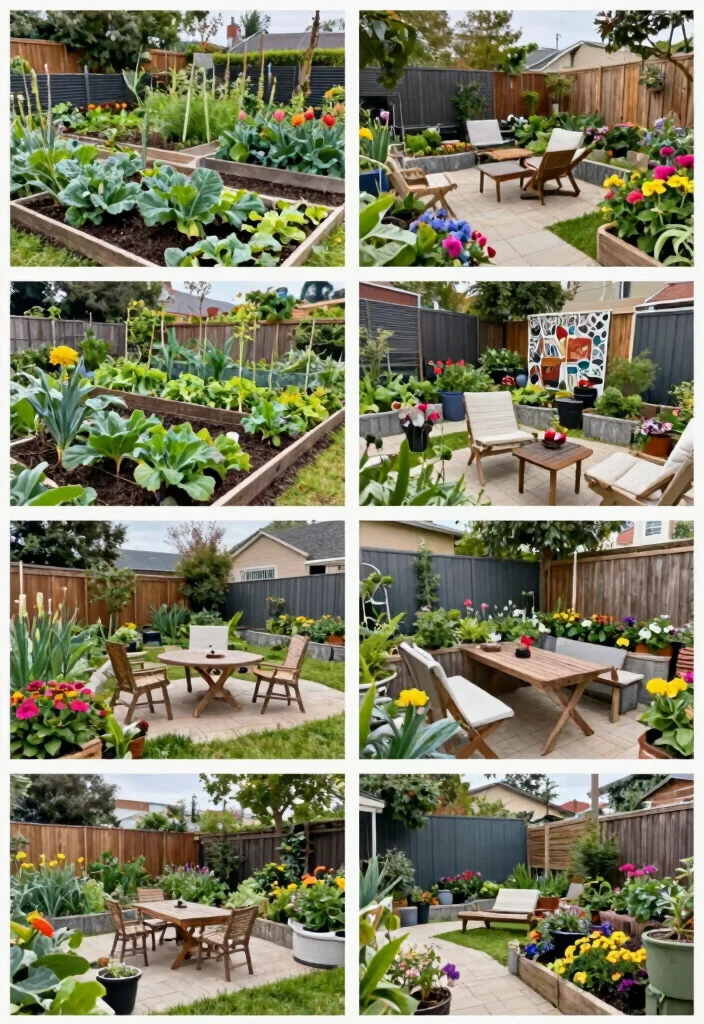
Cultivating a backyard that reflects your lifestyle and values doesn’t have to be overwhelming. With these 14 outdoor ideas, you can create a vibrant oasis that combines sustainable practices with beautiful aesthetics. Whether it’s growing your own food, inviting wildlife, or enhancing your outdoor living spaces, each idea contributes to a richer life outdoors. Consider which ideas resonate with you and start exploring the possibilities today. The journey toward a sustainable, edible landscape can be both fulfilling and enjoyable! Note: We aim to provide accurate product links, but some may occasionally expire or become unavailable. If this happens, please search directly on Amazon for the product or a suitable alternative. This post contains Amazon affiliate links, meaning we may earn a small commission if you purchase through our links, at no extra cost to you.
Frequently Asked Questions
What are some practical outdoor ideas backyard for small spaces that still let you grow edible plants?
Start with vertical solutions like wall-mounted herb planters or a trellis to free ground space.
Choose compact, container-friendly crops such as dwarf tomatoes, bush beans, strawberries, and herbs in bright pots on a sunny patio.
Add a narrow raised bed or a bed along a fence to maximize soil without widening your yard.
Pair this with a small compost bin and a rain barrel to finish a sustainable gardening loop that feeds your plants and soil.
How can I blend backyard landscaping with sustainable gardening in a compact yard without sacrificing beauty or harvests?
Plan around a few core zones: growing zone, dining/relaxation zone, and a compact utility zone for water and compost.
Choose native, drought-tolerant edible perennials and compact herbs to reduce maintenance and water use.
Install drip irrigation with a smart timer and mulch heavily to conserve moisture.
Use trellises, espaliered fruit trees, and vertical planters to maximize yields in small spaces while keeping backyard landscaping cohesive and sustainable gardening.
Which outdoor furniture and garden decor choices work best in a edible, space-saving backyard?
Look for multi-use furniture: benches with built-in planters, foldable dining sets, and stackable chairs that tuck away after meals.
Incorporate garden decor that doubles as growing support: trellises, arbors, and planter walls with edible climbers like peas or cucumbers.
Choose weatherproof materials, light colors to reflect heat, and consider solar-powered string lights to extend evenings in your outdoor living spaces without wasting energy.
What steps can I take to create outdoor living spaces that are both inviting and eco-friendly in a small garden?
Start with a simple layout: one seating area, one planting zone, and a path. Use a pergola or shade sail to create comfortable seating even in summer.
Choose edible groundcovers and edible border plants to blend beauty with food production.
Add solar-powered lighting and a water-smart irrigation plan to keep maintenance minimal while reducing waste.
Incorporate native pollinator-friendly flowers among your edible plants to support sustainable gardening and ensure thriving harvests.
What are the quickest, easiest starter steps to implement the 14 ideas for outdoor ideas backyard and sustainable edible landscaping?
Start by surveying how much sun each area gets and mark where you want to place beds, containers, and seating.
Choose 2–3 beginner ideas to begin with, like a vertical herb wall and a small raised bed for salad greens.
Sketch a simple plan on grid paper to keep paths clear and planting organized.
Gather a few containers with good drainage, sun-loving edibles, and a lightweight soil mix suitable for containers.
Set up a basic drip irrigation line and a small compost bin or worm bin to kick off sustainable gardening practices.
Install a rain barrel for irrigation and plan a simple maintenance routine (weekly checks and seasonal plant swaps). Now you’ll be on your way with a practical path to a vibrant outdoor ideas backyard and edible landscape.