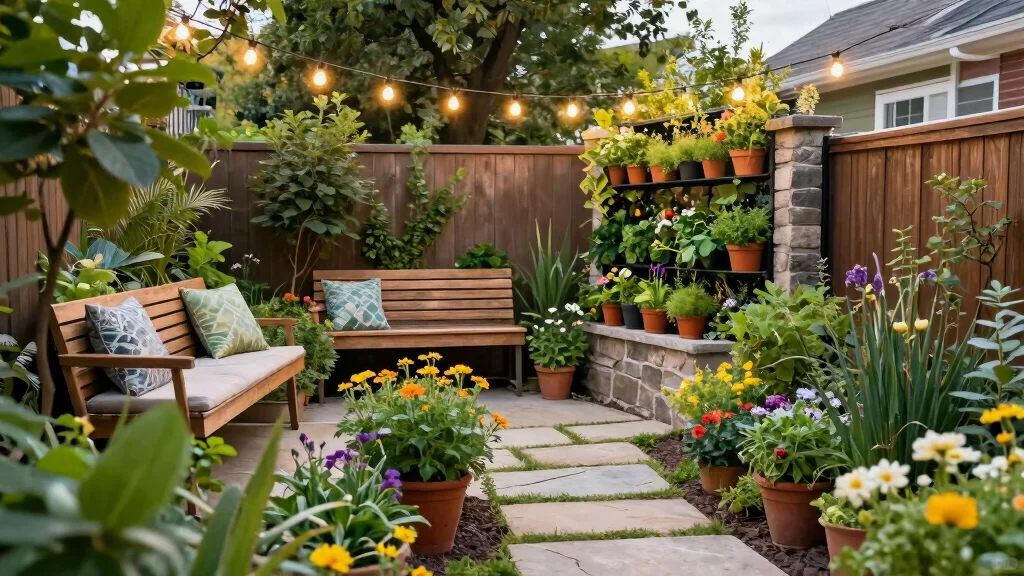
The warmth of the sun, the scent of blooming flowers, and the sound of chirping birds—there’s something magical about a well-designed backyard. If you’re like many of us, you’ve probably looked out at your outdoor space and thought, “I need to make this better.” Whether it’s a cozy nook for reading or a lively gathering spot for friends, your backyard deserves a layout that flows and functions seamlessly. That’s why I created this guide to help you brainstorm inspiring backyard layout ideas that will transform your small space into an oasis. If you’re someone who loves gardening, outdoor living, or just enjoys a well-organized space, this post is tailored for you. You might be struggling with how to maximize every inch or how to create a welcoming atmosphere without feeling cramped. You’re not alone. Many people want their backyards to be both beautiful and functional. In this guide, you’ll discover twelve creative ideas that promise to enhance your outdoor experience, bringing comfort, organization, and a touch of style. Get ready to dive into suggestions that are not just practical but also visually appealing. From cozy corners to vertical gardens, these backyard layout ideas are intended to spark your imagination. You’ll learn how to optimize your space, incorporate multi-use furniture, and even introduce serene elements like water features. By the end of this post, you’ll have a treasure trove of ideas to create a backyard that flows with purpose and style.
Key Takeaways
– Discover twelve unique backyard layout ideas that enhance both function and flow, transforming your outdoor space for everyday enjoyment. – Learn how to create cozy corners that invite relaxation, making your backyard a perfect retreat for reading or enjoying a cup of coffee. – Explore vertical gardens to save space while adding greenery and beauty to your yard, ideal for small or limited areas. – Understand the importance of pathways to improve the flow of your outdoor layout, guiding guests through your space comfortably. – Get tips on incorporating elements like fire pits, water features, and shade structures to elevate your backyard experience year-round.1. The Cozy Corner Retreat
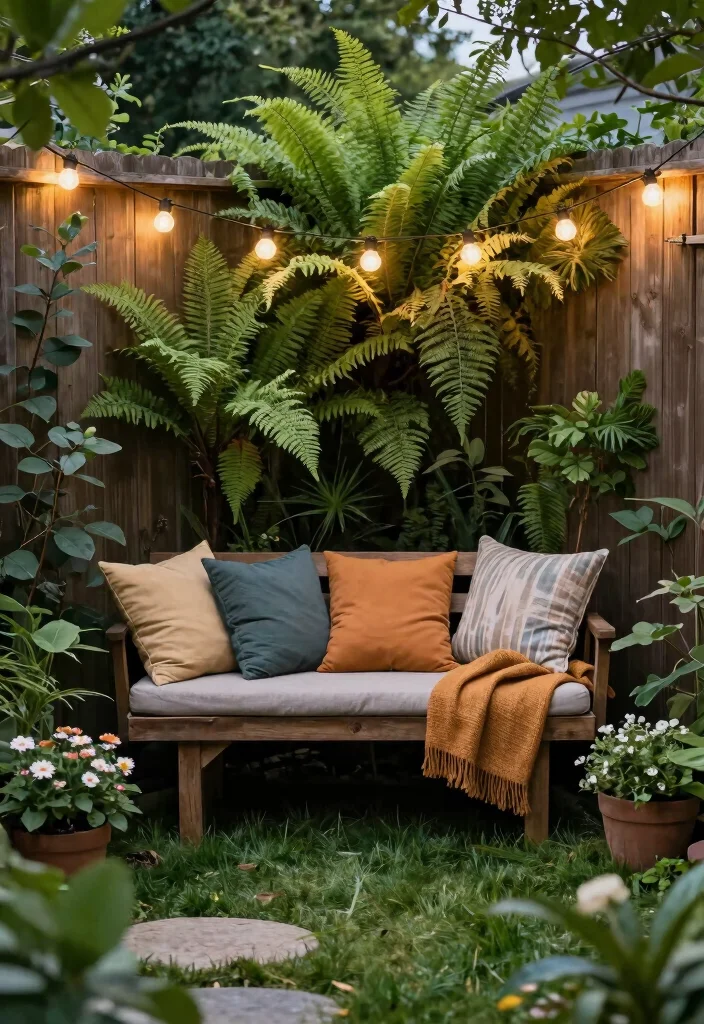
Imagine transforming that overlooked corner of your yard into a cozy retreat. Picture a small seating area surrounded by lush greenery, creating a private oasis just for you. Add a charming bench or a couple of comfy chairs, paired with a small table for drinks or snacks, and you have an inviting spot to unwind.
Enhance your retreat with colorful pillows and a warm throw to make it even more inviting. Hang fairy lights overhead to bring a magical ambiance as the sun sets. Frame the area with ferns or small shrubs for a natural barrier that adds to the coziness.
Key features to consider:
– Seating: Choose comfortable outdoor furniture to promote relaxation.
– Lighting: Incorporate string lights or solar lanterns for a soft glow.
– Plants: Select low-maintenance plants that thrive in your climate.
Creating your own quiet corner allows you to enjoy a good book or sip coffee in peace, making it the perfect escape in your backyard.
Fun fact: A 6-by-6-foot corner is all you need to kick off standout backyard layout ideas—turn it into a private retreat with comfy seating, greenery, and fairy lights. Add a warm throw and pillows, and the space feels 60% cozier by sunset.
2. Vertical Gardens for Space Saving
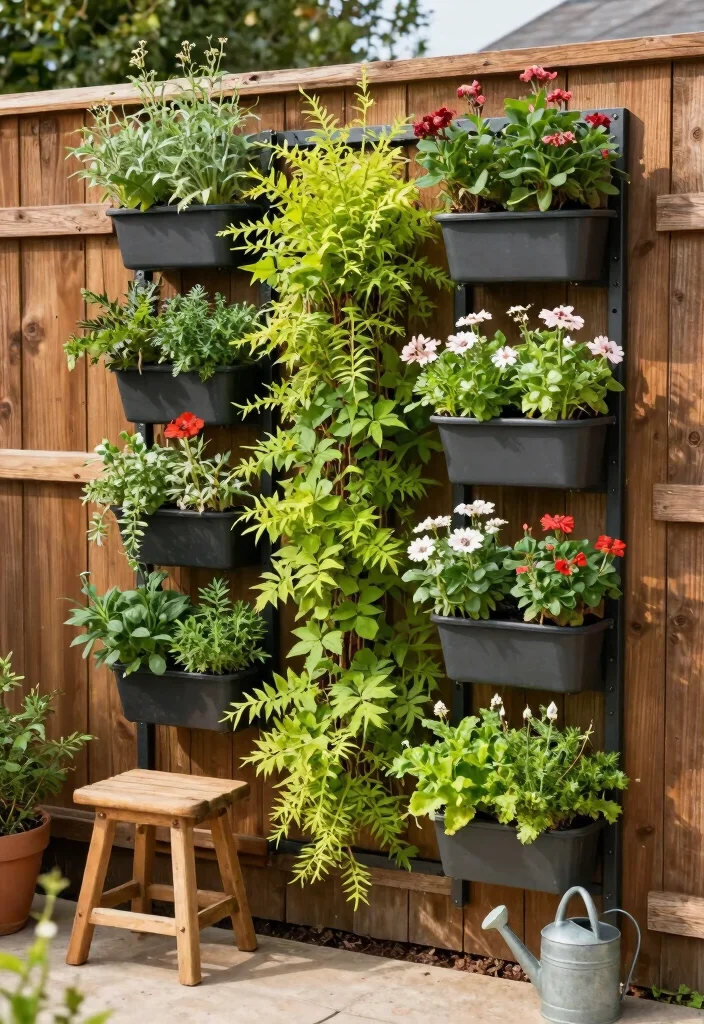
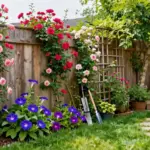
When space is at a premium, vertical gardens can completely change your outdoor experience. They introduce vibrant greenery and color without taking up valuable ground area. You can achieve a stunning visual display with wall-mounted planters or trellises filled with climbing plants.
Grow herbs and flowers on these vertical structures to maximize aesthetics and functionality. This design not only beautifies your backyard but also allows you to cultivate more plants in limited space.
Steps to create your vertical garden:
– Materials: Use wooden pallets, hooks, or metal frames for planting.
– Plant Selection: Opt for climbing plants like roses or herbs such as basil.
– Maintenance: Ensure easy access for watering by placing your garden at a comfortable height.
A vertical garden adds artistic flair and liveliness to your outdoor space while efficiently using every inch.
3. Multi-Use Furniture
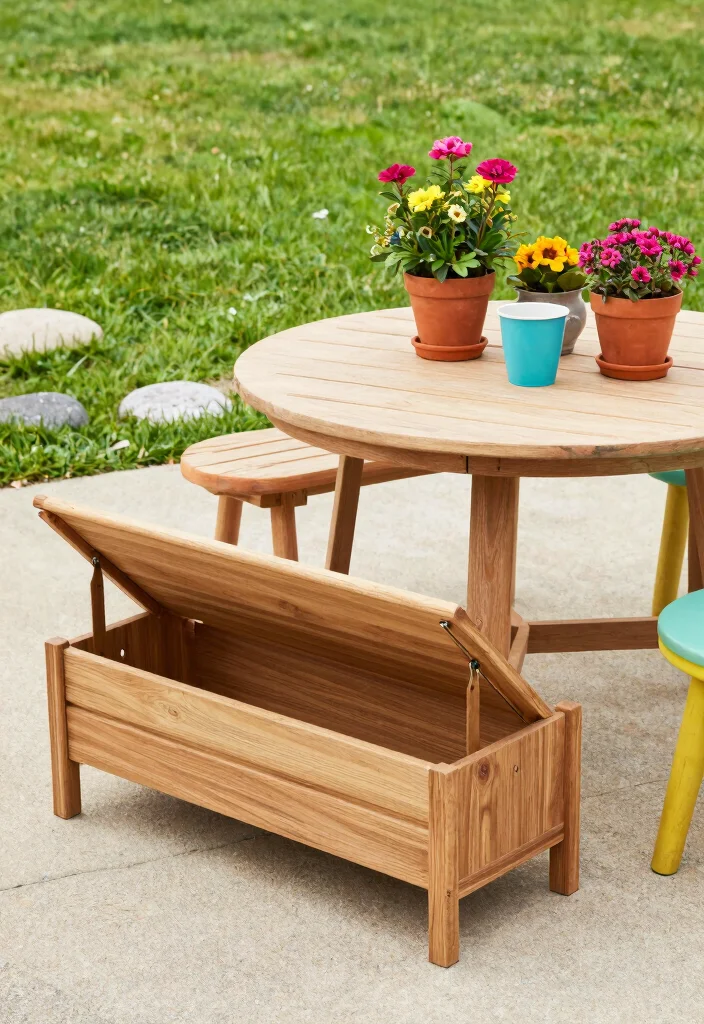
Choosing multi-use furniture is a clever way to optimize your outdoor area. Select benches with storage for garden tools or tables that double as planters. This approach not only saves space but also keeps your backyard organized and functional.
Think about a dining table that converts into a game table or stools that can double as plant stands. The versatility of these pieces allows you to adapt your space for various activities, from dining to casual gatherings.
Ideas for multi-use furniture:
– Storage Solutions: Look for benches that lift for storage.
– Flexible Pieces: Invest in folding furniture that’s easy to move.
– Creative Uses: Repurpose wooden crates as side tables or planters.
These suggestions enhance both style and functionality, making your backyard a more efficient and enjoyable space.
4. Pathways for Flow
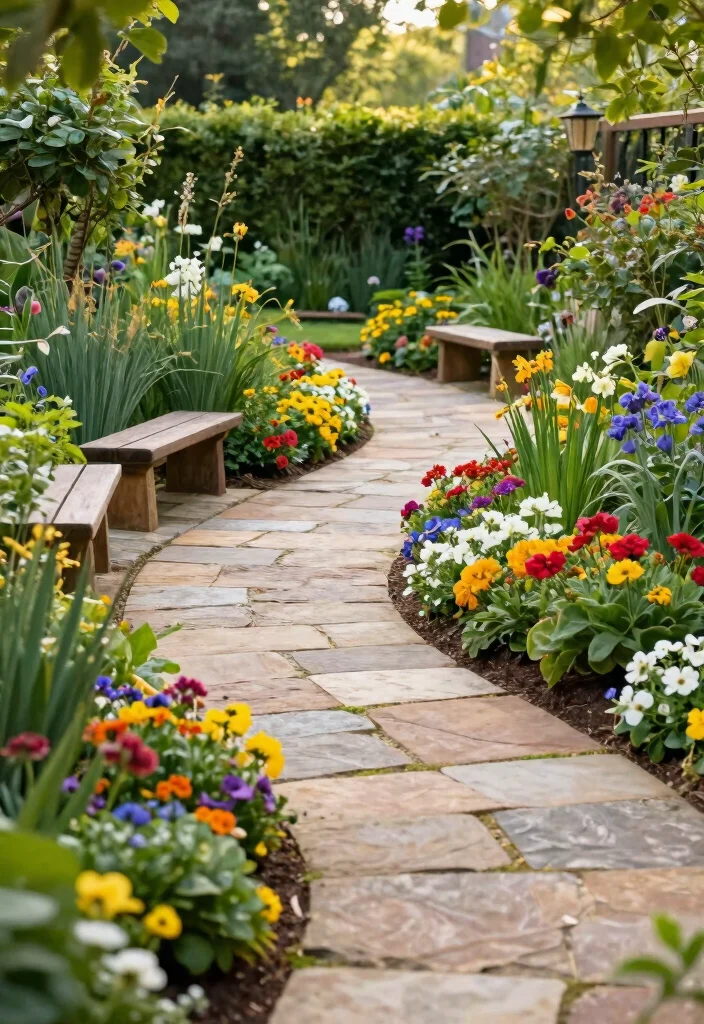
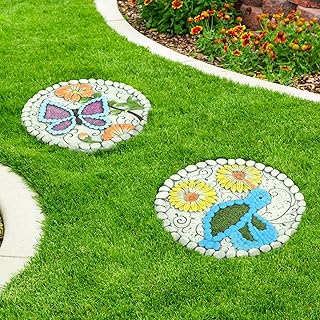
Creating clear pathways is essential for improving the flow of your backyard. Whether you choose stepping stones, gravel, or mulch, defined paths guide guests through your space and create a sense of order. They can separate areas, like a dining spot from a garden.
Incorporating gentle curves instead of straight lines can make pathways feel more inviting. Frame these paths with flower beds or low shrubs for added beauty and to visually connect different sections of your yard.
Key considerations for pathways:
– Materials: Select brick, stone, or wood that complements your home’s style.
– Design: Use gentle curves to naturally lead the eye.
– Plant Borders: Enhance pathways with colorful plants for visual appeal.
This thoughtful layout allows guests to easily navigate your garden while enjoying the lush sights and scents along the way.
5. Zen Garden Elements
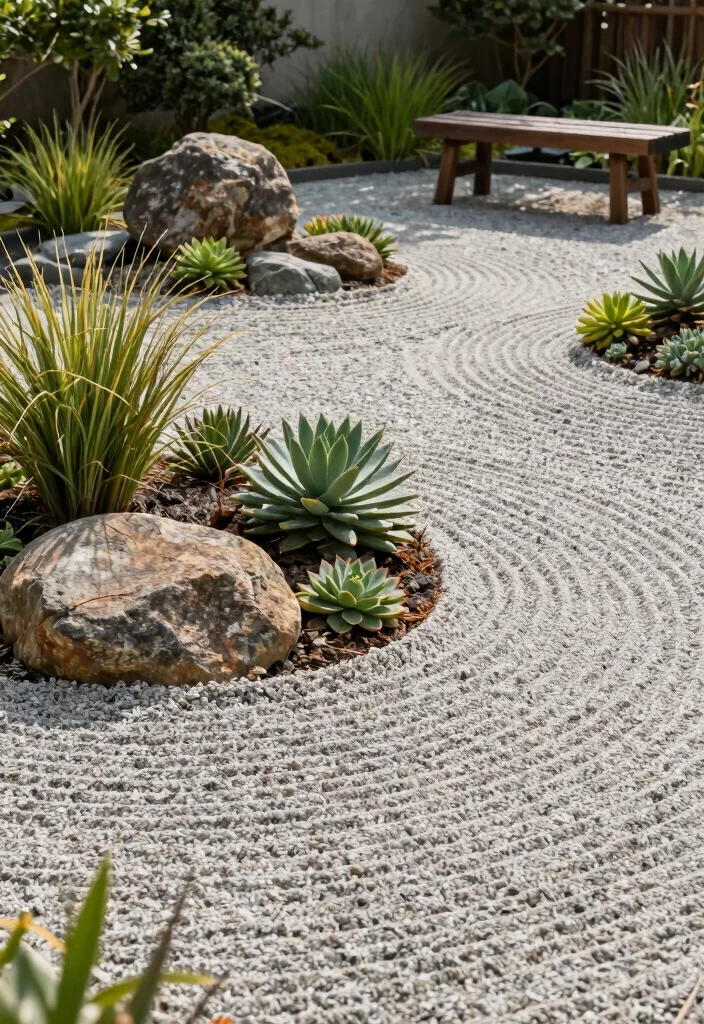
Incorporating Zen garden elements can instill tranquility in your small backyard. Features like gravel, boulders, and strategically placed plants create a serene atmosphere. This minimalist design encourages relaxation and mindfulness. Editor’s Choice
Set up a small gravel area with raked patterns to mimic water ripples, and place larger stones for visual interest. Enhance the calming effect with low-maintenance plants such as succulents or ornamental grasses.
Essential tips for a Zen garden:
– Simplicity is Key: Focus on few carefully chosen elements.
– Textures: Mix smooth stones, rough gravel, and soft plants.
– Meditation Spot: Include a bench or cushion for quiet reflection.
This layout fosters a calming presence, transforming your outdoor area into a peaceful retreat from everyday life.
Zen Garden Elements




6. Edible Landscape Design
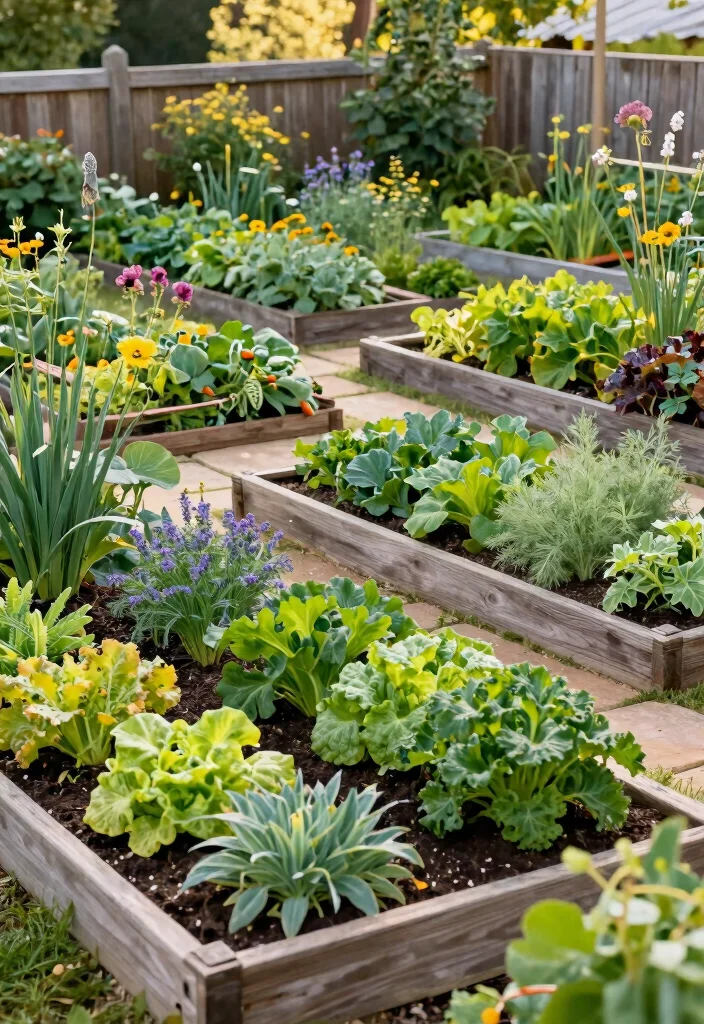
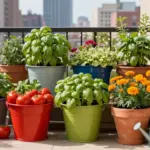
Blend beauty and practicality by designing an edible landscape. This approach allows you to incorporate vegetables, fruits, and herbs into your garden, letting you grow food attractively. Even a small area can yield a surprising amount of produce!
Plant herbs in decorative pots or create raised beds for vegetables that also serve as stunning focal points. Mixing in flowering plants can attract pollinators, enhancing both your garden’s beauty and its productivity.
Steps to create an edible landscape:
– Plan Smart: Use companion planting for better yields.
– Variety: Combine ornamental plants with edibles for colorful displays.
– Accessibility: Arrange plants at different heights for easy access.
This approach not only provides fresh produce but adds a vibrant touch to your backyard, connecting you to nature.
Space-savvy tip: in a tiny yard, edible landscape can yield surprising harvests—even a 4×6 ft bed can feed a family all season. For backyard layout ideas, plant herbs in pots, add vertical trellises, and mix flowering plants to attract pollinators while you harvest fresh goodness.
Edible Landscape Design
Editor’s Choice


📹 Related Video: Edible Landscaping – How to Create a Foodscape
7. Cozy Fire Pit Areas
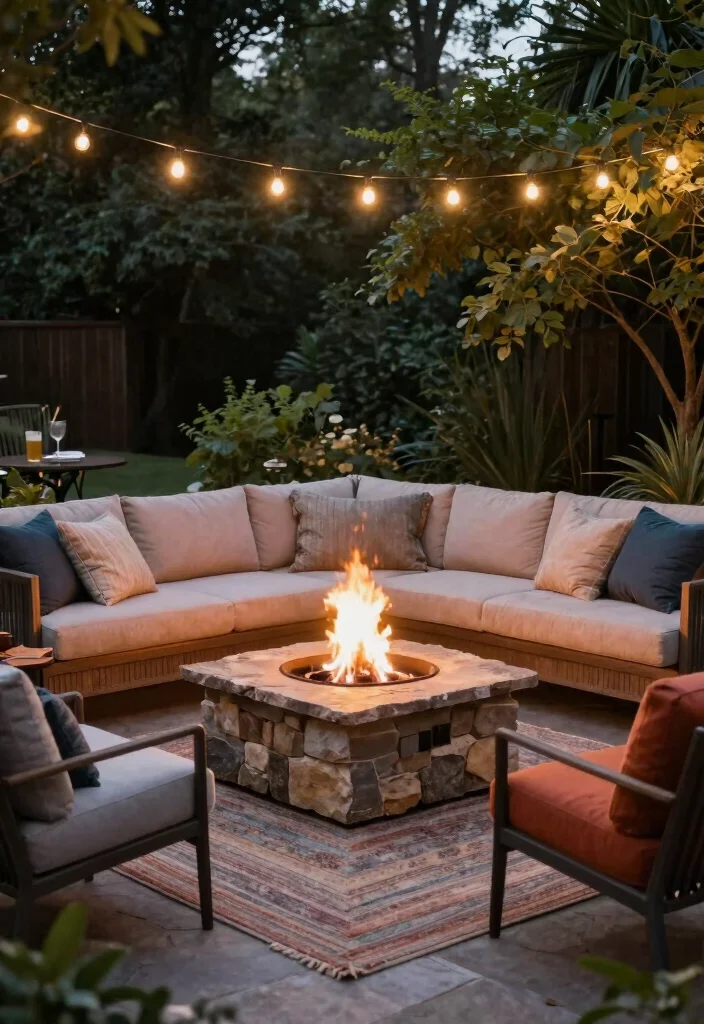
Adding a fire pit elevates your backyard’s social experience, creating a perfect gathering spot. Design a central fire pit surrounded by seating to foster a warm and inviting atmosphere. Choose comfortable seating options that encourage conversation, like sectionals or a mix of chairs. Editor’s Choice
Incorporate stone or brick around the fire pit to add elegance, while outdoor rugs can help define the area. Don’t forget side tables for drinks and snacks to enhance the experience!
Considerations for a fire pit area:
– Seating Arrangement: Ensure everyone can see and interact around the fire.
– Safety First: Keep flammable materials away and consider a screen.
– Ambiance: Use string lights or lanterns to enhance evening vibes.
This setup not only encourages togetherness but extends the usability of your backyard into cooler months, making it a year-round delight.
Cozy Fire Pit Areas


How To Choose The Right Backyard Layout
Choosing the right layout for your backyard can significantly improve how you use the space. With the right planning, you can create an outdoor living area that flows well and meets your needs. Here are some key points to consider in your backyard layout planning. 1. Define Your PurposeBefore you start designing, think about how you want to use your backyard. Do you want a space for entertaining, gardening, or relaxing? Defining your primary purpose will help you determine where to place various elements like seating, plants, or play areas. For instance, if you’re hosting barbecues, make sure you have enough seating and a clear path to the grill.
2. Measure Your Space
Accurate measurements are vital for effective space planning. Use a tape measure to identify the dimensions of your backyard. Mark key features, such as trees, fences, and existing structures. This will help you visualize how much space you have to work with and what can realistically fit without overcrowding.
3. Consider Flow and Accessibility
A well-designed backyard should have a natural flow. Think about how people will move through the space. Create clear pathways to guide guests from one area to another. For example, if you have a dining area, ensure it’s easily accessible from the kitchen. Adding stepping stones or gravel paths can enhance this flow and make navigating your backyard enjoyable.
4. Choose the Right Elements
Consider what features you want to include. Options like fire pits, seating areas, and gardens can all play a role in your layout. Think about materials too; wooden decks can provide warmth, while stone patios offer durability. Balance aesthetics with functionality—each element should enhance the space while serving its intended purpose.
5. Plan for Seasonal Changes
Your backyard will look different throughout the year. Choose plants and features that will provide beauty in every season. For instance, opt for evergreens to maintain greenery during winter, and include flowering plants for spring and summer. This approach will keep your outdoor space vibrant and inviting all year long.
6. Budget Your Design
Establish a budget early in the planning process. This will help you prioritize features that are most important to you. Consider costs for materials, plants, and any professional assistance you may need. By sticking to your budget, you avoid overspending and ensure you can complete your project smoothly.
Pro Tip: Use graph paper or online design tools to sketch your ideas. Visualizing your layout can help you make informed decisions about placement and space allocation. This approach also allows you to experiment with different arrangements before committing to any specific design.
By considering these factors, you can create a backyard that flows well and functions beautifully. Whether you want a cozy retreat or a lively gathering space, thoughtful layout choices will maximize the enjoyment of your outdoor area. With careful planning and creativity, your backyard can become an inviting extension of your home.
8. Functional Garden Beds
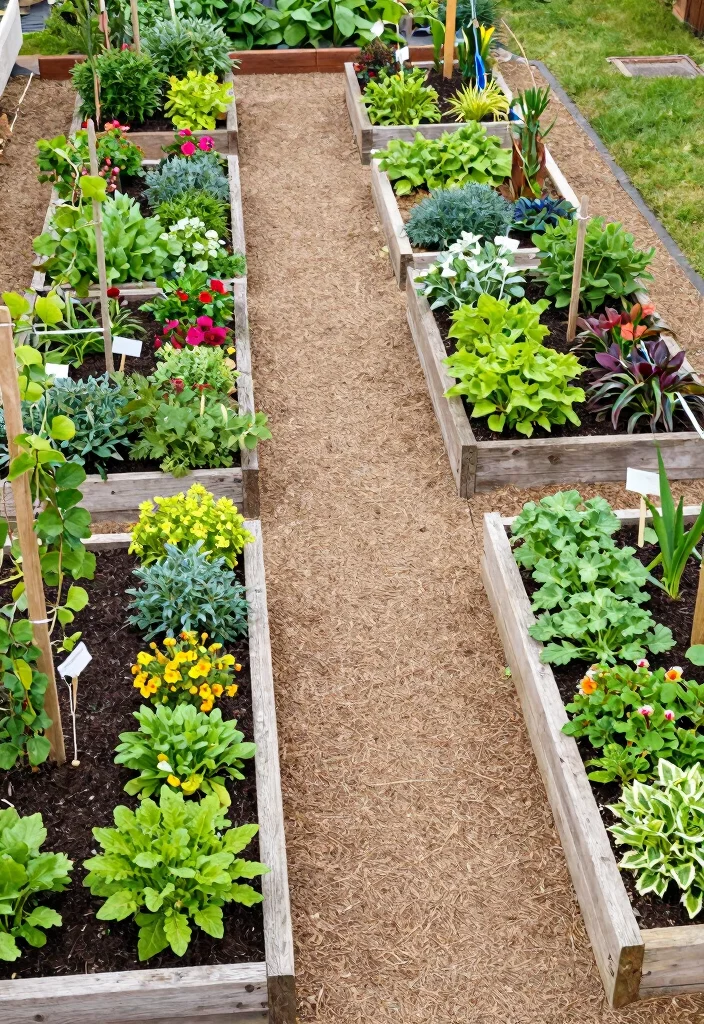
Utilizing raised garden beds can greatly enhance your gardening experience while keeping everything organized. They provide better drainage, reduce weeds, and can be customized to any height that suits you. Arrange them for easy access to planting and maintenance.
Consider adding vertical supports for climbing plants at the edges of the beds or surrounding them with walking paths to avoid compacting the soil. This layout promotes efficient planning while offering impressive visual appeal with neat rows of colorful vegetables and flowers.
Key points for raised garden beds:
– Soil Quality: Use high-quality soil mixes for healthier plants.
– Companion Planting: Grow compatible species together for higher yields.
– Accessibility: Design beds for easy reach without difficulty.
This approach maximizes your growing space while adding a defined structure to your backyard landscape.
9. Shade Structures for Comfort
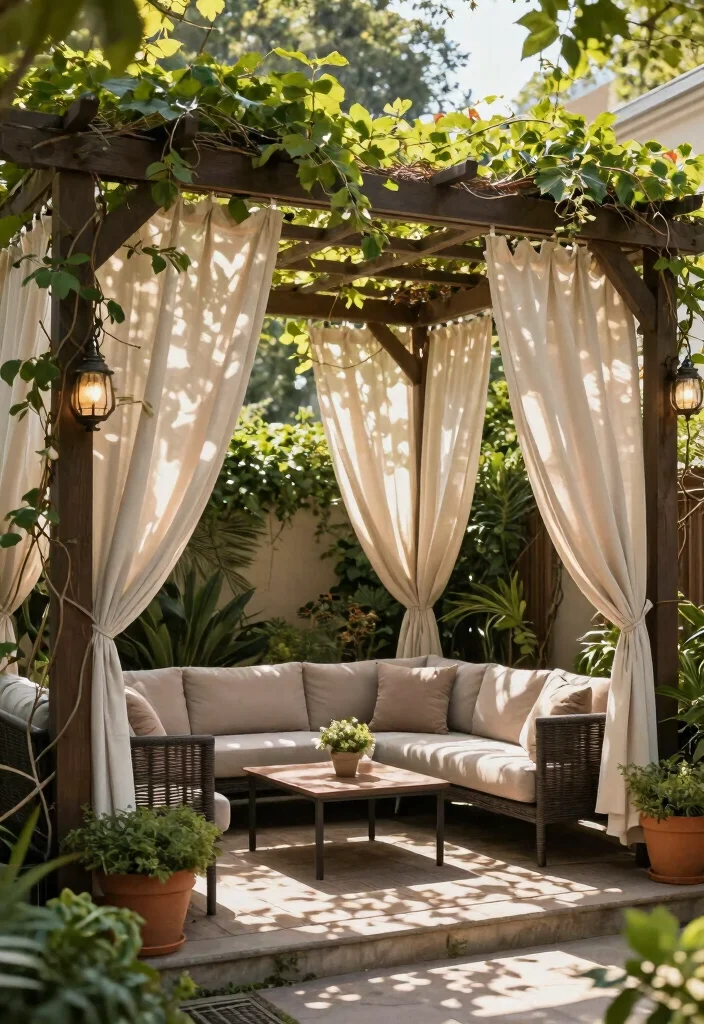
To fully enjoy your backyard during warmer months, consider adding shade structures. A pergola or awning can provide relief from the sun while serving as a stylish focal point in your design. Use climbing plants like wisteria or grapevines to add greenery and create delightful dappled light effects.
Incorporating fabric shades or curtains can create a cozy setting, perfect for dining or lounging. Opt for comfortable outdoor furniture that promotes relaxation without the worry of direct sunlight.
Important elements for shade structures:
– Materials: Choose durable materials that withstand weather.
– Plants: Select fast-growing vines for quick coverage.
– Layering: Explore American or Mediterranean styles for aesthetic variety.
This setup allows you to enjoy your garden throughout the day, providing comfort, style, and functionality.
10. Water Features for Serenity
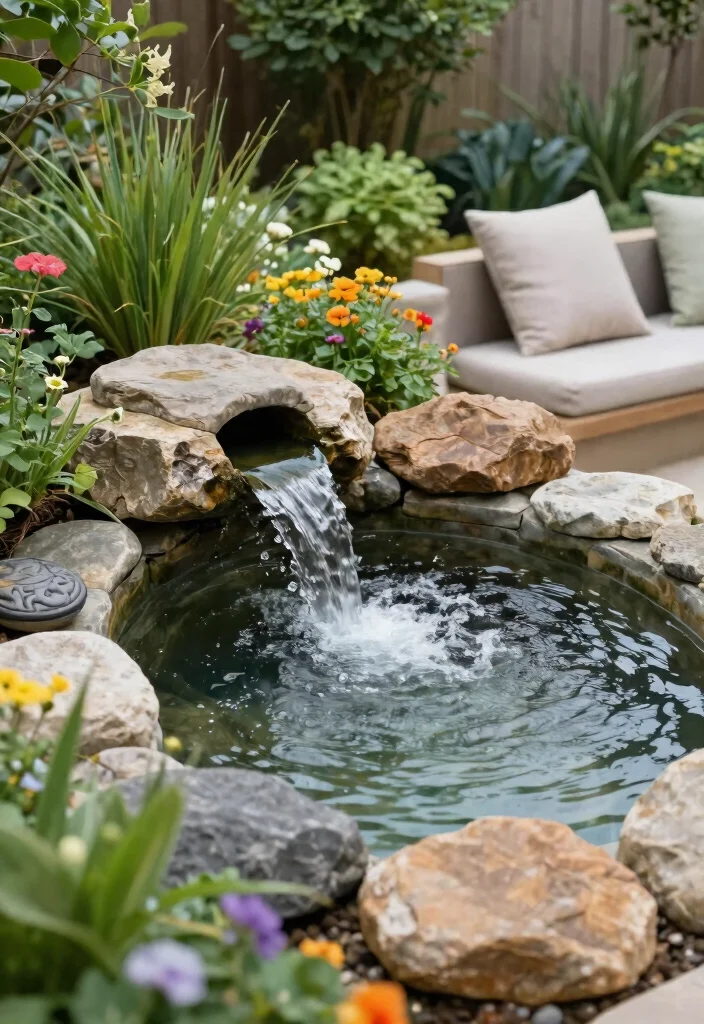
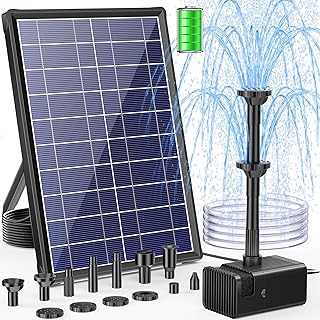
Incorporating water features can enhance the tranquil atmosphere of your backyard significantly. A small pond, fountain, or bubbling water bowl can produce soothing sounds that elevate the calming effect of your garden. Editor’s Choice
Position the feature in a focal area visible from seating spaces to maximize enjoyment. Surround it with pebbles or aquatic plants to increase its beauty. Water features attract wildlife, like birds and butterflies, enriching your backyard’s ecosystem.
Key considerations for your water feature:
– Maintenance: Opt for a simple setup to minimize upkeep.
– Sound Levels: Ensure the sound is calming, not overwhelming.
– Wildlife-Friendly: Use plants that attract local wildlife for an ecosystem-friendly touch.
This layout enhances your backyard’s sensory experience, creating a delightful retreat where you can unwind and connect with nature.
Water Features for Serenity



11. Pergolas with Climbing Plants
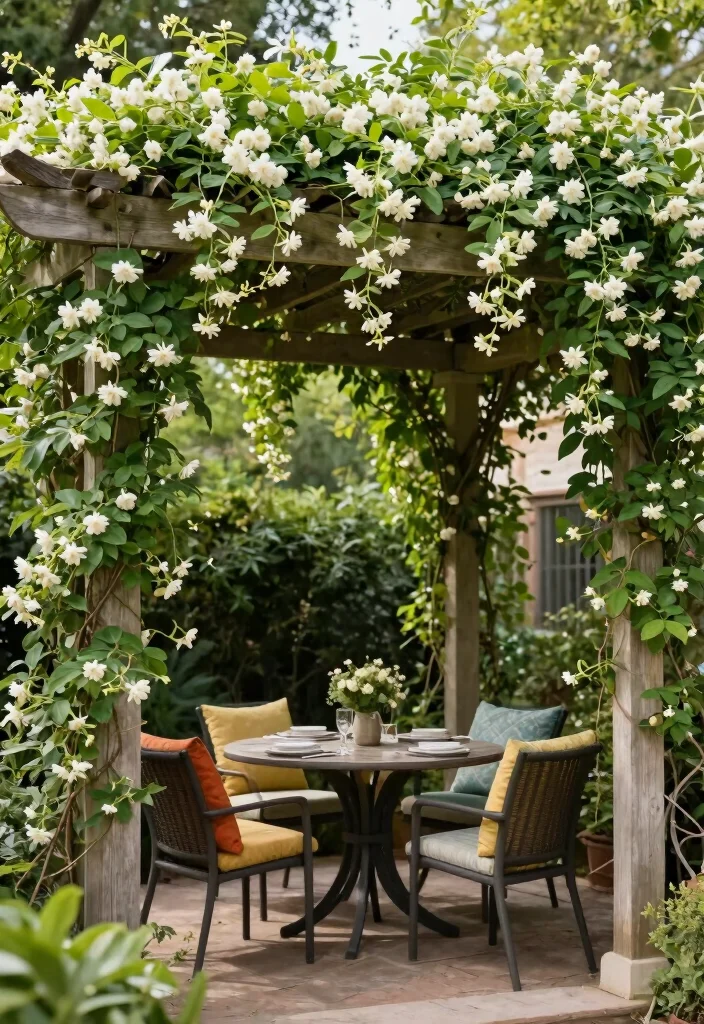
Adding pergolas adorned with climbing plants can infuse your backyard with a romantic and timeless charm. They create vertical interest and shade, enriching your outdoor living experience. Choose plants like jasmine or climbing roses that thrive in your climate, providing fragrance and beauty.
Place the pergola over a dining area or lounge space to create an inviting spot for summer gatherings. This design introduces a structural element that merges your garden with your living space, blending comfort with natural beauty.
Considerations for pergolas:
– Design: Pick a style that complements your home’s architecture.
– Plant Care: Select low-maintenance vines for easy upkeep.
– Furniture: Arrange furniture to enjoy dappled sunlight.
The result is a stunning area that serves as a perfect backdrop for relaxation and outdoor entertaining.
12. Seasonal Changes and Color
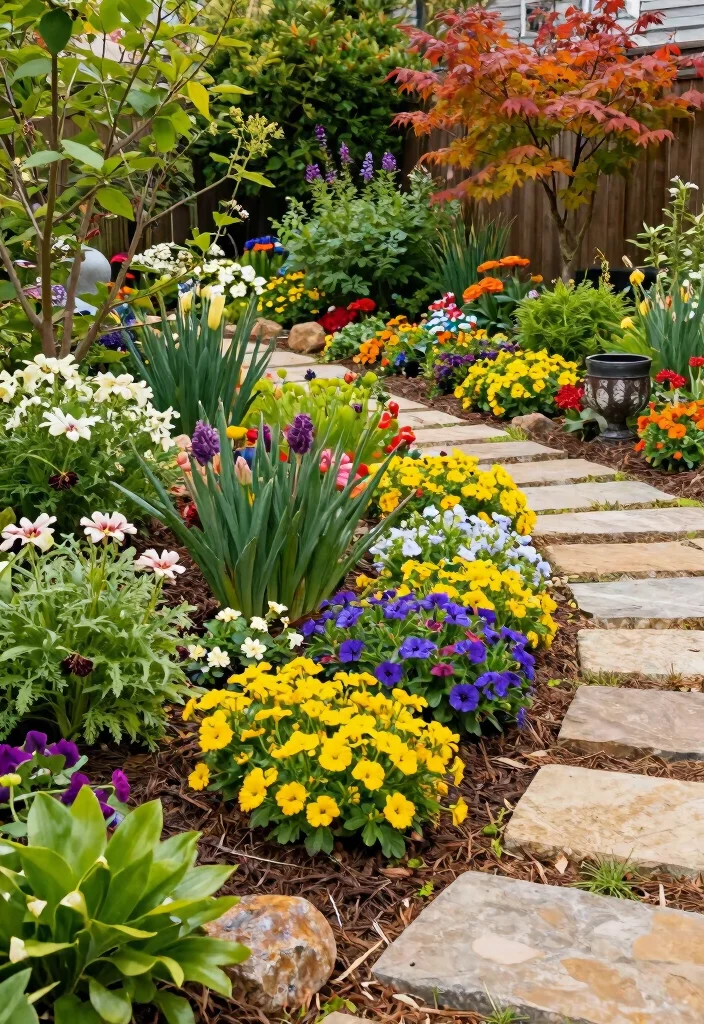
Designing a backyard with seasonal color changes keeps your outdoor space vibrant throughout the year. Plant a mix of perennials and annuals that bloom at different times, ensuring your garden is lively in every season. Include flowering shrubs in spring, vibrant summer blooms, and colorful fall foliage to create a dynamic landscape.
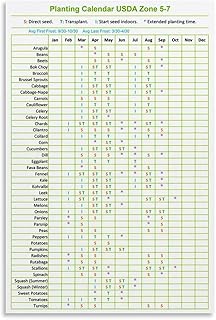
Incorporating various textures through plants, mulch, and decorative stones enhances visual interest. A planting calendar can help you maintain this beautiful design.
Essential tips for seasonal gardening:
– Plant Selection: Use a mix of staggered blooming plants.
– Color Palettes: Choose color themes for each season for harmony.
– Maintenance: Regularly deadhead and prune for more blooms.
This thoughtful approach beautifies your backyard while connecting you to nature as you witness the changing seasons.
❝ Did you know a well-planned planting calendar can boost year-round color by up to 60%? Mix perennials and annuals that bloom at different times to keep your backyard layout ideas vibrant from spring through fall.
Seasonal Changes and Color
Editor’s Choice


Conclusion
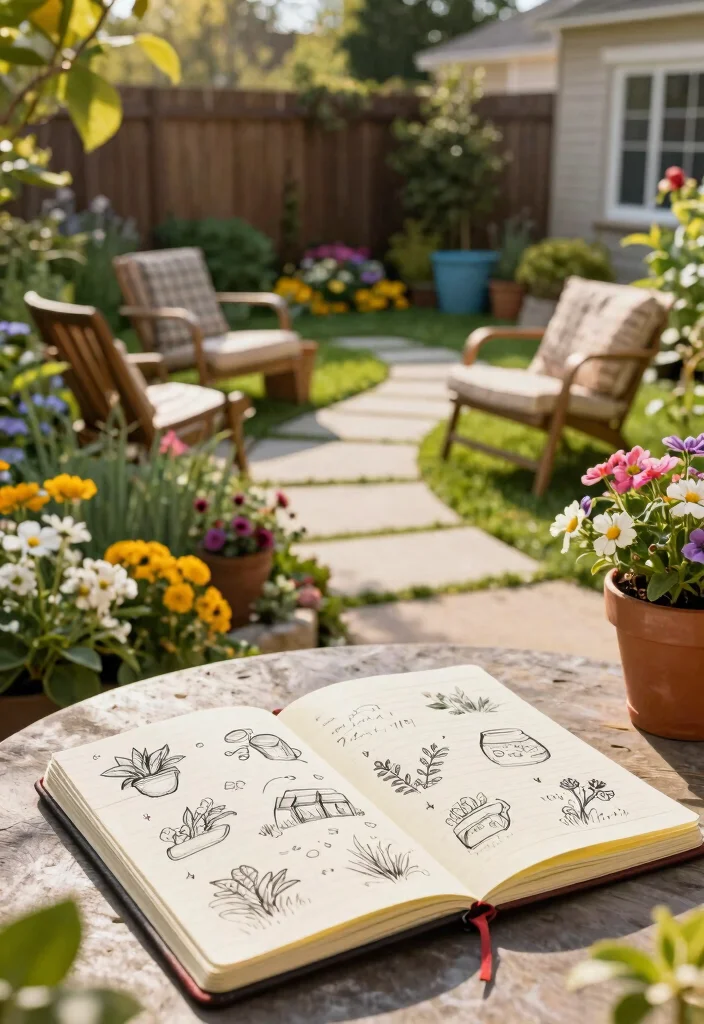
Designing a backyard that fosters flow and function can significantly enhance your outdoor living experience. Each of these ideas brings something unique, combining beauty with practicality to create a space you’ll love to use. Consider your personal style and needs as you explore these backyard layout ideas. Remember, small spaces can be just as inviting and functional with the right planning and creativity! Share your favorite ideas with us and let your backyard dreams take root. Note: We aim to provide accurate product links, but some may occasionally expire or become unavailable. If this happens, please search directly on Amazon for the product or a suitable alternative. This post contains Amazon affiliate links, meaning we may earn a small commission if you purchase through our links, at no extra cost to you.
Frequently Asked Questions
What are practical backyard layout ideas for a small space?
Small spaces can host big ideas. Start with 2-3 zones like a seating nook, a compact dining area, and a stepping-stone path to keep traffic flowing.
These backyard layout ideas help you segment functions without crowding the space. Choose outdoor living space furniture that folds, nests, or stacks, and use vertical planters or trellises to add greenery without stealing ground area.
Keep materials consistent to support a tidy landscape design, and use lighting to extend usability after dark. With efficient space planning, you’ll reduce clutter and improve how every square foot serves you.
How can landscape design improve flow in a small backyard?
Think of landscape design as traffic control for your yard. Focus on sightlines that lead from the house to a focal point, like a fire pit or a splash of color in a container garden.
Use consistent materials for paths and edging to create a cohesive landscape design that guides movement.
Create clear zones for cooking, lounging, and gardening, so visitors naturally navigate the space with backyard design tips in mind. Finally, scale features to small footprints and choose backyard layout ideas that emphasize multipurpose spaces.
What are simple garden organization tips for a tidy small backyard?
Organizing your garden is the easiest way to maximize your space. Start with a vertical storage wall or hanging baskets to free ground for a seating area.
Label containers and group like plants to improve garden organization.
Invest in a compact tool shed or storage bench so essentials stay off benches and out of sight.
Use modular plantings and removable pots for quick reconfigurations, helping your efficient space planning shine every season. A tidy base makes the rest of your landscape design sing.
What are budget-friendly backyard design tips to maximize usable space?
Maximizing space on a budget is all about smart choices. Pick modular furniture that folds or stacks to free floor space and use built-in seating with hidden storage.
Choose a single, cohesive color palette and repeat materials to create a sense of unity in your backyard layout ideas without overspending.
Install a simple, narrow path and keep planting to zones that don’t require high-maintenance upkeep, supporting efficient space planning and practical backyard design tips.
Finally, invest in one or two high-impact focal pieces—like a vertical garden or a compact water feature—to pull the look together.
How can I create an outdoor living space that works year-round in a small yard?
Year-round outdoor living is about comfort and protection. Add a pergola or shade structure to define a outdoor living space, with weather-resistant furniture and cushions.
Use a removable or retractable screen to extend usability in all seasons, and consider a compact fire pit or heater to keep the space inviting in cooler weather.
Choose evergreen container plants to maintain color in winter and use strategically placed lighting to improve ambience and safety.
With smart landscape design and backyard design tips, you can enjoy a functional outdoor room even in a compact yard.