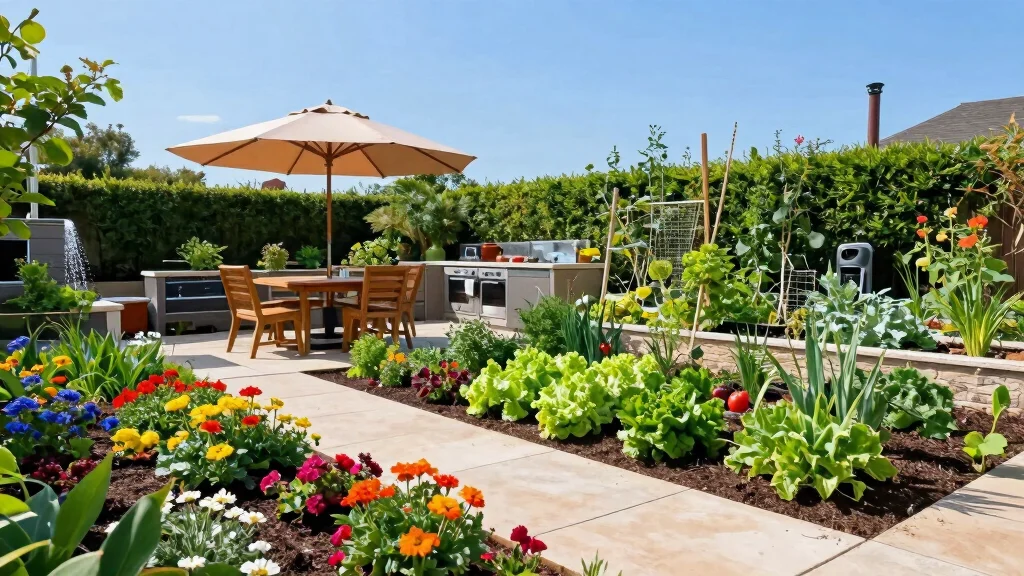
Creating an inviting and functional large backyard isn’t just about aesthetics; it’s about enhancing your outdoor living experience. With the rise of sustainable practices and the desire for more functional spaces, many homeowners are looking for ways to redesign their backyards. If you’ve been dreaming of transforming your outdoor space into a haven for both relaxation and productivity, you’re not alone.
This post is crafted for anyone passionate about gardening and outdoor living. Whether you’re a seasoned gardener wanting to incorporate edible landscaping or a newcomer eager to explore backyard design tips, you’ll find valuable insights here. I’ve put together ten creative layout ideas focused on flow and zoning. These ideas will help you create a backyard that feels cohesive, organized, and enjoyable for all your outdoor activities.
Get ready to dive into these innovative backyard layout ideas that are functional, sustainable, and suitable for entertaining or unwinding. From zoning techniques to practical tips for outdoor cooking areas, this guide will equip you with everything you need to enhance your large backyard. You’ll discover how to establish distinct areas for gardening, relaxation, and entertaining, ensuring that every corner of your backyard serves a purpose.
Key Takeaways
– Zoning with Edible Landscapes: Create distinct areas in your garden for fruits, vegetables, and herbs to promote easy access and productivity.
– Flowing Pathways: Design meandering paths that guide visitors through your space while connecting different zones seamlessly.
– Multi-Functional Spaces: Incorporate areas that serve multiple purposes, like a patio that doubles as a dining space and a relaxation nook.
– Natural Privacy Screens: Use plants or structures to create secluded areas for relaxation, ensuring you have peaceful spots to unwind.
– Wildlife Friendly Zones: Integrate areas that attract beneficial wildlife, like pollinators, to enhance your garden’s health and aesthetics.
1. Zoning with Edible Landscapes
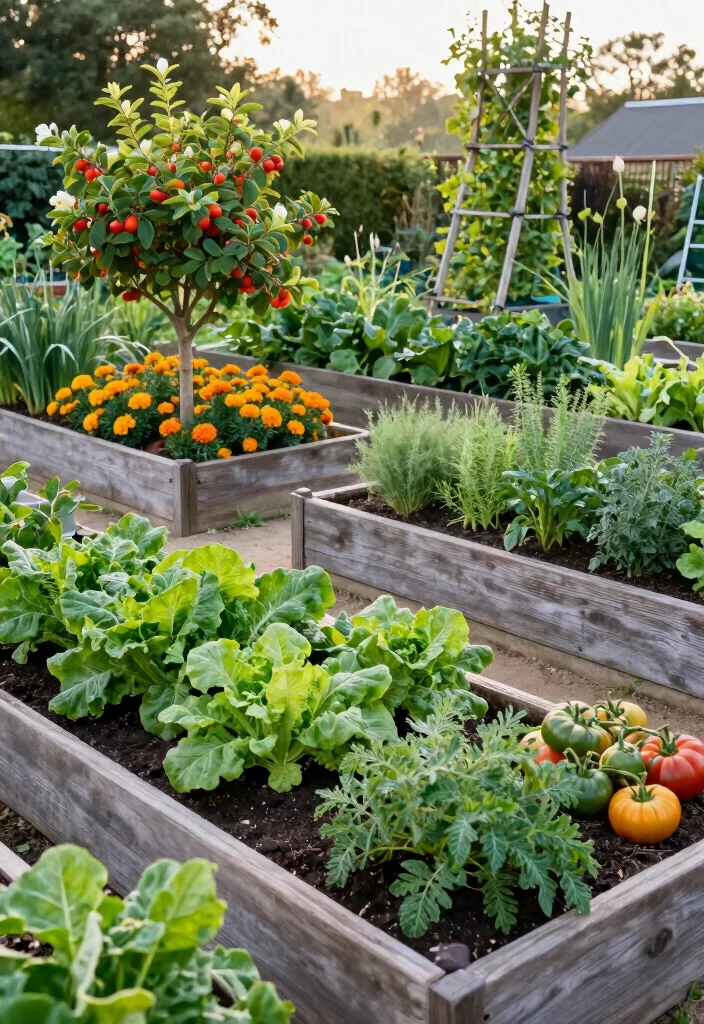
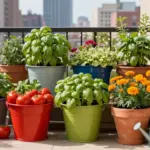
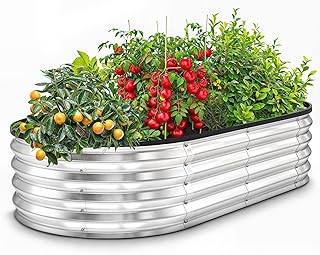
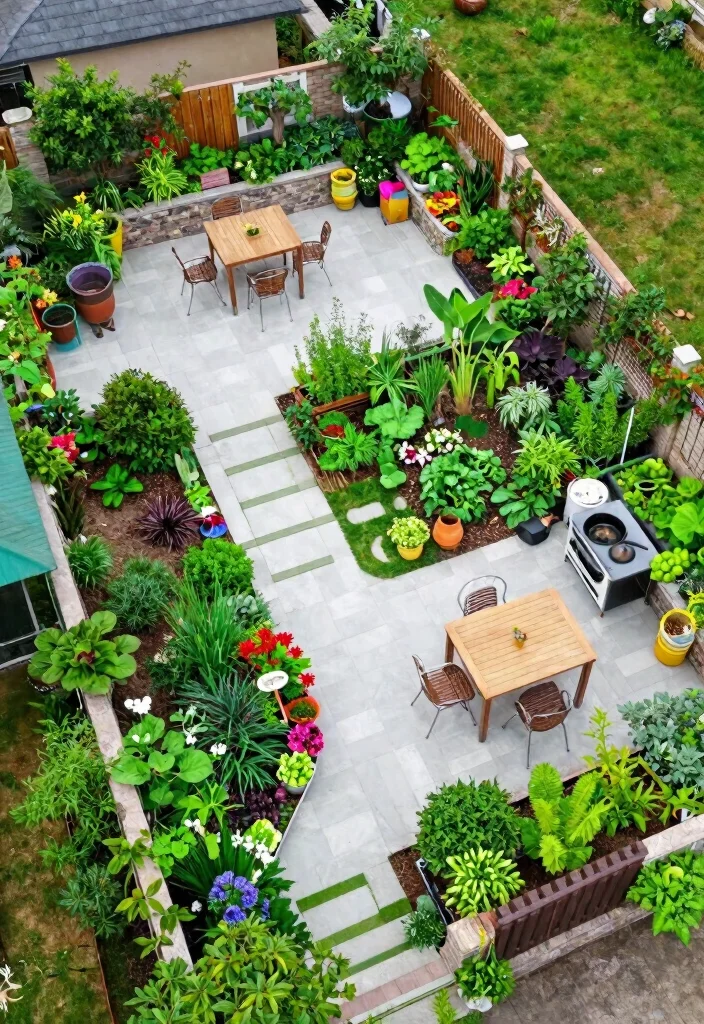
Are you dreaming of a backyard that’s both beautiful and productive? Creating a space where edible plants thrive alongside decorative elements is a fantastic way to maximize your outdoor area. By zoning your yard into distinct sections like vegetable patches, fruit trees, and herb gardens, you not only organize the space but also create a feast for the eyes and palate.
Imagine luscious leafy greens in one corner, vibrant berries in another, and aromatic herbs filling the air with delightful scents. Adding colorful flowers such as marigolds can boost pollinator visits while enhancing visual appeal. Incorporating raised beds is a smart choice for easy maintenance and optimal soil management.
Tips for Success:
– Explore vertical gardening to save space.
– Pair plants that benefit each other to optimize growth.
– Plan your planting schedule to enjoy fresh produce all year round.
This layout not only yields tasty edibles but also creates a vibrant ecosystem in your backyard.
Did you know zoning a large backyard into edible landscapes can boost usable harvest by up to 40%? In your large backyard ideas layout, separate veggie patches, fruit trees, and herb beds create a productive, beautiful space that flows—from food to shade to scent.
Zoning with Edible Landscapes
Editor’s Choice





2. Flowing Pathways
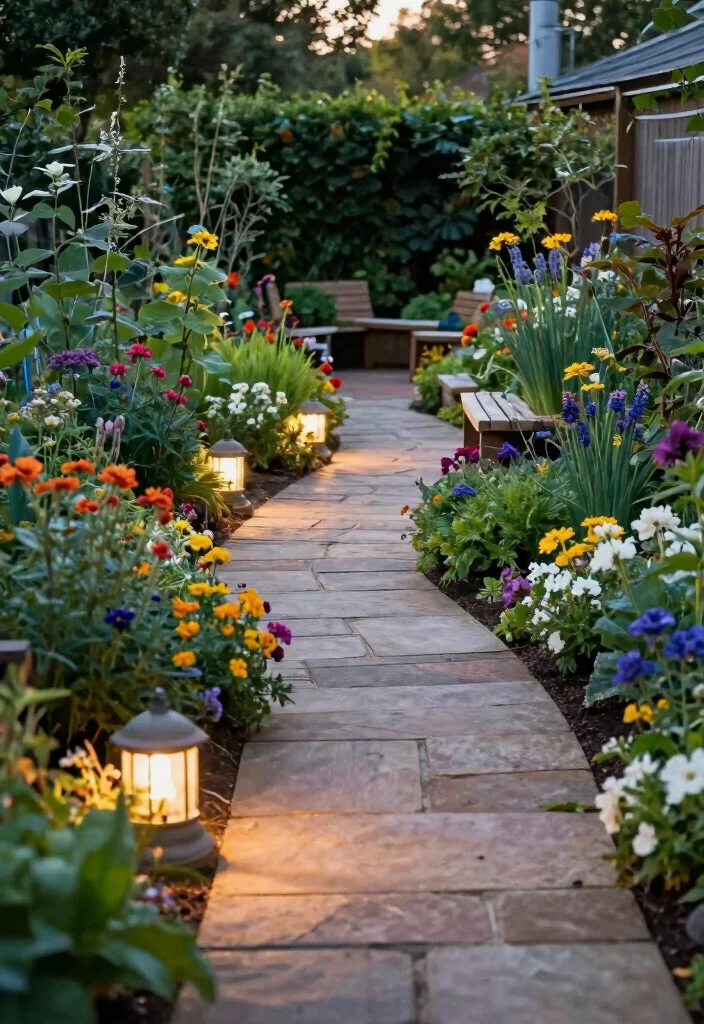
Do you want your backyard to feel connected and inviting? Well-placed pathways can transform your space by linking different areas while guiding visitors through your garden. Using natural materials such as stone or gravel enhances the beauty of your landscape, while gently curved paths encourage exploration and discovery.
Add fragrant herbs like lavender alongside the paths to engage your senses as you stroll through. Different materials can also define zones; for example, wood chips may indicate a playful area, while slate could outline a more formal dining space.
Backyard Design Tips:
– Ensure pathways are wide enough for easy navigation.
– Add lighting for safety and a cozy ambiance during evenings.
– Use low-growing plants to keep pathways clear and inviting.
This layout not only improves movement through your yard but also enriches the experience of each distinct zone.
Flowing Pathways
Editor’s Choice


📹 Related Video: Easy DIY Wooden Walkway | Path To My Outdoor Kitchen | Part 10
3. Multi-Functional Spaces
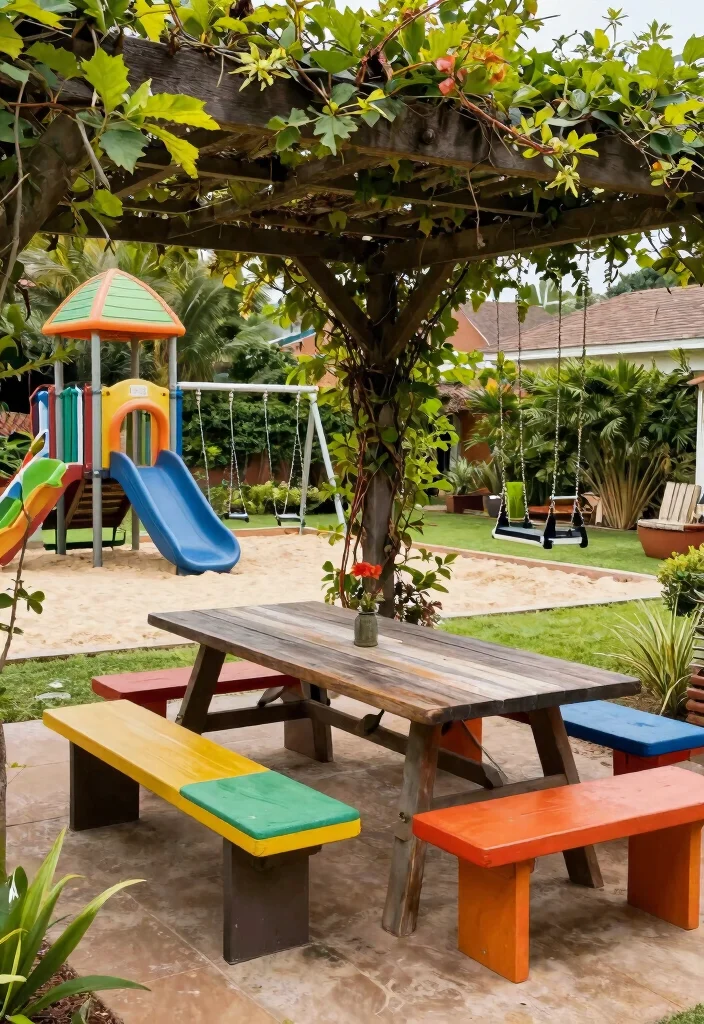
Looking to create a backyard that adapts to your needs? Designing spaces that serve multiple functions can make your outdoor area incredibly versatile. Imagine a large picnic table that doubles as a workspace for gardening and a spot for family meals, keeping everyone engaged and happy.
Incorporate movable elements, such as colorful cushions, which can be tucked away when not in use. Shade structures like pergolas not only provide relief from the sun but also support climbing plants, adding beauty to your space.
Suggestions for Functionality:
– Opt for modular furniture that can be rearranged easily.
– Include a fire pit for cozy gatherings in cooler weather.
– Choose durable materials designed to withstand outdoor conditions.
This layout encourages fun, relaxation, and productivity all in one inviting area.
Multi-Functional Spaces
Editor’s Choice


4. Natural Privacy Screens
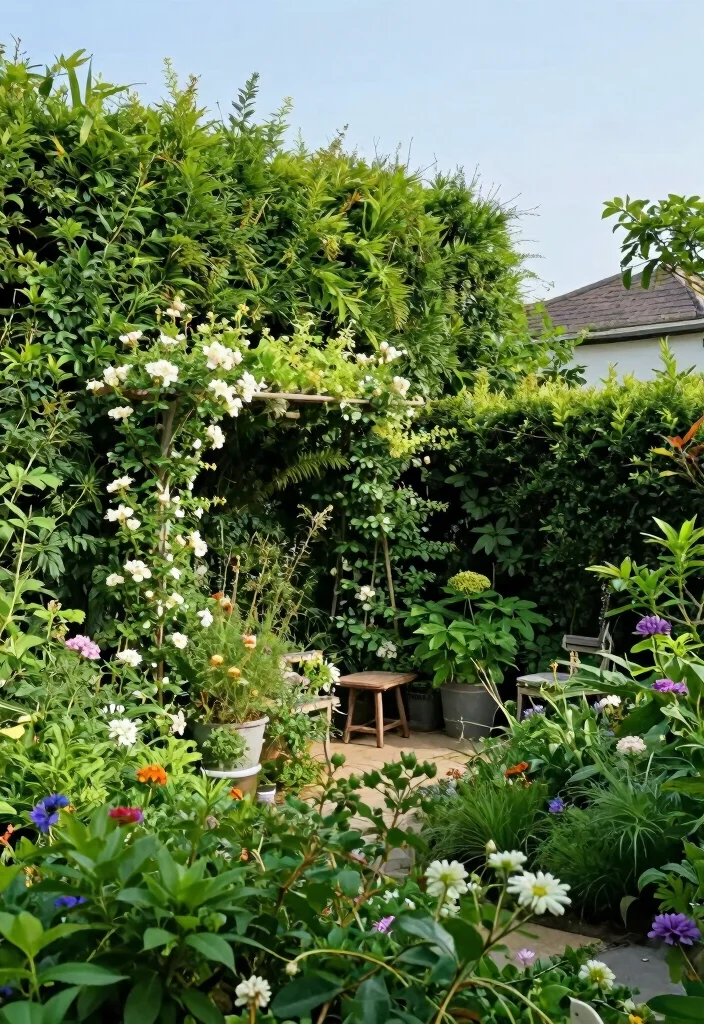
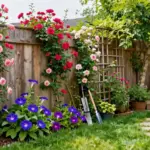
Do you value privacy without sacrificing beauty in your backyard? Using strategic plantings as natural screens can create secluded areas that enhance the overall aesthetics of your space. Tall shrubs and trees can form lush barriers, while trellises adorned with climbing vines add an inviting touch.
Consider native plants that thrive in your region, providing both privacy and a haven for local wildlife. You might even create a living wall filled with both edible and ornamental plants for stunning visual appeal and practical benefits.
Tips for Effective Screening:
– Layer plants of varying heights to create a full visual barrier.
– Select plants that offer seasonal interest for year-round beauty.
– Keep growth rates and maintenance needs in mind for your selections.
This layout not only offers privacy but also transforms your outdoor space into a serene oasis.
Natural Privacy Screens
Editor’s Choice


How To Choose the Right Layout for Your Large Backyard
Choosing the perfect layout for your large backyard is essential for creating an inviting and functional space. With sustainable edible landscaping becoming popular, it’s important to consider various elements that contribute to flow and zoned areas. Here are some key factors to help you choose the right layout for your backyard:
1. Assess Your Space
Start by measuring your backyard to understand the available area. Knowing the dimensions will guide you in planning zones like gardens, patios, and pathways. Also, consider the sun exposure and existing features like trees or slopes. This will help you maximize the use of natural elements in your design.
2. Define Your Zones
Think about the specific areas you want to include. Common zones in large backyards are gardens, outdoor living spaces, and recreational areas. It’s essential to identify the purpose of each zone. For example, a vegetable garden needs sunlight while a seating area should be sheltered for comfort. Clearly defined zones help enhance flow and usability.
3. Choose Pathways Wisely
Pathways connect different zones and guide visitors through your backyard. Consider materials like gravel, stone, or mulch for paths. They should be wide enough to allow easy access (at least 3 feet wide). Additionally, curved paths can create a natural feel, while straight paths often give a more formal vibe. Choose a style that matches your overall backyard design.
4. Incorporate Sustainable Practices
When planning your layout, think about integrating sustainable practices. Use native plants to reduce water usage and attract local wildlife. Consider rain gardens or compost areas to recycle nutrients. Implementing these features not only enhances the functionality of your backyard but also promotes environmental health.
5. Plan for Multi-Functionality
Design spaces that can serve multiple purposes. For example, a patio can serve as a dining area and a space for outdoor games. Consider modular furniture that can be rearranged based on your needs. This flexibility allows you to maximize the use of space while making it more inviting for gatherings.
6. Prioritize Comfort and Privacy
Make sure your layout promotes comfort and privacy. Use natural privacy screens like hedges or trellises with climbing plants. These can define spaces and create cozy nooks without feeling closed off. Position seating areas strategically to enjoy views while maintaining a sense of seclusion.
Pro Tip:
Before finalizing your layout, sketch it out. Use graph paper or an online garden planner to visualize how zones interact. This step can help you see potential flow issues and make adjustments before starting any actual work in the yard.
Taking the time to choose the right layout will transform your large backyard into a functional and beautiful space. Remember to keep your unique style and needs in mind, ensuring the design reflects your personality and lifestyle. With careful planning and thoughtful design, your backyard can become a cherished outdoor retreat.
5. Edible Borders
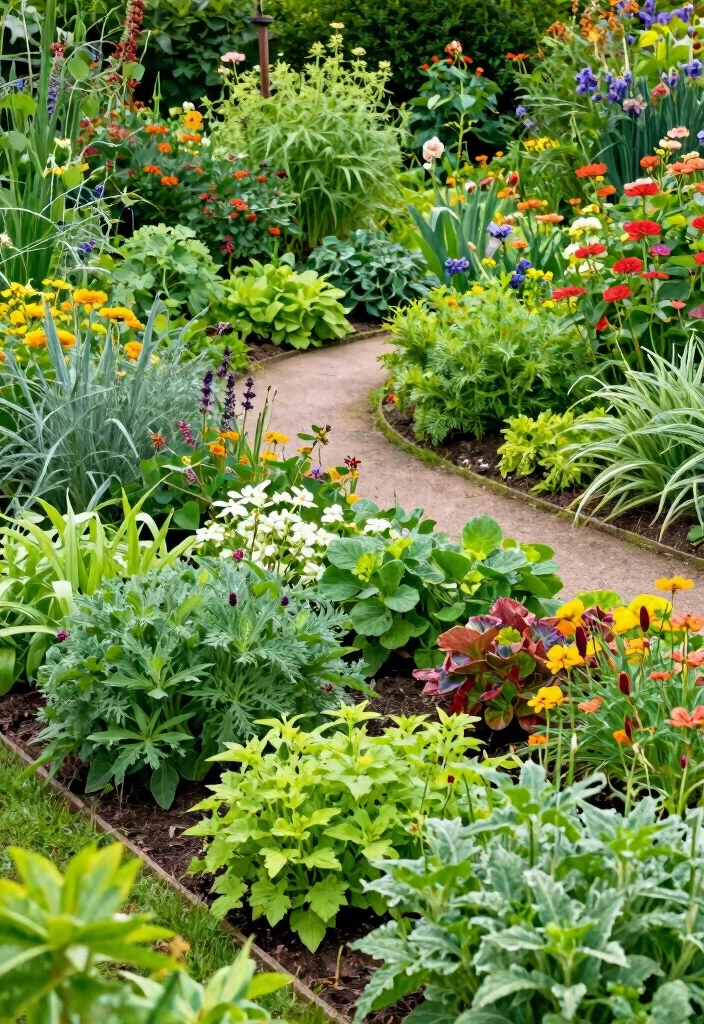
Are you looking to enhance your garden’s beauty while growing your own food? Expanding your edible landscaping with plant borders around your garden beds is a clever way to achieve both. These borders not only visually define your garden areas but also provide fragrant herbs like thyme and oregano, perfect for cooking.
Consider adding flowers that attract pollinators, boosting the health and productivity of your plants while brightening your garden. Using perennial plants for borders can save you time on replanting each season.
Insights for Planting:
– Select low-maintenance plants suited to your climate.
– Experiment with color combinations for a stunning display.
– Be mindful of growth habits to prevent overcrowding.
This layout offers both aesthetic appeal and practical benefits, providing delicious ingredients right from your garden.
❝ Did you know edible borders can cut garden maintenance by 30% while boosting pollinator visits in your large backyard ideas layout? Plant perennials like thyme and oregano along your beds to define space, attract bees, and keep flavors close at hand. ❞
6. Relaxation Nooks
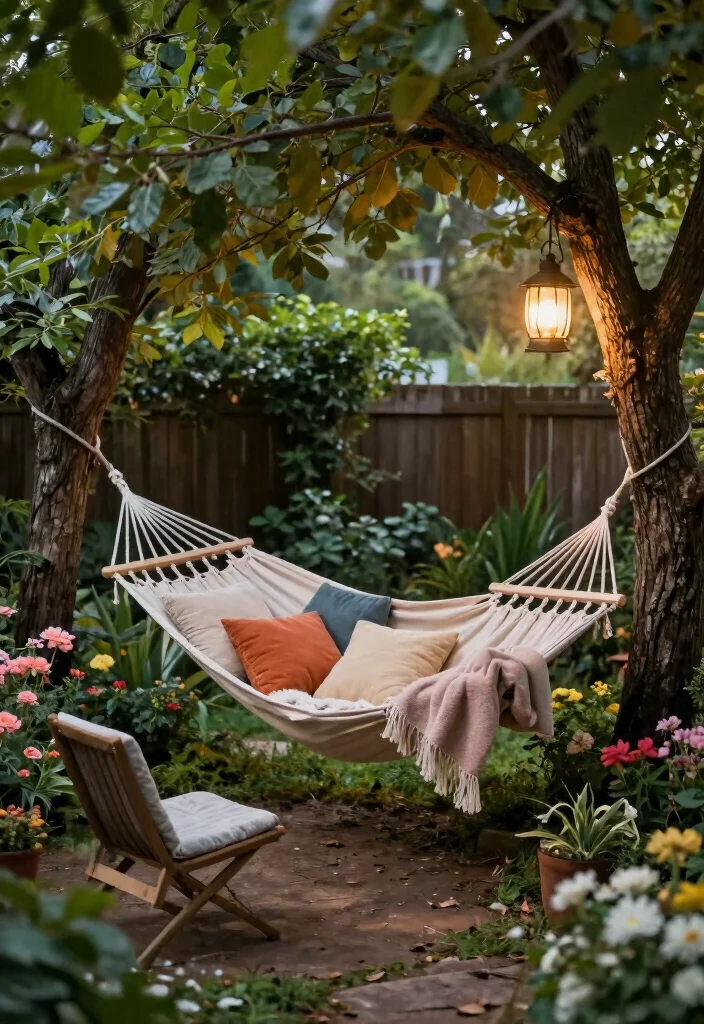
Are you craving cozy corners to unwind in your backyard? Creating inviting spaces for relaxation can greatly enhance your outdoor experience. Picture a shaded hammock area or a small reading nook surrounded by fragrant plants, encouraging you to bask in nature’s beauty.
Incorporate soft elements like outdoor rugs, throw blankets, and cushions to create a warm atmosphere. Natural materials like wood or wicker blend beautifully with outdoor settings, while soft lighting can make these spots perfect for evening relaxation.
Suggestions for Creating Your Nook:
– Choose a location with natural shade or create it with canopies.
– Keep designs simple for easy upkeep.
– Opt for fragrant plants that attract butterflies and birds.
This layout not only adds charm to your yard but also promotes mental well-being through peaceful outdoor spaces.
7. Outdoor Cooking Areas
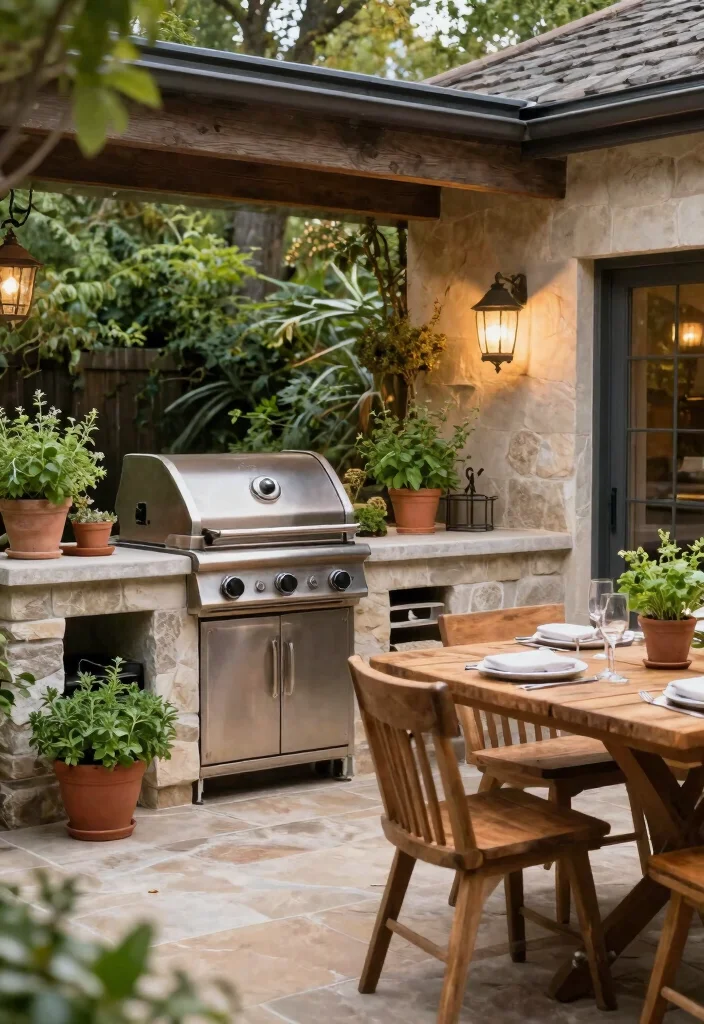
Do you want to elevate your outdoor cooking experience? Transforming your backyard into a culinary haven can make dining al fresco a delight. Imagine an outdoor kitchen with stone countertops, a built-in grill, and perhaps a pizza oven, perfect for hosting family gatherings under the stars.
Position your cooking area close to the dining space for easy serving and cleanup. Adding a nearby herb garden ensures fresh ingredients are always at your fingertips while filling the air with delightful scents.
Outdoor Cooking Tips:
– Choose materials that can withstand the elements.
– Include storage solutions for utensils and cookware to keep your area tidy.
– Plan for adequate lighting to cook and dine comfortably after dark.
This layout adds excitement to meal preparation and promotes a lifestyle that enjoys outdoor living.
❝ With a well-placed outdoor kitchen in your large backyard ideas layout, grilling and pizza night feel effortless. Position the cooking area near the dining space for easy serving, and keep a nearby herb garden stocked for fresh ingredients any time you entertain. ❞
8. Wildlife Friendly Zones
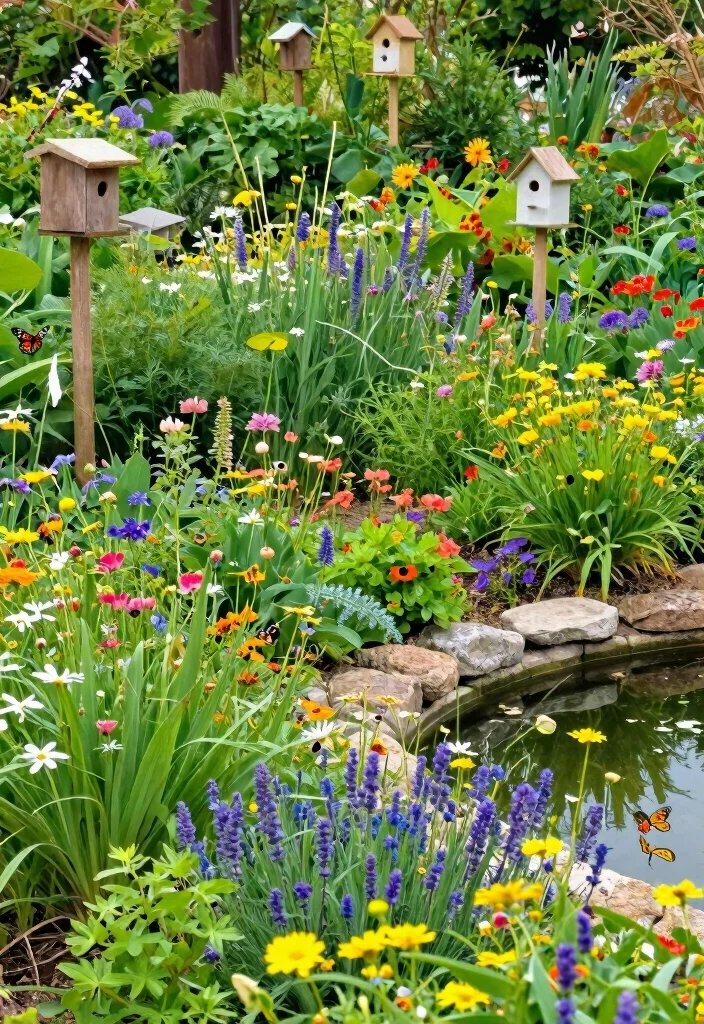
Are you interested in inviting nature into your backyard? Designing zones that attract local wildlife creates a vibrant and enriching atmosphere. Incorporating native plants is an excellent way to provide food and habitat for birds, butterflies, and beneficial insects that help pollinate your garden.
Consider adding birdhouses, butterfly gardens, and small water features to encourage wildlife visits. Dedicating a section for wildflower patches or a small pond enhances biodiversity and adds natural beauty to your space.
Wildlife-Friendly Tips:
– Avoid using pesticides to protect visiting creatures.
– Plant a variety of flowers that bloom at different times to attract a range of wildlife.
– Maintain a natural look to keep your space lively without excessive upkeep.
This thoughtful layout fosters a lively environment, turning your yard into a sanctuary for both wildlife and your family.
9. Seasonal Garden Structures
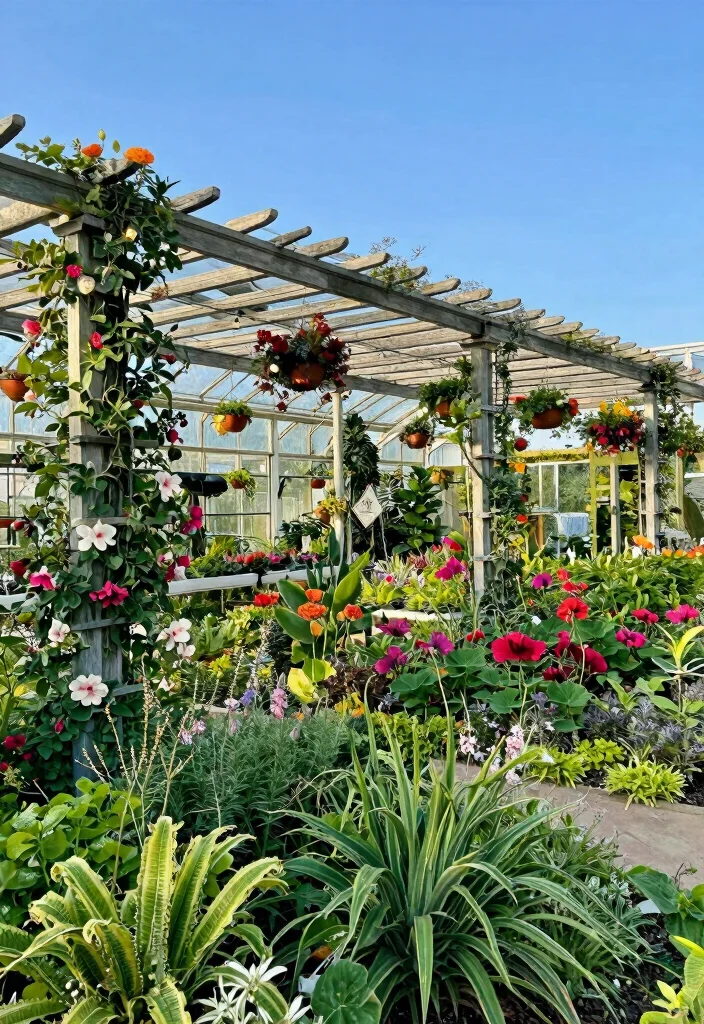
Are you looking to add functionality and charm to your garden? Incorporating structures like greenhouses, trellises, and pergolas can elevate your outdoor area significantly. These elements serve as focal points and can extend your gardening season, allowing you to enjoy plants year-round.
Consider adding seasonal decorations to enhance these structures’ aesthetics, like hanging plants in summer or twinkling lights in winter to create a magical atmosphere. These structures also provide essential shade and protection for your plants.
Insights for Garden Structures:
– Select materials that complement your garden’s style.
– Position your greenhouse for optimal sunlight exposure.
– Regular maintenance is key to keeping your structures functional and visually appealing.
This layout adds depth and character, creating visual interest while promoting sustainable gardening practices.
10. Creative Composting Zones
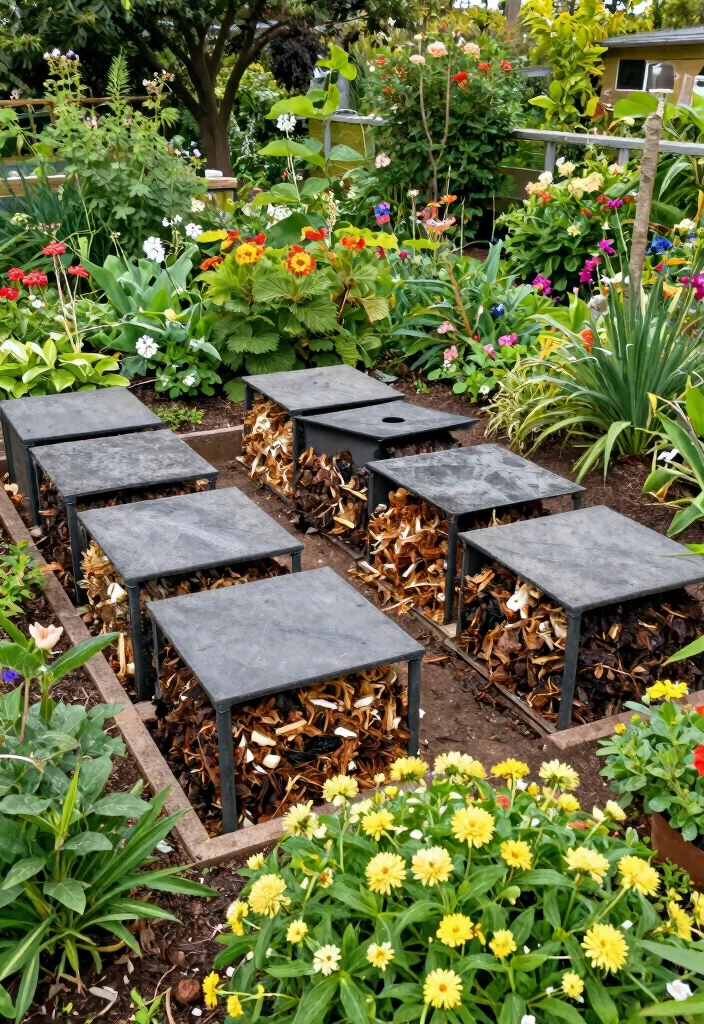
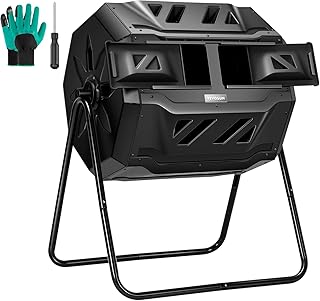
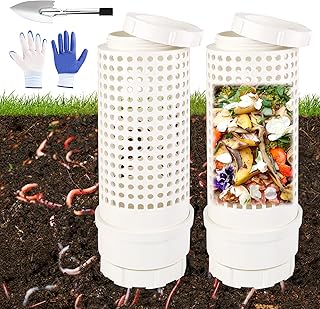
Are you interested in making your garden healthier and more sustainable? Adding a composting area is a great step that benefits both your plants and the environment. Designate a spot for compost bins or a worm farm, making it easy to integrate into your backyard layout while reducing waste.
Enhance the area’s aesthetics by surrounding it with flowering plants or a small hedge, keeping it discreet yet accessible. Choose a location that offers some shade to avoid odors and pests. Regularly turning your compost will speed up decomposition, turning kitchen scraps into nutrient-rich soil.
Composting Tips:
– Maintain a balanced mix of green and brown materials for best results.
– Use a specific bin for kitchen waste to minimize mess.
– Monitor moisture levels to ensure effective composting.
This layout supports a sustainable garden ethos, closing the nutrient loop and providing a rich foundation for your plants.
Creative Composting Zones
Editor’s Choice



Conclusion
Transforming a large backyard into a functional and beautiful space is an exciting journey. Each zone you create not only enhances the flow of the yard but also contributes to a sustainable lifestyle. Incorporate these innovative layout ideas to establish a backyard that serves as both a retreat and a source of delicious edibles.
Engaging with nature while fostering biodiversity brings joy and satisfaction. Explore your local resources, let your creativity flow, and watch your backyard blossom into a personal paradise.
Note: We aim to provide accurate product links, but some may occasionally expire or become unavailable. If this happens, please search directly on Amazon for the product or a suitable alternative.
This post contains Amazon affiliate links, meaning we may earn a small commission if you purchase through our links, at no extra cost to you.
Frequently Asked Questions
What practical steps help achieve a cohesive large backyard ideas layout with better flow and defined zones?
Start by mapping your space—note sun, shade, wind, and existing features.
Then define 3-4 zones: edible garden beds, an outdoor living area, a pollinator-friendly border, and a compost/storage corner.
Use garden zoning techniques to assign plants by sun and water needs, which helps flow in garden layouts. Create clear sightlines and connected paths—curved brick or stepping-stone routes work well without feeling rigid. Place large backyard ideas layout elements like kitchen-adjacent herbs near the house for convenience, and choose raised beds with smart irrigation to boost efficiency. Finish with durable materials for outdoor living spaces that invite year-round use. Finally, build a simple maintenance routine and rotate crops seasonally to keep the layout cohesive.
How can garden zoning techniques be applied in a large backyard for sustainable edible landscaping?
Apply garden zoning techniques in a large backyard to shape a sustainable edible landscape. Start with zones near the house for herbs and vegetables, a fruit and perennial bed zone, a pollinator strip, and a compost/soil-building corner. Use landscaping ideas that emphasize water-wise design—mulch, drip irrigation, and native plants. Group plants by sun and water needs to improve flow in garden layouts and reduce maintenance. Add accessible paths that connect zones without disturbing beds, and choose crops suited to your climate and space; raised beds, square-foot beds, and trellises make harvesting easy and outdoor living spaces feel inviting.
What backyard design tips help turn a large space into inviting outdoor living spaces without clutter?
Focus on a few well-placed outdoor living spaces—a few seating clusters, a dining area, and a sunny reading nook. Use backyard design tips like creating clear circulation with paths that maintain flow in garden layouts, choosing durable materials, and using built-in storage to cut clutter. Add planting pockets that blend aesthetics with function—aromatic herbs near seating, flowering natives for pollinators, and edible borders for easy harvests. Lighting and weather-resistant furniture complete the look and keep the space usable year-round.
Which landscaping ideas promote better flow in garden layouts while supporting sustainability in a large yard?
Start with circulation: a main path visually connects zones, plus secondary routes for accessibility. Use low-profile hedges or trellises to guide movement and create flow in garden layouts. Choose drought-tolerant natives and landscaping ideas that include edible borders for easy access. Add vertical space with trellises, living walls, or stacked beds to maximize outdoor living spaces without expanding the footprint. Incorporate rain gardens, rainwater harvesting, and smart irrigation to conserve water while keeping plants productive.
How can I balance ornamental features with edible crops in a large backyard layout to maximize yield and enjoyment?
Plan in layers: tall fruit trees or trellised vines, mid-height berry bushes, and low growing herbs and vegetables along borders. Mix landscaping ideas that attract pollinators between edibles to boost health and yield. Use compact composting or a discreet compost corner for soil health, and place seating nearby to enjoy harvests. Practice crop rotation and companion planting to keep soil fertile, collect rainwater for irrigation, and choose low-maintenance ornamentals so edible zones stay productive with less effort. This balanced approach keeps aesthetics and productivity in harmony and supports sustainable edible landscaping in a large backyard ideas layout.